

You've probably heard about the Deepwater Horizon disaster—the largest marine oil spill in history. But how much do you really know about what happened, and why? More than a decade has passed since then, yet the devastation and lessons it brought still linger. Here's what actually went down on the night of the explosion.
Strange Pressure Readings
On the night of April 20, 2010, as the crew aboard the Deepwater Horizon rig was getting everything ready for the transition to a different platform for the extraction of oil, something was already not quite right: the pressure readings were way off. This usually means that oil and gas have entered the well. Upon checking the pressure readings again, the same result occurred. However, these subsequent tests were then wrongly accepted by BP and Transocean when they shouldn't have been, possibly due to economic pressures, as Deepwater Horizon was already weeks behind schedule.
The Explosion
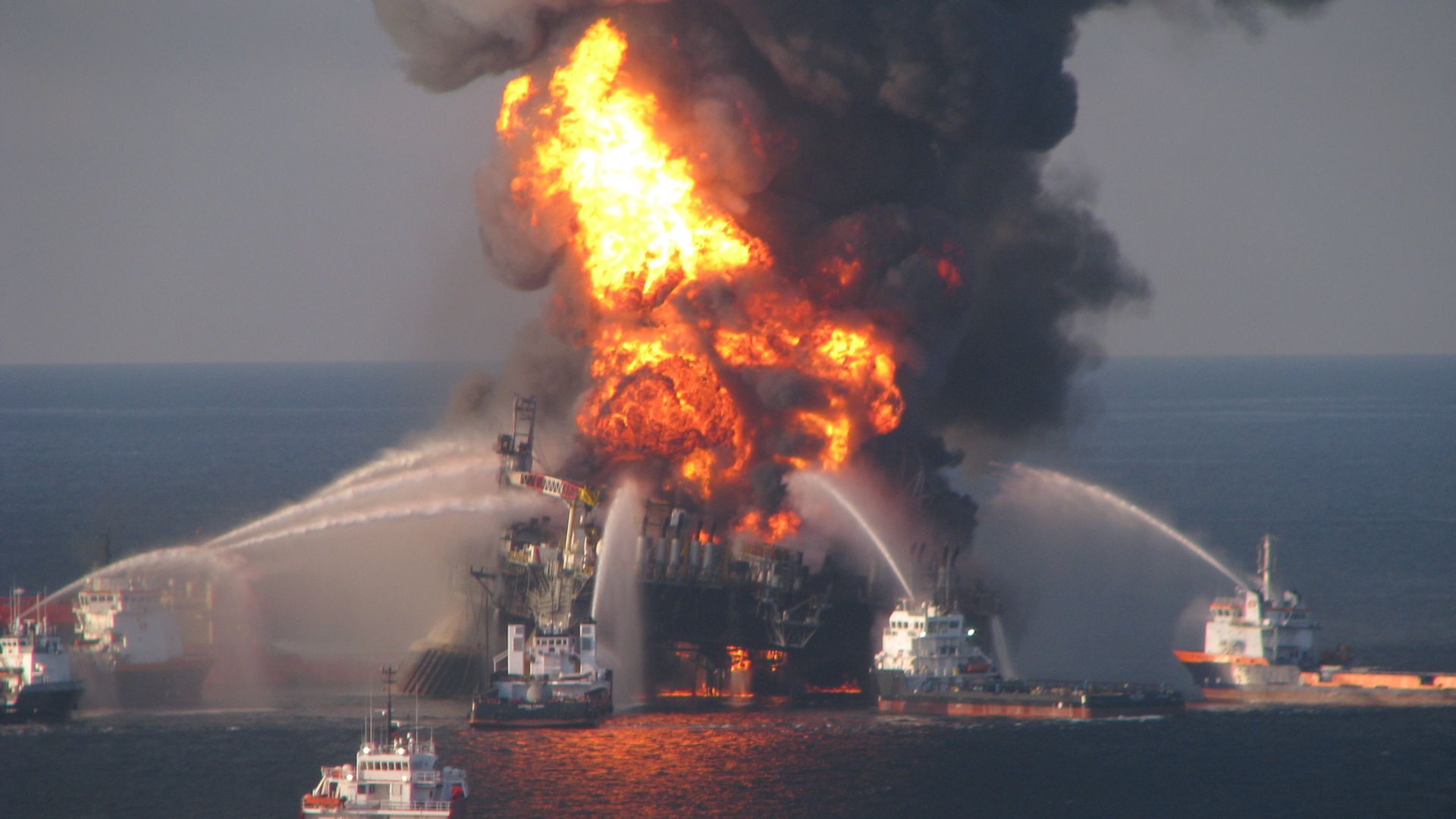
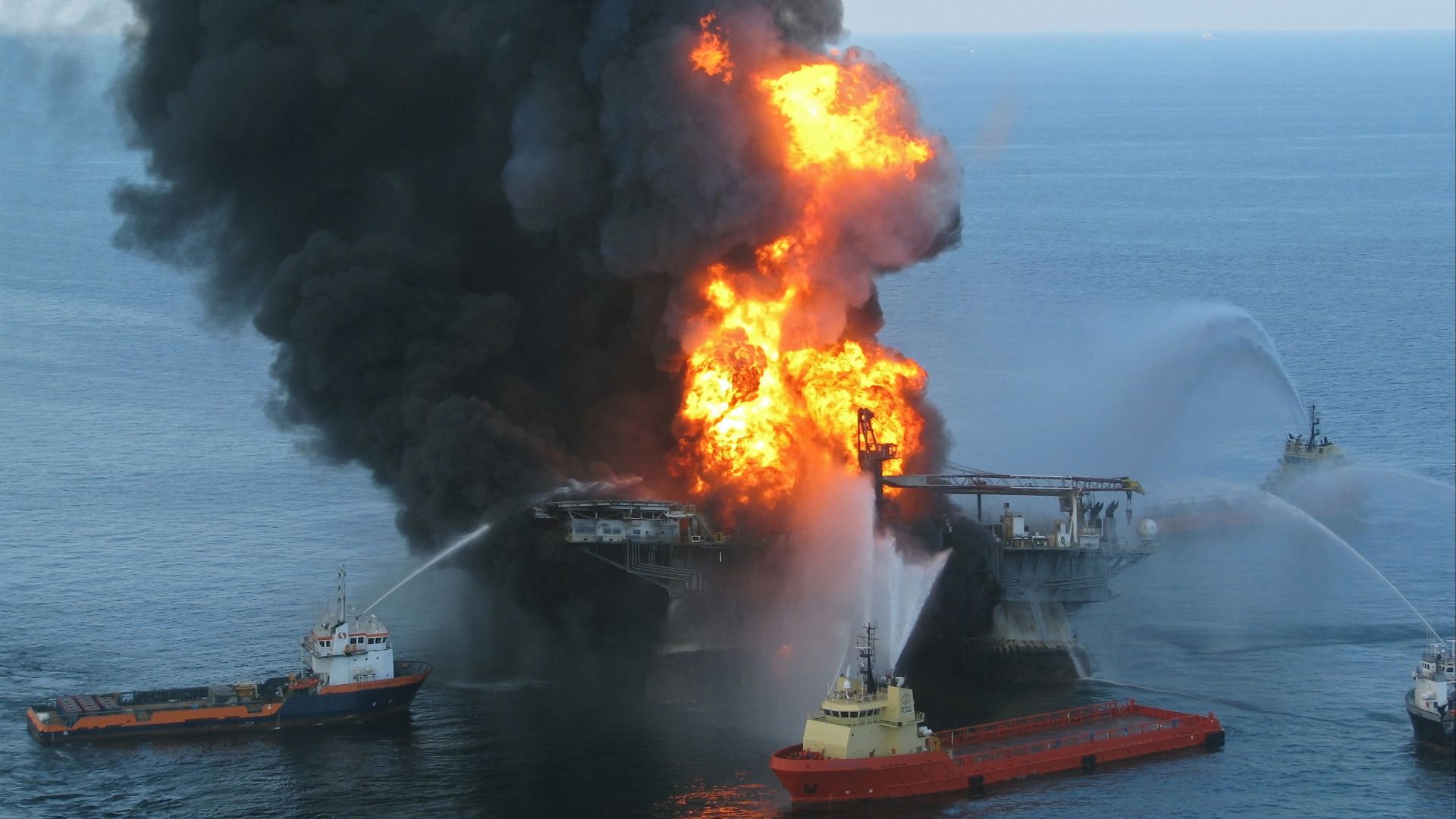
Shortly before 10PM on the same evening, things went from bad to worse when the rig unexpectedly exploded. The oil and gas that had been building rose up to the platform, leading to a massive fireball. The reason this occurred was due to a leak in the well—one that the alarming pressure readings were trying to signal—because the cement mixture that was used wasn't able to do what it was supposed to do: prevent gas and liquids from rushing up the riser. Among the 126 people who were on board, 11 went missing, while 115 were saved. Rescue workers tried to find the missing men but were unsuccessful, and they were presumed dead.
But how could this have happened? Accepting the wrong pressure readings was already something that should have never been allowed, but weren't there other things that could've prevented the situation from blowing up as it did? As it turned out, there were fail-safe mechanisms in place that should have stopped the explosion, but somehow, they didn't work as intended.
Fail-Safe Valves Not Working as Intended
The fail-safe valves did lock in place. However, they didn't work the way they were supposed—and expected—to. As a result, the mechanisms that were supposed to stop the flow of gas and liquids from going up the production casing did nothing to stop the leak. It didn't help, of course, that the unusual pressure readings were overlooked by the crew on board. A second fail-safe, the blowout preventer or the blind shear ram, also failed to work when it was engaged by the workers. All in all, everything seemed to spell out disaster.
The Largest Oil Spill in History
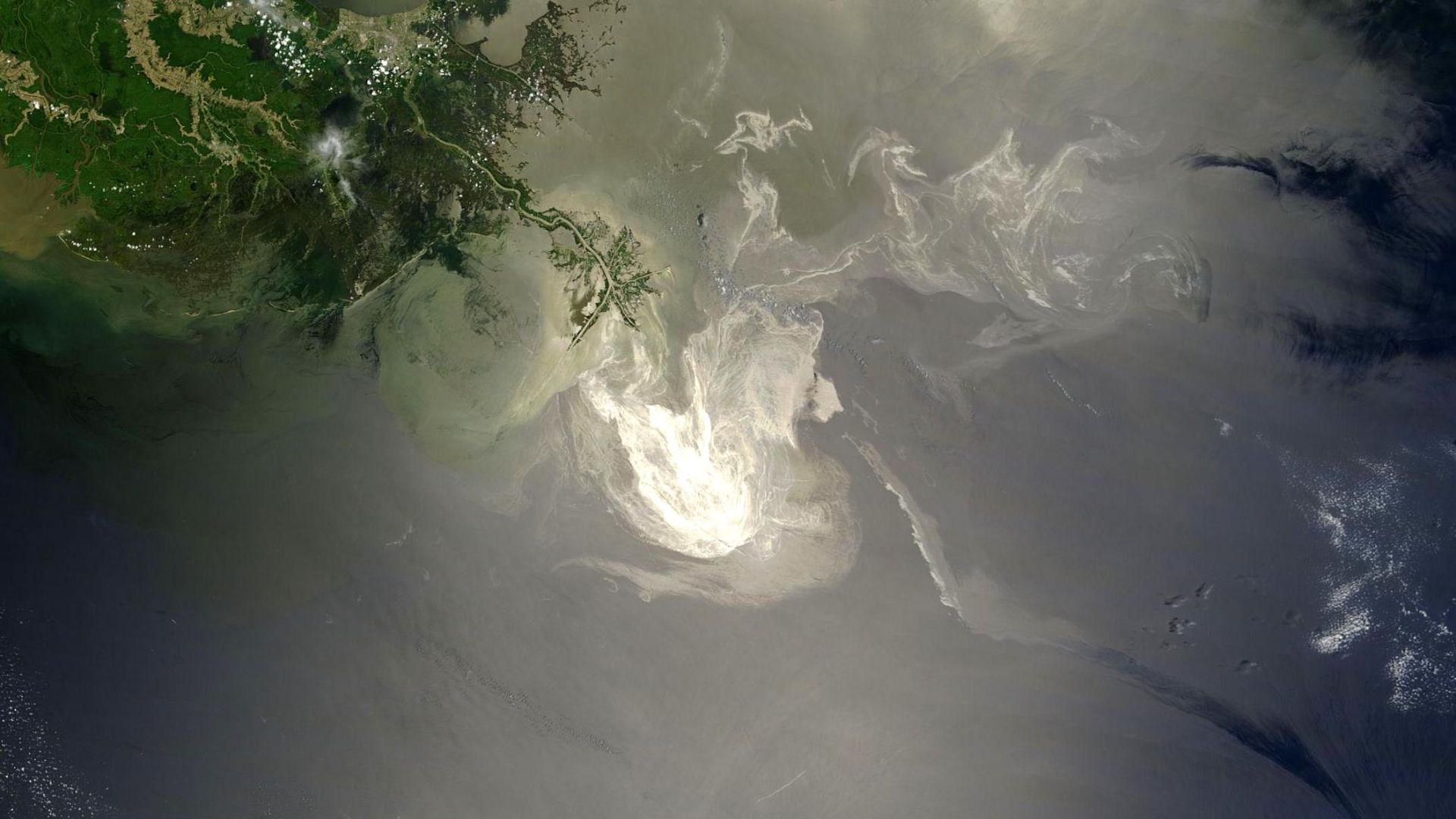 NASA/GSFC, MODIS Rapid Response on Wikimedia
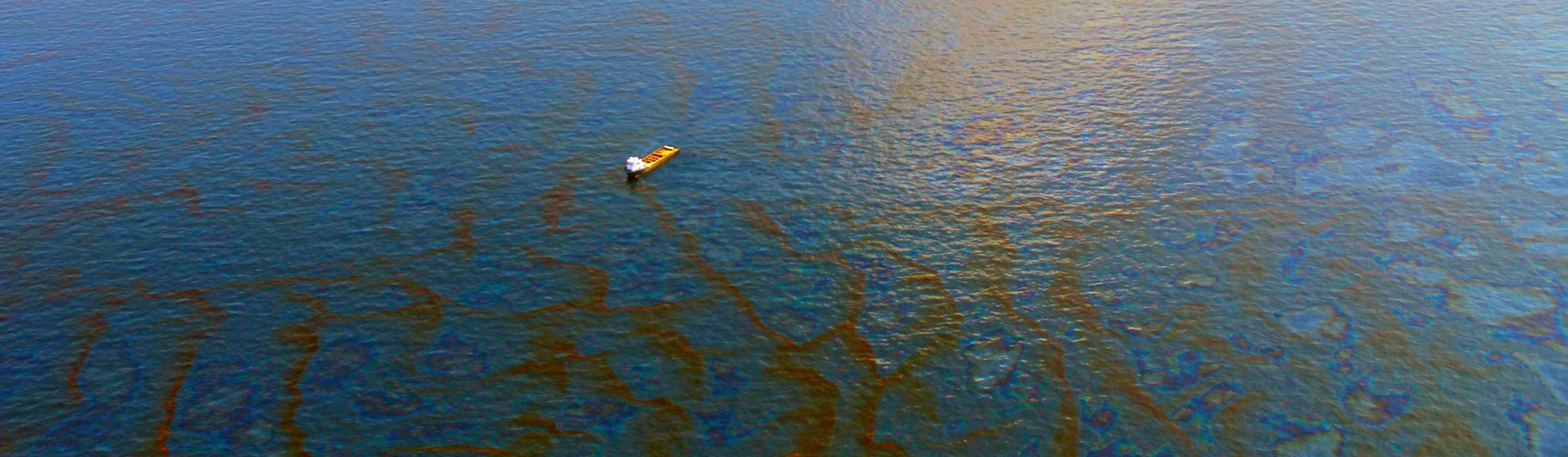
To date, the Deepwater Horizon disaster remains the largest marine oil spill in history. The well had been estimated by the US government to have been leaking more than 60,000 barrels of oil a day, and by the time it was capped, roughly 134 million gallons of oil had spilled into the Gulf of Mexico, which equates to about 3.19 million barrels in total.
In the report that BP had released after the disaster, they promised to step up, do better, and review their operations to make sure they're improved for safety. While other oil spills have occurred in the years since, none have matched the scale or devastation of Deepwater Horizon, and hopefully, nothing ever will.
KEEP ON READING

Was the Mad Gasser of Mattoon a Collective Hallucination?
Unknown author on WikimediaIn September of 1944, residents of the…
By Christy Chan Jun 30, 2026
The Missing Roman Legion: How 5,000 Elite Soldiers Vanished Without…
Maria Dolores Vazquez on UnsplashImagine commanding a battle-tested force of…
By Sara Springsteen Jun 30, 2026
The Tribe That Proved Humans Can Survive Almost Anything
Miscellaneous Items in High Demand, PPOC, Library of Congress on…
By Emilie Richardson-Dupuis Jun 30, 2026
The Woman Who Convinced Doctors She Gave Birth To Rabbits
Fæ on WikimediaSome stories sound made up the moment you…
By Cameron Dick Jun 30, 2026
20 Best Musical Eras In History
What Era Has The Best Music. Music has always been…
By Sara Springsteen Jun 30, 2026
The 20 Worst Mothers In History
Grim Maternal Infamy. History has plenty of powerful and complicated…
By Annie Byrd Jun 30, 2026