

A Brief History of Canada, America's Neighbor to the North
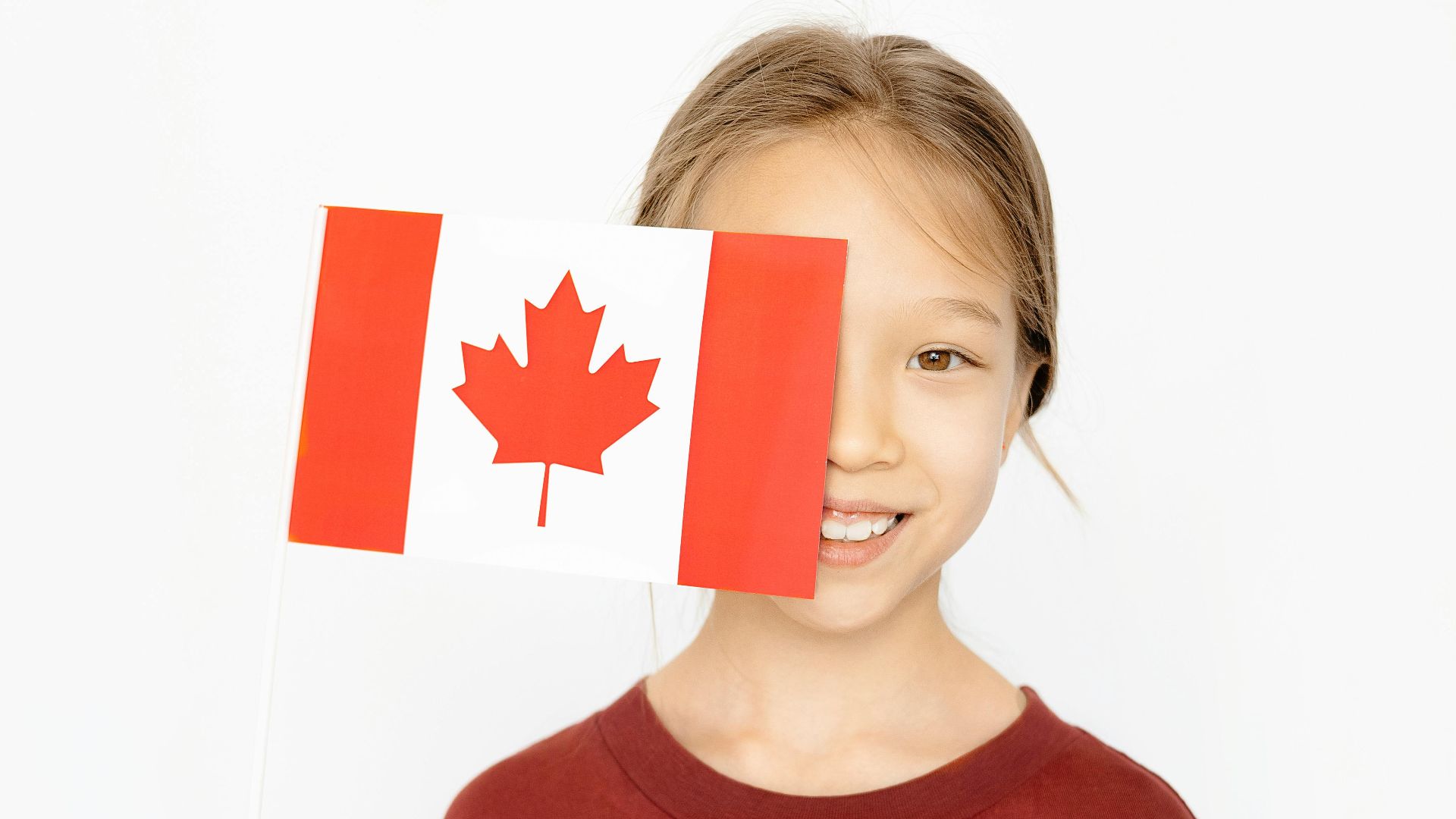
Canada is often described from an American point of view as the quieter neighbor above the border, but that nickname doesn’t do the country justice. Its history is full of Indigenous civilizations, European rivalries, fur traders, confederation debates, rebellions, railways, immigration, language politics, and long arguments over what kind of country it should be. It’s polite in reputation, sure, but its past is not exactly short on drama.
To understand Canada, you have to start long before it was called Canada. The land was home to diverse First Nations, Inuit, and Métis peoples with their own languages, governments, trade routes, spiritual traditions, and relationships to the environment. Later, French and British empires fought over the region, settlers reshaped the land, and a new country slowly formed. Canada’s history isn't simply the story of becoming different from the United States, but that comparison has definitely been part of the conversation.
Before Canada Was Canada
Long before Europeans arrived, Indigenous peoples lived across the lands now called Canada. Communities adapted to very different environments, from the Pacific Coast to the Arctic, the Prairies, the Great Lakes, and the Atlantic. Some built complex fishing economies, others followed buffalo herds, farmed crops, traded widely, or developed sophisticated political alliances.
European contact began in waves, with Norse visitors reaching the Canadian island of Newfoundland around the year 1000 and later explorers arriving from France, England, and other European powers. By the 1500s and 1600s, fishing, exploration, missionary work, and trade brought more Europeans into contact with Indigenous nations. These relationships were sometimes cooperative, sometimes violent, and often shaped by trade and disease. The fur trade especially became a major force, with beaver pelts turning into one of North America’s strangest economic obsessions.
As a nation rich in natural resources, Canada became the source of power struggles early on. France established New France, with settlements along the St. Lawrence River and strong ties to the fur trade. Cities like Quebec and Montreal became important colonial centers, while French influence spread through alliances, missions, and trading networks. Britain, meanwhile, built colonies along the Atlantic and competed fiercely with France for control.
From Empire to Confederation
The British gained control of New France after the Seven Years’ War, with the Treaty of Paris in 1763 confirming France’s loss of most of its North American empire. However, by that point, New France's population was French-speaking and Catholic, presenting Britain with the problem of how to govern. The Quebec Act of 1774 allowed French civil law and Catholic religious rights to continue, which helped shape Canada’s later identity as a place of uneasy compromise.
After the American Revolution, thousands of Loyalists who had supported Britain moved north. Their arrival strengthened English-speaking settlement in what would become Ontario, New Brunswick, and other regions. Over time, the colonies developed different political cultures, economies, and frustrations with colonial government. By the 1830s, rebellions in Upper and Lower Canada showed that many colonists wanted more responsible government and less distant imperial control.
Confederation arrived in 1867, when Ontario, Quebec, New Brunswick, and Nova Scotia joined to form the Dominion of Canada. The new country was still tied to Britain, but it gained more control over its own government. Leaders wanted economic stability, defense against possible American expansion, and a stronger union between the colonies. Canada didn’t become a country in one dramatic revolution; it negotiated itself into existence, which feels very on-brand.
Building a Country Across a Huge Landscape
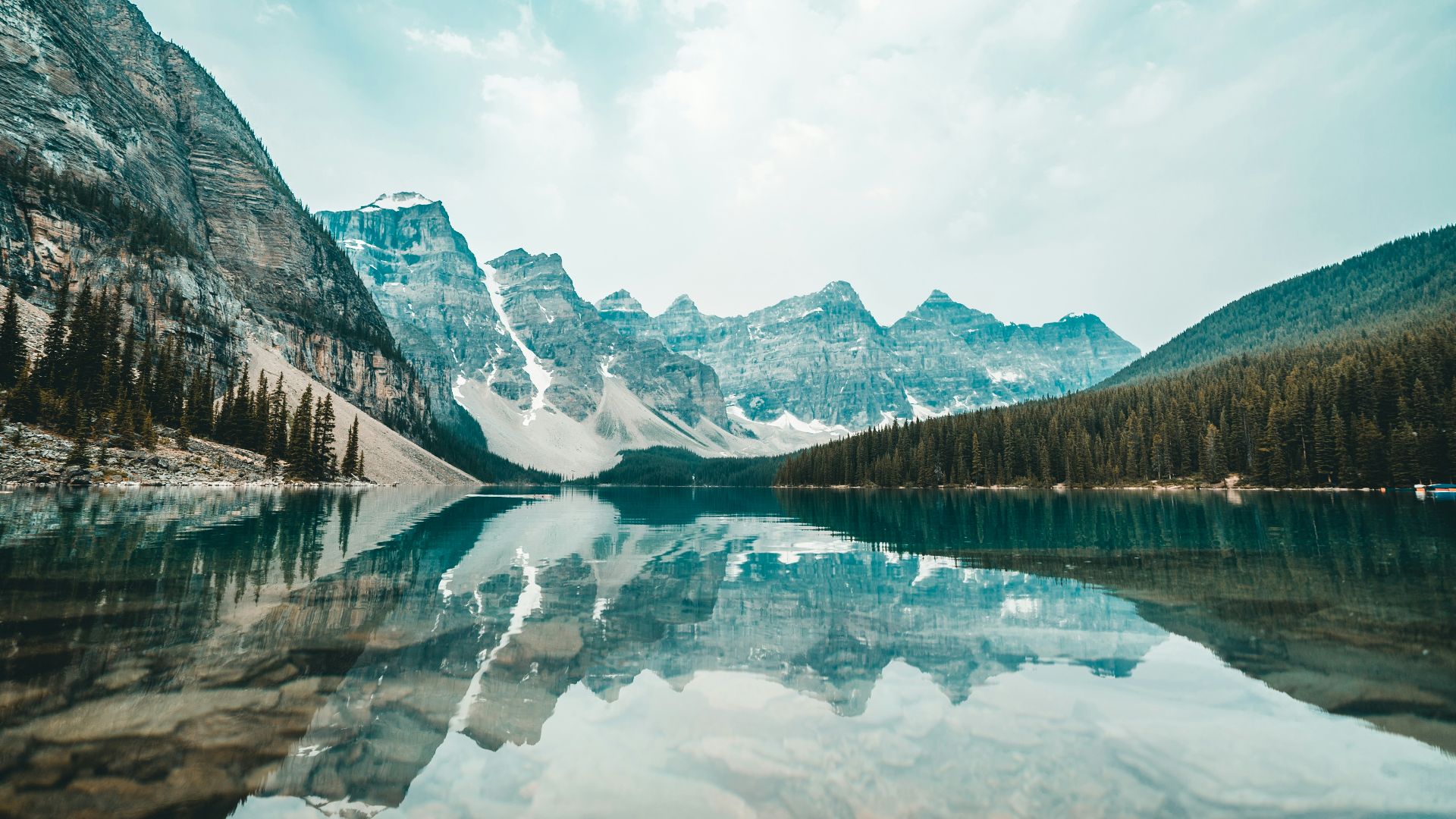
After Confederation, Canada expanded westward, bringing in Manitoba, British Columbia, Prince Edward Island, and eventually Alberta and Saskatchewan. This expansion depended heavily on treaties, settlement policies, and the displacement of Indigenous peoples from their lands. The government promoted immigration and farming, while also using policies that harmed Indigenous communities, including the reserve system and residential schools. The building of Canada came with ambition, but also with deep injustice that still shapes the country today.
The Canadian Pacific Railway was central to holding the young country together. It connected eastern Canada to the Pacific, encouraged settlement, and helped fulfill promises made to British Columbia when it joined Confederation. Railways made Canada feel more physically connected, even if the distances remained enormous. They also made it easier for the state and settlers to move west, which had serious consequences for Indigenous nations and Métis communities.
The Métis, led by Louis Riel, resisted the loss of land and political rights in the Red River Resistance and later the North-West Resistance. Riel remains one of the most debated figures in Canadian history, seen by some as a rebel and by others as a founder and defender of Métis rights. His execution in 1885 further intensified divisions between French and English Canada.
Modern Canada Takes Shape
Canada’s role in the world changed dramatically in the 20th century. The country fought in both World Wars, and those conflicts helped strengthen its sense of national identity. The Battle of Vimy Ridge in 1917 became a powerful national symbol, while World War II pushed Canada further into global politics and industrial growth. By mid-century, Canada was no longer simply a British colony with a maple-flavored side profile.
The country became more independent through legal and political milestones. The Statute of Westminster in 1931 gave Canada greater legislative independence from Britain, and the Constitution was patriated in 1982 with the addition of the Charter of Rights and Freedoms. That Charter became a major part of modern Canadian identity, shaping debates over rights, equality, language, and government power. Canada’s path to independence was gradual, bureaucratic, and not especially cinematic, but it mattered.
Immigration also transformed Canada. After earlier policies favored European settlers and excluded many others, reforms in the 1960s helped create a more diverse immigration system. Cities like Toronto, Vancouver, Montreal, Calgary, and Ottawa have been shaped by communities from around the world, and are now some of the most multicultural and tolerant cities in the world.
Quebec has remained central to Canada’s political story. The Quiet Revolution of the 1960s transformed Quebec society, strengthening secularism, French-language rights, and Quebec nationalism. Separatist movements led to major referendums in 1980 and 1995, with Quebec ultimately remaining in Canada both times. The country survived, but not without realizing that national unity can be a very high-maintenance relationship.
Today, Canada is a wealthy, democratic, bilingual, multicultural country with a complicated past and plenty of current challenges. It's known for universal health care, peacekeeping mythology, hockey, natural resources, immigration, and a habit of comparing itself to the U.S., whether it admits it or not. However, Canada is also still grappling with reconciliation with Indigenous peoples, regional inequality, climate change, housing costs, and questions about identity. America’s neighbor to the north may seem familiar from a distance, but its history is its own story, full of conflict, compromise, and resilience.
KEEP ON READING

20 Things That Used To Mean You Were Rich But…
Luxury Used To Be Practical. A lot of old status…
By Cameron Dick May 29, 2026
Terror In The West: The 20 Scariest Outlaws History Never…
The Frontier Got Too Comfortable With Bad Men. The Old…
By Annie Byrd May 29, 2026
10 Great Historians Who Got It Right & 10 Who…
Some Historians Stand the Test of Time. History is constantly…
By Rob Shapiro May 29, 2026
A Brief History of Canada, America's Neighbor to the North
Hanna Pad on PexelsCanada is often described from an American…
By Emilie Richardson-Dupuis May 28, 2026
When Will The Next ‘Pangea’ Happen?
Vannessalai on WikimediaAmongst the earliest of reptiles, dinosaurs, and large,…
By Elizabeth Graham May 28, 2026
Ulysses S. Grant, The General Who Would Have Rather Been…
Brady-Handy Photograph Collection, Library of Congress on WikimediaWe often picture…
By Sara Springsteen May 28, 2026