

 Snyder, Frank R. Flickr: Miami U. Libraries - Digital Collections on Wikimedia
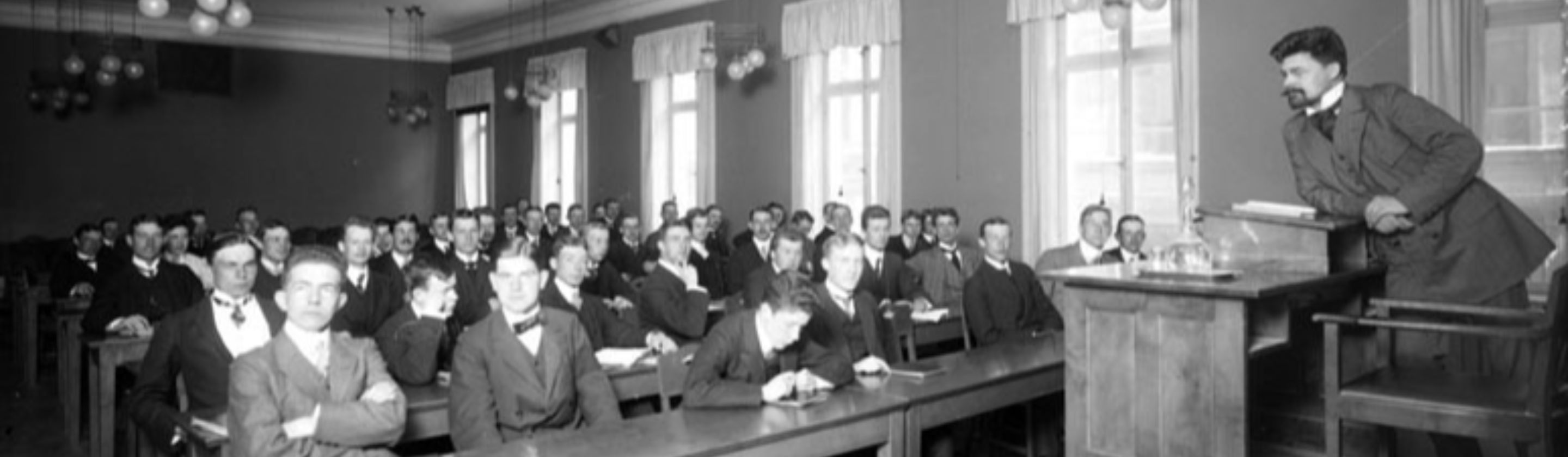
Modern classrooms may still have homework, strict schedules, and difficult exams, but schools from centuries ago often looked completely different from what students experience today. Education varied widely depending on social class, religion, gender, and location, and many children never attended school at all. Lessons were usually stricter, discipline was harsher, and learning materials were limited because books were expensive and difficult to reproduce before modern printing methods became widespread. Despite those differences, many early schools laid the foundation for subjects and teaching methods still used today.
For much of history, formal education was available mainly to wealthy families, religious institutions, or future government officials. In medieval Europe, for example, monasteries and churches played a major role in preserving literacy and teaching subjects like Latin, theology, and mathematics. In other parts of the world, including China and the Islamic world, advanced educational systems also developed centuries ago with strong traditions in literature, philosophy, and science.
Lessons Focused Heavily On Memorization
Hundreds of years ago, many schools relied heavily on memorization rather than discussion-based learning. Students were expected to repeat information aloud until they could recite passages perfectly from memory. In medieval European schools, Latin grammar and religious texts formed a major part of the curriculum because Latin was widely used in education, law, and the church.
Books were scarce and expensive before the printing press became common in Europe during the 15th century. In many classrooms, students shared handwritten materials or copied lessons directly from a teacher’s instructions onto wax tablets, parchment, or paper. Because printed textbooks were limited, listening carefully and remembering information accurately mattered far more than it does in most classrooms today.
Education systems in other regions also emphasized memorization, although the subjects sometimes differed. In imperial China, students preparing for civil service examinations spent years studying Confucian texts and practicing detailed written responses. Success on these exams could lead to important government positions, which made academic achievement socially valuable for some families. The process was extremely competitive and required long periods of disciplined study.
Discipline Was Often Extremely Strict
School discipline hundreds of years ago was far harsher than what most students experience today. Physical punishment was widely accepted in Europe, Asia, and many other regions as a normal part of education. Teachers frequently used canes, rods, or other punishments to correct behavior, encourage obedience, or enforce academic performance.
Classrooms were also highly formal environments with clear social hierarchies between teachers and students. Children were generally expected to remain quiet, follow instructions immediately, and show visible respect toward authority figures at all times. Questioning teachers openly was often discouraged because obedience was considered an important part of proper education.
The school day itself could also feel physically uncomfortable by modern standards. Many classrooms were cold during winter, poorly lit, overcrowded, and lacking modern sanitation. Students often sat on hard wooden benches for long hours while repeating lessons aloud together. Despite these conditions, education was still viewed by many families as an important path toward social advancement or religious responsibility.
Education Was Very Different For Boys And Girls
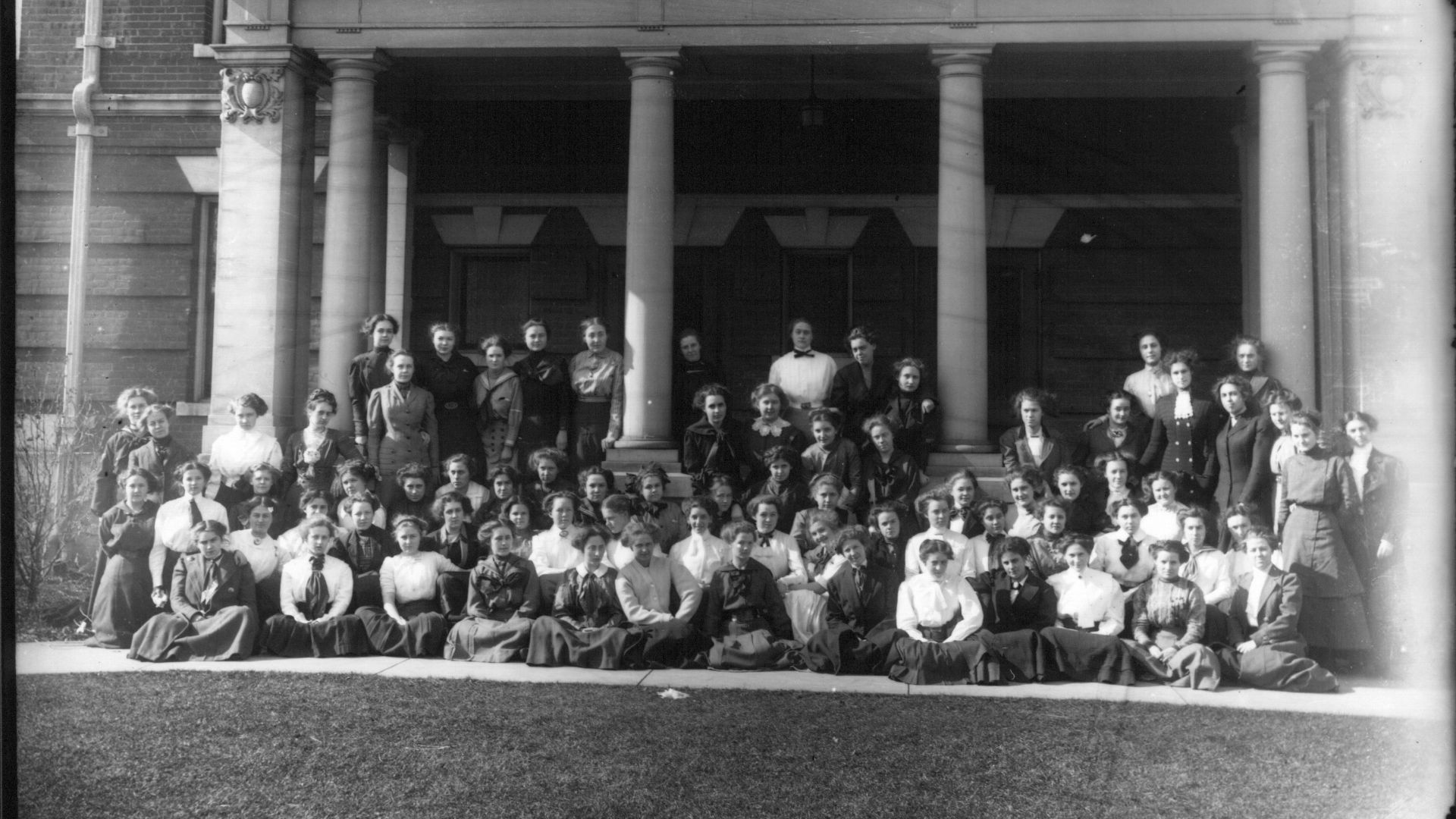
For much of history, boys and girls often received very different types of education. Wealthier boys in Europe might study mathematics, rhetoric, philosophy, history, and classical languages to prepare for leadership roles in government, business, or the church. Girls, when educated formally at all, were more commonly taught reading, religion, sewing, music, or household management skills. Opportunities depended heavily on region, family wealth, and cultural expectations.
There were important exceptions, however, and some societies provided advanced education to women under certain circumstances. In parts of the Islamic world during the medieval period, some women became respected scholars, poets, and teachers. Wealthy families in Renaissance Europe occasionally hired tutors for daughters, especially in artistic or literary subjects. Still, widespread educational access for girls developed much later in many countries.
Access to education was also strongly connected to social class. Children from farming or laboring families often spent most of their time working rather than attending school consistently. Apprenticeships were common for boys entering trades, while many girls learned domestic responsibilities within the household. Universal public education systems only became more widespread during the 18th and 19th centuries as governments increasingly viewed literacy and schooling as important for society overall.
Although schools hundreds of years ago were often strict, unequal, and limited in resources, they played a major role in preserving knowledge and shaping intellectual traditions across civilizations. Many educational systems slowly evolved as printing technology expanded access to books and governments invested more heavily in public instruction. Over time, ideas about discipline, childhood, and equal opportunity also began to change significantly. Looking back at these early classrooms helps show how dramatically education has transformed while still keeping some familiar goals, including literacy, learning, and preparation for adult life.
KEEP ON READING

The Origins Of 3 Common Sayings You Still Use Today
Etienne Boulanger on UnsplashMany of the phrases you use every…
By Rob Shapiro Apr 28, 2026
Was Caligula The Most Ruthless Roman Emperor?
Artur Matosyan on UnsplashRoman Emperor Caligula is one of ancient…
By Rob Shapiro Dec 18, 2025
1 Weird Fact About Every President
Washington, Lincoln, FDR. Most people know something about the lives…
By Robbie Woods Dec 3, 2024
10 Accidental Discoveries That Changed Maps & 10 That Changed…
Mistakes That Mattered. A lot of major discoveries did not…
By Cameron Dick Apr 15, 2026
10 Actors Who Perfectly Played a Historical Figure & 10…
Which Performance is Your Favorite?. Playing the role of a…
By Rob Shapiro Sep 15, 2025
10 Actors Who Perfectly Played a Historical Figure & 10…
Portraying a real person from history is one of the…
By Noone Dec 17, 2025