

Luxury Used To Be Practical
A lot of old status symbols were not really about taste. They were about access to things that made life easier: light after sunset, clean clothes without a full day of labor, fresh food that lasted, a warm house in winter. For most of history, ordinary life demanded a level of physical work we barely think about now. Wealth meant getting access to convenience before everyone else did. Here’s 20 things that used to mean you were rich but now mean nothing.
 Miscellaneous Items in High Demand, PPOC, Library of Congress on Wikimedia
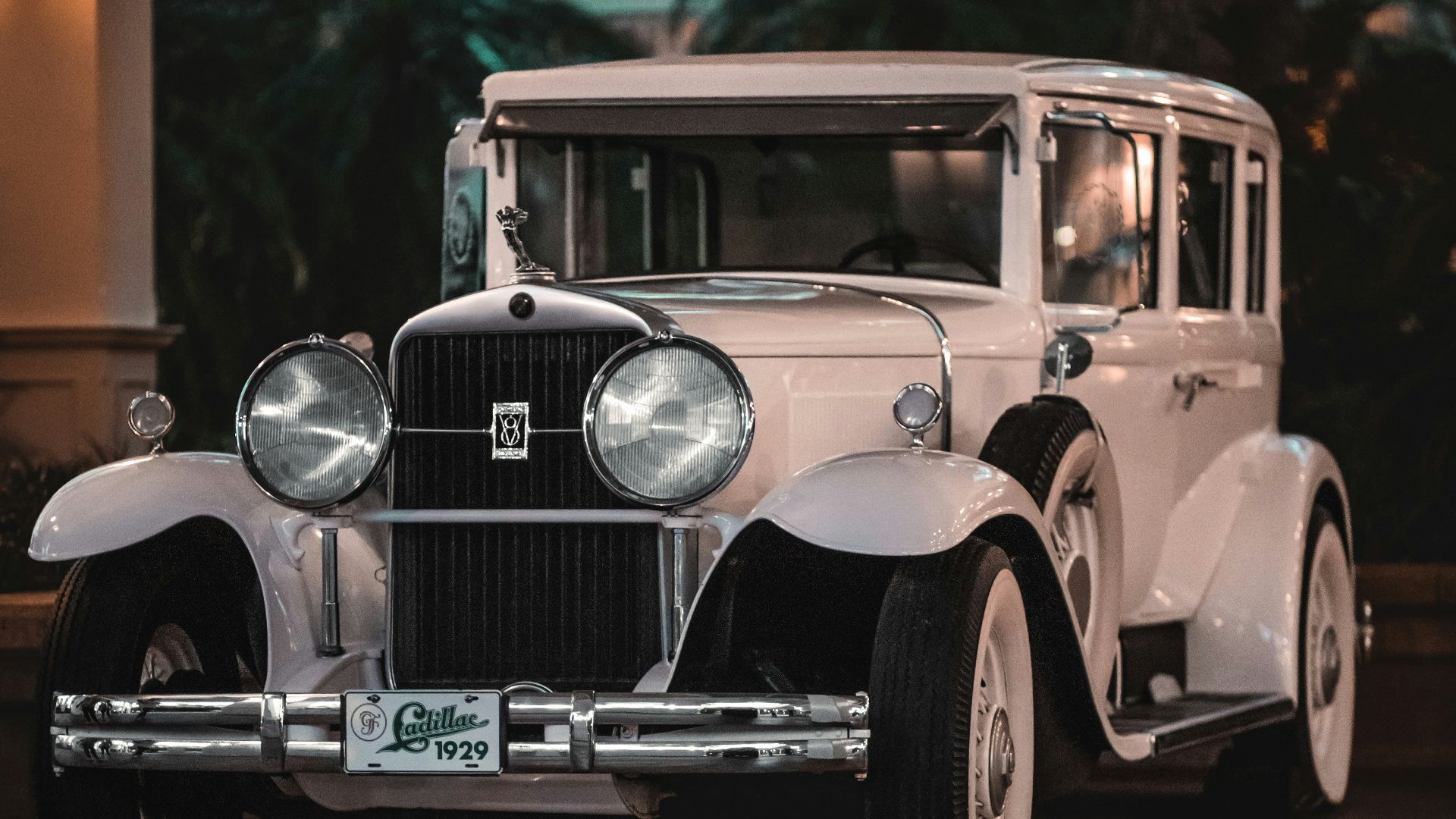
1. Owning A Car
In the early years of the automobile, owning a car meant serious money. Roads were rough, repairs were specialized, and the machines themselves were closer to toys for the wealthy than basic transportation. Now a car can still be expensive, but in many places it mostly means you live somewhere that makes driving unavoidable.
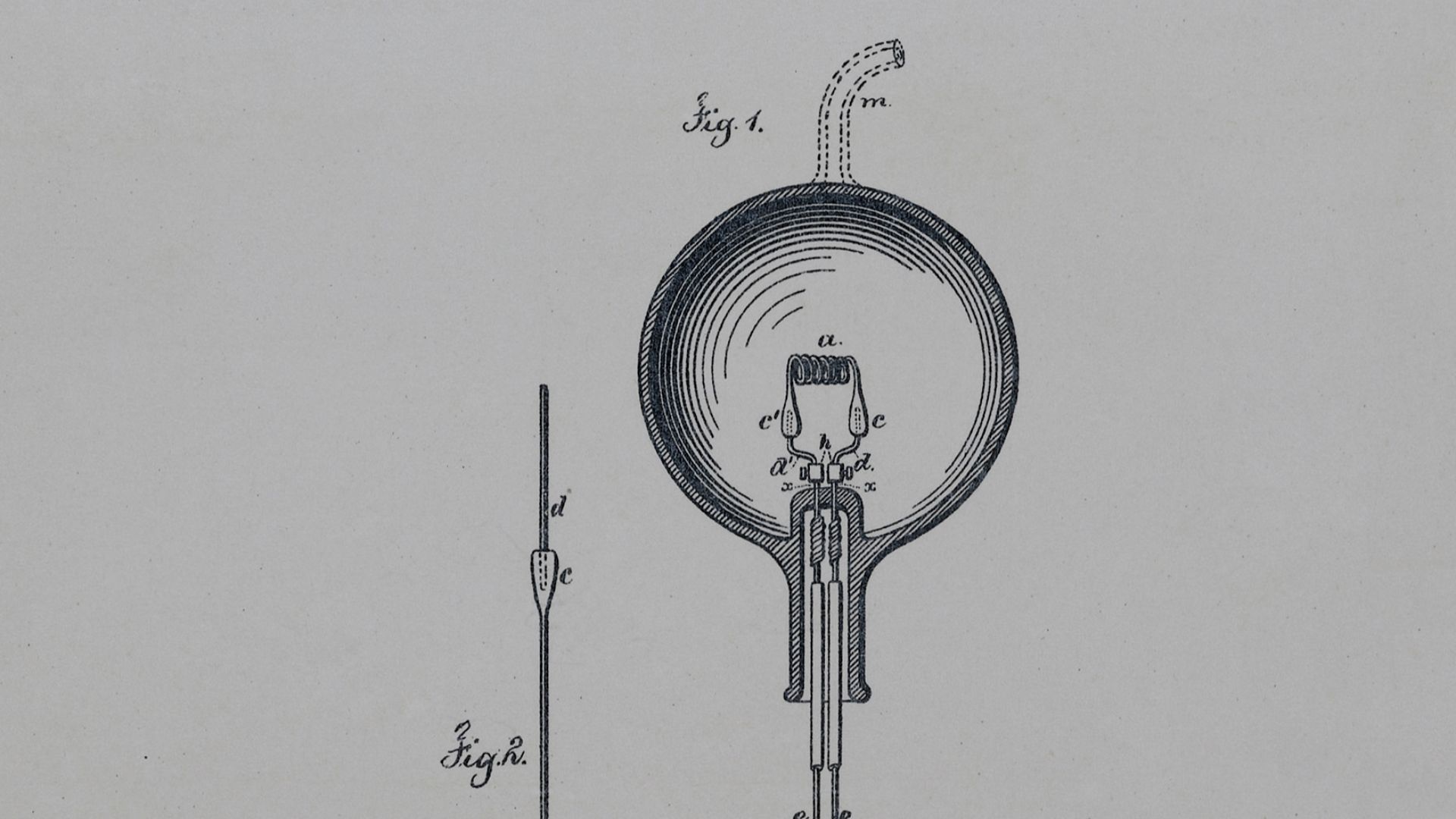
2. Electric Lights At Home
When electricity first moved into private homes, it was not just convenient; it was impressive. A house with electric lights stood apart from homes still using candles, oil lamps, or gaslight. Today, flipping a switch is so ordinary that people only think about electricity when the power goes out.
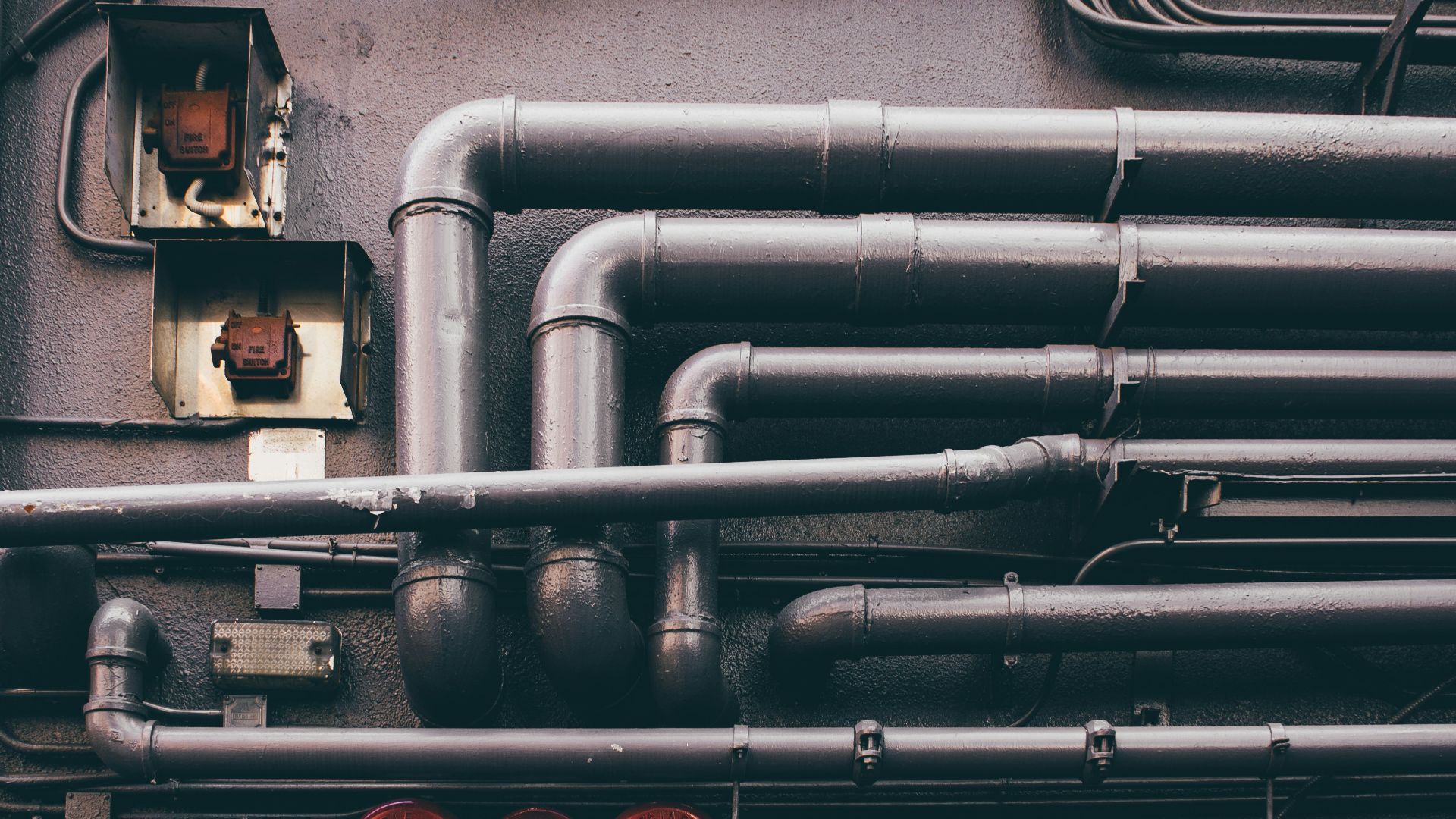
3. Indoor Plumbing
Indoor plumbing was once a major sign that a household had crossed into comfort most people did not have. Running water, a private bathroom, and a toilet inside the house changed daily life in ways that are hard to overstate. Now it is considered basic, and rightly so, but it used to be a real marker of class.
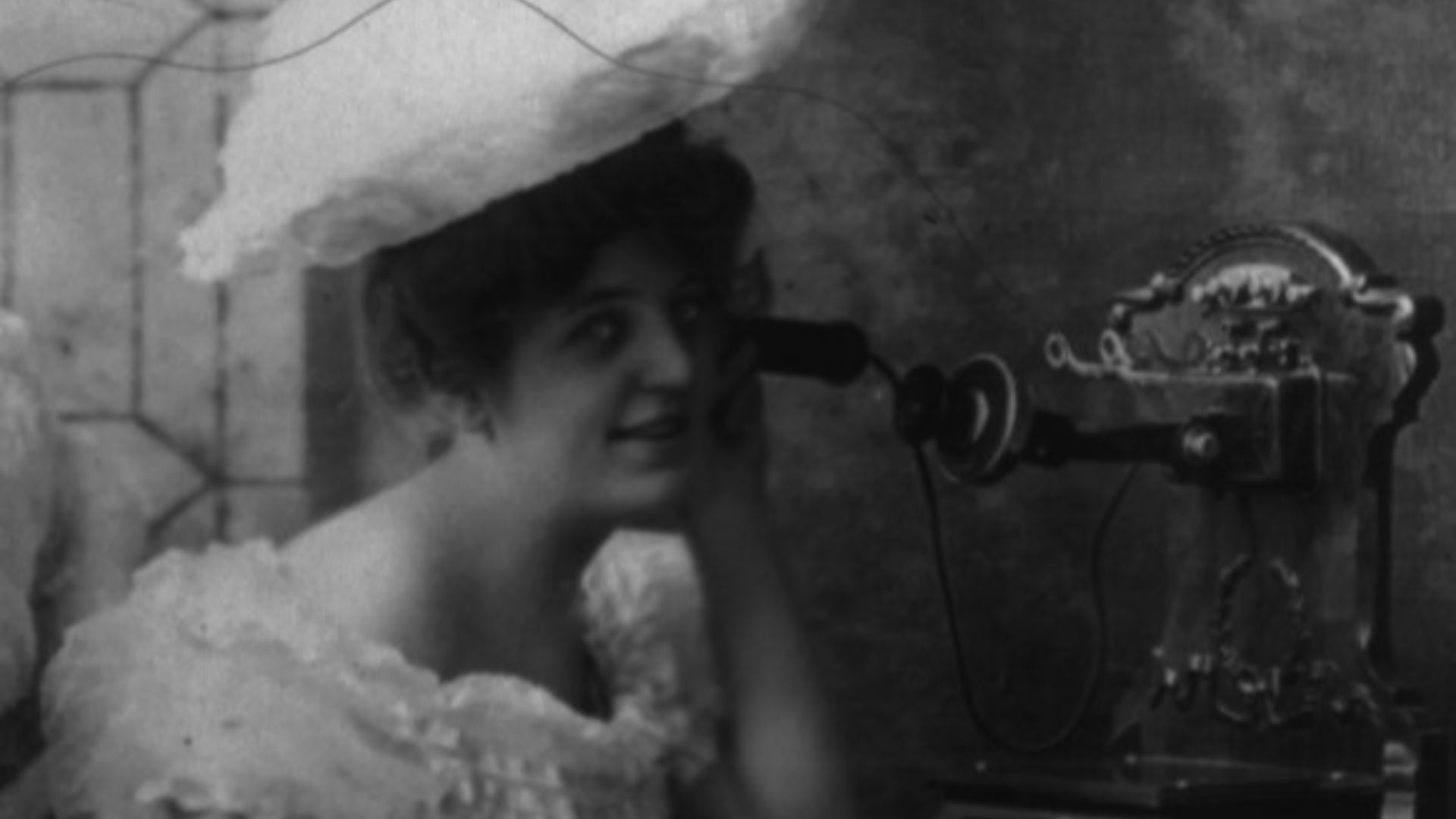
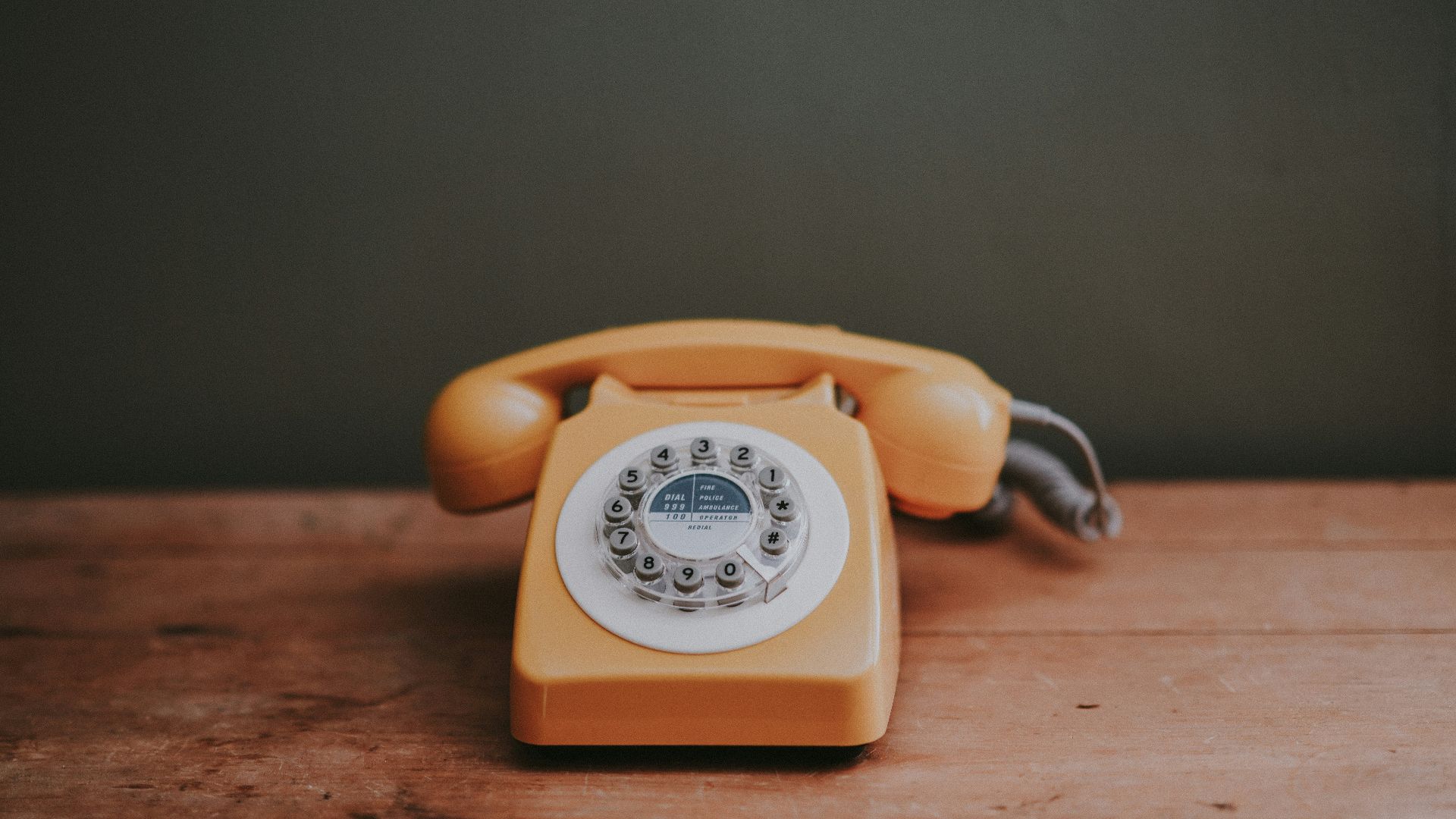
4. A Telephone
A home telephone once meant you were connected to the outside world in a way many people were not. Early phones were expensive, limited by infrastructure, and often treated as a sign of business, importance, or social reach. Now a ringing phone mostly makes people suspicious.
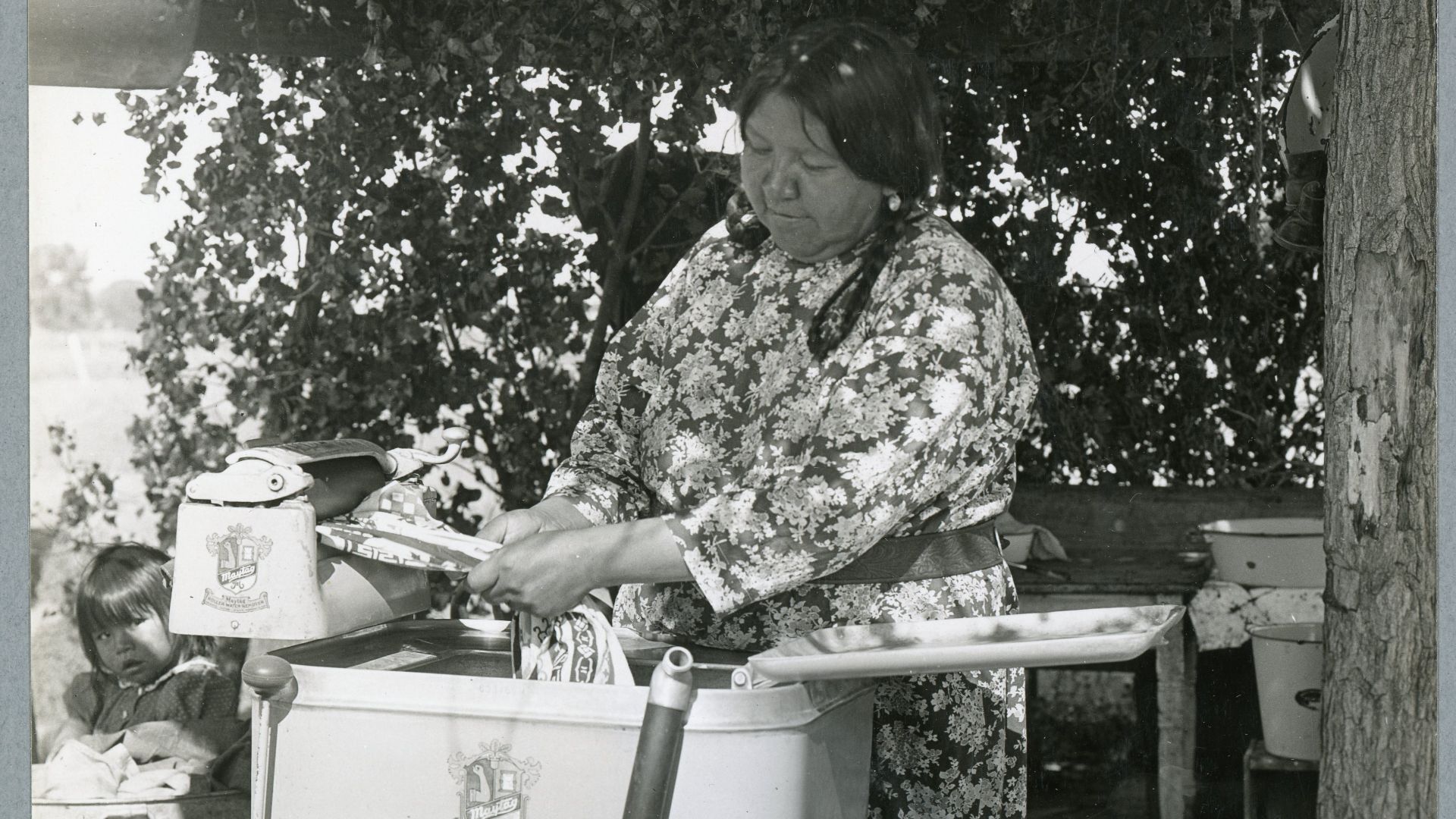
5. A Washing Machine
Laundry used to be brutal work. Before electric washers became common, washing clothes meant hauling water, scrubbing fabric by hand, wringing it out, and losing most of a day to the job. A washing machine once meant a household could afford to reduce one of domestic life’s hardest chores; now it is just the machine everyone forgets to empty.
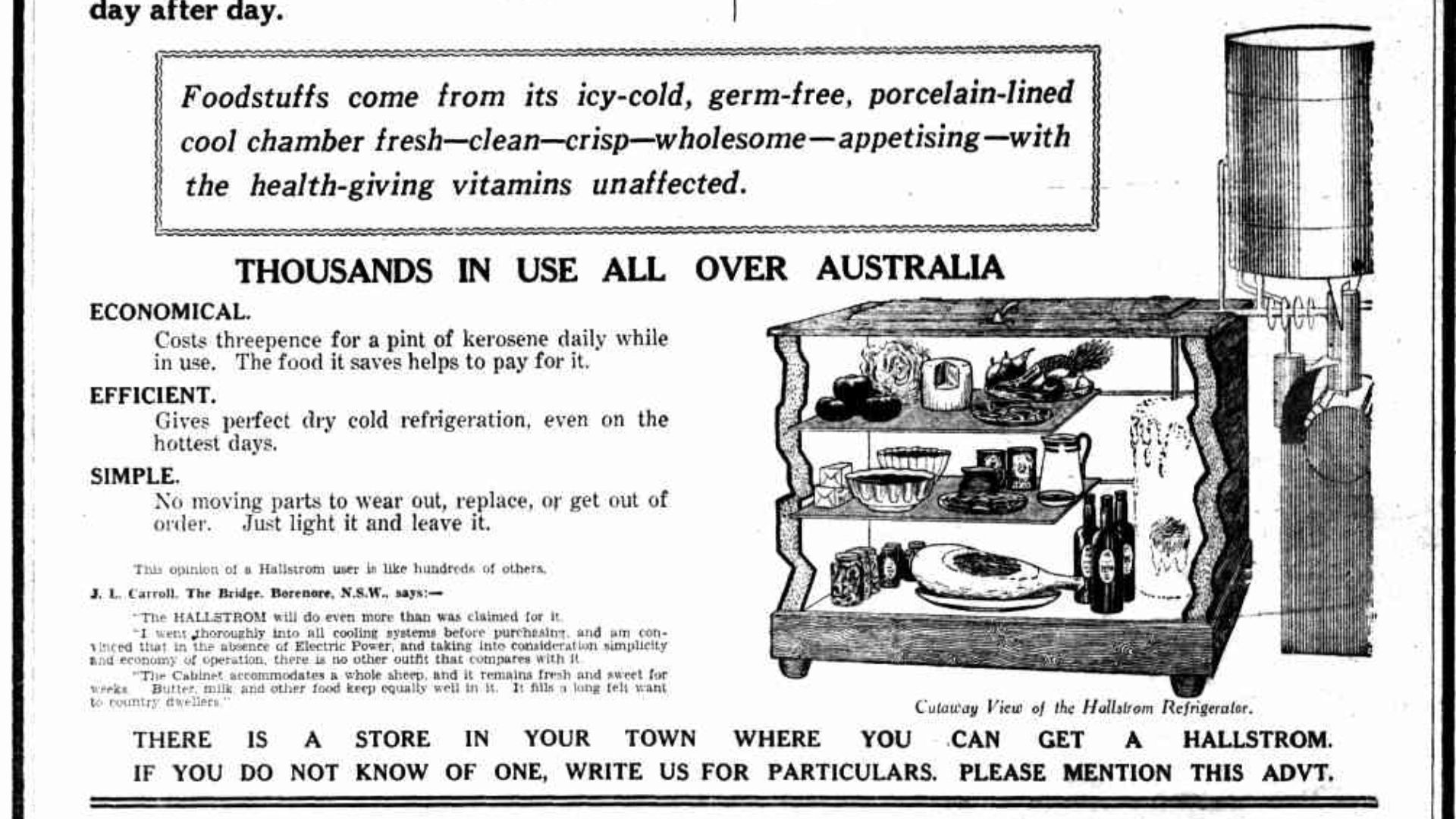
6. A Refrigerator
Before household refrigeration, keeping food cold depended on ice delivery, cellars, or buying fresh more often. A refrigerator meant more control over food, less waste, and a kitchen that felt modern. Now it is so ordinary that the real household drama is discovering something expired in the back.
7. A Vacuum Cleaner
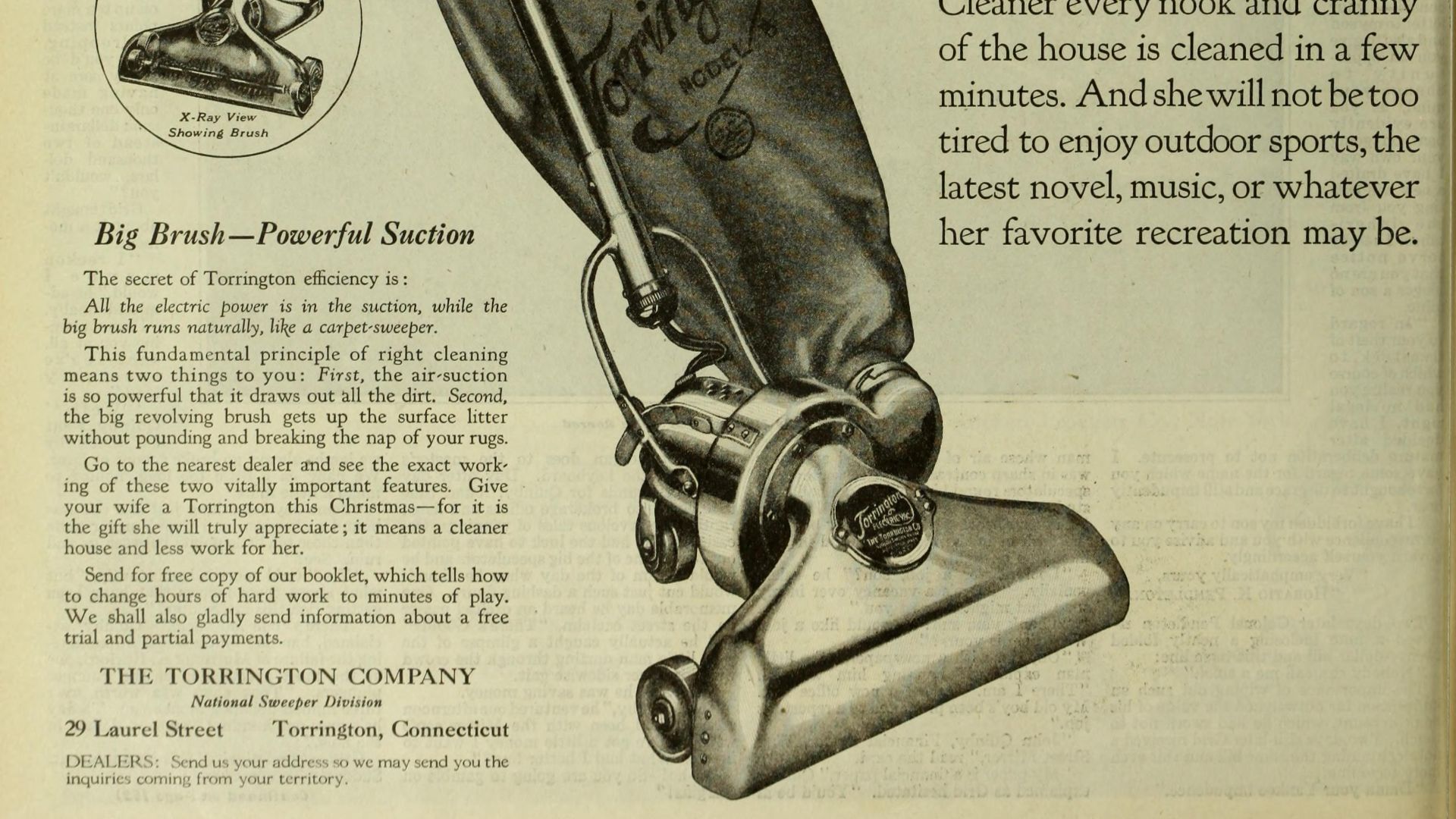
Early vacuum cleaners were expensive, heavy, and sometimes marketed directly to households with money and carpets worth protecting. Before that, cleaning floors meant sweeping, beating rugs, and sending dust everywhere. Today, a vacuum does not signal wealth; it signals crumbs, pet hair, and the fact that someone probably should have done it yesterday.
 Internet Archive Book Images on Wikimedia
8. A Radio
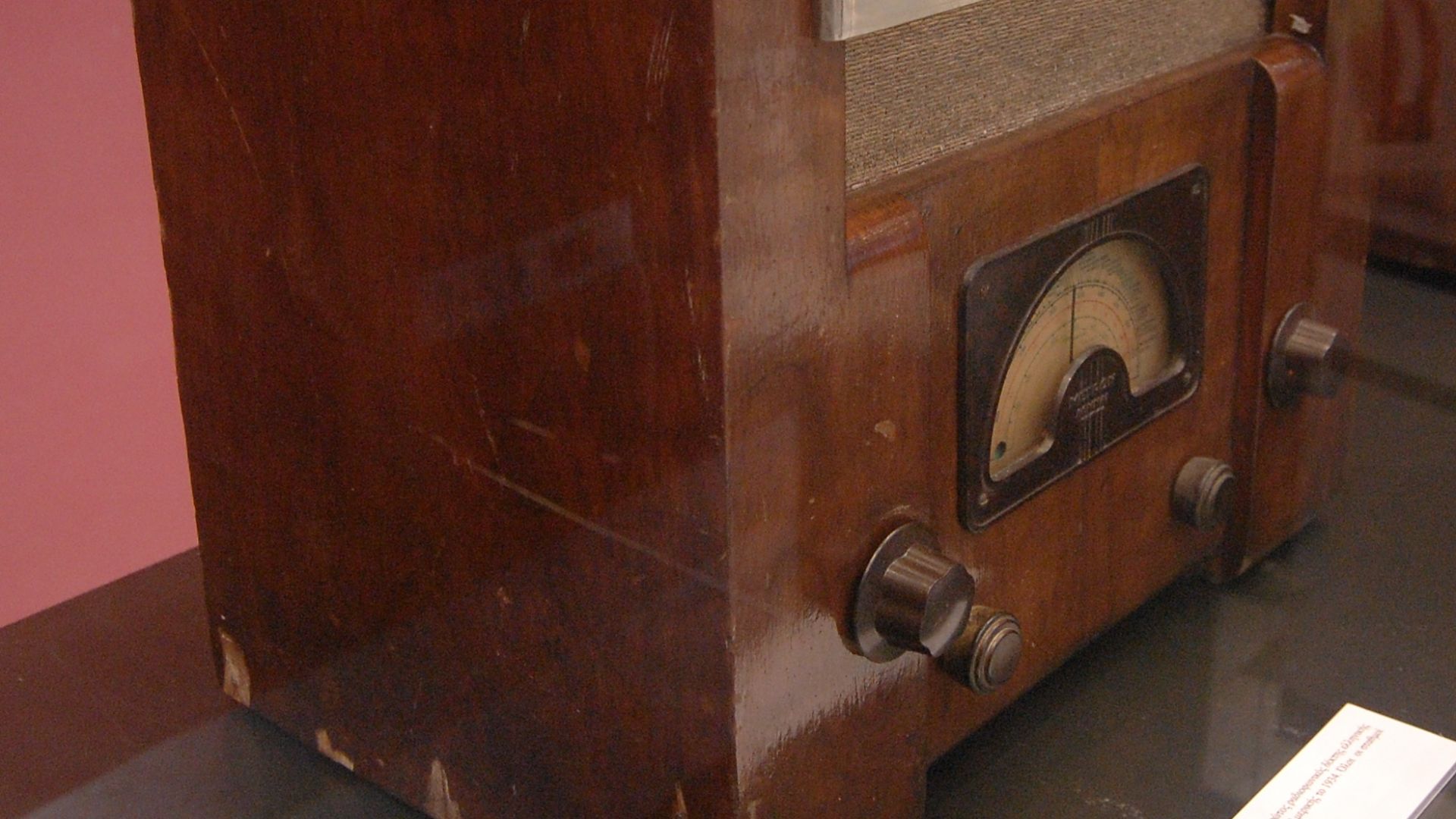
In the 1920s, a radio could make a living room feel connected to the whole country. News, music, sports, and speeches came into the home without anyone leaving the chair. Now audio is everywhere, and a radio is more likely to sit in a car than announce anything about class.
9. A Home Computer
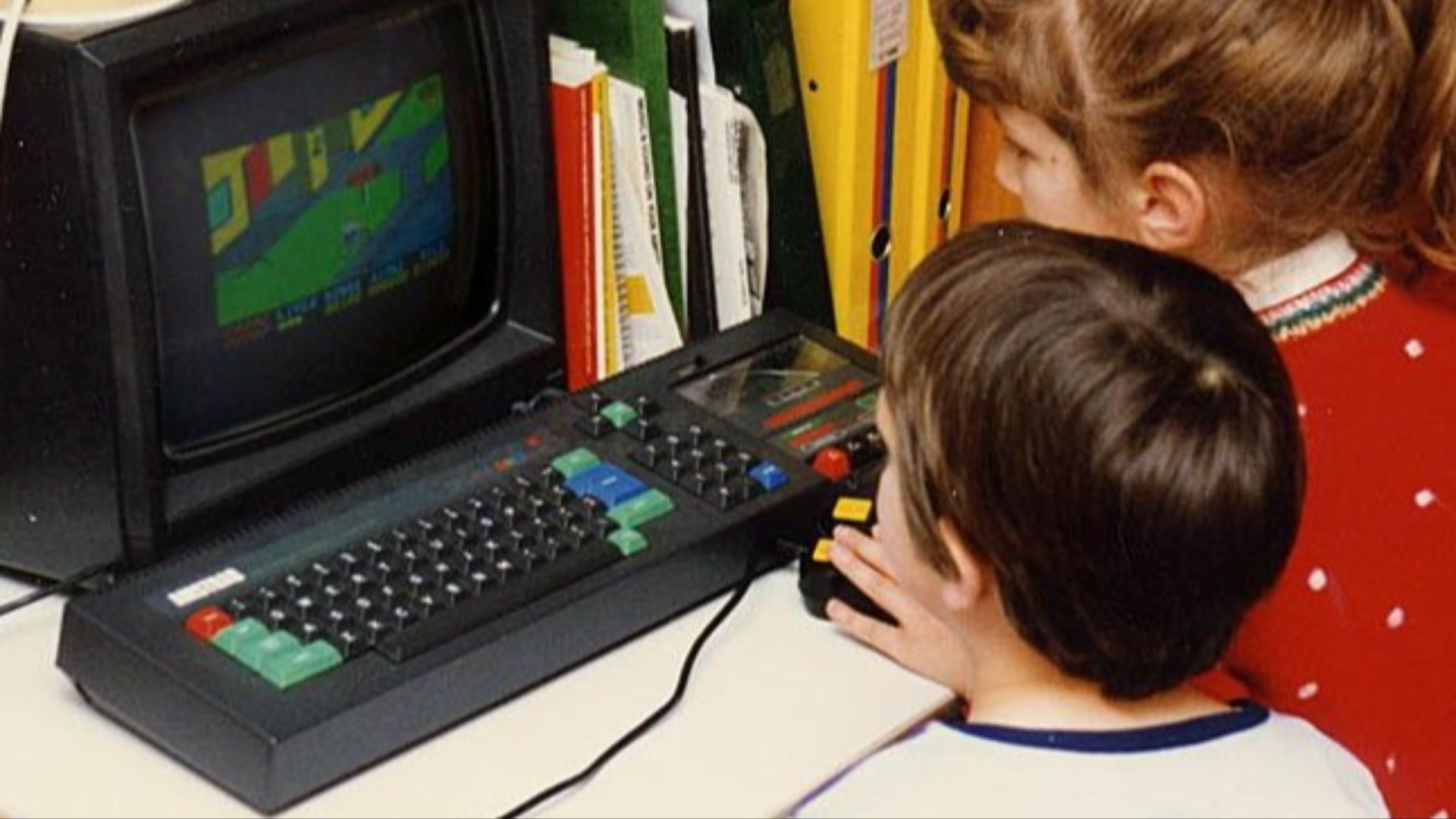
A home computer once suggested a family was ahead of the curve. In the late twentieth century, it meant money, curiosity, and a sense that the future had arrived. Now nearly everyone has more computing power in a pocket than those early machines could have dreamed of.
10. A Camera
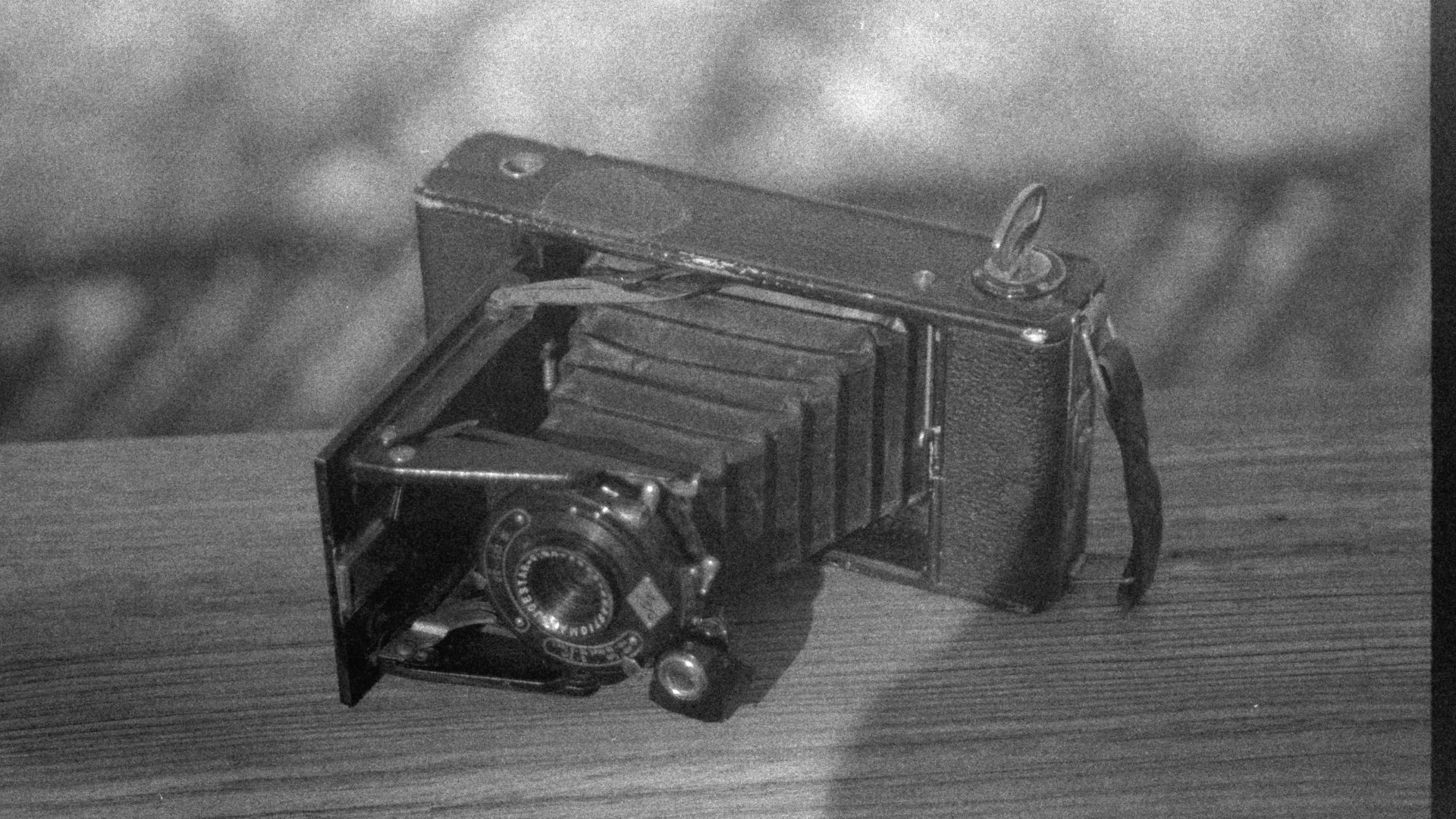
Photography used to be formal, expensive, and far less casual than it is now. Owning a camera meant you could record family life without hiring someone or waiting for a special occasion. Today, everyone takes seventeen bad pictures of the same birthday cake and deletes none of them.
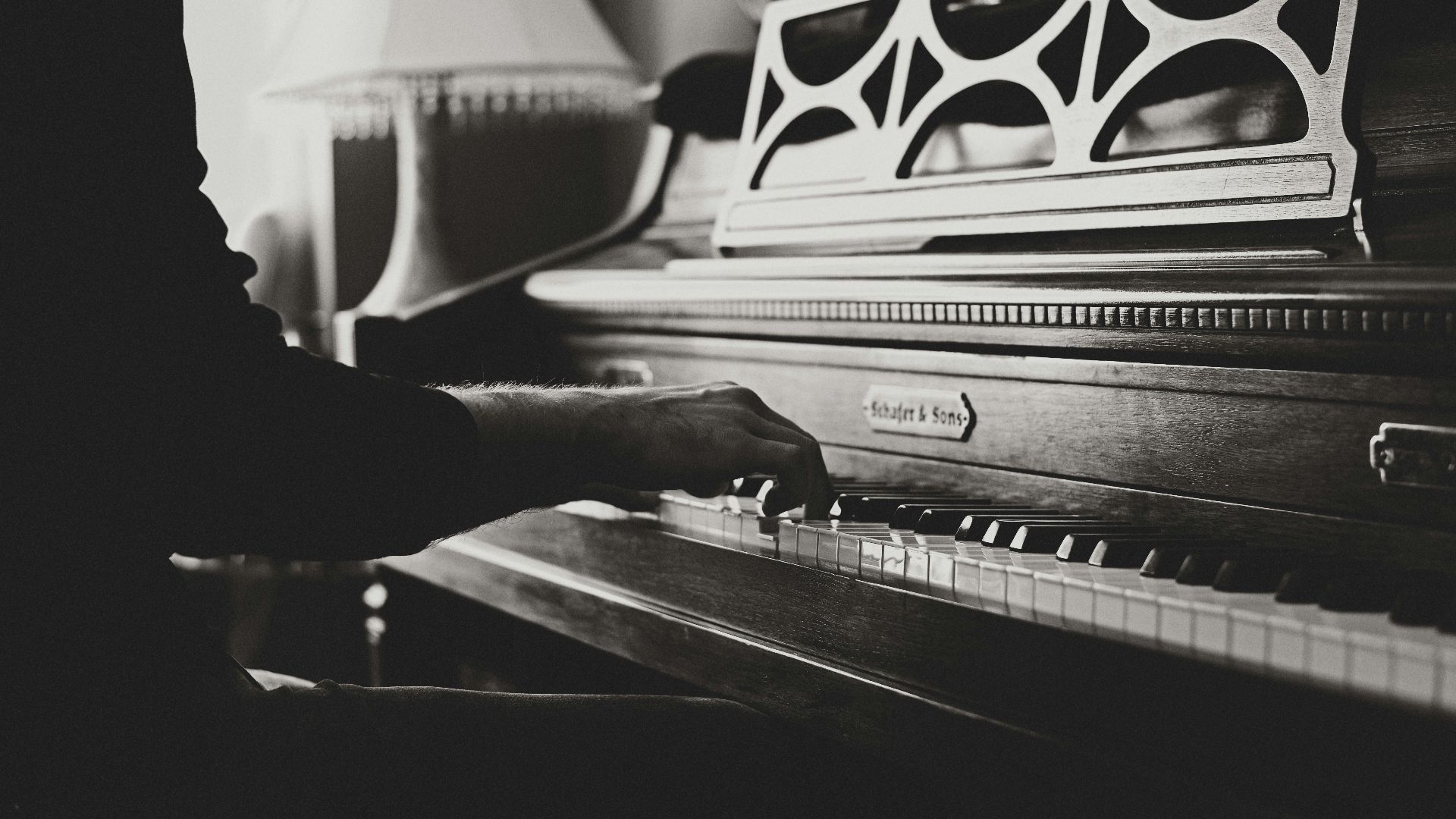
11. A Piano In The House
For a long time, a piano suggested education, leisure, and a household with enough space for music. It meant someone had time to practice and the family had money for both the instrument and the lessons. Now a piano may still be beautiful, but it often just means someone inherited it and nobody knows how to move it.
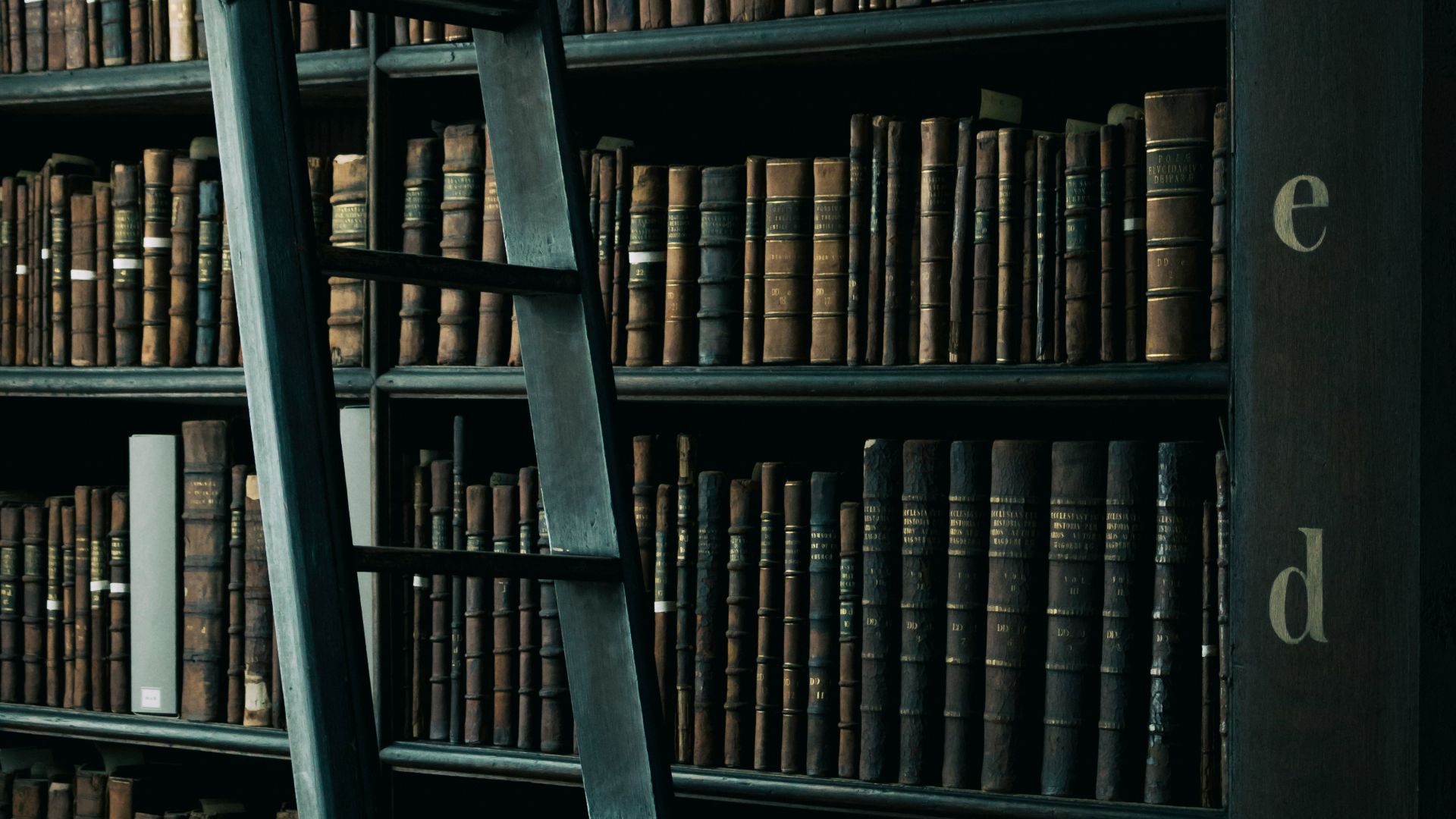
12. Bookshelves Full Of Books
Books were once expensive enough that a private library said something real about education and class. A wall of books meant access to knowledge, free time, and often a household that valued refinement. Now books can be bought used, borrowed, downloaded, or stacked unread beside the bed like quiet accusations.
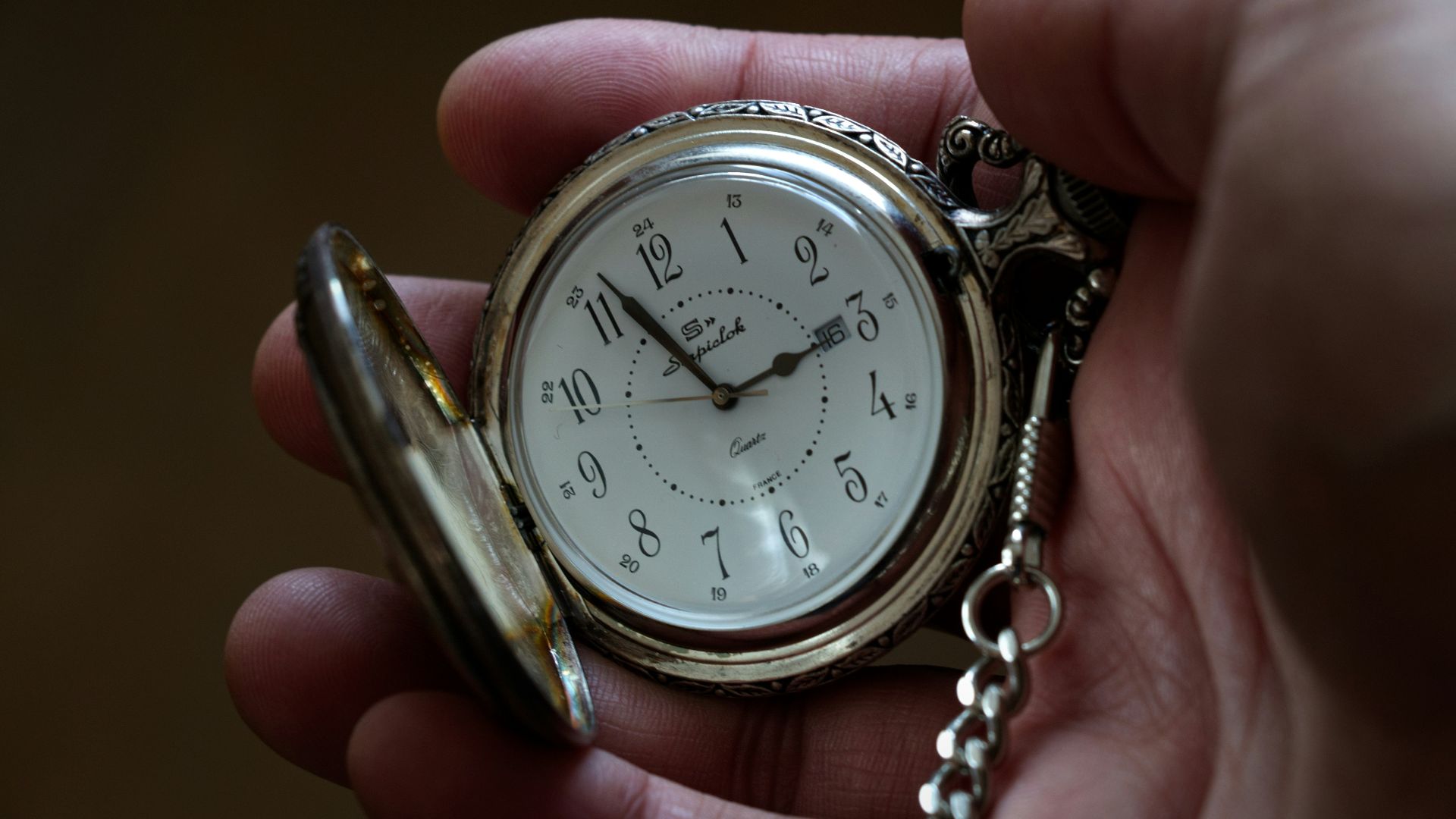
13. A Watch
A personal watch used to be a practical luxury. Before everyone had clocks on every screen, carrying accurate time on your body suggested discipline, money, and modern habits. Now a watch can be expensive, cheap, digital, inherited, or purely decorative, so the signal is much weaker than it used to be.
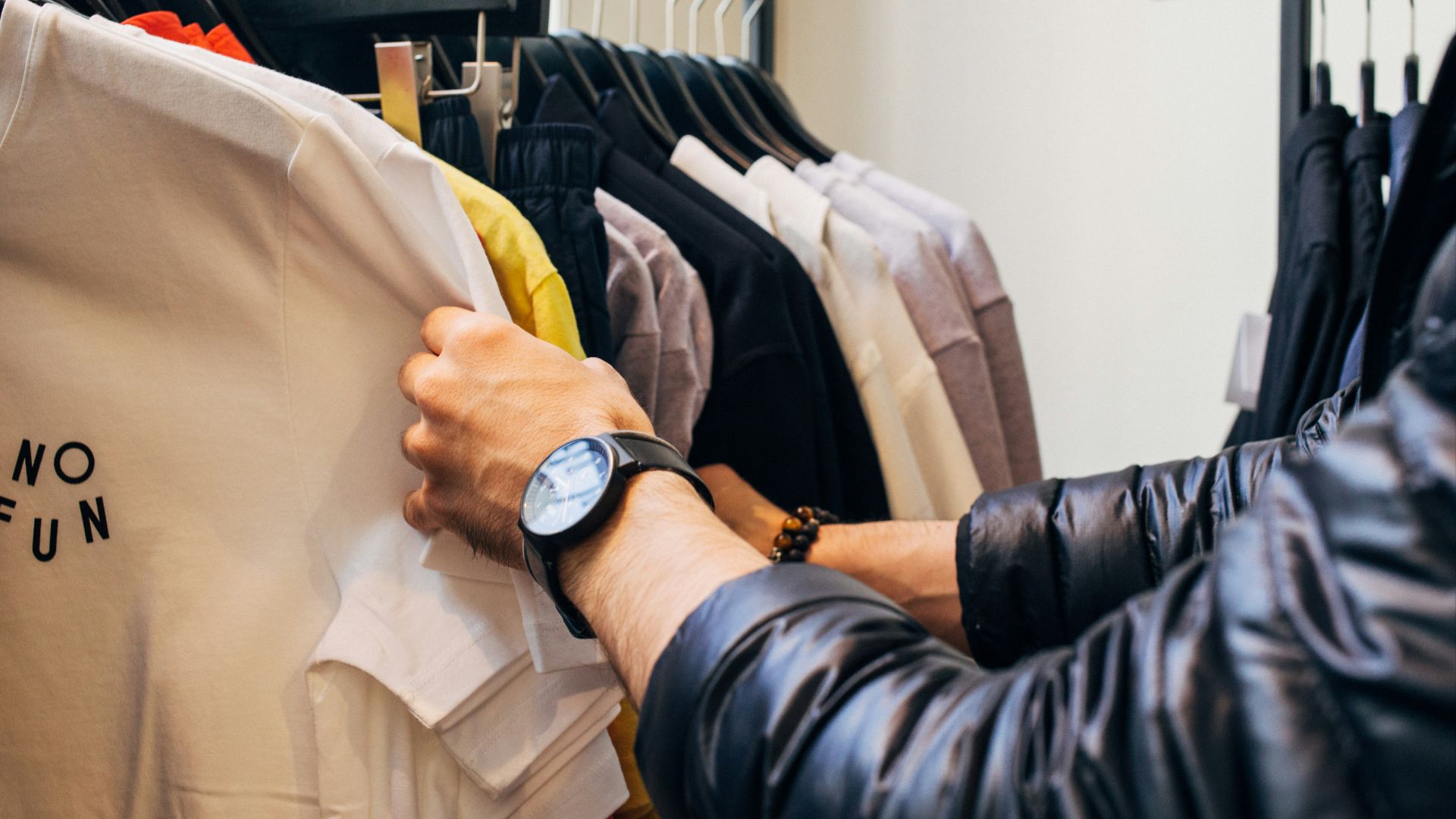
14. Store-Bought Clothes
For many households, clothing was once made, mended, altered, and passed down for as long as possible. Buying ready-made garments showed access to cash and to a growing consumer world. Now store-bought clothes are so normal that the richer signal may be having something repaired instead of replacing it.
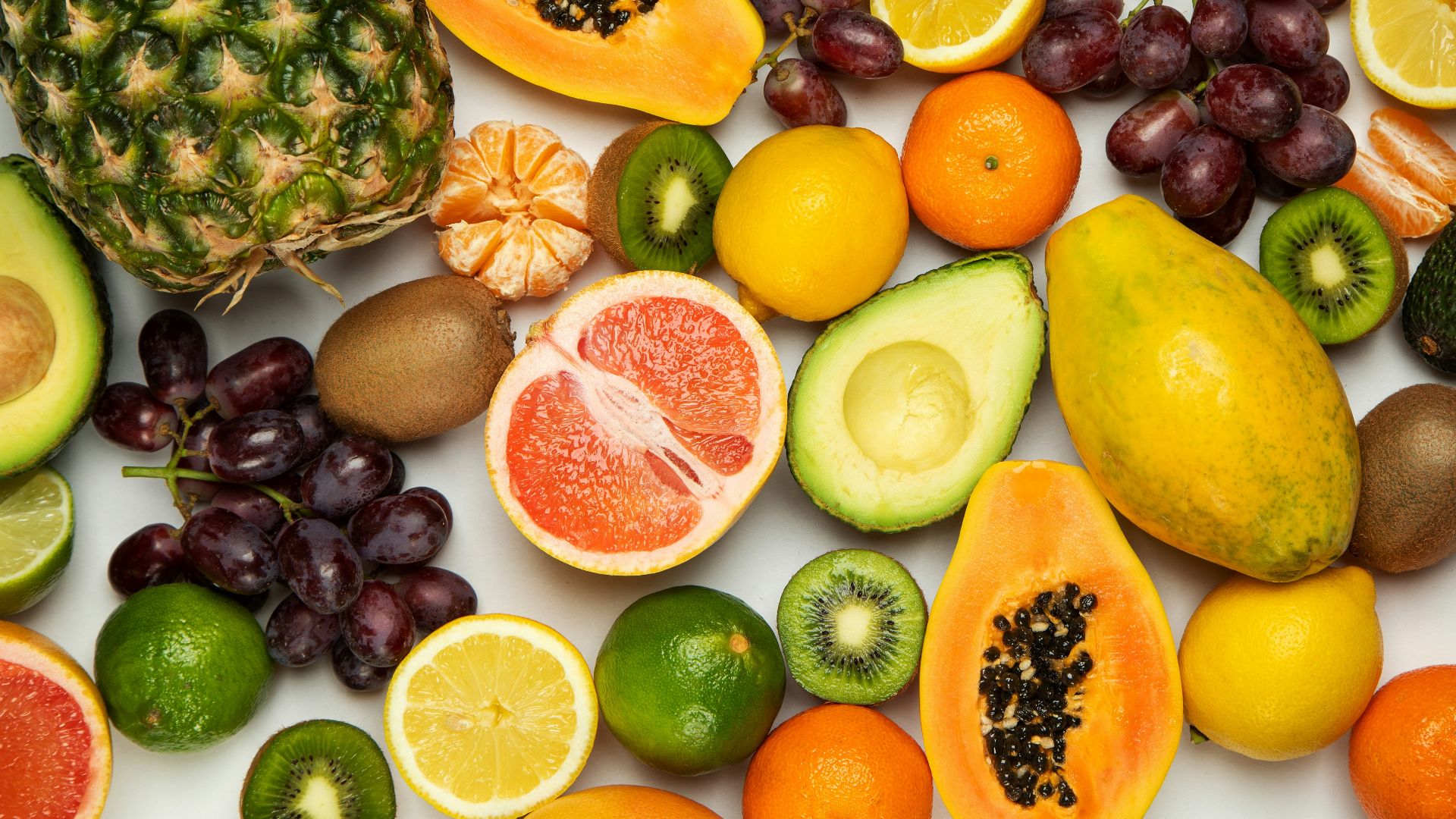
15. Fresh Fruit Out Of Season
Fresh fruit in winter used to be a real luxury in colder places. It depended on trade, shipping, preservation, or private growing spaces that most people did not have. Now strawberries can show up in January looking perfect and tasting like almost nothing.
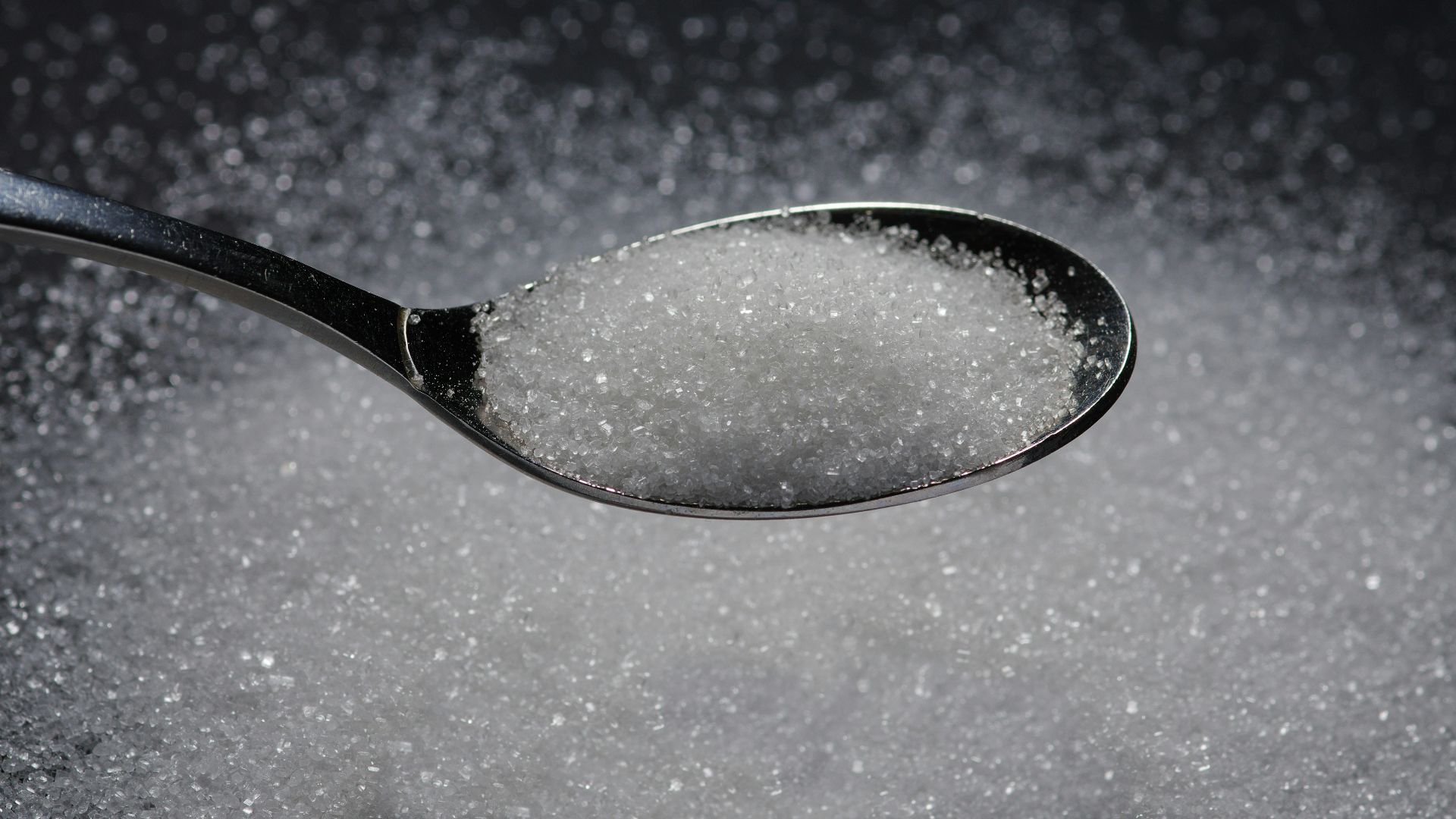
16. Sugar On The Table
Sugar was once expensive enough to be guarded, displayed, and used carefully. Its history is tied to global trade, colonialism, and labor systems that made sweetness a luxury for some and suffering for others. Today, sugar is so common that the problem is usually avoiding it, not finding it.
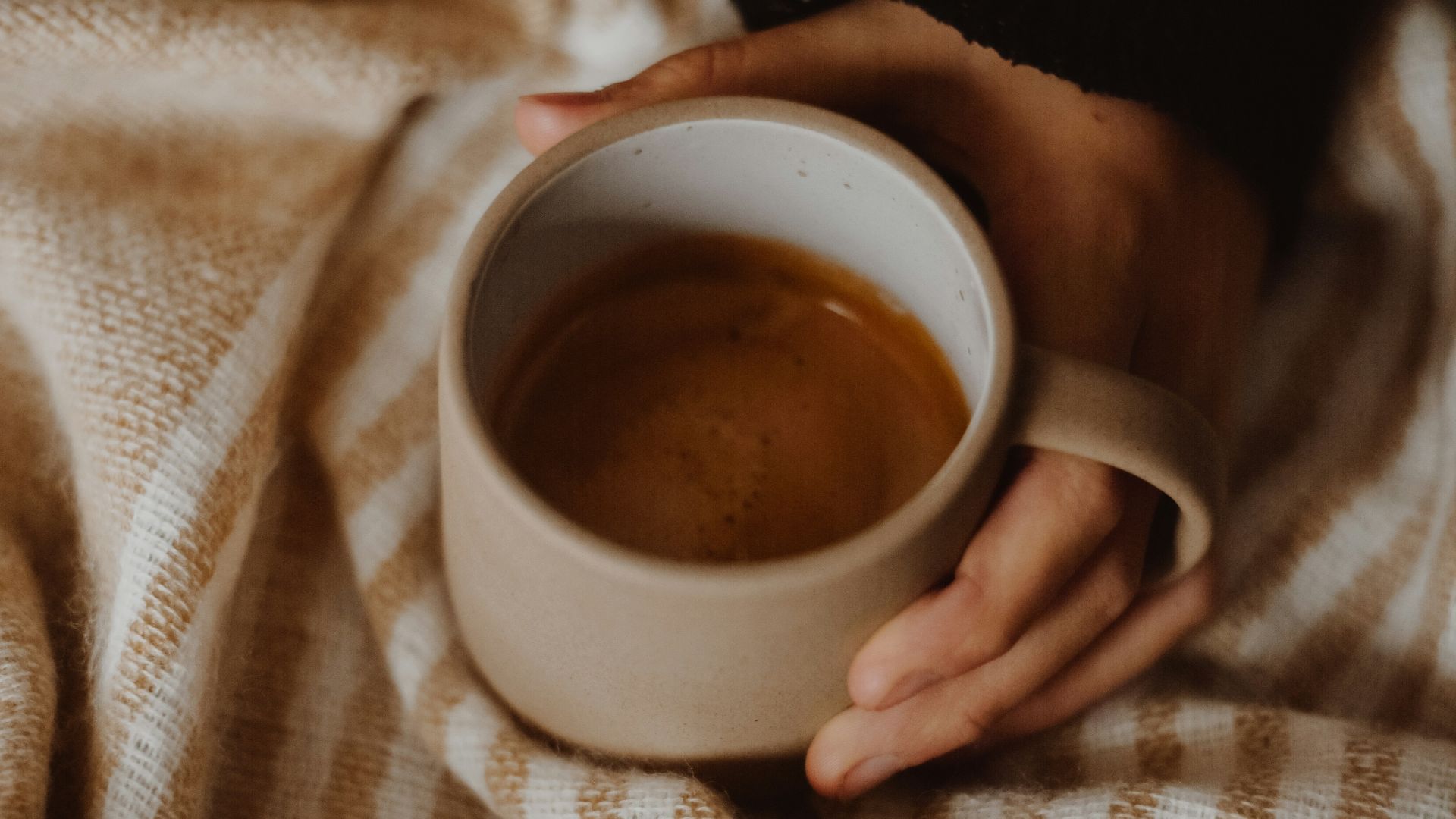
17. Coffee At Home
Coffee was not always the casual daily habit it is now. It moved through trade routes, taxed markets, and social rituals before becoming an everyday kitchen staple. Having it at home once suggested access to imported goods; now it means someone is standing in the kitchen waiting for the machine to hurry up.
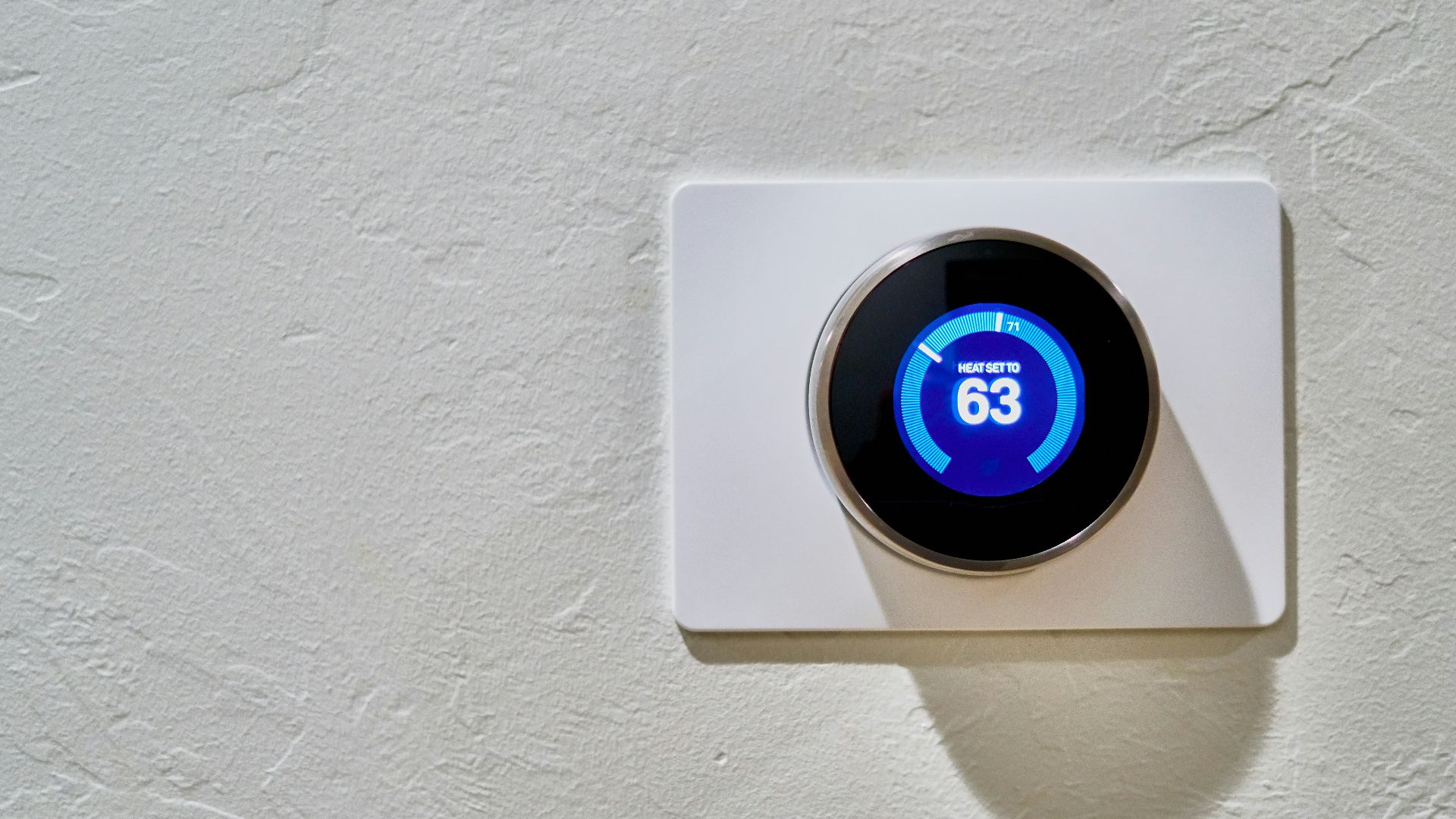
18. Central Heating
A warm house used to take constant effort. Fires had to be built, coal had to be carried, and some rooms were simply colder than others because heating a whole home was expensive. Central heating turned comfort into something more even and reliable; now people mostly argue over the thermostat.
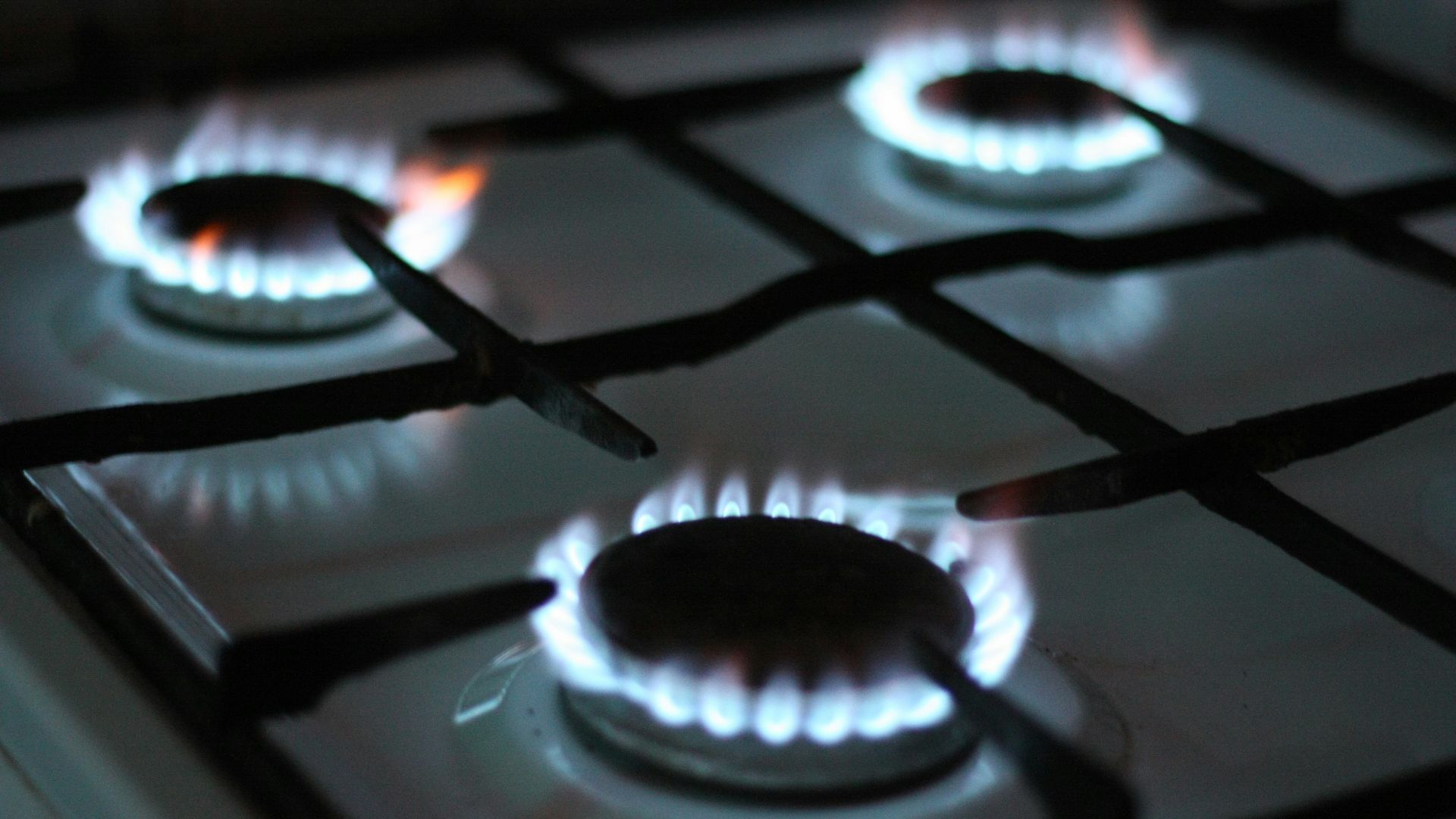
19. A Gas Or Electric Stove
Cooking once meant managing fire, fuel, smoke, and heat in ways that demanded real skill and labor. A modern stove made the kitchen cleaner, faster, and more controllable, which was a major shift in daily life. Now it is just the thing everyone stands in front of while saying there is nothing to eat.
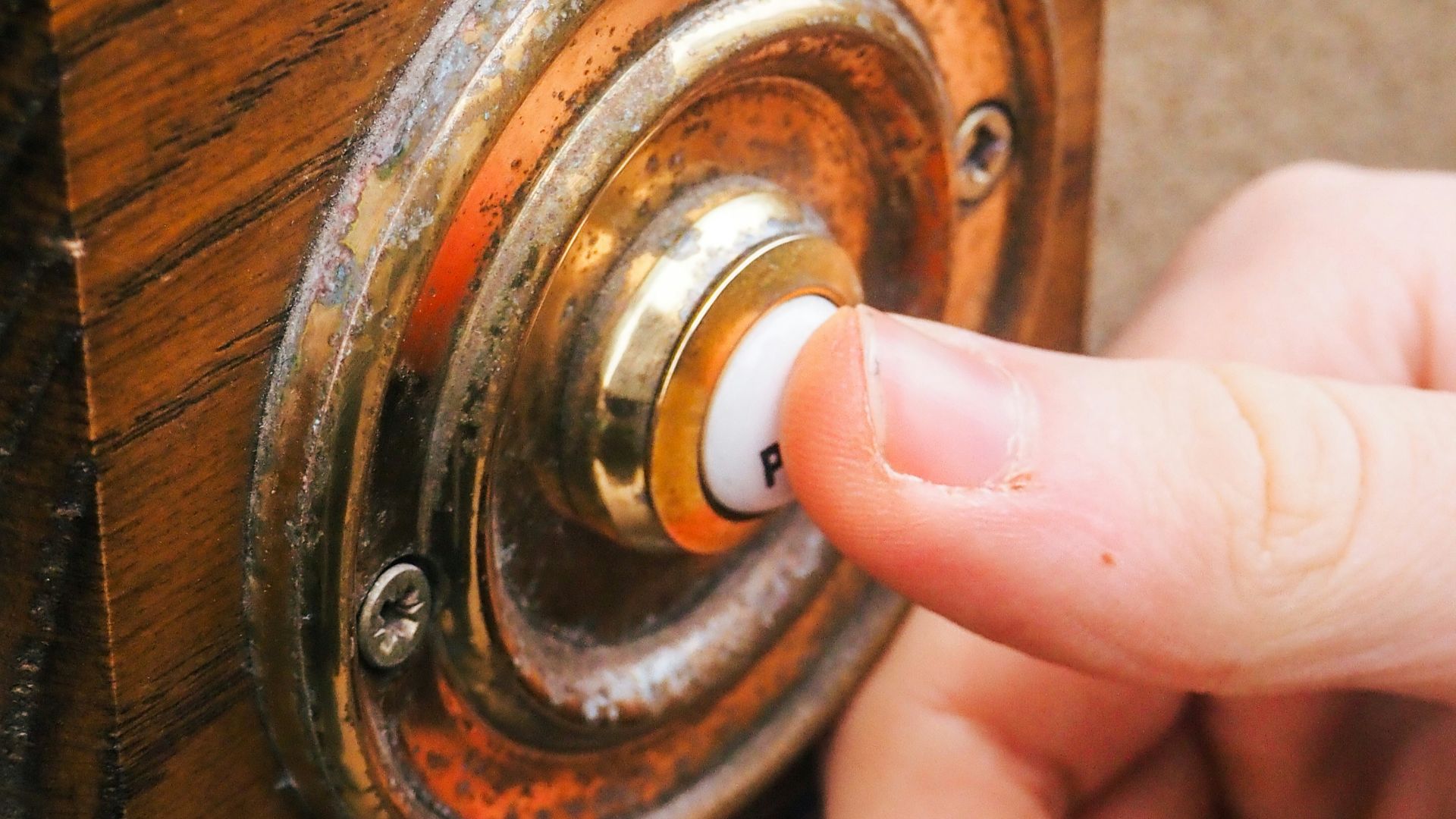
20. A Doorbell
A doorbell was once a small but noticeable upgrade from knocking on a door or calling out from the step. In older homes, even simple signaling systems suggested a house had been wired, modernized, and arranged with visitors in mind. Now a doorbell is so basic that people only notice it when it does not work, or when the camera version catches a package delivery.
KEEP ON READING
The 20 Most Recognized Historical Figures Of All Time
The Biggest Names In History. Although the Earth has been…
By Cathy Liu Oct 4, 2024
10 of the Shortest Wars in History & 10 of…
Wars: Longest and Shortest. Throughout history, wars have varied dramatically…
By Emilie Richardson-Dupuis Oct 7, 2024
10 Fascinating Facts About Ancient Greece You Can Appreciate &…
Once Upon A Time Lived Some Ancient Weirdos.... Greece is…
By Megan Wickens Oct 7, 2024
20 Lesser-Known Facts About Christopher Columbus You Don't Learn In…
In 1492, He Sailed The Ocean Blue. Christopher Columbus is…
By Emilie Richardson-Dupuis Oct 9, 2024
20 Historical Landmarks That Have The Craziest Conspiracy Theories
Unsolved Mysteries Of Ancient Places . When there's not enough evidence…
By Megan Wickens Oct 9, 2024
The 20 Craziest Inventions & Discoveries Made During Ancient Times
Crazy Ancient Inventions . While we're busy making big advancements in…
By Cathy Liu Oct 9, 2024