


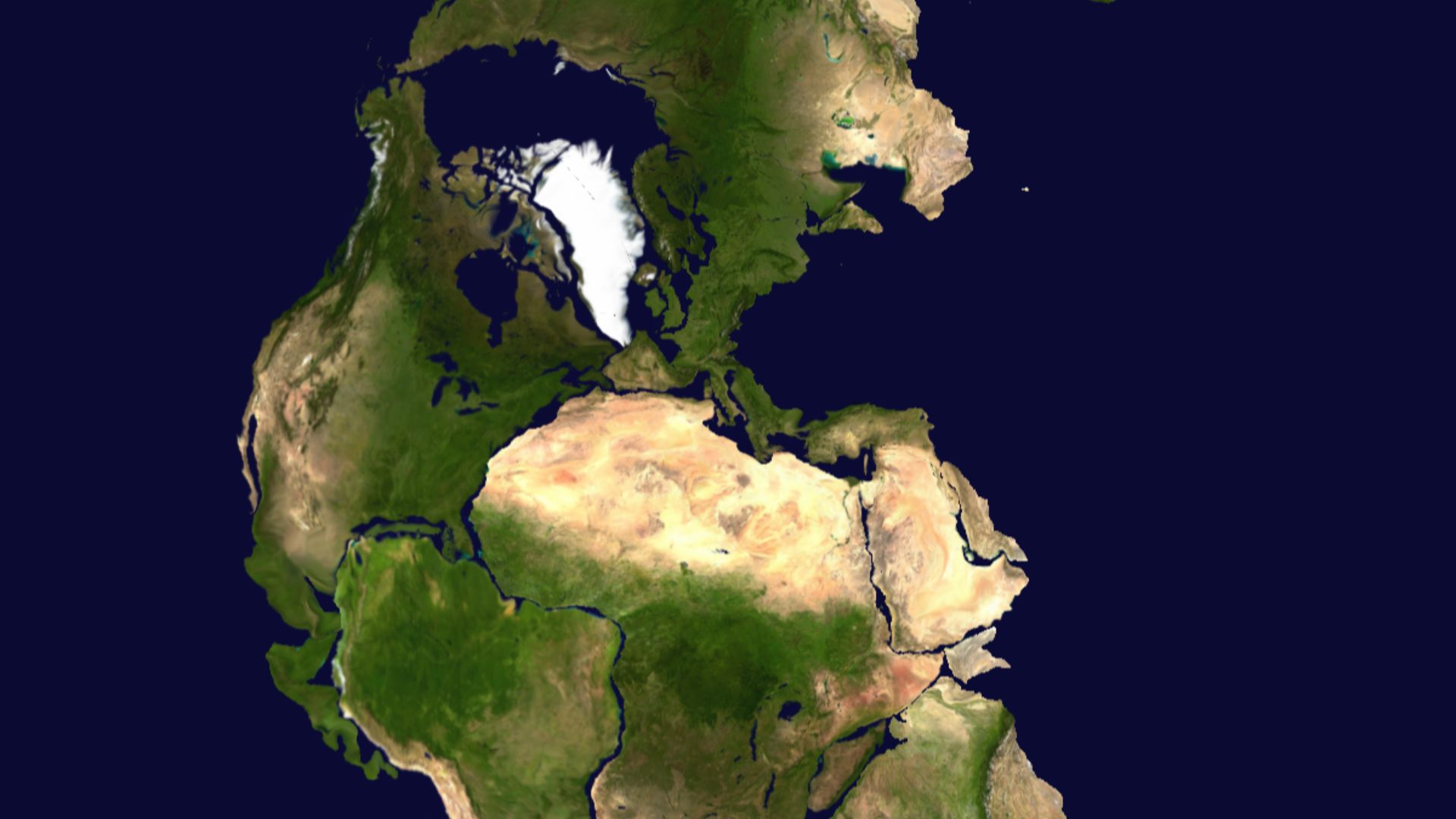
Amongst the earliest of reptiles, dinosaurs, and large, vast forests of conifer trees, any animal on earth had one shared continent. We know it today as Pangea, a supercontinent that spanned from the North Pole all the way to the South. While we so often think about the stark difference between how the world looked millions of years ago versus today, that doesn’t mean our world isn’t constantly changing. The continents are still moving right under us, just too slowly for us to notice.
That slow movement is doing real work, though. Give Earth enough time, and the map starts to look a lot less fixed than it does on a classroom wall. Current models suggest the next supercontinent could form roughly 200 to 300 million years from now, with about 250 million years showing up often in several major scenarios.
Why Pangea Still Matters
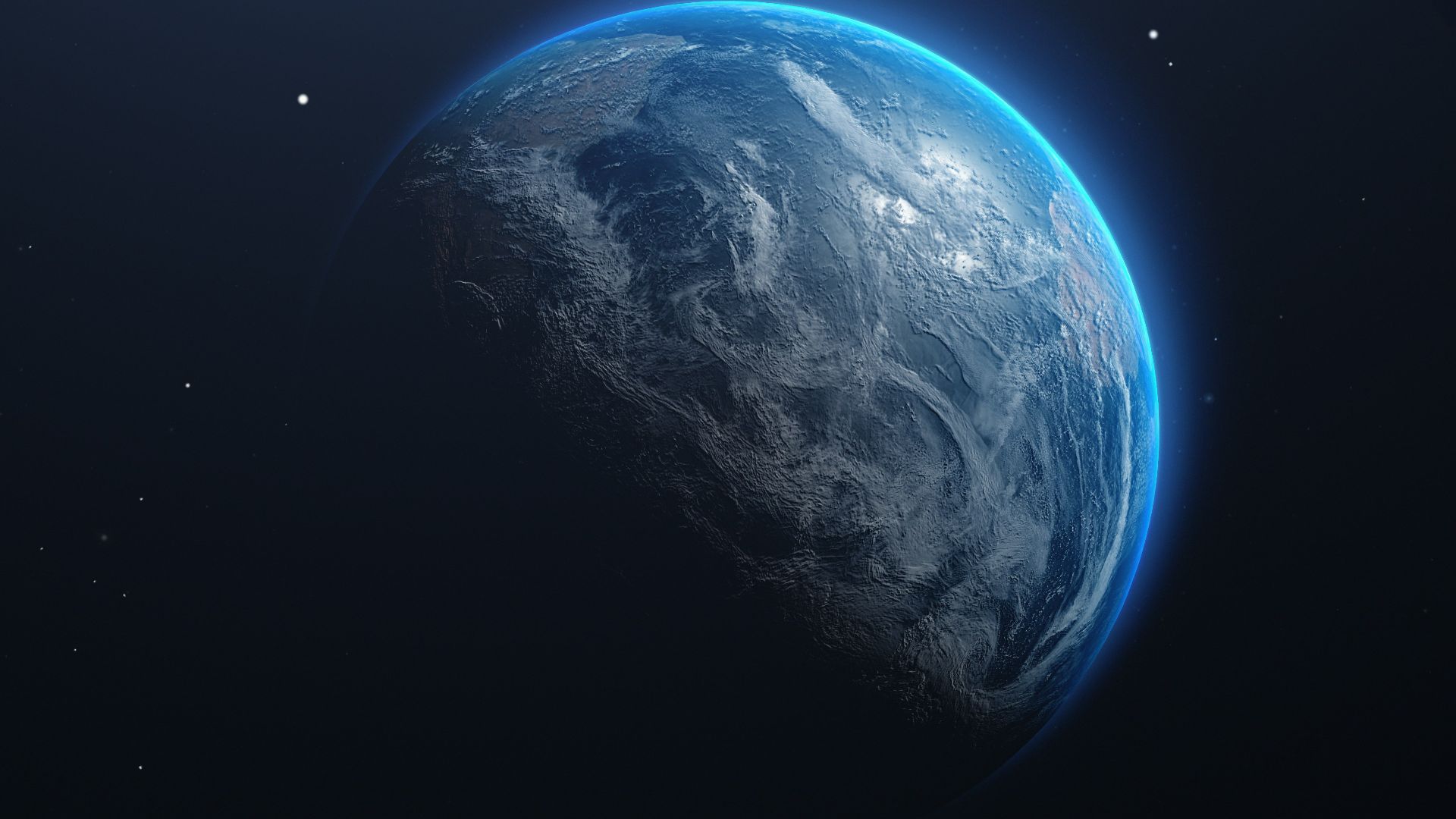
Earth’s outer shell is made of tectonic plates, and those plates keep shifting, colliding, and pulling away from one another. Pangea was the most recent supercontinent, a conjoined landmass that includes most or all of Earth’s individual continents. Recent, of course, meaning between 300 and 200 million years ago, when the lands of North and South America, Africa, and Europe were joined together.
Pangea was the most recent supercontinent in Earth’s history, but more have existed. It’s believed that at least three other supercontinents have existed over the last 3 billion years: Columbia, which formed around 1.8 billion years ago; Rodinia, which formed around 1 billion years ago; and Pannotia, which formed around 600 million years ago.
Pangea existed through the late Paleozoic and early Mesozoic eras, beginning to break apart near the end of the Triassic Period. Of course, continental breakups don’t happen in a day. The full separation likely took over 120 million years to complete.
As Pangea broke apart, new ocean basins opened, and coastlines continued to warp and change shape. Plants and animals that had once lived on connected land became separated by widening seas. The same basic force is still at work today. The U.S. Geological Survey compares their motion to the speed at which fingernails grow, which sounds almost laughably slow until you give continents millions of years to wander.
How Scientists Picture The Next Supercontinent
The next “Pangea,” otherwise known as “Pangaea Proxima,” “Neopangaea,” or “Pangaea II,” will likely form within the next 250 million years. Unfortunately for us, there’s no guarantee of what this next supercontinent will look like. Researchers can measure how plates are moving now, but the farther they project into the future, the messier the picture gets.
One widely discussed estimate comes from Curtin University-led research published in National Science Review. According to Curtin University’s summary, the next supercontinent, called Amasia in that model, will most likely form when the Pacific Ocean closes in 200 to 300 million years.
NASA’s Goddard Institute for Space Studies has also looked at possible future supercontinents in climate simulations. In NASA’s summary, Amasia (Americas, Europe and Asia) forms around 200 million years from now, while Aurica (Australia and Africa) forms around 250 million years from now as all the continents combine into a landmass near the equator.
A third version comes from the PALEOMAP Project, associated with geologist Christopher Scotese. Its future animation projects continent motions from the present to 250 million years in the future. The project also says the animation uses present-day plate motions while trying to account for unpredictable events, including new subduction zones— when one tectonic plate is forced beneath another.
What A Future ‘Pangea’ Could Be Like
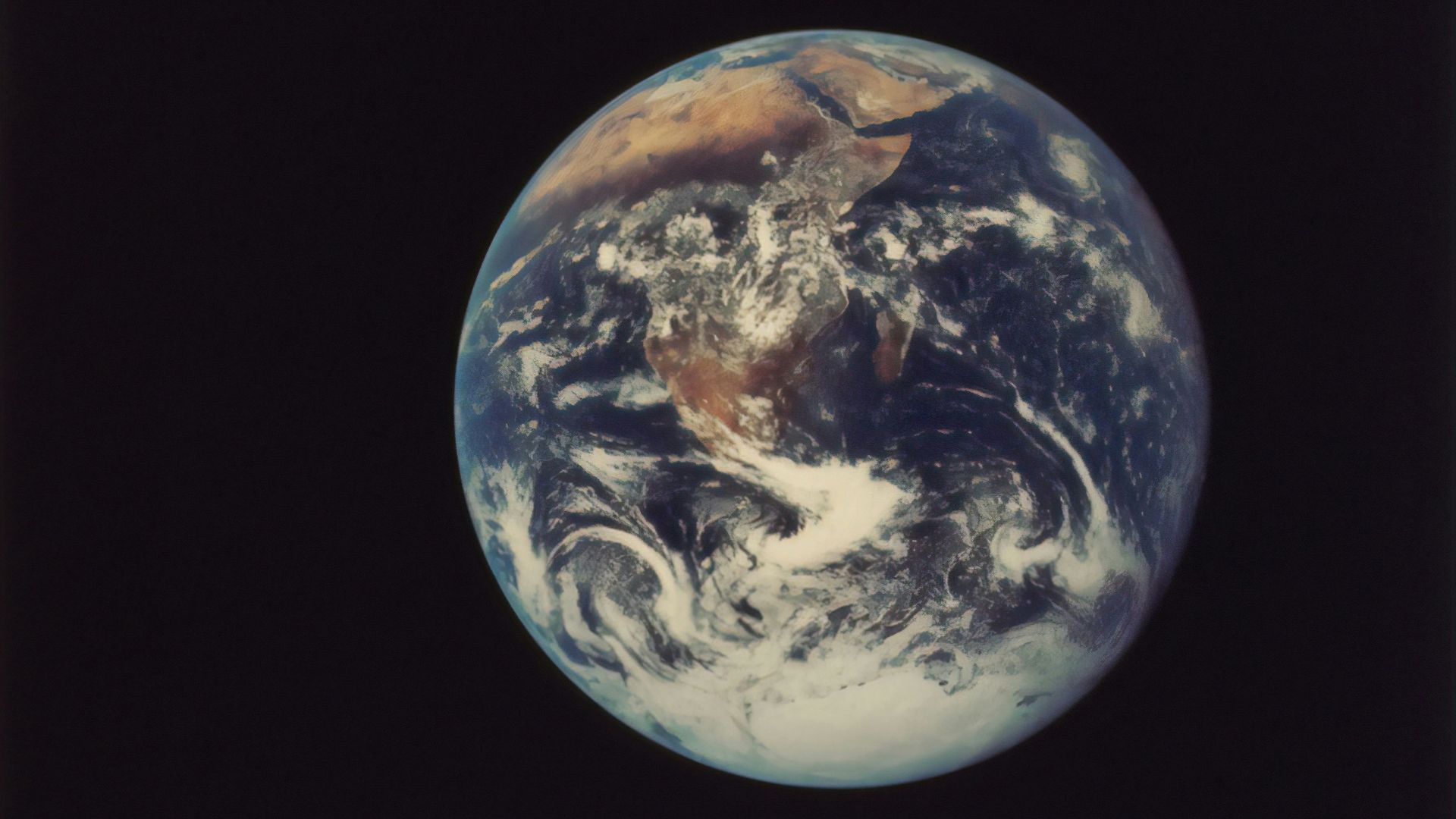 The New York Public Library on Unsplash
Where the next supercontinent forms would make a huge difference. Yale News reported on a model in which the Arctic Ocean and Caribbean Sea eventually close as the Americas move northward and collide with Europe and Asia. In that version, called Amasia, much of the land would gather near the North Pole. Other scenarios put the future supercontinent closer to the equator, which would mean widely different heat, rainfall, and seasonal patterns than one clustered farther north.
A supercontinent also creates huge inland regions far from the ocean’s steadying influence. Coastal places tend to have less extreme temperatures because oceans store and move heat. Deep interiors of large landmasses can become hotter, colder, drier, or more prone to intense weather, depending on the larger climate setup.
That future climate could be rough for mammals. A 2023 study in Nature Geoscience modeled a future supercontinent called Pangea Ultima and found that climate warming and drying tied to its assembly could make Earth inhospitable to land mammals in about 250 million years.
The study connected that risk to a few overlapping pressures. Those included the assembly of a giant supercontinent, a brighter Sun in the distant future, and carbon dioxide changes linked to tectonic and volcanic activity. While Earth could still sustain life in some capacity, these ideas point to a less-than-friendly mammal-focused world we know and love today.
So, when will the next “Pangea” happen? Based on current models, the safest answer is roughly 200 to 300 million years from now, with about 250 million years appearing often in major future-supercontinent scenarios. The exact map is still uncertain, but the larger story is clear enough: Earth is still moving, and the ground beneath us is part of a much longer plot.
KEEP ON READING

The 20 Most Recognized Historical Figures Of All Time
The Biggest Names In History. Although the Earth has been…
By Cathy Liu Oct 4, 2024
10 of the Shortest Wars in History & 10 of…
Wars: Longest and Shortest. Throughout history, wars have varied dramatically…
By Emilie Richardson-Dupuis Oct 7, 2024
10 Fascinating Facts About Ancient Greece You Can Appreciate &…
Once Upon A Time Lived Some Ancient Weirdos.... Greece is…
By Megan Wickens Oct 7, 2024
20 Lesser-Known Facts About Christopher Columbus You Don't Learn In…
In 1492, He Sailed The Ocean Blue. Christopher Columbus is…
By Emilie Richardson-Dupuis Oct 9, 2024
20 Historical Landmarks That Have The Craziest Conspiracy Theories
Unsolved Mysteries Of Ancient Places . When there's not enough evidence…
By Megan Wickens Oct 9, 2024
The 20 Craziest Inventions & Discoveries Made During Ancient Times
Crazy Ancient Inventions . While we're busy making big advancements in…
By Cathy Liu Oct 9, 2024