

Before It Was Routine
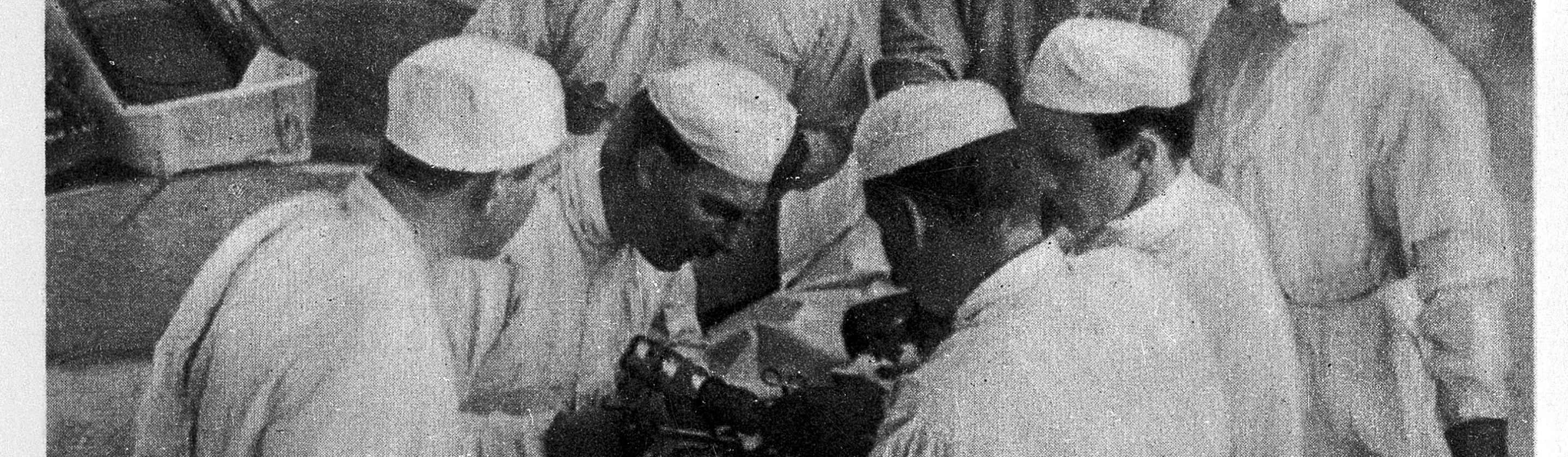
Every clean hospital room has a rougher story behind it. Before the quiet beep of monitors and the small comfort of anesthesia, medicine often moved forward because someone was desperate enough to try what had never worked before. Some of these firsts were elegant leaps of insight. Others were messy, frightening, and morally complicated. Here’s 20 medical firsts that changed what doctors could do, even when the first attempt looked nothing like progress.
 United States Army on Wikimedia
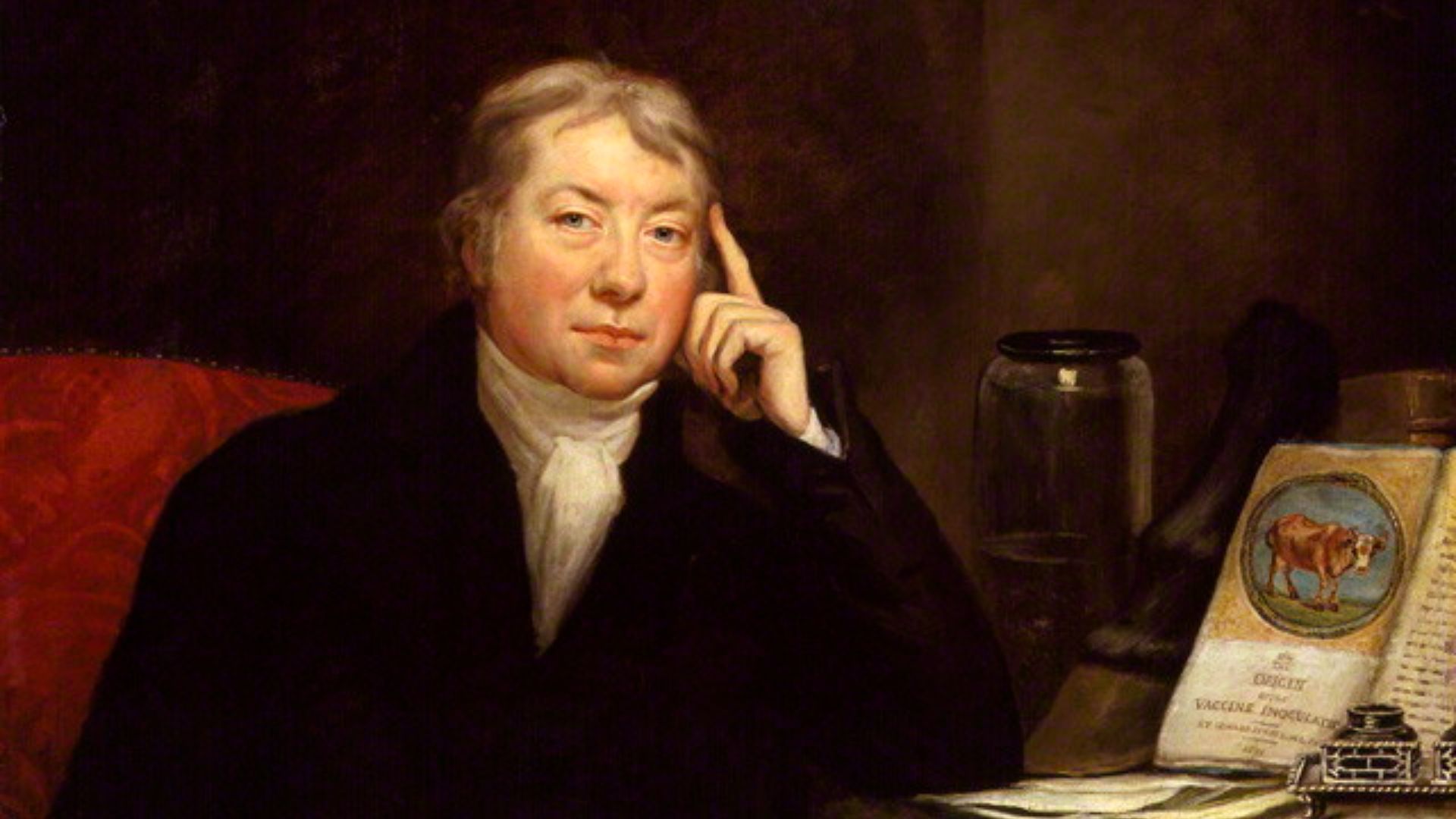
1. The First Smallpox Vaccine
In 1796, Edward Jenner used material from cowpox sores to protect a young boy from smallpox. It sounds crude because it was, but the idea behind it became the foundation of vaccination. A disease that had scarred families for centuries finally had a serious enemy.
2. The First Successful C-Section Survival
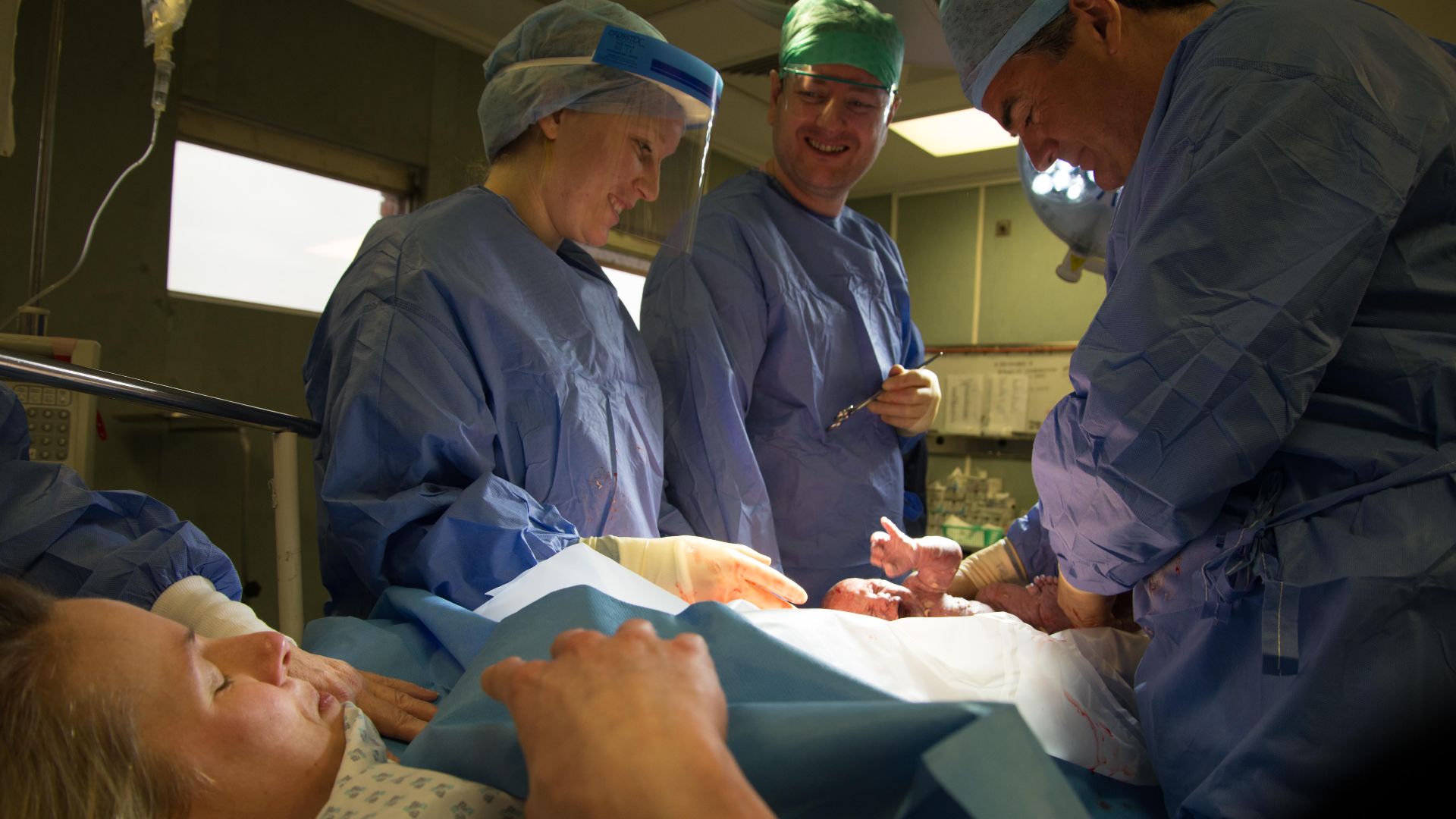
The story usually points to Switzerland around 1500, when Jacob Nufer reportedly performed a cesarean section on his wife and both mother and baby survived. The details are old and difficult to verify, but the case became famous for a reason. It showed that an operation once associated almost entirely with death could, at least sometimes, end in life.
3. The First Human Blood Transfusion
In 1818, British obstetrician James Blundell performed a human-to-human blood transfusion to treat severe postpartum bleeding. He was working before blood types were understood, which made the whole idea frighteningly risky. Still, the need was plain: people were dying from blood loss, and he wanted another answer.
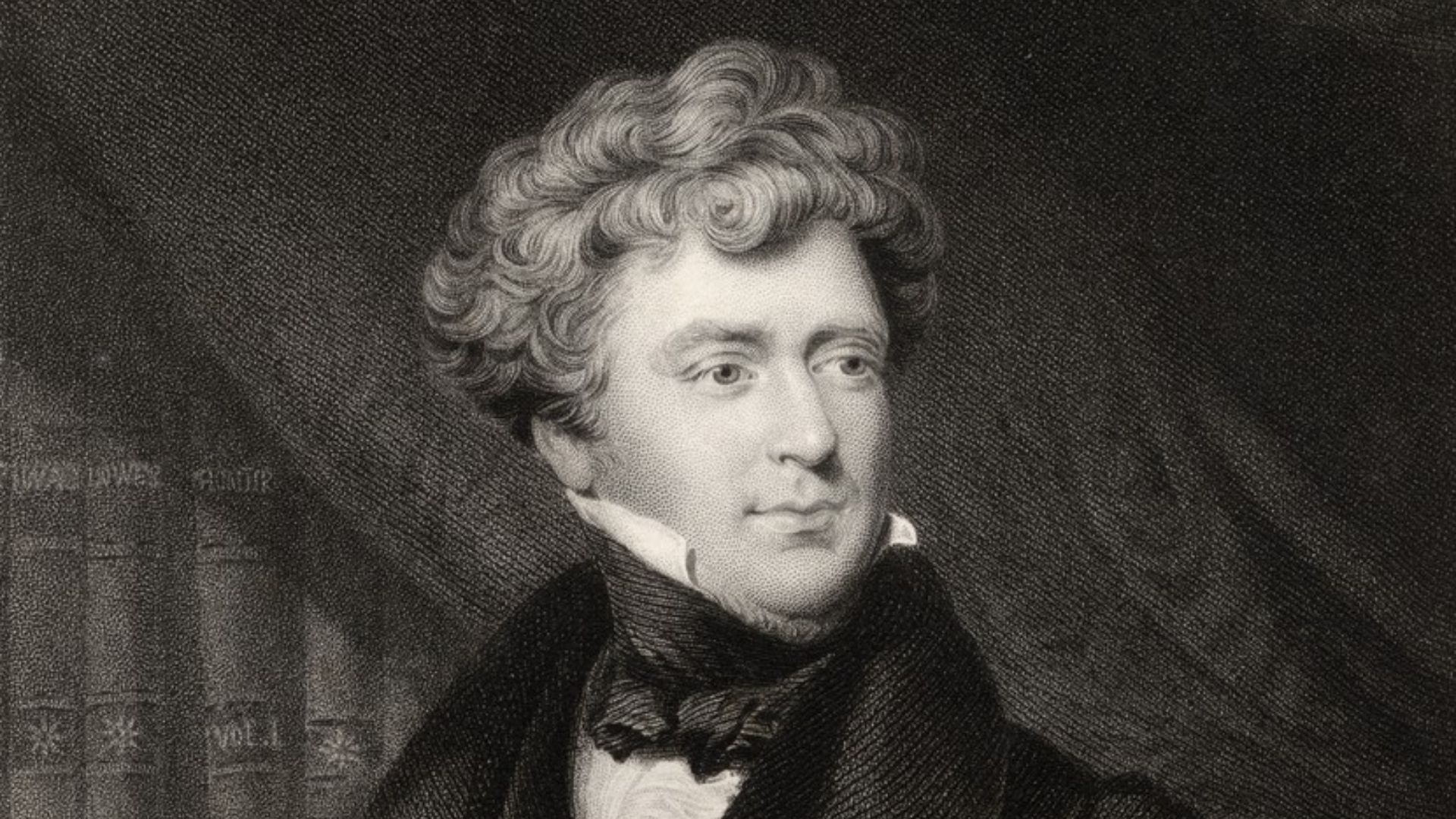 Engraved by John Cochran after Henry Room. on Wikimedia
4. The First Stethoscope
René Laennec invented the stethoscope in 1816 after rolling paper into a tube to listen to a patient’s chest. It began as a practical workaround, not a polished invention. Medicine gained a new sense after that, one that let doctors listen more carefully before cutting, guessing, or waiting.
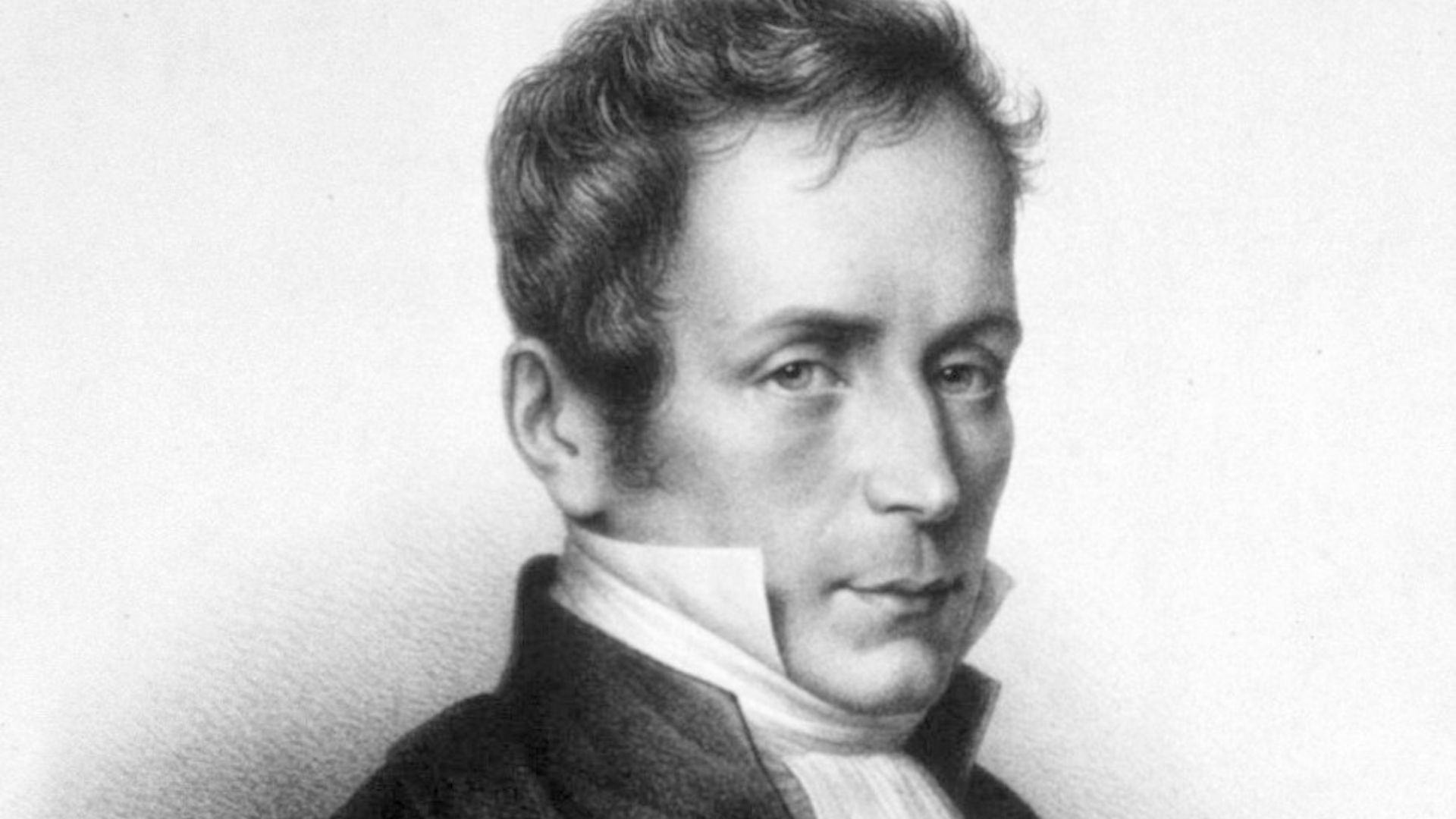 Unknown authorUnknown author on Wikimedia
5. The First Public Ether Anesthesia Surgery
On October 16, 1846, ether anesthesia was publicly demonstrated during surgery at Massachusetts General Hospital. Before that, speed mattered almost as much as skill because patients had to endure the knife awake. Anesthesia did not make surgery gentle, but it made modern surgery possible.
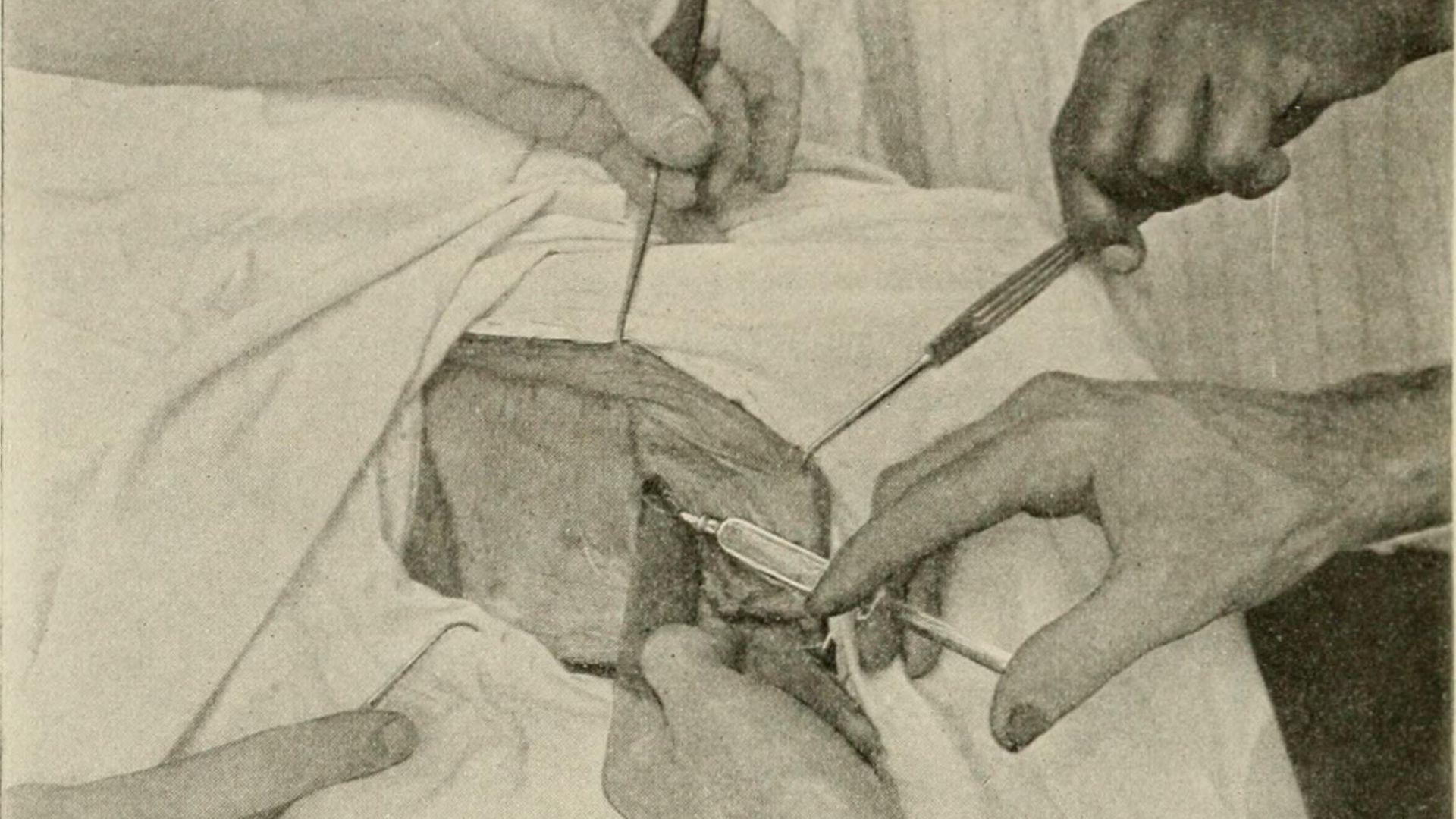 Internet Archive Book Images on Wikimedia
6. The First Antiseptic Surgery
Joseph Lister’s use of carbolic acid in the 1860s changed surgery by taking infection seriously. Surgeons had long been proud of fast hands and bloody coats, but Lister pushed a different standard. The brutal part was realizing how many patients had died not from the operation itself, but from what followed.
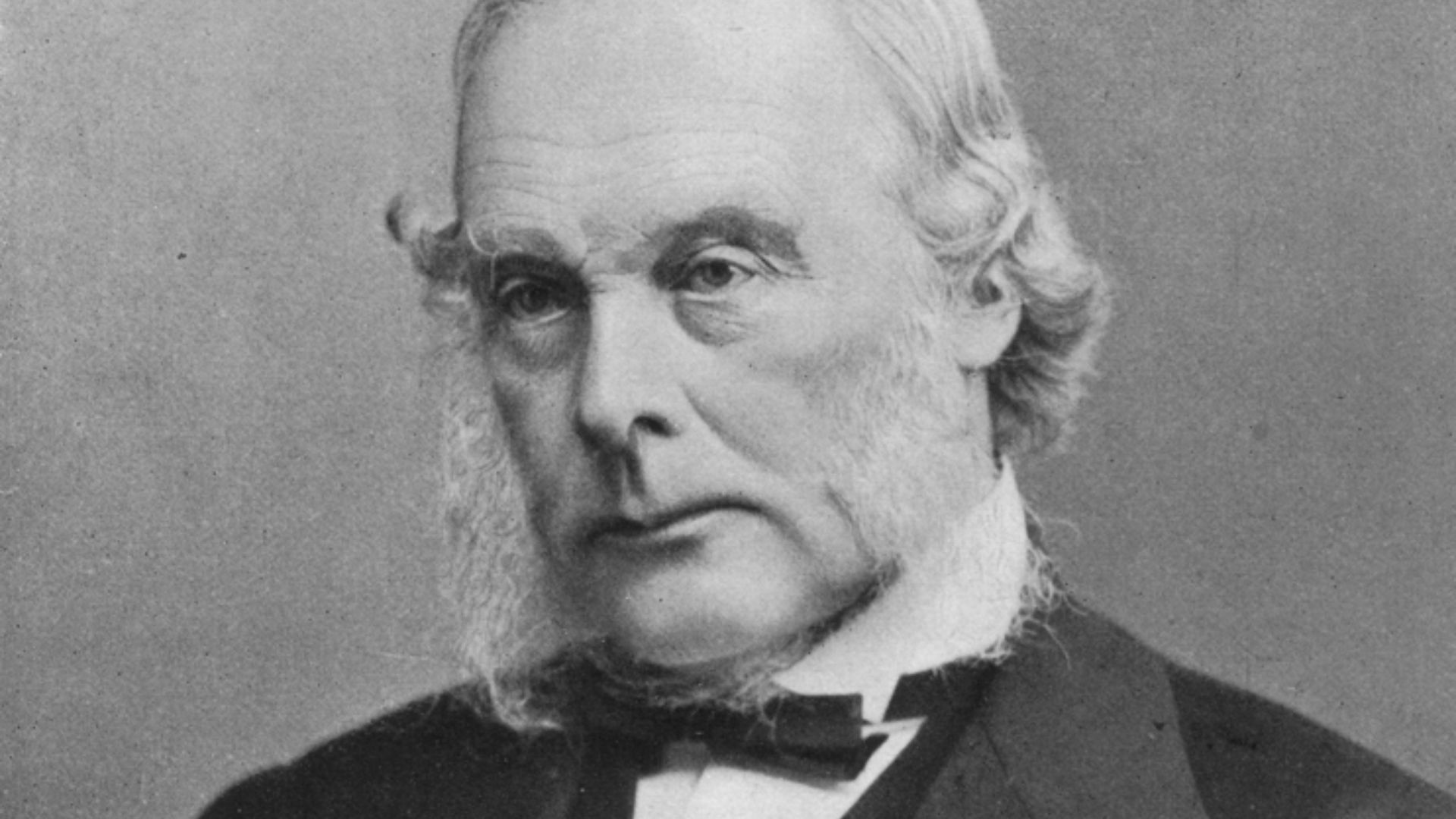 Unknown authorUnknown author on Wikimedia
7. The First Human Rabies Vaccination
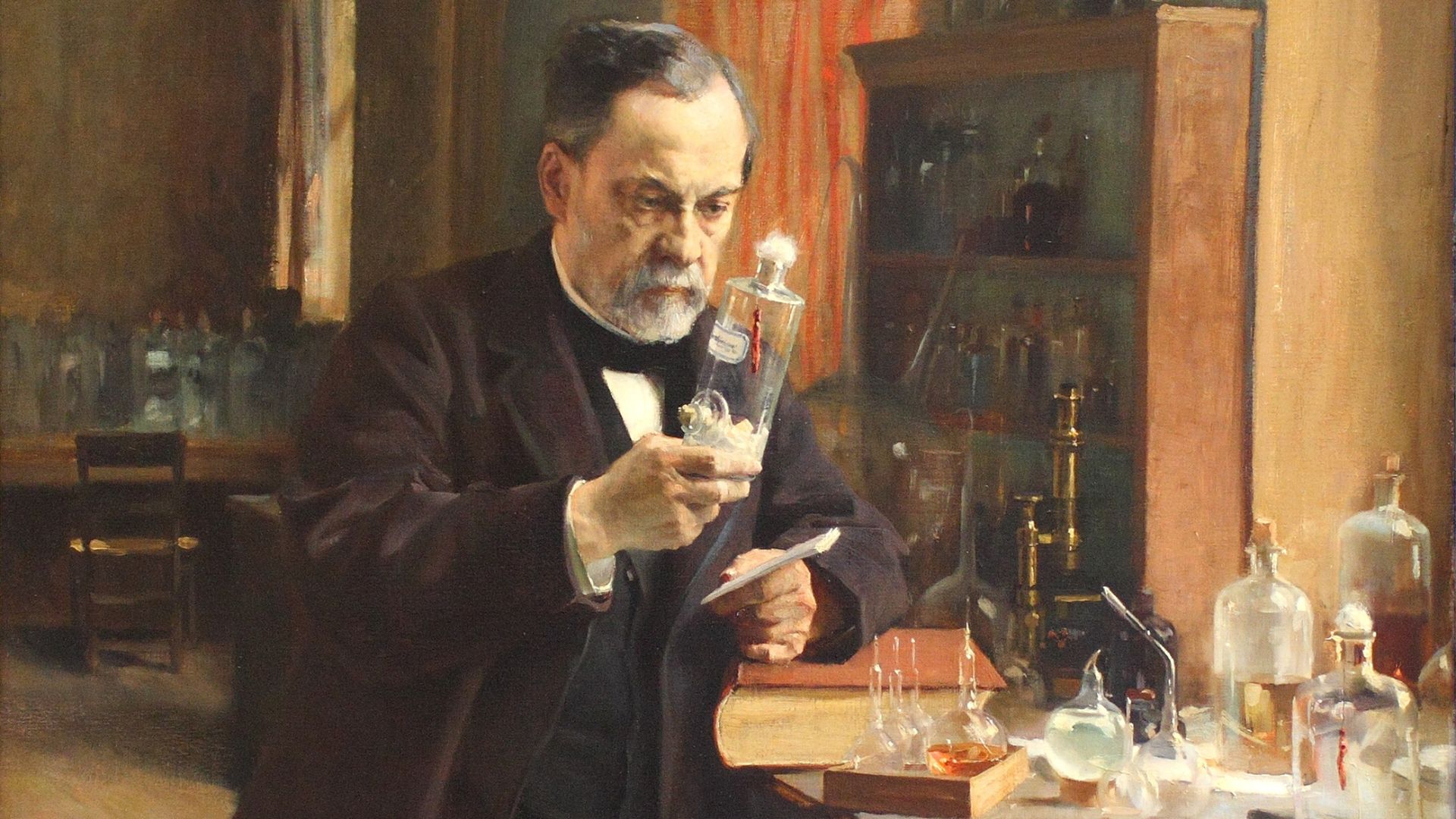
In 1885, Louis Pasteur and his colleagues treated Joseph Meister, a boy badly bitten by a rabid dog. Rabies was almost always fatal once symptoms appeared, so doing nothing was its own kind of danger. The treatment worked, and fear began giving ground to prevention.
8. The First Rubber Surgical Gloves
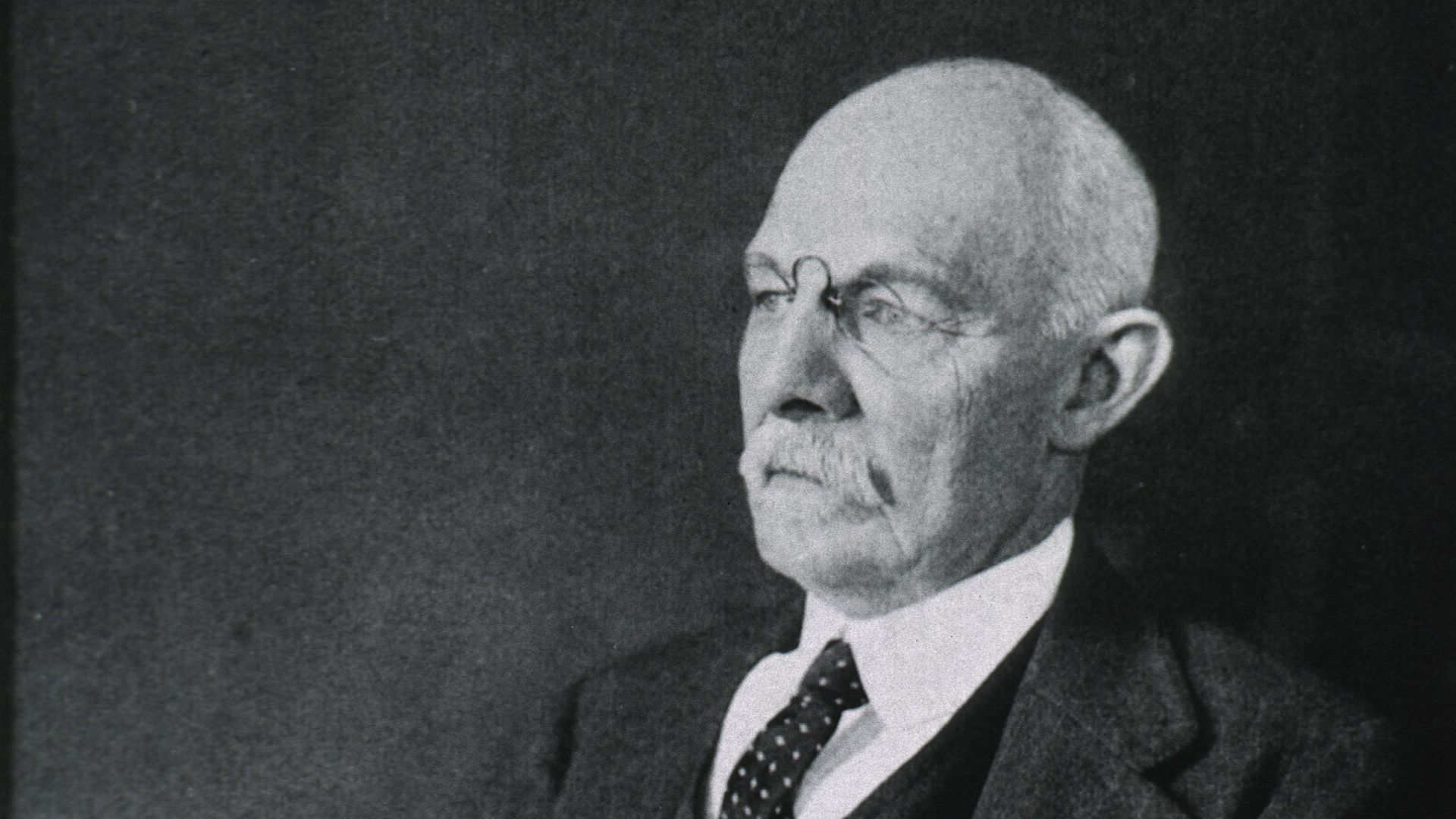
William Halsted introduced rubber gloves at Johns Hopkins in 1890, first to protect Caroline Hampton’s hands from harsh disinfectants. The reason was personal and practical, but the result helped reshape operating rooms. A small act of protection became part of surgical safety.
 John H. Stocksdale on Wikimedia
9. The First X-Ray Image
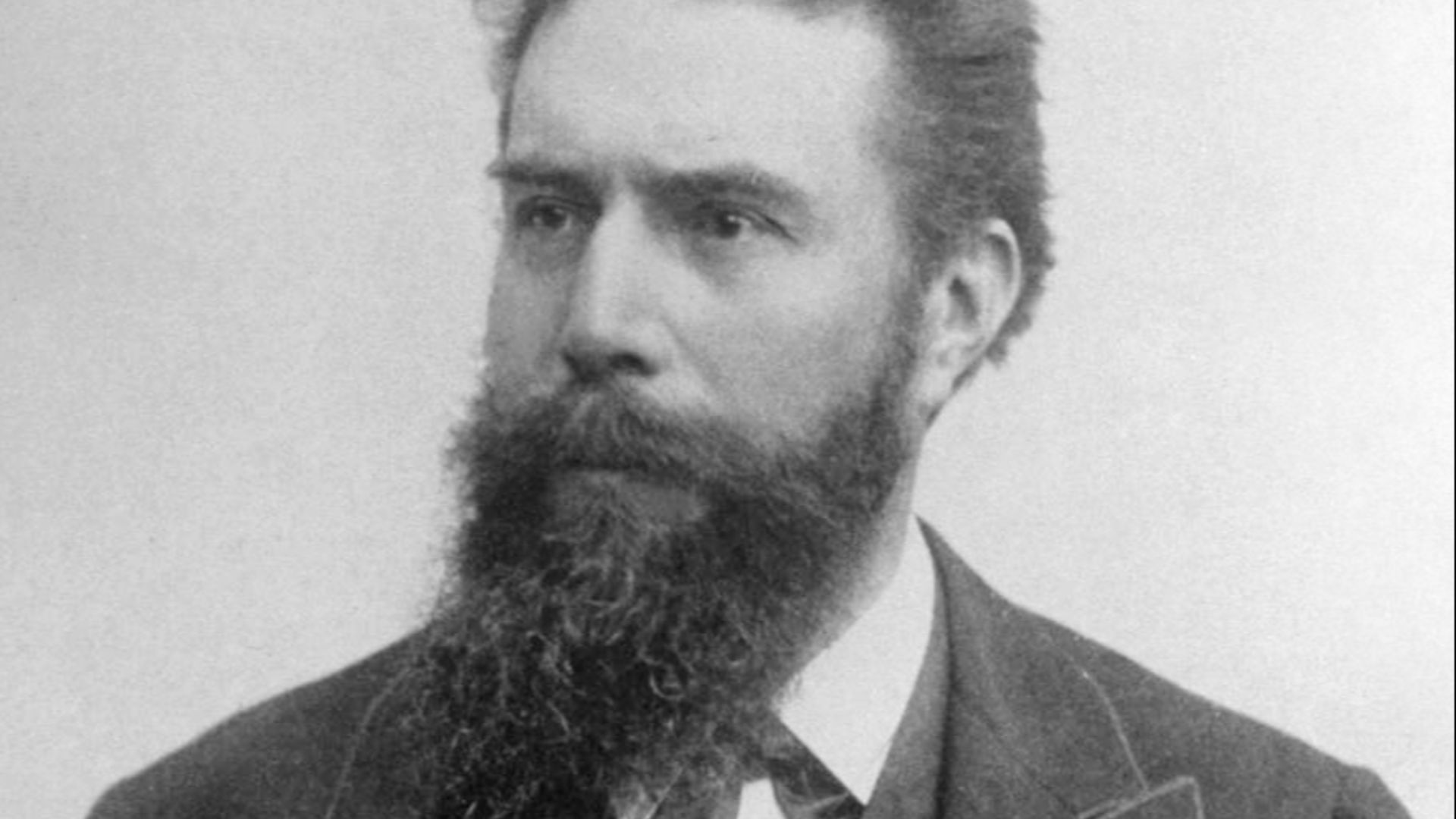
Wilhelm Röntgen discovered X-rays in 1895 and soon produced the famous image of his wife’s hand. For the first time, the hidden body could be seen without opening it. The discovery was thrilling, useful, and dangerous before anyone fully understood radiation exposure.
10. The First Successful Corneal Transplant
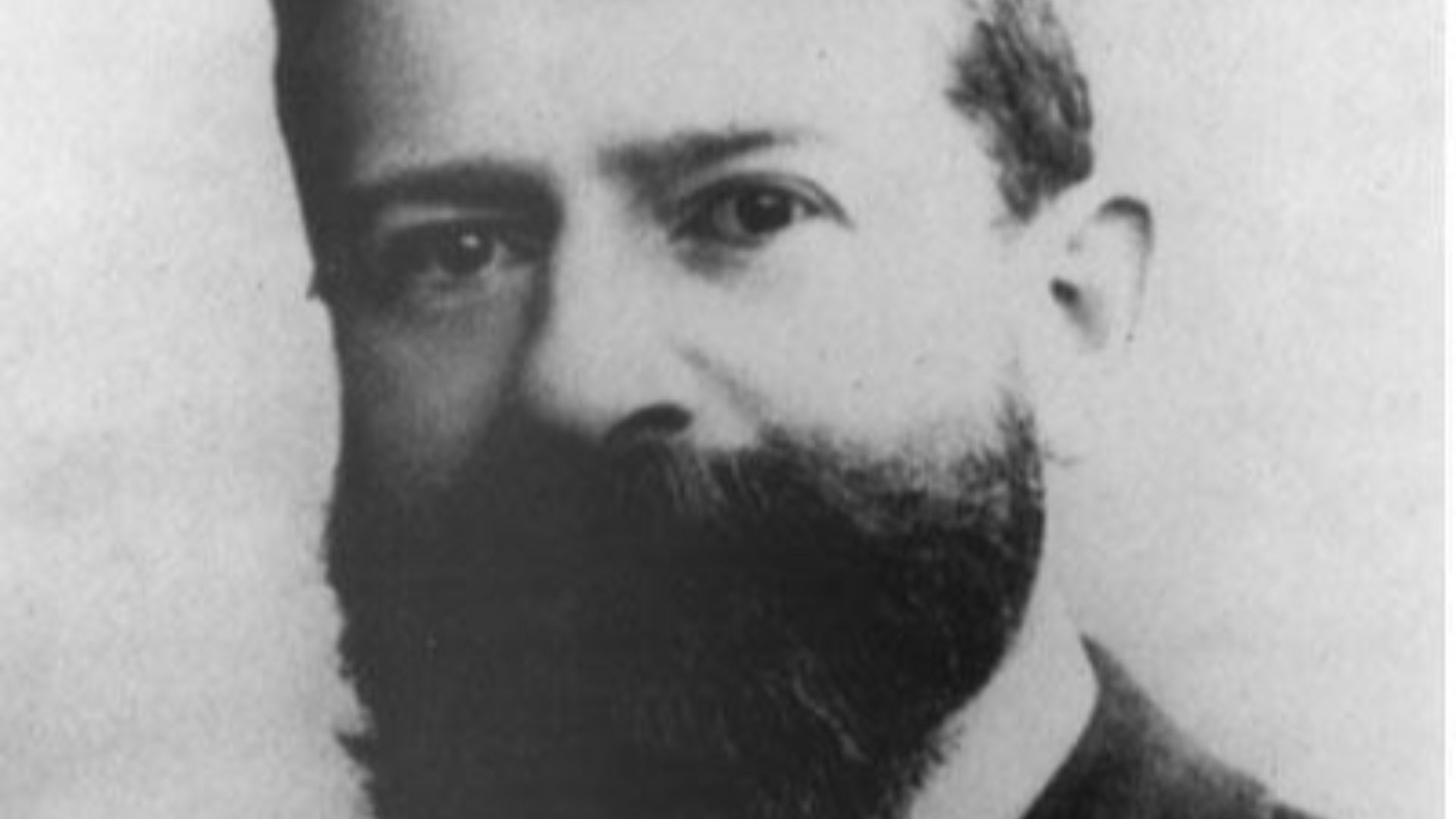
In 1905, Eduard Zirm performed a successful full-thickness corneal transplant. The operation gave sight back in a way that must have seemed almost unreal at the time. It also proved that transplantation could be more than a dream or a desperate experiment.
 Unknown authorUnknown author on Wikimedia
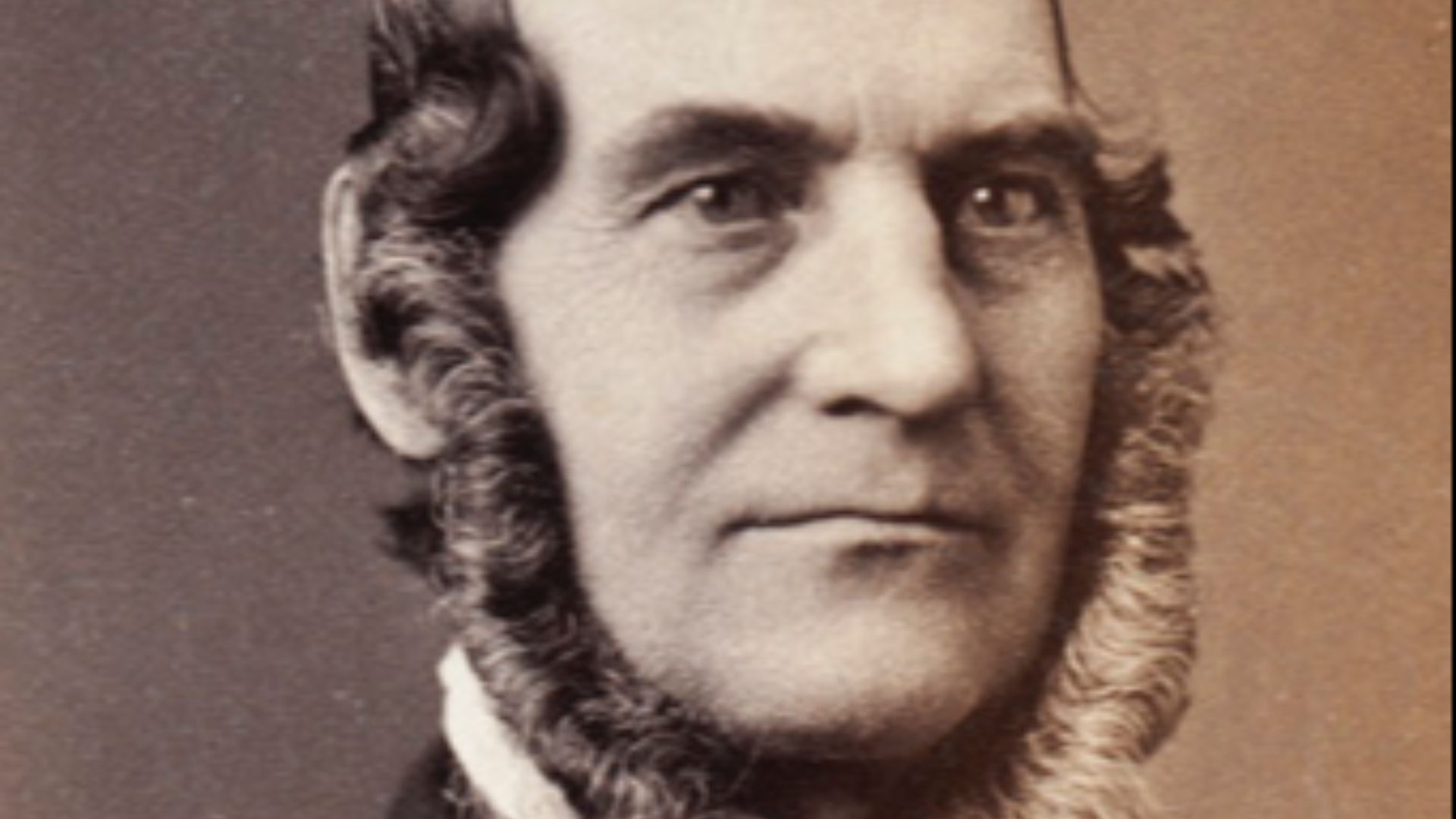
11. The First Insulin Treatment
In January 1922, Leonard Thompson became the first person treated with insulin for diabetes. The first dose was imperfect, but the refined treatment that followed changed everything. A diagnosis that had often meant a slow decline suddenly came with a future.
 Unknown authorUnknown author on Wikimedia
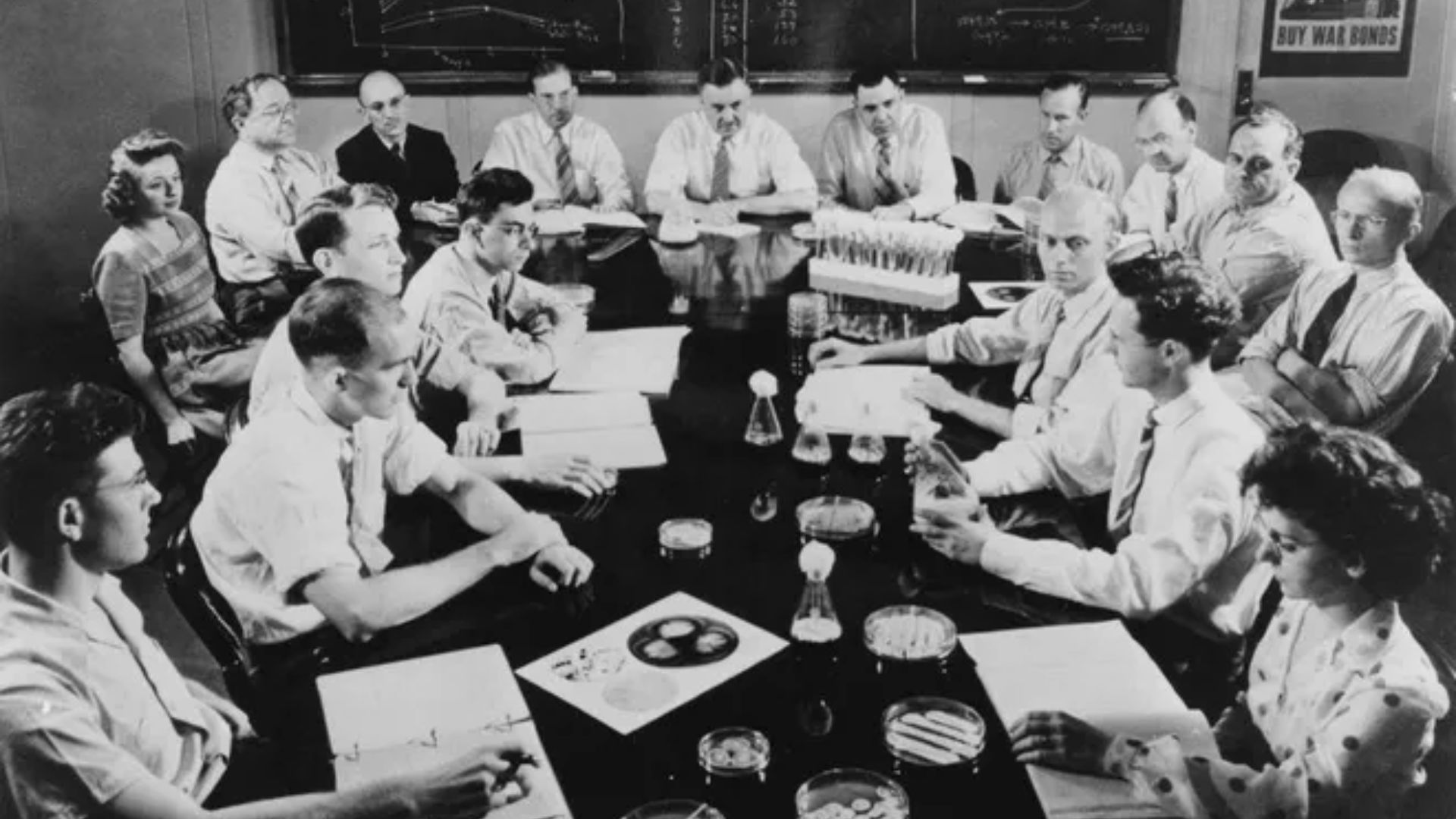
12. The First Clinical Use Of Penicillin
Penicillin’s path from mold in a dish to lifesaving medicine took years and several scientists. By the 1940s, it was proving its power against infections that had once turned small wounds into fatal events. The miracle was not tidy, but it was real.
 United States Department of Agriculture on Wikimedia
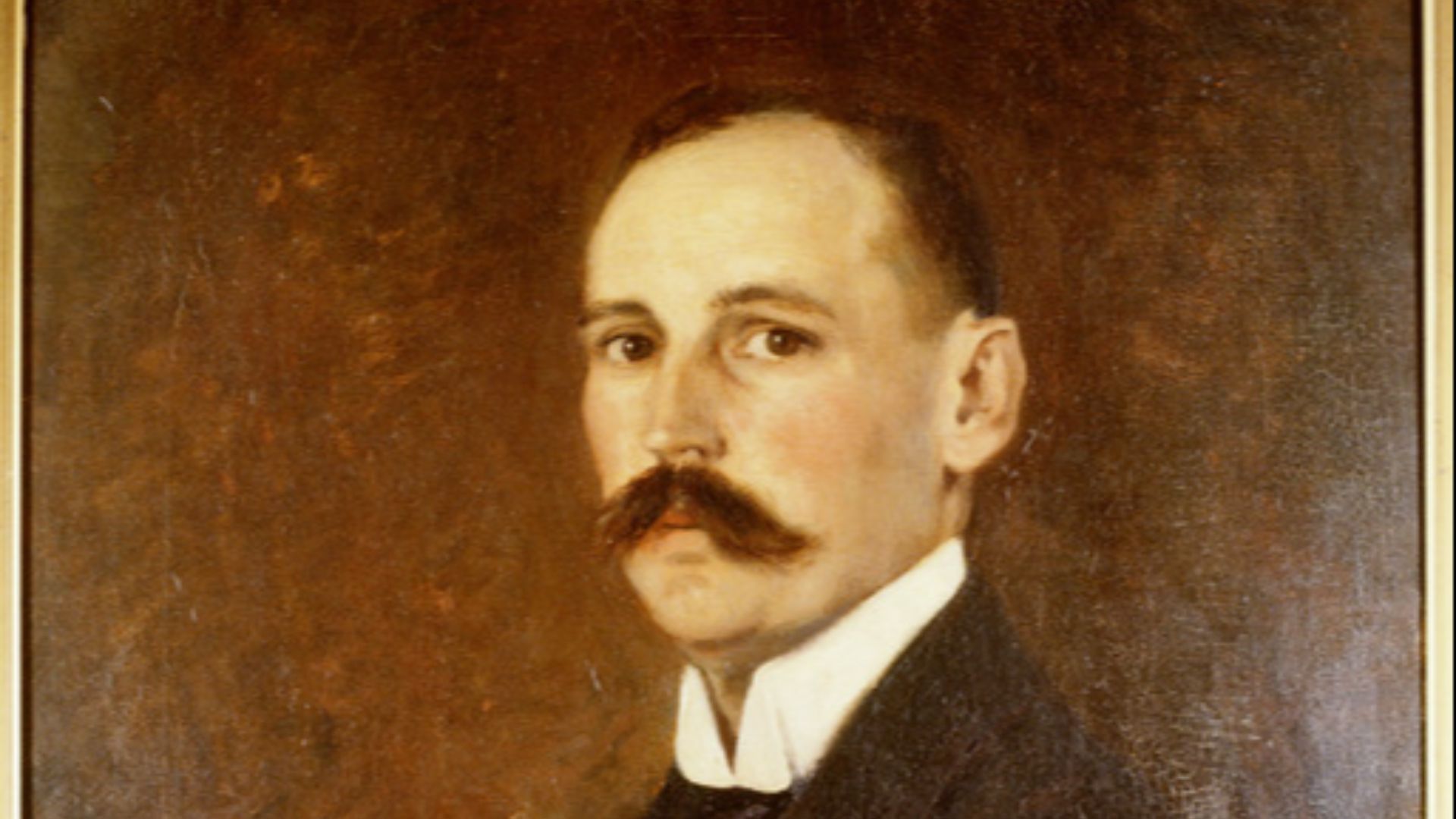
13. The First Successful Dialysis Treatment
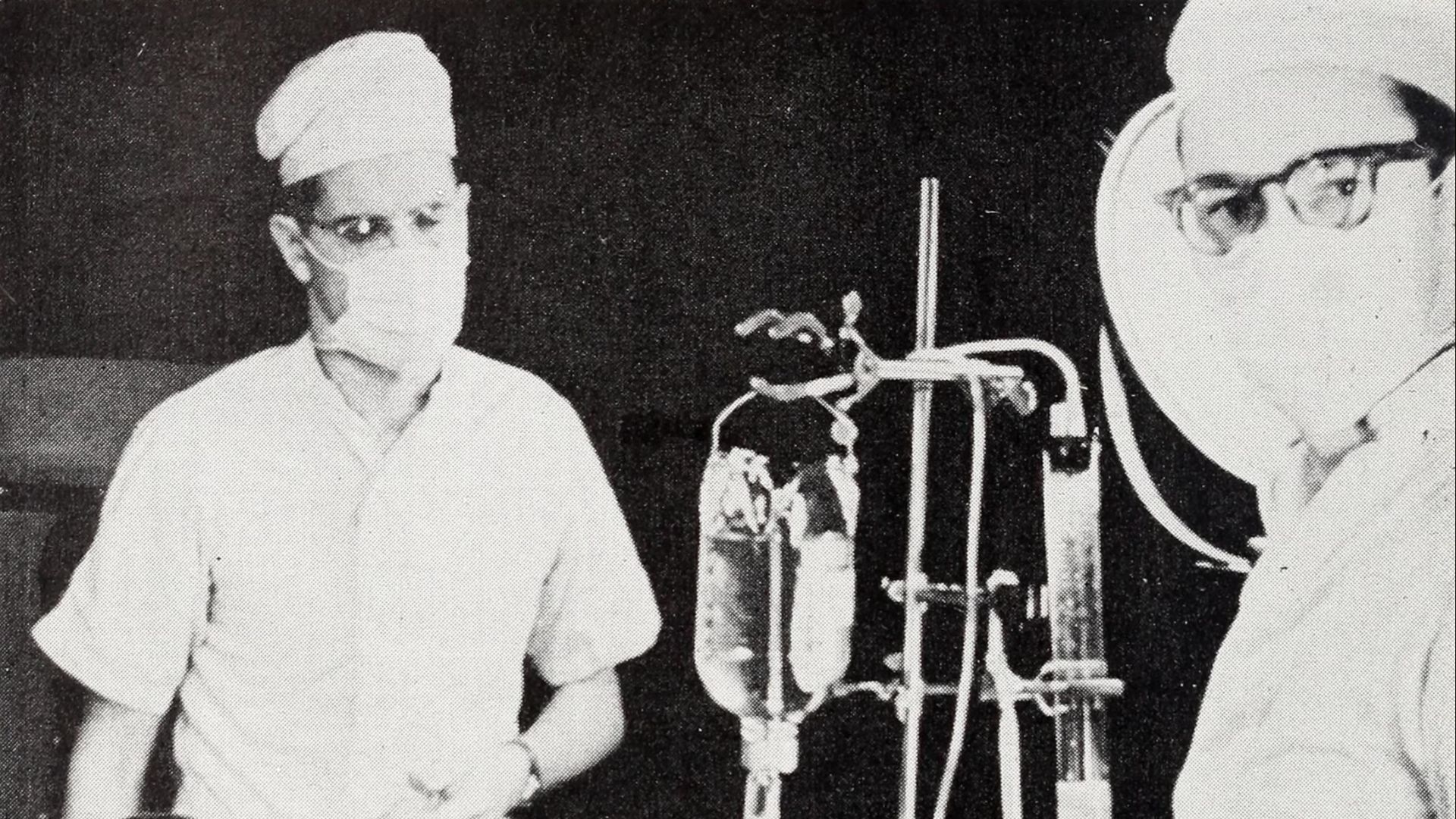
Willem Kolff’s early dialysis machine was built under grim wartime conditions, using whatever materials could work. In 1945, it successfully treated a woman with kidney failure. The machine looked improvised, but the idea was enormous: the body’s failed filtering system could be supported from the outside.
 Jan Willem Sluiter on Wikimedia
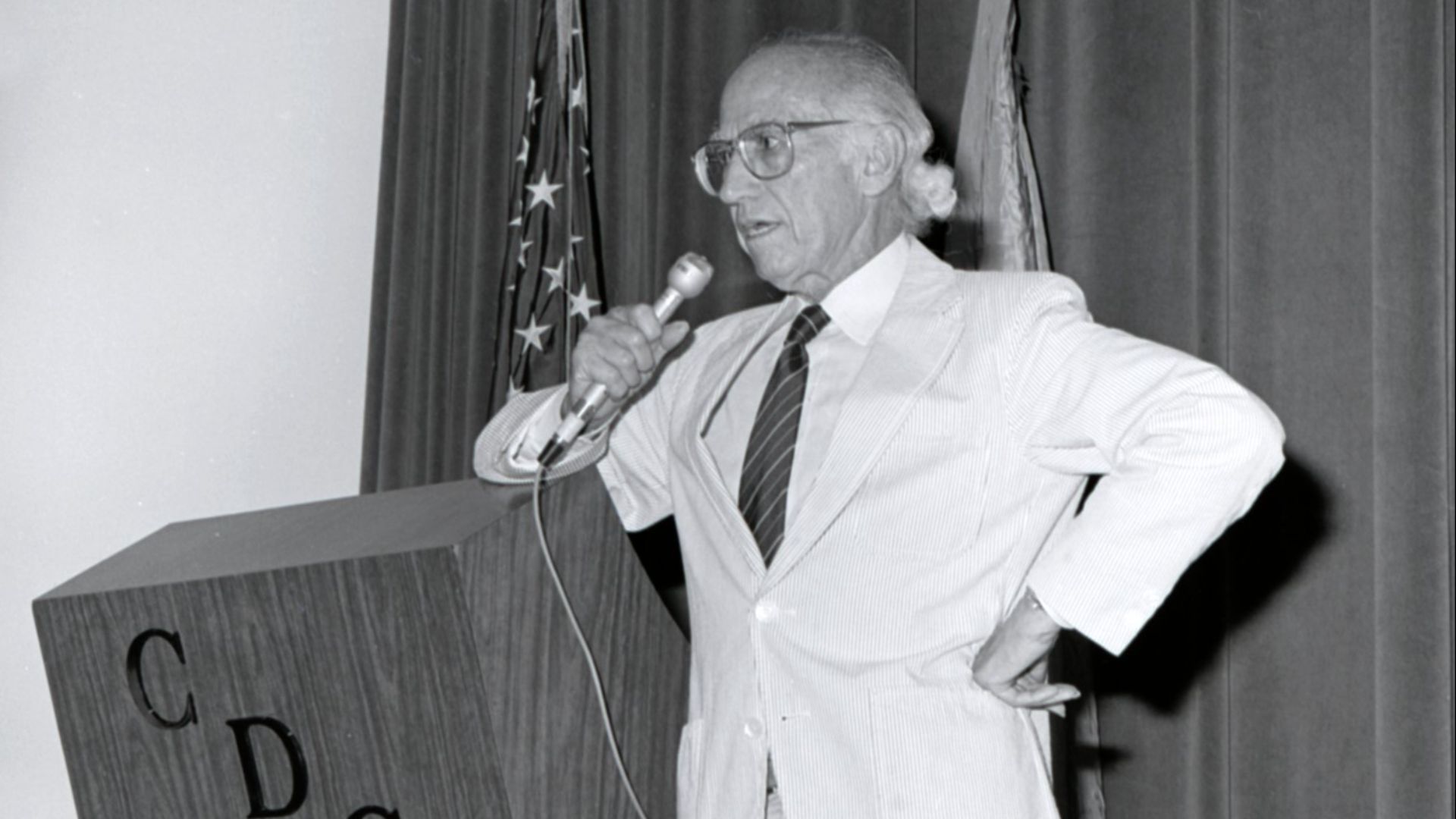
14. The First Polio Vaccine Success
Jonas Salk’s polio vaccine was declared safe, effective, and potent in 1955 after a massive field trial. Parents had lived for years with summer fear, closed pools, and children in iron lungs. The vaccine did not just prevent illness; it changed the emotional weather of childhood.
15. The First Open-Heart Surgery With A Heart-Lung Machine
In 1953, John Gibbon used a heart-lung machine during successful open-heart surgery. The machine temporarily did work the body usually guards with every breath and heartbeat. It was a bold idea: stop the heart, fix the defect, and trust the machine to keep the patient alive.
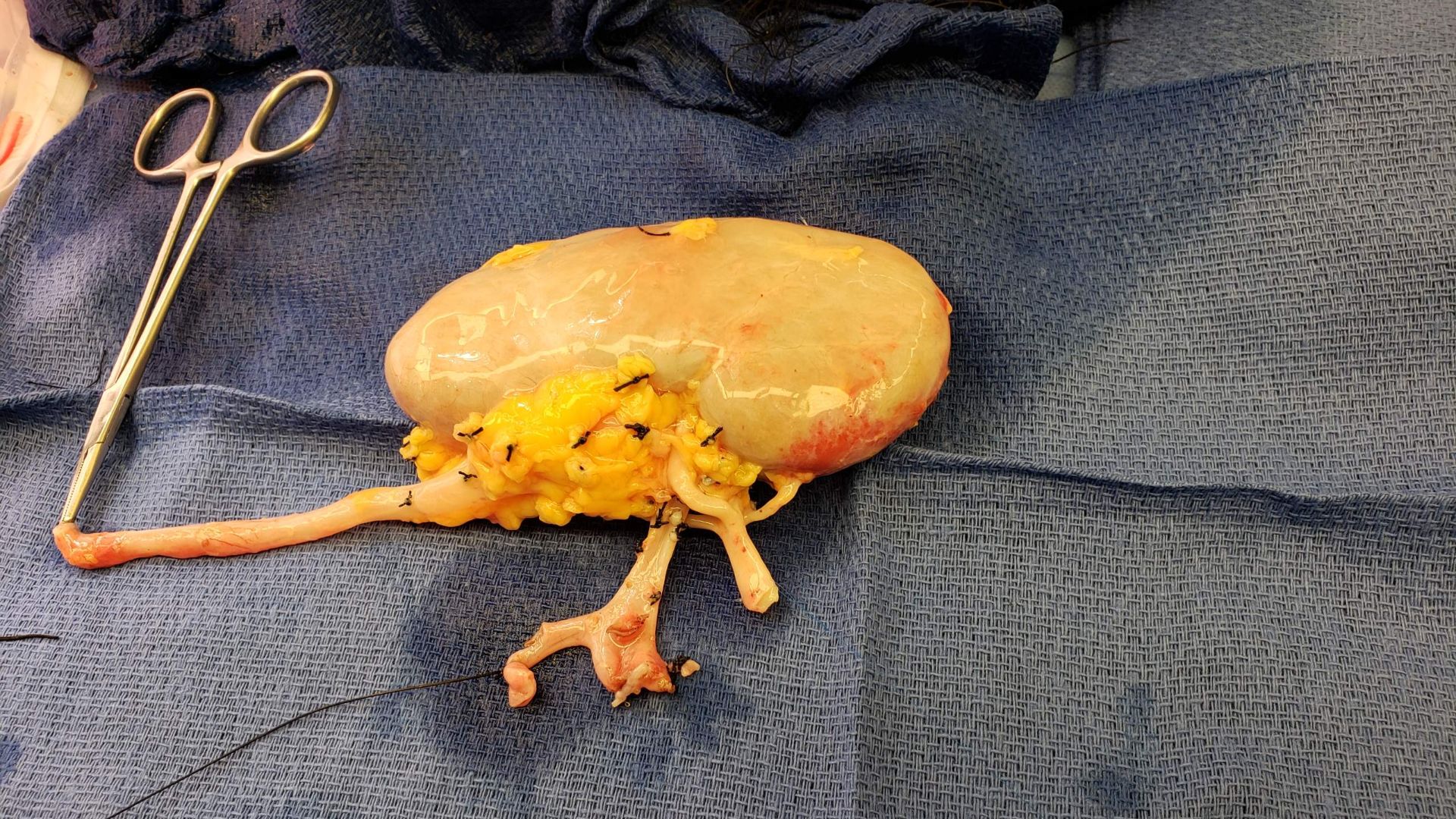
16. The First Successful Kidney Transplant
In 1954, a kidney transplant between identical twins proved that organ transplantation could last. The match mattered because rejection remained a huge barrier. Even so, the operation opened a door that surgeons, immunologists, and patients would spend decades pushing wider.
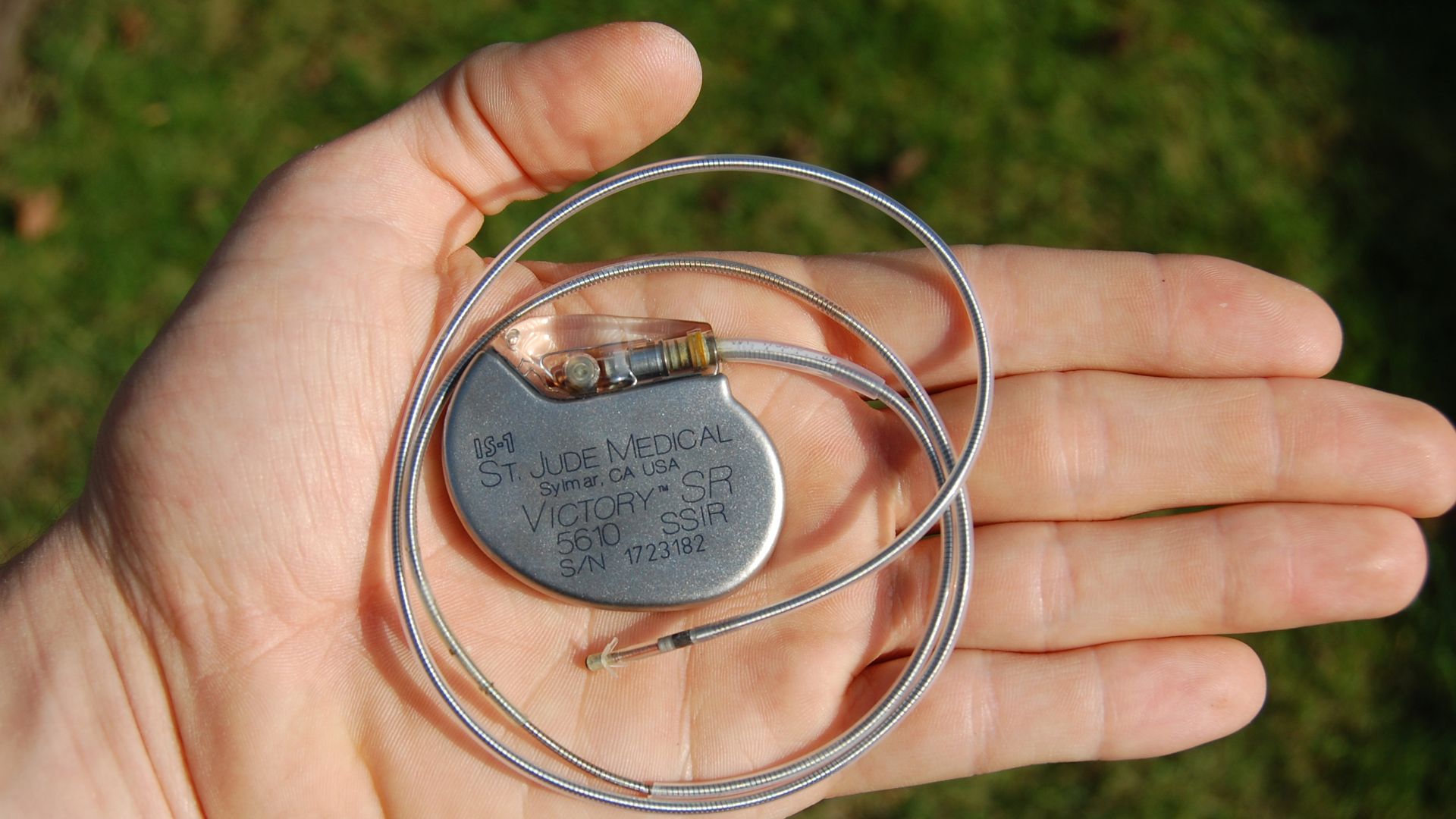
17. The First Implantable Pacemaker
In 1958, surgeons in Sweden implanted a pacemaker in Arne Larsson. The first devices did not last long, but the principle was sound. A machine could sit inside the body and help keep time with the heart.
 Steven Fruitsmaak on Wikimedia
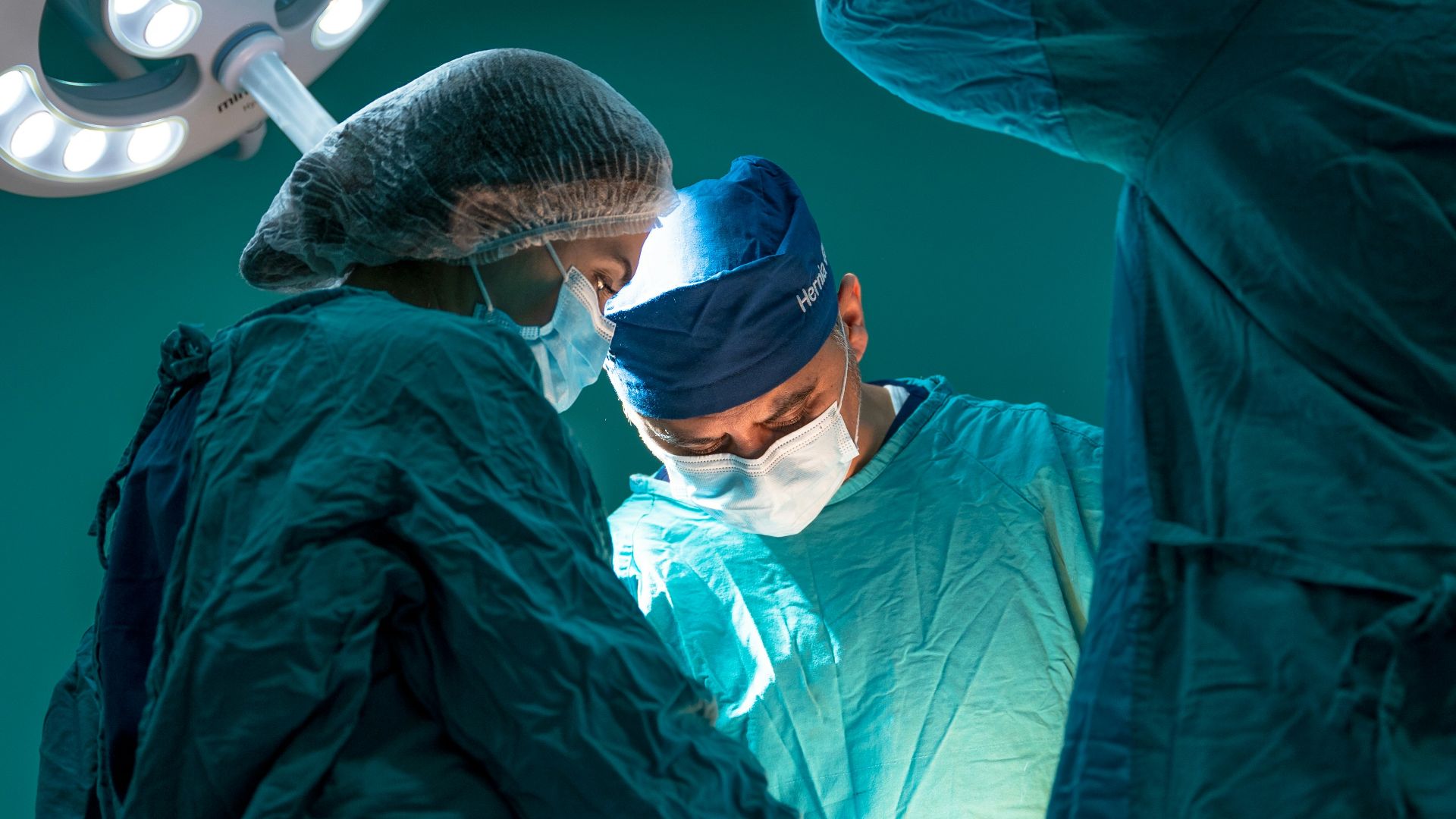
18. The First Successful Limb Reattachment
In 1962, surgeons at Massachusetts General Hospital reattached the severed arm of a young boy named Everett Knowles. The operation required a team to reconnect bone, vessels, muscle, and nerves with extraordinary care. It was not magic; it was patience under pressure.
19. The First Human Heart Transplant
In 1967, Christiaan Barnard performed the first human-to-human heart transplant in South Africa. The patient, Louis Washkansky, survived only 18 days, but the transplanted heart worked. The operation forced the world to think harder about death, survival, consent, and what medicine should dare to replace.
 Eric Koch for Anefo on Wikimedia
20. The First IVF Birth
Louise Brown was born in England in 1978, the first baby conceived through in vitro fertilization. Her birth followed years of research, skepticism, and emotional strain for families who had run out of options. What once sounded strange became, for millions of people, the beginning of ordinary life.
KEEP ON READING
The story of Ching Shih, the Woman Who Became the…
Unknown author on WikimediaFew figures in history are as feared…
By Emilie Richardson-Dupuis Dec 29, 2025
Einstein's Violin Just Sold At An Auction—And It Earned More…
A Visionary's Violin. Wanda von Debschitz-Kunowski on WikimediaWhen you hear…
By Ashley Bast Nov 3, 2025
This Infamous Ancient Greek Burned Down An Ancient Wonder Just…
History remembers kings and conquerors, but sometimes, it also remembers…
By David Davidovic Nov 12, 2025
The Mysterious "Sea People" Who Collapsed Civilization
3,200 years ago, Bronze Age civilization in the Mediterranean suddenly…
By Robbie Woods Mar 18, 2025
20 Greatest Ancient Athletes In History
Ancient Olympics. Long before modern stadiums and multimillion-dollar endorsements, athletes…
By Sara Springsteen May 1, 2026
20 Soldiers Who Defied Expectations
Changing the Rules of the Battlefield. You’ve probably heard plenty…
By Annie Byrd Feb 10, 2026