

 Jan-Rune Smenes Reite on Pexels
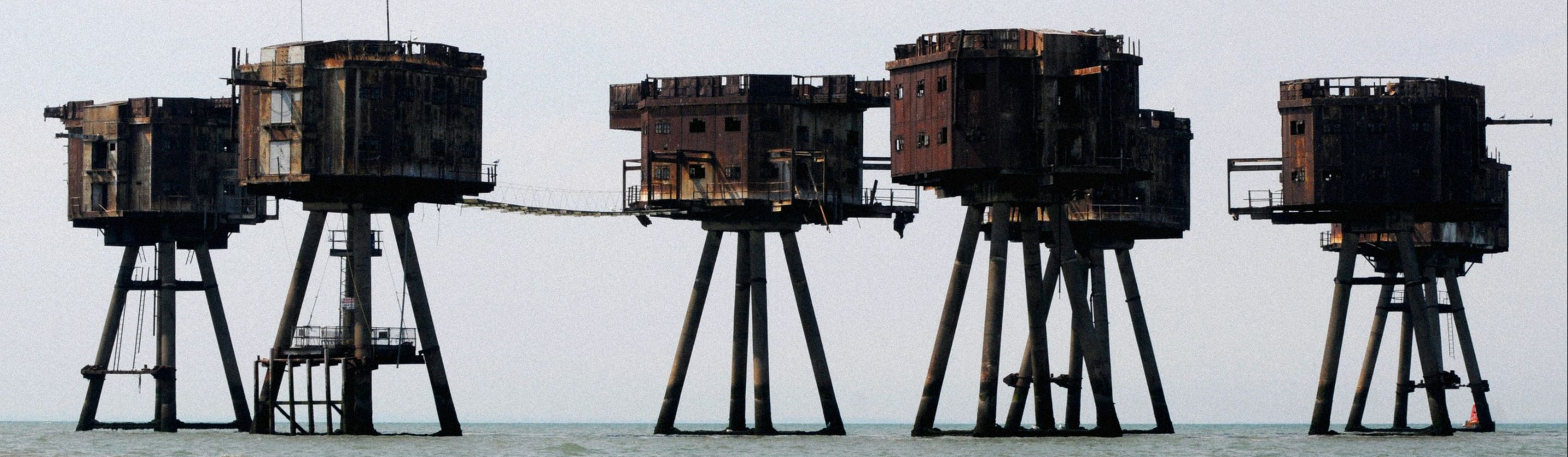
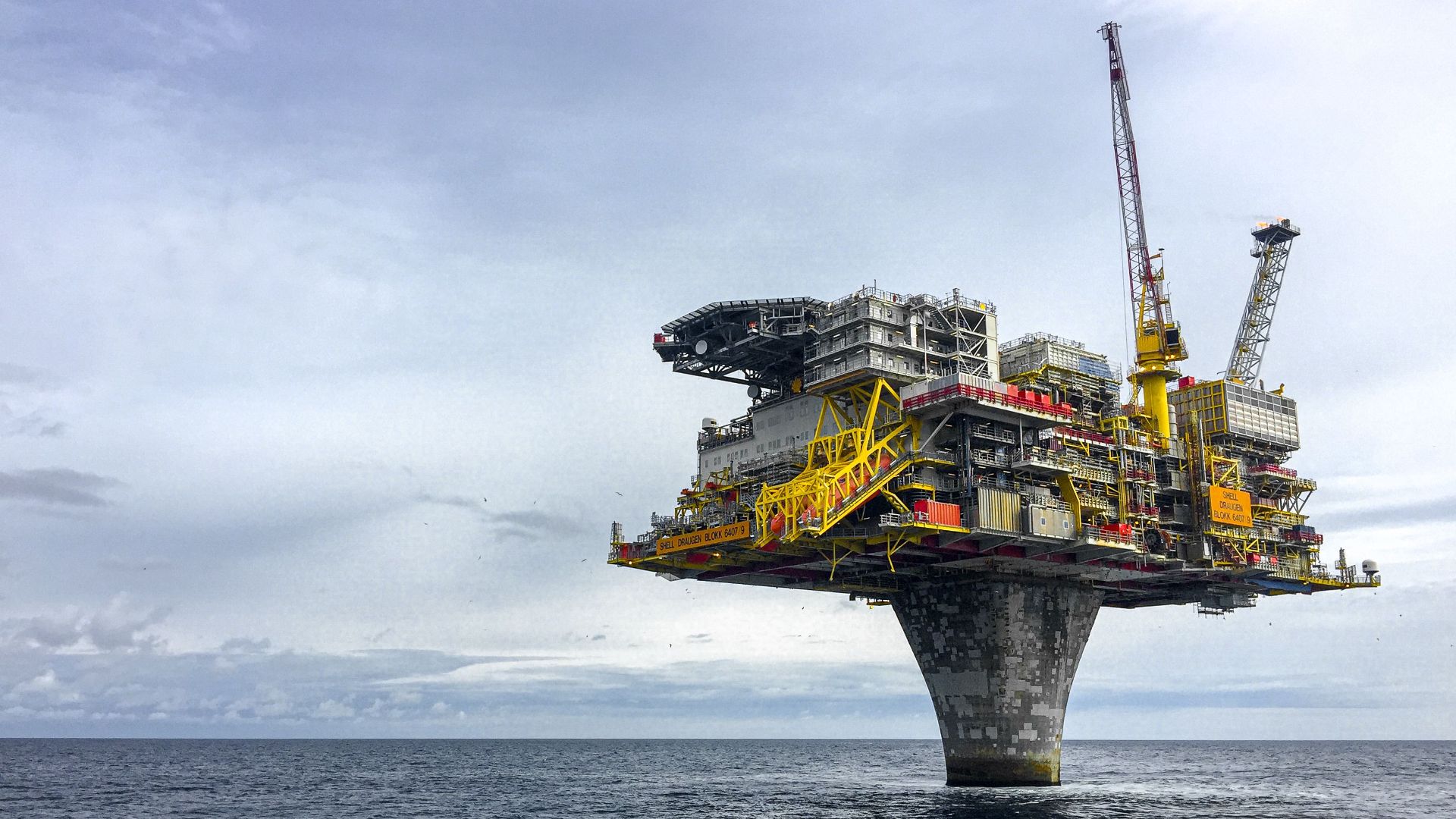
Somewhere in the Gulf of Mexico, more than 2,000 offshore oil and gas platforms are still standing, with several hundred more sitting on the seafloor, either deliberately or by accident. That number represents only the active and recently retired ones. At the industry's peak, roughly 4,000 platforms dotted the Gulf, a density of industrial infrastructure with no real parallel anywhere else in the ocean. The question of what to do with them when they stop producing has become one of the stranger problems in environmental policy.
The answer that emerged, at least in the United States, was not what anyone initially expected. Instead of treating decommissioned platforms purely as industrial waste requiring removal, a growing body of science and a formal federal program have made the case that leaving them in place, or intentionally sinking them as artificial reefs, may actually be better for marine ecosystems than pulling them out. The argument is more rigorous than it sounds.
When Platforms Become Ecosystems
The transformation starts almost immediately. Within weeks of a platform being installed, hard surfaces on the submerged structure begin collecting barnacles, mussels, tube worms, and other invertebrates. Within a few years, corals and sponges establish themselves, and fish follow the food chain upward. By the time a platform reaches the end of its productive life, after 20 or 30 years of operation, its legs and cross-members have typically become dense, layered reef ecosystems that rival or exceed natural structures in biological productivity.
Louisiana formalized this observation into policy in the mid-1980s, launching one of the earliest Rigs-to-Reefs programs in the country. Rather than paying for full platform removal, which can cost anywhere from $500 million to over $1 billion for large deepwater structures according to industry estimates reported by the Bureau of Safety and Environmental Enforcement, companies could donate platforms to state reef programs and receive partial credit against their decommissioning liabilities. Roughly 600 offshore structures in the Gulf of Mexico have been converted to artificial reefs through similar programs since then, according to federal data.
The marine communities that develop on these structures are not trivial. Researchers have documented hundreds of species using platforms as habitat in the Gulf of Mexico, from juvenile red snapper to whale sharks passing through. The structures create vertical relief in an otherwise flat seafloor environment, which concentrates marine life in ways that are measurable, significant, and increasingly well-studied.
The Research That Reframed the Debate
The most cited piece of evidence in this conversation is a 2014 study published in the Proceedings of the National Academy of Sciences, led by researcher Jeremy Claisse. His team analyzed fish production data around oil and gas platforms off the California coast and found that these structures produced more fish biomass per unit of seafloor area than any other marine habitat type studied, including natural reefs, estuaries, and kelp forests. The production rates were not marginal; they were orders of magnitude higher than comparable natural habitats.
That finding landed hard in a policy context where California was debating what to do with its aging offshore infrastructure, including platforms approaching decommissioning. The state's own Rigs-to-Reefs program has been slower to develop than Louisiana's, partly due to stricter regulations and stronger environmental opposition, but the science created genuine pressure to reconsider automatic removal as the default response.
The mechanism involves what researchers call the platform effect, a phenomenon where the three-dimensional structure of a rig's submerged components creates dramatically more usable habitat per square meter than flat or gently sloping seabeds can. Fish that congregate around platforms are not simply migrating from elsewhere; studies tracking juvenile fish populations suggest platforms function as genuine nursery habitats, adding net biomass to regional ecosystems rather than merely redistributing it.
The Policy Divide That Still Has No Clean Answer
Not everyone arrived at the same conclusion. The OSPAR Convention, which governs offshore environmental protection across the northeastern Atlantic, takes a fundamentally different position. Under its rules, full removal of offshore installations is the default requirement, with exceptions granted only in limited circumstances. The North Sea holds hundreds of aging platforms built during the 1970s oil boom, and the decommissioning wave now underway is estimated to cost the industry upwards of $60 billion over coming decades, according to Wood Mackenzie projections.
The philosophical divide traces back at least to 1995, when Shell proposed disposing of its Brent Spar storage buoy by sinking it in the deep Atlantic. Greenpeace launched a high-profile campaign against the plan, and Shell eventually reversed course under public pressure, towing the structure to Norway for dismantling on land. The episode hardened a European regulatory consensus that offshore structures belong on land when their working life ends, regardless of what the ecology might suggest.
What the rigs-to-reefs research complicates, without fully resolving, is the assumption that removal is inherently the cleaner option. Dismantling a large offshore platform generates its own environmental disruption, including sediment disturbance, noise pollution, and the destruction of whatever ecosystem had established itself on the structure over decades. The platforms were an accident of industrial history; the reefs that grew on them were not.
KEEP ON READING

The 20 Most Recognized Historical Figures Of All Time
The Biggest Names In History. Although the Earth has been…
By Cathy Liu Oct 4, 2024
10 of the Shortest Wars in History & 10 of…
Wars: Longest and Shortest. Throughout history, wars have varied dramatically…
By Emilie Richardson-Dupuis Oct 7, 2024
10 Fascinating Facts About Ancient Greece You Can Appreciate &…
Once Upon A Time Lived Some Ancient Weirdos.... Greece is…
By Megan Wickens Oct 7, 2024
20 Lesser-Known Facts About Christopher Columbus You Don't Learn In…
In 1492, He Sailed The Ocean Blue. Christopher Columbus is…
By Emilie Richardson-Dupuis Oct 9, 2024
20 Historical Landmarks That Have The Craziest Conspiracy Theories
Unsolved Mysteries Of Ancient Places . When there's not enough evidence…
By Megan Wickens Oct 9, 2024
The 20 Craziest Inventions & Discoveries Made During Ancient Times
Crazy Ancient Inventions . While we're busy making big advancements in…
By Cathy Liu Oct 9, 2024