

20 Facts About The Freemasons, The Oldest Frathouse Alive
The Hidden Ancient Brotherhood
Freemasonry has always sat in an odd place in history: documented enough to study, private enough to make people curious. It began in the practical world of stonemasons. These men cut, shaped, and fitted the stone used in medieval churches, castles, and civic buildings. Over time, that trade culture changed into a fraternity built around ritual, moral lessons, charity, and fellowship. The secrecy has done a lot of work for its public image, sometimes making it look stranger than it actually is. The list below breaks down 20 facts about the Freemasons, from old Scottish lodge records to George Washington’s Masonic ties.
1. It Started With Working Stonemasons
Freemasonry grew out of the world of medieval stonemasons. As we previously mentioned, the stonemasons built churches, cathedrals, castles, and town buildings across Europe. Their trade used tools, rules, signs, and lodge customs. Modern Freemasonry turned many of those practical details into symbols about character and conduct.
2. Its Origins Aren’t Neatly Pinned Down
There isn’t one clean founding day for Freemasonry as a whole. The movement developed slowly. Lodges connected to stoneworking became places where men also gathered for fellowship, teachings, and ceremonies.
3. Scotland Has Some Of The Oldest Lodge Records
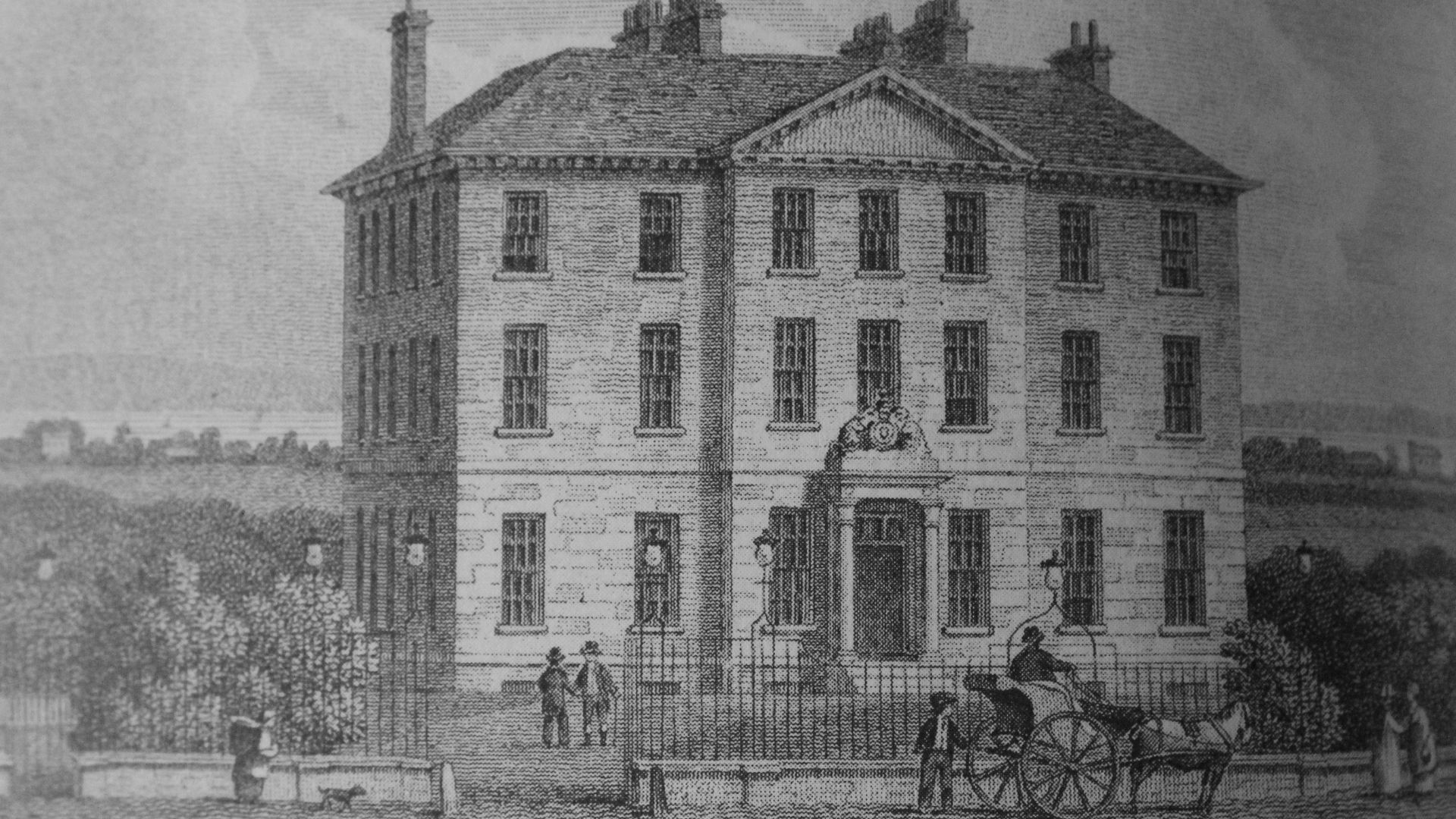
Some of the earliest surviving Masonic records come from Scotland, where lodge minutes date back to 1599. These records are kept in the Grand Lodge of Scotland, which is considered the “main governing body” of every Scottish Masonic Lodge.
 Unknown authorUnknown author on Wikimedia
4. Early Freemasonry Moved Beyond The Trade
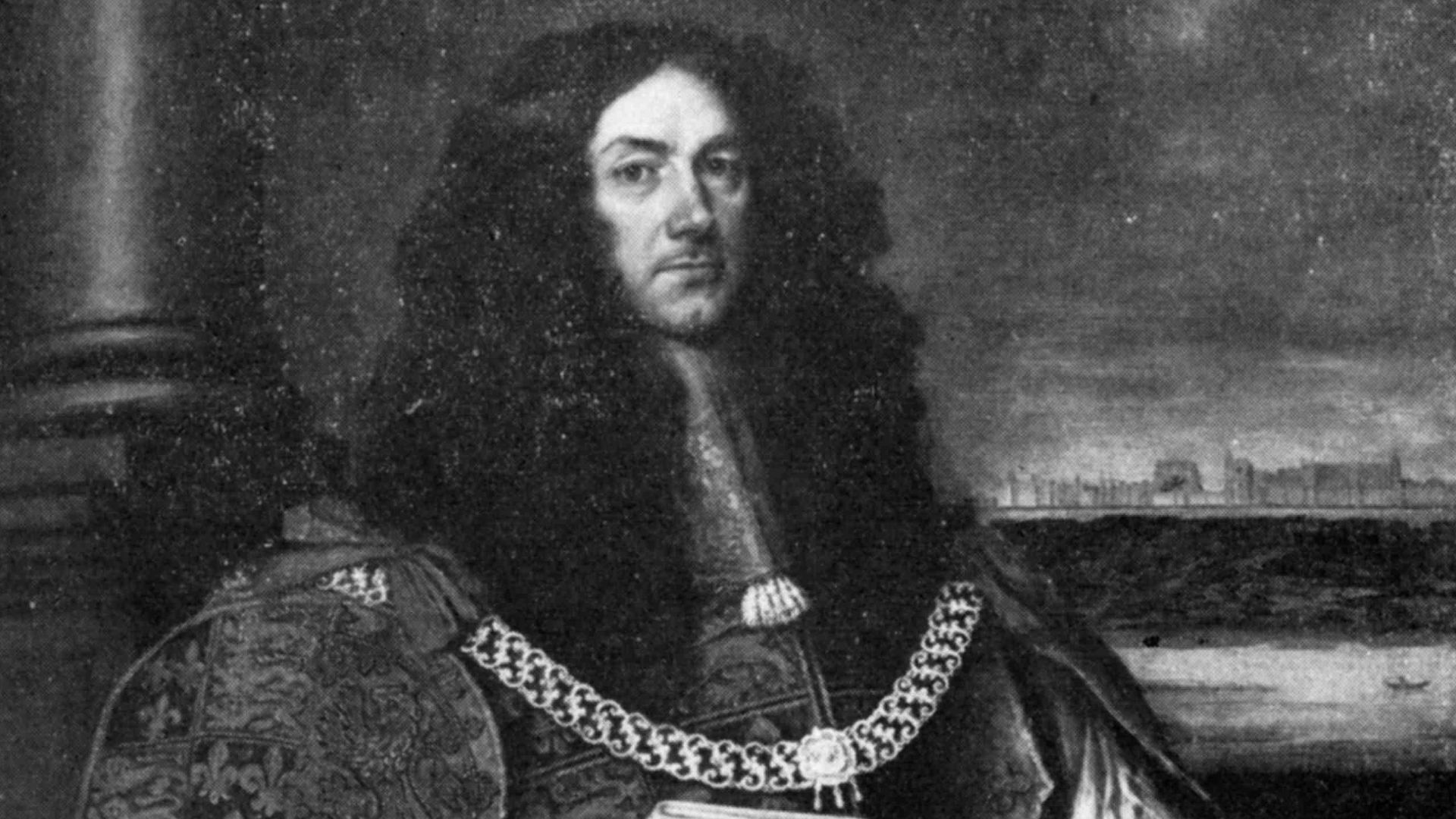
By the 1600s, men who weren’t working as stonemasons were being admitted into Masonic circles. Elias Ashmole, an English antiquarian, recorded his Freemasonry initiation in Warrington in 1646. As early as the early modern period, the fraternity had already started moving beyond the building trade.
5. London Helped Shape Modern Freemasonry
In 1717, four London lodges met at the Goose and Gridiron Tavern near St. Paul’s Churchyard and formed the first Grand Lodge. This initial meeting gave the movement a more formal structure and helped push it into its modern phase.
 Ethan Doyle White on Wikimedia
6. The 1723 Constitution Set Out The Rules
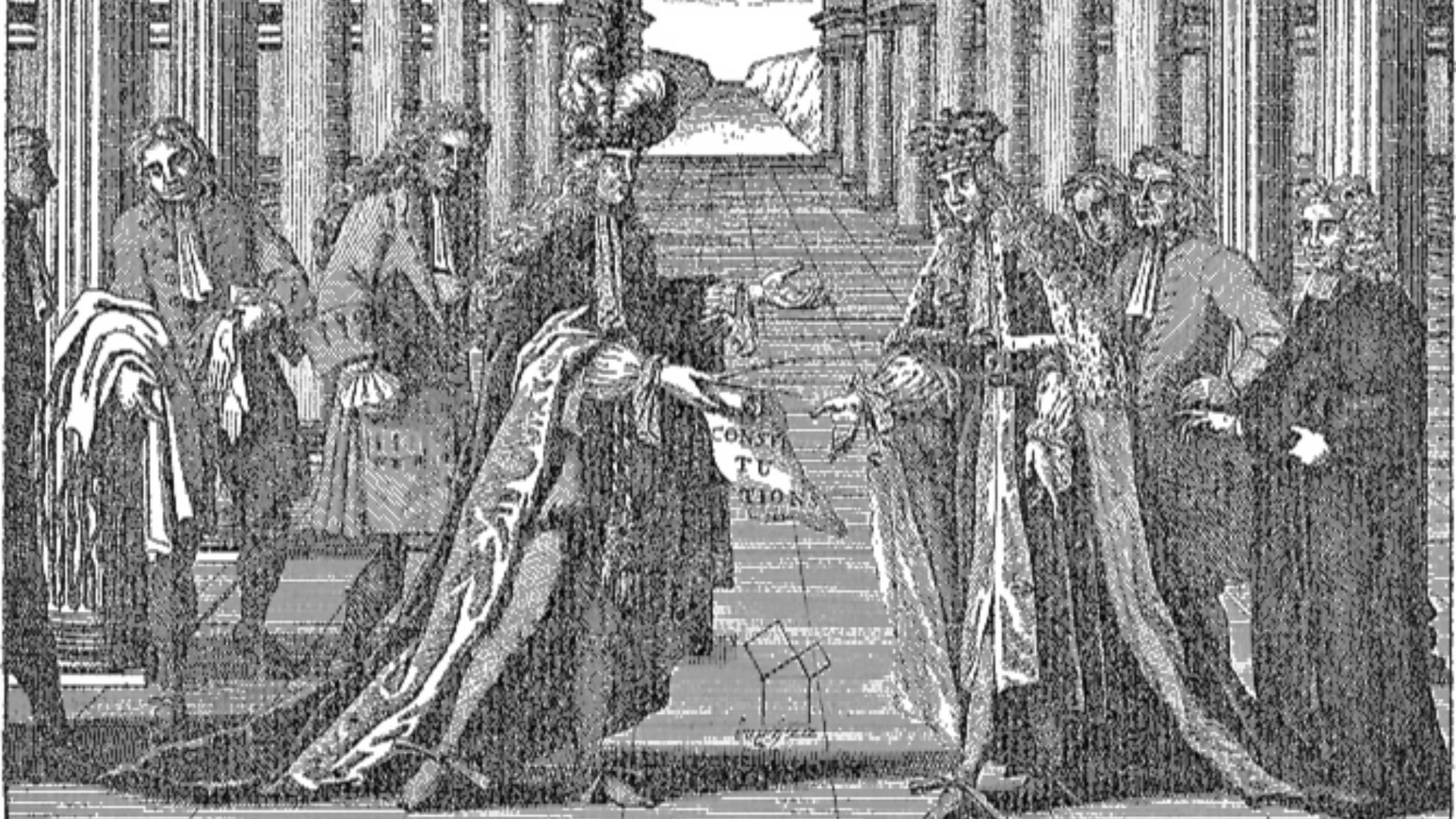
A major Masonic constitution appeared in 1723 and helped explain how lodges should operate. It also reflected the wider mood of the early 1700s. At this time, the movement had an interest in civility, learning, religious tolerance, and men from different backgrounds meeting on shared terms.
 engraved by John Pine in Aldersgate Street London on Wikimedia
7. Freemasonry Spread Through British Networks
Freemasonry traveled widely as merchants, soldiers, officials, and professionals moved through British imperial and colonial networks. Lodges appeared in port cities, military settings, and growing colonial towns, giving members a ready-made social circle in unfamiliar places.
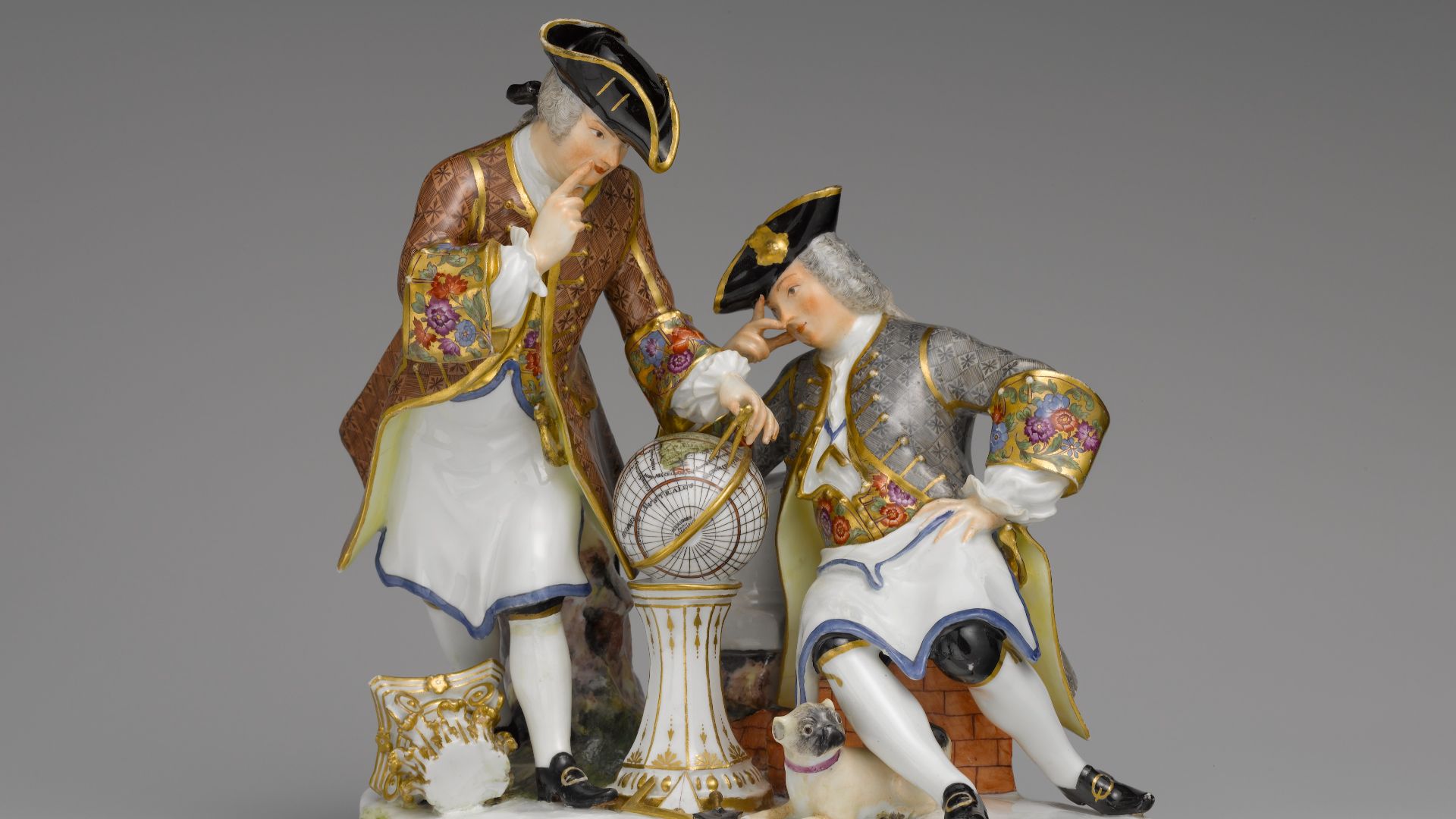 Meissen Manufactory / Johann Joachim Kändler on Wikimedia
8. American Freemasonry Arrived Early
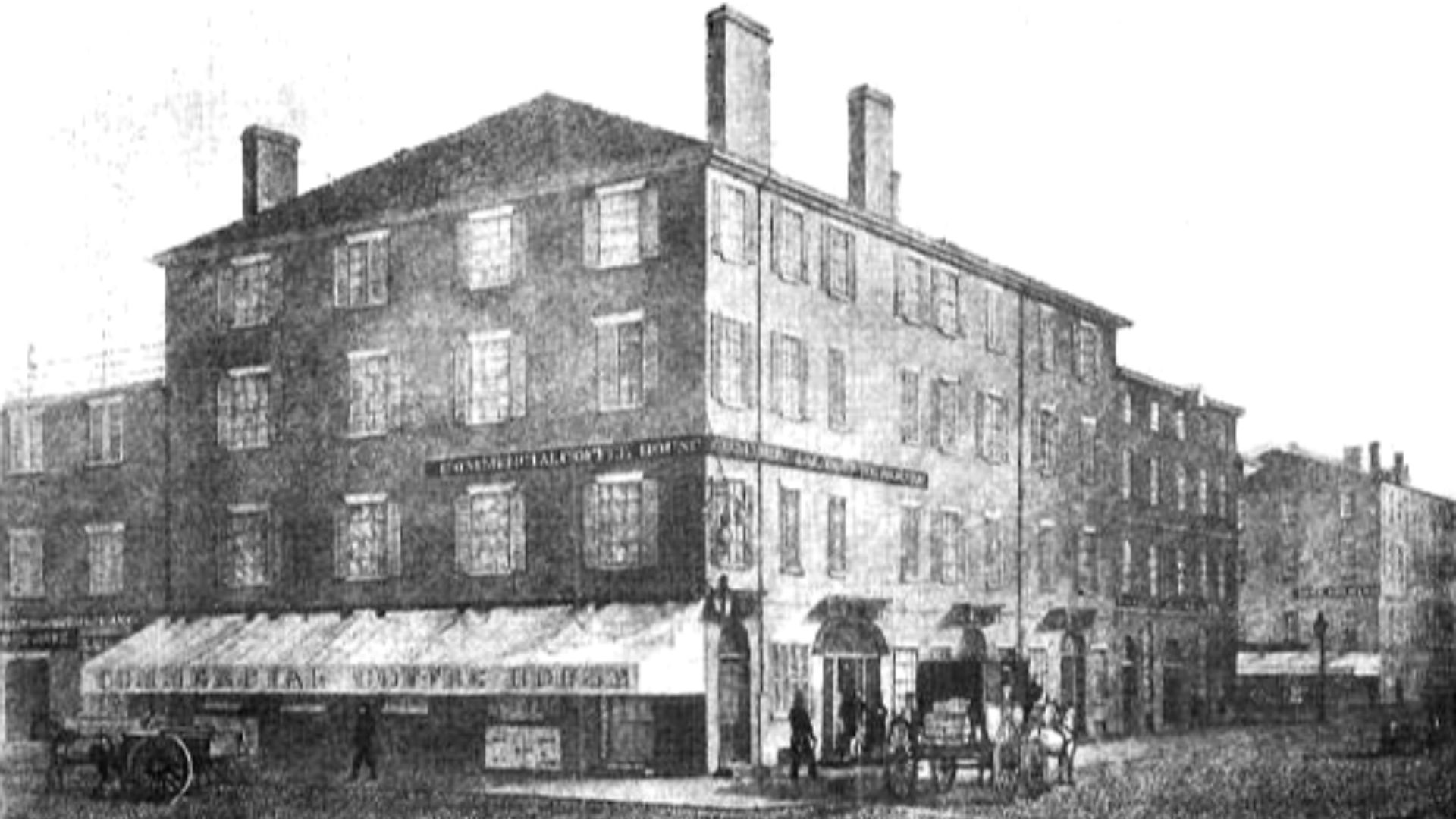
The first known American lodge dates to the early 1730s. From there, Freemasonry became part of colonial civic life, especially among men involved in trade, printing, local leadership, politics, and public service.
9. Benjamin Franklin Printed Masonic Material
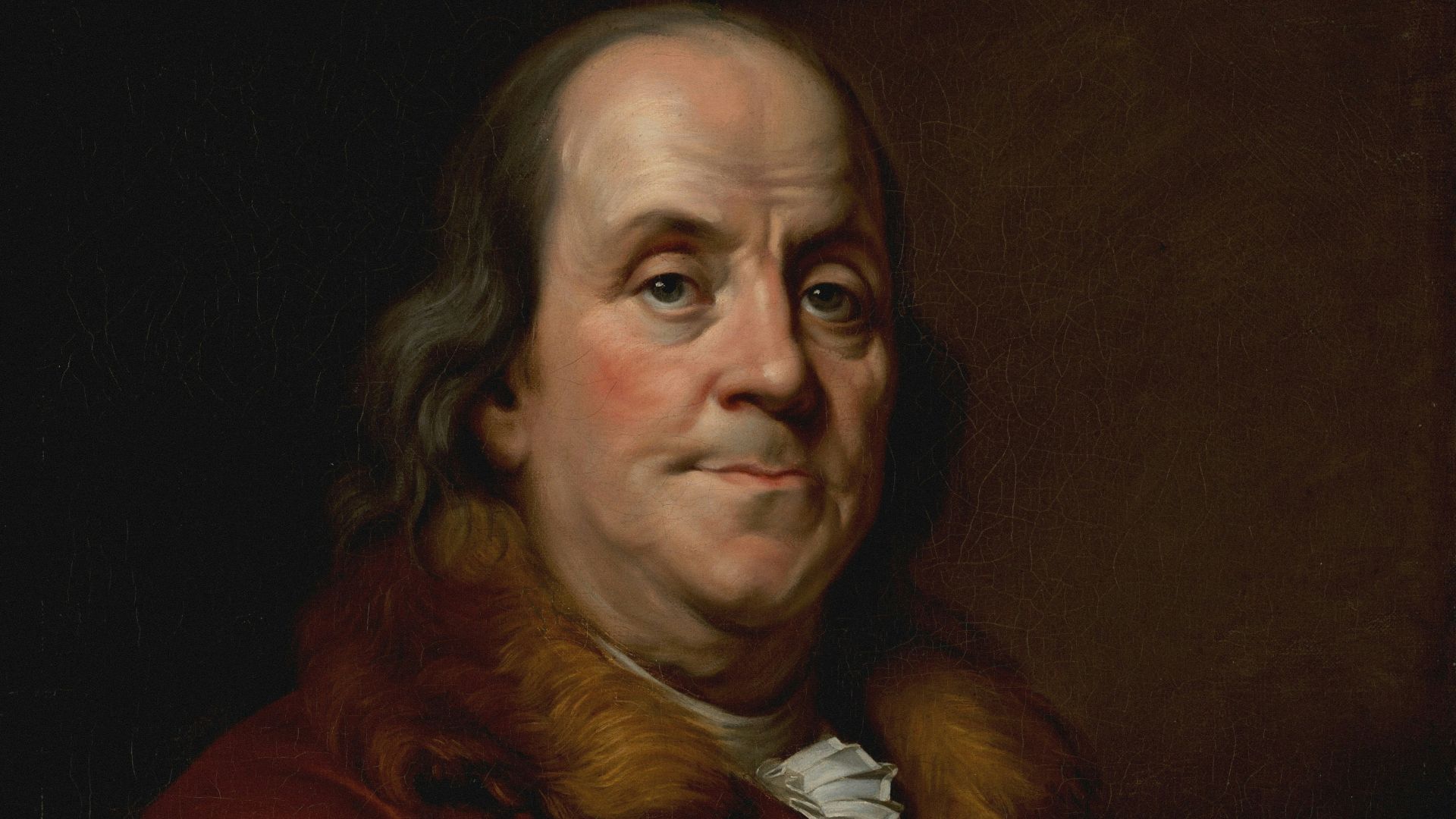
Benjamin Franklin printed James Anderson’s Constitutions of the Free-Masons for the United States in 1734. He joined the Philadelphia lodge only a few years earlier, but used his popularity to publish positive stories about the Freemasons in the years that followed.
 Boston Public Library on Unsplash
10. There’s No Single Worldwide Leader
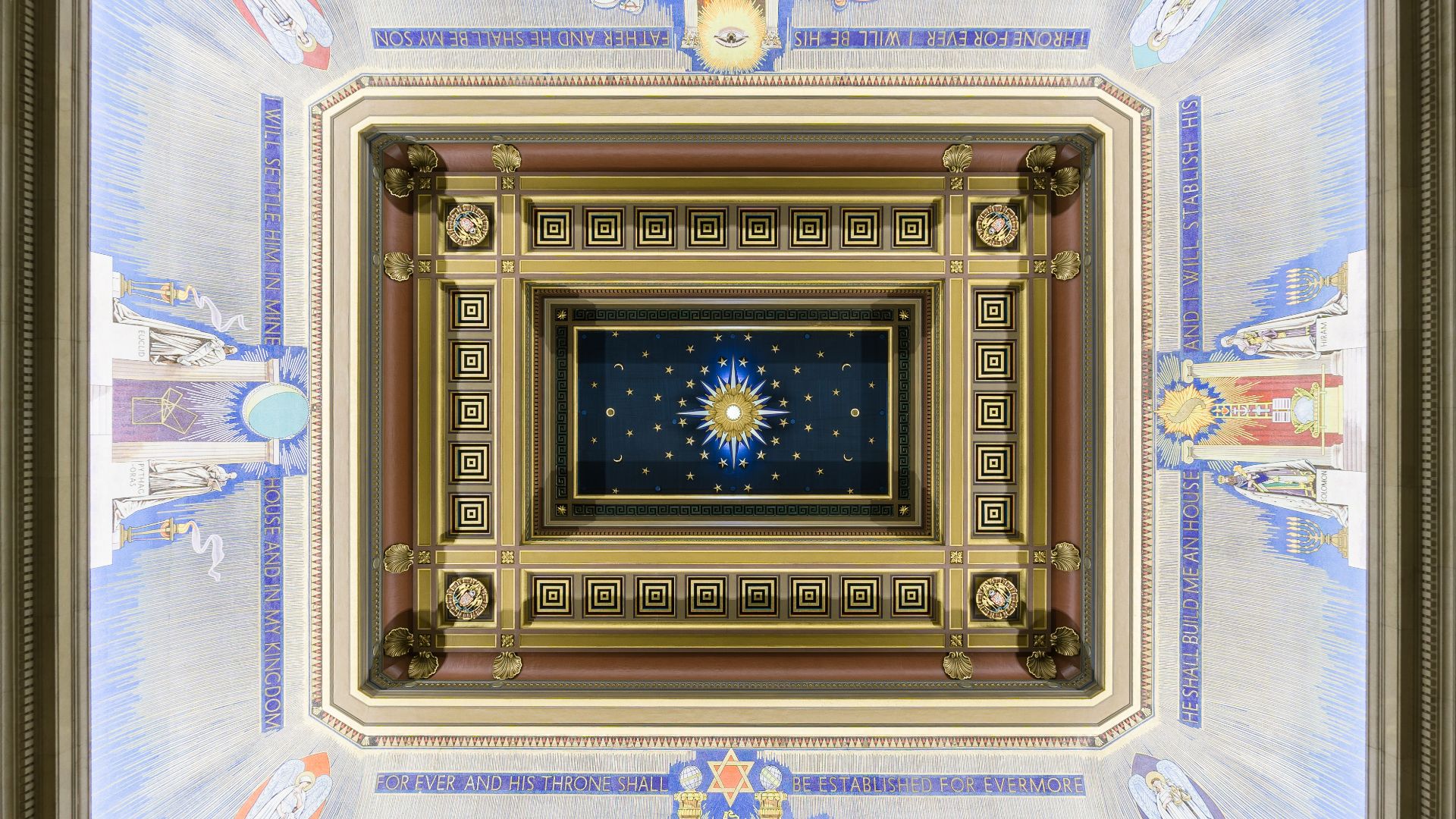
Freemasonry doesn’t have one global ruler or one central office directing every lodge. Grand Lodges usually govern Masonic activity within their own territory, and different Masonic bodies don’t always recognize one another.
11. The Main Path Has Three Degrees
The core Masonic path usually moves through three degrees: Entered Apprentice, Fellow Craft, and Master Mason. These ceremonies use old craft language, ritual, and symbols to teach ideas about responsibility, discipline, truthfulness, and personal growth.
12. A Lodge Means More Than A Building
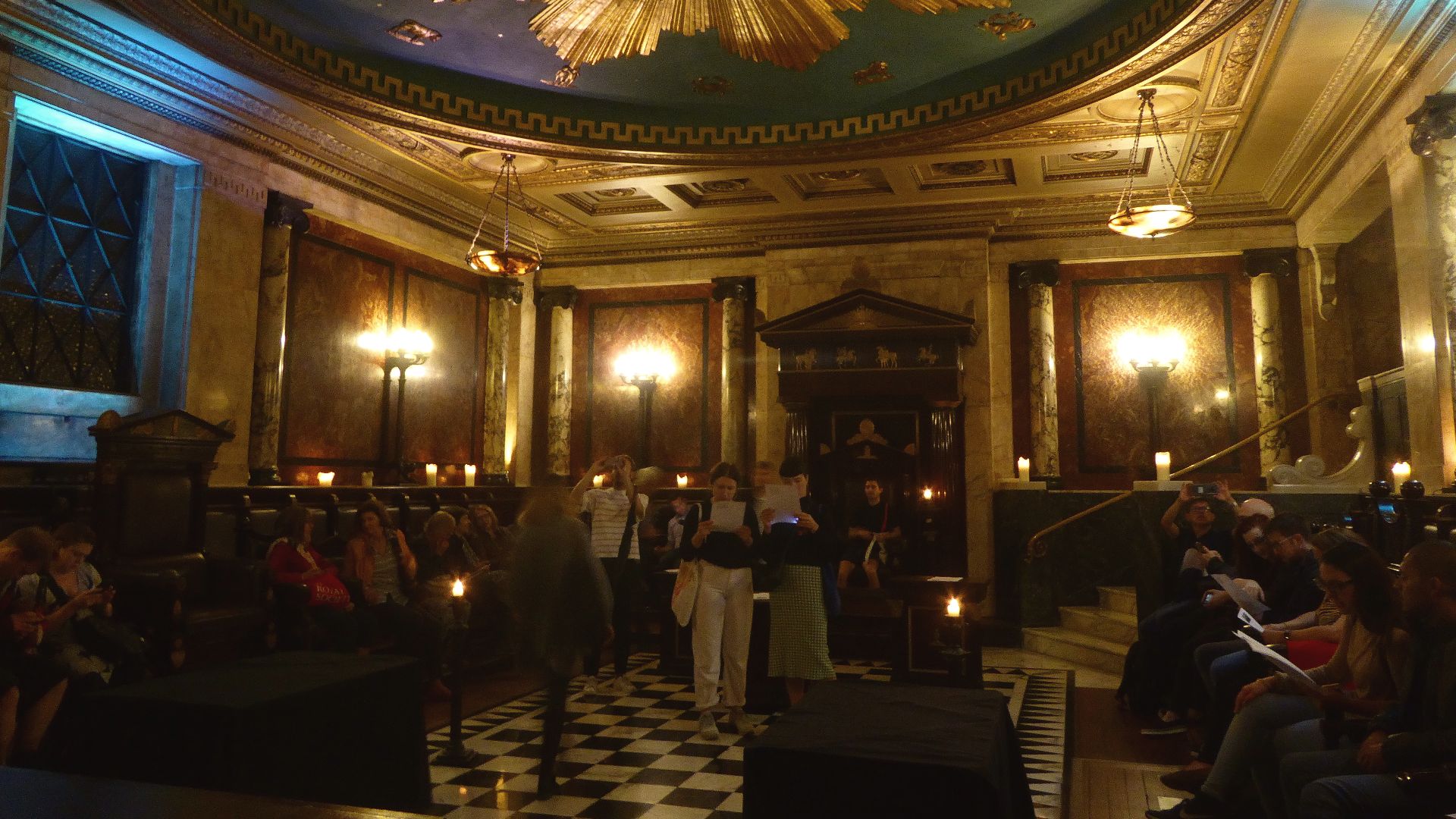
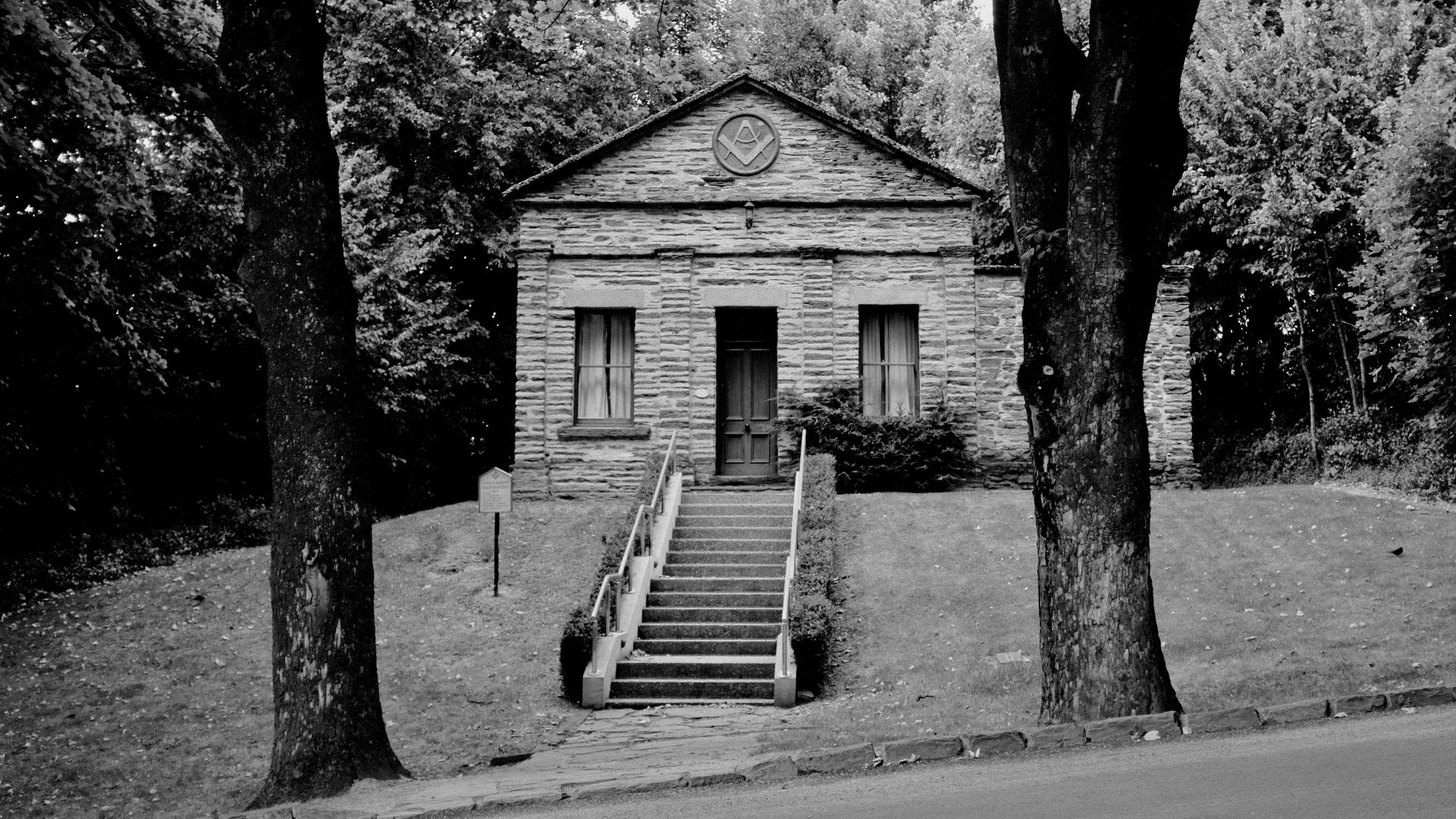
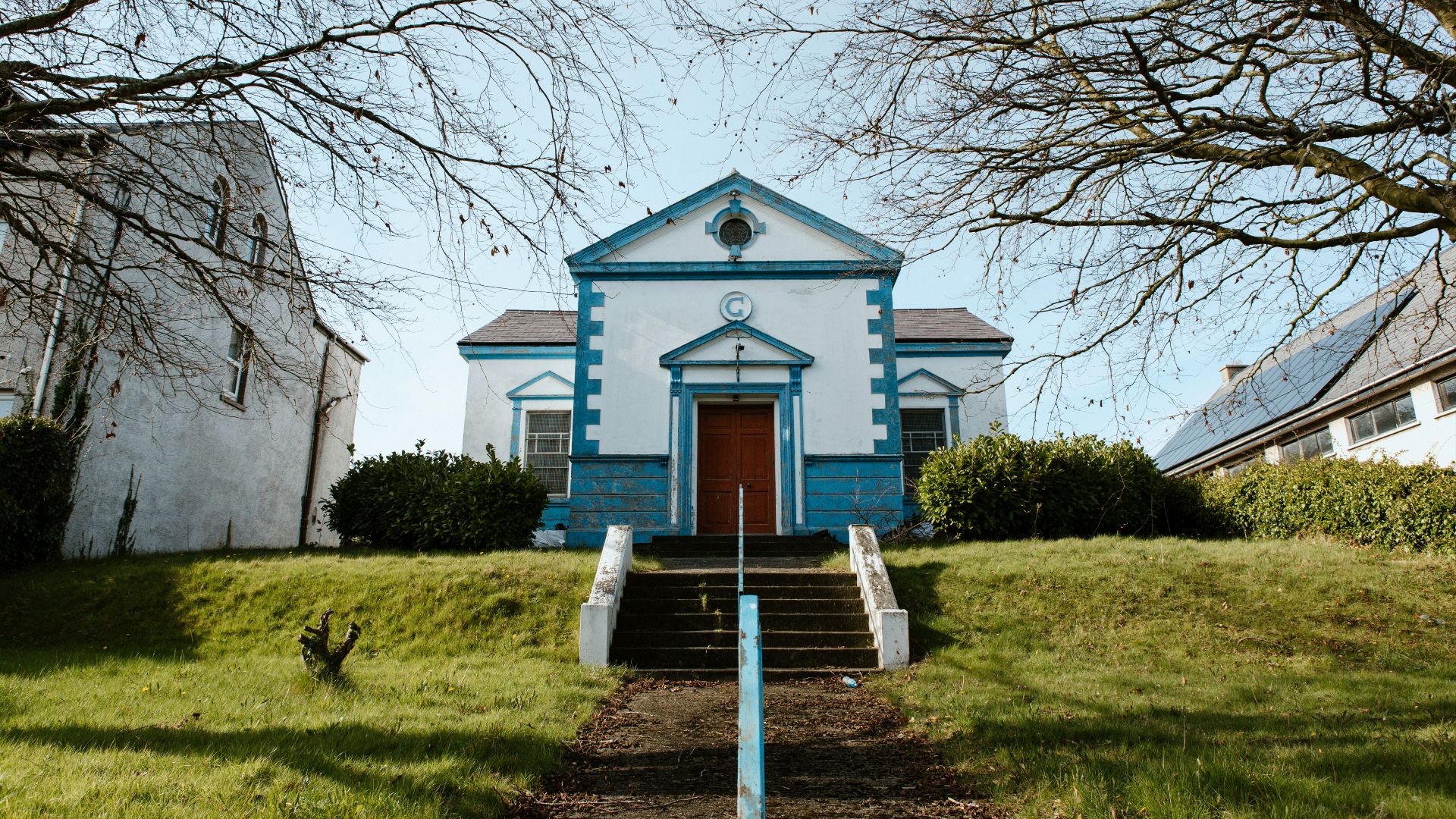
A Masonic lodge can mean the physical place where members meet, though it also refers to the local group itself. Inside, members handle business, hold ceremonies, vote on candidates, welcome new Masons, and often sit down afterward for a meal or conversation.
13. The Apron Comes From Actual Workwear
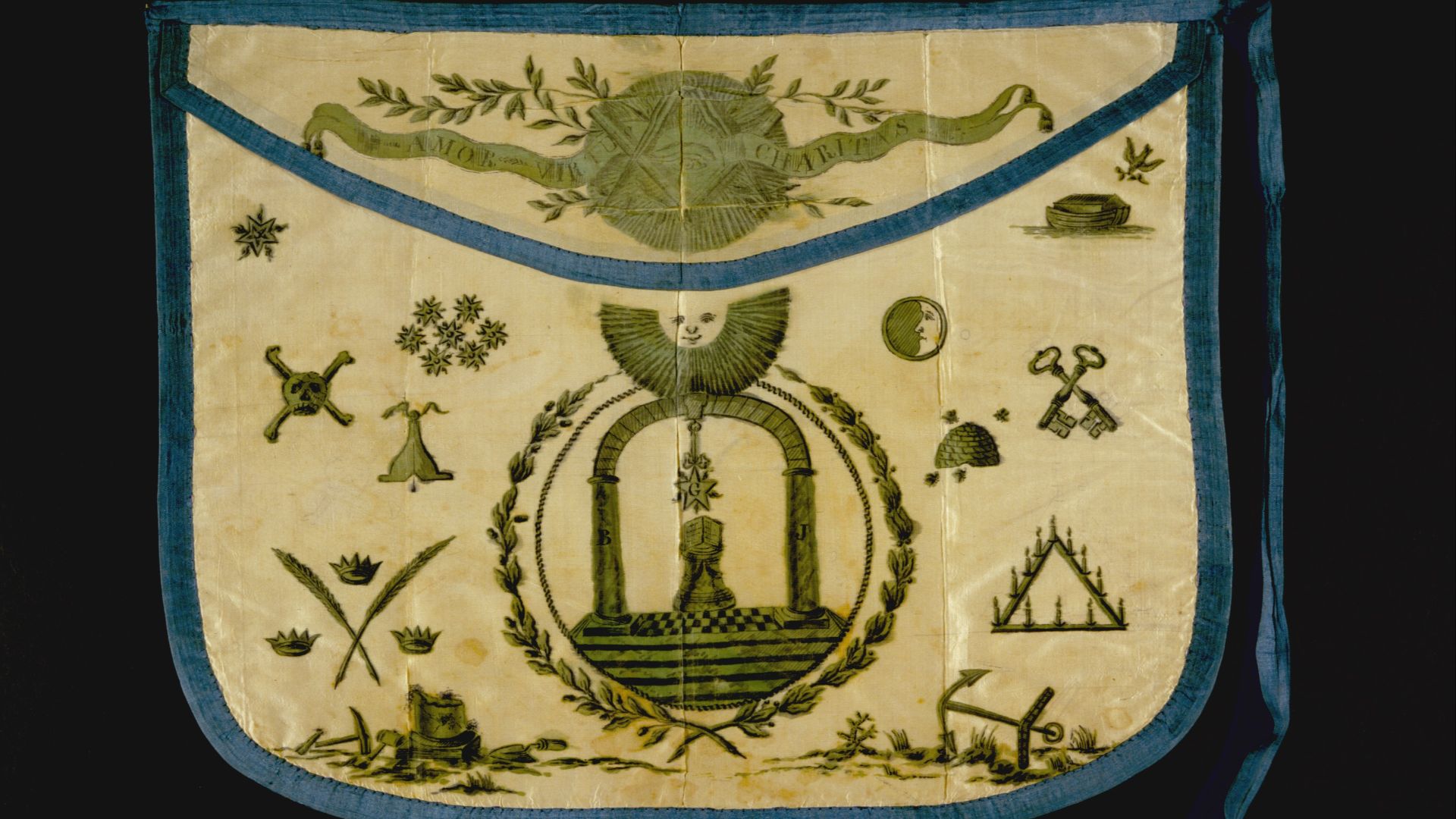
The Masonic apron comes from the protective aprons once worn by working stonemasons. In modern Freemasonry, it’s ceremonial, often decorated according to rank or role. Still, it points back to the fraternity’s craft origins.
 Unknown authorUnknown author on Wikimedia
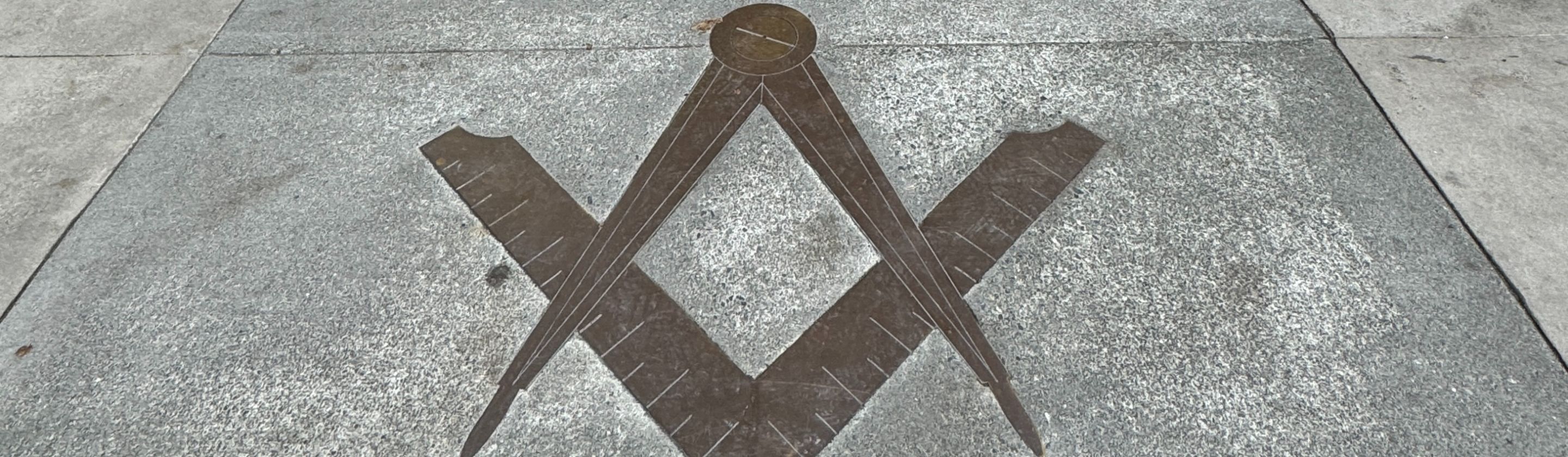
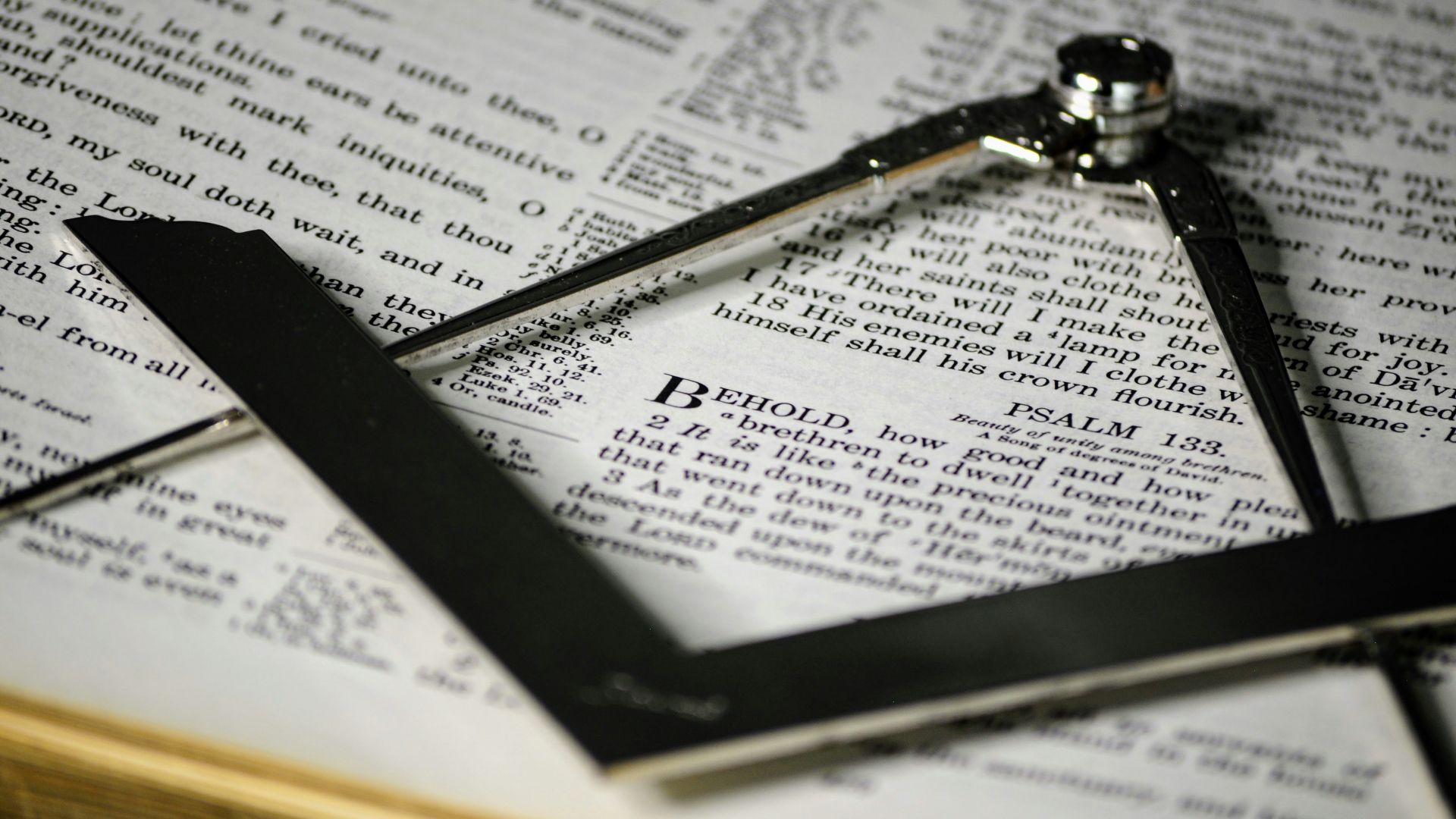
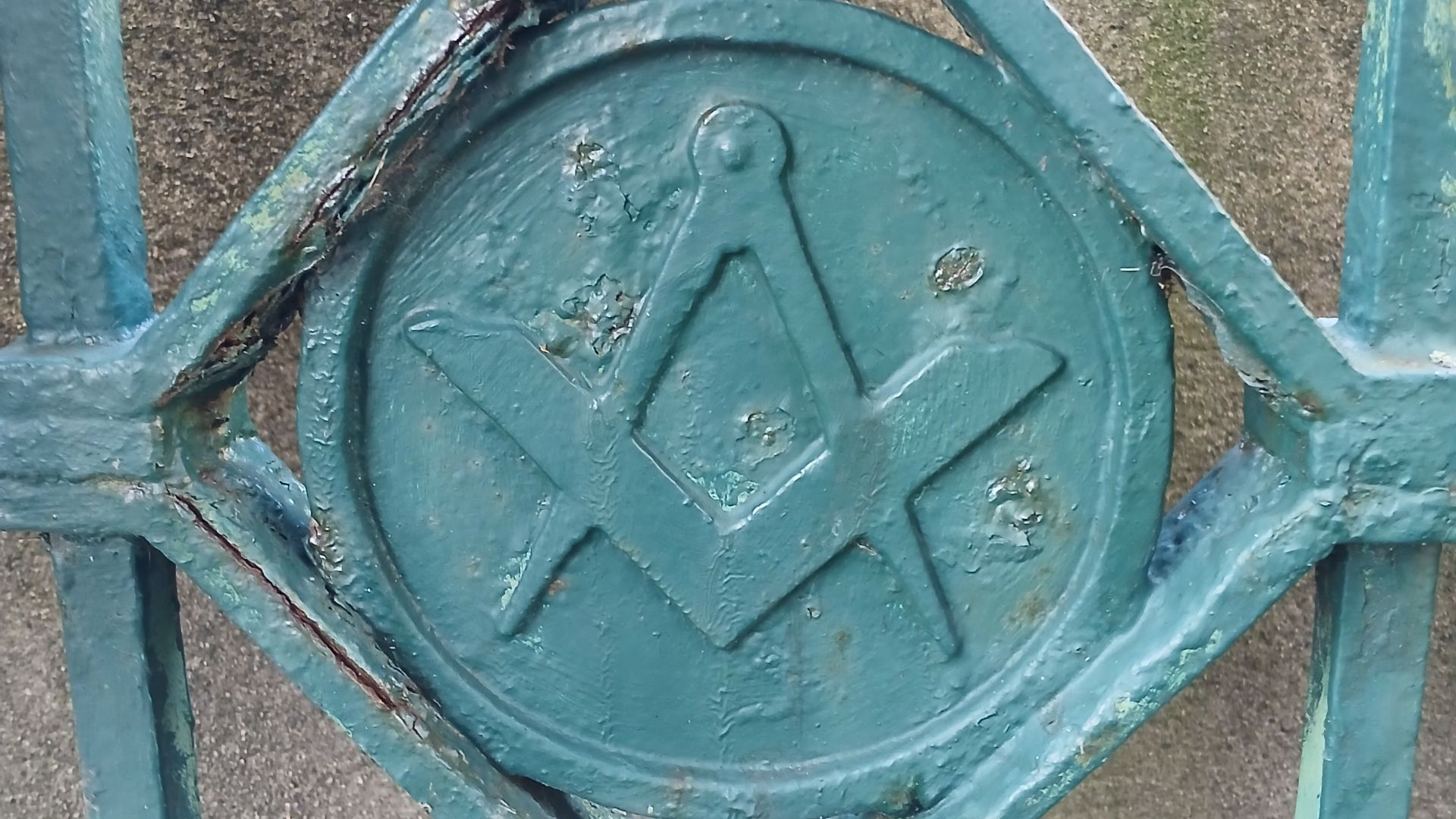
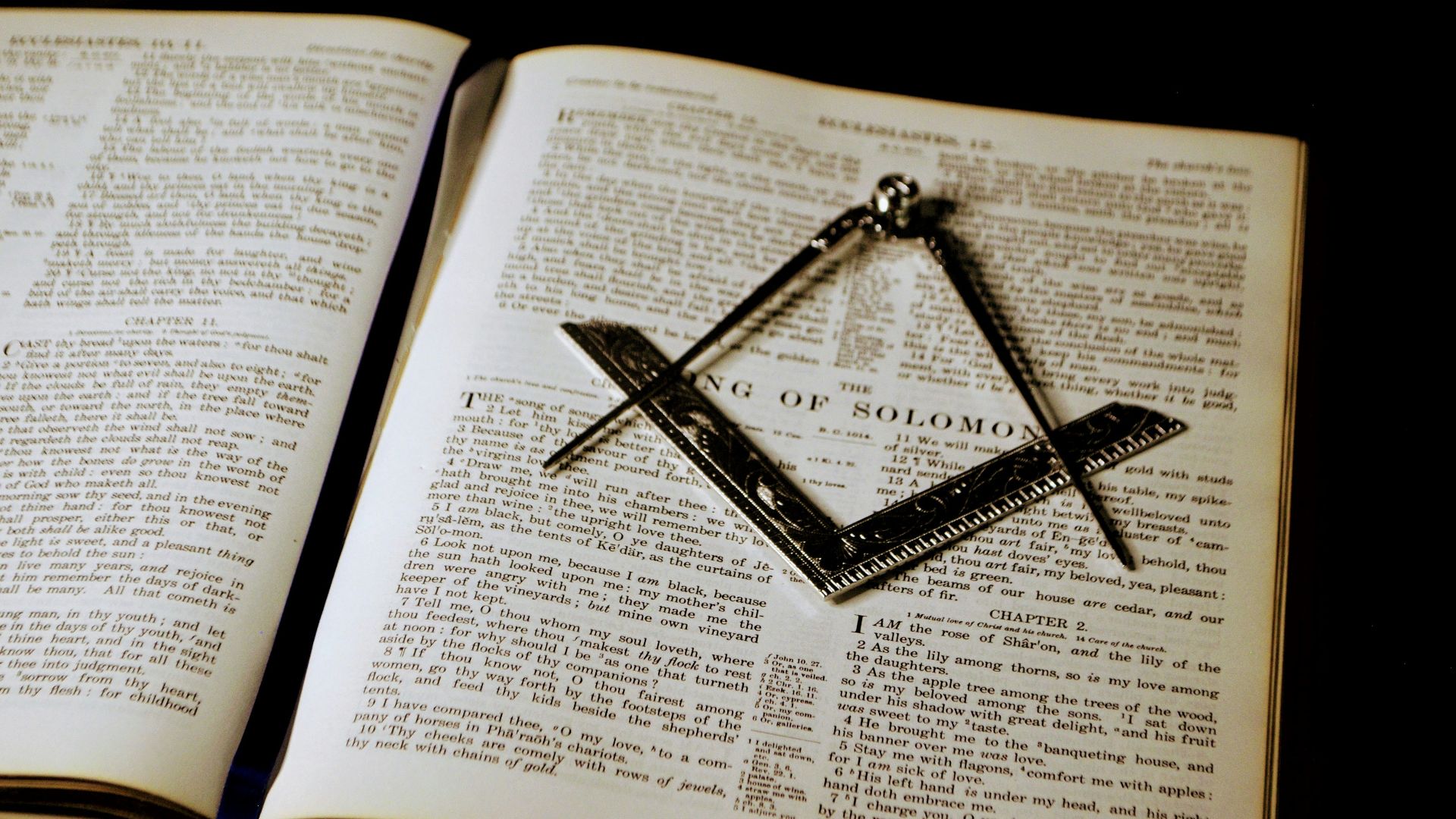
14. The Square And Compasses Are The Big Symbol
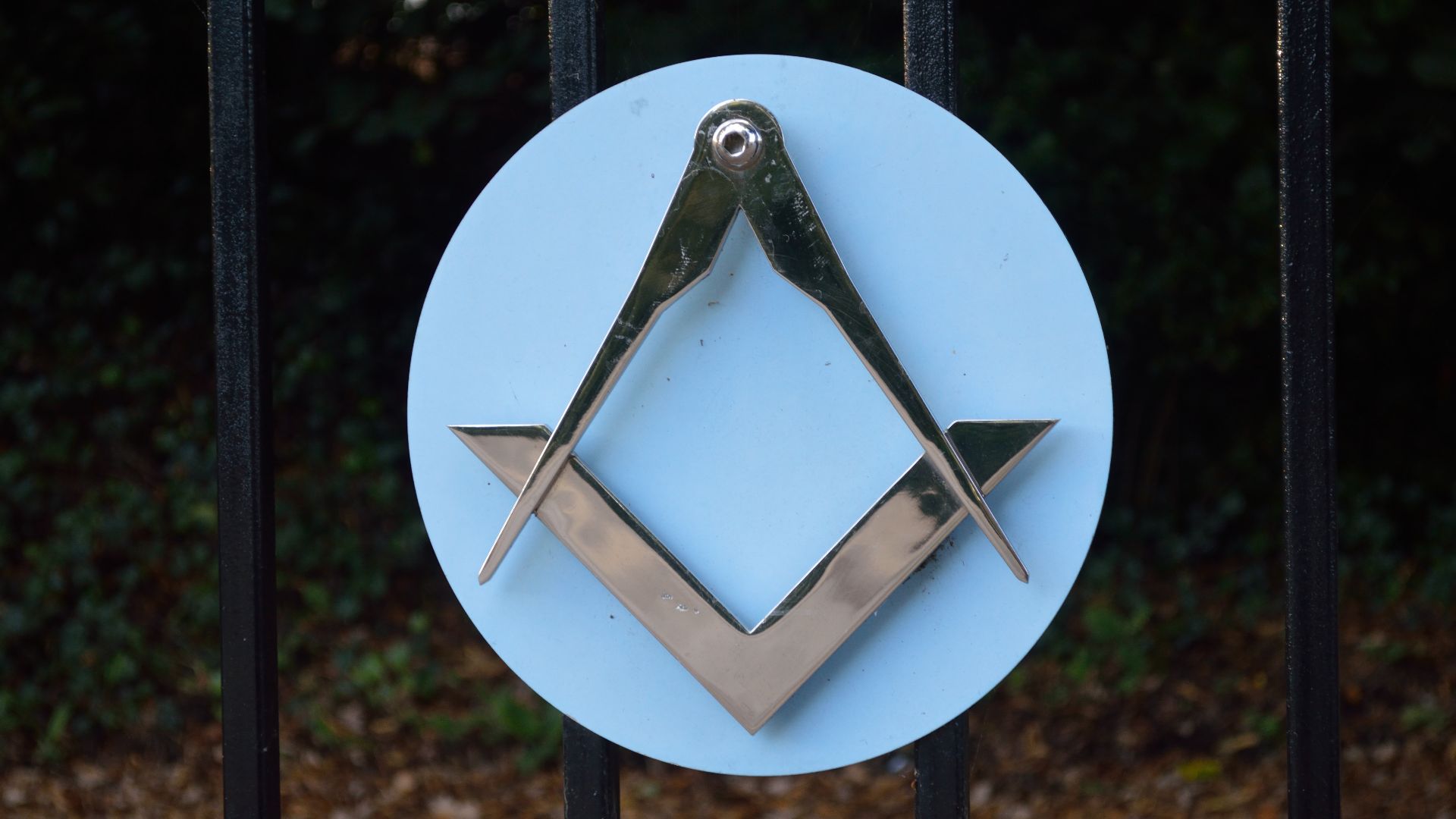
The square and compasses are the symbols most people recognize first. They began as builders’ tools, then became Masonic reminders of moral measurement, restraint, fairness, and the effort to live by a clear standard.
15. Freemasonry Says It Isn’t A Religion
Freemasonry uses religious language and usually requires members to believe in a Supreme Being. It doesn’t teach one specific doctrine, and it doesn’t claim to replace a church, synagogue, mosque, temple, or any other place of worship.
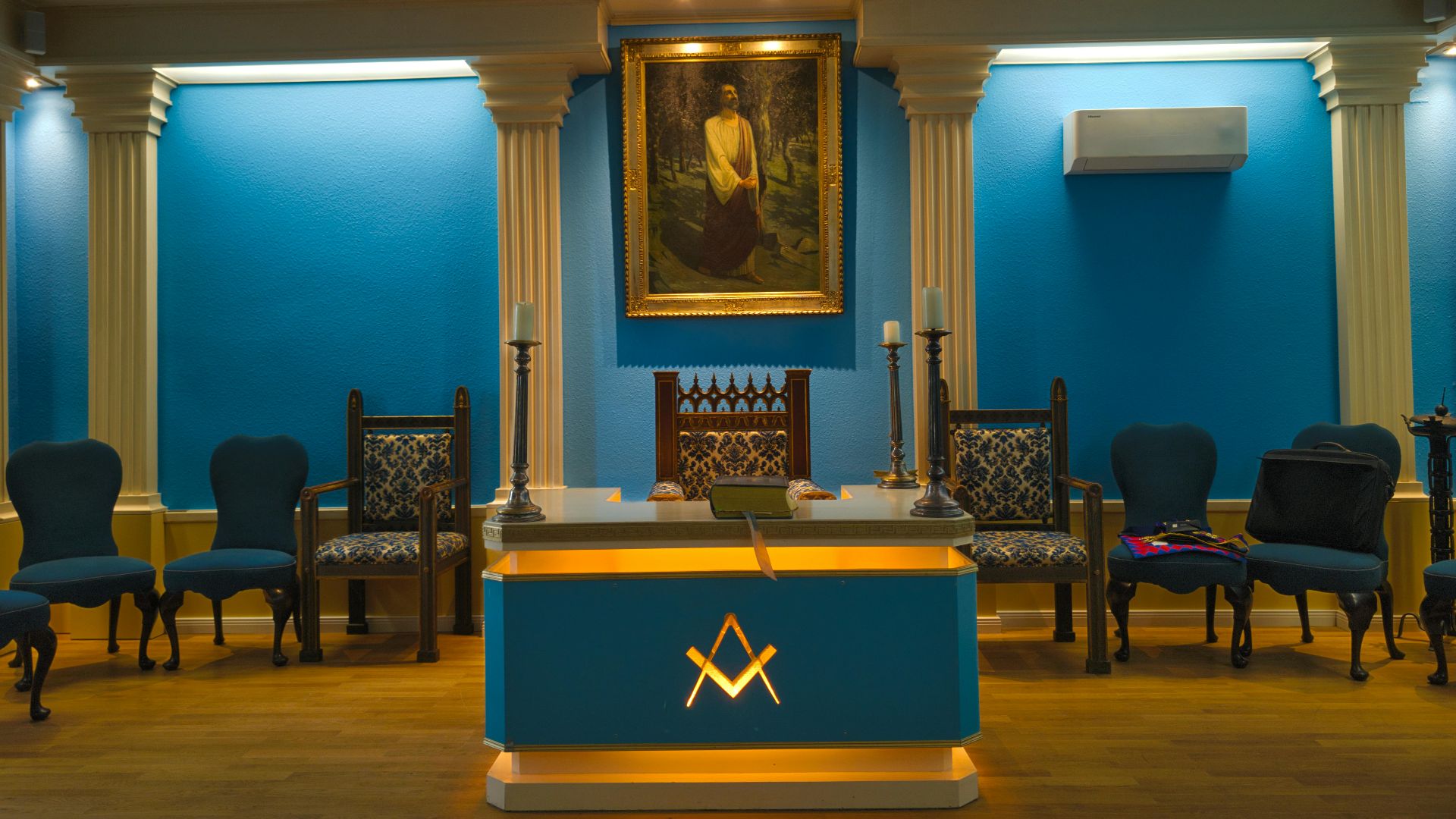
16. Politics And Religion Are Supposed To Stay Out
Freemasonry describes itself as nonpolitical and nonsectarian. Individual Masons have been deeply involved in politics and religious life, of course, but lodge meetings are supposed to center on ritual, charity, fellowship, and conduct rather than partisan fights.
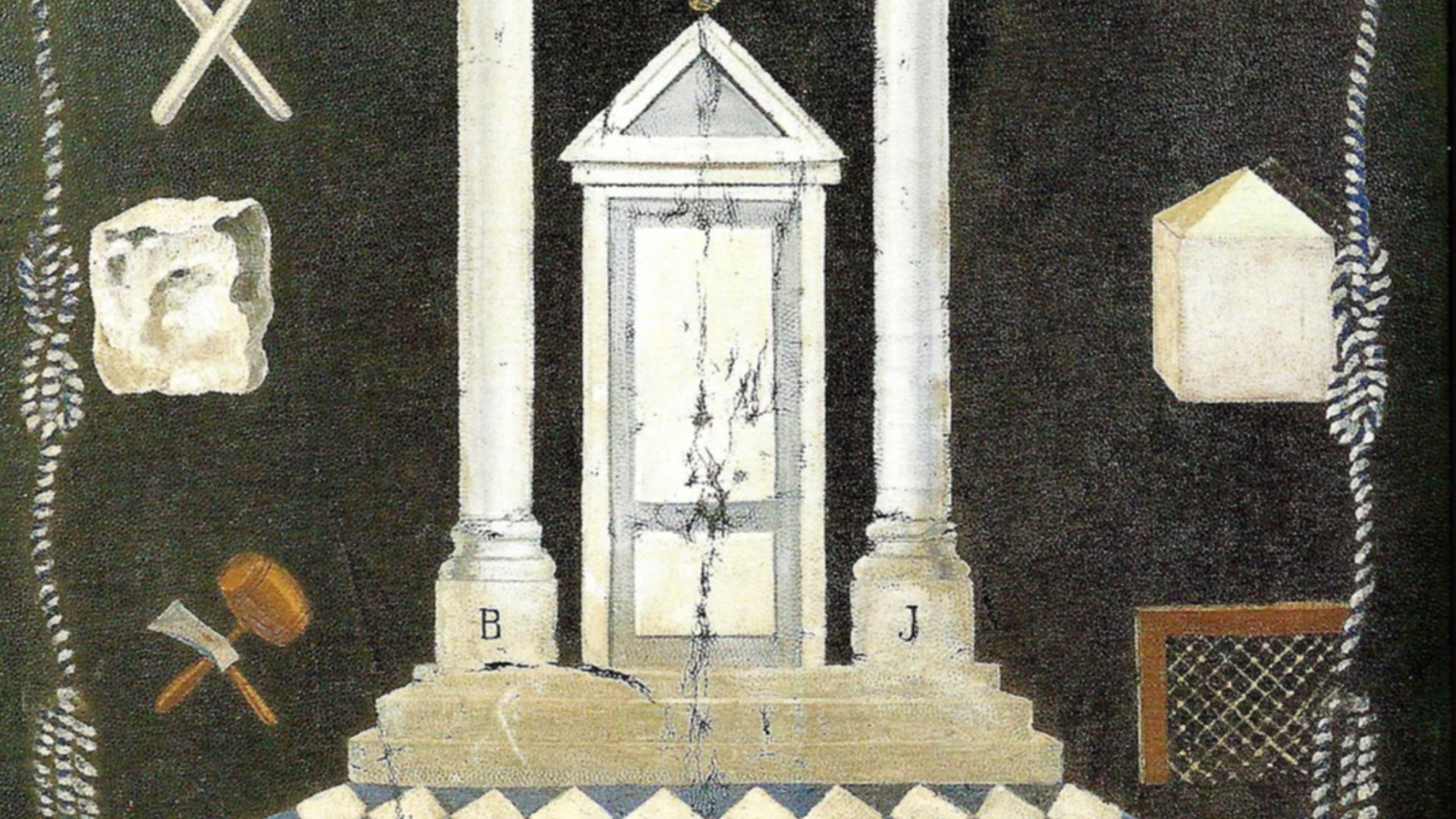
17. Women Have Their Own Masonic Traditions
Many regular Masonic bodies admit only men, which has shaped the public image of Freemasonry for a long time. Women’s Freemasonry has also existed for more than a century in Britain and beyond. This group has its own separate organizations, lodges, ceremonies, and leadership.
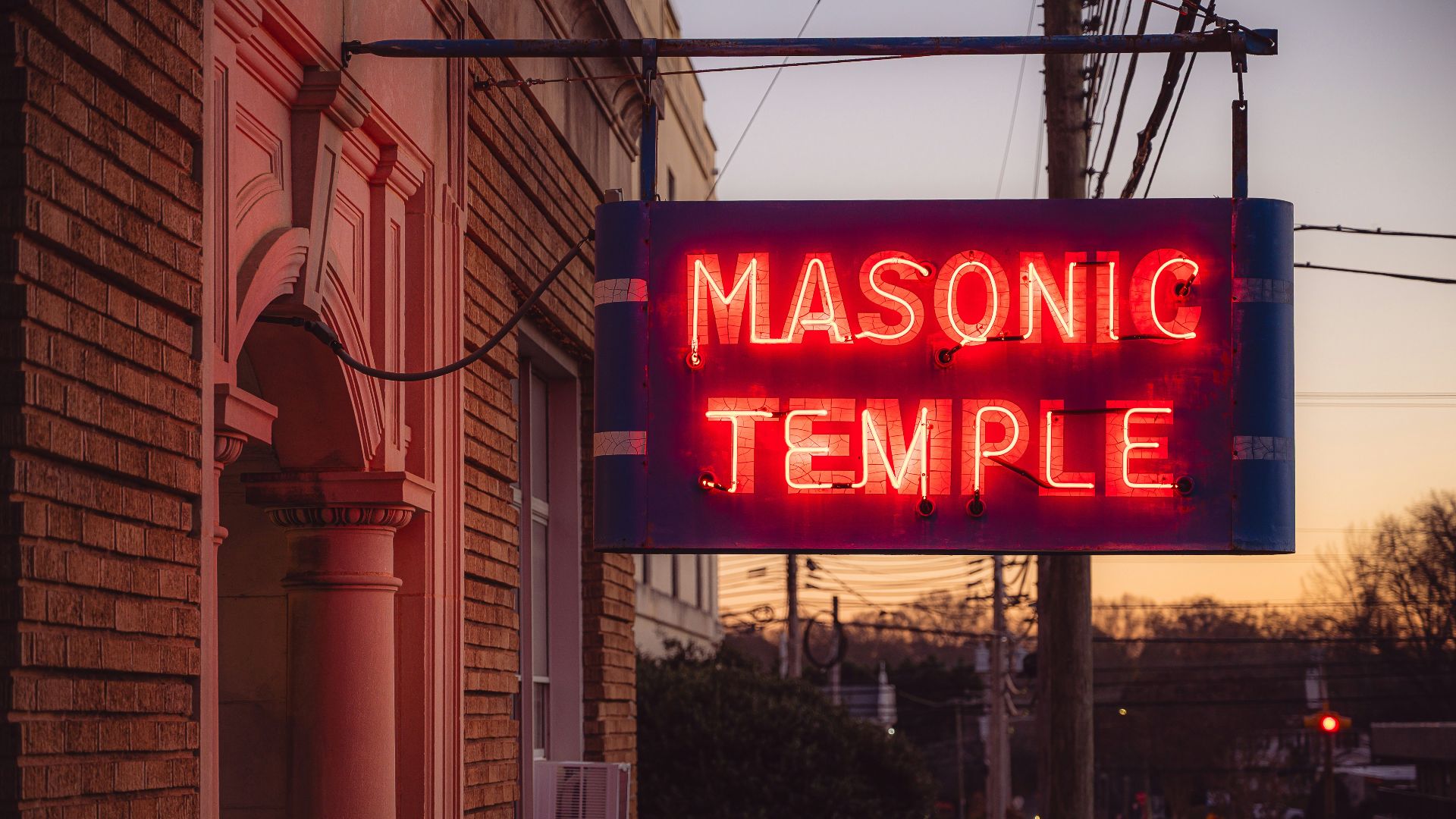
18. Prince Hall Freemasonry Grew From Exclusion
Prince Hall, a Black leather worker, abolitionist, and community leader in Boston, tried to create a Masonic space for Black men after exclusion from white lodges. In 1784, his group received a charter from England, and Prince Hall Freemasonry became one of the most important African American fraternal traditions in the United States.
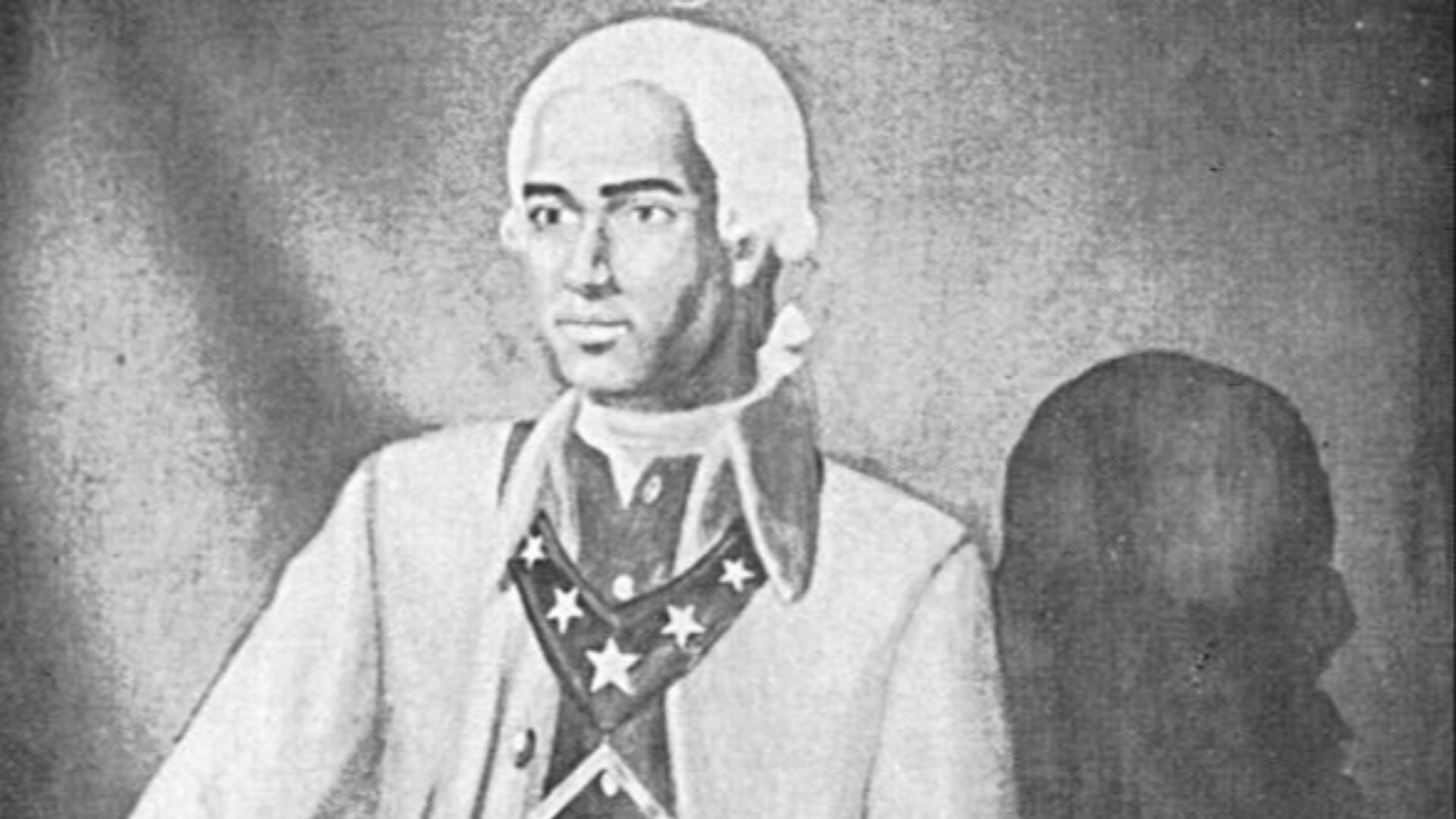
19. George Washington Was A Freemason
George Washington joined a lodge in Fredericksburg, Virginia, in 1752, when he was still a young man. Freemasonry remained part of his public life, and the Masonic ceremony was used during the laying of the U.S. Capitol cornerstone in 1793.
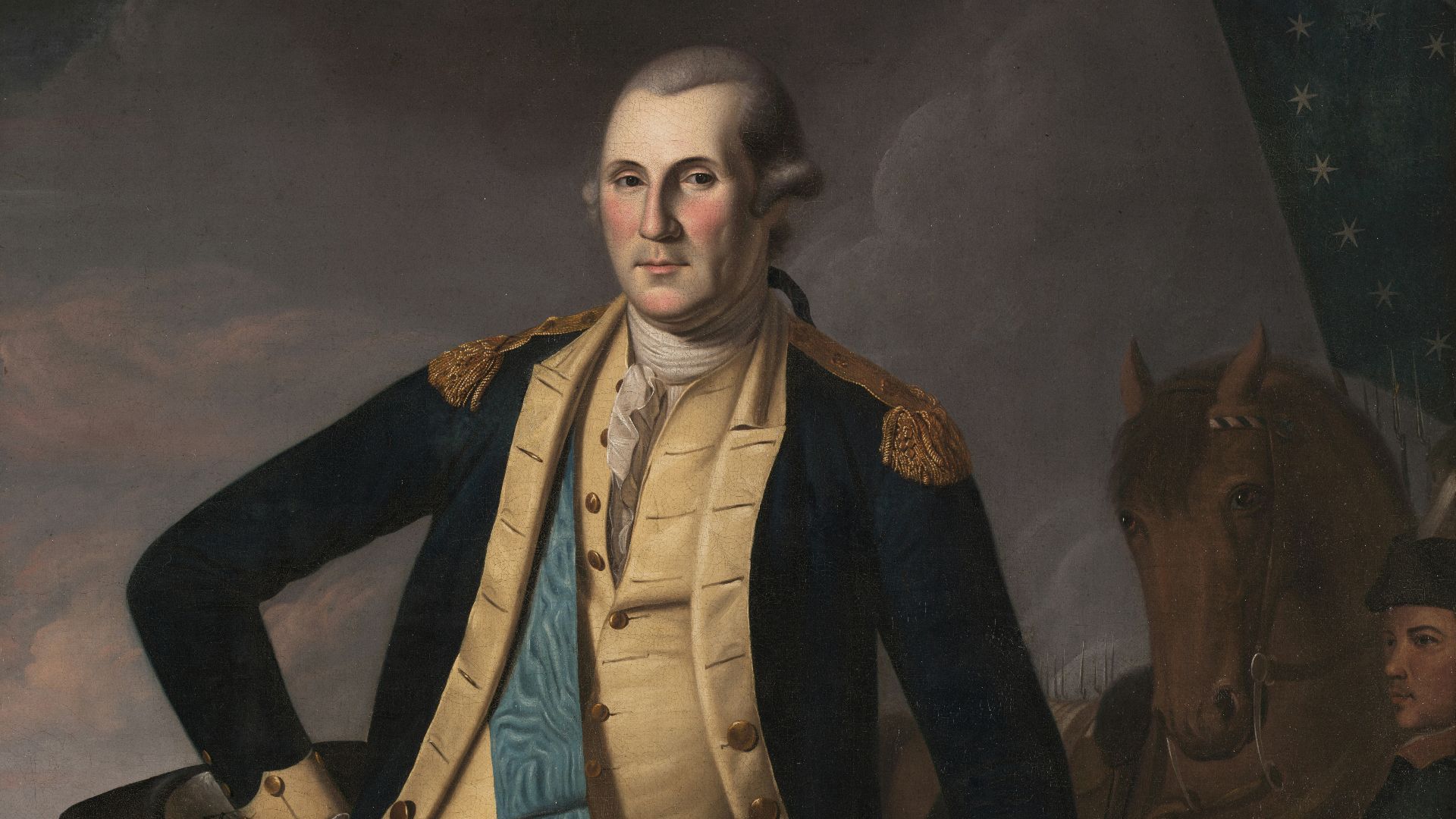 The Cleveland Museum of Art on Unsplash
20. Suspicion Has Followed It For Centuries
Freemasonry’s private rituals have made it a target for rumors, fear, and conspiracy theories for a very long time. In the 1820s, the disappearance of William Morgan, who had threatened to expose Masonic secrets, helped fuel an anti-Masonic political movement in the United States. Later, far-left and far-right authoritarian regimes suppressed Freemasonry, including the Nazis, Mussolini’s Italy, Francoist Spain, and the Soviet Union.
KEEP ON READING
The Origins Of 3 Common Sayings You Still Use Today
Etienne Boulanger on UnsplashMany of the phrases you use every…
By Rob Shapiro Apr 28, 2026
Was Caligula The Most Ruthless Roman Emperor?
Artur Matosyan on UnsplashRoman Emperor Caligula is one of ancient…
By Rob Shapiro Dec 18, 2025
1 Weird Fact About Every President
Washington, Lincoln, FDR. Most people know something about the lives…
By Robbie Woods Dec 3, 2024
10 Accidental Discoveries That Changed Maps & 10 That Changed…
Mistakes That Mattered. A lot of major discoveries did not…
By Cameron Dick Apr 15, 2026
10 Actors Who Perfectly Played a Historical Figure & 10…
Which Performance is Your Favorite?. Playing the role of a…
By Rob Shapiro Sep 15, 2025
10 Actors Who Perfectly Played a Historical Figure & 10…
Portraying a real person from history is one of the…
By Noone Dec 17, 2025