

10 Times Innovation Boomed in Peace & 10 Born Straight from War
How Stability and Conflict Both Accelerated Human Progress
Innovation doesn't appear from a single source. Some breakthroughs emerge during peaceful periods when societies have the time, wealth, and stability to experiment freely, while the urgency and pressure of war push others forward. History shows that both environments have shaped technology, medicine, transportation, communication, and daily life in lasting ways, although the motivations behind those advances were often very different. While wartime innovation frequently arose from survival needs, peacetime often encouraged creativity focused on comfort, trade, culture, and long-term growth. Here are 10 times innovation boomed in peace and 10 born straight from war.
 The New York Public Library on Unsplash
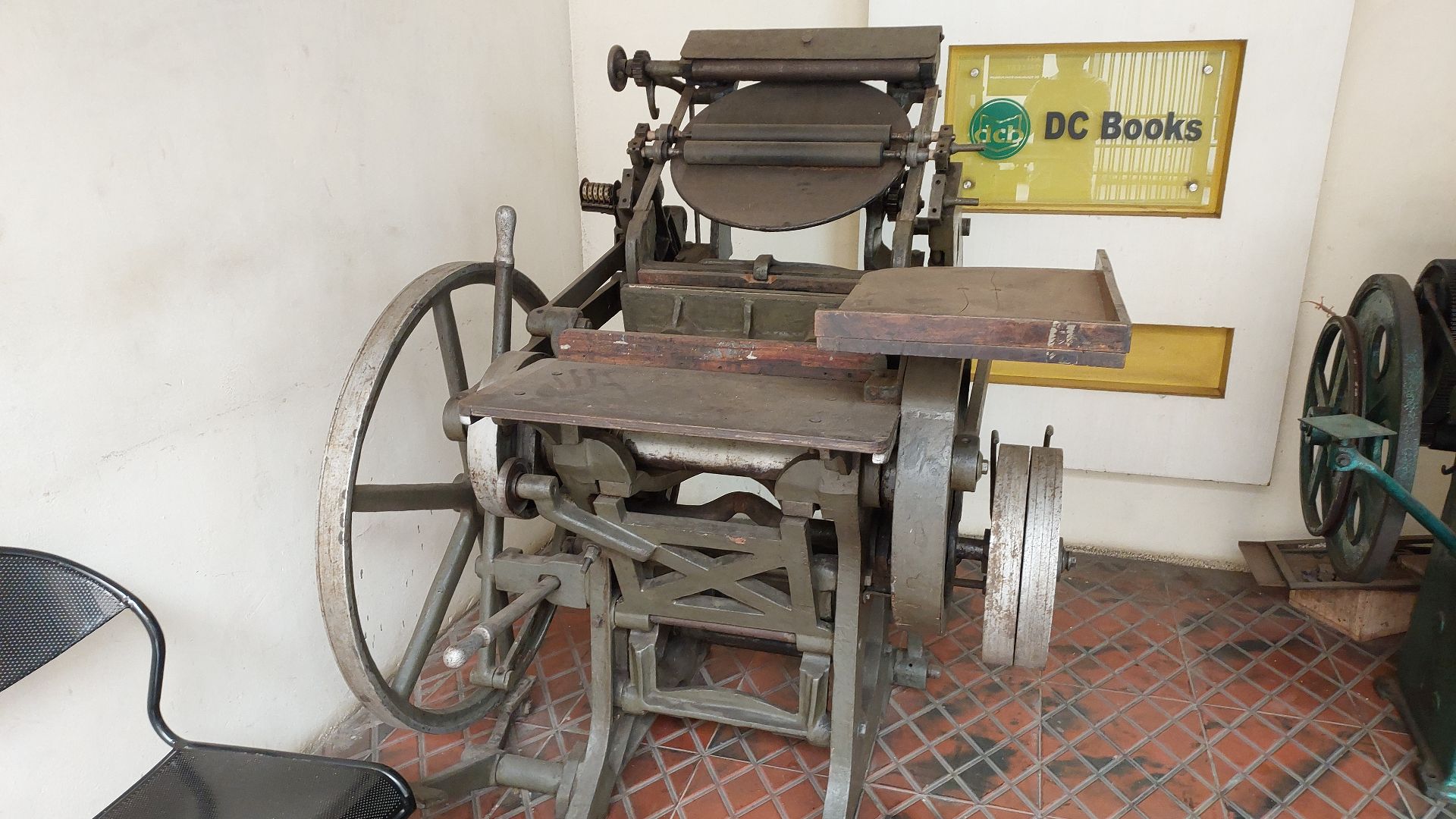
1. The Printing Press During Renaissance Europe
Johannes Gutenberg's movable-type printing press spread rapidly through Europe during the relatively stable Renaissance period of the 15th century. It allowed books to be produced far faster and cheaper than manuscripts, which helped literacy and education expand beyond the wealthy elite.
2. The Growth of Public Libraries in the 1800s
During the 19th century, many countries invested heavily in public libraries as industrial economies became more stable and urbanized. Libraries gave ordinary citizens access to education, research, and literature on an unprecedented scale.

3. Japan's High-Speed Rail System
Japan introduced the Shinkansen bullet train in 1964 during a period focused on economic recovery and modernization after World War II. The system dramatically reduced travel times while maintaining remarkable safety standards and punctuality.

4. The Rise of Silicon Valley
The technology boom in California during the late 20th century largely developed in a stable economic environment driven by entrepreneurship and consumer demand. Companies focused on personal computers, software, and internet technology transformed global communication and business practices.

5. Advances in Commercial Aviation
After World War II, peacetime commercial aviation expanded dramatically as airlines focused on passenger comfort, efficiency, and accessibility. Jet-powered airliners made international travel faster and more affordable for ordinary people.

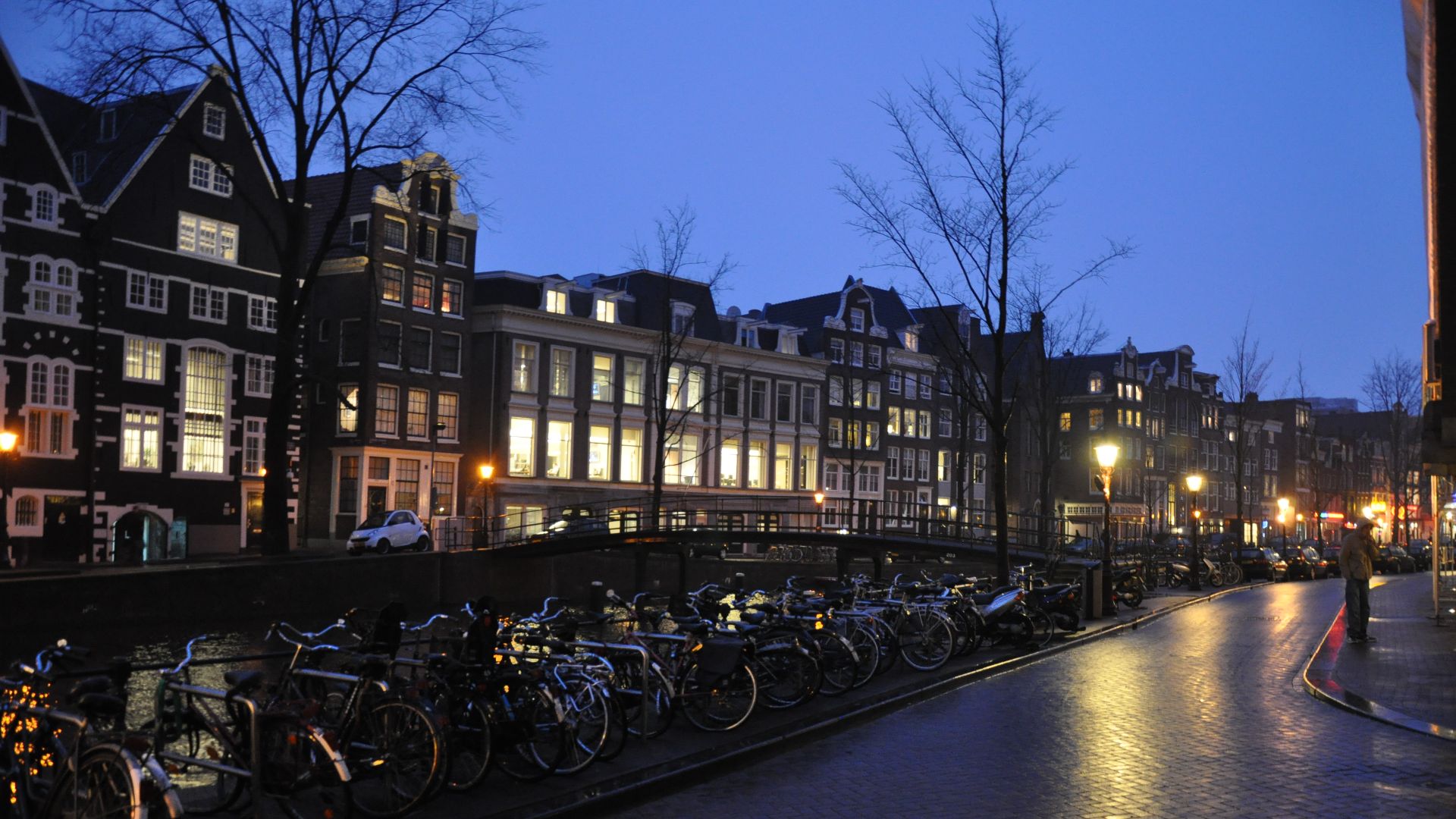
6. The Dutch Golden Age Water Systems
During the 17th century, the Netherlands invested heavily in canals, flood management, and land reclamation during a prosperous trading era. Dutch engineers developed advanced systems for controlling water that helped agriculture and commerce flourish.
 Jorge Láscar from Australia on Wikimedia
7. The Green Revolution in Agriculture
Beginning in the mid-20th century, scientists developed higher-yield crop varieties and improved farming techniques during a largely cooperative international effort. Countries adopted better irrigation, fertilizers, and disease-resistant crops to combat food shortages peacefully rather than through conquest.

8. The Birth of the World Wide Web
Tim Berners-Lee created the World Wide Web in 1989 while working at CERN, a scientific research organization focused on international collaboration. The system was designed to help researchers share information more efficiently across countries and institutions.

9. The Expansion of Modern Medicine in the 19th Century
Many medical breakthroughs of the 1800s were developed during periods of expanding universities and scientific cooperation rather than direct military pressure. Advances in anesthesia, sanitation, and germ theory dramatically improved survival rates during surgery and disease outbreaks.
10. The Space Race's Civilian Technologies
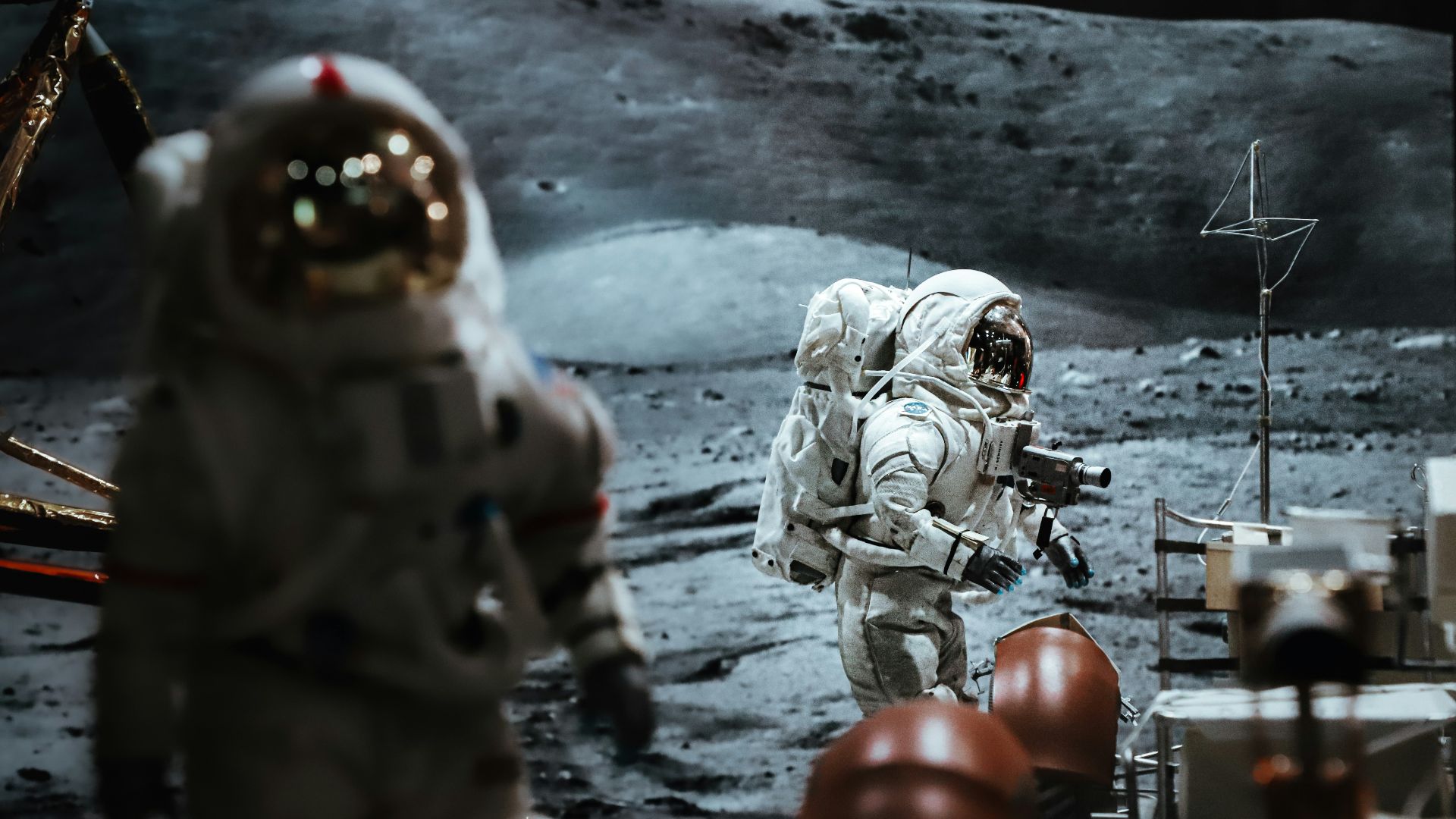
Although the Cold War created political tension, many technologies from the space race were developed outside direct battlefield conditions. Research tied to space exploration produced advances in telecommunications, satellite weather forecasting, and computer systems.
1. Radar During World War II
Radar technology advanced rapidly during World War II because countries needed better ways to detect incoming aircraft and ships. British and American scientists made major improvements that helped defend against surprise attacks.
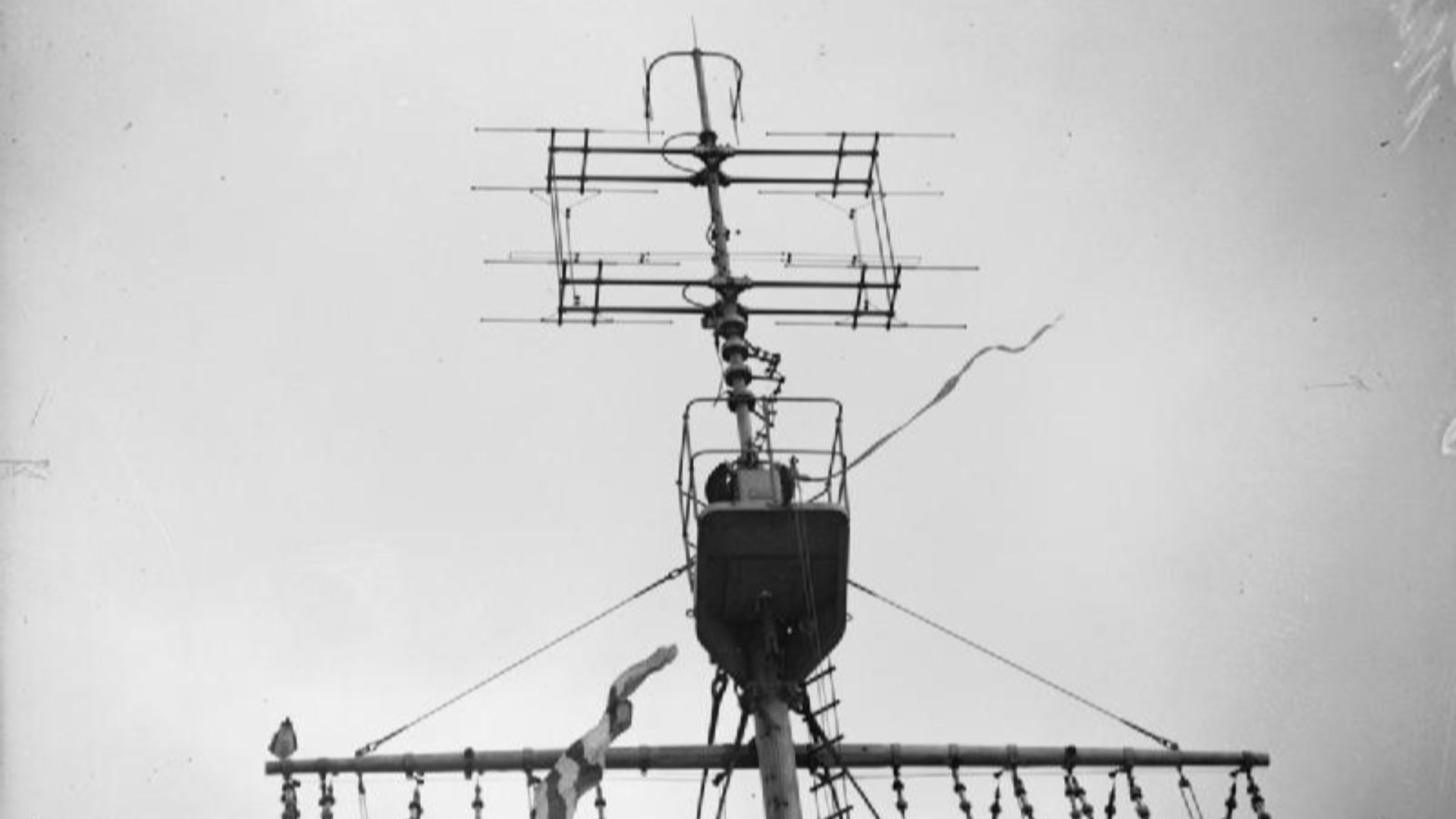 Davies, F A (Lt), Royal Navy official photographer on Wikimedia
2. Penicillin Mass Production
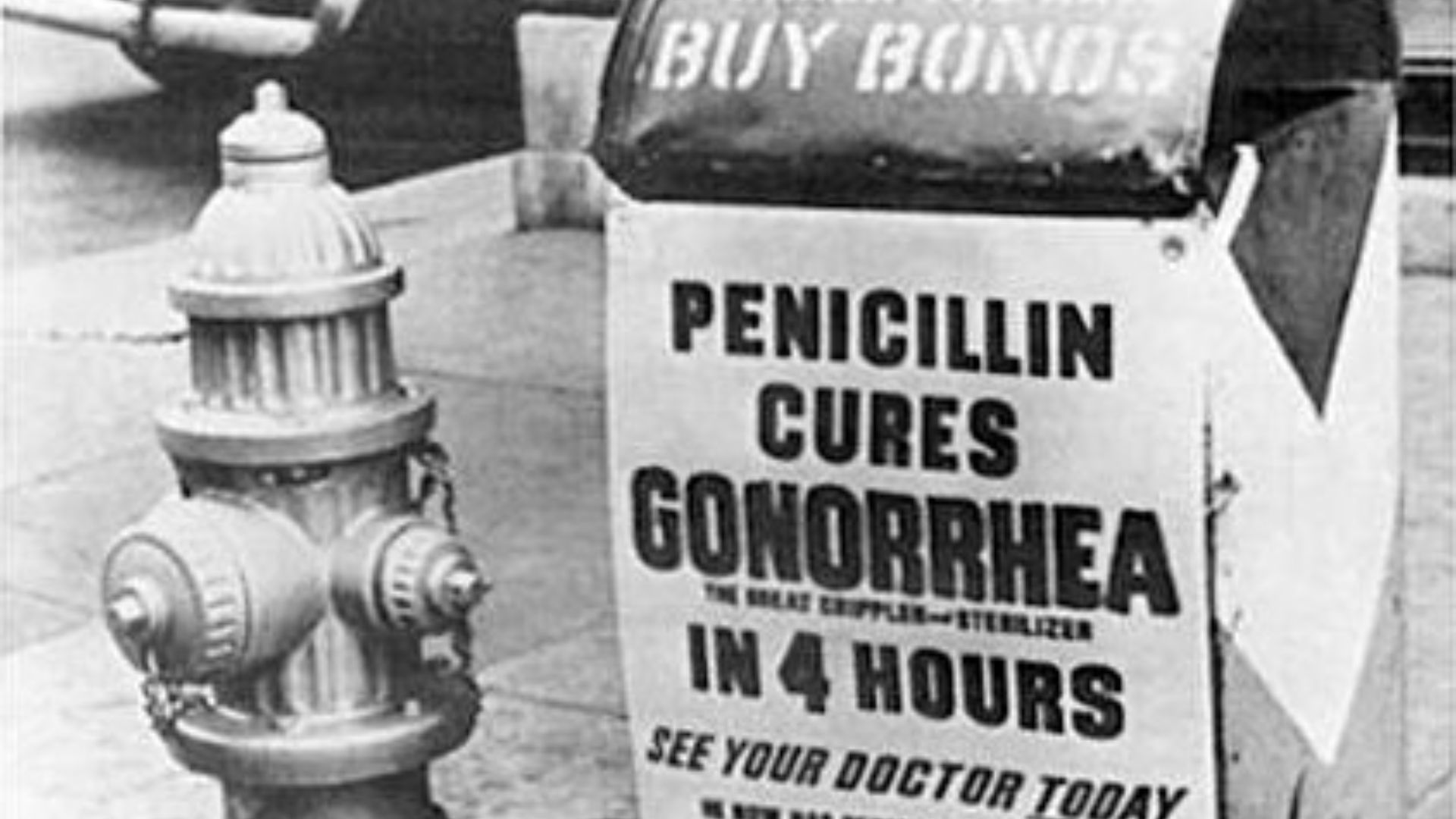
Although penicillin was discovered earlier by Alexander Fleming in 1928, World War II pushed governments and pharmaceutical companies to mass-produce it quickly for wounded soldiers. The antibiotic dramatically reduced deaths from infections that previously killed countless patients.
3. The Internet's Military Origins
The early foundations of the internet grew from ARPANET, a United States Department of Defense project developed during the Cold War. Researchers wanted communication systems that could continue functioning even if parts of the network were damaged.
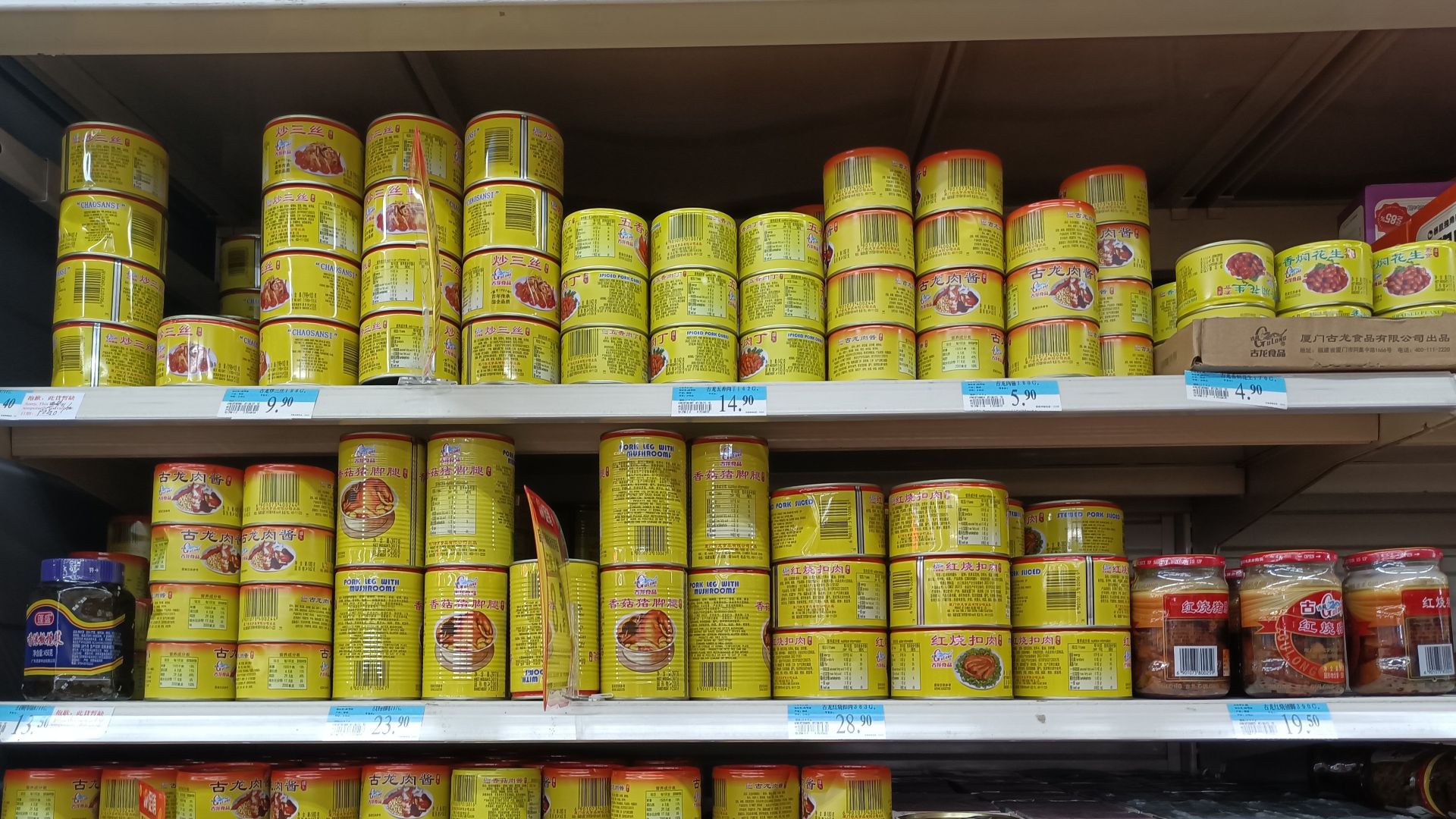
4. Canned Food Preservation During the Napoleonic Wars
Napoleon Bonaparte offered rewards for better food preservation methods because armies struggled to keep supplies fresh during long campaigns. French inventor Nicolas Appert developed an early canning process that allowed food to last far longer than before.
5. Modern Plastic Surgery in World War I
Severe facial injuries during World War I forced surgeons to develop more advanced reconstructive procedures for wounded soldiers. Doctors such as Harold Gillies pioneered techniques that became the foundation of modern plastic and reconstructive surgery.
 Roberts Albert (Private) on Wikimedia
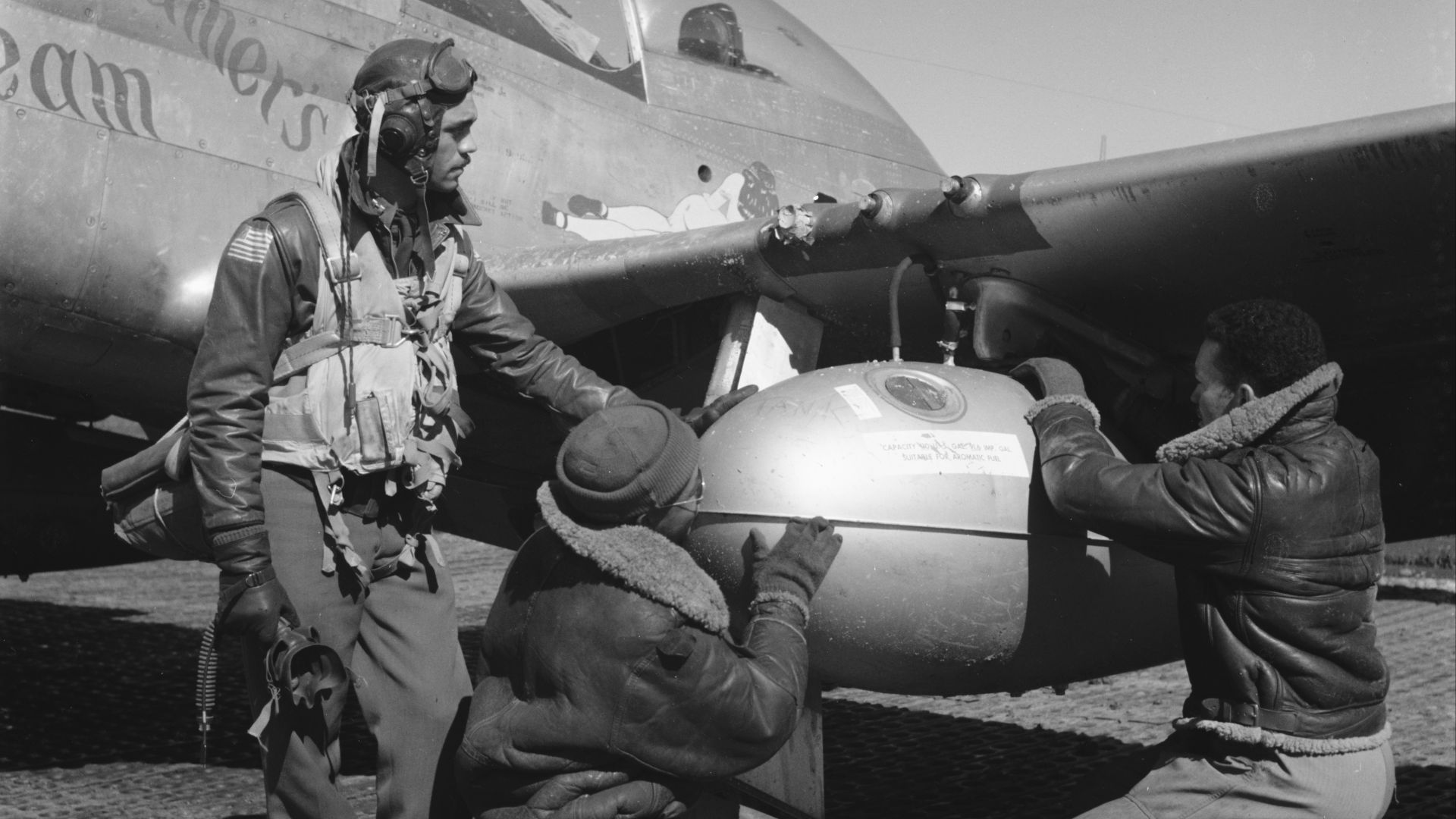
6. Jet Engine Development During World War II
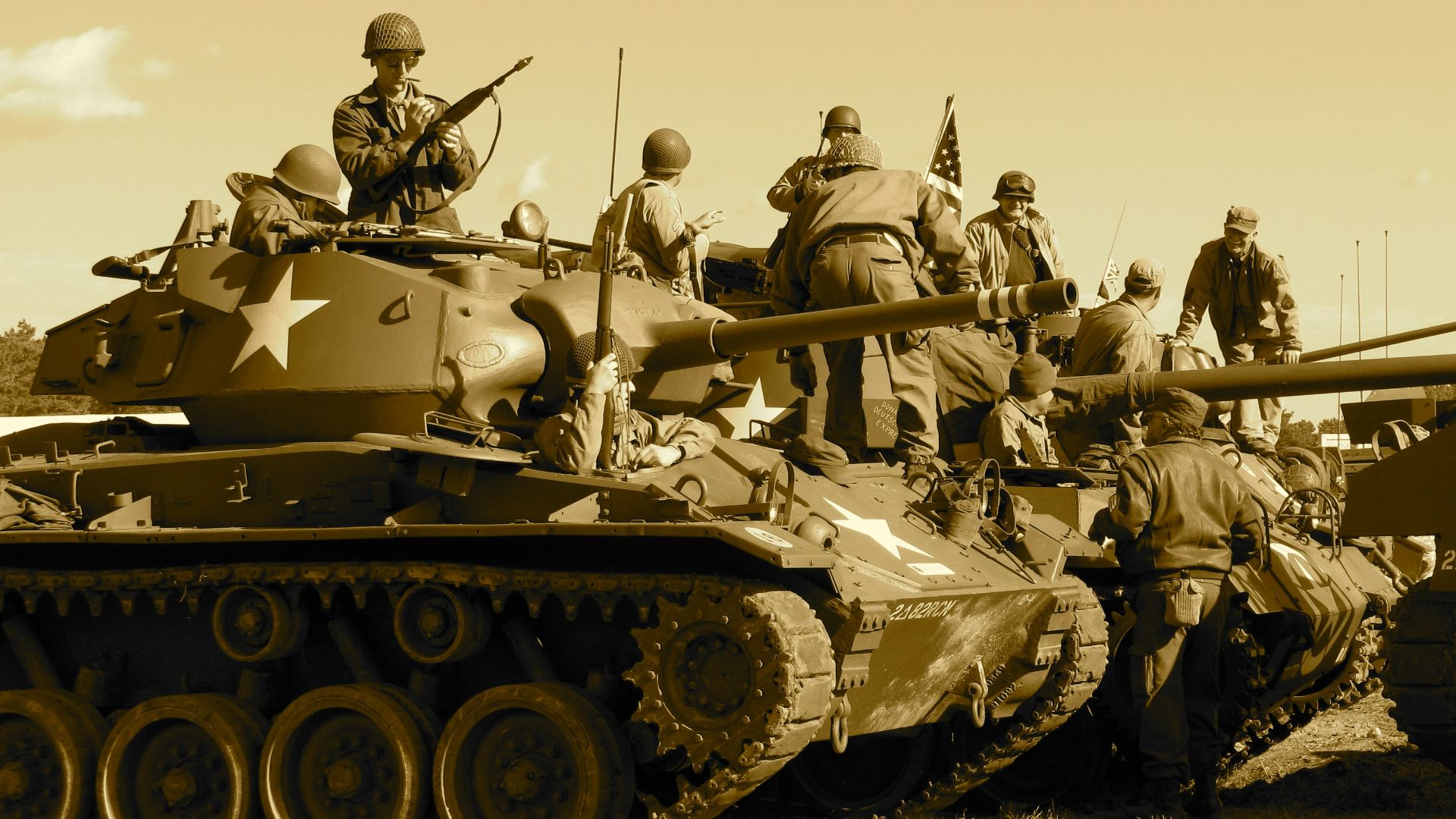
Although research began before the war, jet engine technology accelerated rapidly because military aircraft needed greater speed and altitude capabilities. Engineers in Britain and Germany made breakthroughs under wartime pressure.
 Library of Congress on Unsplash
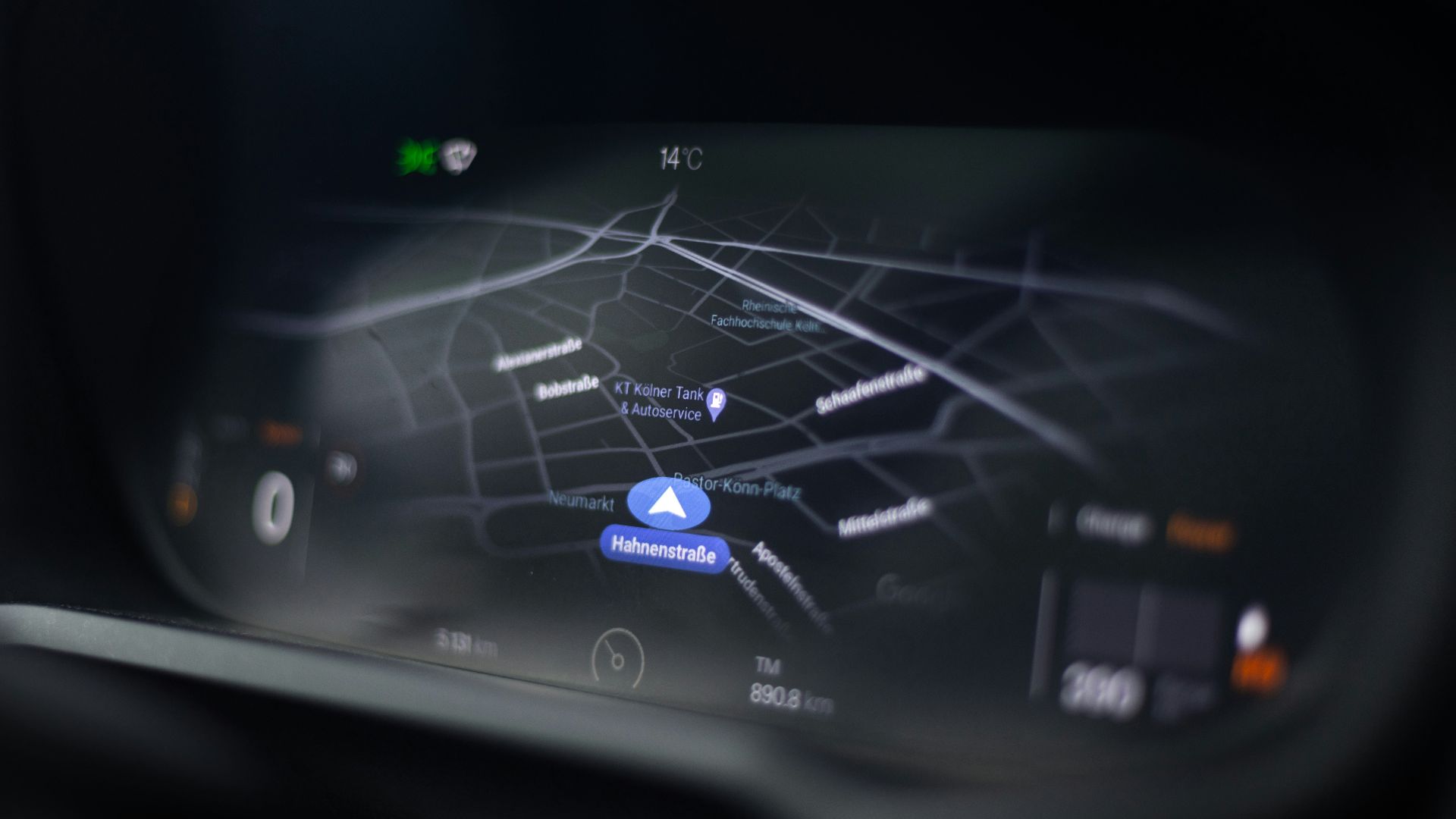
7. GPS Through Cold War Military Research
Global Positioning System technology was originally developed through United States military programs during the Cold War. Accurate navigation systems were considered crucial for ships, submarines, and missile coordination.
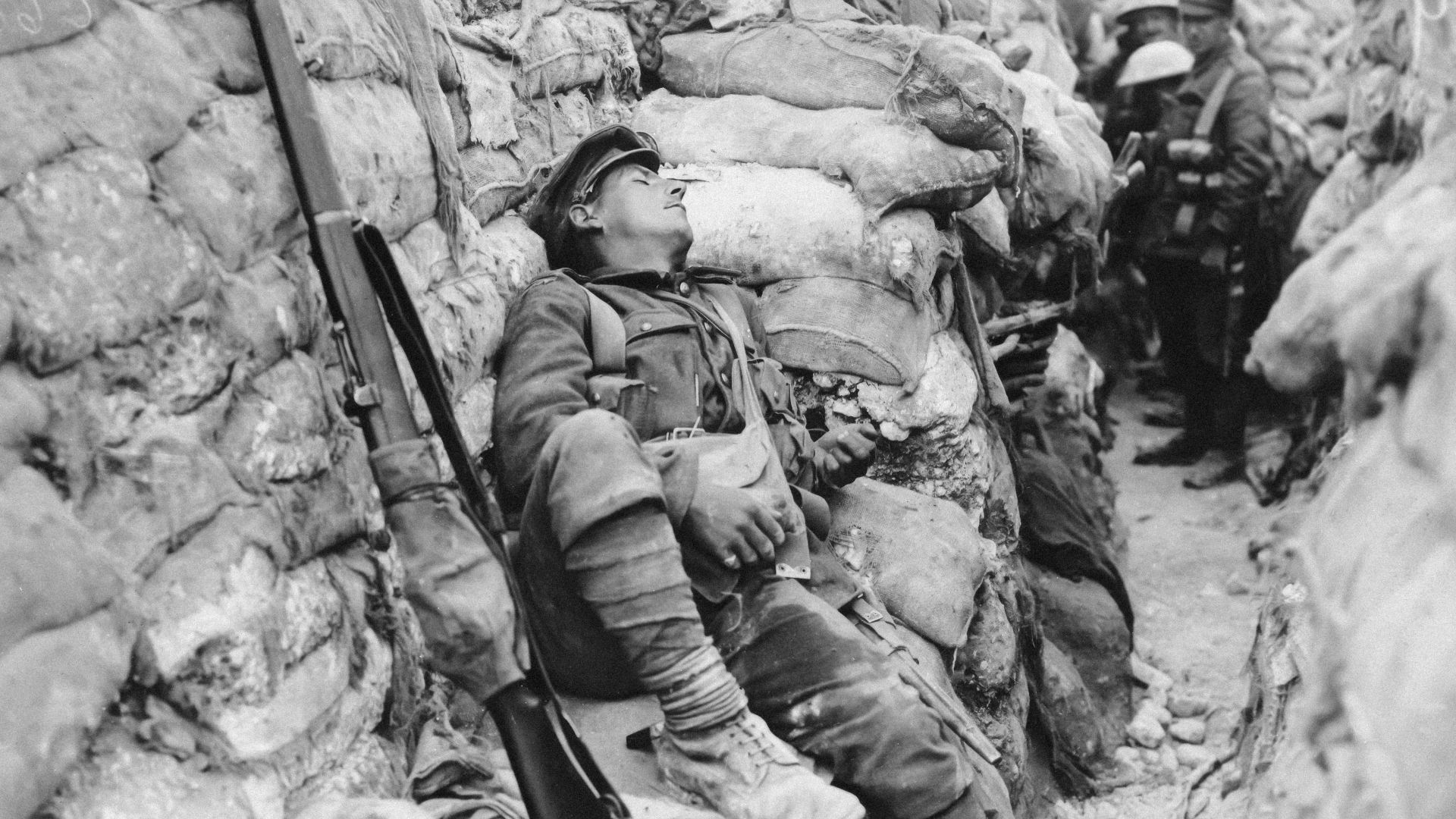
8. Blood Banking During the Spanish Civil War and WWII
Large-scale warfare created an urgent demand for safer blood storage and transportation systems. Medical teams improved refrigeration, donor screening, and transfusion techniques to treat wounded soldiers more effectively.
 National Library of Scotland on Unsplash
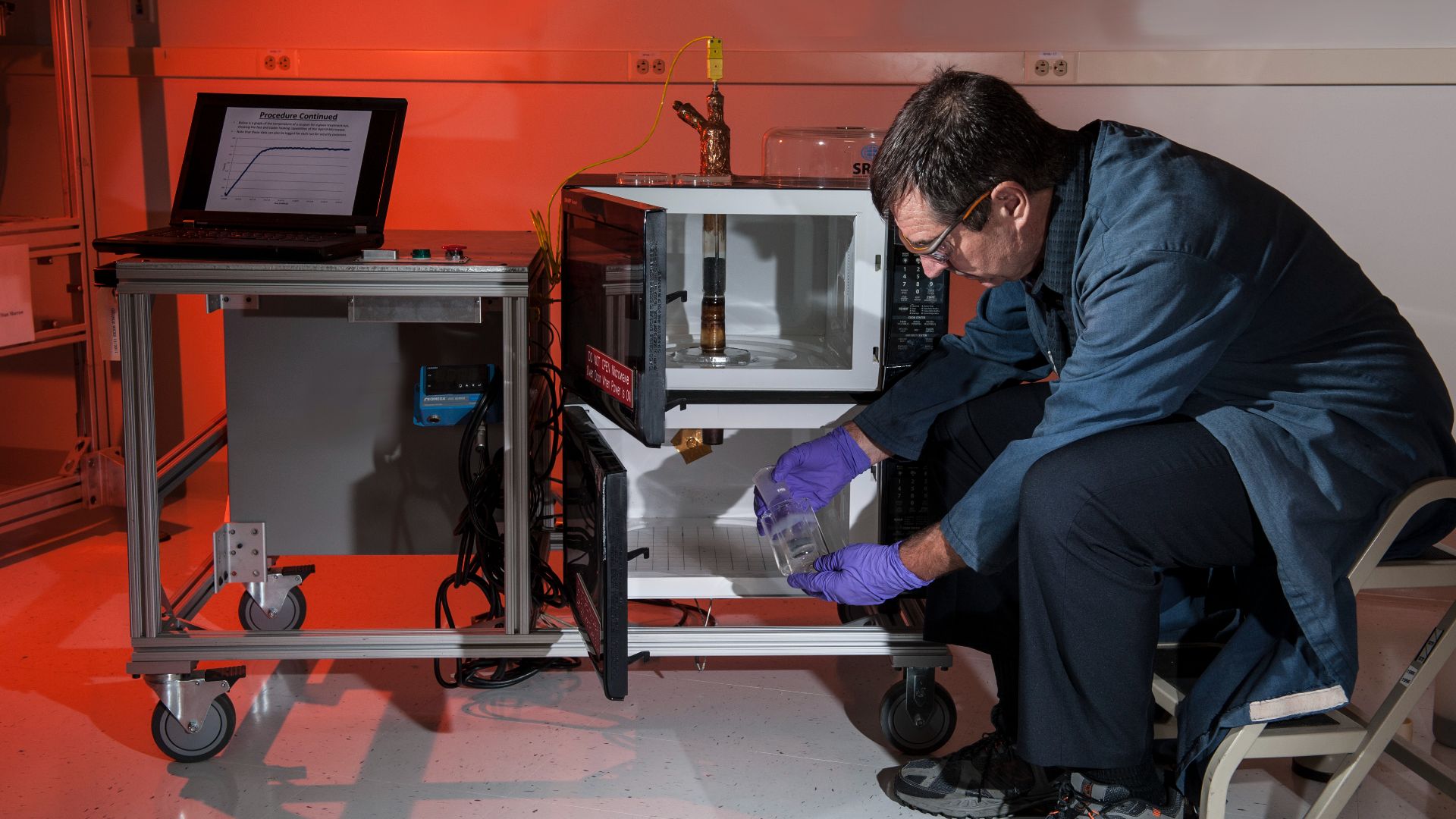
9. Microwave Technology from Radar Research
Scientists working on radar systems during World War II discovered that microwave radiation could heat food quickly. Percy Spencer later helped develop the first microwave oven after noticing this effect during research work.
 Savannah River Site on Wikimedia
10. Duct Tape During World War II
Duct tape was originally developed during World War II to seal ammunition cases and protect supplies from moisture. Soldiers quickly discovered it could temporarily repair equipment, vehicles, and countless field problems.

KEEP ON READING
The 20 Most Recognized Historical Figures Of All Time
The Biggest Names In History. Although the Earth has been…
By Cathy Liu Oct 4, 2024
10 of the Shortest Wars in History & 10 of…
Wars: Longest and Shortest. Throughout history, wars have varied dramatically…
By Emilie Richardson-Dupuis Oct 7, 2024
10 Fascinating Facts About Ancient Greece You Can Appreciate &…
Once Upon A Time Lived Some Ancient Weirdos.... Greece is…
By Megan Wickens Oct 7, 2024
20 Lesser-Known Facts About Christopher Columbus You Don't Learn In…
In 1492, He Sailed The Ocean Blue. Christopher Columbus is…
By Emilie Richardson-Dupuis Oct 9, 2024
20 Historical Landmarks That Have The Craziest Conspiracy Theories
Unsolved Mysteries Of Ancient Places . When there's not enough evidence…
By Megan Wickens Oct 9, 2024
The 20 Craziest Inventions & Discoveries Made During Ancient Times
Crazy Ancient Inventions . While we're busy making big advancements in…
By Cathy Liu Oct 9, 2024