Small Things, Big Fallout
A stolen object can turn into an international problem fast, especially when it’s famous, sacred, tied to national identity, or worth enough money to fund an entire criminal network. These stories usually start with something simple: a distracted guard, a sloppy inventory, an insider who knows the weak spots, or a wartime seizure that gets labeled as normal. Then the object starts moving, and every step adds new stakeholders, new paperwork, and new reasons for countries and institutions to dig in. If you want to understand why one painting or statue can spark years of arguments and negotiations, these 20 cases show how quickly theft turns into diplomacy.
 LOGAN WEAVER | @LGNWVR on Unsplash
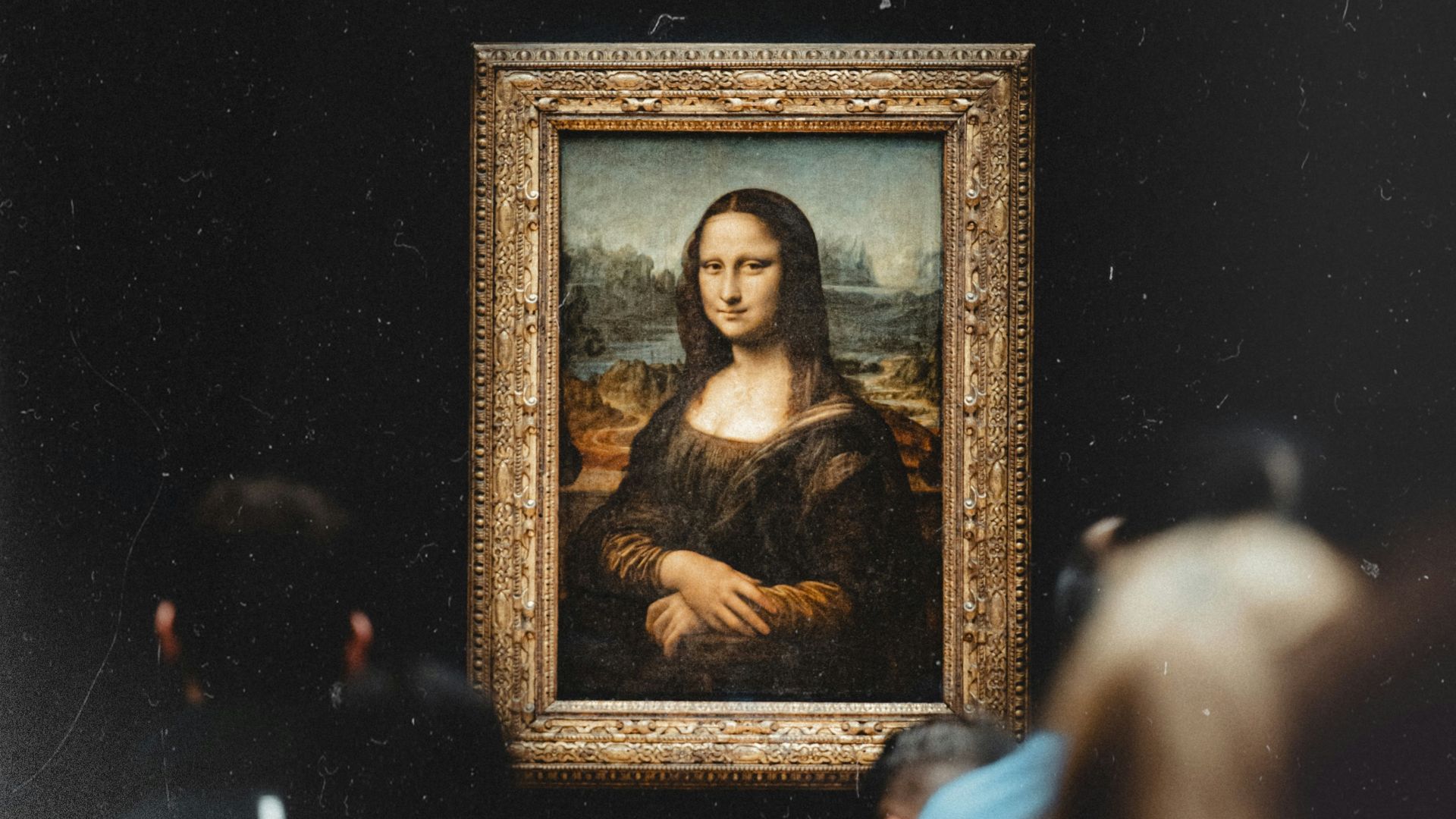
1. The Mona Lisa
When the Mona Lisa disappeared from the Louvre in 1911, it wasn’t just a museum security failure, it became an international spectacle with rumors flying across Europe. The painting’s absence turned into a kind of cultural emergency, and when it resurfaced in Italy, the whole story hardened into politics and pride.
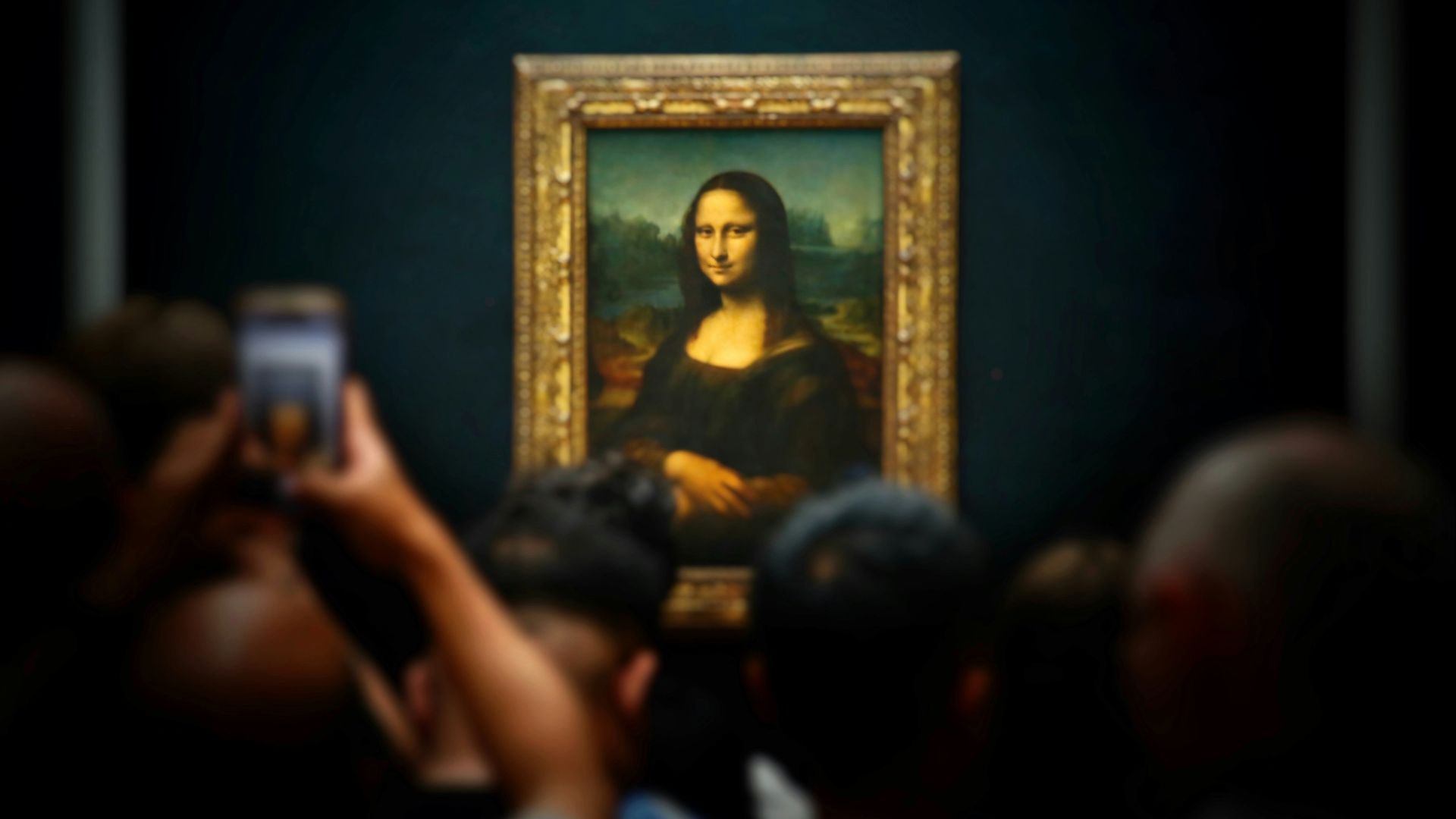
2. The Euphronios Krater
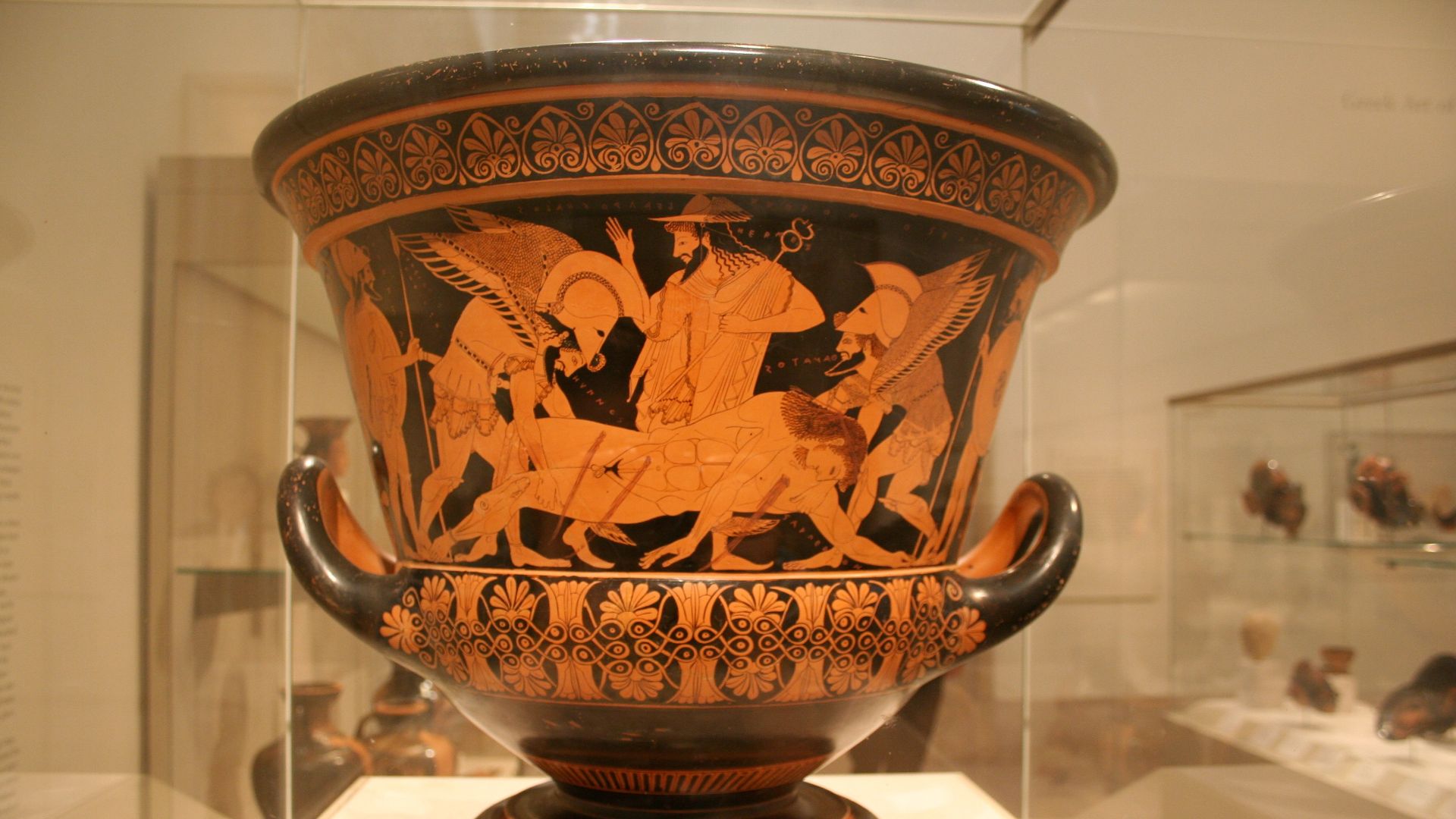
This ancient Greek vase, looted from an Etruscan tomb and later bought by the Metropolitan Museum of Art, became a symbol of how top institutions once treated questionable provenance as a minor inconvenience. Italy pushed for years, and the eventual agreement to return it wasn’t just about one object, it signaled a shift in how aggressively countries would pursue claims.
3. The Benin Bronzes
Thousands of artworks taken during the 1897 British attack on Benin City scattered across museums and private collections, and the fallout has lasted more than a century. Every return, refusal, or loan offer now lands as a statement about history, power, and who gets to control a culture’s public memory.
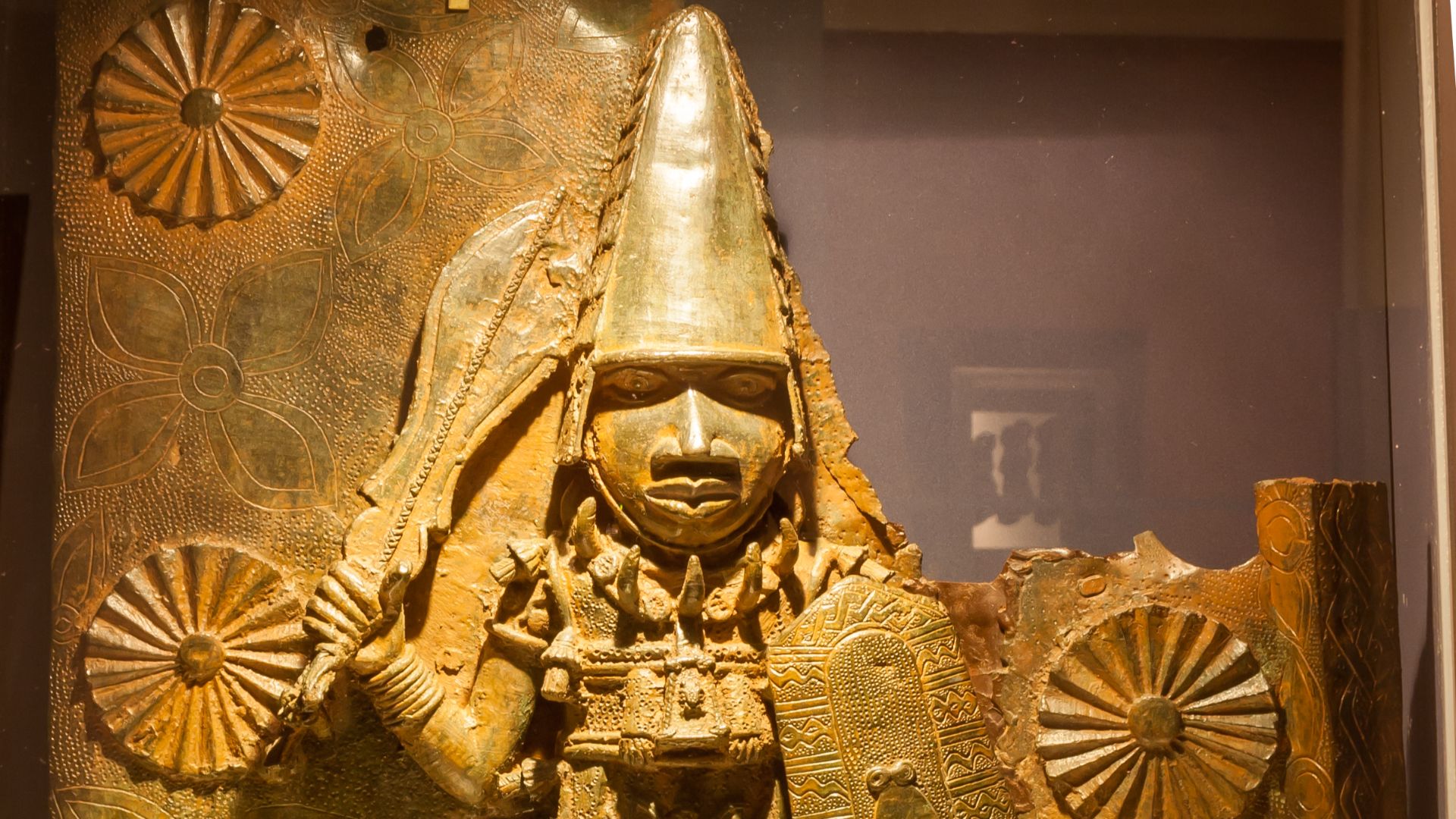 Photograph by Mike Peel (www.mikepeel.net). on Wikimedia
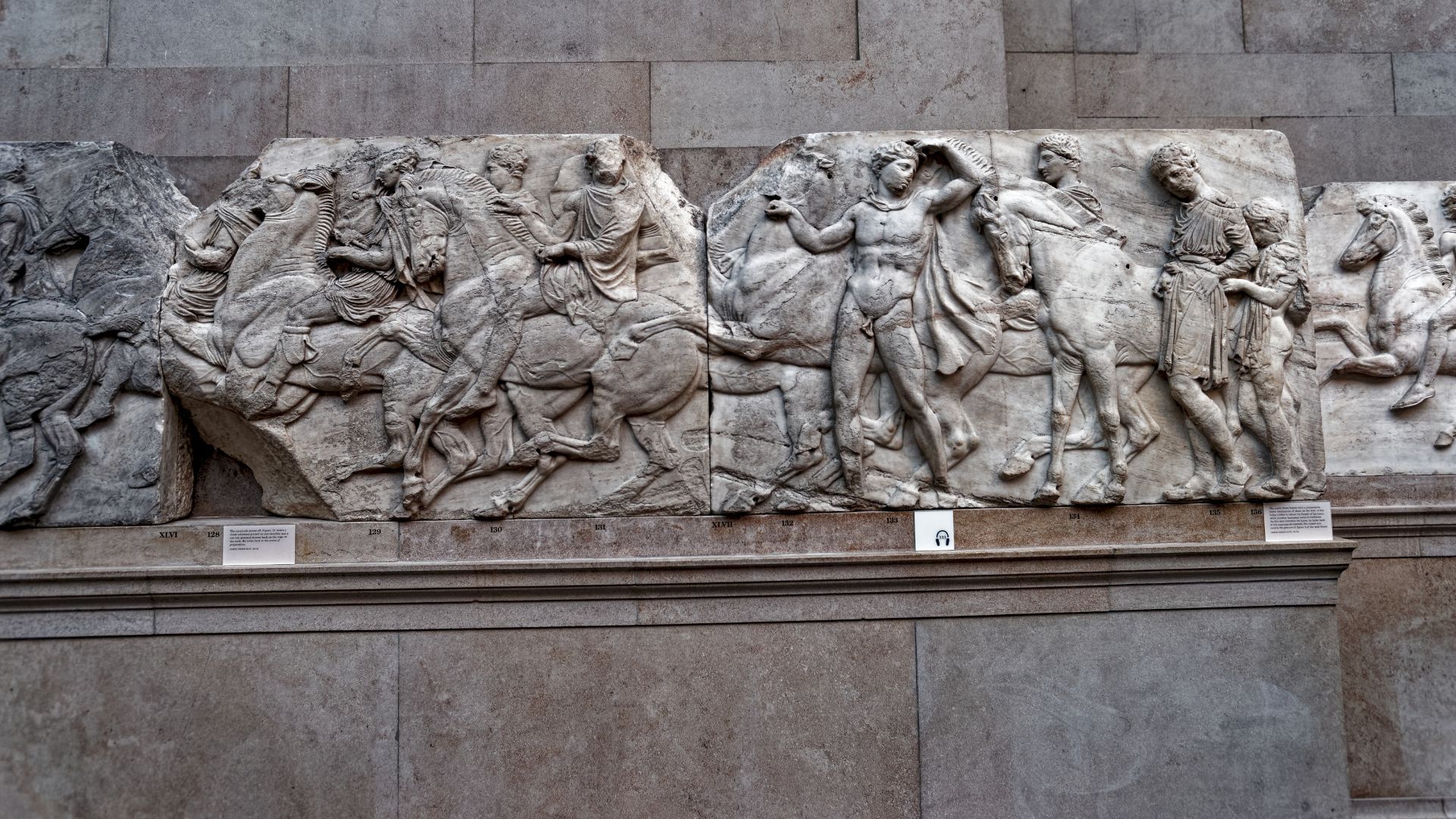
4. The Parthenon Sculptures
Whether you call them the Elgin Marbles or the Parthenon Sculptures, the argument is the same: Greece says they were taken under colonial conditions and should come home, Britain says the acquisition was legal for its time. The dispute keeps reappearing in modern diplomacy because it’s never only about marble, it’s about legitimacy.
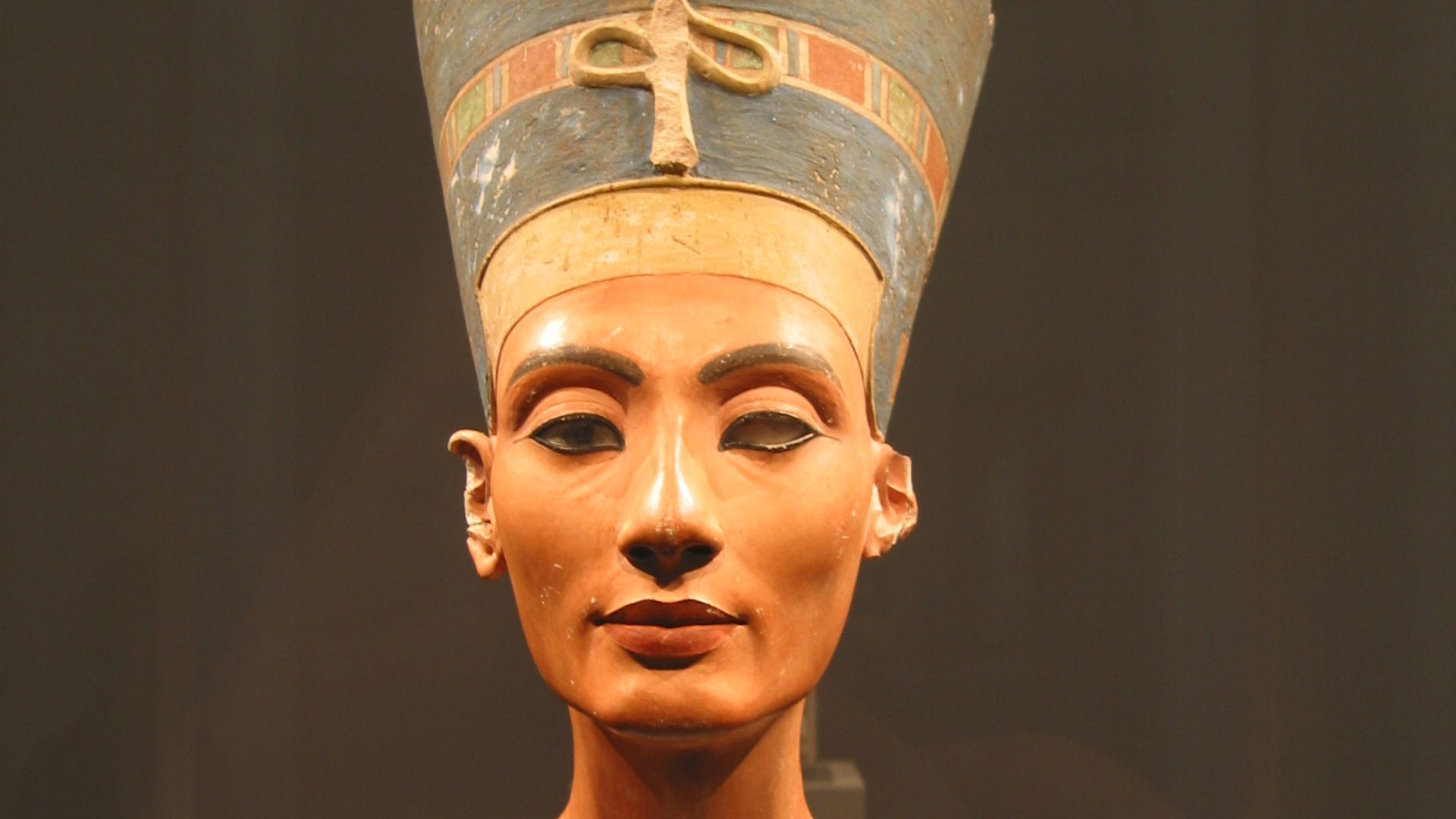
5. The Bust Of Nefertiti
Berlin has had Nefertiti since 1913, and Egypt has been asking questions about how exactly that happened for just as long. The bust sits at the center of a long-running standoff where museums talk about legal divisions of finds and countries talk about manipulation, unequal rules, and a very old wrong that still feels current.
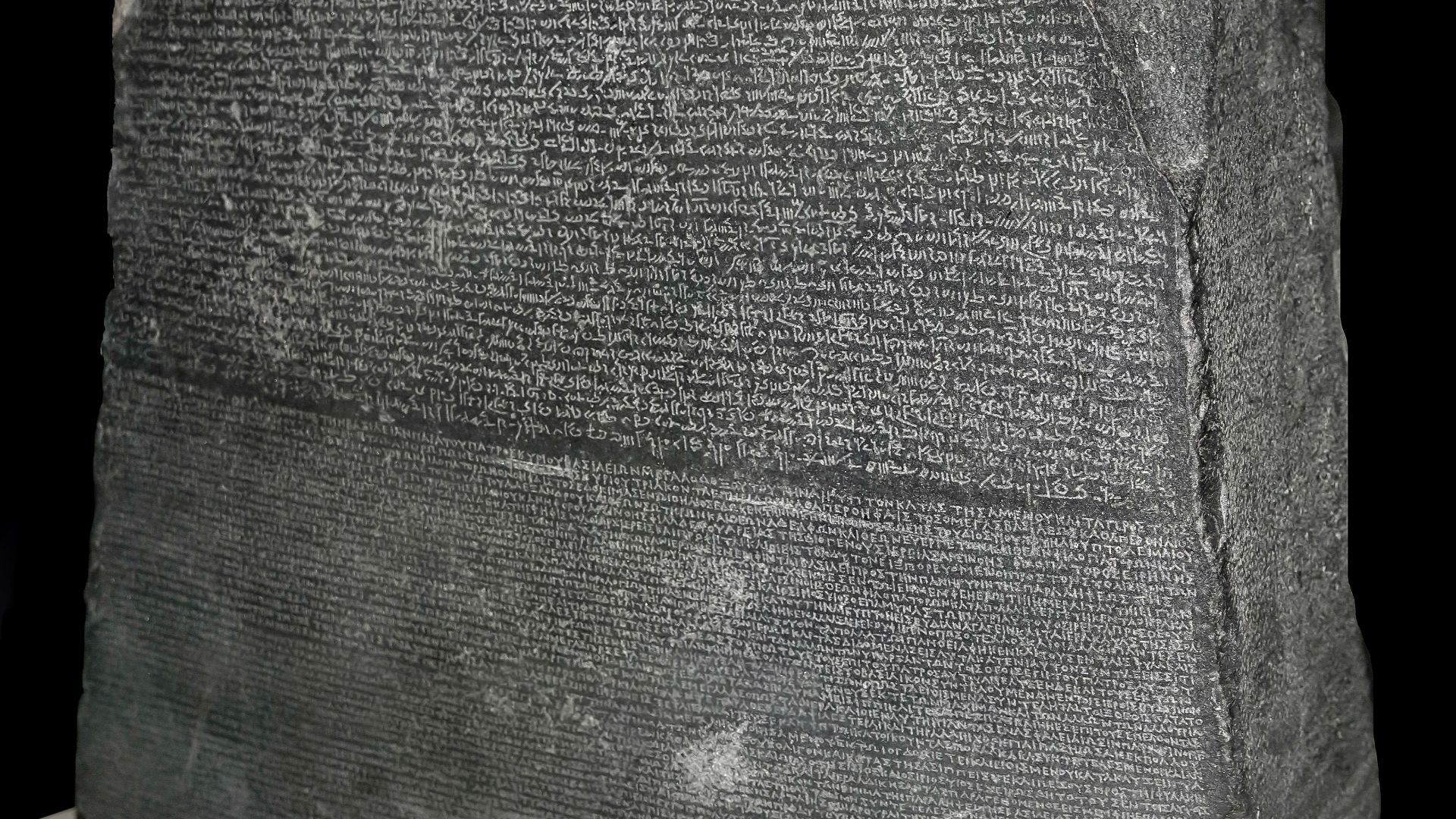
6. The Rosetta Stone
The Rosetta Stone is one of those objects that functions like a national symbol even for people who couldn’t explain its inscriptions. Egypt’s repatriation calls collide with the British Museum’s position, and the debate stays loud because the stone represents a whole era of extraction wrapped in scholarly prestige.
7. The Koh-i-Noor Diamond
Few objects trigger as much immediate tension as a diamond tied to conquest and empire. The Koh-i-Noor sits in the British Crown Jewels, and multiple countries have laid claim over time, turning a gemstone into a recurring, high-emotion argument about restitution and historical ownership.
8. The Irish Crown Jewels
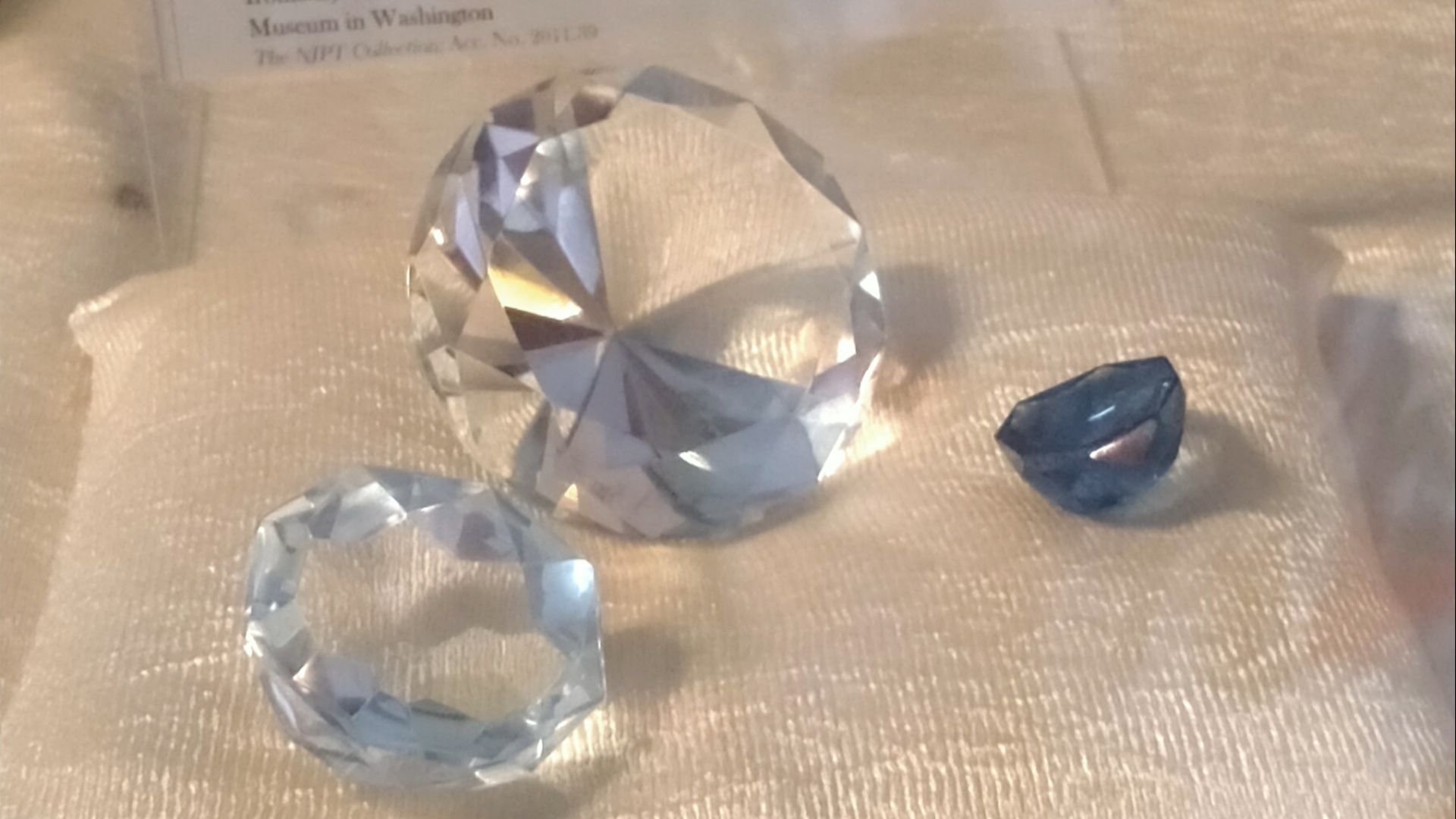
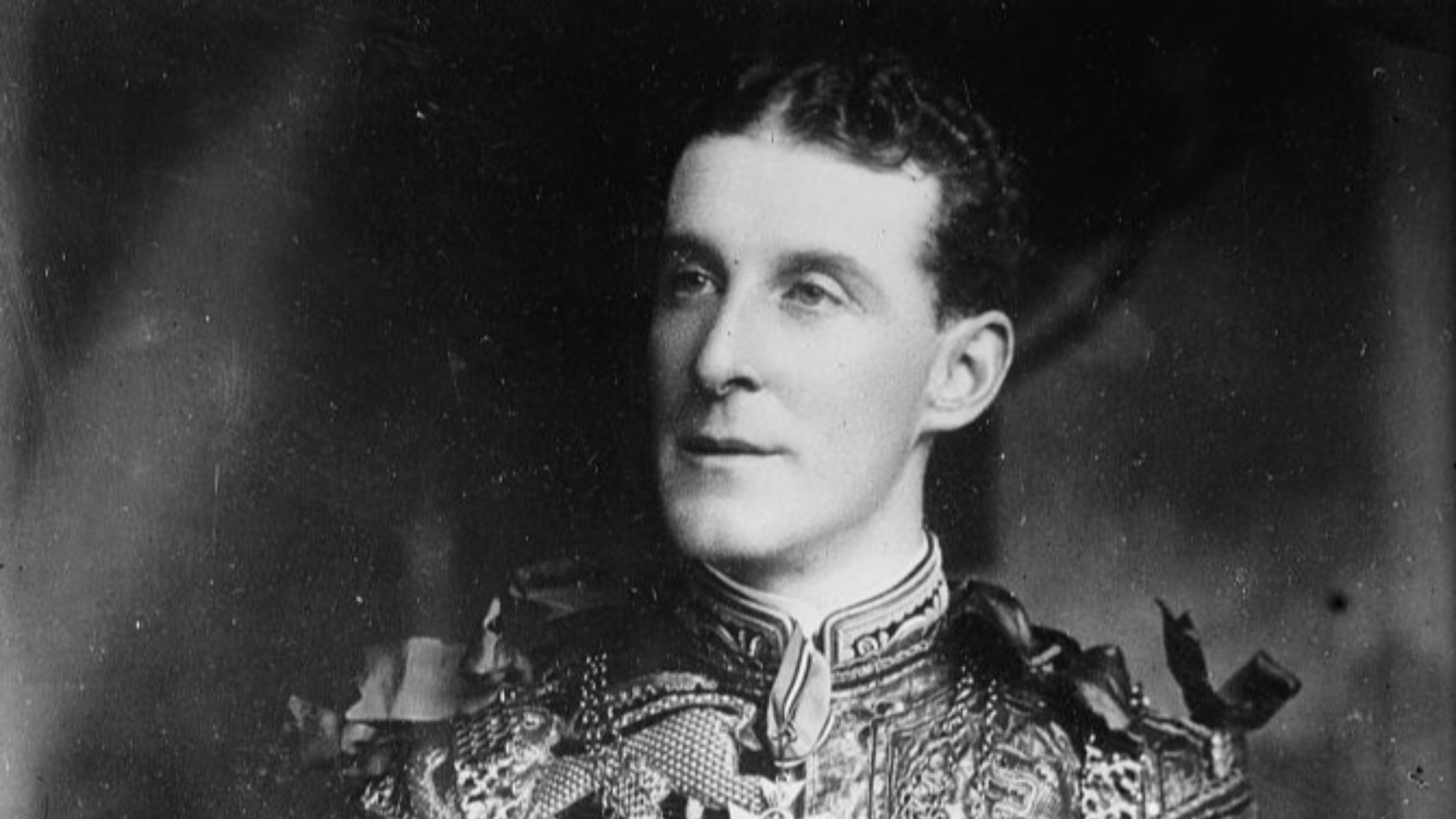
The Irish Crown Jewels vanished from Dublin Castle in 1907, right on the edge of a royal visit, and the scandal immediately outgrew the theft itself. It fed years of suspicion about insiders, cover-ups, and incompetence at the heart of British rule in Ireland, which was a pretty volatile setting to begin with.
 George Grantham Bain Collection (Library of Congress) on Wikimedia
9. The Codex Calixtinus
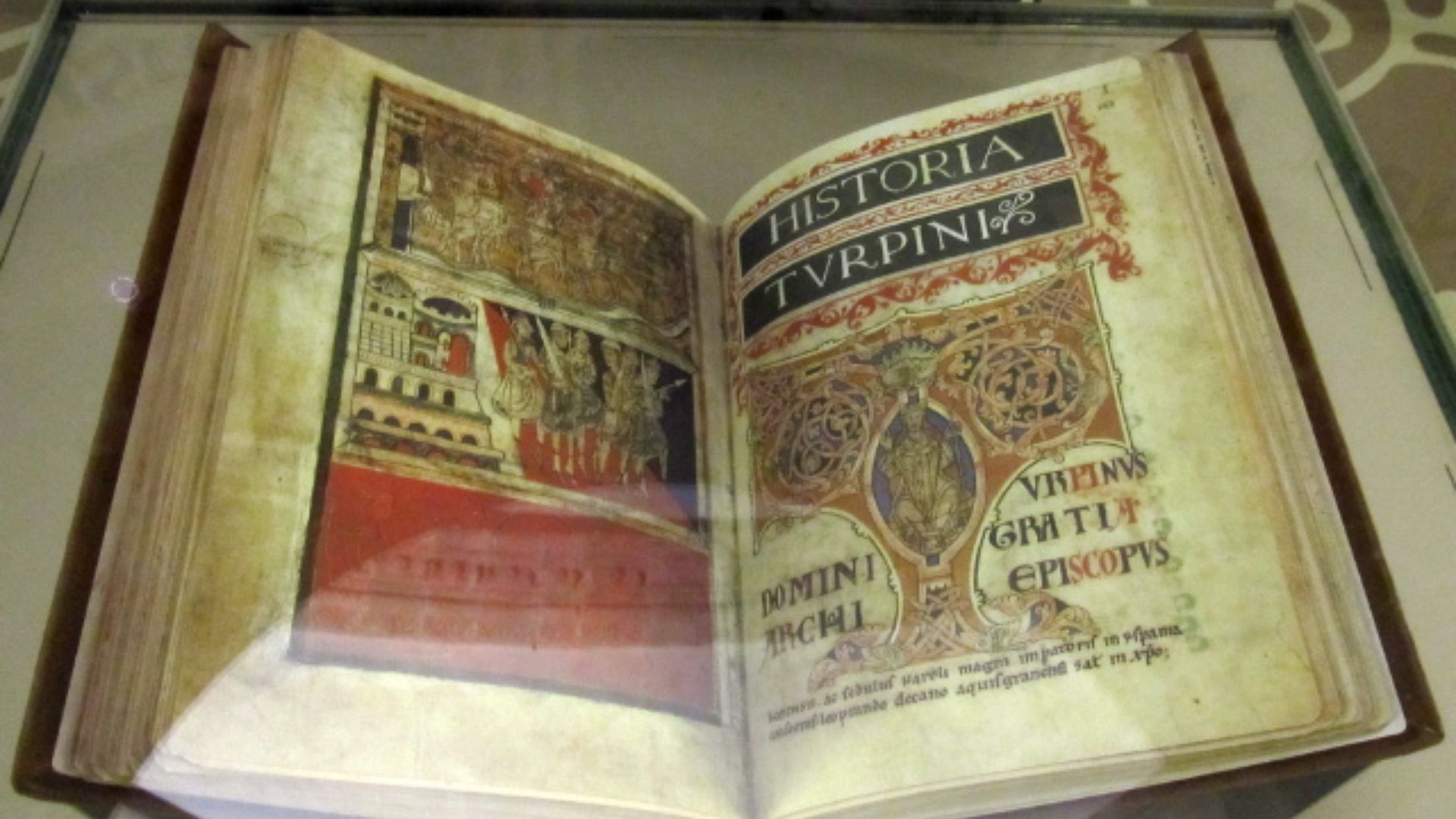
When a 12th-century manuscript disappeared from the cathedral in Santiago de Compostela, it didn’t feel like a niche library problem. It was a cultural humiliation for Spain, a huge story for pilgrims and historians, and a reminder that priceless heritage can vanish through the most ordinary access points.
 Dario Alvarez from Orense, España on Wikimedia
10. The Just Judges Panel
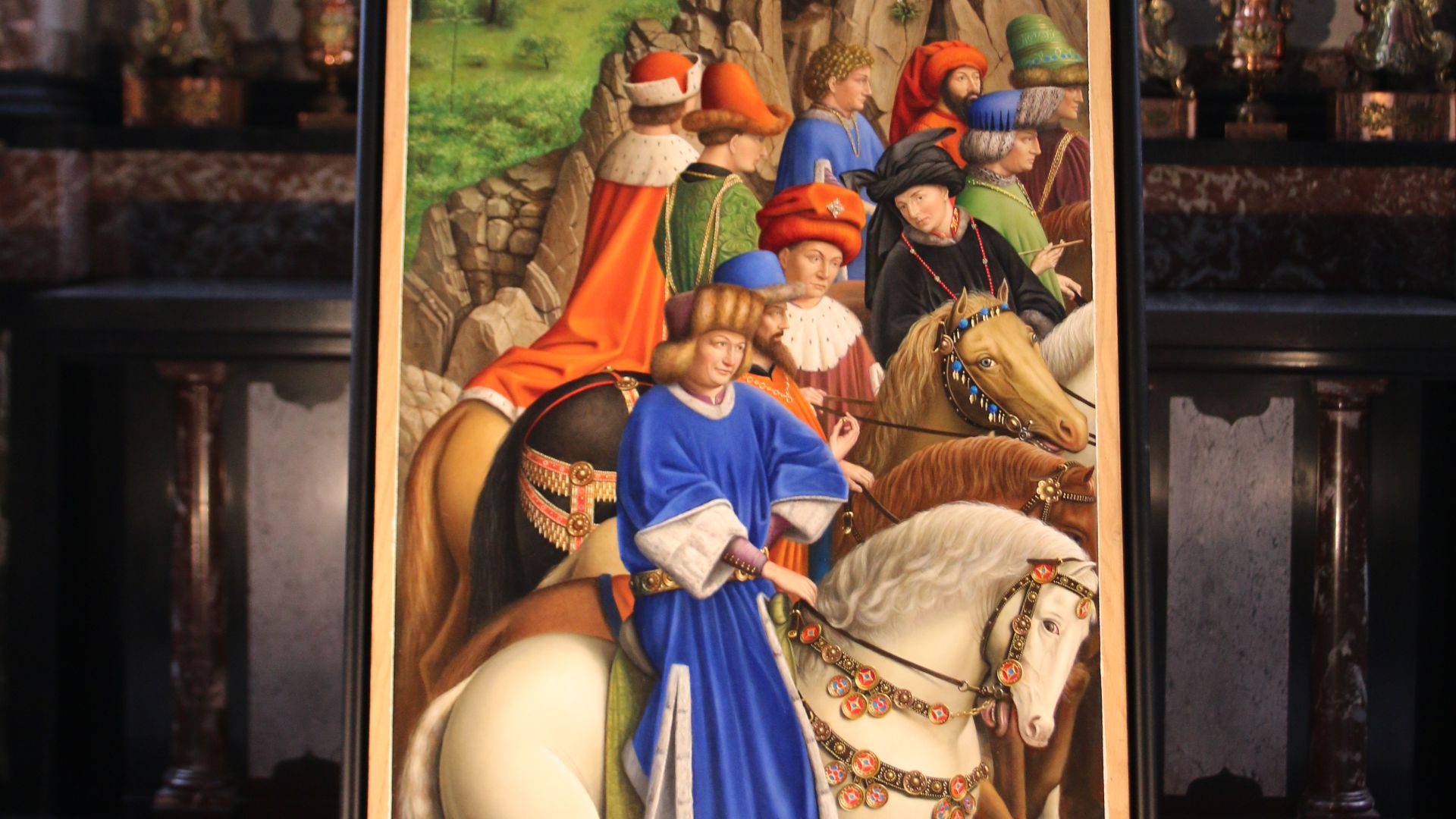
One panel from the Ghent Altarpiece, known as The Just Judges, was stolen in 1934 and has never been recovered. The theft became part mystery, part national obsession, because the altarpiece is treated less like art and more like a piece of Belgium’s identity.
11. The Amber Room
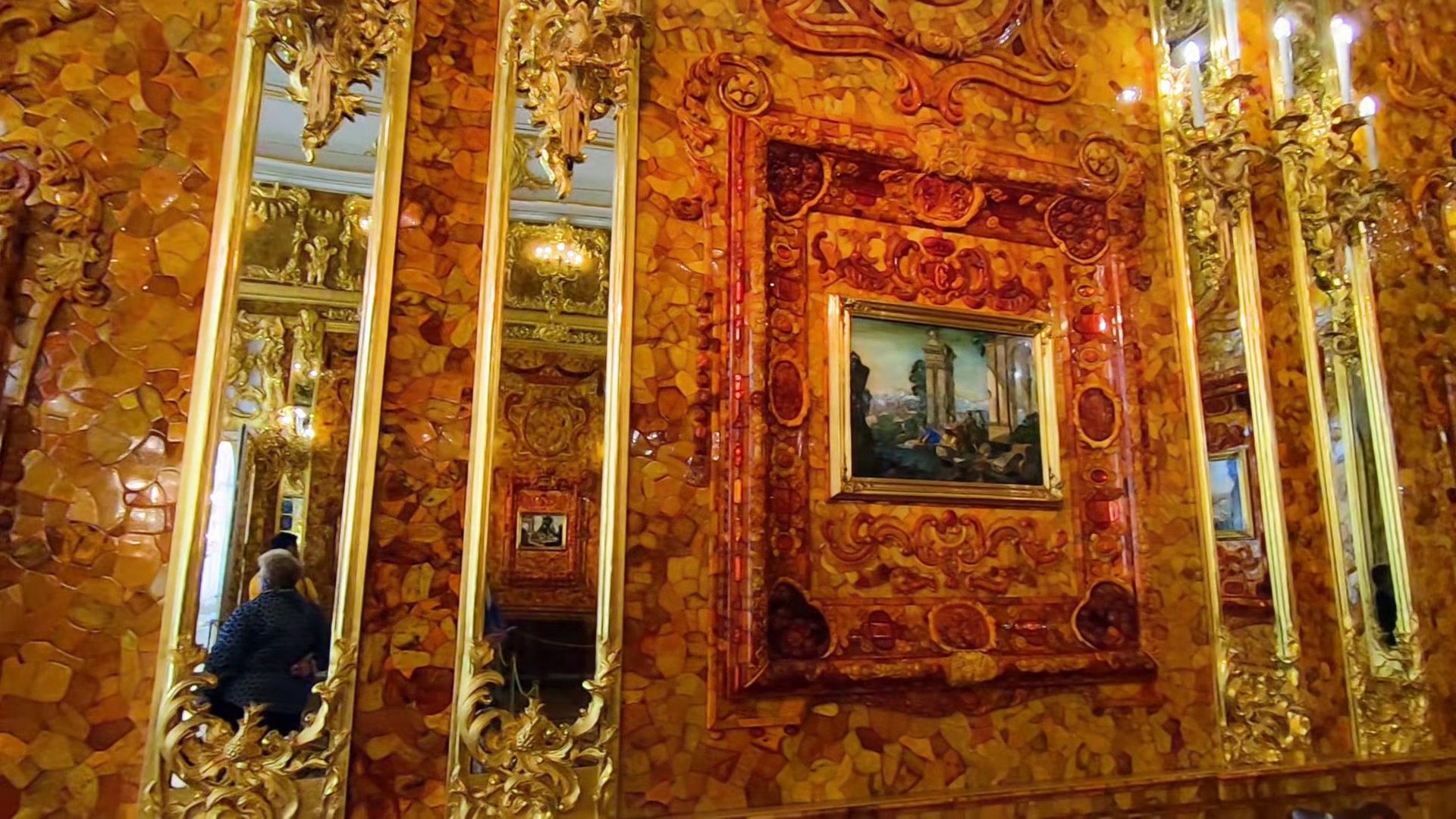
The Amber Room was looted by Nazi forces from a palace near Leningrad during World War II and then disappeared into the chaos of the collapsing Third Reich. Its loss still triggers diplomatic and cultural friction because it sits at the intersection of war crime, national trauma, and the lingering question of who is hiding what.
 Sergey A. Demidov on Wikimedia
12. The Axum Obelisk
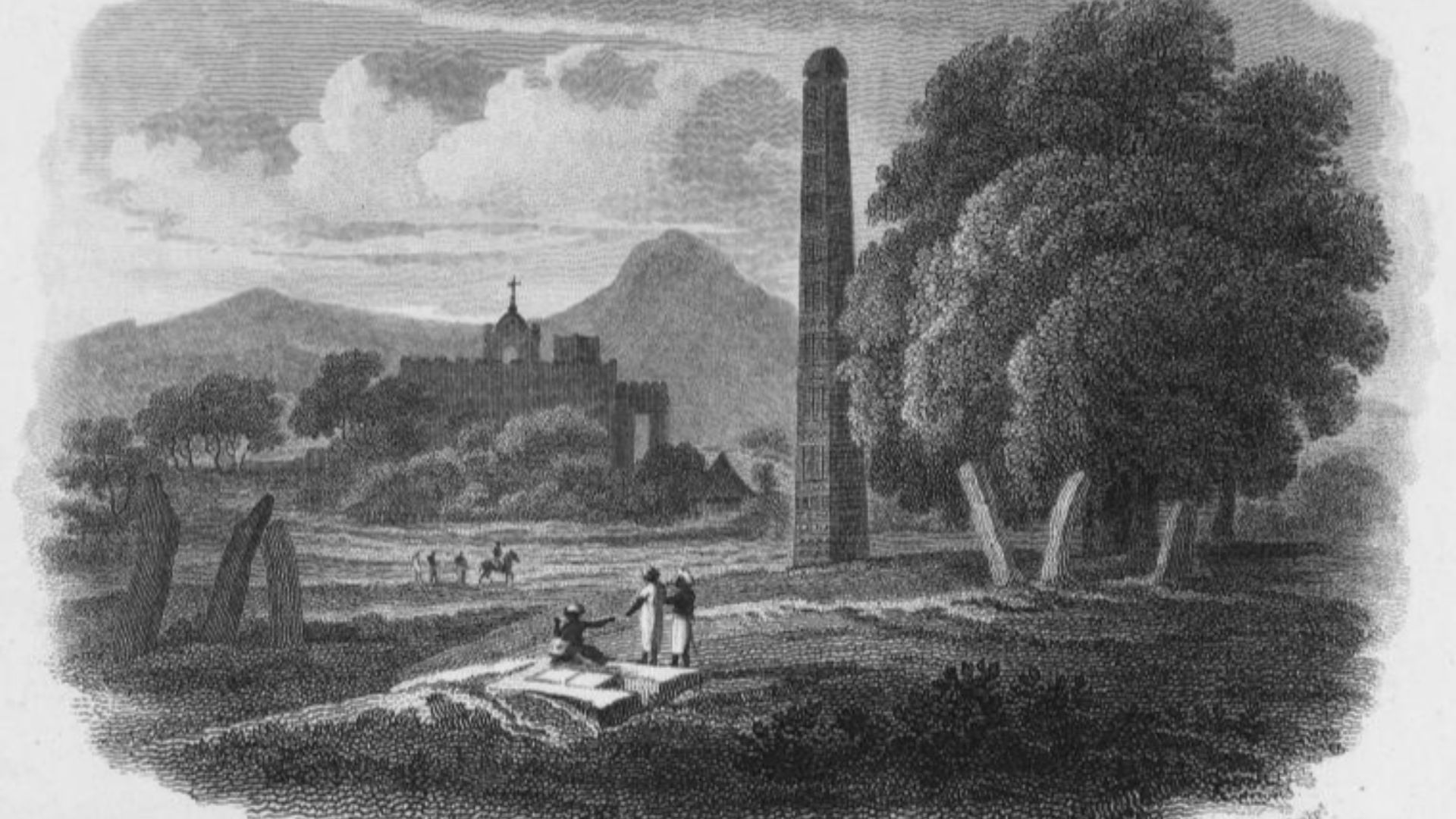
Italy removed the Axum Obelisk from Ethiopia in the 1930s, and for decades it stood in Rome as a trophy with a polite label. Its eventual return in the 2000s was treated as a political event, not a shipping update, because it was a rare moment where a colonial-era removal was visibly undone.
 Charles Heath / After Henry Salt on Wikimedia
13. The Magdala Treasures
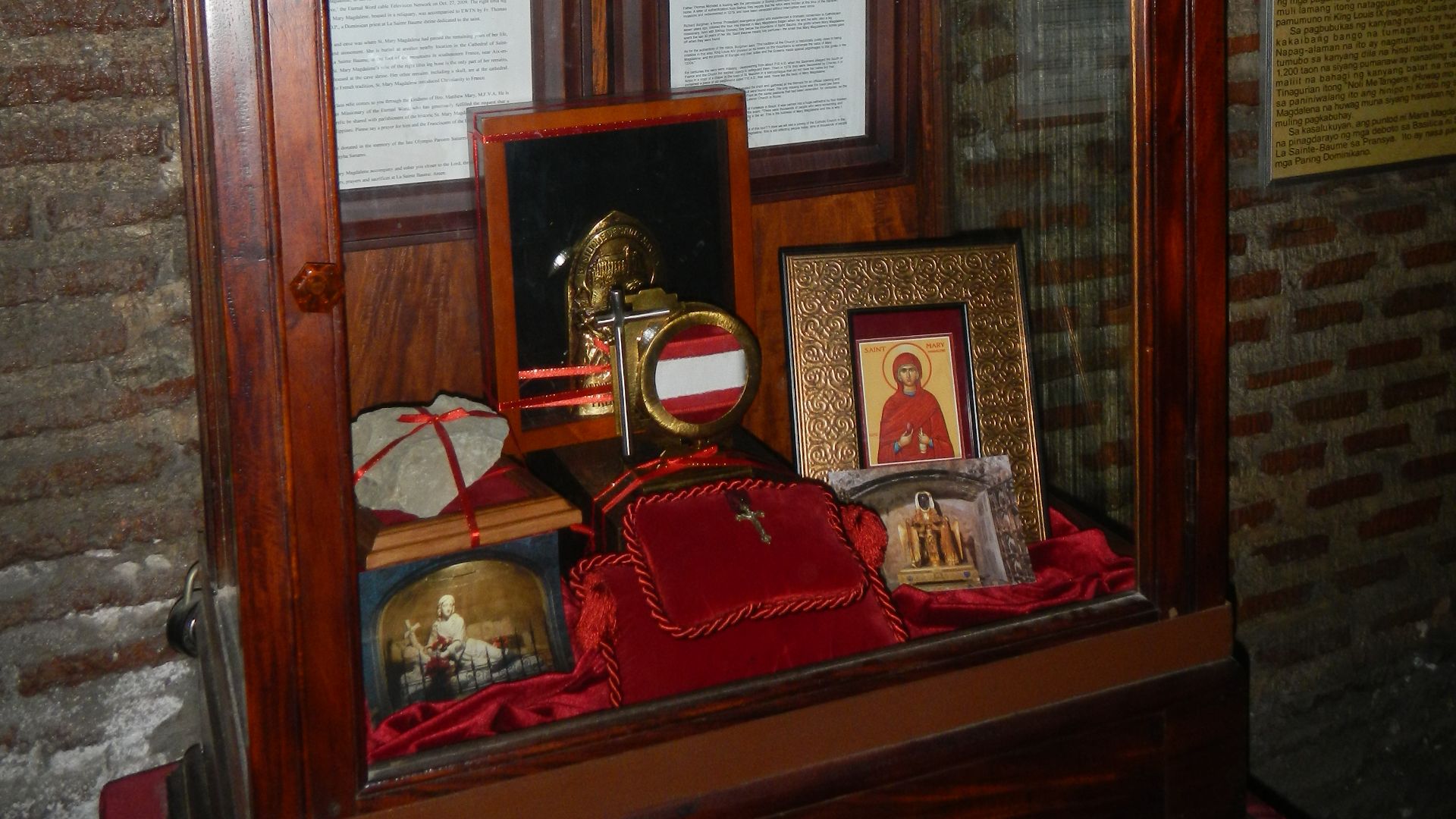
After the British expedition to Maqdala in 1868, Ethiopian crowns, manuscripts, and sacred objects ended up in the UK, and the dispute never really cooled off. Every auction listing or museum display can reignite anger, because these items are tied to religion and monarchy, not just aesthetics.
14. Hoa Hakananai’a
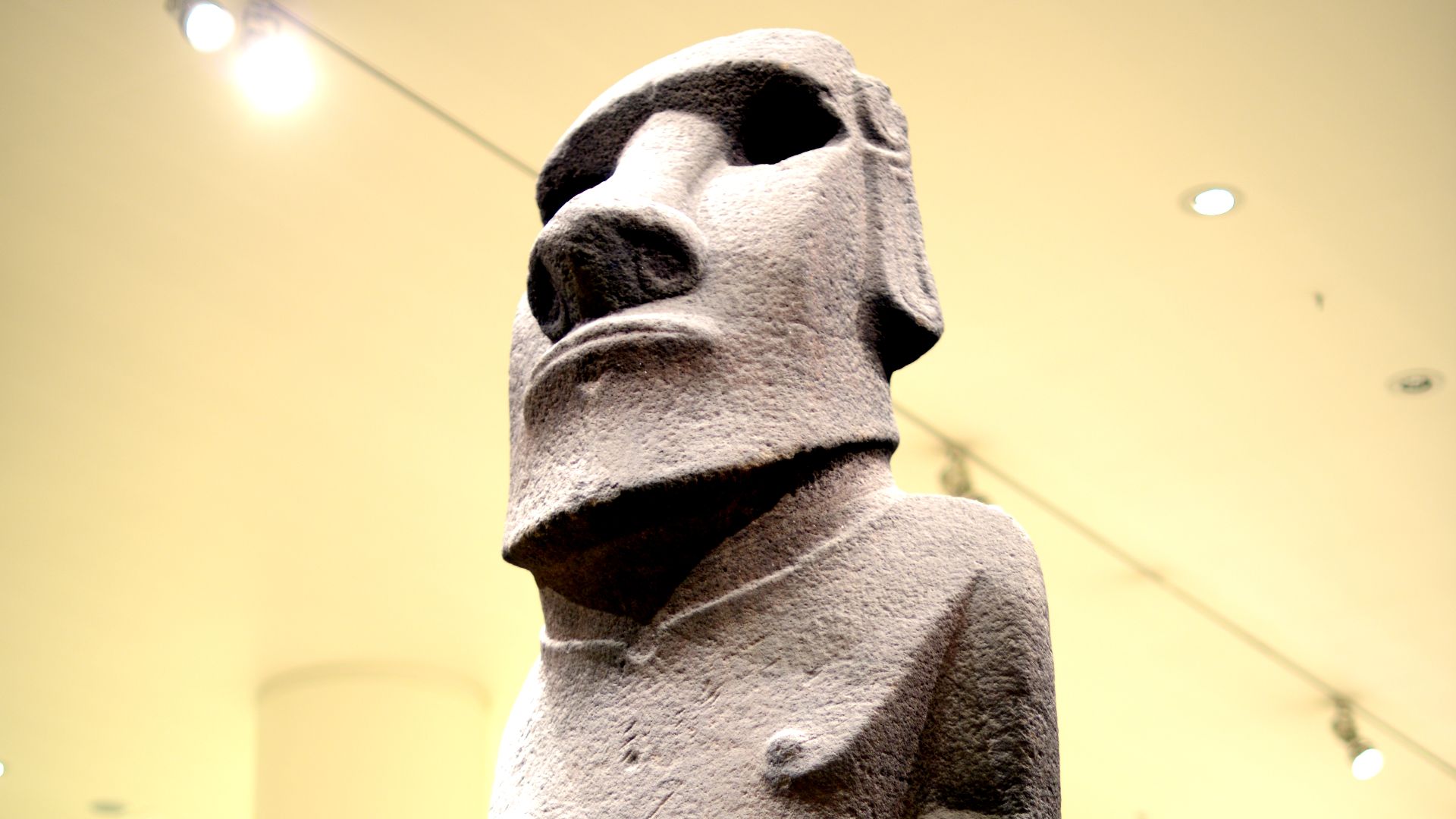
A massive moai figure from Rapa Nui has sat in the British Museum since the 1800s, and the repatriation request is as much about living community as it is about an artifact. When delegations travel to ask for it back, it becomes an international conversation about respect, consent, and whose voice matters most in a museum debate.
15. The Machu Picchu Collection
Hundreds of artifacts excavated from Machu Picchu ended up at Yale, and Peru spent years pushing for their return. The dispute turned academic research into a political flashpoint, because it raised the uncomfortable question of whether scientific prestige ever justified permanent removal.
 commons.wikimedia.org on Google
16. The Korean Uigwe Books
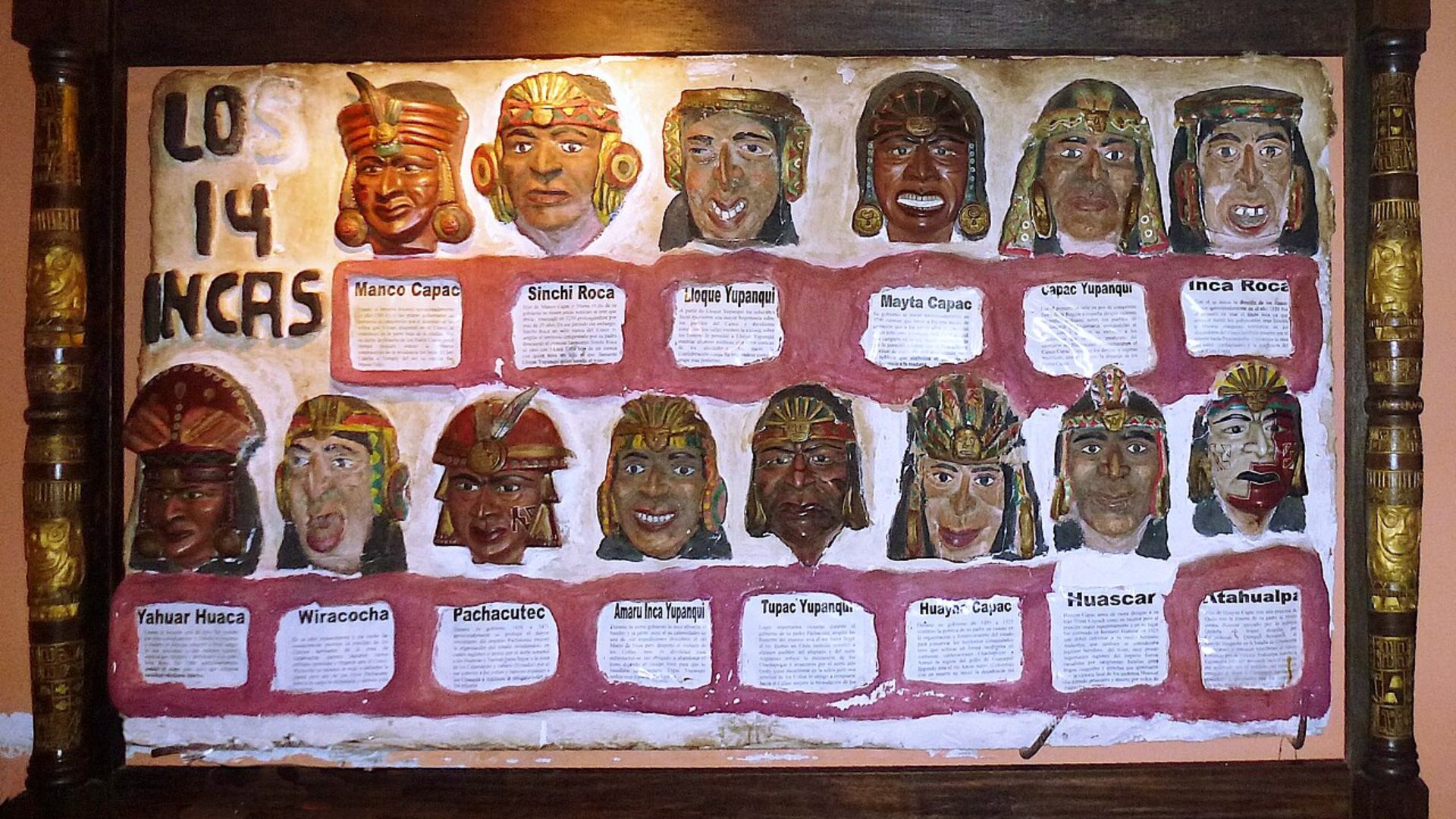
Royal protocol texts taken during a French expedition in the 19th century became a long-running sore point for South Korea. When pieces were later returned through agreements framed as loans, the wording mattered almost as much as the books themselves, because language decides who’s conceding what.
17. The Sion Treasure
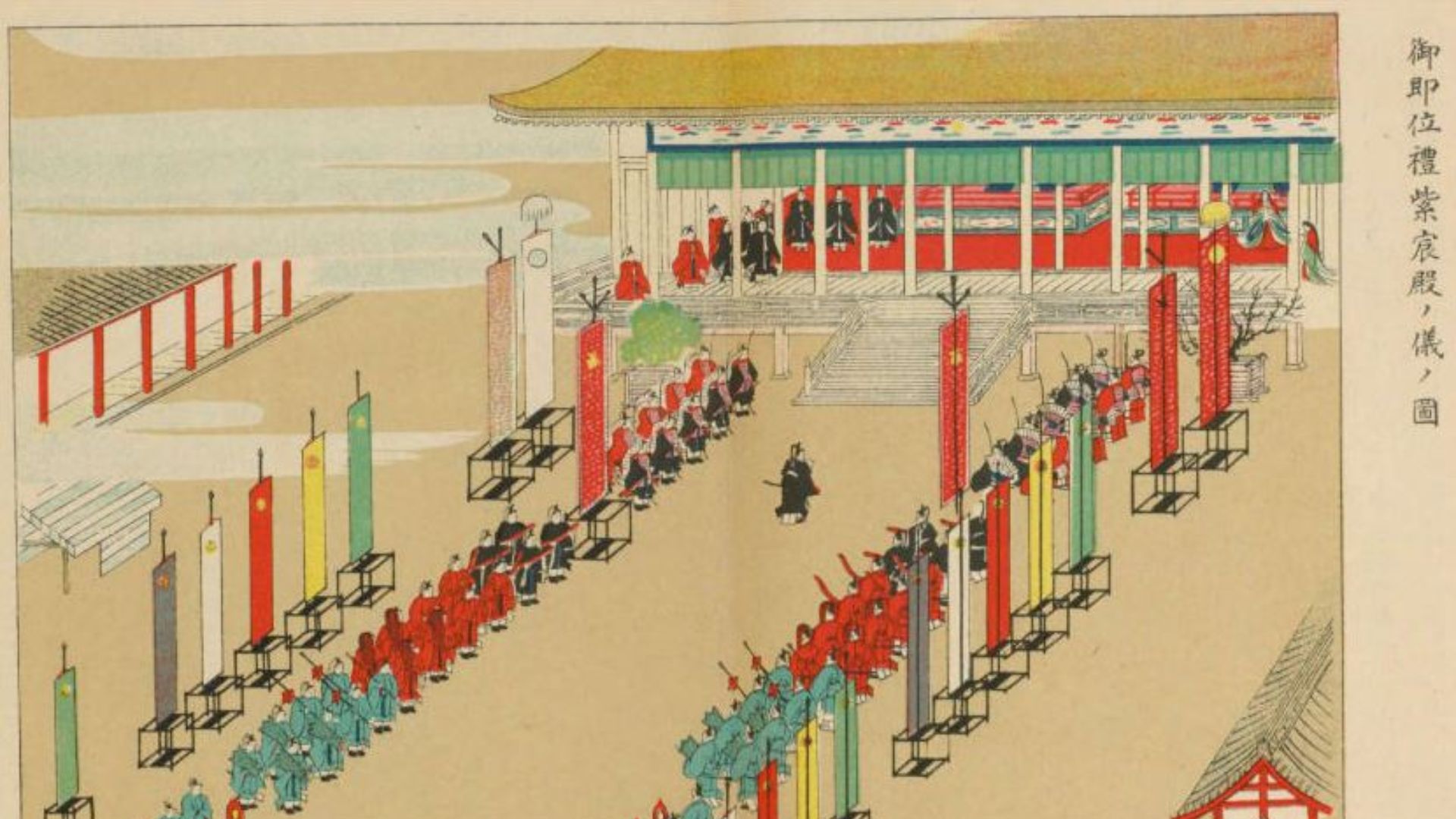
A cache of Byzantine silver discovered in Turkey ended up dispersed through the art market, including museum holdings, and Turkey fought to reclaim pieces. It became a case study in how quickly looted material can be laundered into legitimacy if enough paperwork piles up.
18. The Khmer Statues
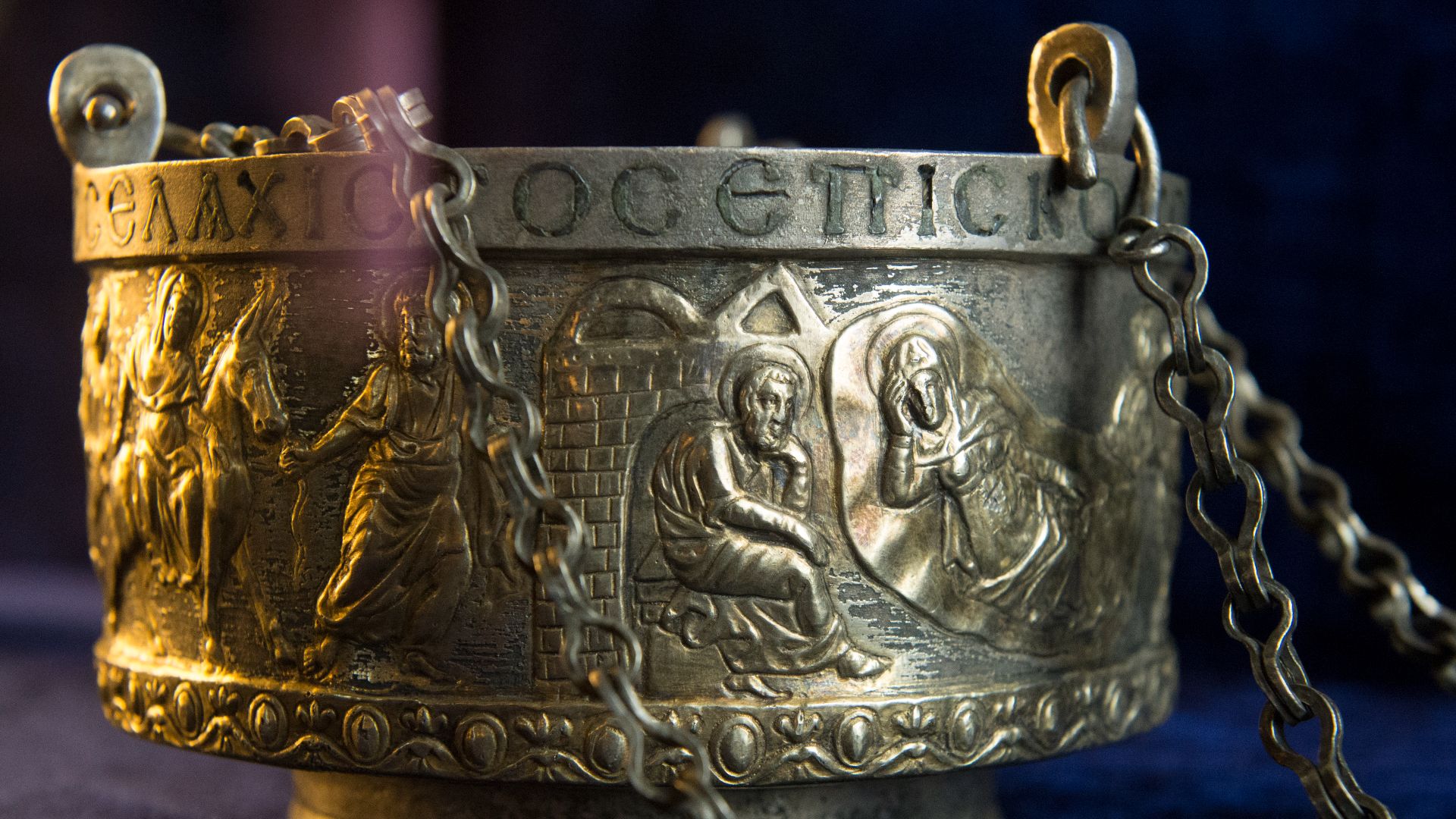
Cambodian temple sculptures were trafficked for years, then surfaced in major museums and collections, prompting investigations and returns. Each repatriation carried its own embarrassment factor, because nobody likes admitting they displayed stolen religious figures under perfect gallery lighting.
19. The First Folio Thefts
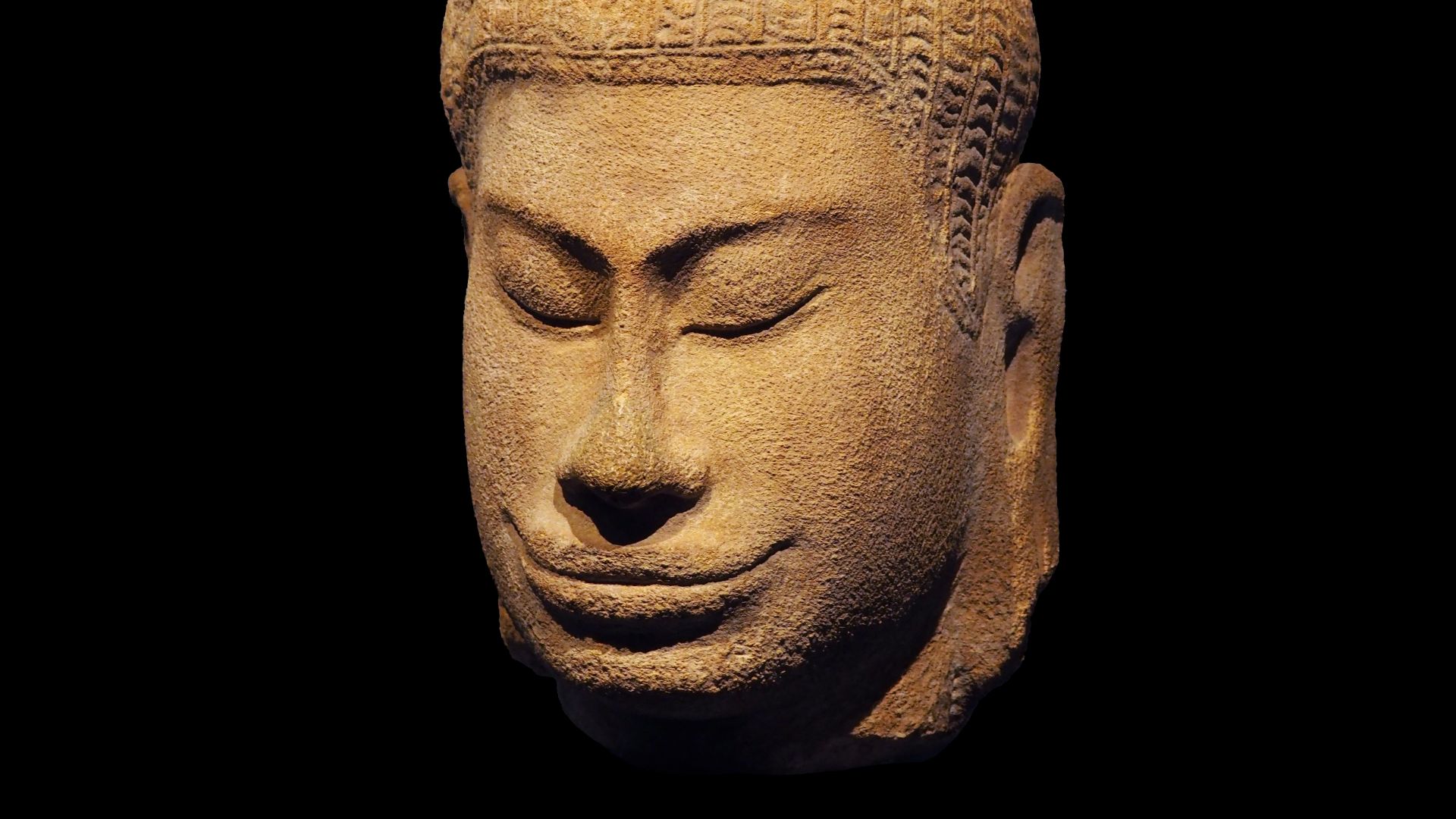
Shakespeare First Folios are rare enough that any theft triggers international alerts, customs scrutiny, and a lot of urgent phone calls between institutions. The chaos comes from how easy they are to move compared to how hard they are to replace, and how quickly private buyers can complicate recovery.
 Christoph Weigel the Elder on Wikimedia
20. The Missing Fabergé Eggs
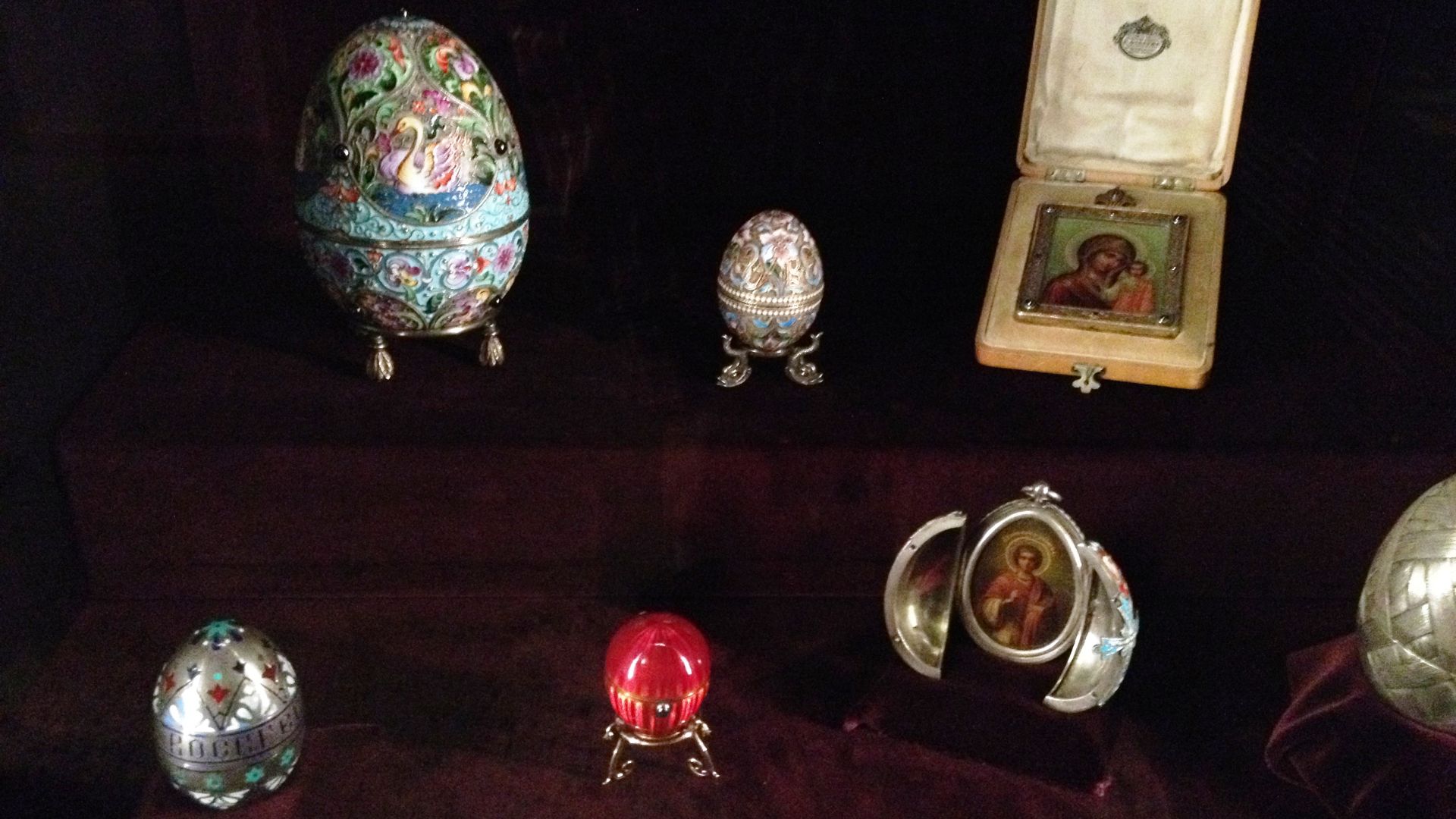
Imperial Russian Fabergé eggs have been stolen, sold, and quietly re-sold over the decades, often surfacing with hazy stories about estates and lucky finds. Because they’re tied to the Romanovs and a violent historical rupture, each disappearance and reappearance pulls in not just collectors, but governments, oligarchs, and a very watchful press.
KEEP ON READING

.jpg)