When The Walls Didn't Hold
Every prison sells itself as inescapable, right up until someone proves otherwise. Throughout history, a small number of inmates have managed to slip past guards, walls, water, and sheer bad odds, using nothing more than patience, nerve, and whatever materials happened to be lying around a cell. Some of these escapes were meticulously planned over months or years. Others came together fast, out of pure desperation, and somehow still worked. Here's 20 prison escapes that actually pulled it off.
1. Alcatraz, 1962
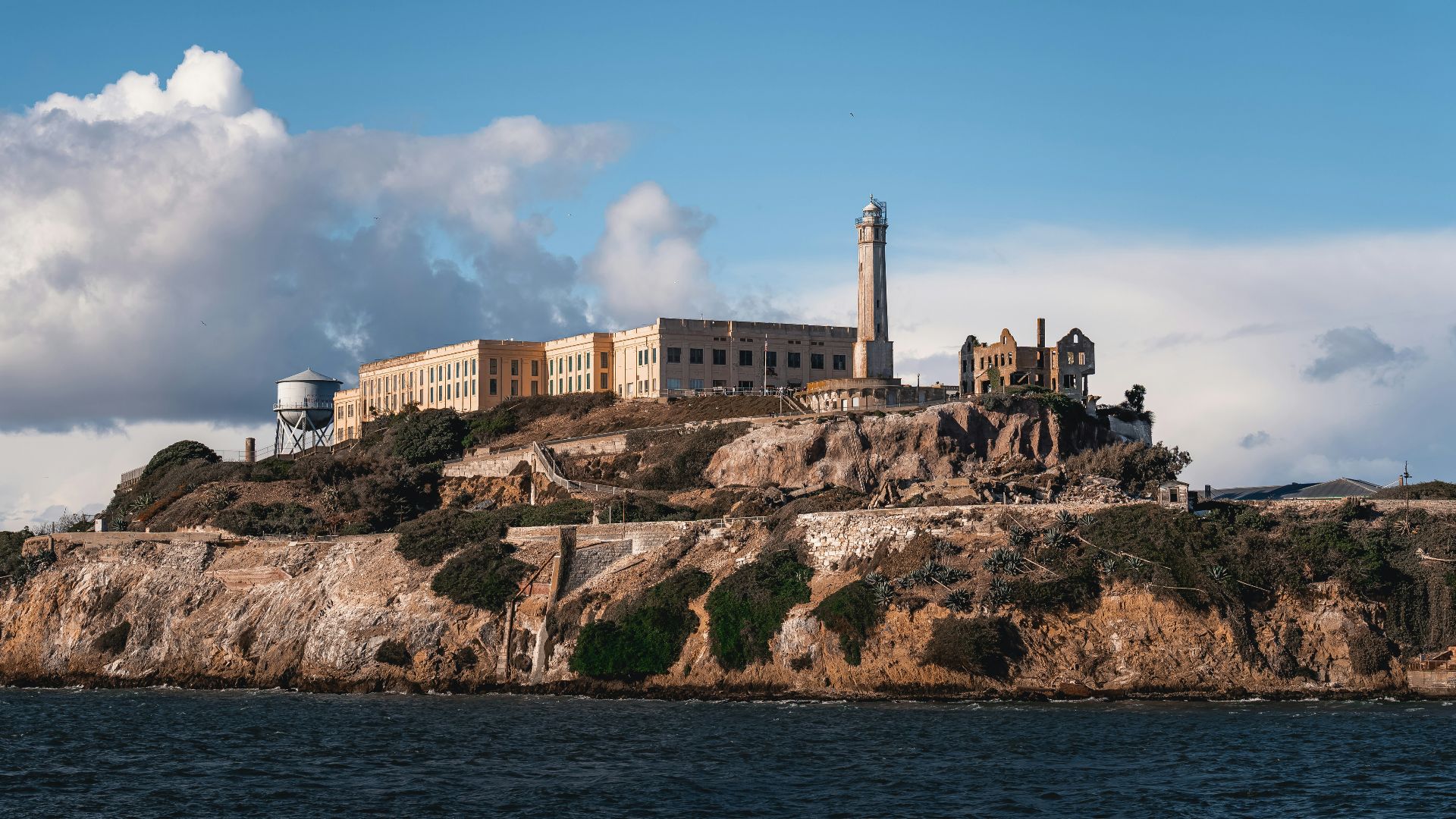
Frank Morris and brothers John and Clarence Anglin spent months carving fake heads out of soap, toilet paper, and real hair swept from the barbershop floor, propping them in their bunks to fool nighttime guards. They slipped through ventilation shafts they'd widened with spoons and paddled off Alcatraz Island on a raft made from raincoats. Nobody ever found them, dead or alive, and the case technically remains open.
2. Stalag Luft III, 1944
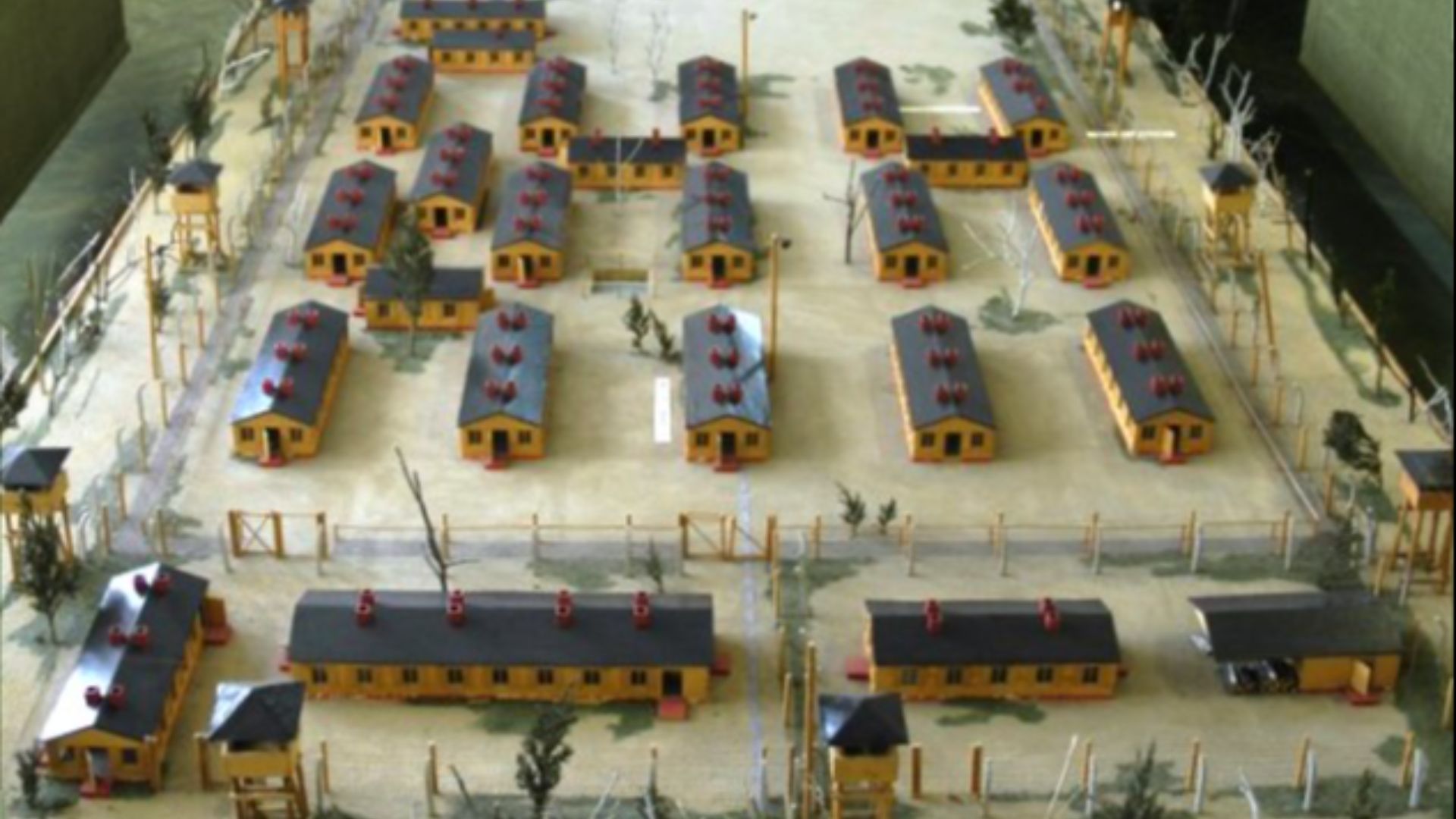
Allied prisoners dug three tunnels, nicknamed Tom, Dick, and Harry, deep beneath a German POW camp, shoring up the walls with wooden bed slats and hiding the dirt in their pant legs. Seventy-six men slipped out through Harry in a single night, though only three, a Dutchman and two Norwegians, made it all the way home. The other seventy-three were recaptured, and fifty of them were later executed on Hitler's orders.
3. The Wooden Horse, 1943
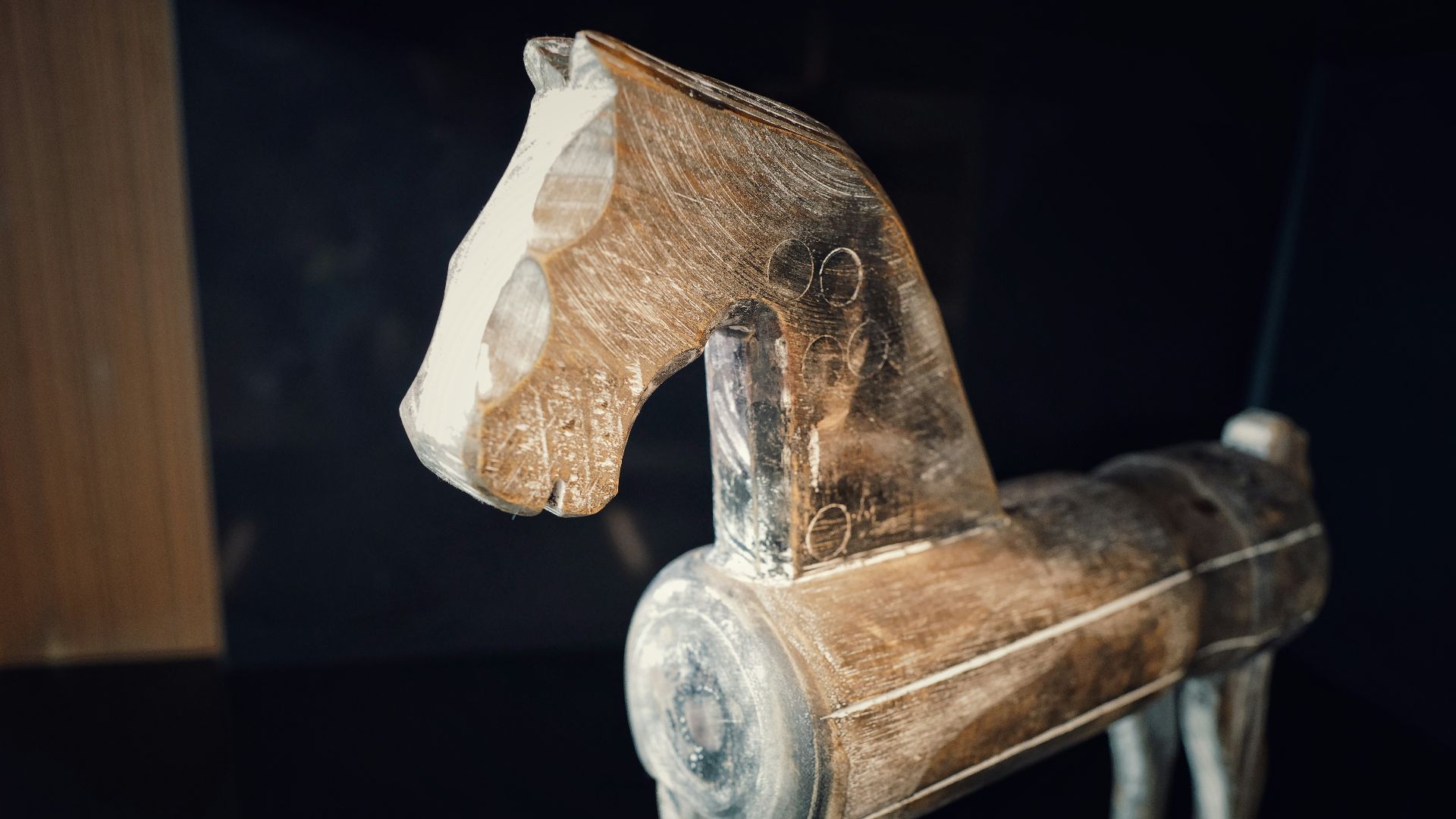
At that same camp the year before, three British officers built a plywood vaulting horse and carried it out to the same spot in the exercise yard every single day. While guards watched men vault over it, one of them dug quietly underneath, hidden from view by the horse itself. All three escapees made it back to England, and the vaulting horse trick remains one of the cleverer disguises in POW history.
4. Colditz Castle, 1942
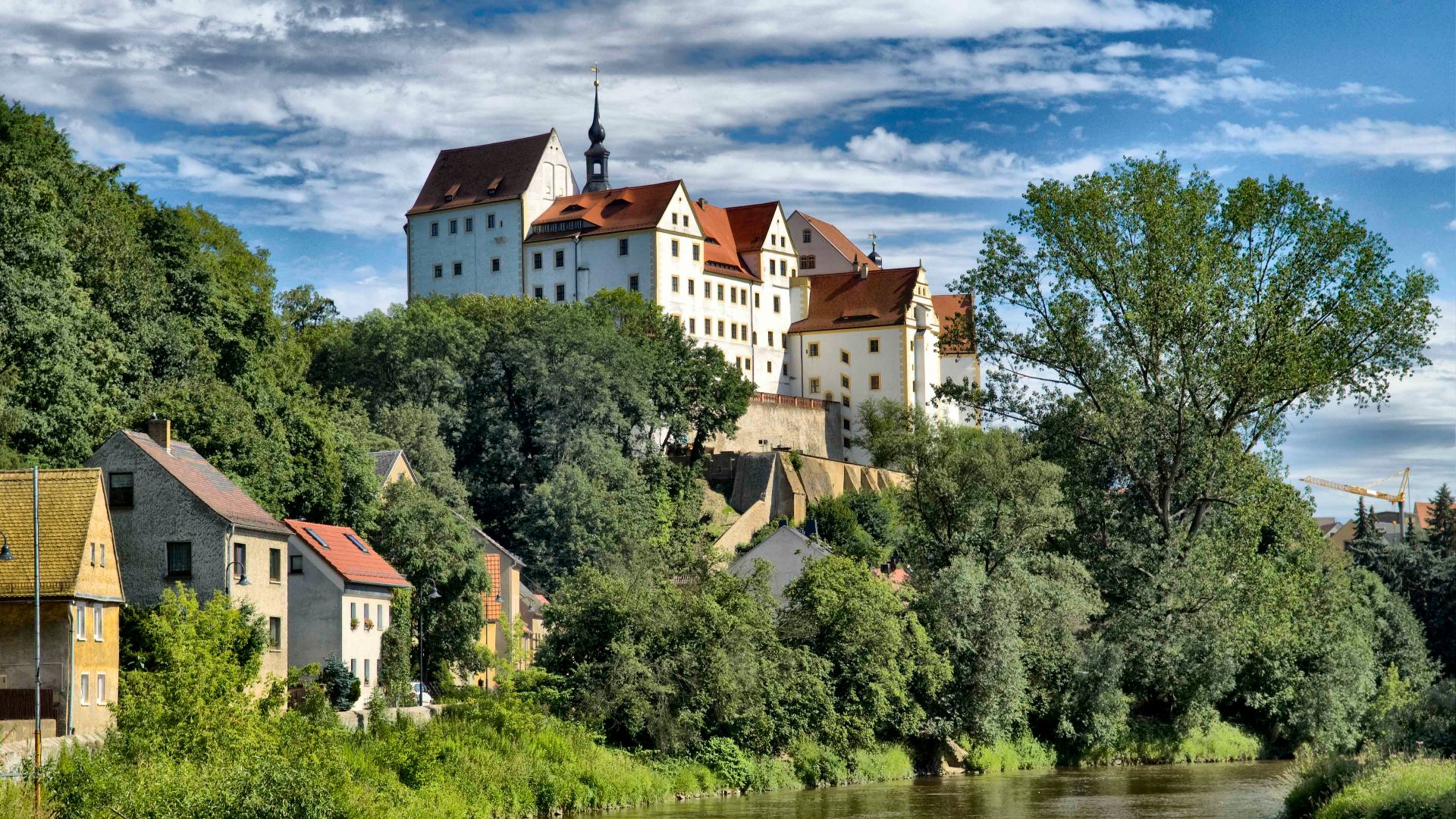
Colditz held the Allies' most persistent escape artists, and Pat Reid was among the ones who actually got out. He and three companions squeezed through the castle kitchens and down into a network of drains before slipping past the perimeter under cover of night. All four reached neutral Switzerland on foot, a journey that took several grueling days.
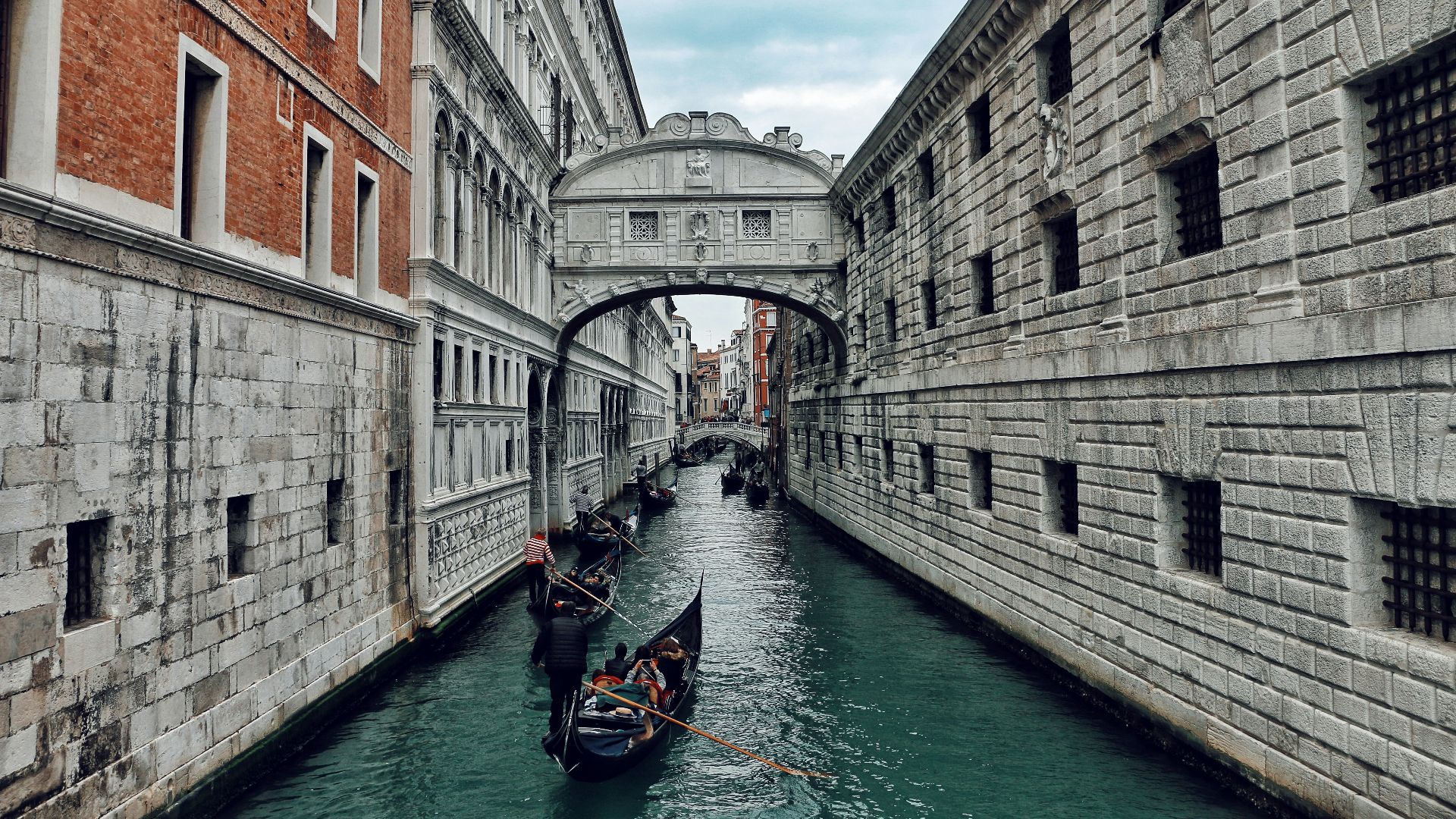
5. The Leads, Venice, 1756
Giacomo Casanova was locked in a lead-roofed attic prison atop the Doge's Palace, a place considered escape-proof due to its sheer height above the canals. Using an iron spike smuggled in a Bible, he cut through the ceiling and crawled across the rooftops in the dark before breaking into an unguarded room below. He simply walked out the front door of the palace at dawn, blending in with the early staff.
6. Libby Prison, 1864
Union officers held in this Confederate prison in Richmond spent weeks digging a tunnel through a filthy basement crawlspace the guards had nicknamed Rat Hell. A total of 109 men crawled out through it in a single night, and 59 of them made it safely to Union lines. It remains one of the largest successful prison escapes of the entire Civil War.
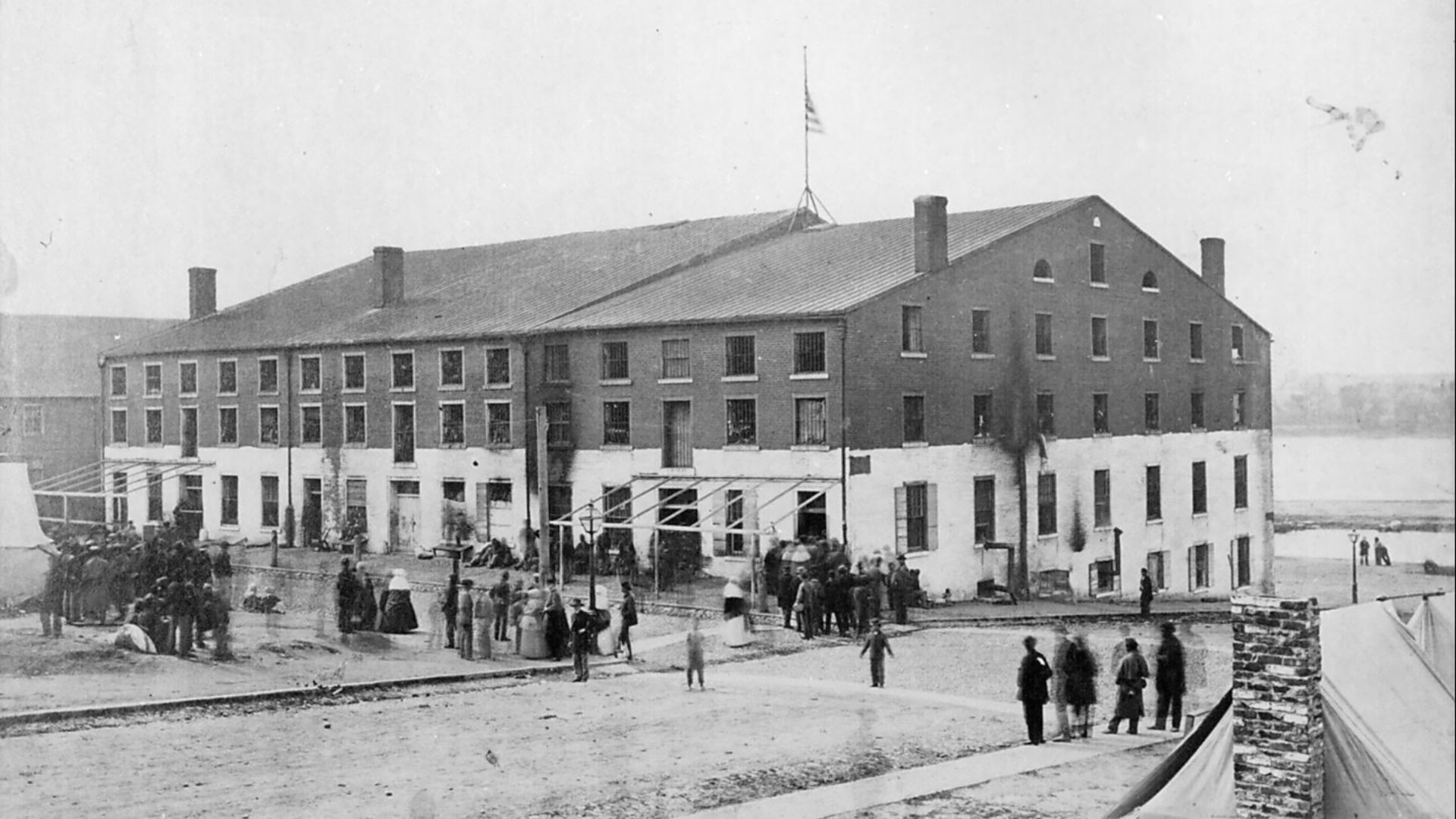 Alexander Gardner on Wikimedia
7. Crown Point Jail, 1934
John Dillinger, awaiting trial in what was supposedly one of Indiana's most secure jails, carved a fake pistol out of a piece of wood and blackened it with shoe polish. He used it to bluff his way past guards, grabbed a real weapon along the way, and drove off in the sheriff's own car. The stunt only added to his legend, and it embarrassed law enforcement for years afterward.
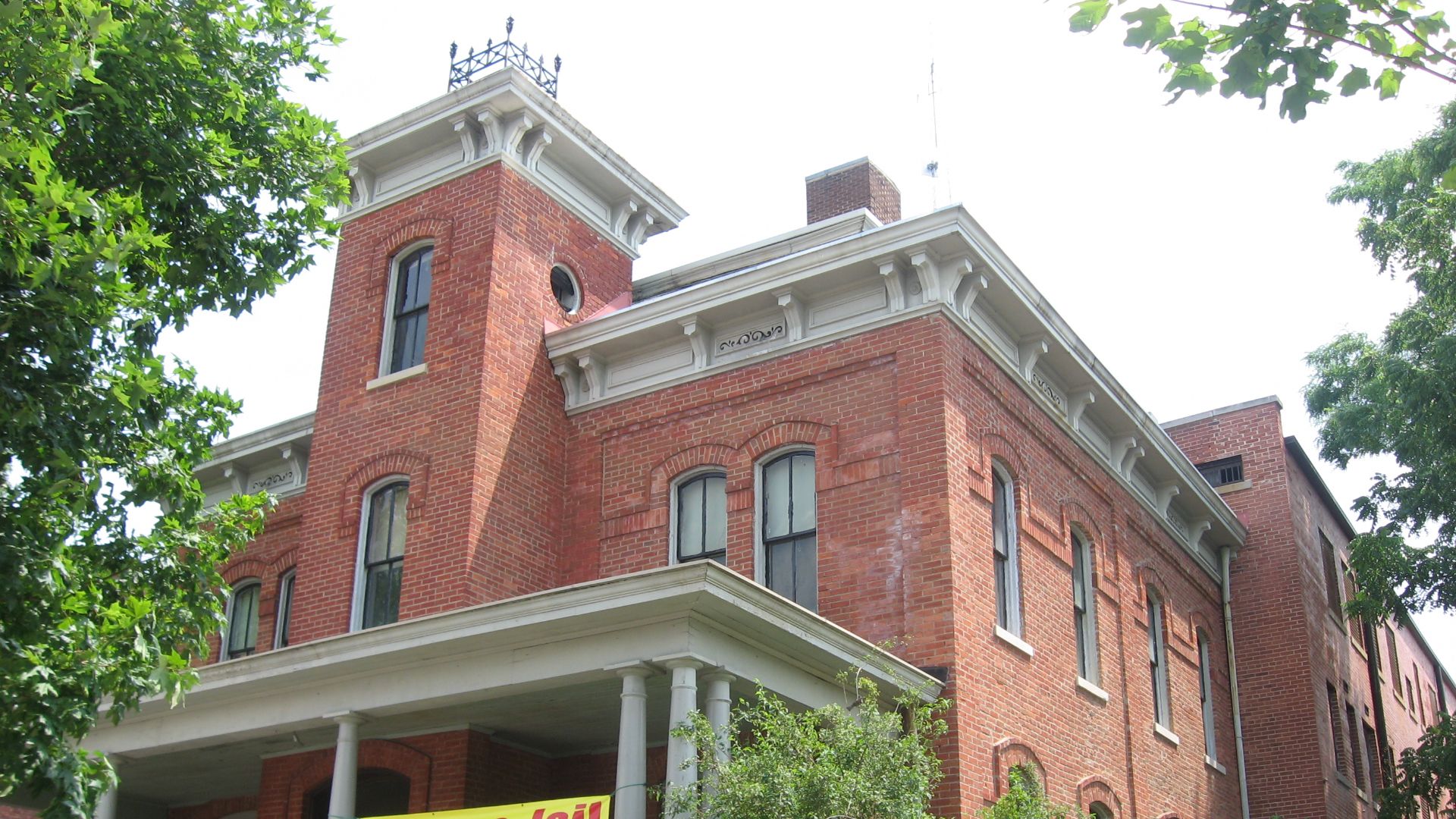 commons.wikimedia.org on Google
8. Wandsworth Prison, 1965
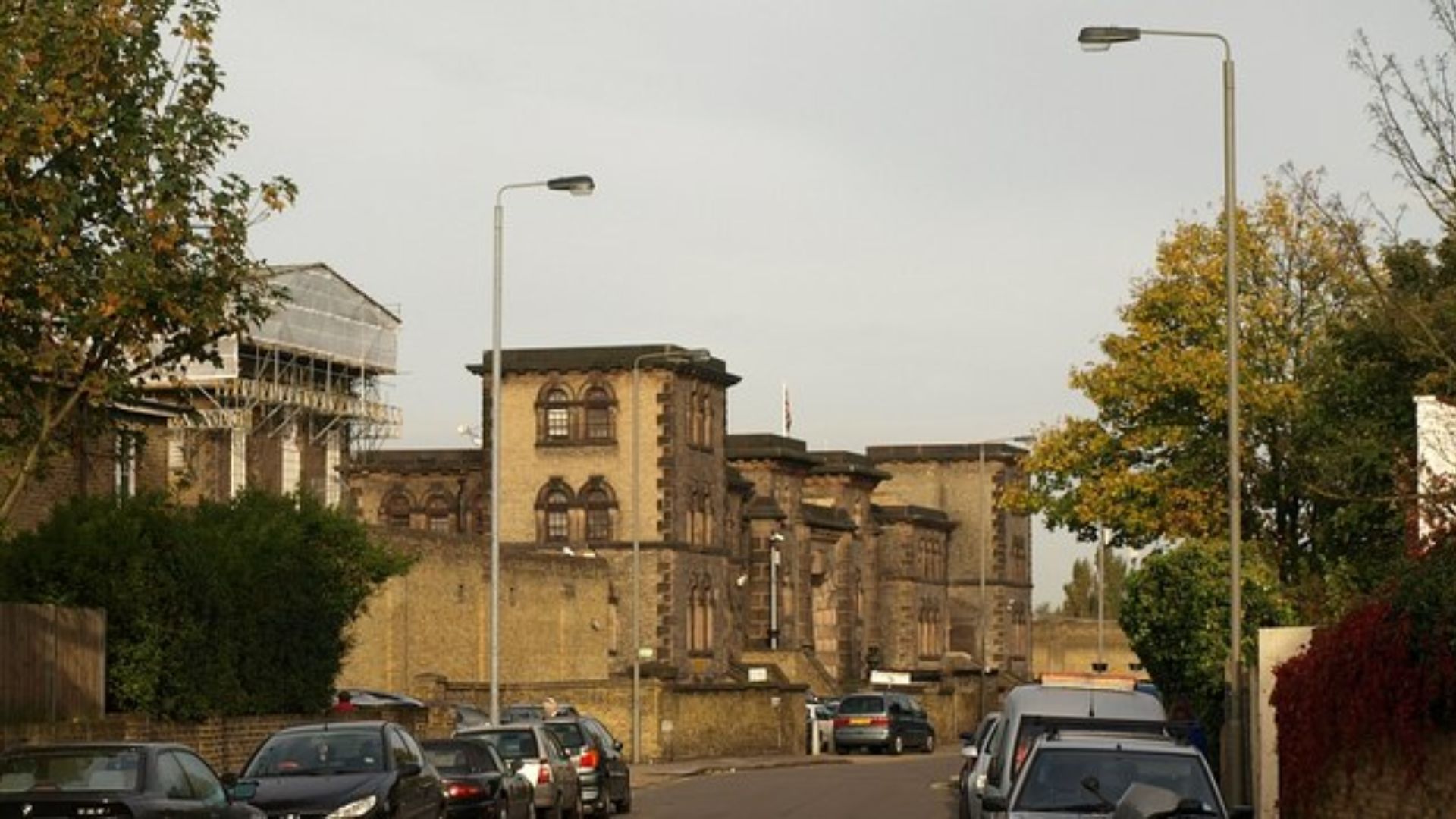
Ronnie Biggs, one of the Great Train Robbers, scaled the prison wall using a rope ladder tossed over by accomplices waiting outside with a furniture van parked below. The whole thing took under a minute. He fled to Australia and later Brazil, living openly for decades before finally returning to the UK on his own terms in 2001.
9. Winson Green Prison, 1964
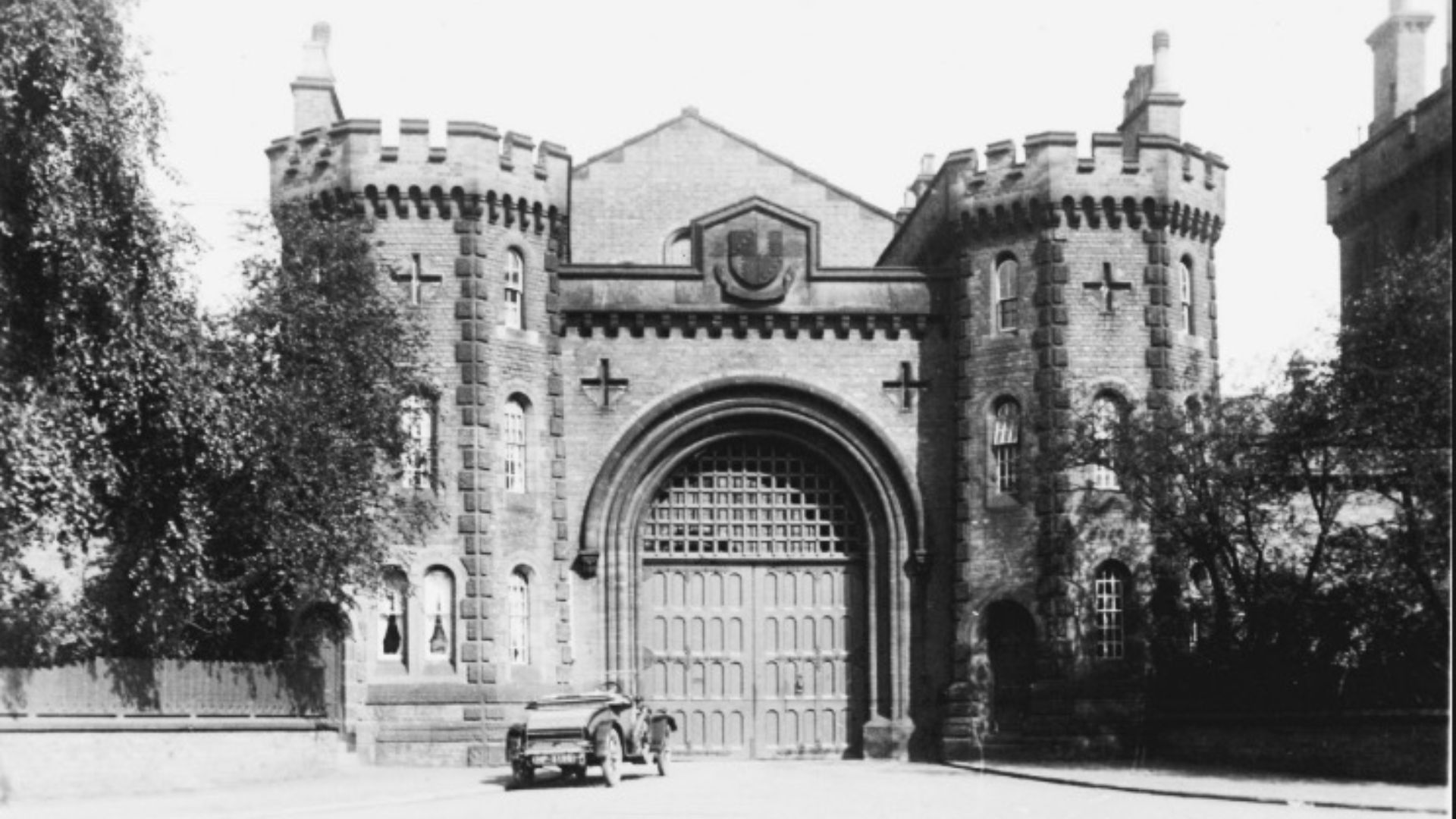
Charles Wilson, another of the Great Train Robbers, had barely settled into his sentence when four masked men broke into the prison at night and simply walked him out. The operation was fast, quiet, and clearly well-funded, and it left British authorities scrambling for answers. Wilson stayed on the run for years before eventually being caught in Canada.
 commons.wikimedia.org on Google
10. Nottingham Prison, 1955
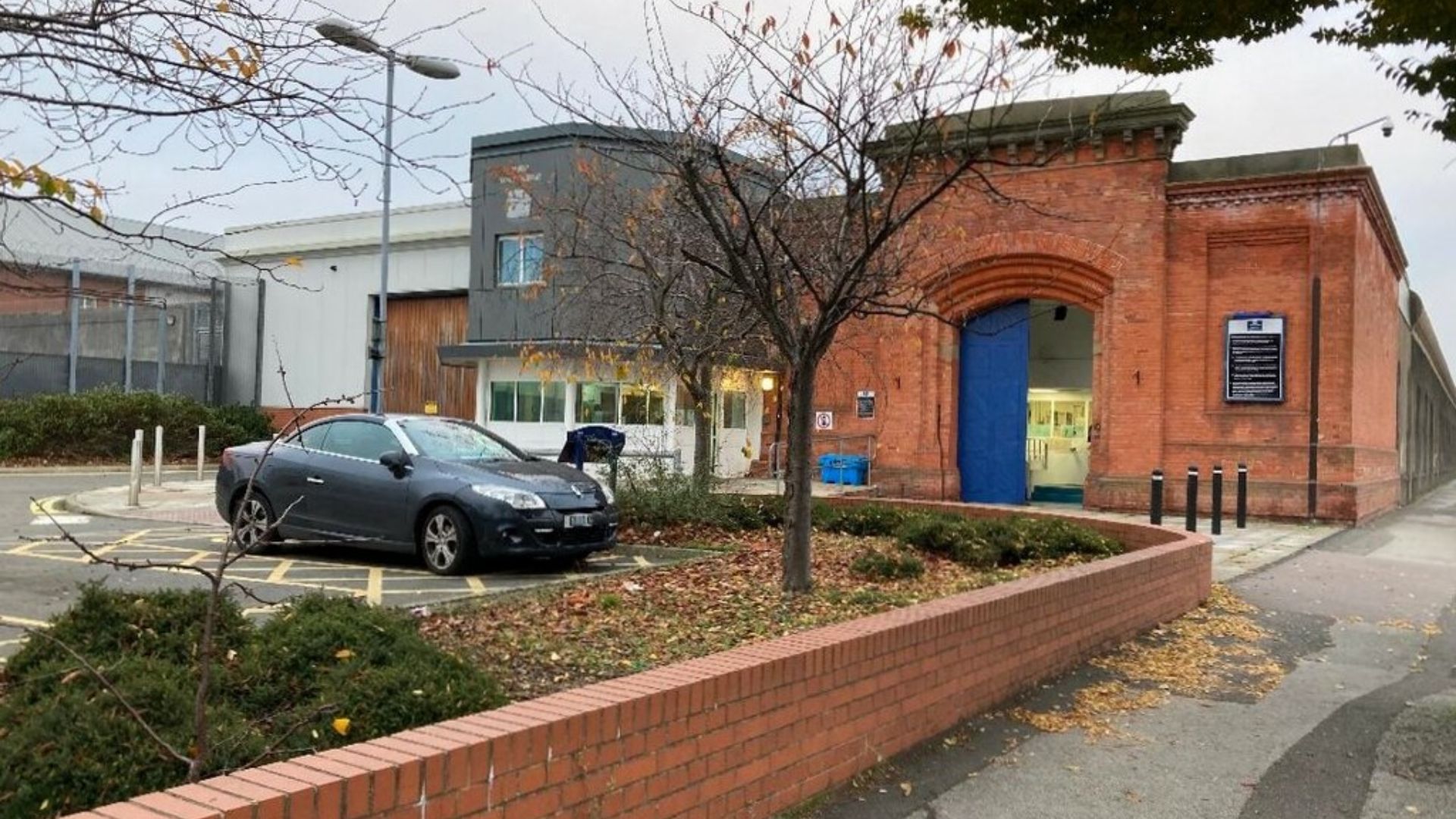
Alfred Hinds escaped British custody a total of three times over the course of the 1950s, earning himself the nickname Houdini Hinds in the press. His first escape from Nottingham Prison involved picking locks and slipping past guards using tools he'd fashioned himself in his cell. He later went on to successfully sue the police for wrongful imprisonment, which was almost as remarkable as the escapes themselves.
11. Luynes Prison, France, 2001
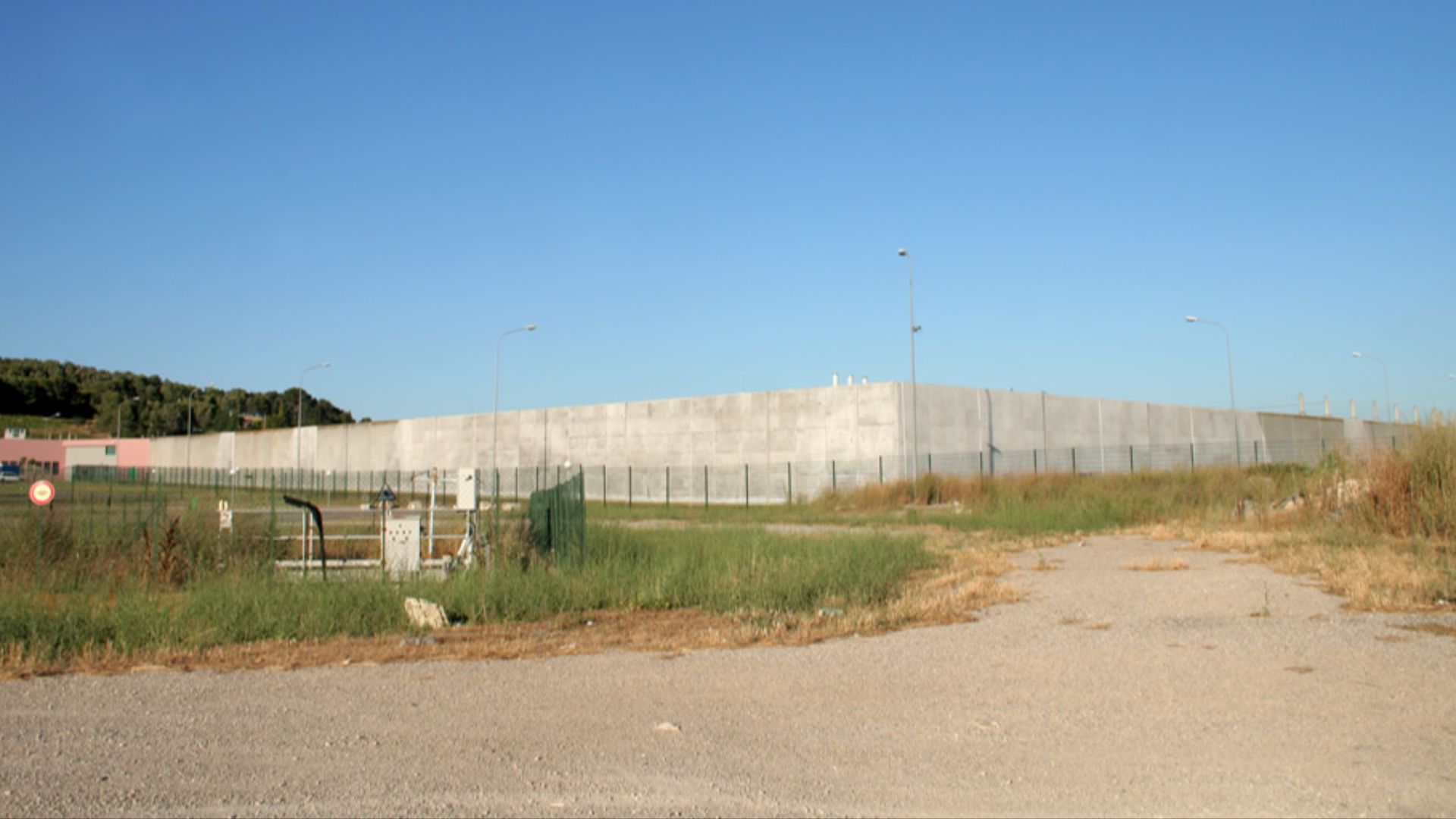
Pascal Payet arranged for a hijacked helicopter to land inside the prison yard, pick him up, and fly straight out before guards could react. It worked so well that he later helped orchestrate helicopter escapes for other inmates too. He pulled off the trick again himself in 2007, breaking out of a different French prison the exact same way.
12. Pretoria Central Prison, 1979
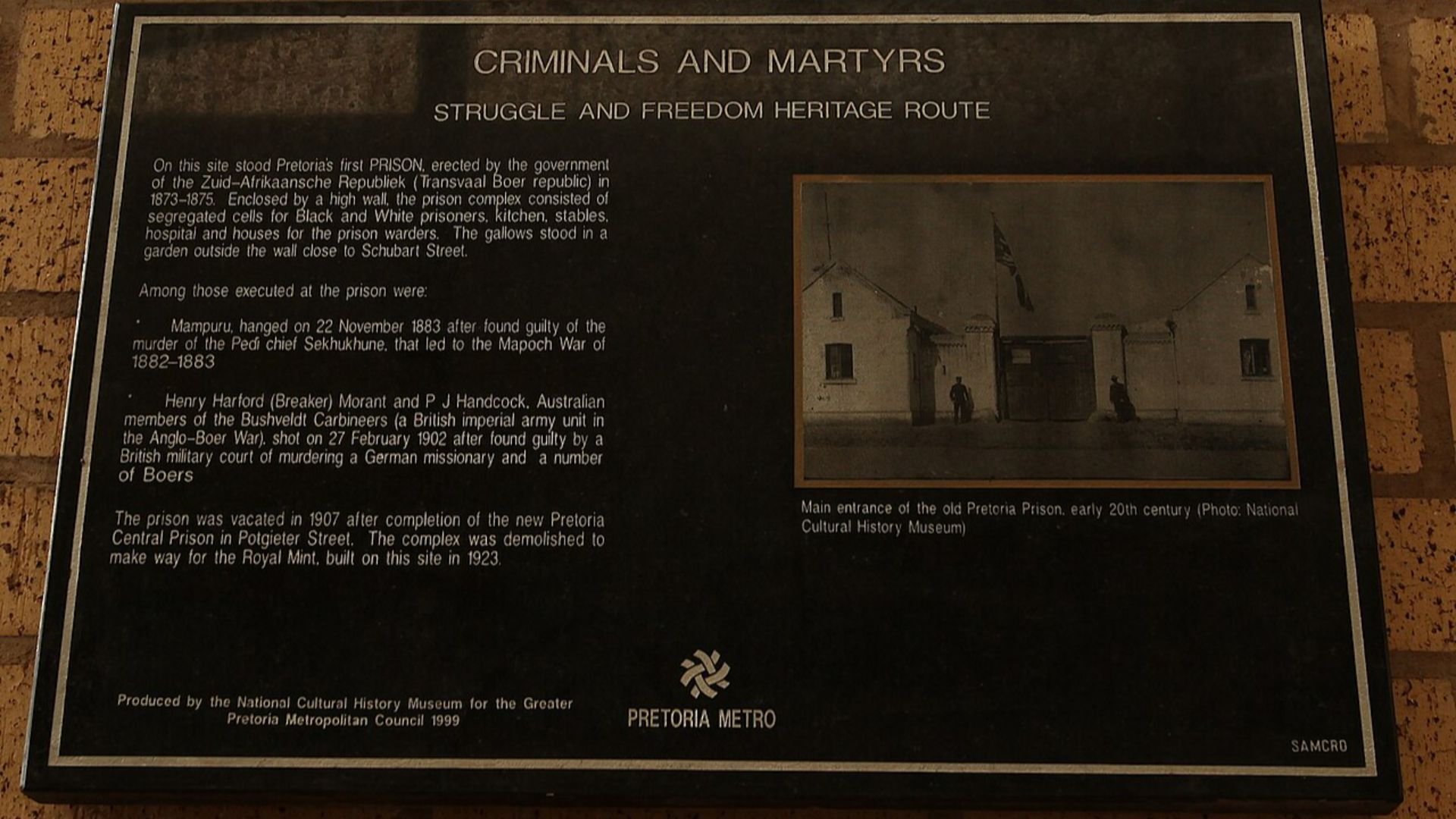
Tim Jenkin, an anti-apartheid activist, spent months in his cell secretly carving wooden keys to match the prison's locks, testing and refining them bit by bit. He and fellow prisoner Stephen Lee eventually walked straight through a series of locked doors and out the front gate. Jenkin later wrote a book about the whole process, down to the smallest technical detail.
 commons.wikimedia.org on Google
13. Imrali Island Prison, Turkey, 1975
Billy Hayes, an American serving time for drug smuggling, slipped away from the island prison and made his way to the coast under cover of darkness. He then swam across open water to reach a nearby Greek island, arriving exhausted but free. His story later became the basis for the film Midnight Express, though the movie took some liberties with the details.

14. Altiplano Prison, Mexico, 2015
Drug lord Joaquín "El Chapo" Guzmán vanished from his maximum-security cell through a hole cut directly into his shower floor. Below it sat a mile-long tunnel complete with lighting, ventilation, and a modified motorcycle running on rails. It took Mexican authorities months to recapture him, and the tunnel itself became something of a national spectacle.
15. The Maze Prison, Northern Ireland, 1983
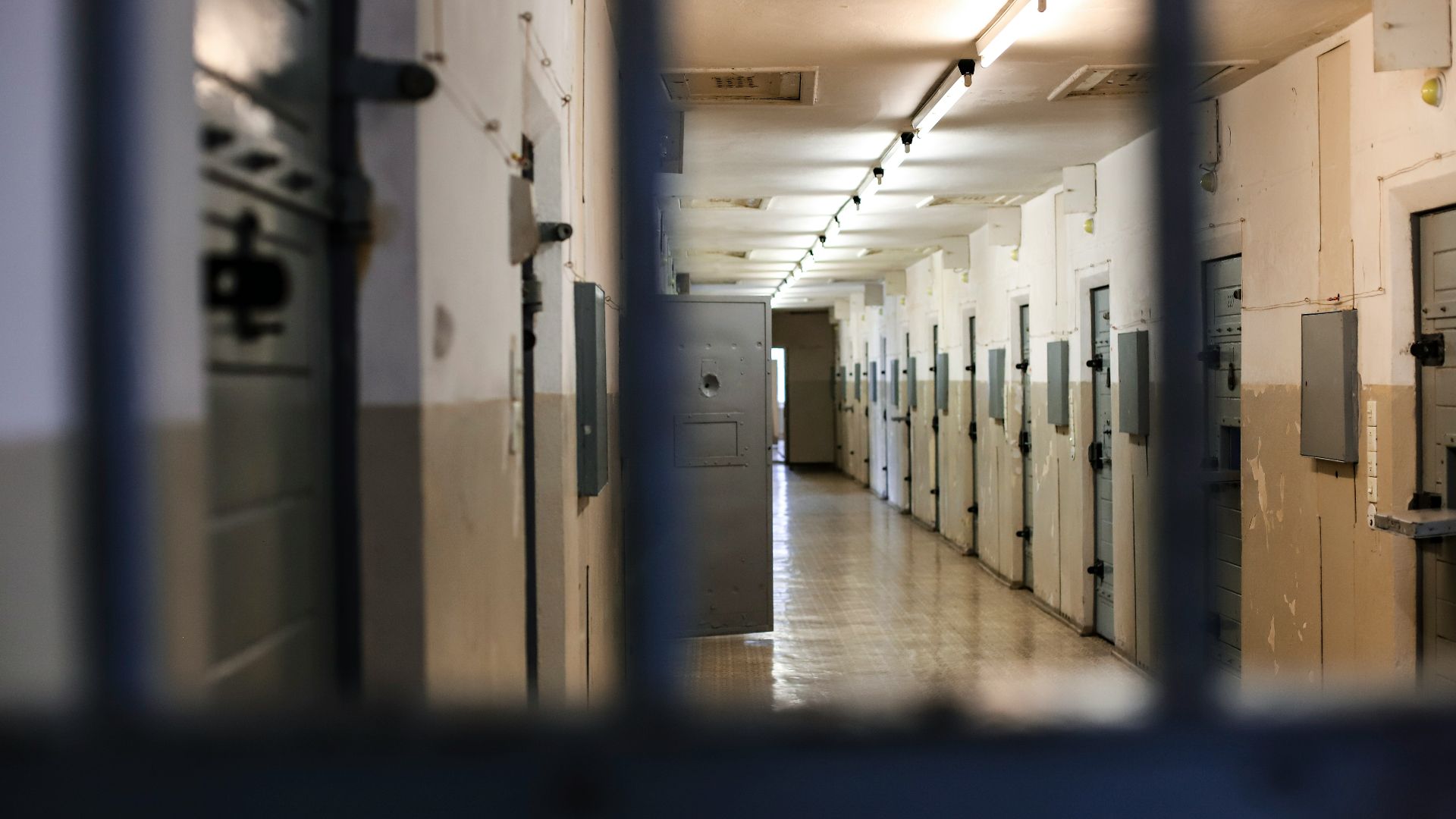
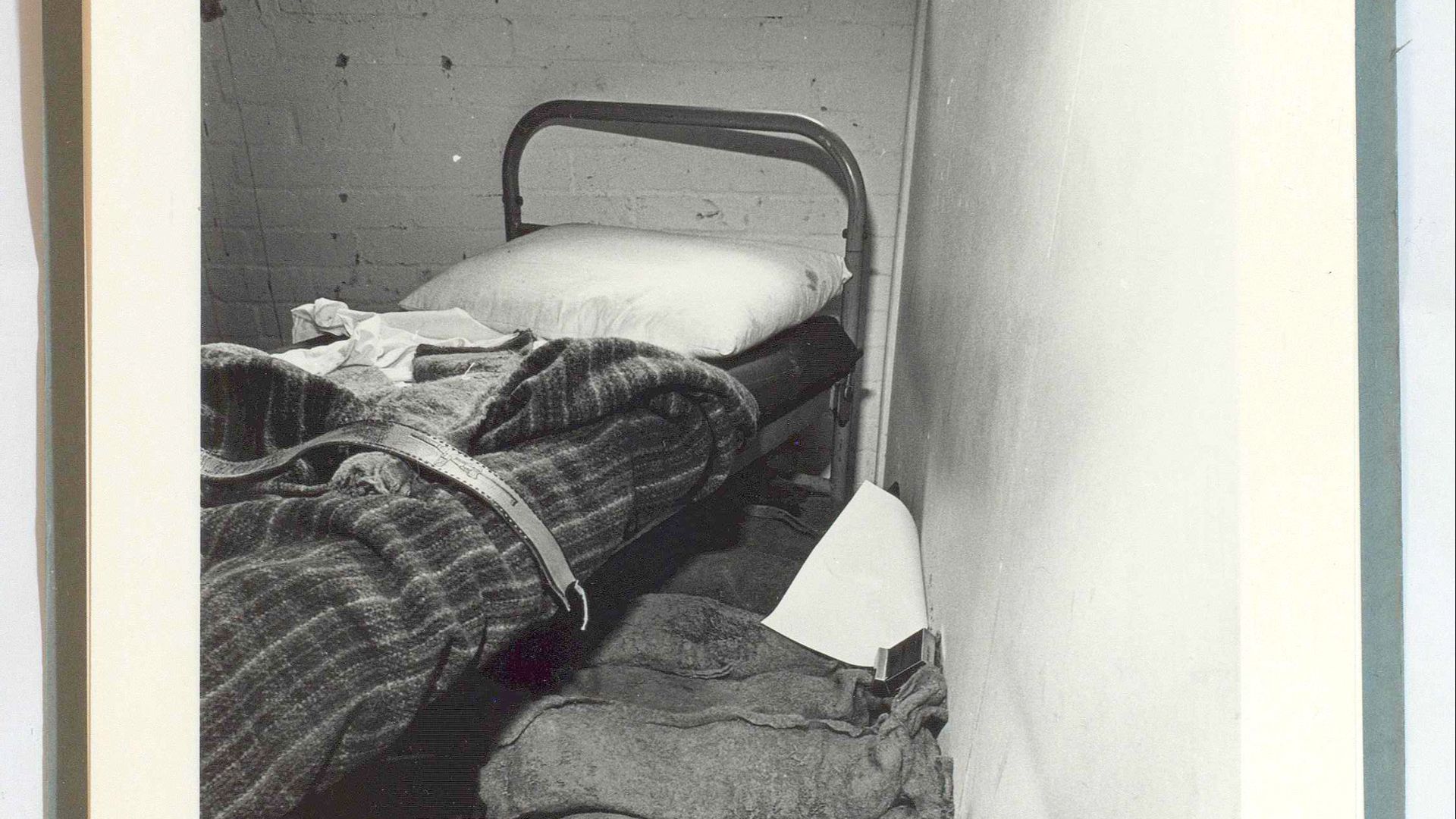
Thirty-eight IRA prisoners pulled off the largest prison break in British history by hijacking a food delivery truck from inside the facility. Several had smuggled in guns, and the escape unfolded in broad daylight amid genuine chaos. Roughly half of the escapees were recaptured fairly quickly, but the rest stayed free for years, some permanently.
 Public Record Office of Northern Ireland on Wikimedia
16. Sobibor Extermination Camp, 1943
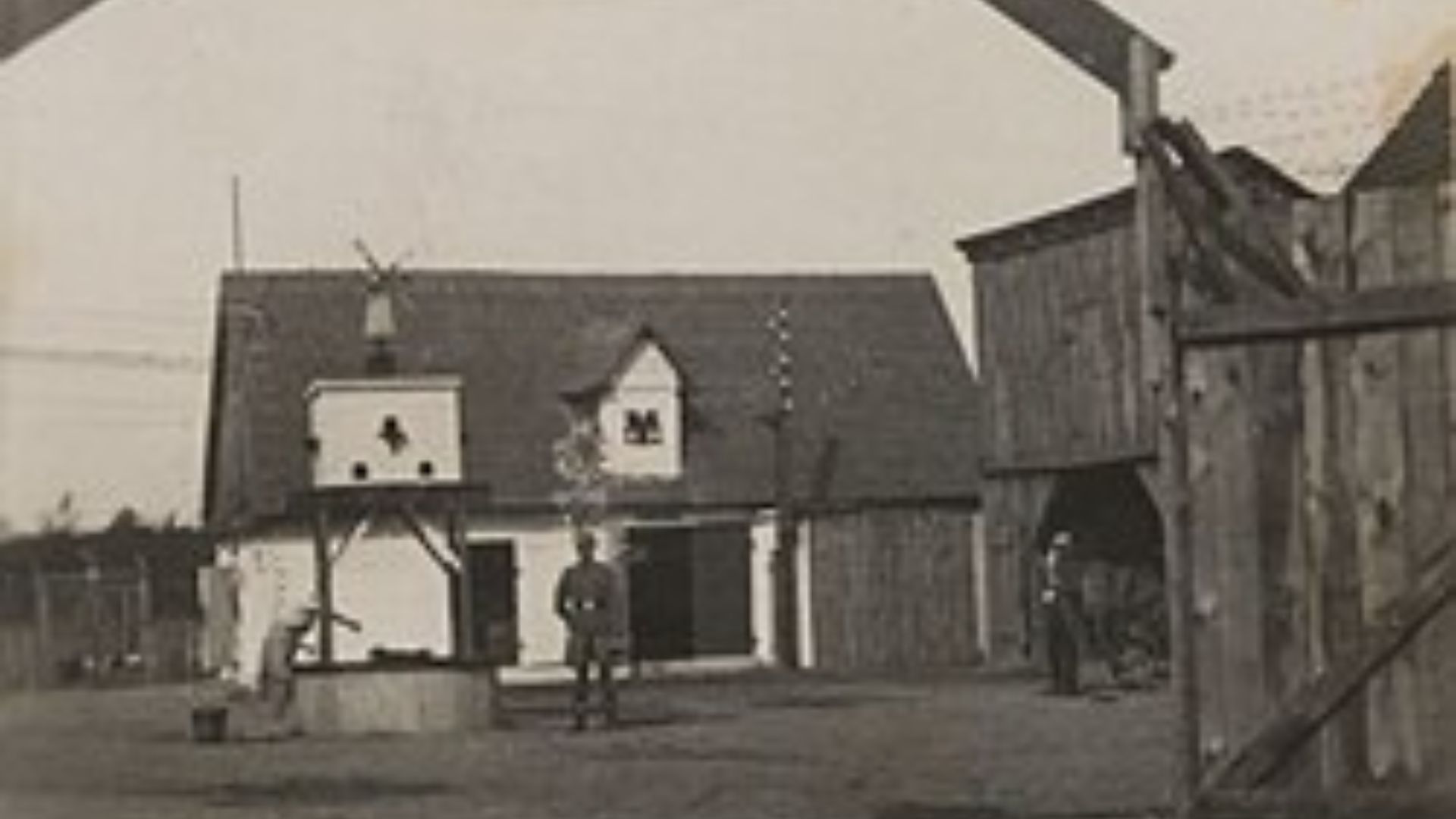
Prisoners at Sobibor, led by Soviet POW Alexander Pechersky, staged a coordinated uprising, killing several SS officers before rushing the fences en masse. Roughly 300 people made it past the wire and into the surrounding forest, though many were later killed by land mines or recaptured. Somewhere between 50 and 70 ultimately survived the war, a staggering outcome given the setting.
 commons.wikimedia.org on Google
17. Santa Marta Acatitla Prison, Mexico, 1971
American businessman Joel Kaplan arranged for a helicopter to land directly inside the prison courtyard during a brief, chaotic window of about ten seconds. He and a fellow inmate scrambled aboard and were airborne before guards fully understood what was happening. The story later became the subject of an entire book, since the sheer speed of it seemed almost impossible to believe.

18. Clinton Correctional Facility, New York, 2015
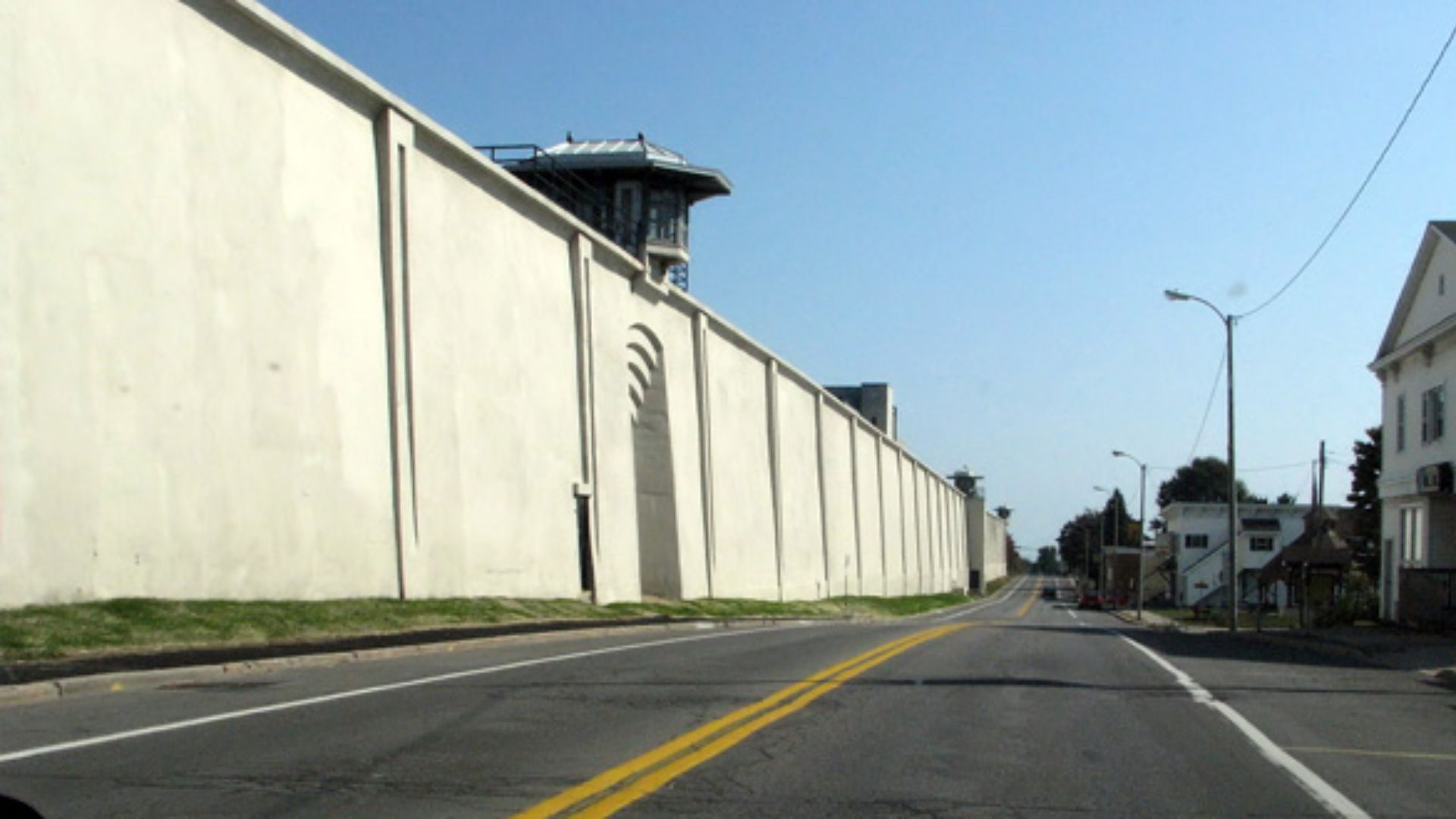
Richard Matt and David Sweat spent weeks quietly cutting through the steel backs of their cells using smuggled power tools, working their way through a maze of prison pipes. They eventually popped out of a manhole several blocks from the facility, having pulled off an escape few thought possible from a maximum-security prison. Sweat was recaptured after several weeks on the run, while Matt was shot and killed by police.
19. Île Sainte-Marguerite, France, 1874
French Marshal Achille Bazaine, convicted of treason after surrendering to Prussia, was held in a fortress prison off the Riviera coast. With help from his wife, he climbed down the fortress walls using a knotted rope under cover of darkness. He made his way to Genoa and lived out the rest of his life in exile in Spain.

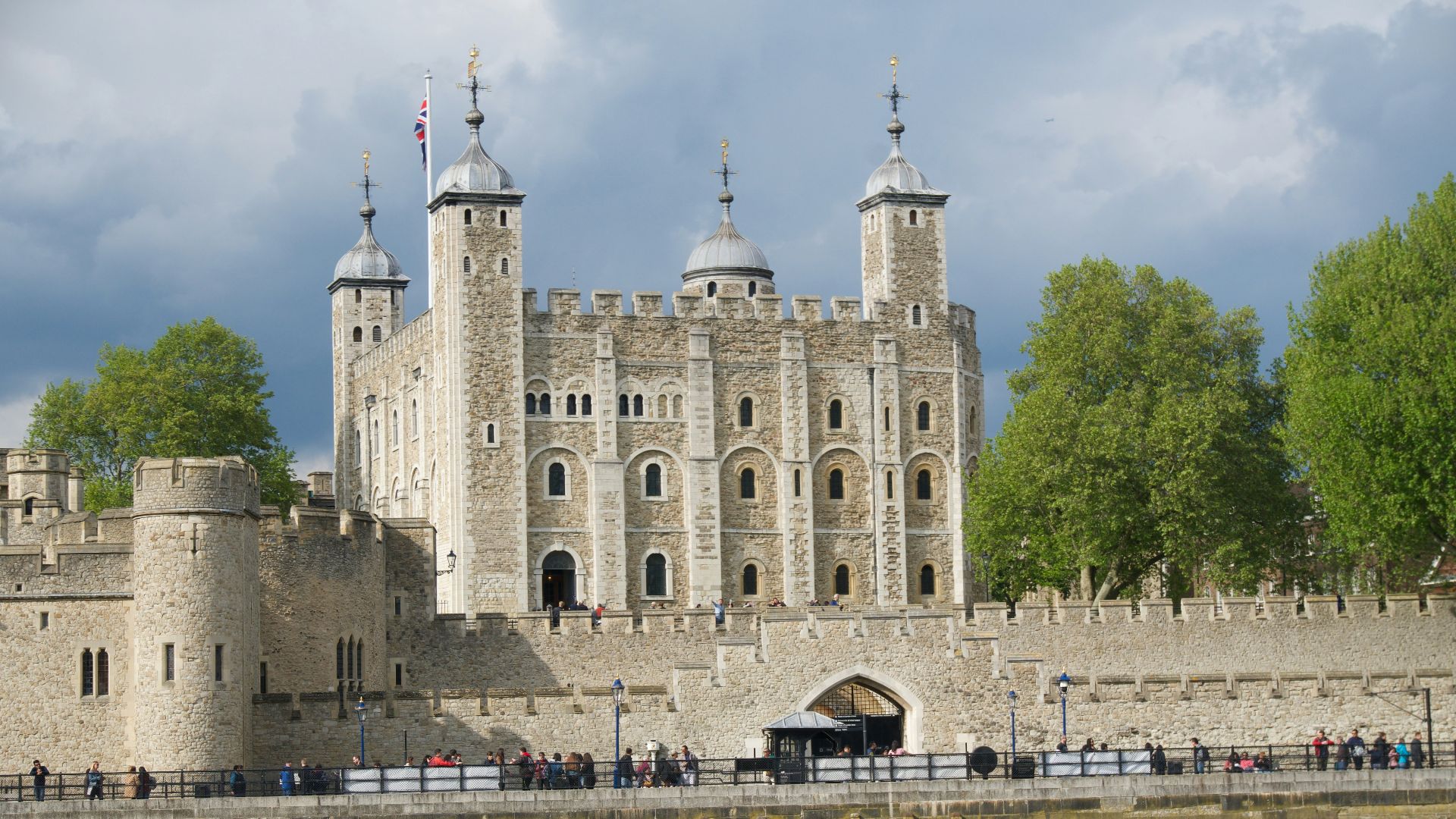
20. The Tower of London, 1597
Jesuit priest John Gerard, held and repeatedly tortured in the Tower, worked with a fellow prisoner to plan an escape across the moat using a rope strung between the Cradle Tower and a boat waiting below. The rope injured his hands badly during the climb down, but he made it across and vanished into the city before dawn. He later wrote about the entire ordeal in his own autobiography, one of the earliest firsthand prison escape accounts on record.
KEEP ON READING