A Closer Look At Pearl Harbor
Pearl Harbor is often told as a single shocking moment, yet the real story stretches far beyond that morning. Decisions made years earlier, missed signals, and quiet miscalculations all played a role. Many of these details rarely make it into textbooks or documentaries. Together, they paint a far more complicated picture of December 7, 1941. Read on to see the attack from a sharper angle.
1. Japanese Inspiration From A British Book
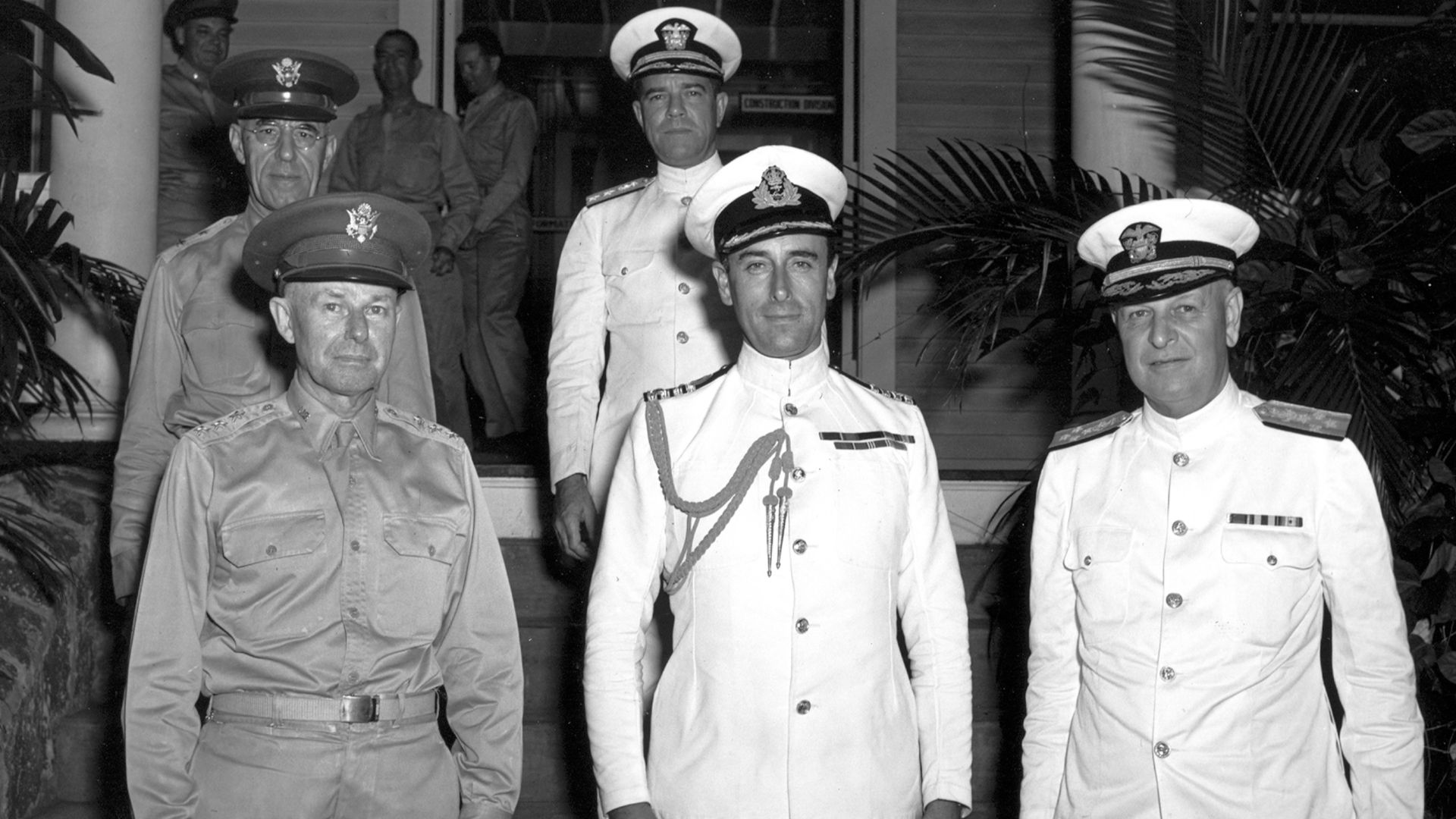
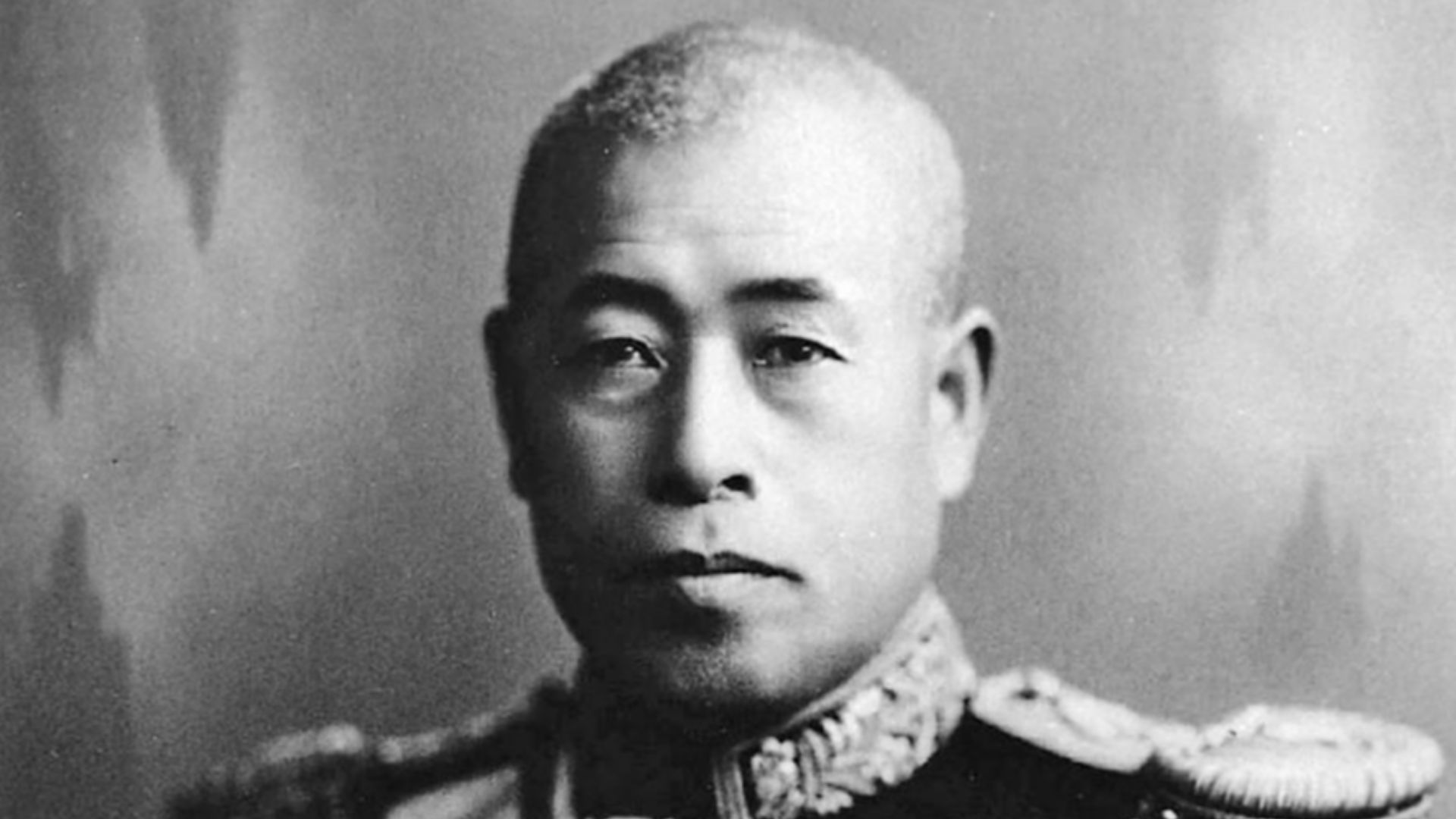
A British journalist named Hector Bywater wrote a 1925 novel, The Great Pacific War, predicting a Japanese surprise attack in the Pacific. Japanese naval officers, including Isoroku Yamamoto, actually read and studied it. The book became their blueprint, though Bywater died in 1940—just before his fiction became reality.
 Unknown authorUnknown author on Wikimedia
2. U.S. Unawareness Of Japanese Refueling Capabilities
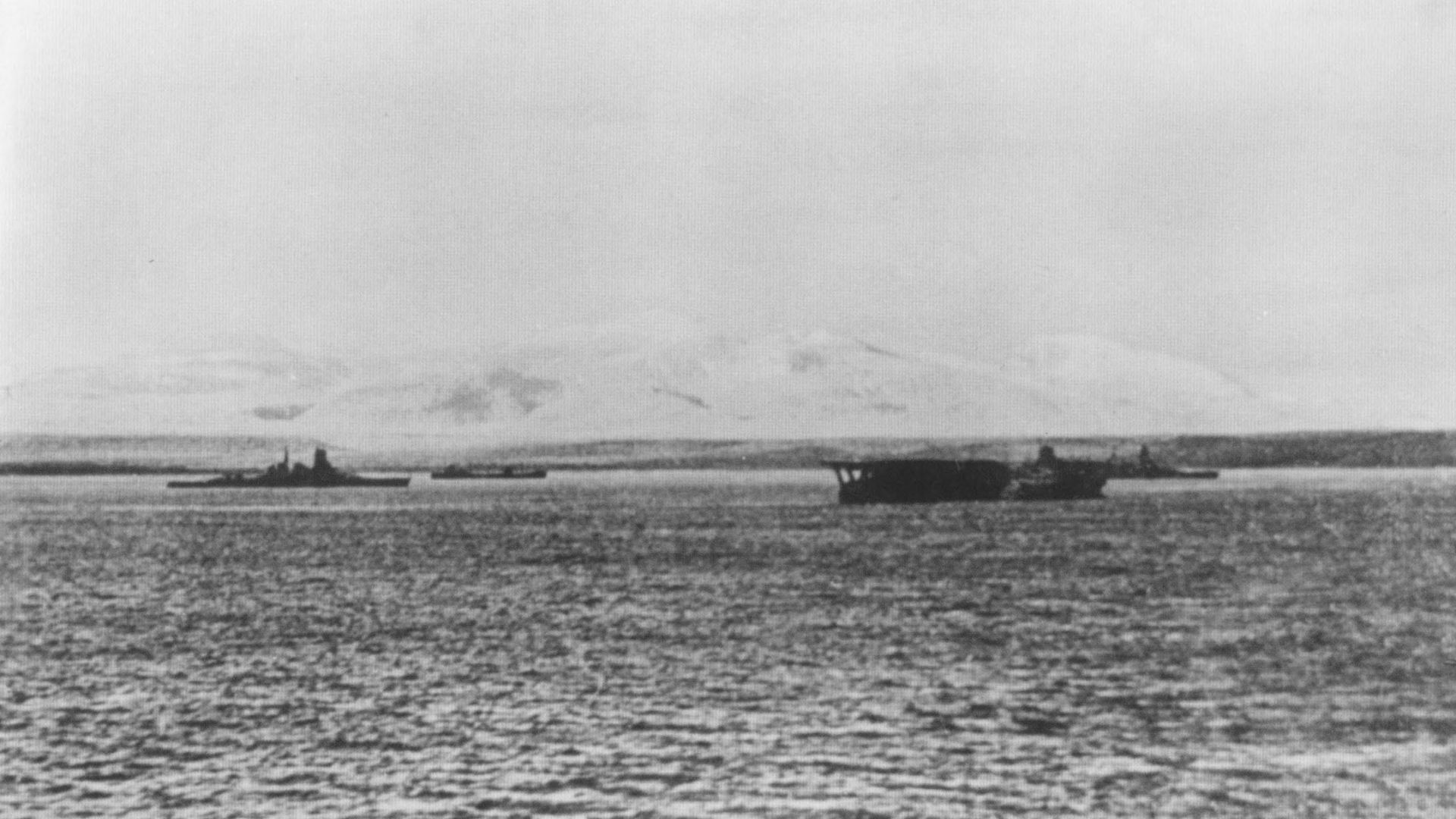
American intelligence believed Japan couldn't strike Hawaii because its ships lacked the fuel range. The Japanese had secretly mastered mid-ocean refueling during the 1930s, and their fleet traveled over 4,000 miles undetected.
 Imperial Japanese Navy on Wikimedia
3. Dual Allied Fleet Plans Against Japan
Britain and America discussed splitting naval forces to counter Japan in Southeast Asia in early 1941. The plan would have pulled ships away from Hawaii to protect Atlantic convoys instead. This strategic shuffle left Pearl Harbor more vulnerable than anyone realized.
4. U.S. Fleet Deployment To Iceland
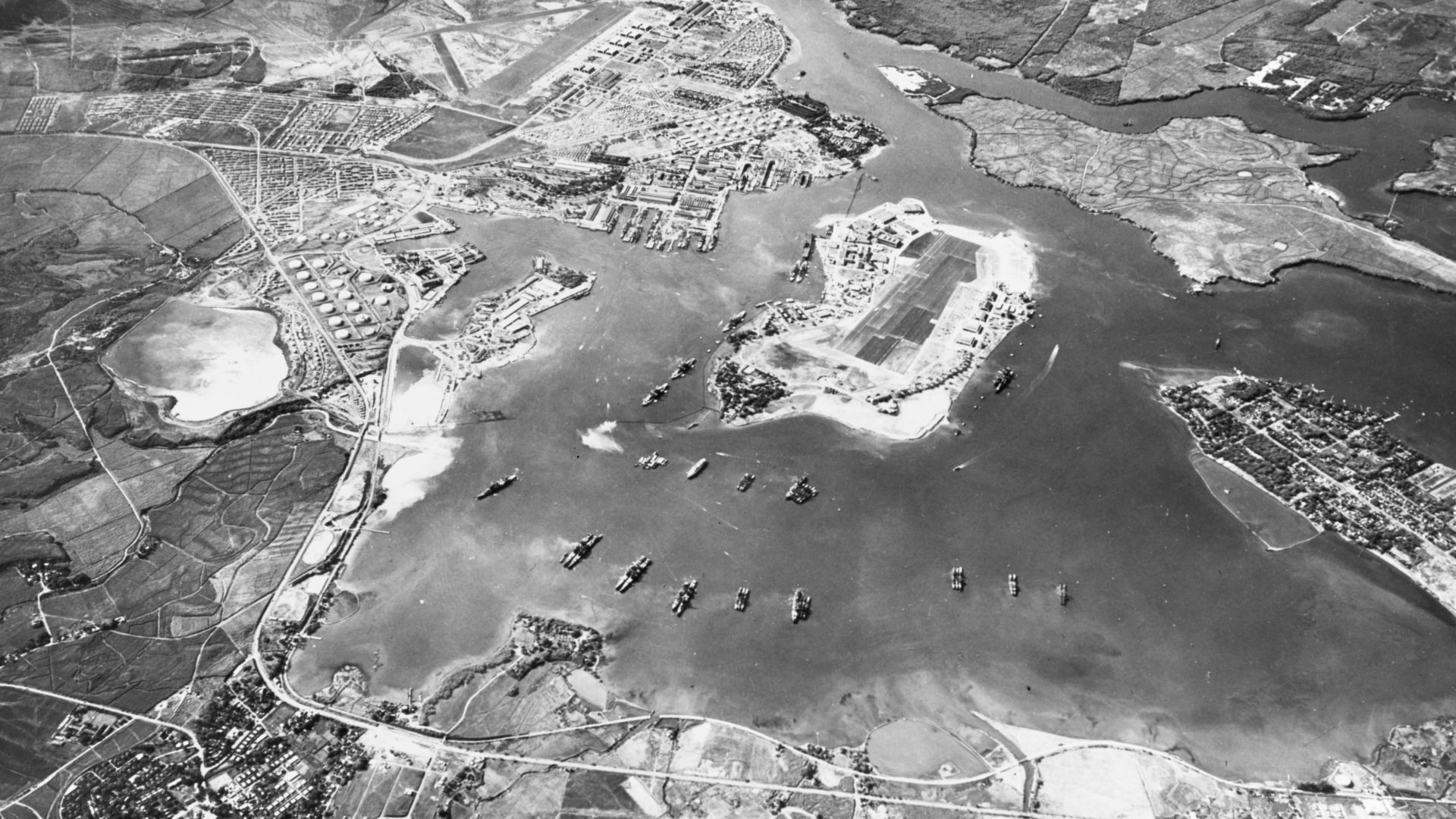
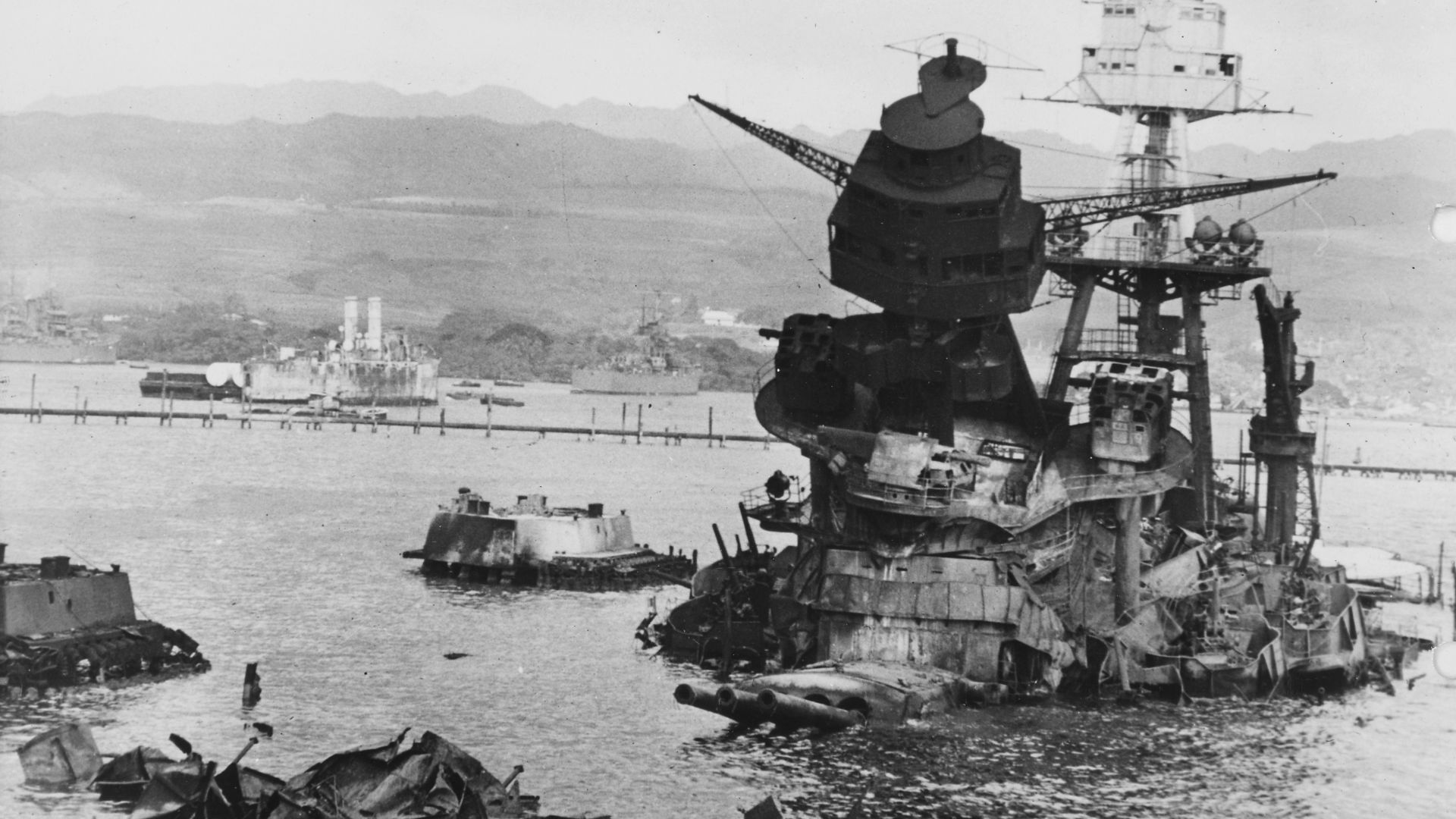
Roosevelt sent 25% of US Forces to Iceland in July 1941 to guard Atlantic shipping from German U-boats. Battleships and cruisers headed north while sailors traded Hawaiian sunshine for freezing Icelandic winds. Pearl Harbor's defenses got noticeably thinner.
 Unknown authorUnknown author or not provided on Wikimedia
5. Mysterious "Deadly Double" Advertisement
Two weeks before the attack, a strange ad appeared in The New Yorker showing dice reading 12 and 7 with air raid imagery. Someone paid cash anonymously to place it. The FBI investigated possible Japanese espionage but never solved the eerie coincidence.
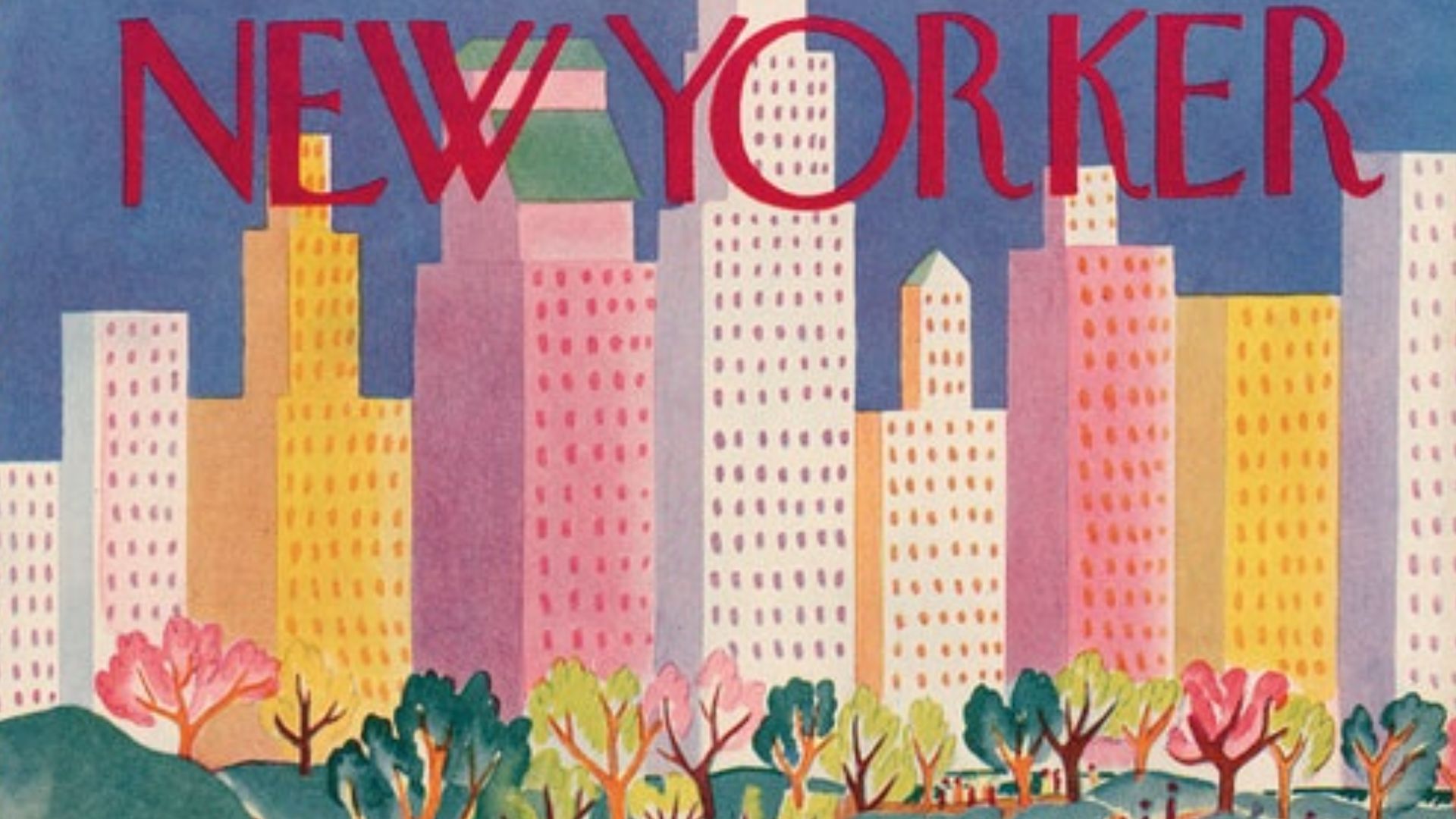 The New Yorker (publication), Ilonka Karasz (cover artist) on Wikimedia
6. Early Sighting By USS Condor
At 3:42 a.m. on December 7, USS Condor spotted a periscope near the harbor entrance and reported it. The crew searched but found nothing in the darkness. They dismissed it as a false alarm—but it was a real Japanese midget submarine.
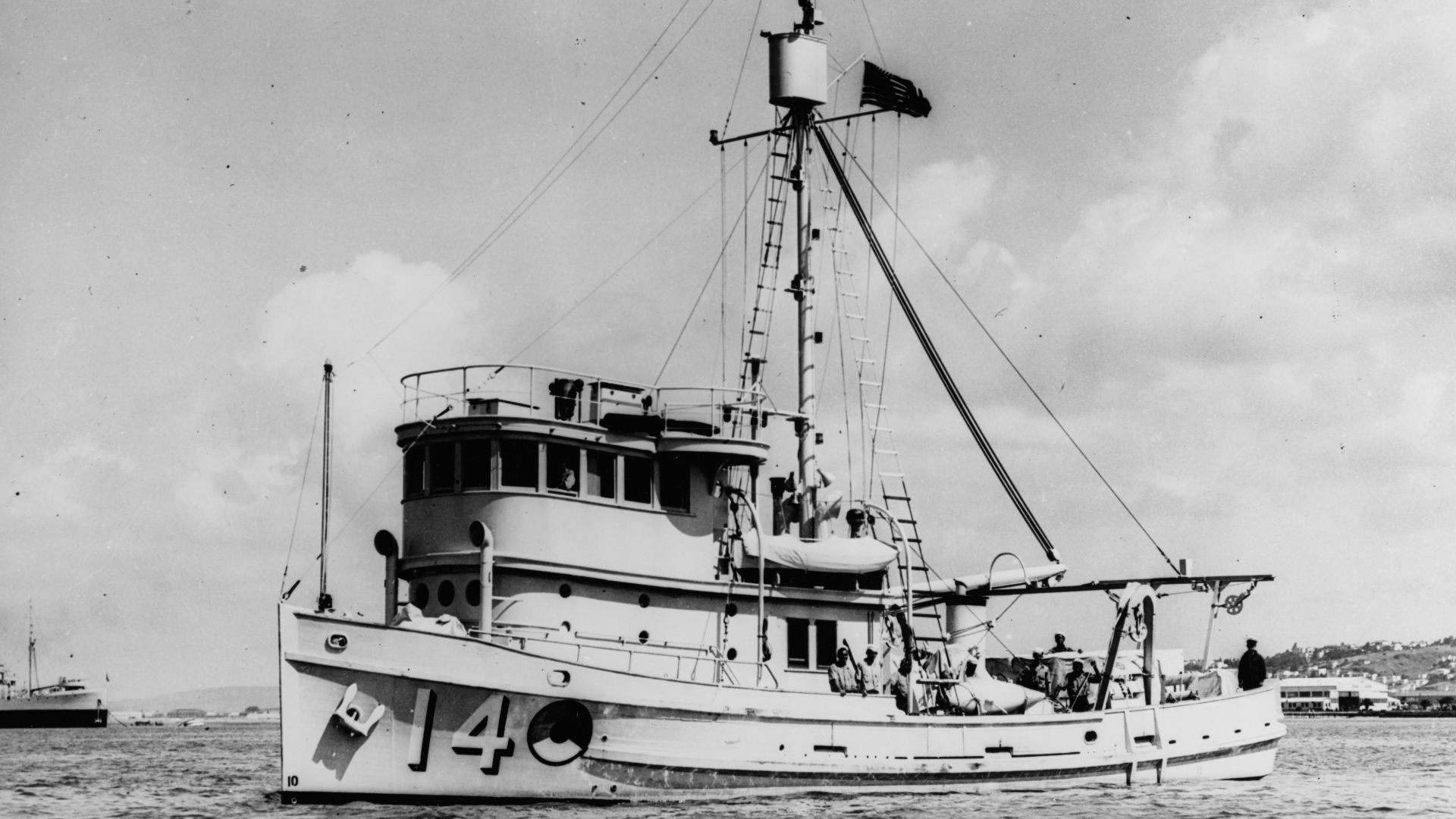 Unknown authorUnknown author on Wikimedia
7. Patrol Aircraft's Submarine Sighting
A Catalina patrol plane spotted another submarine periscope at 6:30 a.m. and dropped a smoke marker to flag the location. Radio interference delayed the warning from reaching command. The alert never escalated to wake up the entire harbor.
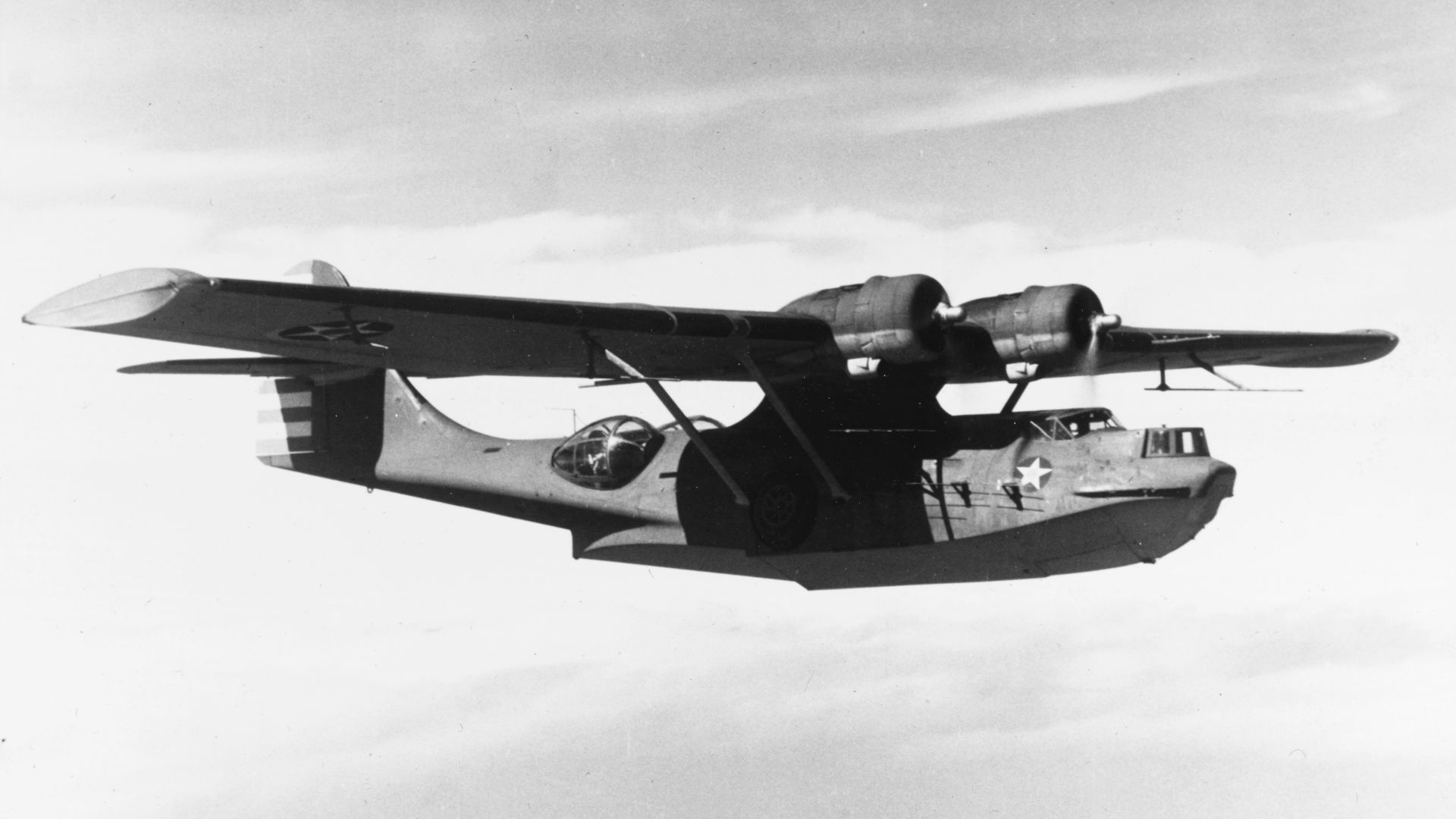 U.S. Navy, photograph by Naval Air Station Patuxent River, Maryland (USA). on Wikimedia
8. Japanese Scout Planes Detected By Radar
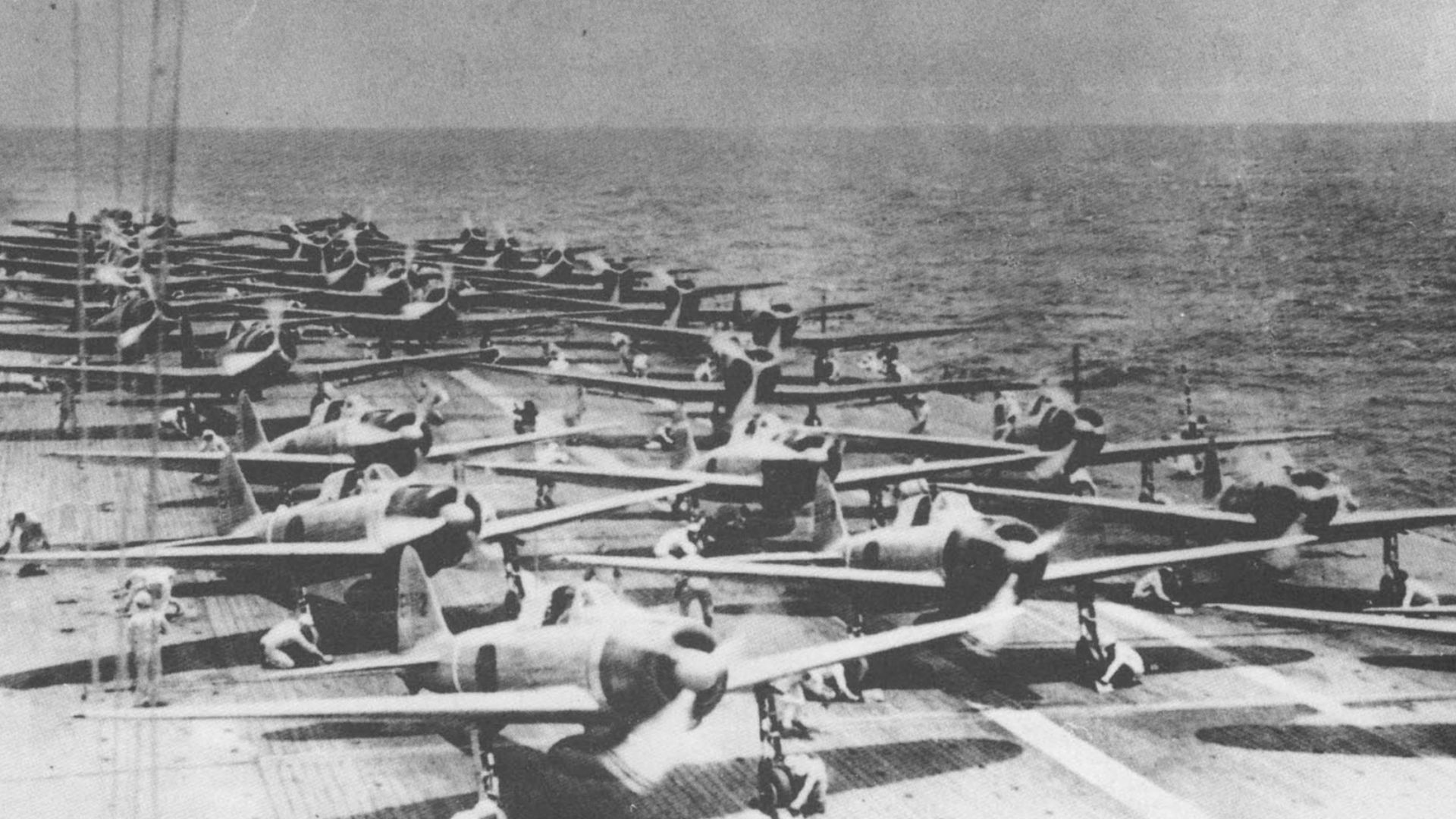
Two Japanese floatplanes scouted Pearl Harbor at 6:45 a.m. to confirm American carriers were absent. Radar picked them up, but operators assumed they were friendly aircraft. The reconnaissance was ignored because radar technology was still brand new.
9. Americans Fired The First Shots
USS Ward sank a Japanese midget submarine at 6:45 a.m., over an hour before the air raid began. Lieutenant William Outerbridge was commanding his first day on the job when he ordered the attack. His superiors didn't believe the report until 2002.
 National Museum of the U.S. Navy on Wikimedia
10. Five Specialized Midget Submarines
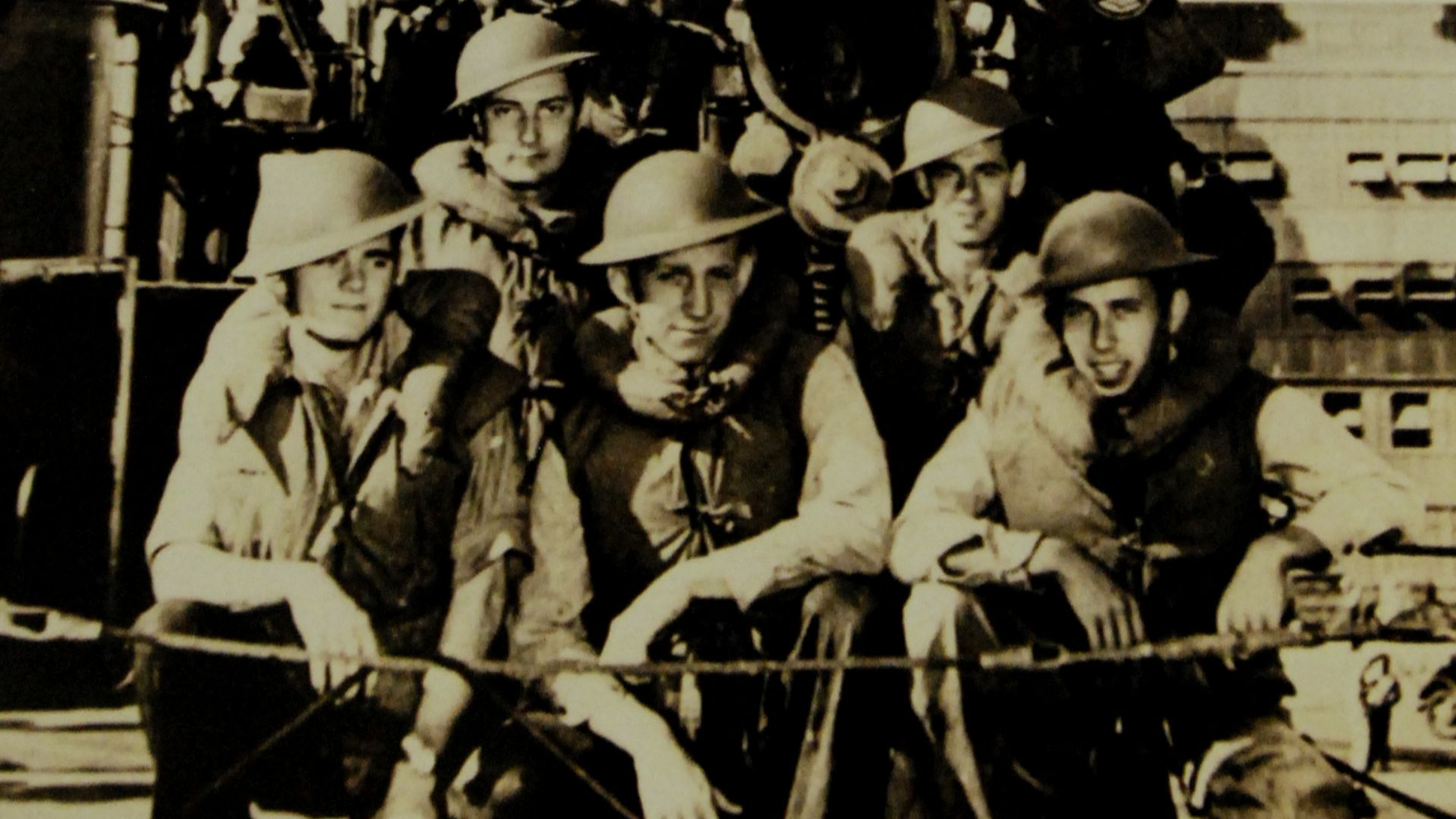
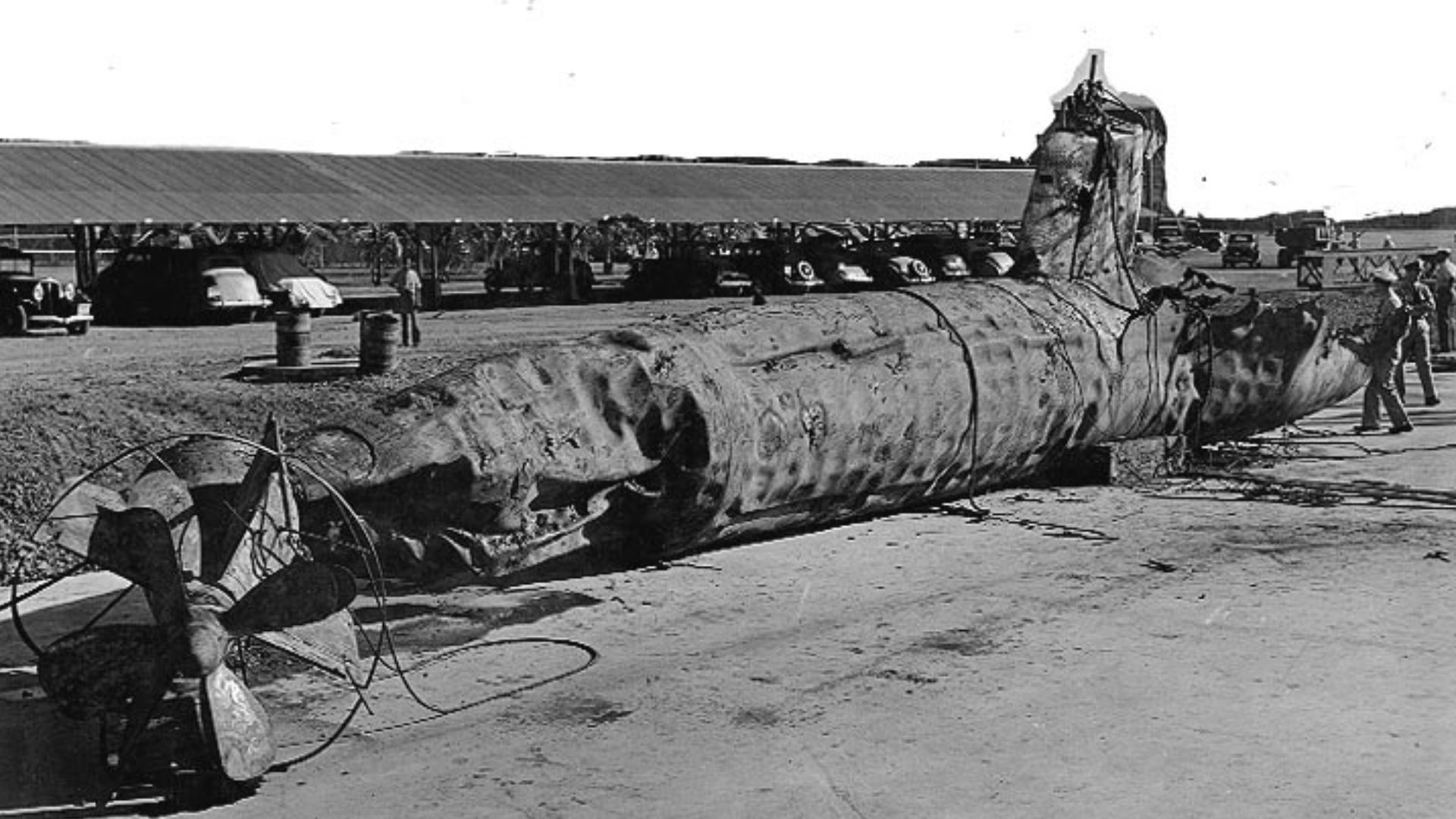
Japan launched five tiny 46-ton submarines to sneak into the harbor and torpedo battleships. All five failed due to navigation problems and American countermeasures. Nine of the ten crewmen died without landing a single hit.
11. Kimmel's Canceled Golf Game
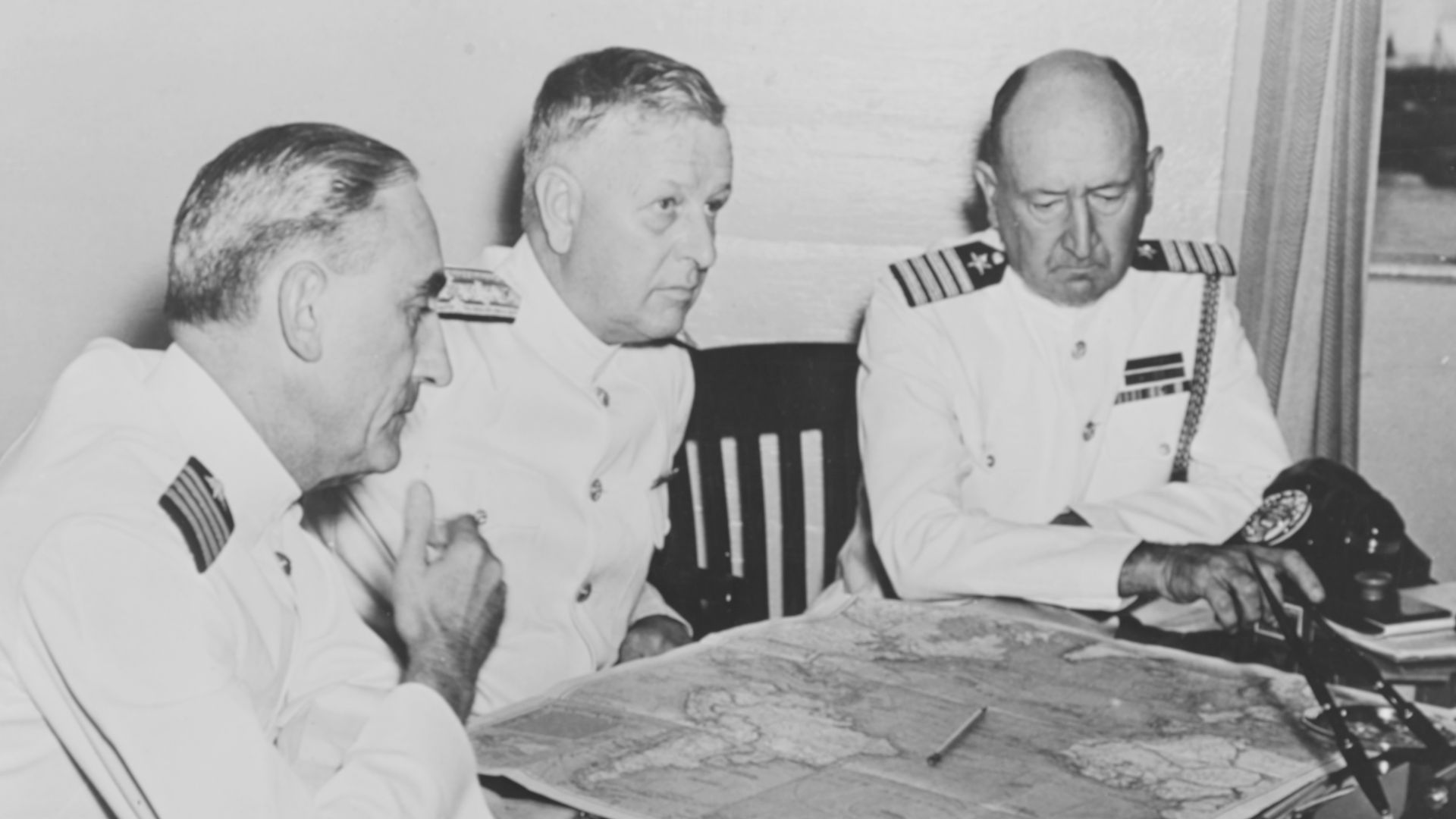
Admiral Husband Kimmel was supposed to play golf with General Walter Short that morning. He canceled at 7:00 a.m. after hearing about the submarine sighting and rushed to headquarters. Both men were later relieved of command despite Kimmel's quick response.
12. Attack Duration Of Only 75 Minutes
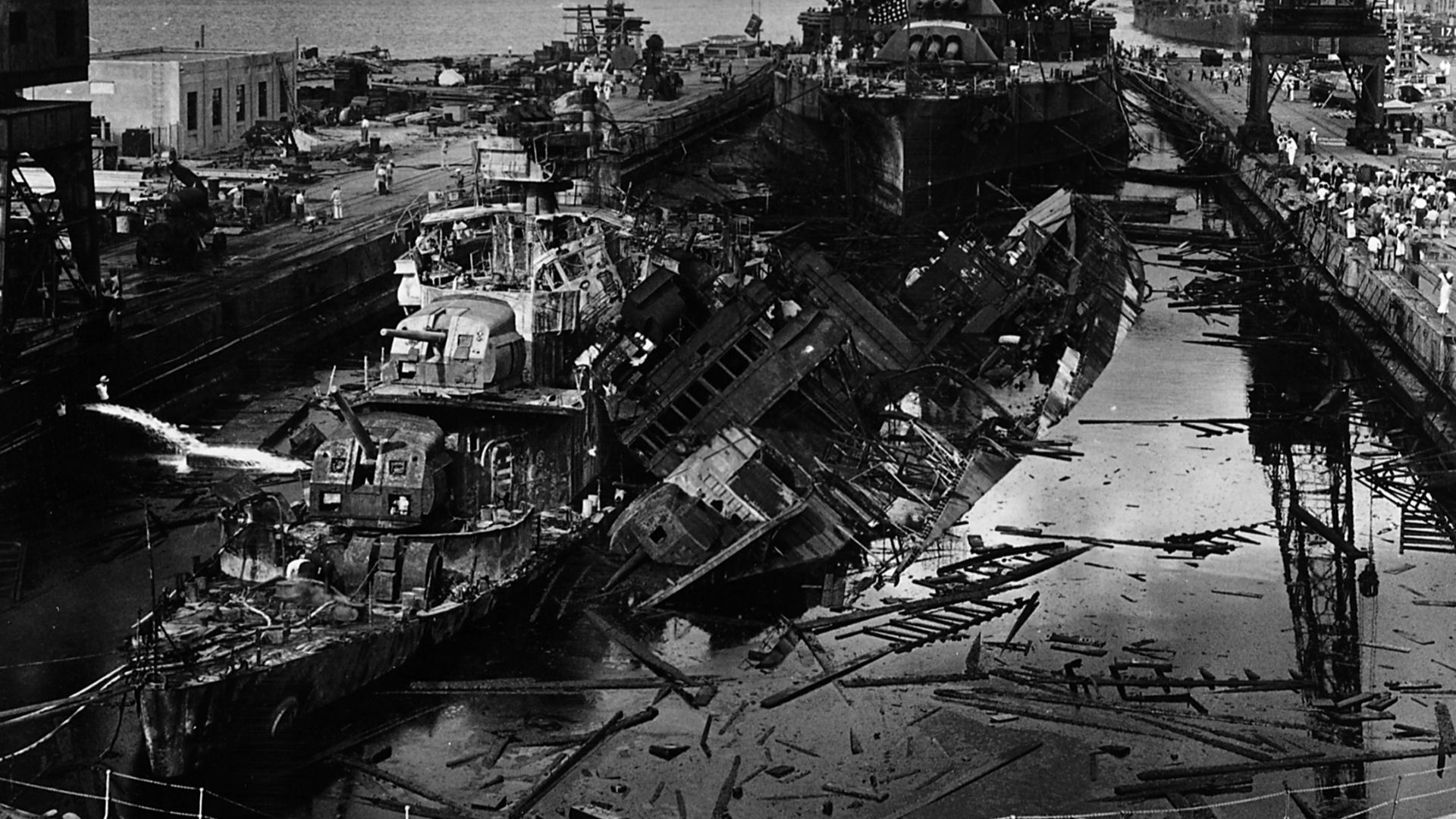
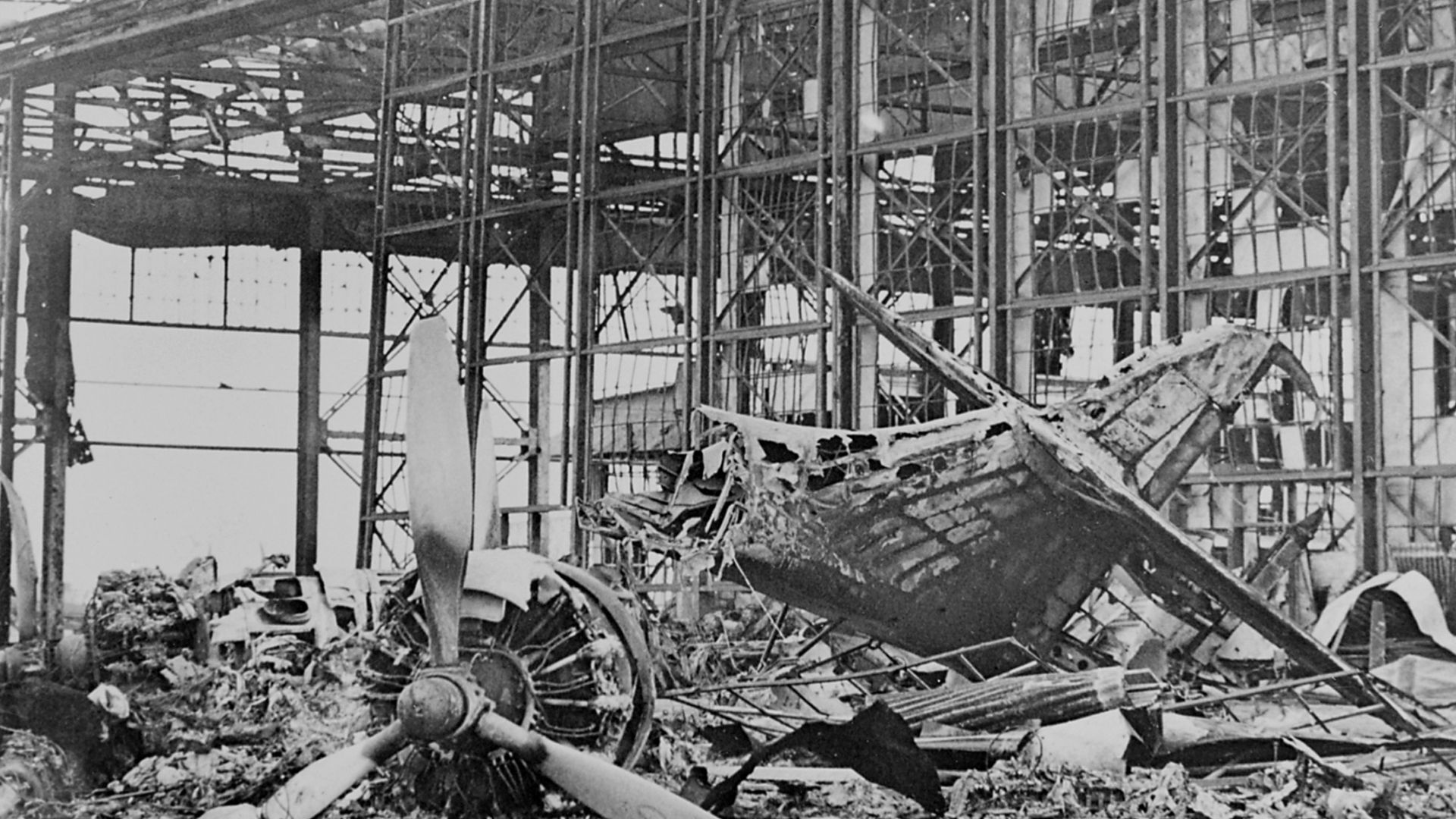
The entire assault lasted just 75 minutes—from 7:55 to 9:10 a.m.—with two waves of 353 aircraft. Japan packed maximum destruction into a timeframe shorter than most movies. The brief attack spared key facilities that helped America recover quickly.
 Photographer's Mate Harold Fawcett, U.S. Navy (photo 80-G-19943) on Wikimedia
13. Sailors Jumping Into Fires
Trapped sailors on USS West Virginia leaped into burning oil slicks to escape their sinking ship. Many swam through flames and suffered horrific burns trying to reach safety. The oil-fueled fires turned the water itself into a deadly obstacle.
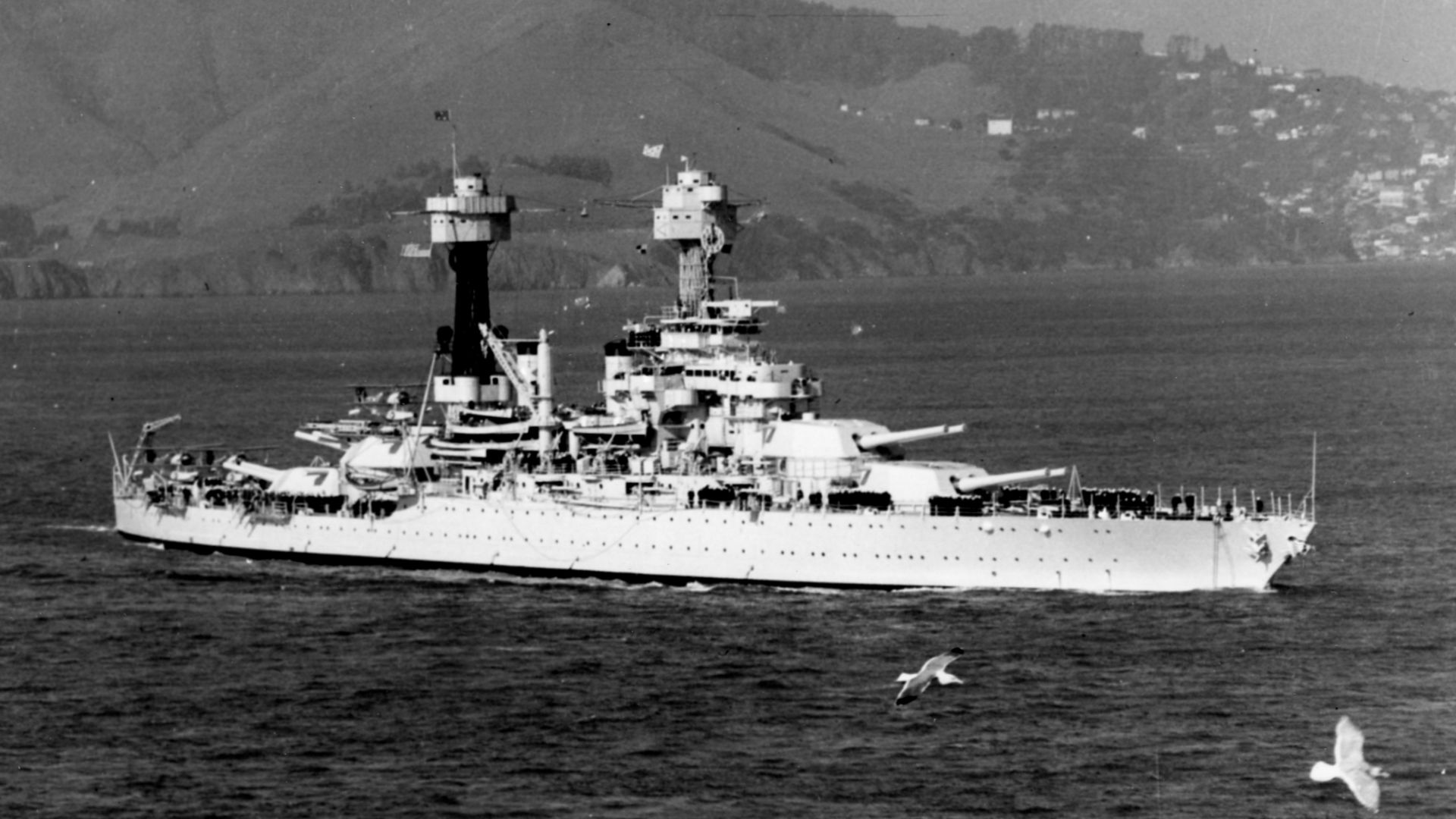
14. Nevada's Deliberate Beaching
USS Nevada tried to escape the harbor despite taking a torpedo and five bomb hits. Her crew deliberately ran her aground at Hospital Point to prevent blocking the channel entrance. The bold move saved her for repairs and later war service.
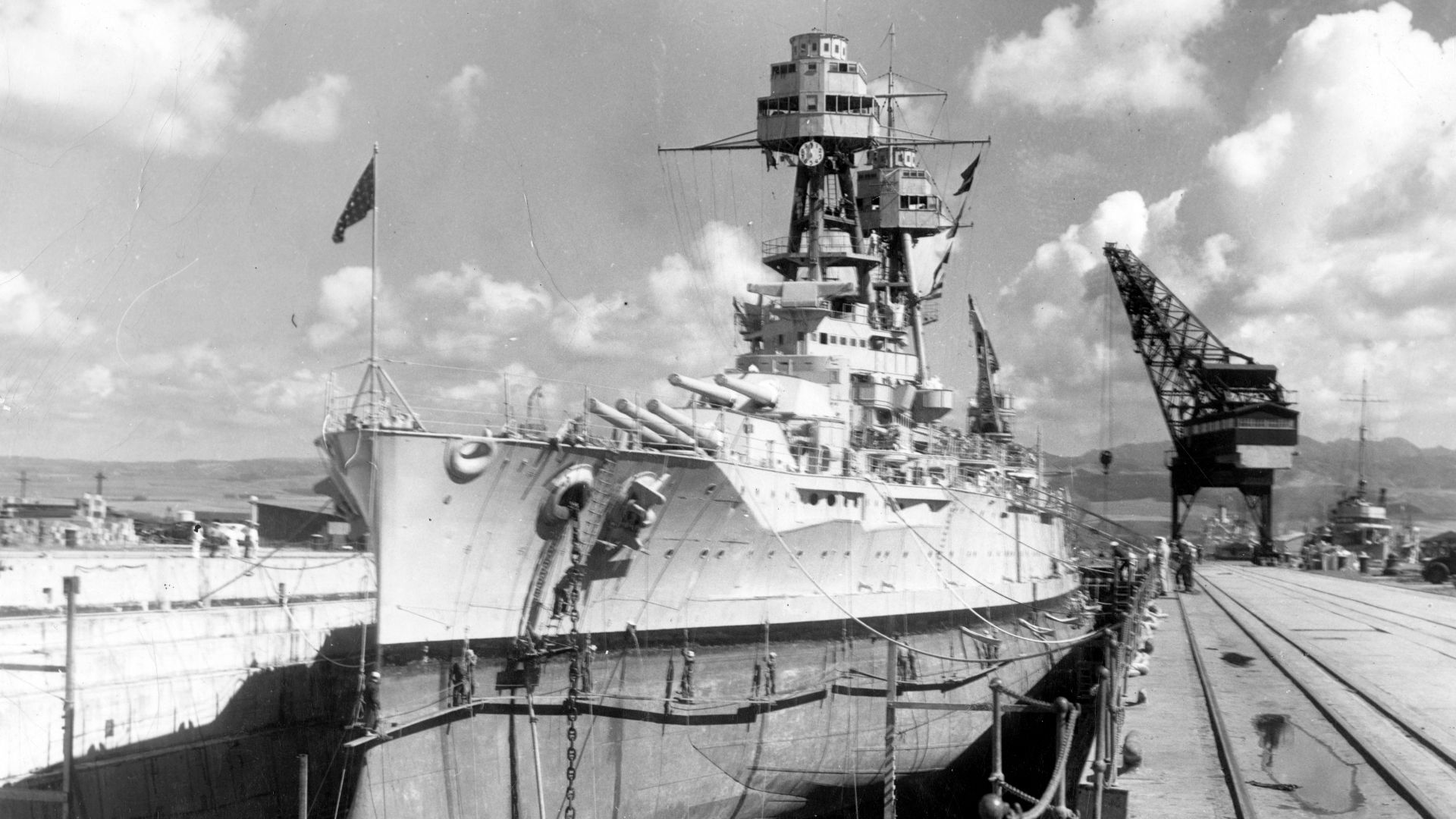
15. Modified Battleship Shells As Bombs
Japanese engineers converted 16-inch battleship shells into armor-piercing bombs specifically for this raid. One of these modified weapons detonated USS Arizona's ammunition magazine in a catastrophic explosion. They only used this recycled ordnance at Pearl Harbor.
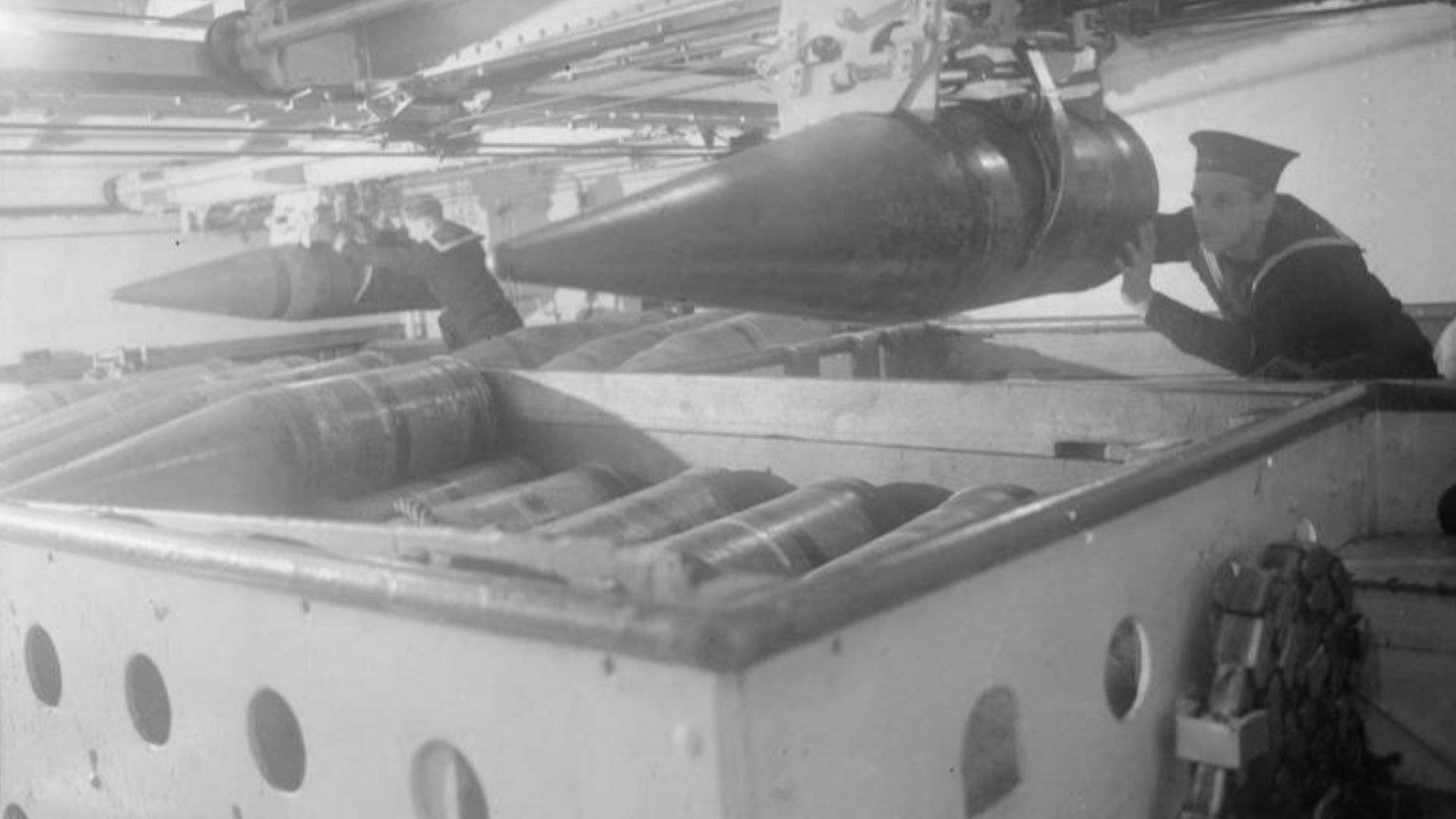 Coote, R G G (Lt) on Wikimedia
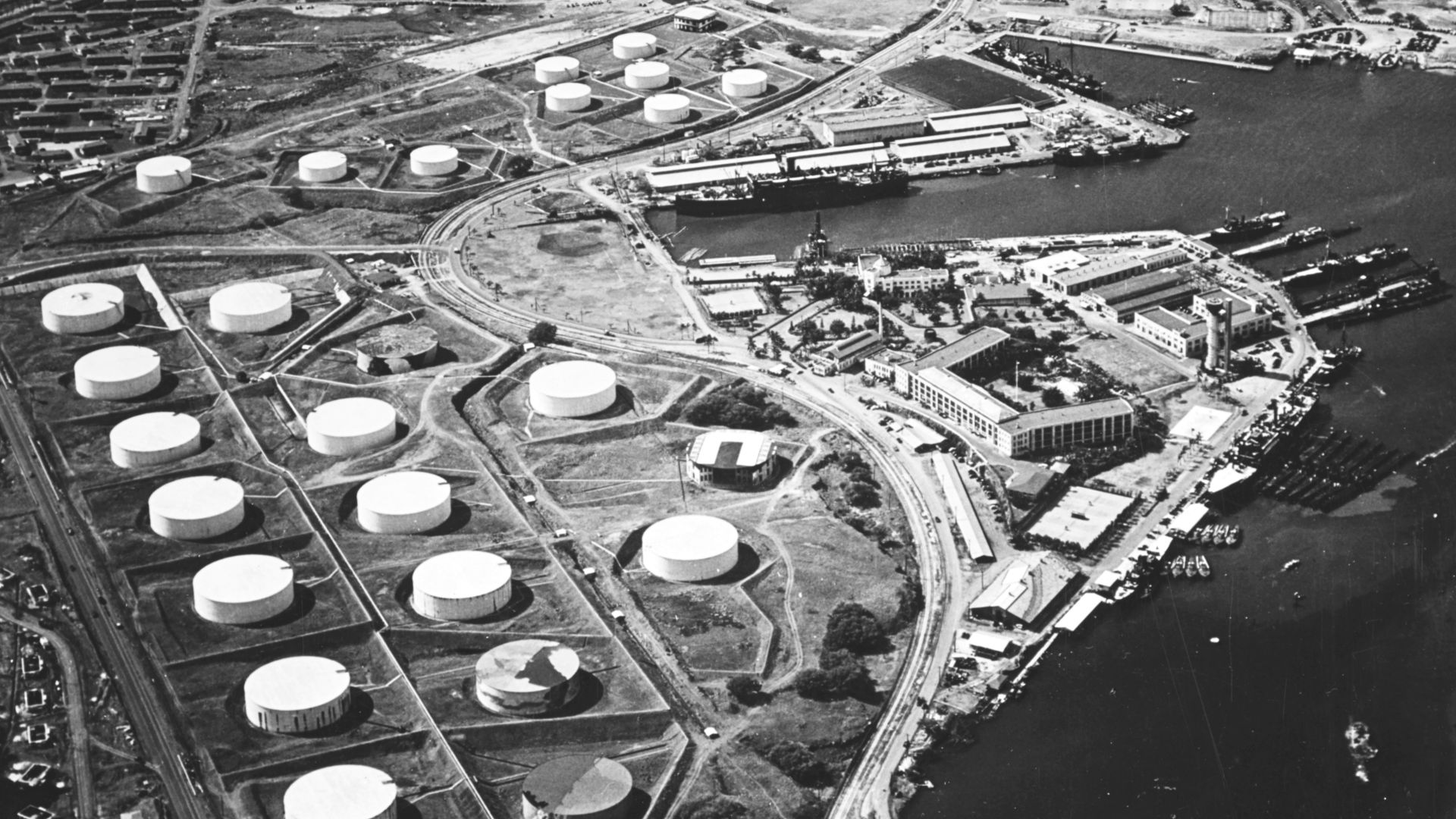
16. Untouched Fuel Reserves
Japanese pilots never targeted Pearl Harbor's 4.5 million barrels of stored oil. Orders prioritized sinking ships over destroying infrastructure. The untouched fuel allowed the U.S. fleet to recover and operate within weeks.
17. "Tora! Tora! Tora!" Signal
Commander Mitsuo Fuchida radioed "Tora! Tora! Tora!" at 7:53 a.m. to confirm complete surprise. The word means "tiger" in Japanese and came from an old poem. It told the fleet that American defenses were caught totally off guard.
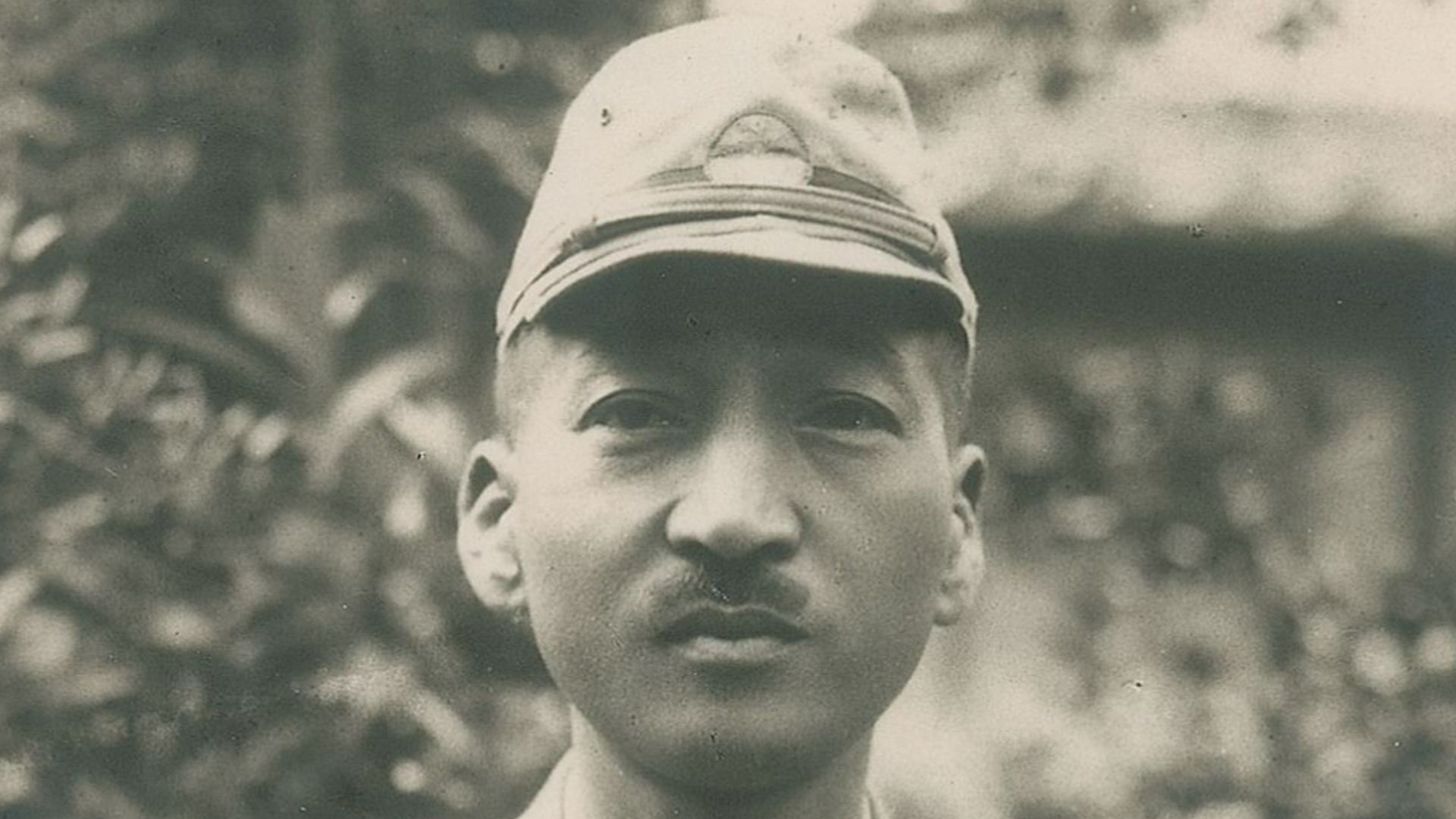 Unknown photographer for the IJN on Wikimedia
18. Japanese Losses Minimized
Japan lost only 29 aircraft, five midget submarines, and 64 men compared to 2,403 American deaths. The lopsided numbers reflected how thoroughly surprise worked in their favor. One submariner, Kazuo Sakamaki, survived to become Japan's first POW of the war.
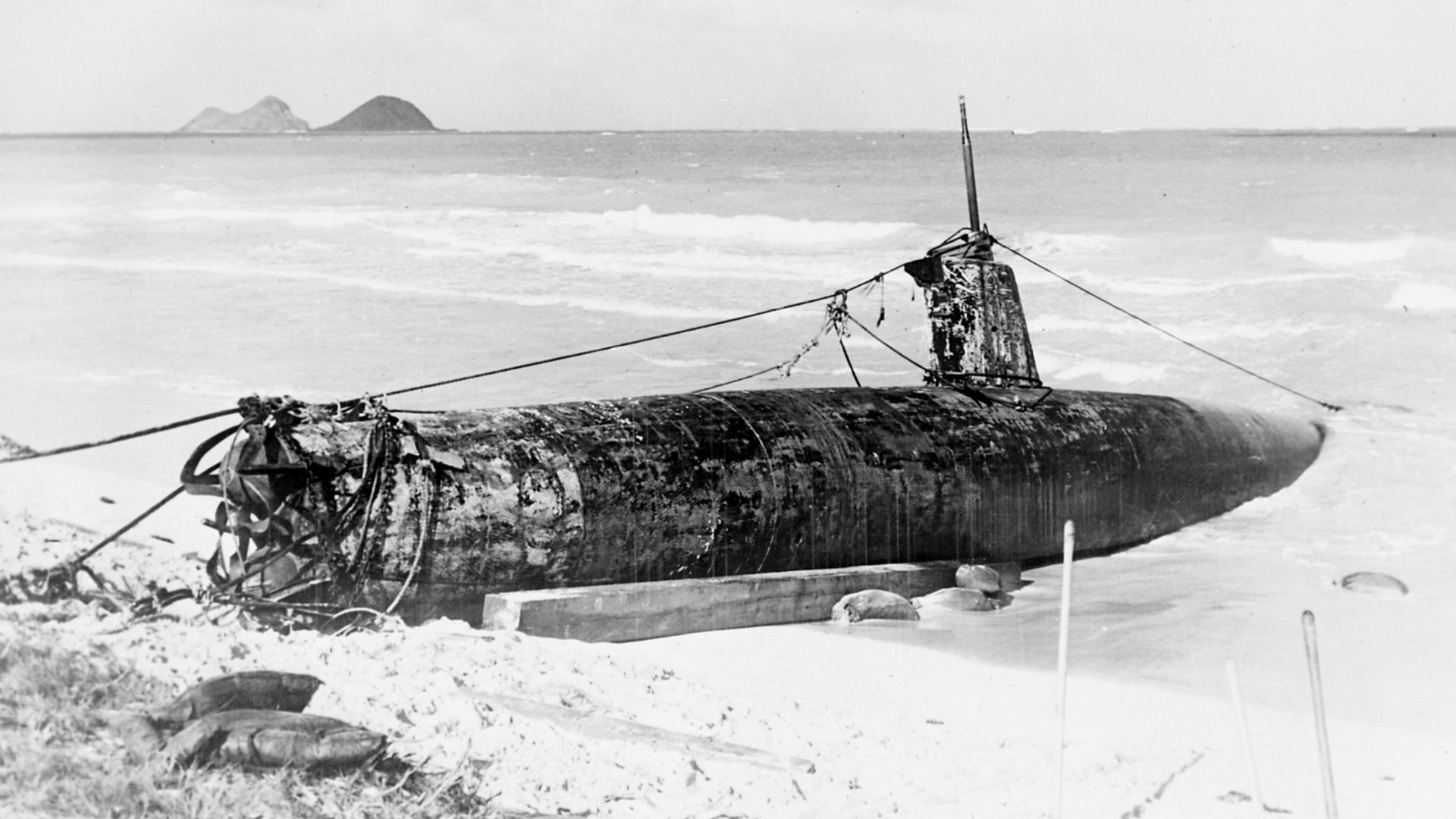 U.S. Naval History and Heritage Command Photograph NH 91333.[dead link] on Wikimedia
19. Delayed Warning Telegram
A War Department warning telegram arrived after the attack had already begun because it was sent via commercial Western Union. Routing delays and non-urgent handling meant commanders never saw it in time. The message was decoded but delivered fashionably late.
20. Opposition Among Japanese Officers
It is believed that Admiral Isoroku Yamamoto opposed the attack and reportedly warned it would "awaken a sleeping giant." He was overruled by other officers who rejected diplomacy. Even Prince Takamatsu feared Japan's navy would collapse within two years.
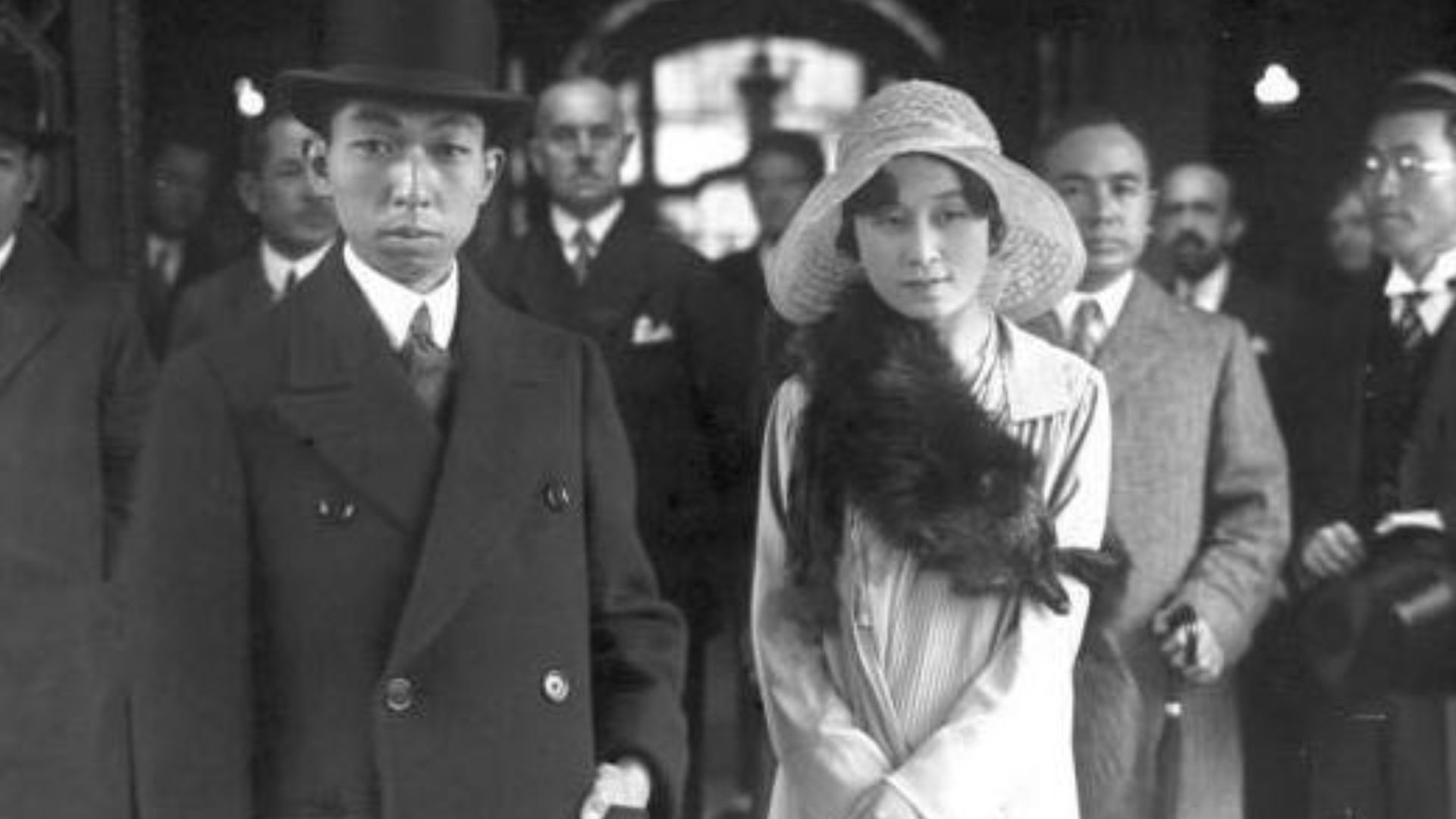 Unknown authorUnknown author on Wikimedia
KEEP ON READING