

20 Of History's Hardest To Break Secret Codes & Ciphers
The Messages That Refused to Give Up Their Secrets Easily
Some codes were hard to break because they were brilliantly designed, some because they were backed by wartime urgency, and others because they may not even be true ciphers in the usual sense. Either way, these are the systems and texts that gave cryptanalysts headaches, delayed armies, baffled scholars, or still keep people arguing centuries later. Here are 20 of history's hardest-to-crack codes and ciphers.
 Employee of the U.S. government on Wikimedia
1. Enigma
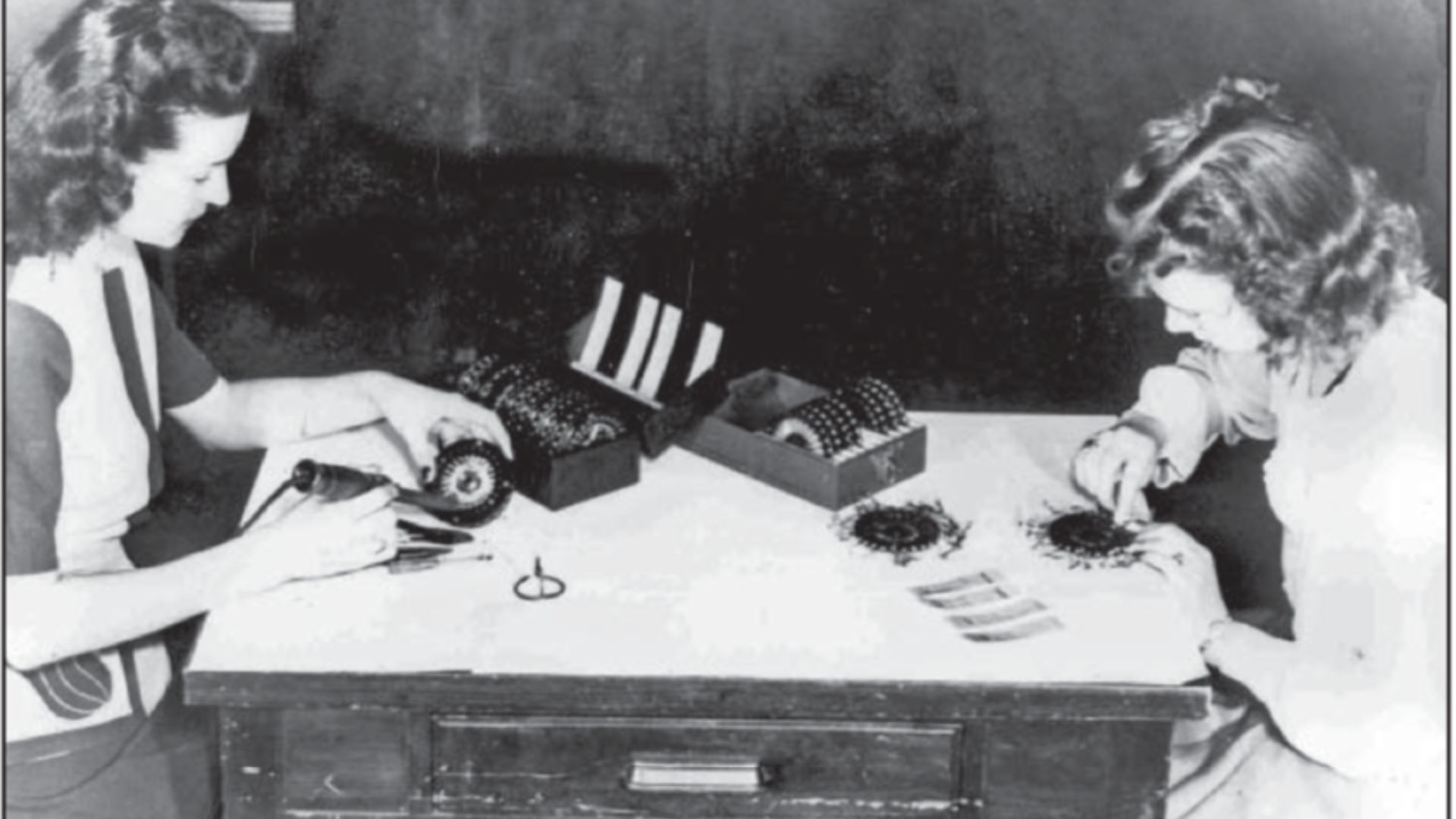
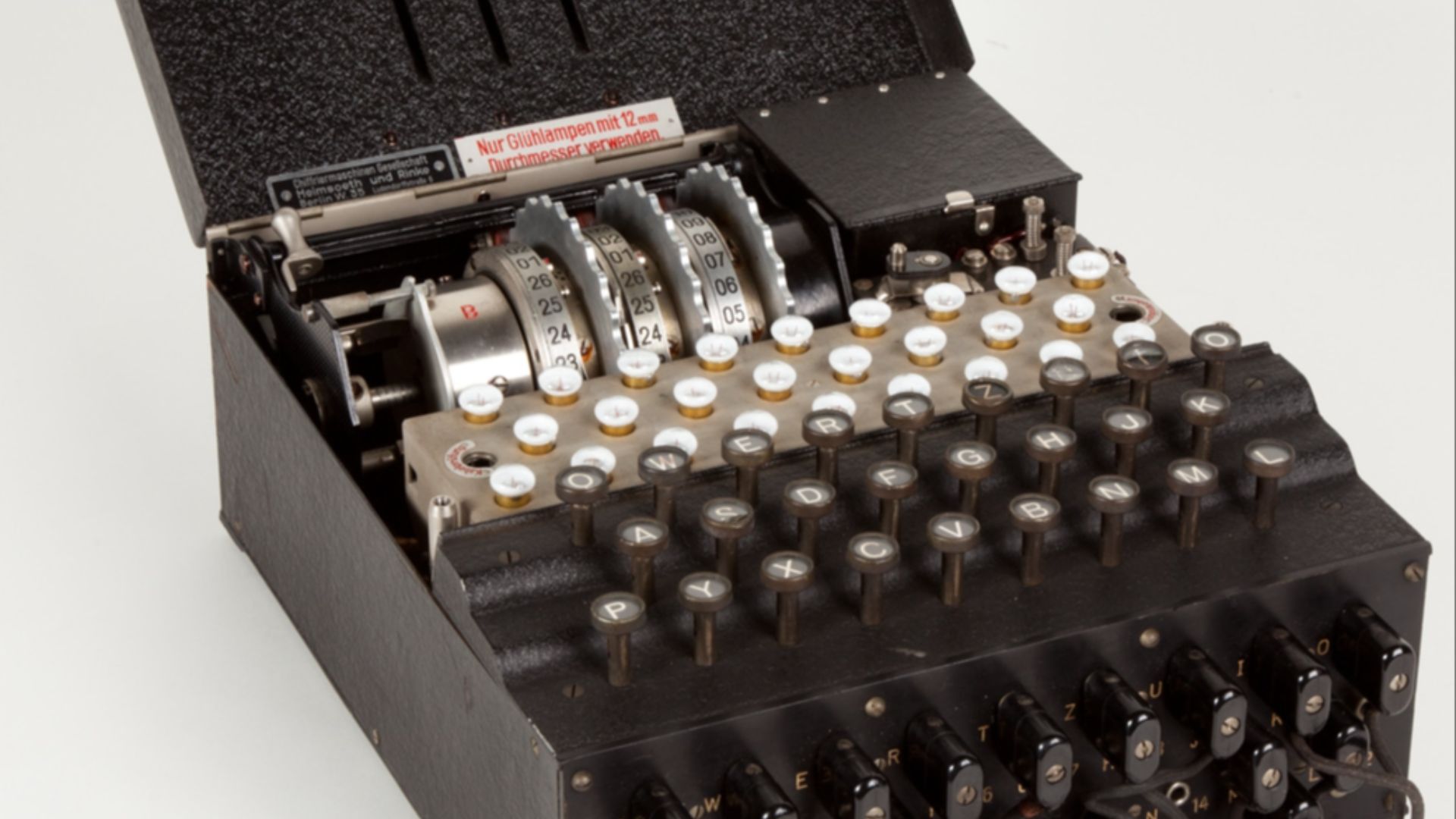
The Enigma machine became legendary because it turned German military traffic into a moving puzzle. Cracking it required years of work by some of the Allied forces' smartest brains. When massive British codebreaking efforts at Bletchley Park finally cracked it, it was so consequential that it helped turn the tide of the war.
 Alessandro Nassiri on Wikimedia
2. The Vigenère Cipher
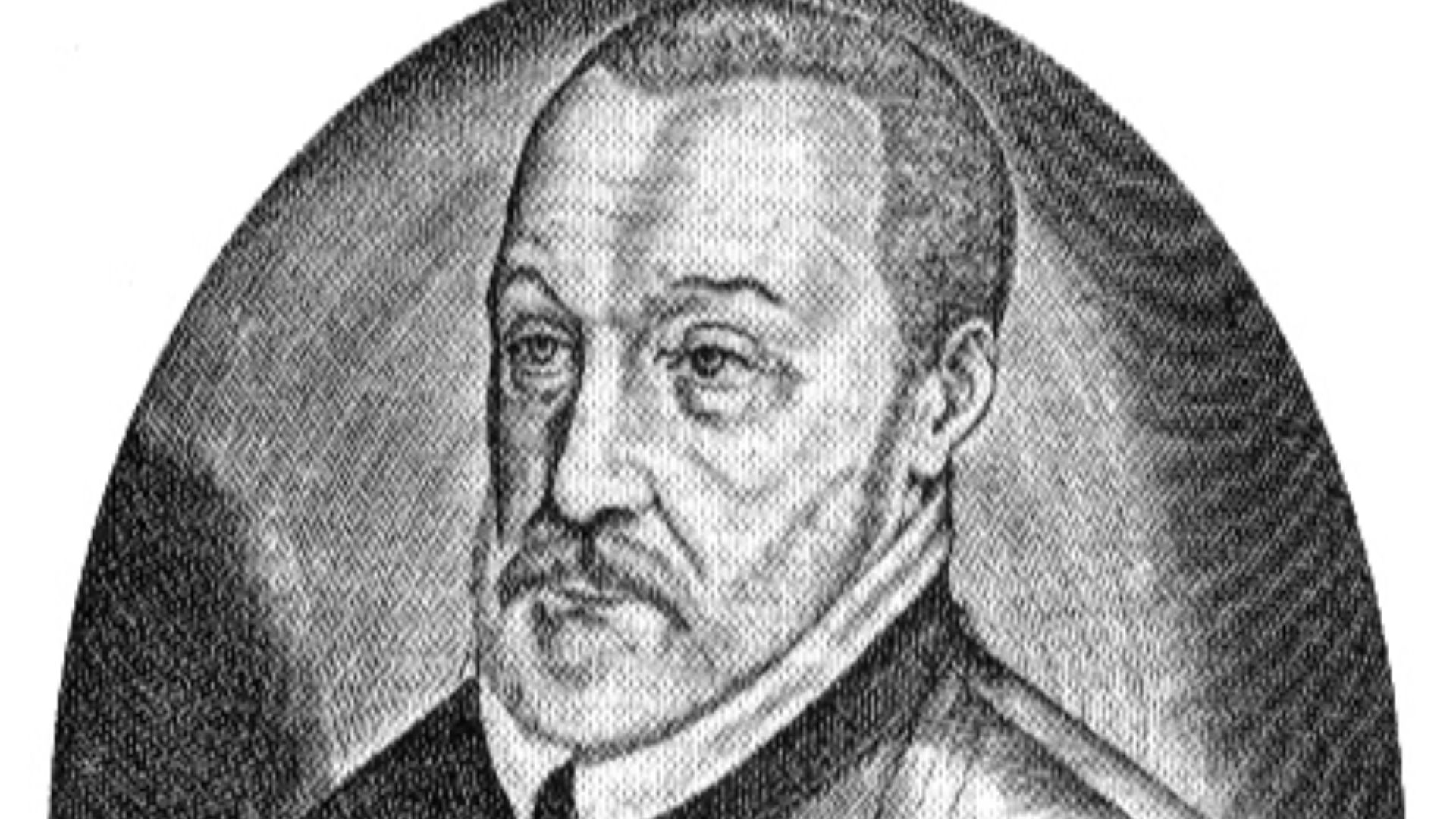
The Vigenère Cipher was created by Blaise de Vigenère, a French diplomat, in the 16th century. For a long time, it had a fearsome reputation because it used multiple substitution alphabets instead of just one. That made ordinary frequency analysis much less effective and helped it seem nearly unbreakable to people used to simpler systems. It did eventually fall, of course, but not for another 200 years.
3. The Zimmermann Telegram
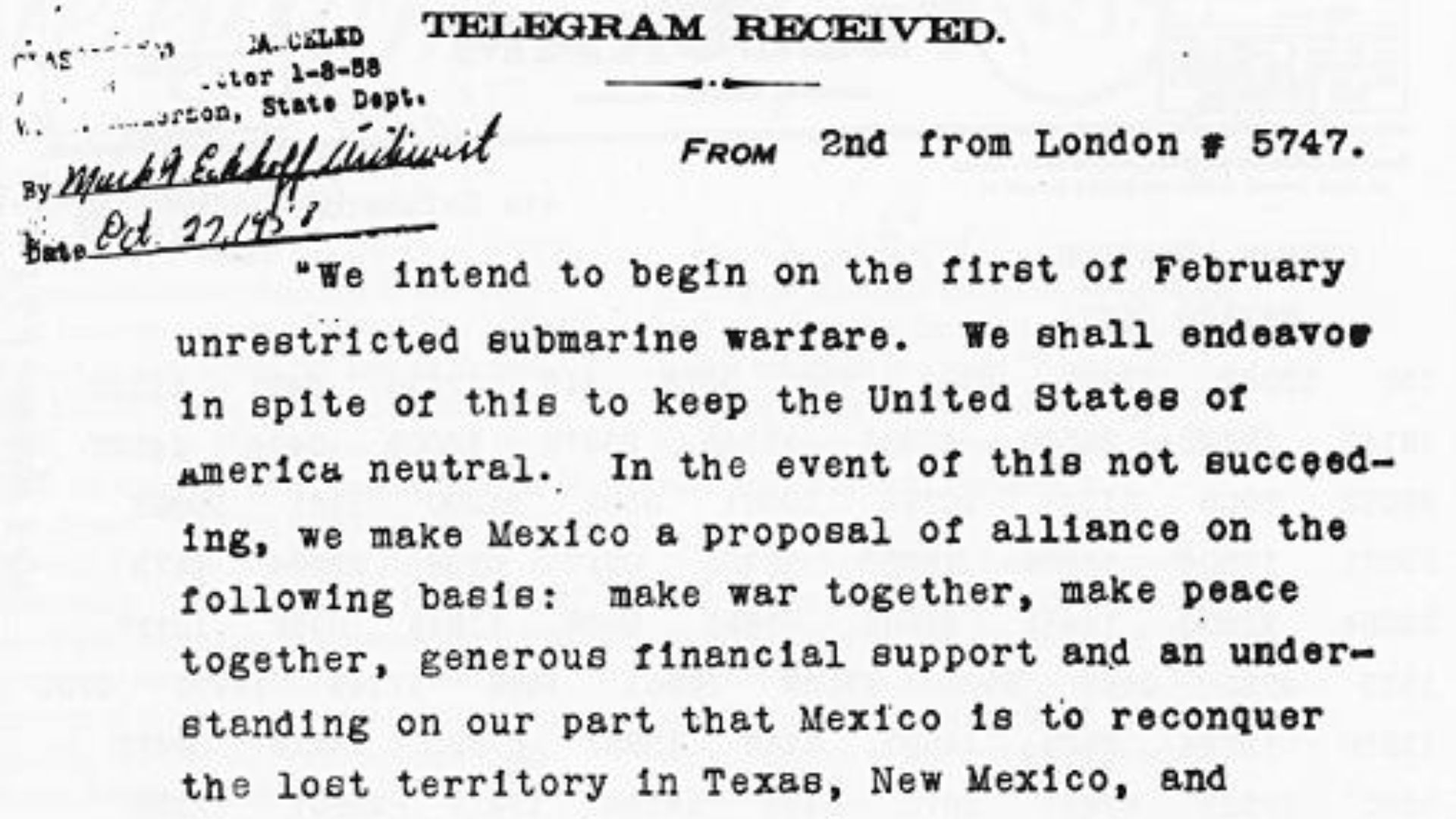
The Zimmermann Telegram matters not because its method was the most elegant ever made, but because breaking it had major geopolitical consequences. British cryptanalysts managed to read enough of the German message to reveal the proposed alliance involving Mexico, helping push the United States closer to entering World War I. A code becomes especially memorable when solving it helps reshape a war.
 National Archives on Wikimedia
4. Purple
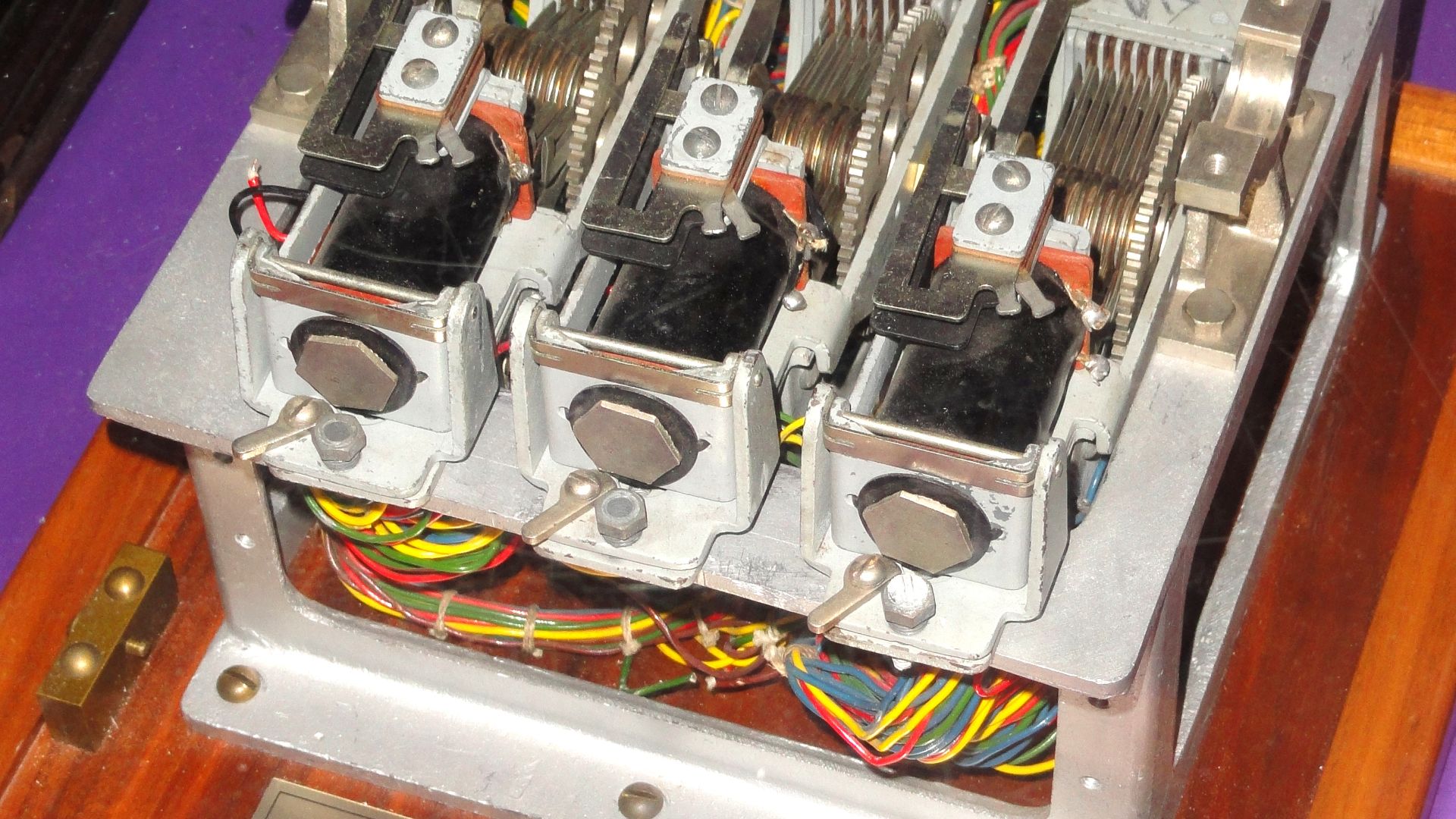
Japan’s Purple cipher machine gave Allied cryptanalysts a very serious problem before and during World War II. American codebreakers eventually reconstructed its logic without physically possessing the machine by identifying patterns. Cracking this code gave Allied forces crucial insight into German plans in Europe, including planned deception efforts on D-Day.
5. Navajo Code Talker Communications
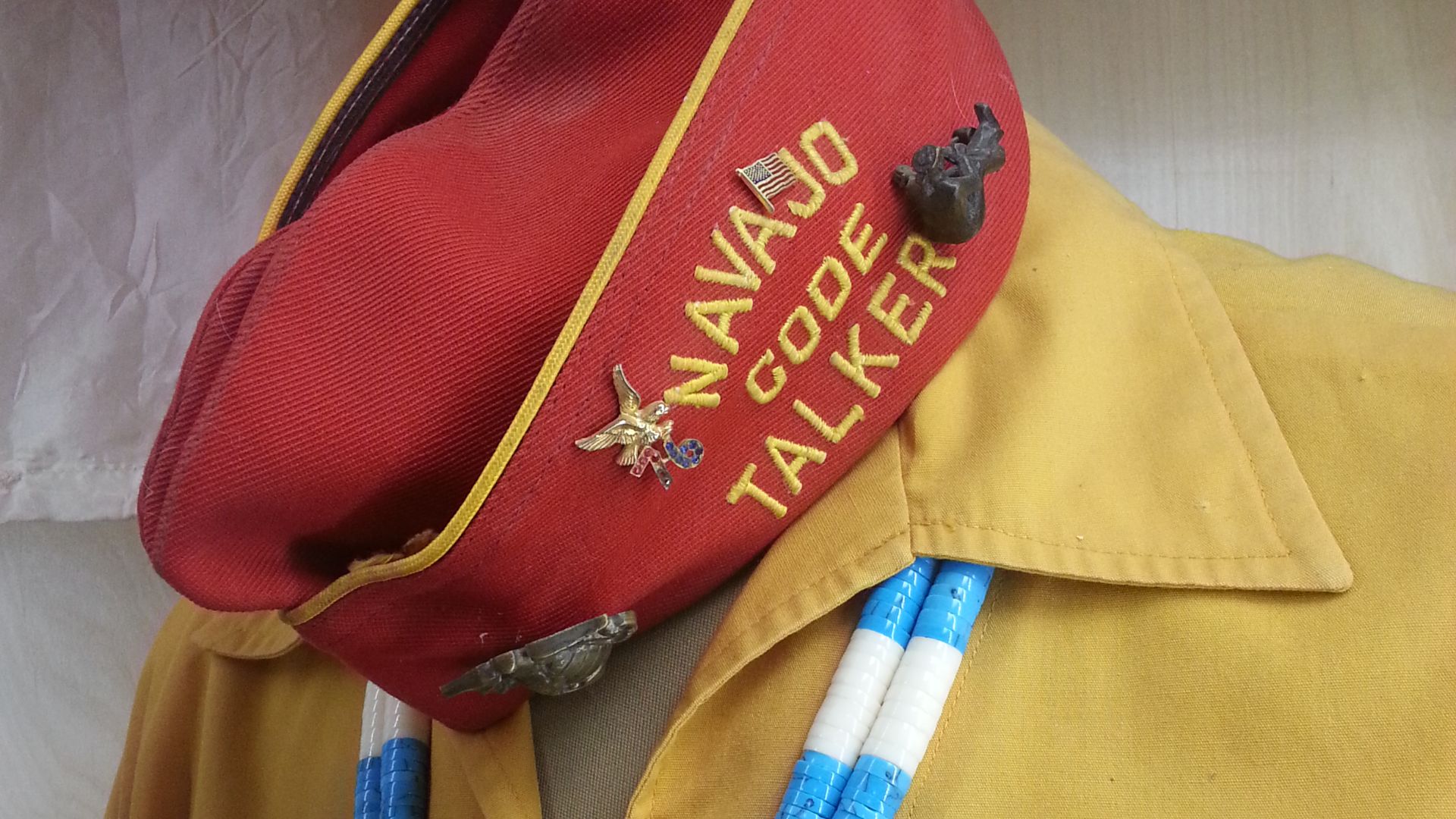
The Navajo code talkers were not using a cipher machine in the classic sense, but their communications were extraordinarily secure in practice. The system combined the Navajo language with specially developed military terminology, and it proved so effective that the Japanese never broke it during the war.
6. The Playfair Cipher
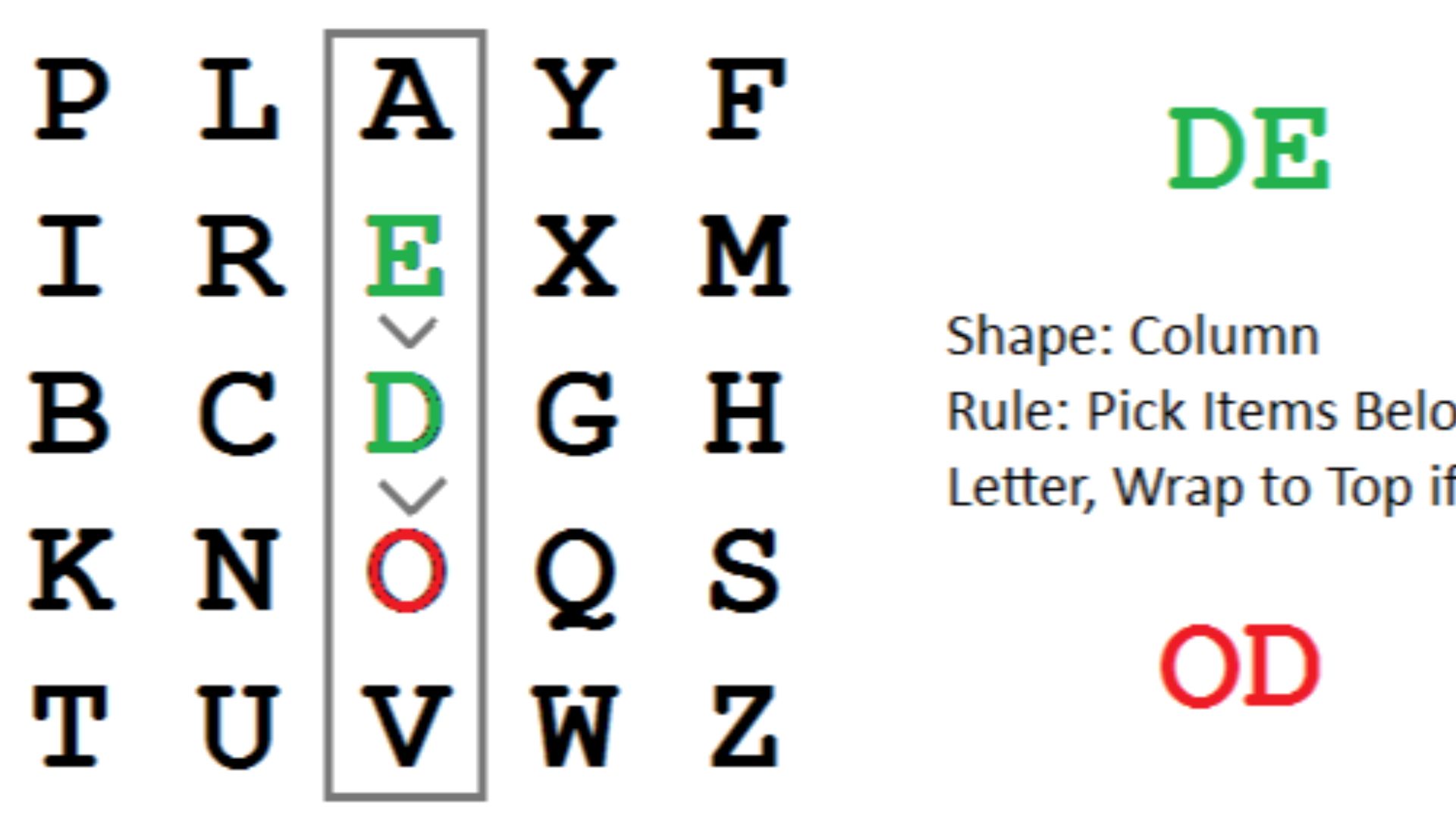
The Playfair cipher was invented in the 19th century as a simpler way to encode telegraphs. By encrypting pairs of letters instead of single letters, it complicated the usual patterns that codebreakers loved to exploit. It was breakable with enough text and skill, but it was still far tougher than the more basic systems around it.
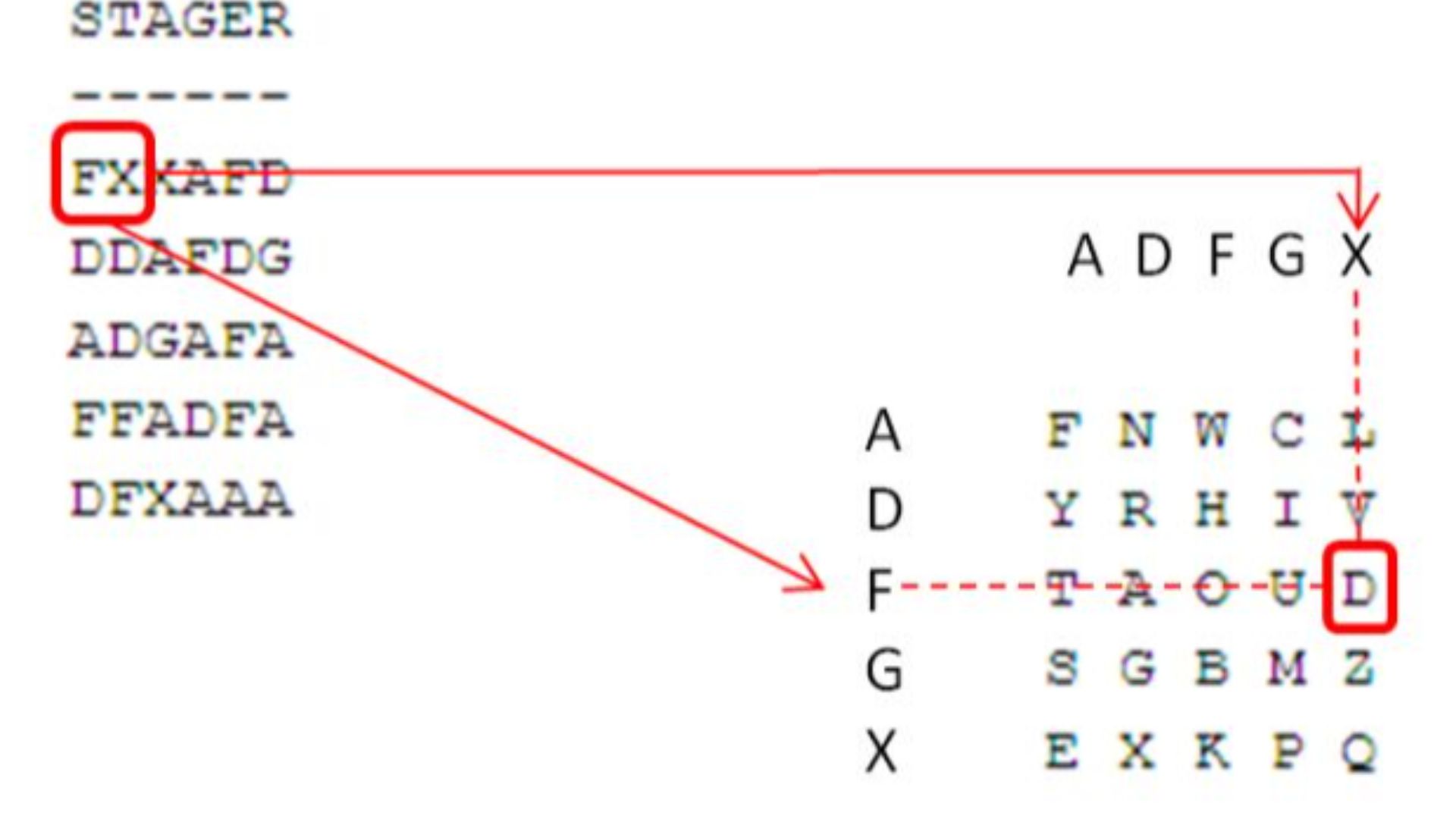
7. ADFGX & ADFGVX
These German World War I field ciphers were built to make interception painful by combining fractionation with transposition. The systems were strong enough that cracking them required real ingenuity, most famously from French cryptanalyst Georges Painvin. They are not as famous as Enigma now, but they absolutely earned a reputation for being brutal opponents.
8. Jefferson’s Wheel Cipher
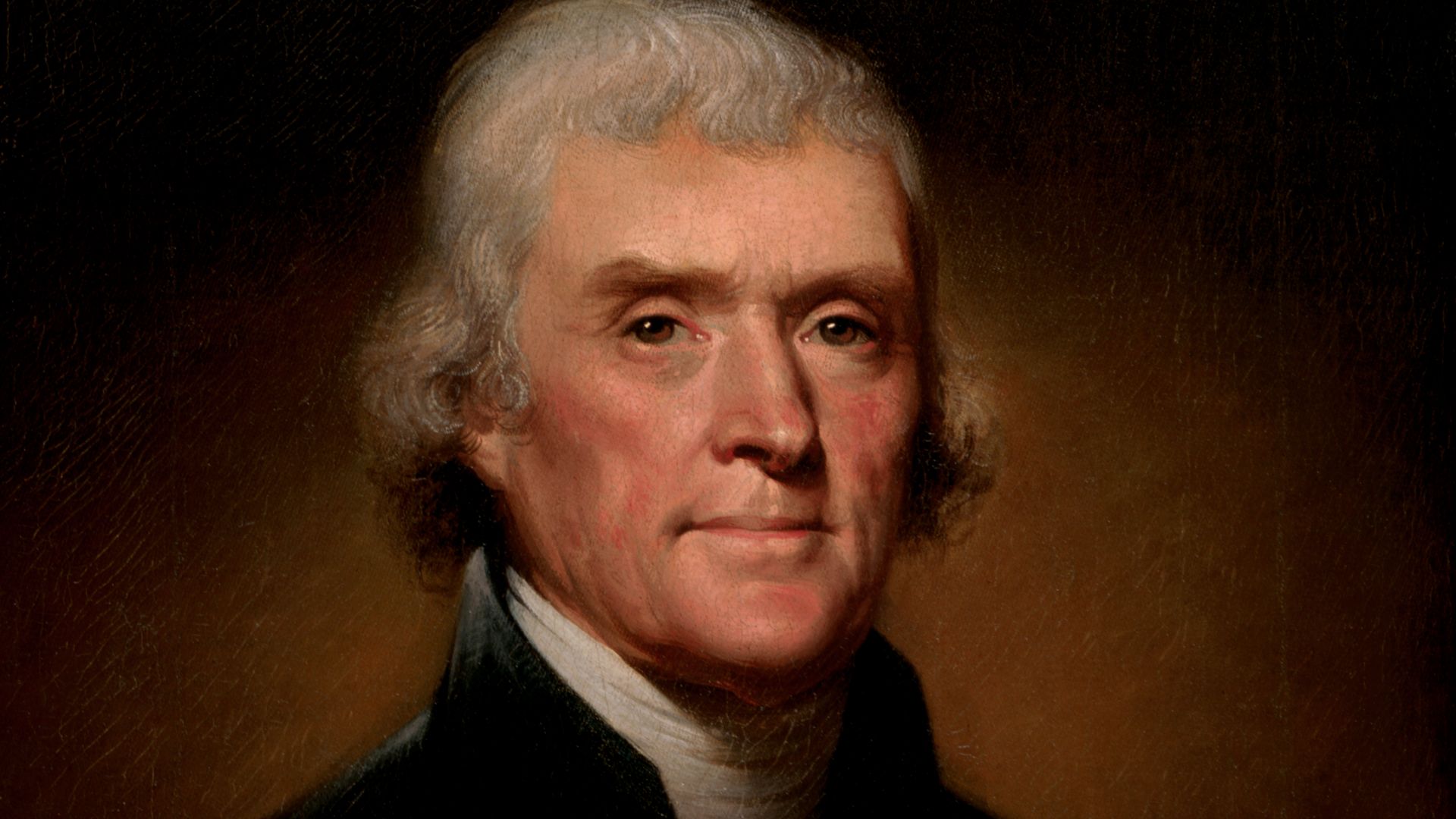
Thomas Jefferson’s wheel cipher, sometimes called the Bazeries cylinder in related forms, was clever because it turned encryption into a physical arrangement problem across multiple rotating disks, which made it a lot more slippery than a simple handwritten substitution scheme.
9. The Great Cipher of Louis XIV
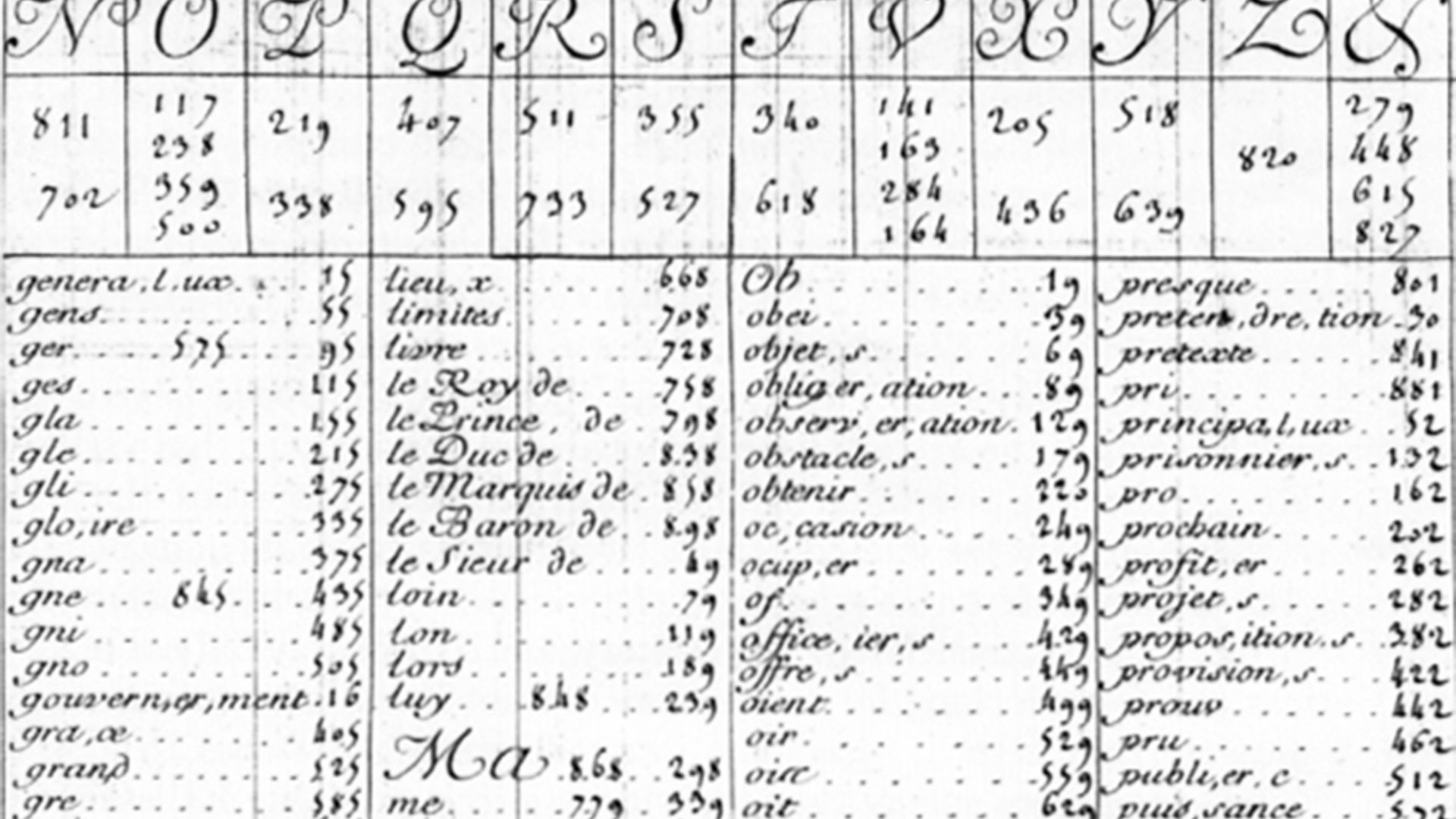
The Great Cipher, developed in the 17th century, protected French state secrets so effectively that even after the political moment had passed, it remained unread for centuries. It used thousands of numerical elements and was far more complicated than the ciphers many people expect from that period. A code that can outlast the government that used it has clearly done something right.
10. The Pigpen Cipher
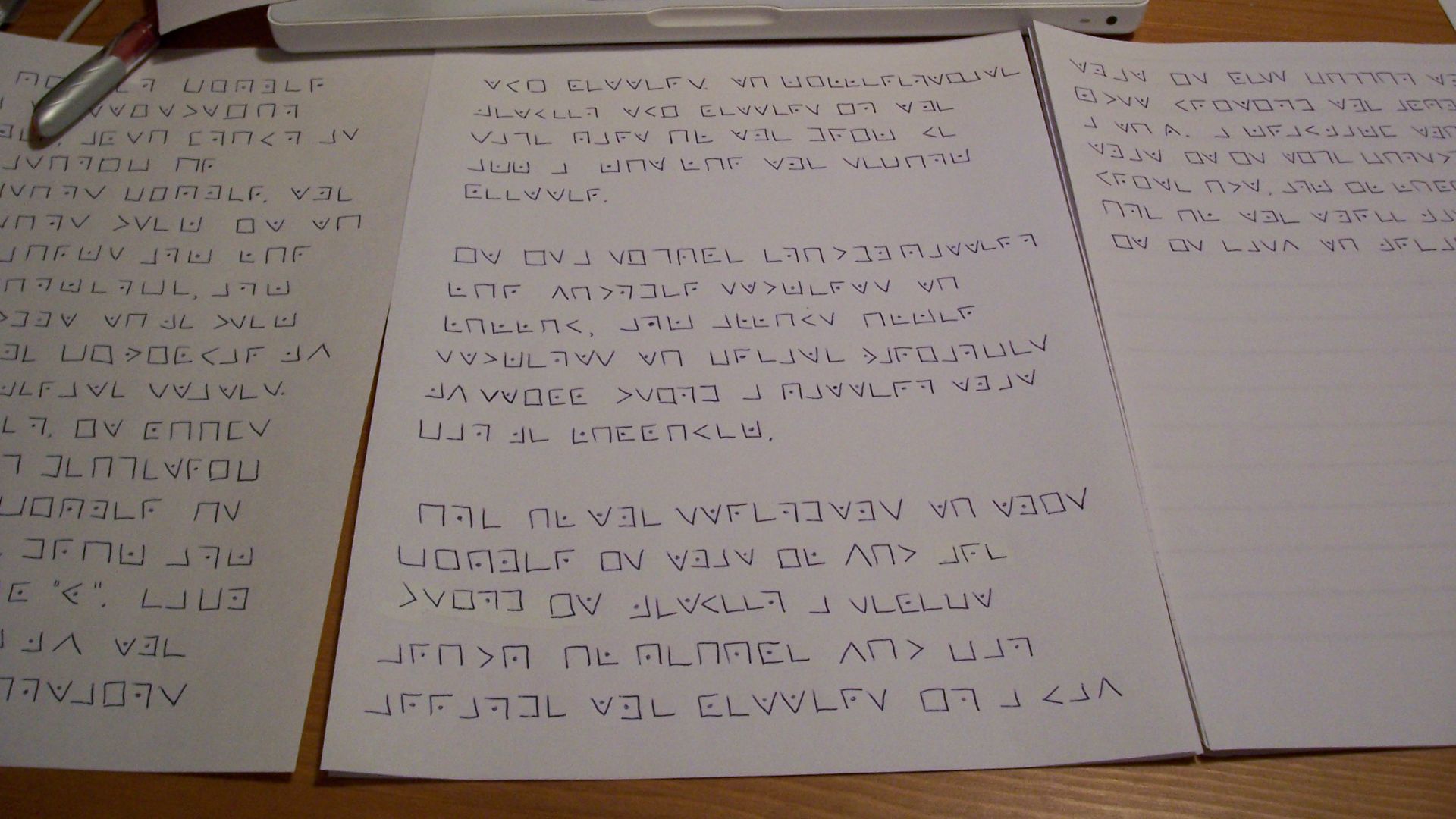
The Pigpen cipher looks deceptively simple because it replaces letters with geometric symbols rather than ordinary alphabet characters. It became especially associated with Freemasons and other groups that liked the fact that it appeared mysterious to anyone unfamiliar with the system. Once you know the pattern, it's not the toughest cipher on earth, but for people encountering it cold, it could be surprisingly hard to read and easy to misjudge.
 Andie from Nanaimo, Canada on Wikimedia
11. Venona
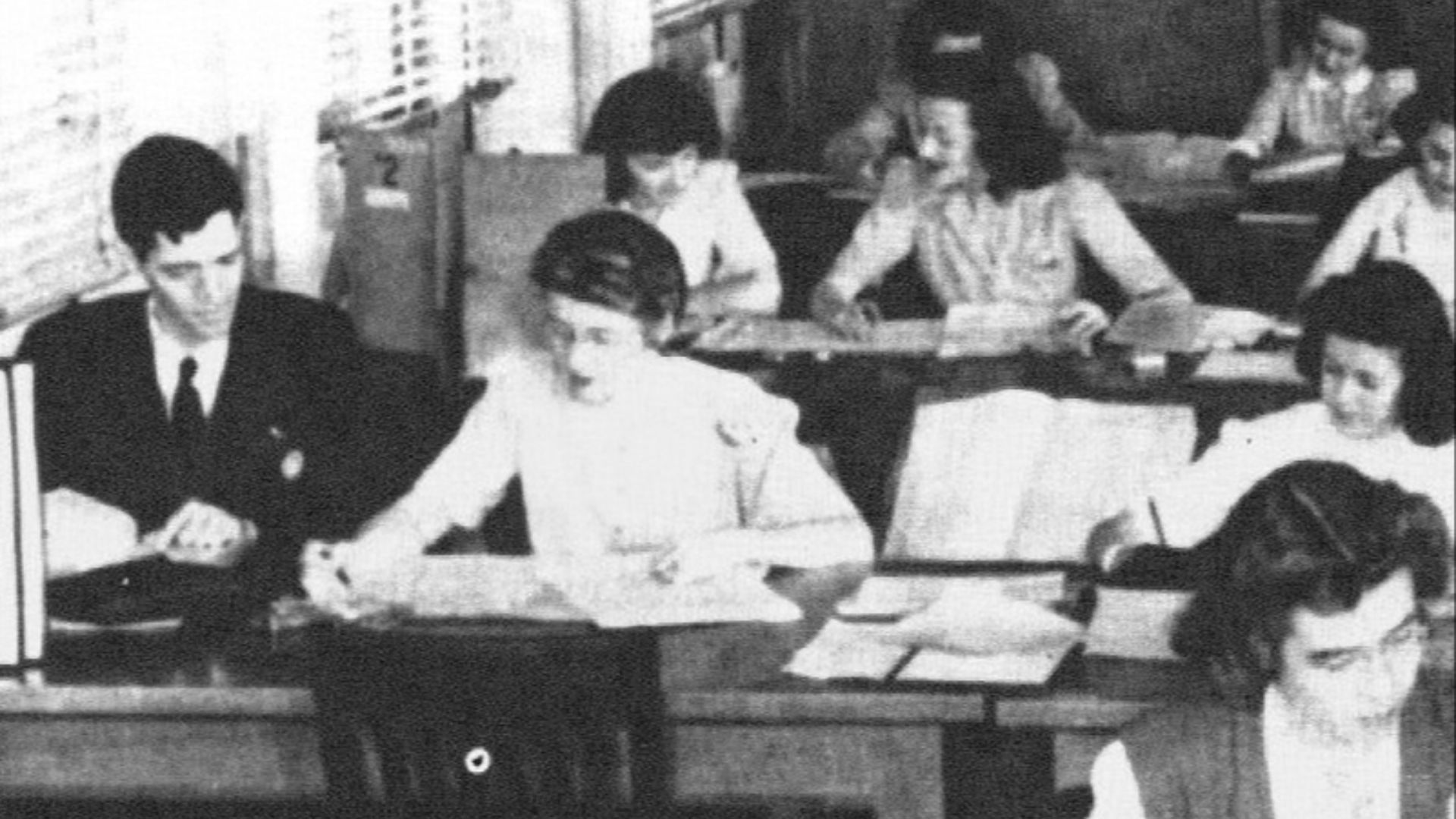
The Venona project, a top-secret U.S. counterintelligence program used in the mid-20th century, decrypted Soviet encrypted telegraphic cables. While Soviet messages used an allegedly "unbreakable" one-time pad system, procedural errors by the Soviets allowed American cryptanalysts to break the code. Venona was crucial in revealing extensive Soviet infiltration of the Manhattan Project, the State Department, and other government agencies.
12. The Beale Ciphers
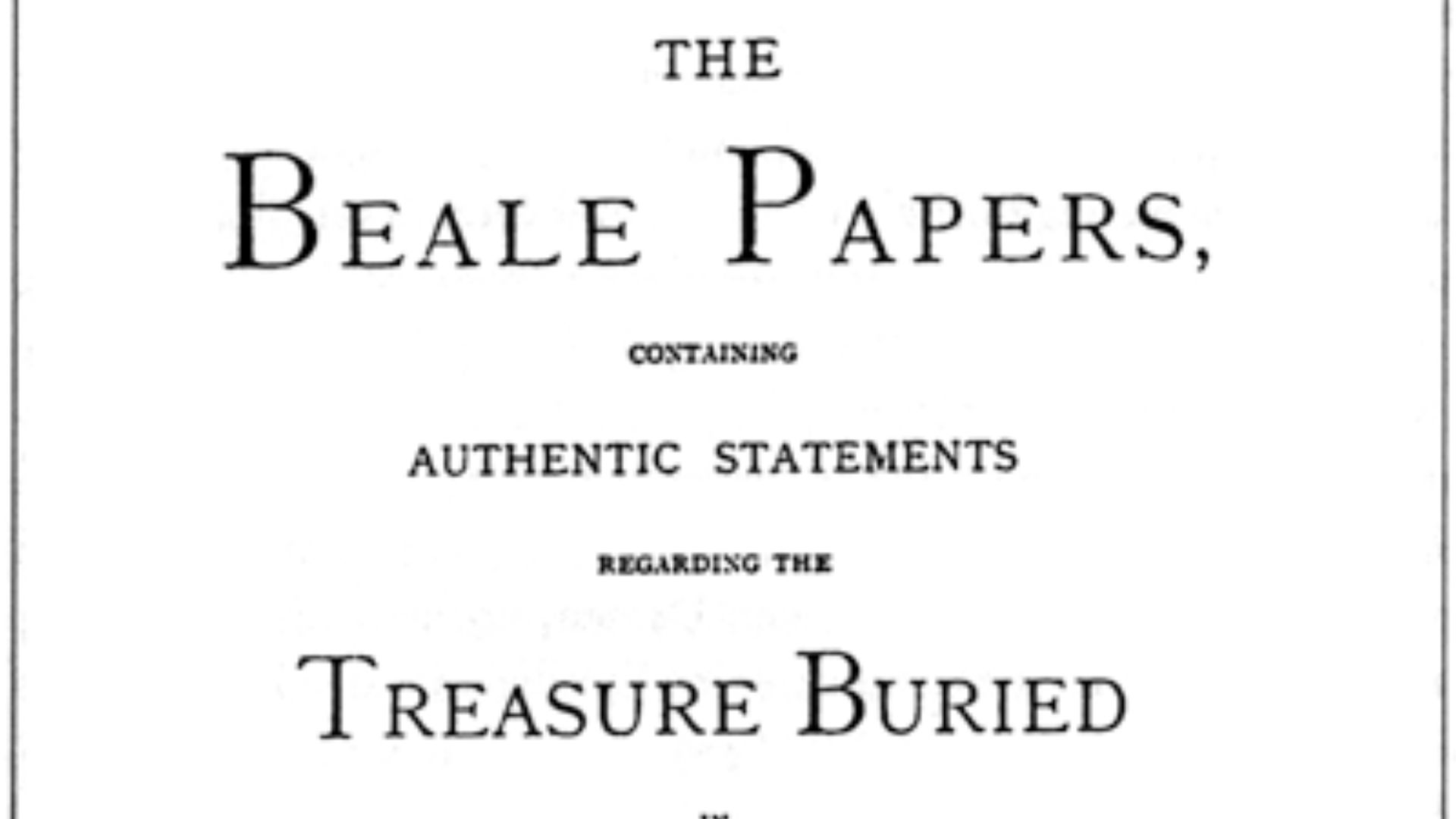
The Beale ciphers are famous partly because they promise buried treasure and partly because two of the three texts remain unsolved. One message was allegedly solved with the Declaration of Independence as a key, while the others continue to attract suspicion, obsession, and a lot of amateur effort. Whether they hide real secrets or just a very effective legend, they have certainly resisted easy answers.
13. The Voynich Manuscript
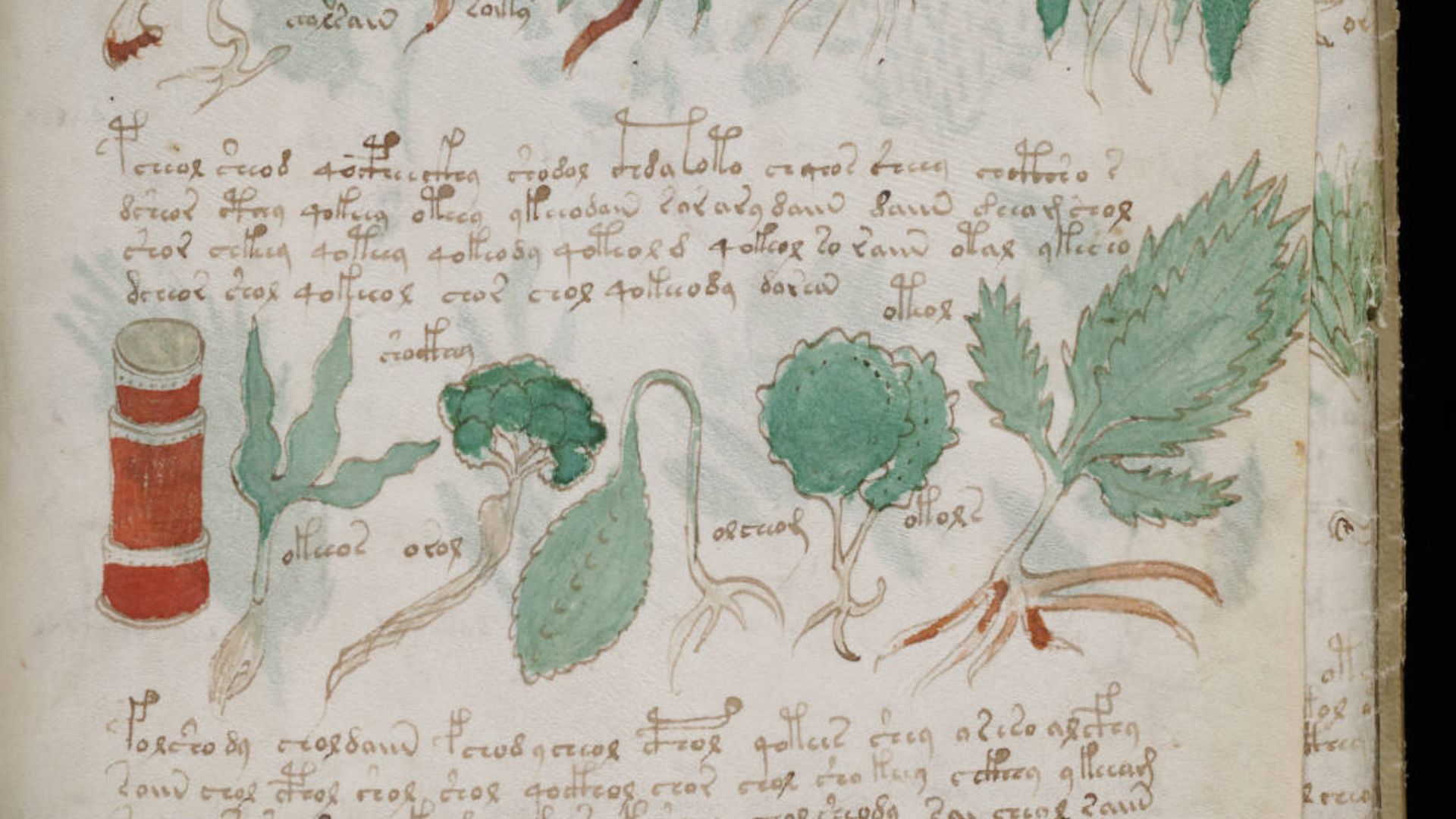
The Voynich Manuscript, an illustrated 15th-century codex known to be the most mysterious book in the world, sits in that maddening category where you can't even be completely sure what kind of problem you're looking at. It has strange writing, baffling imagery, and centuries of failed attempts by scholars and codebreakers to make decisive sense of it.
 Unknown authorUnknown author on Wikimedia
14. Linear A
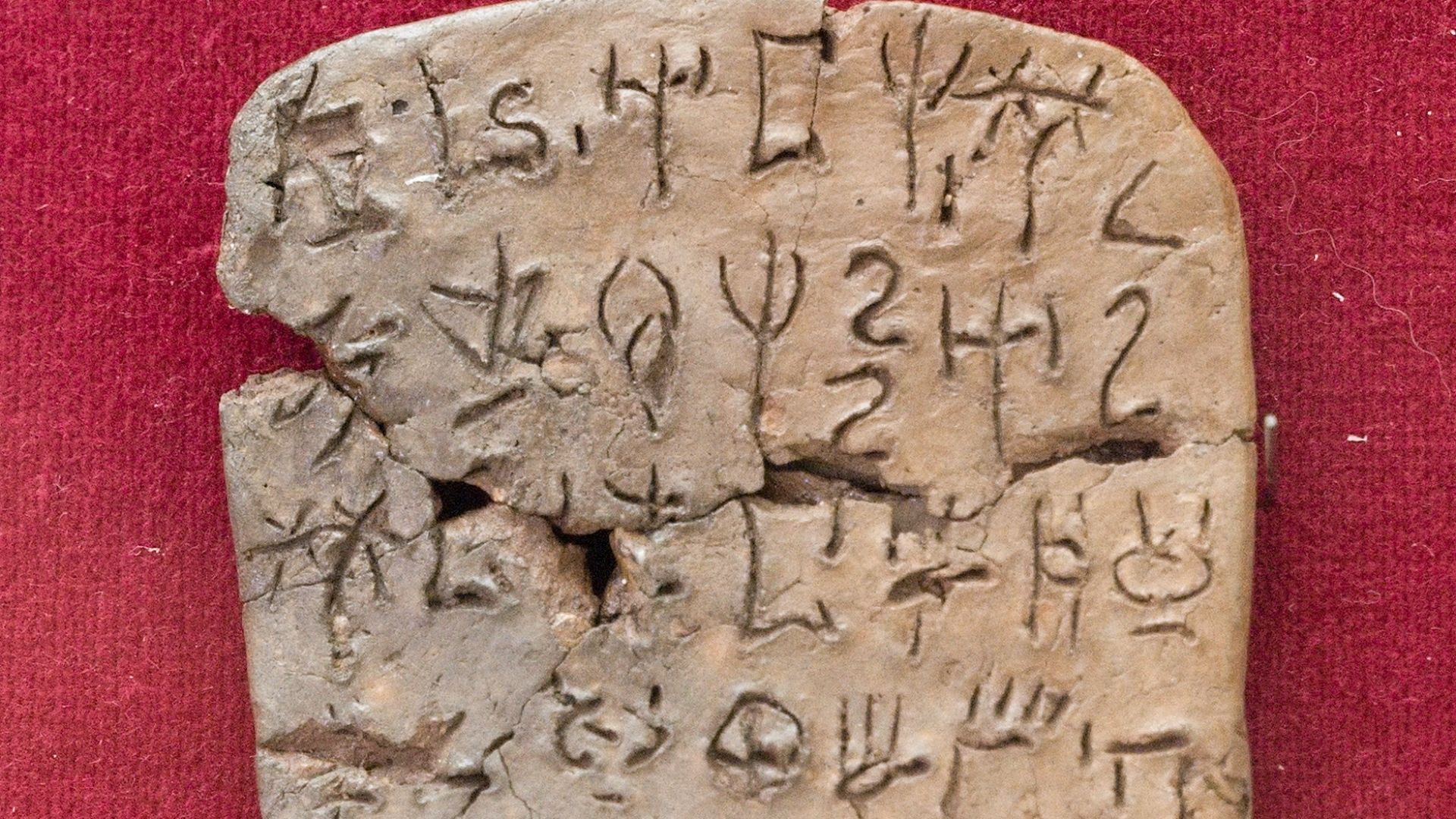
Linear A is not a secret code in the spy sense, but it absolutely qualifies as one of history’s hardest unread systems. It was the writing system used in ancient times by the Minoan civilization in Crete. Scholars can identify signs and some structural features, yet the underlying language remains undeciphered.
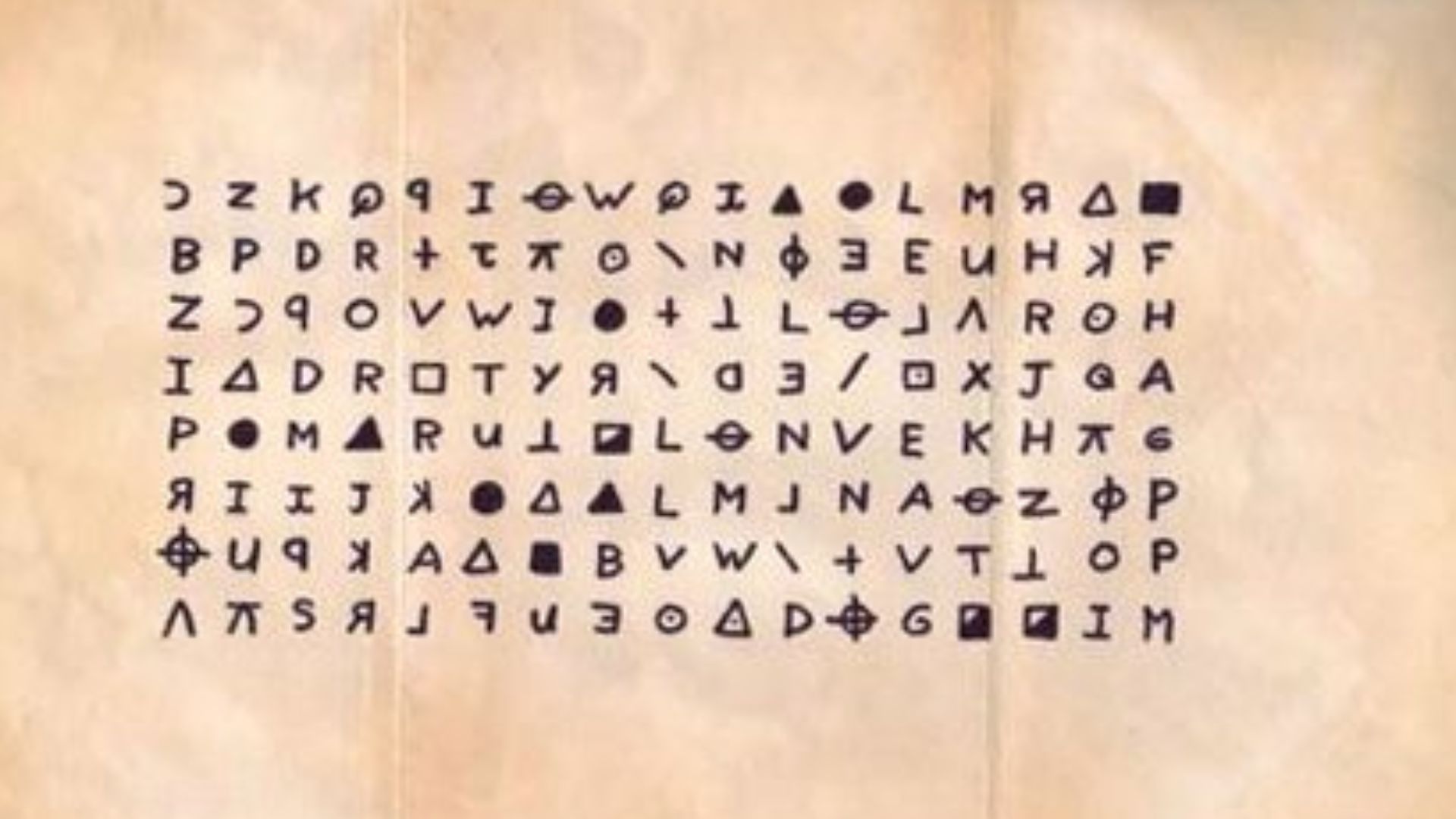
15. Zodiac Killer Ciphers
The Zodiac Killer sent a series of four encrypted messages in the late 1960s to the early 1970s, only two of which have been solved. The 340-character cipher resisted solution for decades before finally being cracked in 2020. Frustratingly, one of the unsolved ones is believed to reveal the Zodiac Killer's identity.
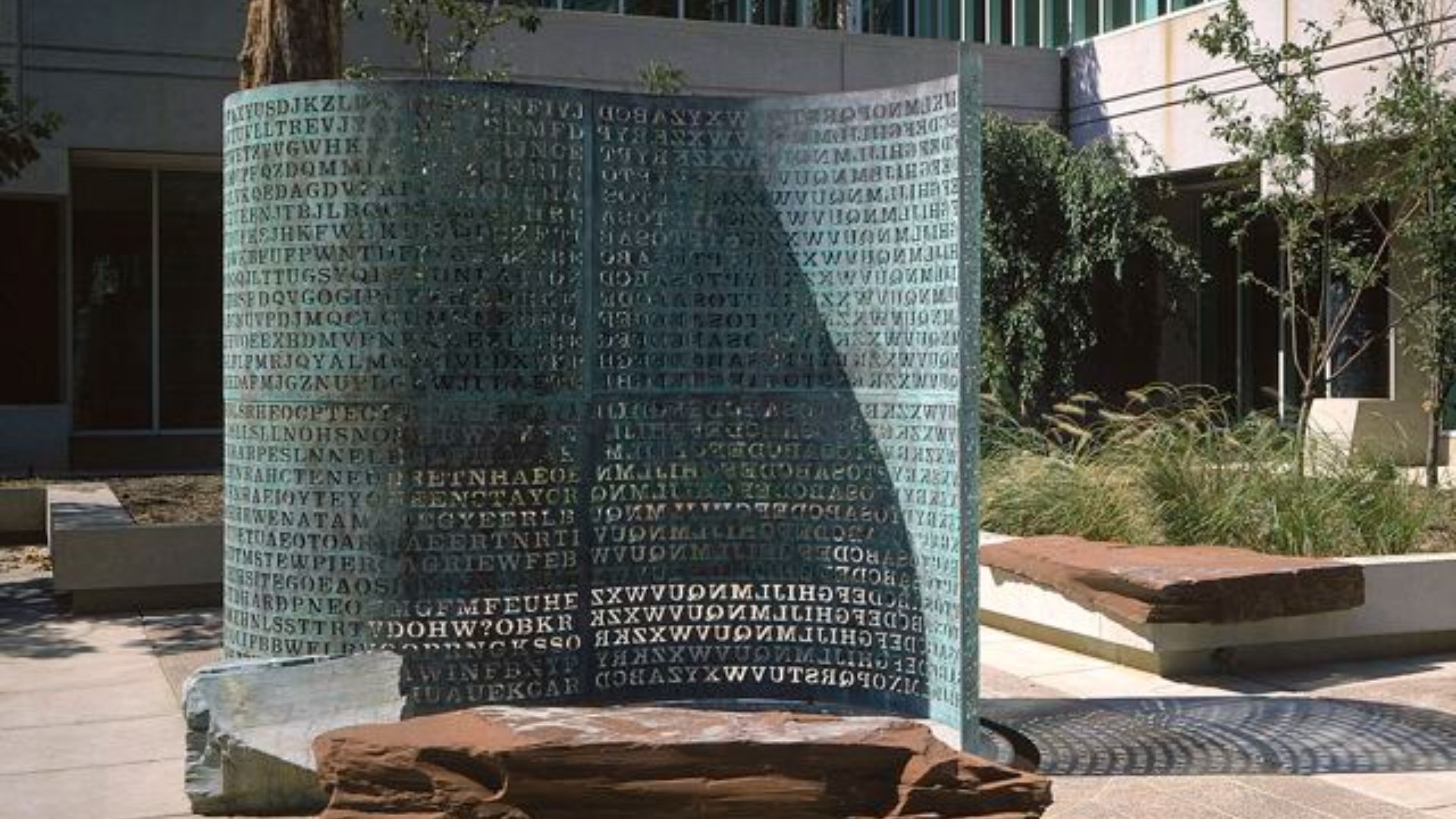
16. Kryptos
Kryptos may be modern, but it has earned a historical reputation all its own. It's a sculpture located at CIA headquarters which contains four encrypted sections, and while the first three were solved, the fourth remains unsolved despite decades of effort and even hints from the artist.
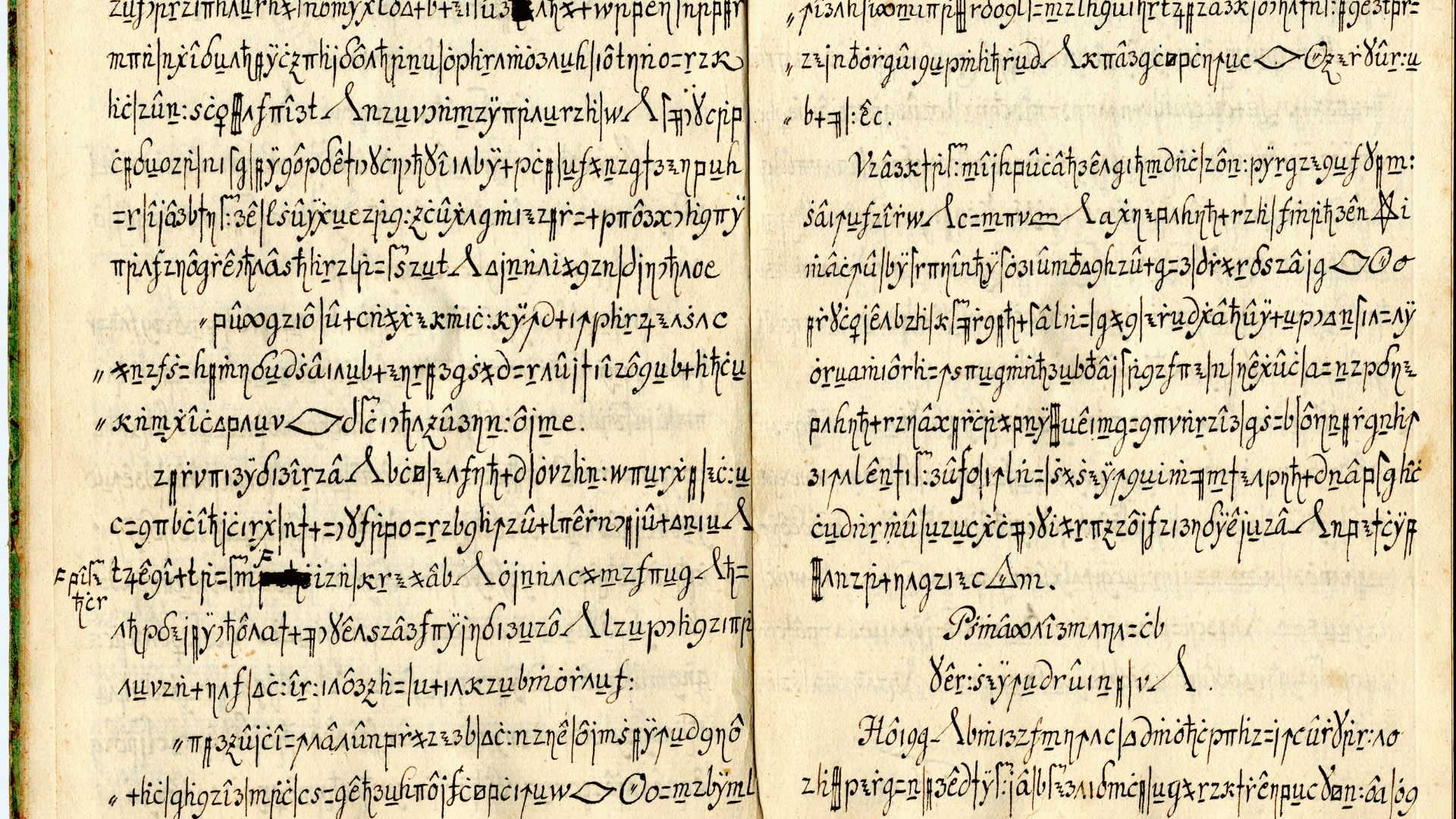
17. The Copiale Cipher
The Copiale Cipher is an 18th-century German manuscript that had people stumped for years before it was finally decoded in 2011. It turned out to concern the rituals of a secret society known as the "Oculist Order," which somehow feels exactly right.
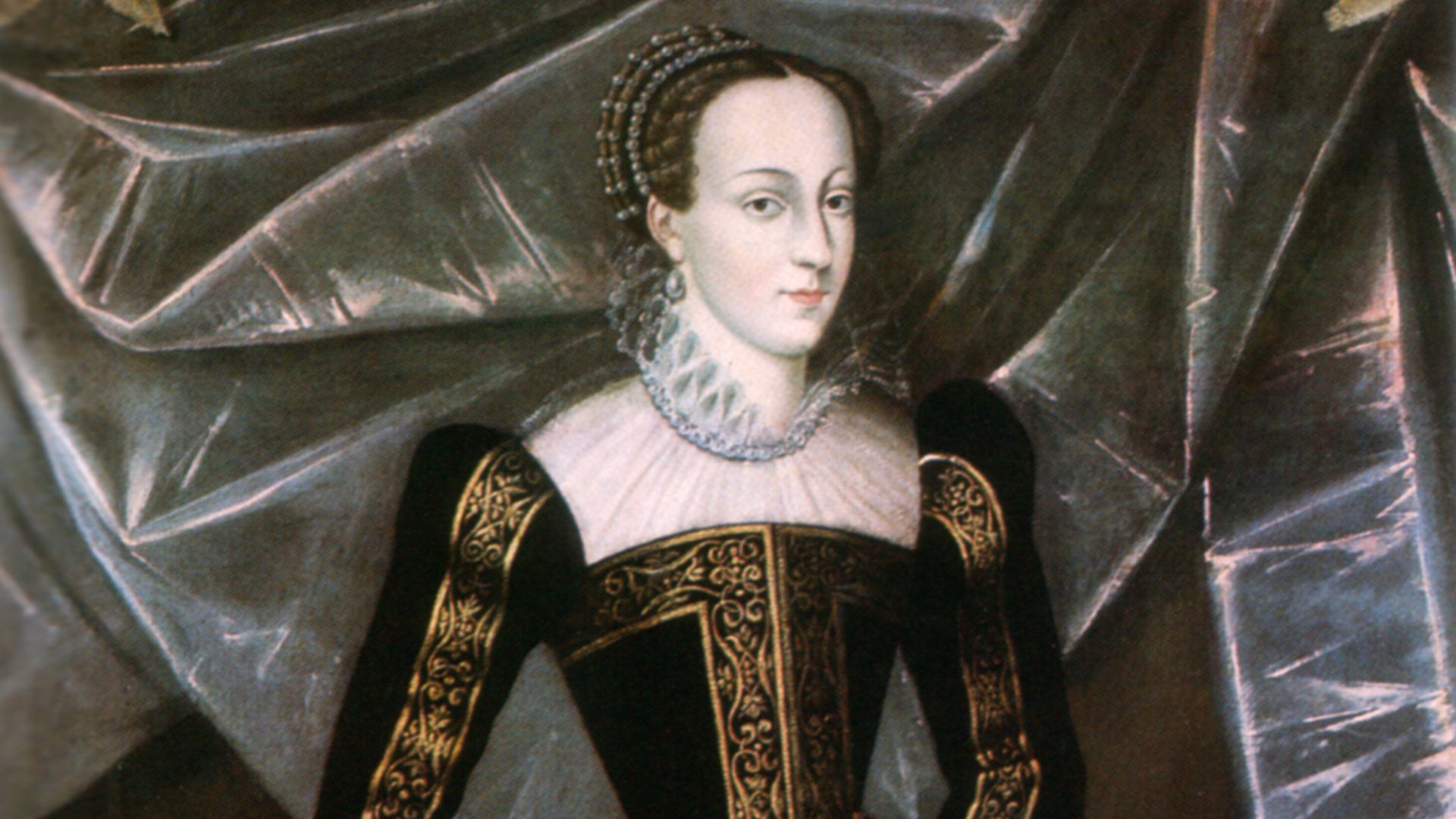
18. Mary, Queen of Scots’ Ciphered Letters
Mary’s encrypted letters, which she wrote from prison, weren't impossible forever, but they lasted long enough to keep their secrets buried for centuries. Modern researchers were able to identify and decode dozens of them, showing just how elaborate her cipher system really was. The decoded letters revealed much about Mary's final decade, including her poor health and negotiation efforts for her release.
 Unidentified painter on Wikimedia
19. The Dorabella Cipher
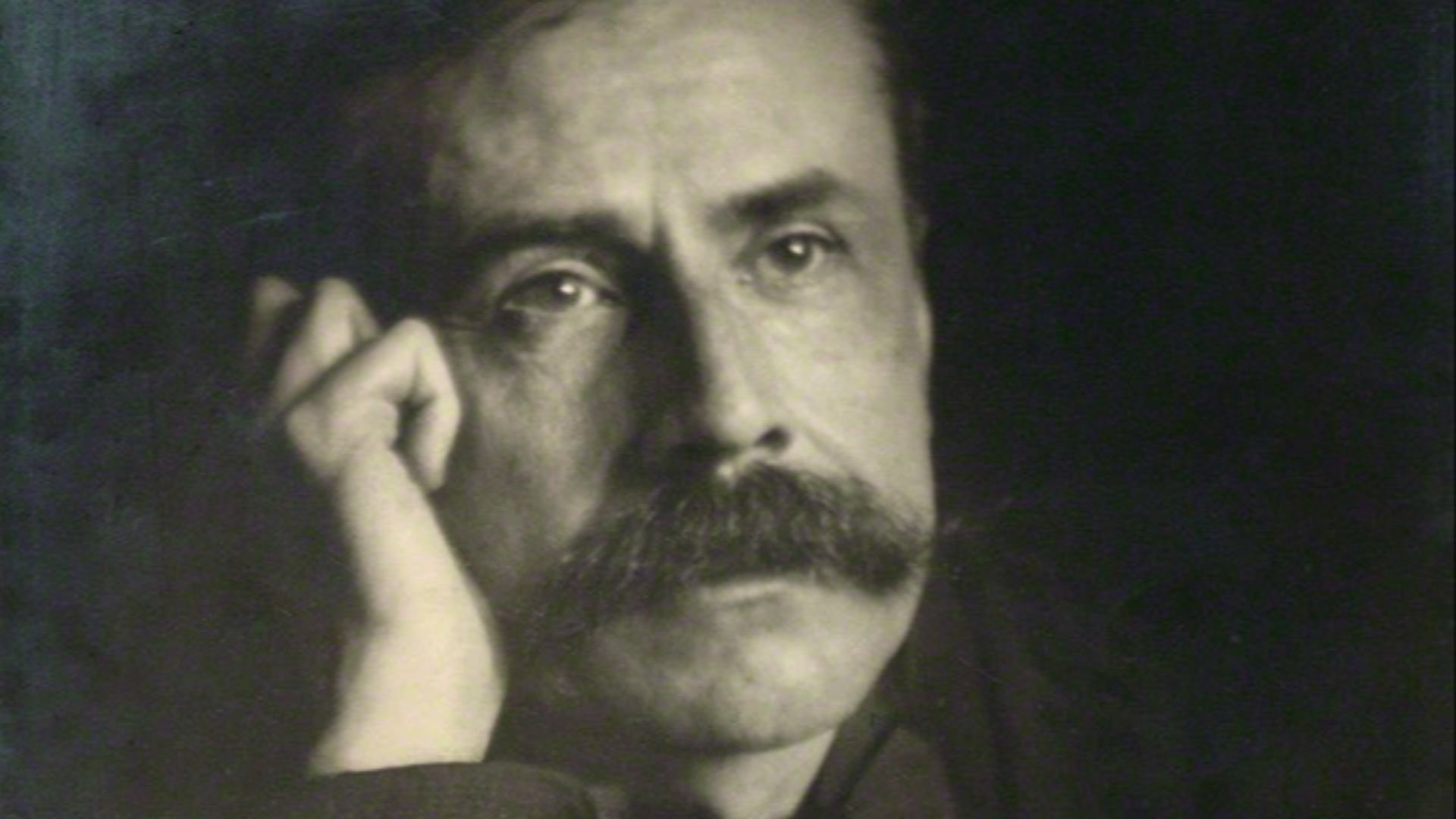
Edward Elgar’s Dorabella Cipher was an enciphered letter written by the composer to Dora Penny, his close friend. It's short, odd, and still unsolved. Its brevity is part of the trouble, because with very little text, you don't get the statistical comfort that makes other cipher problems easier. Sometimes the hardest code is not the most advanced one, but the one that gives you almost nothing to work with.
 Charles Frederick Grindrod (1847-1910) on Wikimedia
20. SIGABA
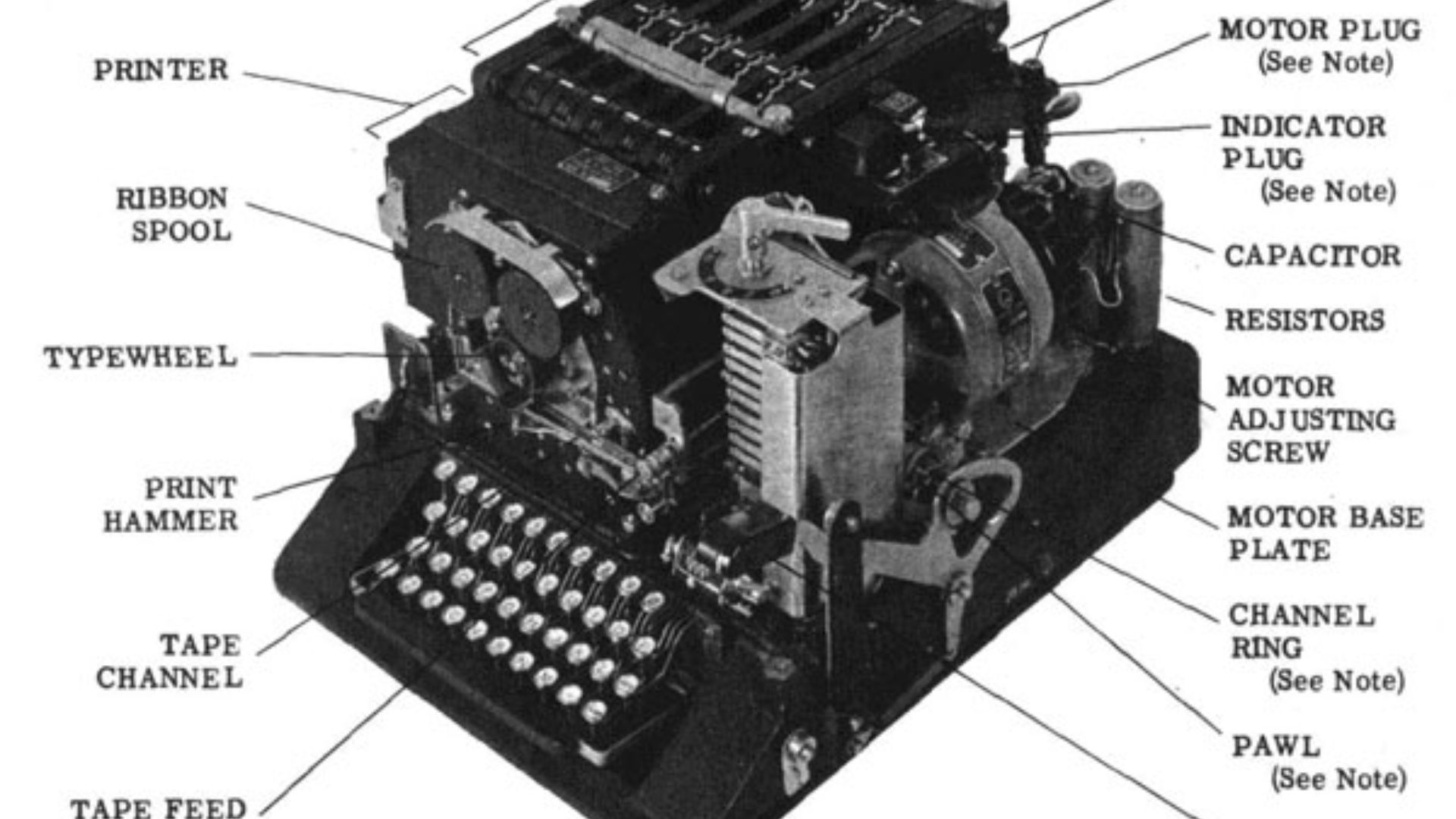
SIGABA was an American cipher machine used during World War II that earned a formidable reputation. Unlike some other famous systems, it was designed in a way that made common cryptanalytic attacks far more difficult, and it was never broken by the enemy during the war. It was so secure that it wasn't declassified until 1996.
KEEP ON READING
20 Powerful Ancient Egyptian Gods That Were Worshipped
Unique Religious Figures in Ancient Egypt. While most people are…
By Cathy Liu Nov 27, 2024
The 10 Scariest Dinosaurs From The Mesozoic Era & The…
The Largest Creatures To Roam The Earth. It can be…
By Cathy Liu Nov 28, 2024
The 20 Most Stunning Ancient Greek Landmarks
Ancient Greek Sites To Witness With Your Own Eyes. For…
By Cathy Liu Dec 2, 2024
10 Historical Villains Who Weren't THAT Bad
Sometimes people end up getting a worse reputation than they…
By Robbie Woods Dec 3, 2024
One Tiny Mistake Exposed A $3 Billion Heist
While still in college, Jimmy Zhong discovered a loophole that…
By Robbie Woods Dec 3, 2024
30 Lost Treasures That Vanished From History
Buried treasure, missing artefacts, legends of ancient gold in them…
By Robbie Woods Dec 3, 2024