

What We Love To Hear
Banned songs usually come with two stories: the song itself, and the panic around it. A few of these bans came from major institutions, while others came from local stations, TV networks, or other people in power. The strange part is how often the backlash helped. Once a song had a warning label attached to it, listeners wanted to know exactly what had scared everyone so much. These 20 songs all became harder to ignore after someone tried to keep them out of public view.
 Tony Barnard, Los Angeles Times on Wikimedia
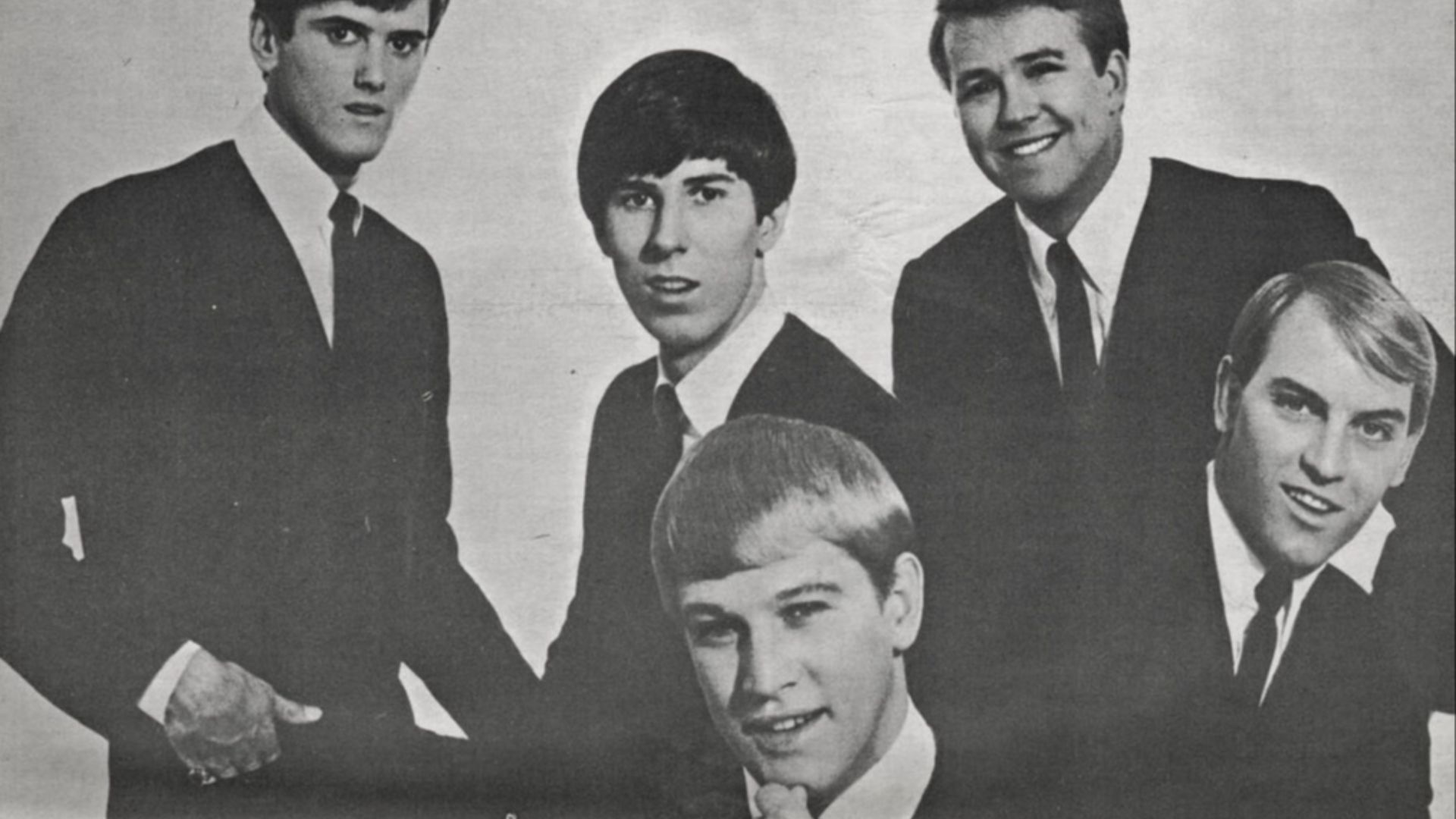
1. "Louie Louie" by The Kingsmen
The Kingsmen’s 1963 version of "Louie Louie" became famous partly because nobody could agree on what Jack Ely was singing. Parents and officials suspected obscene lyrics, which led to an FBI investigation. The inquiry found nothing solid, but by then the song already had the best kind of teen reputation: adults hated it.
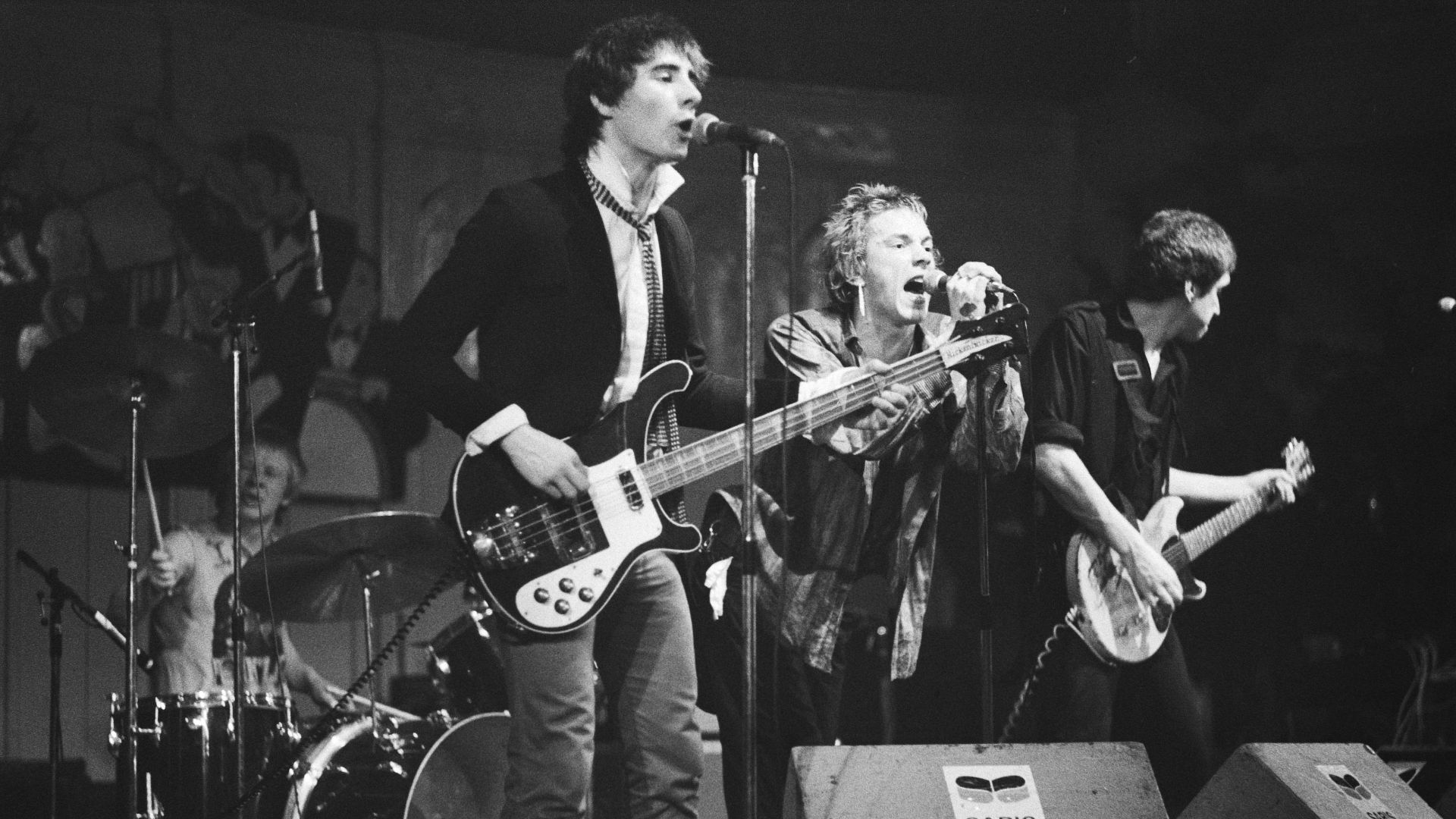
2. "God Save the Queen" by Sex Pistols
The Sex Pistols released "God Save the Queen" in 1977, right as Britain was marking Queen Elizabeth II’s Silver Jubilee. It was considered in such bad taste that the BBC banned it. That reaction only made the single feel more urgent to the punk fans who actively rebelled against the classist systems of the era.
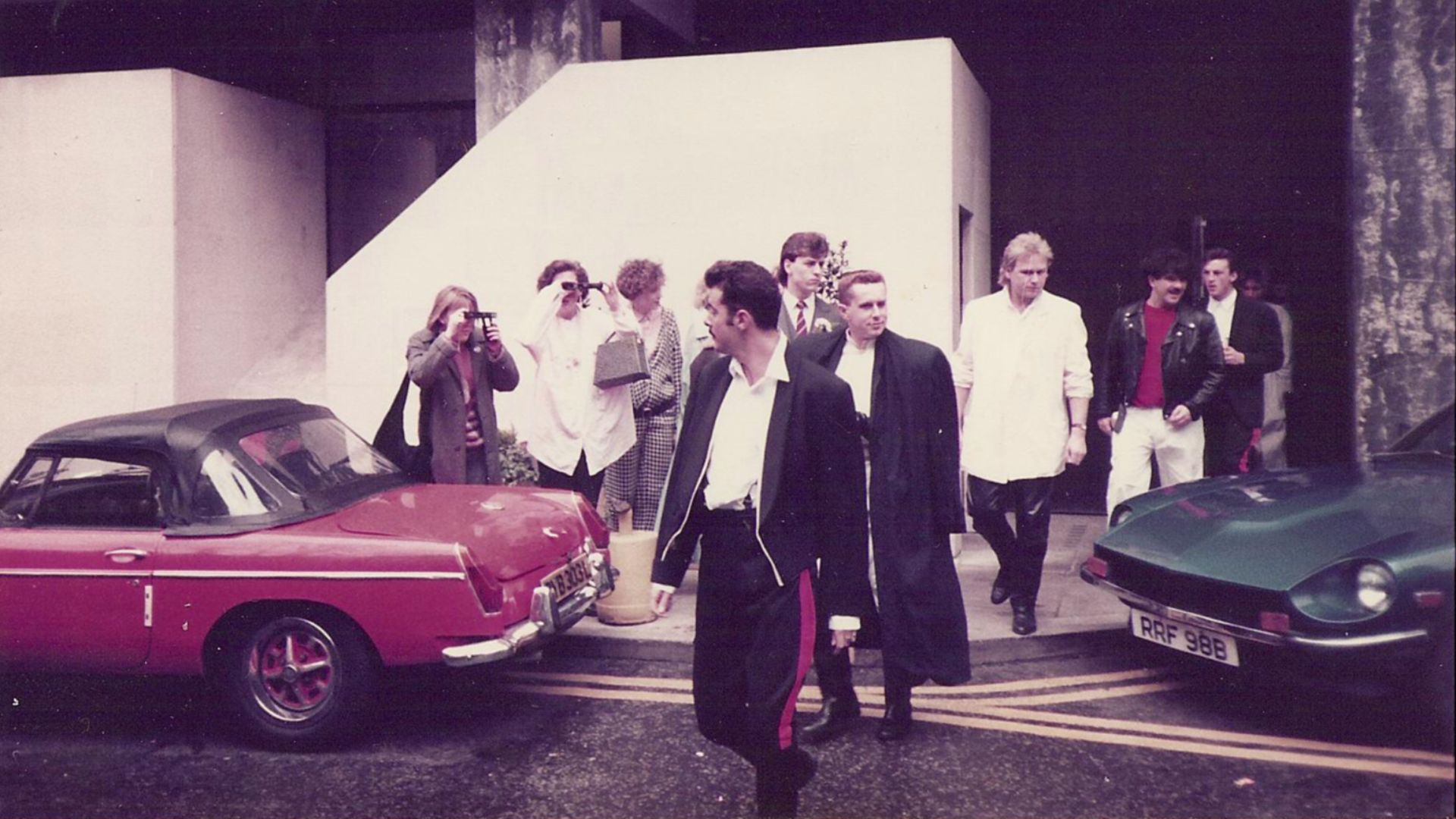
3. "Relax" by Frankie Goes to Hollywood
"Relax" was already climbing in early 1984 when BBC Radio 1 pulled it over its sexual content. That ban didn’t slow the Liverpool band down. It gave the song a whole new reason to matter, especially in clubs, where Holly Johnson’s voice and Trevor Horn’s production sounded even more thrilling once the record had been declared too much.
 Jane McCormick Smith on Wikimedia
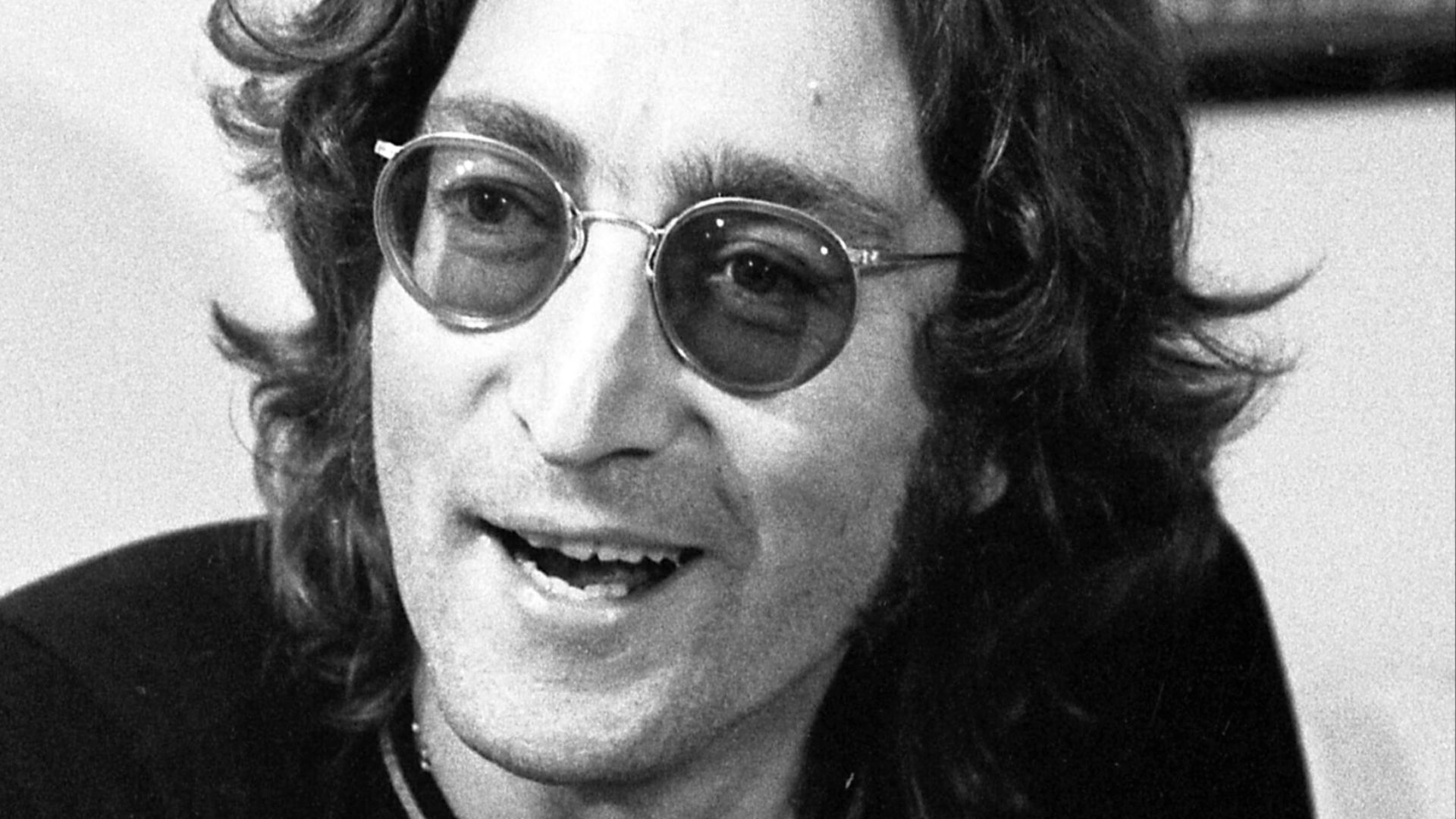
4. "Imagine" by John Lennon
After September 11, "Imagine" appeared on an informal radio list of songs considered too sensitive for the moment. The concern centered on Lennon’s plainspoken lines about countries, religion, and peace. Of course, that hasn't stopped the song from reaching its height in popularity.
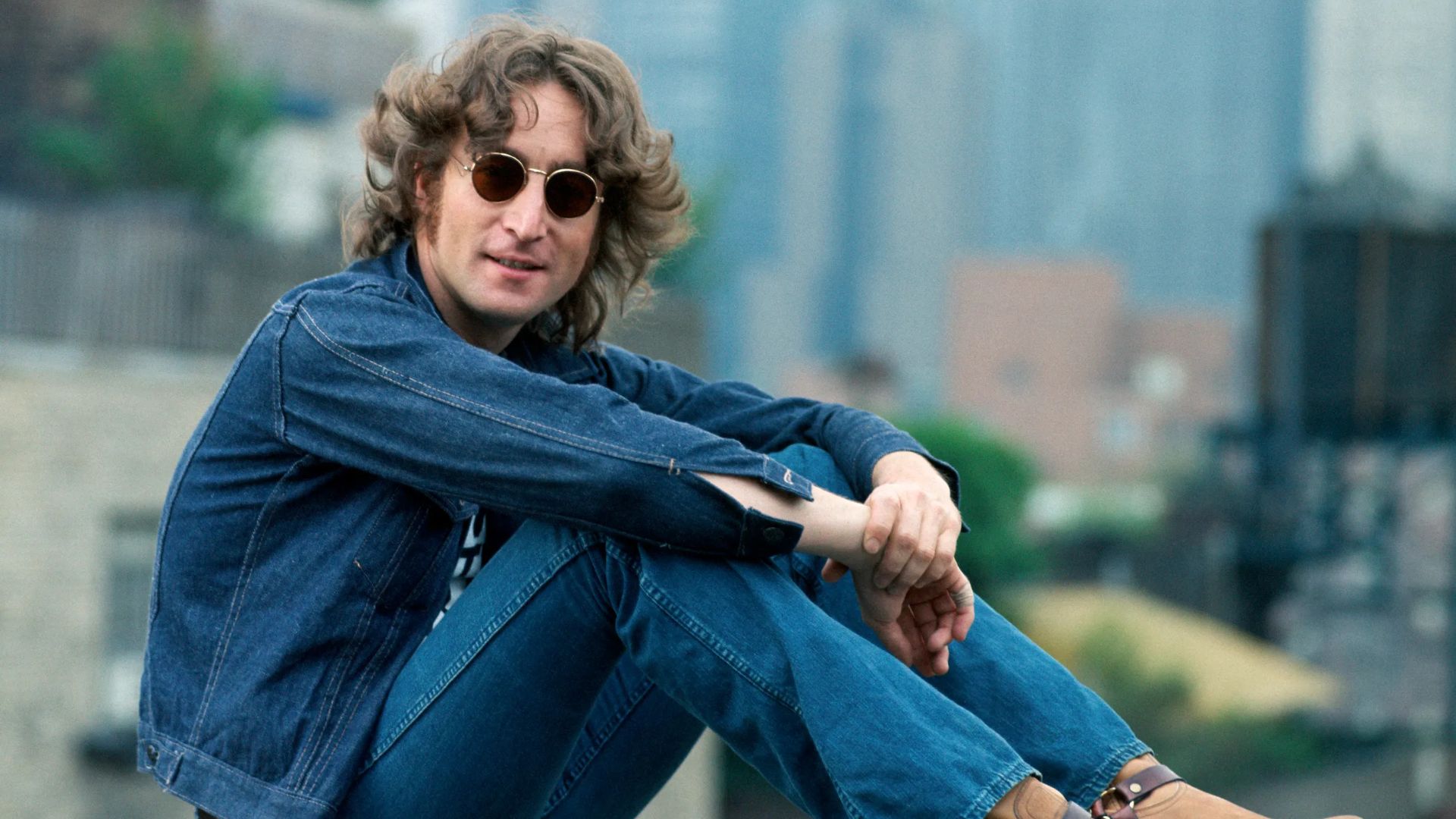 Bob Gruen; Distributed by Capitol Records on Wikimedia
5. "Lola" by The Kinks
"Lola" had enough edge in 1970 to make plenty of broadcasters nervous, but the BBC issue came down to the words "Coca-Cola." Ray Davies had to fly back from a U.S. tour stop to re-record the line as "cherry cola." The song still became one of The Kinks’ signature hits despite this change.
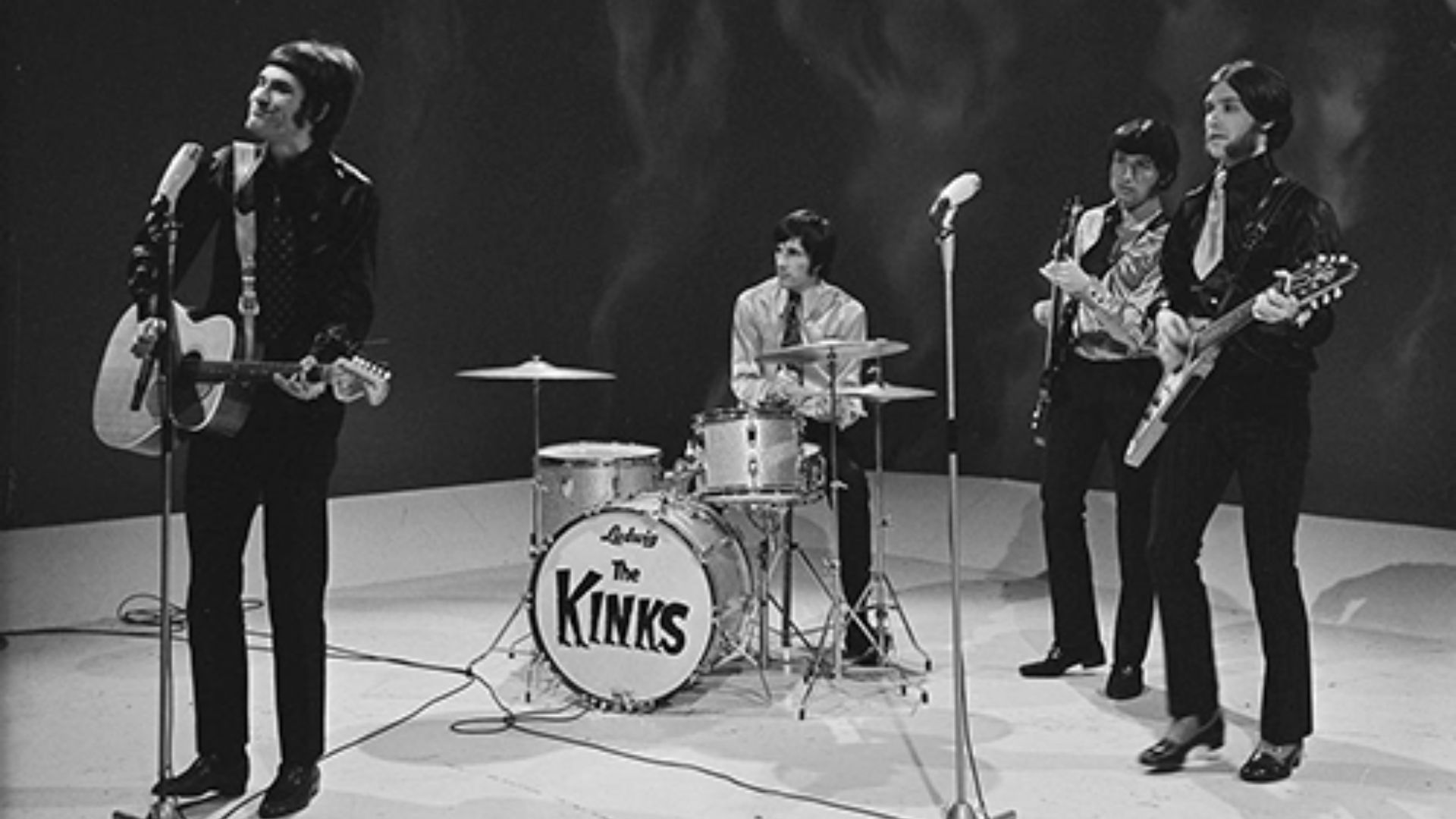 VARA. Photographer: W. Veenman on Wikimedia
6. "Brown Eyed Girl" by Van Morrison
"Brown Eyed Girl" sounds harmless now, the kind of song that plays at barbecues, weddings, and grocery stores. In 1967, some radio stations objected to the "making love in the green grass" line. While a family-friendly edit helped it get more airplay, the original still became the version people remember.
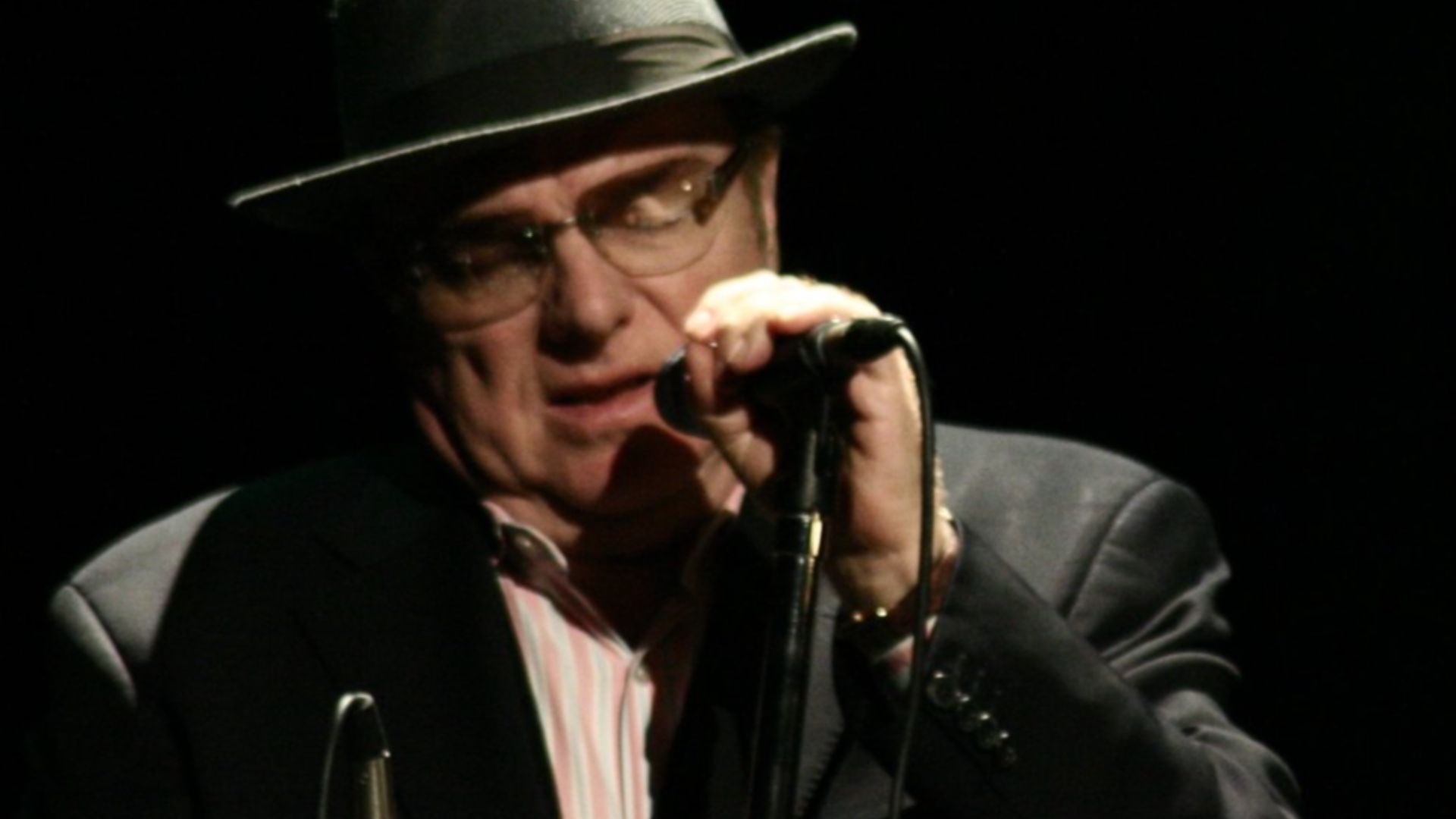 Art Siegel (artolog on flickr) on Wikimedia
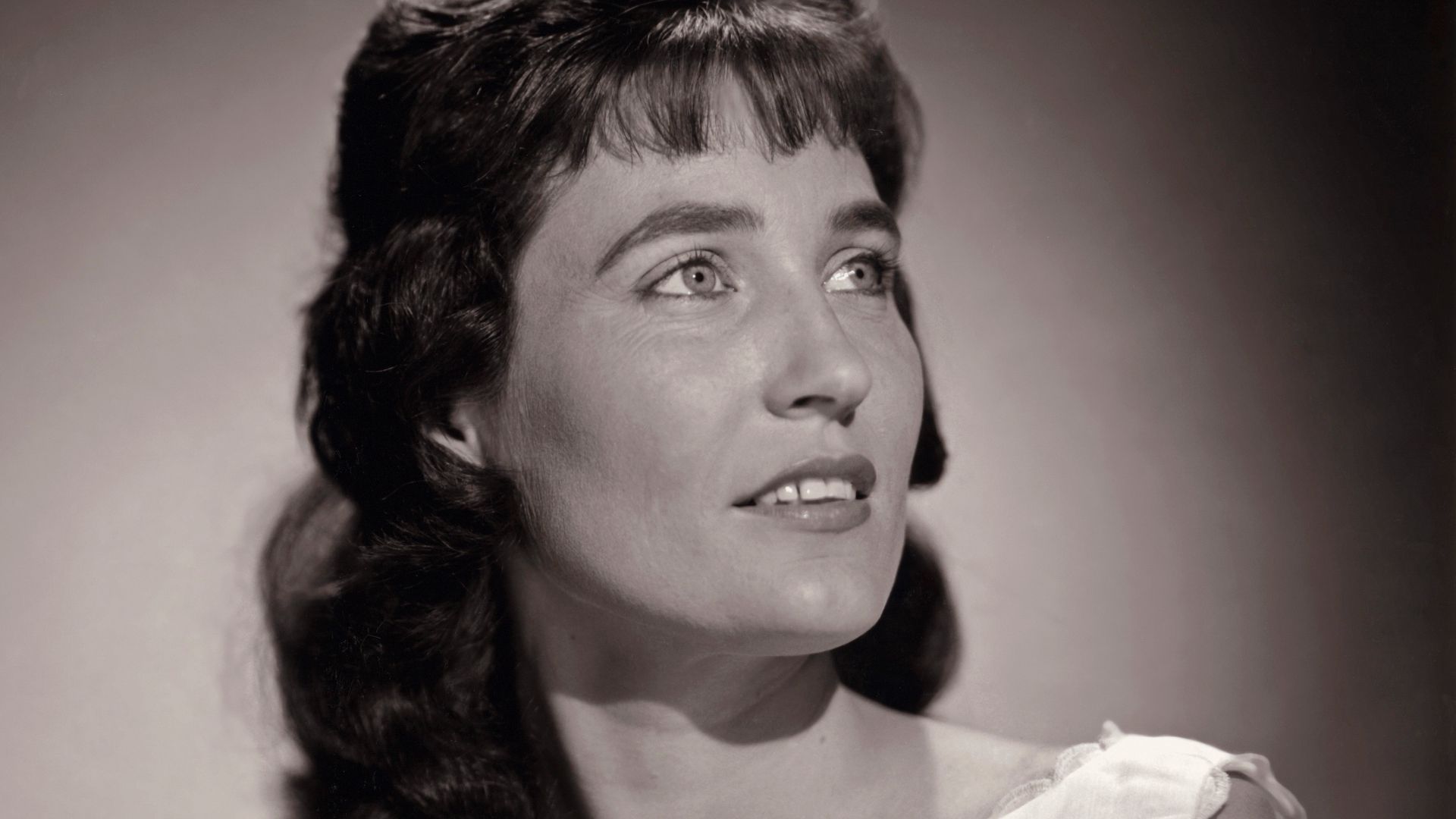
7. "The Pill" by Loretta Lynn
Loretta Lynn’s "The Pill" landed in 1975 with a subject country radio wasn’t exactly rushing to discuss: birth control. Some stations refused to play it, with Lynn receiving backlash for the subject matter.
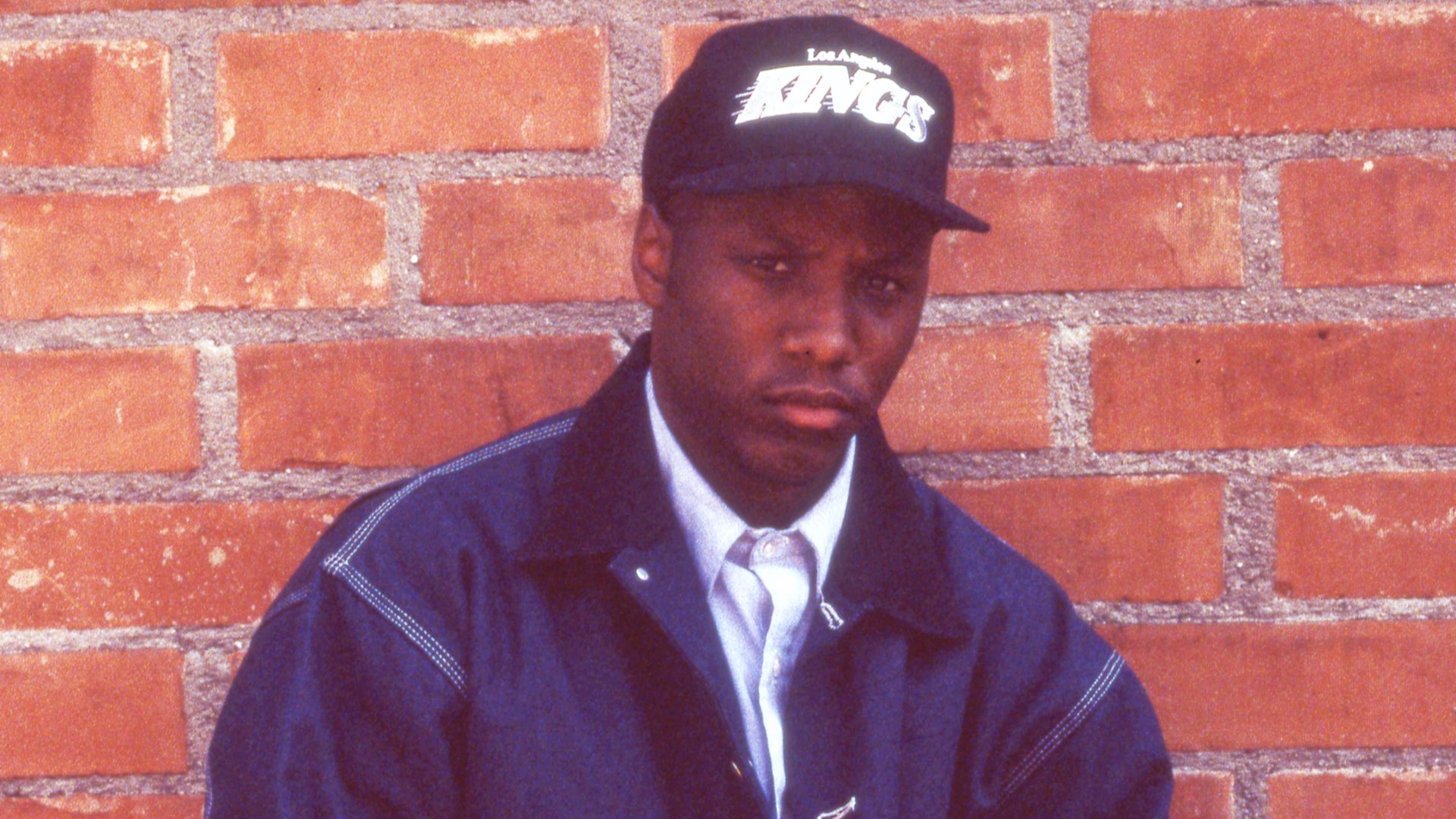
8. "F*** Tha Police" by N.W.A
N.W.A’s "F*** Tha Police" came out of late-1980s Los Angeles with anger that didn’t ask to be softened. The FBI sent a letter to the group’s label objecting to the song’s message, which only added to its reputation.
 IthakaDarinPappas on Wikimedia
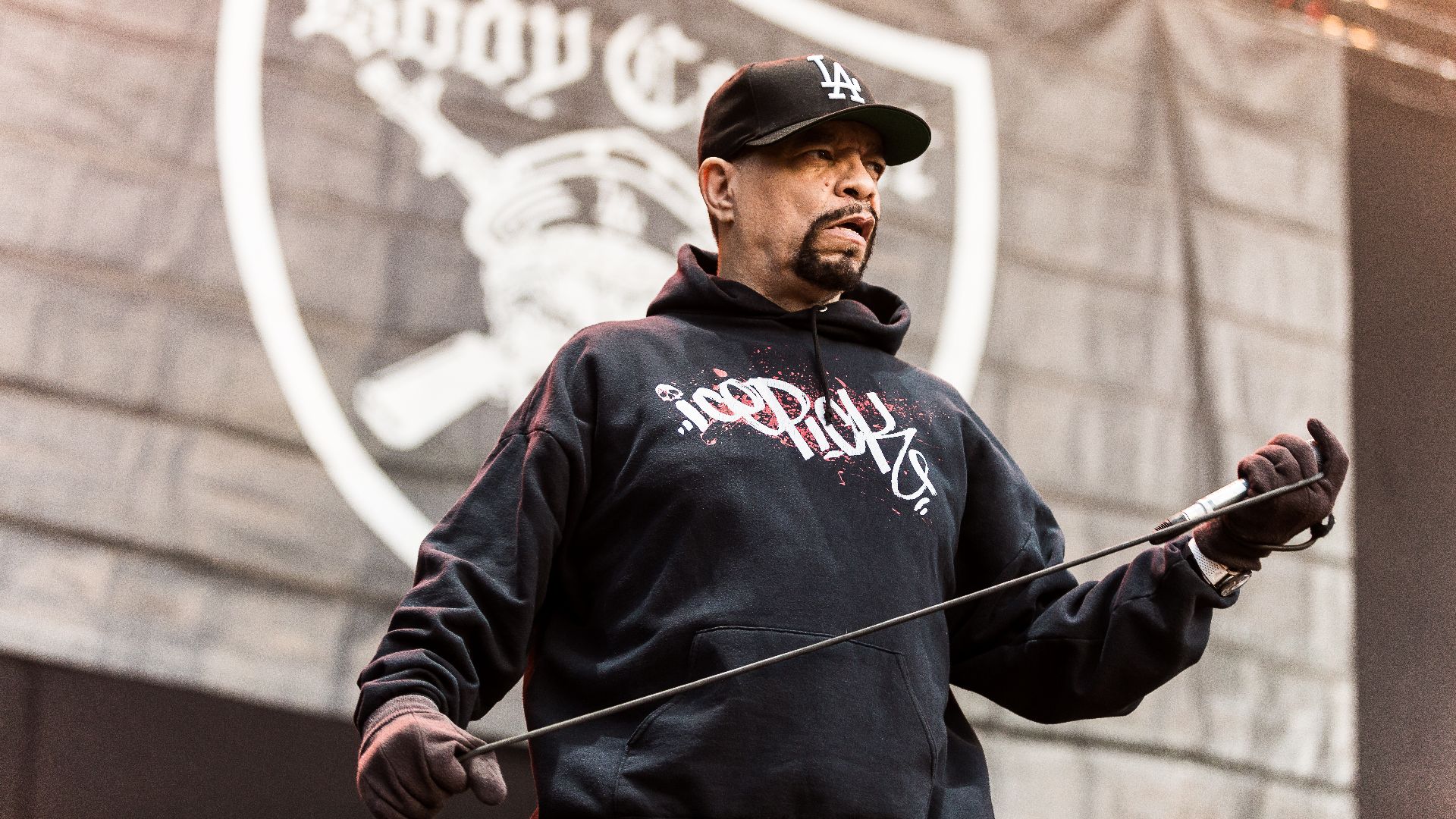
9. "Cop Killer" by Body Count
Body Count’s "Cop Killer" became a national argument in 1992, with police groups, politicians, and corporate executives all piling in. Ice-T later pulled the song from future copies of the album, but the debate kept spreading. The track became less of a single controversy and more of a messy public fight over anger, art, and who gets protected by free speech.
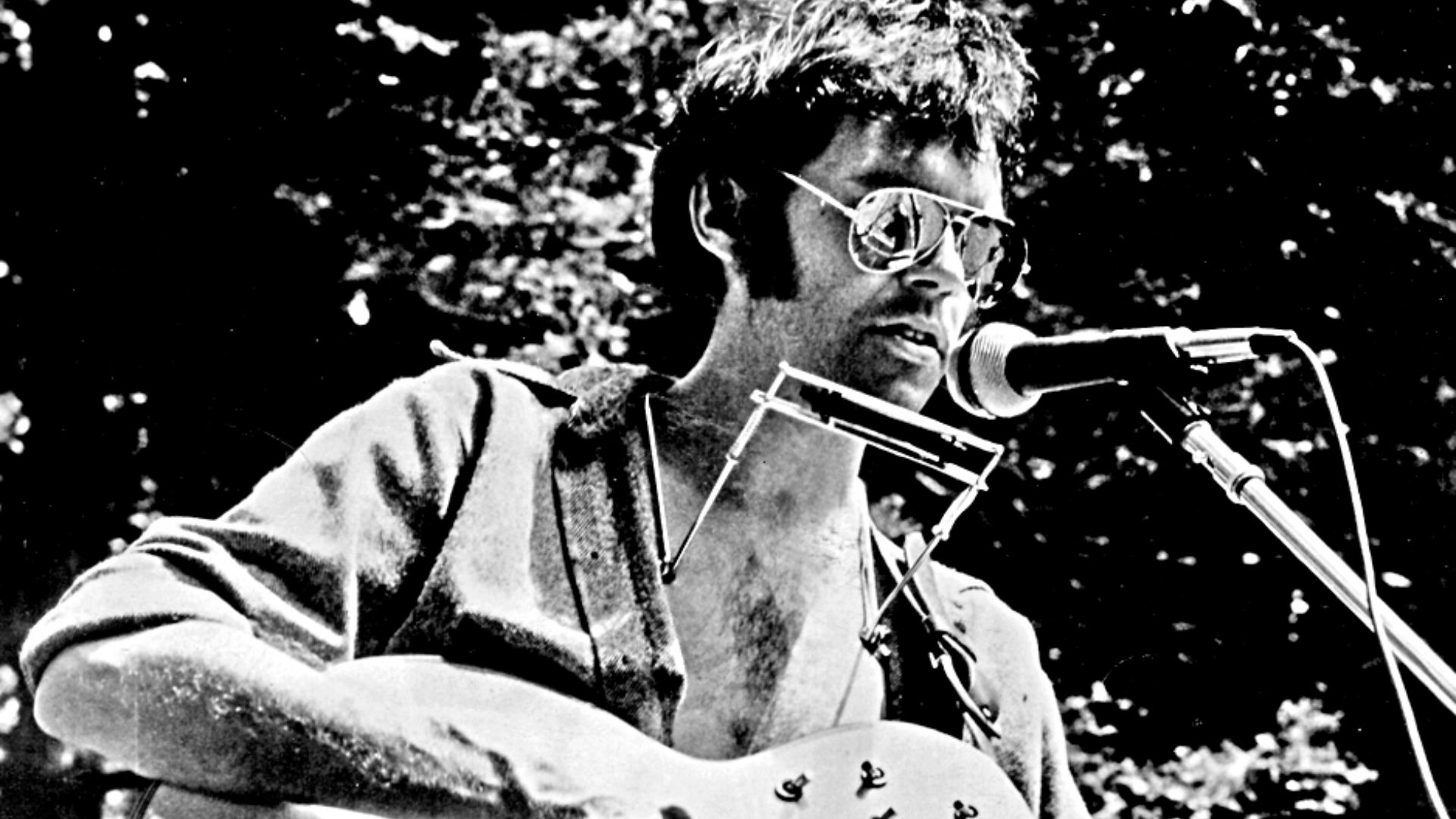
10. "This Note’s for You" by Neil Young
Neil Young aimed for corporate sponsorship in 1988, leading to MTV rejecting the video. The clip mocked ads, celebrity endorsements, and music being turned into another sales tool. MTV later gave it Video of the Year, which must have been a deeply awkward walk to the podium for everyone involved.
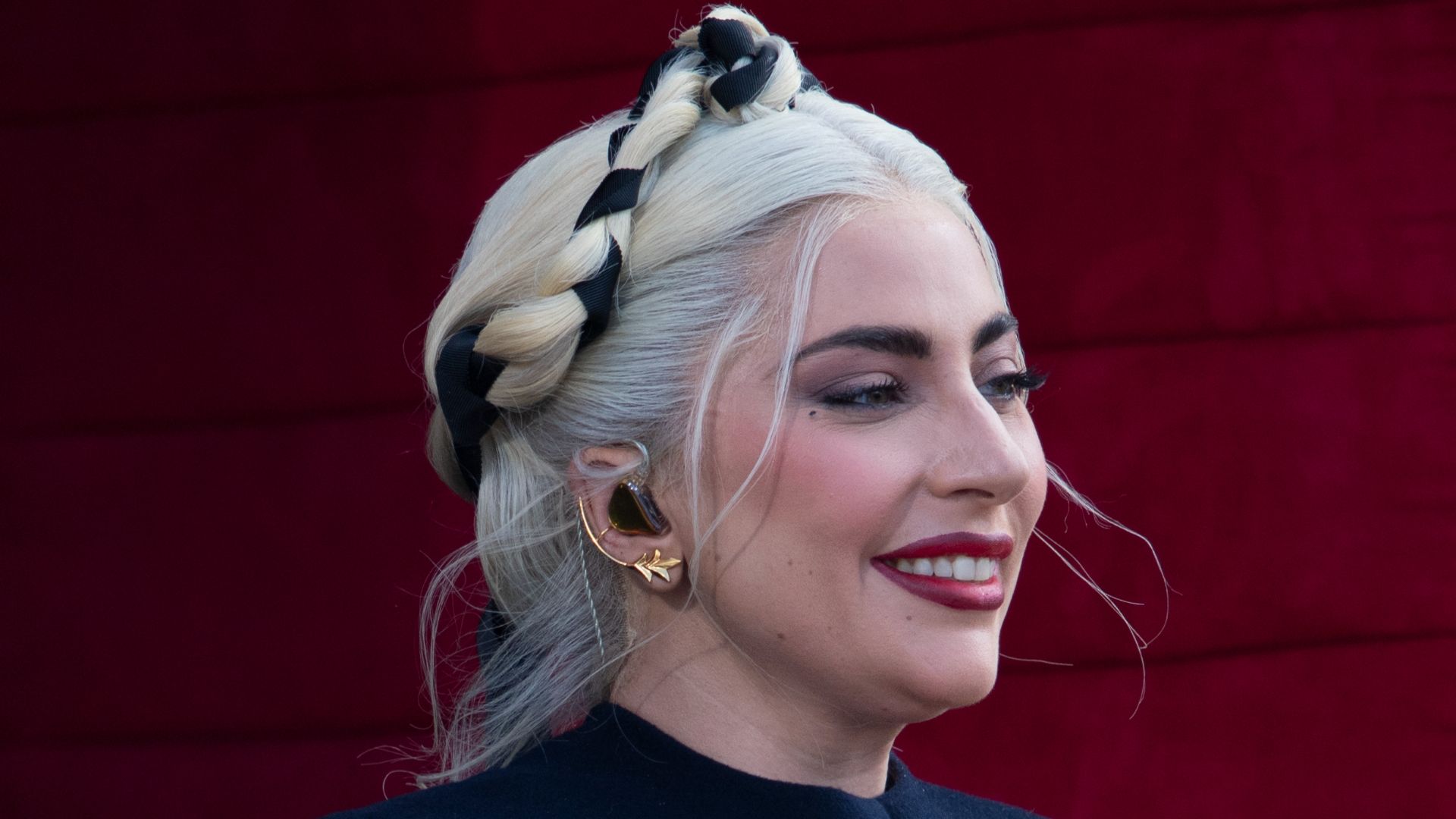
11. "LoveGame" by Lady Gaga
Lady Gaga’s "LoveGame" arrived in 2009 with a hook built around the phrase "disco stick," which... we don't think we need to spell out for you. Some broadcasters and TV outlets treated the song or video as too suggestive. The pushback only fed Gaga’s early public image: New York club kid, pop star, theater nerd, and professional troublemaker.
 Carlos M. Vazquez II on Wikimedia
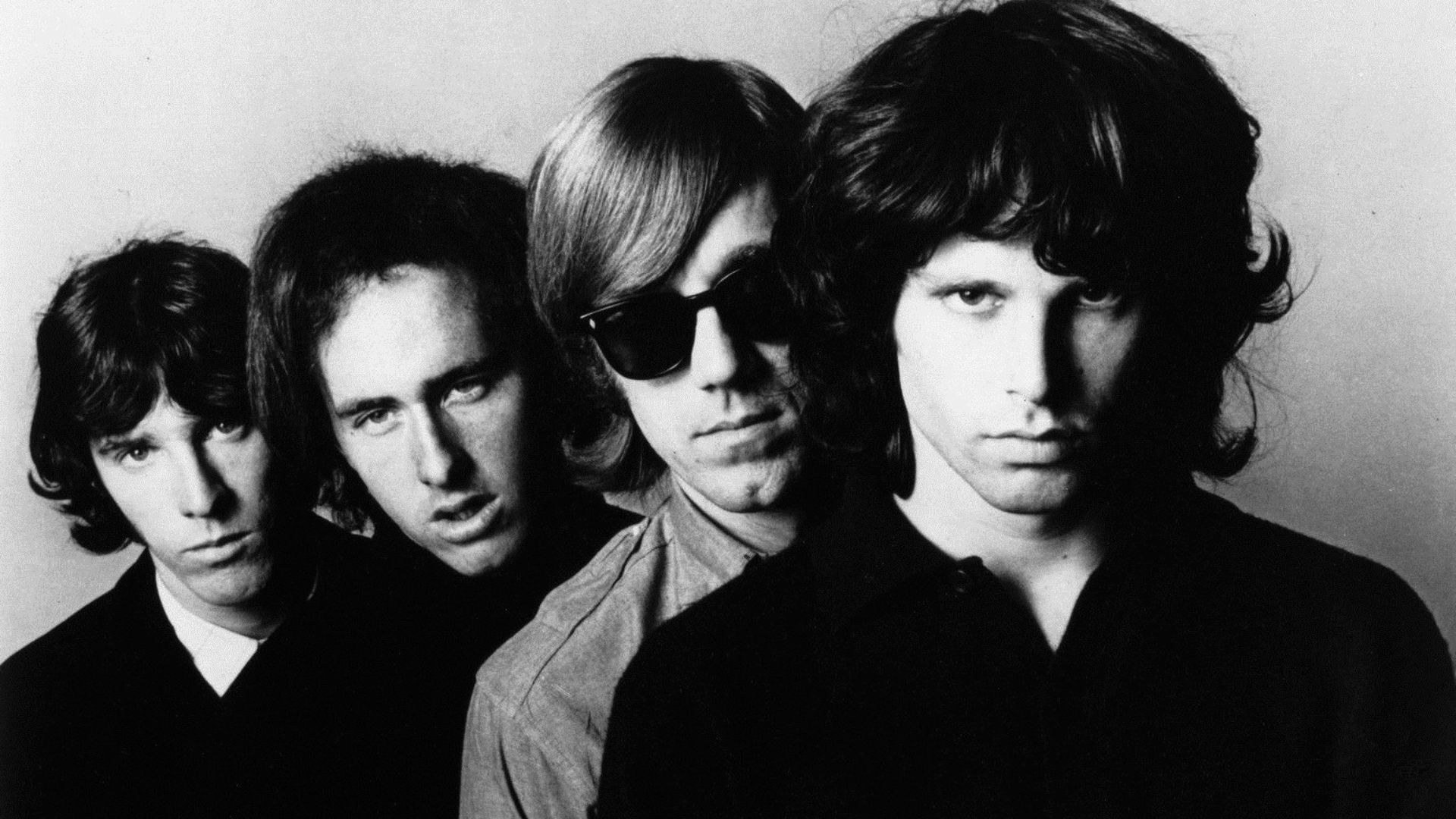
12. "Light My Fire" by The Doors
The Doors ran into trouble with "Light My Fire" during their 1967 appearance on The Ed Sullivan Show. Producers wanted Jim Morrison to change a line they heard as drug-related, and Morrison agreed before singing it the original way on air. The band was not invited back after this instance.
 Joel Brodsky; Distributed by Elektra Records on Wikimedia
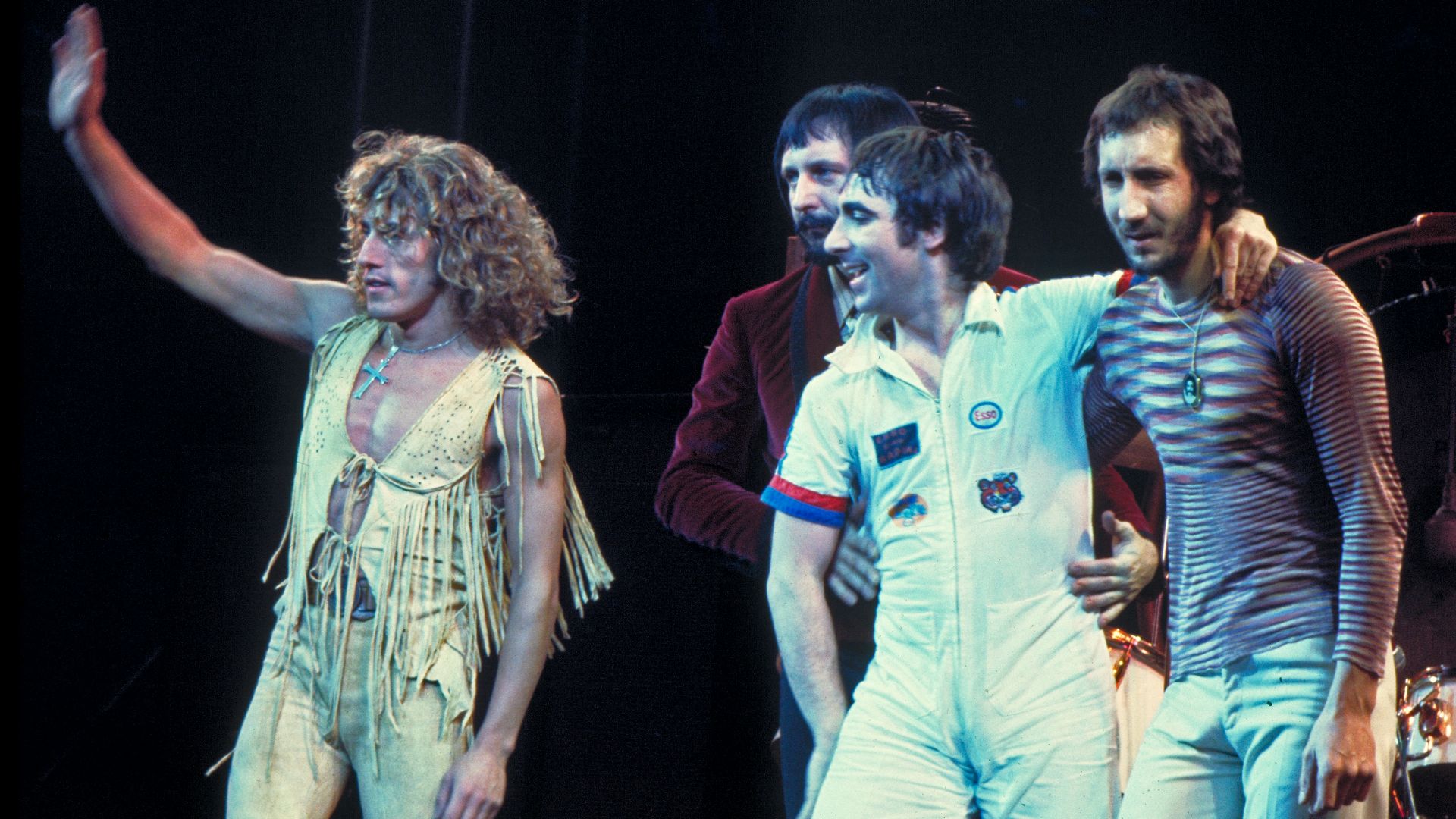
13. "My Generation" by The Who
The BBC initially refused to play The Who’s 1965 single "My Generation" because of Roger Daltrey’s stuttered vocals. The stated concern was that it could offend listeners who stuttered. Eventually, the decision was overturned.
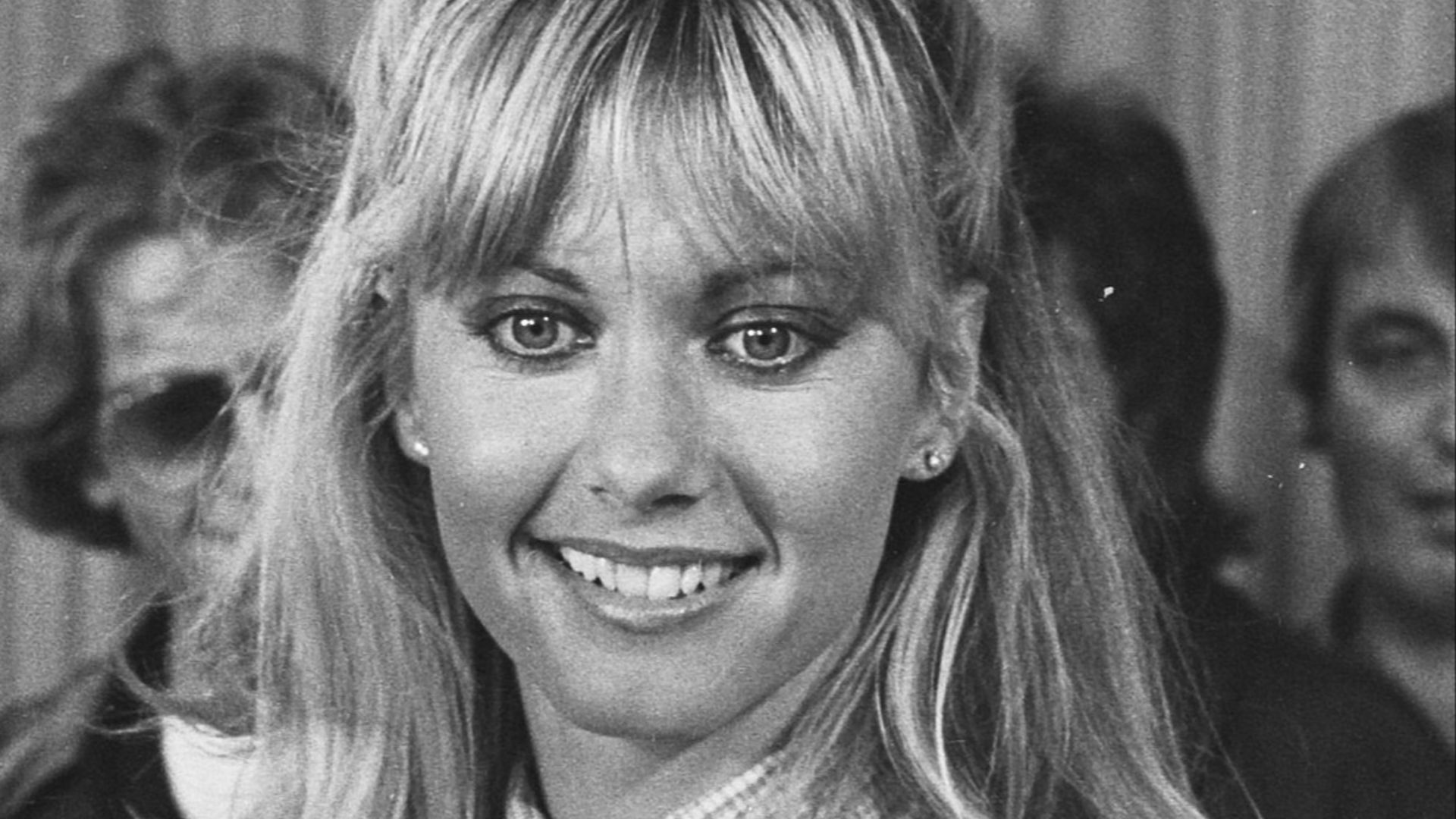
14. "Physical" by Olivia Newton-John
Olivia Newton-John’s "Physical" was a hard turn away from the soft image many listeners still connected to her. Some radio stations backed away from the single because the lyrics were too suggestive for their comfort. The fuss didn’t hurt it much. If anything, it shot the song into the pop music lexicon.
 Bert Verhoeff for Anefo on Wikimedia
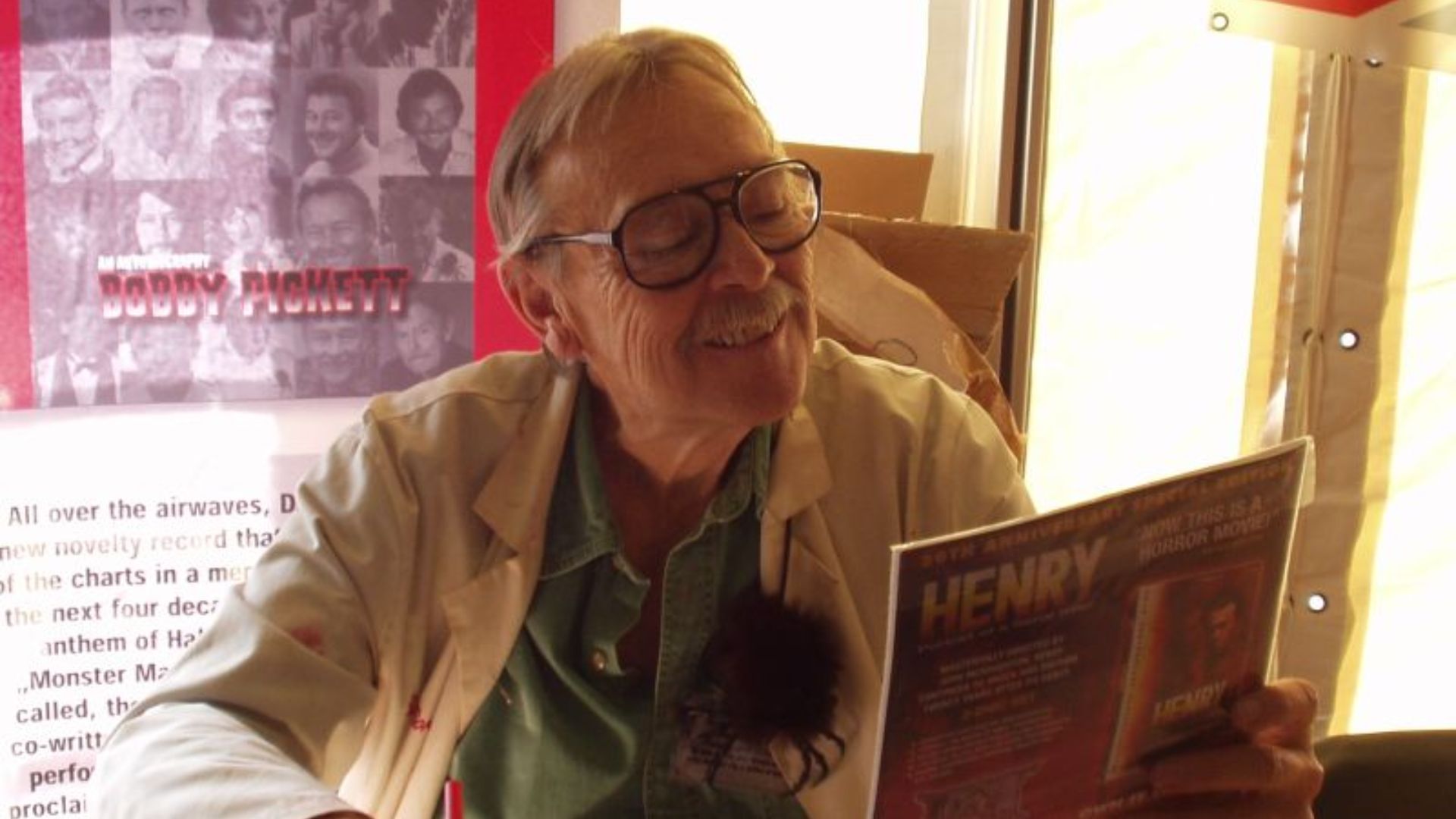
15. "Monster Mash" by Bobby "Boris" Pickett
"Monster Mash" was banned by the BBC in the 1960s for being too morbid, if you can believe it. The song was a goofy Halloween novelty record with Boris Karloff-style vocals and campy sound effects.
 Leslie Gottlieb from Little Ferry, NJ, USA on Wikimedia
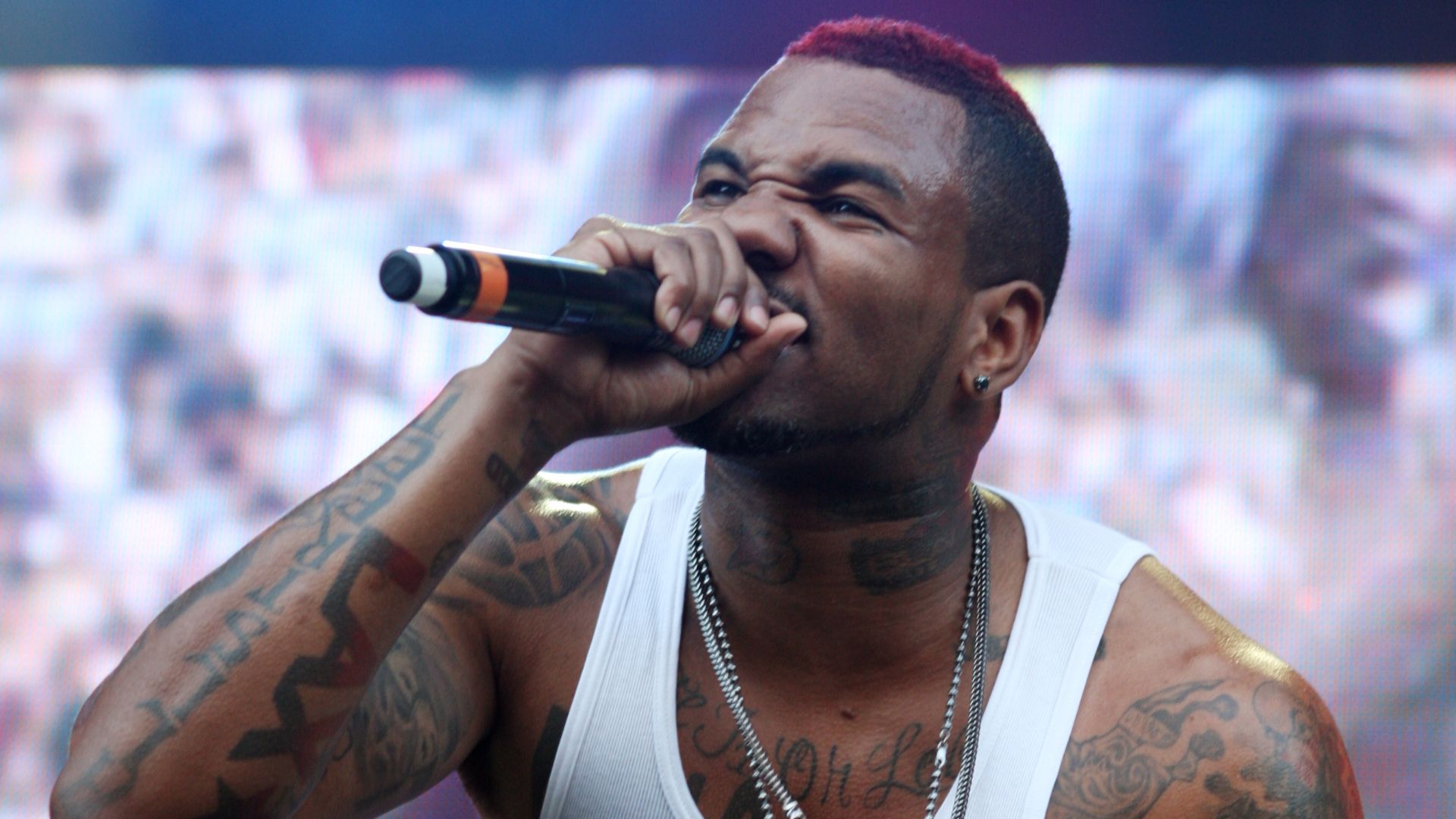
16. "Red Nation" by The Game Featuring Lil Wayne
In 2011, MTV and BET blocked the "Red Nation" video over gang-related imagery. The Game leaned into online releases instead, letting fans watch it outside the usual TV system.
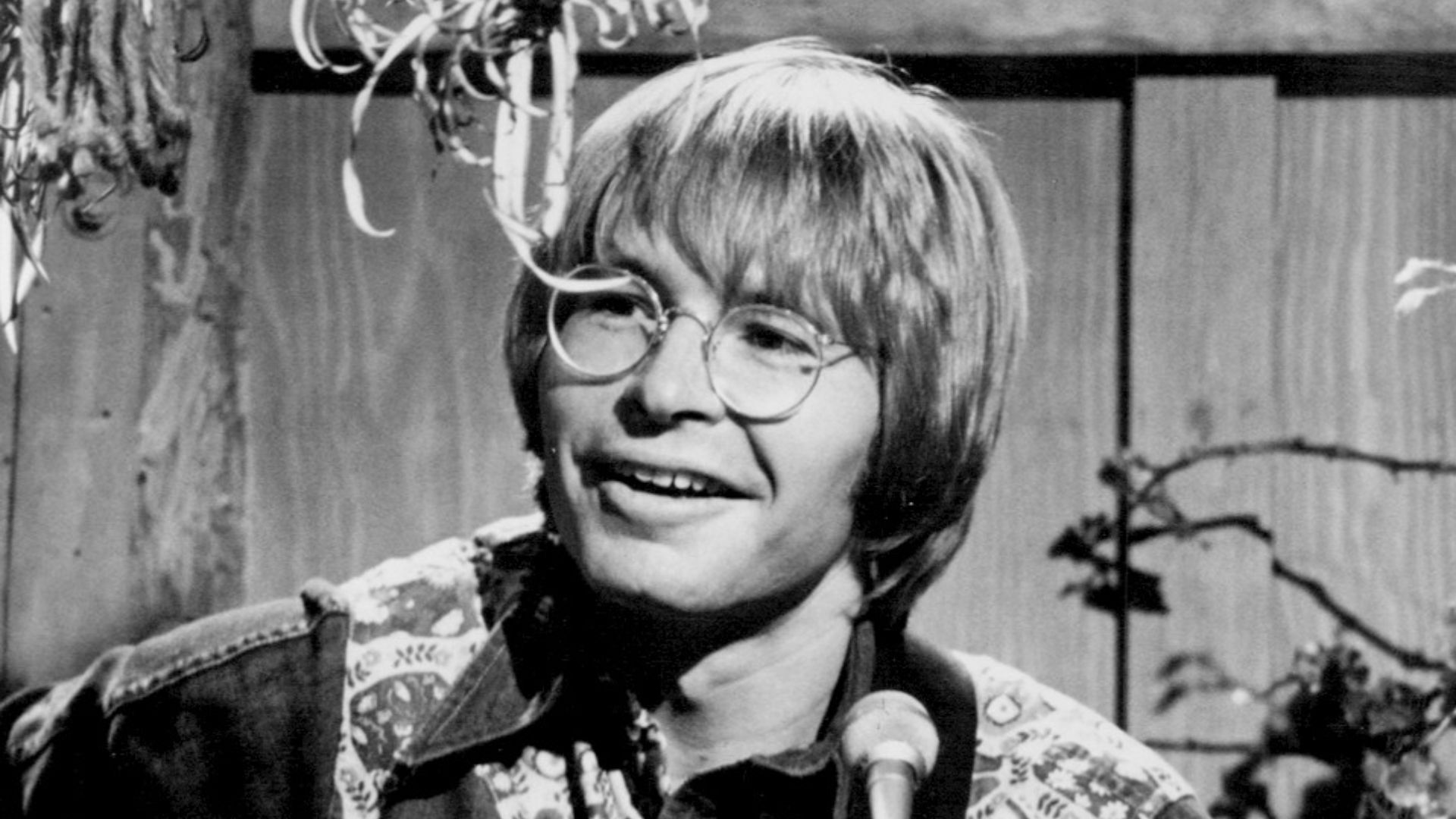
17. "Rocky Mountain High" by John Denver
"Rocky Mountain High" was misunderstood by some radio programmers as a drug song after its 1972 release. Denver said it was about the peace and awe he felt in Colorado, especially around Aspen and the Rockies. Over time, the misunderstanding faded or just became less of a big deal.
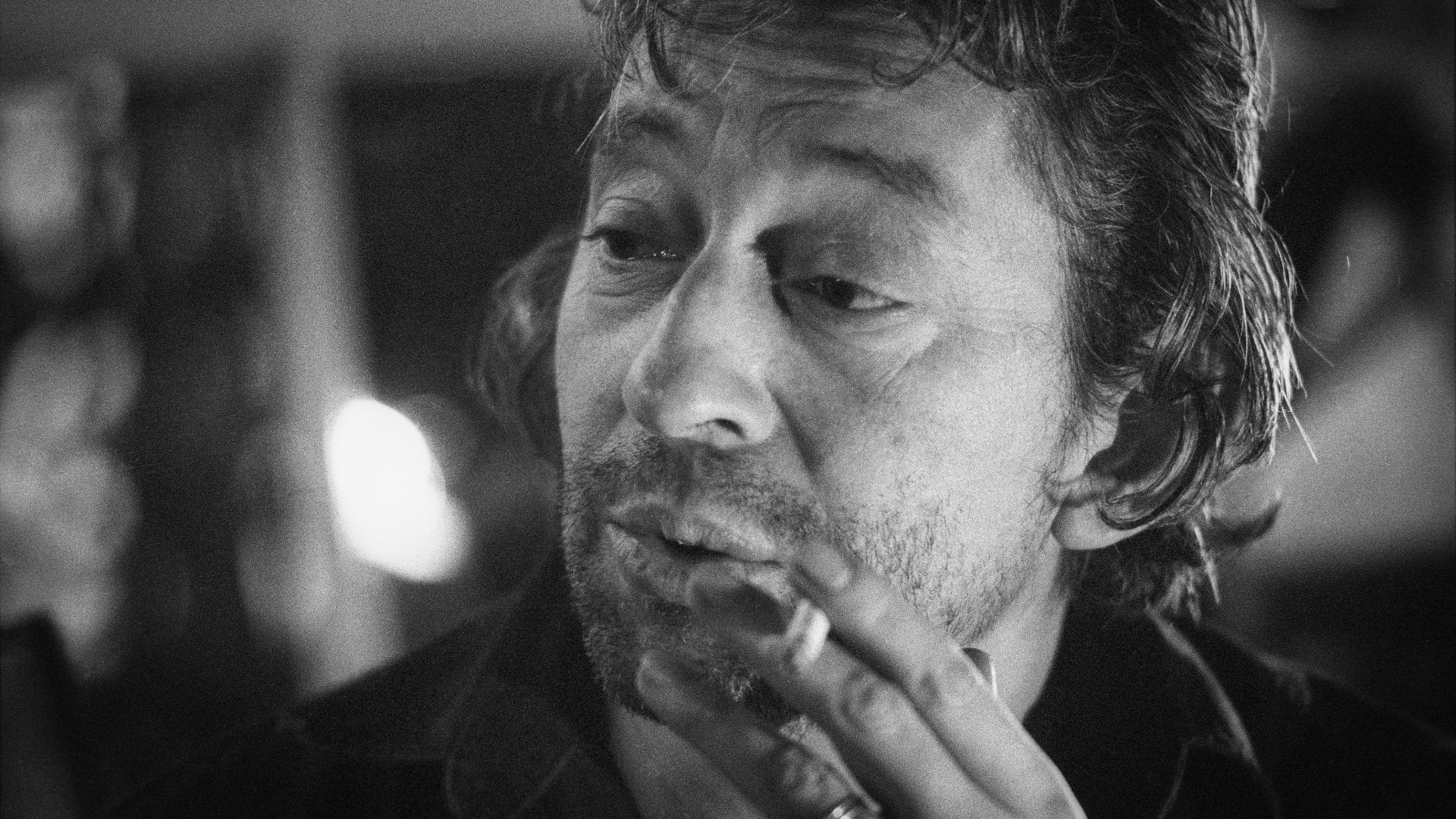
18. "Je t’aime... Moi Non Plus" by Serge Gainsbourg and Jane Birkin
Serge Gainsbourg and Jane Birkin’s "Je T’aime... Moi Non Plus" made broadcasters nervous in 1969 because of its breathy, intimate sound. The BBC ban only added to the public's curiosity. It still reached No. 1 in the UK, proving listeners didn’t need a French dictionary to understand why everyone was blushing.
 Claude TRUONG-NGOC on Wikimedia
19. "A Day in the Life" by The Beatles
The BBC banned "A Day in the Life" in 1967 over concerns that it hinted at drug use. The ban added another layer to its reputation, even as The Beatles were already sitting at the center of pop culture.
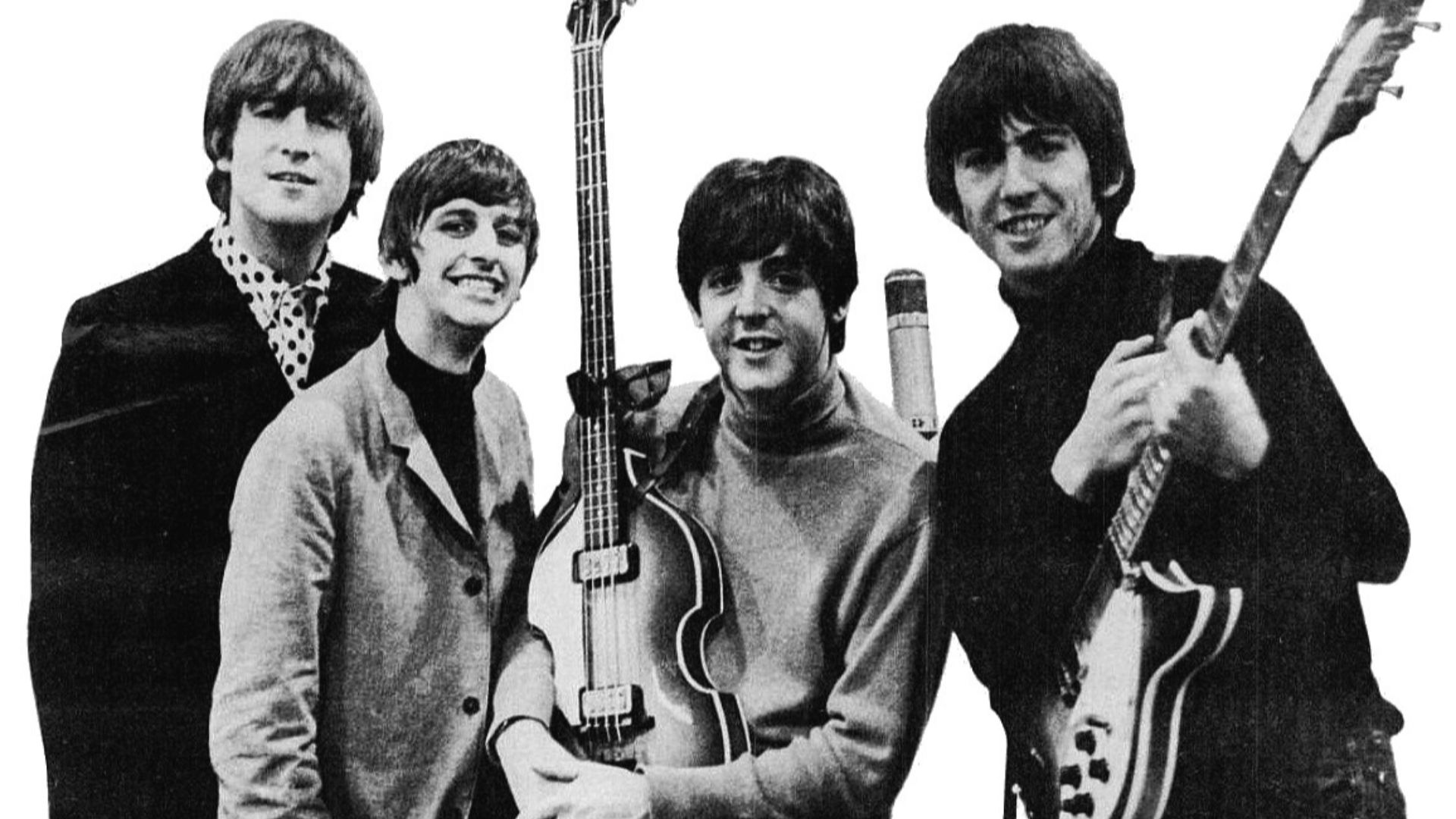
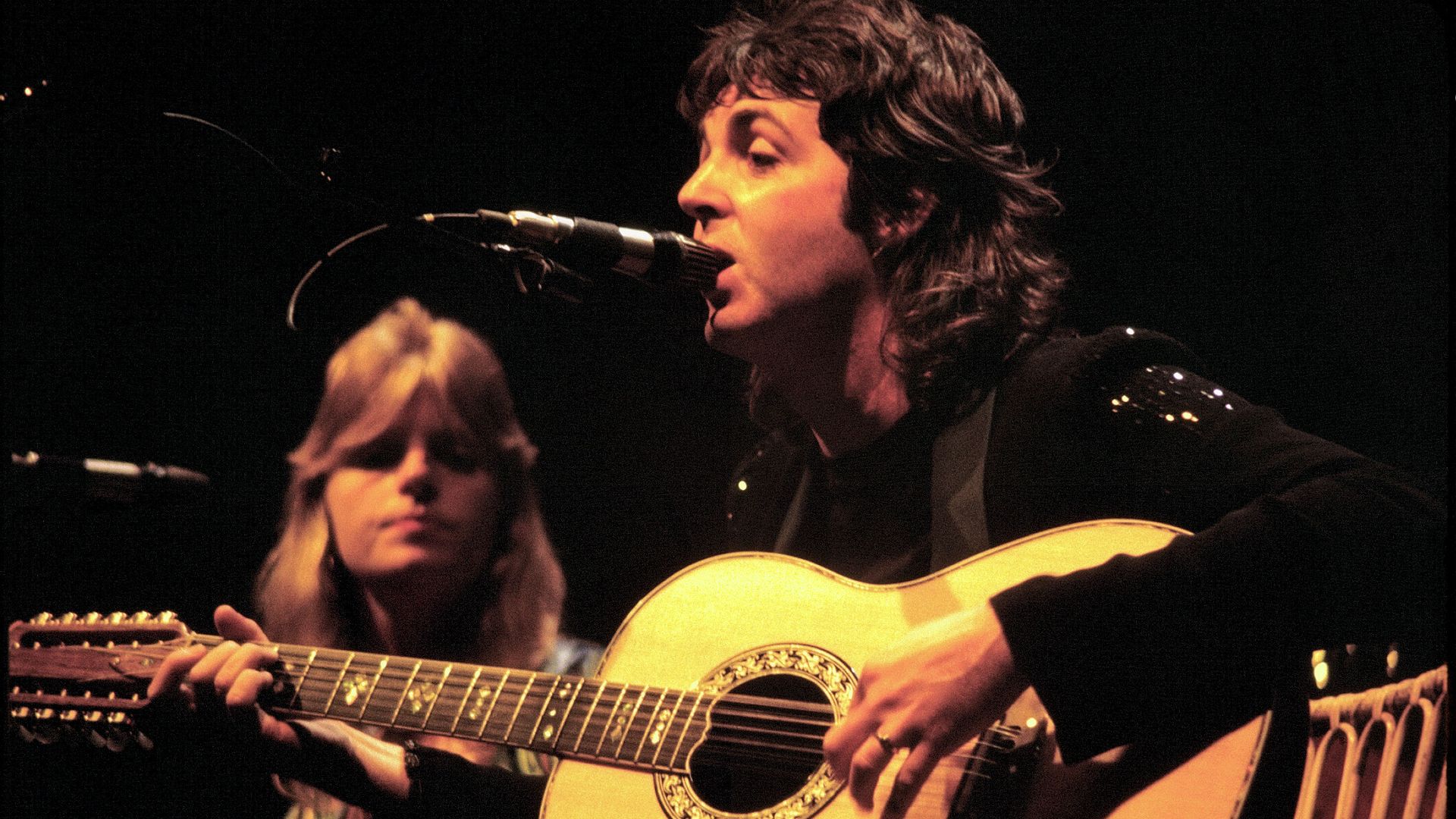
20. "Give Ireland Back to the Irish" by Wings
Paul and Linda McCartney wrote "Give Ireland Back to the Irish" in 1972 after Bloody Sunday in Derry, Northern Ireland. The BBC, ITV, and Radio Luxembourg banned it, seeing the song as too politically charged. For Wings, still trying to step out from the shadow of The Beatles, the controversy gave their first single a public weight it might not have had otherwise.
KEEP ON READING
10 Historical Figures Who Boarded the Titanic and Survived &…
A Voyage Filled with Famous Lives. When the RMS Titanic…
By Christy Chan Apr 27, 2026
20 Times In History That a Ruler’s Jealousy Created a…
When Power Meets Insecurity, Everybody Else Pays. History is full…
By Emilie Richardson-Dupuis Apr 27, 2026
20 Longest Sieges in Military History
Endurance Under Fire. History isn't just made of quick battles…
By Sara Springsteen Apr 27, 2026
20 Banned Songs That Only Got Bigger Because Of The…
What We Love To Hear. Banned songs usually come with…
By Elizabeth Graham Apr 27, 2026
20 History-Makers Shaped by Affliction
Hardship Left Its Mark. History is often told through victories,…
By Cameron Dick Apr 27, 2026
20 Historical Figures Who Were Gay
A Brief Note Before We Begin. Looking back at history,…
By Annie Byrd Apr 27, 2026