
20 Historical Events That Proved Good Intentions Can Have Terrible Consequences
20 Historical Events That Proved Good Intentions Can Have Terrible Consequences
When Doing the Right Thing Went Surprisingly Wrong
History is full of people who genuinely believed they were making the world a better place, only to discover that good intentions don't always produce good results. Governments introduced policies to protect their citizens, inventors developed technologies to improve everyday life, and reformers launched ambitious projects to solve serious social problems. Unfortunately, some of these decisions created consequences nobody had properly anticipated, leaving entire communities dealing with the fallout for generations.
 Unknown authorUnknown author on Wikimedia
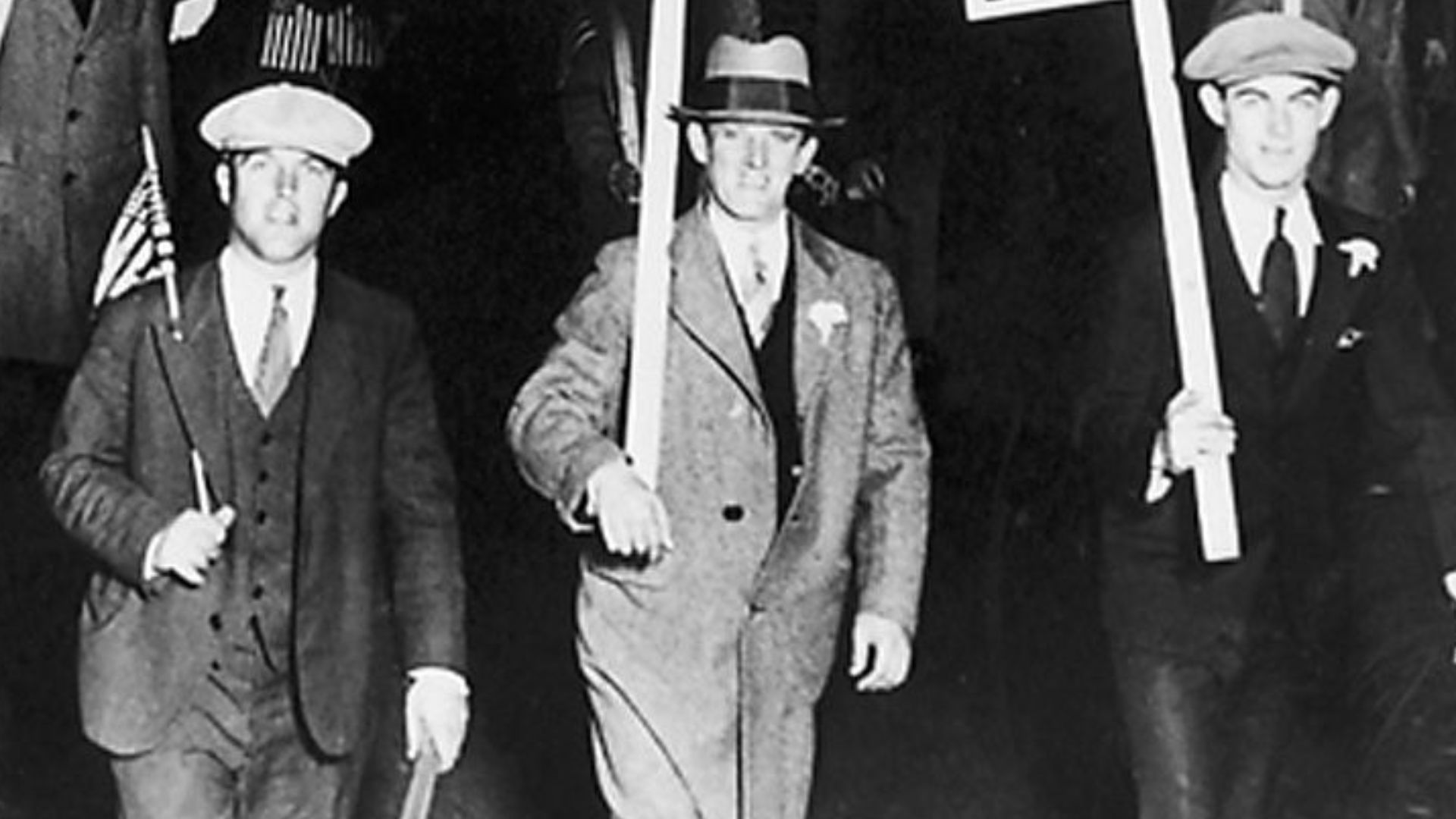
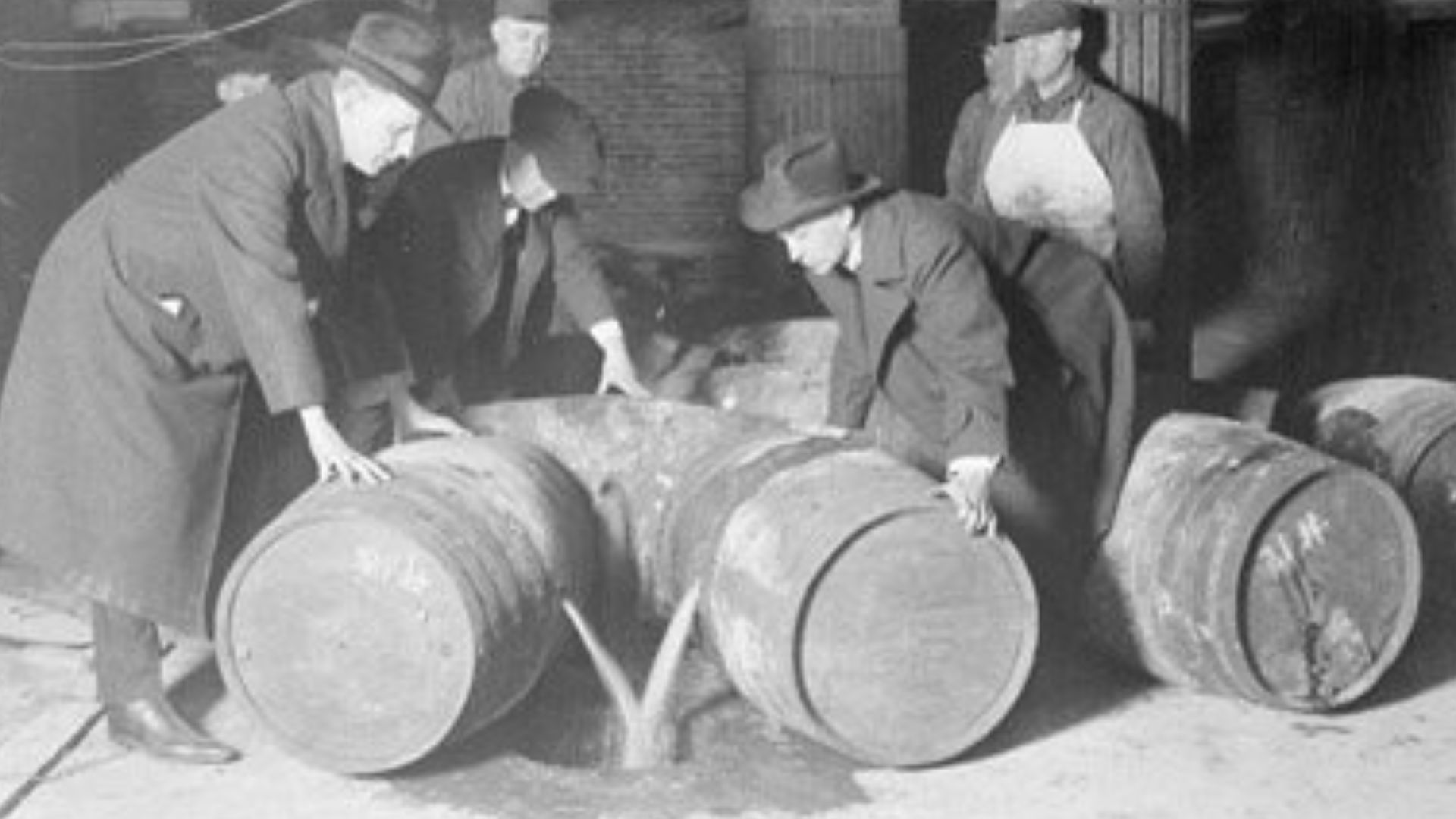
1. Prohibition Made Drinking More Dangerous in America (1920)
When the United States introduced Prohibition in 1920, supporters believed banning alcohol would reduce crime, improve public health, and create healthier families. Instead, the illegal alcohol trade became enormously profitable, helping organized crime groups expand their influence across the country. Speakeasies appeared in major cities, bootlegging became a lucrative business, and dangerous homemade alcohol caused serious health problems.
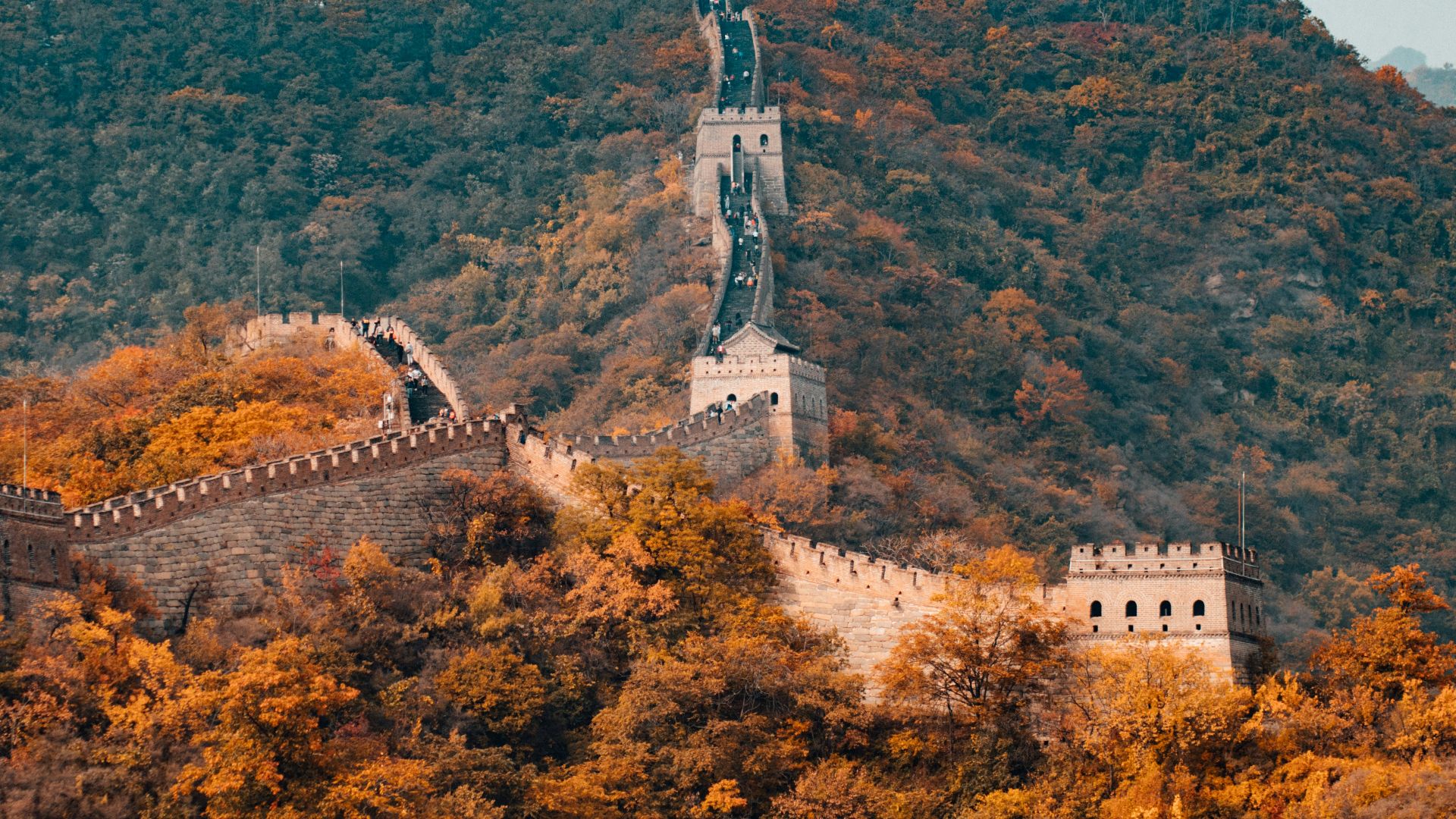
2. China's Great Leap Forward Caused a Devastating Famine (1958–1962)
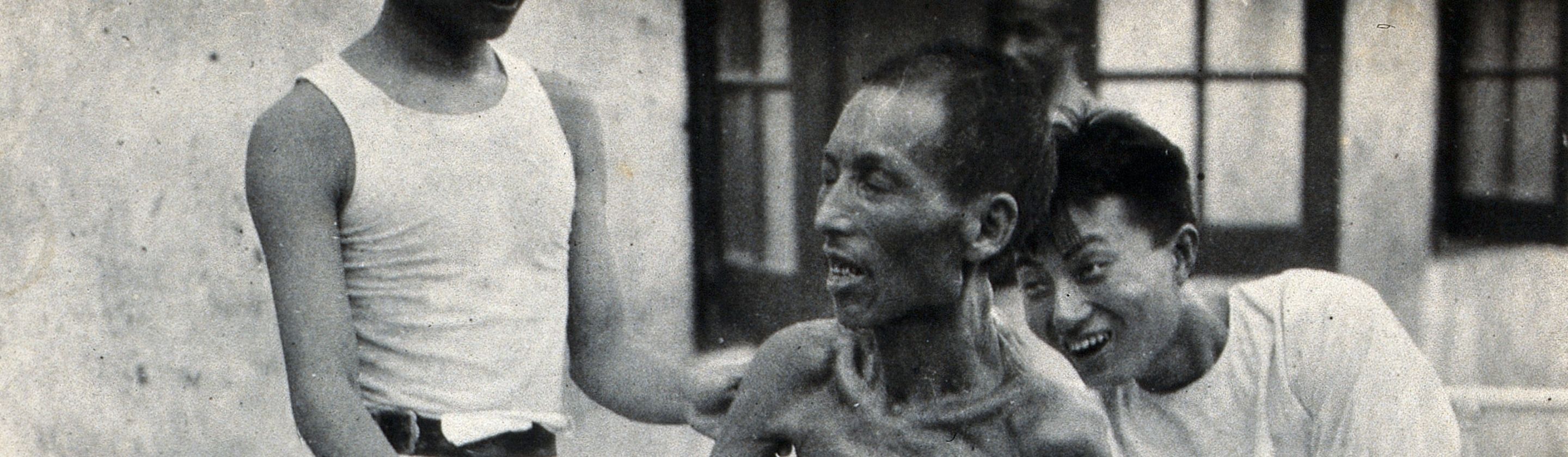
When Mao started the Great Leap Forward, he was trying to help China advance as a country. He believed that if they started building factories and advancing their technology, they could enjoy a higher standard of living. He tried to force this idea on China but ended up hurting its farming practices.
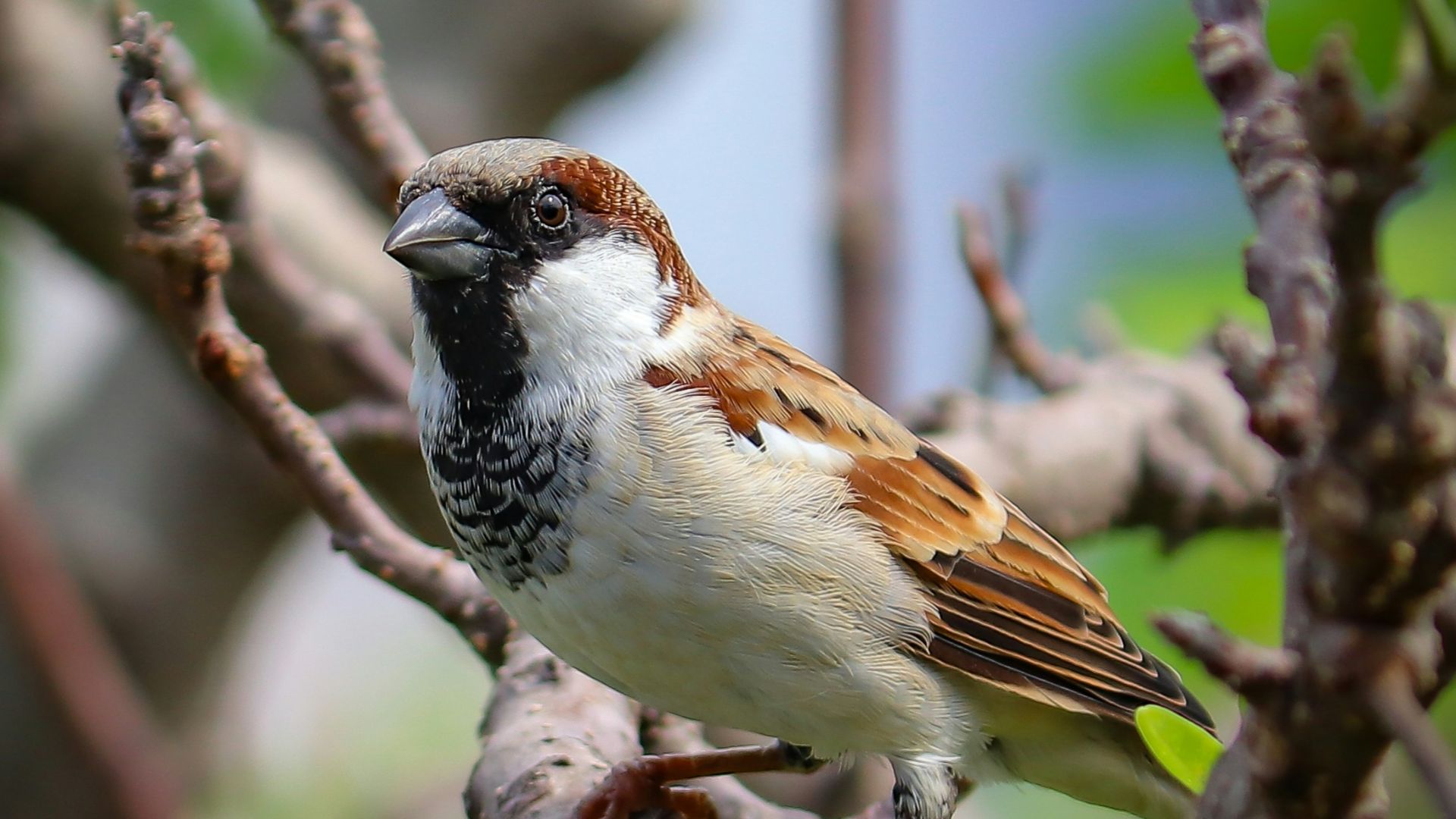
3. The War on Sparrows Helped Create an Ecological Disaster in China (1958)
China believed that sparrows were ruining its crops by eating the grain. So, officials told citizens to attack all their birds by breaking their eggs, knocking down their nests, and staying up all night to scare them away so they would die of exhaustion. Once there were fewer sparrows eating crops, officials believed more food would be available to humans.
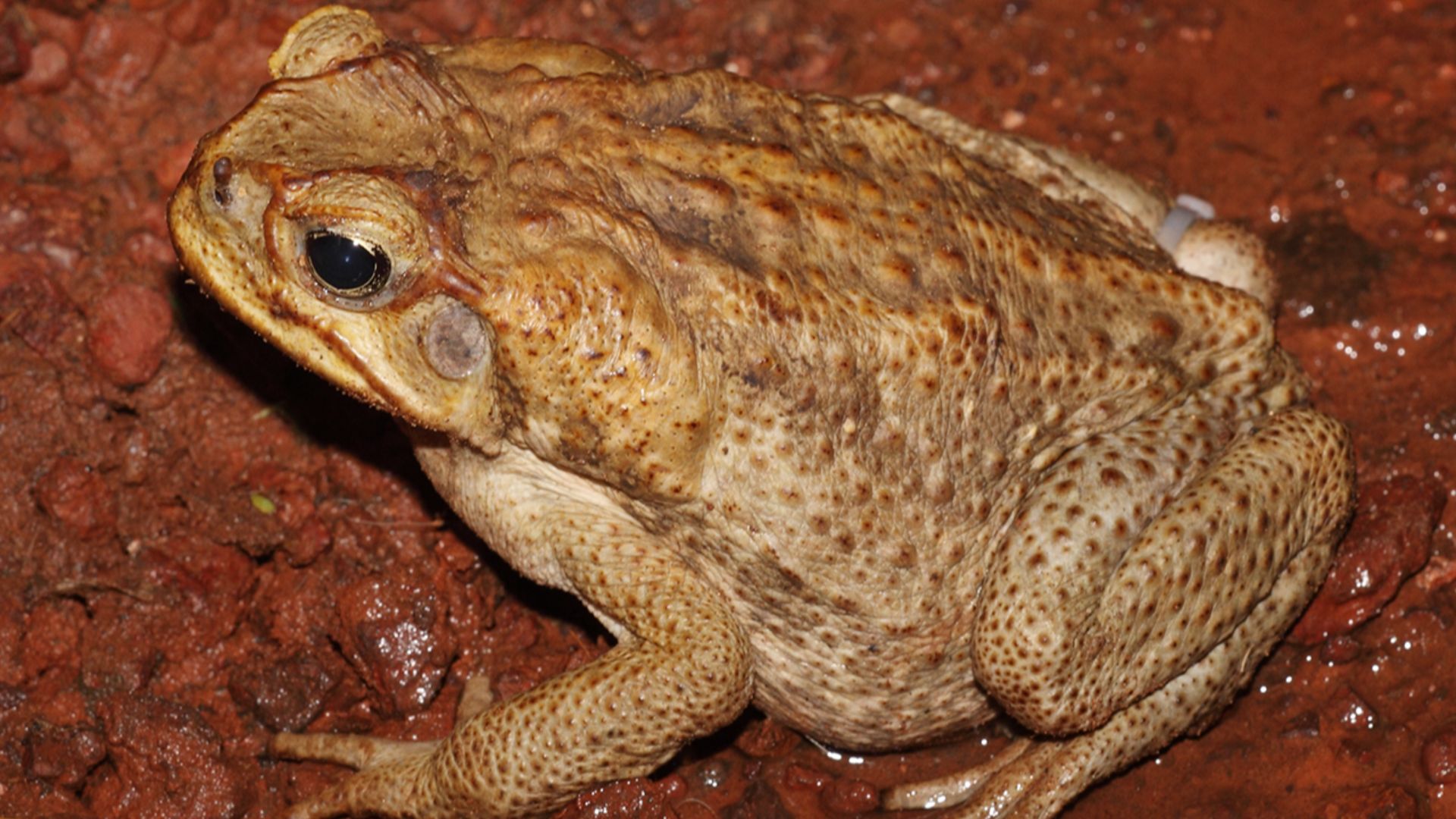
4. Australia Introduced Cane Toads to Save Its Sugar Industry (1935)
When scientists introduced cane toads to Australia, they didn't know they were adding one of the deadliest invasive animals to the environment. The cane toads were used to help get rid of beetles that were eating their sugar cane. But they didn't know whether the toads would actually eat those bugs.
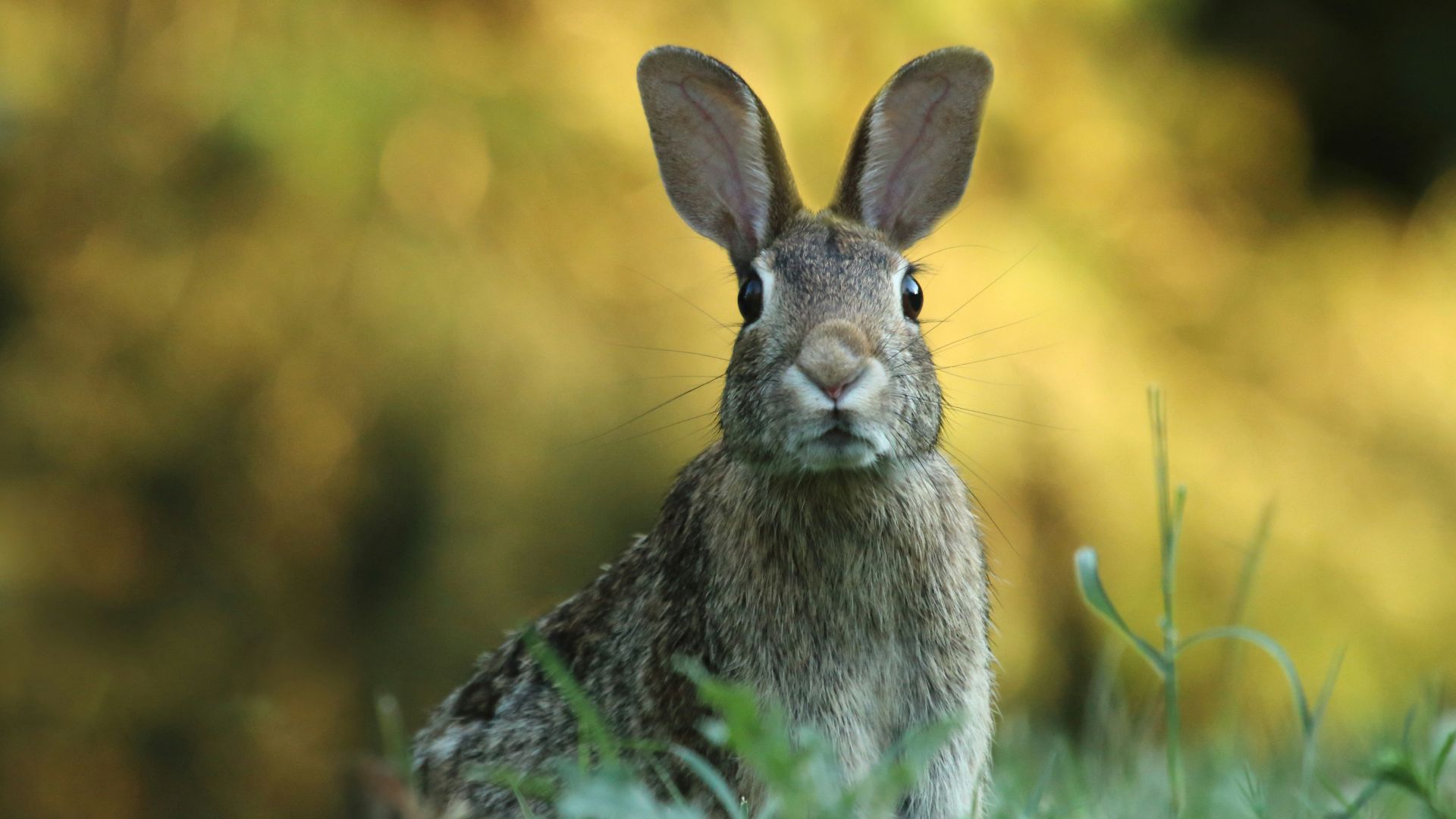
5. European Rabbits Became a Major Environmental Problem in Australia (1859)
Rabbits have been introduced to Australia since 1859, when a rich man wanted rabbits on his property to hunt for fun. These rabbits found plenty of food to thrive on and began spreading. Australia now has so many rabbits that they destroy farmland and damage the landscape.
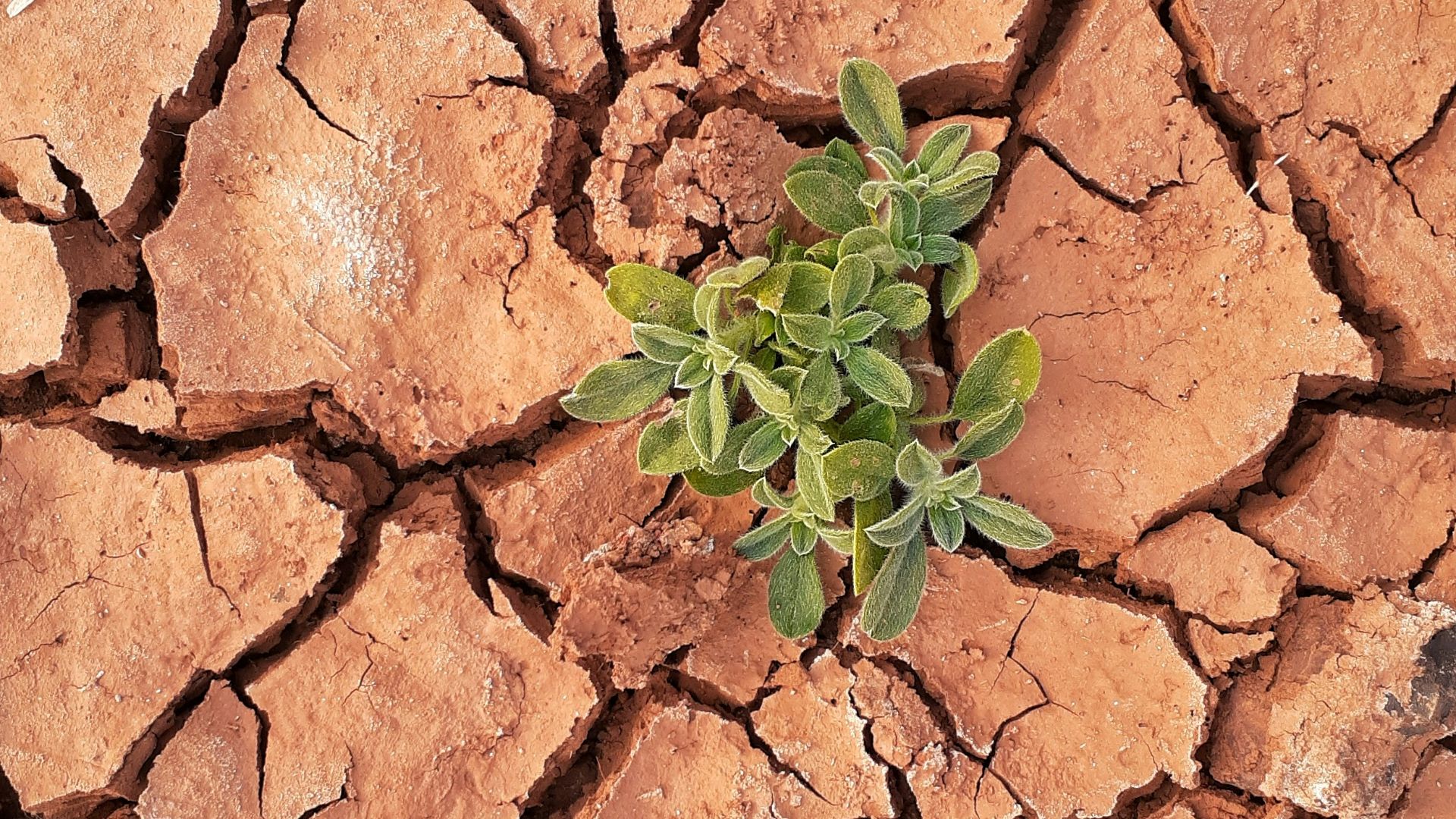
6. The United States Introduced Kudzu to Fight Soil Erosion (1930s)
Kudzu was planted all over America because officials thought it would help with soil erosion. Since kudzu grows very fast, it was believed that planting it all over the country would fix soil erosion issues. As it turns out, it took over parts of America where it shouldn't have grown.
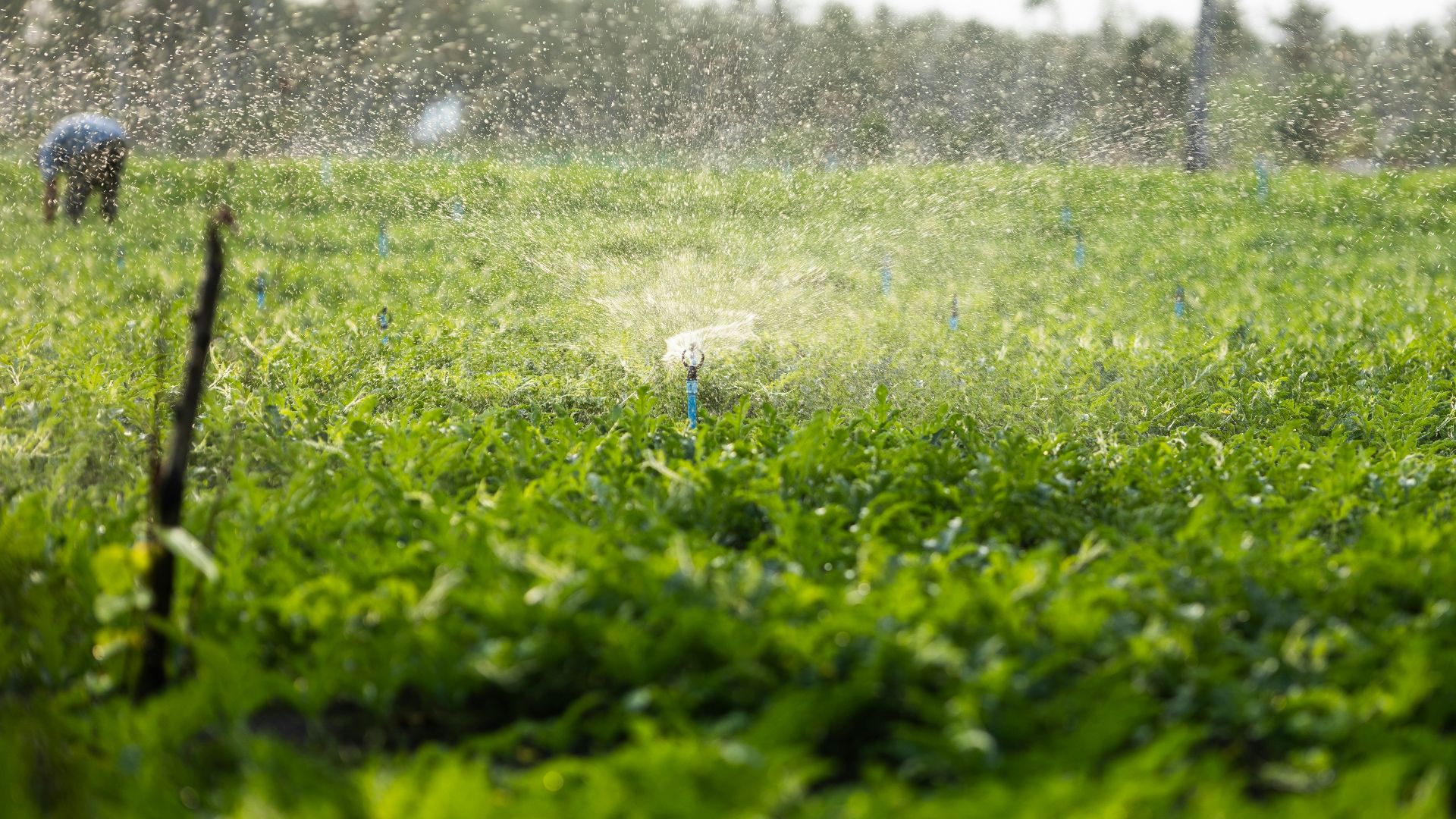
7. DDT Was Celebrated as a Miracle Pesticide Before Its Environmental Effects Became Clear (1940s–1960s)
After World War II, many countries started using DDT to eliminate bugs that carried diseases. Many believed that by getting rid of bugs like mosquitoes, we could stop diseases. As time went on, we realized that DDT had many harmful effects on nature.
8. The Aswan High Dam Helped Control Flooding but Created New Problems in Egypt (1960s)
The Aswan High Dam was built to help people live closer to water and provide Egypt with hydroelectricity. This allowed farmers to grow food and provided more land for farming. However, it created soil infertility because the silt that built up from the river was no longer able to reach farmers' fields.
9. The Soviet Union Turned the Aral Sea Into an Environmental Disaster (1960s Onward)
The Soviet Union wanted to make its farms grow larger so it could feed more people. It redirected water that flowed into the Aral Sea to grow its crops. This eventually dried up the sea and took away jobs from many fishermen who lived around it.

10. America's Urban Renewal Projects Destroyed Established Neighborhoods (1950s–1970s)
Urban renewal was started to help rebuild areas that had old buildings or were poorly maintained. It was supposed to help cities look better by clearing away bad buildings and replacing them with newer ones. This took place in many Black neighborhoods, forcing families to move away from the places where they grew up.
11. The American Eugenics Movement Tried to Create a Better Society Through Forced Sterilization (Early 1900s)
Eugenics allowed people to believe that we could create a better society by eliminating people we deemed not "good enough" to have children. Many states allowed women and men to be forcibly sterilized. If someone was diagnosed with something that could be passed on to their children, they could be forced to undergo the procedure.
12. India's Green Revolution Increased Food Production but Created Environmental Challenges (1960s–1970s)
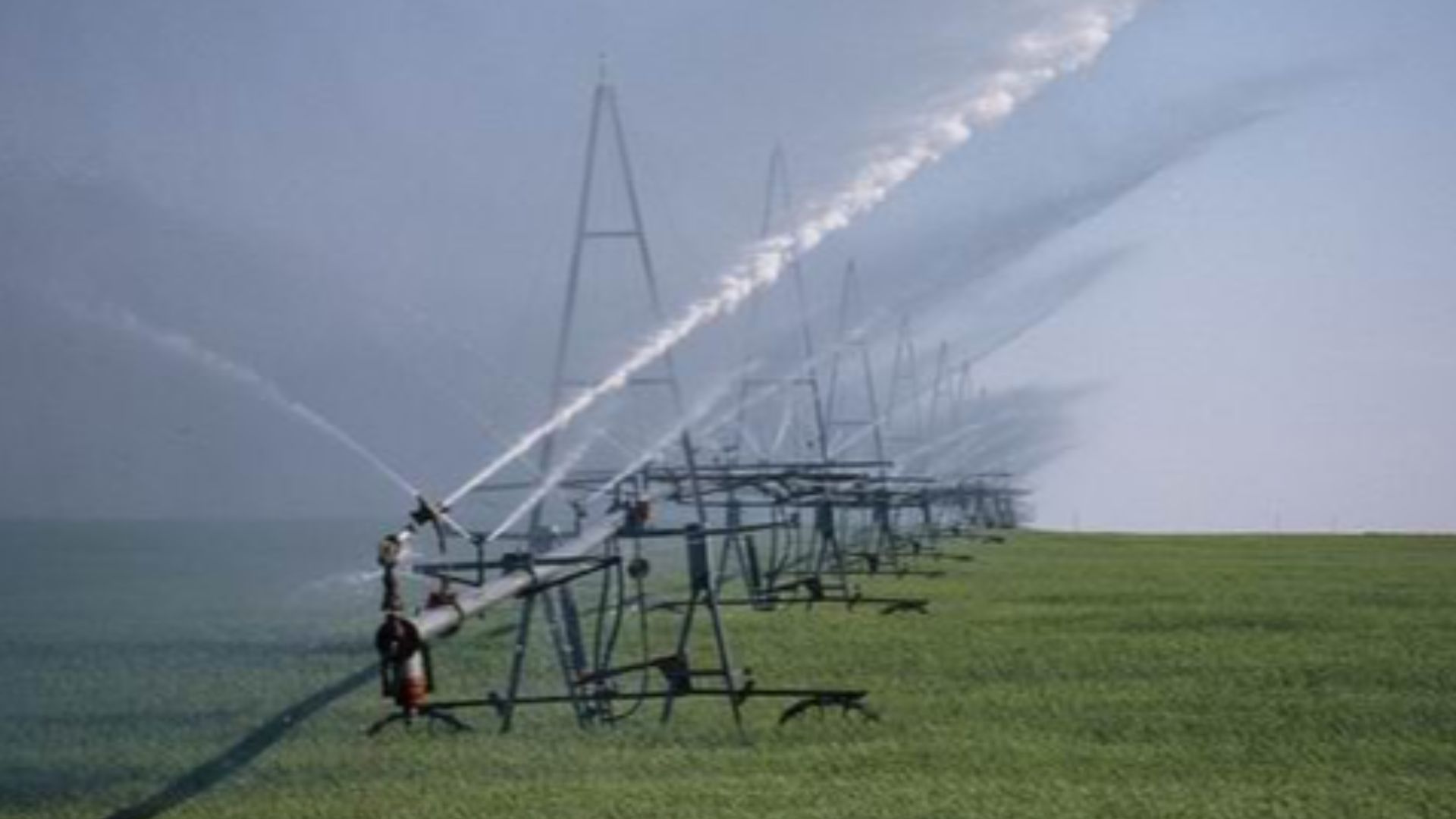
India's Green Revolution helped the country grow more food than it ever could in the past. It introduced new technology and chemicals to help grow crops. The success came with an important lesson: increasing production is valuable, but maintaining the resources needed to sustain it matters just as much.
 Paulkondratuk3194 (talk) on Wikimedia
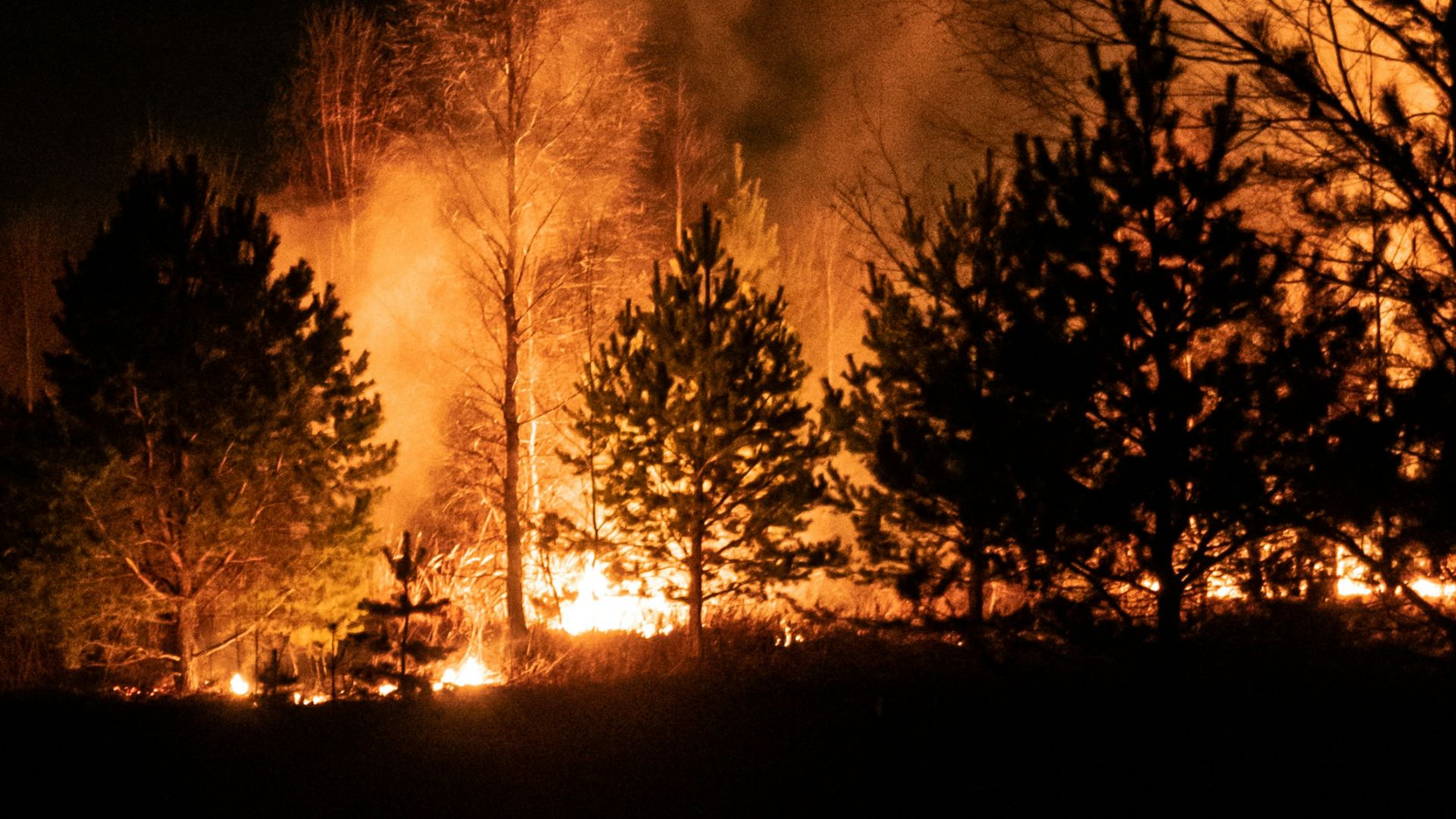
13. The United States Tried to Control Fire by Suppressing Nearly Every Wildfire (Early to Mid-1900s)
America prevented fires from burning forests. We thought that if we stopped fires, we could save forests, but in fact, it hurt them. If a fire burns down trees, we can regrow new ones from what's left. As a result, decades of aggressive suppression contributed to conditions that made certain landscapes more vulnerable to larger and more destructive fires.
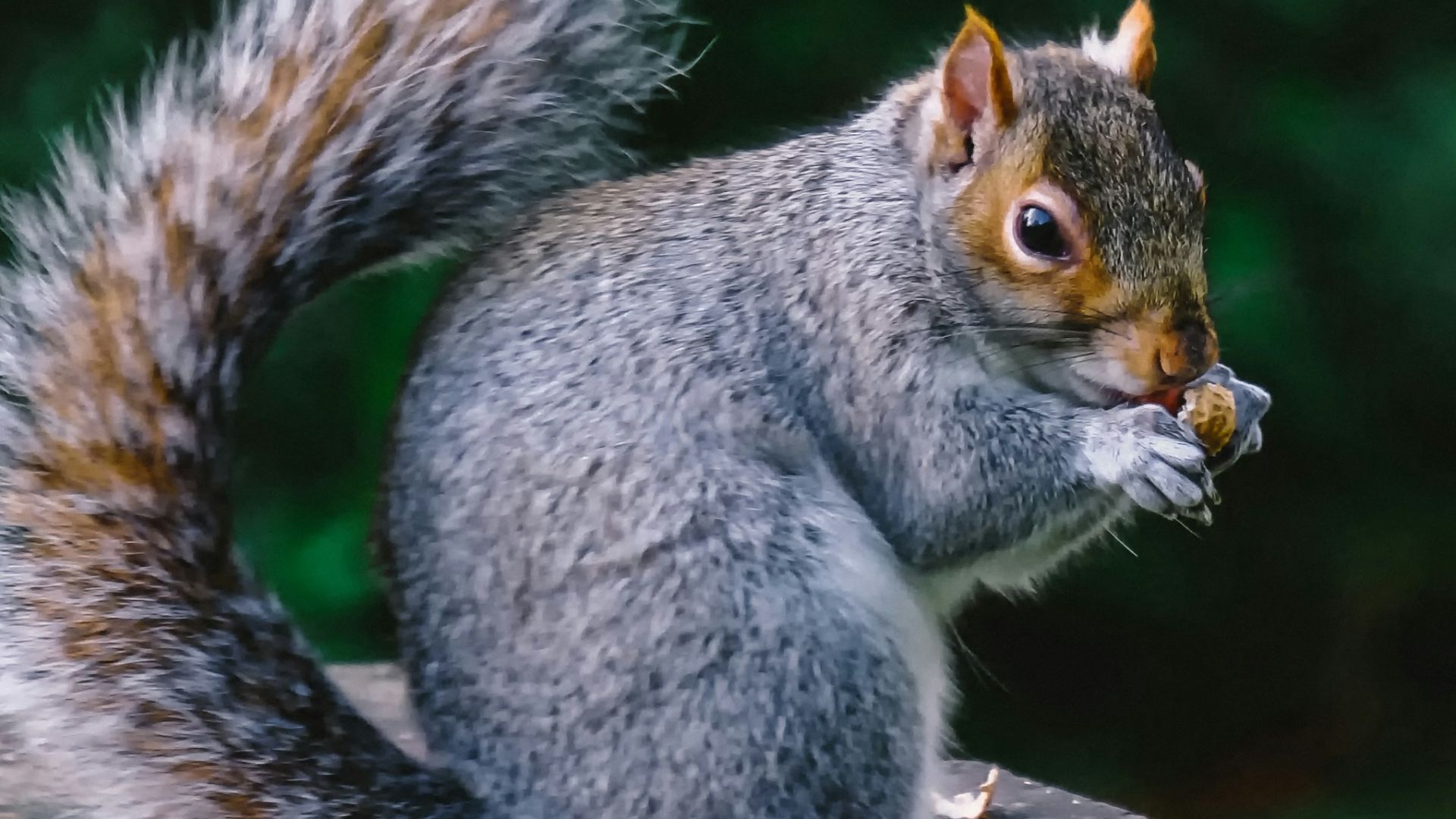
14. Britain's Introduction of Grey Squirrels Helped Push Native Red Squirrels Into Decline (Late 1800s)
When grey squirrels were first brought to Britain, many saw them as cute pets and enjoyed having them on their estates. They spread throughout Britain and helped harm the native red squirrel population. They carried a disease that could hurt red squirrels and competed with them for space.
15. Australia's Rabbit-Proof Fences Couldn't Stop the Rabbit Problem (Early 1900s)
Australia created massive fences to help stop rabbits from entering certain states. Officials thought they could keep all rabbits out of their farmland, but they failed. Rabbits got past some of the fences and started breeding within the areas they were supposed to be kept out of.

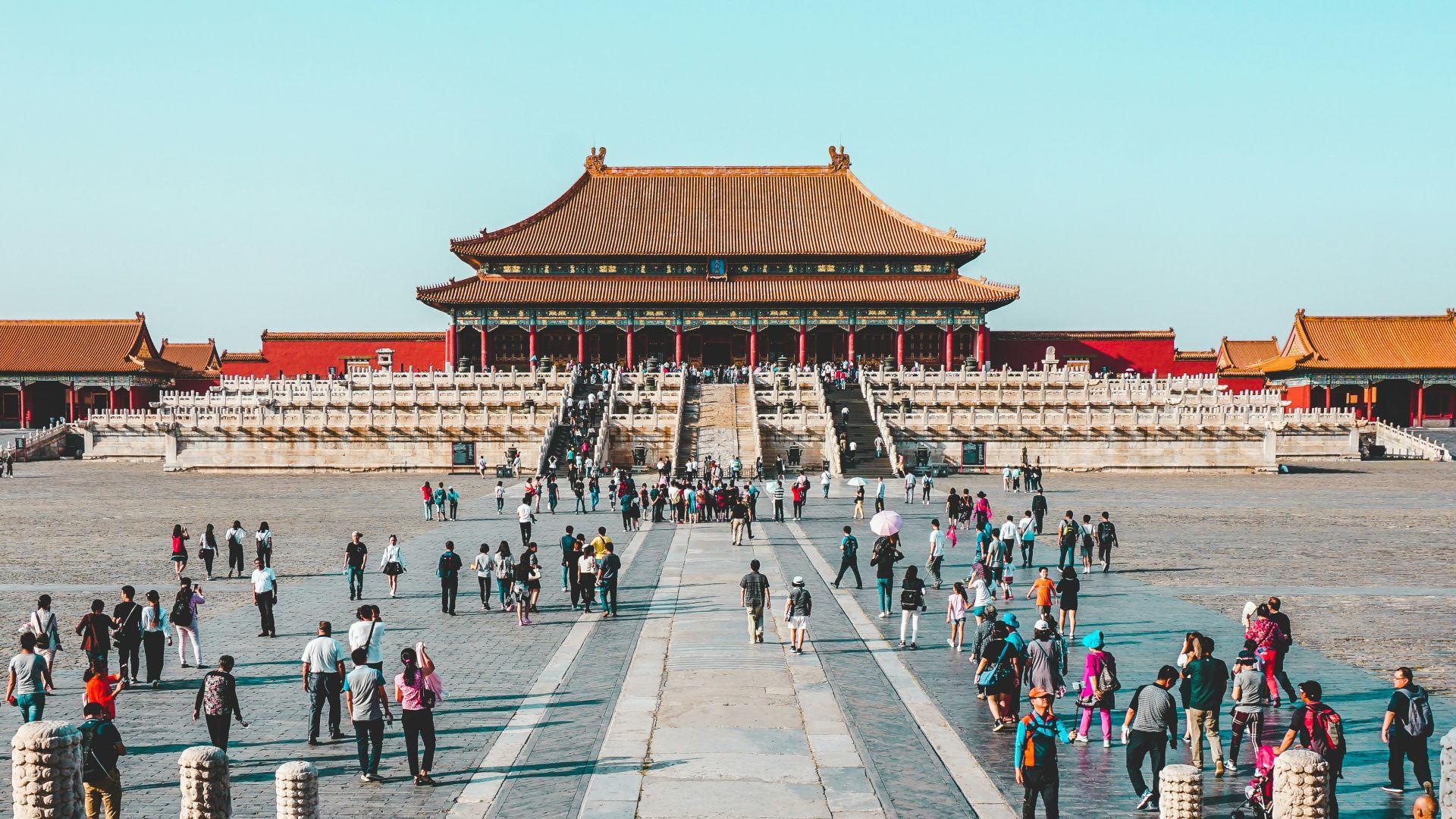
16. China's One-Child Policy Created Long-Term Demographic Problems (1979)
China's One-Child Policy was started to prevent its population from growing too large. As we know, China has millions of people living in the country and was running out of space for more homes and food. This led to China not having enough people to help care for its elderly population.
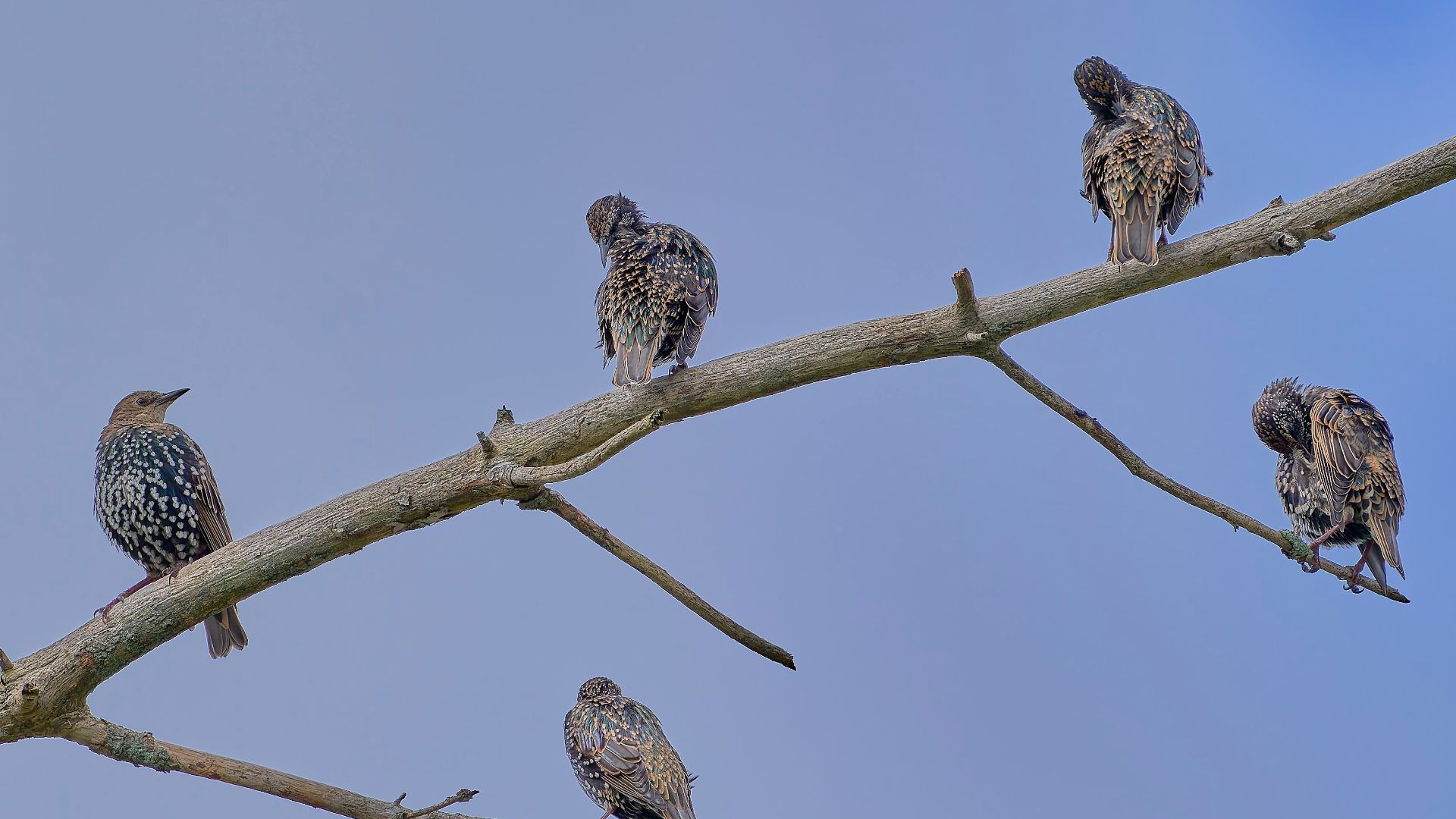
17. The Introduction of European Starlings Changed North American Bird Populations (1890s)
Someone wanted to bring birds from Shakespeare's works to North America and let them loose in Central Park. They thought it was a great idea to let these birds roam free in the city. Starlings are now found all over North America.
18. The Soviet Virgin Lands Campaign Damaged Vast Areas of Farmland (1950s)
When Nikita Khrushchev started planting new fields, he wanted to produce more wheat to feed his people. They ended up overfarming areas, which ruined many plants that were native to those fields. The campaign showed that expanding farmland doesn't automatically mean creating a sustainable agricultural system.
19. Britain's Victorian Workhouses Were Supposed to Provide Relief but Often Created Miserable Conditions (1800s)
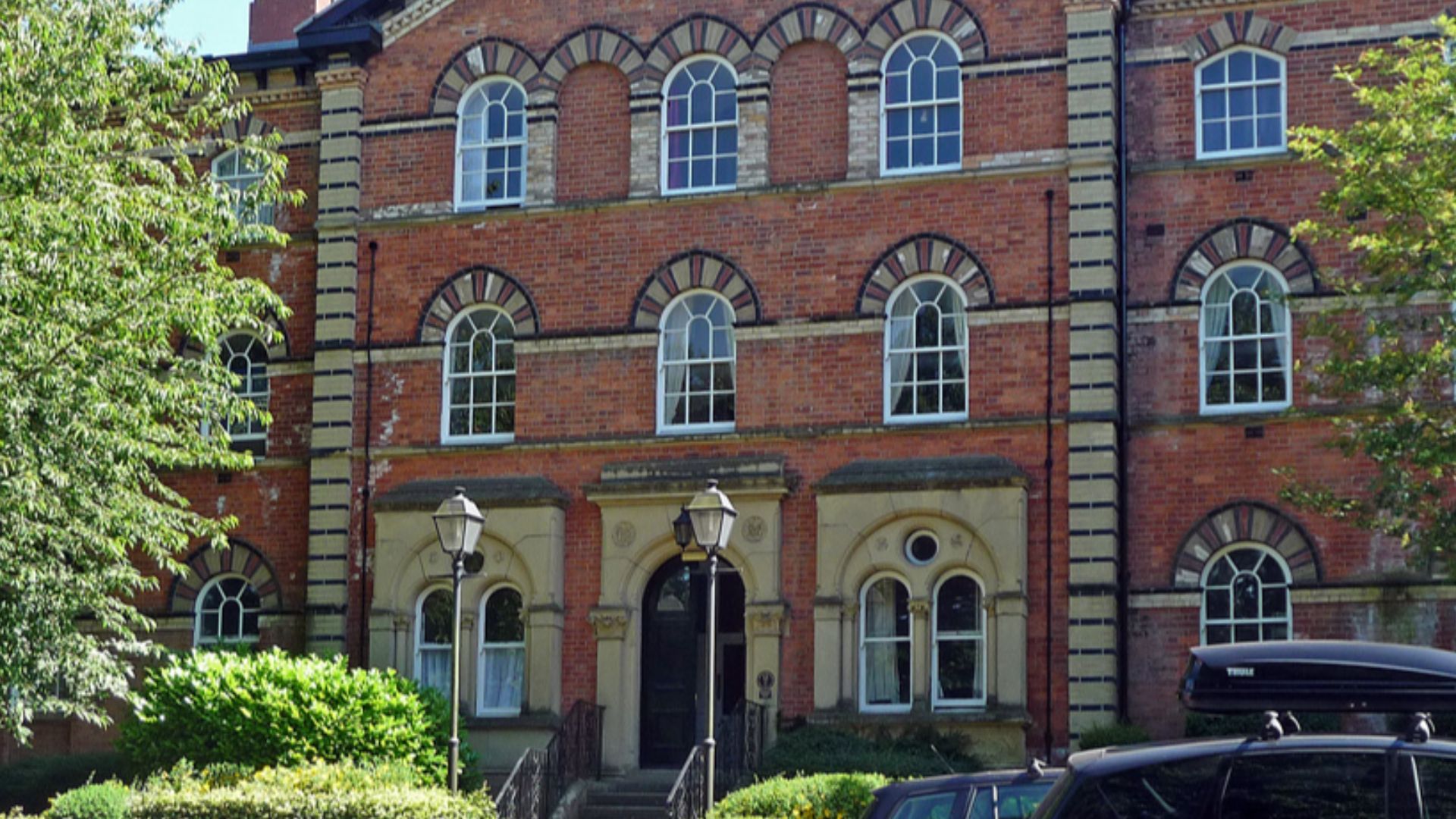
Workhouses were created to house those who couldn't afford to feed or house themselves. They were forced to live in terrible conditions and perform labor just to survive. If you couldn't work, you were kicked out, and many families were torn apart and sent to different facilities to live in.
20. The United States' Highway Expansion Displaced Thousands of Families (1950s–1970s)
The interstate highway system helped Americans travel longer distances at faster speeds. This helped build cities and connect more towns together. When the highway system was being built, it tore through many neighborhoods, forcing people to lose their homes and businesses that had been built up over the years.
KEEP ON READING