

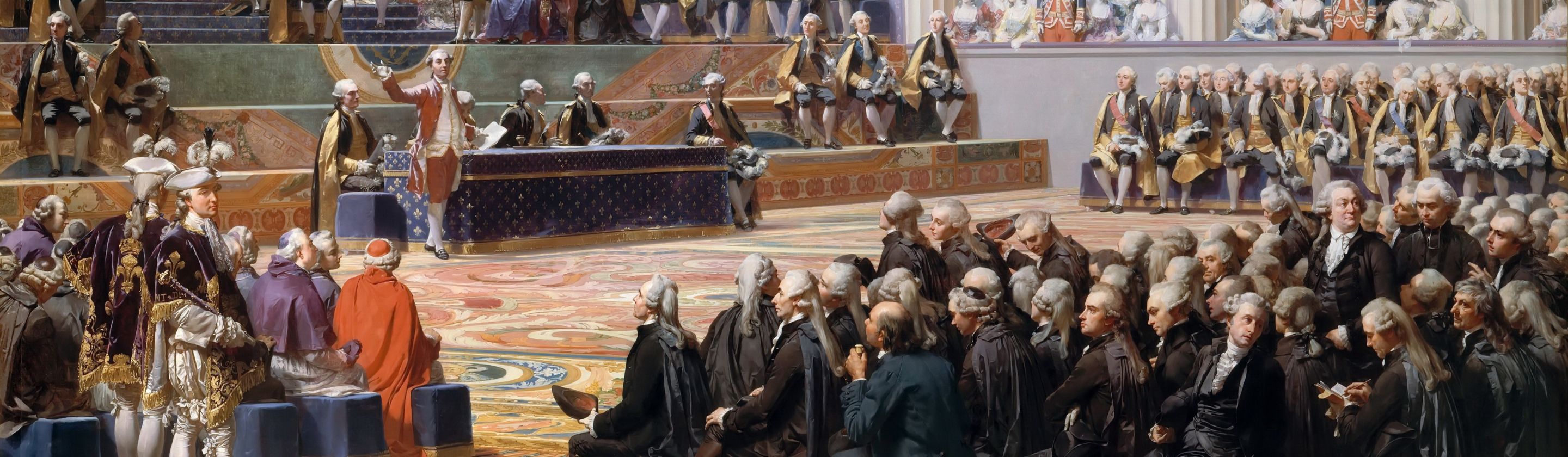
The Revolution Beyond The Textbooks
History class probably taught you that the French Revolution was about liberty and overthrowing the monarchy, then moved on pretty quickly to something else. But there's so much more to this story than the surface-level facts everyone remembers from school years ago. These aren't the boring dates and names you had to memorize for tests. Here are the details that make this revolution genuinely interesting.
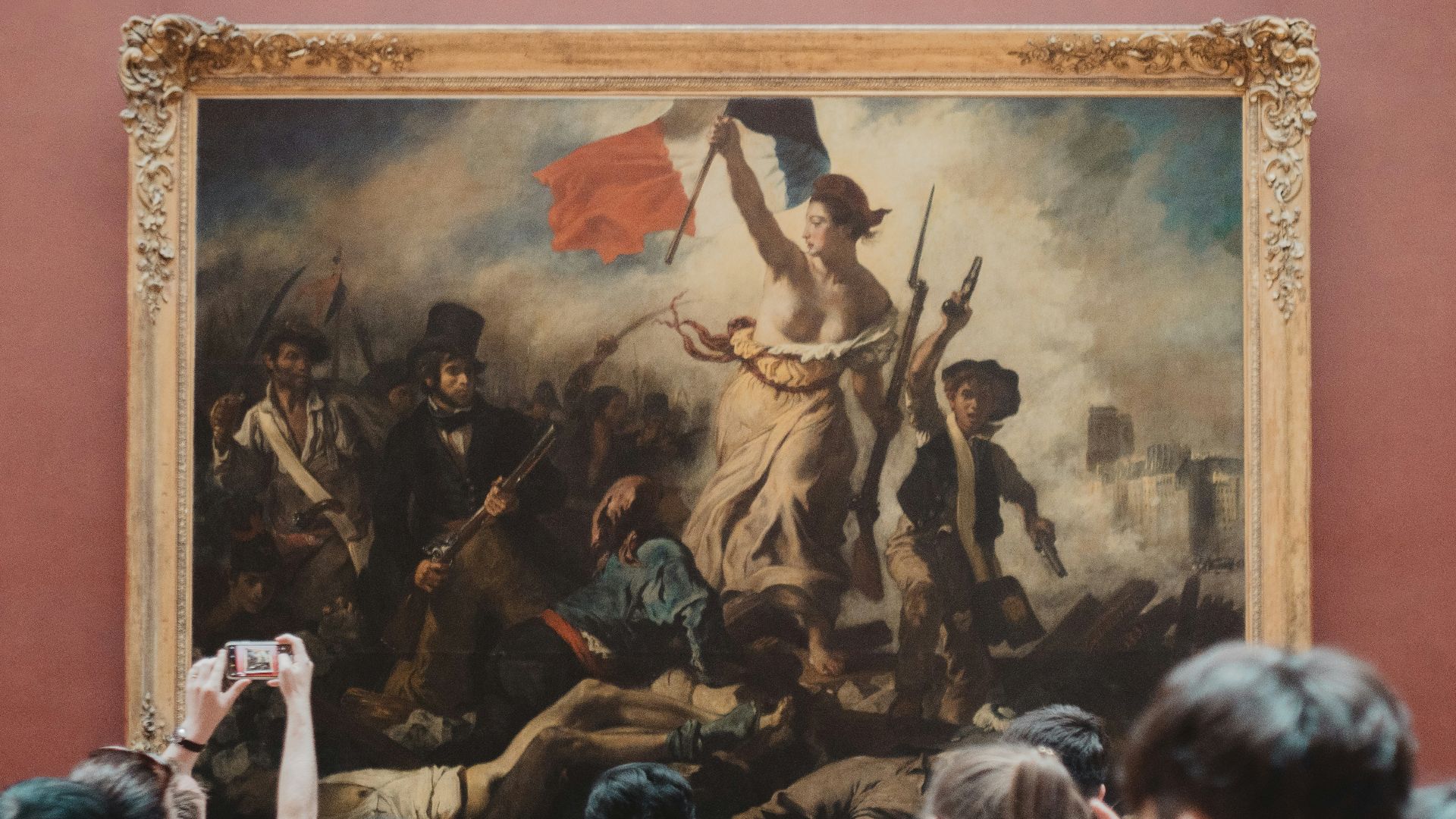
1. Estates-General Convenes (May 1789)
Back in May 1789, the Estates-General met at Versailles for the first time in 175 years. Things got heated quickly, and by June, the Third Estate broke away to form the National Assembly. That’s when the famous Tennis Court Oath set the stage for a new constitution.
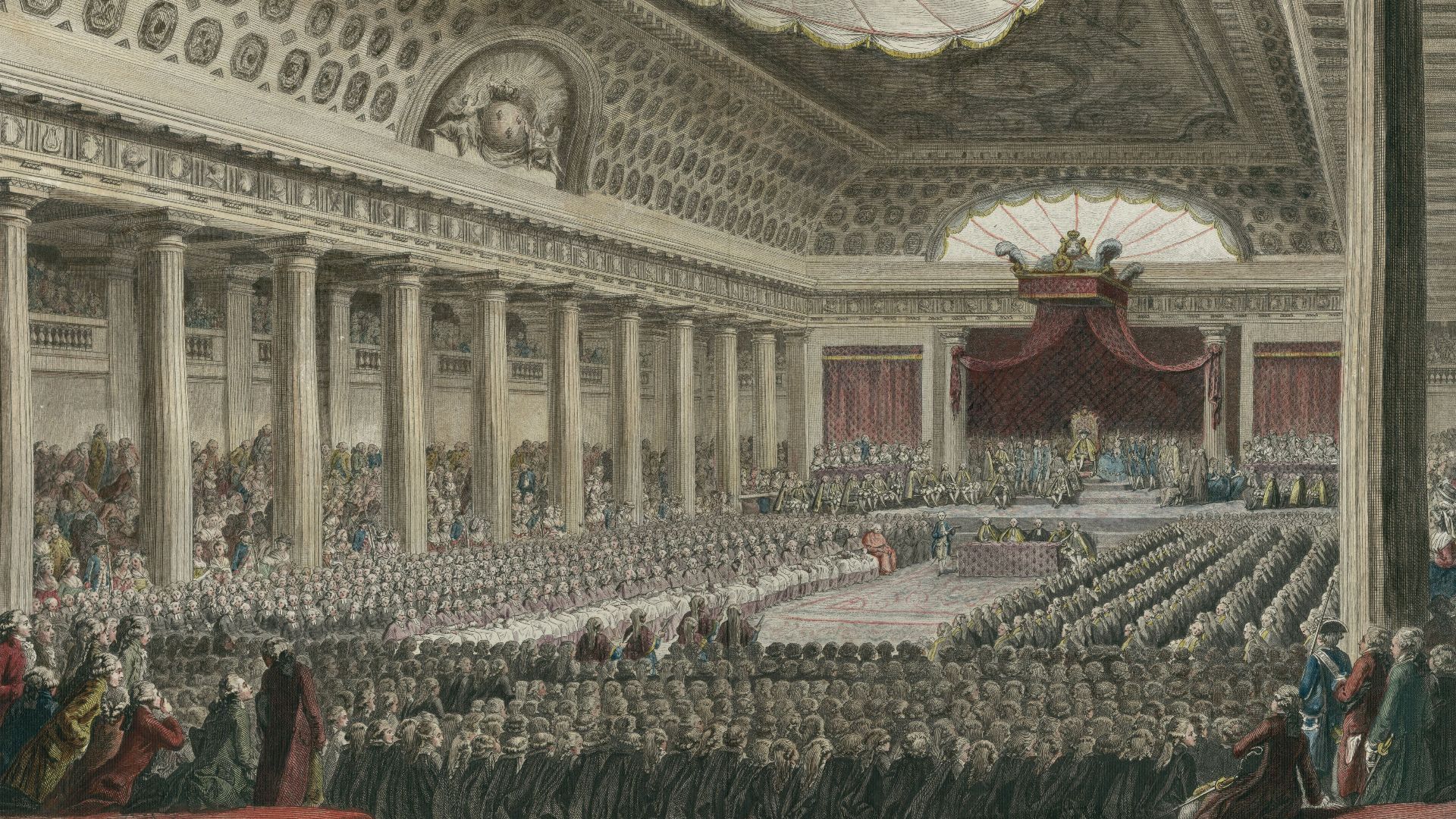 Isidore-Stanislaus Helman (1743-1806) and Charles Monnet (1732-1808) on Wikimedia
2. The Fall Of The Bastille (July 14, 1789)
The Bastille wasn’t holding many prisoners, only seven, but Parisians saw it as a symbol of royal oppression. On July 14, 1789, the fortress was stormed for gunpowder. The governor was killed, and this dramatic moment now lives on as Bastille Day every year in France.
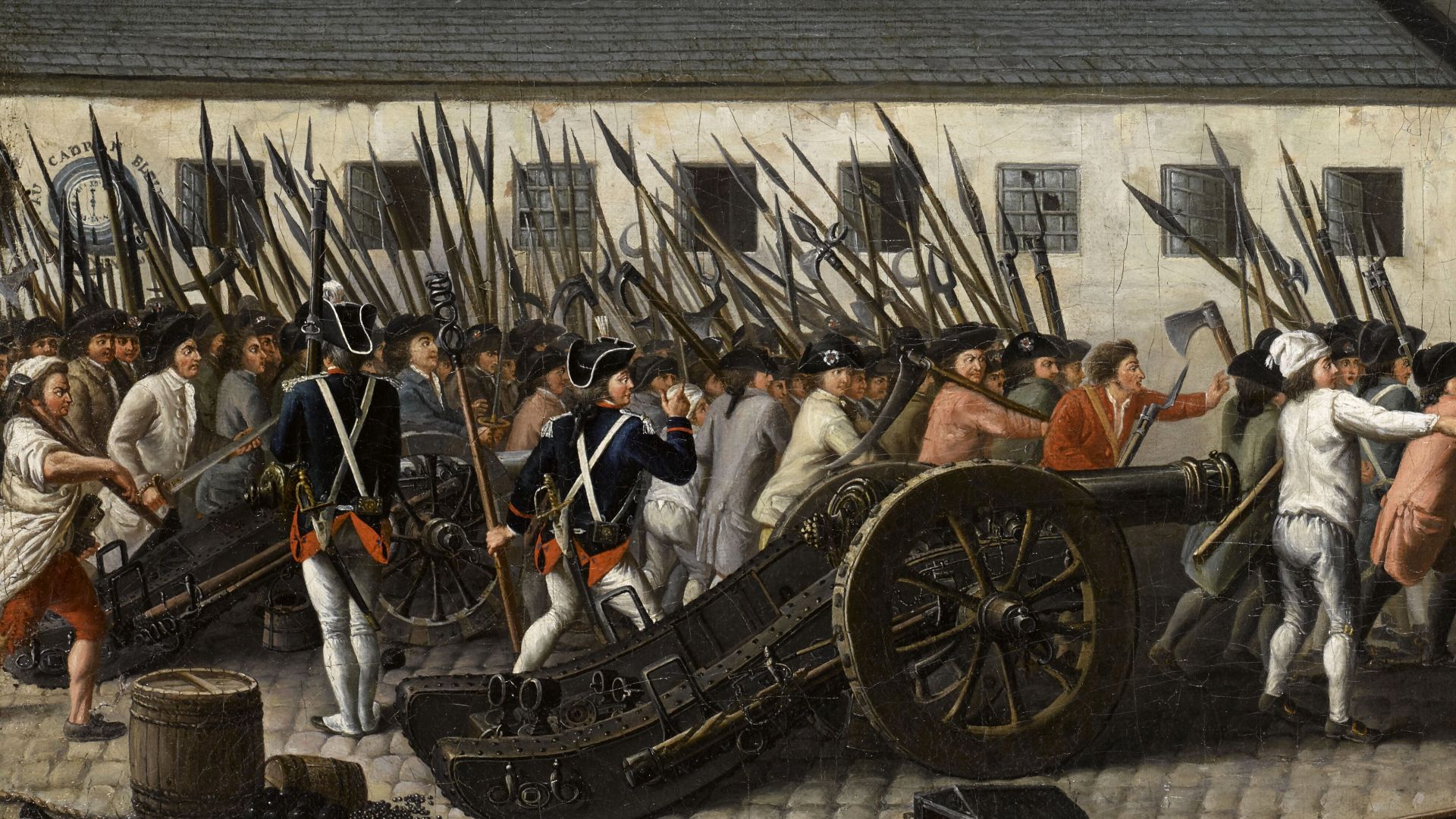 Unidentified painter on Wikimedia
3. Abolition Of Feudal Privileges (August 4, 1789)
The National Assembly decided to end feudalism, stripping nobles and clergy of centuries-old privileges. Widespread peasant revolts, known as the “Great Fear,” made this inevitable. The reforms also removed tithes and dues, giving commoners more control over their lives and reshaping French society dramatically.
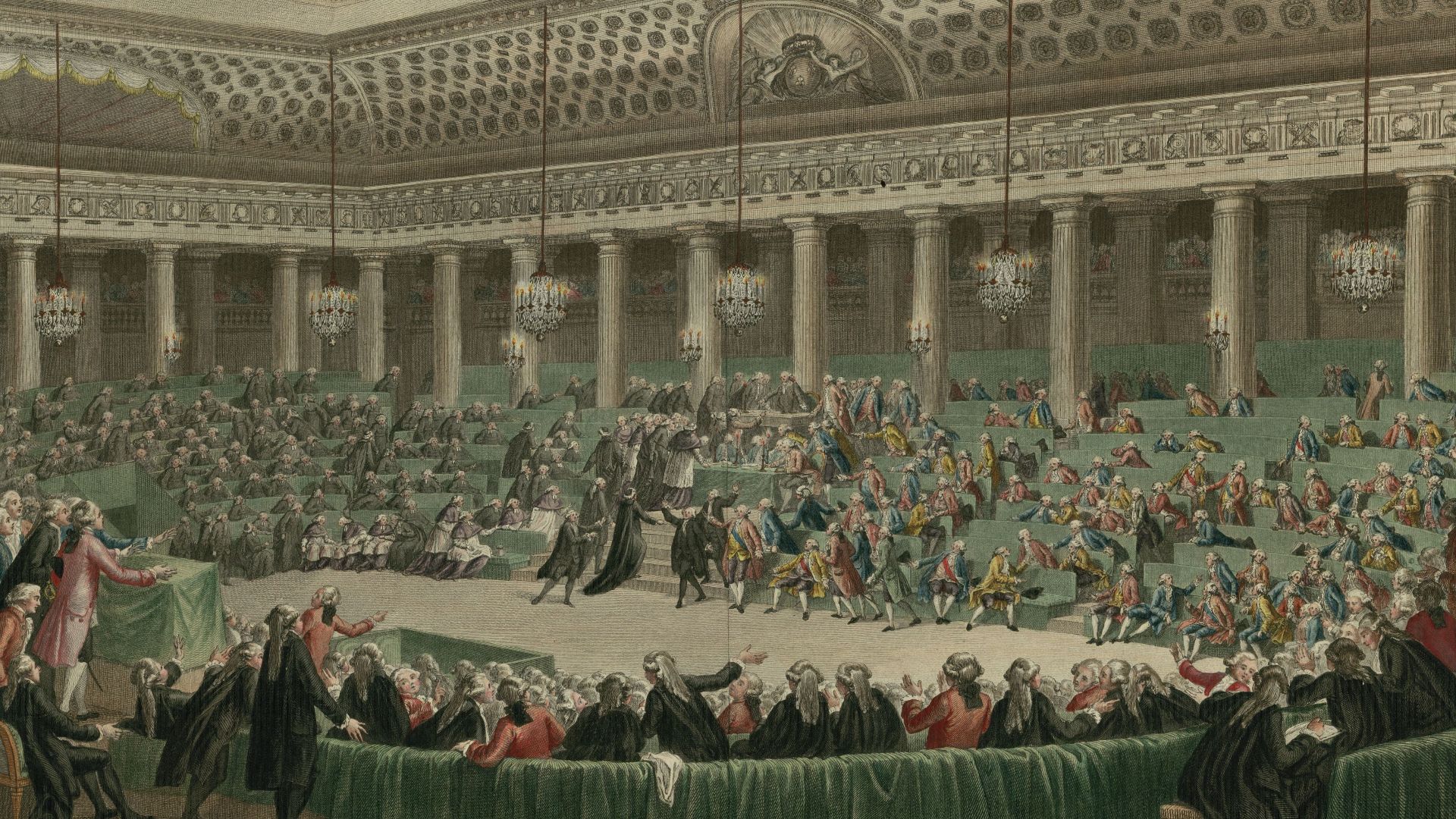 Charles Monnet / Isidore Helman (graveur) on Wikimedia
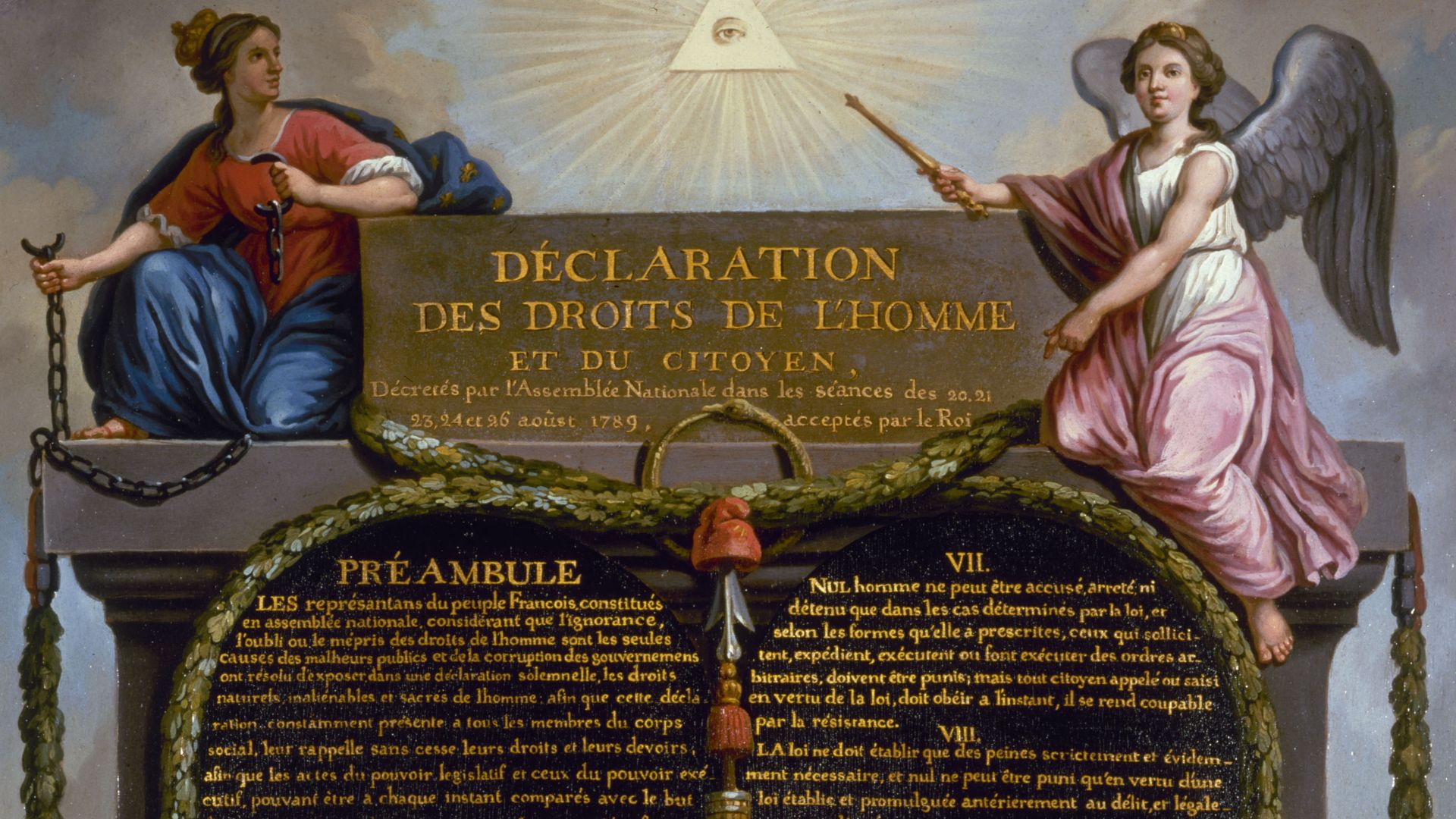
4. Declaration Of the Rights Of Man (August 26, 1789)
On August 26, 1789, liberty, equality, and fraternity became official with the Declaration of the Rights of Man. Inspired by Enlightenment thinkers and the American Revolution, it laid the philosophical foundation for modern human rights. This document still resonates in democratic movements worldwide today.
5. Women’s March On Versailles (October 1789)
Thousands of women marched to Versailles over bread shortages, demanding action. They succeeded in bringing King Louis XVI and his family to Paris, and even the National Assembly relocated. Lafayette and the National Guard also guided the crowd, proving how collective action could shake royal authority.
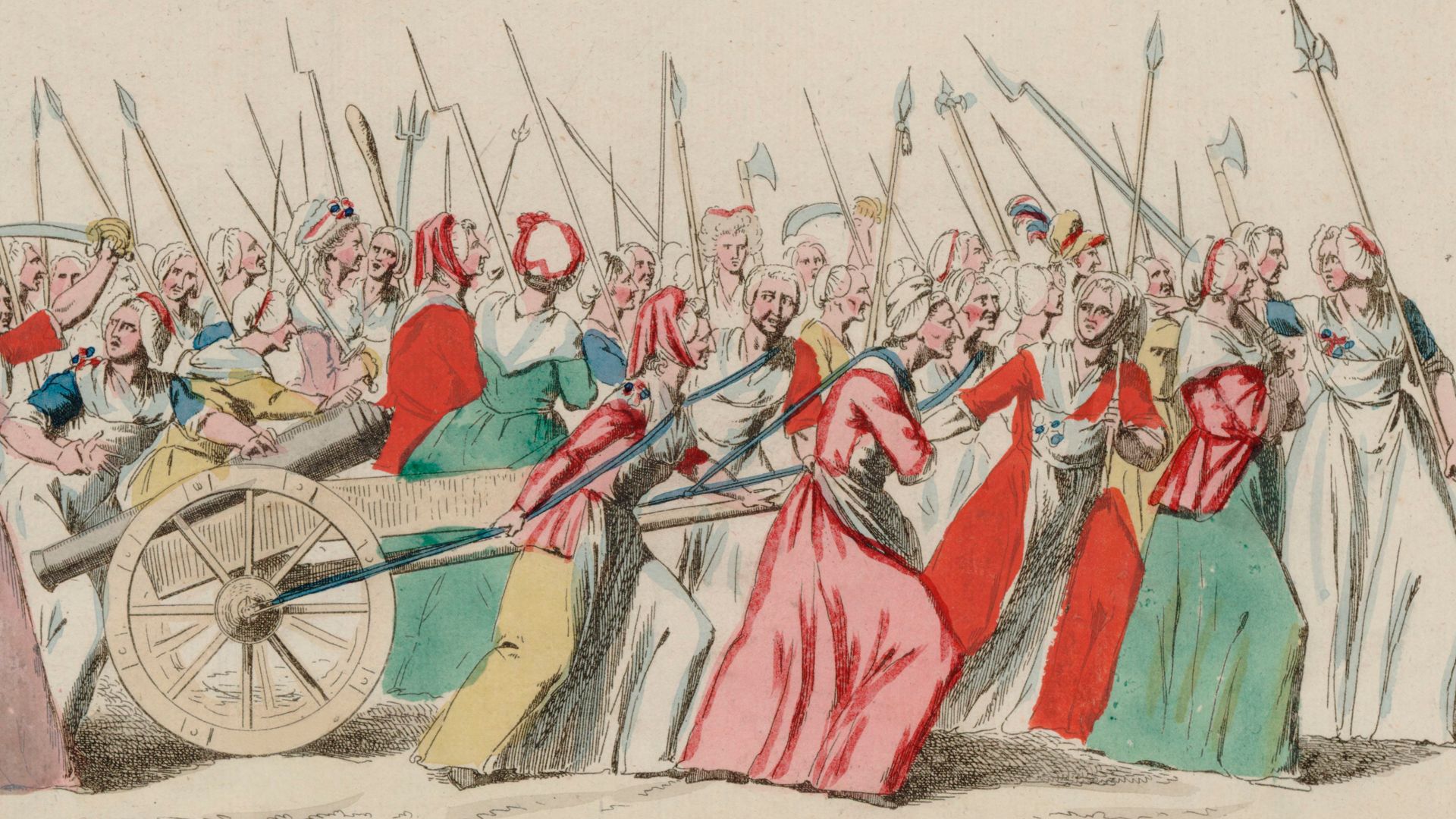 Unknown authorUnknown author on Wikimedia
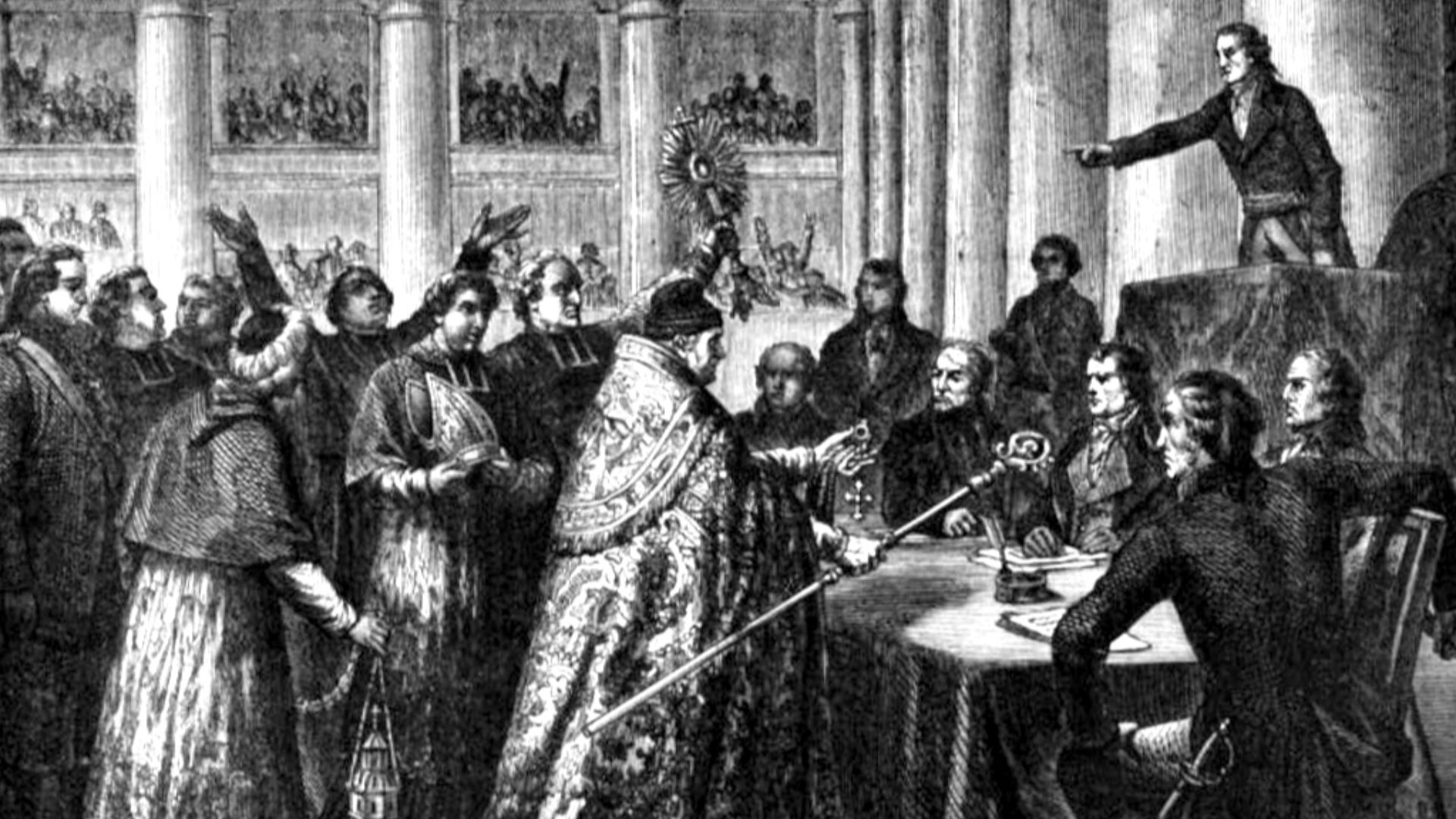
6. Civil Constitution Of The Clergy (1790)
The 1790 law changed the Church completely, requiring priests to swear loyalty to France instead of the Pope. Naturally, this caused a split between “constitutional” and “refractory” clergy. Meanwhile, the Pope secretly condemned the Assembly, and it added a religious twist to the political upheaval.
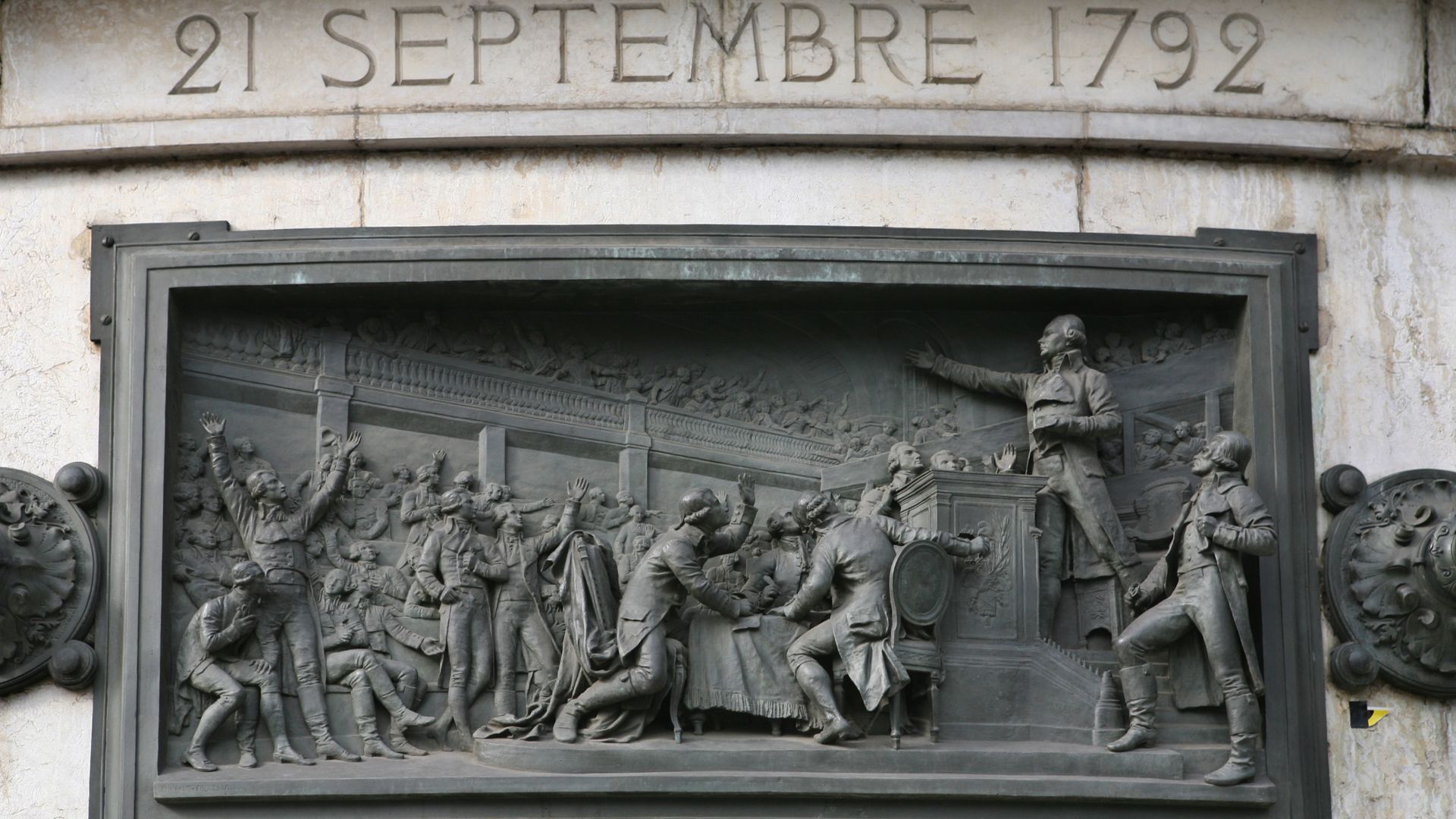
7. Abolition Of The Monarchy (September 1792)
When the monarchy collapsed in September 1792, France entered uncharted territory. King Louis XVI lost his freedom, and the revolutionary calendar began with Year I. The shift represented more than politics—it symbolized a complete reimagining of national identity.
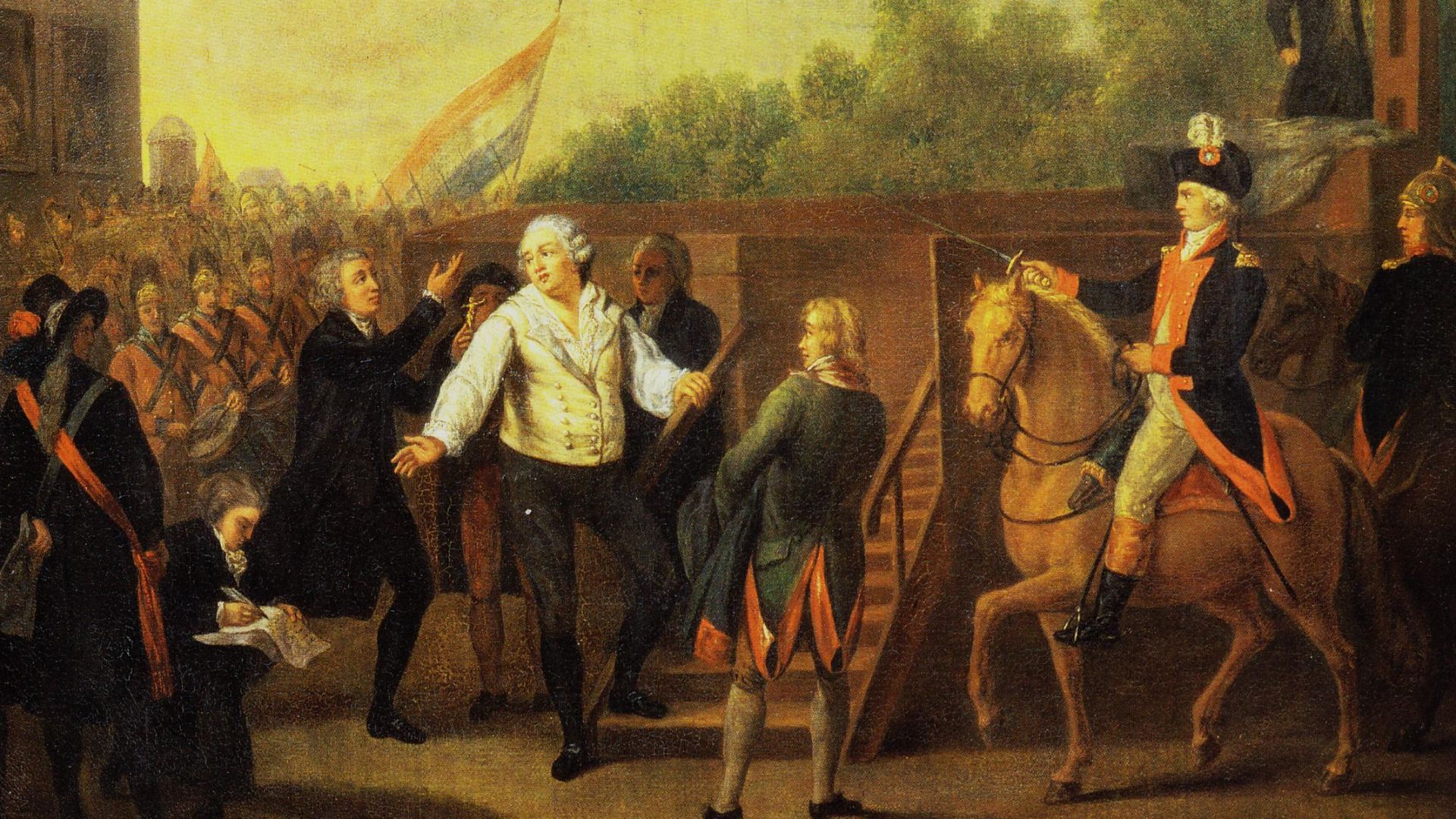
8. Execution Of King Louis XVI (January 1793)
January 21, 1793, changed history when Louis XVI was executed by guillotine after a close vote. The trial had begun months earlier and sent shockwaves across Europe. Monarchies watched in disbelief as France moved fully into radical revolutionary territory.
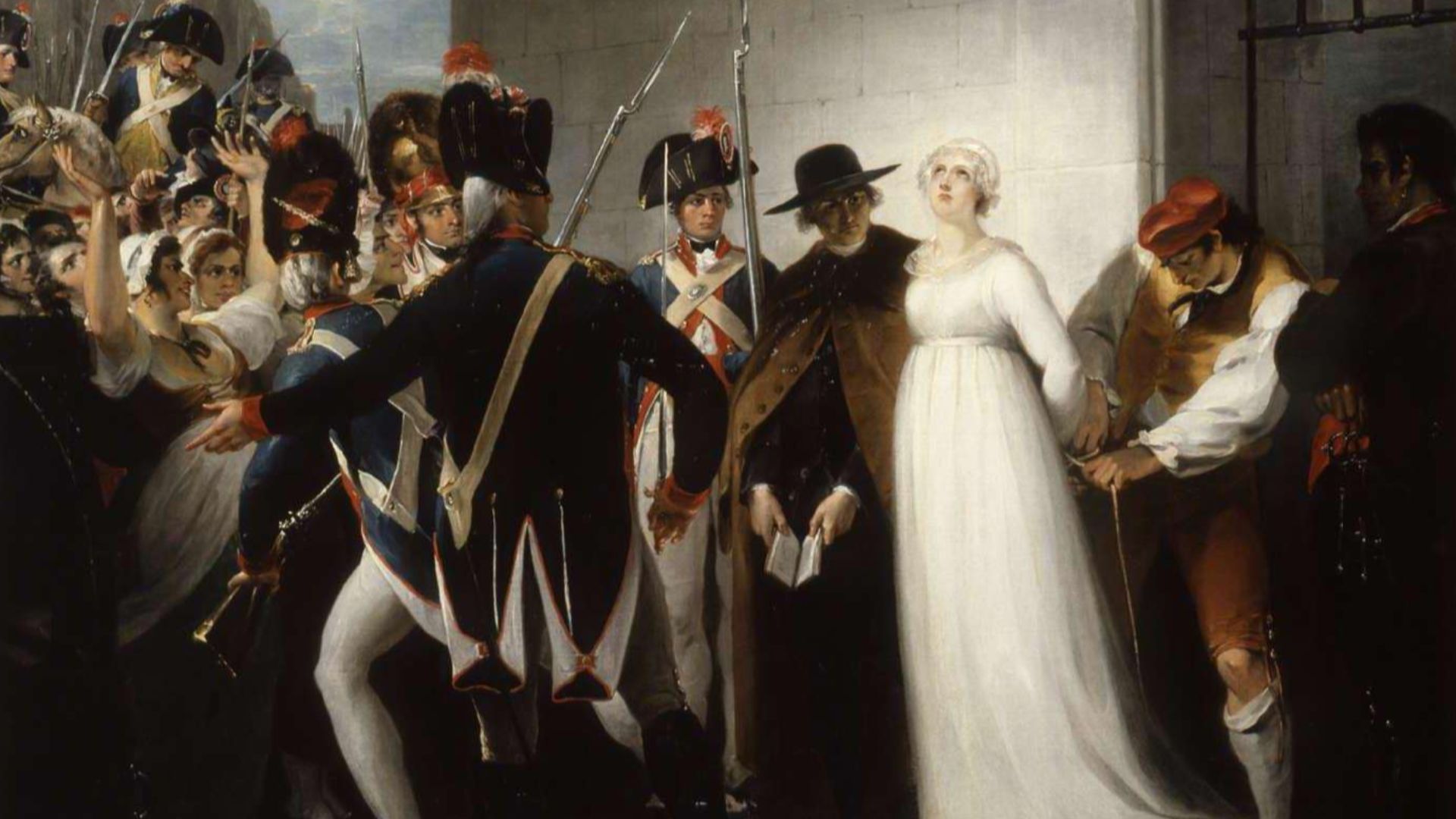
9. Execution Of Marie Antoinette (October 1793)
Marie Antoinette faced the guillotine in October 1793, accused of treason by the Revolutionary Tribunal. Her death became a symbol of the Revolution’s most extreme phase. It also reflected the dramatic and often personal consequences that accompanied the radical shifts of the time.
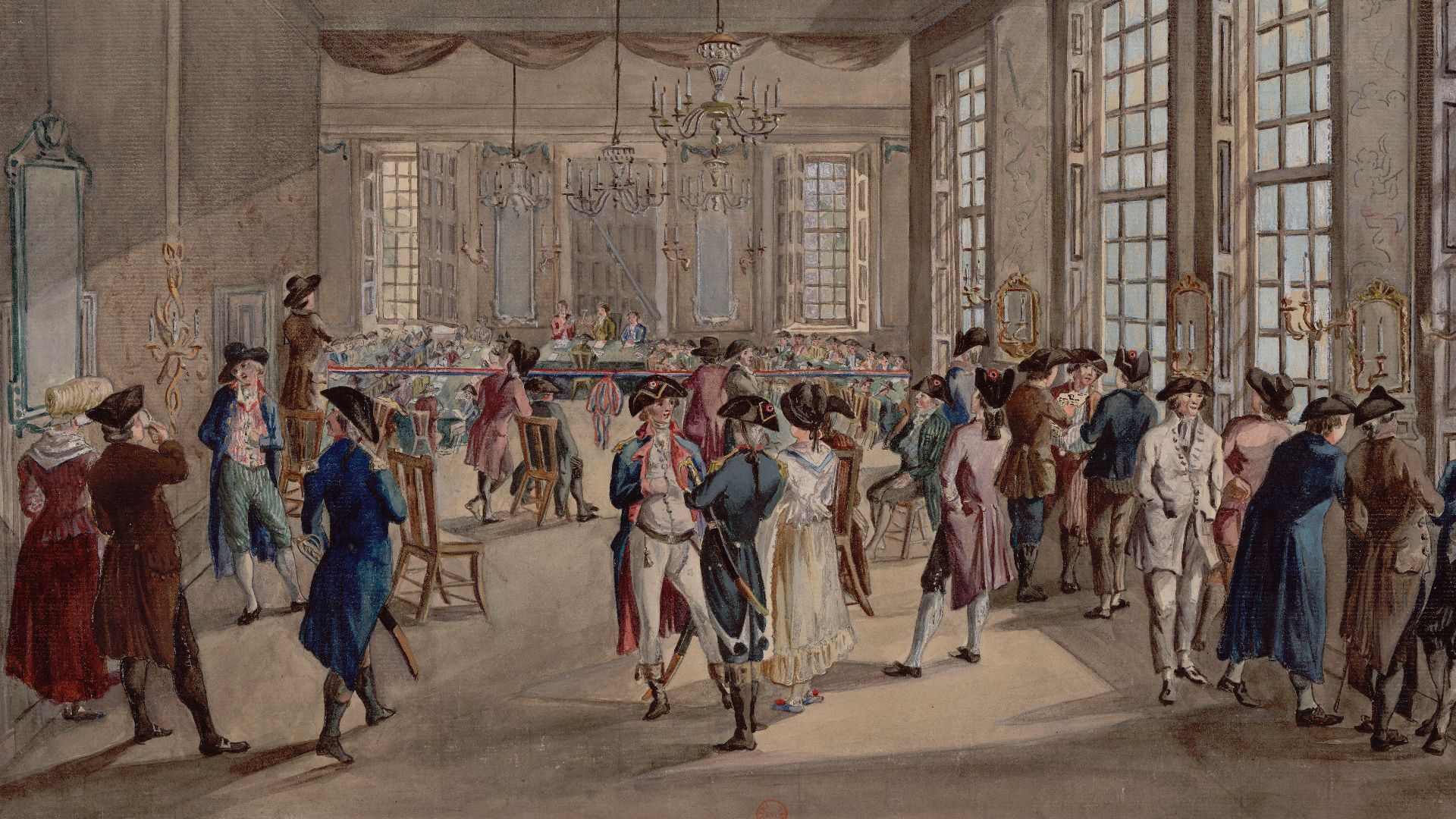
10. Committee Of Public Safety (April 1793)
April 1793 saw the creation of the Committee of Public Safety, a body that effectively ran France during the Reign of Terror. Led by Robespierre, it controlled the military, justice system, and economy, showing how a single committee could wield enormous revolutionary power.
 Unknown authorUnknown author on Wikimedia
11. Levée En Masse (1793)
The Levée en masse of 1793 brought every able-bodied man into France’s defense and marked the first total war mobilization. Women pitched in too, helping in hospitals and producing supplies. This collective effort highlighted how the Revolution engaged ordinary citizens in national survival.
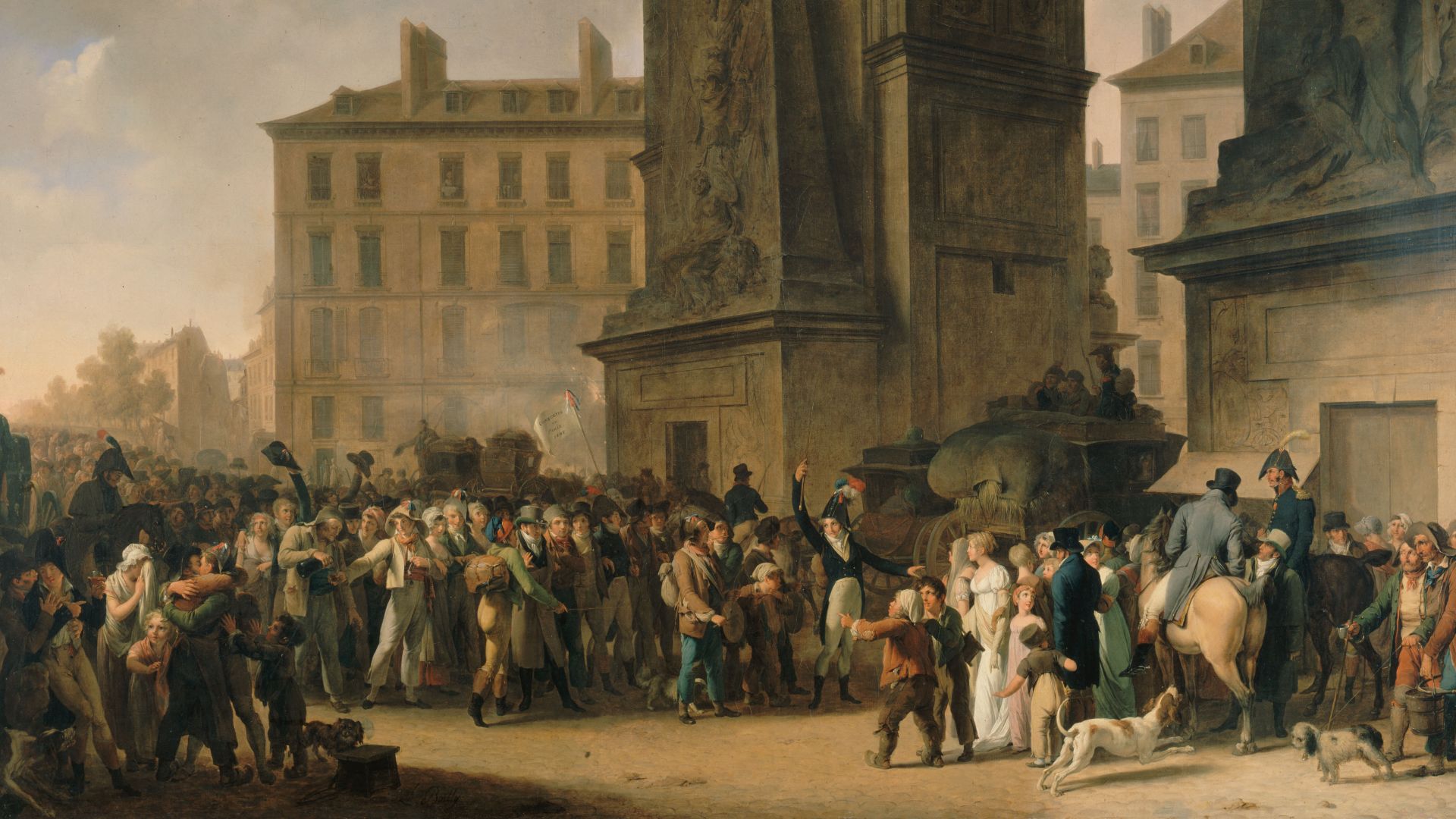
12. The Reign Of Terror (1793–1794)
From 1793 to 1794, thousands were executed under the Reign of Terror. The Revolutionary Tribunal and Committee of Public Safety enforced harsh justice, with the guillotine as the symbol. Even leaders like Danton and Robespierre eventually faced the same fate, showing the period’s relentless intensity.
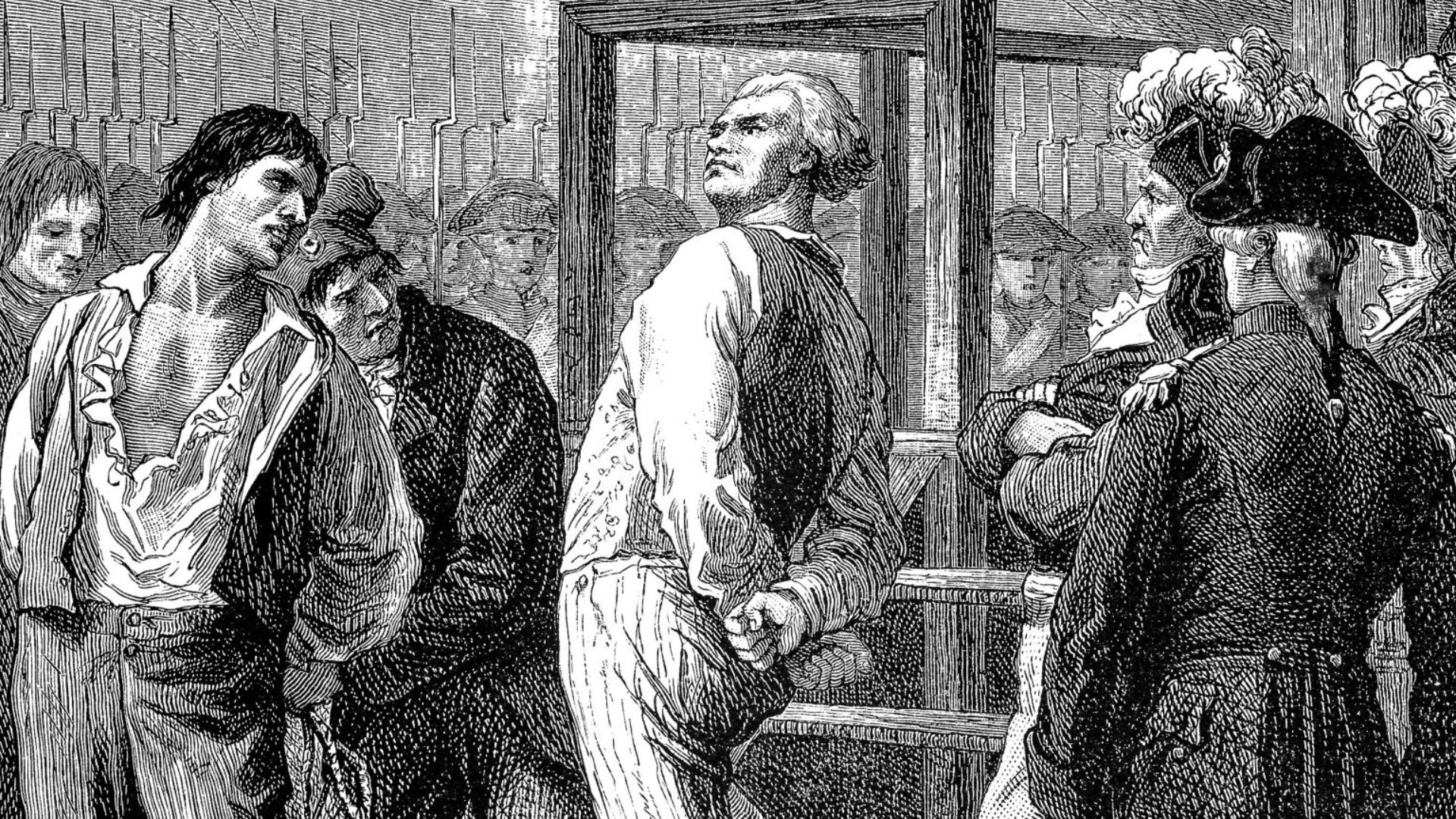 Charles Barbant / After Frédéric Théodore Lix on Wikimedia
13. Assassination Of Jean-Paul Marat (July 13, 1793)
Jean-Paul Marat, a radical revolutionary and journalist, was killed in his bath by Charlotte Corday. She hoped his death would calm the Revolution, but instead, it fueled further unrest. This dramatic assassination highlighted how individual acts could ripple through a volatile political climate.
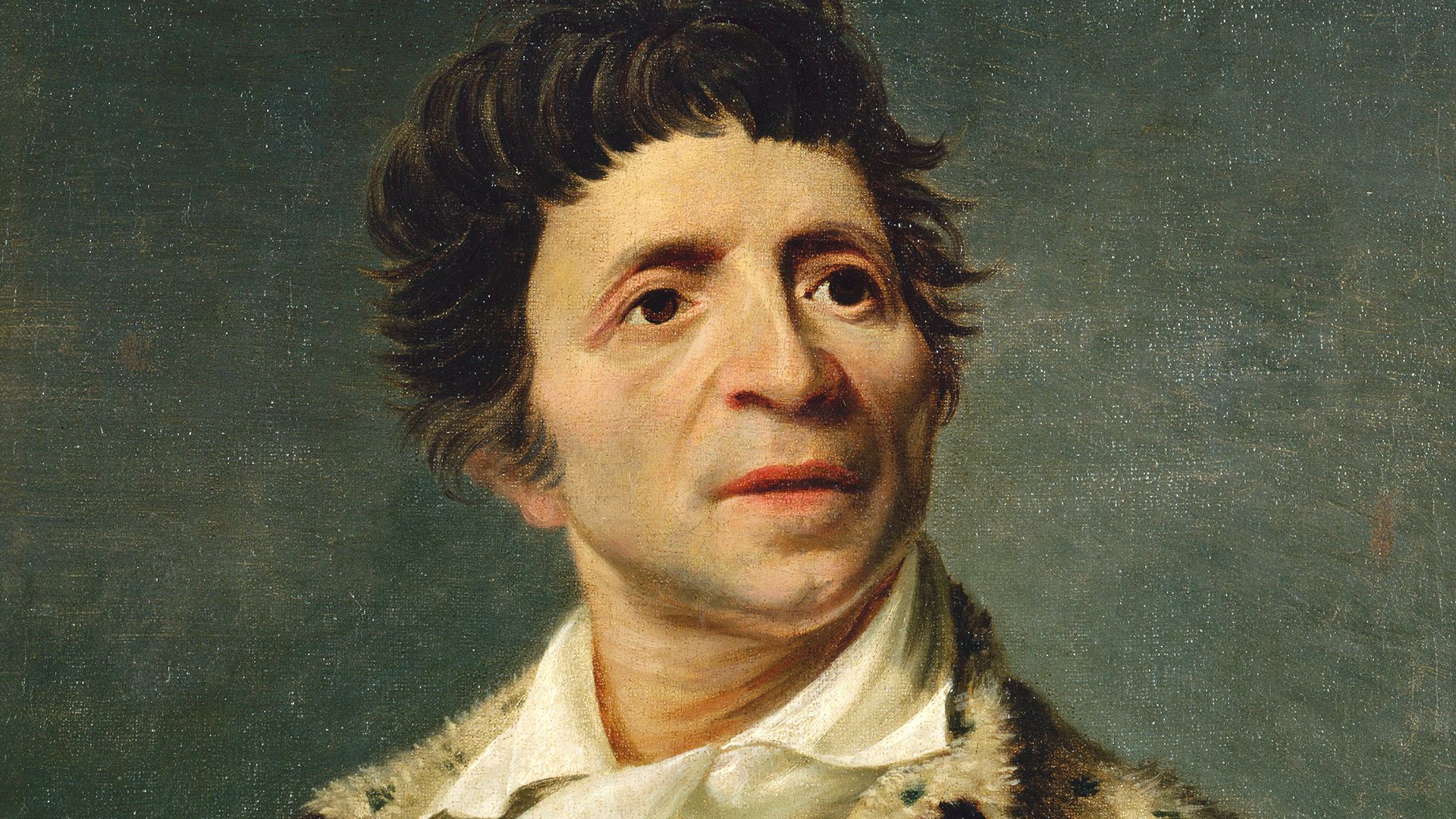
14. Fall And Execution Of Robespierre (July 28, 1794)
Robespierre’s reign ended violently on July 28, 1794, when he was guillotined after being wounded in the jaw. His death brought the Reign of Terror to a close and allowed France to move toward a more moderate phase, proving how quickly political fortunes could change.
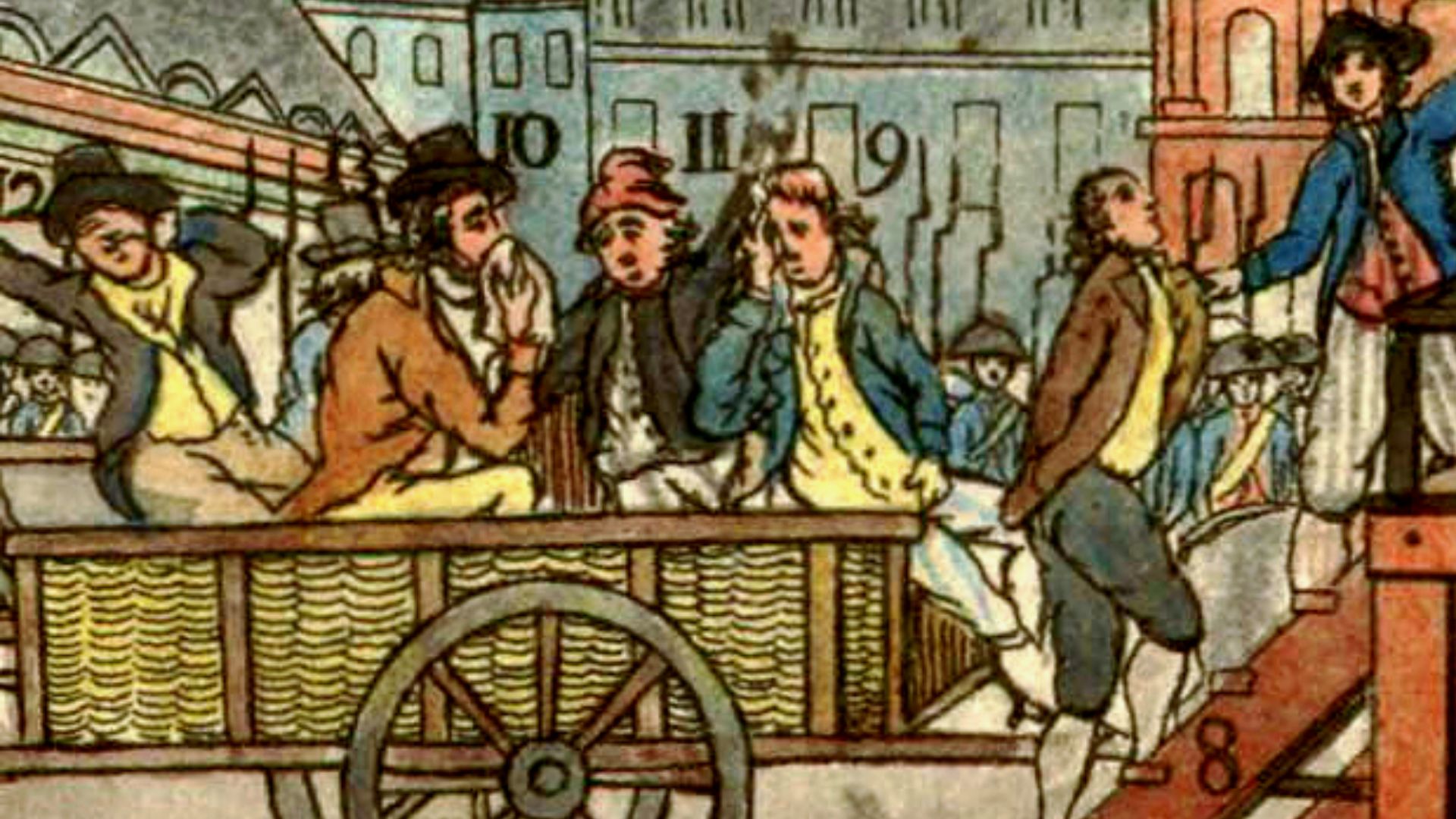 Unknown authorUnknown author on Wikimedia
15. Revolutionary Calendar Introduced (1793)
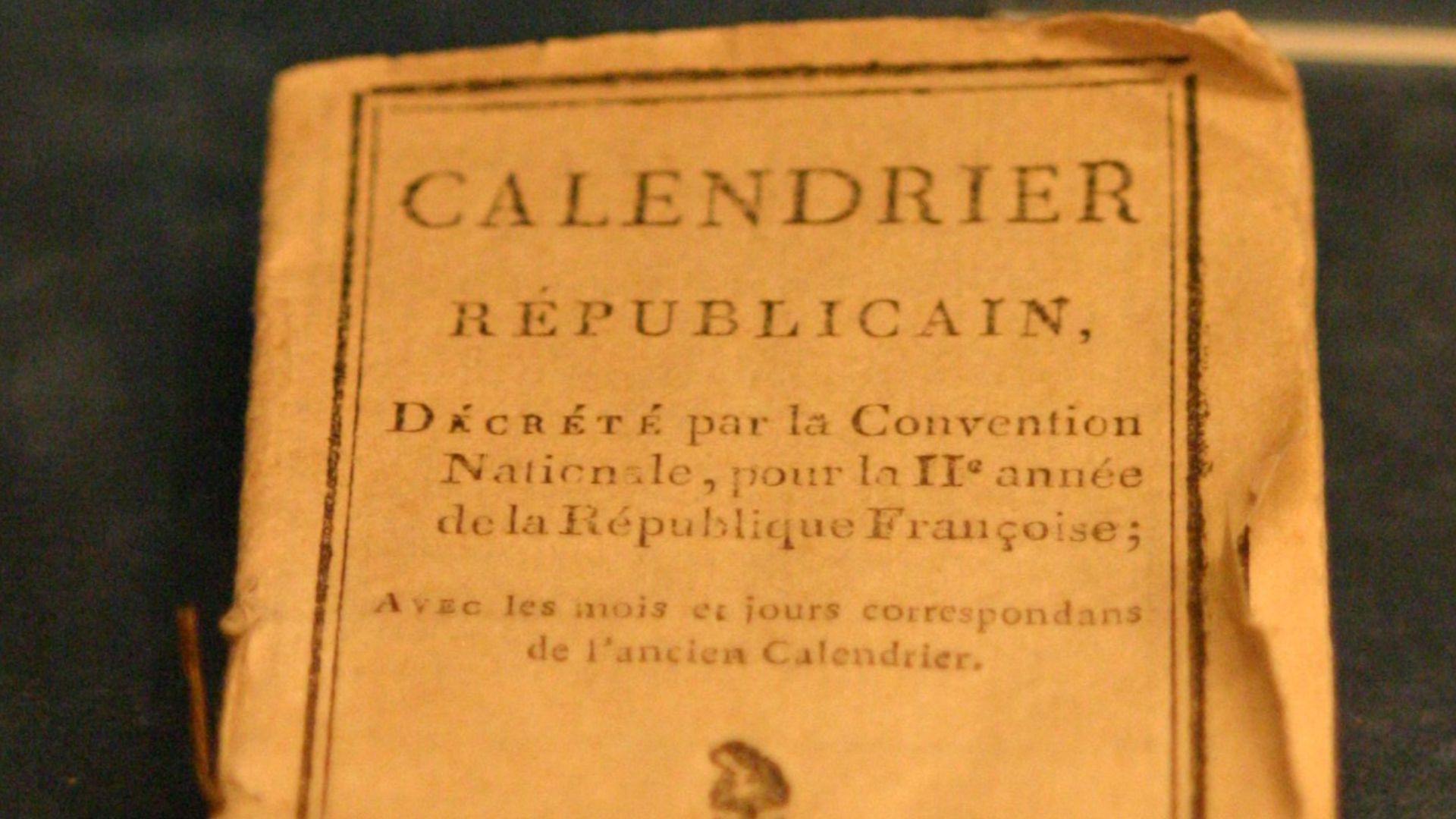
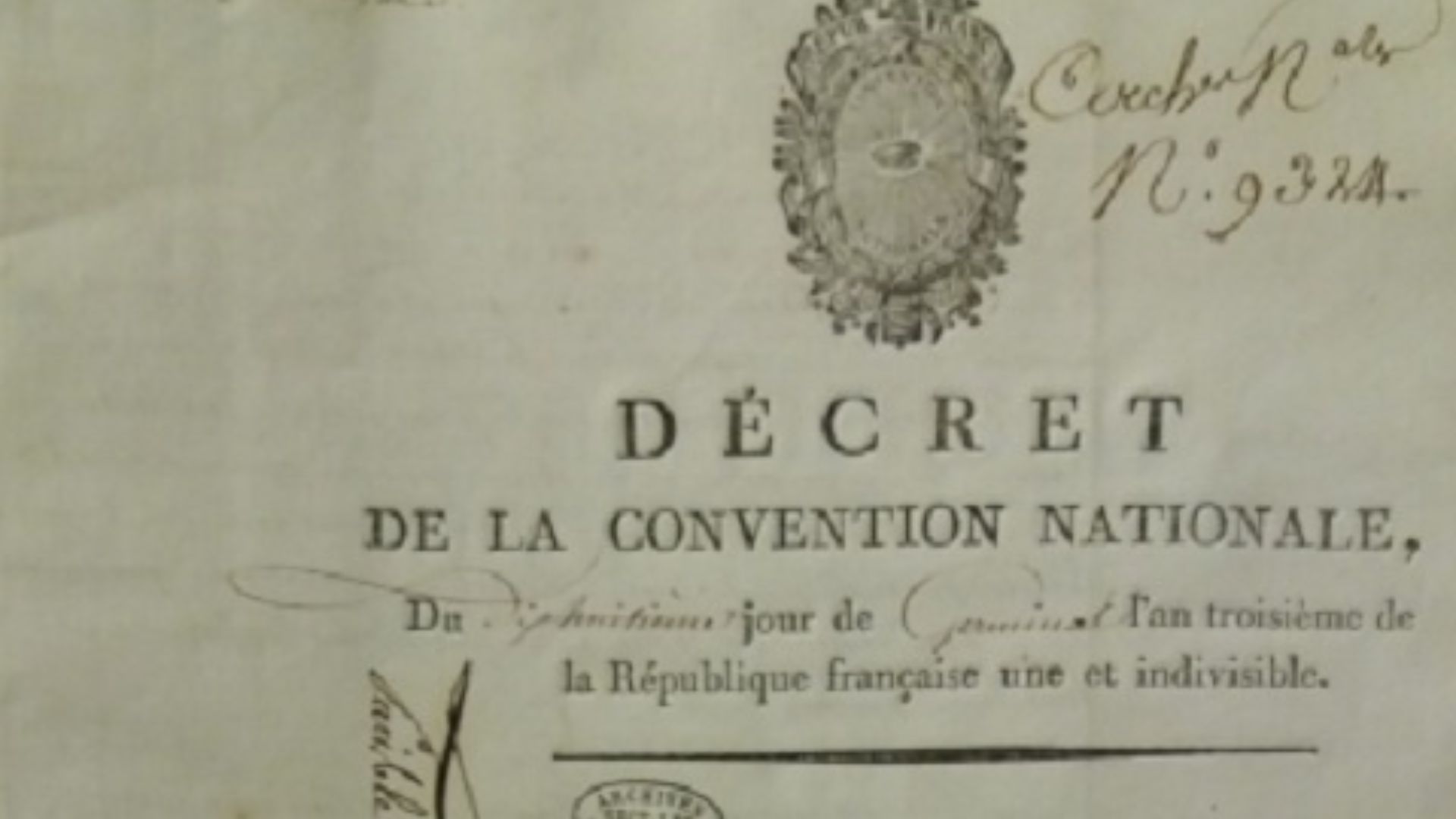
To match its new ideals, France launched a different calendar in 1793. It started with Year I in 1792 and named months after seasonal traits such as Thermidor and Fructidor. Napoleon ended it in 1806, but it remains a powerful reminder of change.
16. Adoption Of The Metric System (1795)
France decided to standardize measurements in 1795, replacing confusing traditional units. The metric system, based on decimals, created consistency in trade and daily life. Over time, what seemed bold became common practice, evidence of how deeply the Revolution reshaped global systems.
 French government (1795) on Wikimedia
17. Assignats and Wartime Finance
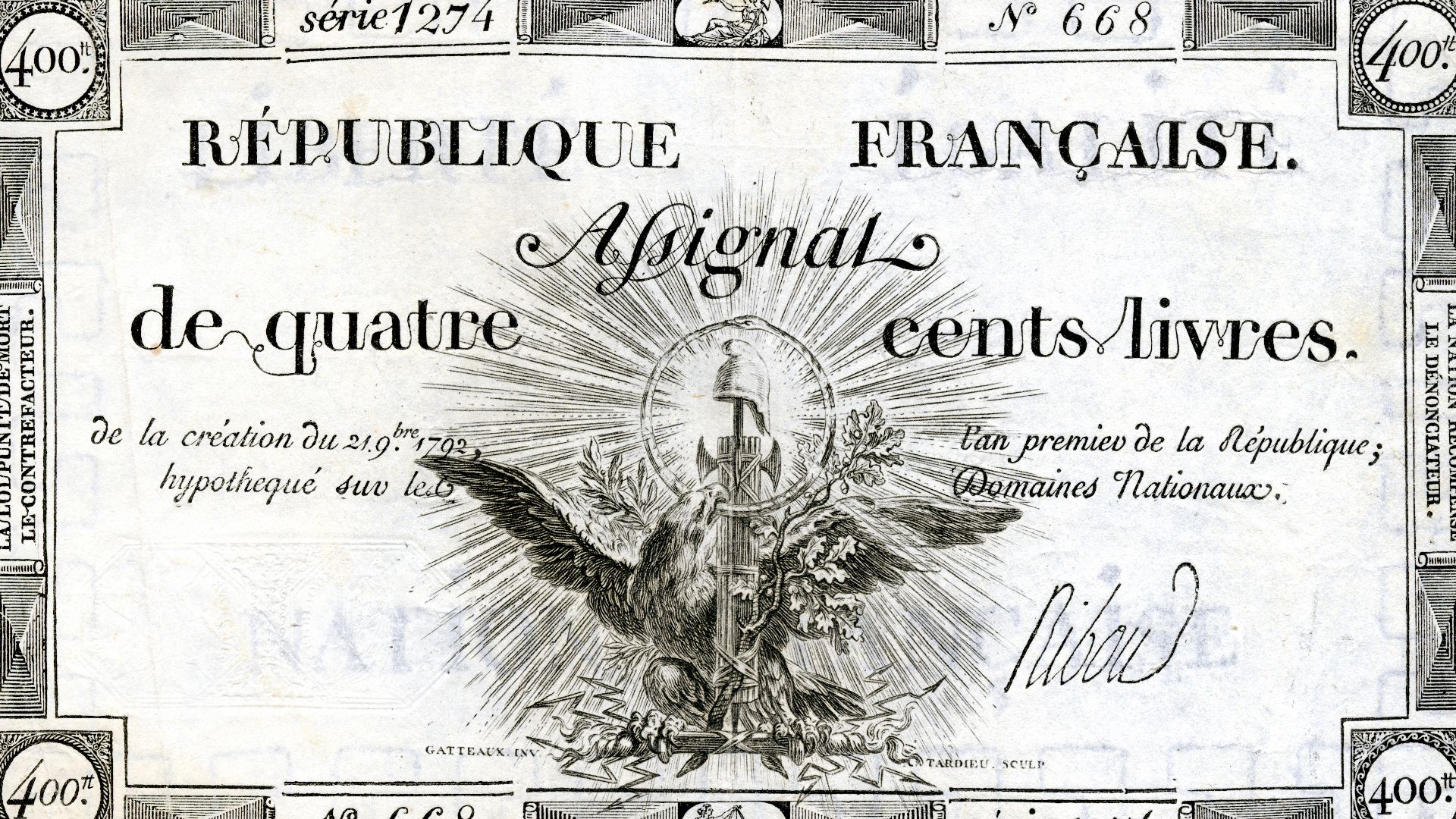
During the Revolution, assignats—paper money backed by confiscated church lands—flooded the economy. Overprinting caused rampant inflation, and counterfeiting became widespread. Despite initial promise, the currency quickly lost value, highlighting the struggle of revolutionary France to finance war while maintaining economic stability.
 National Museum of American History on Wikimedia
18. Aristocratic Émigrés Flee France (1789–1790)
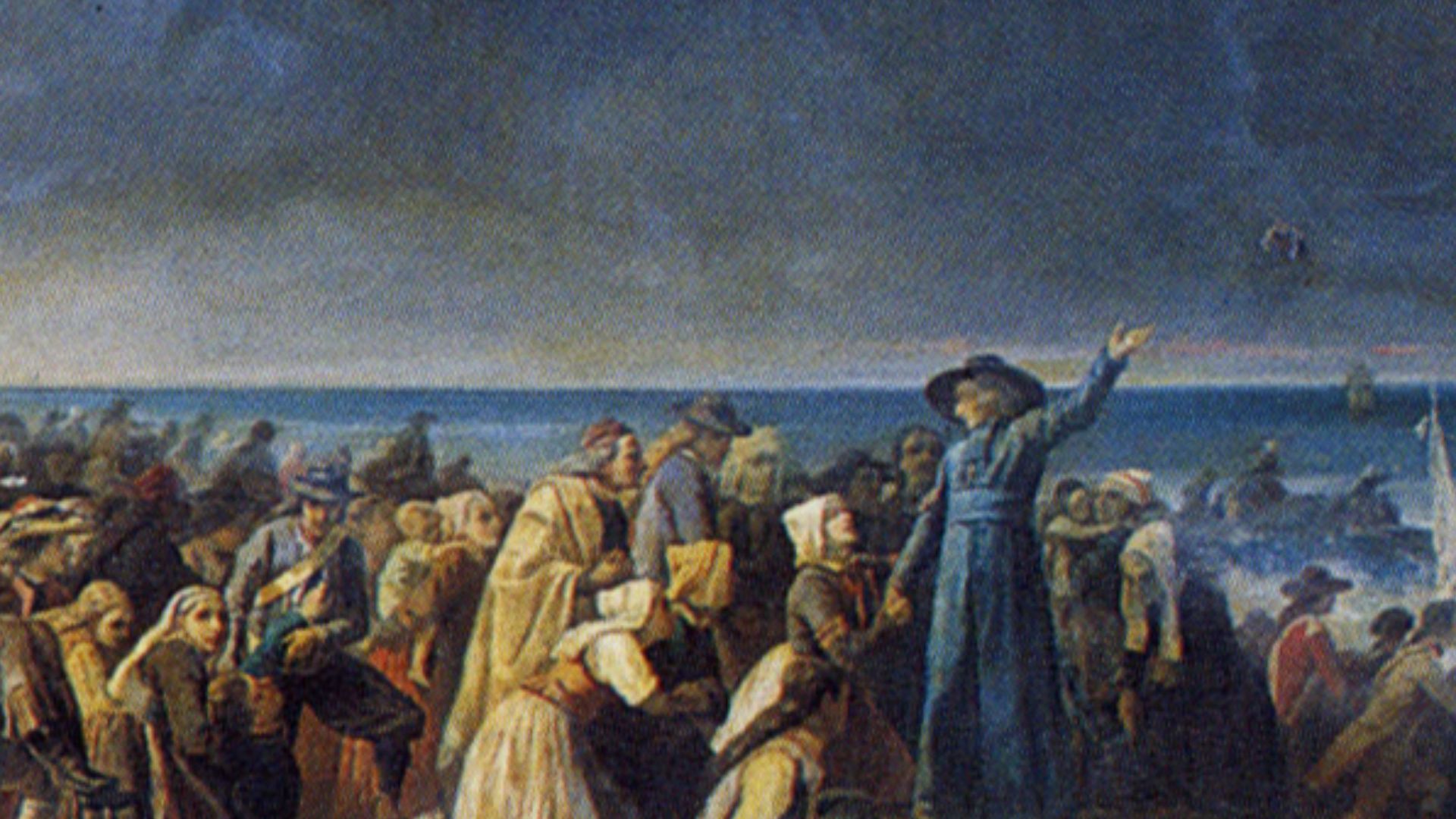
Fear drove many aristocrats to leave France for Austria, Prussia, and beyond. Their departure emptied estates, leaving properties for revolutionary redistribution. Some even plotted to restore monarchy from afar, but their exile highlighted the dramatic social shifts occurring and the Revolution’s reach into personal lives.
19. The Sans-Culottes (1792–1794)
Radical urban laborers called sans-culottes rose to prominence during the Revolution. Their name, meaning “without knee breeches,” symbolized working-class identity. They actively supported insurrections, direct democracy, and food price controls, and proved that ordinary citizens could wield extraordinary influence in shaping revolutionary politics.
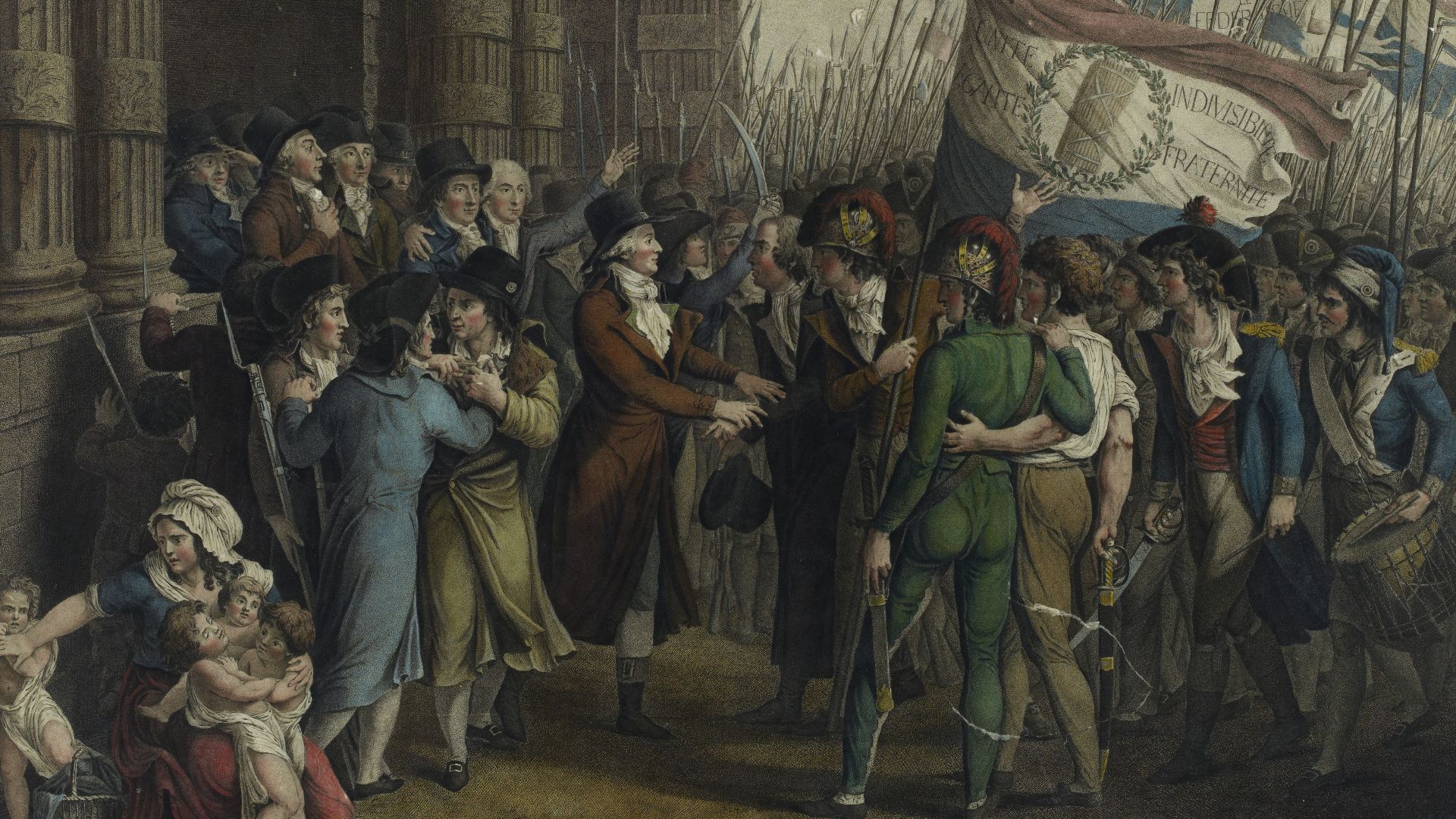 After Fulchran-Jean Harriet on Wikimedia
20. Political Clubs
Revolutionary politics thrived in clubs like the radical Jacobins and moderate Girondins. Meetings in monasteries and salons sparked debates, rivalries, and even purges. These clubs also shaped policy and public opinion, demonstrating how passionate discourse could influence the Revolution’s trajectory and redefine power dynamics.
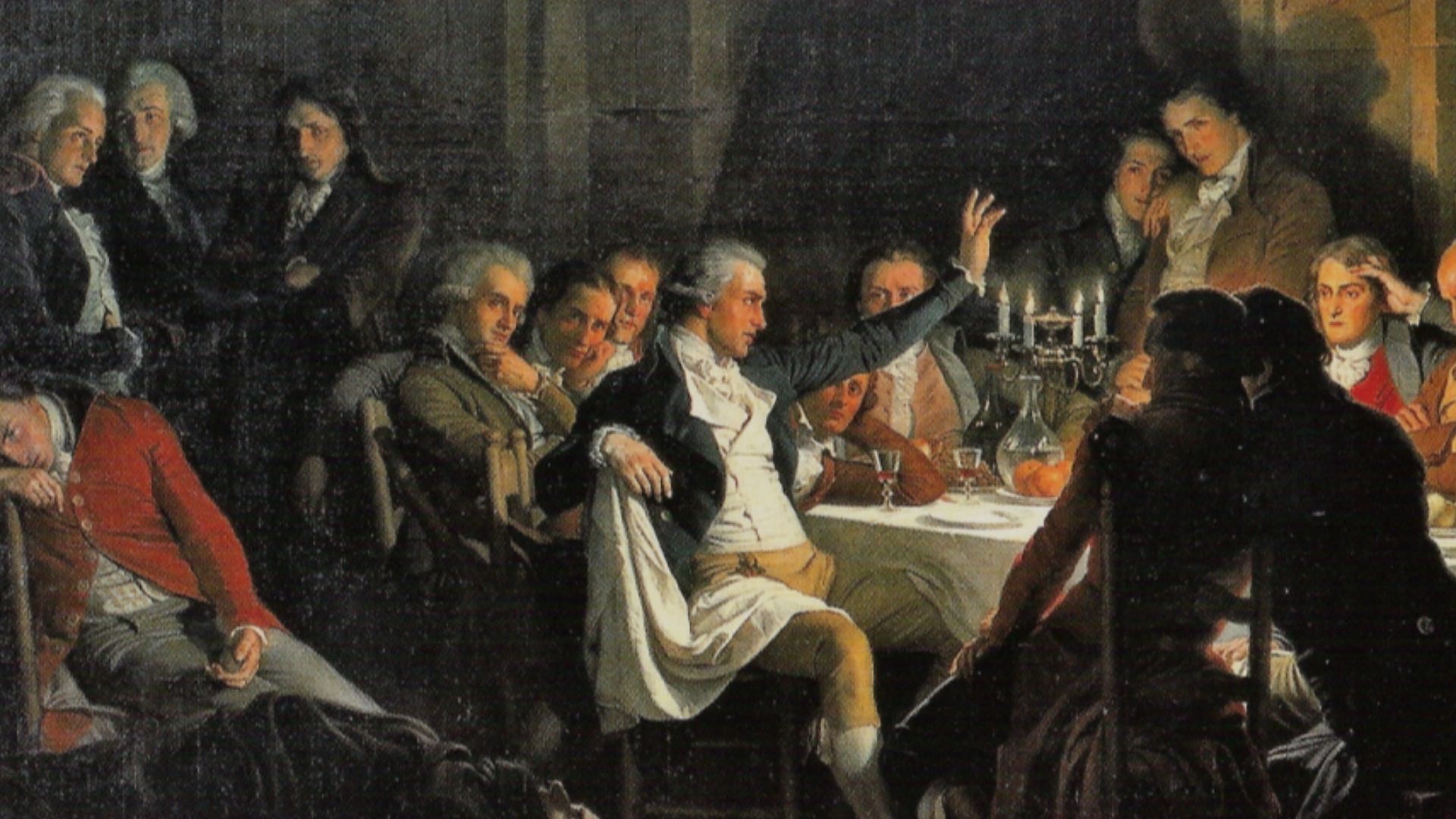
KEEP ON READING

From Heroes To Zeroes 20 Historical Figures Whose Heroism Was…
History is full of legends, but not every hero lived…
By Noone Feb 25, 2026
The Clueless Crush: How I Accidentally Invited a Hacker Into…
Fluorescent Lights and First Impressions. My name is Tessa, I'm…
By Ali Hassan Nov 4, 2025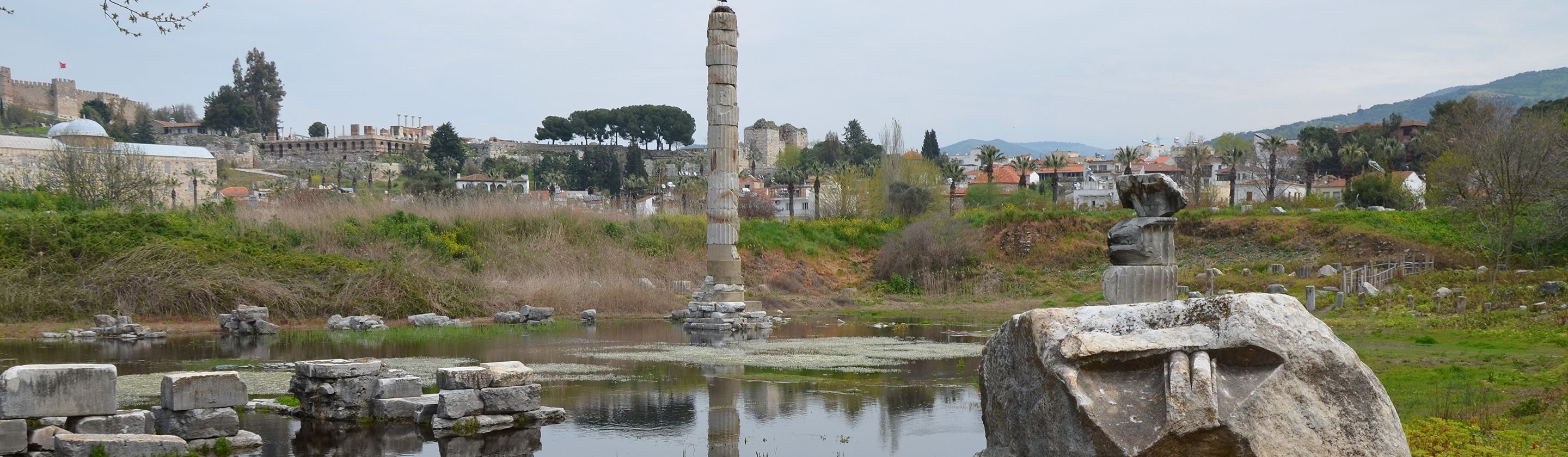
This Infamous Ancient Greek Burned Down An Ancient Wonder Just…
History remembers kings and conquerors, but sometimes, it also remembers…
By David Davidovic Nov 12, 2025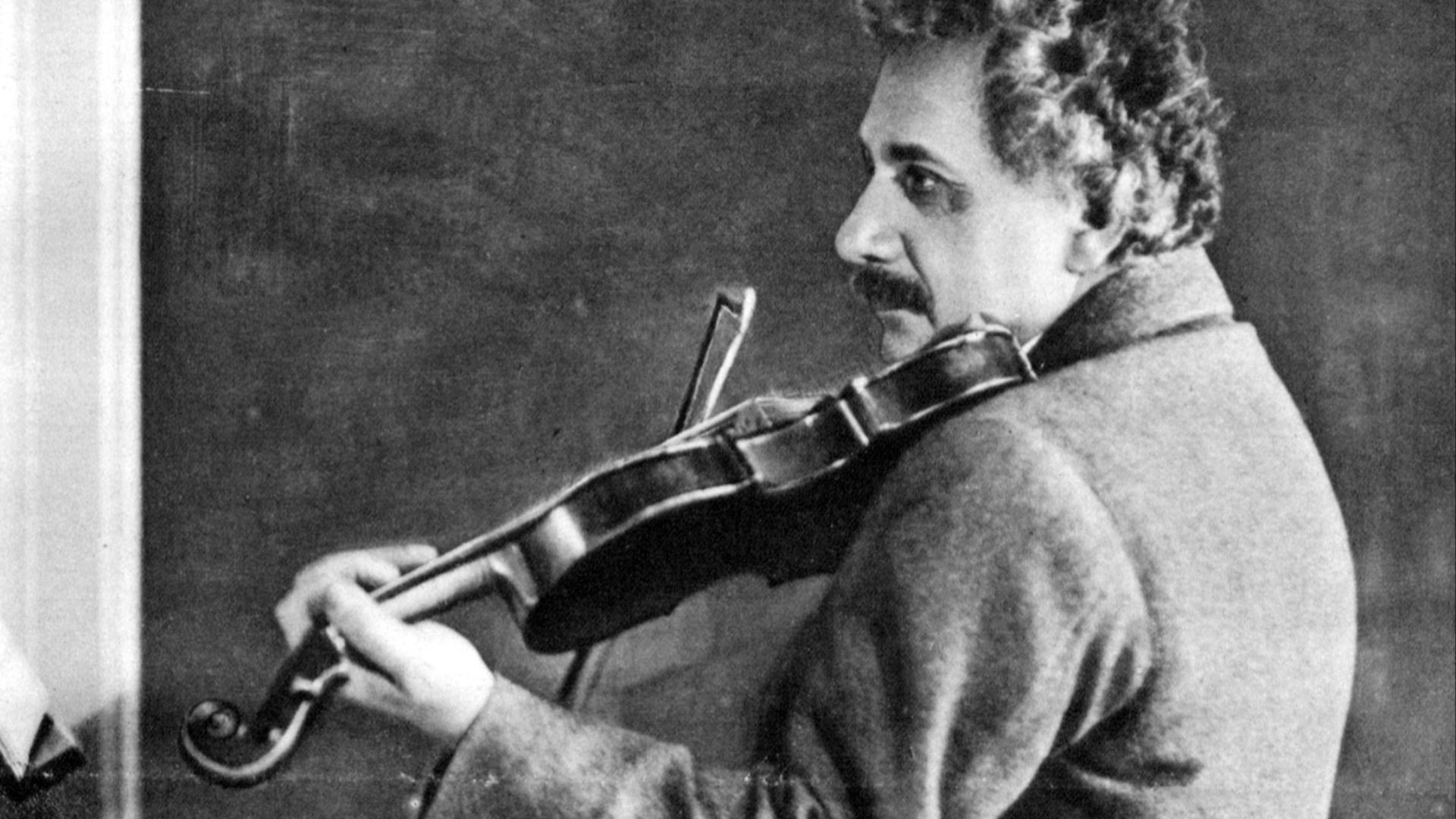
Einstein's Violin Just Sold At An Auction—And It Earned More…
A Visionary's Violin. Wanda von Debschitz-Kunowski on WikimediaWhen you hear…
By Ashley Bast Nov 3, 2025
The Mysterious "Sea People" Who Collapsed Civilization
3,200 years ago, Bronze Age civilization in the Mediterranean suddenly…
By Robbie Woods Mar 18, 2025
20 Historical Figures Who Died Too Young
Lives Tragically Cut Short. History often remembers long reigns, mature…
By Christy Chan May 15, 2026