


When the Mind Goes Viral
Mass hysteria, now more commonly referred to by researchers as mass psychogenic illness, is a documented phenomenon in which physical symptoms, emotional responses, or unusual behaviors spread rapidly through a group with no identifiable physical cause. Throughout history, entire communities have been gripped by unexplained fainting spells, uncontrollable laughter, phantom illnesses, and compulsive dancing, all without medical explanations that hold up under scrutiny. The following 20 cases from across the centuries are among the most well-documented and thoroughly analyzed examples of what happens when collective anxiety, shared belief, and social pressure take hold of a community.
1. The Dancing Plague of 1518
In the summer of 1518, a woman named Frau Troffea began dancing uncontrollably in the streets of Strasbourg, and within a month, as many as 400 people had joined in what became one of history's most baffling mass hysteria events. The dancers reportedly couldn't stop, continuing for days at a time until their feet bled; some are believed to have died from exhaustion or heart failure before the outbreak finally ended.
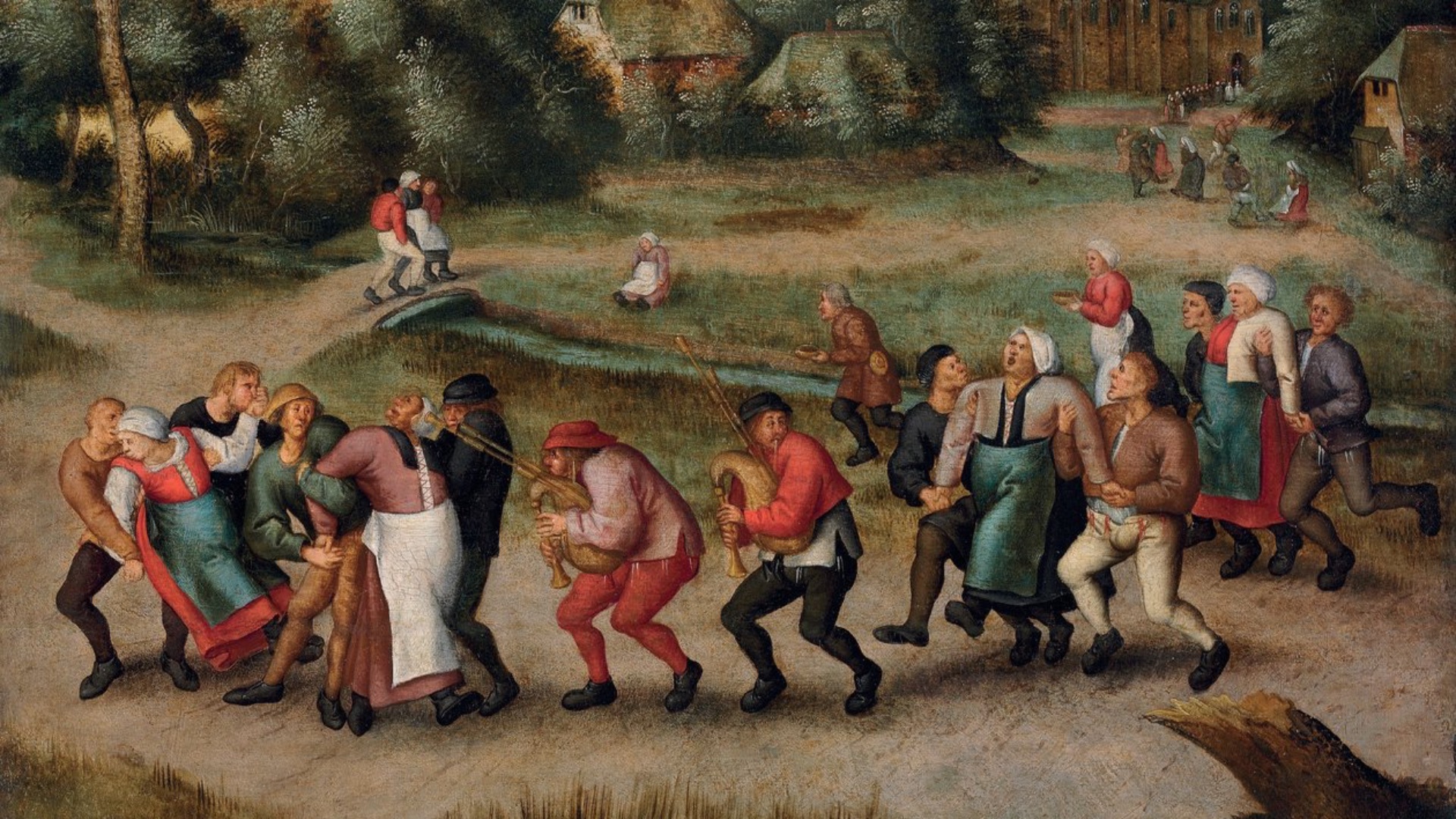 Pieter Brueghel the Younger on Wikimedia
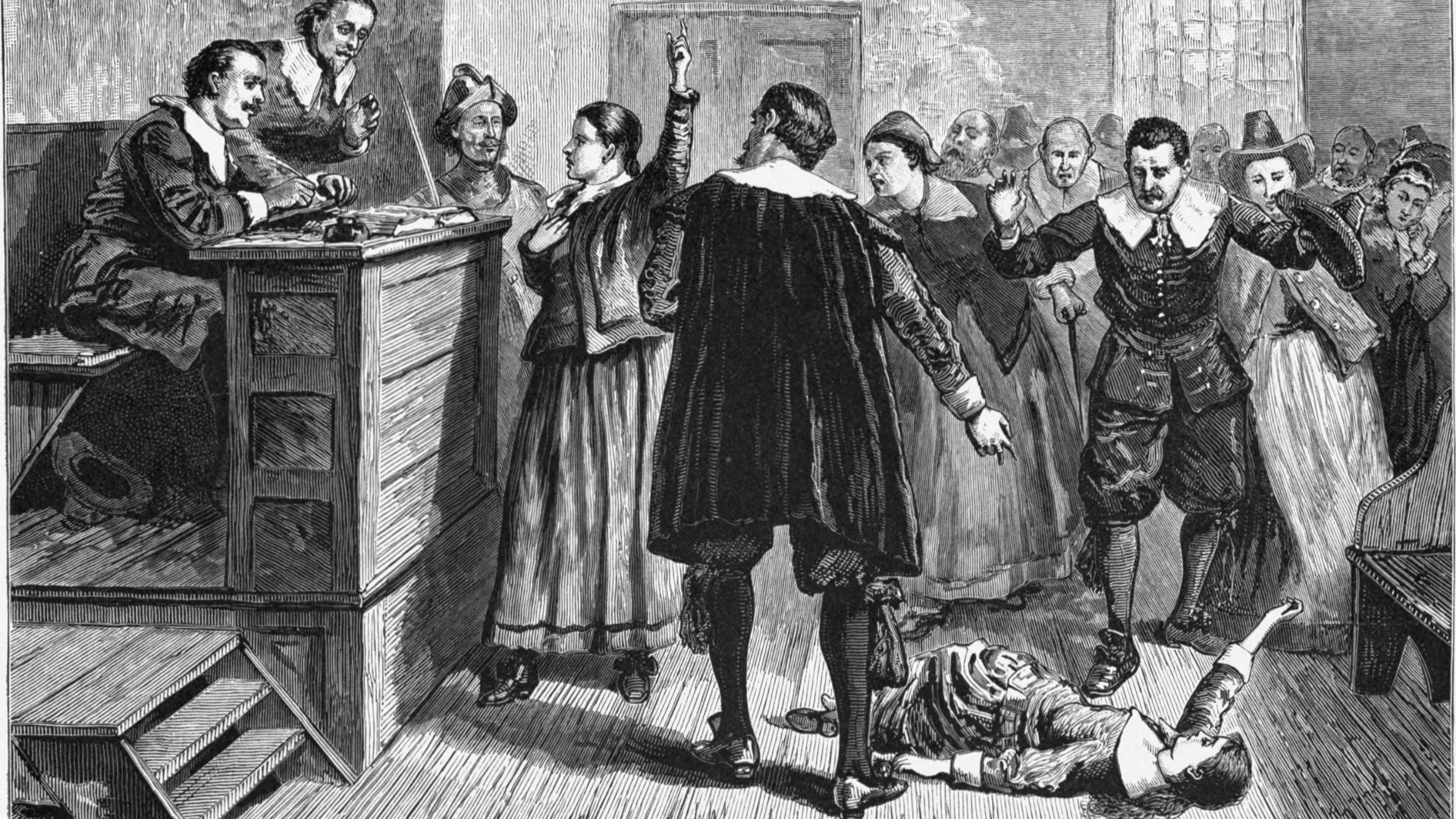
2. The Salem Witch Trials
Few events in American history have been as extensively studied as the Salem Witch Trials of 1692, when a group of young girls in Salem Village, Massachusetts, began experiencing fits, hallucinations, and convulsions that they attributed to witchcraft. Over the following months, more than 200 people were accused of practicing witchcraft, and 20 were executed before the hysteria finally subsided.
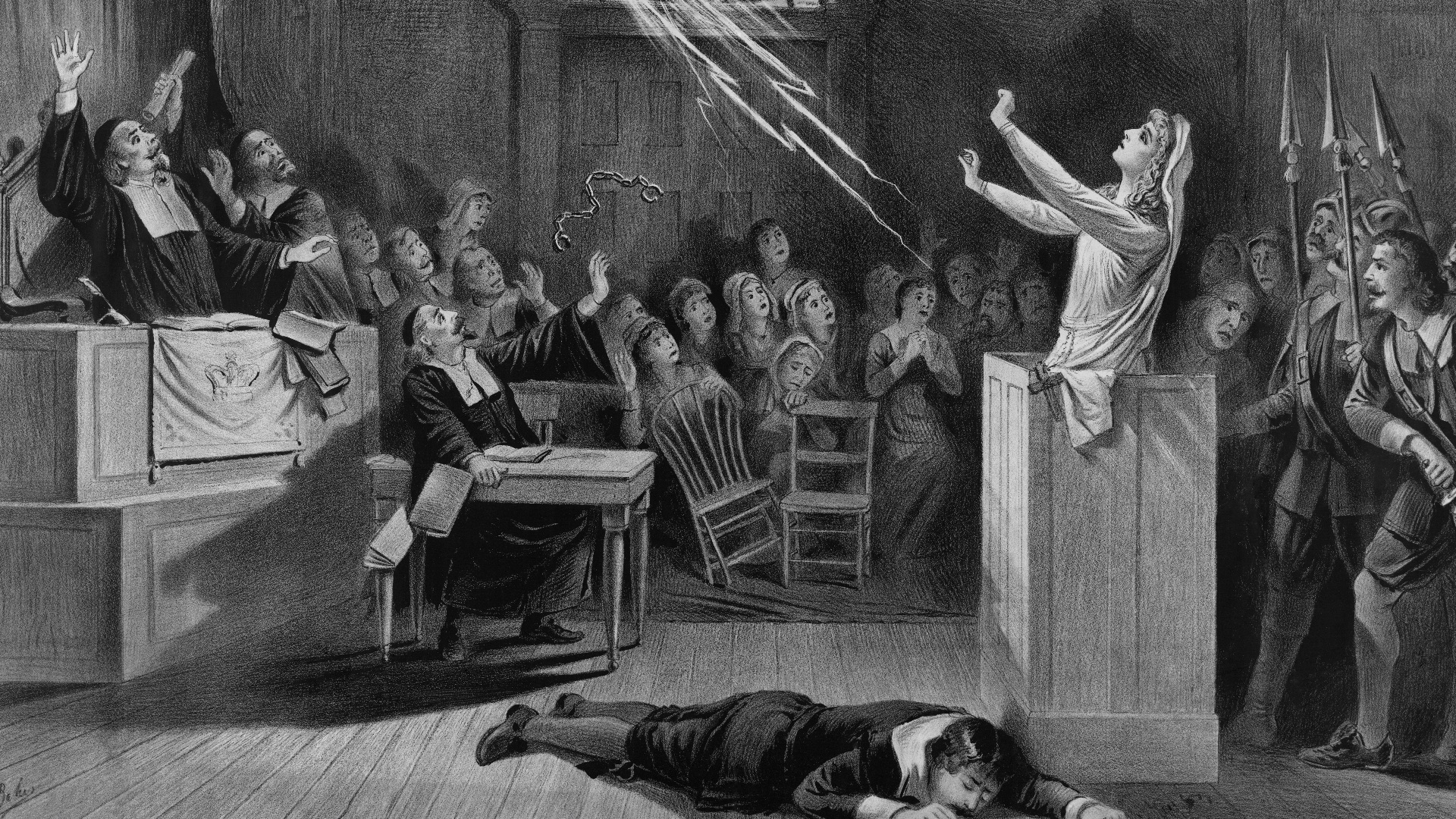 Joseph E., ca. 1837-1914, artist. on Wikimedia
3. The Tanganyika Laughter Epidemic
Three schoolgirls at a boarding school in Kashasha, Tanganyika, began laughing uncontrollably in January 1962, and the laughter rapidly spread to hundreds of students across multiple schools over the following months. The fits lasted anywhere from a few minutes to several hours and were often accompanied by crying, fainting, and aggression. The outbreak was so disruptive that several schools had to shut down entirely.

4. The June Bug Epidemic
Workers at a textile mill in North Carolina became convinced in 1962 that a mysterious insect living in a fabric shipment was biting them and causing rashes, nausea, and dizziness that spread across the factory floor within days. Investigators found no evidence of any bug capable of producing those symptoms, and medical examinations revealed no physical cause for the illness affecting dozens of employees. Sociologists who studied the incident concluded it was a textbook case of mass psychogenic illness, with workplace anxiety and social contagion driving the rapid spread of reported symptoms.

5. The Mad Gasser of Mattoon
Residents of Mattoon, Illinois, were thrown into a panic in September 1944 when reports emerged that a mysterious prowler was spraying a sweet-smelling toxic gas through people's windows at night, causing nausea, paralysis, and vomiting across the town. The local newspaper ran dramatic front-page coverage of what it called a "mad gasser," and within days, new reports flooded in from across the community. Investigators, however, found no evidence of any gas or perpetrator.

6. The West Bank Fainting Epidemic
Hundreds of Palestinian schoolgirls in the West Bank began collapsing in April 1983, reporting dizziness, nausea, and difficulty breathing in what initially looked like a deliberate poisoning. Authorities, leaders, and international health organizations all conducted investigations, but no toxic substance was ever identified, and the outbreak was ultimately classified as mass psychogenic illness.

7. The Pokémon Panic
When a Pokémon episode featuring rapidly flashing red and blue lights aired in Japan on December 16, 1997, it triggered seizures in approximately 685 children who were immediately taken to hospitals across the country. In the days that followed, thousands more children reported symptoms including headaches, nausea, and blurred vision even after the episode had been pulled from broadcast, though many of these subsequent cases had no neurological basis whatsoever.

8. The Koro Epidemic
A wave of panic spread through Singapore in 1967 after hundreds of men became convinced that their genitals were shrinking and would eventually retract entirely into their bodies, a belief that prompted widespread attempts to halt the process using clamps, strings, and other makeshift devices. The outbreak was traced to a rumor that pork from pigs vaccinated against swine fever could cause the condition, and it spread quickly before health authorities stepped in with public reassurances. While koro has appeared in various cultures throughout history, the 1967 Singapore episode remains one of the largest and most thoroughly documented outbreaks of the condition on record.

9. The Strawberries with Sugar Panic
Students across Portugal began reporting rashes, dizziness, and difficulty breathing in 2006, convinced that a mysterious illness was tearing through their schools. Investigators traced the panic back to a popular teen television series called "Morangos com Açúcar" (Strawberries with Sugar), in which a fictional virus had swept through a school; students appeared to be replicating the symptoms they'd seen portrayed on screen. Portugal's health authority confirmed there was no actual virus and classified the outbreak as mass psychogenic illness triggered directly by fictional media content, making it one of the more unusual cases in recent history.

10. The Halifax Slasher
In November 1938, the town of Halifax, England, erupted in fear after residents began reporting that a mysterious attacker with a razor blade or mallet was slashing victims on the streets at night. The case drew in Scotland Yard detectives and attracted national media coverage, sending the community into a state of fearful lockdown; it came to light eventually, however, that the supposed victims had inflicted their own injuries to claim compensation or attract sympathy.

11. The Le Roy Neurological Outbreak
More than a dozen teenage girls at a high school in Le Roy, New York, began developing Tourette-like symptoms between 2011 and 2012, including facial tics, uncontrolled twitching, and verbal outbursts that left doctors, parents, and investigators searching for answers.
Extensive environmental testing found no toxic cause, and neurologists ultimately diagnosed most of the students with conversion disorder, a condition in which psychological stress manifests as real physical and neurological symptoms.

12. The Seattle Windshield Pitting Epidemic
Tiny pits and holes started appearing in Seattle car windshields in the spring of 1954, and residents were quick to blame everything from radioactive nuclear fallout to sand flea eggs to cosmic rays for the mysterious damage. The reports spread northward through Washington State as local news coverage ramped up; most people reporting damage had simply never examined their windshields closely before and were noticing pre-existing marks for the first time. Scientists who studied the episode concluded that collective suggestion, combined with a media-driven shift in public attention, had caused otherwise ordinary observations to take on a deeply alarming significance.

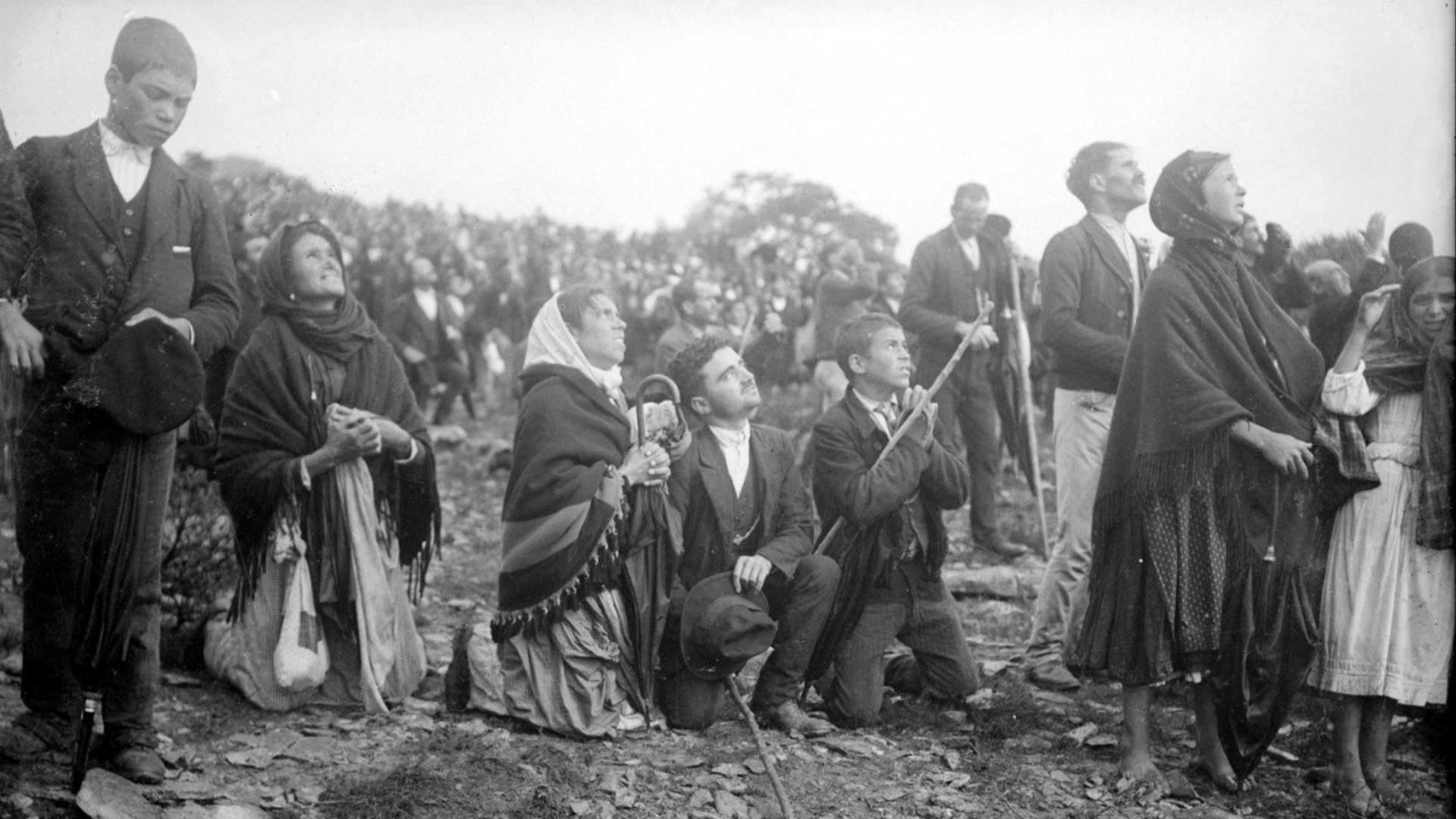
13. The Miracle of the Sun
On October 13, 1917, tens of thousands of people gathered at Fátima, Portugal, after three young children claimed the Virgin Mary had promised a miracle would occur that day. The crowd, estimated at between 30,000 and 100,000, reported witnessing the sun spin, change color, and appear to dive toward Earth. Researchers who have examined the event have proposed a range of explanations, including atmospheric optical illusions, retinal distortion from staring directly at the sun, and mass suggestion fueled by the intensity of collective anticipation.
The episode holds deep religious significance for many Catholics and is simultaneously one of the most frequently cited case studies in academic literature on shared perception and the power of mass expectation.
14. The Meowing Nuns
In the 15th and 16th centuries, a number of European convents were overtaken by unusual collective behavior; one of the most well-known accounts describes a French convent where the nuns began meowing like cats in unison for hours each day until soldiers were stationed outside to put a stop to it. Similar outbreaks were recorded in convents across Germany, Holland, and Italy, with reported symptoms including biting, speaking in tongues, animal sounds, and convulsions, all of which were typically attributed to demonic possession at the time.

15. The Monkey Man of Delhi
Panic overtook New Delhi in May 2001 after dozens of residents reported being attacked at night by a mysterious creature described as a monkey-like figure with metal claws, glowing red eyes, and the ability to leap several stories high. The reports spread rapidly through working-class neighborhoods, causing sleepless nights across the city and leading mobs to chase and assault people who were mistaken for the creature in the dark. Extensive police investigations, however, turned up no evidence that any such creature existed.

16. The New England Vampire Panic
Throughout the 19th century, rural communities in New England responded to tuberculosis outbreaks with the belief that deceased family members were rising from the grave to drain the vitality of the living, leading to the exhumation of bodies and the ritualistic destruction of internal organs in an attempt to stop the illness from spreading further.
The panic was especially widespread in Rhode Island and Vermont, with one of the most documented cases being the 1892 exhumation of Mercy Brown, whose organs were burned and whose ashes were dissolved into a liquid that her dying brother was made to drink.

17. The Belgium Coca-Cola Hysteria
A nationwide health scare erupted in Belgium in June 1999 after schoolchildren across the country began reporting nausea, headaches, and dizziness following consumption of Coca-Cola products, prompting the recall of millions of cans and bottles across Belgium, France, Luxembourg, and the Netherlands. Health investigators found only minor quality issues in a small batch of product; the contamination identified was far too minor to account for the scale of symptoms being reported across multiple regions.

18. The Toxic Lady of Riverside
When Gloria Ramirez was brought to Riverside General Hospital in California in February 1994 with severe cardiac complications, multiple members of the emergency room staff who treated her began fainting, experiencing difficulty breathing, and reporting an unusual smell, sending the ER into complete disarray. Investigators later proposed that Ramirez had been self-administering dimethyl sulfoxide, which may have converted into a toxic compound in her bloodstream; however, no definitive explanation has ever been confirmed. The case remains one of the most debated incidents in American medical history, with many researchers arguing that the staff's symptoms were at least partially the result of psychogenic illness spreading through the room after the initial collapses.

19. The Hollinwell Incident
Roughly 300 children collapsed at a marching band competition at Hollinwell Showground in Nottinghamshire, England, on July 13, 1980, reporting dizziness, vomiting, and loss of consciousness in an event that made national headlines overnight. No toxic substance, contaminated food source, or environmental hazard was ever identified despite thorough testing of the air, water, and grounds at the showground.

20. The Writing Tremor Epidemic
In 1892, a strange outbreak began among schoolchildren in Groß Tinz, Germany, when a 10-year-old girl developed an uncontrollable tremor in her right hand that appeared most noticeably when she tried to write. The symptoms soon spread to other students, with some children experiencing full-body convulsions, altered consciousness, and amnesia; a similar outbreak later appeared in Basel, Switzerland, and even resurfaced there years afterward.

KEEP ON READING

The story of Ching Shih, the Woman Who Became the…
Unknown author on WikimediaFew figures in history are as feared…
By Emilie Richardson-Dupuis Dec 29, 2025
Einstein's Violin Just Sold At An Auction—And It Earned More…
A Visionary's Violin. Wanda von Debschitz-Kunowski on WikimediaWhen you hear…
By Ashley Bast Nov 3, 2025
This Infamous Ancient Greek Burned Down An Ancient Wonder Just…
History remembers kings and conquerors, but sometimes, it also remembers…
By David Davidovic Nov 12, 2025
The Mysterious "Sea People" Who Collapsed Civilization
3,200 years ago, Bronze Age civilization in the Mediterranean suddenly…
By Robbie Woods Mar 18, 2025
20 Historical Figures Who Were Gay
A Brief Note Before We Begin. Looking back at history,…
By Annie Byrd Apr 27, 2026
20 Soldiers Who Defied Expectations
Changing the Rules of the Battlefield. You’ve probably heard plenty…
By Annie Byrd Feb 10, 2026