


When the Impossible Victory Actually Happened
History is full of battles where the outcome seemed obvious before the fighting even began. Larger armies, stronger fortifications, and superior technology often gave one side a clear advantage. Yet again and again, smaller or weaker forces managed to win through strategy, leadership, timing, or sheer determination. These 20 unexpected victories often changed the course of wars and sometimes even the direction of entire nations.
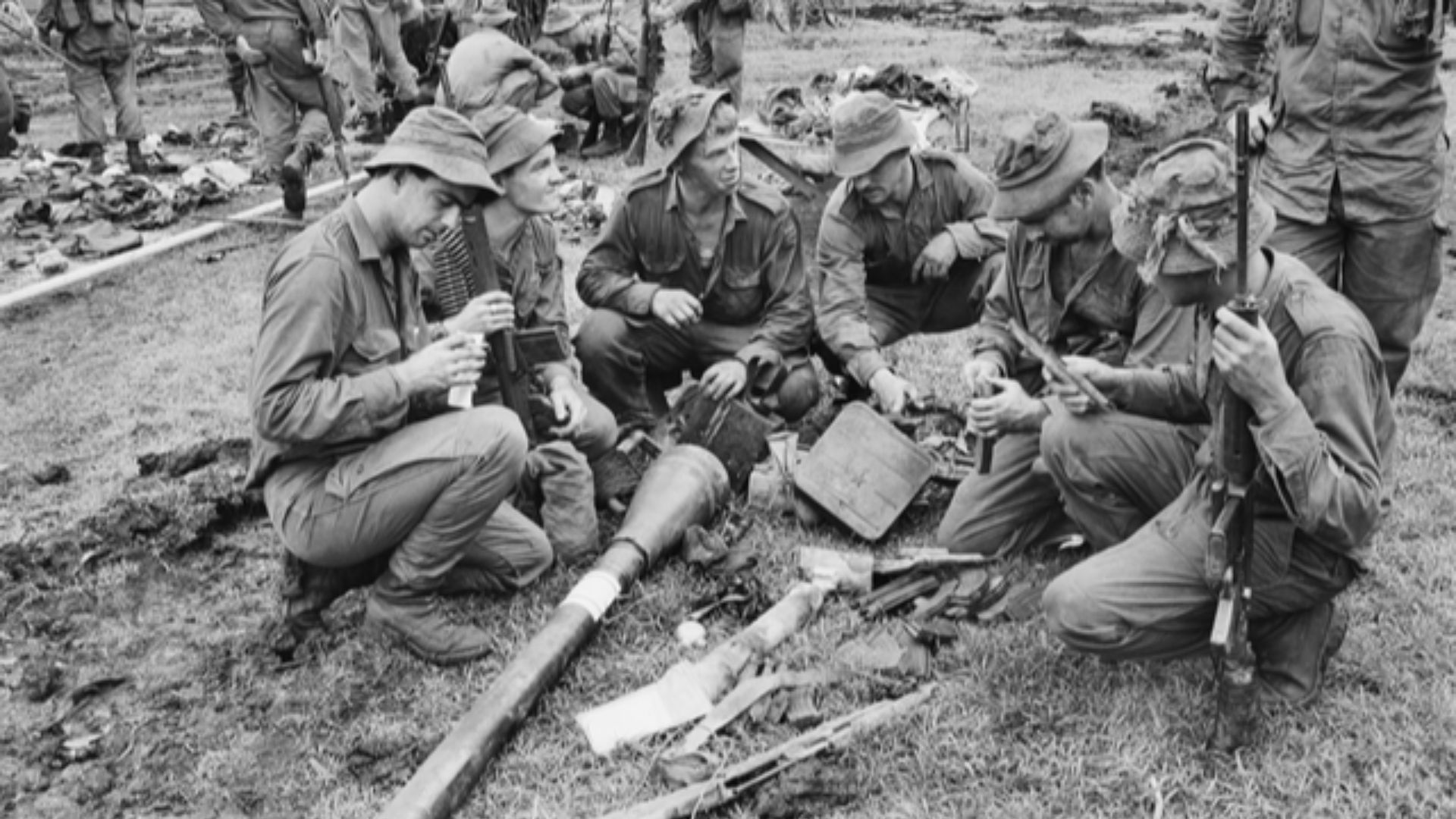 Bellis, Christopher John on Wikimedia
1. Battle of Marathon (490 BC)
The Athenian army was significantly smaller than the invading Persian force sent by King Darius I. Despite being outnumbered, the Greeks launched a rapid charge that disrupted Persian archers and forced them into close combat.
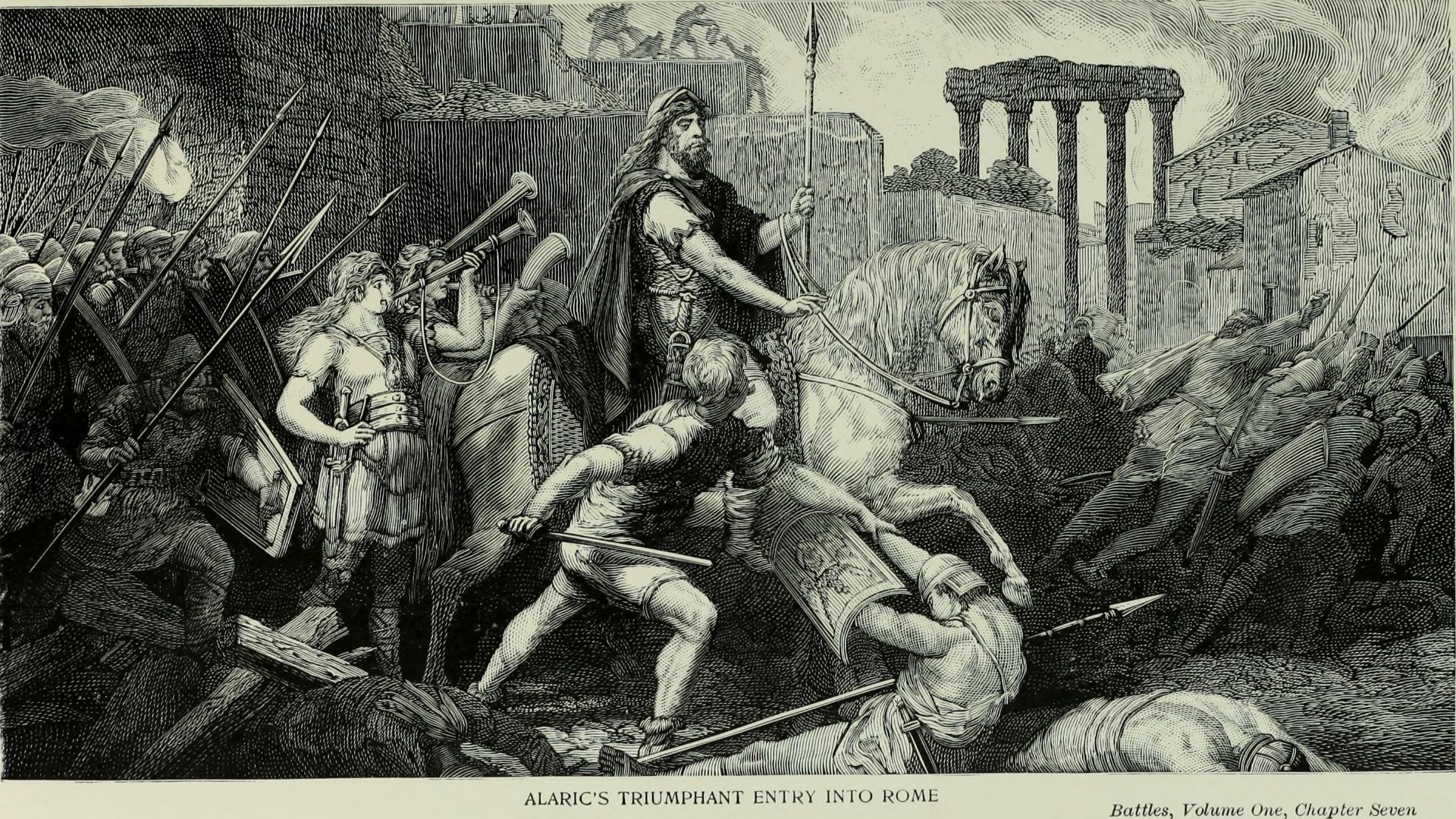 Wilberforce, Archibald on Wikimedia
2. Battle of Salamis (480 BC)
The Persian fleet greatly outnumbered the Greek ships during the Greco-Persian Wars. Greek commander Themistocles lured the Persian navy into the narrow straits near Salamis, where their numerical advantage became less useful.
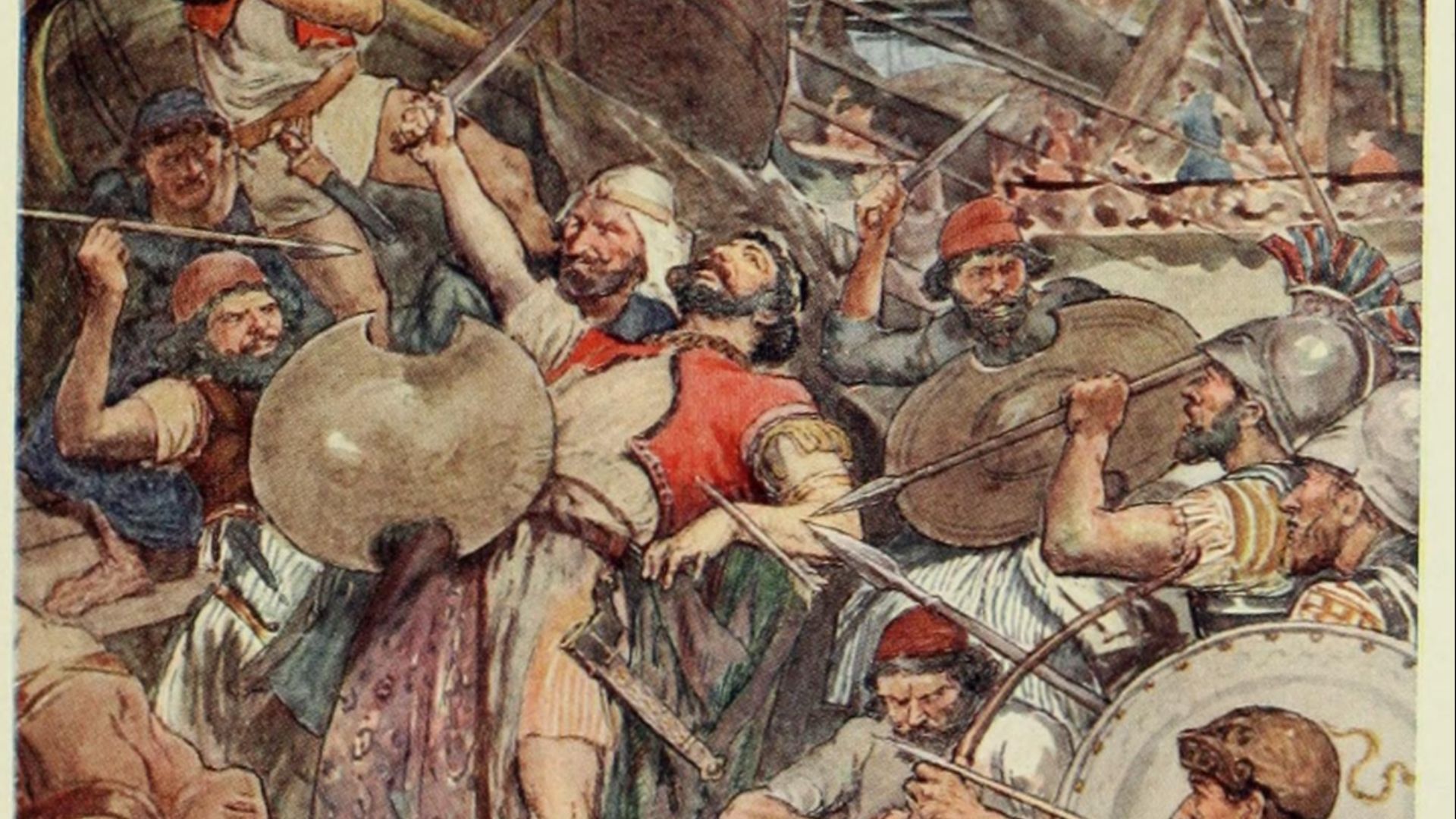
3. Battle of Gaugamela (331 BC)
Alexander the Great faced a massive Persian army under King Darius III. The Persians had superior numbers and even deployed scythed chariots designed to break infantry lines. Alexander used disciplined formations and a carefully timed cavalry strike to attack a weak point in the Persian line. When Darius fled the battlefield, Persian resistance collapsed.
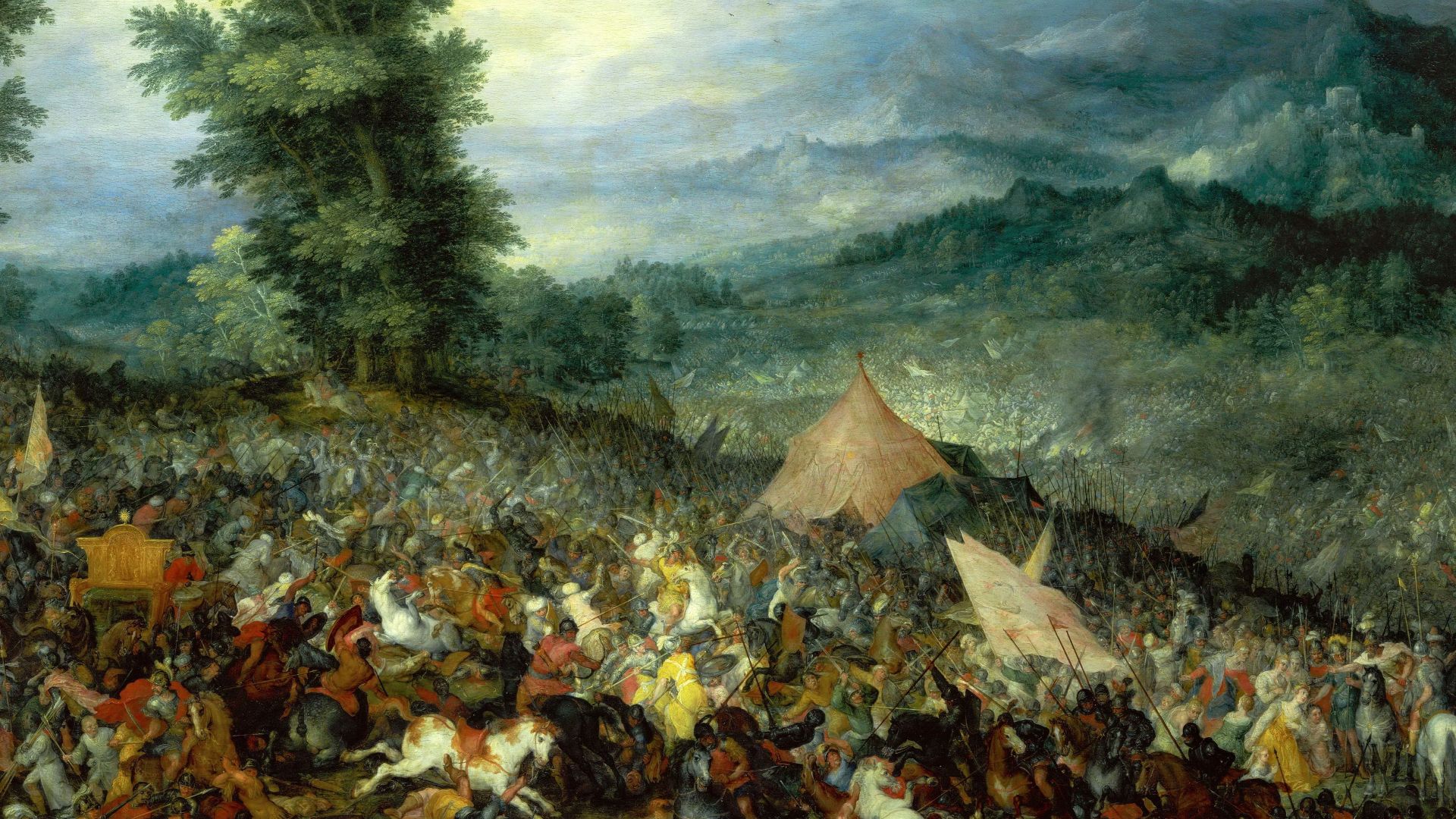 Jan Brueghel the Elder on Wikimedia
4. Battle of Cannae (216 BC)
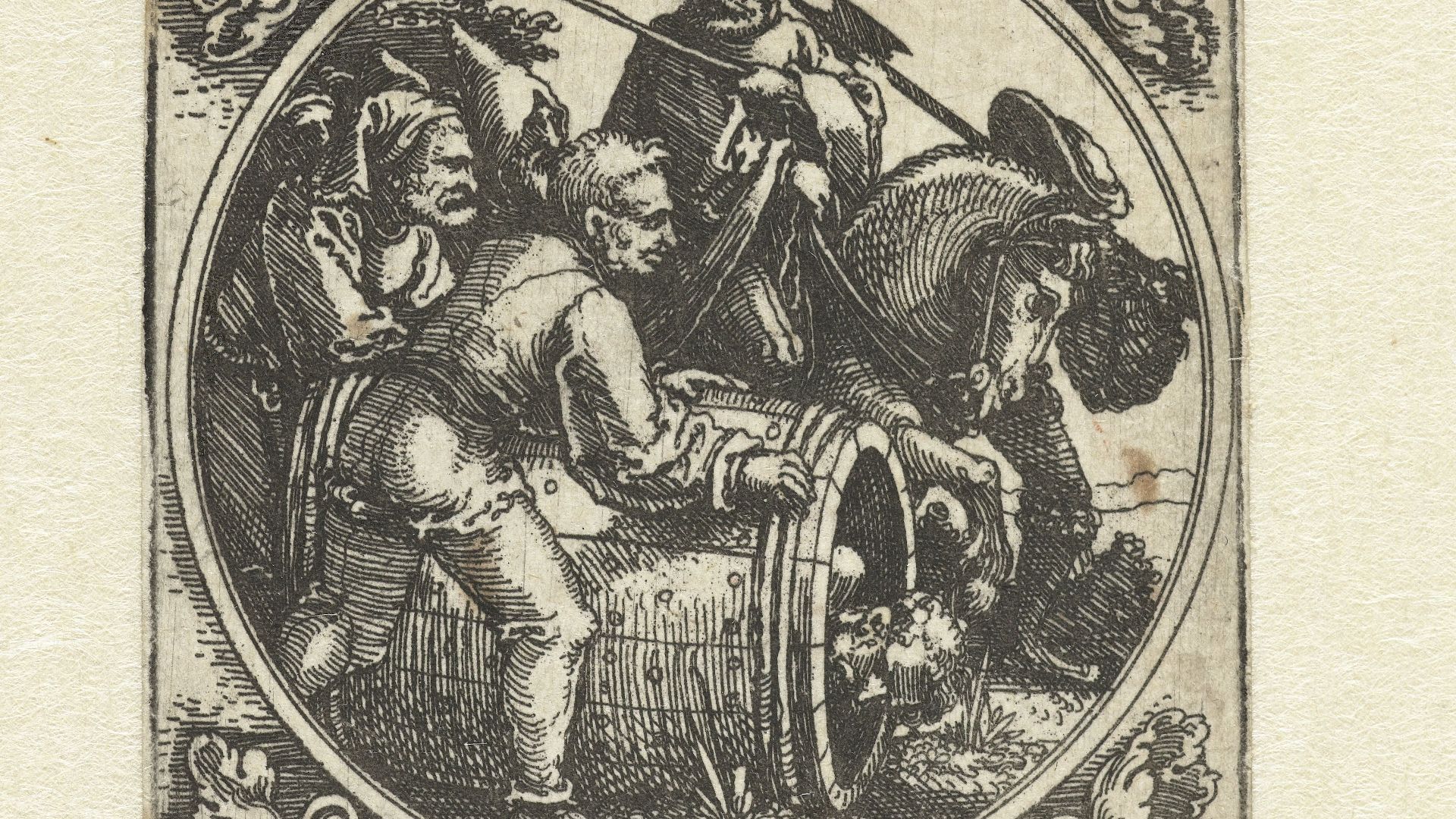
Hannibal’s Carthaginian army was heavily outnumbered by Roman forces during the Second Punic War. Instead of fighting defensively, Hannibal arranged his troops in a curved formation that deliberately pulled Roman legions inward.
5. Battle of Agincourt (1415)
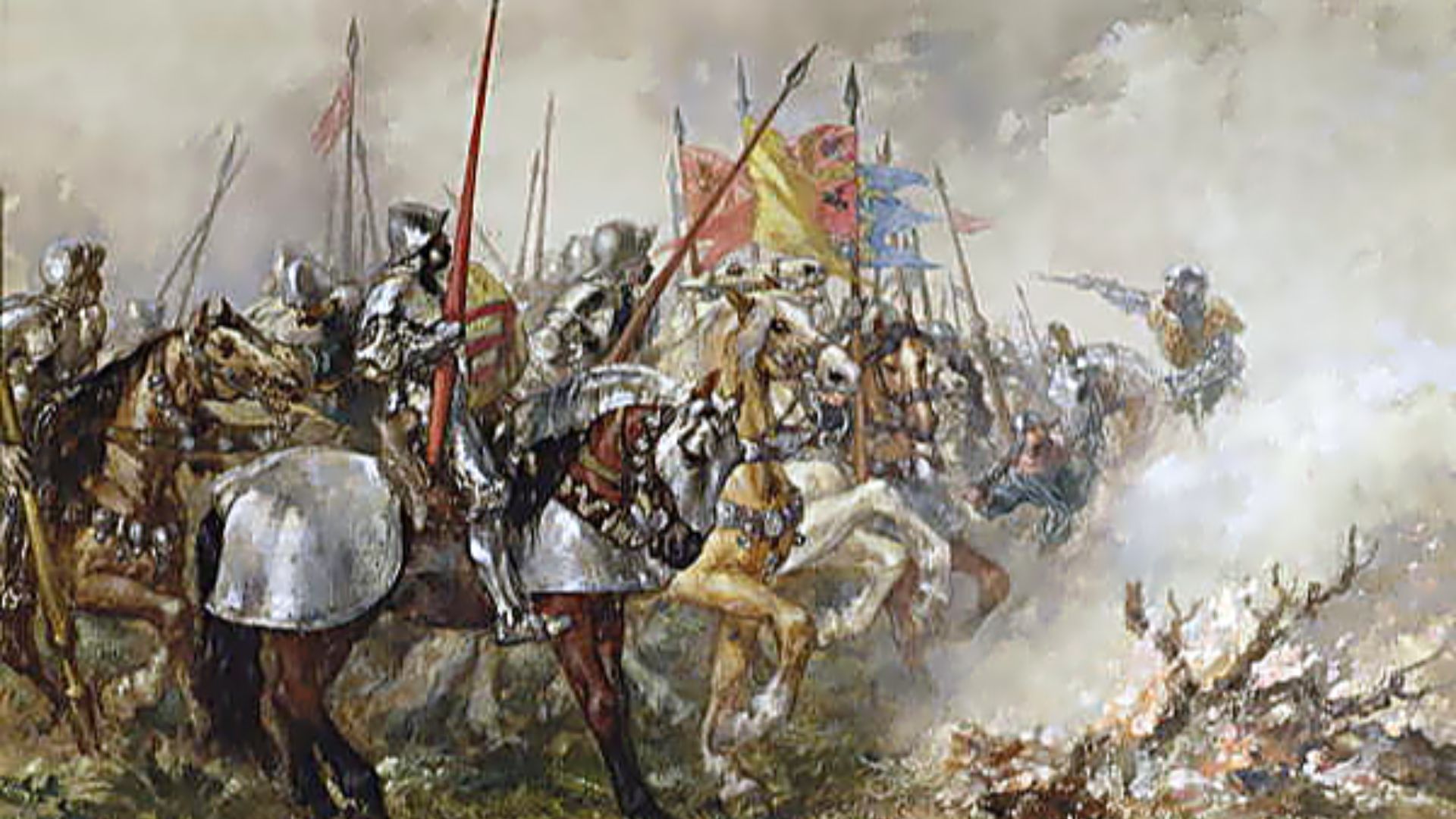
The English army under King Henry V was tired, hungry, and far smaller than the French force it faced. Heavy rain had turned the battlefield into thick mud, slowing the advancing French knights. English longbowmen fired volleys of arrows that disrupted the attack. The French suffered devastating losses while the English secured an unlikely victory during the Hundred Years’ War.
 John Gilbert (1817–97) on Wikimedia
6. Battle of Vienna (1683)
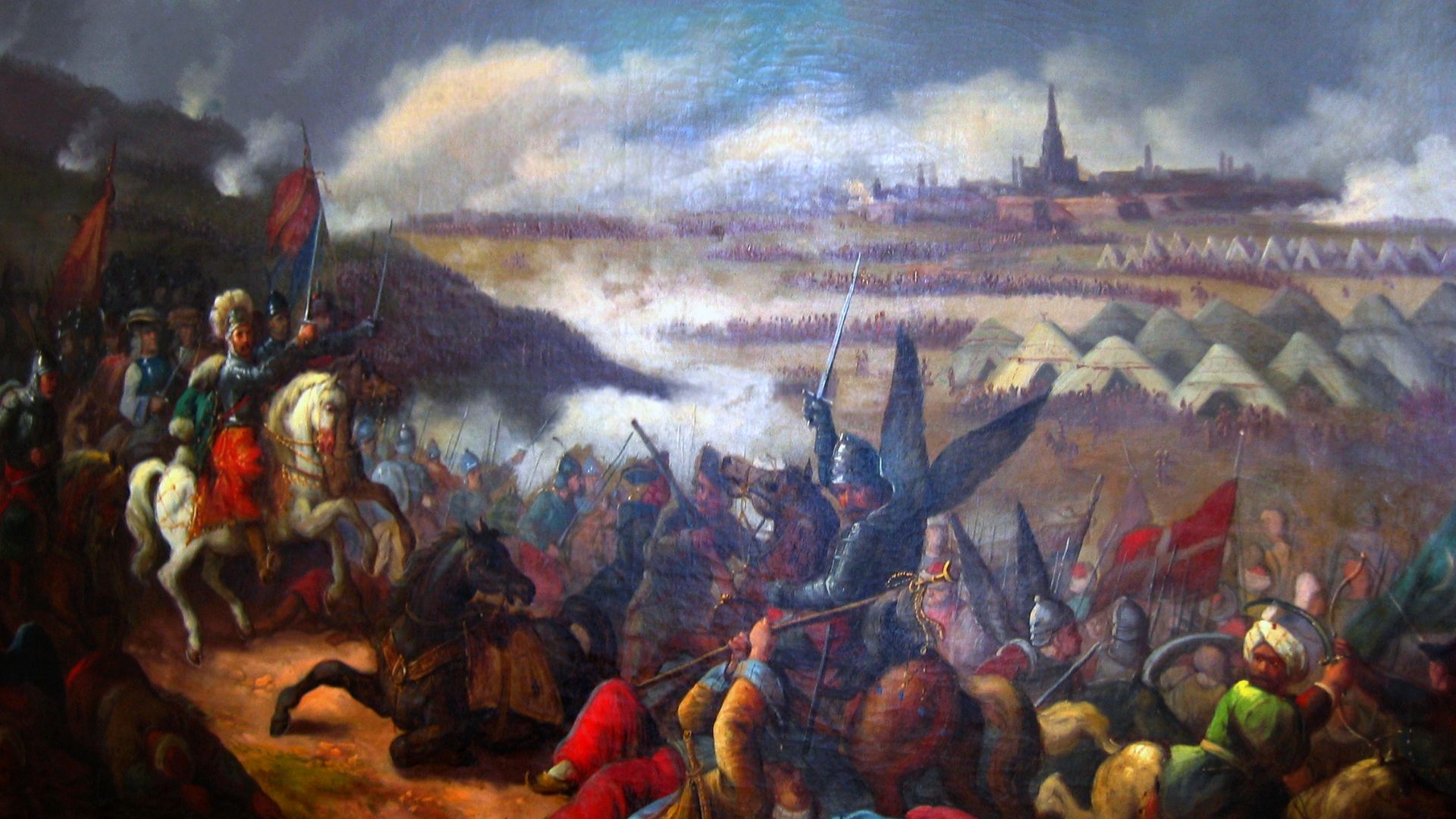
The Ottoman Empire laid siege to Vienna with a large and experienced army. European forces led by Polish King John III Sobieski marched to relieve the city and launched a massive cavalry charge down the hills outside Vienna, leading to eventual victory.
7. Battle of Trenton (1776)
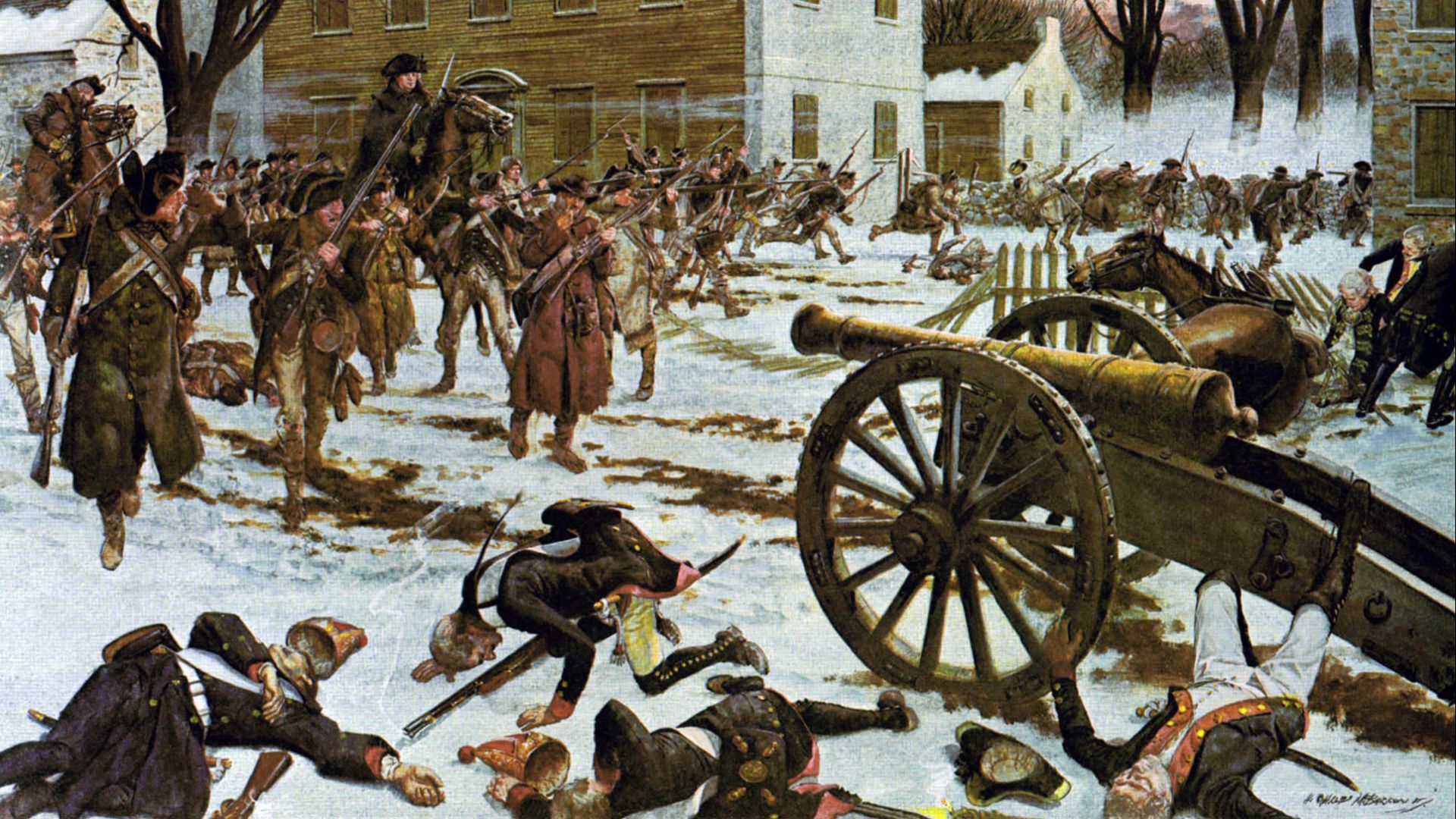
During the American Revolutionary War, the Continental Army was struggling, and morale was extremely low. George Washington led his troops across the icy Delaware River on the night of December 25 and surprised Hessian troops stationed in Trenton the following morning.
8. Battle of Saratoga (1777)
British General John Burgoyne advanced south from Canada, expecting support from other British forces. That support never arrived, leaving his army isolated and surrounded by American troops. After a series of battles, Burgoyne surrendered.
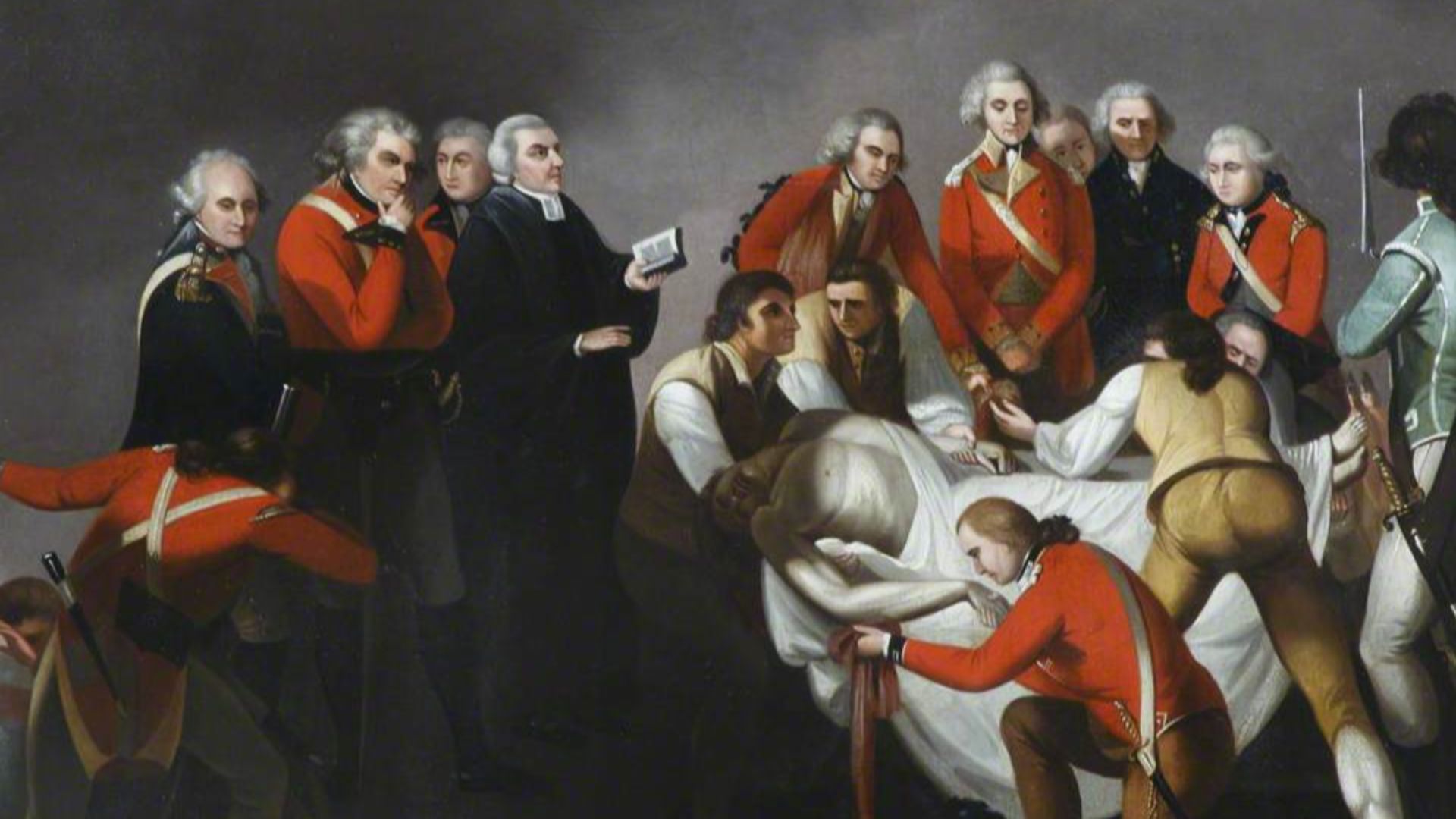
9. Battle of Valmy (1792)
Revolutionary France faced invading Prussian and Austrian armies that were expected to crush the young republic. Instead, French artillery and defensive positions held firm during the engagement. The invading army eventually withdrew rather than risk a prolonged battle.
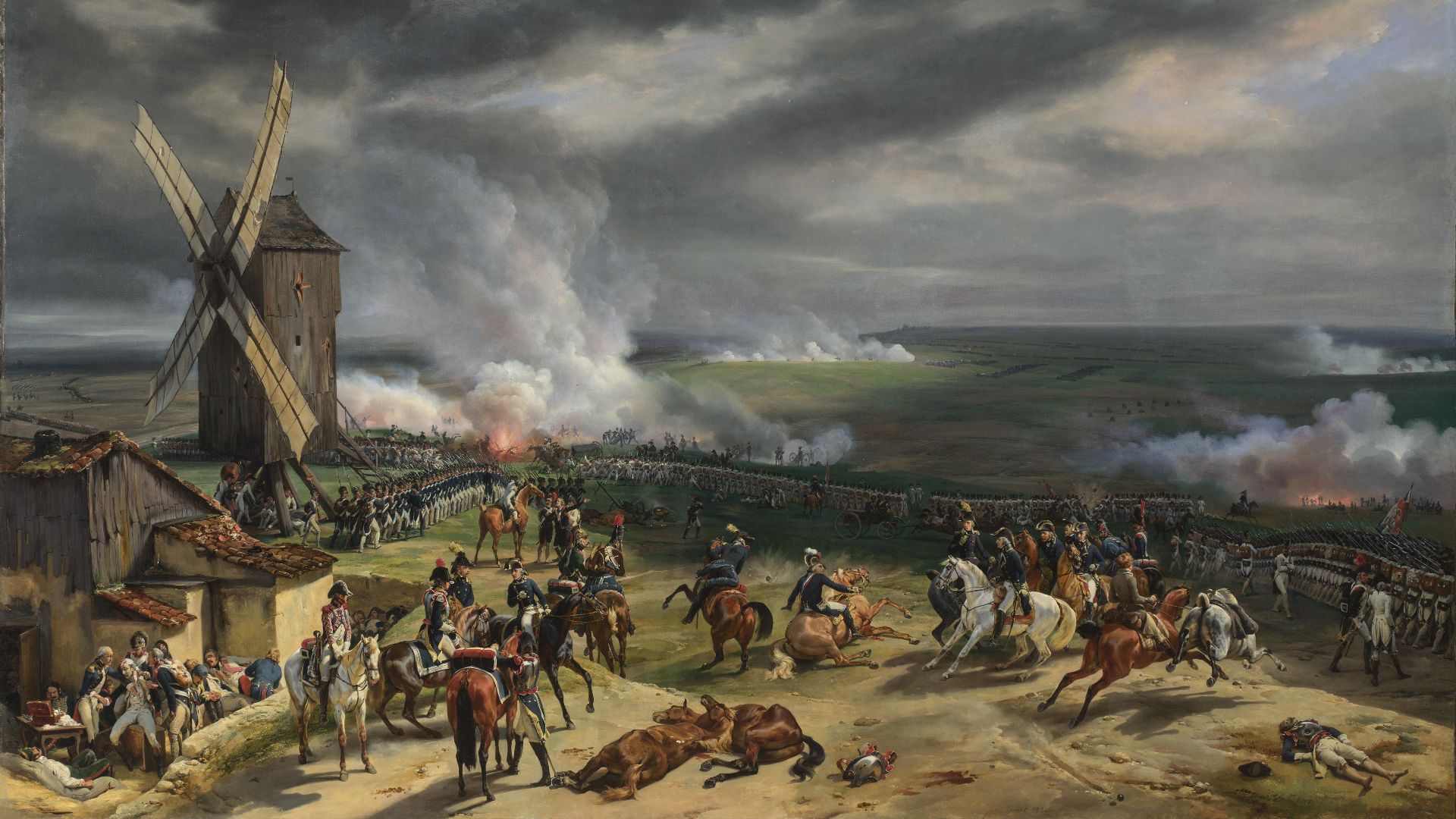
10. Battle of Trafalgar (1805)
The British fleet under Admiral Horatio Nelson faced a larger combined French and Spanish fleet. Nelson used an unconventional tactic by dividing his ships into two columns that cut through the enemy line. This approach created chaos among the opposing fleet.
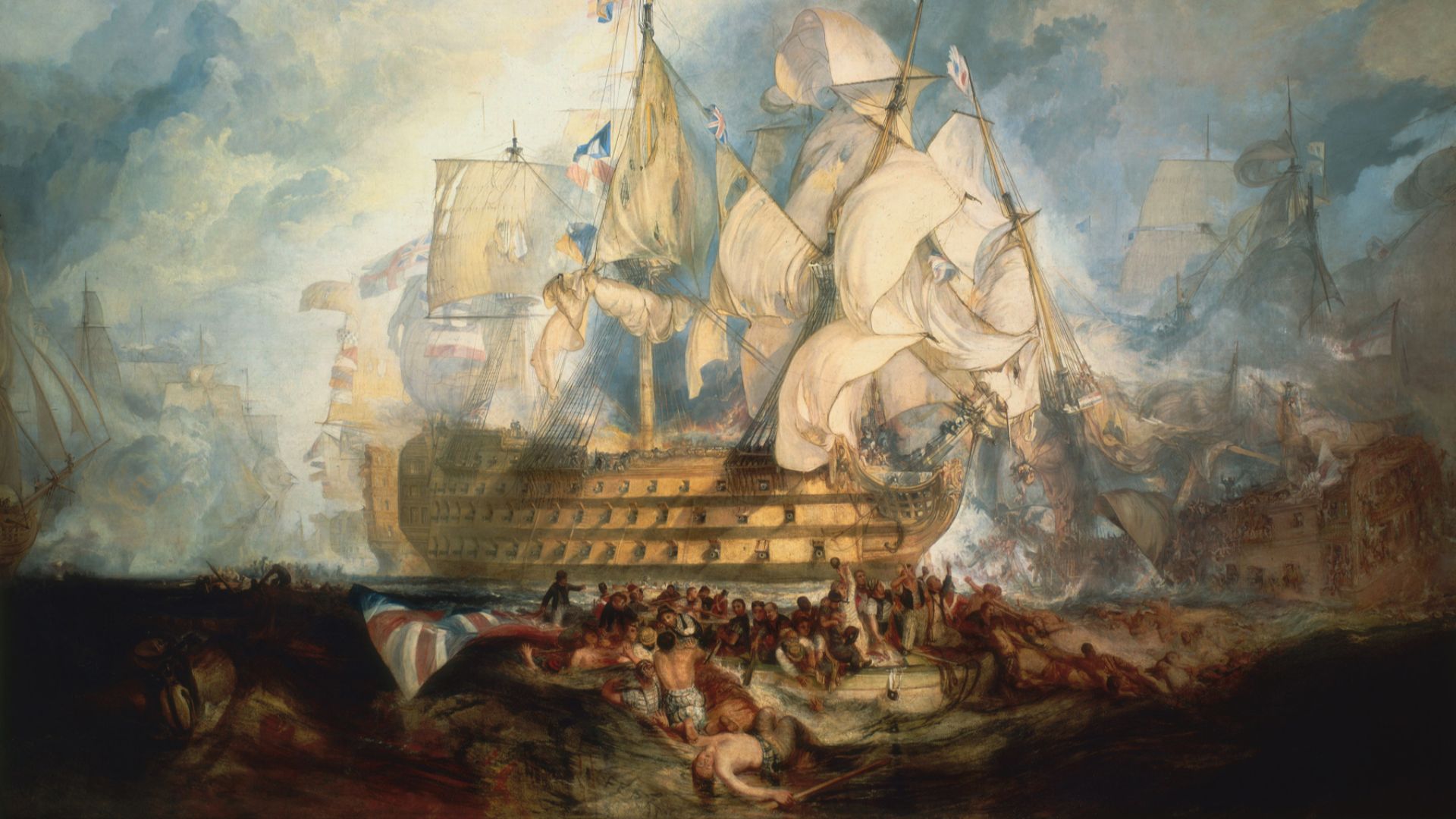
11. Battle of New Orleans (1815)
The War of 1812 was nearing its end when British forces attempted to capture New Orleans. American troops, including soldiers, militia, and even pirates, led by Andrew Jackson, took strong defensive positions behind earthworks, giving them a significant advantage, which helped win the battle.
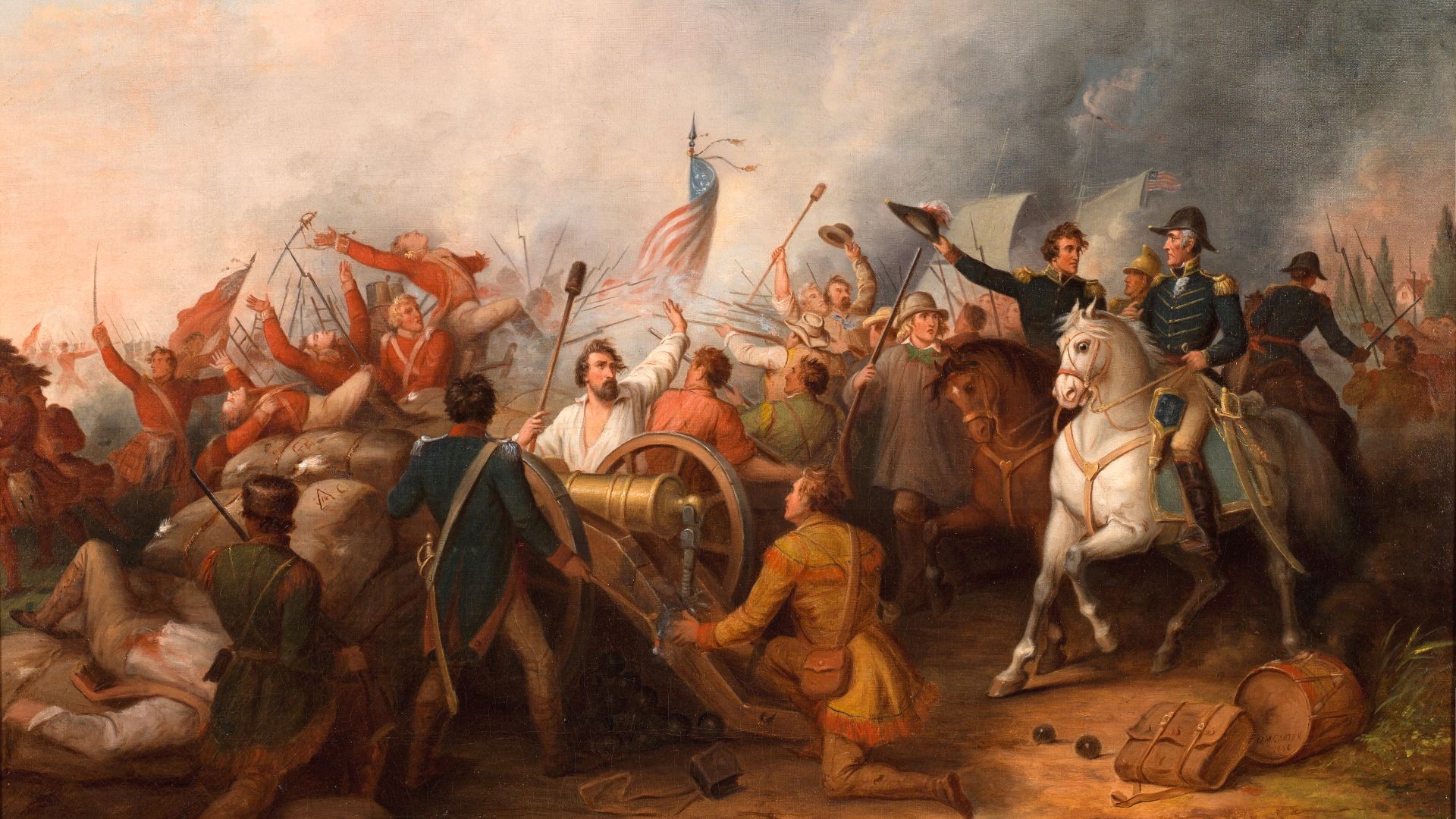 Dennis Malone Carter on Wikimedia
12. Battle of Isandlwana (1879)
During the Anglo-Zulu War, British forces underestimated the Zulu army and spread their troops too thinly. The Zulu warriors launched a coordinated attack using their traditional "horns of the buffalo" formation.
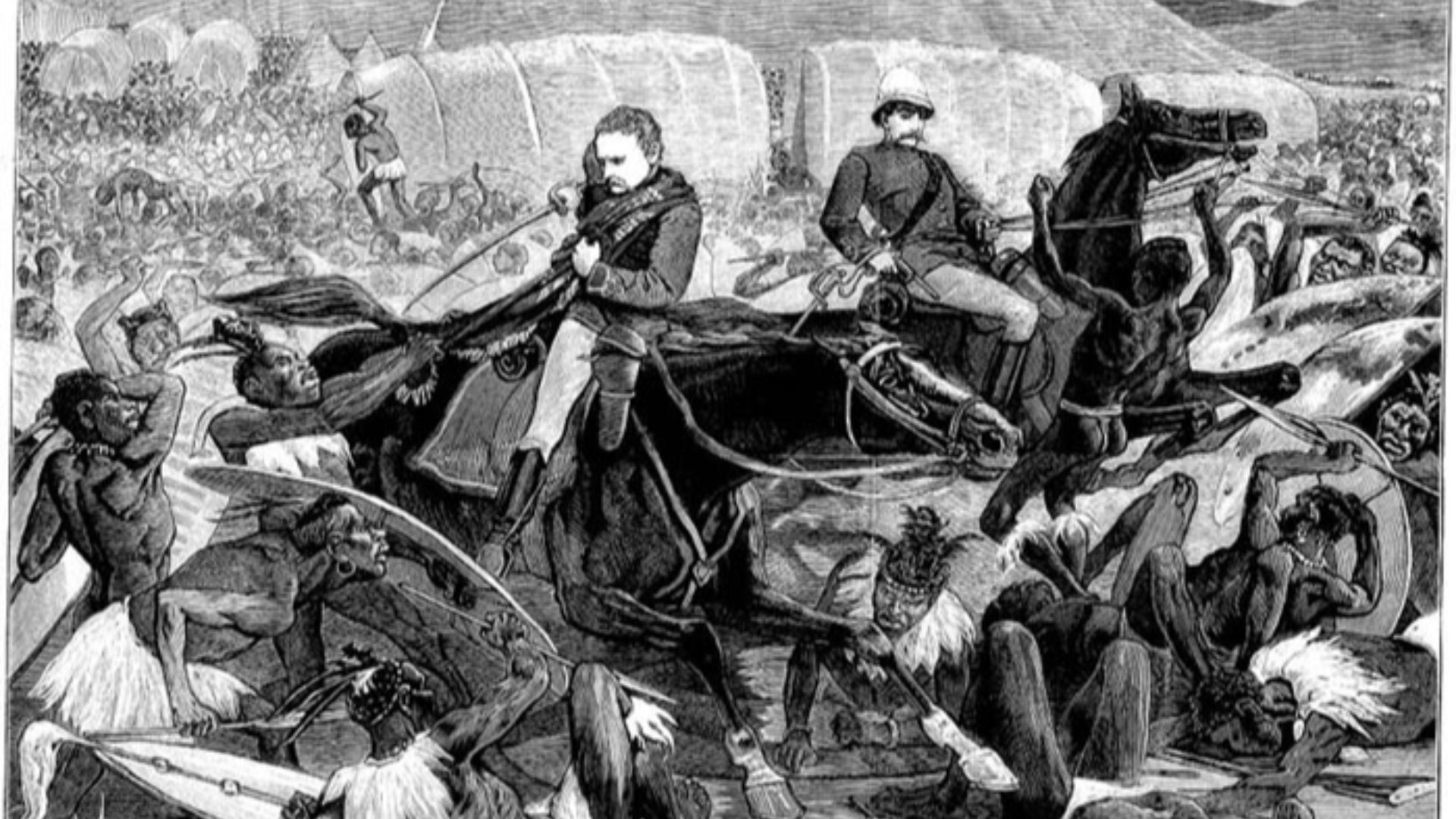 After John Charles Dollman on Wikimedia
13. Battle of Tsushima (1905)
The Russian Baltic Fleet sailed halfway around the world to confront Japan during the Russo-Japanese War. Japanese Admiral Togo Heihachiro intercepted the fleet near the Tsushima Strait, as Japanese ships maneuvered effectively and delivered accurate long-range fire.
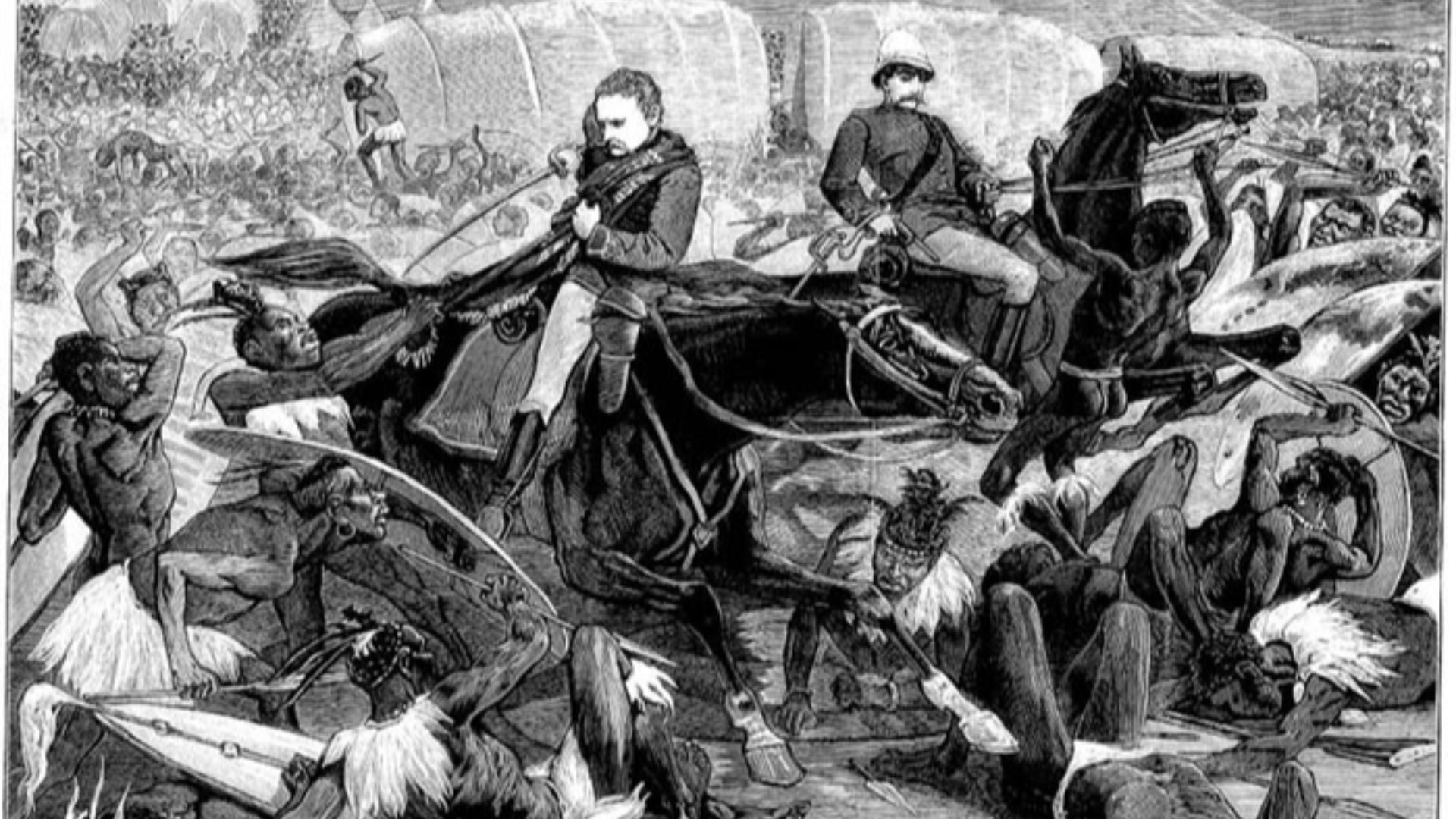 After John Charles Dollman on Wikimedia
14. Battle of Tannenberg (1914)
Russian armies advanced into East Prussia early in World War I. German commanders Paul von Hindenburg and Erich Ludendorff coordinated a rapid response using intercepted communications. German forces surrounded the Russian Second Army.
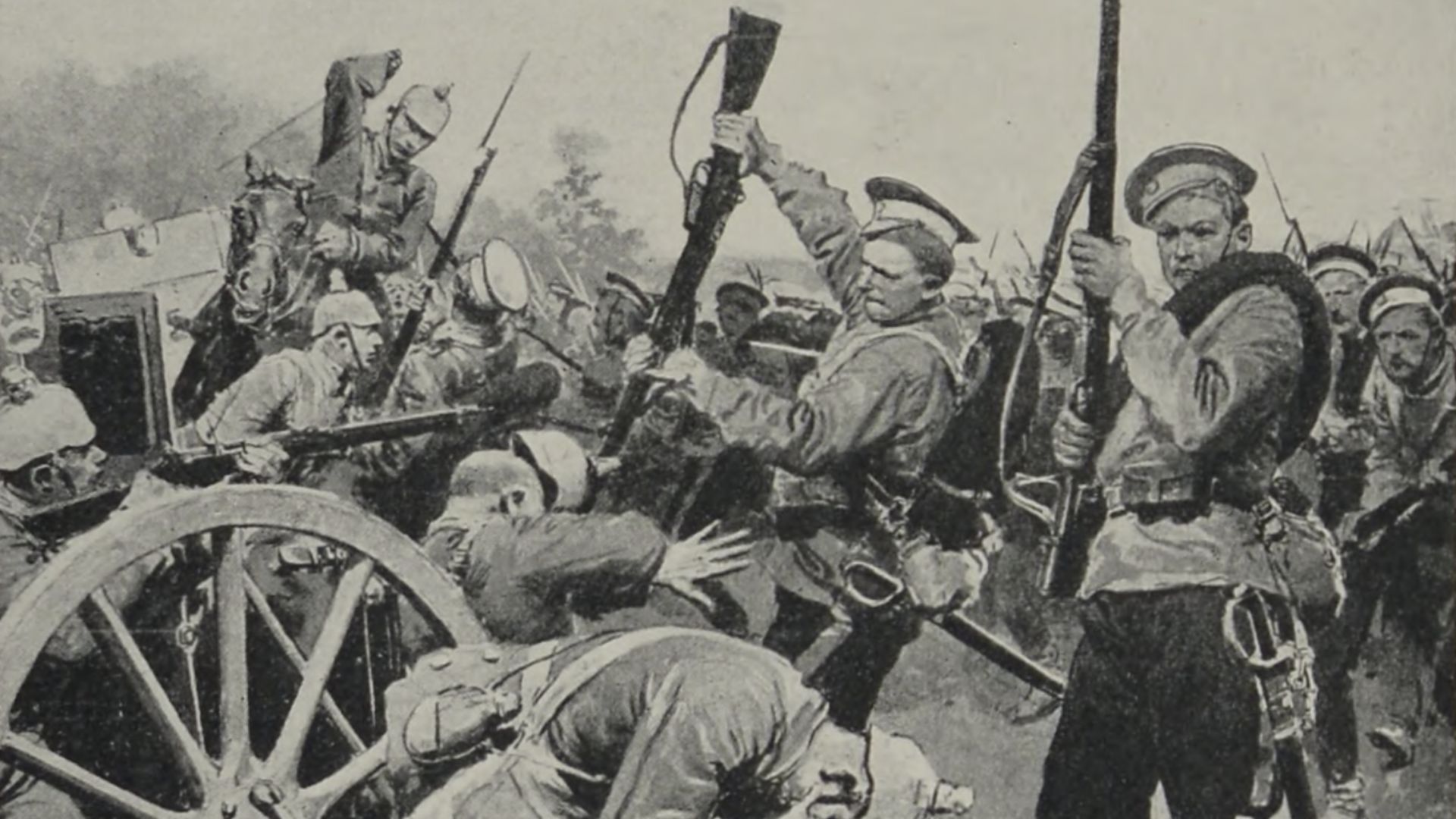 Unknown authorUnknown author on Wikimedia
15. Battle of Midway (1942)
Japan entered the battle with a larger fleet and greater naval strength. American cryptographers had broken parts of the Japanese naval code, allowing the U.S. Navy to anticipate the attack. An American aircraft struck Japanese carriers while their planes were refueling, turning the tide of the battle.
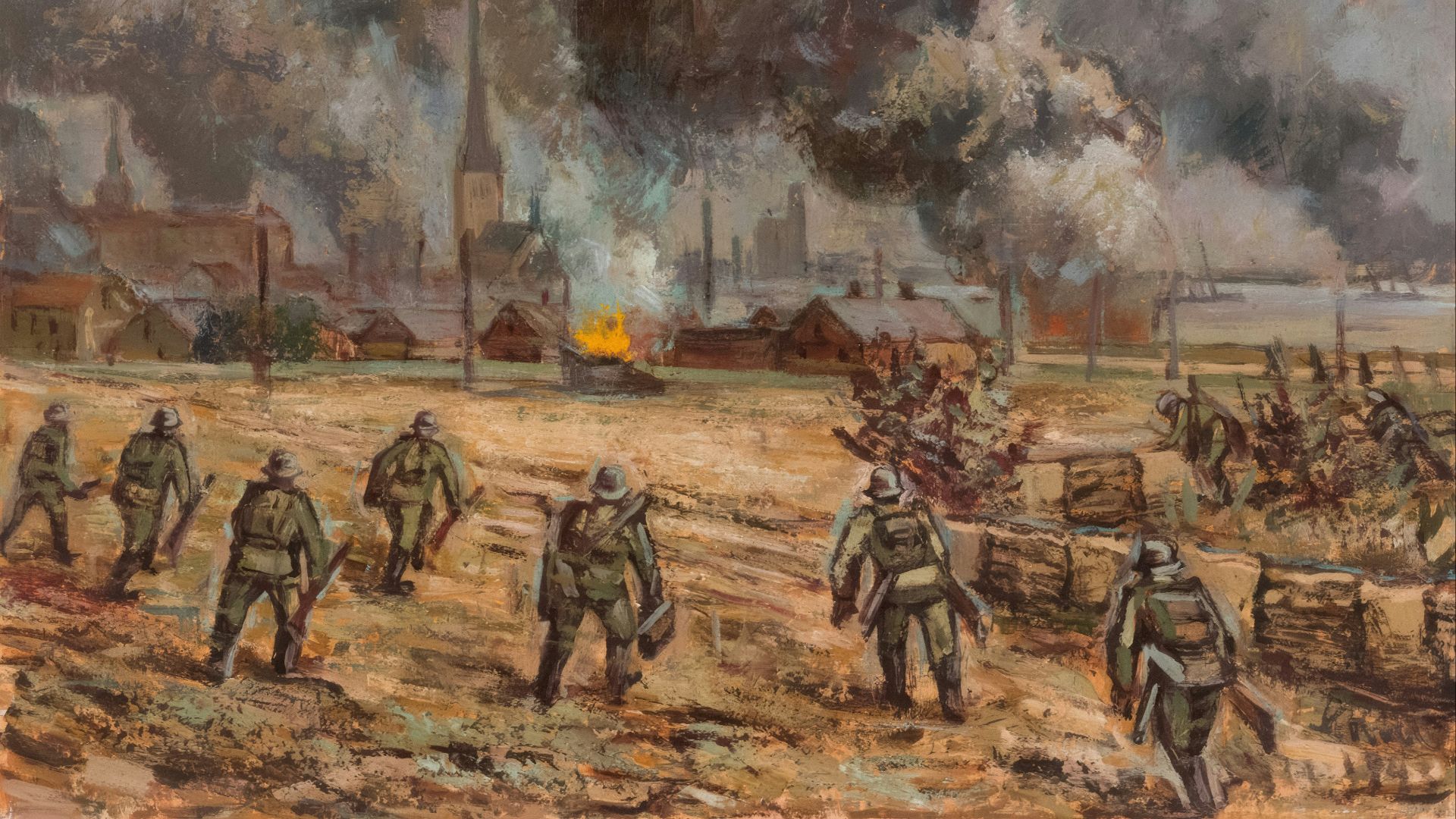
16. Battle of Stalingrad (1942–1943)
German forces initially captured most of the city during the brutal fighting. Soviet troops held narrow positions along the Volga River while preparing a counteroffensive. Operation Uranus, however, surrounded the German Sixth Army during the winter, forcing the Germans to surrender.
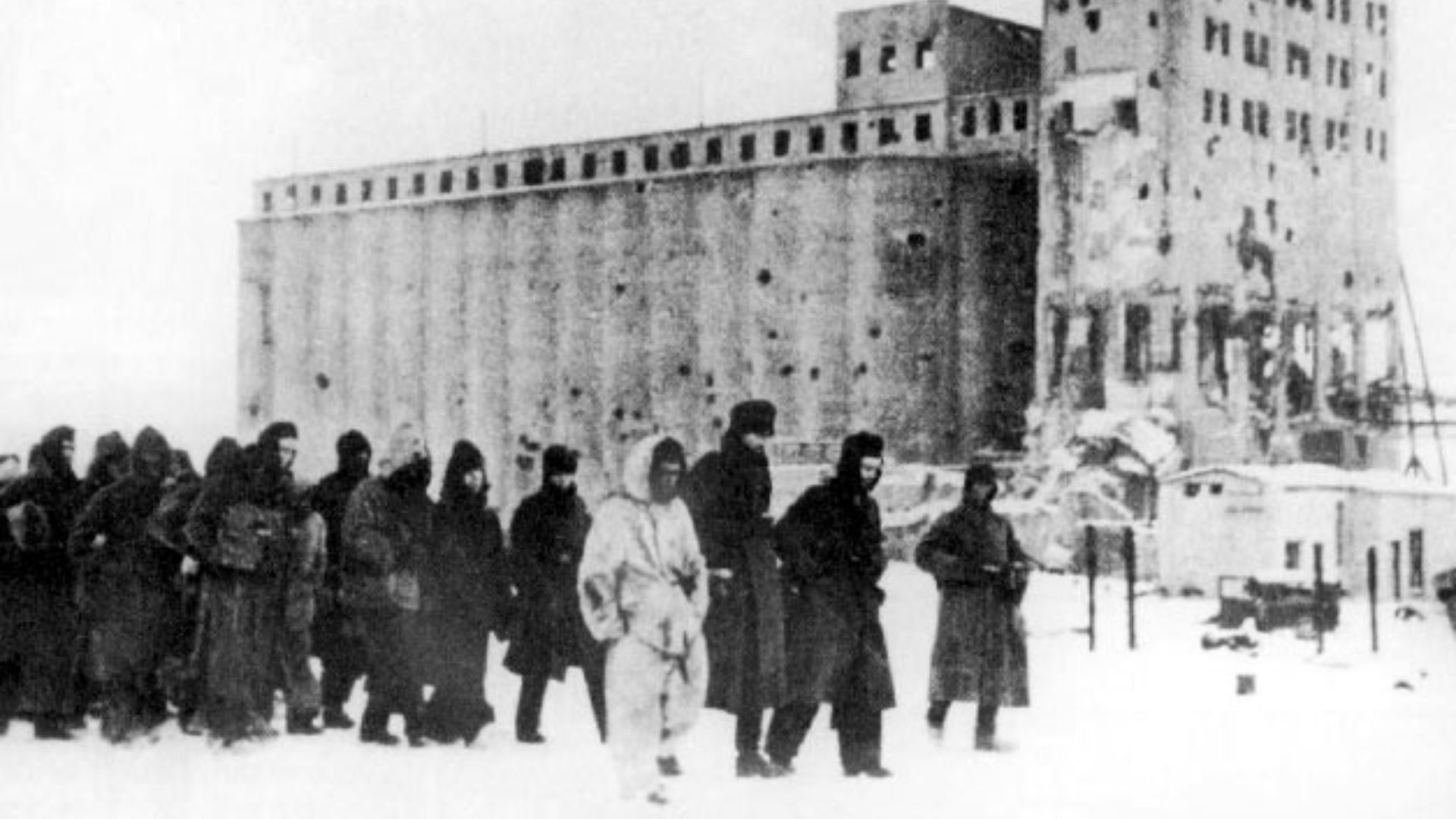 Not mentioned, Soviet military personnel. on Wikimedia
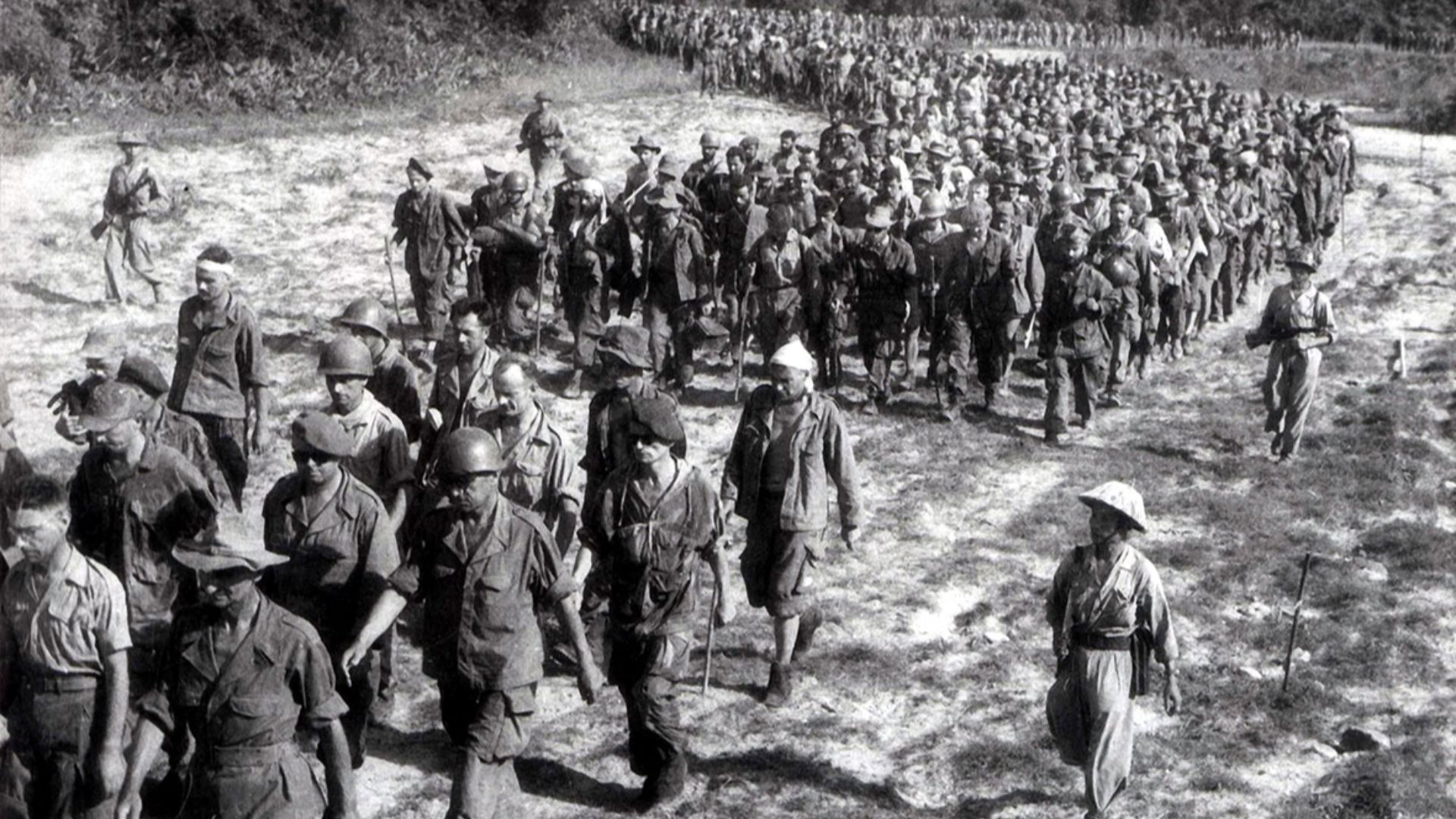
17. Battle of Dien Bien Phu (1954)
French forces established a fortified base in northern Vietnam, expecting to draw Viet Minh fighters into open battle. Instead, the Viet Minh transported heavy artillery into the surrounding hills. Their guns overlooked the French positions and gradually destroyed the base. After weeks of fighting, the French garrison surrendered.
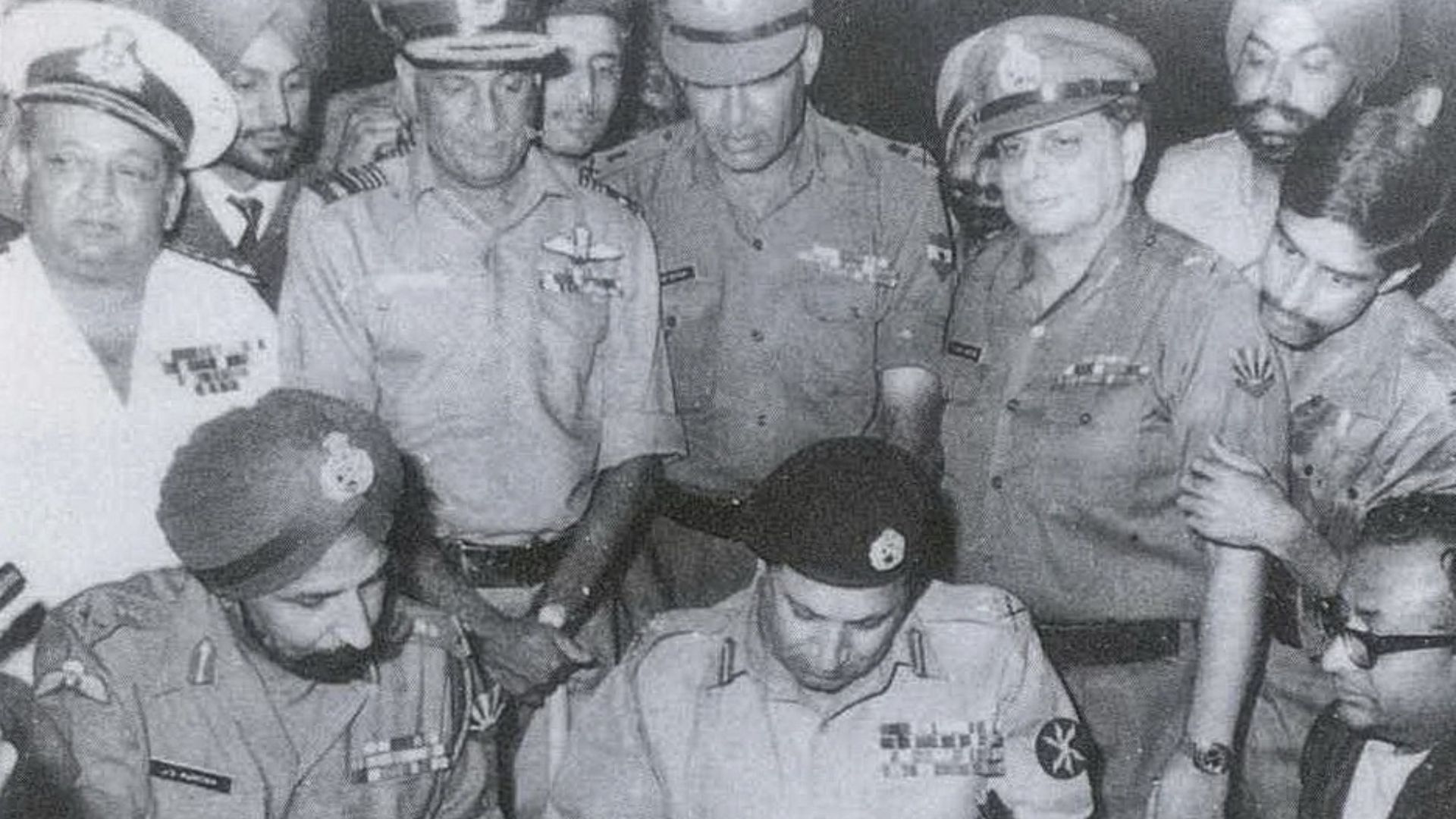
18. Battle of Longewala (1971)
During the Indo-Pakistani War of 1971, a small group of Indian soldiers defended the Longewala post in Rajasthan. Pakistani armored units attempted to overrun the position during the night. Indian defenders held their ground until daylight, allowing the Indian Air Force to intervene. Air strikes destroyed many Pakistani tanks and forced a retreat.
19. Battle of 73 Easting (1991)
During the Gulf War, U.S. armored units encountered Iraqi Republican Guard forces in poor visibility. Despite the confusion of a sandstorm, American crews used advanced targeting systems and training to their advantage. U.S. forces destroyed a large number of Iraqi vehicles with minimal losses.
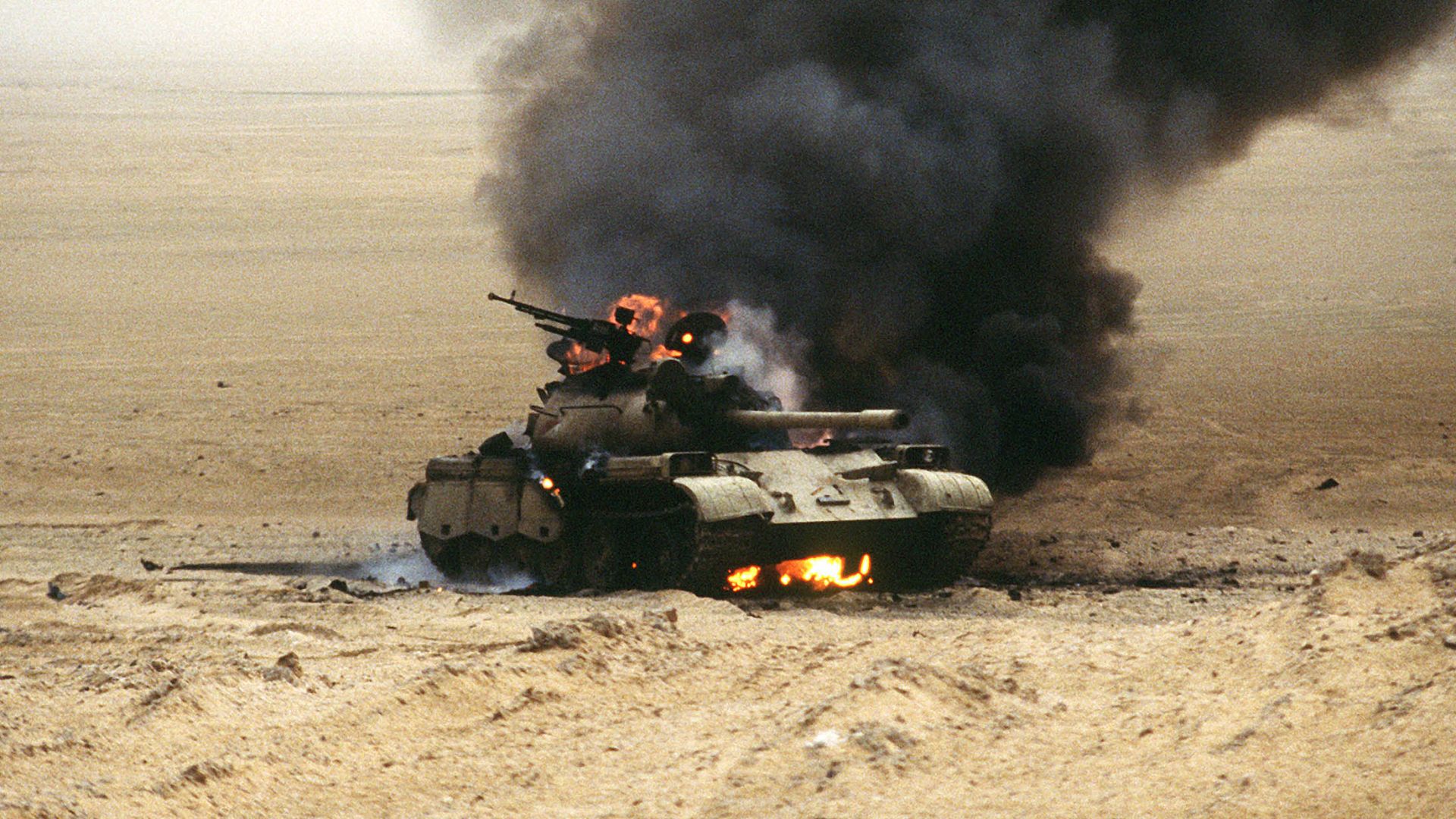 Uncertain (possibly Tom Johnson Nottingham, UK) on Wikimedia
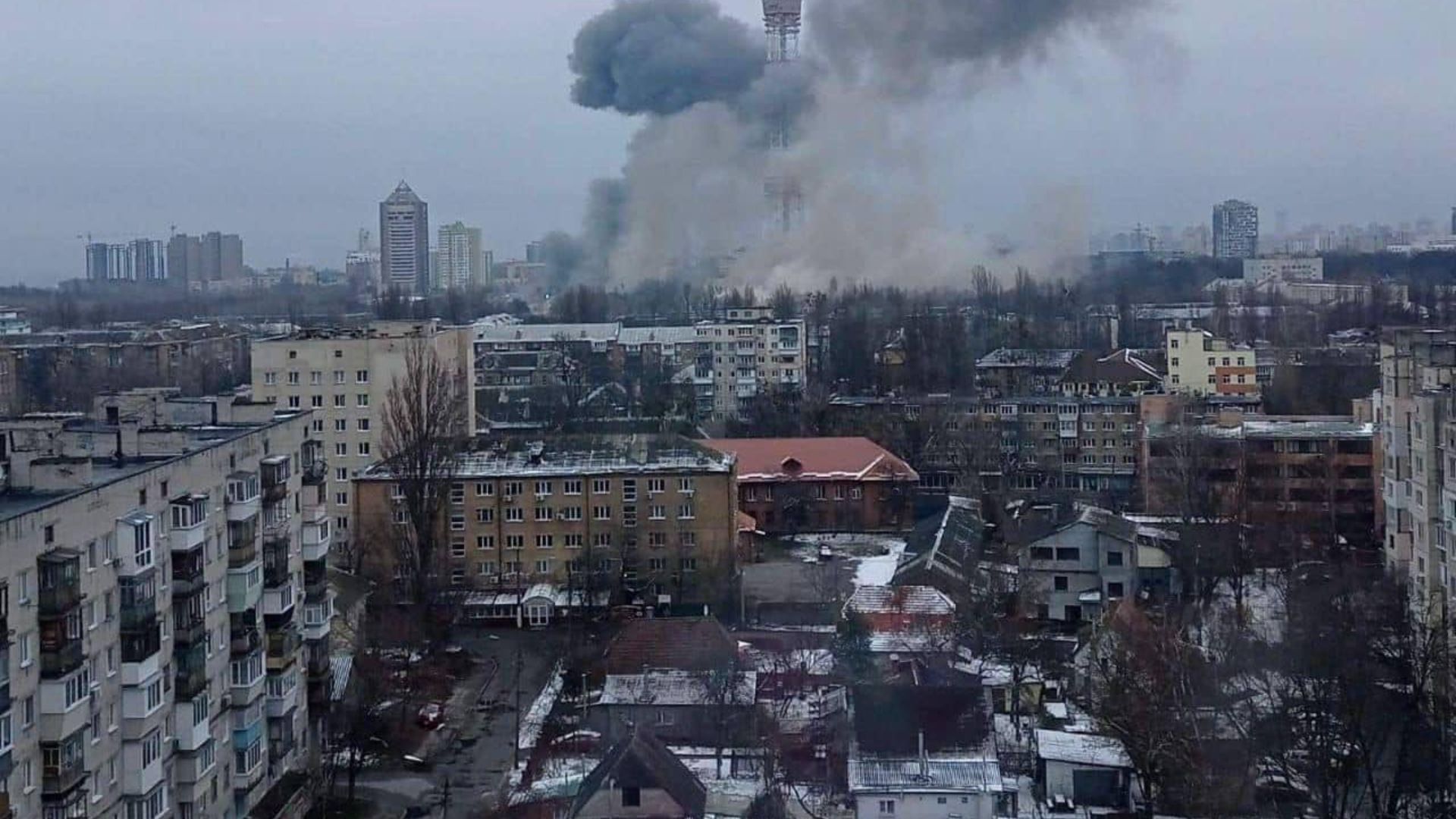
20. Battle of Kyiv (2022)
At the beginning of Russia’s full-scale invasion of Ukraine, many observers expected Kyiv to fall quickly. Ukrainian forces resisted with coordinated defense, mobile units, and widespread civilian support. Russian supply problems and logistical failures slowed their advance. Within weeks, Russian troops withdrew from the region, marking a major early setback for the invasion.
KEEP ON READING
20 Powerful Ancient Egyptian Gods That Were Worshipped
Unique Religious Figures in Ancient Egypt. While most people are…
By Cathy Liu Nov 27, 2024
The 10 Scariest Dinosaurs From The Mesozoic Era & The…
The Largest Creatures To Roam The Earth. It can be…
By Cathy Liu Nov 28, 2024
The 20 Most Stunning Ancient Greek Landmarks
Ancient Greek Sites To Witness With Your Own Eyes. For…
By Cathy Liu Dec 2, 2024
10 Historical Villains Who Weren't THAT Bad
Sometimes people end up getting a worse reputation than they…
By Robbie Woods Dec 3, 2024
One Tiny Mistake Exposed A $3 Billion Heist
While still in college, Jimmy Zhong discovered a loophole that…
By Robbie Woods Dec 3, 2024
30 Lost Treasures That Vanished From History
Buried treasure, missing artefacts, legends of ancient gold in them…
By Robbie Woods Dec 3, 2024