

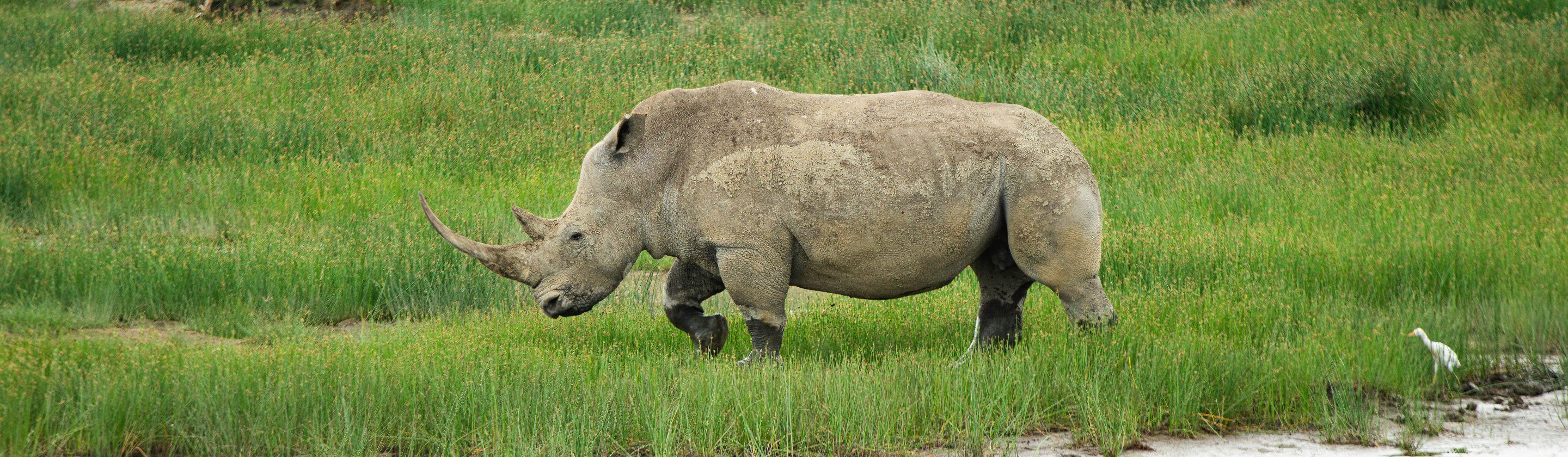
20 Animals That Have Been Declared Extinct In The Last 10 Years
Why Recent Extinctions Matter
When people hear “extinct,” they often picture dinosaurs, or dodos, not animals that disappeared within their lifetime. The hard truth is that some species vanish quietly, only officially declared extinct years later. Below are 20 examples, with what they looked like, where they lived, what likely caused their decline, and the year their extinction was formally confirmed.
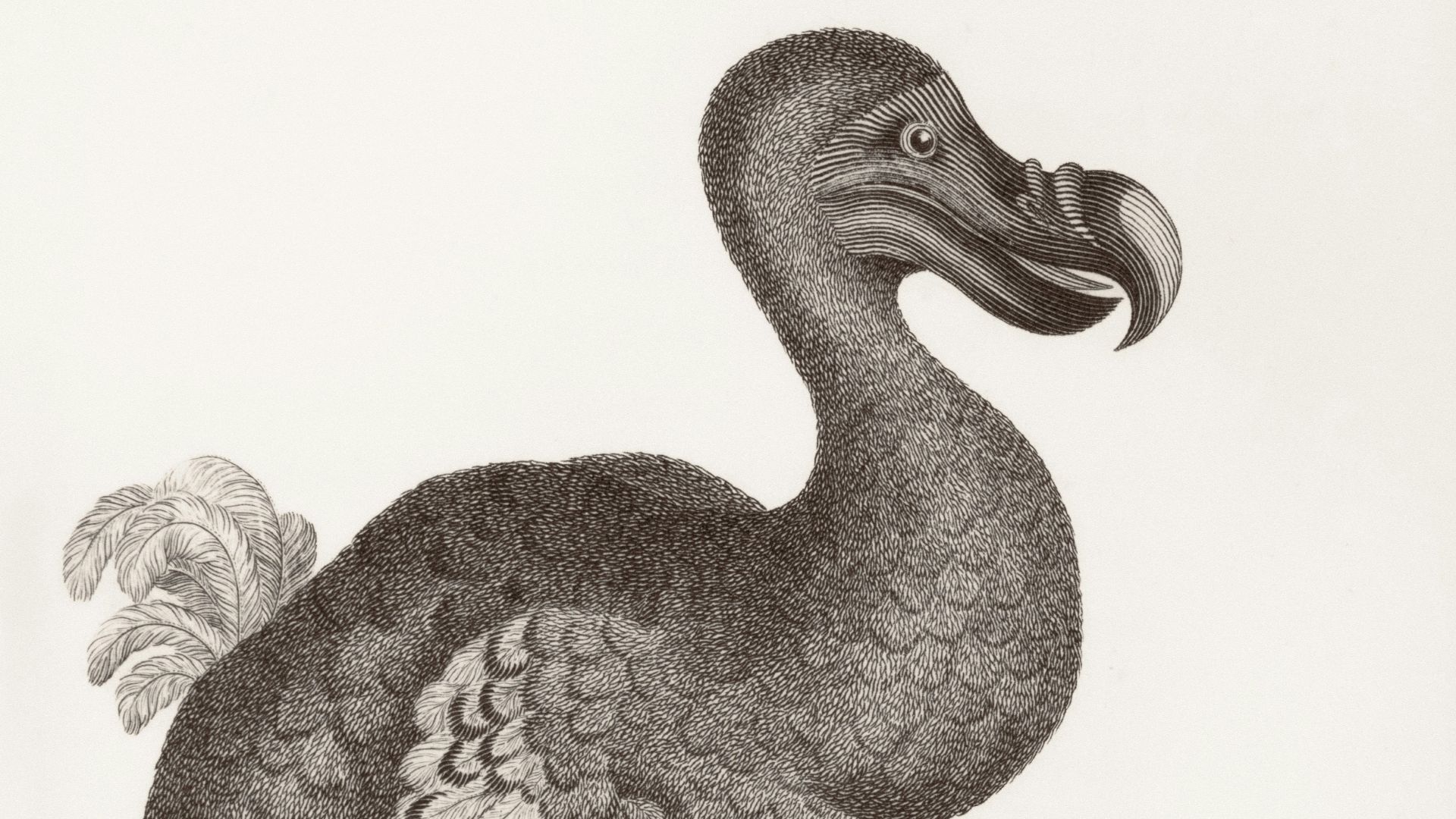 The New York Public Library on Unsplash
1. Melomys
This small, dark-brown rodent had a rounded body, small ears, and a long tail, and it lived only on Bramble Cay in the Torres Strait. It made its home among sandy islands, where it was often subject to storm surges and rising sea levels. It’s usually pointed to as the first animal to go extinct due to climate change.
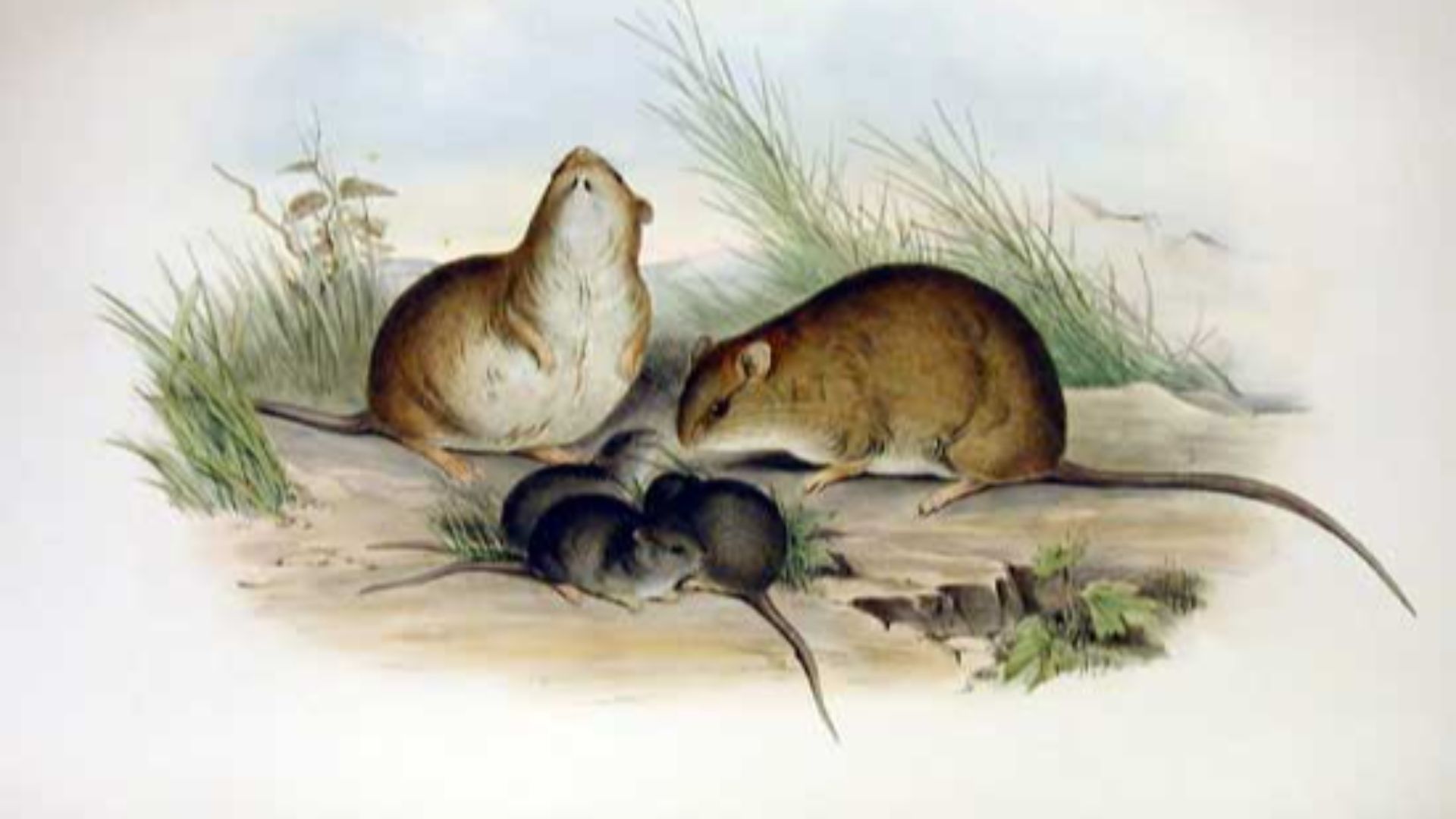
2. Christmas Island Shrew
The Christmas Island shrew was tiny, with a pointed snout, short legs, and fast, darting movements. It was found only on Christmas Island, where its forest floor habitat was ruined after the black rats and their diseases came to the island.
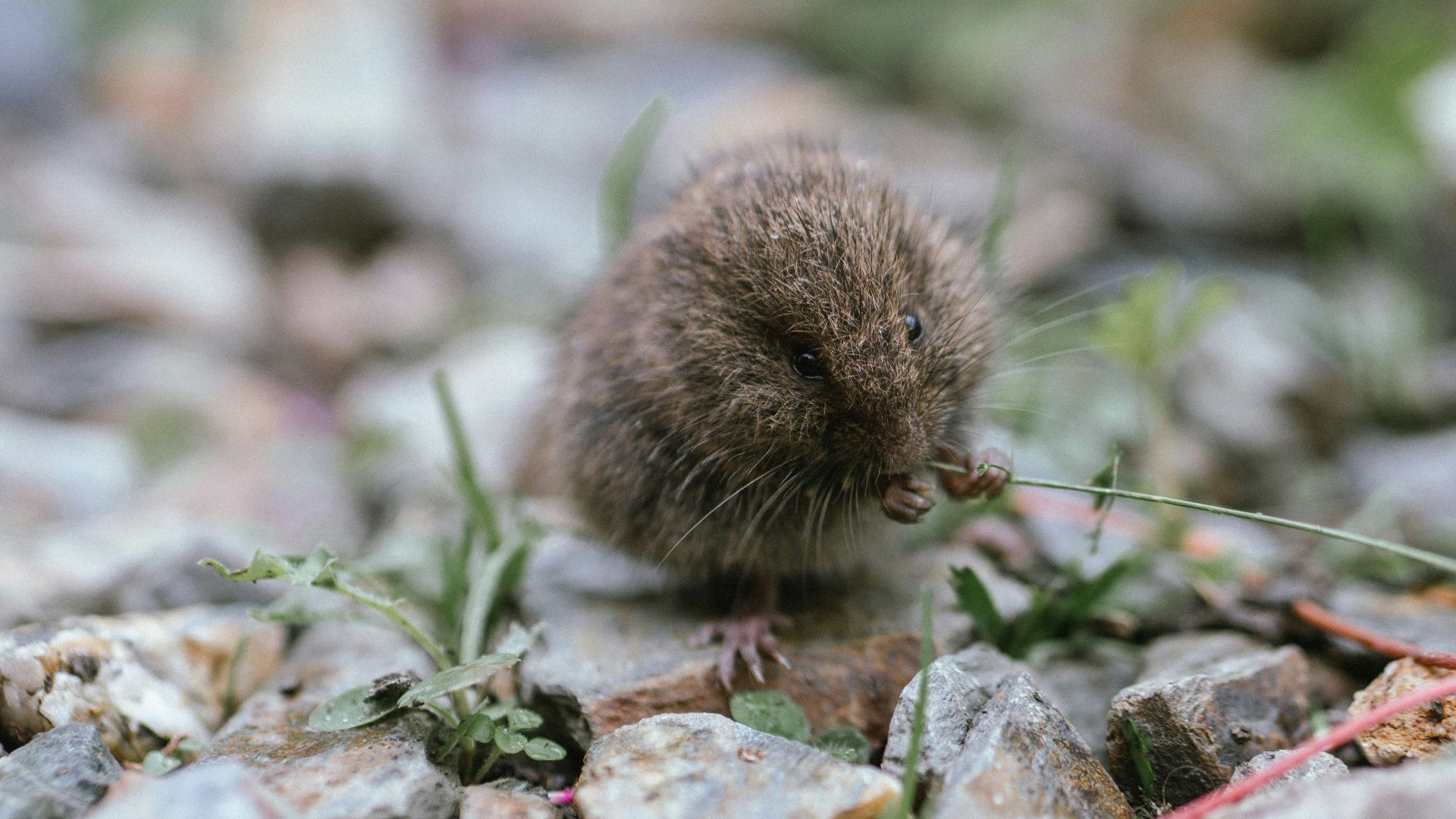 Charles van der Essen on Unsplash
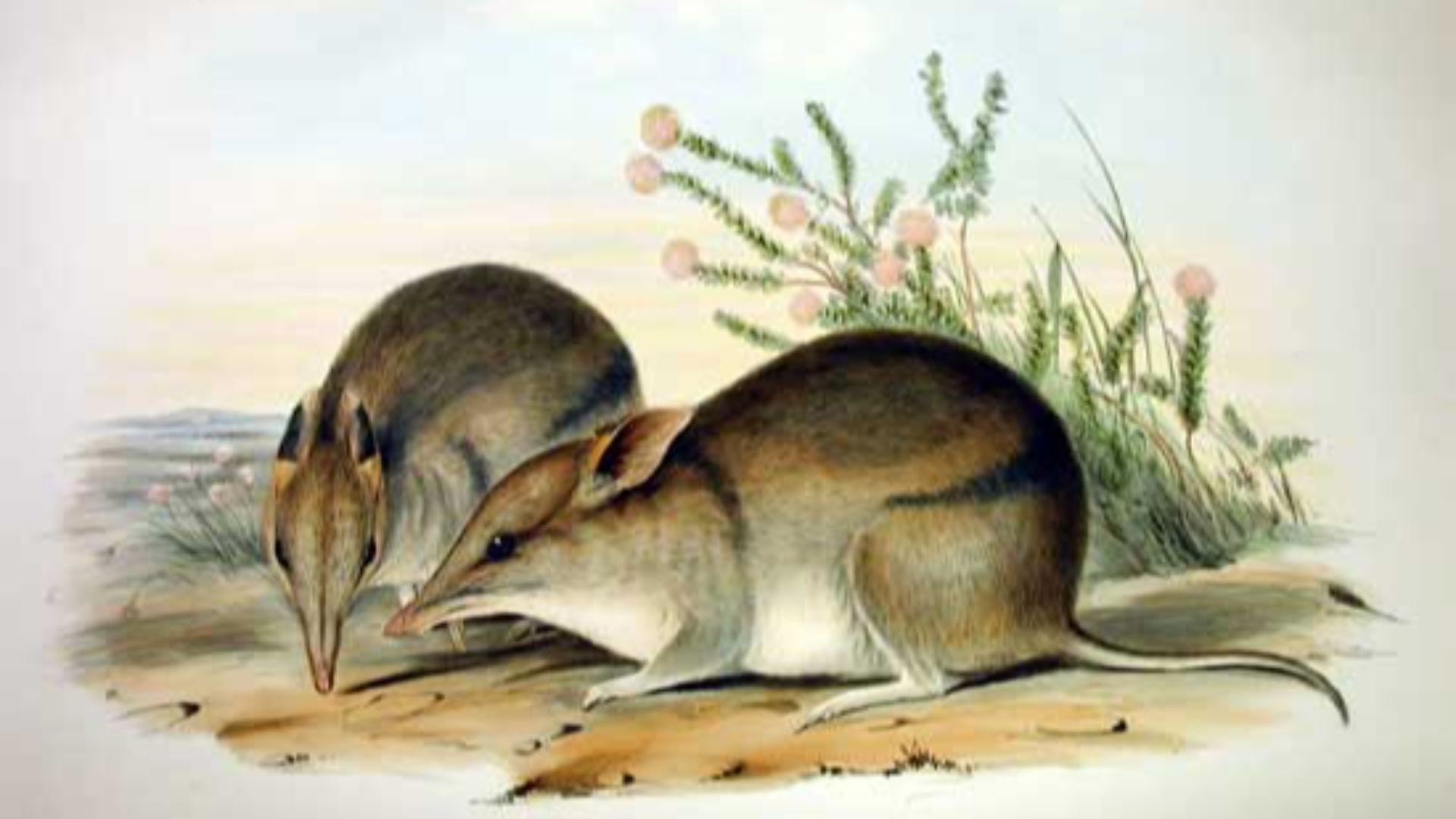
3. Marl Bandicoot
The marl bandicoot was a small marsupial with a narrow snout and compact body. It was native to Australia, but little is known about it, suggesting it may have already been rare when Europeans began documenting wildlife. I was listed as extinct in 2021.
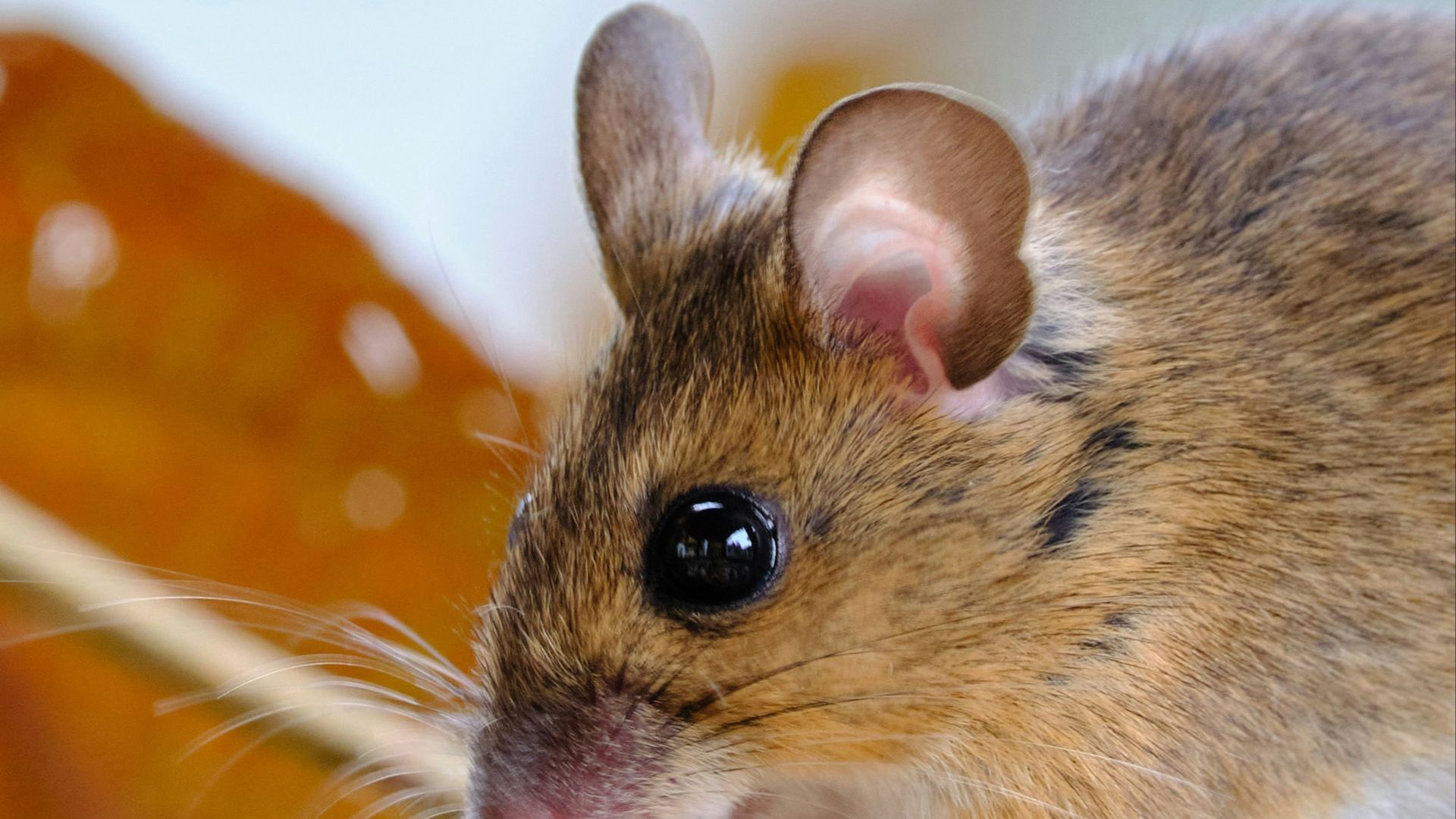
4. Long-eared Mouse
This mouse had a slim face and delicate build that suited life in Australia’s dry interior. It was part of an ecosystem where survival depended on scarce cover and careful movement. Habitat change and predation are the leading suspects, and its extinction was formally confirmed in 2021 through an official conservation listing.
5. Little Mariana Fruit Bat
The little Mariana fruit bat was a small, dark-furred bat with a fox-like face and broad wings, adapted for forest feeding and long flights, native to Guam. With no confirmed sightings for decades, its extinction was formally confirmed in 2023.
 David Worthington, U.S. Fish and Wildlife Services / on Wikimedia
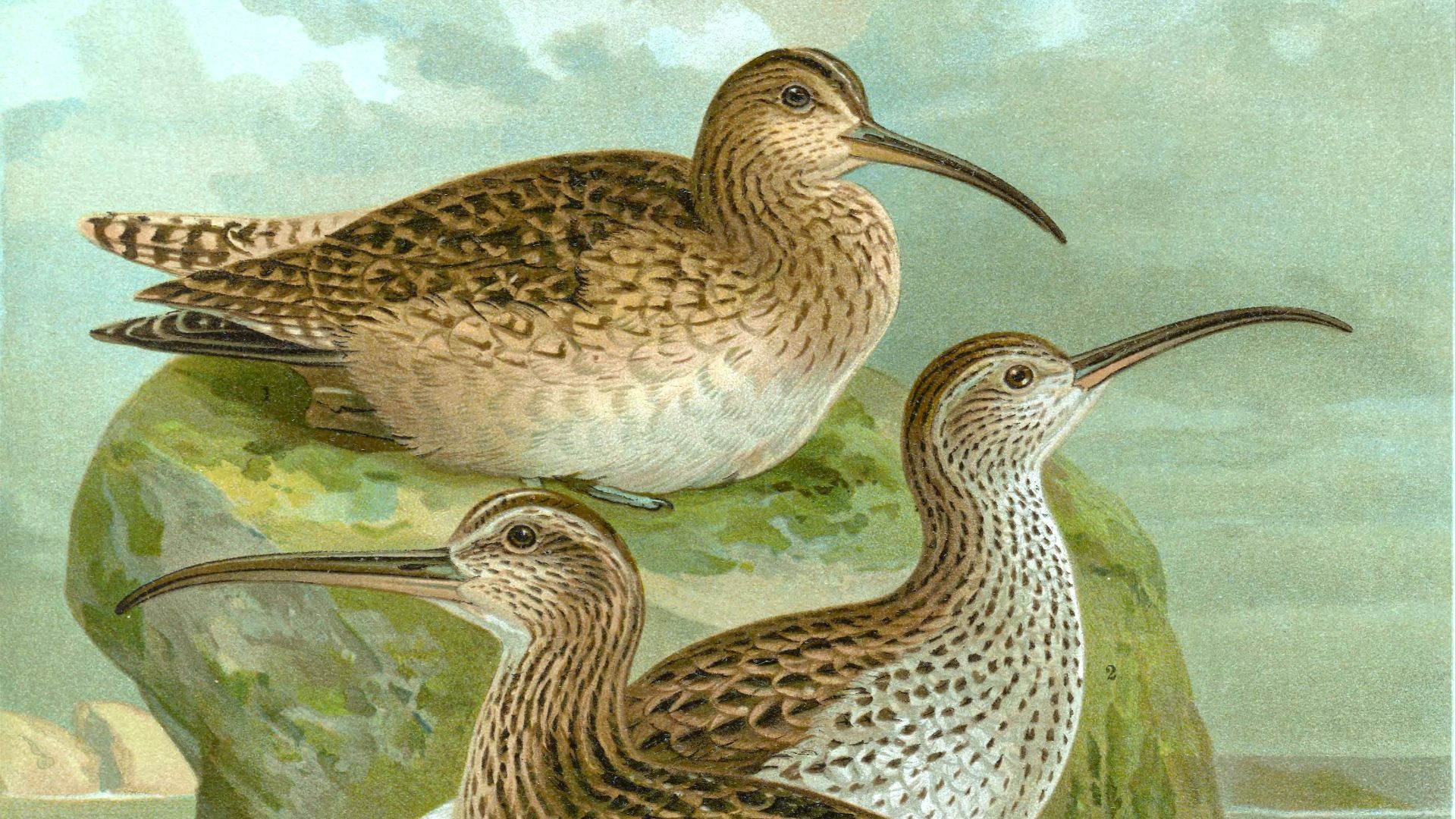
6. Slender-billed Curlew
This was a tall, pale shorebird with a long, slender, downcurved bill used for probing mudflats and wetlands. It traveled across a wide range, meaning it depended on many healthy stopover sites rather than one safe location. Habitat loss and hunting along migration routes are widely cited as the reasons for its extinction, which was officially confirmed in 2025.
 en:John Gerrard Keulemans on Wikimedia
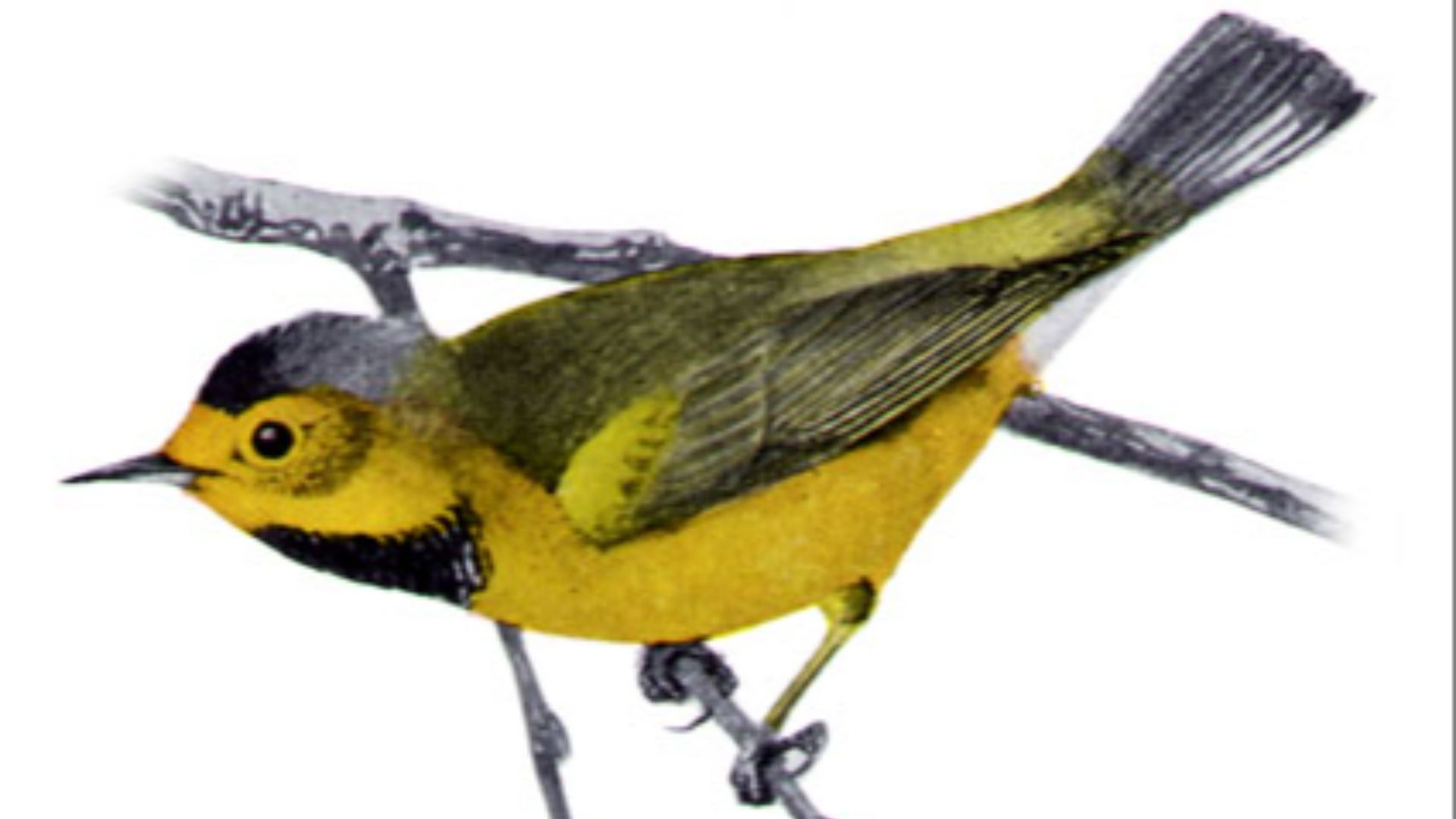
7. Bachman’s Warbler
Bachman’s warbler was a small songbird. Males were known for a bright yellow underside and a darker hood that made them easier to recognize. It bred in the southeastern United States, where it relied on specific forest and swamp habitats. Habitat loss is considered the main cause of its disappearance, and extinction was formally confirmed in 2023.
 Louis Agassiz Fuertes on Wikimedia
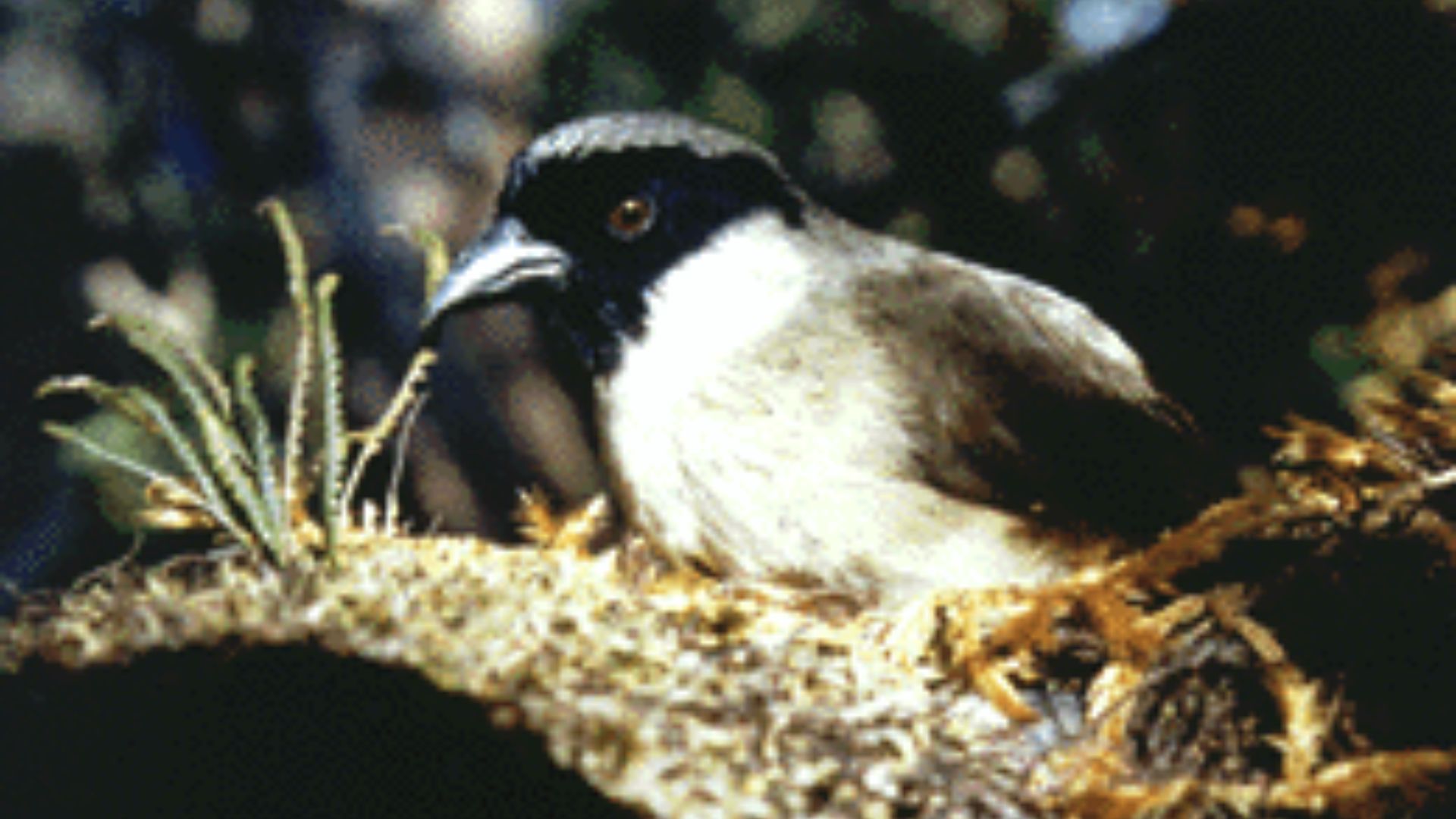
8. Po’ouli
The po’ouli was a Hawaiian honeycreeper with muted colors and a distinctive dark facial pattern, living only in high-elevation forests on Maui. Because its range was so limited, even small losses of habitat or health could cut the population quickly. Forest decline and mosquito-borne diseases affecting Hawaiian birds are often tied to their collapse, and extinction was confirmed in 2023.
 Paul E. Baker, U.S. Fish and Wildlife Service on Wikimedia
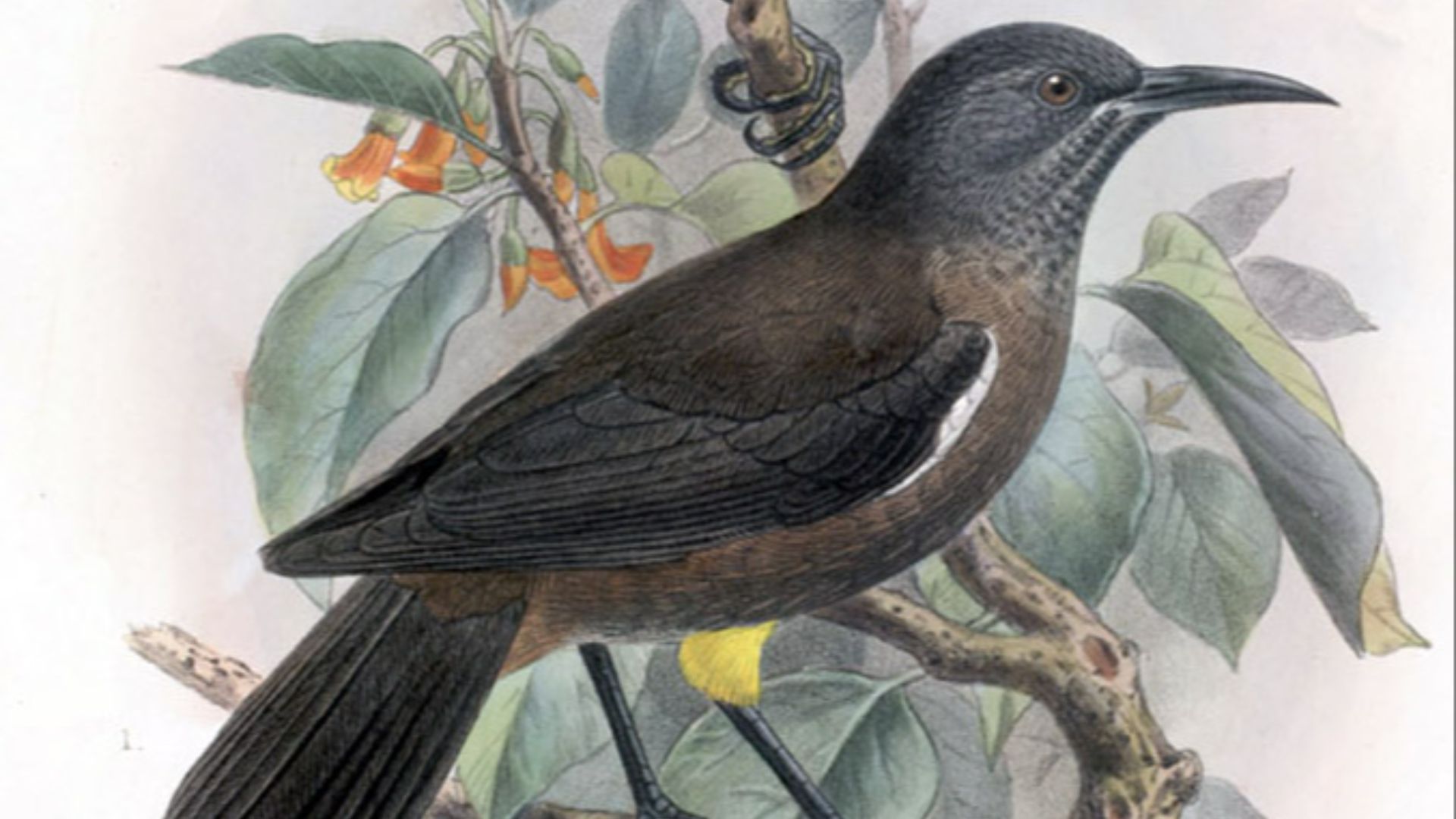
9. Kauaʻi ʻŌʻō
This glossy, dark forest bird had subtle lighter markings and a strong association with native Hawaiian forests. It originated on Kauaʻi, where storms, habitat loss, introduced predators, and bird diseases combined into a long-term decline. People remember this particular bird partly due to its calls being recorded after numbers were already dangerously low. Its extinction was formally confirmed in 2023.
 John Gerrard Keulemans on Wikimedia
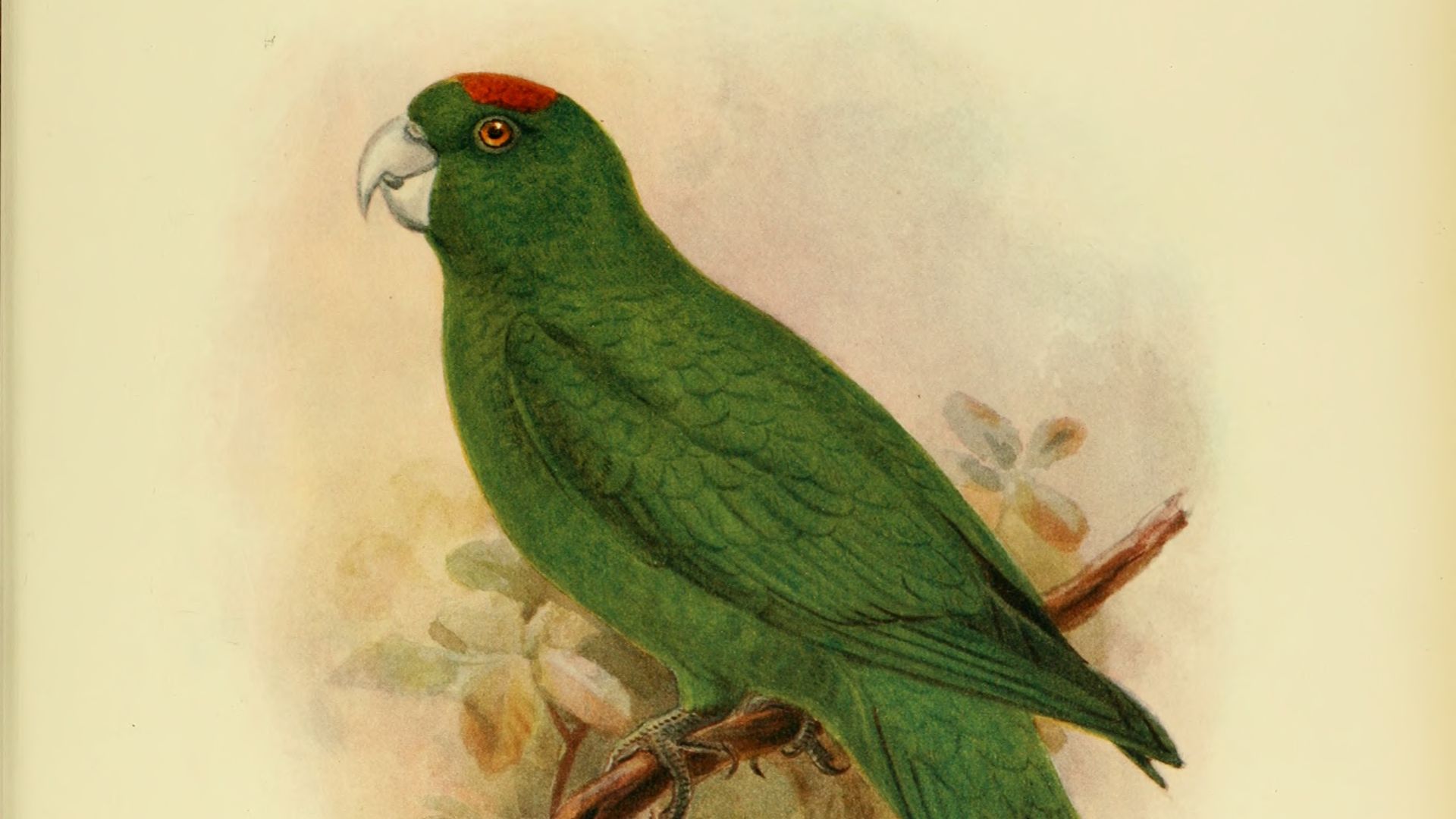
10. Guadeloupe Parakeet
The Guadeloupe parakeet was a Caribbean parrot known from historical descriptions, with gorgeous multicolored feathers. Native to Guadeloupe, it suffered after human settlement brought hunting and long-term changes to its habitats. Even though it likely disappeared long ago, its extinction was formally confirmed in 2021.
 John Gerrard Keulemans on Wikimedia
11. Chinese Paddlefish
The Chinese paddlefish was enormous, with an elongated, paddle-like snout and a powerful body adapted for long migrations in big rivers. It originated in China’s Yangtze River system, where it once ranked among the largest freshwater fishes on Earth. Overfishing and river barriers, especially dams that blocked spawning routes, are central reasons it could not recover. Its extinction was confirmed in 2022.
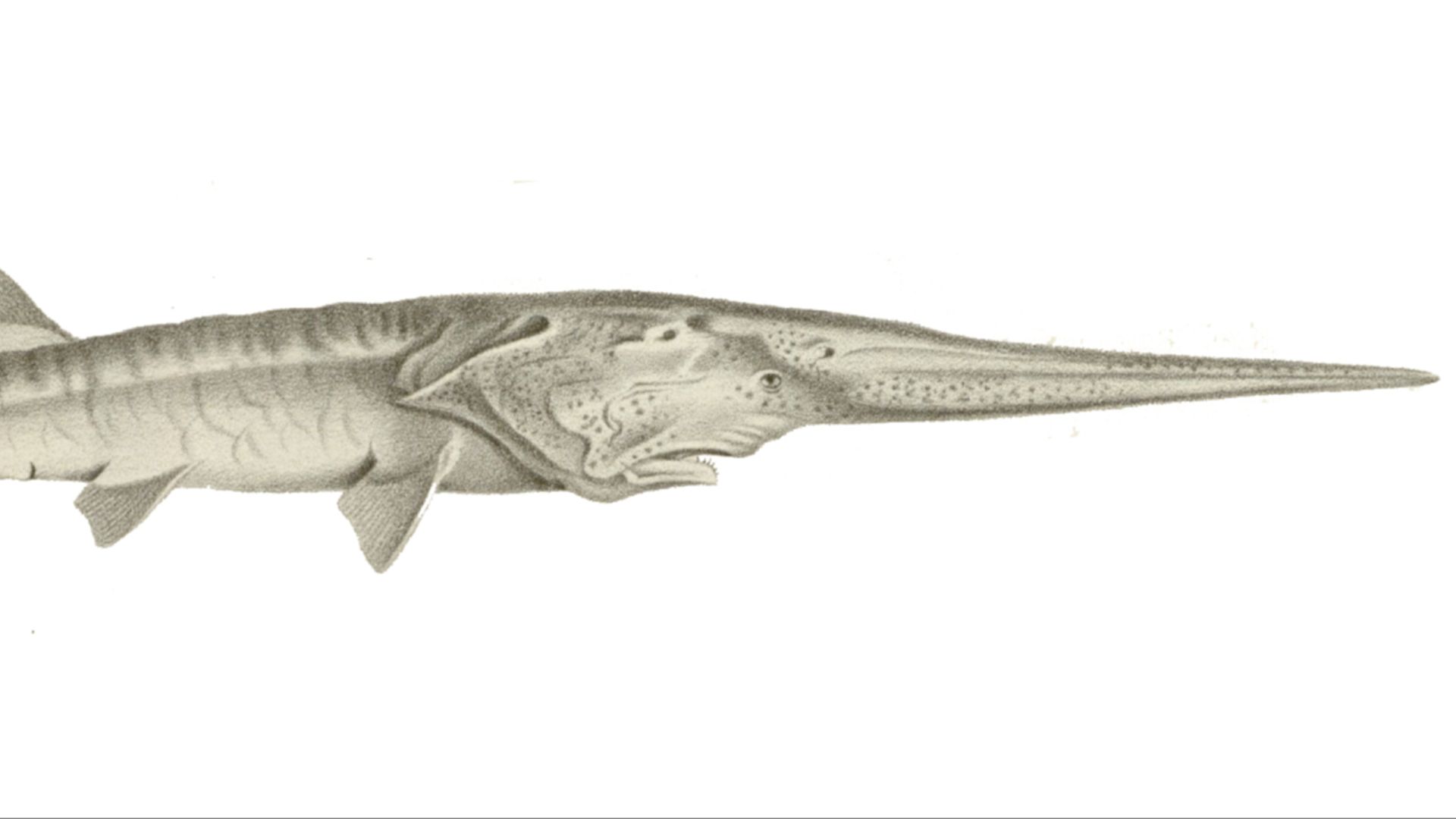 Muséum d'histoire Naturelle on Wikimedia
12. Scioto Madtom
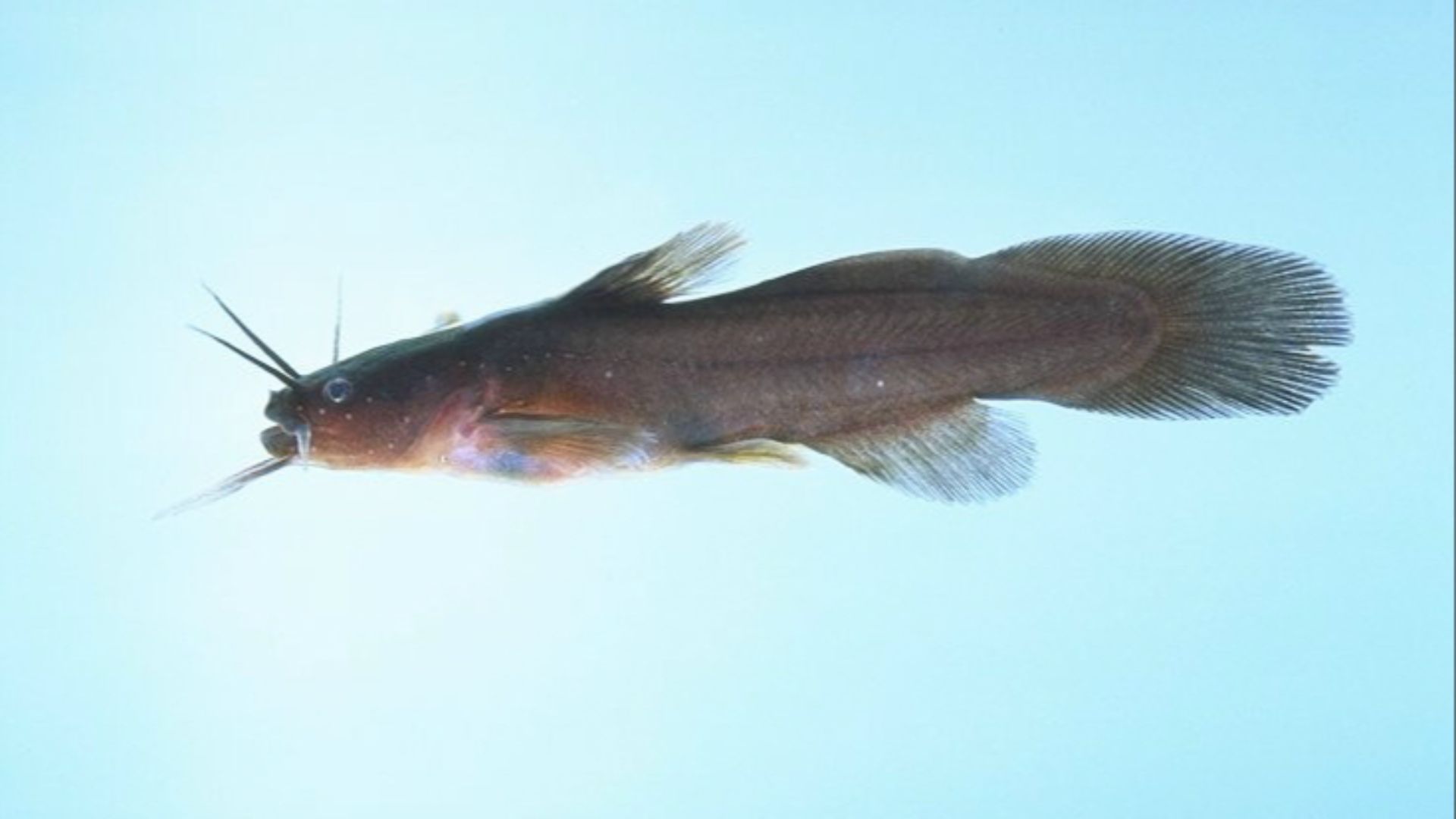
The Scioto madtom was a small catfish that usually hid in the bottoms of streams. It came from an area called Big Darby Creek, a small section of river in the state of Ohio. Due to its small habitat, it quickly suffered at the hands of pollution, water quality, and human settlement. Its extinction was formally confirmed in 2023.
13. San Marcos Gambusia
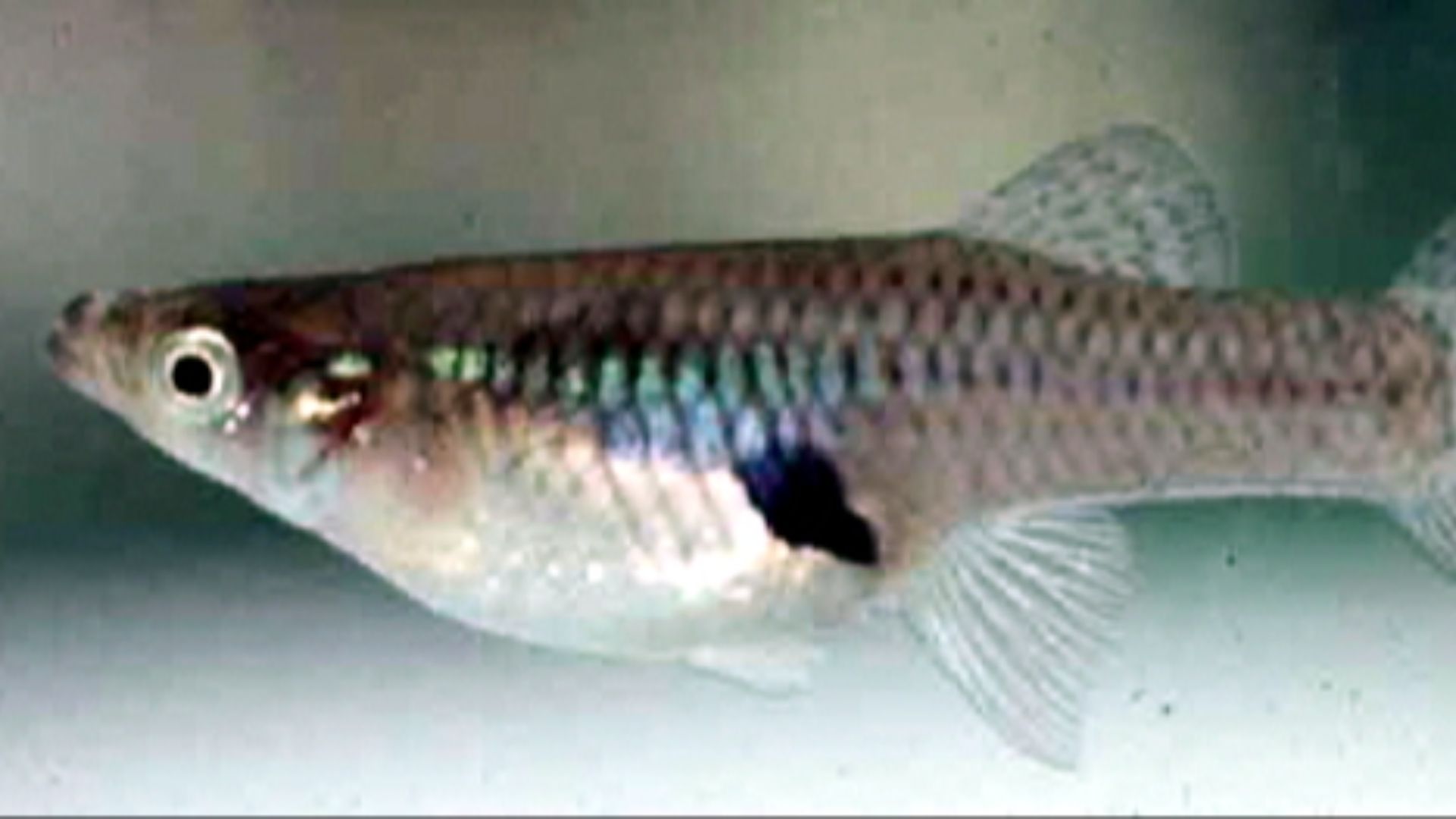
This was a tiny livebearing fish with subtle coloring, and it looked similar to related Gambusia species. It originated in the spring-fed waters of the San Marcos River system in Texas, where its small habitat underwent hybridization, competition with other species, and general habitat changes. Its extinction was confirmed in 2023.
14. Barbodes disa
Barbodes disa was a small freshwater fish with a compact, streamlined body suited for swimming in lake waters. It lived only in Lake Lanao in the Philippines, a place once known for many unique native fish found nowhere else in the world. Other species, heavy fishing activity, and ecosystem disruption are often linked to the loss of Lanao endemics, which was confirmed in 2019.
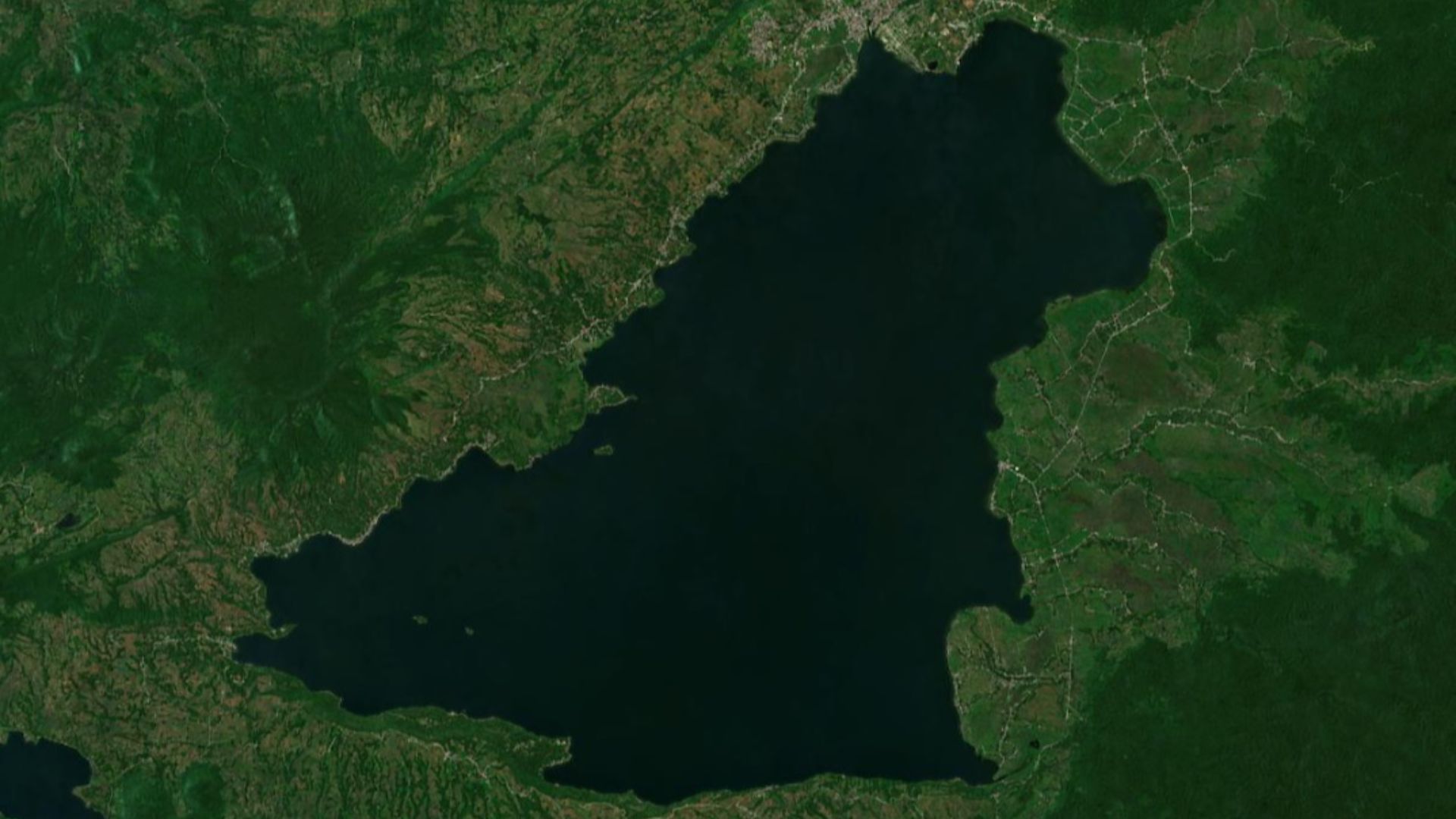 ESA Copernicus Sentinel-2 on Wikimedia
15. Barbodes tras
This fish was another Lake Lanao native, larger than the Barbodes disa. Environmental change, fishing pressure, and biological competition are frequently cited contributors. Its extinction status was also confirmed in 2019.

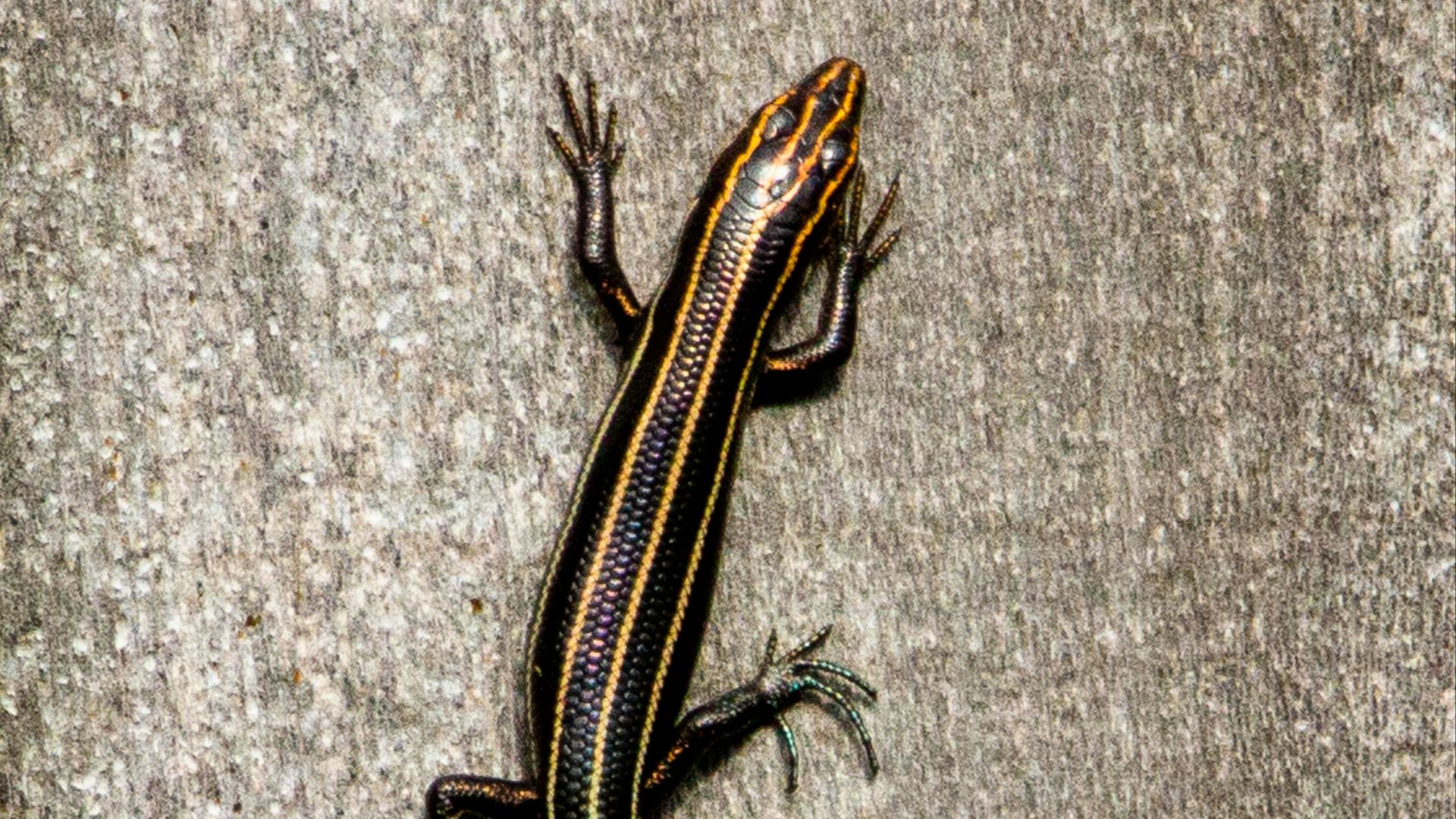
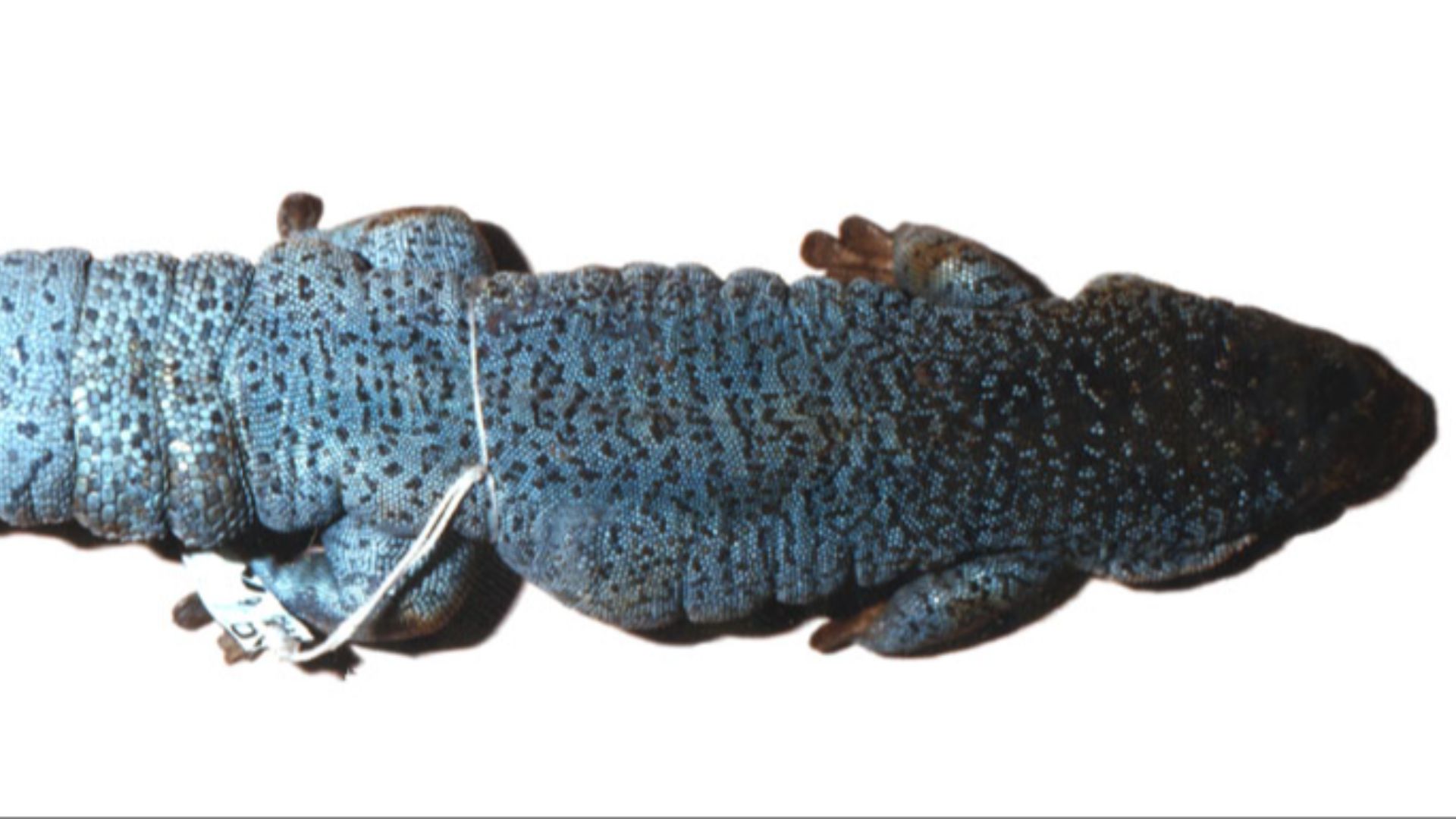
16. Christmas Island Forest Skink
The Christmas Island forest skink was a smooth-scaled lizard with a sturdy body and strong limbs, adapted for moving through leaf litter and low vegetation. It originated on Australia’s Christmas Island, where invasive predators and rapid ecological shifts caused repeated conservation crises. The last known individual died in captivity after the wild population disappeared, and the animal was recognized as extinct in 2017.
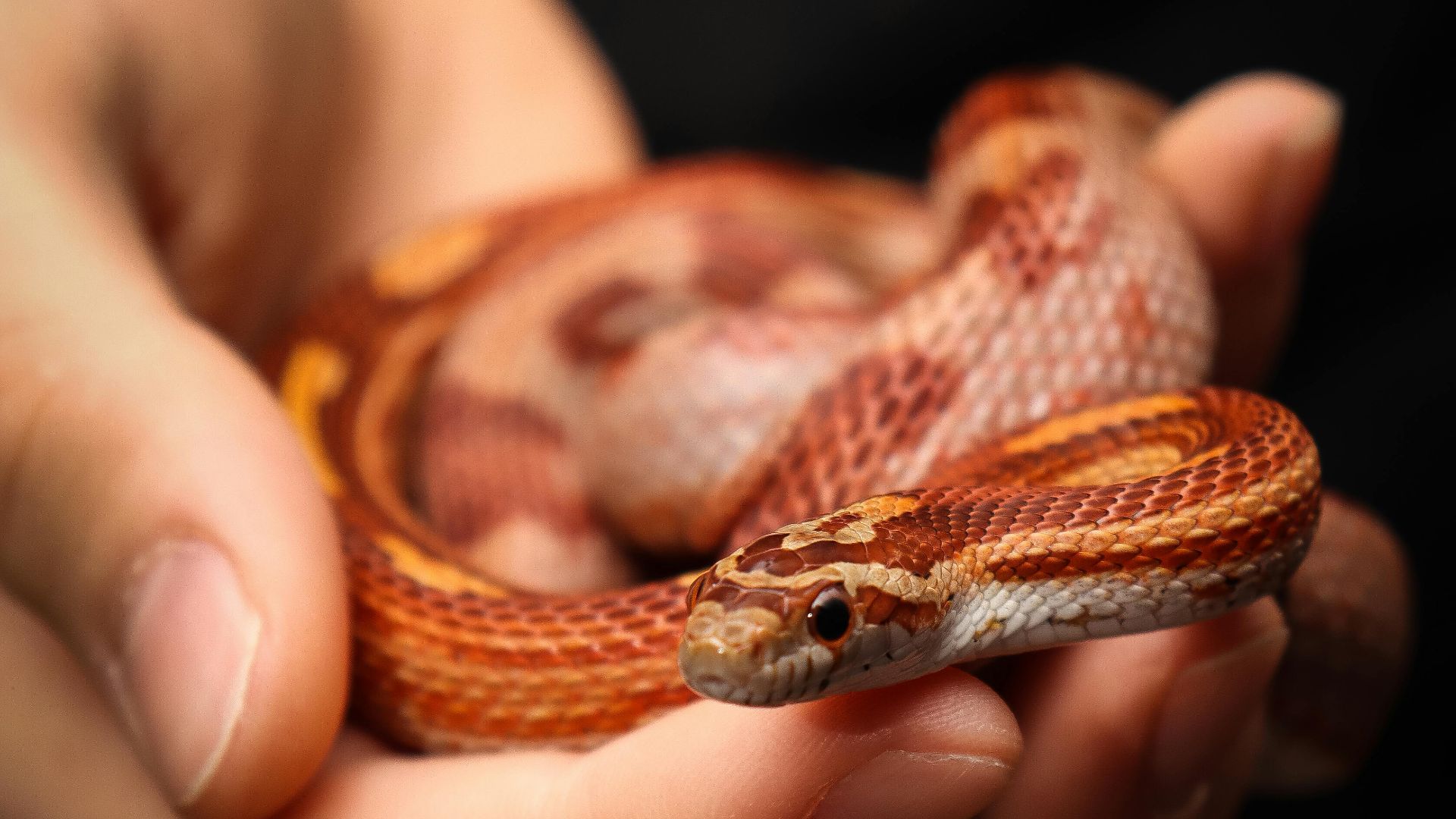
17. Barbados Racer
The Barbados racer was a slender, fast-moving snake with brown and tan markings. While no official sightings of this snake have been made since 1961, its extinction was formally confirmed in 2016.
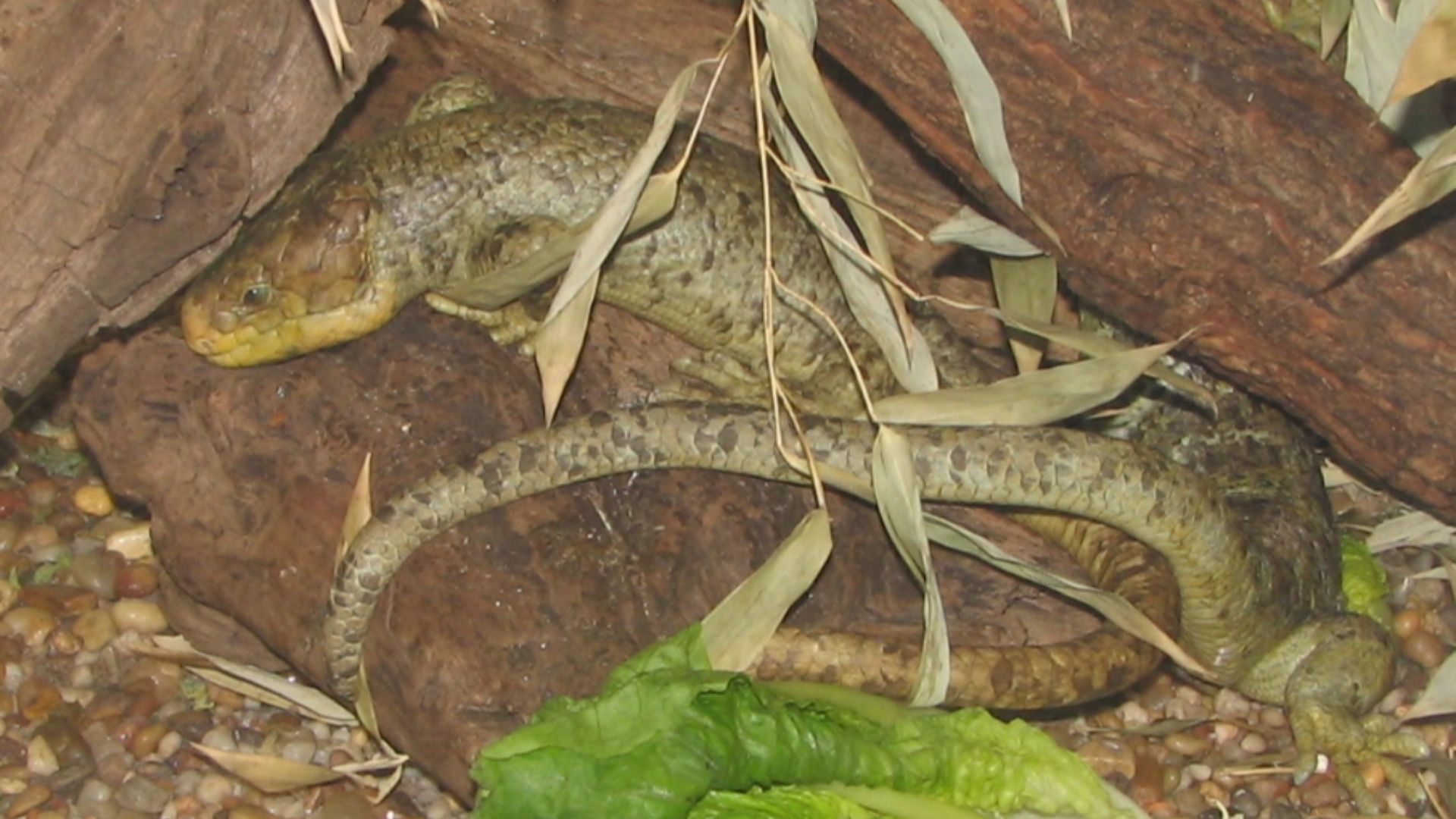
18. Réunion Giant Skink
This was a larger island skink, likely robust-bodied with smooth scales and a ground-adapted build, known largely through historical records and specimens. It originated in Réunion, France, where it suffered major losses due to the introduction of rats, cats, and the wolf snake. This animal was officially labeled extinct in 2019.
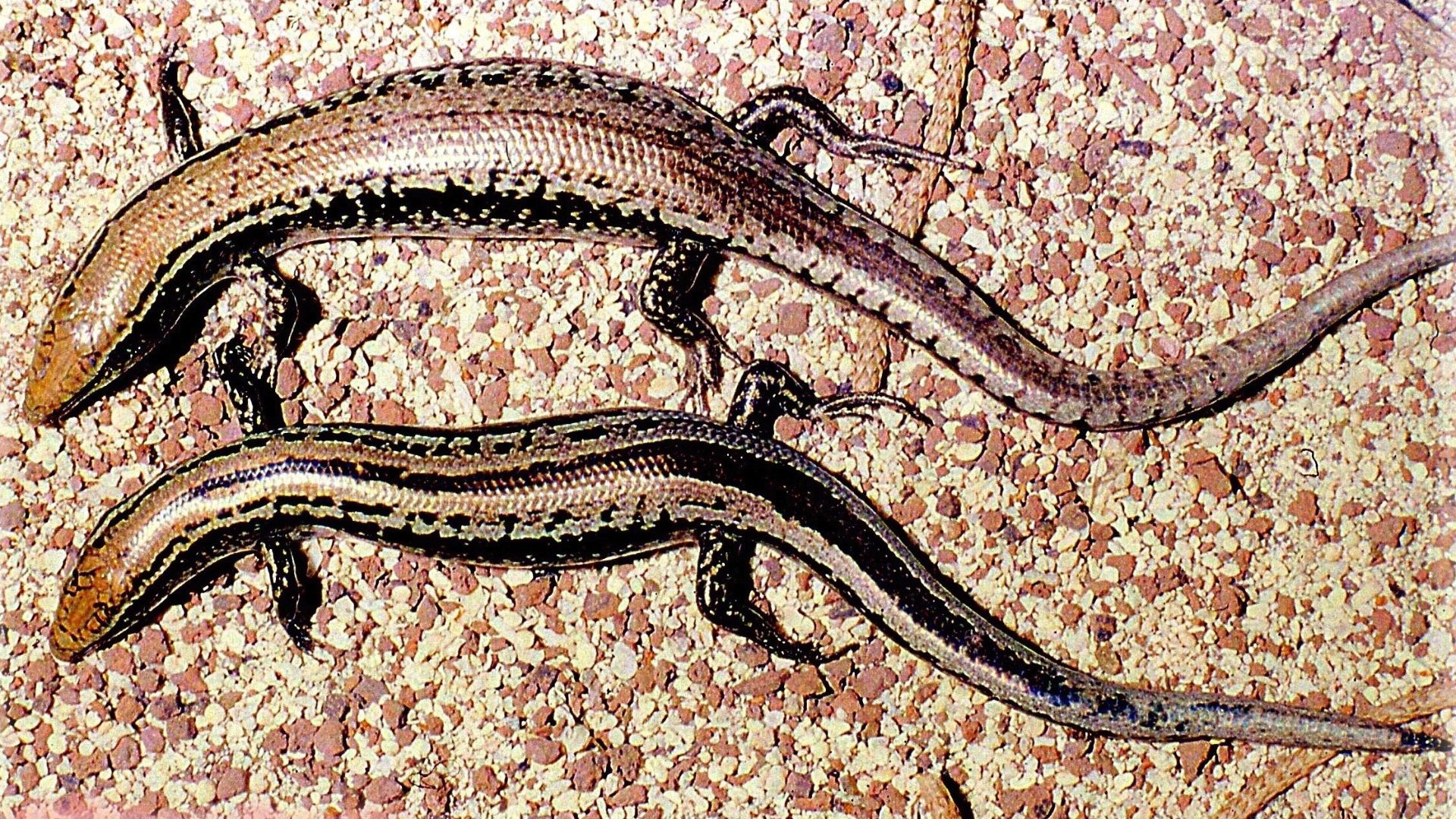
19. Réunion Slit-eared Skink
The Réunion slit-eared skink was a compact skink that was also native to the island. Sadly, like the giant skink, it failed to thrive in captivity after it suffered at the hands of predators and human settlement. Its extinction was confirmed in 2021.
20. Newton’s Day Gecko
Newton’s day gecko was a bright, tree-dwelling gecko type, known today largely from specimens rather than living populations. It originated in the Mascarene region, where island forests and coastal habitats have been heavily altered, and predator introductions have been severe. Habitat loss and invasive predators are the most common explanations for why it disappeared. Its extinction was confirmed in 2021.
KEEP ON READING

20 Weirdest Historical Objects in Museums
Check Out the Pickled Heart of a Saint. Museums carry…
By Rob Shapiro Oct 1, 2025
20 Scariest Missing Persons Cases in History
Eerie Disappearances. There's something uniquely unsettling about a person who…
By Christy Chan May 1, 2026
20 Greatest Ancient Athletes In History
Ancient Olympics. Long before modern stadiums and multimillion-dollar endorsements, athletes…
By Sara Springsteen May 1, 2026
10 Phenomenal Mythical Creatures & 10 That Are Just Plain…
Legends Both Majestic And Peculiar. Do you ever wonder why…
By Chase Wexler Oct 1, 2025
10 Presidents Who Never Served In The Military & 10…
Commanders And Civilians In Office. Power can rise from very…
By David Davidovic Sep 1, 2025
20 Wars That Could Have Ended Much Sooner Than They…
Wars That Lasted Far Too Long. Wars are often remembered…
By David Davidovic Sep 1, 2025