


Canadians Played A Big Role In WWI, But They’re Still Not Given The Credit They Deserve
Canadians Played A Big Role In WWI, But They’re Still Not Given The Credit They Deserve
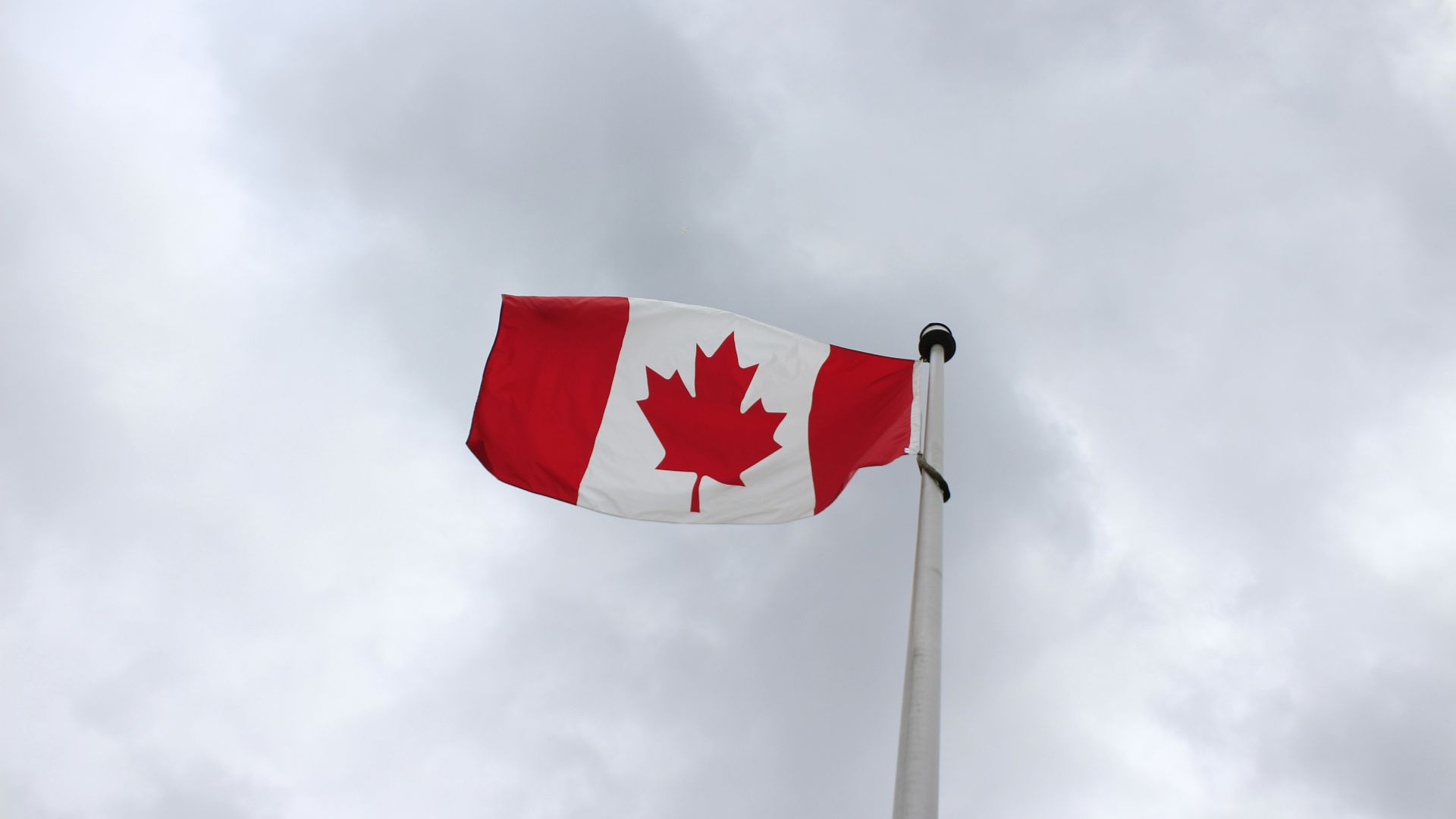 Donovan Dean Photography on UnsplashMost people learn about World War I through a Europe-first lens: Britain, France, Germany, and the empires grinding each other down in mud-choked trenches. That framing isn’t wrong—but it’s incomplete. It can make it weirdly easy to forget that hundreds of thousands of soldiers came from places that weren’t on the map as “main characters” in the traditional story. And one of the biggest examples is Canada.
Yes, Canada was still a part of the British Empire in 1914. But it was also a self-governing Dominion that had been running its own internal affairs since Confederation in 1867. By the time the war began, Canada had its own government, its own economy, and—crucially—its own people making choices (and paying the price) when the call to arms arrived. That’s why the numbers matter so much, because they show the scale of the commitment and the cost.
Veterans Affairs Canada states that about 650,000 Canadians and Newfoundlanders served in the war (Newfoundland didn’t join Canada until 1949). More than 66,000 died, and more than 172,000 were wounded.
So why doesn’t Canada get the credit? A big part of it is branding: Canadians fought under the broader umbrella of the British Empire, and many reports—especially at the time—lumped their actions into “British” victories. Over time, simplified retellings kept those broad labels. When you compress history into a few classroom chapters and a couple of famous names, nuance is one of the first things to get cut.
But if you zoom in on what Canadian troops actually did—and how often they did it—you start to see a pattern: Canada wasn’t just “present.” Canadians repeatedly shaped major moments of the war.
Battles Canadians Helped Shape
Canada’s first major trial came in 1915 at the Second Battle of Ypres in Belgium. This is one of those battles that hits like a gut punch because it involved a terrifying “first”: widespread poison gas use on the Western Front. German forces used gas to try to smash a hole in the Allied lines, and the chaos that followed wasn’t just physical—it was psychological. There wasn’t a playbook for what soldiers were suddenly facing.
Canadian units were among those who were held under horrible conditions, helping prevent a wider collapse in the line. That early reputation—staying put when the world got scary and confusing—stuck with them, and it shaped how the Canadian Corps was used later on.
Then came the battle Canadians are most often associated with: Vimy Ridge, April 1917. On April 9, the Canadian Corps attacked a heavily fortified position in northern France. The ridge had chewed up previous assaults, and it mattered because whoever held high ground could watch, target, and dominate the area.
Four all-Canadian divisions fought uphill for days and ultimately captured the ridge—an achievement that quickly became symbolic, but it was also tactical and practical: it showed what the Canadian Corps could do when planning, training, and coordination were treated like weapons.
One big reason for that success was the “creeping barrage,” a tightly timed artillery curtain that moved forward in stages so infantry could advance behind it. It wasn’t just raw courage (though there was plenty of that); it was organization, discipline, and a willingness to adapt. The victory came at a steep cost: more than 10,600 Canadians were killed or wounded.
Vimy is often described as a “nation-building” moment, and that phrase gets thrown around a lot—but the core idea is real. When people back home read that four Canadian divisions had taken ground that others couldn’t, it landed differently than hearing “the British did X.” It felt like Canada did it.
In 1918, Canadian troops were central to the final Allied offensives, often referred to as “Canada’s Hundred Days.” This was roughly a three-month push from Amiens toward Mons, from August to November 1918, when momentum swung hard against Germany.
Systems That Powered Canadian Service
Battlefield stories can make history feel like a highlight reel, but wars are also built on systems: medical care, supplies, industry, logistics, and the people who keep all of it moving. Canada didn’t just send fighters—it built support structures at scale.
The Nursing Sisters of Canada played a huge role in the Great War. This wasn’t their first time serving in difficult conditions; they’d shown up in earlier Canadian crises and conflicts, and by WWI, they were an experienced, organized force.
Nearly 2,000 women were overseas by 1917, often known as the “bluebirds” because of their blue dresses and white veils. Their work was relentless—long shifts, overwhelming numbers of casualties, constant pressure, and emotionally brutal conditions. It’s hard to overstate how important that was. In a war where injuries were often catastrophic, and infections could turn deadly fast, nursing wasn’t a “supporting role.” It was life-or-death frontline work in its own way.
The home front: Industry, Munitions, and Women’s Work
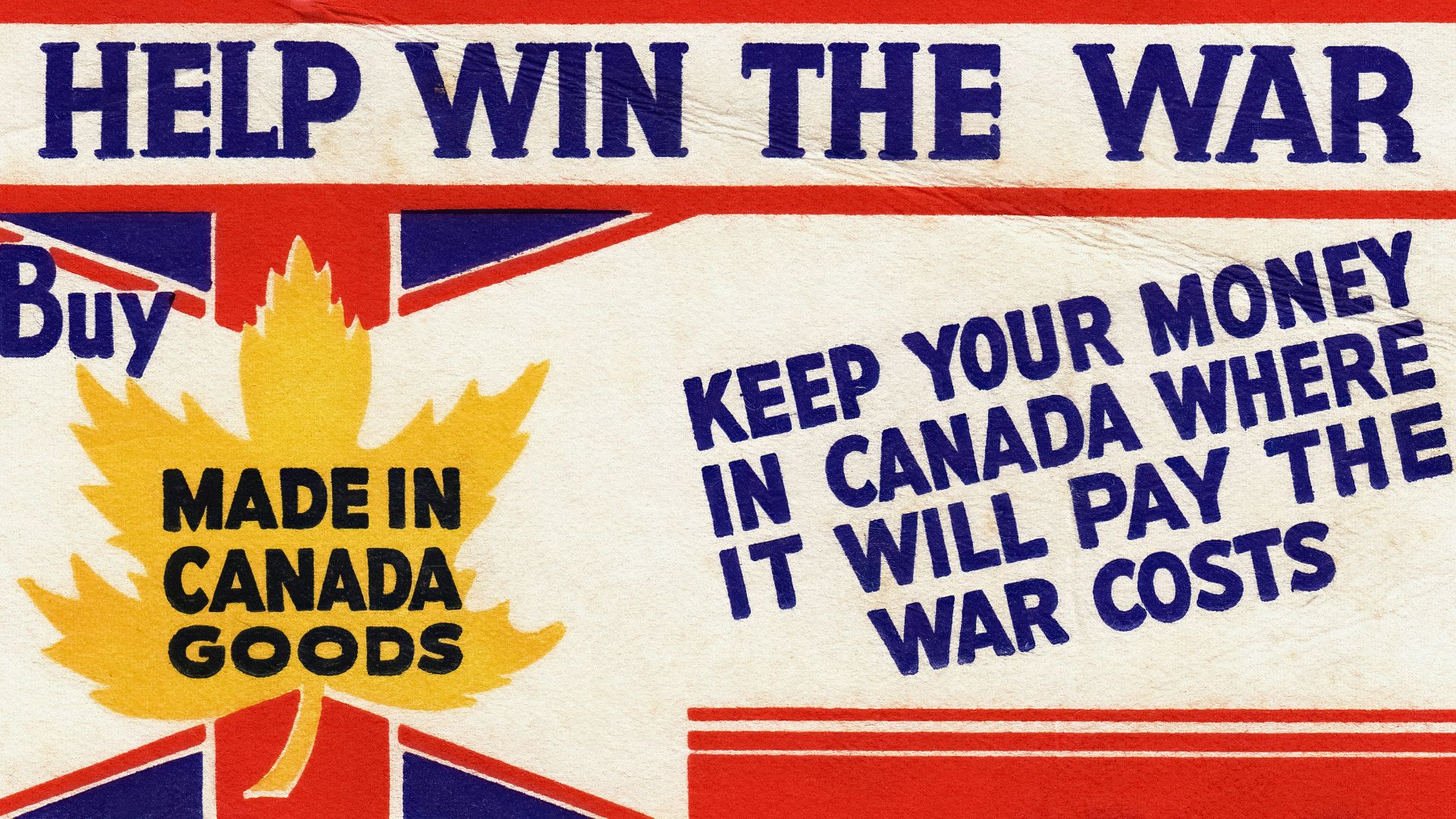 Community Archives of Belleville and Hastings County on Unsplash
Canada’s home front was also crucial. Soldiers depended on a steady river of equipment and supplies, and Canada ramped up production dramatically.
The Imperial Munitions Board, created in late 1915, helped organize war contracts and production logistics. It hired about 30,000 women to work in factories and offices, contributing to a wartime industrial boom.
That matters for recognition, too. When people talk about “the war,” they often mean battles. But the ability to keep fighting depended on shells, uniforms, food, transport, and paperwork. Canada helped make that machine run.
Why Recognition Still Lags
Canada fought as part of the British Empire, so many reports described Canadian action as part of a broader British effort. That style of reporting can hide who led an operation, who paid the heaviest price, and who achieved key objectives. Over time, simplified retellings often keep broad labels, and Canada’s role can fade for readers who never see the details.
After the war, Canada gained a clearer voice on the world stage, which also deserves some attention. The Canadian War Museum notes that Canada signed the Treaty of Versailles in 1919 and joined the League of Nations as a member state in its own right, noting an even further separation from the mother country.
If we want to give Canadians fuller credit, your best bet is to check out The Canadian War Museum and Veterans Affairs Canada, which contain a massive library of the Canadian war effort.
KEEP ON READING

The Love Story Behind the Taj Mahal Was Also a…
Koushik Chowdavarapu on UnsplashThe Taj Mahal is often introduced as…
By Emilie Richardson-Dupuis Apr 2, 2026
JFK's Last Meal Is A Testament To His Character
Walt Cisco, Dallas Morning News on WikimediaHistory often focuses on…
By Sara Springsteen Apr 2, 2026
Public Executions Were Once the Most Attended Events in Town…
Georg Heinrich Sieveking on WikimediaFor centuries, a public execution could…
By Breanna Schnurr Apr 2, 2026
20 Old Hollywood Feuds That Went Beyond The Studio Lot
When The Smiles Stopped. Old Hollywood sold a polished fantasy,…
By Breanna Schnurr Apr 2, 2026
The Coup Triggered by a Pop Song
Matheus Ferrero on UnsplashMost political upheavals have a trigger that…
By Cameron Dick Apr 2, 2026
How The Black Death Spurred the Renaissance
Art Institute of Chicago on UnsplashThe Black Death, which swept…
By Rob Shapiro Apr 2, 2026