

10 Military Strategies That Changed Warfare Forever & 10 That Backfired
Big Ideas On The Battlefield Shape History
Military history isn’t just about weapons or armies. Strategy often matters more than raw force, and a single idea can reshape how wars are fought for generations. Some strategies changed warfare permanently, influencing doctrines that are still studied today. Others looked smart on paper but collapsed under real-world pressure, often with catastrophic consequences. Here are 10 military strategies that changed warfare forever and 10 that backfired.
 Press Agency photographer on Wikimedia
1. The Phalanx Formation
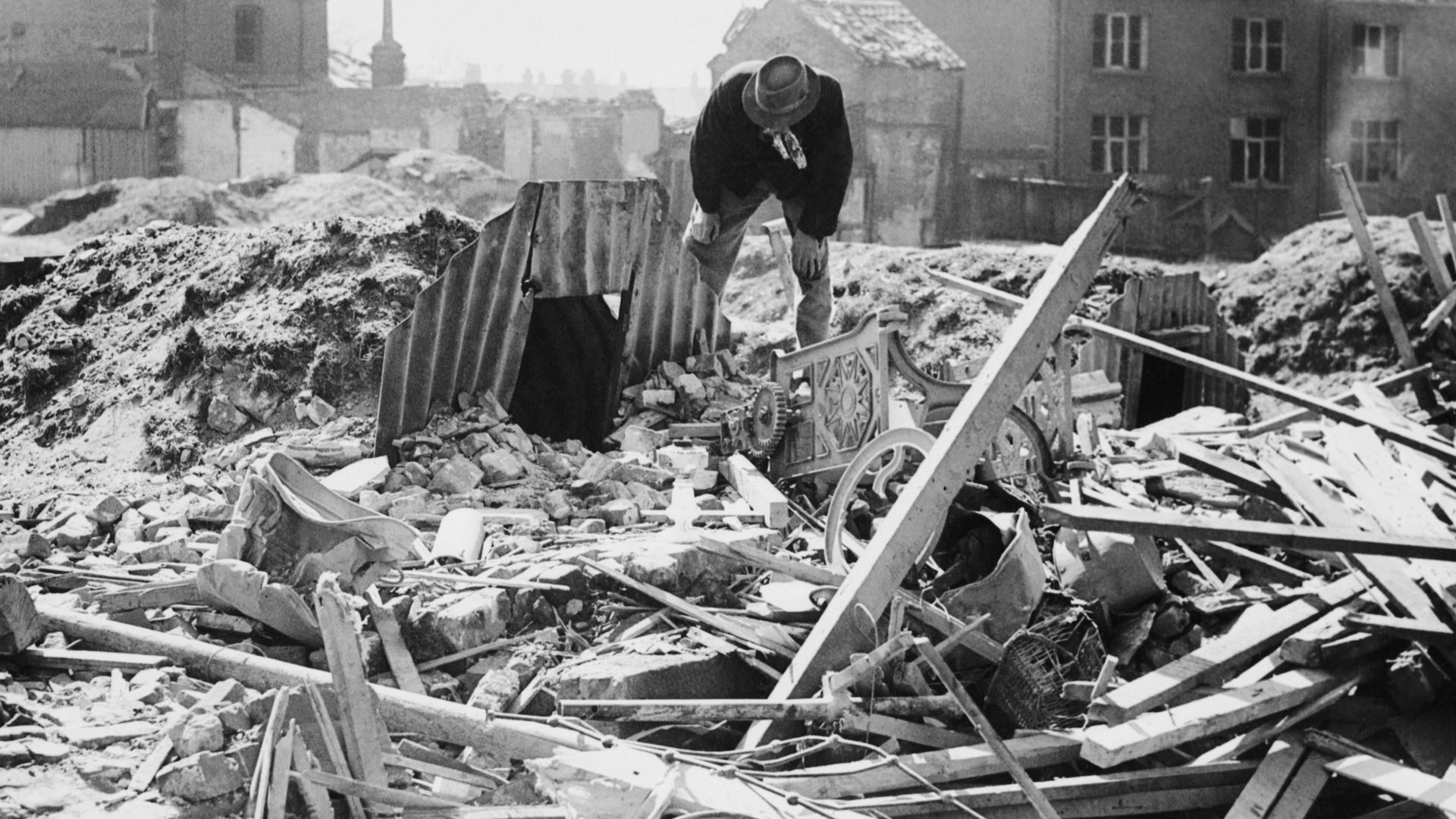
Used extensively by ancient Greek armies, the phalanx relied on tightly packed soldiers with overlapping shields and long spears. It emphasized discipline and collective movement over individual heroics. When executed properly, it created an almost impenetrable wall. This formation dominated battlefields for centuries. It also influenced later infantry tactics in Rome and beyond.
 F. Mitchell, Department of History, United States Military Academy on Wikimedia
2. Roman Legionary Flexibility
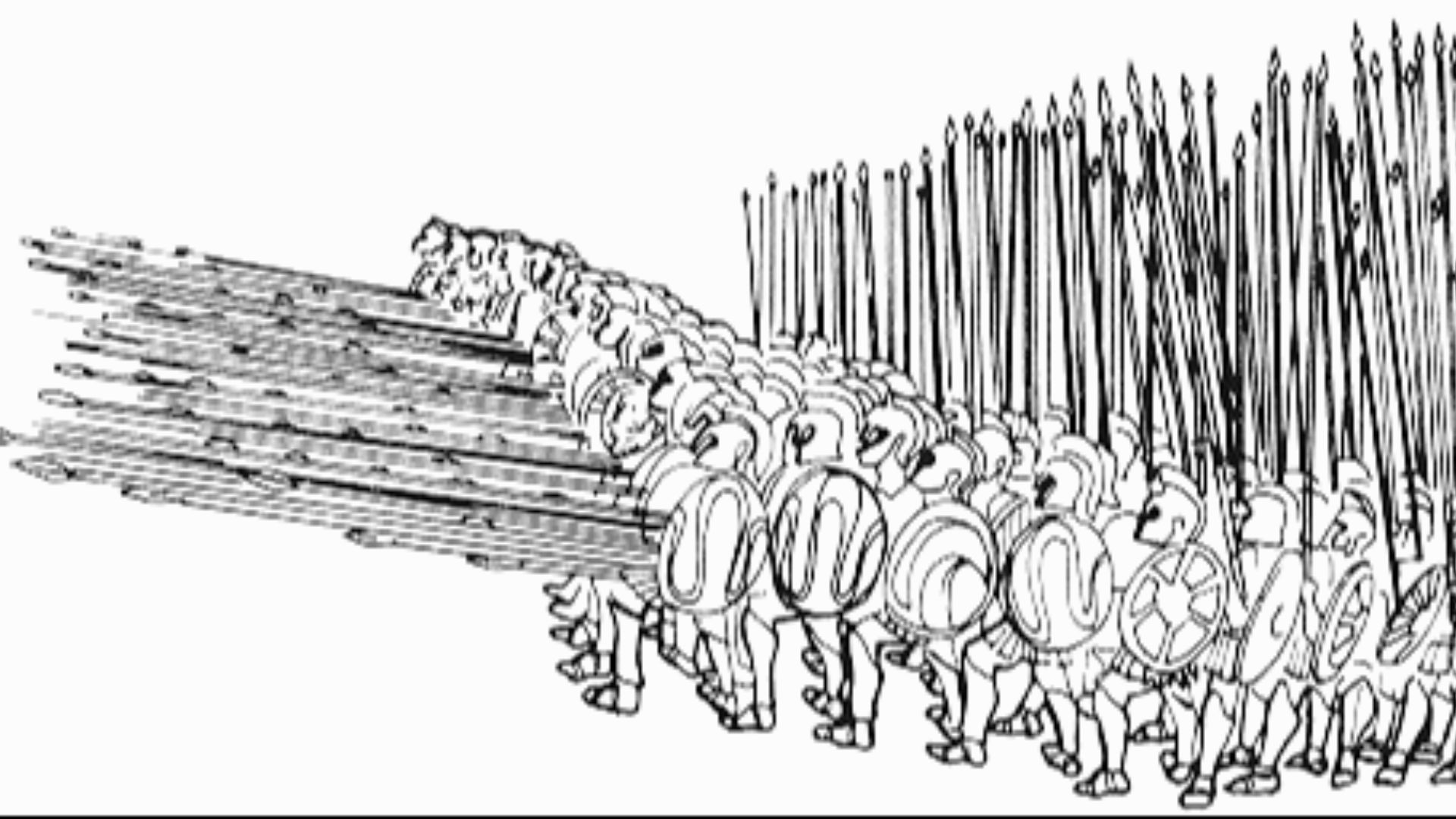
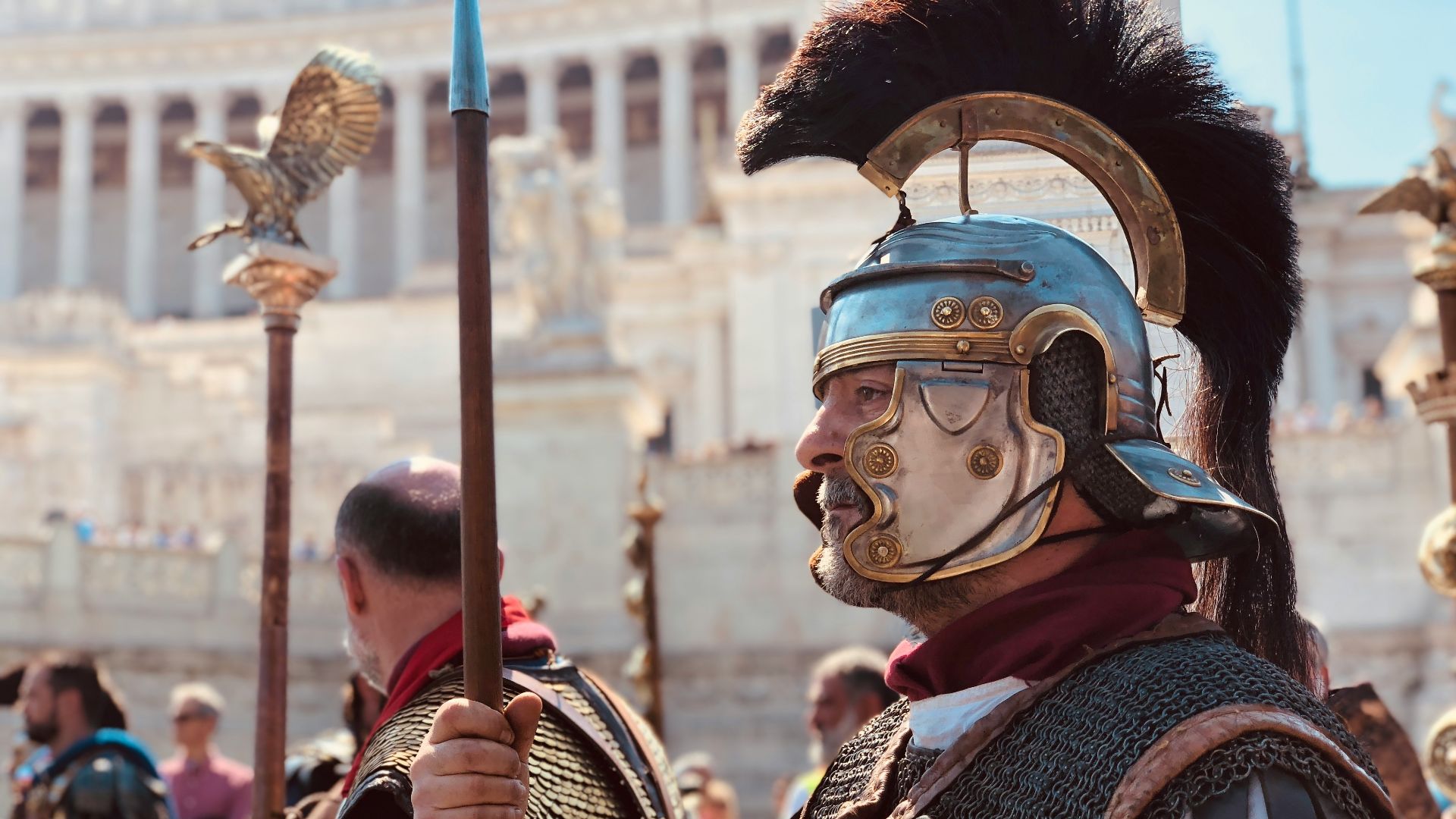
Unlike rigid formations, Roman legions were organized into smaller, adaptable units. This allowed commanders to respond quickly to changing battlefield conditions. Soldiers were trained to fight both independently and as part of a larger system. That flexibility helped Rome conquer and hold vast territories. Modern military organizations still reflect this modular approach.
 Maria Dolores Vazquez on Unsplash
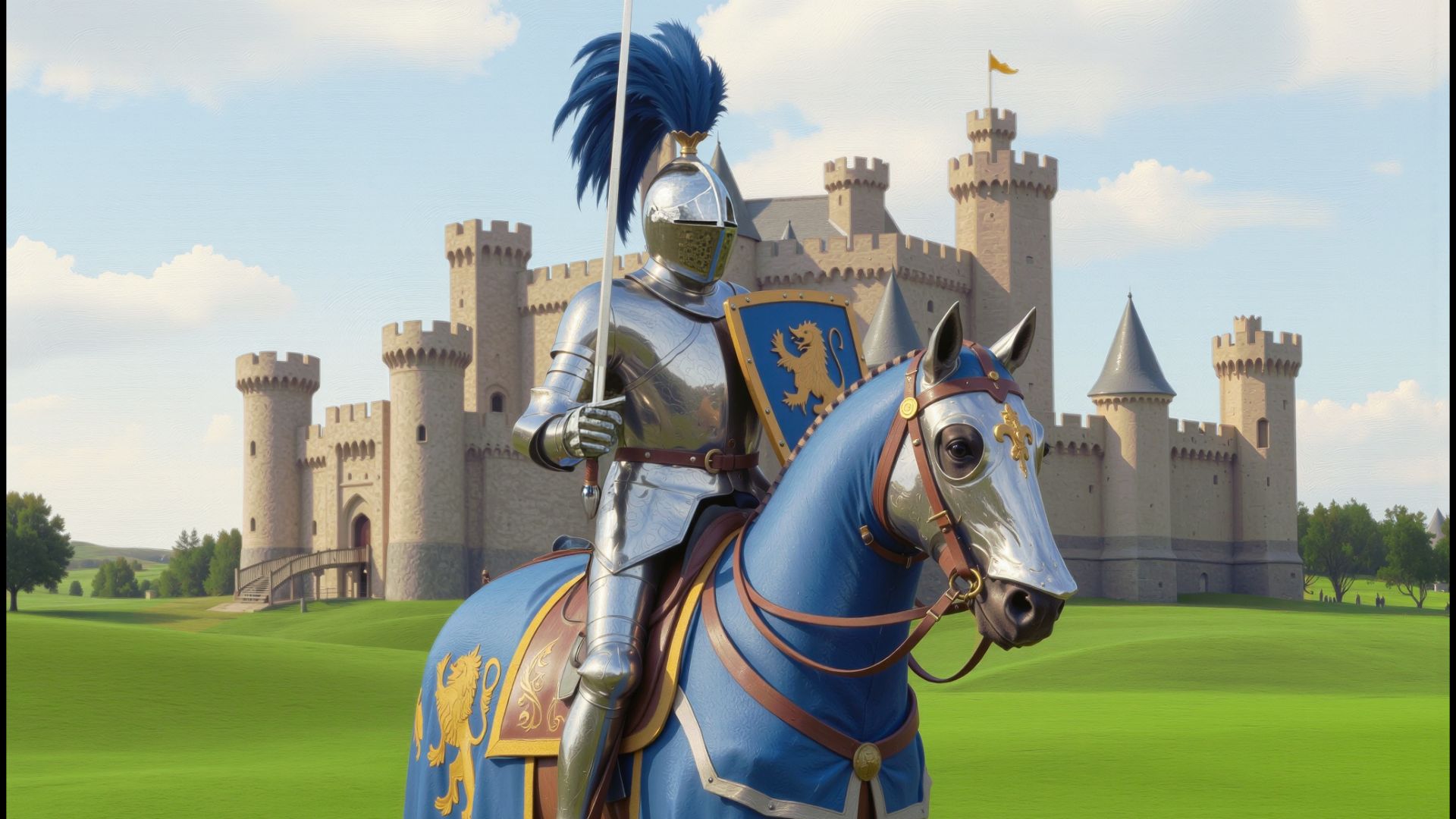
3. Cavalry Shock Warfare
Heavy cavalry charges transformed medieval warfare by using speed and mass to break enemy lines. Knights on horseback could overwhelm infantry formations through momentum alone. This forced armies to rethink defensive tactics. Pike formations and later firearms emerged partly in response.
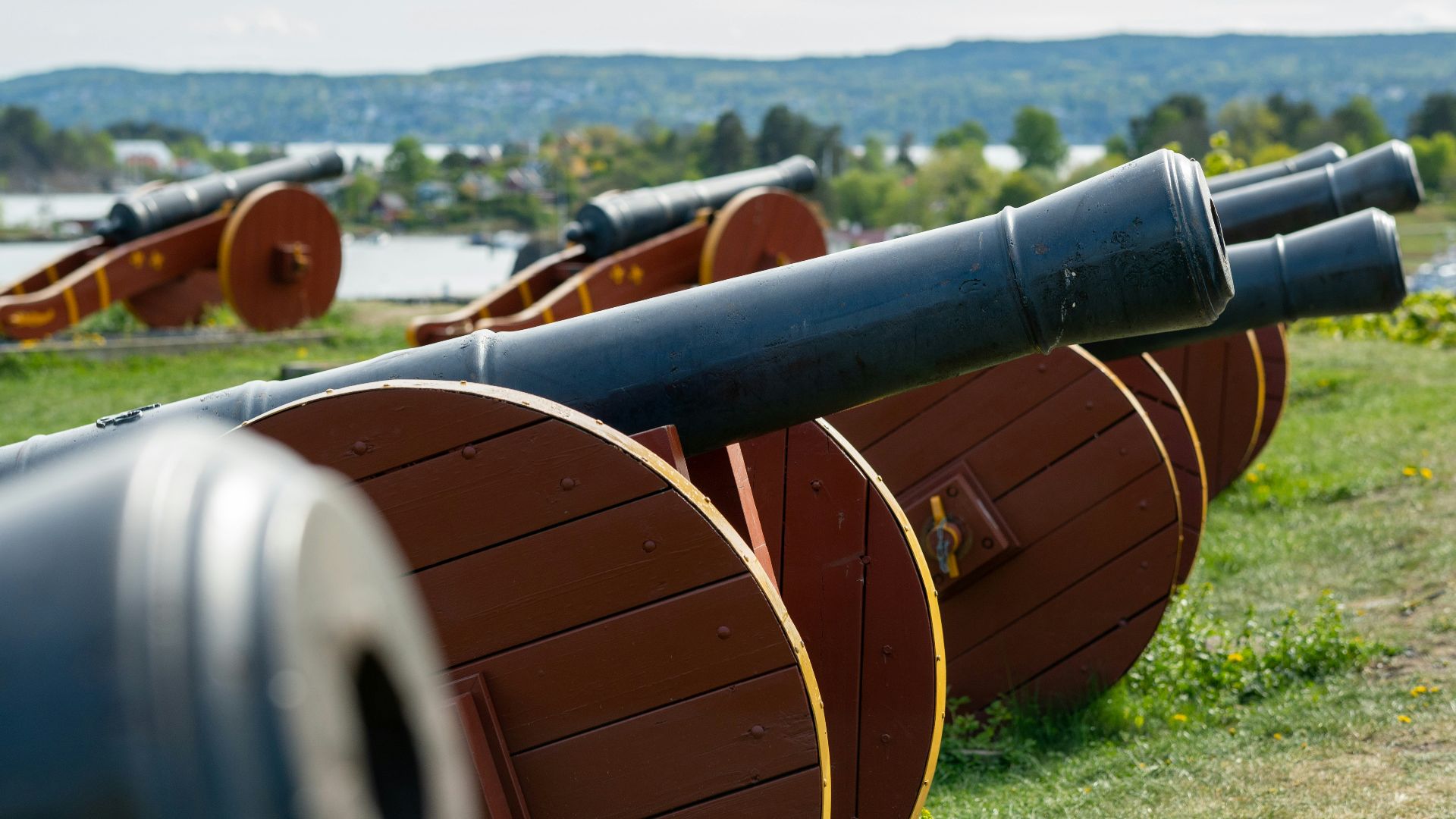
4. Gunpowder Artillery Integration
The widespread use of cannons ended the dominance of castles and fortified walls. Artillery allowed armies to breach defenses that once seemed permanent. This changed how cities were built and defended. Warfare shifted toward open-field battles and mobile campaigns.
 Bjørn-Magnus Kristiansen on Unsplash
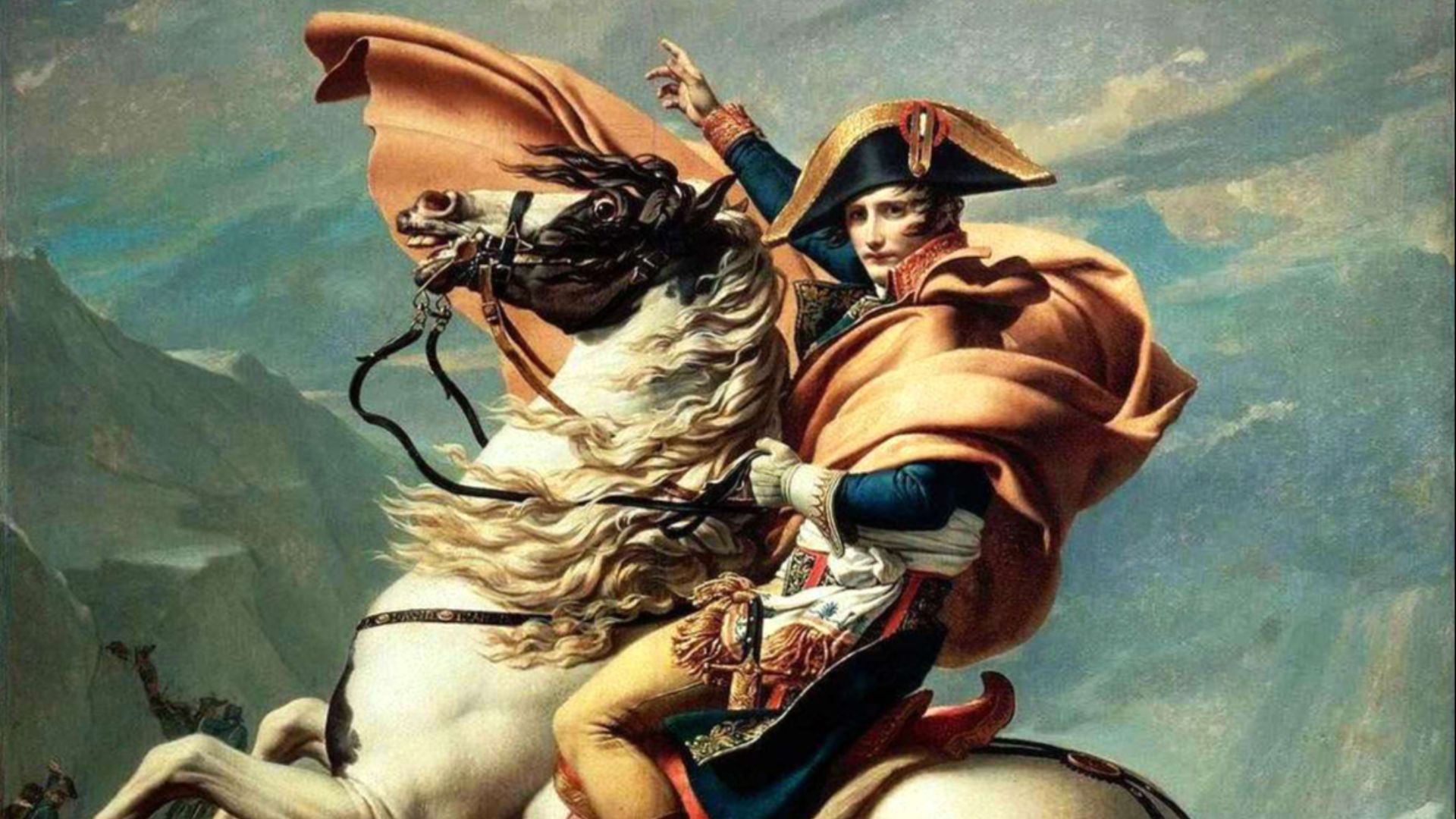
5. The Napoleonic Corps System
Napoleon organized his army into self-sufficient corps that could march separately and fight together. This increased speed and operational flexibility. Commanders could concentrate forces quickly without moving the entire army at once. It overwhelmed slower opponents. The system became a model for modern armies.
 Jacques-Louis David on Wikimedia
6. Total War Mobilization
Total war blurred the line between civilian and military resources. Entire economies were redirected toward the war effort. This strategy reached its peak during World War I and World War II. It changed how nations prepared for and sustained conflict. Modern warfare still reflects this level of national involvement.
 Library of Congress on Unsplash
7. Blitzkrieg
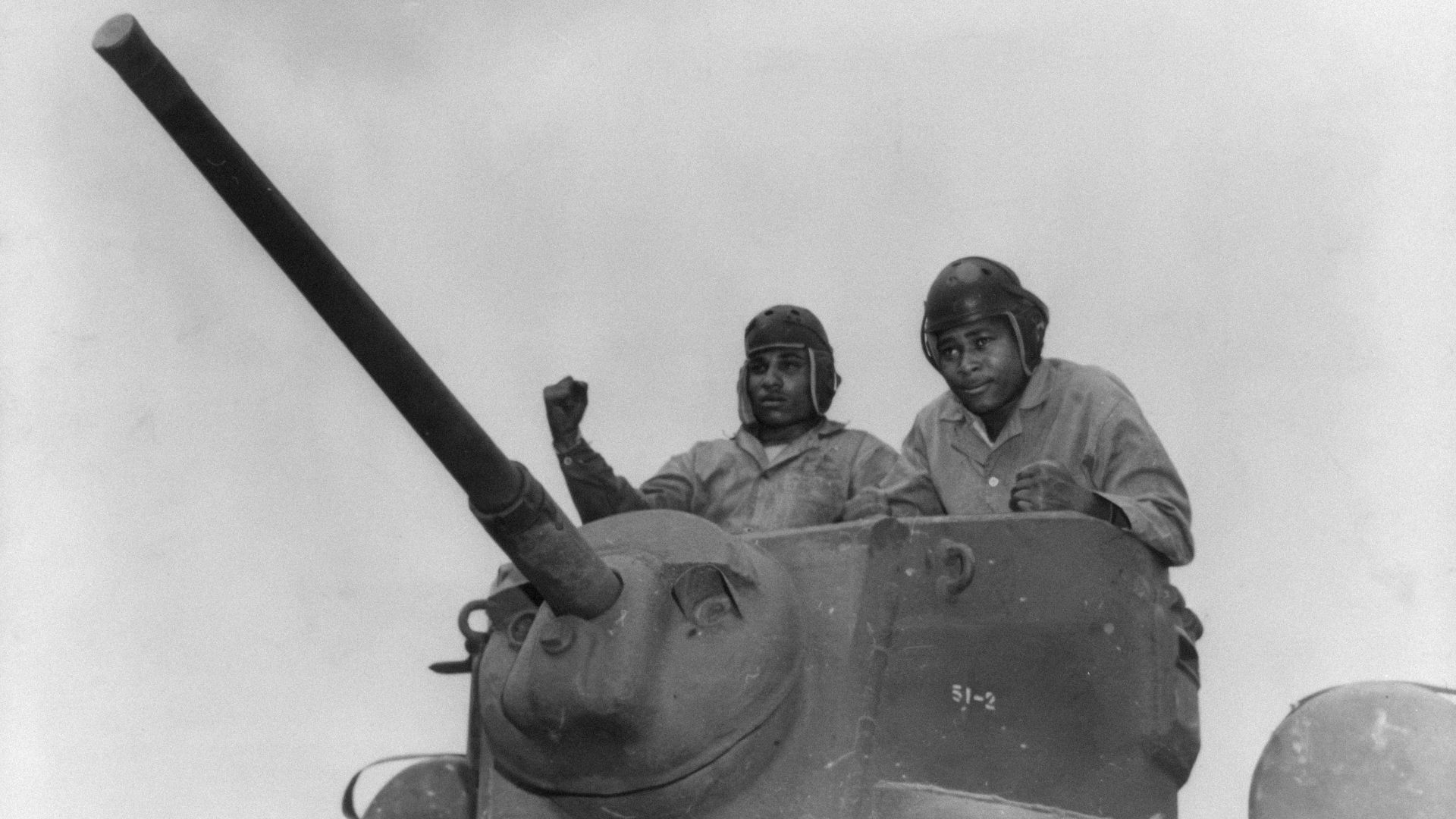
Germany’s blitzkrieg strategy combined speed, coordination, and surprise. Tanks, aircraft, and infantry worked together to disrupt enemy defenses. It avoided long stalemates by targeting command structures and supply lines. Early successes shocked Europe, and its principles influenced modern combined-arms doctrine.
 Library of Congress on Unsplash
8. Naval Power Projection
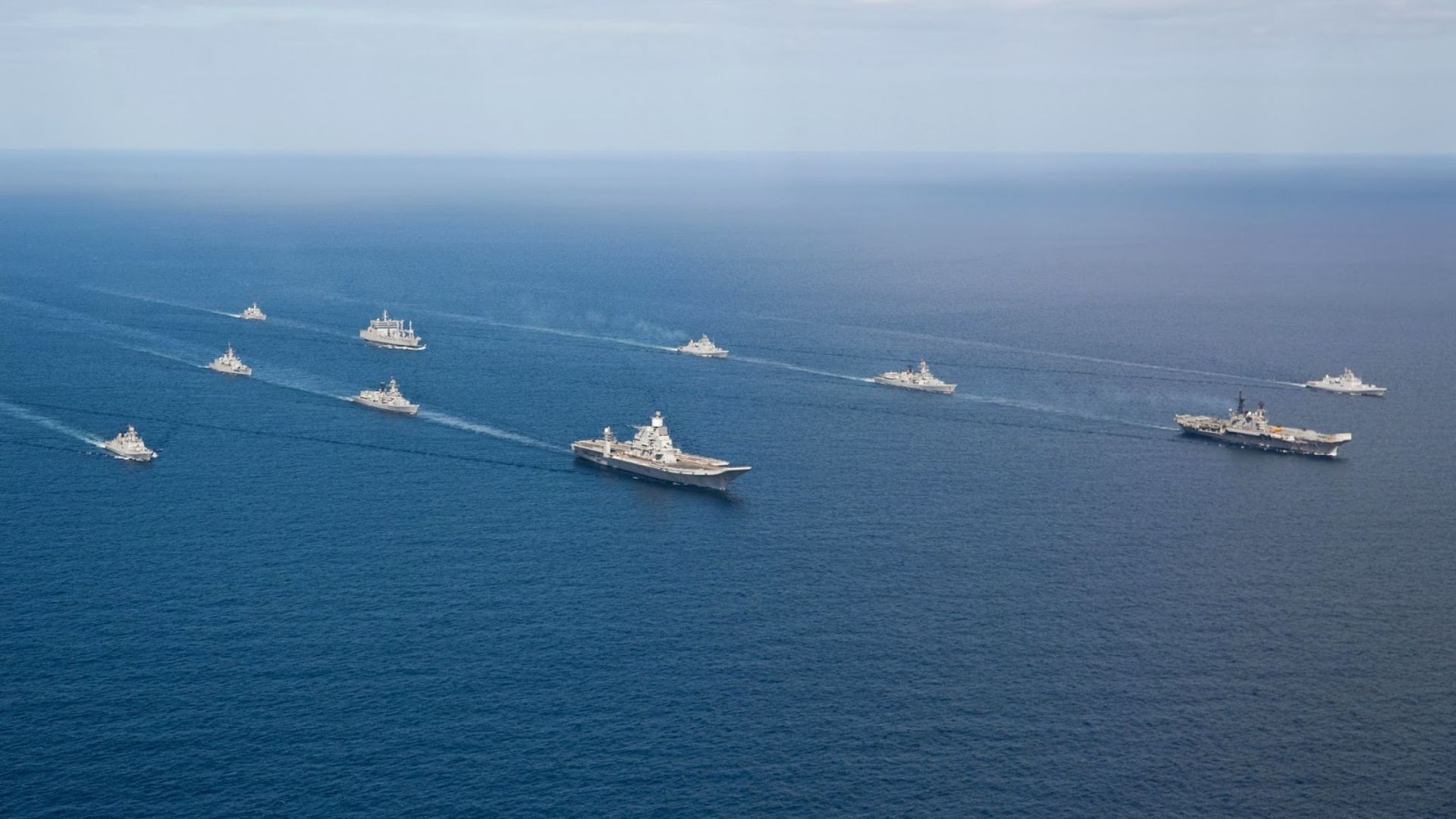
Controlling sea lanes became essential for global influence. Powerful navies allowed empires to protect trade and project force far from home. This strategy shaped colonial expansion. It also determined outcomes in major conflicts like World War II.
9. Air Superiority Doctrine
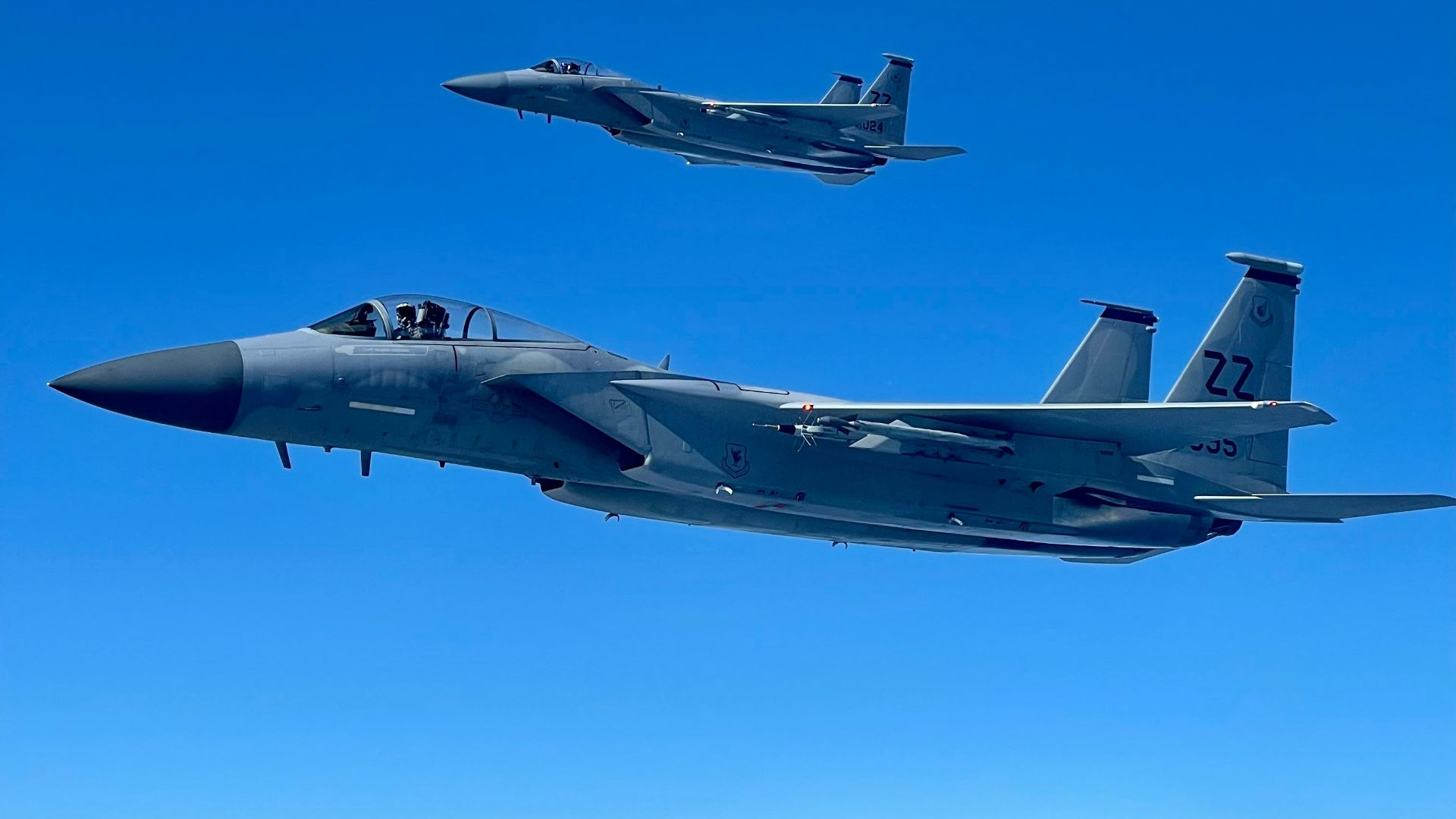
Achieving control of the skies became a priority in 20th-century warfare. Air superiority allows freedom of movement on the ground. It also limits an enemy’s ability to coordinate attacks. Modern conflicts rely heavily on this principle, evidenced by how few operations succeed without it.
10. Nuclear Deterrence
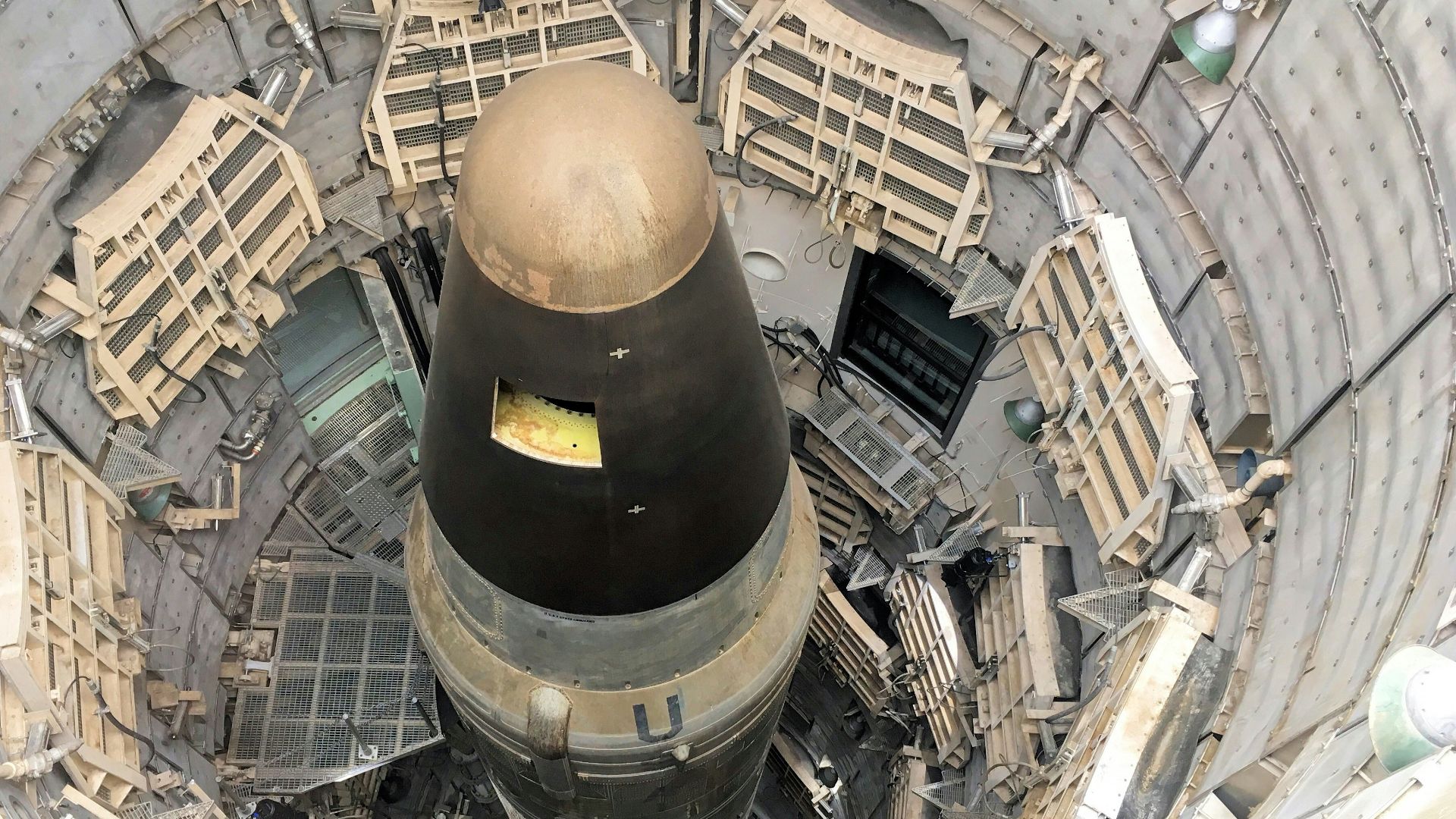
Rather than fighting directly, nuclear strategy focused on preventing war altogether. Mutually assured destruction discouraged major powers from open conflict. This reshaped global politics during the Cold War. Strategy shifted toward restraint and signaling. The concept still defines international security debates.
1. The Maginot Line
France invested heavily in static fortifications before World War II. The strategy assumed Germany would attack head-on. Instead, German forces bypassed the line entirely. The defenses became irrelevant almost overnight. It’s now a cautionary tale about rigid thinking.
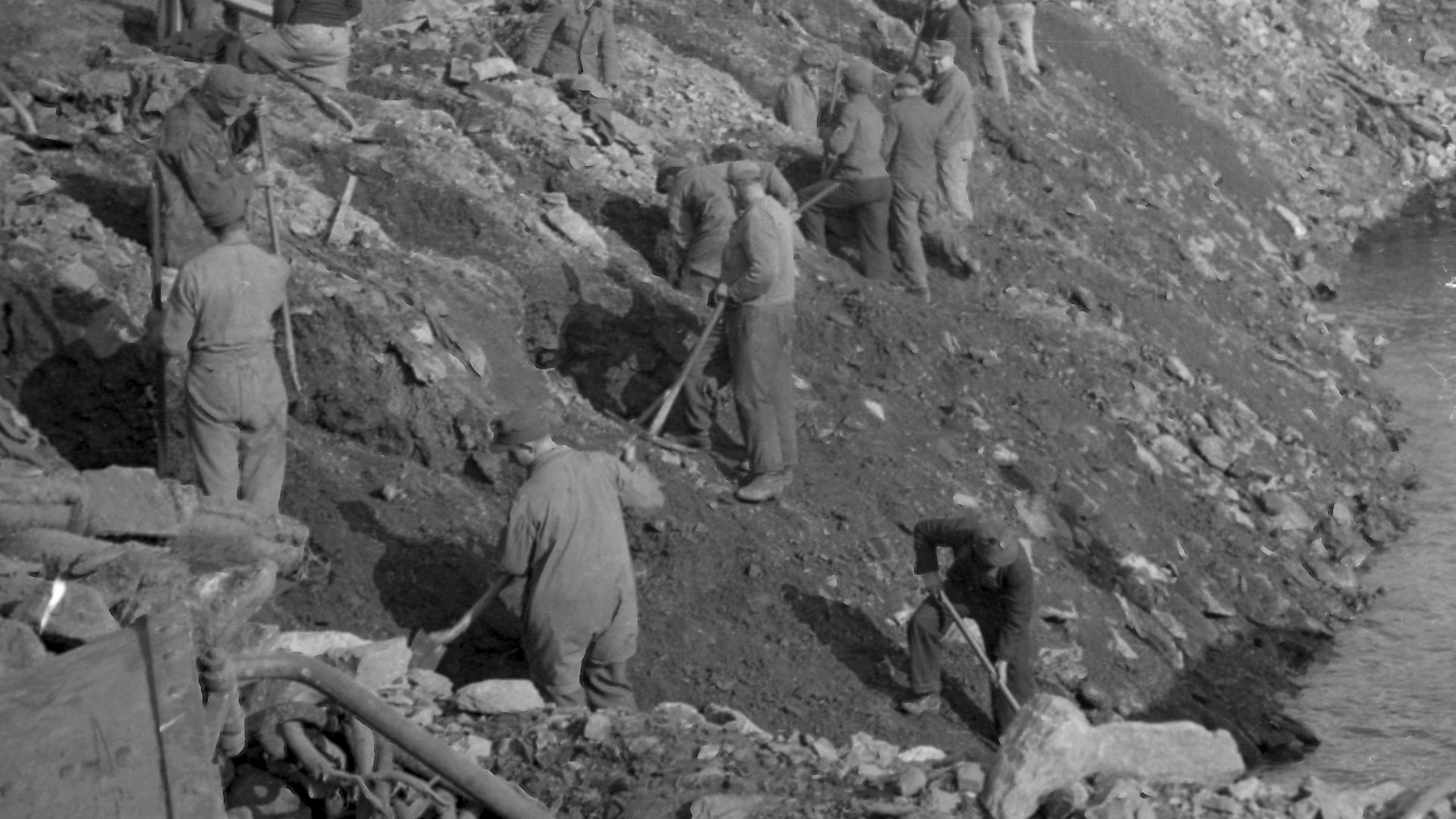
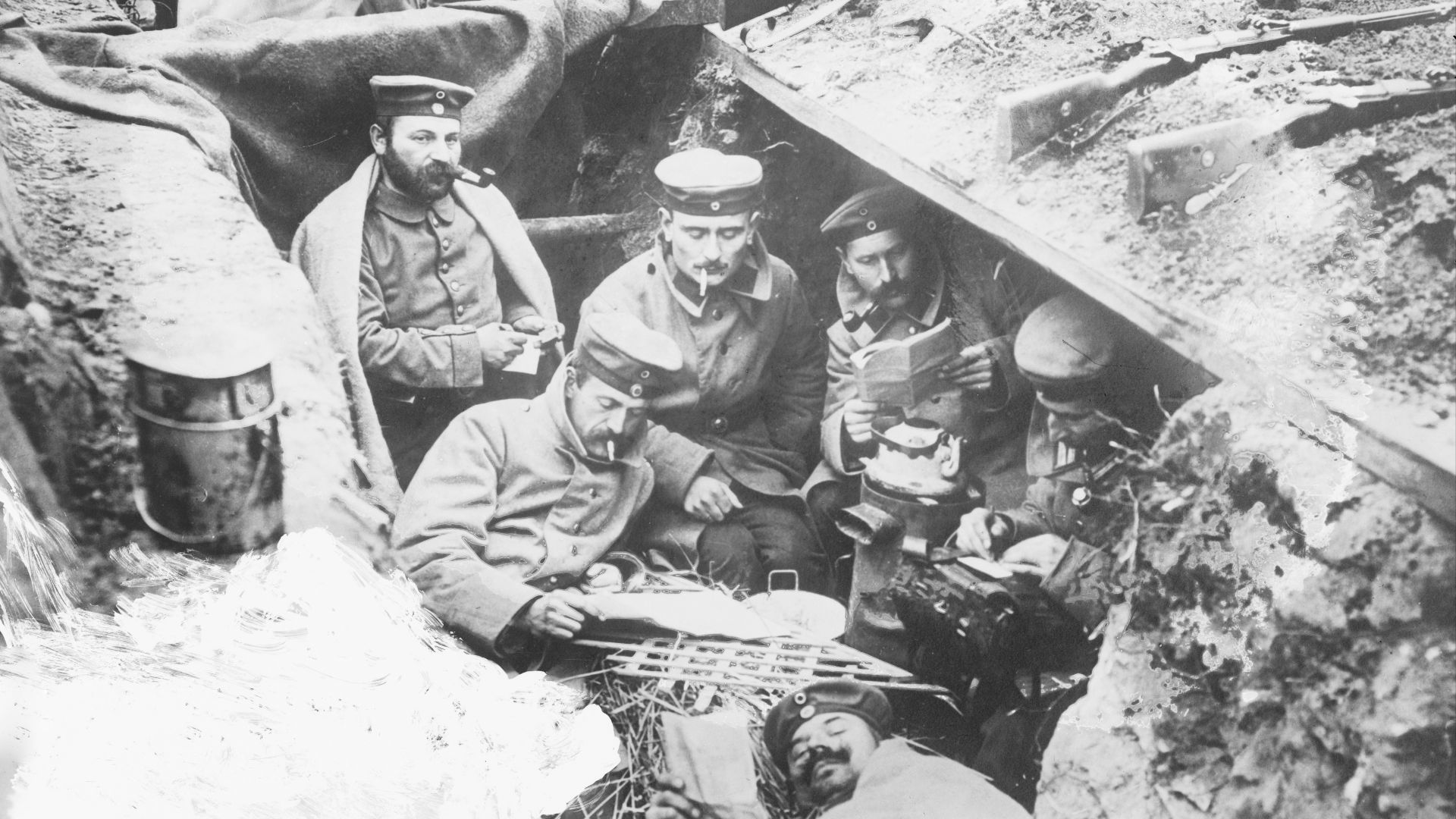
2. Trench Warfare Stalemate
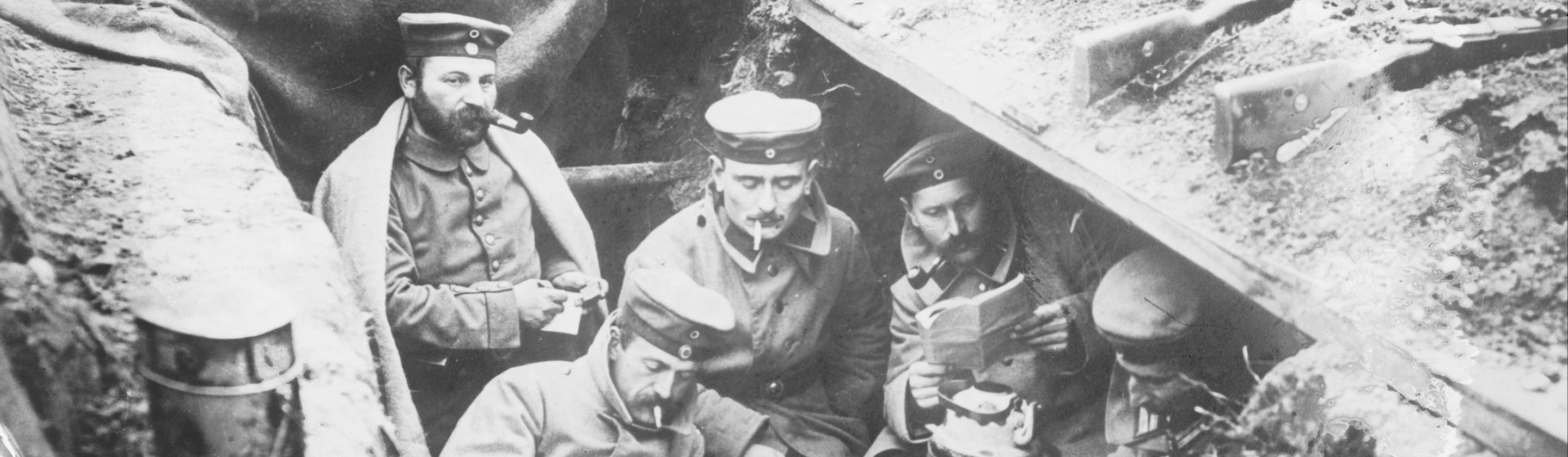
World War I armies dug in to avoid heavy losses. While defensive at first, trenches led to prolonged stalemates. Massive casualties resulted in little territorial gain. This strategy drained morale and resources, and exposed the limits of static defense.
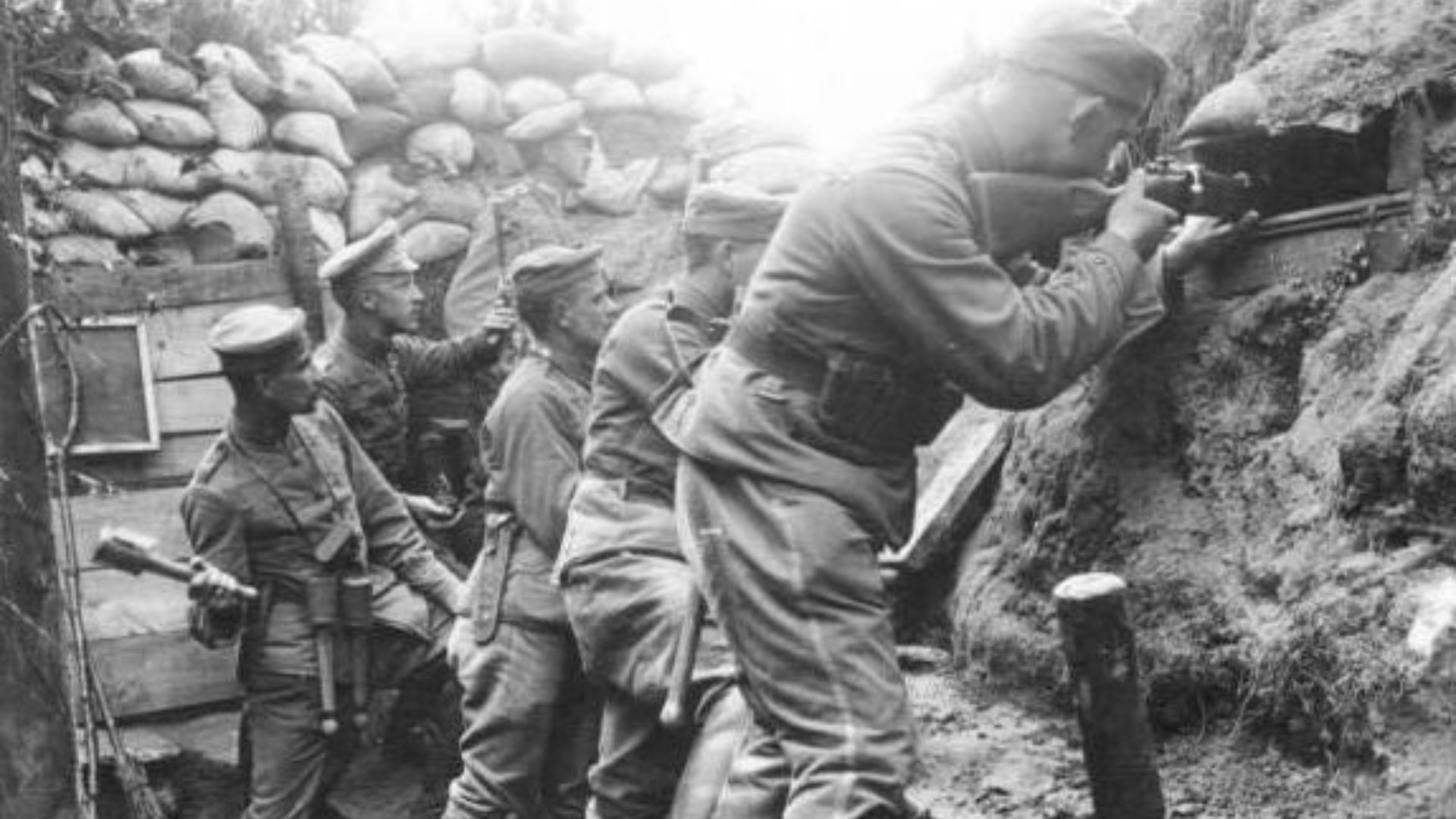
3. Napoleon’s Invasion Of Russia
Napoleon relied on speed and decisive battle. Russian forces retreated and scorched their own land. Supply lines collapsed as winter approached. The Grande Armée was devastated. The campaign marked a turning point in Napoleon’s downfall.
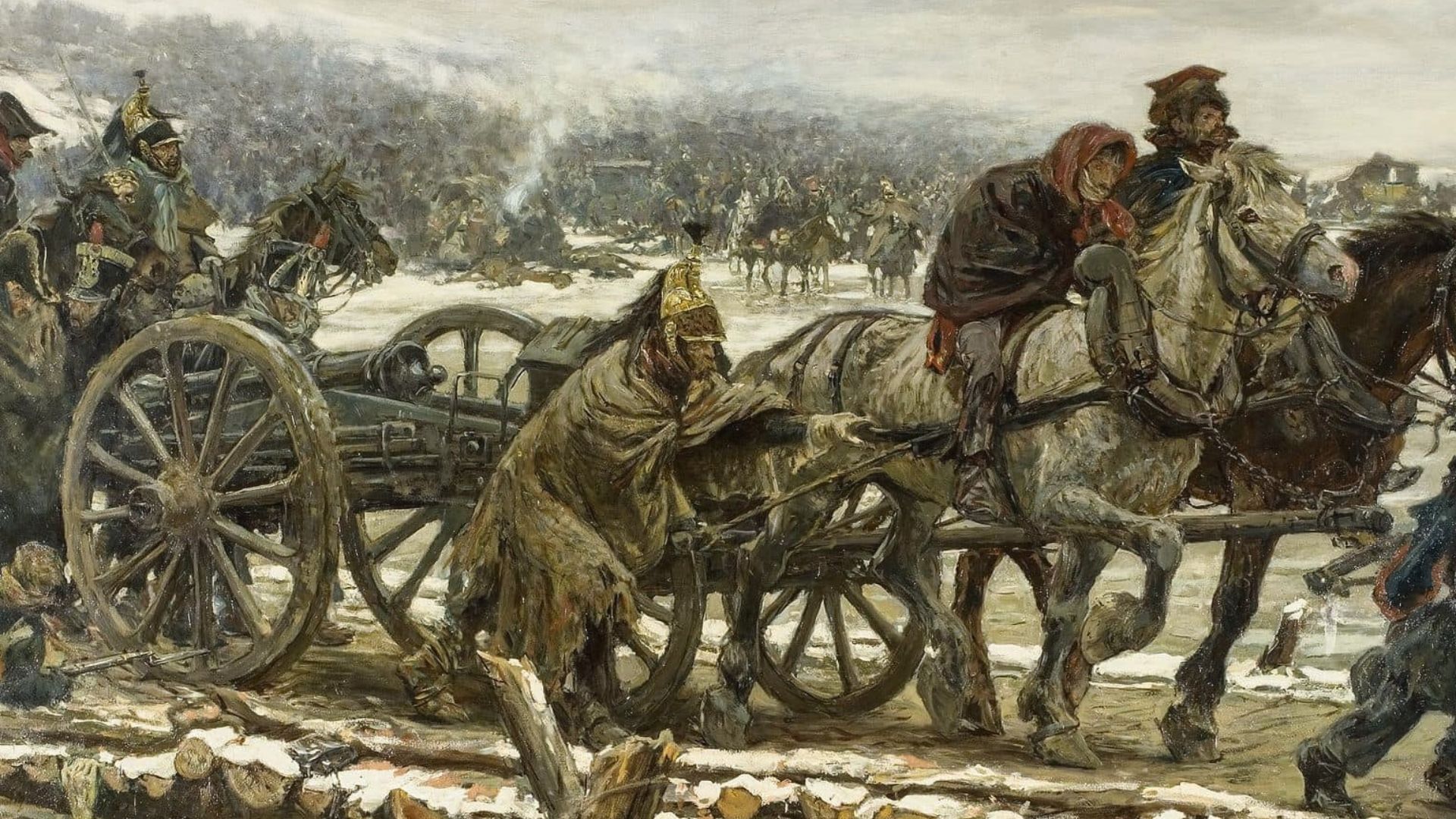 Jan Hoynck van Papendrecht on Wikimedia
4. The Charge Of The Light Brigade
Poor communication led the British cavalry to charge directly into enemy artillery. The attack lacked strategic purpose, and the death toll was severe. While brave, it achieved nothing militarily. It remains a symbol of command failure.
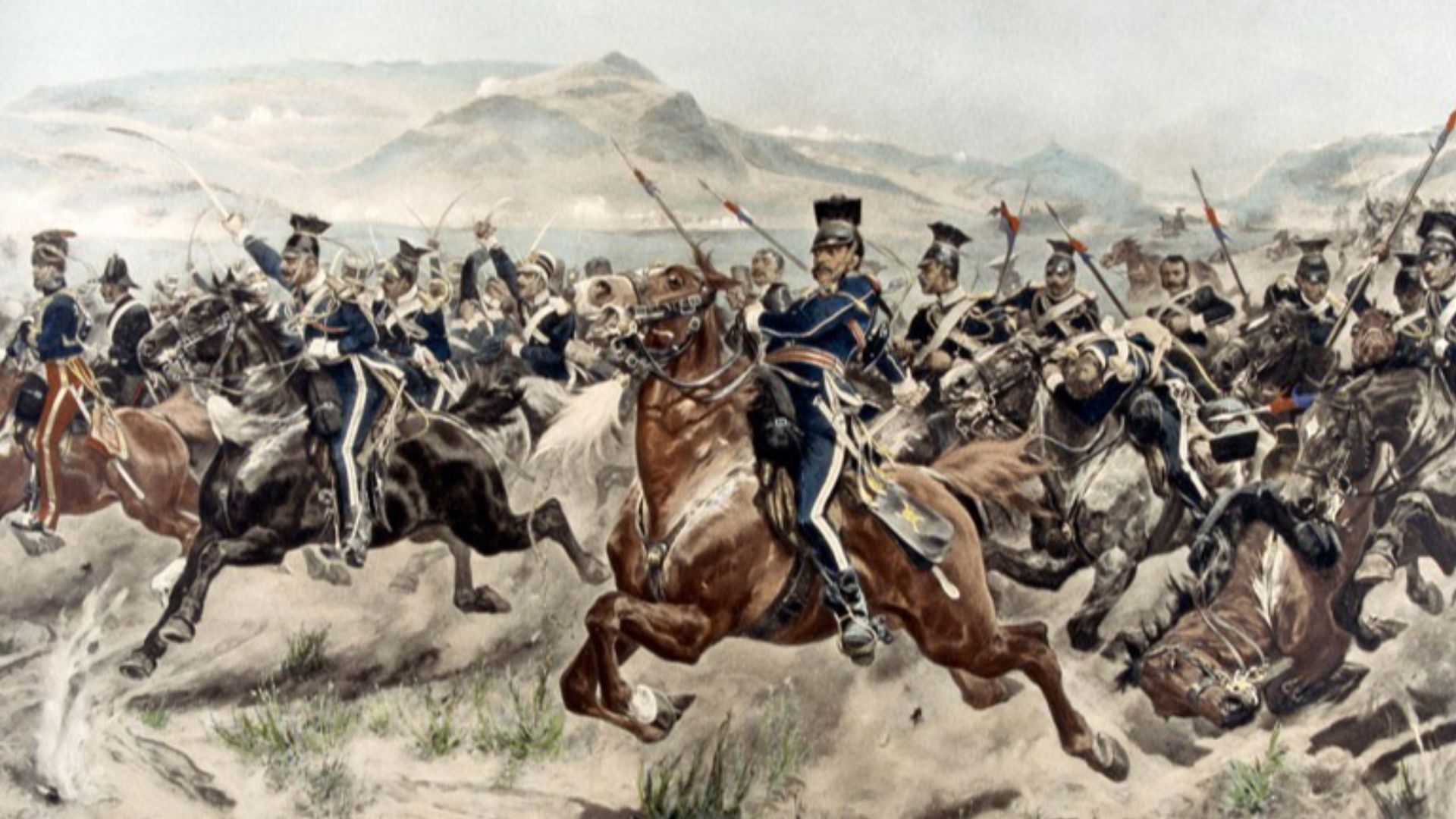 Richard Caton Woodville Jr. on Wikimedia
5. Japan’s Pearl Harbor Strategy
Japan hoped a surprise attack would cripple U.S. resolve. Instead, it unified American public opinion. Industrial capacity quickly replaced lost ships. The attack drew the U.S. fully into World War II. Strategically, it proved disastrous.
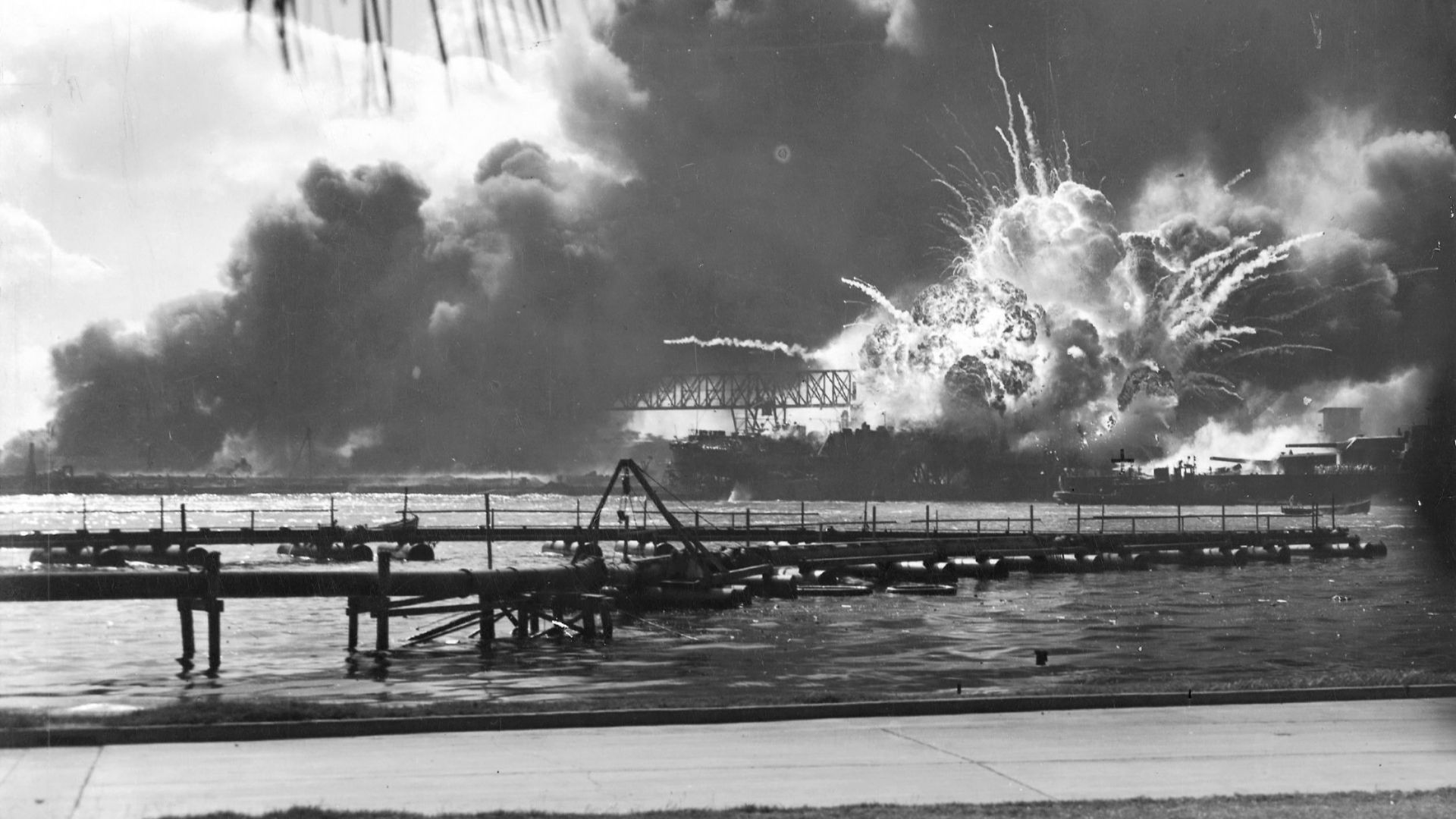 Unknown navy photographer on Wikimedia
6. Operation Barbarossa Overreach
Germany underestimated Soviet manpower and logistics. The invasion stretched supply lines too thin. Harsh winter conditions compounded the problem, as initial gains couldn’t be sustained. The failure shifted the war’s momentum permanently.
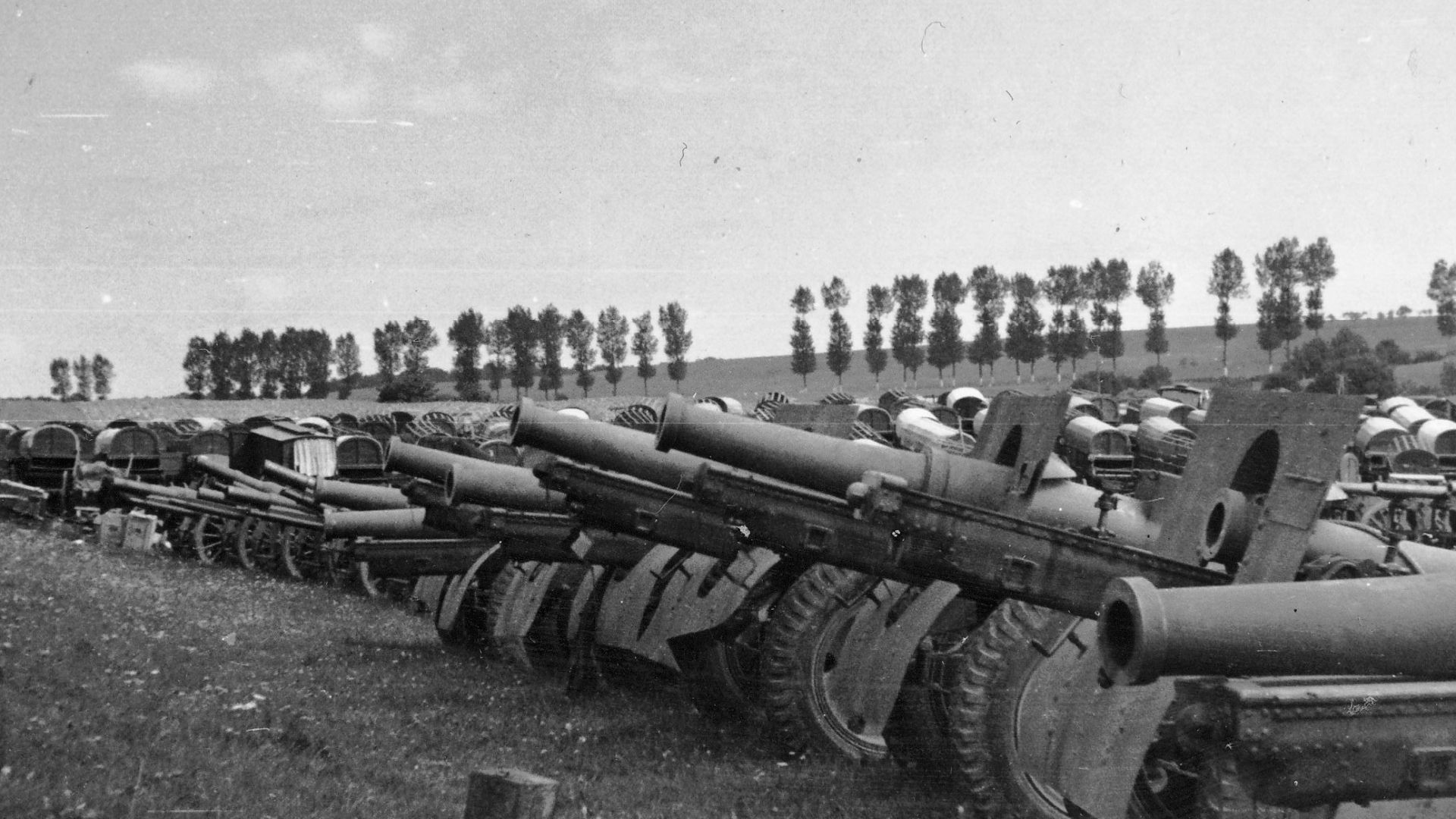 Unknown authorUnknown author on Wikimedia
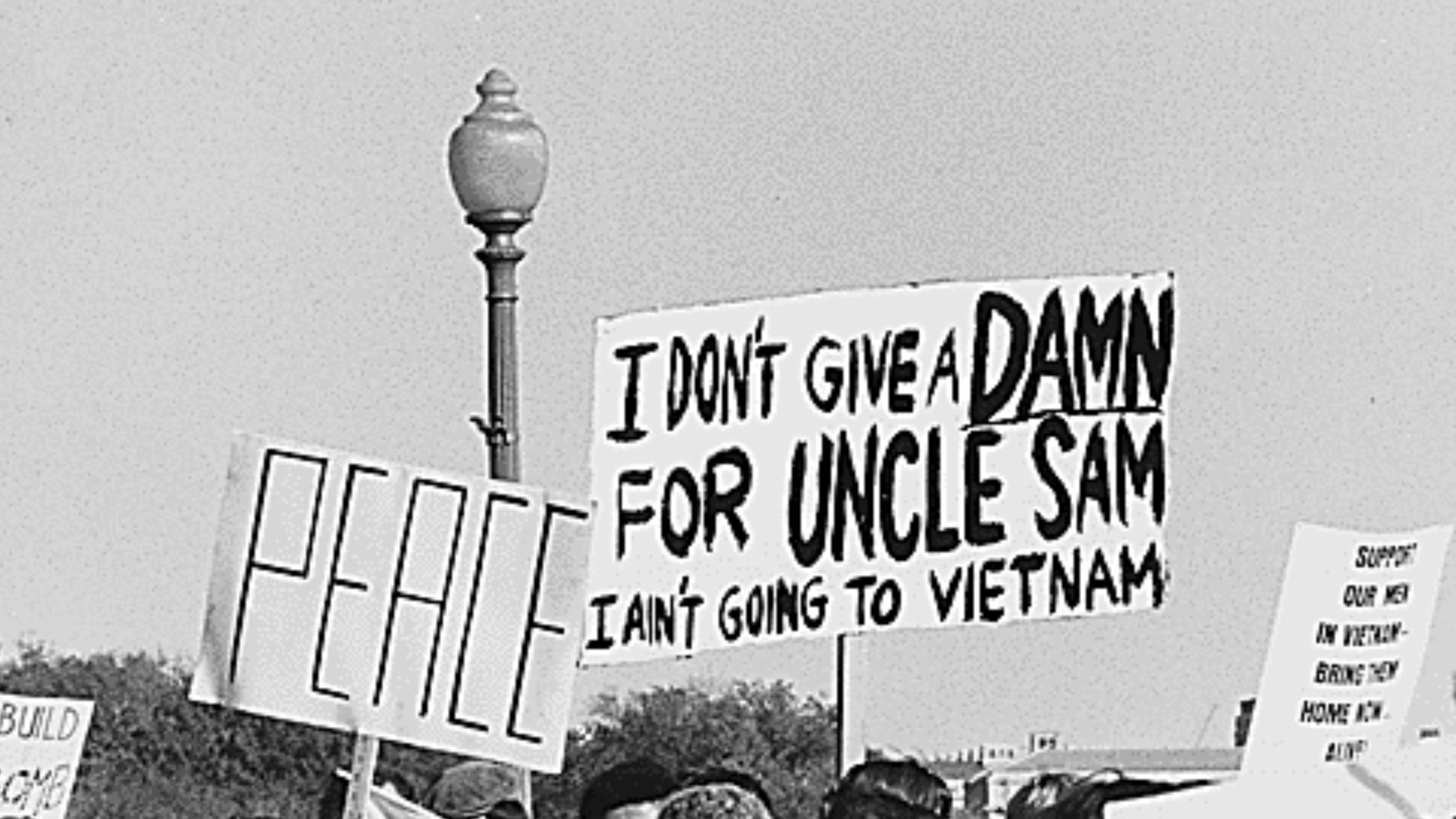
7. Vietnam War Attrition Strategy
The U.S. focused on body counts and firepower. This ignored political and cultural realities on the ground. Public support eroded at home, and military success didn’t translate into strategic victory. This approach ultimately failed.
8. The Bay Of Pigs Invasion
This military plan relied on secrecy and popular uprising, but neither materialized. Cuban forces quickly defeated the invaders. The operation embarrassed the U.S. government while strengthening Castro’s position.
 Unknown (Mondadori Publishers) on Wikimedia
9. Soviet-Afghan Occupation
The Soviet Union expected a short intervention, but guerrilla warfare made control nearly impossible. Terrain and local resistance drained resources. The conflict damaged Soviet morale and finances, and contributed to the USSR’s collapse.
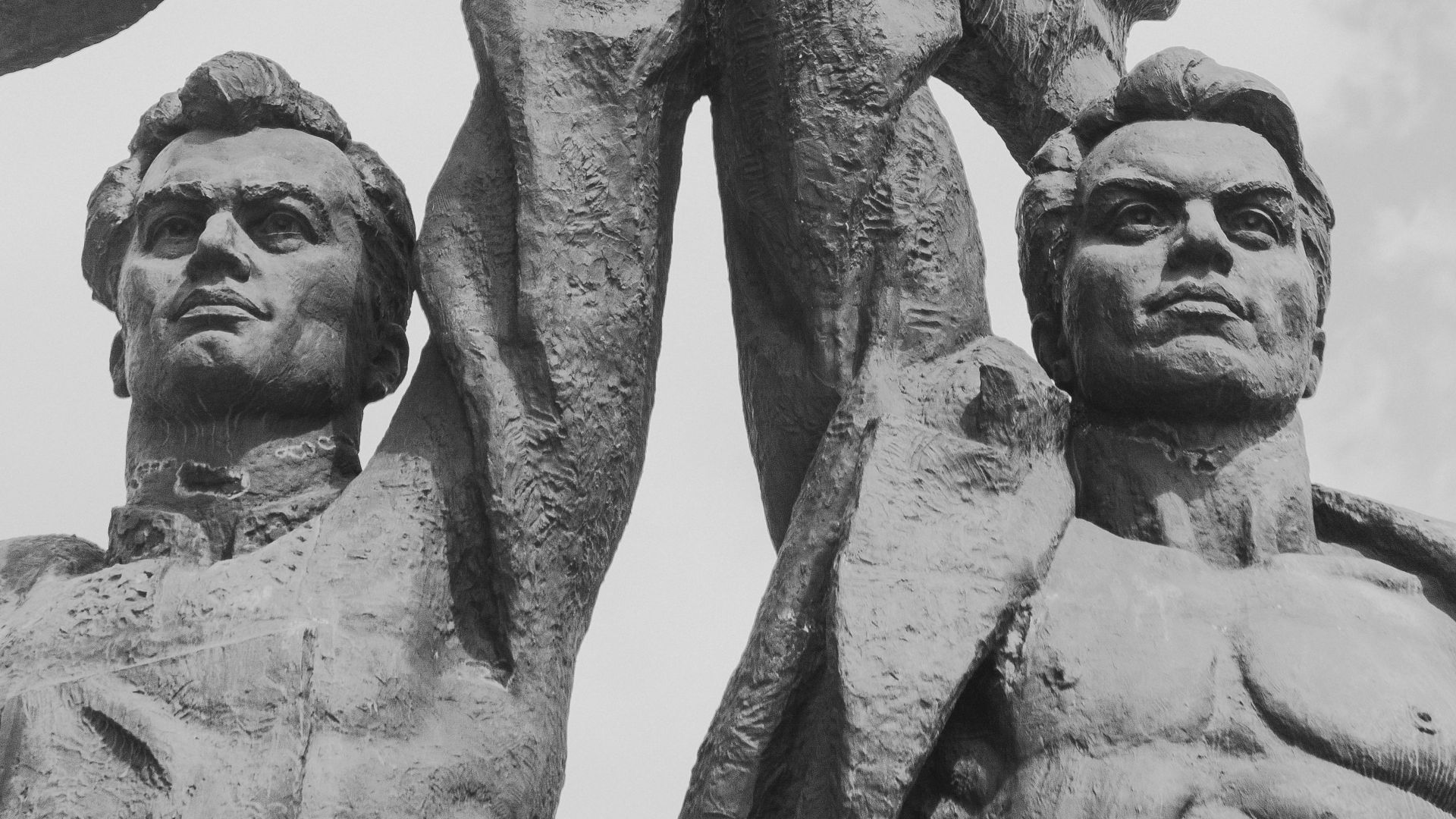
10. Overreliance On Technological Superiority
Advanced weapons don’t guarantee strategic success. Several modern conflicts proved this assumption wrong. Technology can’t replace political legitimacy or local support, and enemies often adapt asymmetrically. This miscalculation keeps repeating itself.
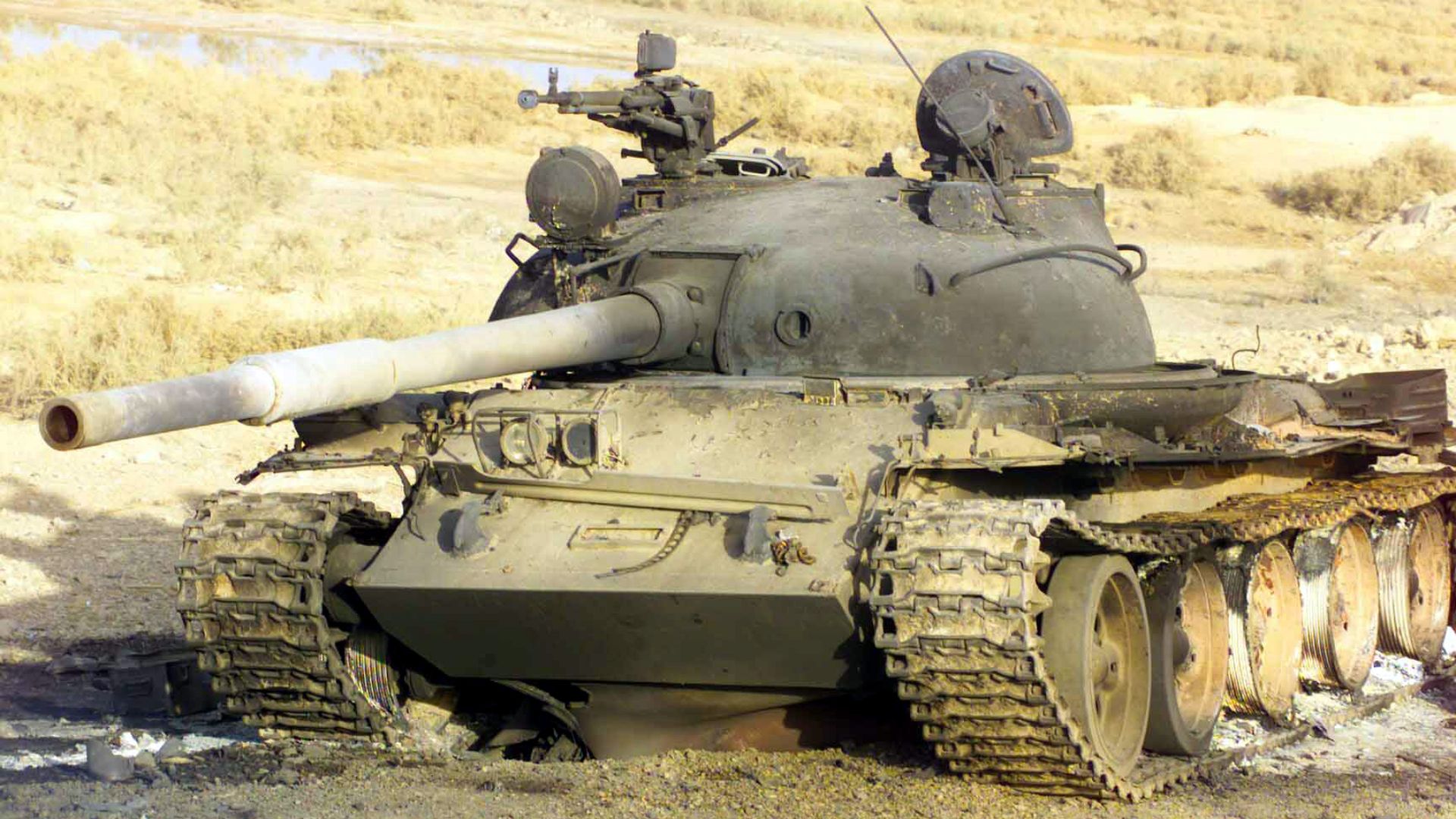
KEEP ON READING

20 Laws Created Because One Person Did Something Terrible
History Keeps Receipts. Long before laws had polished names and…
By Cameron Dick May 25, 2026
20 Dynasties That Proved Family Wealth Can Outlast Empires
Money Remembers. Empires like to pretend they are permanent. They…
By Cameron Dick May 25, 2026
20 Archaeological Finds That Sound Fake But Are Completely Real
The Past Refuses to Be Boring. Archaeology has a way…
By Annie Byrd May 25, 2026
20 Peace Treaties That Unraveled Instantly
When Peace Agreements Failed Almost As Soon As They Began.…
By Rob Shapiro May 25, 2026
20 Historical Figures Who Lived Much Longer Than You Think
Some Famous Lives Stretched Far. History has a way of…
By Christy Chan May 22, 2026
The Pirate Queen Who Met Elizabeth I as an Equal
Unknown authorUnknown author on WikimediaIn the summer of 1593, a…
By Cameron Dick May 19, 2026