

What Does “Successful” Really Mean?
Success can mean different things depending on who you ask and what decade it is. To simplify this question, this list focuses on kings of England who strengthened government, expanded influence, improved stability, or guided the country through major crises. On the flipside, many kings were marked by a loss of territory, instability, poor political prowess, and even being forcibly removed from the throne. If you’re reading with a historian’s eye, you’ll also notice that reputations change over time, yet the basic record of war, rebellion, and collapse is hard to ignore.
1. William the Conqueror
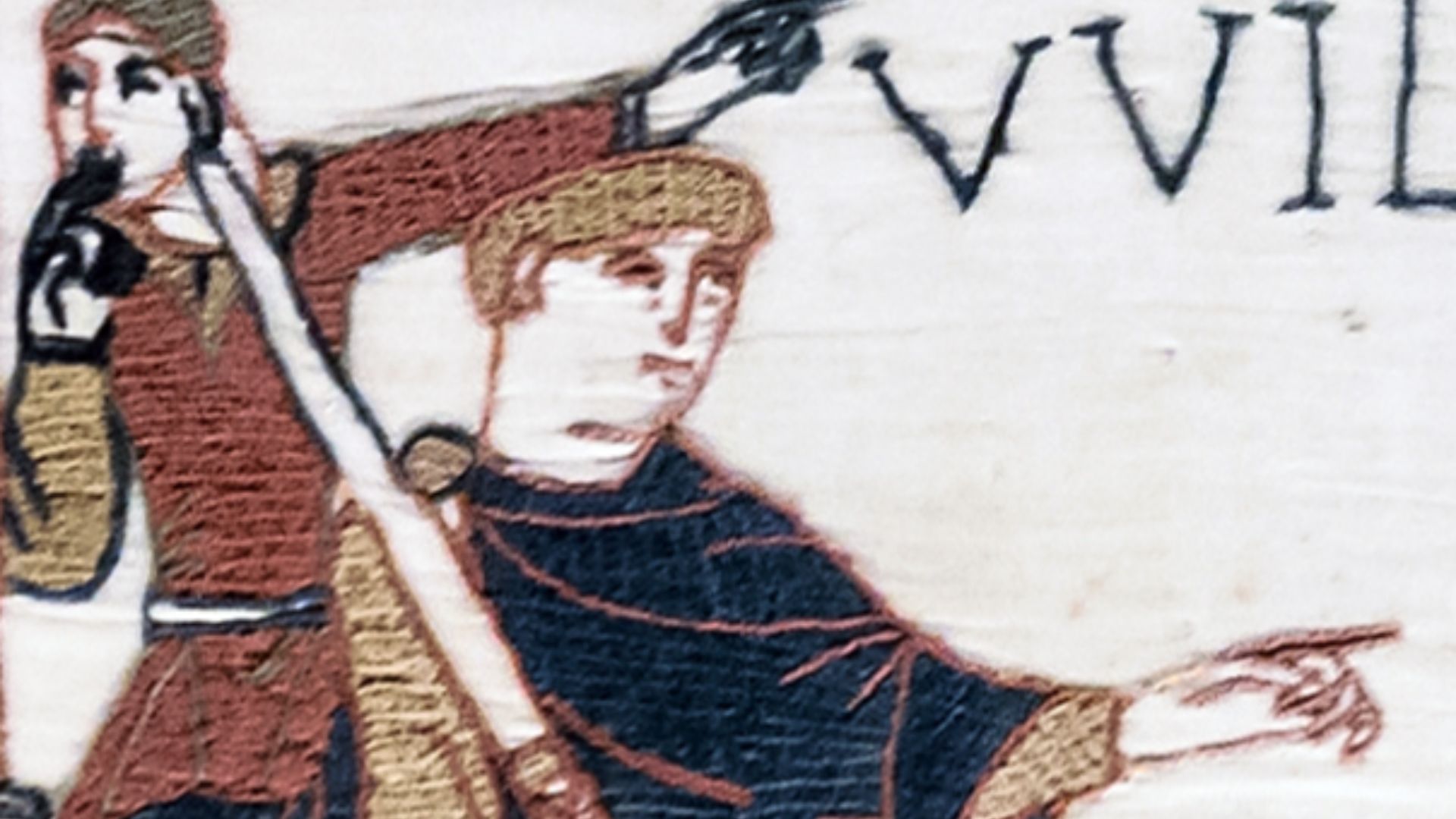
William I took the English throne in 1066 after the Norman Conquest, reshaping the ruling class and the landholding system. His primary feat included the Domesday Book in 1086, creating an extraordinary survey of property and resources. His government tightened royal control, even though rebellions and harsh punishments marked parts of his reign.
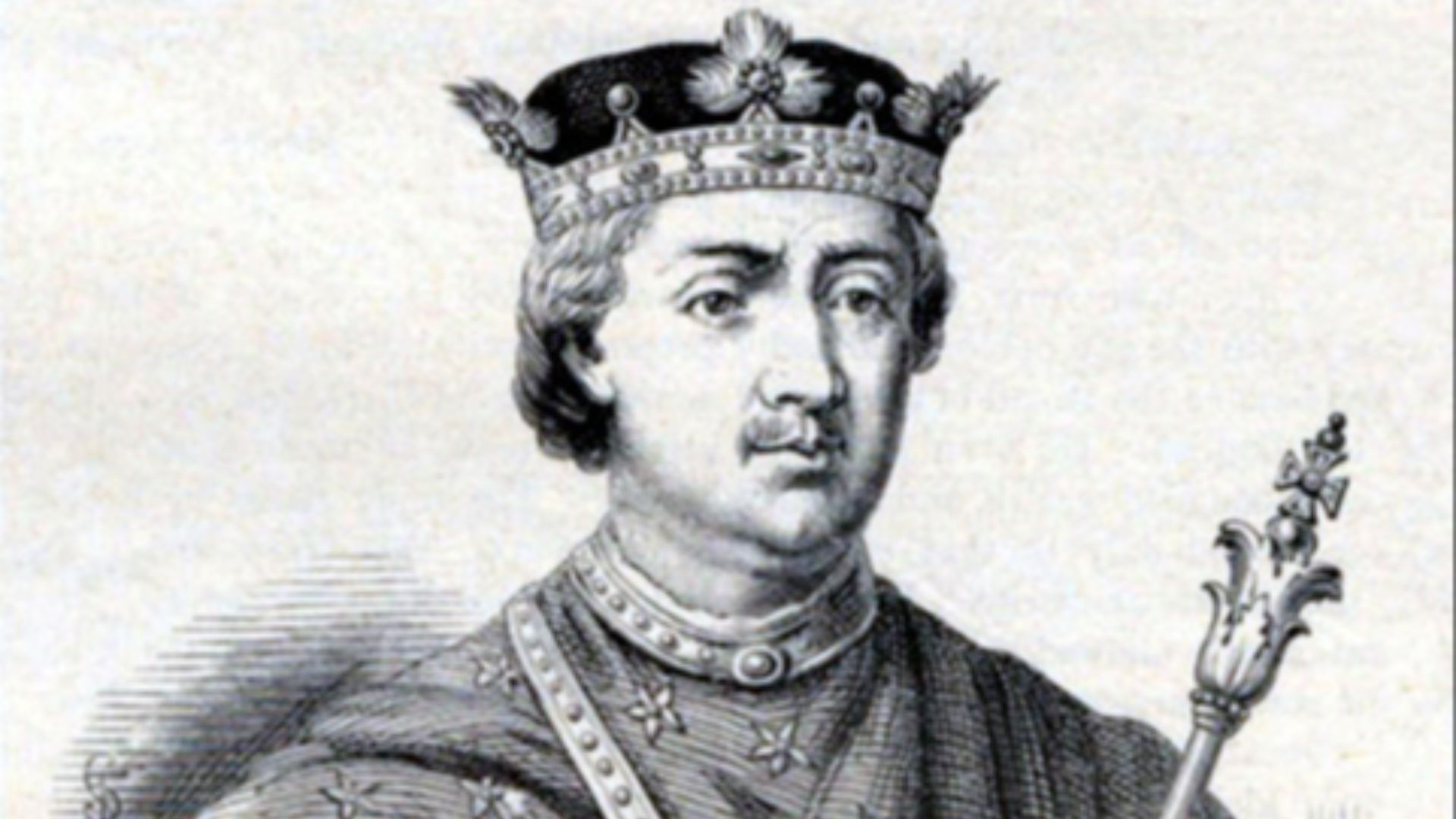
2. Henry I
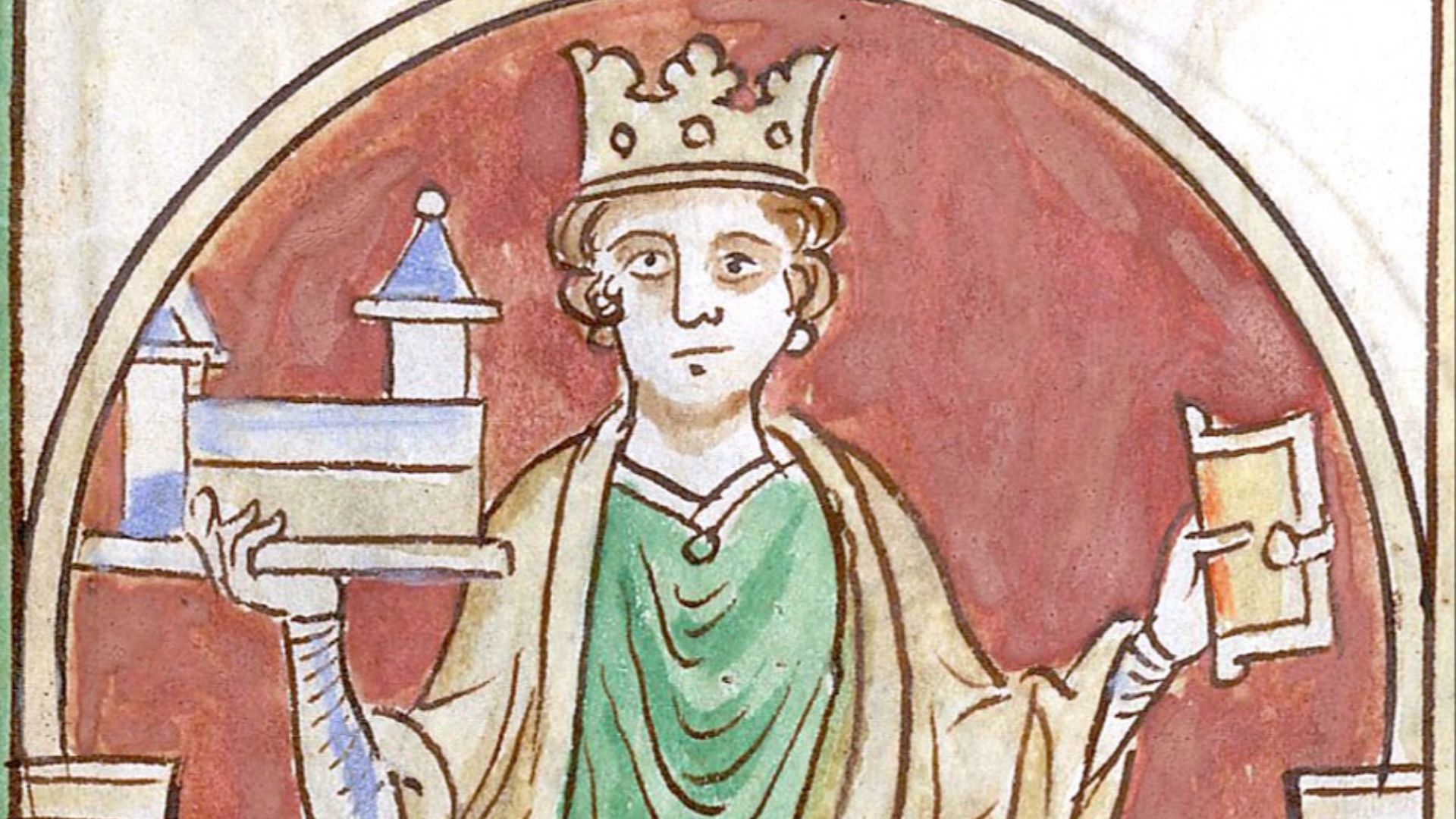
Henry I became king in 1100 and moved quickly to strengthen royal administration. He issued the Charter of Liberties, promising better governance and limits on certain abuses. Under his rule, the Exchequer developed into a more organized system for managing royal finances.
3. Henry II
After taking power in 1154, Henry II expanded the reach of royal law across England. Legal reforms, including broader use of royal courts and traveling judges, helped shape what later became the common law tradition. His reign also saw serious conflict with Thomas Becket, showing that stronger government often came with sharp political costs.
 Vanished user 211120 on Wikimedia
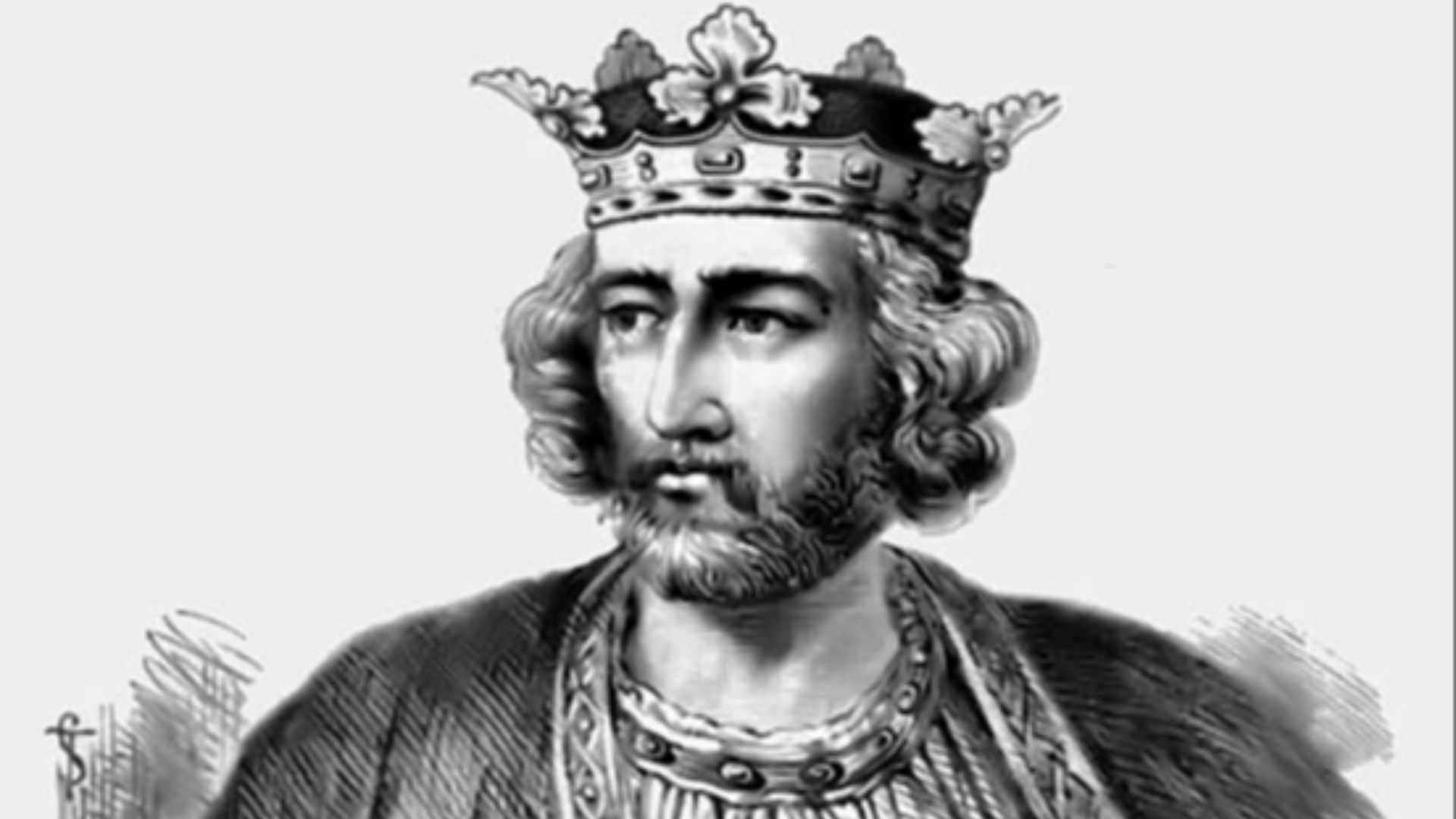
4. Edward I
Edward I ruled from 1272 to 1307, and is remembered for ambitious lawmaking and military campaigns. He won the conquest of Wales and tightened his control with castle-building and administrative power. His “Model Parliament” of 1295 is often cited as an important step in the long development of representative government.
 Scan by Tagishsimon, 23rd June 2004, improved by Spider, 17th June 2006 on Wikimedia
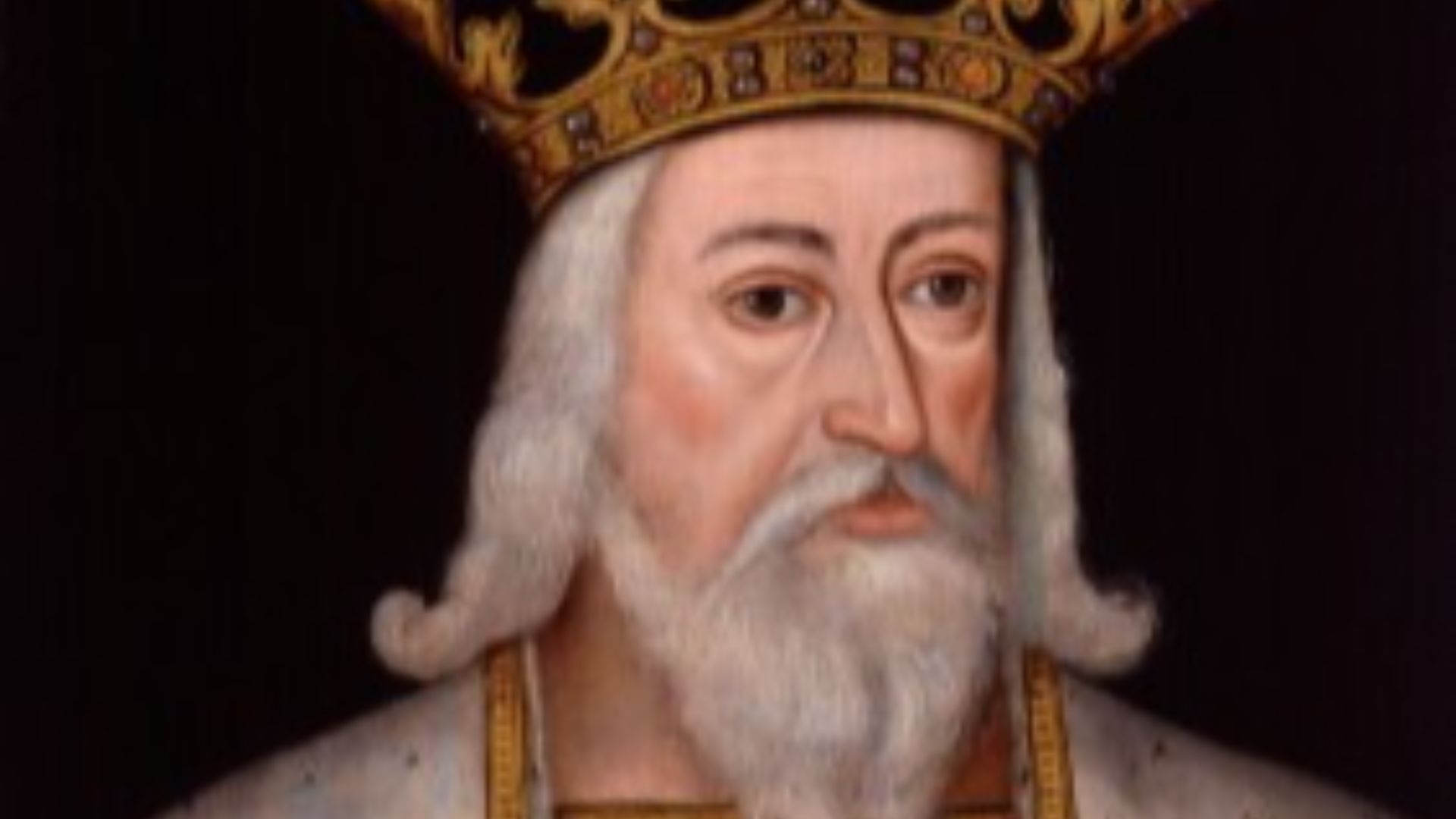
5. Edward III
Edward III’s reign (1327–1377) brought major victories in the early phases of the Hundred Years’ War. He promoted chivalric culture and founded the Order of the Garter, which still exists today. His reign is one of the longest in English history, and he bore witness to major improvements in the English Parliament.
 TheAncientHistorian on Wikimedia
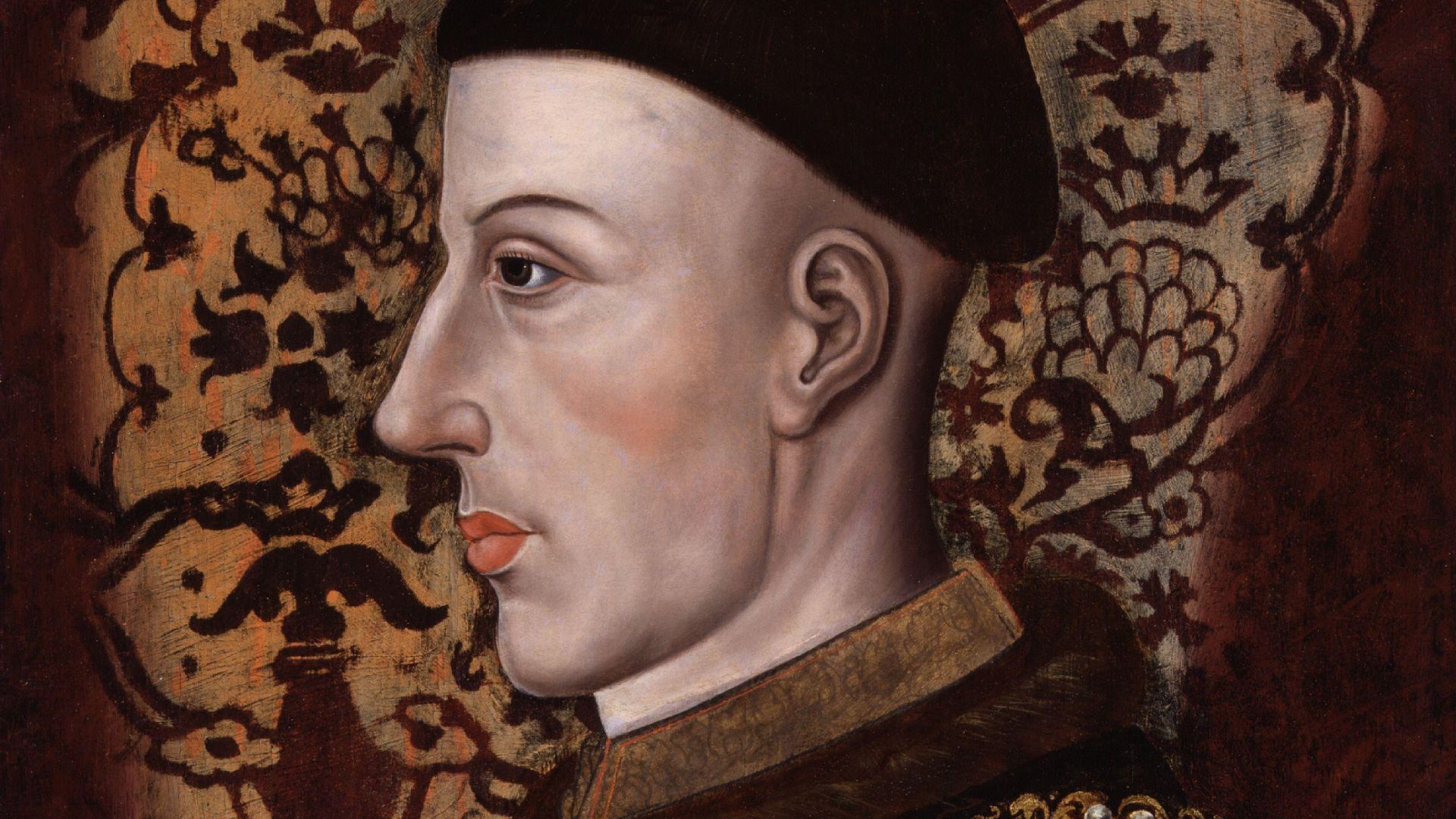
6. Henry V
Henry V (1413 - 1422) is best known for leading English forces to victory at Agincourt in 1415. He later secured the Treaty of Troyes in 1420, which recognized him as heir to the French throne. Although he died young in 1422, his prowess as a military leader made England a strong power in the 15th century.
7. Henry VII
Henry VII won the crown in 1485 after the Battle of Bosworth, ending the Wars of the Roses and founding the Tudor dynasty. His reign saw improvements for royal finances through careful management, stricter control over nobles, and attention to revenue collection. By the time he died in 1509, the monarchy was much more financially secure than the one he seized.
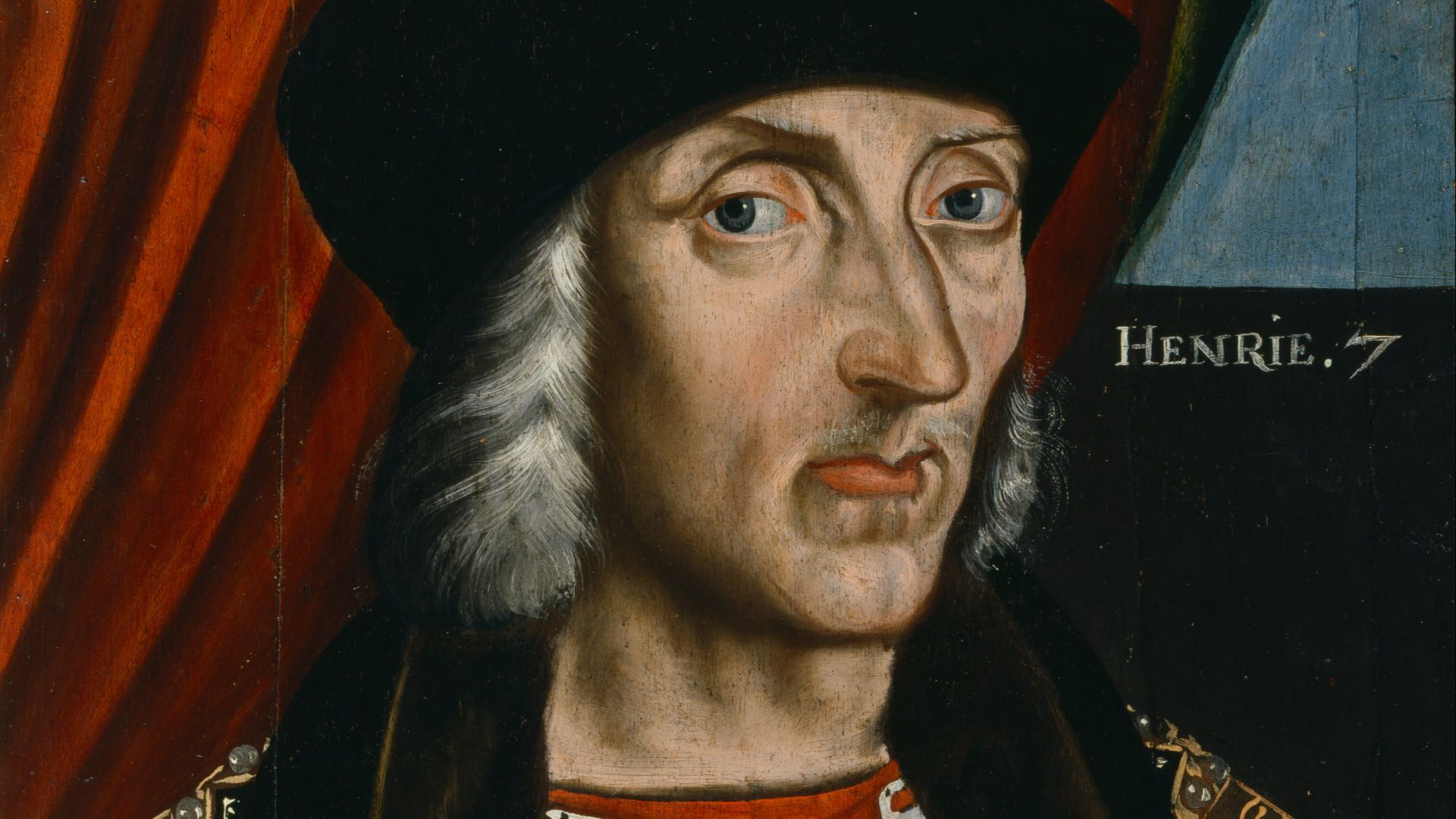 British School – School Details on Google Art Project on Wikimedia
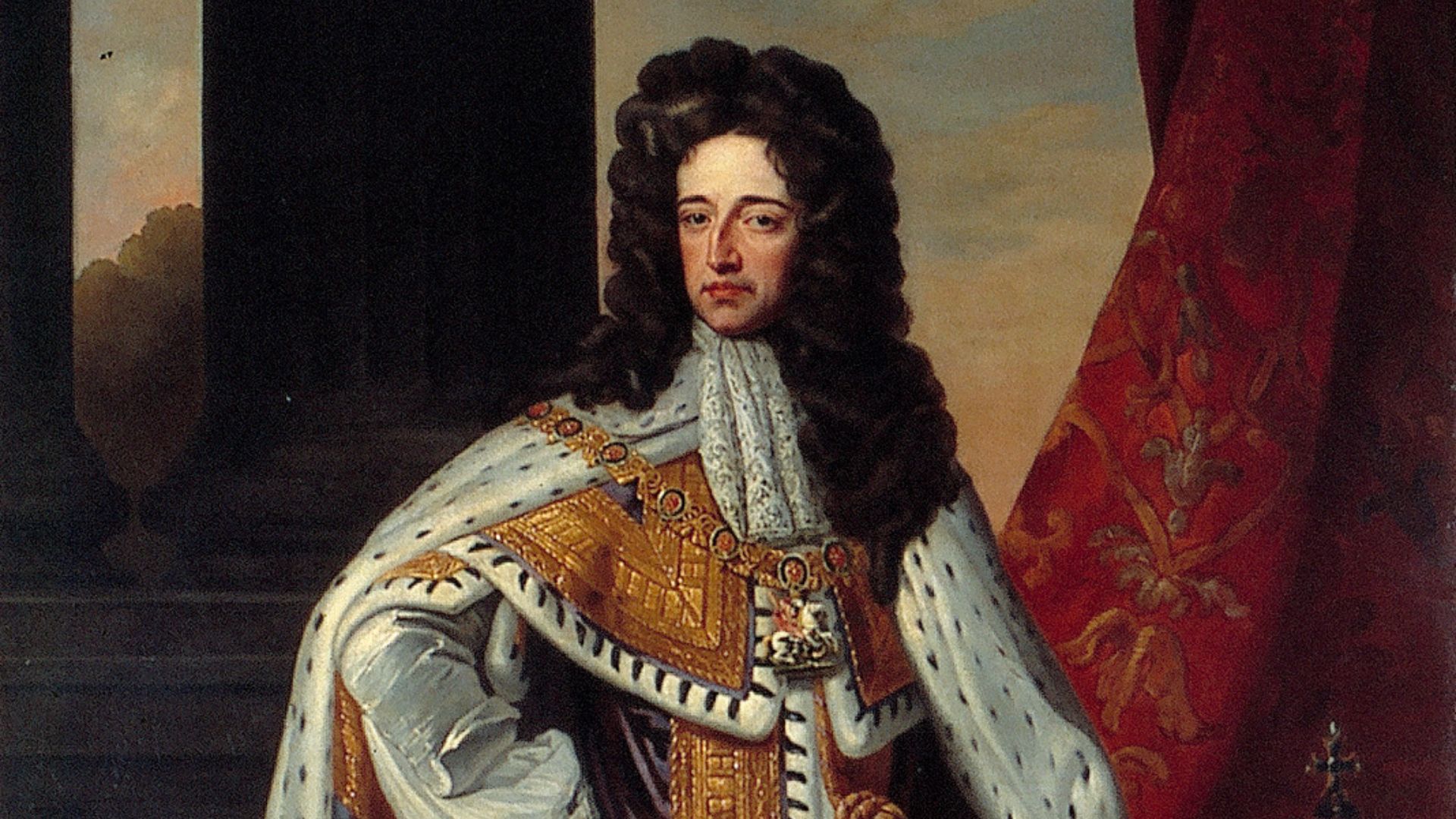
8. William III
William III took the throne in 1689 after the Glorious Revolution, ruling jointly with Mary II until she died in 1694. The Bill of Rights (1689) helped set clearer limits on royal power and strengthened Parliament’s position. William also led major alliances against Louis XIV of France, keeping England central to European power politics.
9. George V
George V reigned from 1910 to 1936 and helped keep the monarchy steady during an era of political and social strain. During World War I, he supported national unity and changed the royal house name to Windsor in 1917 amid anti-German sentiment. His reign also included constitutional change and the growing independence of dominions within the empire.
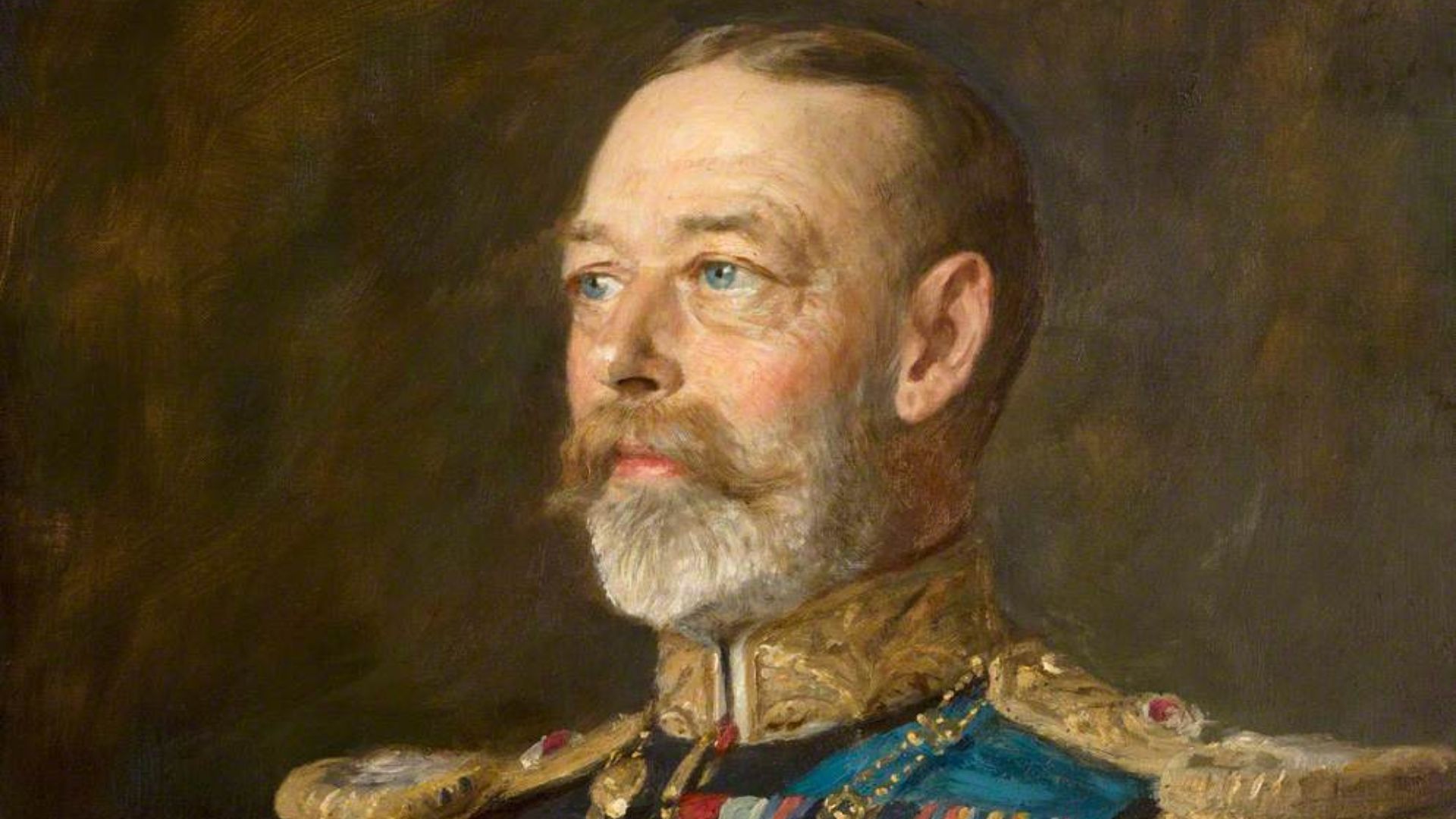 Arthur Stockdale Cope on Wikimedia
10. George VI
George VI became king in 1936 during a difficult transition after Edward VIII’s abdication. Throughout World War II, he remained in London during the Blitz and worked closely with national leaders, maintaining public morale. His reign also oversaw major changes in Britain’s global role, including the independence of India and the continued evolution of the Commonwealth.
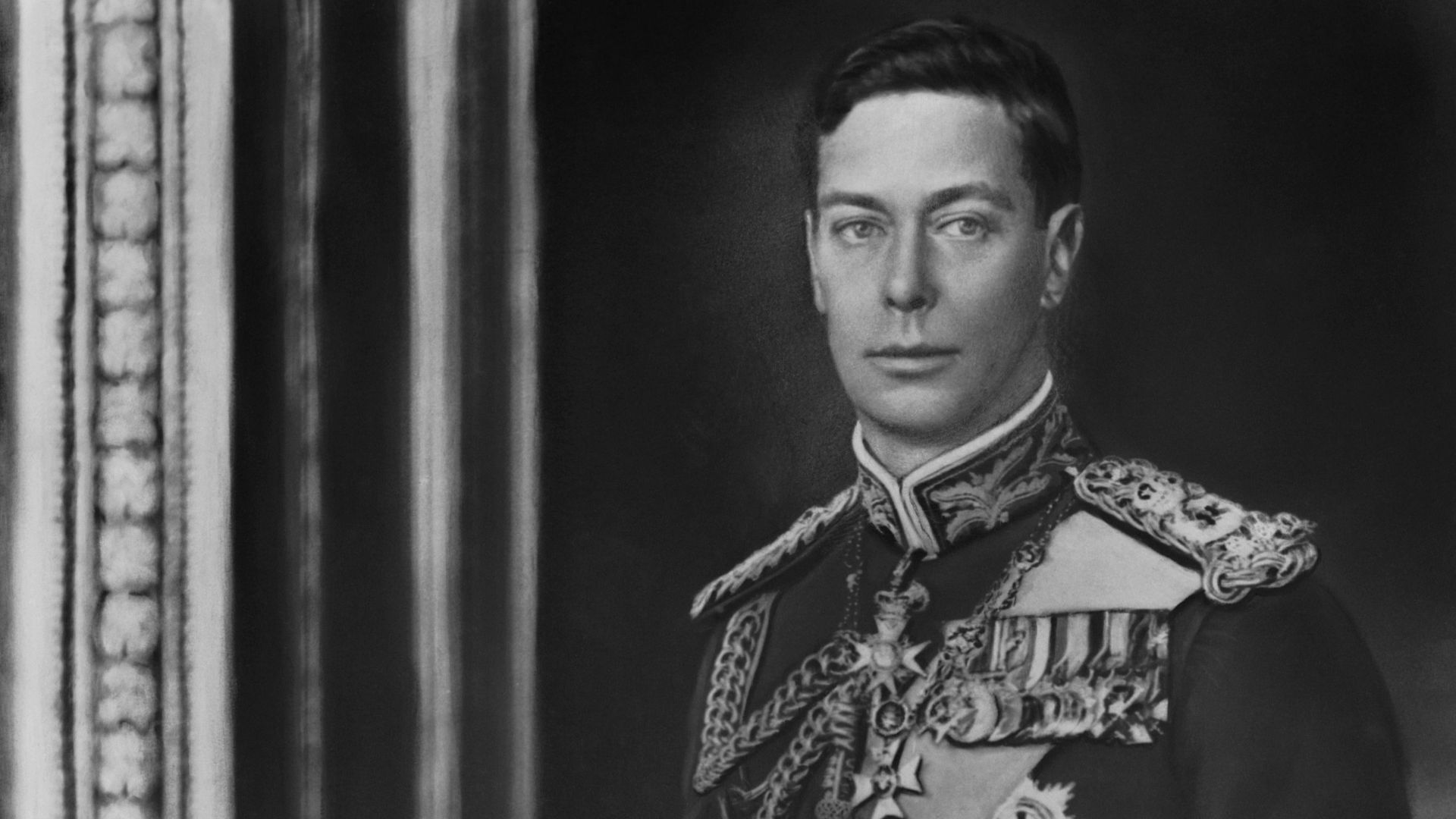 Matson Photo Service on Wikimedia
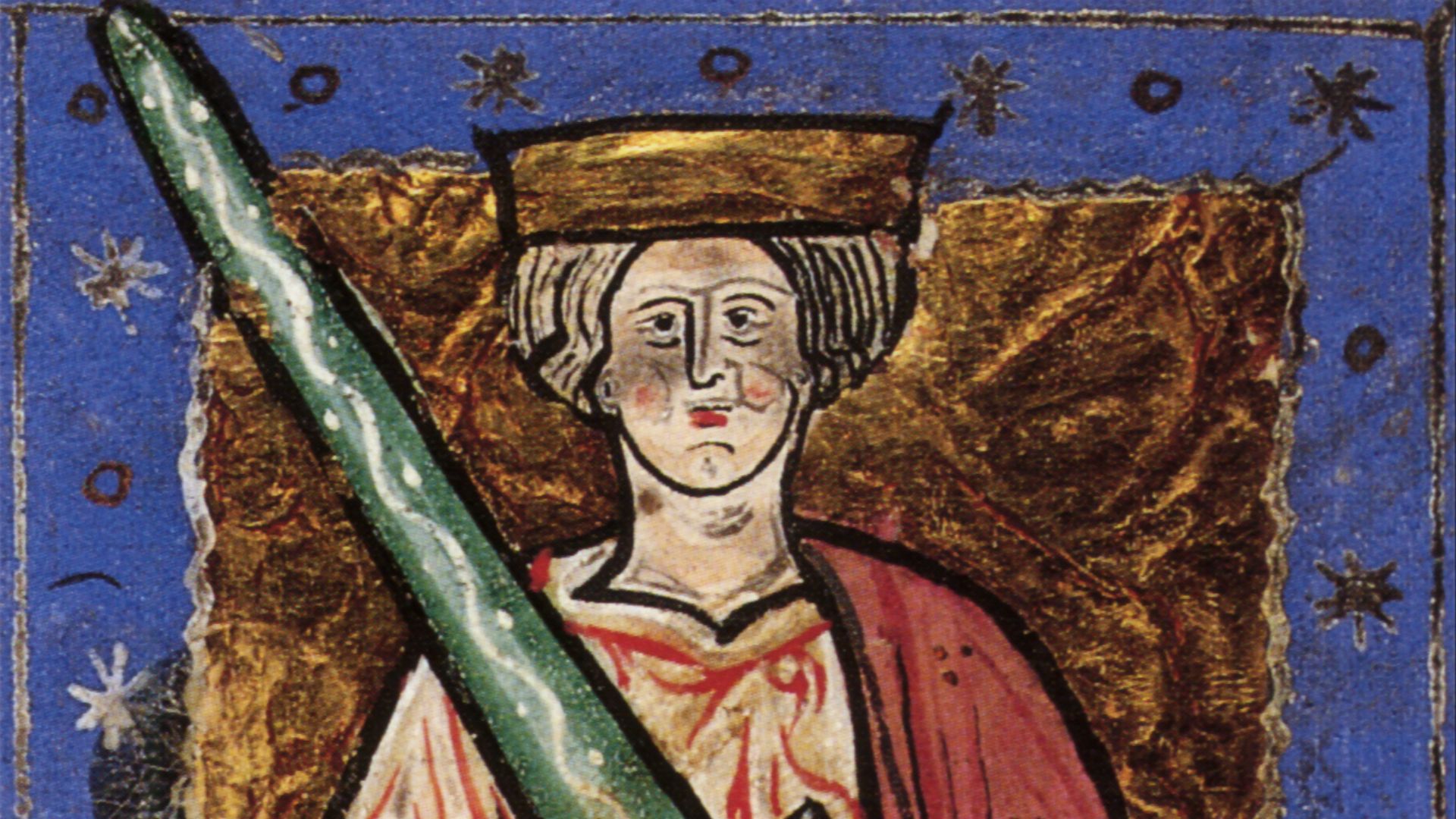
1. Æthelred the Unready
Æthelred II (978 - 1013) ruled in a period of relentless Viking pressure, and his government struggled to respond effectively. He paid large sums of Danegeld, which bought temporary peace but didn’t stop future attacks. In 1013, he even lost his throne to Sweyn Forkbeard and only returned after Sweyn’s death, leaving England in a continuing crisis.
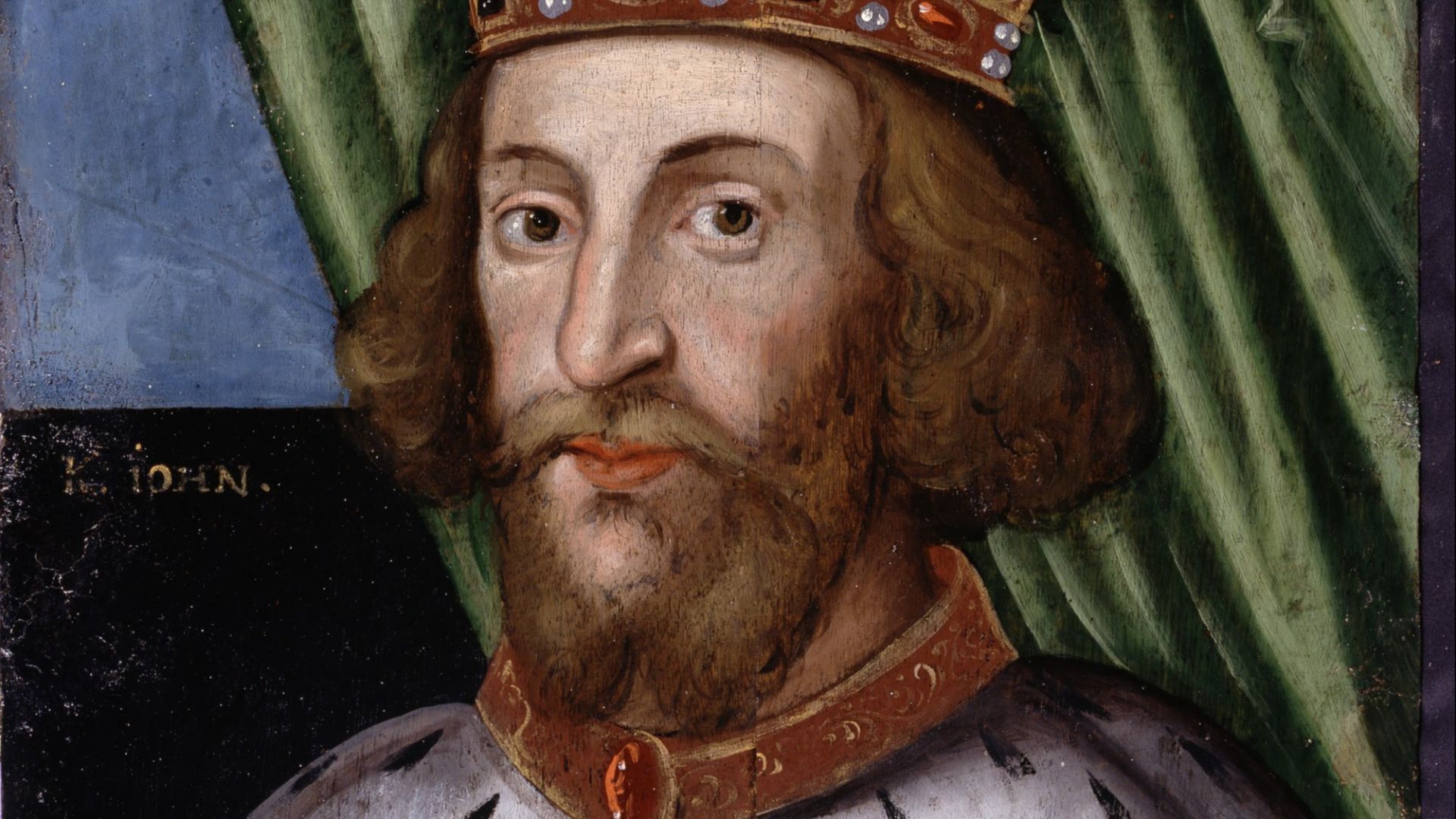
2. King John
John’s reign (1199 - 1216) is often associated with losing Normandy and other French territories to King Philip II of France. His heavy financial demands and political missteps helped trigger baronial rebellion. In 1215, he was forced to accept Magna Carta, and the kingdom soon slid into civil conflict.
 British – School Details on Google Art Project on Wikimedia
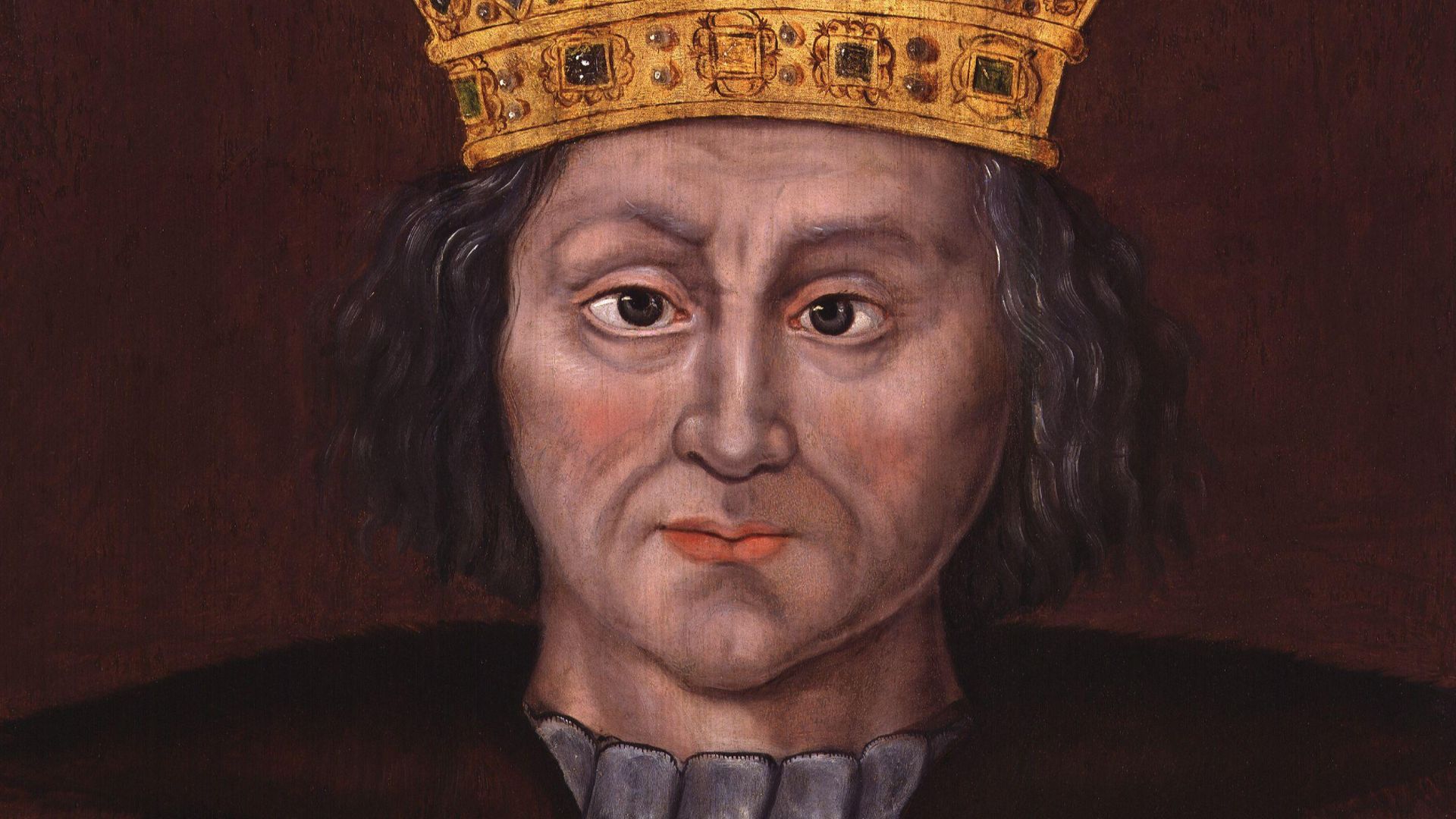
3. King Stephen
Stephen seized the throne in 1135 and ruled until he died in 1154. His claim was disputed by his cousin, Empress Matilda, leading to a long civil war known as the Anarchy. Royal authority weakened as powerful nobles built private armies and fortified strongholds.
 Unknown authorUnknown author on Wikimedia
4. Edward II
Edward II (1307 - 1327) faced intense opposition from nobles, fueled by resentment over his favorites and his handling of court politics. His reign also included major military failure, most famously the English defeat at Bannockburn in 1314.
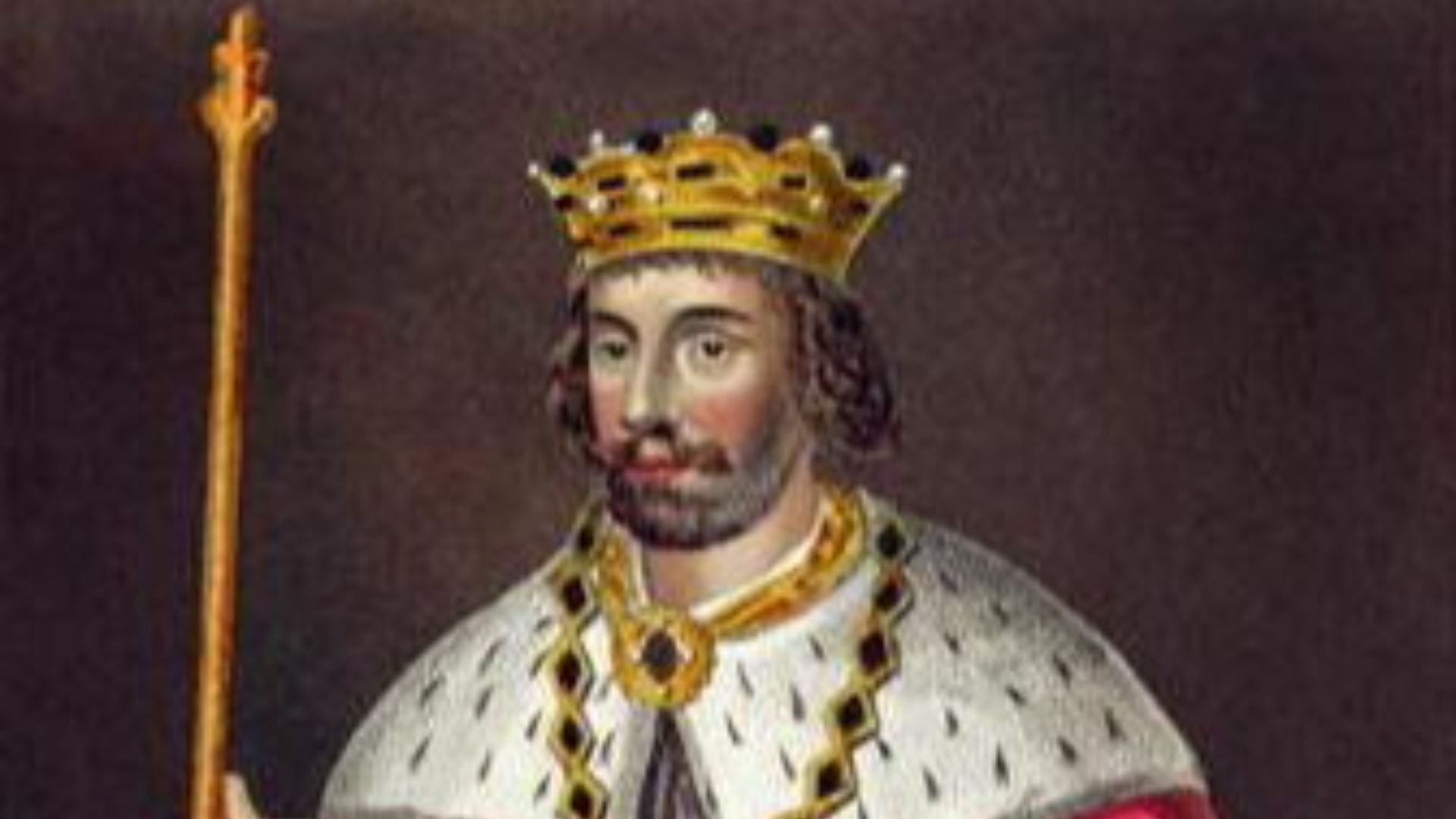
5. Richard II
Richard II’s rule (1377 - 1399) became increasingly confrontational, especially when he punished rivals and tried to govern in a more personal, forceful style. His conflicts with powerful nobles eroded support for the crown. In 1399, Henry Bolingbroke deposed him, and Richard died in captivity soon after.
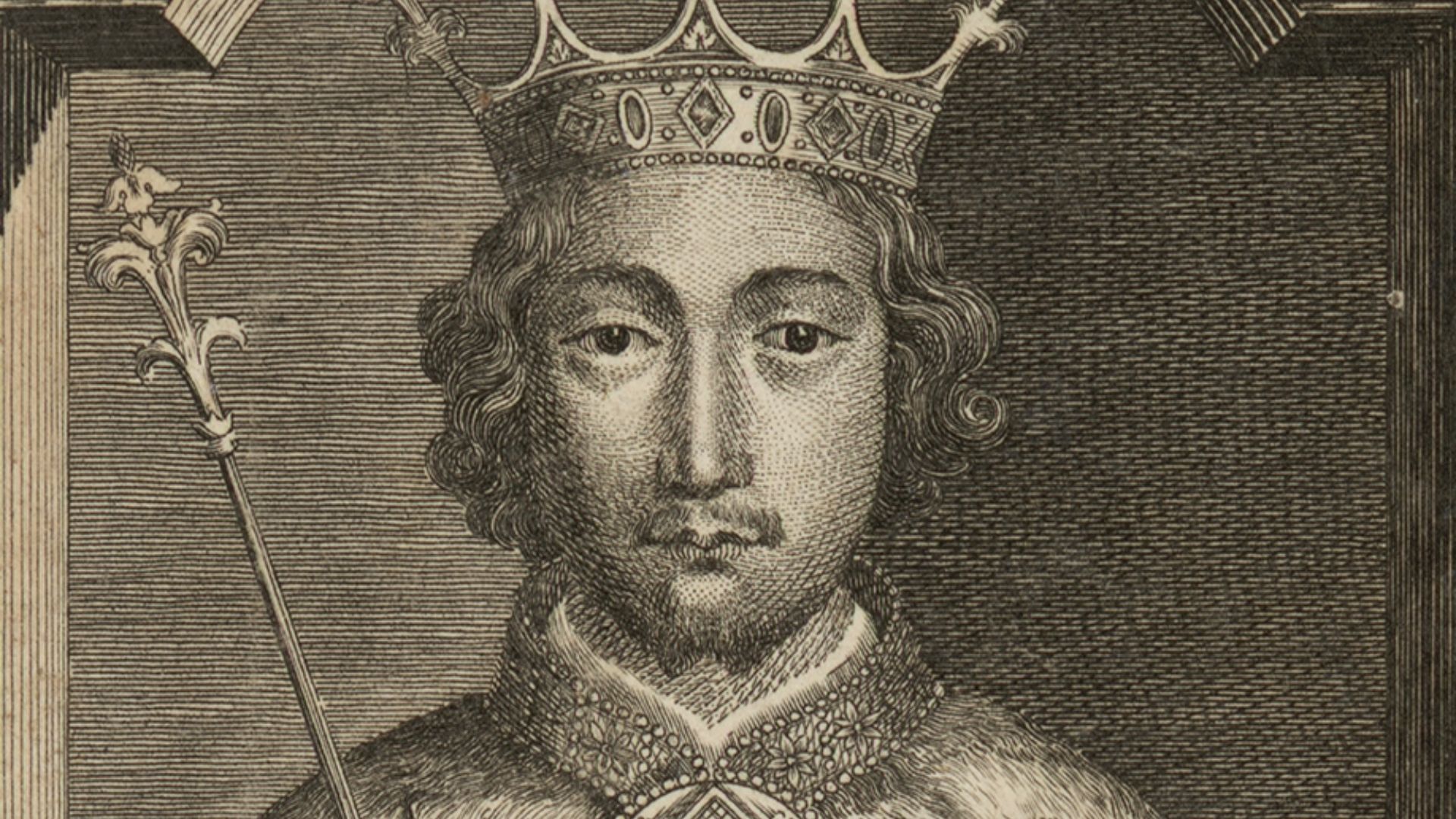
6. Henry VI
Henry VI became king at only 8 months old, and the long minority left the crown dependent on competing factions. During his reign, England lost most of its remaining territory in France, effectively ending English ambitions across the border. He was deposed in 1461, leading to Edward IV’s coronation.
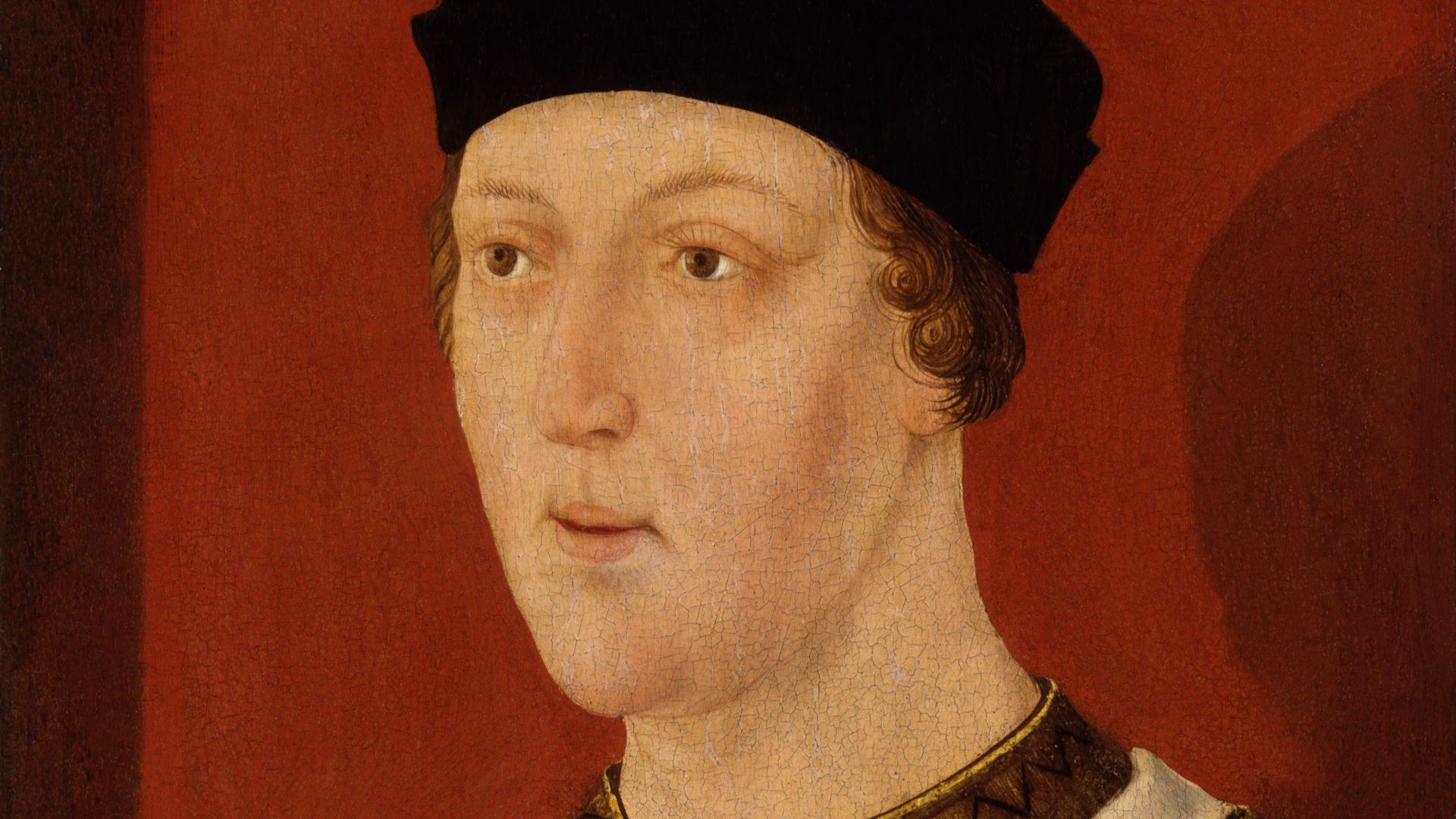
7. Richard III
Richard III ruled only from 1483 to 1485, and his reign was overshadowed by a legitimacy crisis. In his short reign, he bore witness to 2 major rebellions before dying in the Battle of Bosworth Field. His death marked the end of the English Middle Ages and the beginning of the Tudor era.
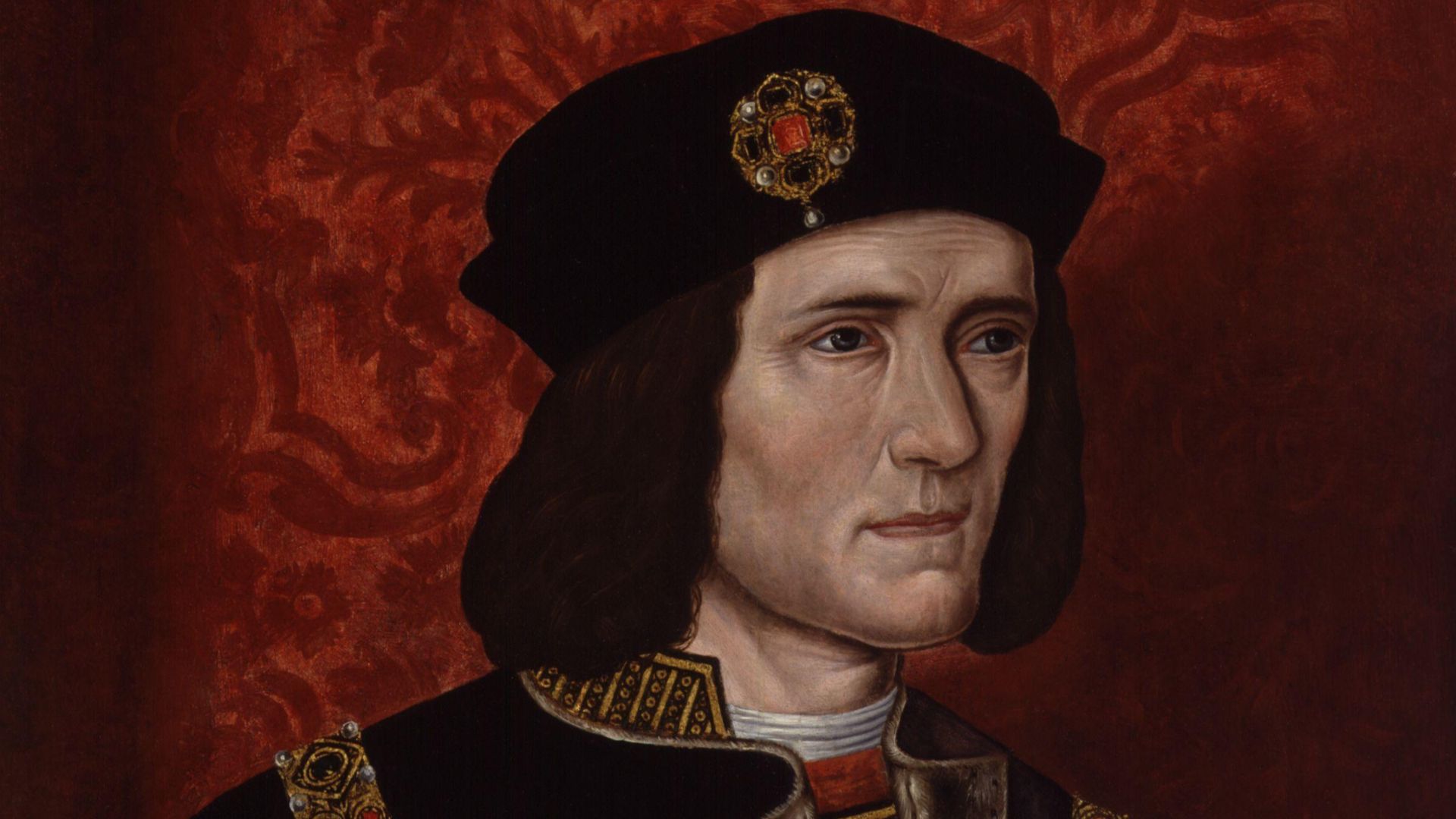
8. Charles I
Charles I (1625 - 1649) repeatedly clashed with Parliament over taxation, religion, and the limits of royal power. He attempted years of “personal rule” without Parliament, which only deepened distrust between him and his people. His desire for an absolute monarchy landed him on the edge of a sword after being convicted of treason.
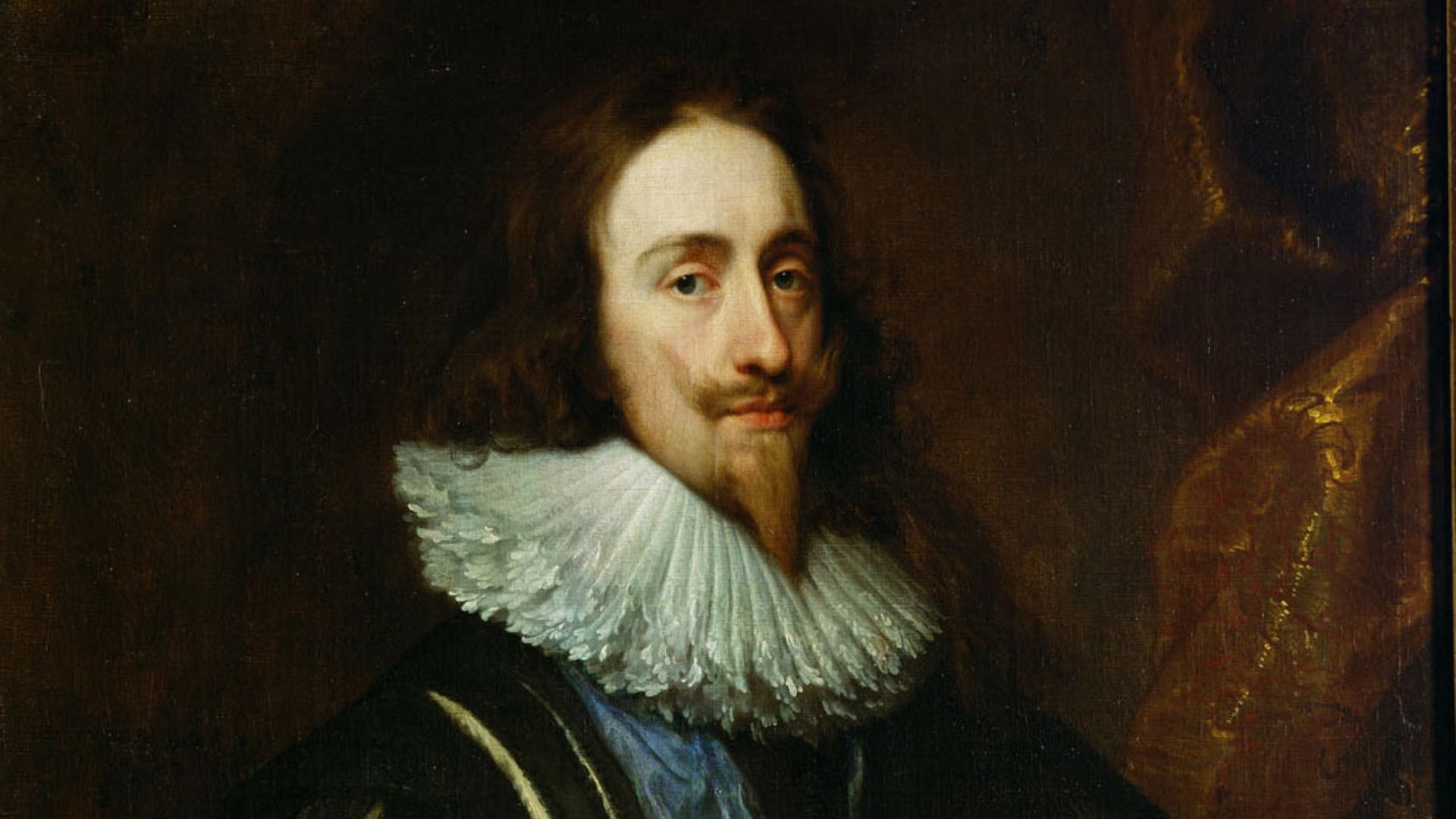
9. James II
James II’s (1685 - 1688) open Catholicism and his efforts to expand royal authority alarmed many political and religious leaders. When a Catholic heir was born in 1688, opponents moved quickly to replace him rather than accept a new dynasty. The Glorious Revolution forced James into exile and shifted the political power to the English Parliament for good.
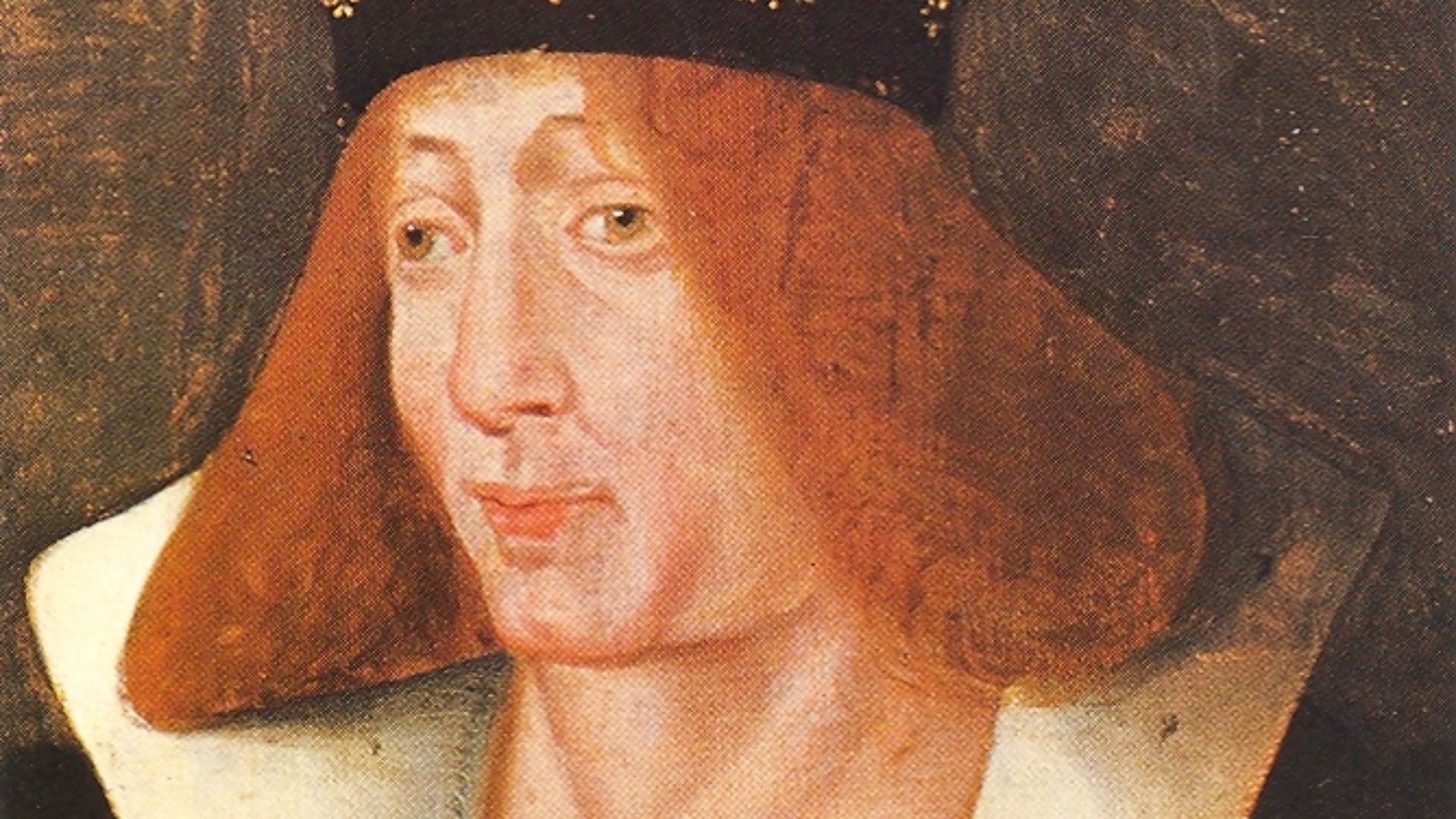
10. Edward VIII
Edward VIII’s reign lasted less than a year, beginning in January and ending in December 1936. He chose to abdicate the throne to marry an American divorcée, which was seen as improper for the head of the Church of England.
KEEP ON READING
10 Reasons The Mona Lisa Is Overrated & 10 Reasons…
The Most Famous Painting in the World Deserves a Second…
By Cameron Dick Jun 17, 2026
20 Historical Figures Who Had Debilitating Health Problems
Hidden Struggles. History often presents famous figures as symbols of…
By Christy Chan Jun 17, 2026
20 Historical Suitors Who Were Rejected In Public
Love, Power, And A Very Public No. While most of…
By Elizabeth Graham Jun 17, 2026
20 Ways Prehistoric Men Survived In A World Of Monsters
How Man Slayed Monsters. Stepping outside your front door during…
By Sara Springsteen Jun 17, 2026
The 20 Most Interesting People In History
Some Lives Refuse to Be Boring. History is full of…
By Emilie Richardson-Dupuis Jun 17, 2026
10 Scholars Who Preserved The Ancient World & 10 Who…
The People Who Shaped What We Know About Antiquity. Much…
By Rob Shapiro Jun 17, 2026