

Decisive Power Can Turn History
History often hinges on moments where one person's decision reshapes the world. These aren't always grand strategies—they can be impulsive calls, overlooked memos, or quiet refusals that cascade into massive change. You'll see how fragile history really is when a single pivot alters wars, empires, and entire societies forever. Here are 20 times history took a sharp turn because of one decision.
 Library of Congress on Unsplash
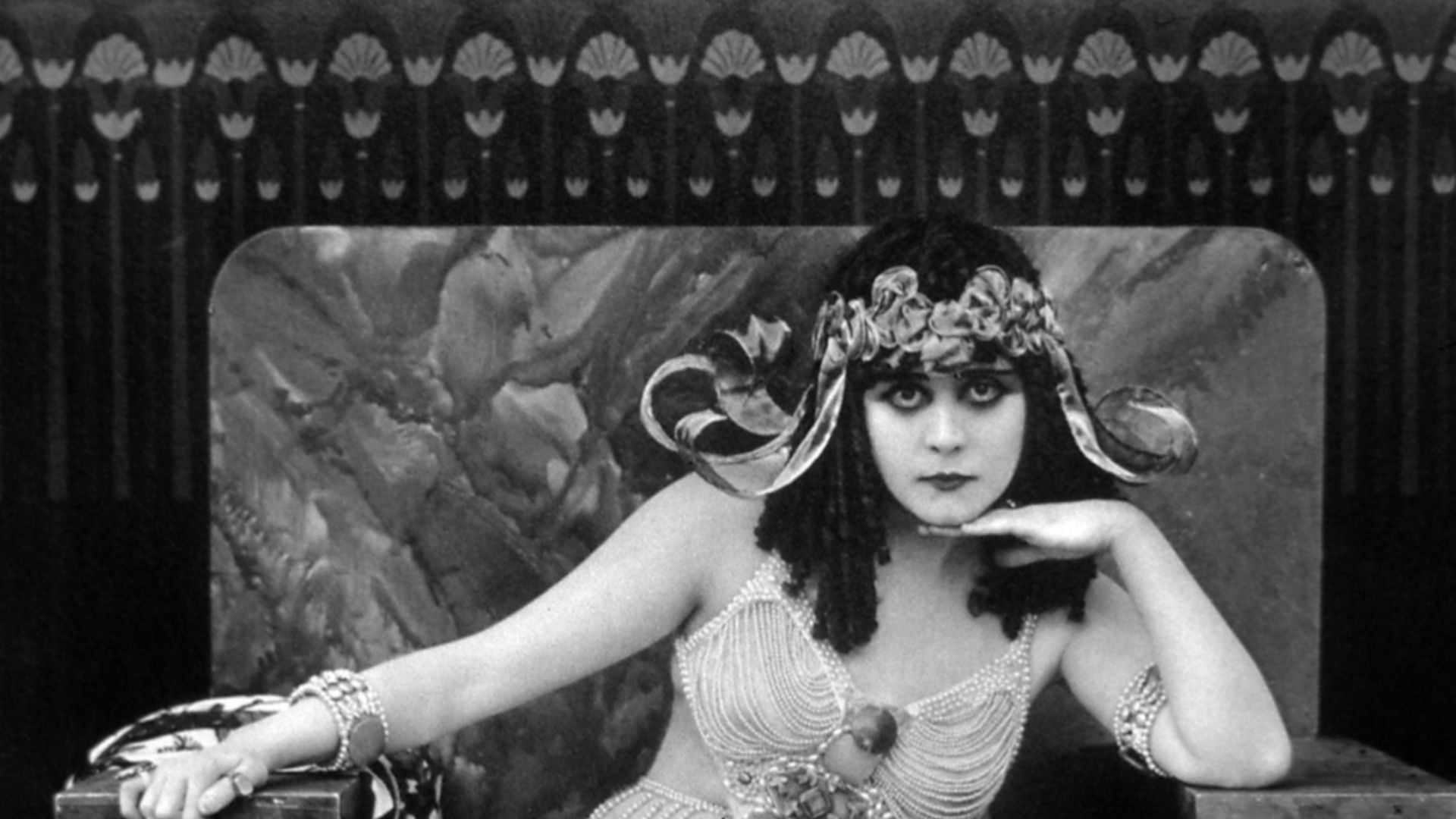
1. Cleopatra's Alliances with Caesar
Cleopatra had herself smuggled into Julius Caesar's presence, rolled in a carpet, securing his support against her brother Ptolemy XIII. That bold move not only won her the Egyptian throne but also sparked a Roman civil war when Caesar brought her back to Rome. Her decision tied Egypt's fate to Rome and set the stage for centuries of imperial drama.
 Fox Film Corporation on Wikimedia
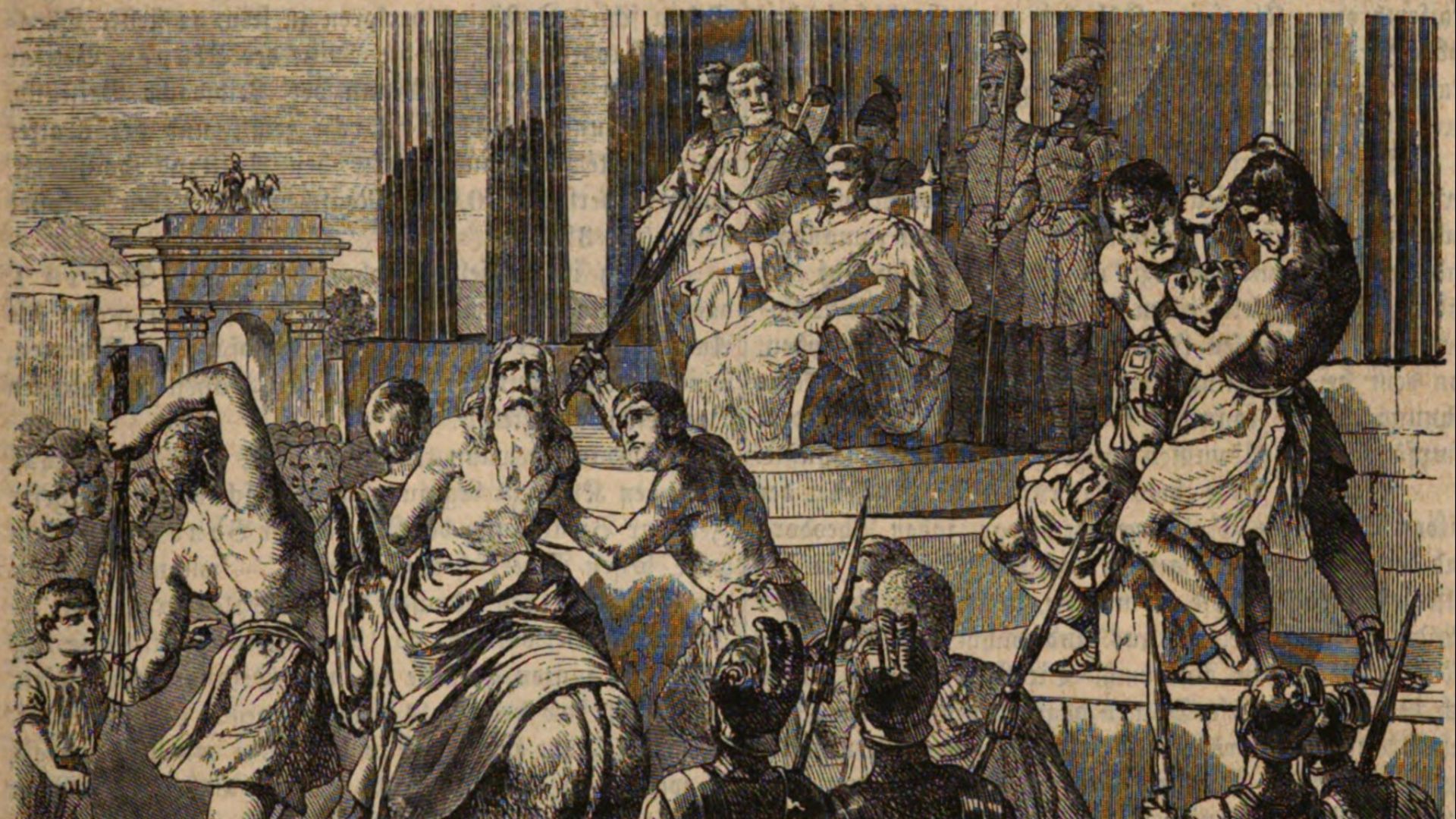
2. Constantine Converts to Christianity
In 312 AD, Emperor Constantine saw a cross in the sky before the Battle of the Milvian Bridge and chose the Christian symbol for his army. His victory led to the legalization of Christianity across the empire, flipping Rome from pagan worship to the faith that would dominate Europe.
 Unknown authorUnknown author on Wikimedia
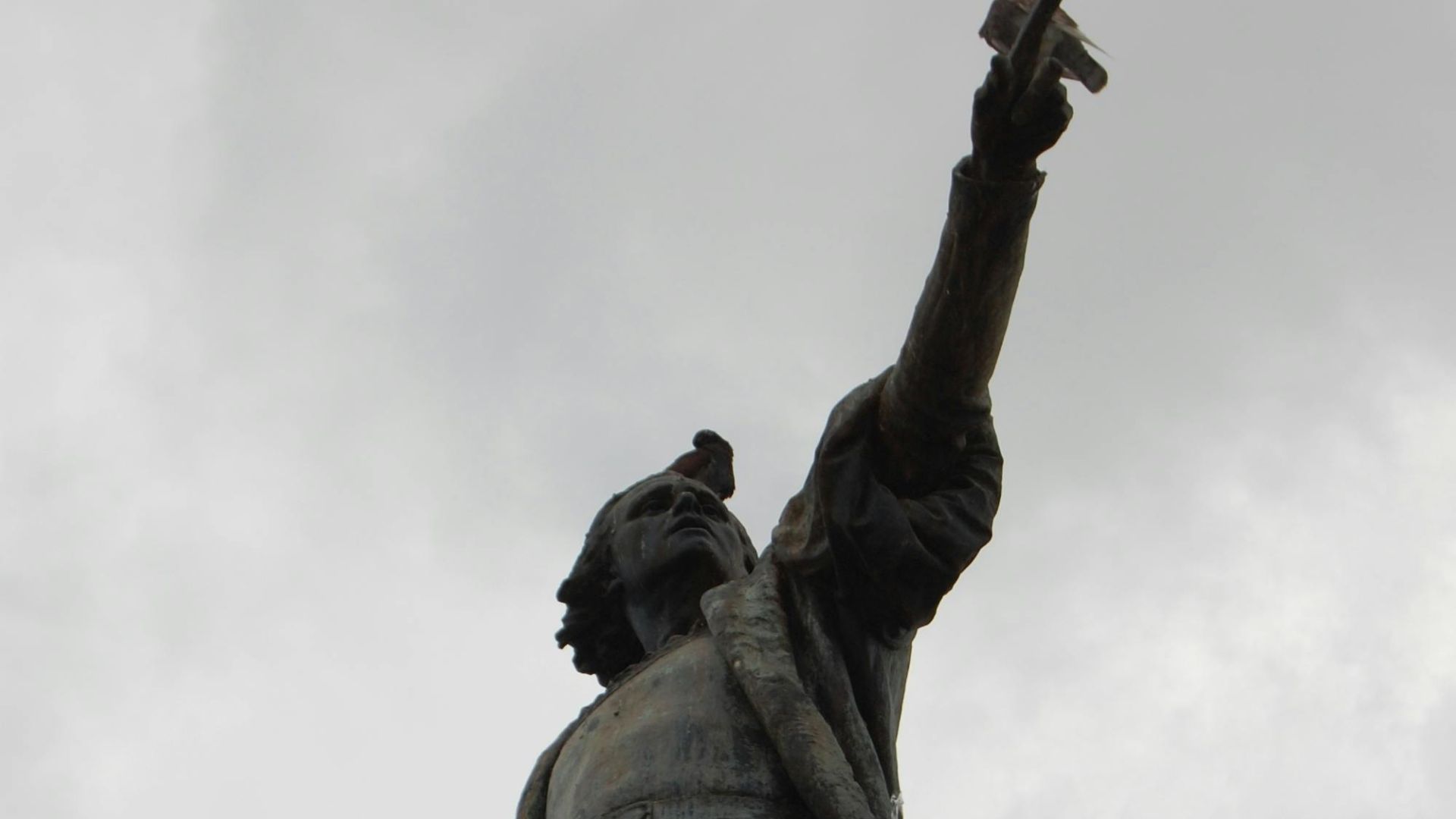
3. Columbus Gets Funding from Spain
After Portugal rejected Christopher Columbus's plan to sail west to Asia, Queen Isabella of Spain approved his voyage in 1492. That approval launched European colonization of the Americas, triggering the Columbian Exchange of goods, diseases, and people. Spain's gamble built an empire but devastated indigenous populations.
4. Henry VIII Breaks from Rome
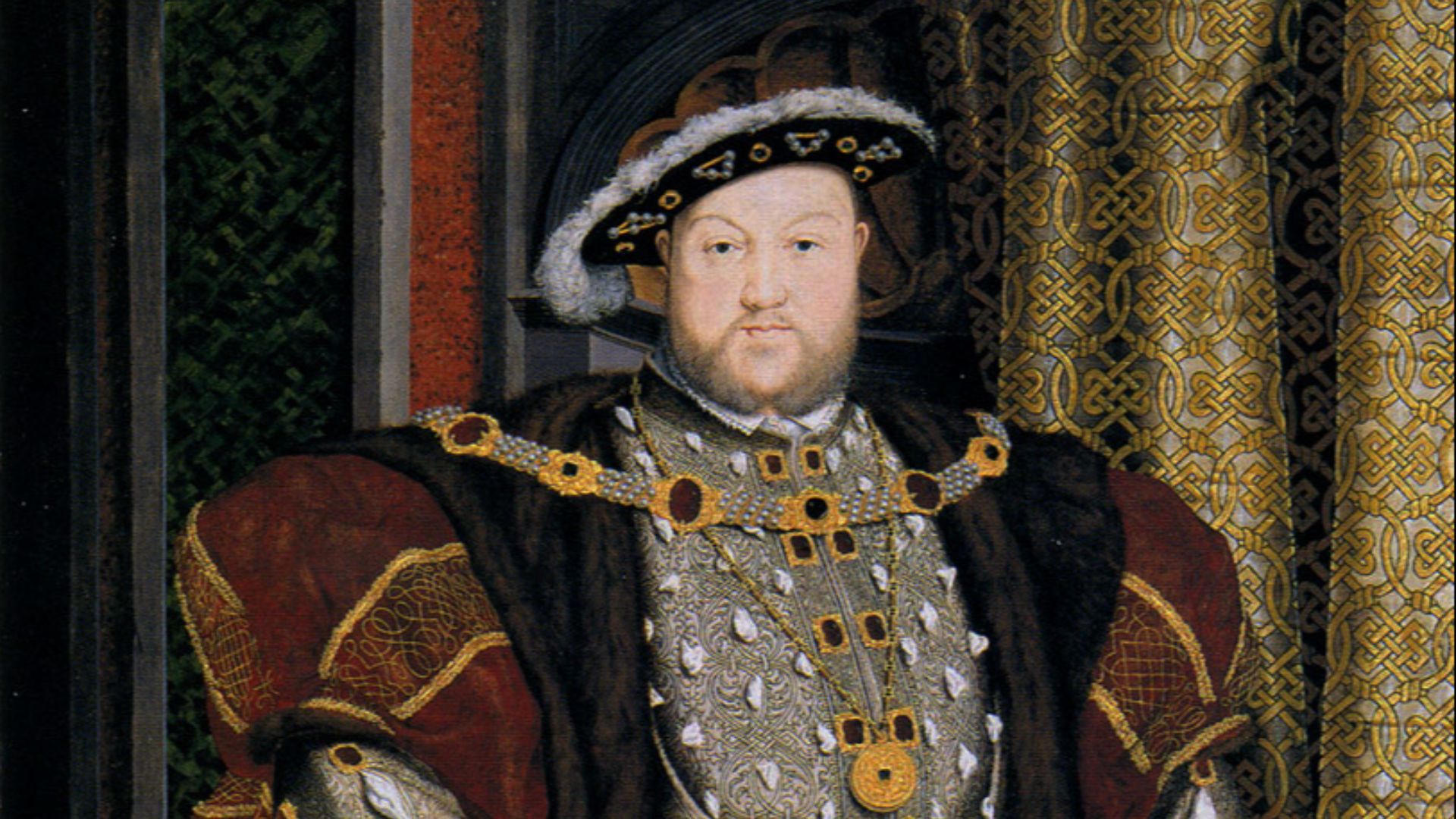
King Henry VIII decided in 1534 to split England from the Catholic Church over his divorce from Catherine of Aragon. He declared himself head of the Church of England, sparking the English Reformation and centuries of Protestant-Catholic conflict.
 Unknown authorUnknown author on Wikimedia
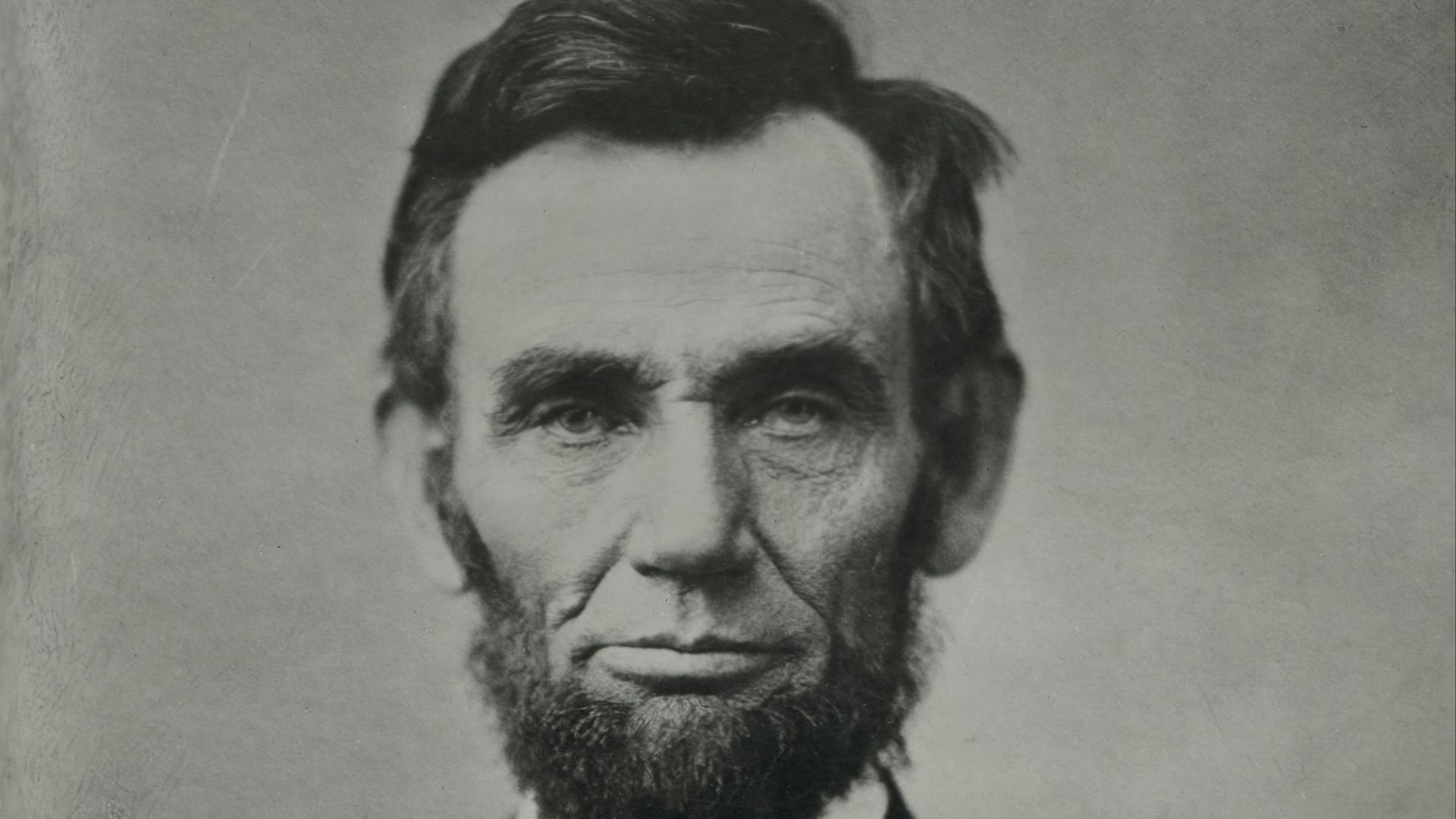
5. Lincoln Issues the Emancipation Proclamation
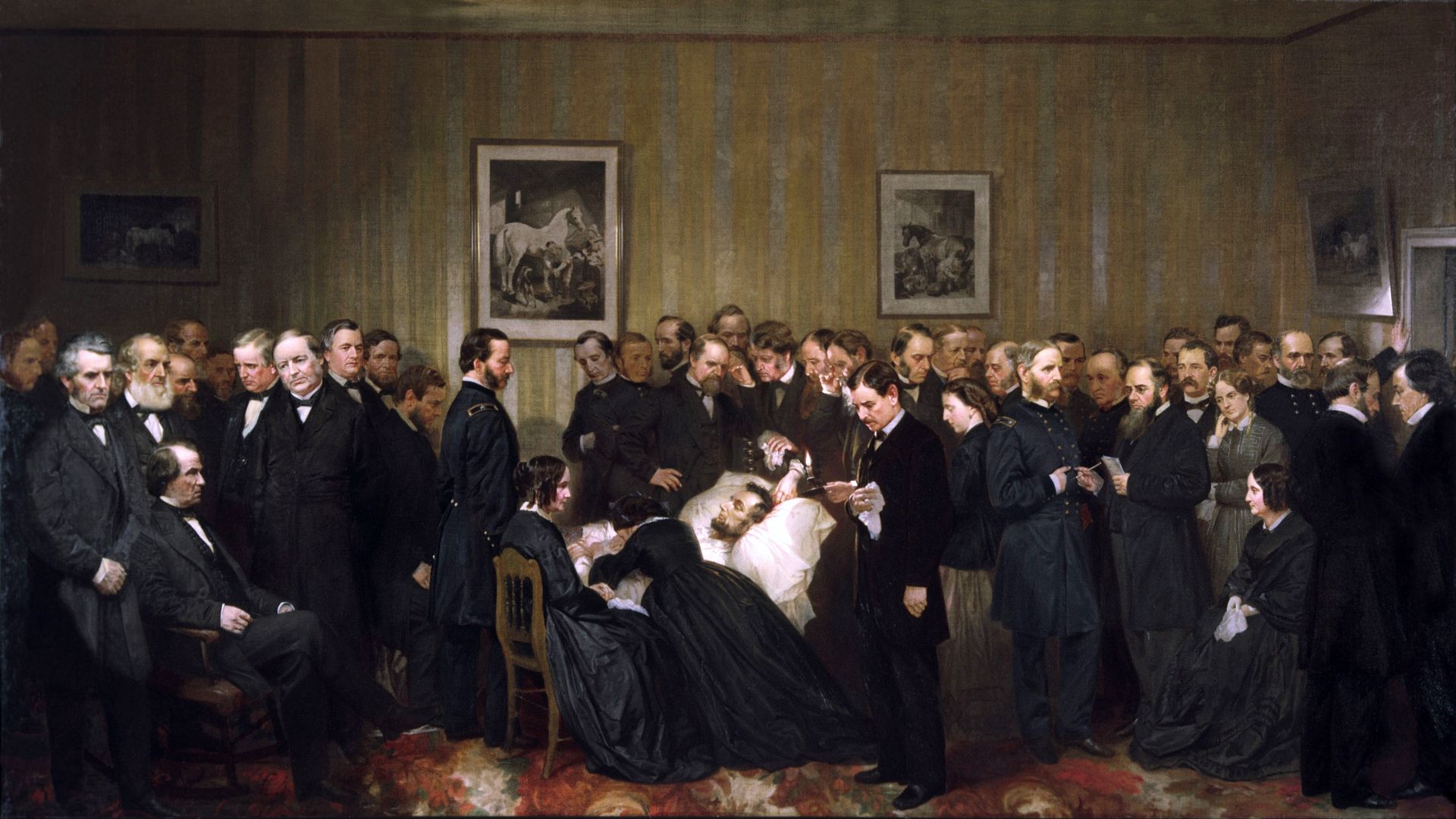
On January 1, 1863, Abraham Lincoln signed the Proclamation freeing slaves in Confederate states, shifting the Civil War's moral purpose. That pen stroke transformed the conflict from union preservation to slavery's end, galvanizing international support for the North. It set the legal stage for the 13th Amendment.
6. Bismarck Unifies Germany
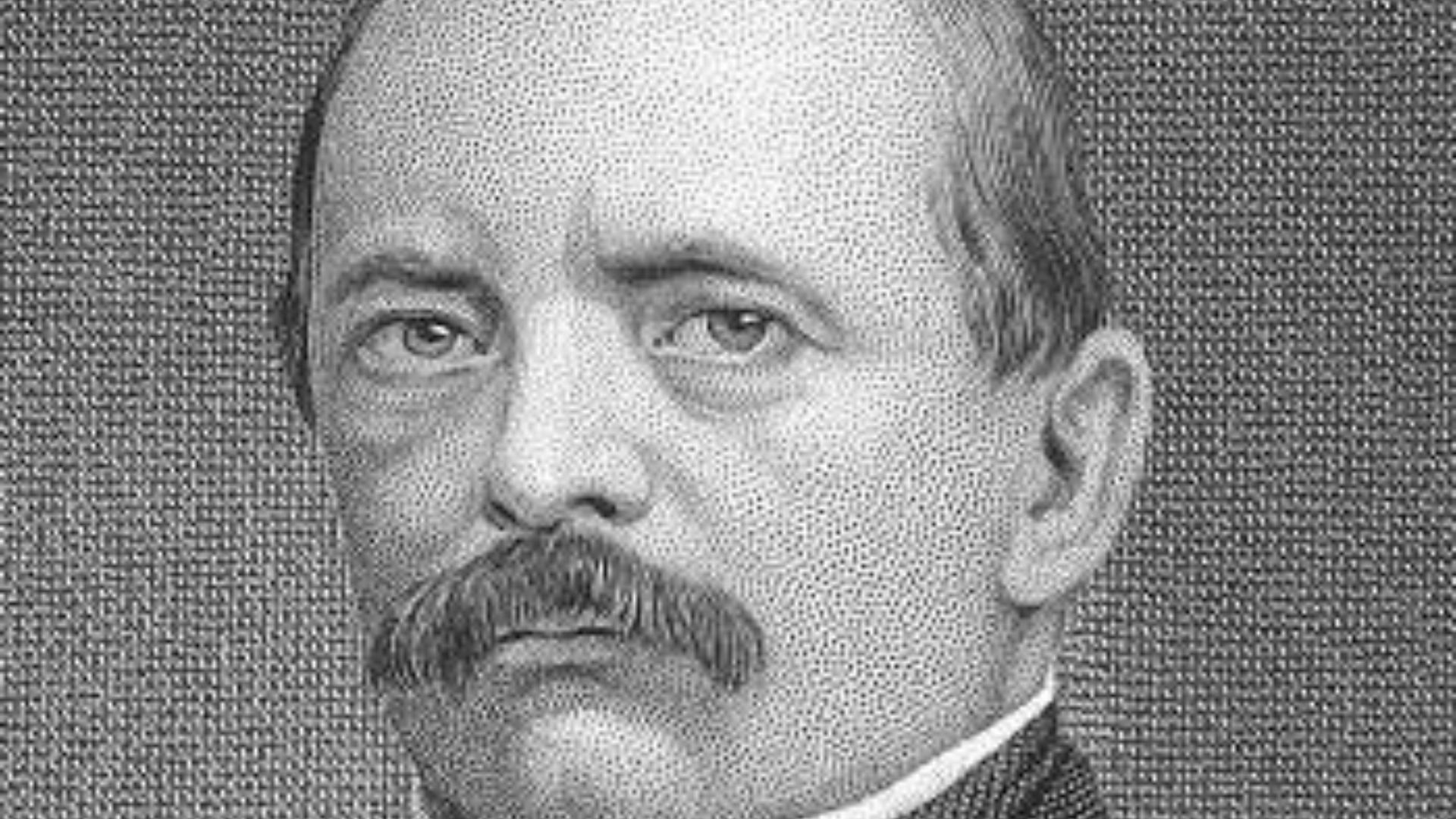
Otto von Bismarck manipulated the 1870 Ems Dispatch to provoke France into war, using the conflict to rally German states under Prussian leadership. His calculated provocation created the German Empire, upsetting Europe's balance of power and sowing the seeds for World War I.
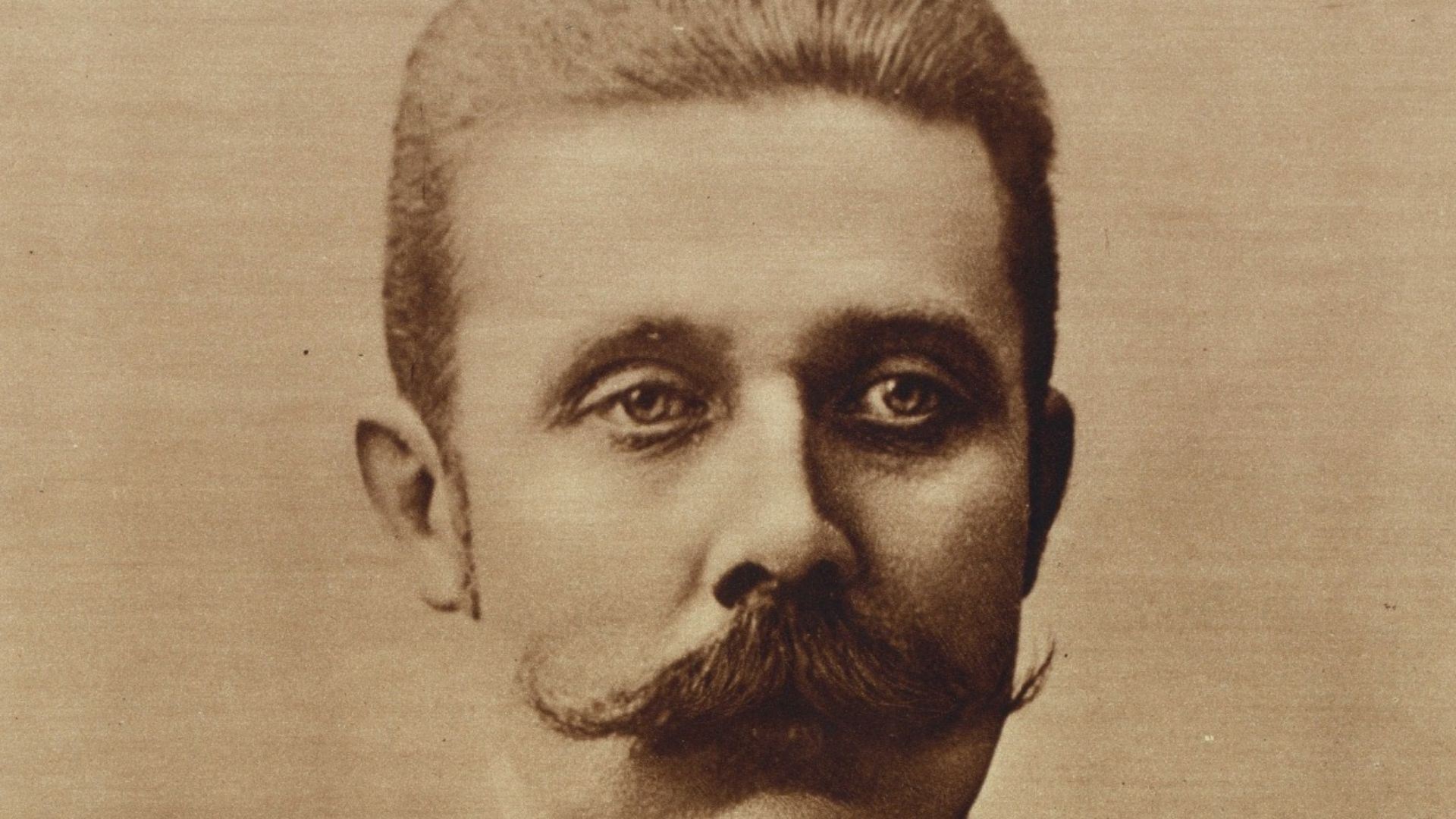
7. Franz Ferdinand Skips Security
Archduke Franz Ferdinand decided against reinforced security during his 1914 Sarajevo visit, allowing Gavrilo Princip's assassination attempt to succeed. That single lapse ignited World War I, killing 16 million and redrawing global maps.
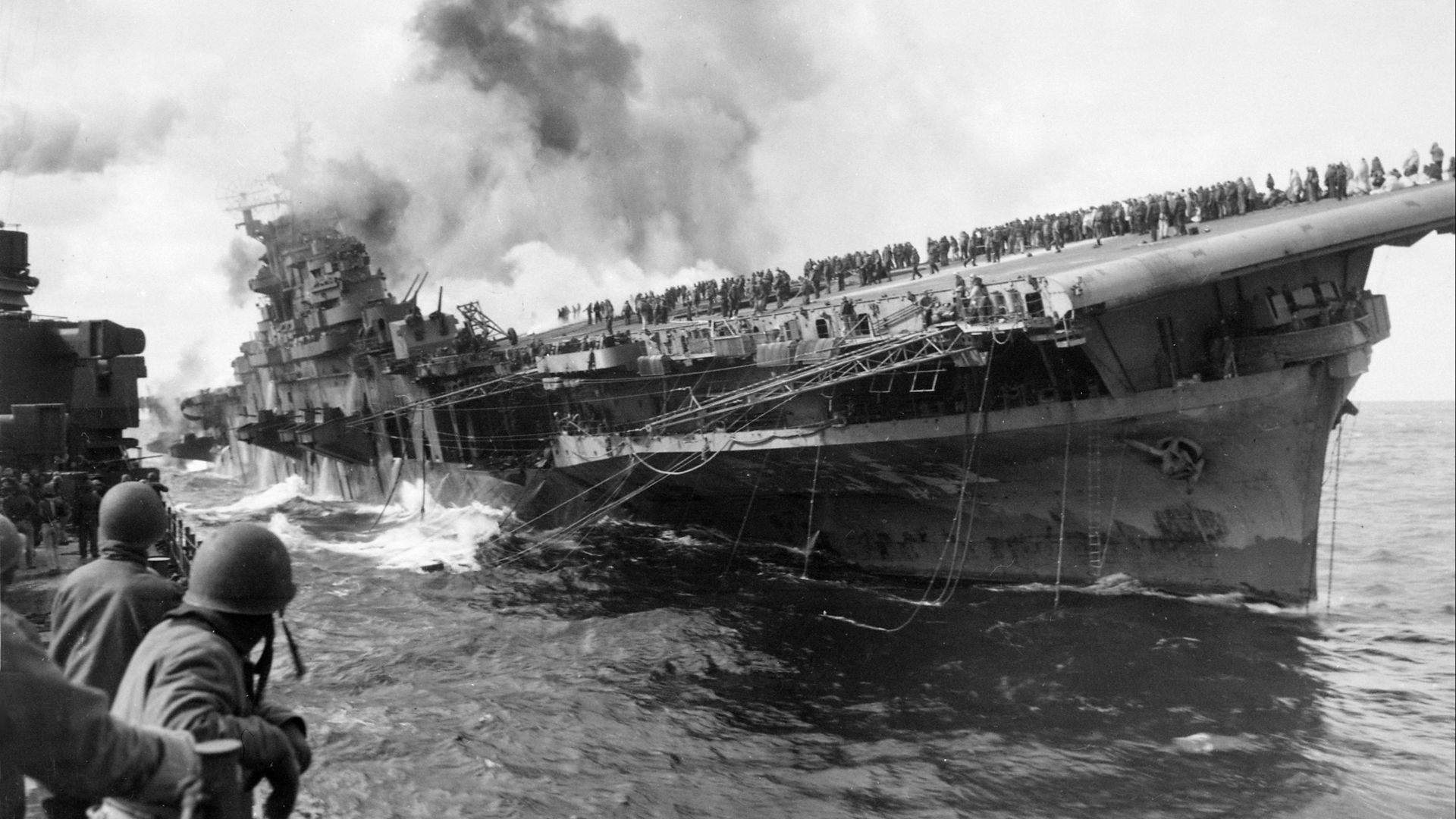
8. Hitler Invades the Soviet Union
Against advisors' warnings, Adolf Hitler launched Operation Barbarossa in June 1941, opening a two-front war that drained Nazi resources. The decision stretched German supply lines through the brutal Russian winter, marking the turning point toward Allied victory. One ideological gamble doomed the Third Reich.
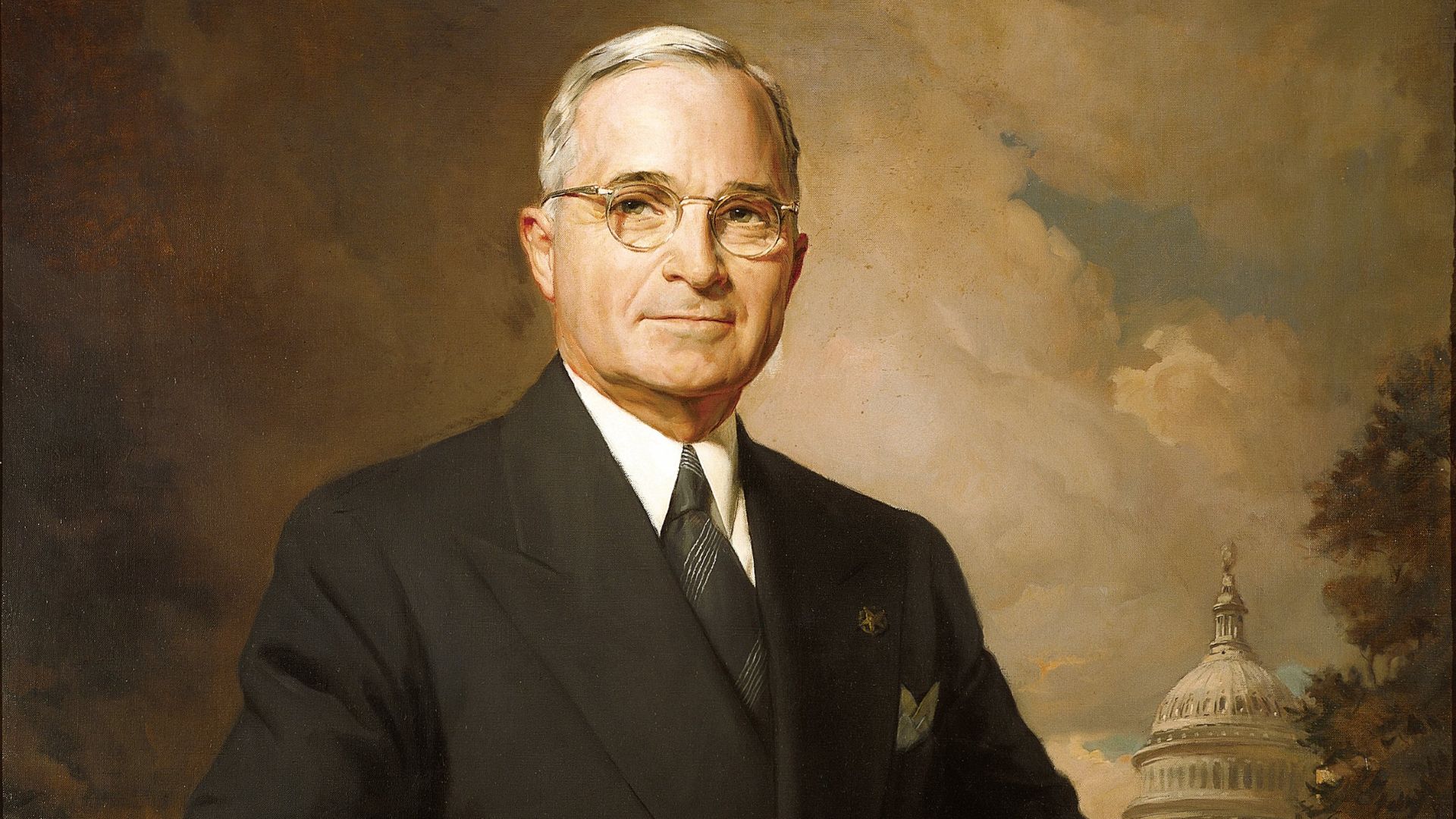
9. Truman Drops Atomic Bombs
President Truman authorized atomic bombs on Hiroshima and Nagasaki in August 1945, forcing Japan's surrender and ending World War II. That decision saved perhaps a million Allied lives but unleashed nuclear terror on humanity. Two button presses closed one era and opened the atomic age.
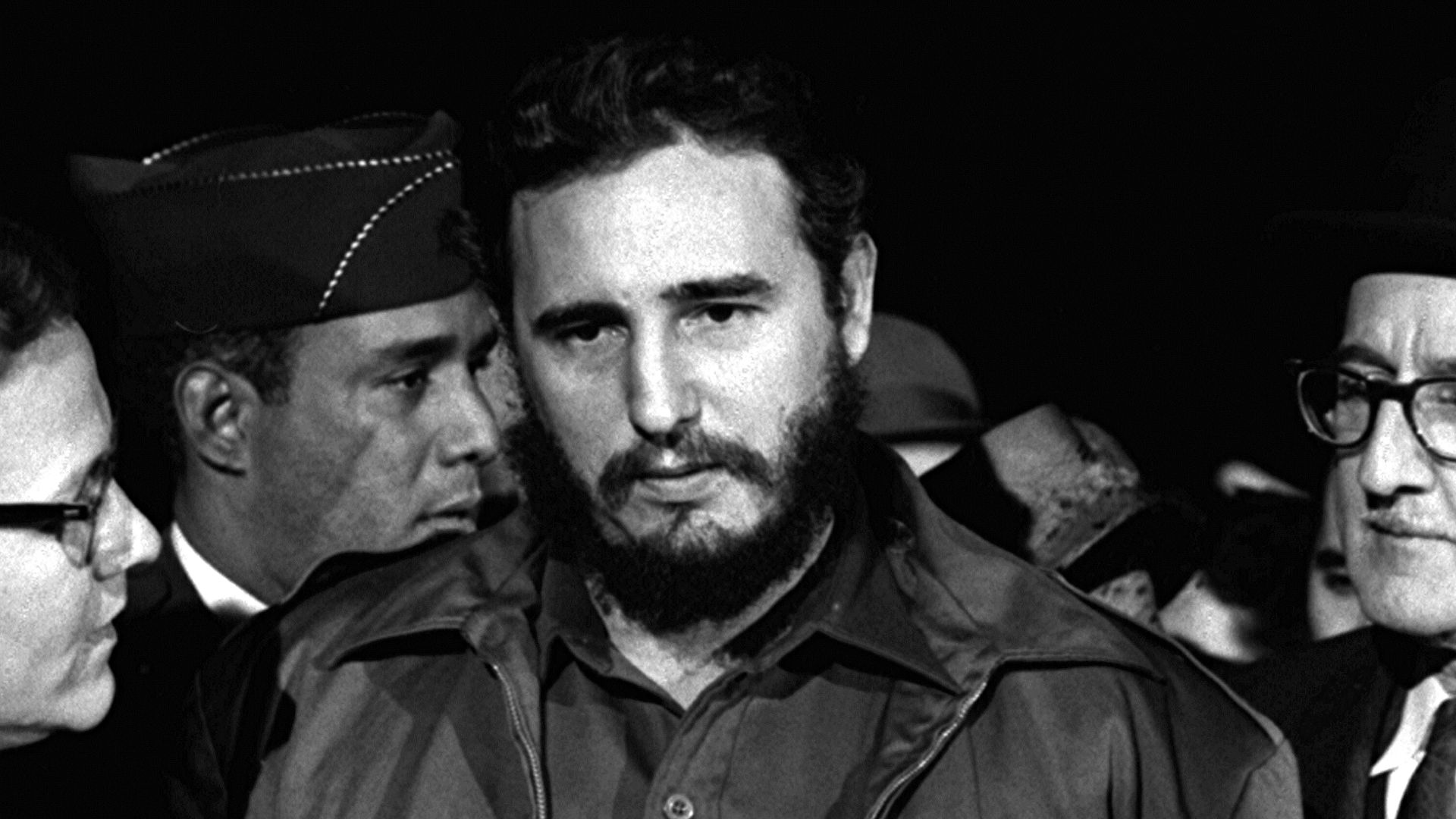
10. Castro Nationalizes U.S. Assets
Fidel Castro's 1959 decision to seize American businesses without compensation turned Cold War Cuba into a Soviet ally and U.S. adversary. His move prompted the Bay of Pigs invasion, missile crisis, and decades of embargo. One expropriation decree made Cuba the Caribbean's Cold War flashpoint.
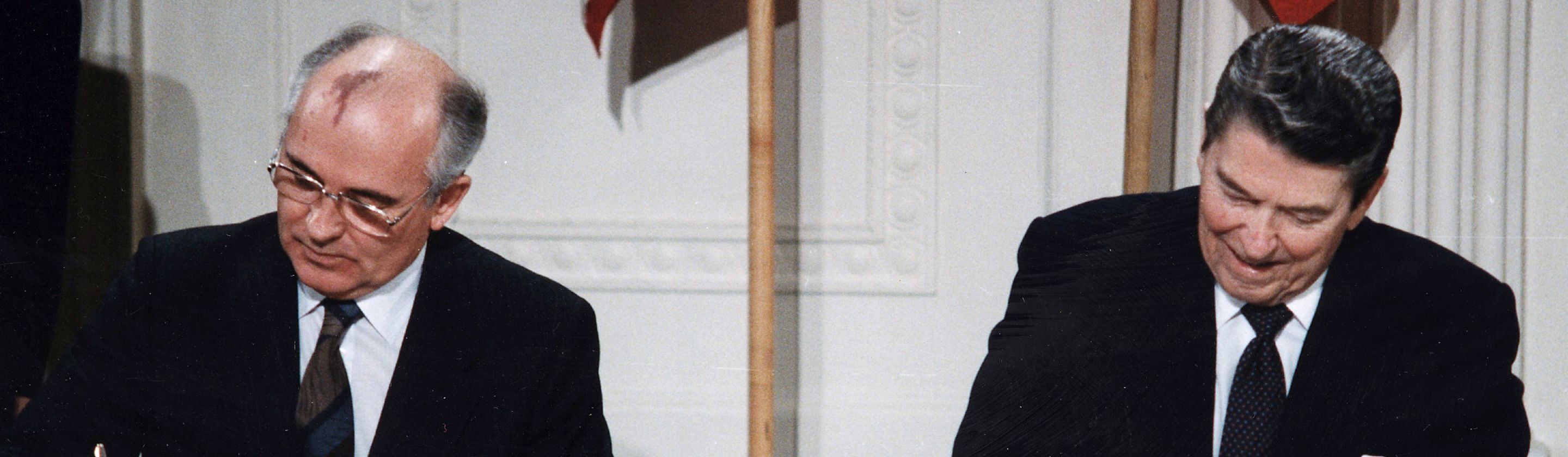
11. Gorbachev Opens the USSR
Mikhail Gorbachev chose transparency and restructuring in 1985, unleashing forces that dissolved the Soviet Union by 1991. His reforms exposed systemic rot, sparking independence movements across republics.
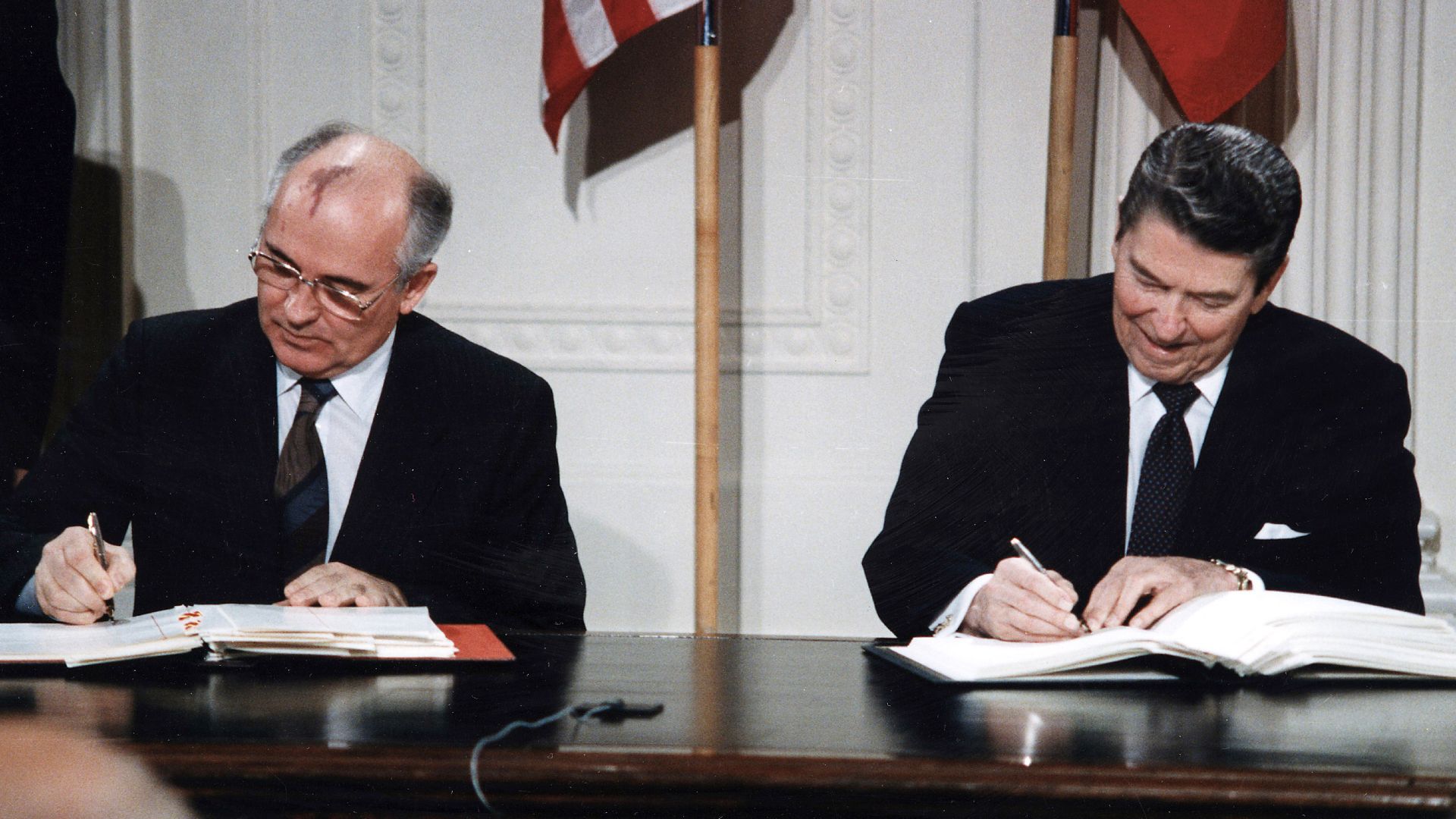 White House Photographic Office on Wikimedia
12. Nixon Visits China
President Nixon's 1972 decision to visit Communist China shattered decades of U.S. isolation policy, creating the Sino-American alliance against Soviet power. That handshake with Mao Zedong opened trade and reshaped Cold War geography.
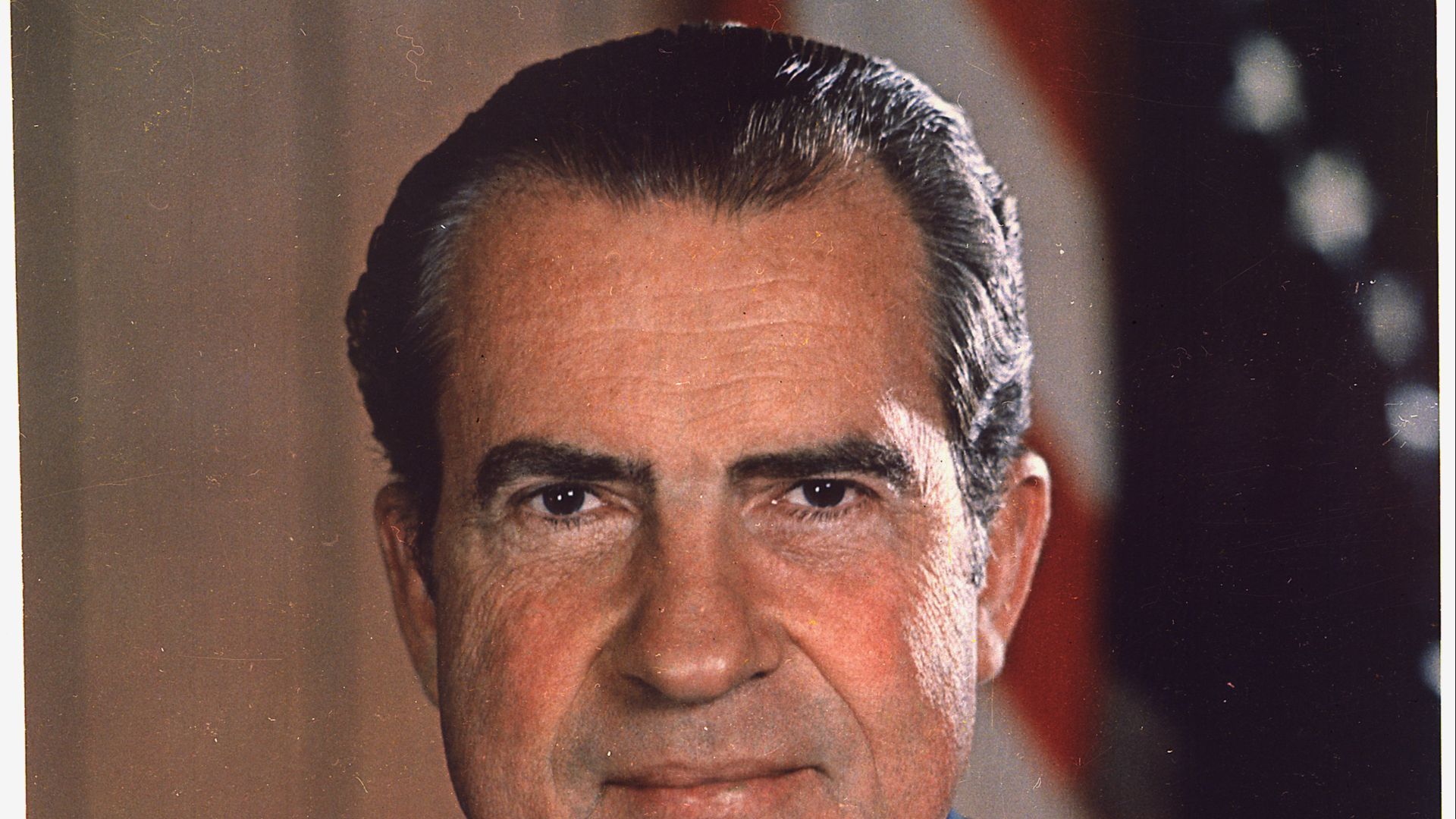 Unknown authorUnknown author or not provided on Wikimedia
13. Sadat Visits Jerusalem
Egyptian President Anwar Sadat flew to Israel in 1977, addressing the Knesset and launching peace talks that returned the Sinai. His dramatic gesture earned him a Nobel, but also led to his assassination while securing Egypt's first Arab-Israeli peace treaty.
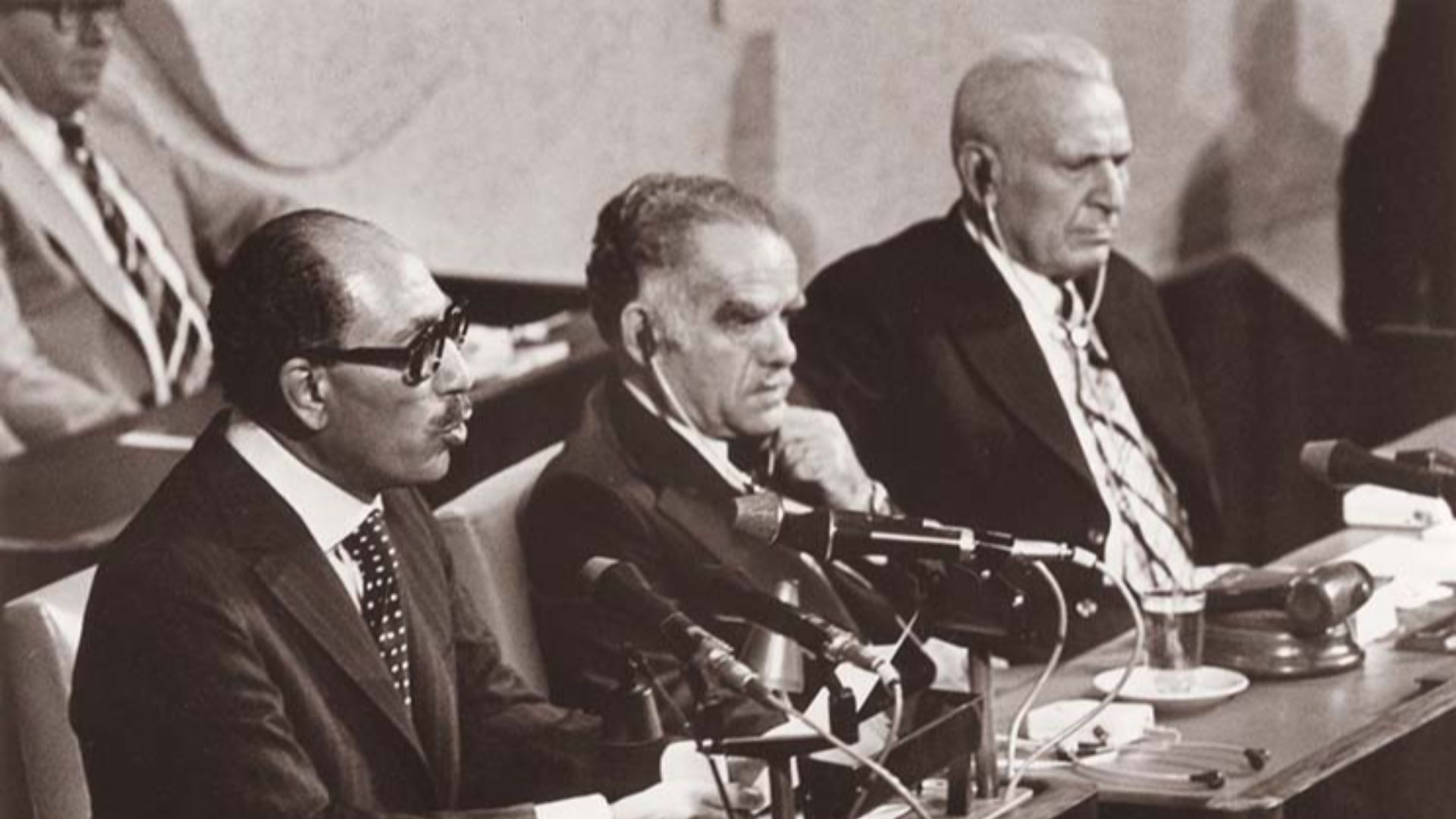 Unknown authorUnknown author on Wikimedia
14. Thatcher Refuses to Negotiate with IRA
After the 1984 Brighton bombing, Margaret Thatcher declared, "We negotiate with no one" toward the IRA, hardening the conflict but maintaining British resolve. Her stance prolonged violence but arguably forced eventual peace talks.
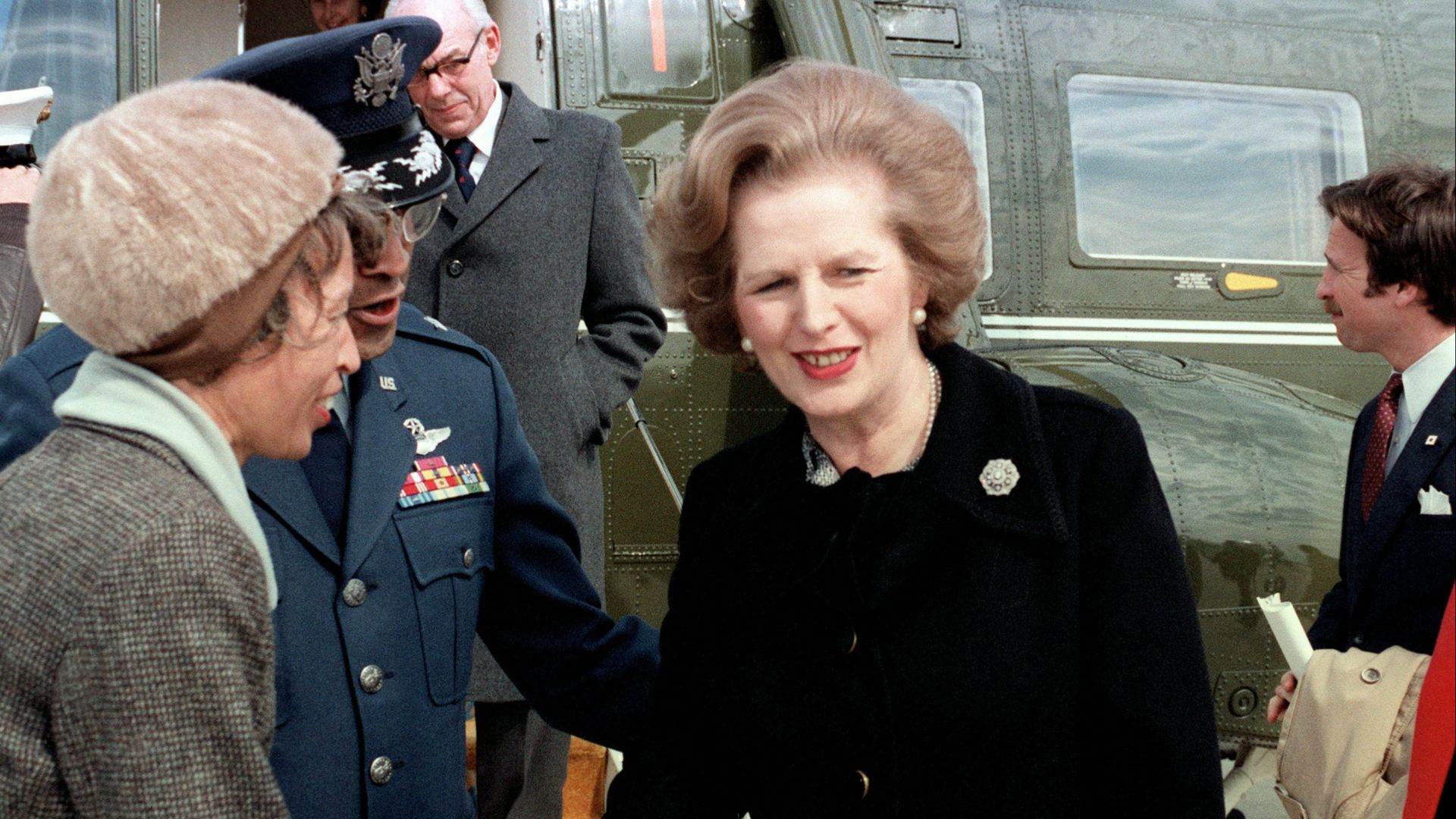 Williams, U.S. Military on Wikimedia
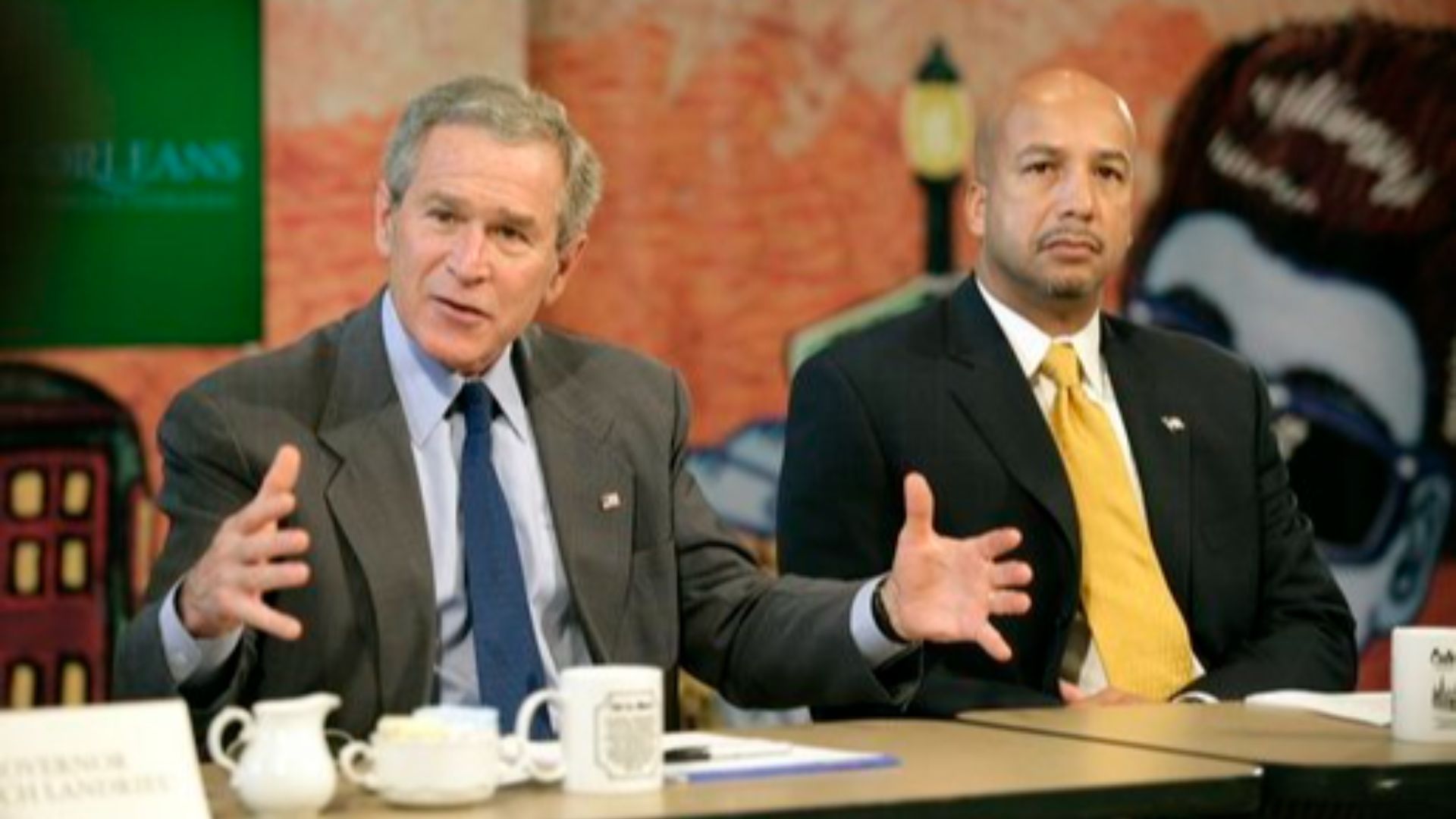
15. Bush Invades Iraq
President George W. Bush authorized the 2003 Iraq invasion based on disputed WMD intelligence, toppling Saddam but igniting insurgency and ISIS. That decision destabilized the Middle East, cost trillions, and redefined U.S. foreign policy debates. Faulty intelligence launched a generation's conflict.
16. Berners-Lee Shares World Wide Web
Tim Berners-Lee decided in 1993 to release his World Wide Web software for free instead of patenting it. That generosity exploded internet growth, creating Google, Facebook, and the modern digital economy. One software engineer's altruism built the information age.

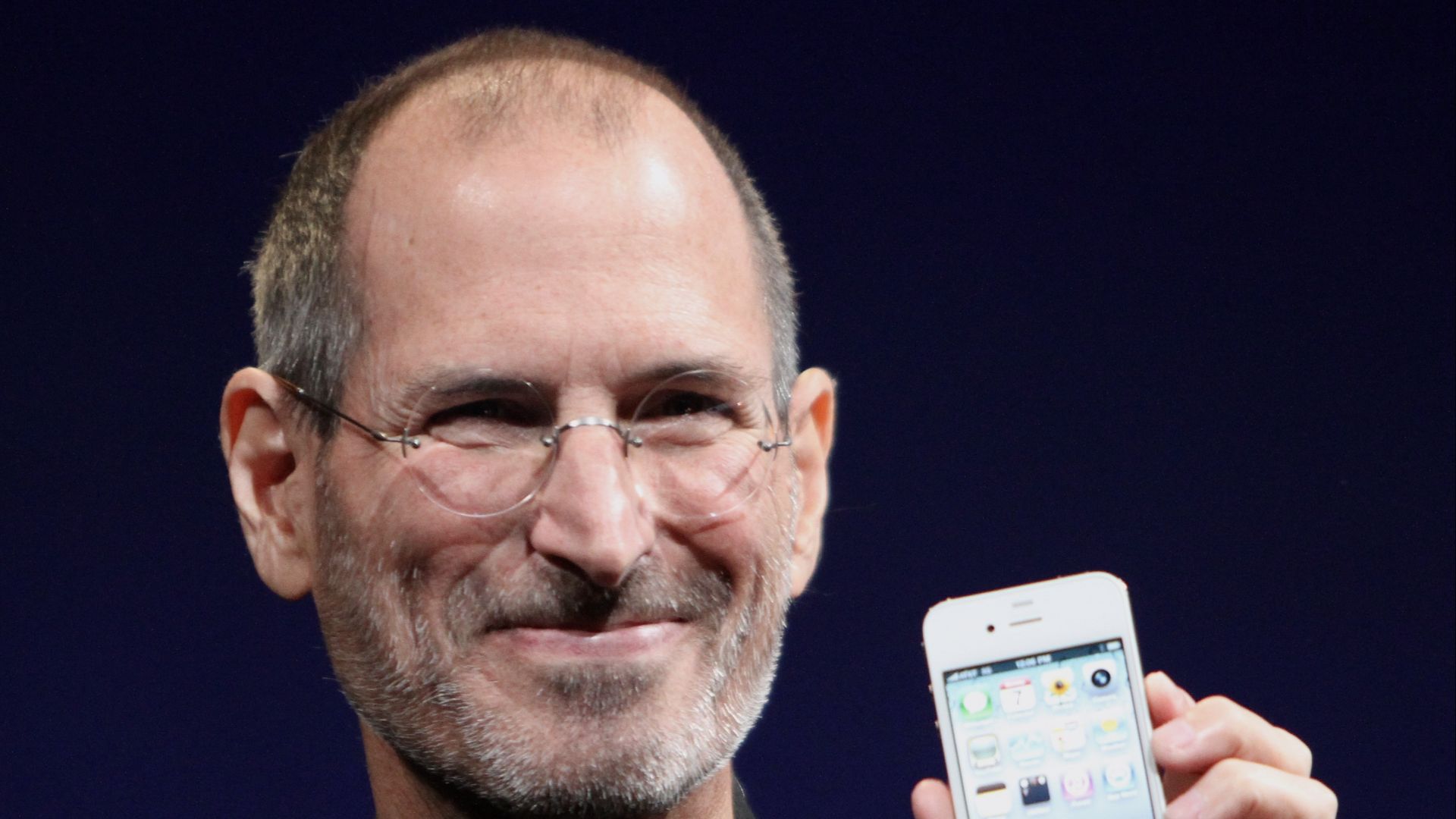
17. Jobs Returns to Apple
Steve Jobs rejoined Apple in 1997 and slashed 70% of products, betting everything on the iMac, iPod, and later the iPhone. His ruthless focus rescued Apple from bankruptcy, creating trillion-dollar tech dominance.
 Matthew Yohe (talk) on Wikimedia
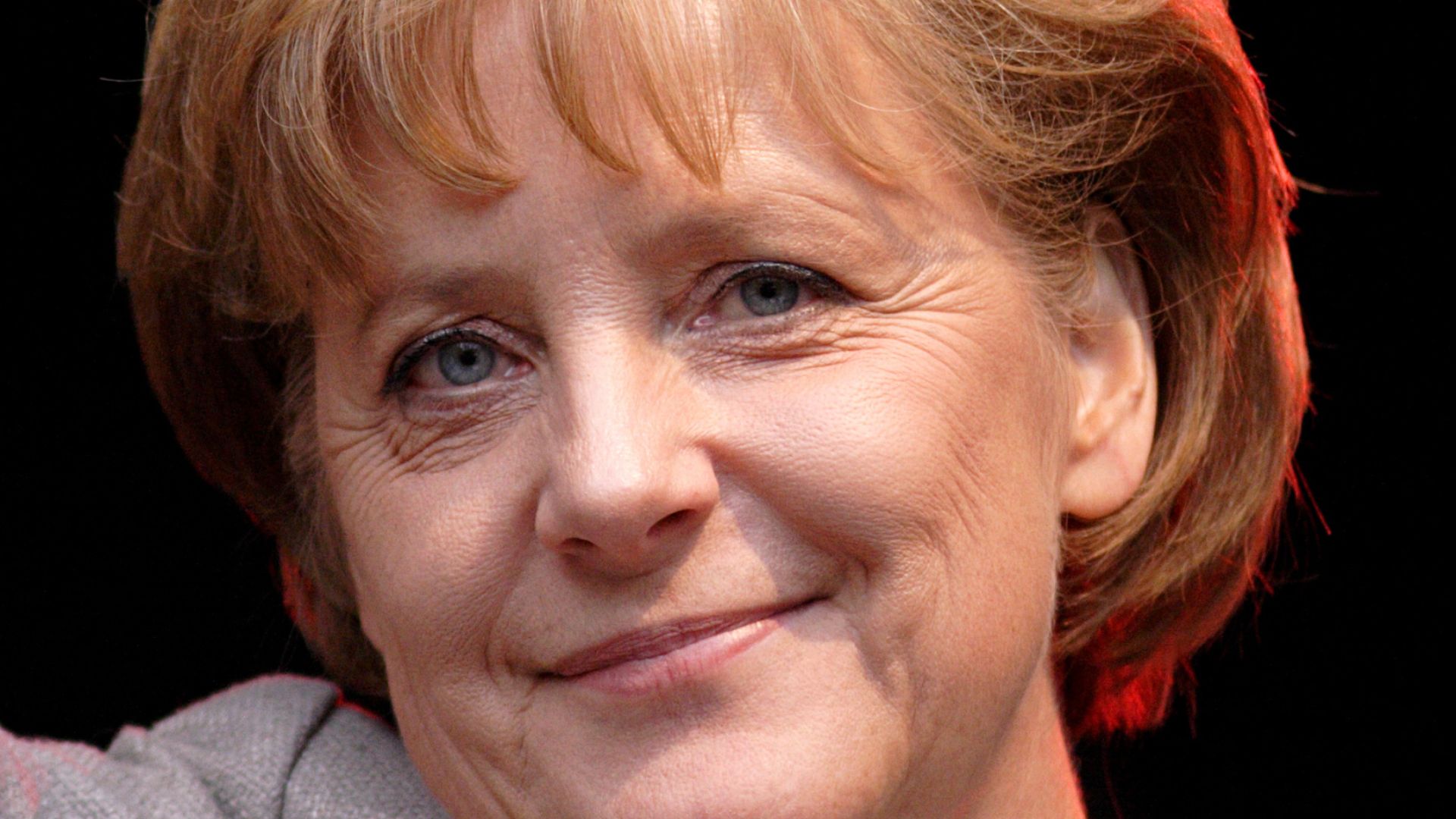
18. Merkel Opens Borders to Refugees
Chancellor Angela Merkel's 2015 "Wir schaffen das" (we can do this) welcomed over a million Syrian refugees into Germany. Her humanitarian call reshaped EU migration policy and fueled populist backlashes across Europe.
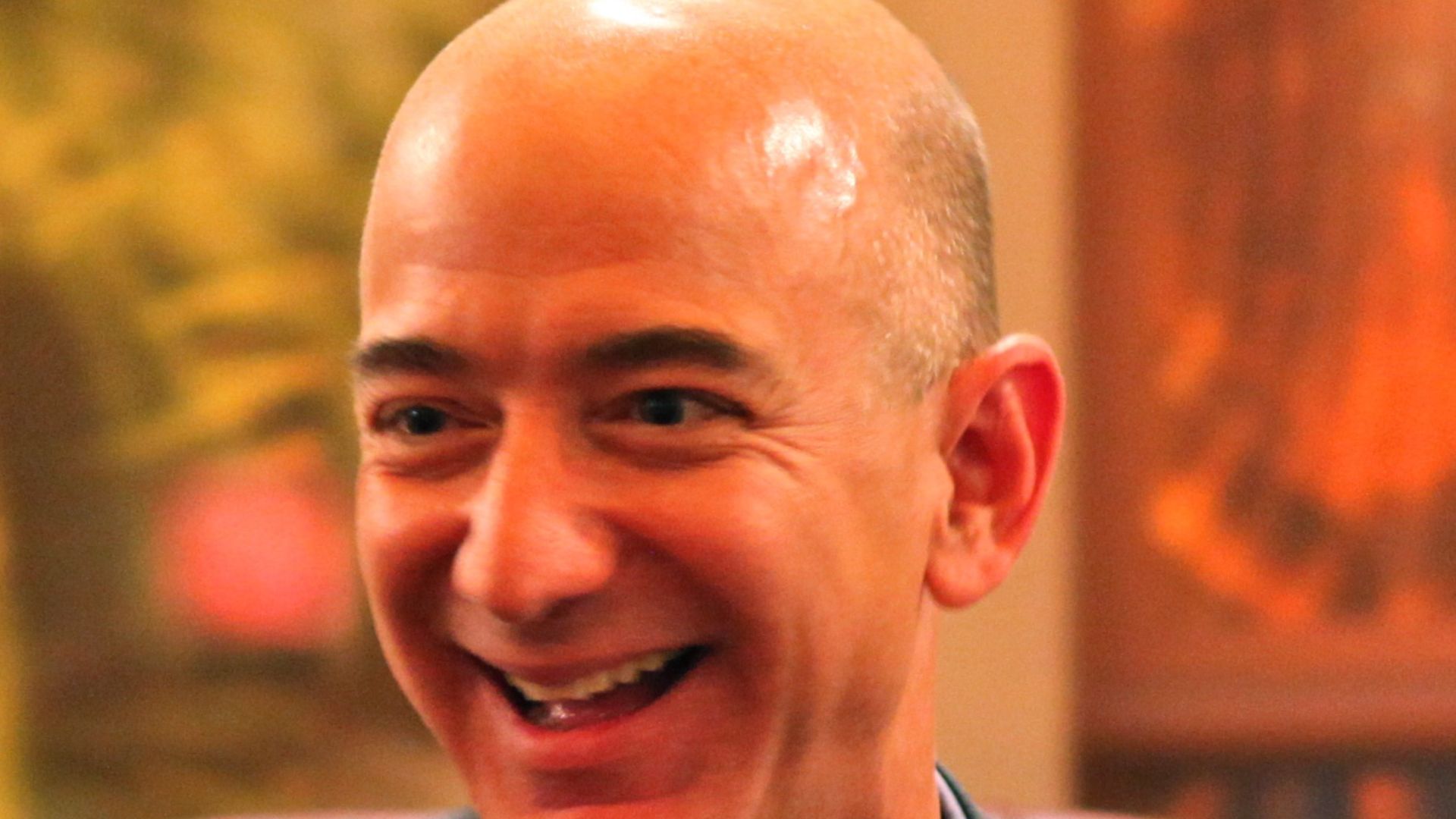
19. Bezos Quits Wall Street for Amazon
Jeff Bezos drove across the country in 1994 to start Amazon, quitting a lucrative hedge fund career on a hunch about internet retail. That entrepreneurial leap created the world's largest retailer and cloud computing giant.
 Jeff_Bezos'_iconic_laugh.jpg: Steve Jurvetson
derivative work: King of Hearts on Wikimedia
Jeff_Bezos'_iconic_laugh.jpg: Steve Jurvetson
derivative work: King of Hearts on Wikimedia
20. Zelenskyy Stays in Kyiv
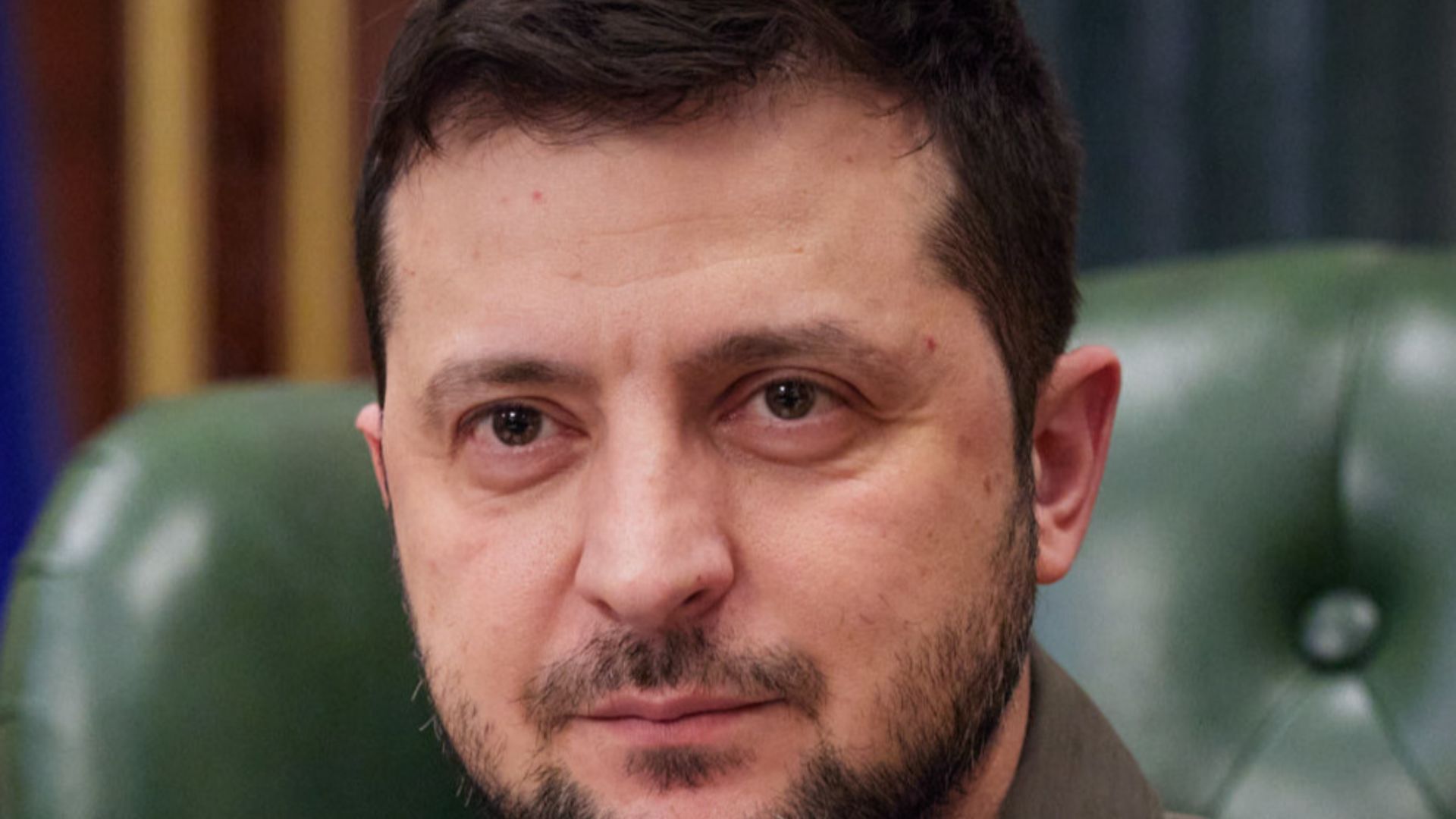
Ukraine's Volodymyr Zelenskyy rejected U.S. evacuation offers in February 2022, declaring, "I need ammo, not a ride." His defiance rallied global support, stiffened Ukrainian resistance, and isolated Putin diplomatically.
KEEP ON READING
Was Caligula The Most Ruthless Roman Emperor?
Artur Matosyan on UnsplashRoman Emperor Caligula is one of ancient…
By Rob Shapiro Dec 18, 2025
1 Weird Fact About Every President
Washington, Lincoln, FDR. Most people know something about the lives…
By Robbie Woods Dec 3, 2024
10 Actors Who Perfectly Played a Historical Figure & 10…
Which Performance is Your Favorite?. Playing the role of a…
By Rob Shapiro Sep 15, 2025
10 Actors Who Perfectly Played a Historical Figure & 10…
Portraying a real person from history is one of the…
By Noone Dec 17, 2025
10 Actors Who Weren't Up To Playing A U.S. President…
Who Wouldn't Vote Woody Harrelson for President?. Actors who sign…
By Rob Shapiro Oct 22, 2025
10 Amazing Facts About Claude Monet & 10 Of His…
The Man Behind The Masterpieces. Claude Monet's name sits comfortably…
By David Davidovic Jan 30, 2026