

Newbie To History? Here Are 20 Authors You Should Check Out
A Friendly Starting List
History is an incredibly broad and complicated subject, and trying to avoid the mass of misinformation only makes learning harder. Luckily, there are a plethora of incredibly well-read history writers who not only make learning easy but also interesting. The authors below cover many places and periods, and they’re mostly written for general readers, so you can jump in without feeling lost.
1. Mary Beard
Mary Beard writes about ancient Rome with clarity and a steady respect for primary sources. SPQR is a strong entry point because it explains how Roman society and politics functioned, not just who held power. If you want ancient history that’s serious but readable, this is a great place to start.
 Birmingham Museums Trust on Unsplash
2. Tom Holland
Tom Holland builds narrative history that’s friendly to beginners while still giving real context. Books such as Rubicon and Dynasty not only track Roman politics, but also pause to explain why the choices mattered. It’s a masterclass in understanding cause and effect.
 Giovanni Paolo Panini on Wikimedia
3. Bettany Hughes
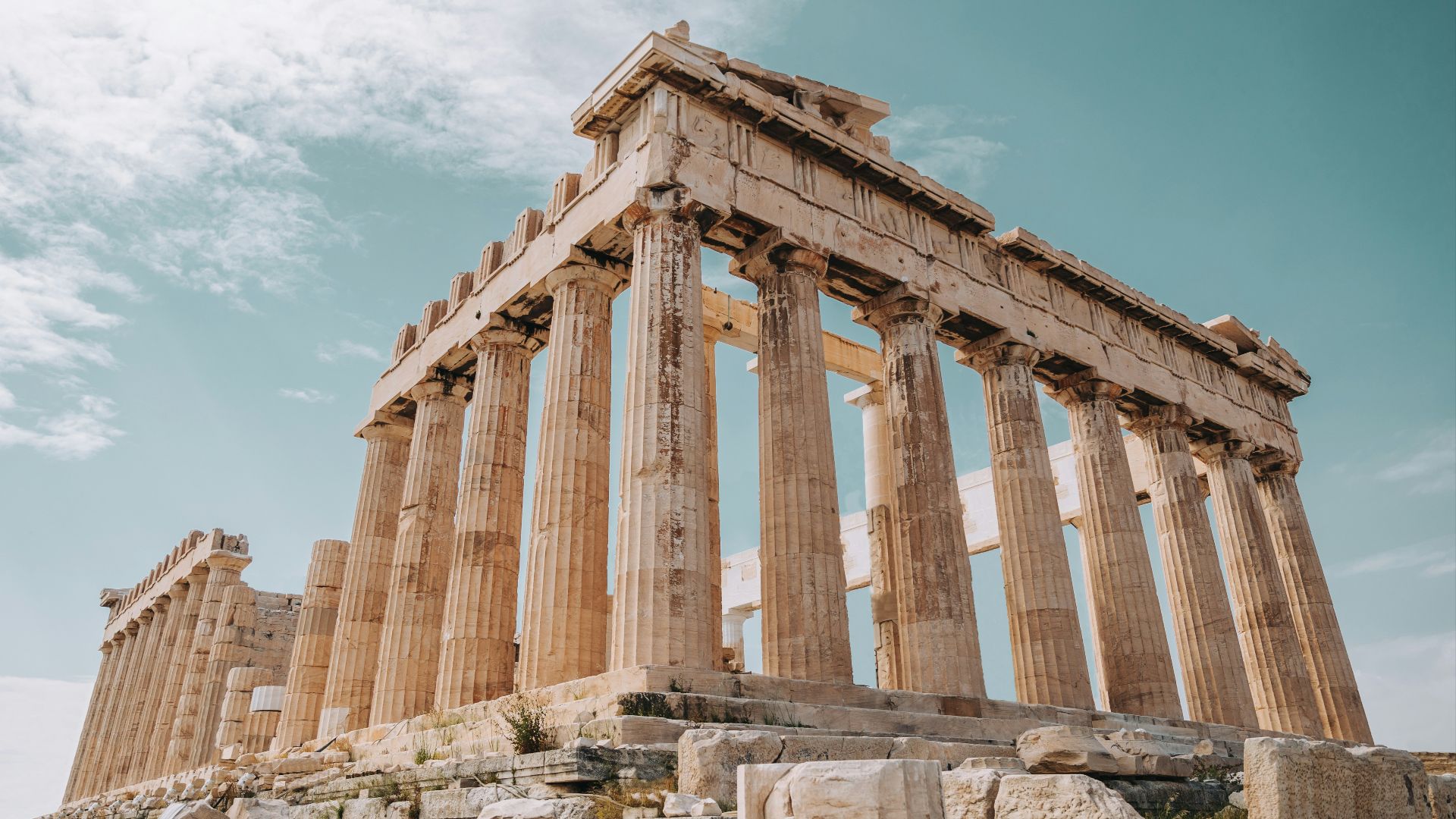
Bettany Hughes focuses on the ancient world and aims her work at broad audiences. Her books often connect classical texts with the physical evidence historians rely on, including sites and artifacts. When you want an all-encompassing, clear introduction to Greece and Rome, she’s a safe bet.
4. Peter Frankopan
Peter Frankopan looks at world history through connections across Asia, the Middle East, and Europe. His books on the Silk Road are popular because it allows us to fully understand how and why this area of the world is often considered the beginning of multicultural mingling, treating those regions as central drivers of change.

5. William Dalrymple
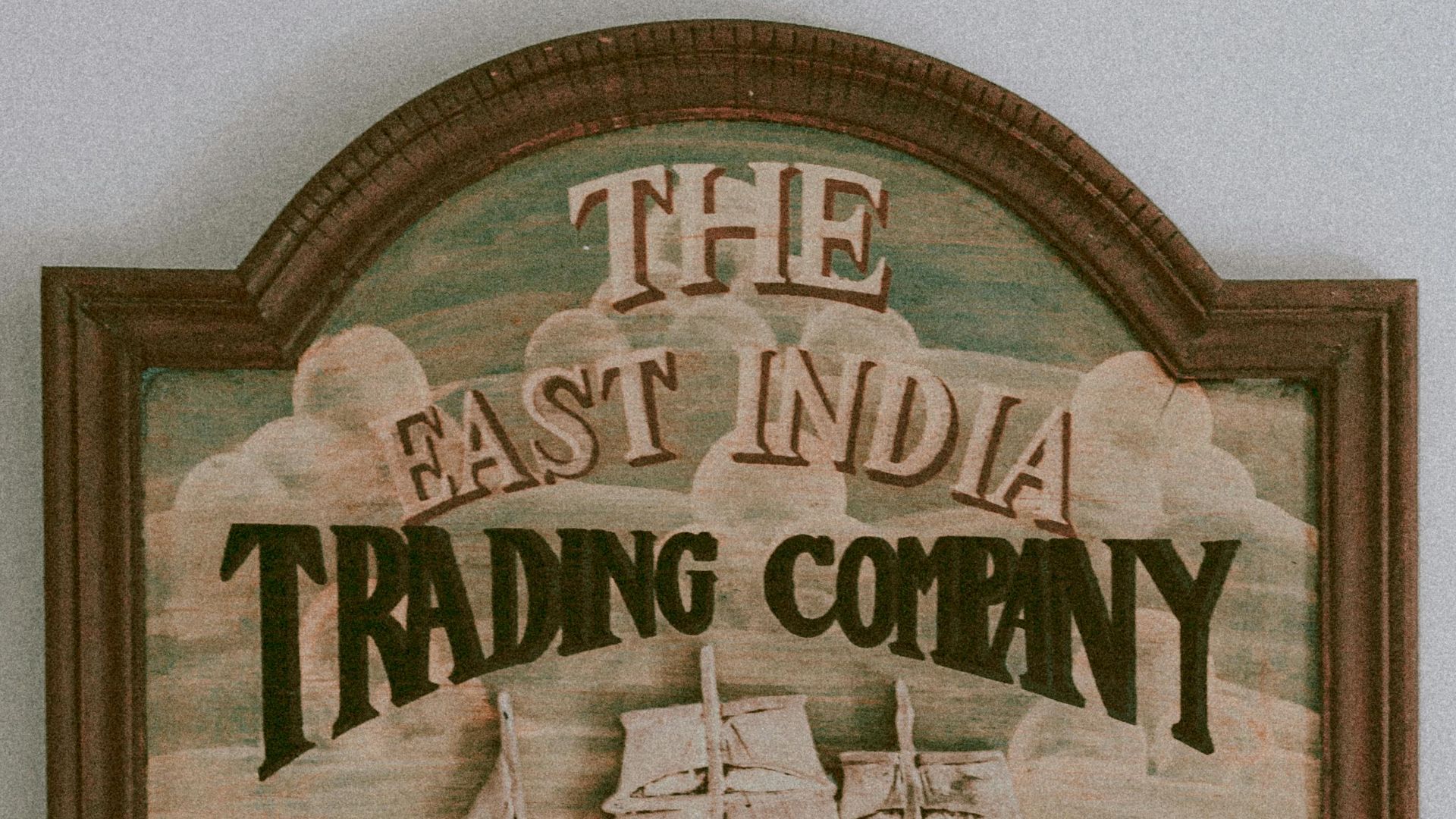
William Dalrymple writes about South Asian history with an eye for detail and strong storytelling. In The Anarchy, he explains how the East India Company gained political power over 50 years in eighteenth-century India. It’s a good pick if you want a complicated topic explained without getting tangled.
6. Margaret MacMillan
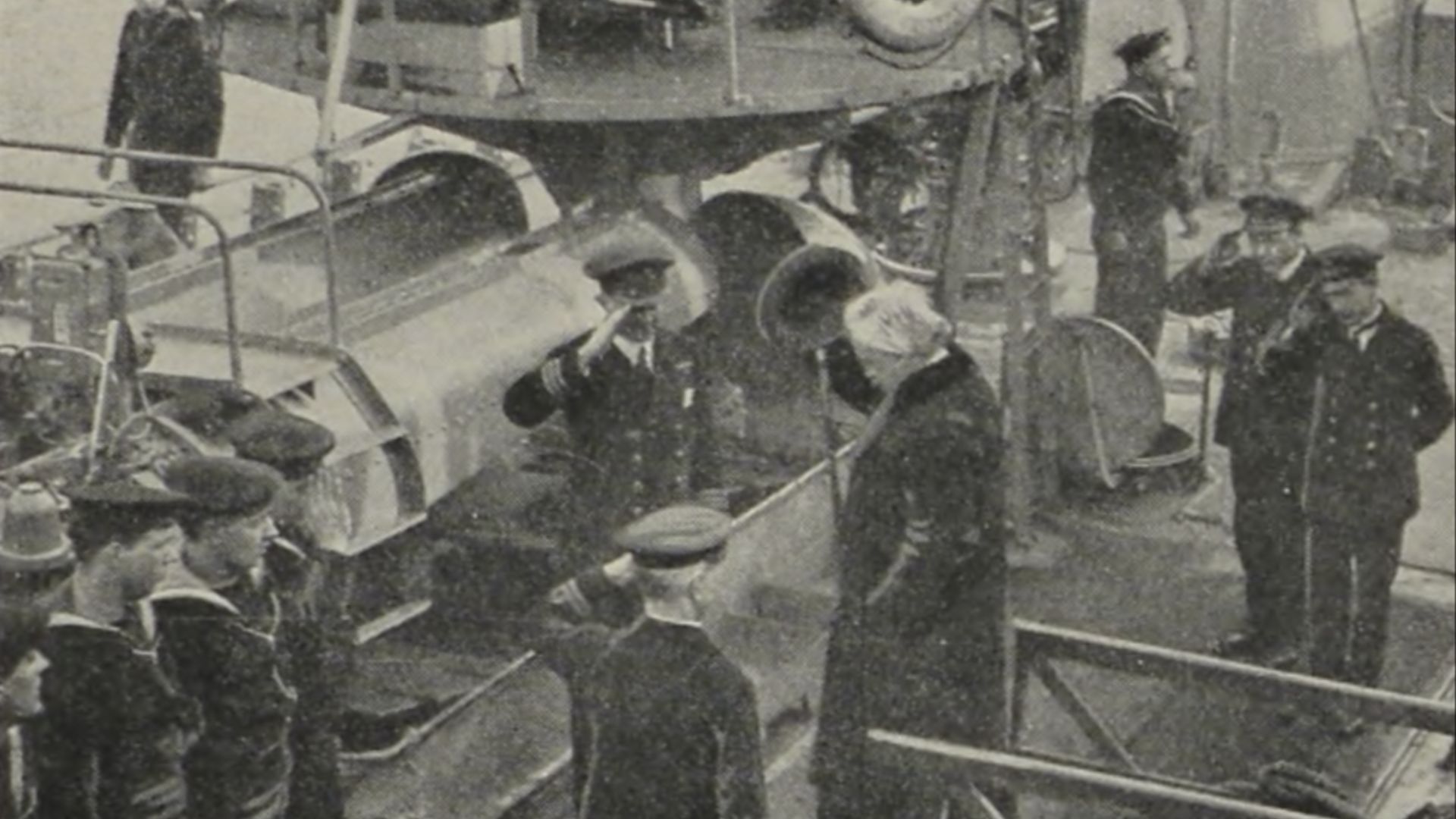
Margaret MacMillan is best known for covering diplomatic history and the long consequences of major decisions. Paris 1919 explores the high-tension 6-month period, covering negotiations after World War I. Readers who like politics and international relations usually enjoy her work.
 Unknown authorUnknown author on Wikimedia
7. John Keegan
John Keegan helped make military history understandable by focusing on what war looked like up close. In works like The Face of Battle, he emphasizes experience, strategy, and the limits of command. His writing is useful when you want to understand the intricacies of active war more than dates and battle names.

8. Antony Beevor
Antony Beevor is widely read for detailed accounts of twentieth-century war. His books, including Stalingrad and Berlin, combine operations, politics, and civilian suffering in a single narrative. If you like history that’s vivid but still organized, he definitely delivers.
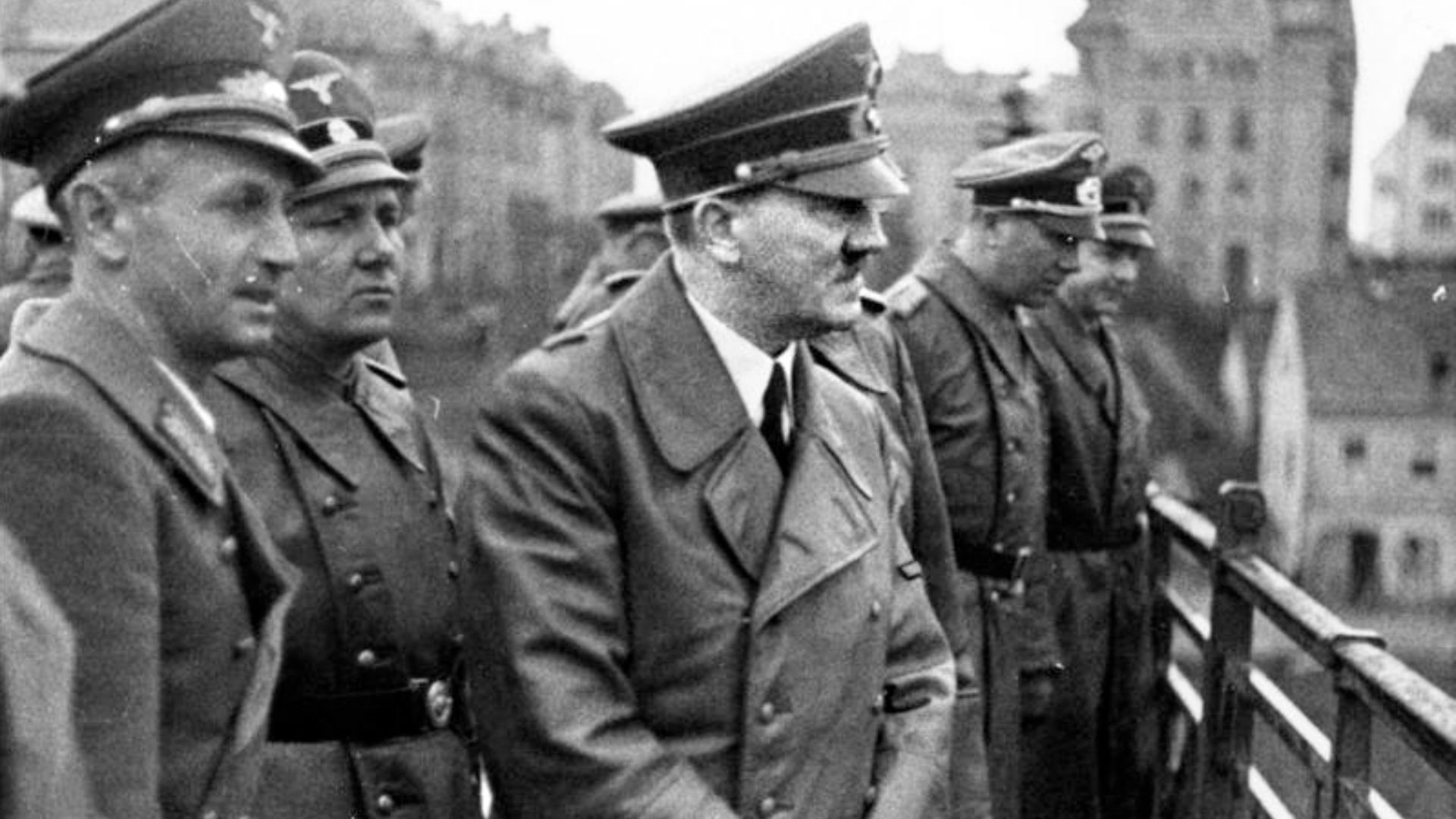
9. Ian Kershaw
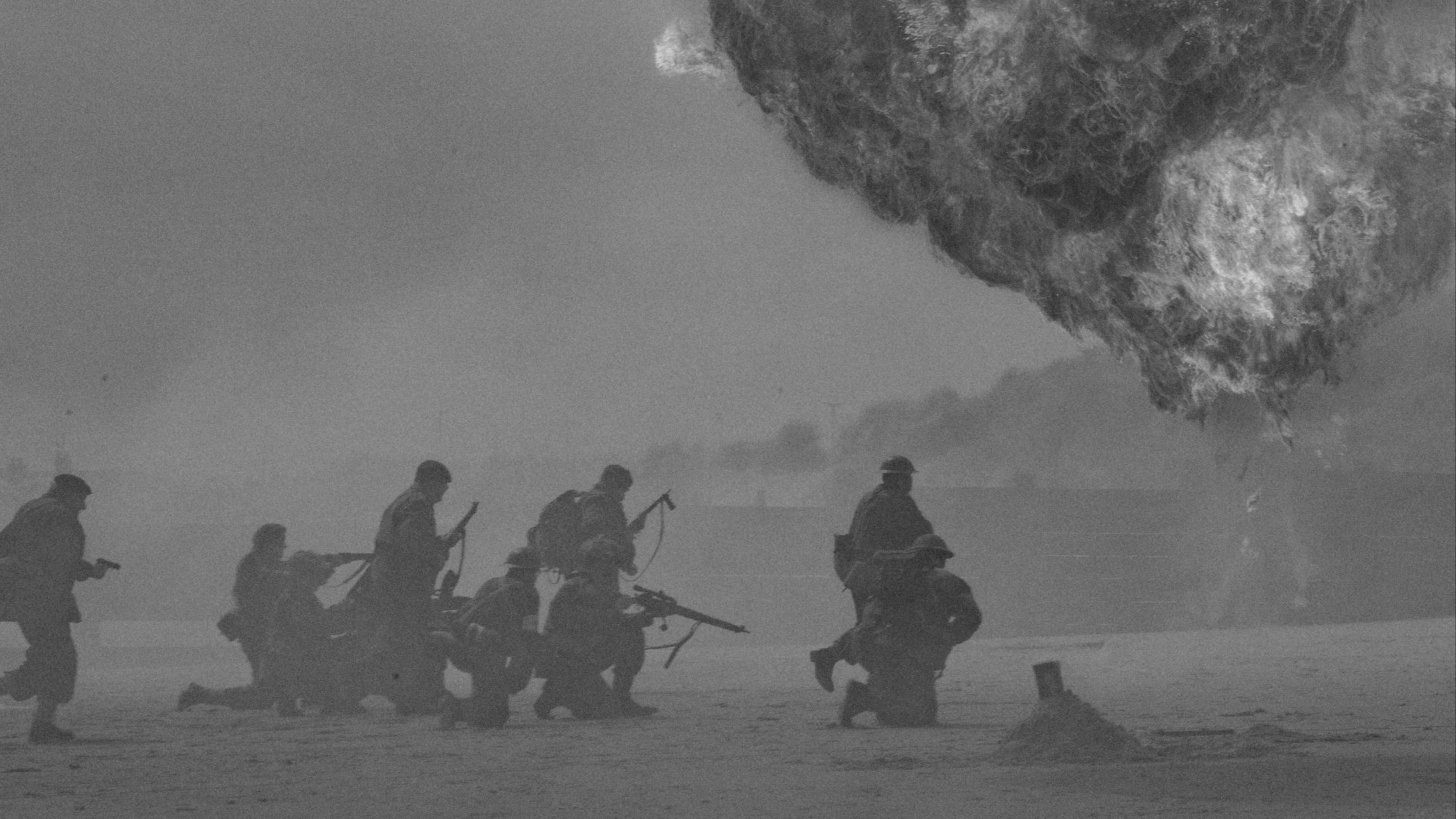
Ian Kershaw is a major historian of Nazi Germany and is especially known for his work on Adolf Hitler. He not only covers the life of Hitler, but also explains how a dictatorship operated inside a modern society. Choose him when you want a rigorous, readable guide to that period.
10. Anne Applebaum
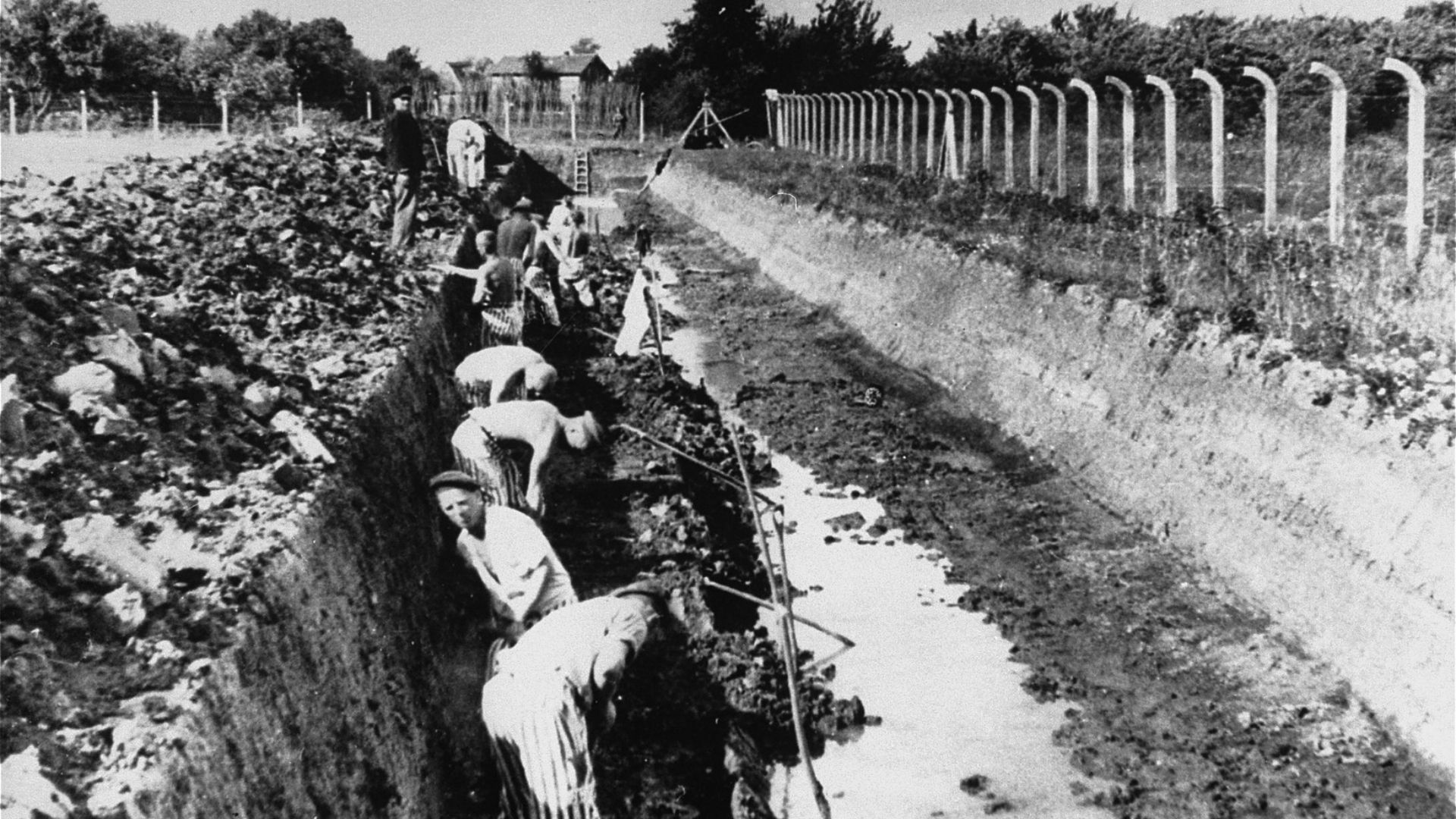
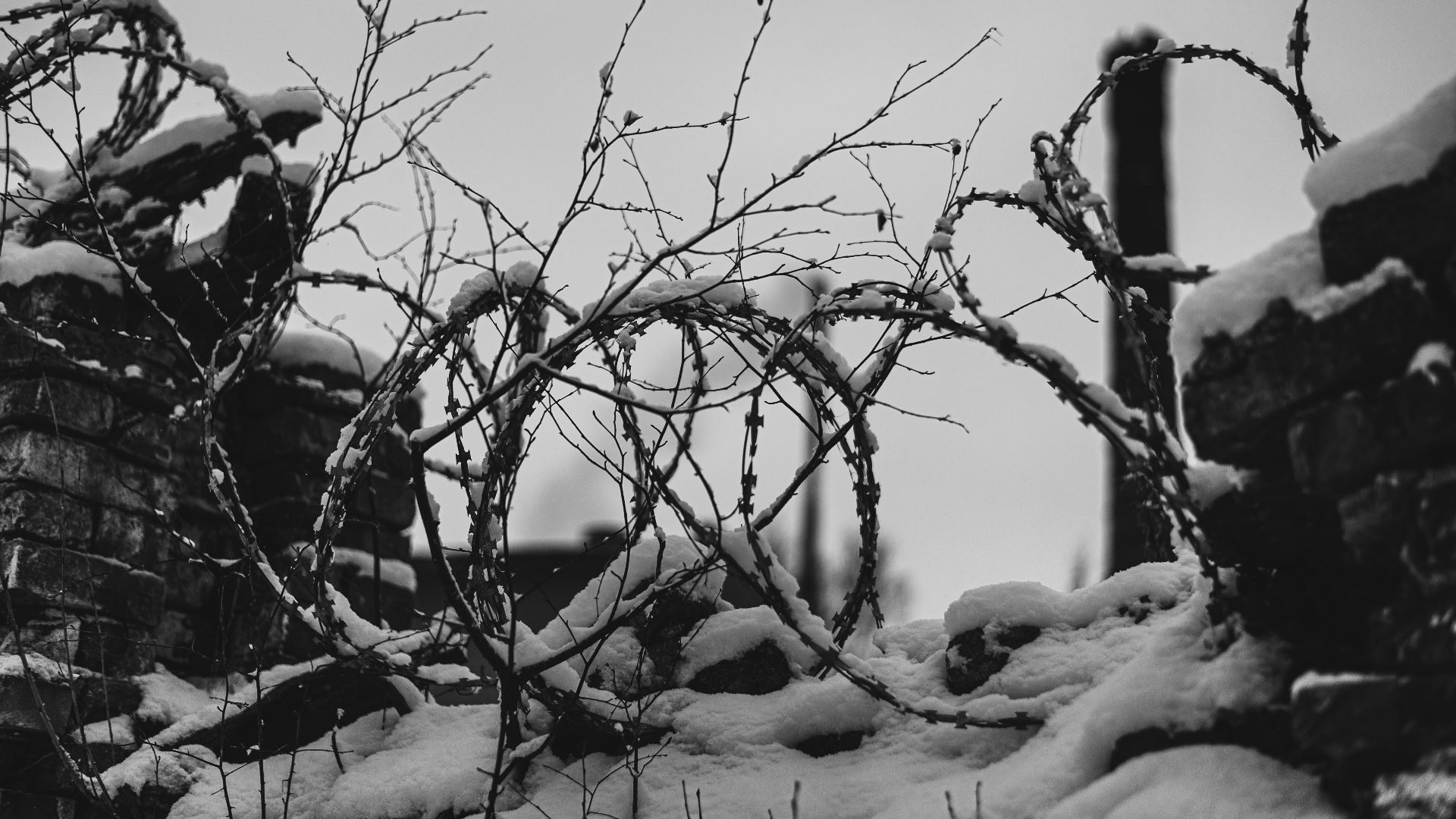
Anne Applebaum writes about the Soviet system and Eastern Europe clearly and concisely without being overly simplistic. Gulag: A History explains forced labor camps and why they mattered for politics and daily life. You’ll get a firm foundation for understanding the region.
 Unknown authorUnknown author on Wikimedia
11. Timothy Snyder
Timothy Snyder’s work focuses on Central and Eastern Europe, particularly mass violence in the mid-twentieth century. Bloodlands examines mass killings under Nazi and Soviet rule between 1933 and 1945.
 Library of Congress on Unsplash
12. John Lewis Gaddis
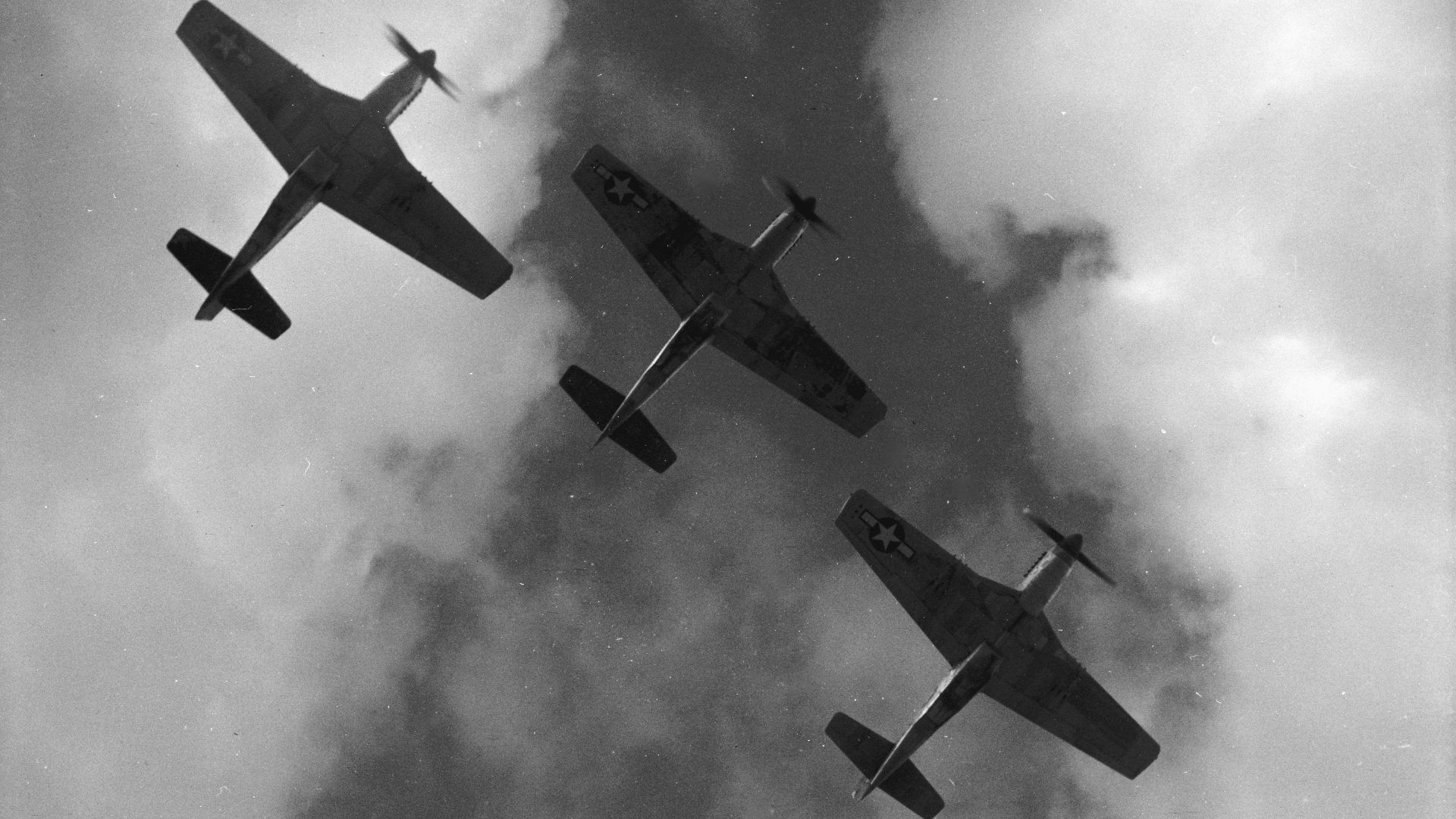
John Lewis Gaddis is a leading historian of the Cold War and grand strategy. His work explains containment, alliances, and nuclear risk in a structured way that beginners can follow. If you want a clear framework for the era, start with him.
13. Jill Lepore
Jill Lepore writes American history by linking politics, culture, and law to everyday life. His work covers books on the Cold War, primarily, but also nudges into the broader history of grand strategic theory throughout history.
 Vitali Adutskevich on Unsplash
14. Doris Kearns Goodwin
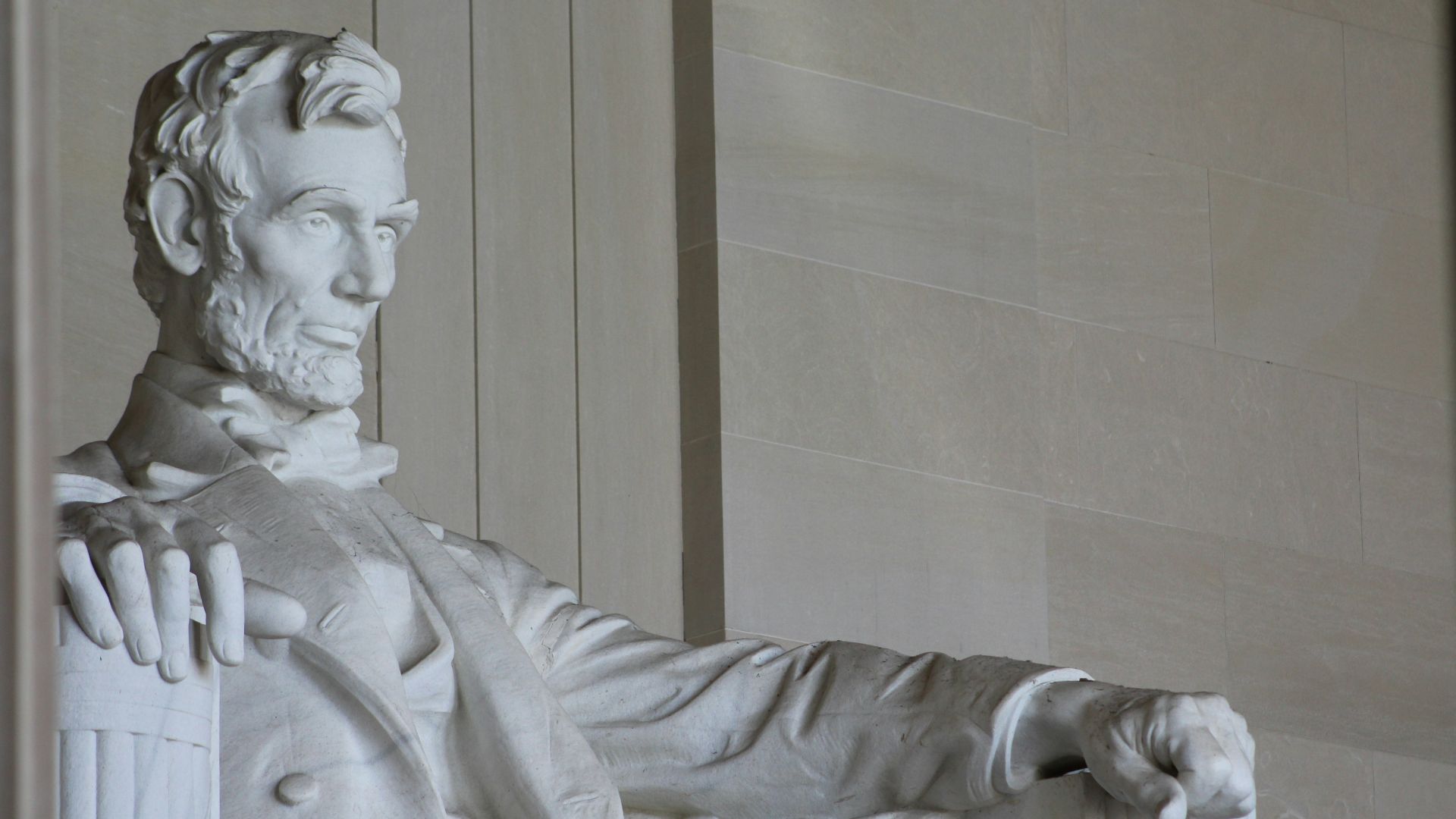
Doris Kearns Goodwin is known for her studies in presidential history that read smoothly and stay grounded in research. Team of Rivals shows how Abraham Lincoln managed a divided cabinet during the Civil War. If you learn best through leadership and decision-making, you’ll like her style.
15. David McCullough
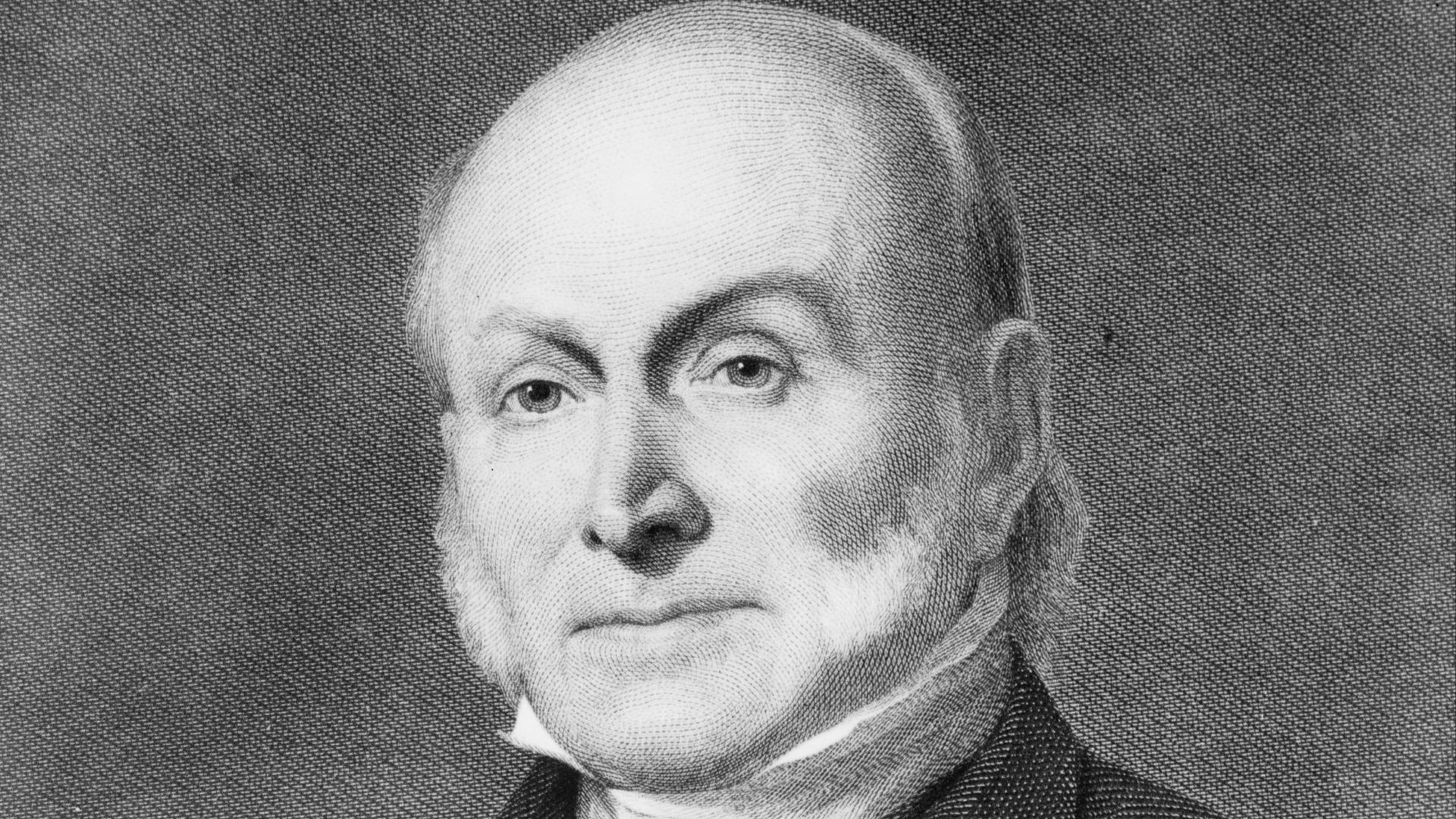
David McCullough’s biographies are popular because they use letters and firsthand accounts to build a clear narrative. Books like John Adams and Truman offer detailed accounts of two political powerhouses, but don’t require background knowledge. He’s a strong choice when you’re building confidence with history nonfiction.
 Library of Congress on Unsplash
16. Barbara W. Tuchman
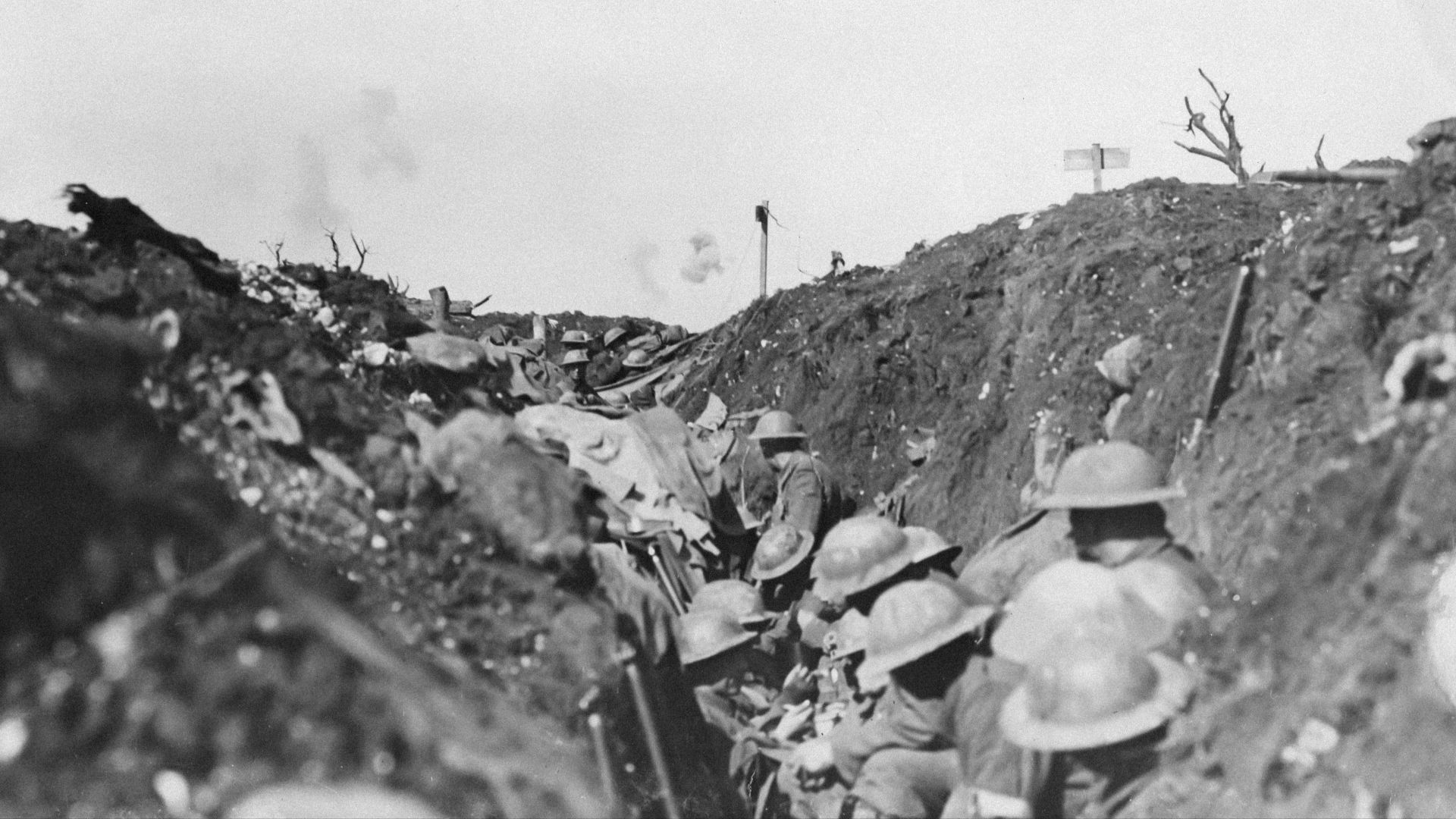
Barbara Tuchman wrote classic narrative history with a sharp focus on what happened and why it mattered. The Guns of August explains the opening of World War I and the decisions that shaped the first month of fighting.
 Provincial Archives of Alberta on Unsplash
17. Eric Foner
Eric Foner is essential for understanding the Civil War era and Reconstruction in the United States. He explains how citizenship, voting, and federal power changed after slavery ended, and how those fights continued. When you want a scholarship that’s still readable, he’s dependable.
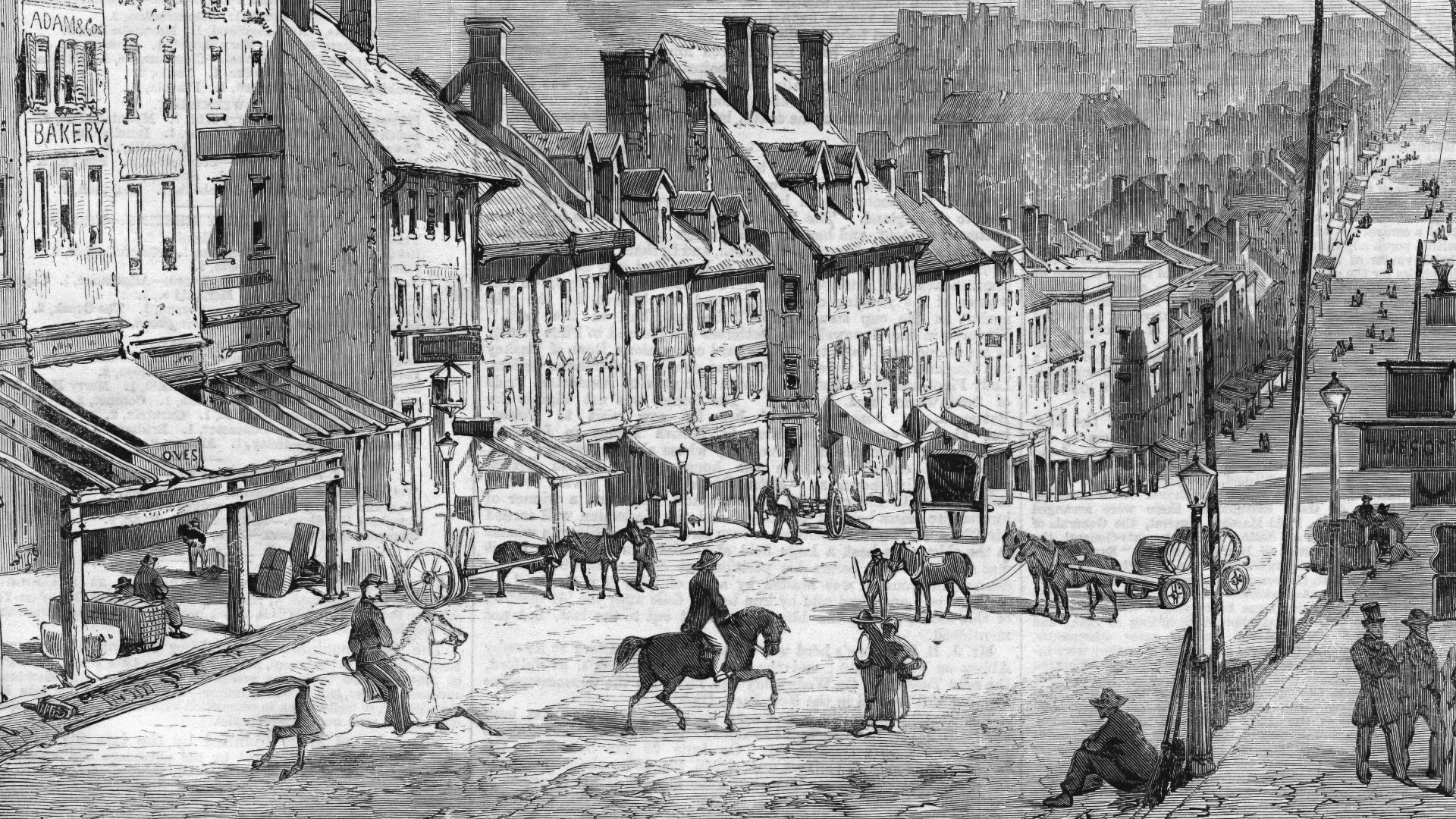 Virginia Commonwealth University Libraries on Unsplash
18. Marc Morris
Marc Morris writes medieval history with a clean structure, which helps when names and kingdoms pile up. The Anglo-Saxons trace early English history across centuries while highlighting key turning points. It’s a solid entry into the Middle Ages period.

19. Adrian Goldsworthy
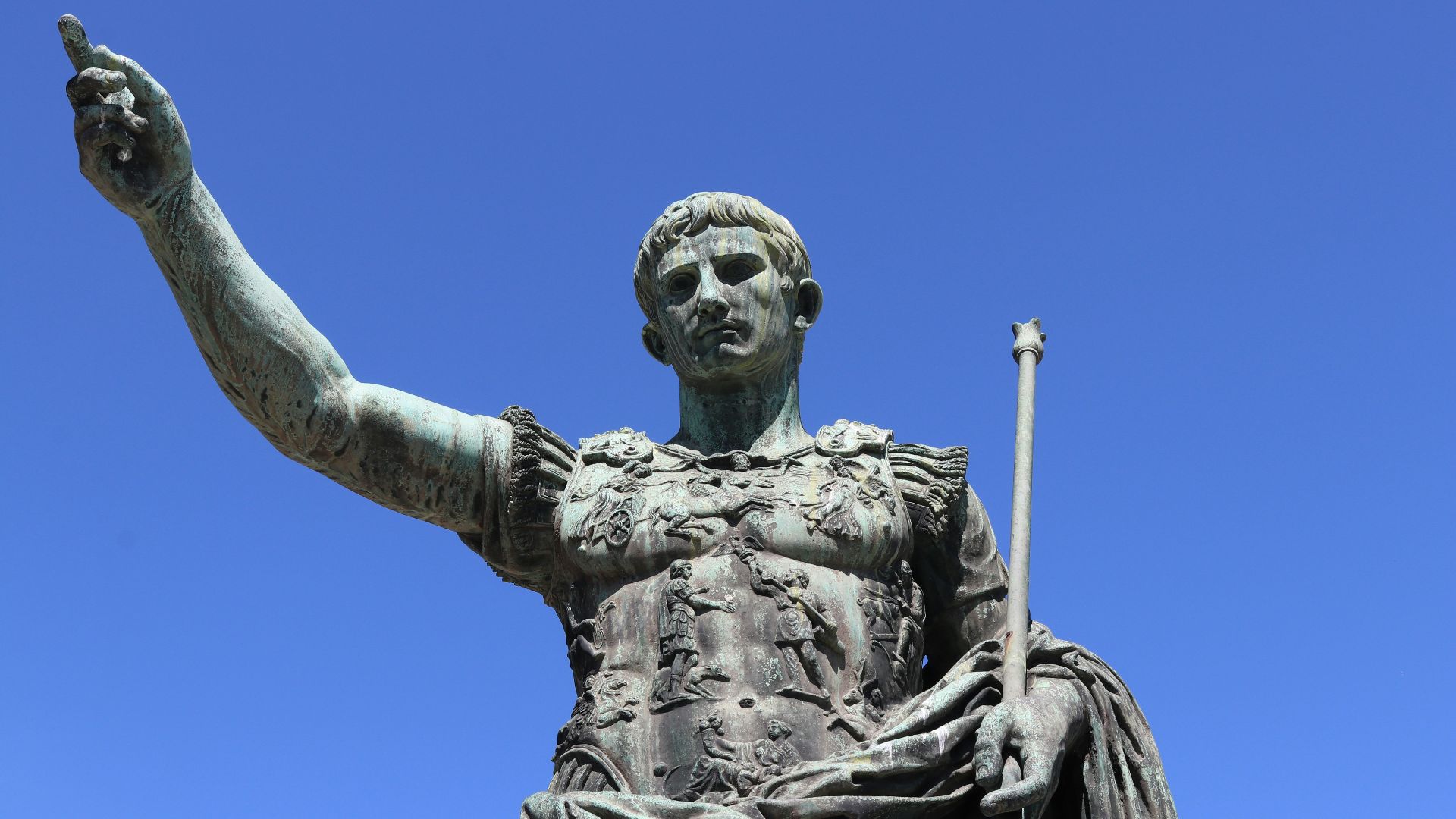
Adrian Goldsworthy specializes in ancient Rome and writes biographies that keep politics understandable. His work on Augustus and Julius Caesar pays attention to institutions, armies, and leadership choices. You’ll get an incredible amount of detail without losing the overall story.
20. Peter Heather
Peter Heather’s work focuses on late antiquity and the end of the Western Roman Empire. In The Fall of the Roman Empire, he argues that external pressures and migration played a major role, and he lays out the evidence carefully. Reading him is a good way to see historians compare competing explanations.
KEEP ON READING

The Origins Of 3 Common Sayings You Still Use Today
Etienne Boulanger on UnsplashMany of the phrases you use every…
By Rob Shapiro Apr 28, 2026
Was Caligula The Most Ruthless Roman Emperor?
Artur Matosyan on UnsplashRoman Emperor Caligula is one of ancient…
By Rob Shapiro Dec 18, 2025
1 Weird Fact About Every President
Washington, Lincoln, FDR. Most people know something about the lives…
By Robbie Woods Dec 3, 2024
10 Accidental Discoveries That Changed Maps & 10 That Changed…
Mistakes That Mattered. A lot of major discoveries did not…
By Cameron Dick Apr 15, 2026
10 Actors Who Perfectly Played a Historical Figure & 10…
Which Performance is Your Favorite?. Playing the role of a…
By Rob Shapiro Sep 15, 2025
10 Actors Who Perfectly Played a Historical Figure & 10…
Portraying a real person from history is one of the…
By Noone Dec 17, 2025