


The Crown Got The Portraits, Yet They Held The Levers
Monarchy sells the idea of a single will: one person crowned, one person obeyed, one person blamed when the harvest fails or the war goes sideways. In practice, kings lived inside machines made of councils, financiers, priests, favorites, generals, mothers, and ministers who controlled access, information, appointments, and money. Some were official administrators with titles that sounded boring until they started hiring judges and moving armies. Others were court insiders who mastered the art of being indispensable, the person who knew what the king hated, feared, or craved, and then quietly arranged the world to match it. The stories below aren’t about secret puppet strings; they’re about influence that shows up in records, correspondence, policy, and the simple fact that power often sits nearest the door.
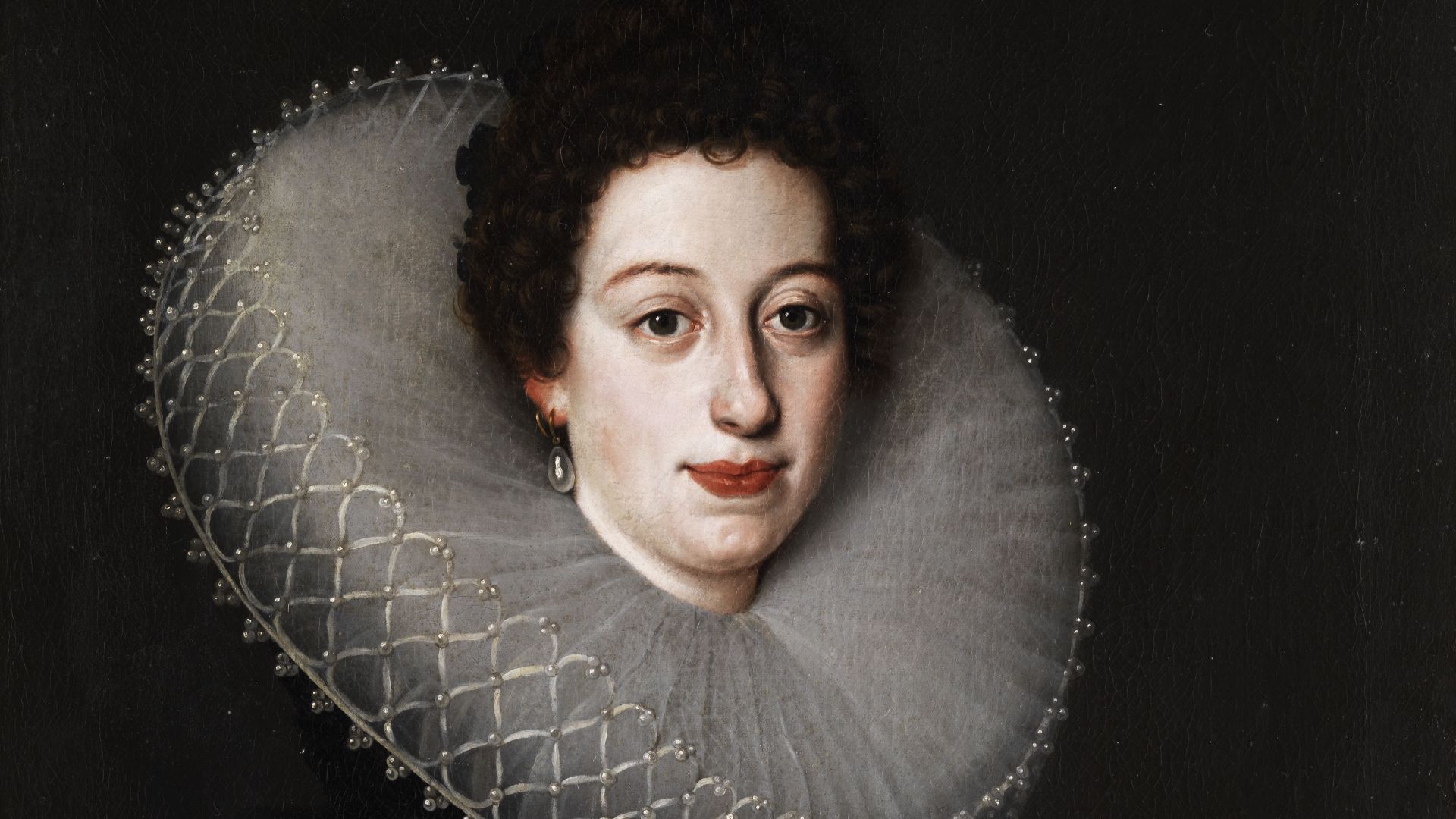 After Justus Sustermans on Wikimedia
1. Cardinal Richelieu
As Louis XIII’s chief minister, Richelieu didn’t just advise, he built a stronger French state by tightening royal authority and crushing rivals who could challenge it. His fingerprints are all over France’s entry into the Thirty Years’ War and the long project of weakening the Habsburgs, even when the king’s personal instincts were more cautious. Richelieu is a reminder that “serving the crown” can mean reshaping the entire board the crown sits on.
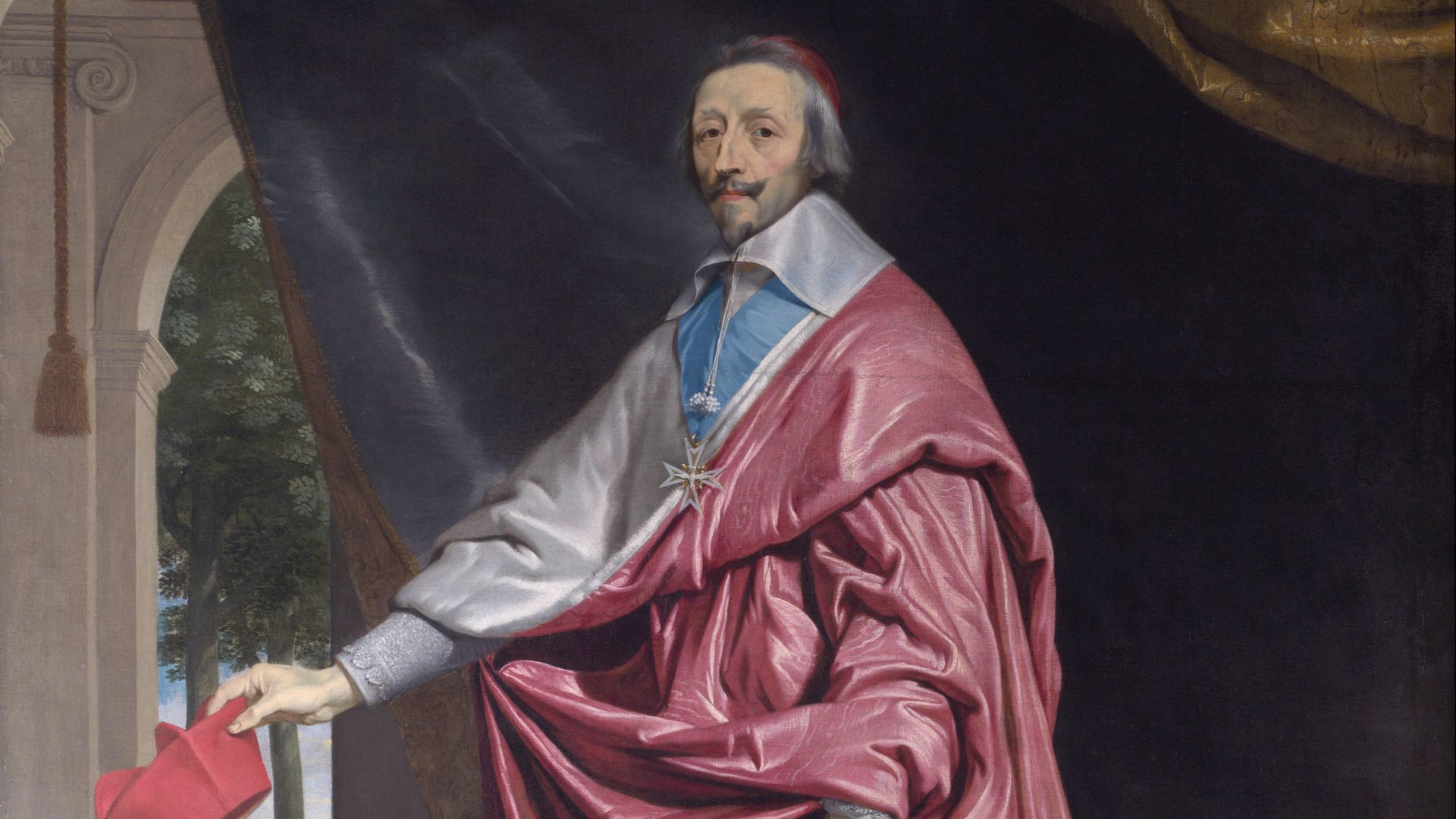 Philippe de Champaigne on Wikimedia
2. Cardinal Mazarin
Mazarin took the reins during Louis XIV’s childhood, navigating civil unrest during the Fronde and keeping the monarchy intact when it could have splintered. He also trained the young king in the habits of rule, the kind that later made Louis XIV look like a solo act. When the Sun King finally stepped forward, the stage had been reinforced by Mazarin’s work.
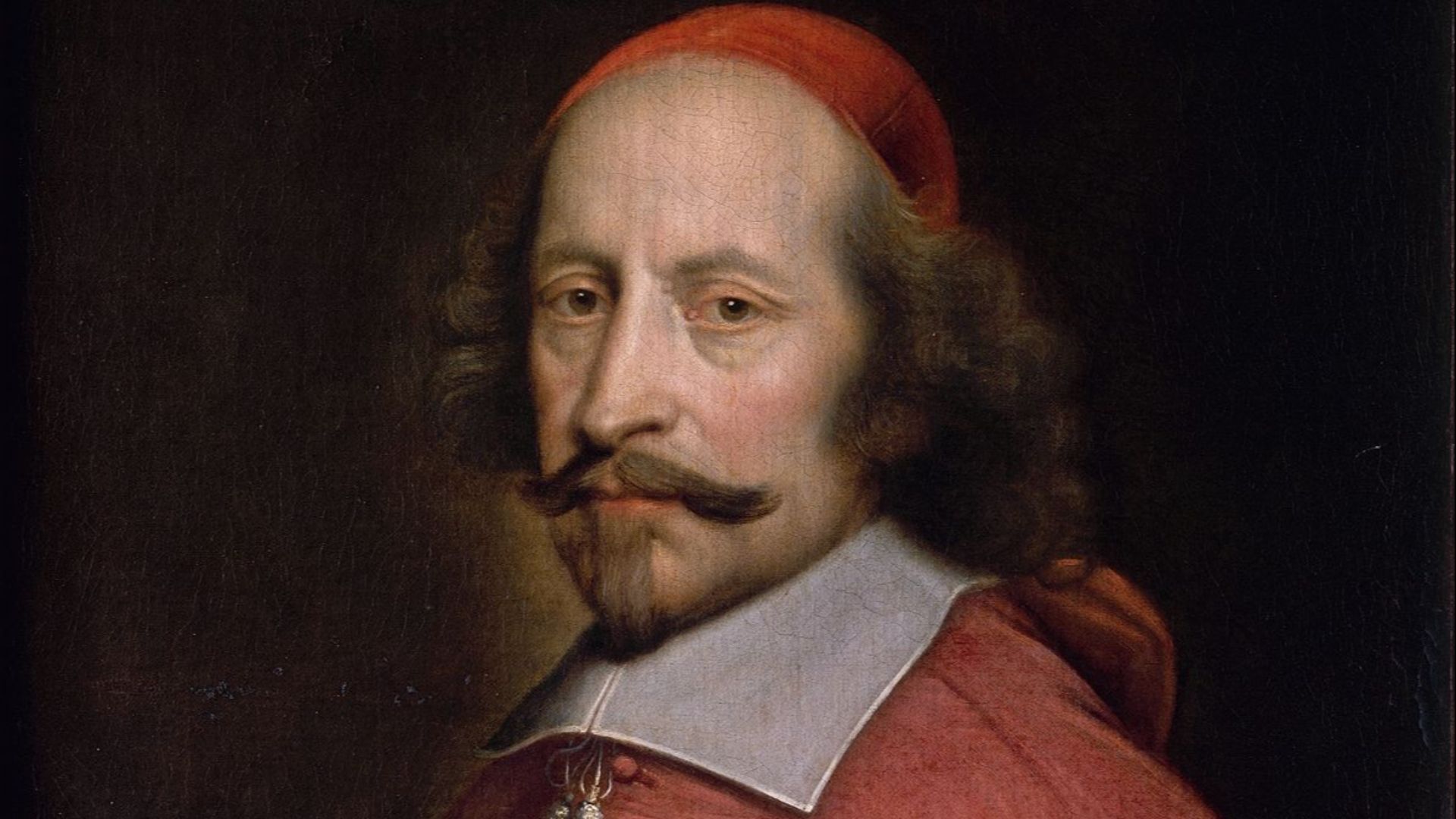
3. Thomas Cromwell
Henry VIII’s court was full of ambitious men, yet Cromwell stands out because he engineered government as much as he served it. He helped push the English Reformation forward through law, administration, and the brutal practicalities of dissolving monasteries. The king’s desire mattered, and Cromwell’s machinery made it durable.
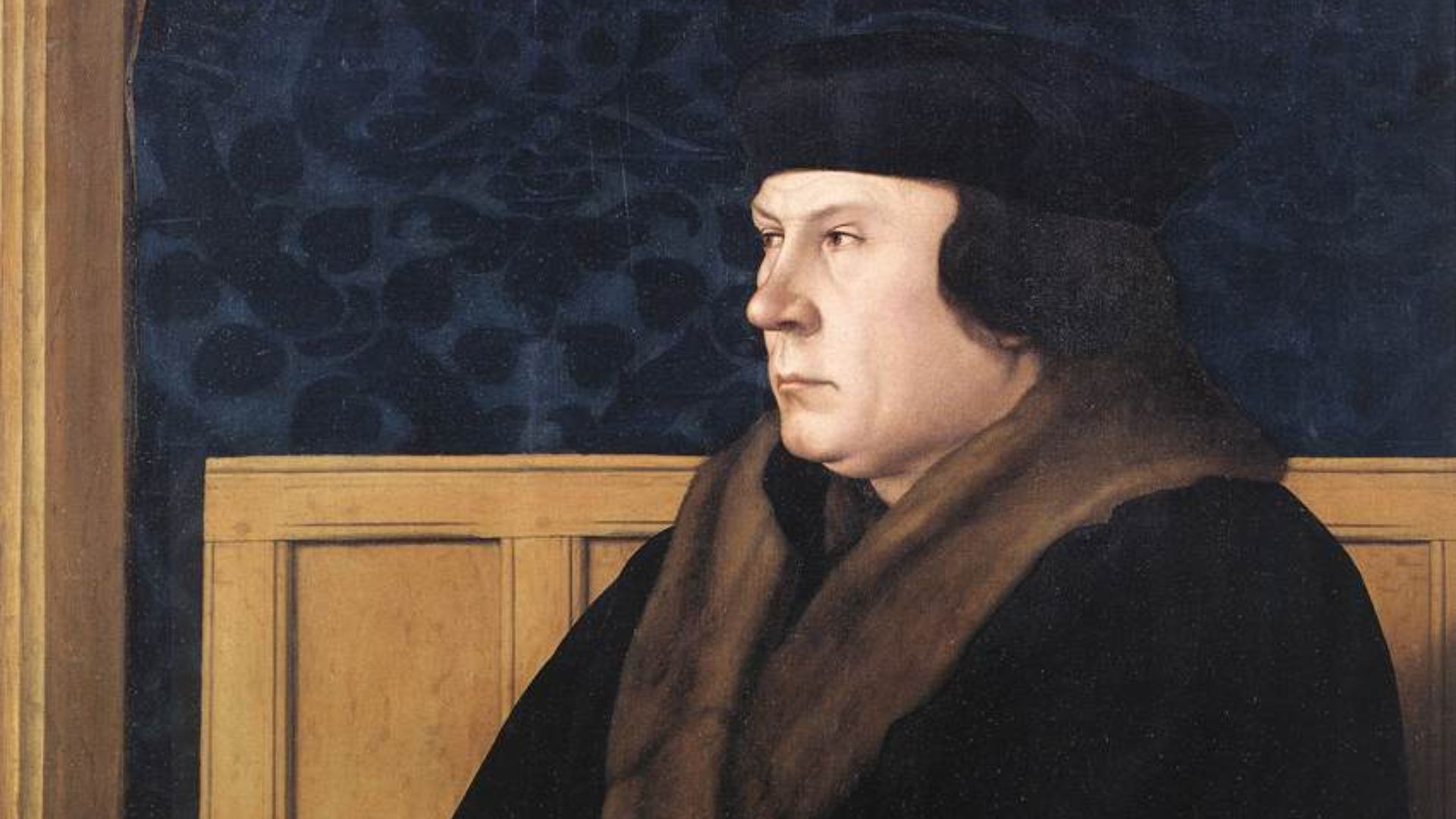 Hans Holbein the Younger on Wikimedia
4. William Cecil, Lord Burghley
Elizabeth I had charisma and nerve, yet Cecil provided continuity, paperwork, and the steady grind of governance. He shaped policy on religion, security, and diplomacy, and he managed a realm that was always one plot away from catastrophe. He’s the archetype of the minister who turns a ruler’s instincts into an operating system.
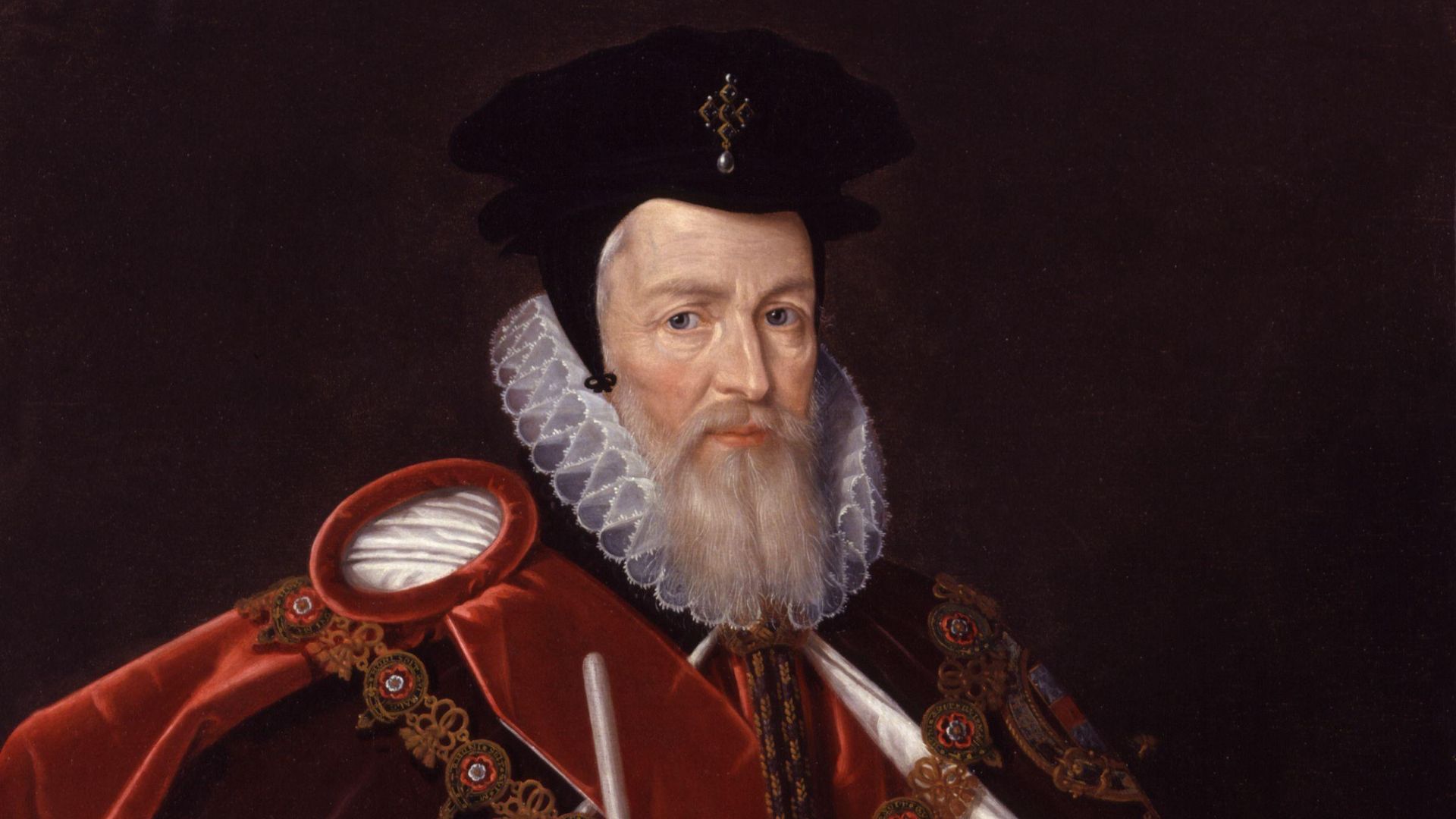 Attributed to Marcus Gheeraerts the Younger on Wikimedia
5. Robert Dudley, Earl Of Leicester
Dudley’s influence came from intimacy and access, the daily nearness that lets a person tilt decisions before they become public. He wasn’t simply a romantic legend; he held real offices and carried weight in court factions. His presence shows how “favorite” can be a political job, whether anyone admits it out loud.
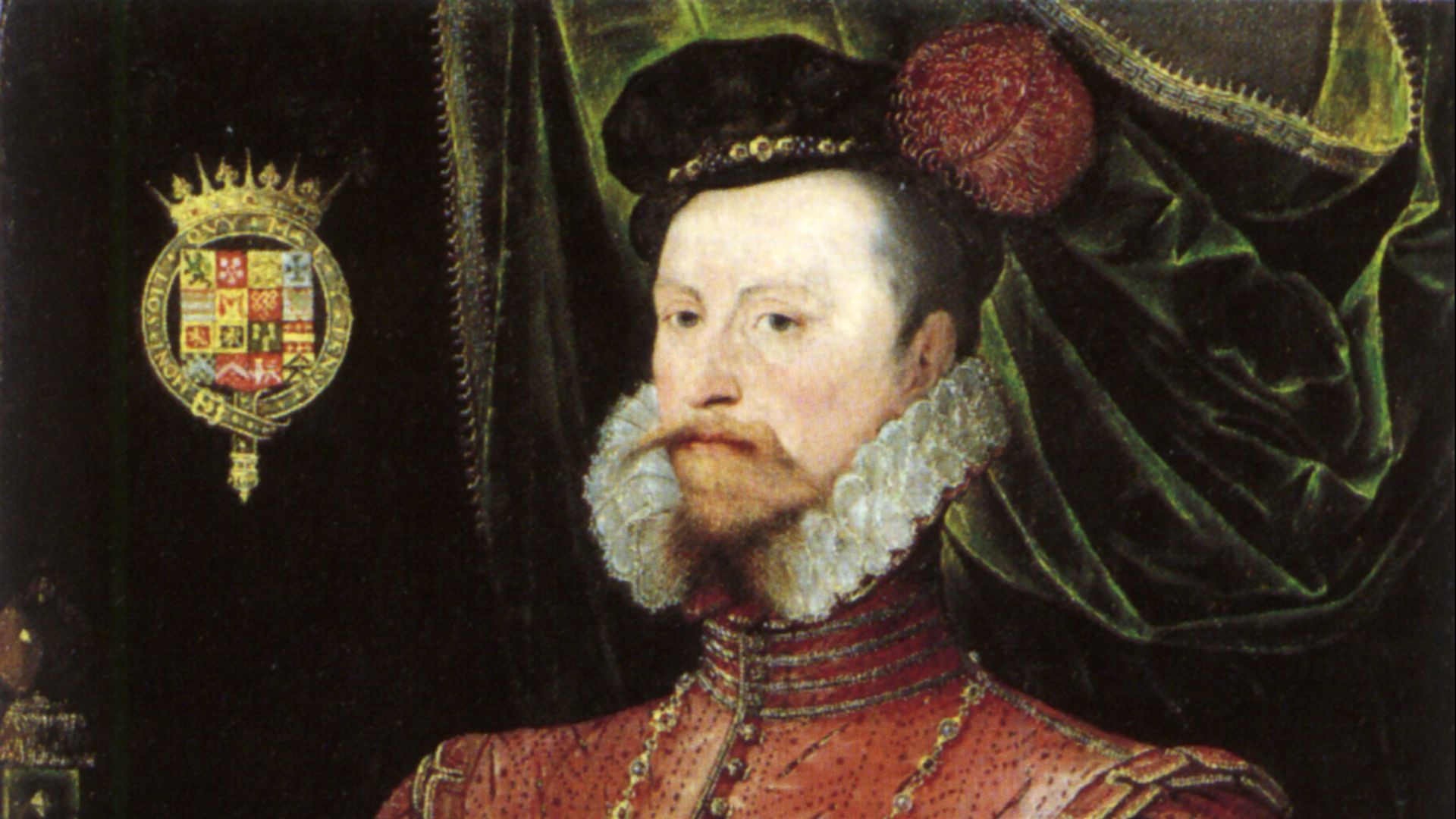 UnknownUnknown , Anglo-Netherlandish School, Unknown Artist on Wikimedia
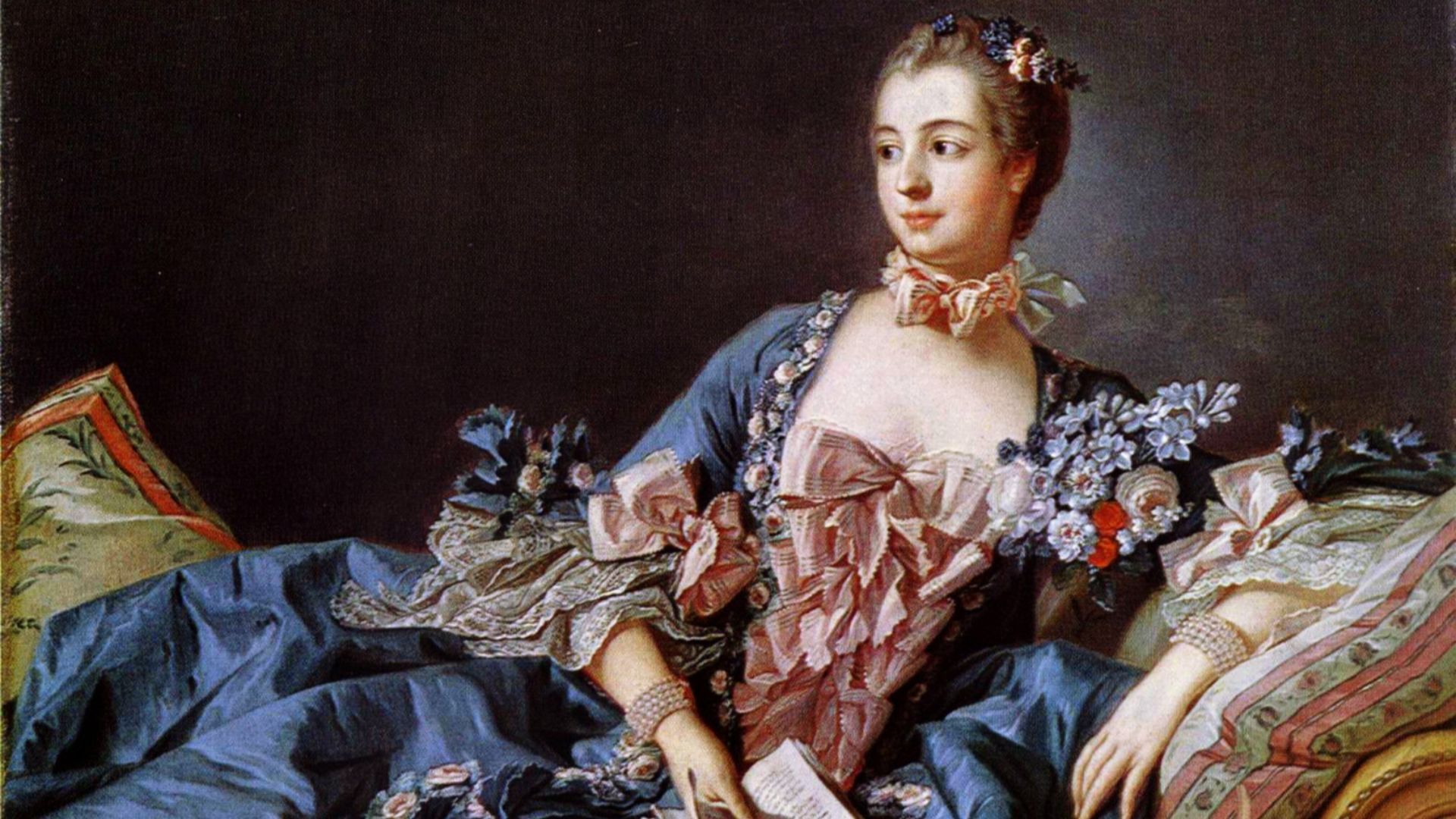
6. Madame De Pompadour
Pompadour wasn’t a king’s mistress in the tabloid sense; she was a cultural and political actor who sponsored artists, protected allies, and helped shape appointments in Louis XV’s court. Influence at Versailles often meant controlling who got heard and who got iced out. Her power lived in salons, patronage, and the quiet traffic of favors.
7. Madame Du Barry
Du Barry arrived at the end of Louis XV’s reign, when court politics were already a knife fight, and her position made her a lightning rod. Even limited political sway becomes significant when it shifts who sits closest to the monarch and which faction feels emboldened. Her story shows how the personal life of a king can become the front door to state decisions.
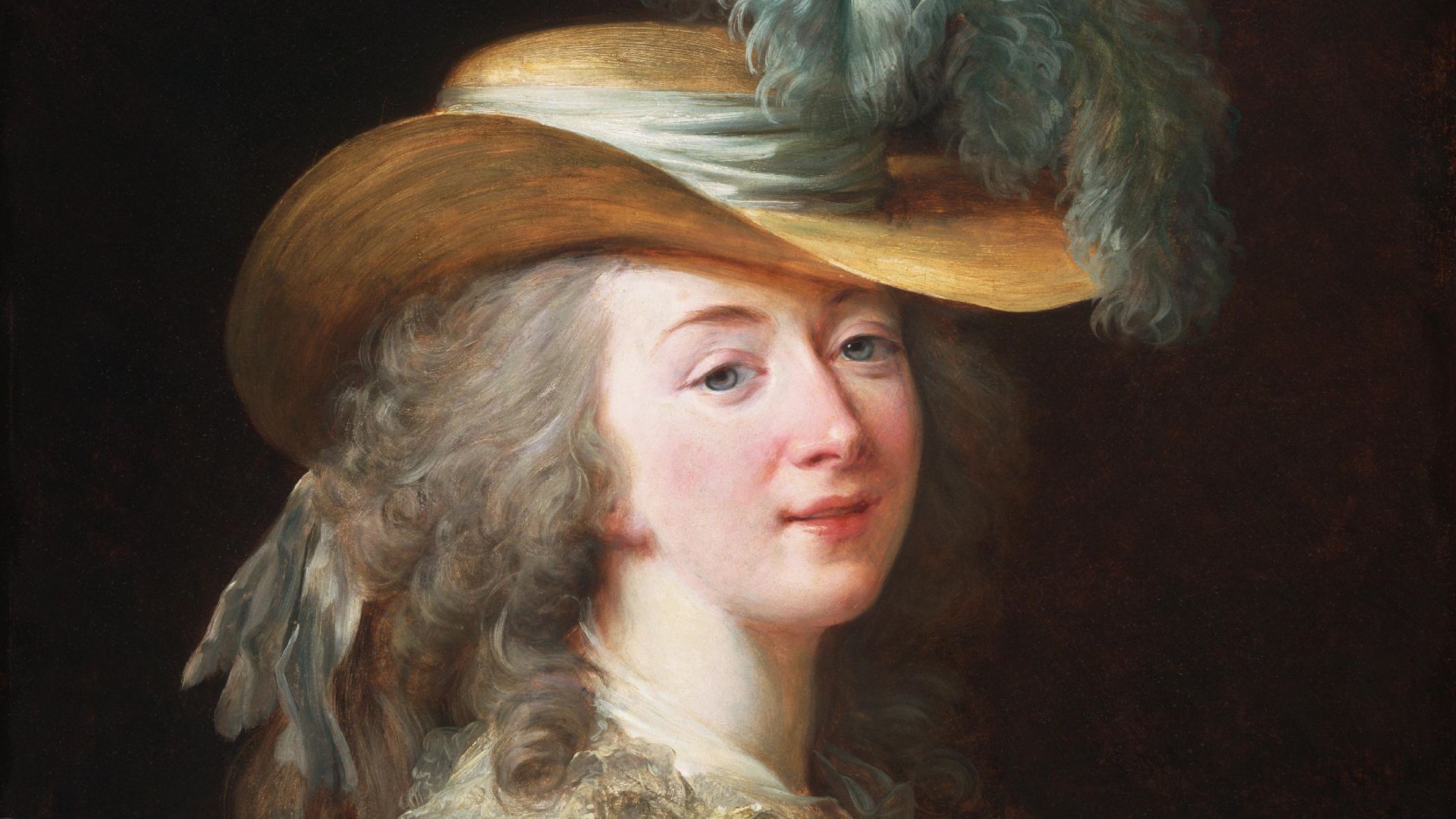 Élisabeth Louise Vigée Le Brun on Wikimedia
8. Catherine De’ Medici
As queen mother and regent, Catherine didn’t hover around the throne; she occupied it when circumstances demanded. She maneuvered through the Wars of Religion with a mix of pragmatism and ruthlessness, trying to keep the Valois monarchy from being torn apart. Her influence was formal and maternal at once, which made it harder for rivals to challenge directly.
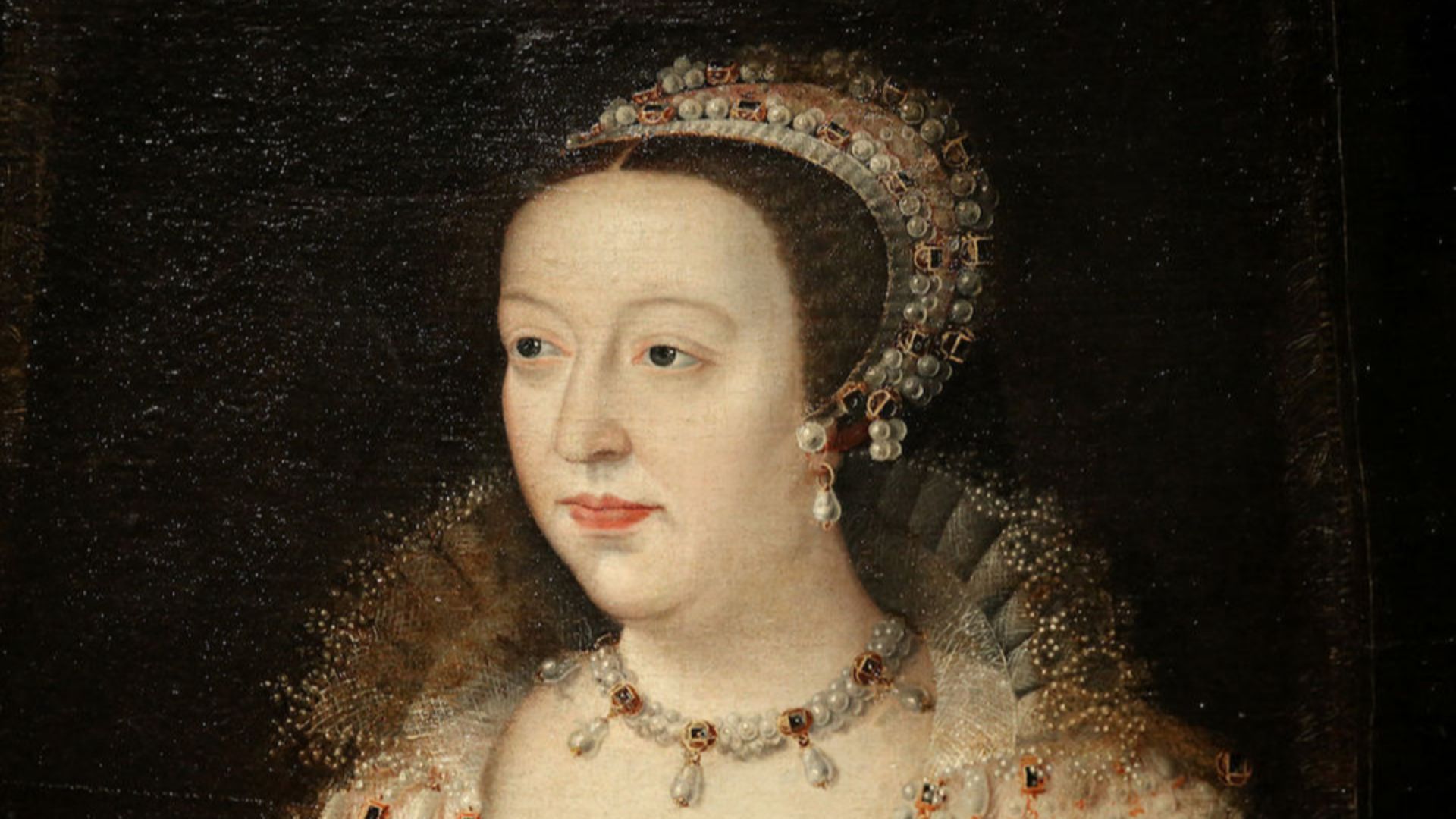 Attributed to Germain Le Mannier on Wikimedia
9. Empress Dowager Cixi
In Qing China, Cixi moved from consort to regent and became one of the most powerful figures of her era, shaping policy and court politics across decades. Her power wasn’t a rumor; it was institutional, reinforced by control of the palace and the ability to decide who had access to the emperor.
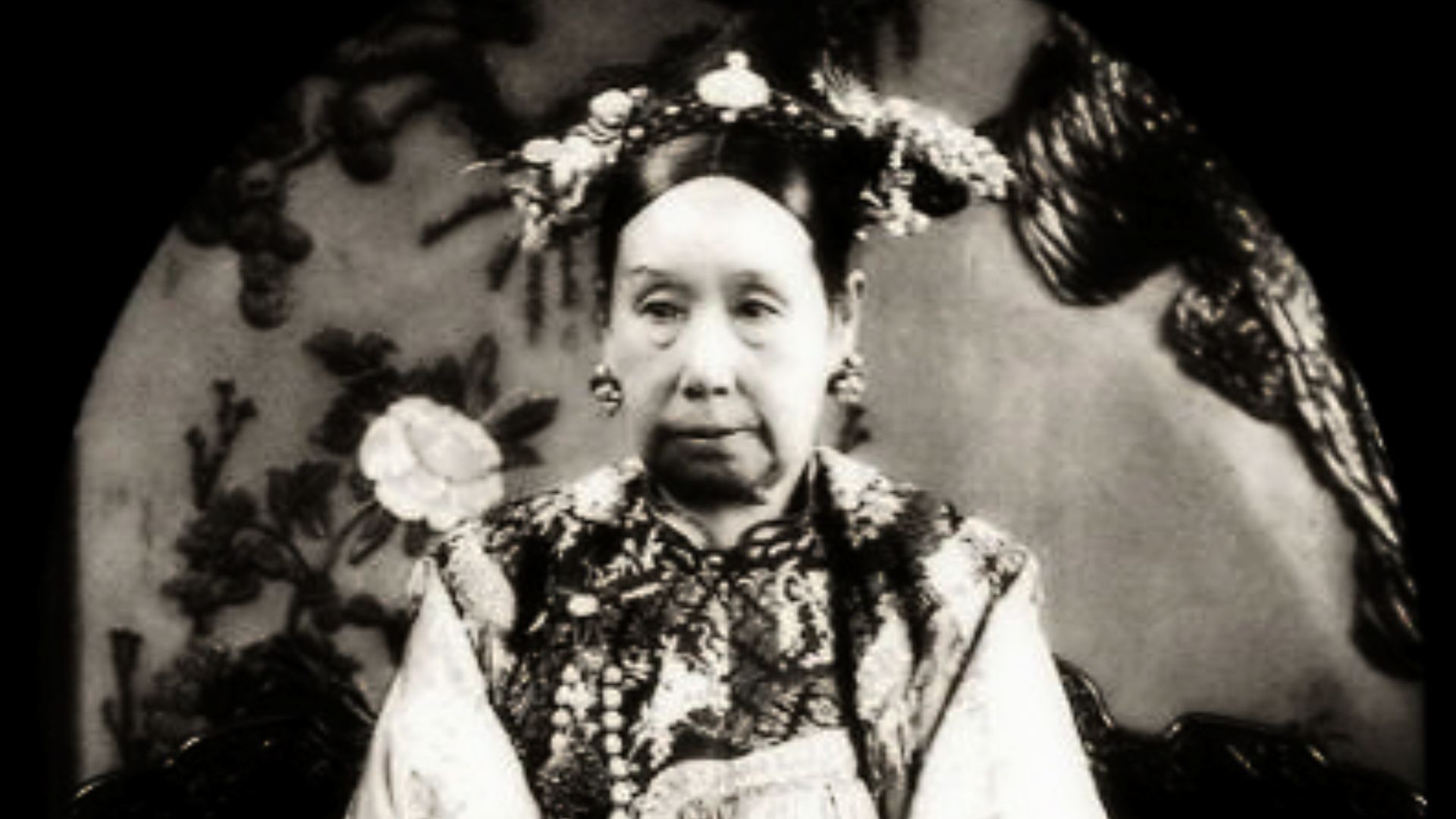 John Yu Shuinling on Wikimedia
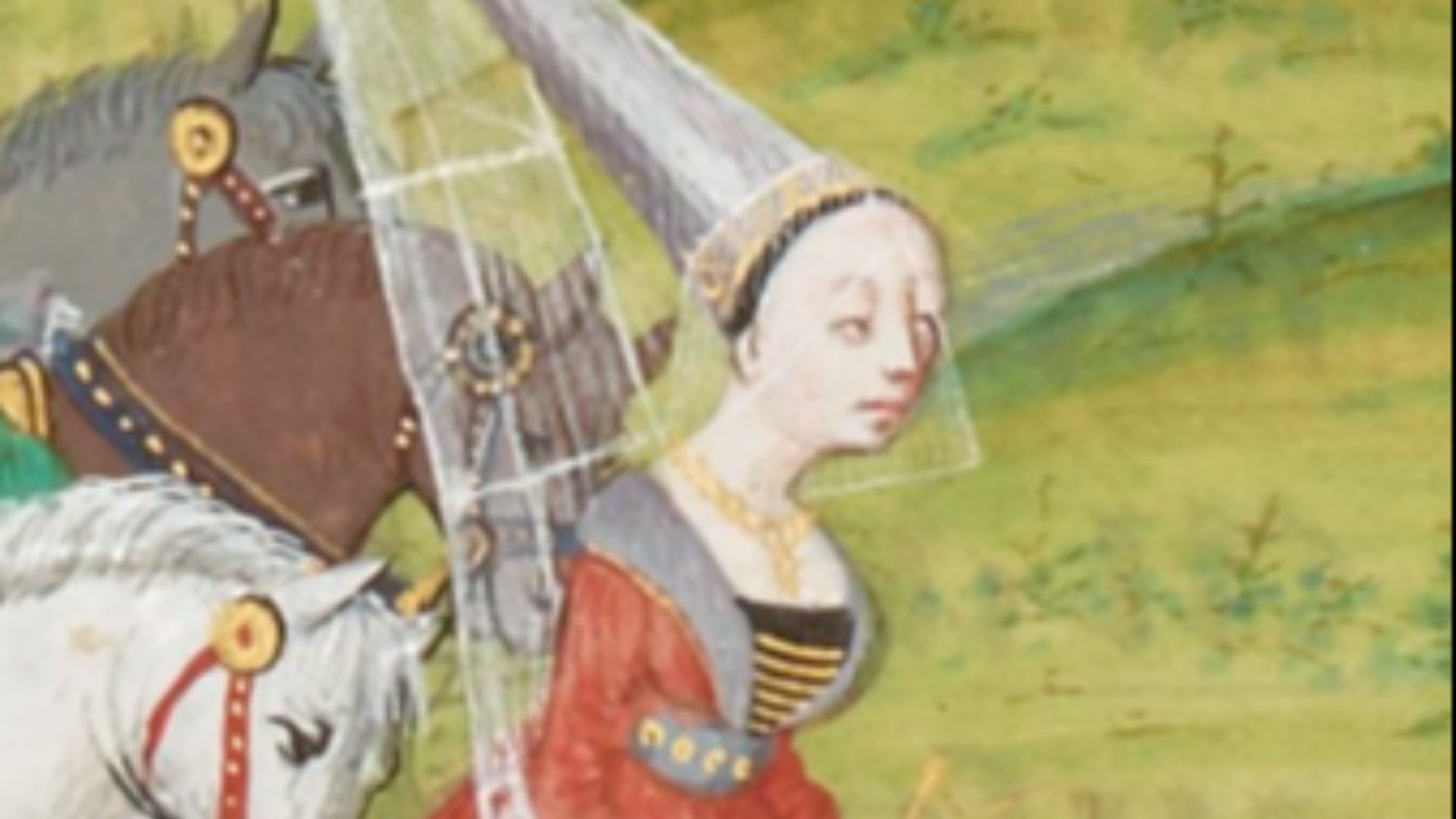
10. Queen Isabella Of France
Isabella’s story is messy, yet the influence is hard to deny: she helped depose her husband, Edward II, and played a major role in the political transition that followed. Whether framed as rescue, ambition, or necessity, she operated as a political actor, not a decorative spouse.
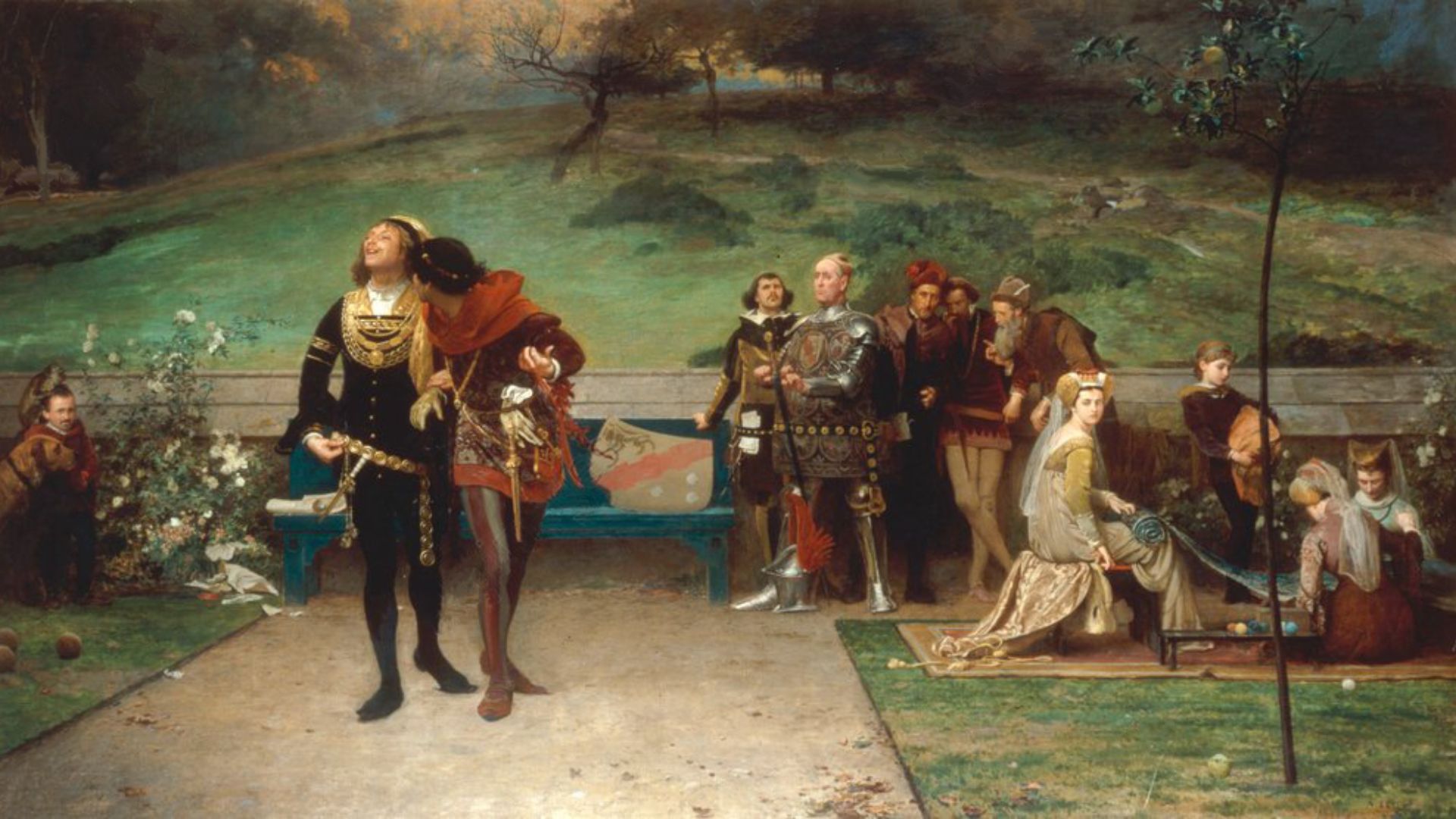
11. Piers Gaveston
Edward II’s favoritism toward Gaveston became a national political crisis, because it affected patronage, appointments, and the balance of noble power. When access to the king becomes a choke point, resentment turns into policy fights, then into open rebellion. Gaveston’s influence was real enough to get him killed for it.
12. Hugh Despenser The Younger
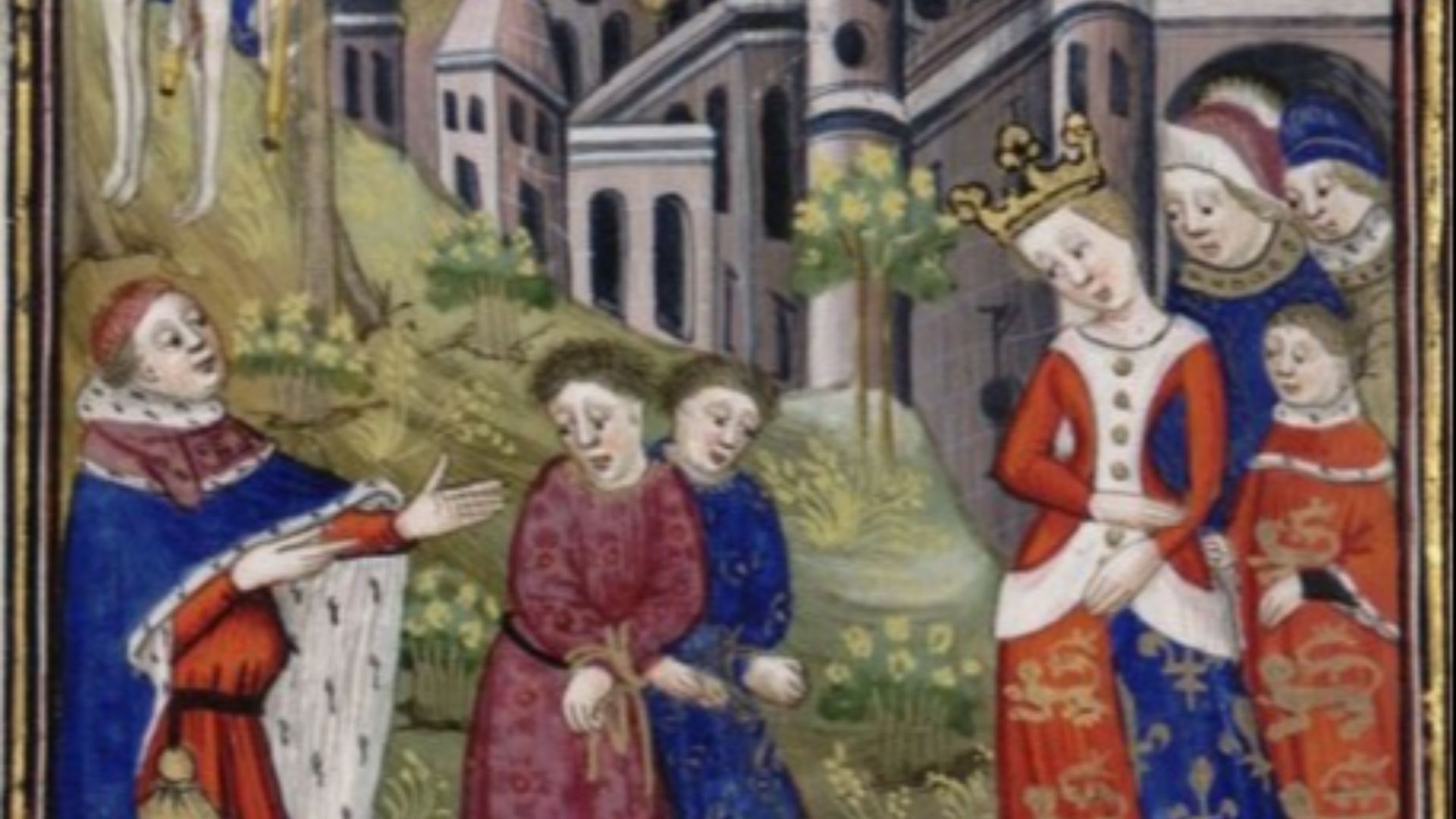
After Gaveston, the Despensers became the next focal point of anger around Edward II, and Hugh’s accumulation of lands and influence inflamed elite politics. The story reads like a warning label: a favorite who mixes intimacy with aggressive self-enrichment can destabilize the entire regime.
 AnonymousUnknown author on Wikimedia
13. Rasputin
In late imperial Russia, Rasputin’s influence over Tsarina Alexandra, and indirectly over Nicholas II, became politically toxic, especially during World War I. Even if specific claims about his control get exaggerated, the documented reality is that he had access, sway, and the ability to shape appointments.
 Unknown authorUnknown author on Wikimedia
14. Prince Metternich
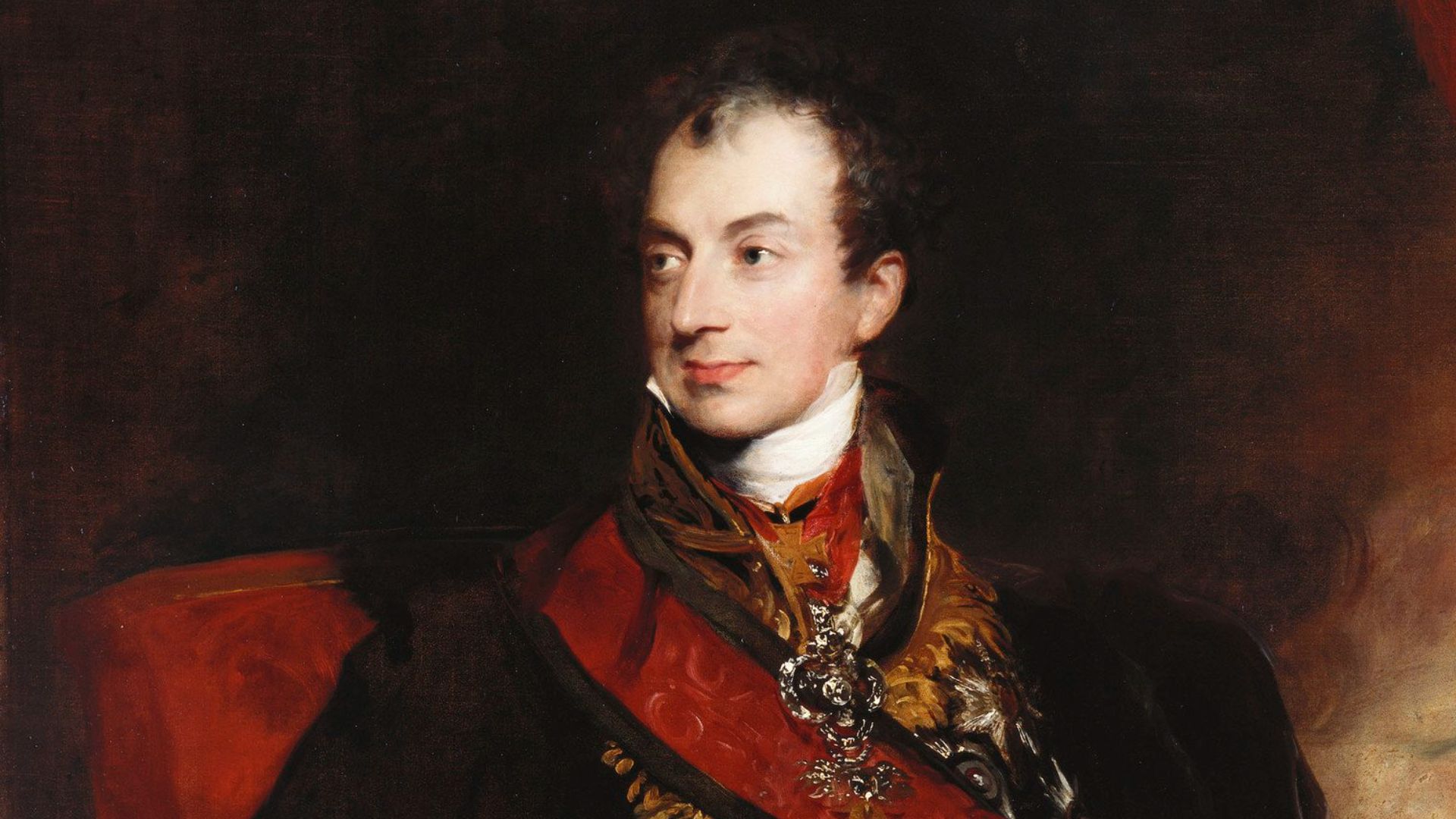
Metternich wasn’t whispering in a king’s ear so much as designing the diplomatic architecture of Europe after Napoleon. As Austrian foreign minister and later chancellor, he helped shape a conservative order that aimed to contain revolution and preserve imperial stability.
15. Otto Von Bismarck
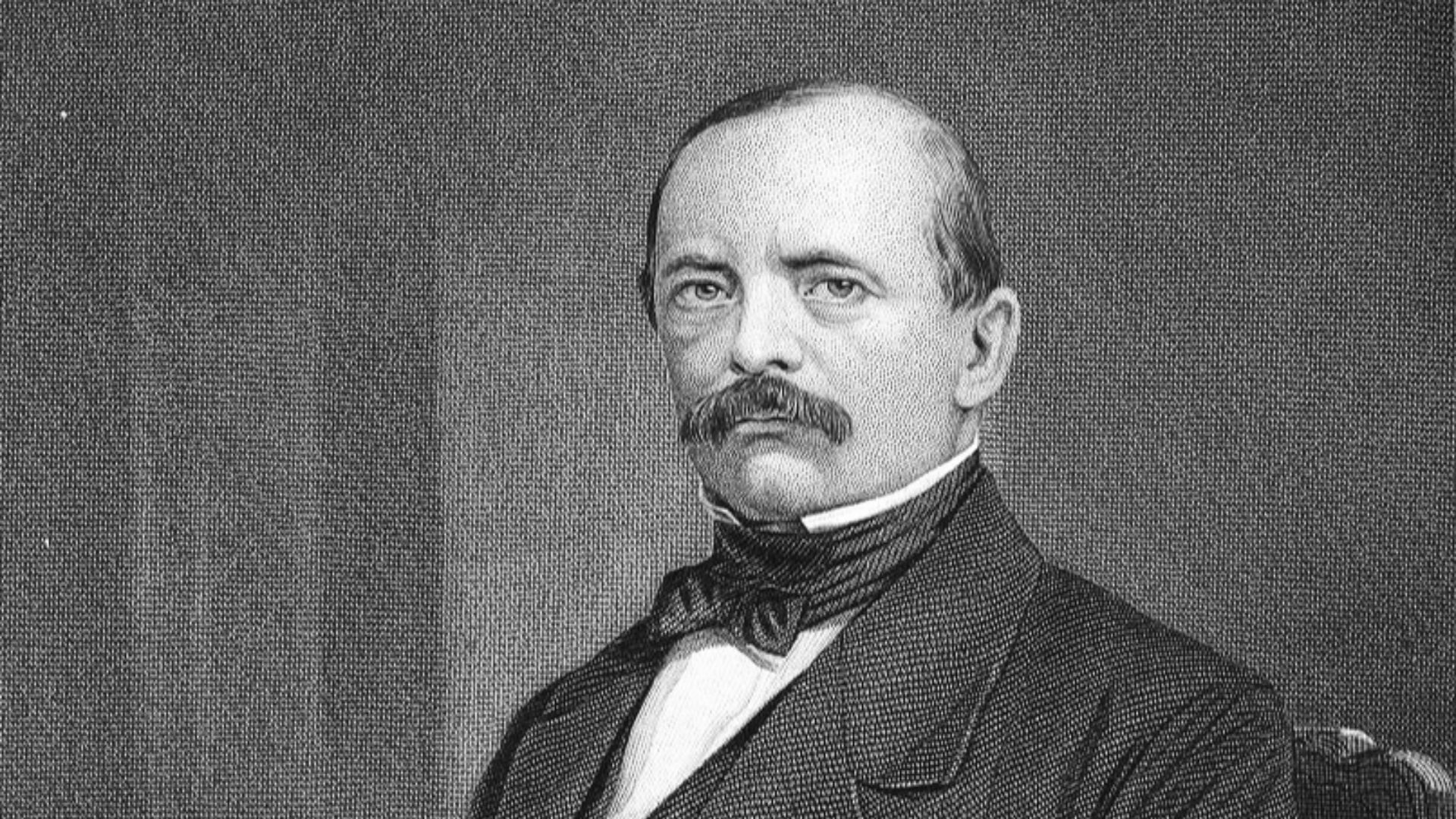
Bismarck’s relationship with Prussian kings, especially Wilhelm I, shows how a minister can steer a monarchy through wars, unification, and the creation of a new empire. He was famously willing to manipulate crises, timing, and messaging to force political outcomes.
16. William Pitt The Younger
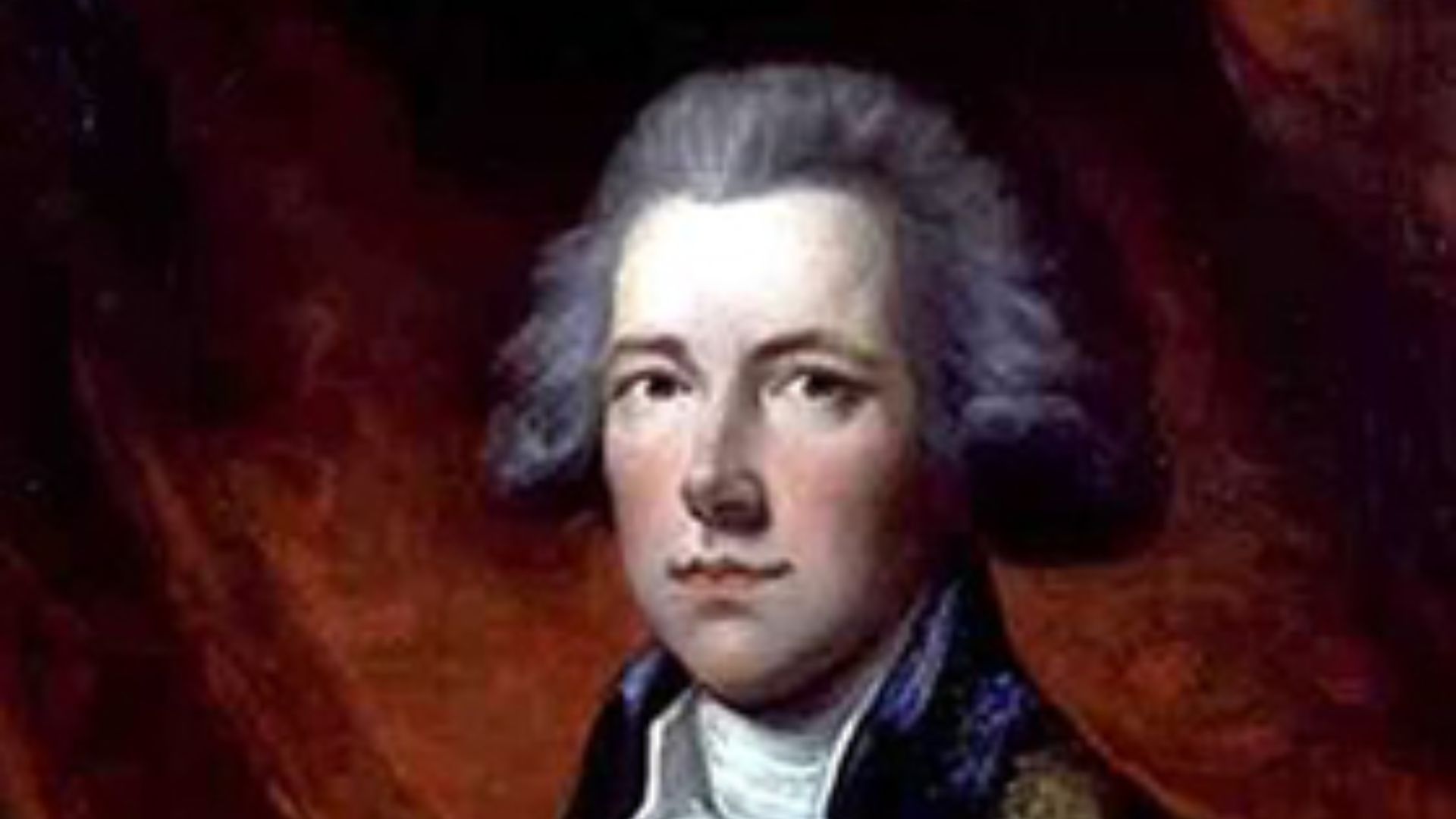
Serving under George III, Pitt shaped British policy through war with France, finance, and governance during a volatile era. His power was parliamentary and ministerial, yet it still mattered to a monarchy navigating constitutional limits and public pressure. Influence doesn’t have to be secret when it’s built into the system.
 Thomas Gainsborough on Wikimedia
17. The Duke Of Buckingham
George Villiers rose as a favorite of James I and then Charles I, gaining titles and control over patronage that infuriated rivals. His influence and perceived incompetence became a political flashpoint, blending foreign policy failures with court resentment. Even when a favorite isn’t brilliant, the sheer proximity can move a kingdom.
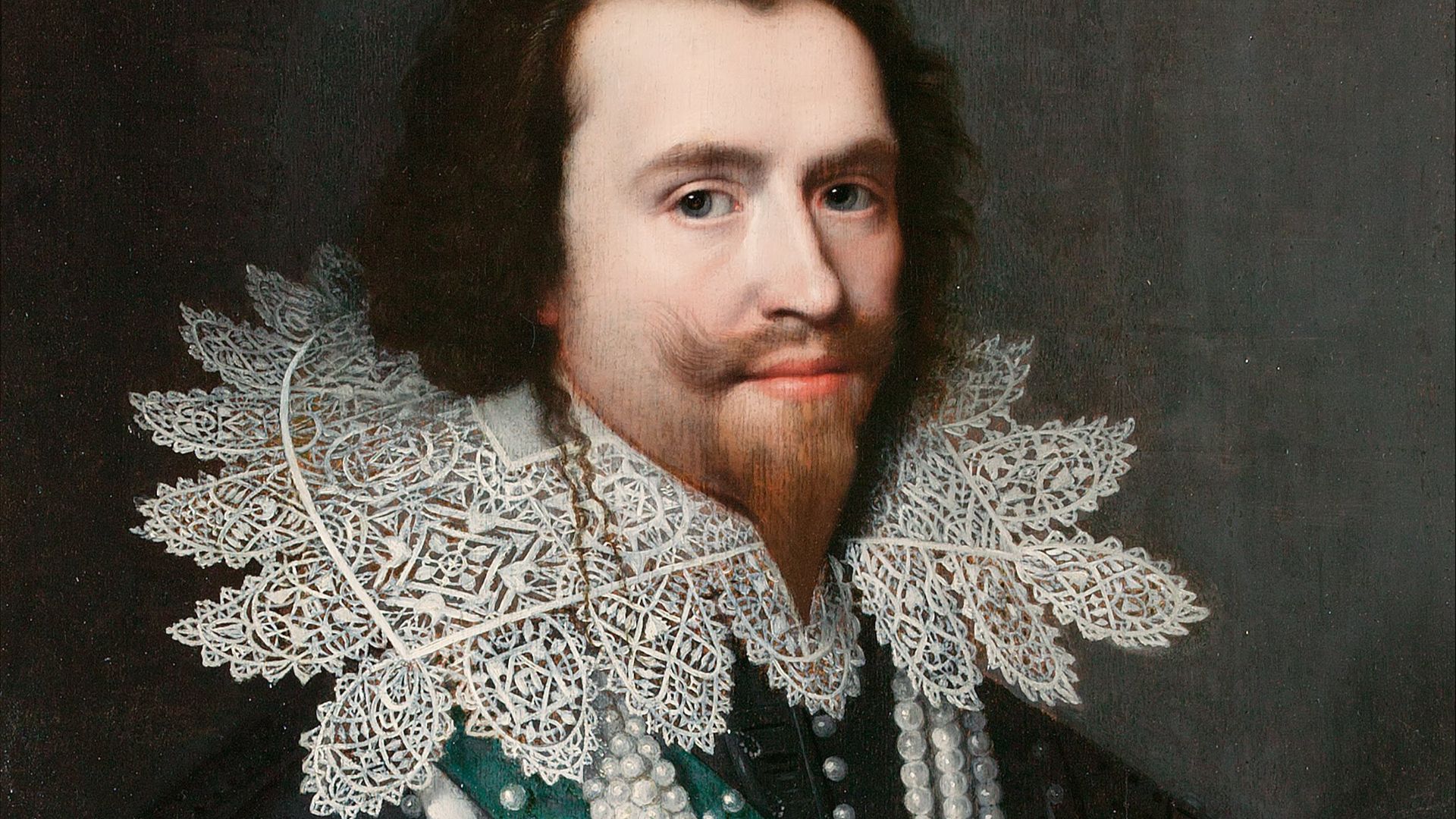 Michiel Jansz. van Mierevelt on Wikimedia
18. Queen Margaret Of Anjou
During Henry VI’s weakness, Margaret emerged as a fierce political leader, rallying supporters and fighting for her family’s position in the Wars of the Roses. Her influence was not hidden; it was battlefield and court, coalition and command.
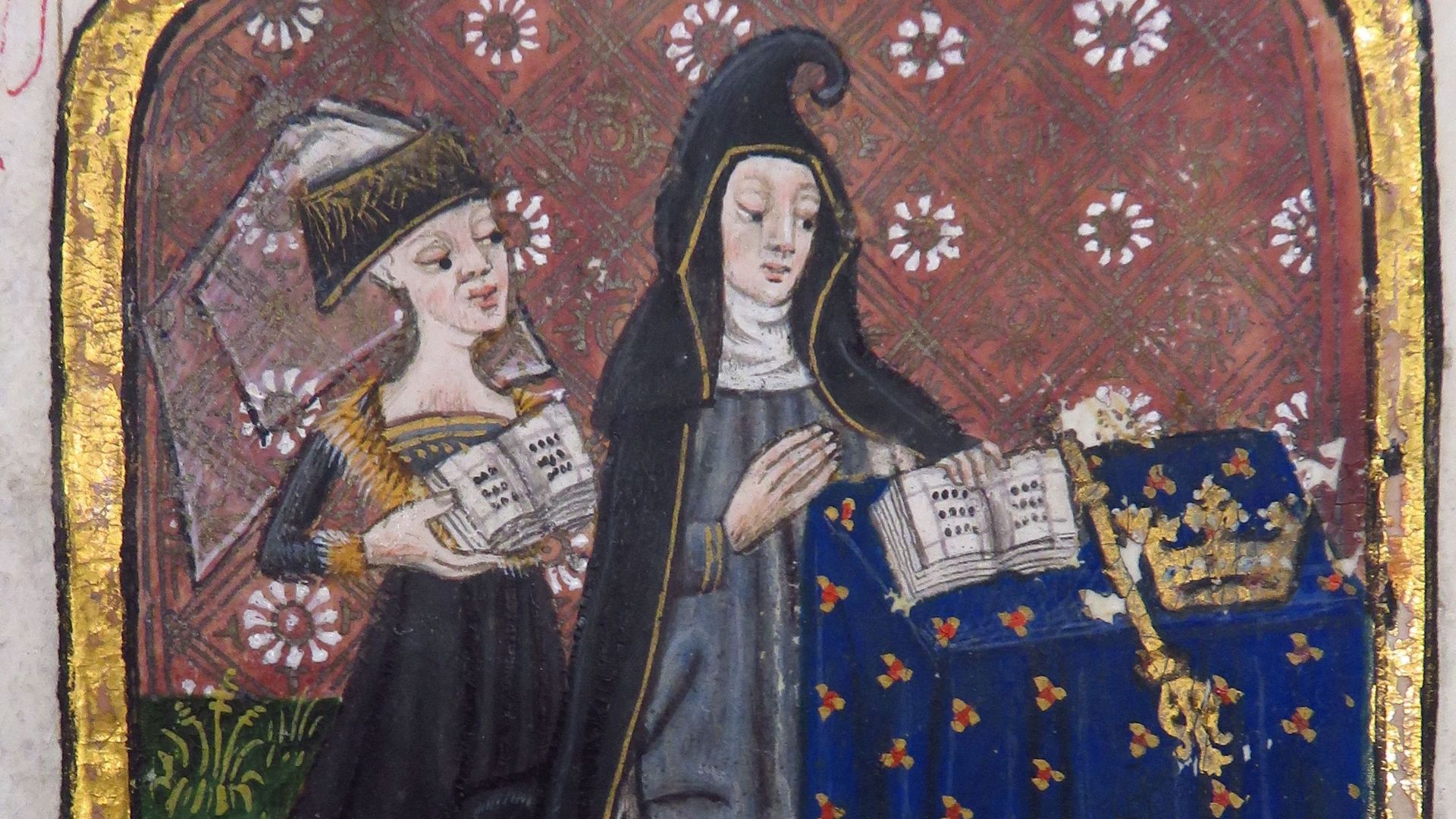 unknown/-/--Kuerschner 05:40, 6 February 2008 (UTC) on Wikimedia
19. Jean-Baptiste Colbert
As Louis XIV’s finance minister, Colbert shaped the economic and administrative muscle of France through centralization, manufacturing policy, and state-backed commercial strategy. A king can love spectacle, and still need someone to make the numbers and institutions hold. Colbert’s influence lived in ledgers, ports, and bureaucratic discipline.
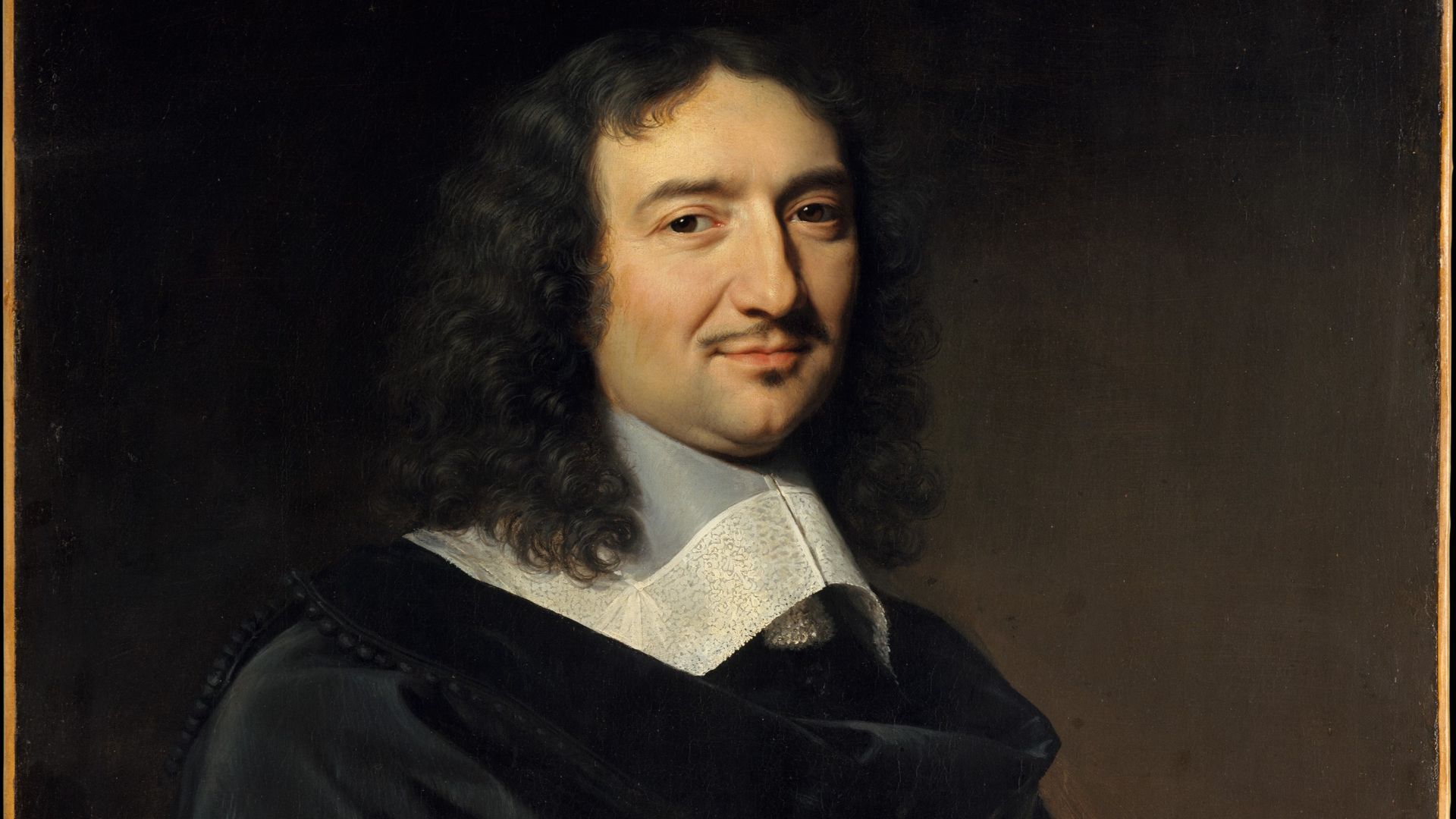 Philippe de Champaigne on Wikimedia
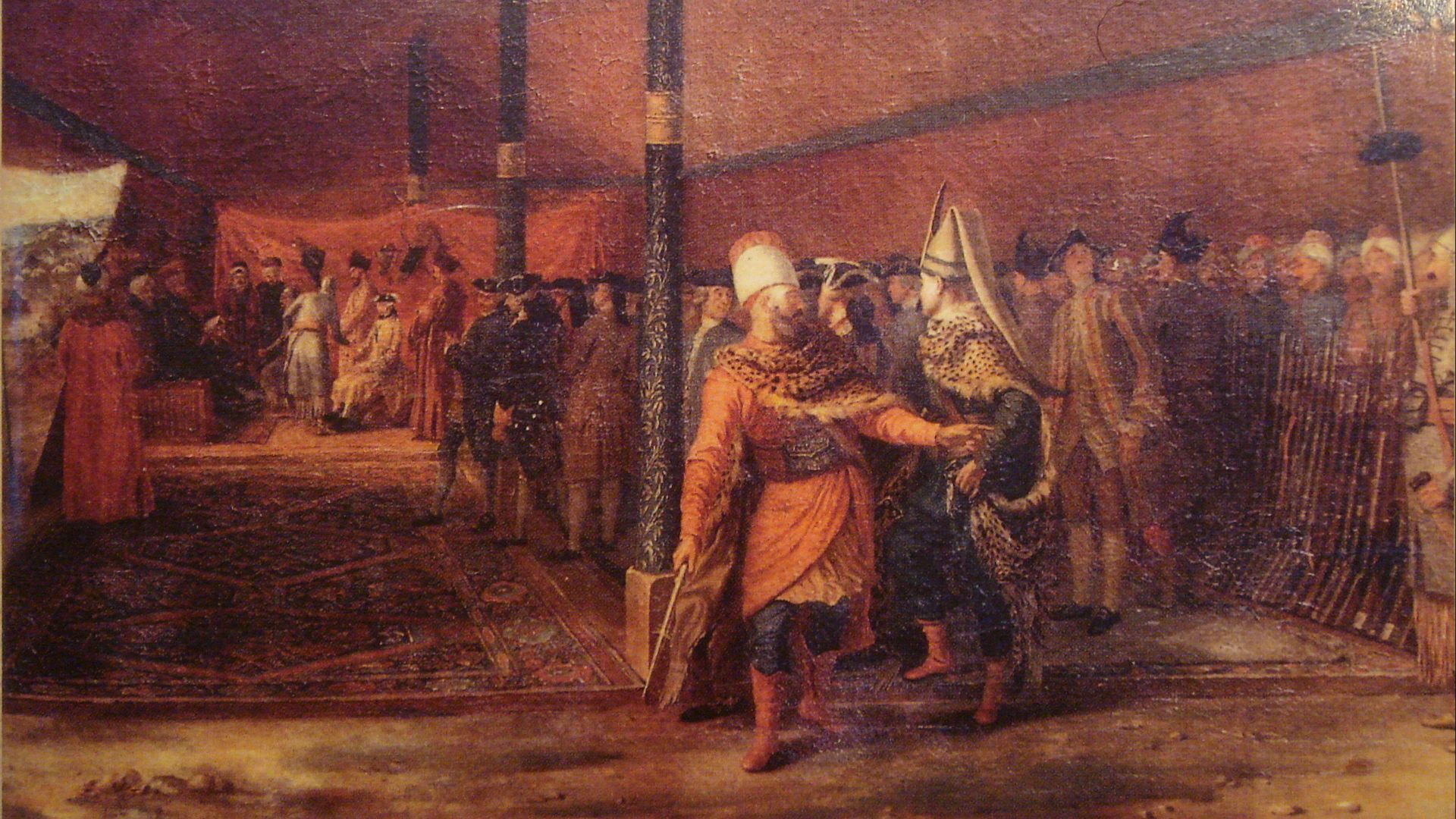
20. The Grand Viziers Of The Ottoman Empire
In the Ottoman system, grand viziers could wield enormous executive authority, especially when sultans delegated day-to-day governance. Some, like members of the Köprülü family, became defining figures in state reform and military campaigns, shaping outcomes far beyond the palace. This is a good reminder that monarchy often includes an official role designed for a power broker.
KEEP ON READING

The Origins Of 3 Common Sayings You Still Use Today
Etienne Boulanger on UnsplashMany of the phrases you use every…
By Rob Shapiro Apr 28, 2026
Was Caligula The Most Ruthless Roman Emperor?
Artur Matosyan on UnsplashRoman Emperor Caligula is one of ancient…
By Rob Shapiro Dec 18, 2025
1 Weird Fact About Every President
Washington, Lincoln, FDR. Most people know something about the lives…
By Robbie Woods Dec 3, 2024
10 Accidental Discoveries That Changed Maps & 10 That Changed…
Mistakes That Mattered. A lot of major discoveries did not…
By Cameron Dick Apr 15, 2026
10 Actors Who Perfectly Played a Historical Figure & 10…
Which Performance is Your Favorite?. Playing the role of a…
By Rob Shapiro Sep 15, 2025
10 Actors Who Perfectly Played a Historical Figure & 10…
Portraying a real person from history is one of the…
By Noone Dec 17, 2025