


Why The Eternal City Endured
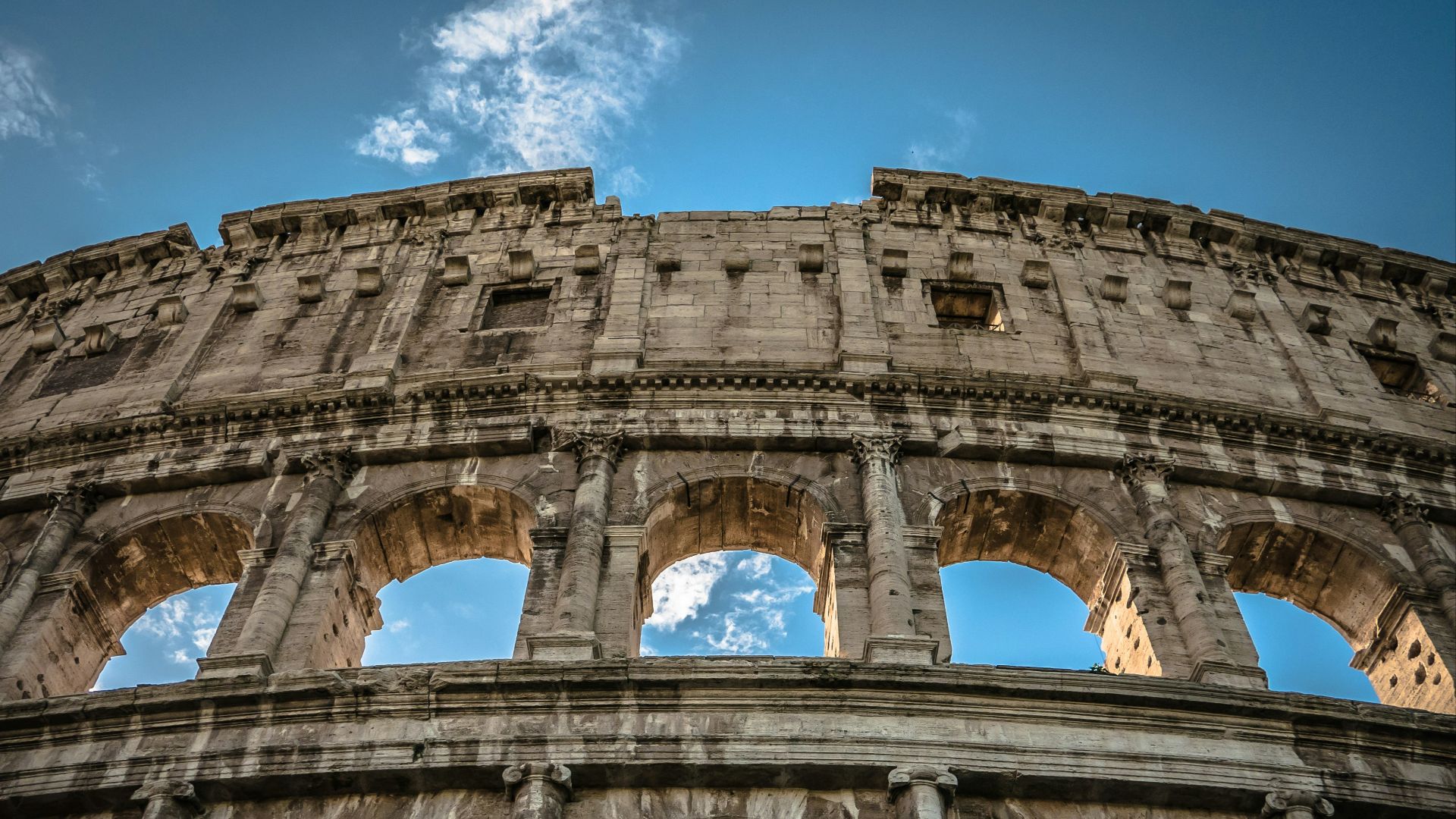
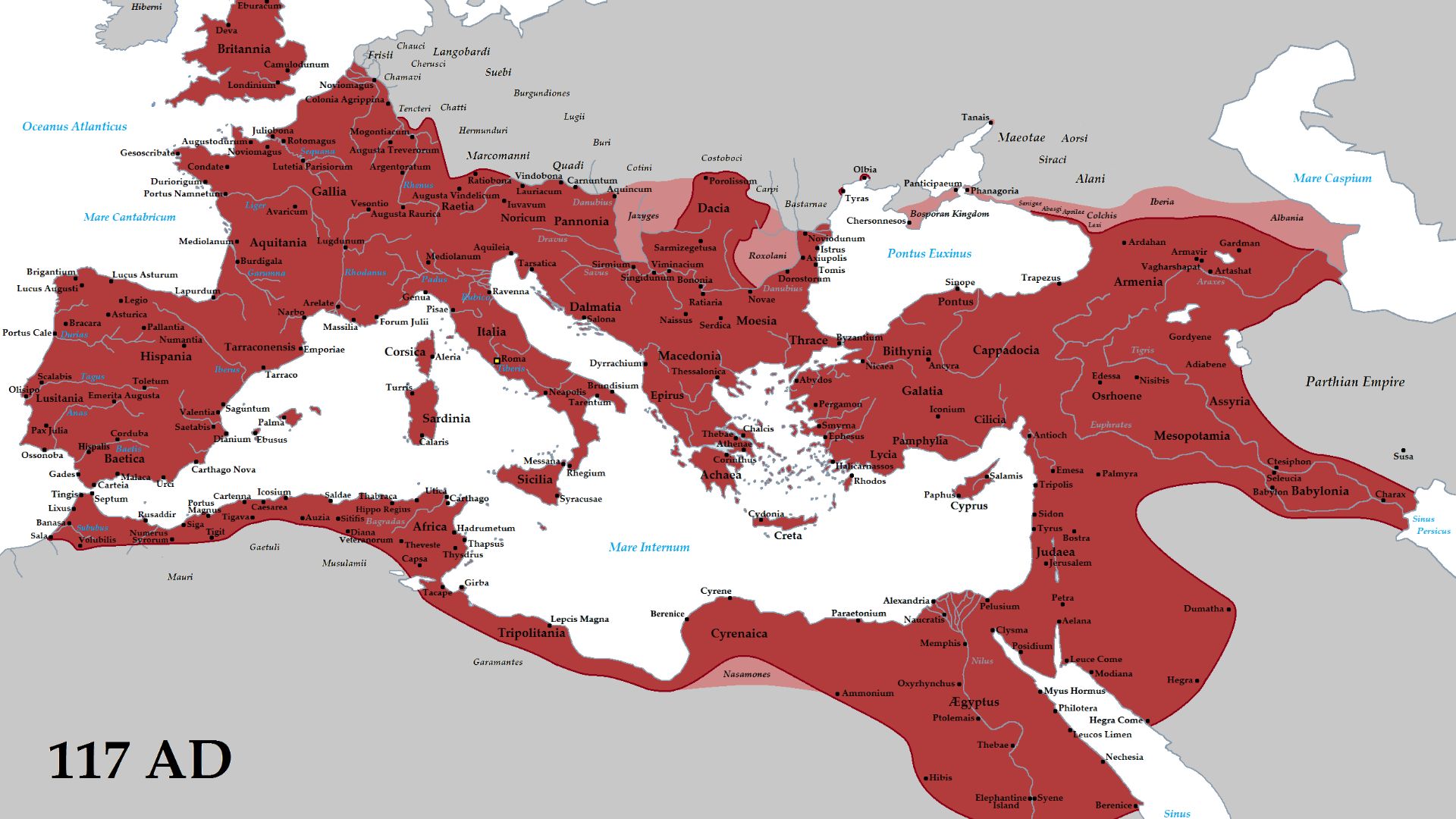
Rome didn’t survive for centuries because of one lucky advantage. Its power rested on practical systems that helped it raise armies, collect resources, keep order, and absorb new territories. The Western Roman Empire fell in the 400s CE, but the eastern half, governed from Constantinople, continued until 1453. When you look closely, Rome’s long run starts to make sense as a pattern of planning, adaptation, and control.
1. Central Mediterranean Position
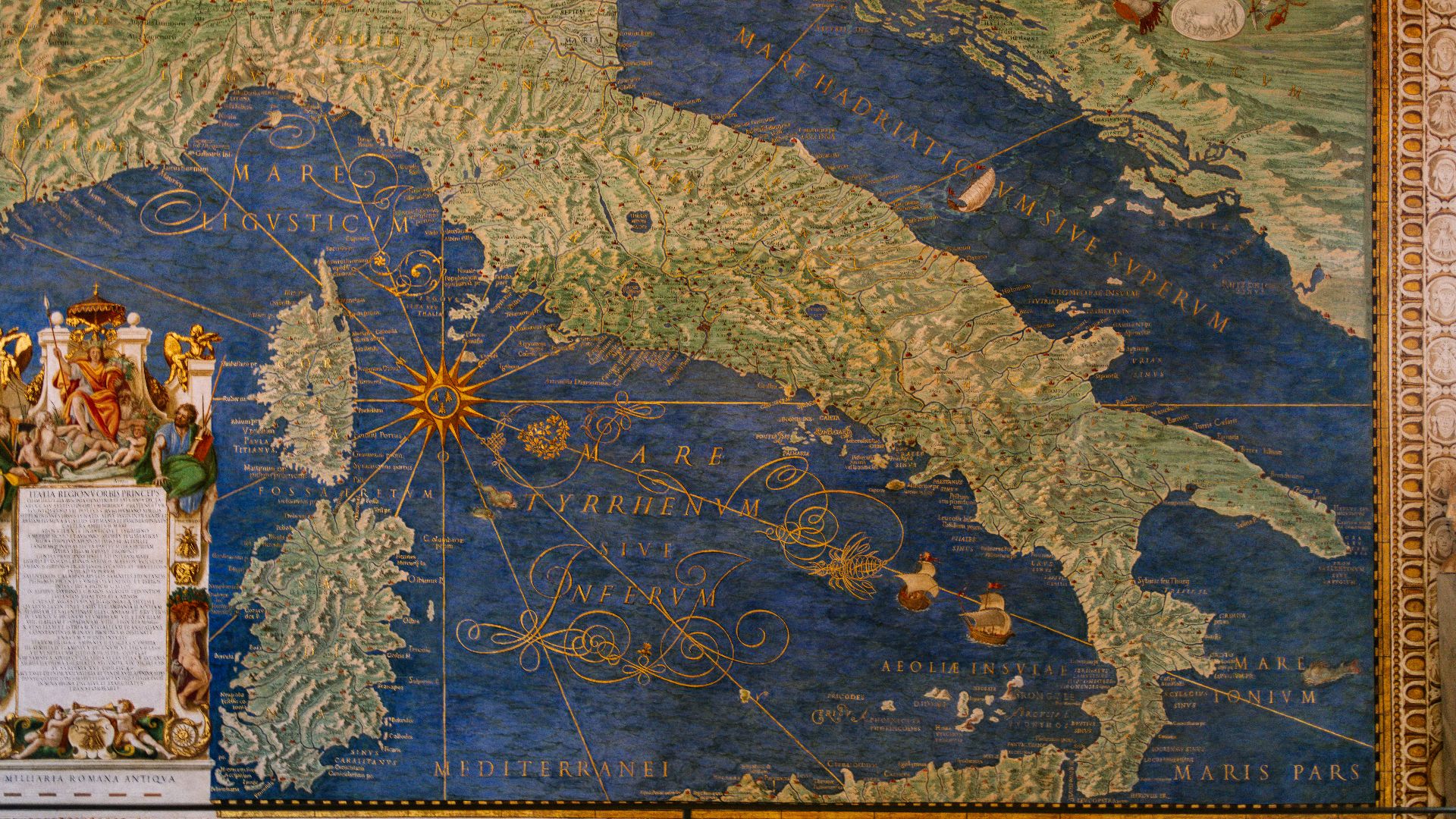
Italy sits near the center of the Mediterranean, which made it easier for the Romans to reach many coastlines and islands. That central location supported trade, troop movement, and communication across a wide region. Over time, control of nearby sea routes helped Rome stay connected to its provinces instead of ruling them in isolation.
.
2. Citizen-Soldier Tradition
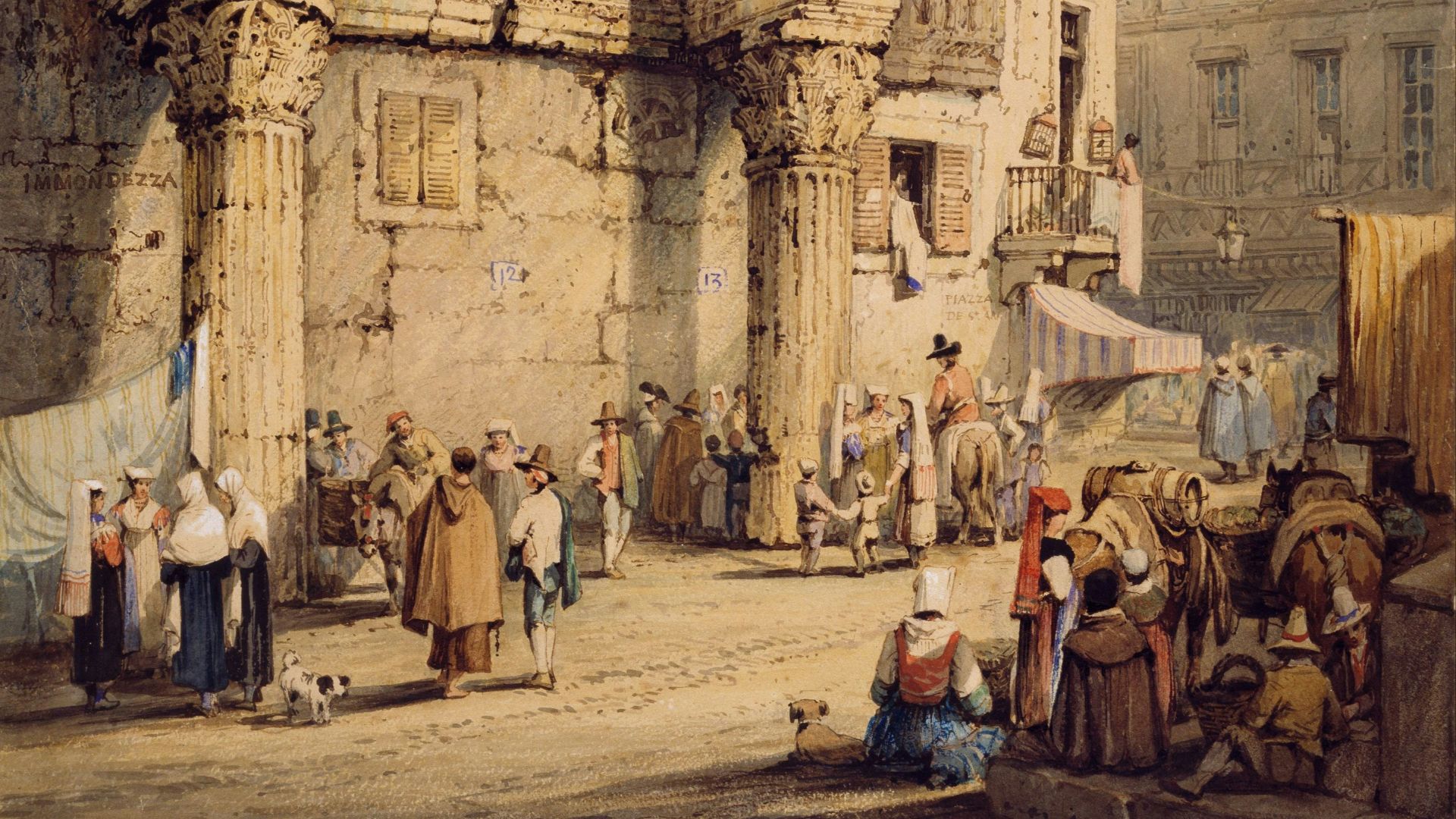
Early Rome built its strength by tying military service to citizenship and public duty. That mindset encouraged large numbers of people to defend the state during major wars. While the system changed later, the habit of organizing society around service helped Rome expand and survive early threats.
 Birmingham Museums Trust on Unsplash
3. Legion Organization
Roman legions were structured in ways that made them flexible in battle and reliable on long campaigns. Commanders could use units for engineering, fort-building, and logistics, not just fighting.
4. Strict Military Discipline
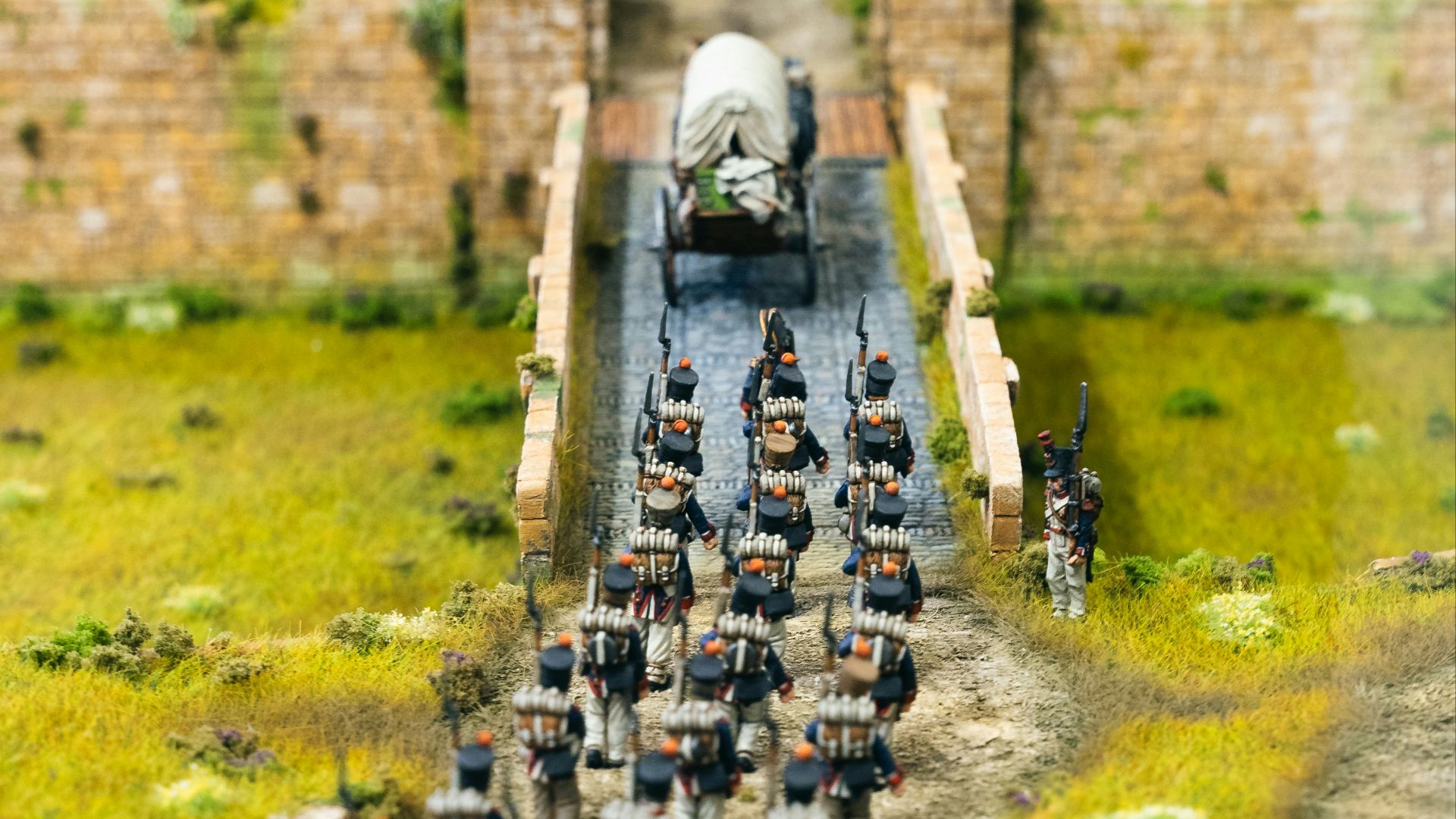
Training and discipline mattered because Rome depended on soldiers to hold distant frontiers for years at a time. Roman armies enforced rules and punishments to reduce desertion and maintain order under pressure. When an army can follow commands consistently, it’s harder for enemies to exploit potential confusion.
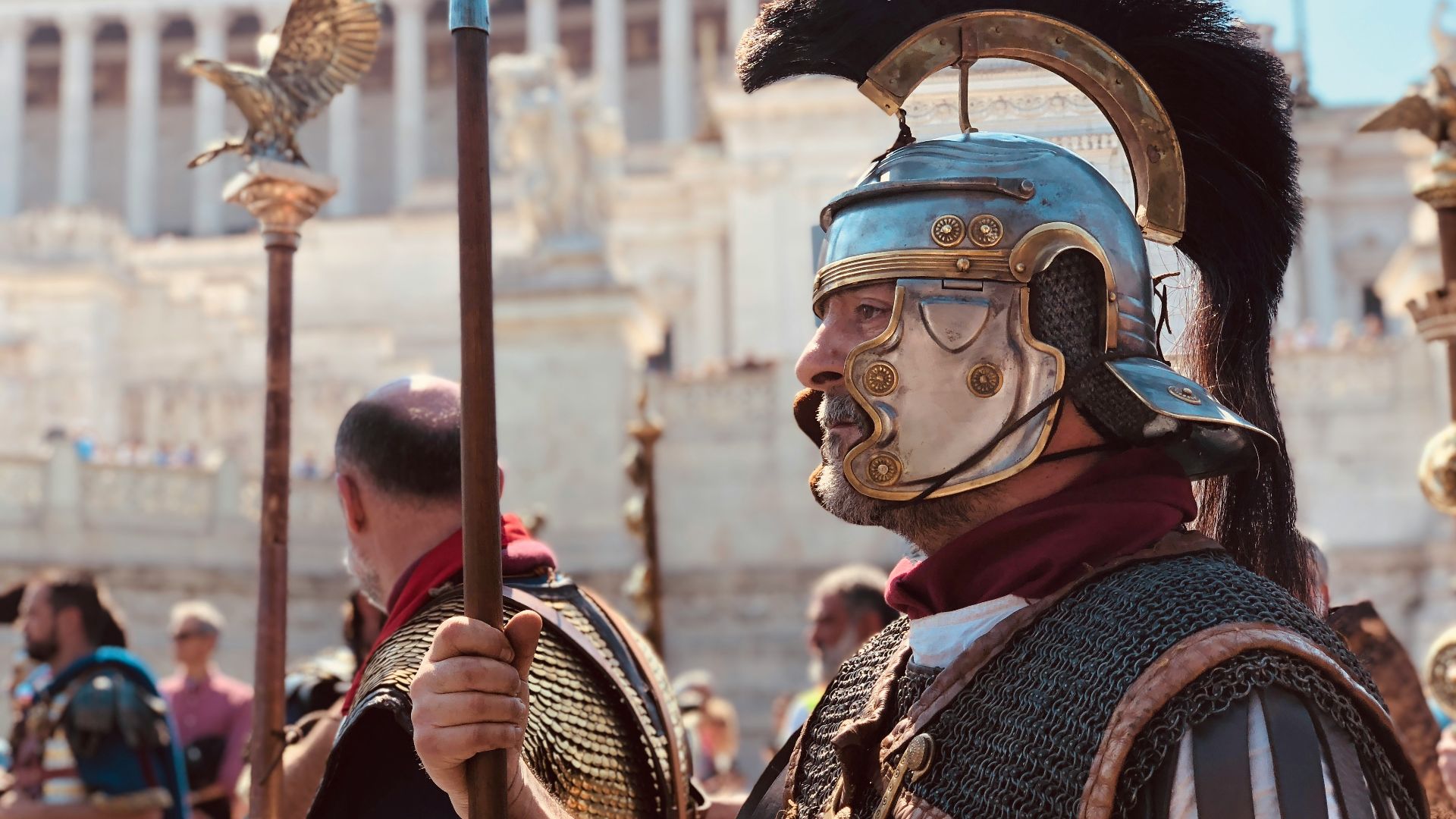 Maria Dolores Vazquez on Unsplash
5. Auxiliary Recruitment
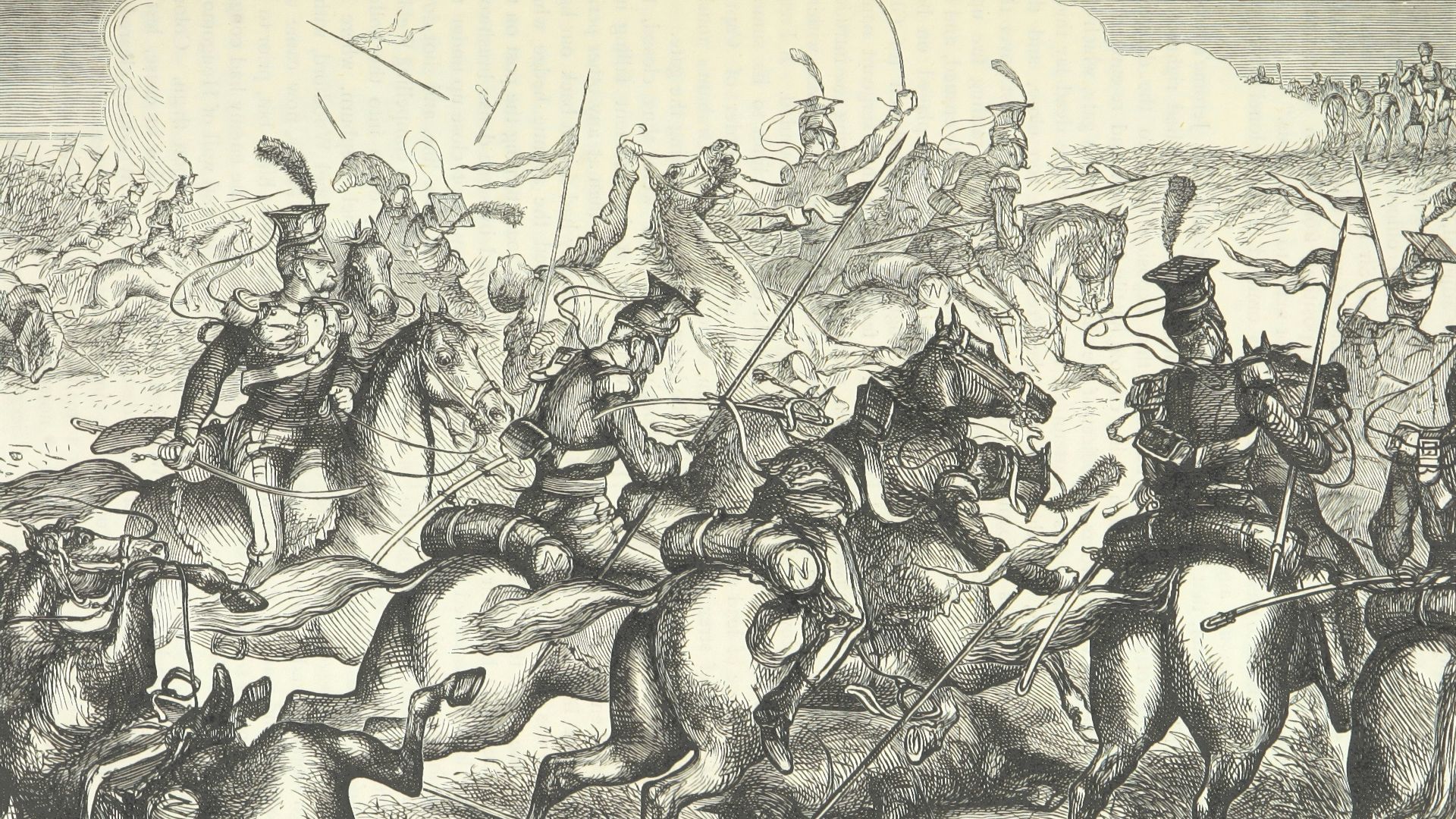
Rome didn’t rely only on citizens for manpower; it also recruited non-citizen troops as auxiliaries. These forces added specialized skills, including cavalry and regional fighting styles that the legions didn’t always have. Long service could also lead to legal rewards, which made long-term enlistment attractive.
6. Expanding Citizenship
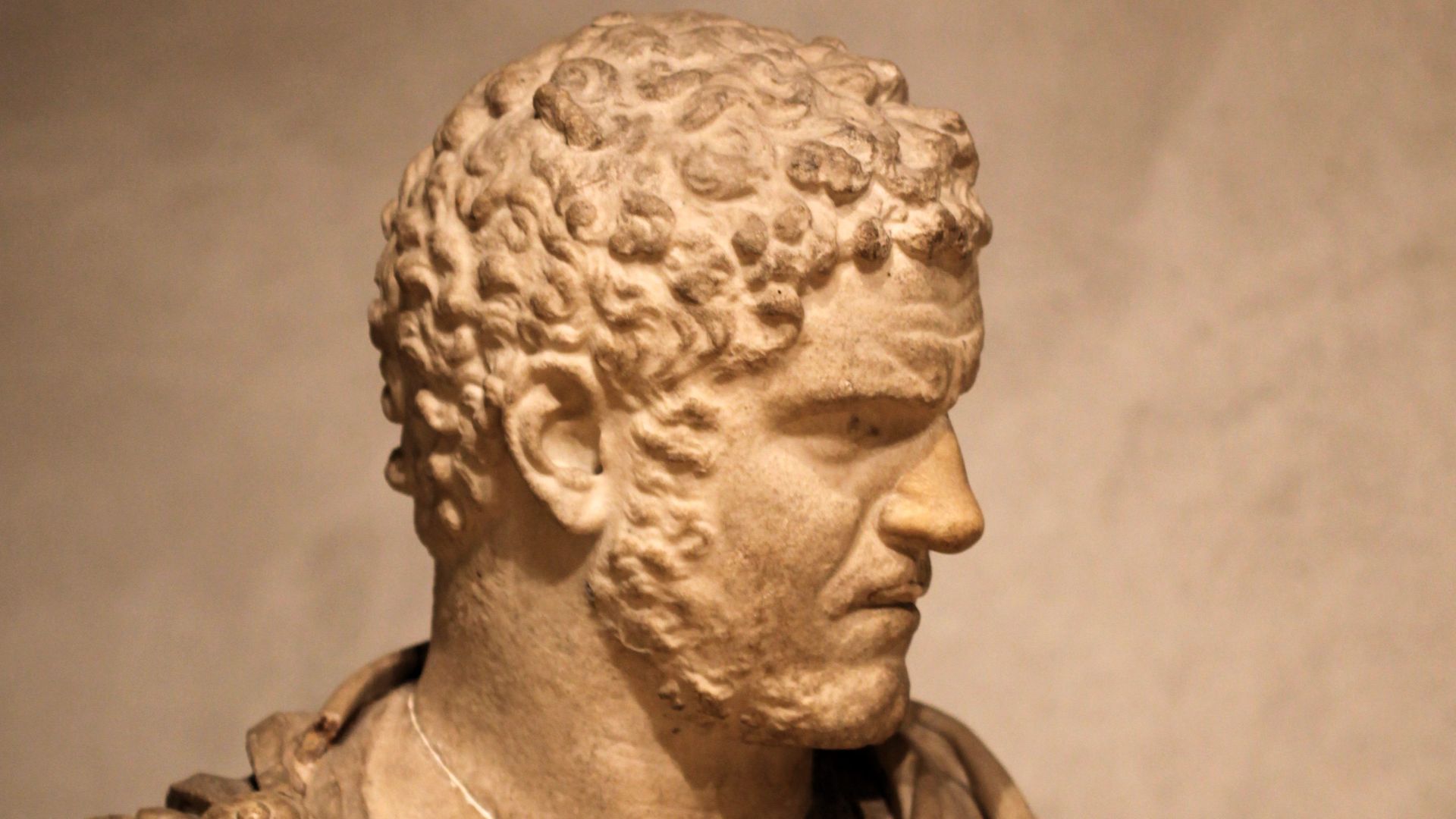
Rome used its citizenship as a tool to bind people to the state rather than keeping them permanently outside it. Over centuries, citizenship expanded through local status changes, military service, and major legal decisions. In 212 CE, Emperor Caracalla granted citizenship to most free inhabitants of the empire, completely reshaping political identity and belonging.
7. Written Legal Foundations
Rome’s legal culture encouraged the idea that rules should be known and applied in predictable ways. The Law of the Twelve Tables, traditionally dated to the mid-400s BCE, is one of the most famous early examples of written law made public. When people believe the law has procedures, disputes are less likely to turn into constant violence.
 Photo: Andreas Praefcke on Wikimedia
8. Pragmatic Provincial Rule
Rome divided provinces between different kinds of governors, allowing many places to keep local practices. That balance let Rome control taxation and security without forcing every community to copy Rome’s daily life. Local autonomy lowered resistance, which meant fewer rebellions and lower costs over time.
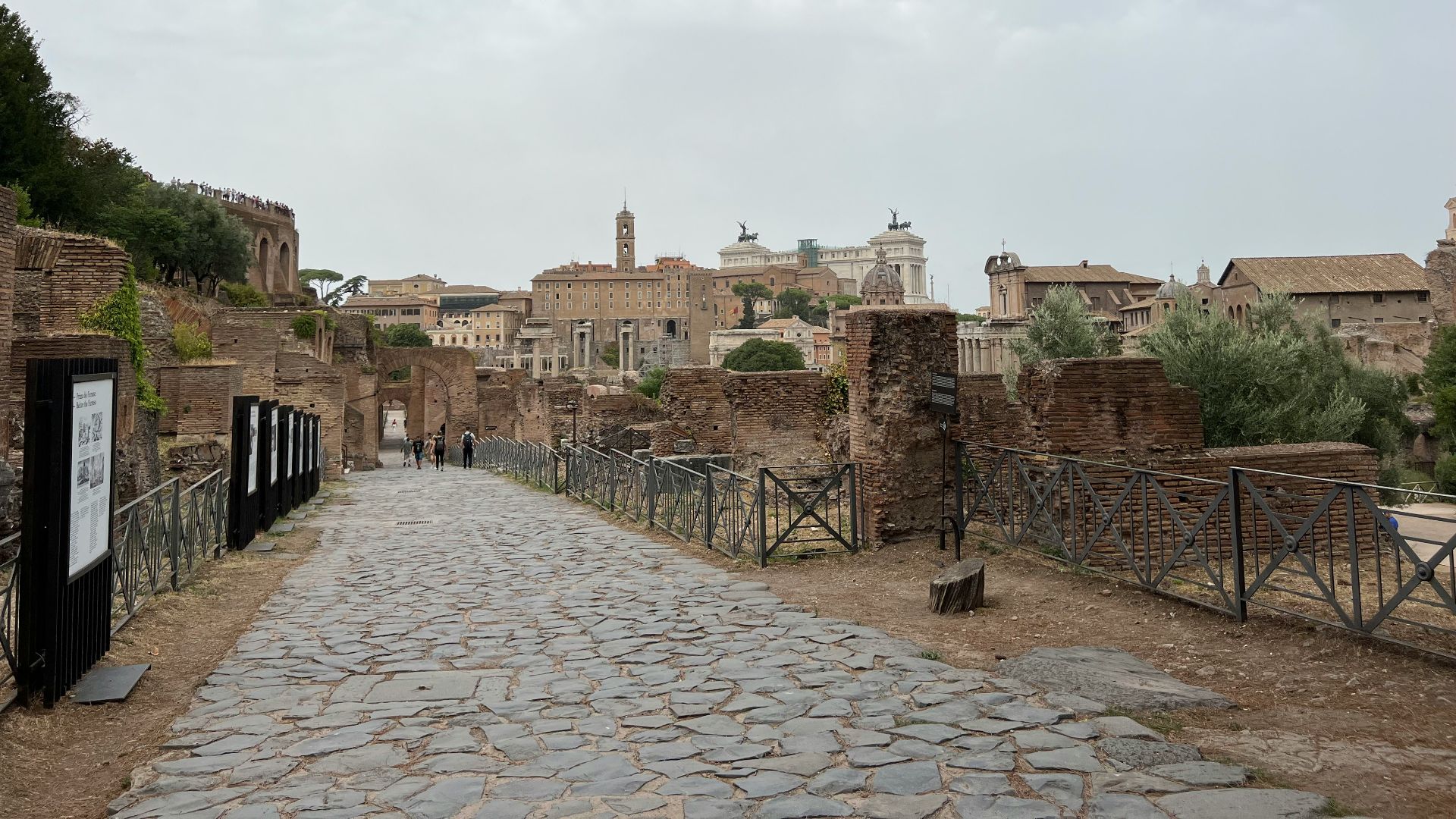
9. Local Government Networks
Roman rule often worked through cities, councils, and local officials who handled routine administration. Municipia and other local systems helped Rome govern large areas with relatively few imperial staff.
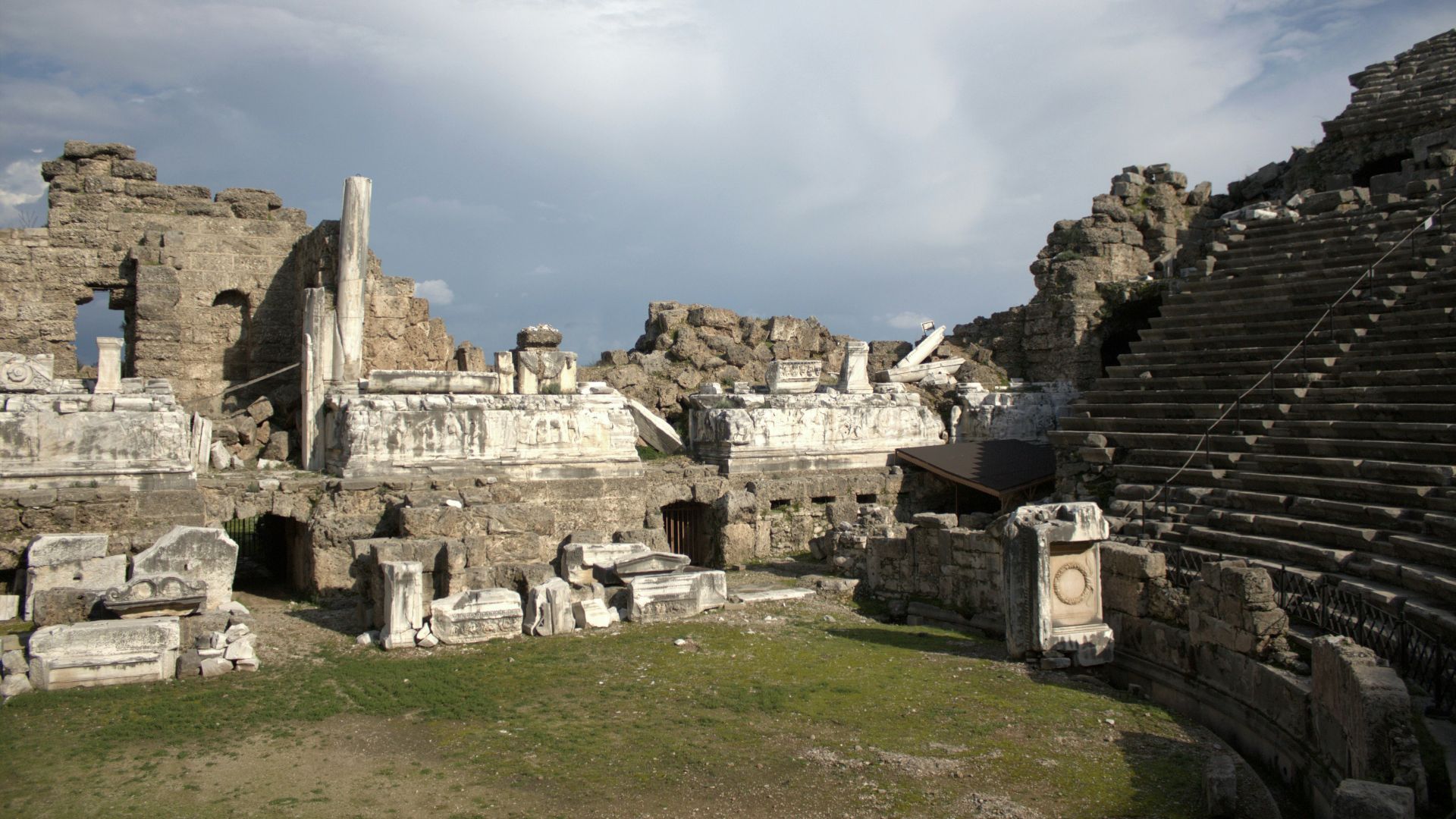
10. Predictable Tax Systems
A long-lasting empire needs revenue that arrives regularly, not only in emergencies. Roman taxation included land taxes and poll taxes in many places, although rules could vary by region and period. In later centuries, taxes paid in kind, including the annona, supported armies and officials when money was tight.
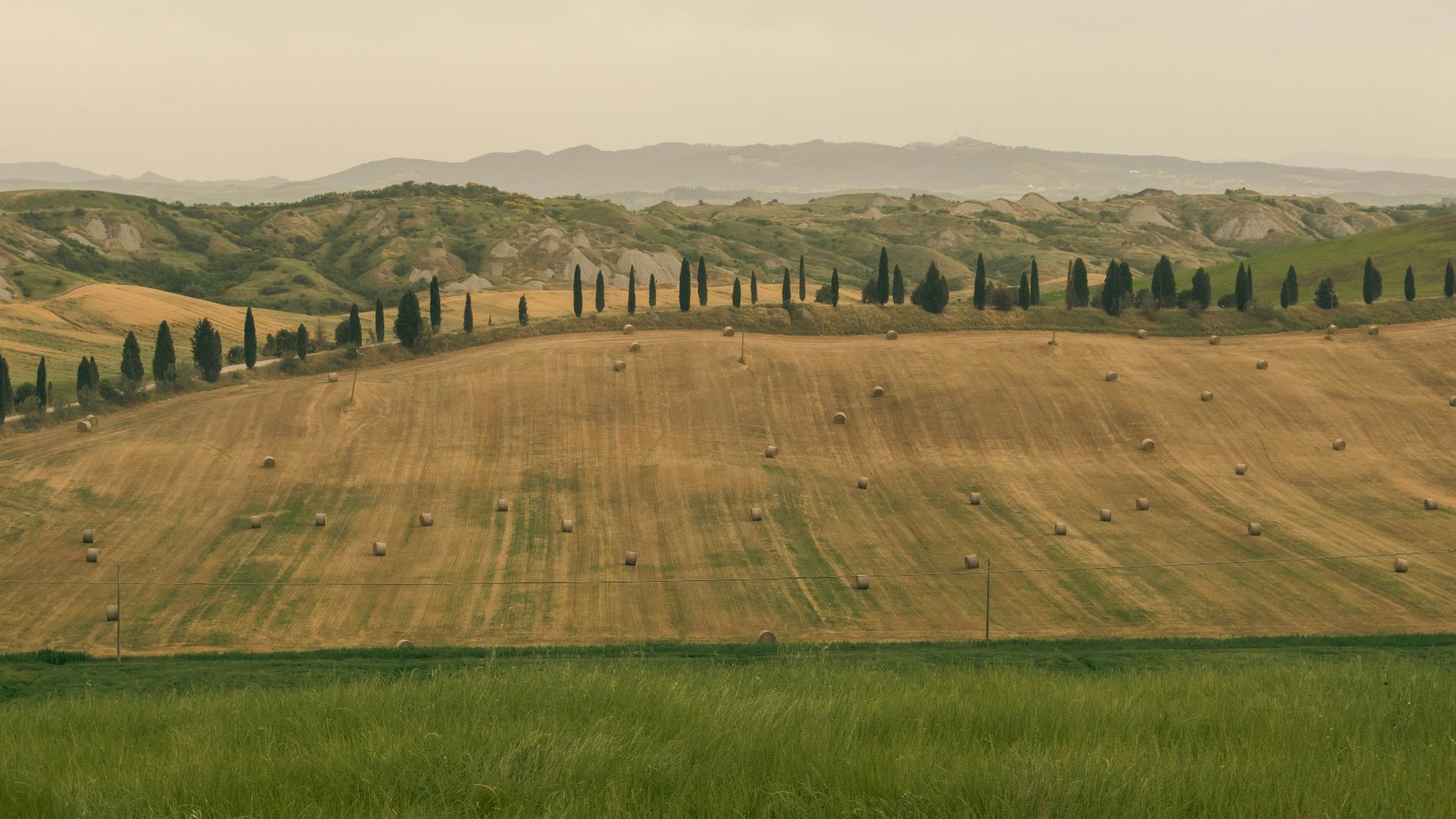
11. Grain Supply Management
Feeding major cities was a political issue, since hunger could quickly trigger unrest. Rome developed offices and systems to manage grain shipping and distribution, including the work of the praefectus annonae. Stable grain supply didn’t solve every crisis, but it reduced the chance that the capital would collapse from food shortages.
 Shalitha Dissanayaka on Unsplash
12. Road Network
Roads made it easier to move troops, officials, messages, and goods across long distances. The Roman road system supported conquest and administration, and many sections stayed useful long after the empire changed. If you can move quickly across your territory, you can respond to threats before they spread.
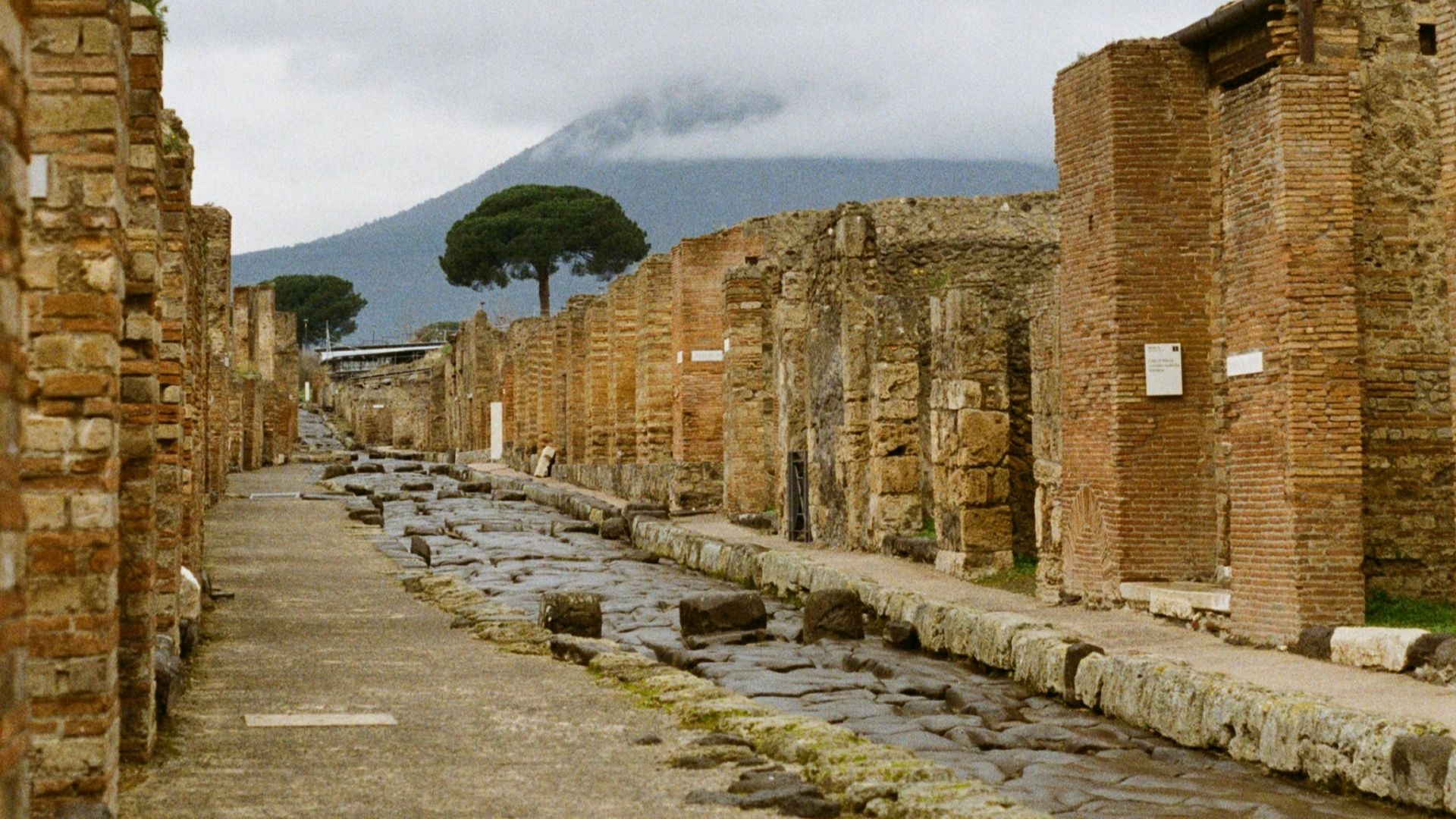
13. Advanced Water Supply
Large cities require dependable freshwater, especially when populations grow. Roman aqueducts carried water to dense urban areas and supported public baths, fountains, and households. Having Better water access improved daily life and made Roman urban centers much easier to sustain.

14. Public Works Culture
The Roman government invested heavily in practical construction, including roads, bridges, and water systems, and supported commerce, health, and military movement at the same time. It was often paid for by the elite classes, which was considered a sign of pride in that time.
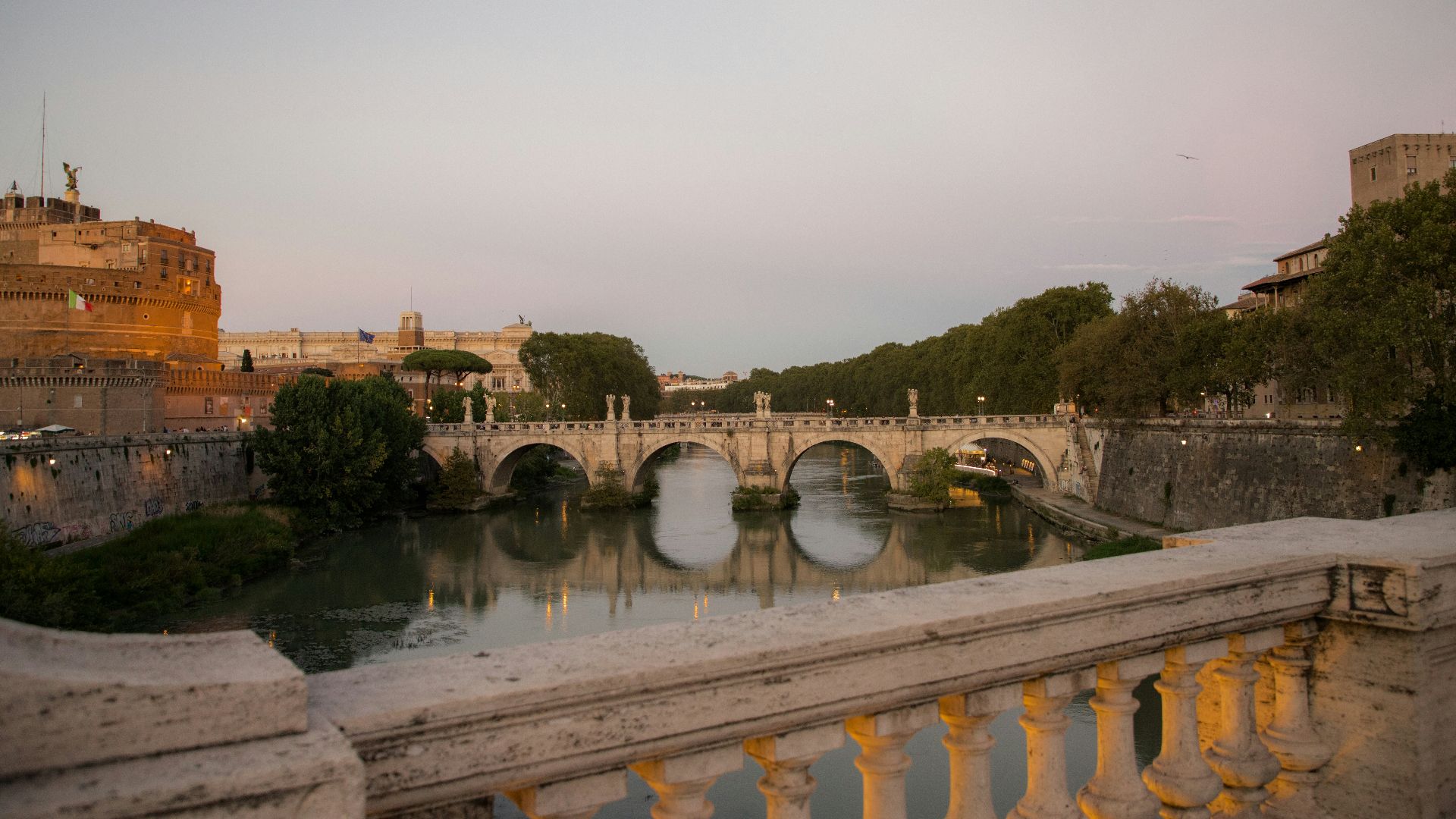
15. Frontier Fortifications
Rome learned that defending borders often mattered more than endlessly expanding them. Systems of forts and walls helped monitor movement and reduce smaller raids that could drain resources. Hadrian’s Wall, for example, was built to control frontier movement and counter low-level threats in Britain.
 quisnovus from Gloucester, England on Wikimedia
16. Flexible Diplomacy
Rome didn’t fight every opponent the same way, using treaties, alliances, and client relationships when those options were cheaper. Local rulers and elites could be kept in place if they served Roman interests. This approach reduced the need for constant occupation and let Rome focus force where it mattered most.
17. Cultural Adaptability
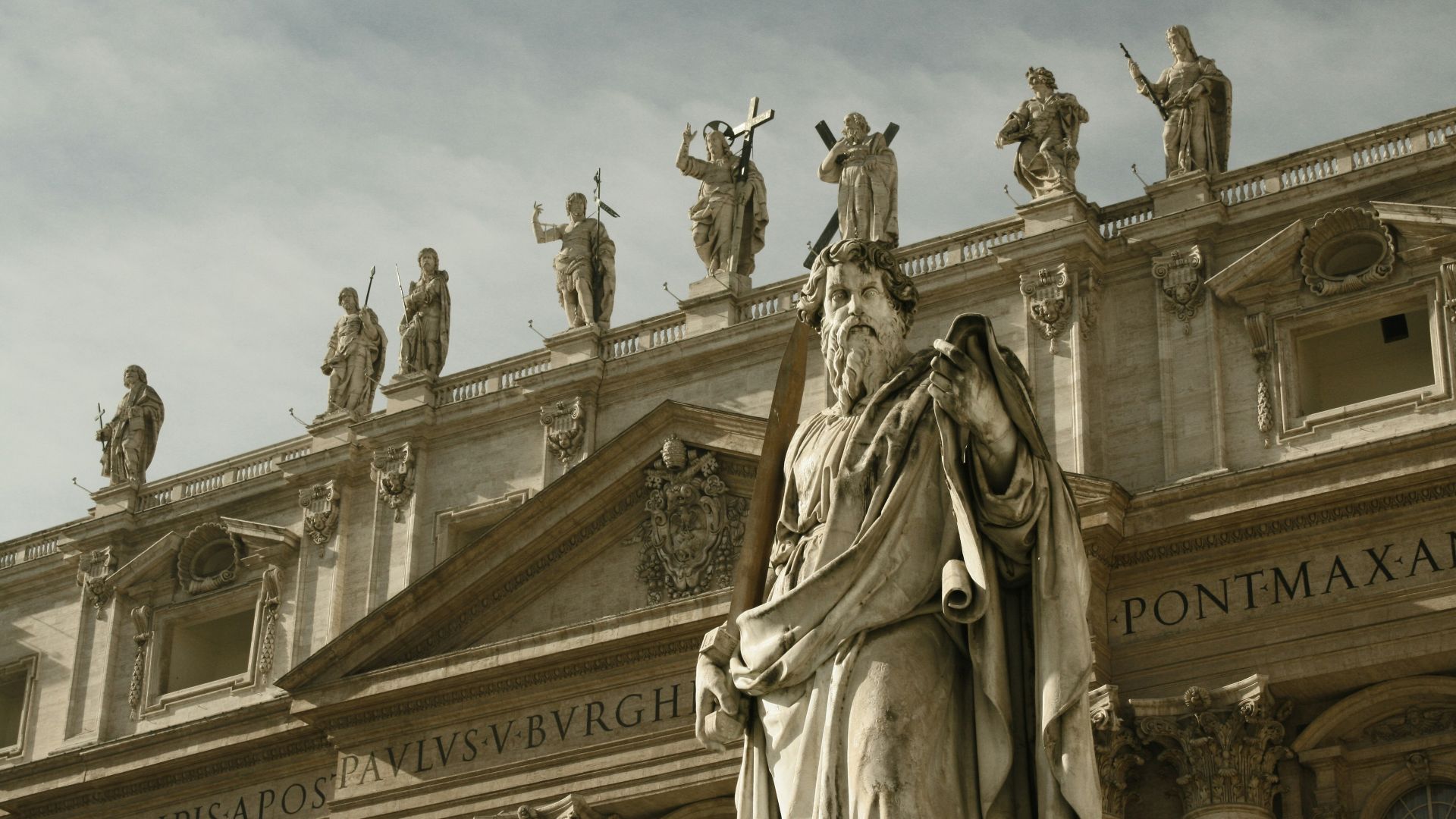
The empire operated across many languages and traditions, especially with Latin and Greek used widely in different regions. Rome often adopted useful ideas from the societies it conquered, from military practices to local administration. That ability to borrow and adjust made the empire less rigid and more flexible to change.
18. Imperial Loyalty Systems
The imperial cult helped connect provinces to the emperor through shared public rituals and honors. It wasn’t identical everywhere, but it offered a common way to express loyalty across diverse communities. When a political system gives people symbols of unity, it can soften regional divisions.

19. Pax Romana Stability
Rome had a long period of relative calm called the Pax Romana, usually dated from Augustus to Marcus Aurelius. That stability supported trade, building projects, and consistent governance in many provinces. Peace didn’t mean the absence of conflict, but it did mean fewer empire-wide breakdowns for nearly two centuries.

20. Eastern Imperial Continuity
When the western empire weakened, the eastern half remained richer, more urbanized, and easier to defend in key regions. Administrative reforms, including power-sharing experiments under emperors like Diocletian, also reflect how Rome tried to manage an oversized state. The Eastern Roman Empire endured until Constantinople fell to the Ottomans on May 29, 1453, extending Roman political life far beyond the West’s collapse.
KEEP ON READING
20 Powerful Ancient Egyptian Gods That Were Worshipped
Unique Religious Figures in Ancient Egypt. While most people are…
By Cathy Liu Nov 27, 2024
The 10 Scariest Dinosaurs From The Mesozoic Era & The…
The Largest Creatures To Roam The Earth. It can be…
By Cathy Liu Nov 28, 2024
The 20 Most Stunning Ancient Greek Landmarks
Ancient Greek Sites To Witness With Your Own Eyes. For…
By Cathy Liu Dec 2, 2024
10 Historical Villains Who Weren't THAT Bad
Sometimes people end up getting a worse reputation than they…
By Robbie Woods Dec 3, 2024
One Tiny Mistake Exposed A $3 Billion Heist
While still in college, Jimmy Zhong discovered a loophole that…
By Robbie Woods Dec 3, 2024
30 Lost Treasures That Vanished From History
Buried treasure, missing artefacts, legends of ancient gold in them…
By Robbie Woods Dec 3, 2024