When Red Fear Painted Everything Scarlet
The Red Scare wasn’t just a political moment—it was a paranoia-fueled fever dream that swept through mid-20th-century America. Careers ended overnight, friendships were destroyed under suspicion, and truth often took a backseat to accusation. People who had patriotic hearts and democratic ideals were branded as threats for reading the wrong book or having the wrong friend. It’s hard to imagine now, but in those anxious years, being accused of communism could wreck your life faster than any scandal. Here are 20 people who unfairly found themselves at the center of that hysteria.
1. Charlie Chaplin
The Little Tramp wasn’t just a film legend—he was also a victim of America’s mid-century paranoia. Chaplin’s sharp social critiques and sympathy for the poor made some powerful figures suspicious. When he was accused of communist sympathies, he chose exile in Switzerland over fighting a losing battle for his reputation.
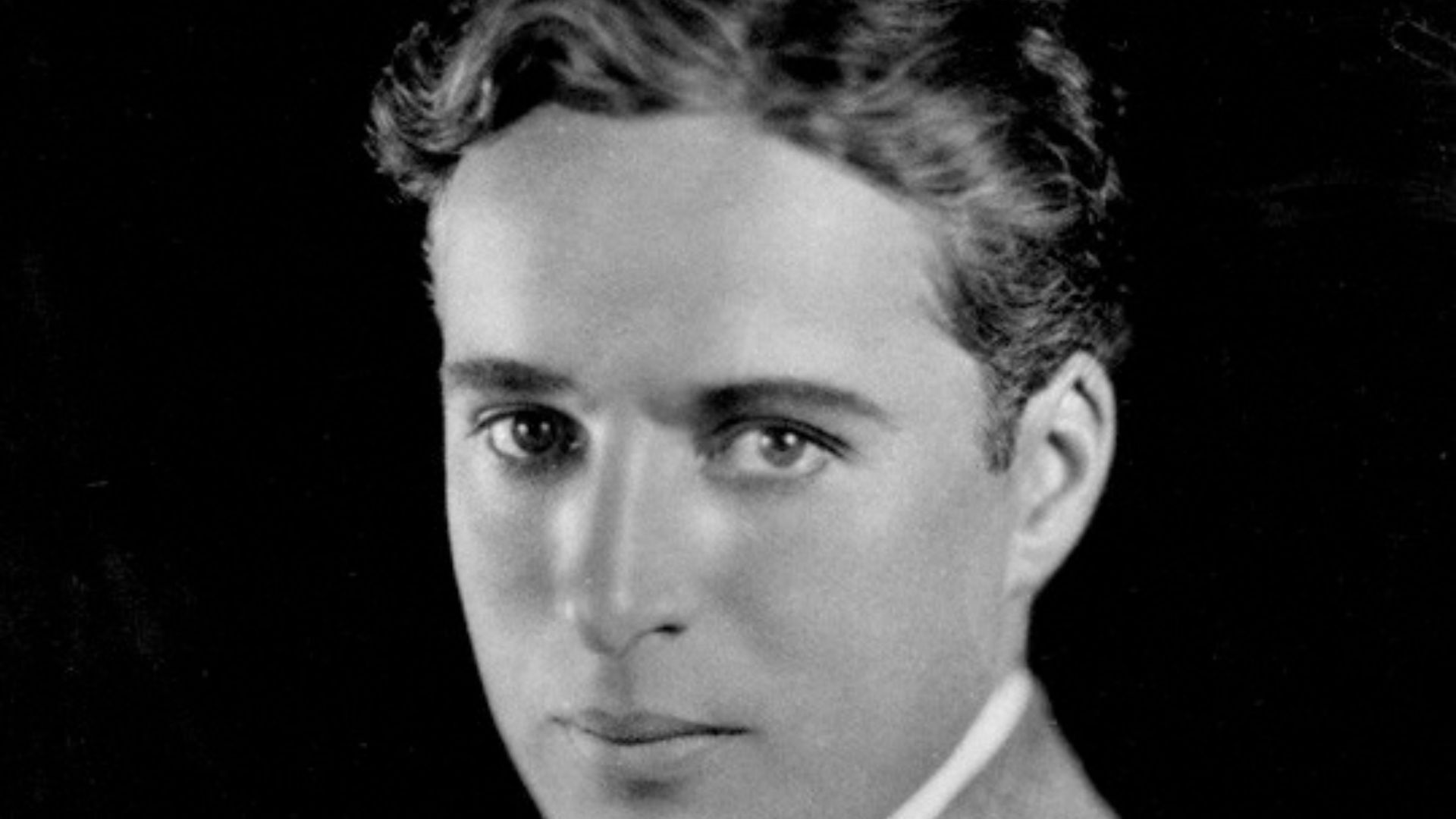 Strauss-Peyton Studio on Wikimedia
2. Lucille Ball
Yes, that Lucille Ball—America’s comedy queen—once found herself under the FBI’s microscope. She’d registered to vote as a communist decades earlier to please her grandfather, not to start a revolution. The whole thing blew over, but not before it gave Hollywood a serious scare about how far the witch hunt might go.
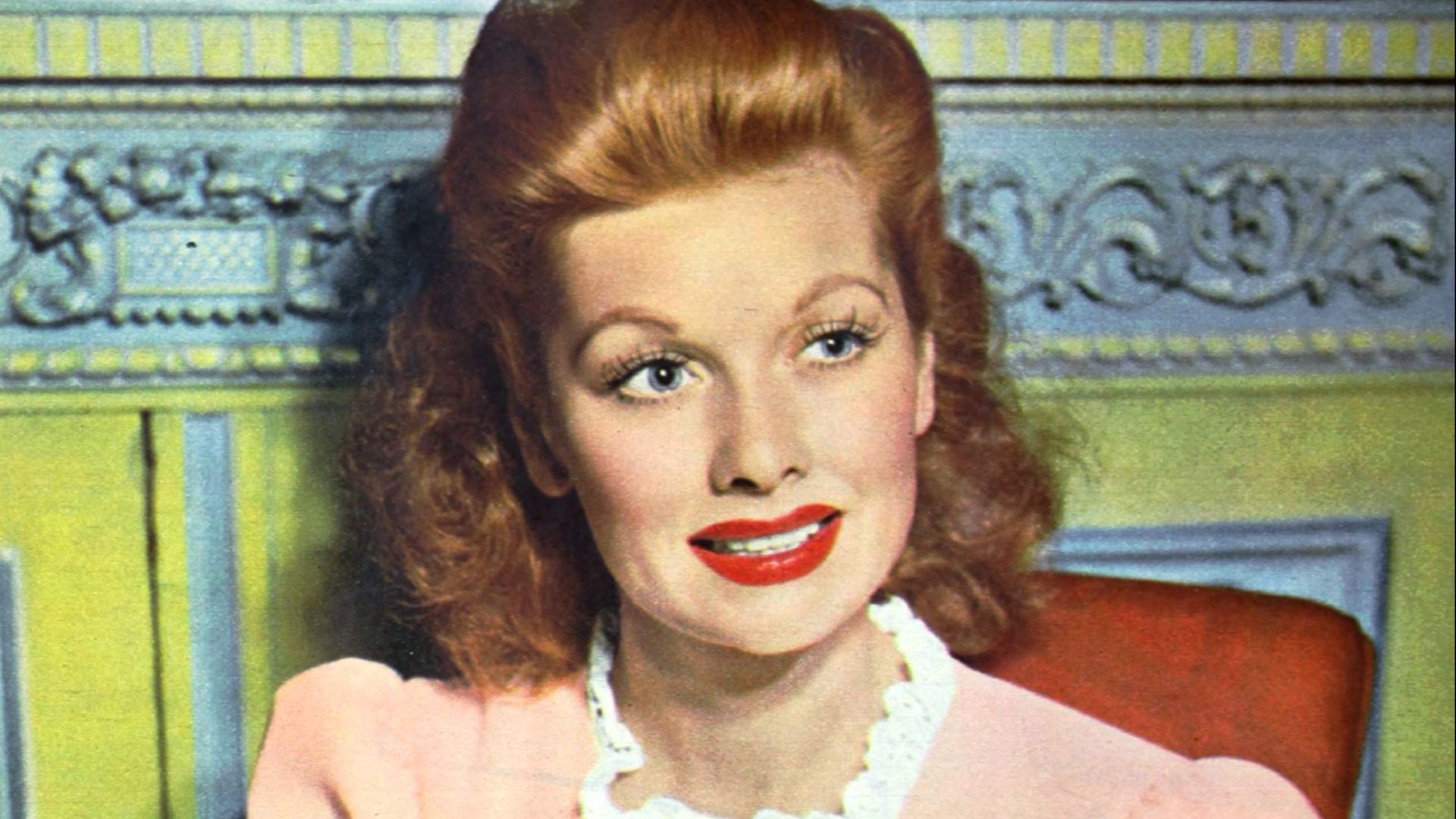 Macfadden Publications-page 2. on Wikimedia
3. Leonard Bernstein
Brilliant conductor, composer of West Side Story, and lover of America’s musical soul, Bernstein couldn’t escape scrutiny. His liberal activism and friendships in leftist circles triggered plenty of whispers. Despite never being a communist, he stayed on the government’s radar for years.
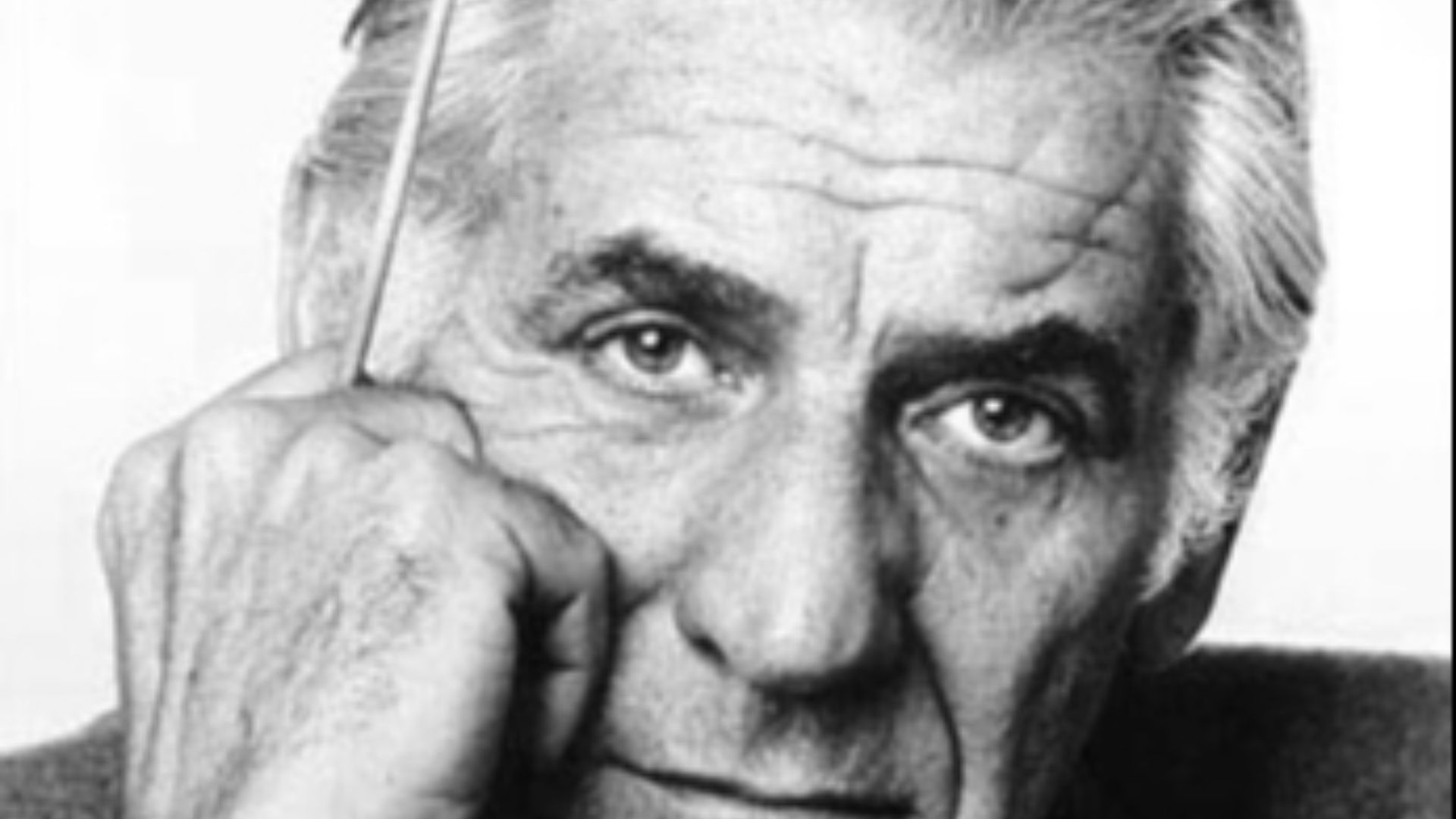
4. Pete Seeger
Folk singer and activist Pete Seeger was blacklisted and even cited for contempt of Congress after refusing to name names. His “crime” was singing songs about fairness and peace—a dangerous thing, apparently, during this time. Eventually, time and common sense restored his reputation as one of the country’s musical moral compasses.
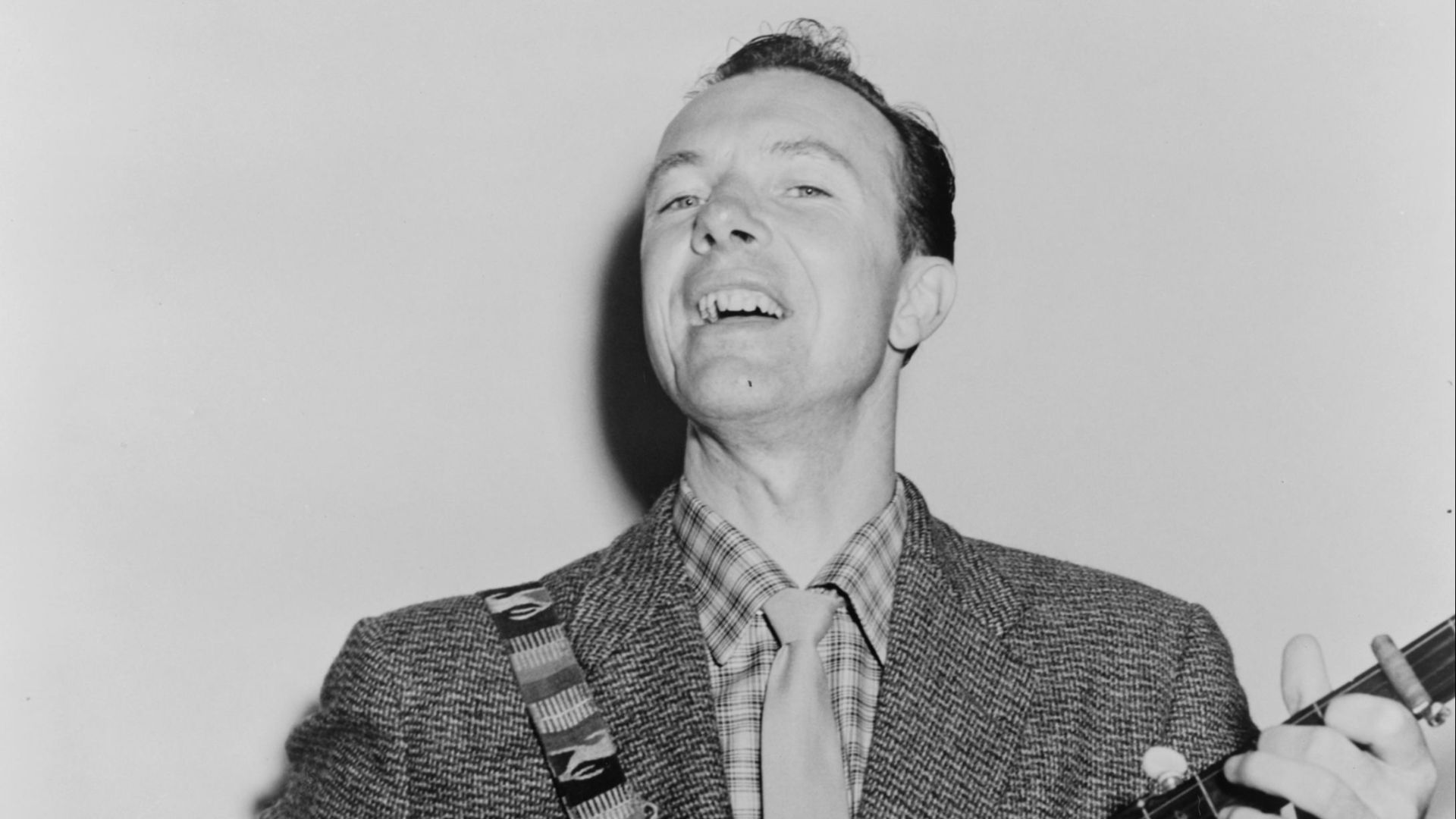 Fred Palumbo, World Telegram staff photographer on Wikimedia
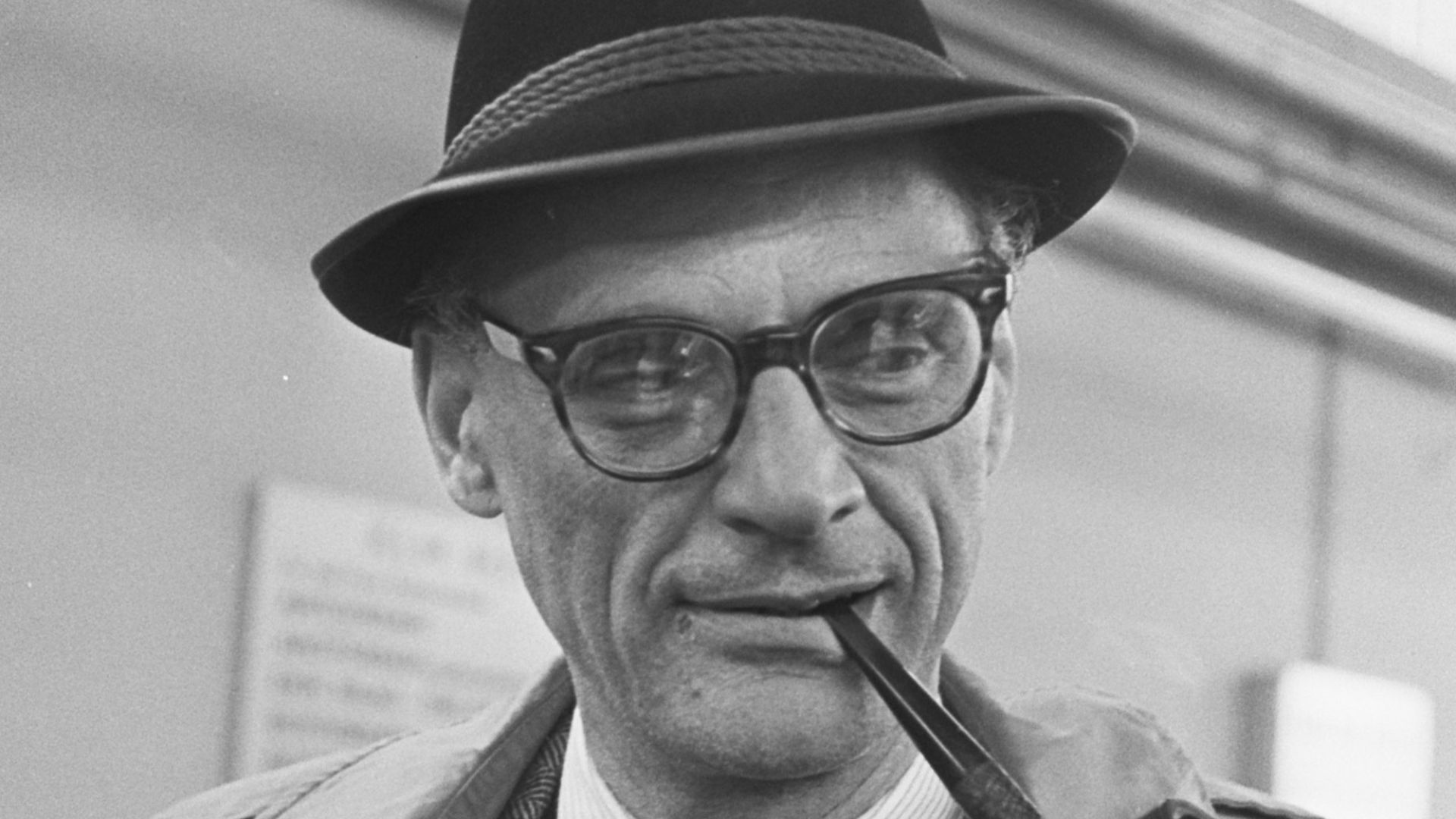
5. Arthur Miller
Being one of the country’s greatest playwrights didn’t protect Miller from suspicion. His play The Crucible—about Salem witch trials—was inspired by the Red Scare itself, which made his critics think he had something to hide. Instead, he turned the whole ordeal into timeless art.
 Eric Koch for Anefo on Wikimedia
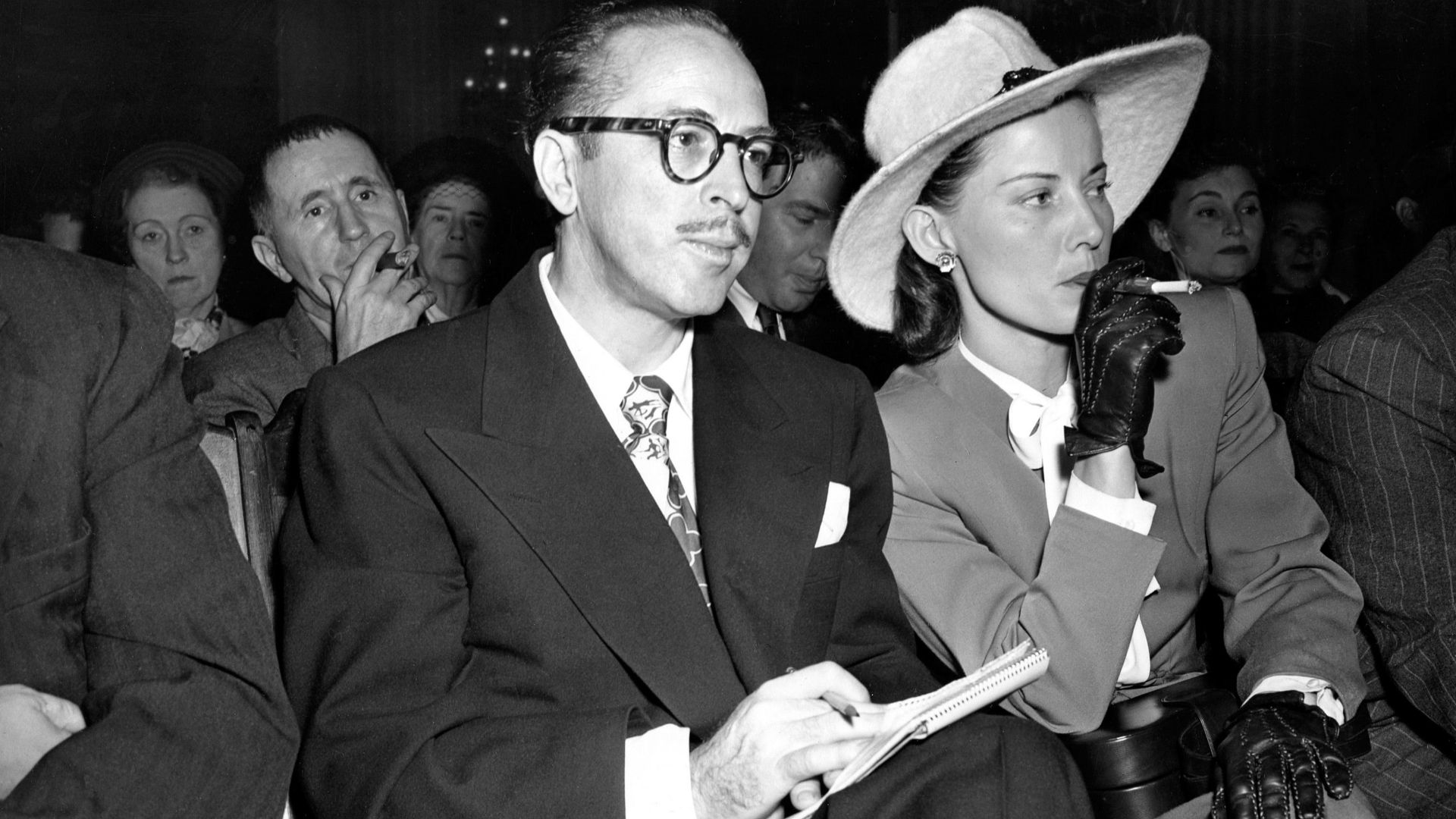
6. Dalton Trumbo
Hollywood screenwriter Dalton Trumbo became a symbol of the blacklist when he refused to testify before Congress. For years, he wrote under false names and even won two Oscars he couldn’t publicly claim. When the industry realized its mistake, his defiance looked more heroic than rebellious.
 Unknown authorUnknown author on Wikimedia
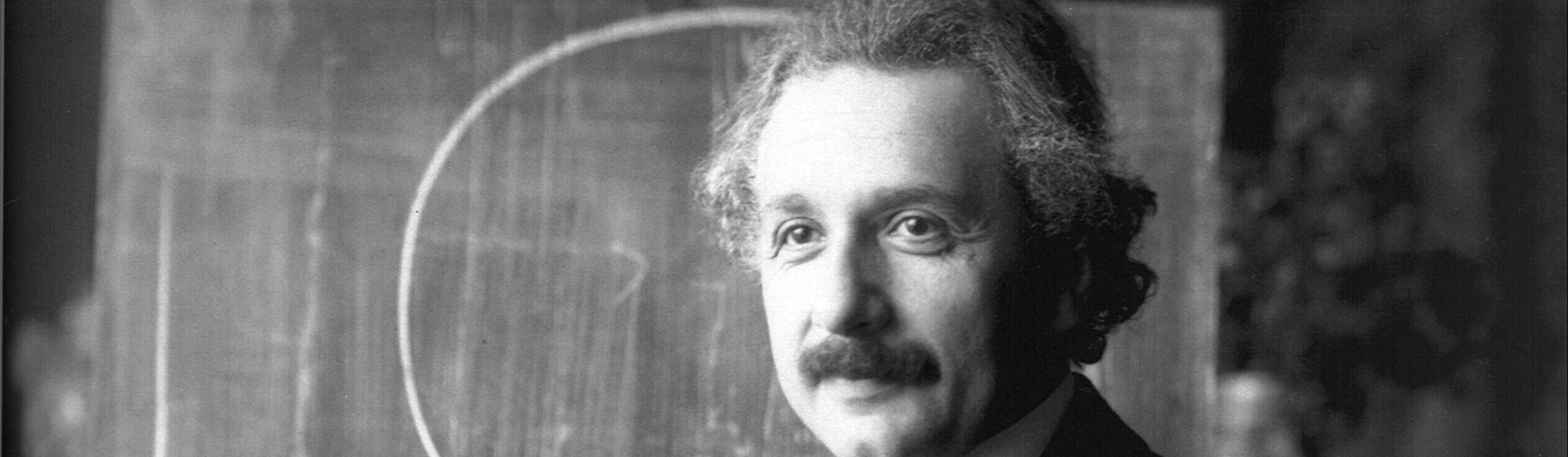
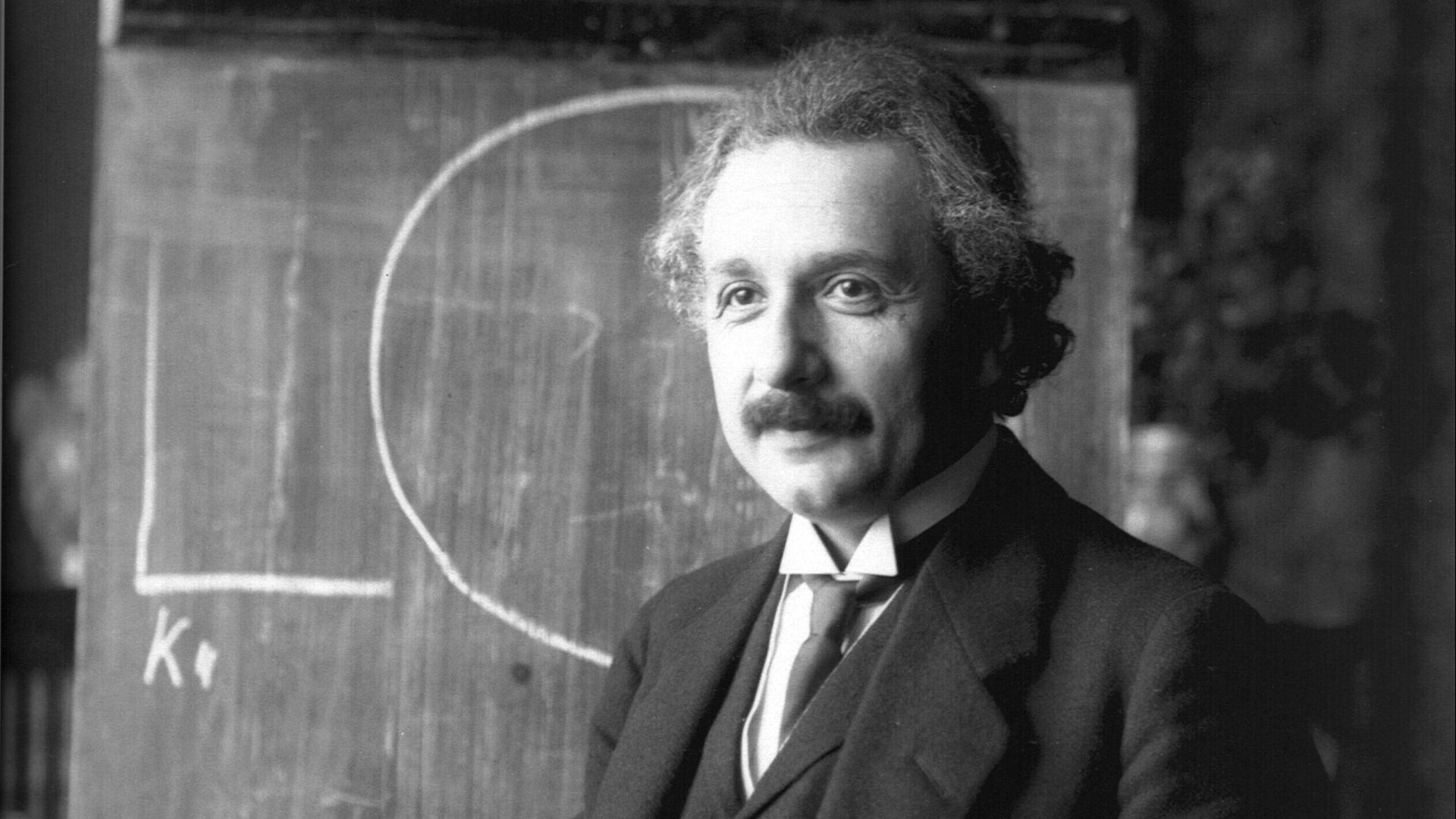
7. Albert Einstein
Even a genius couldn’t escape the suspicion of the era. Einstein’s outspoken stance on civil rights, pacifism, and international cooperation made him a target of the FBI’s obsessive files. He kept pushing for freedom of thought anyway—calmly disproving paranoia the same way he disproved Newton.
 Ferdinand Schmutzer on Wikimedia
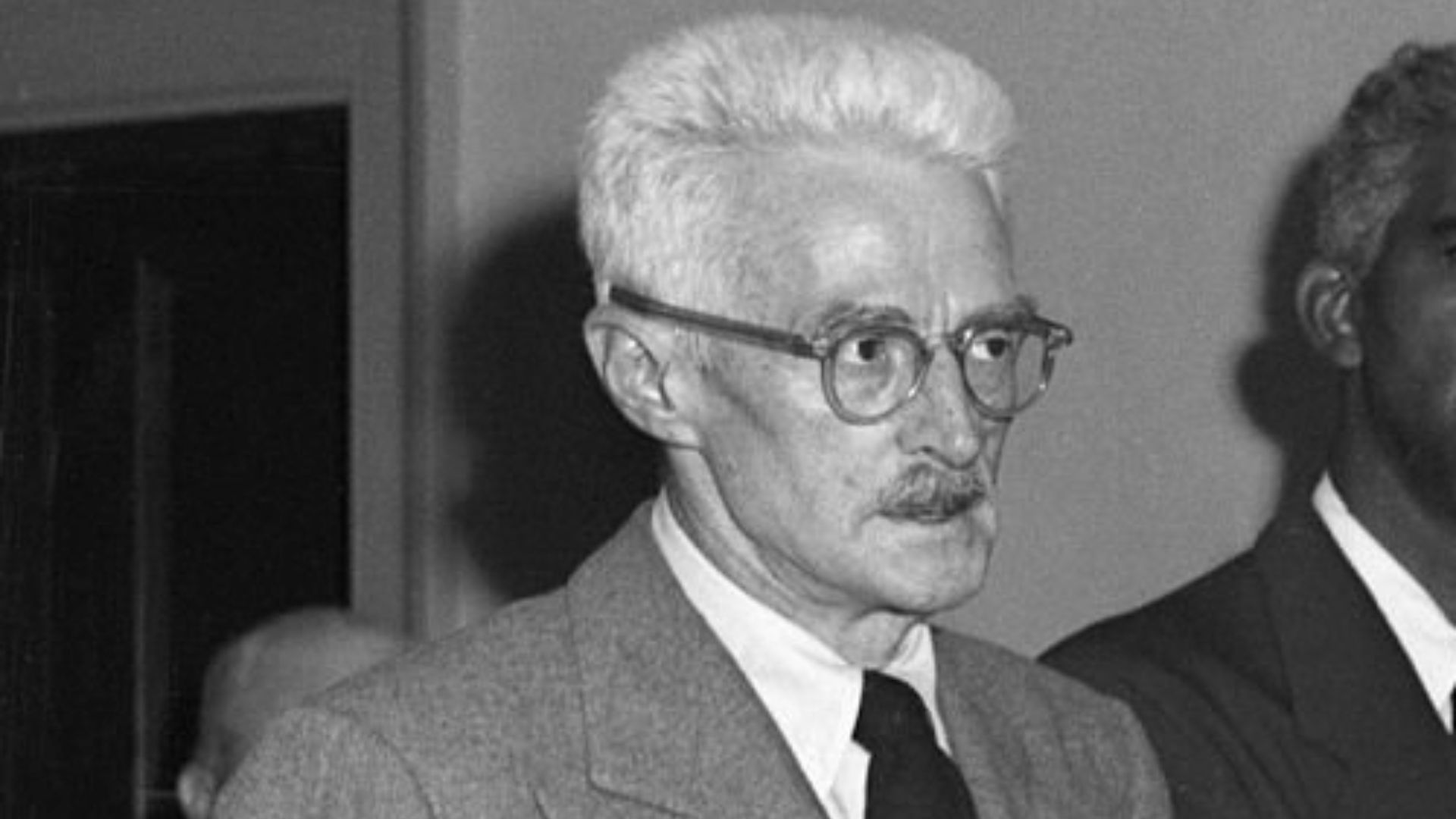
8. Dashiell Hammett
The man who gave the world Sam Spade and The Maltese Falcon wasn’t treated like a literary treasure. Hammett’s earlier involvement in antifascist groups was twisted into proof of communist leanings. He refused to cooperate with investigators, earning a jail sentence and a tarnished legacy that many worked hard to restore later on.
 Unknown, dedicated to Bettmann Archive on Wikimedia
9. Langston Hughes
Hughes’s poetry about racial equality made him an icon—and a target. During the McCarthy hearings, his earlier works were misread as communist propaganda. He clarified that his only loyalty was to dignity and truth, not any political party.
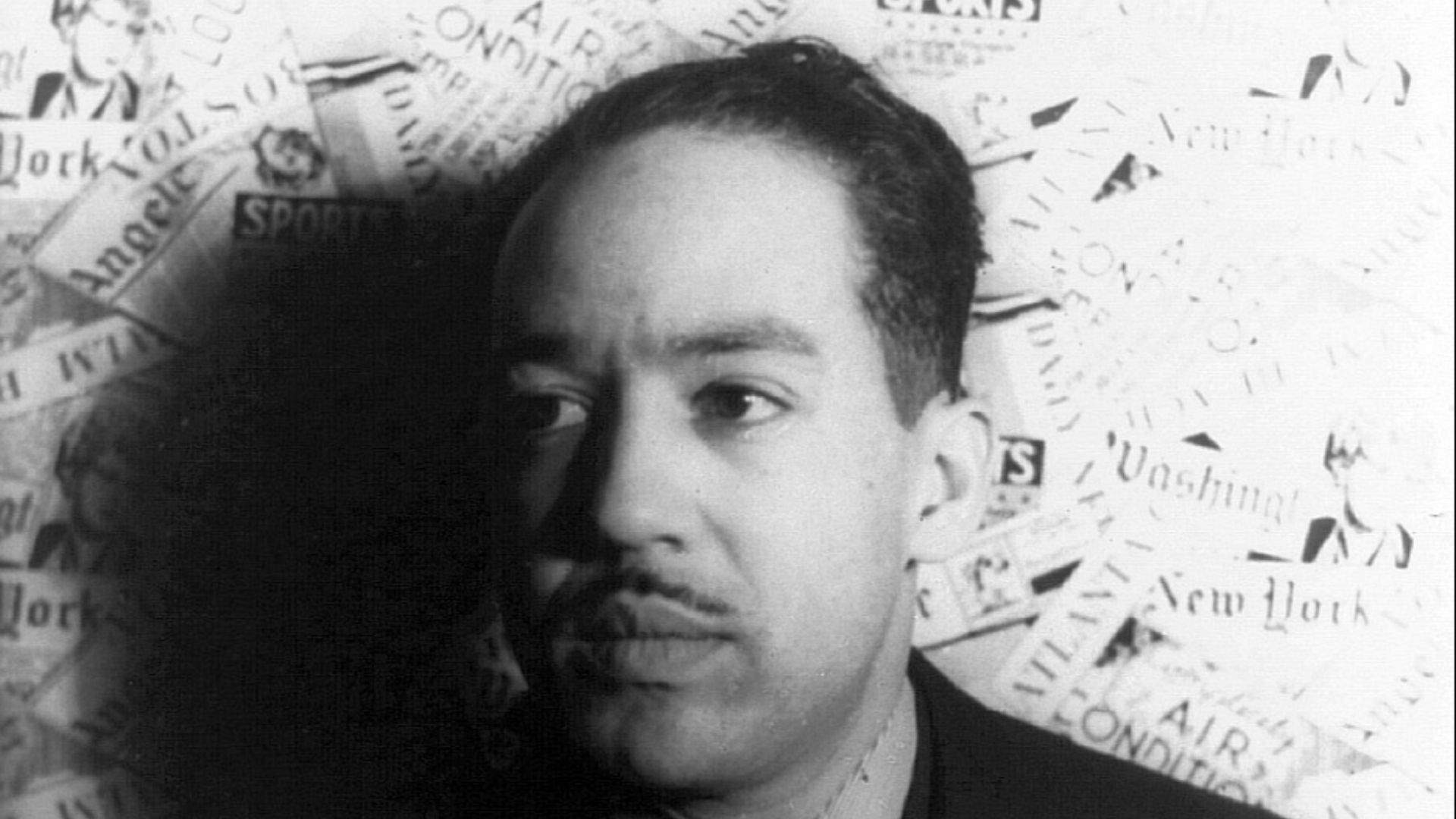 Carl Van Vechten; cropped by Beyond My Ken (talk) 07:07, 5 August 2010 (UTC) on Wikimedia
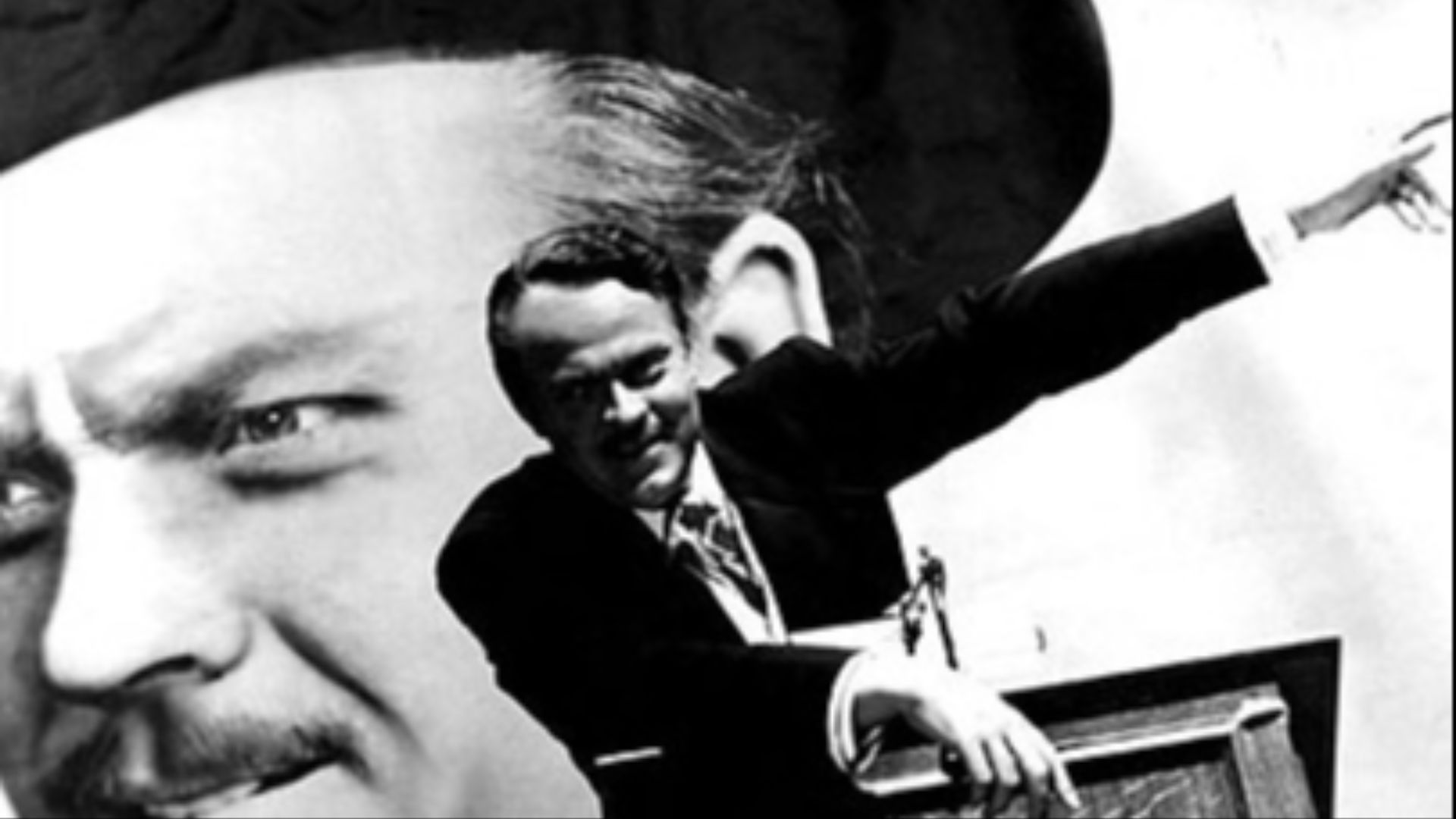
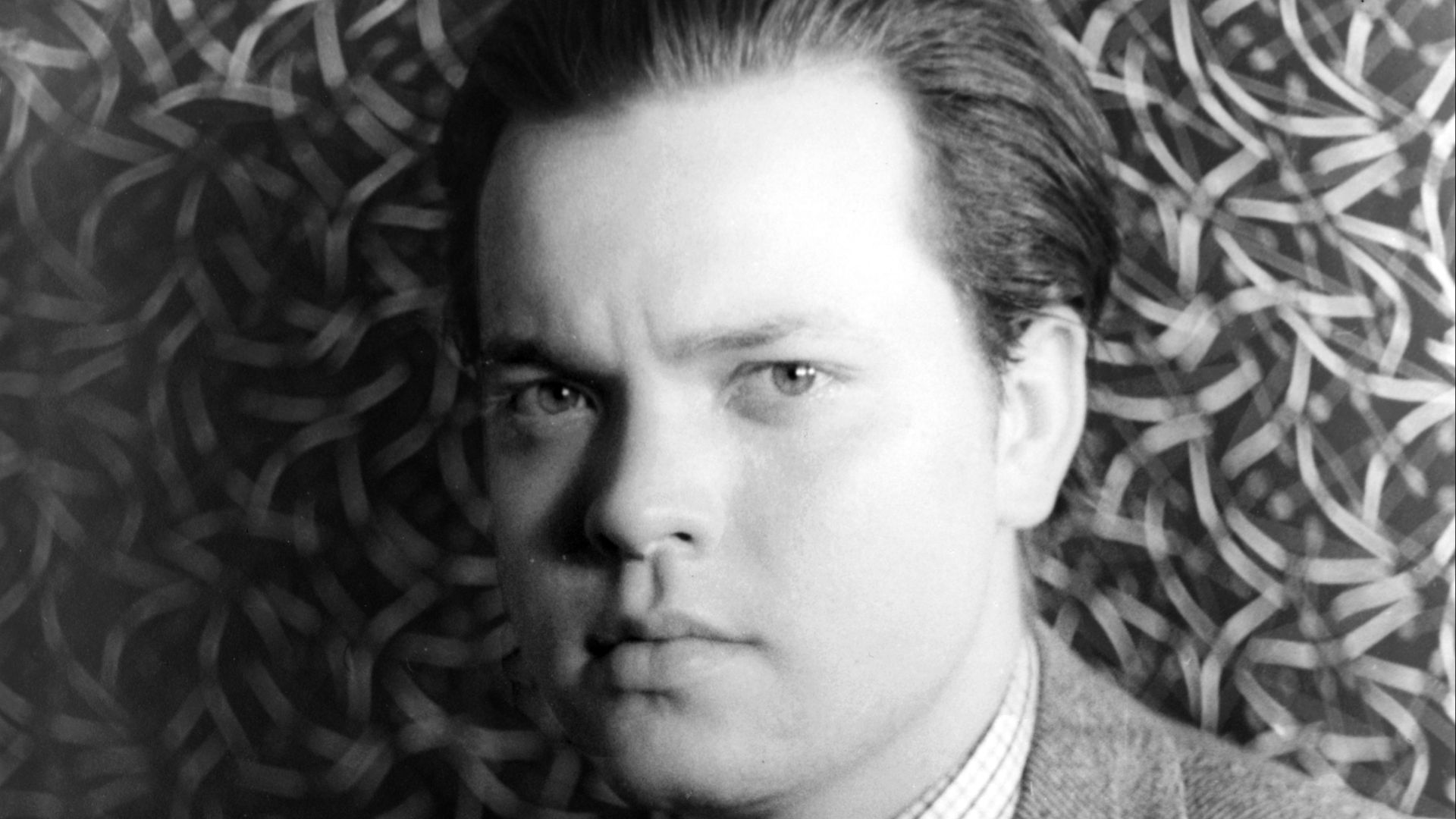
10. Orson Welles
He terrified America with War of the Worlds, but it was the Red Scare that nearly finished him. Welles’s advocacy for social rights and artistic freedom attracted government suspicions that hounded his career.
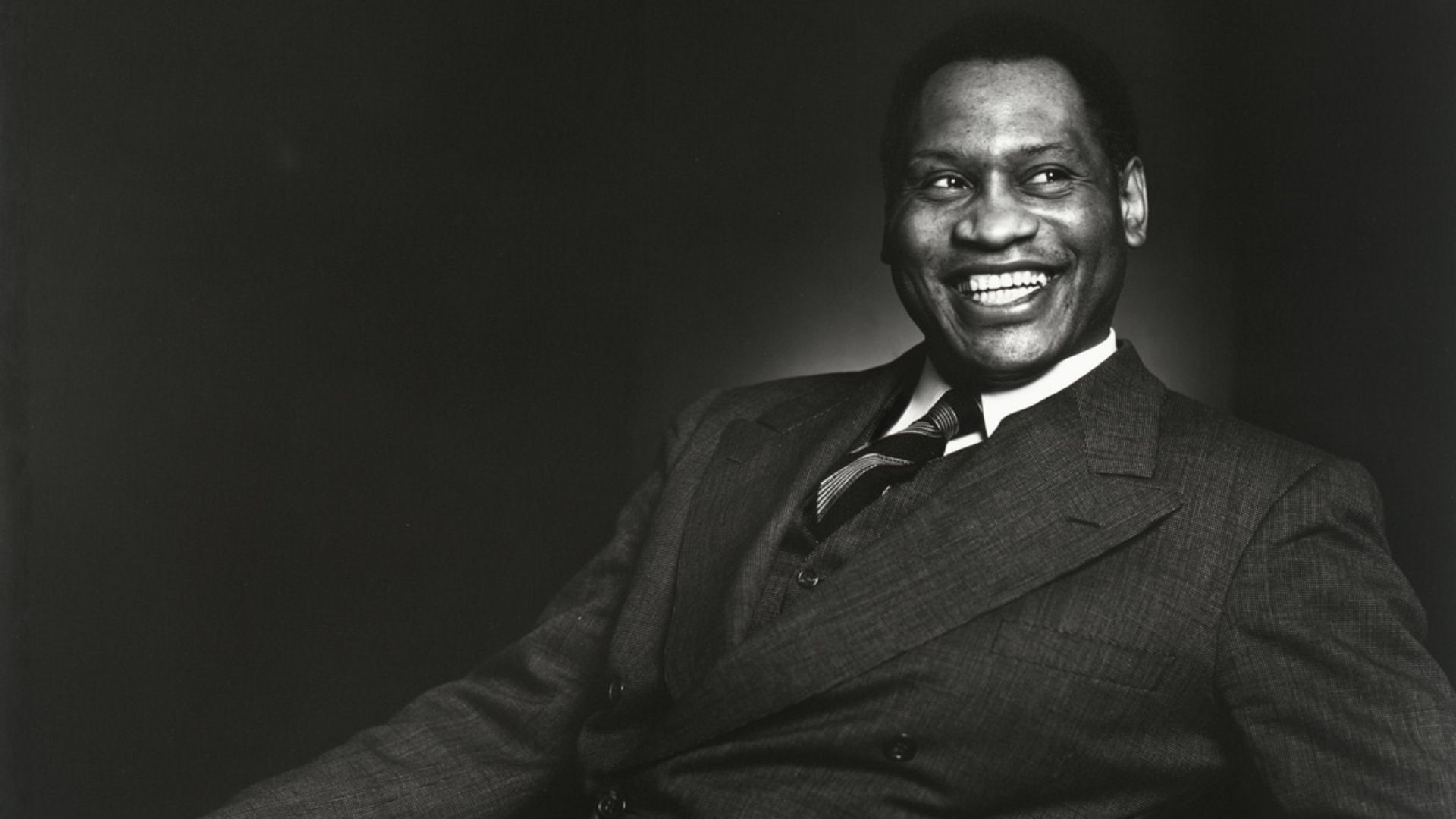
11. Paul Robeson
Singer, actor, and athlete Paul Robeson believed passionately in fairness across color and class lines. That made him a perfect target for Cold War fearmongers. The U.S. government revoked his passport for years, silencing one of its strongest artistic voices.
12. Martha Graham
The mother of modern dance was accused of having communist ties simply for supporting creative independence. Her art explored freedom of expression, not ideology. Still, suspicion stuck just long enough to shadow her early success before sanity returned.
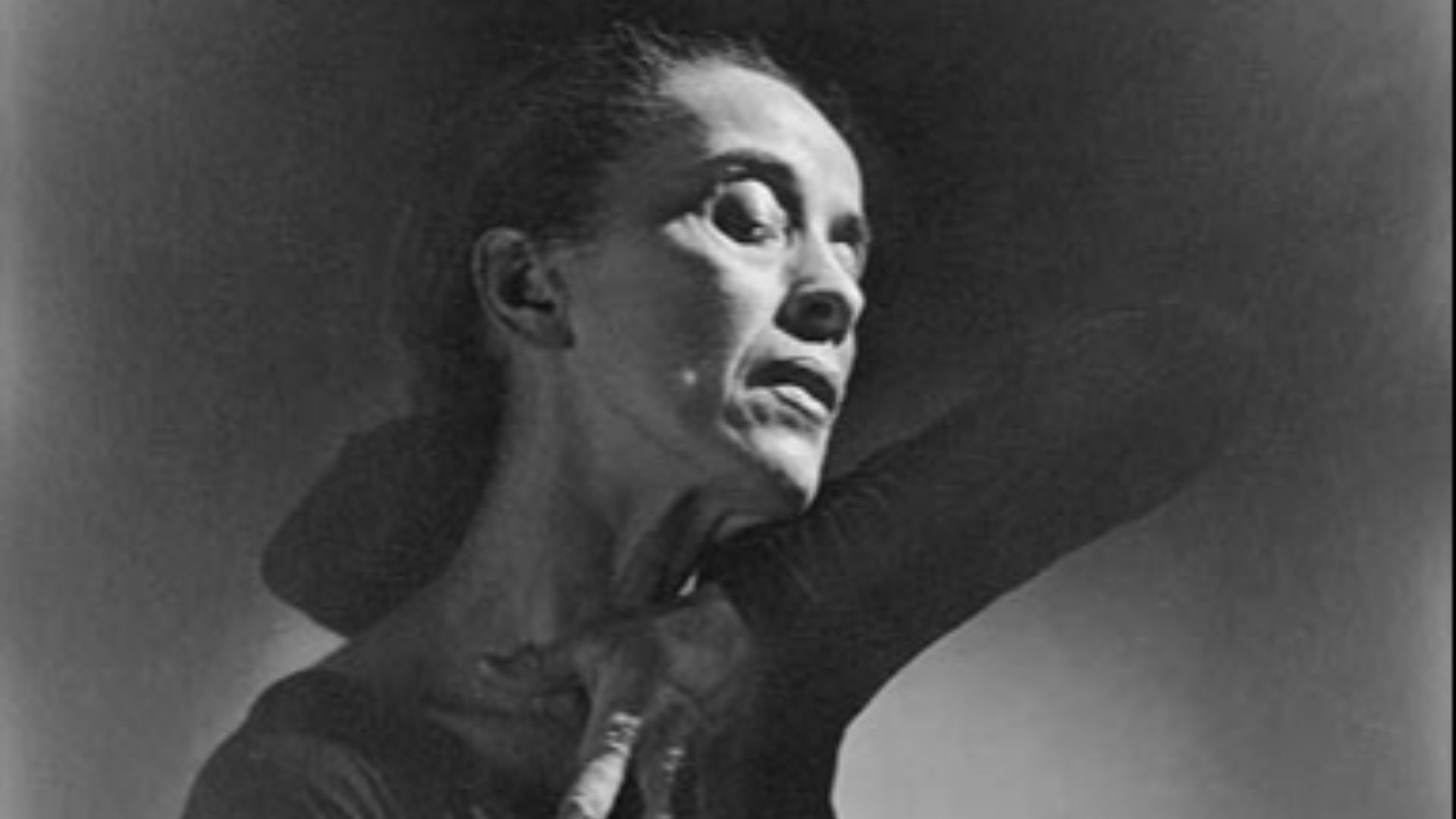 Yousuf Karsh / Library and Archives Canada / PA-212251 on Wikimedia
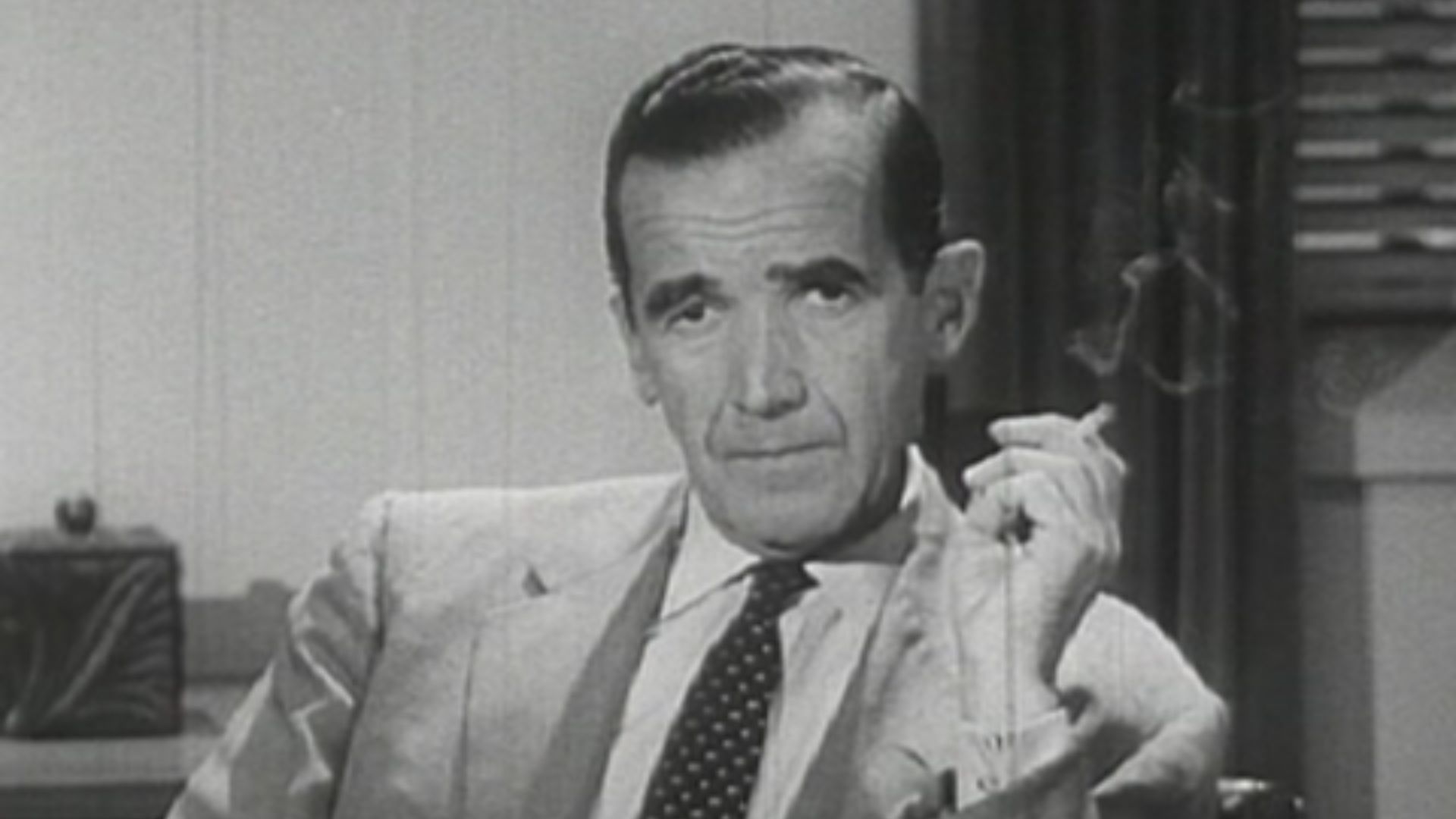
13. Edward R. Murrow
Ironically, the journalist who helped bring down Senator Joseph McCarthy’s crusade once drew suspicion himself. Murrow had international friends and a record of defending intellectual freedom, traits the paranoid found questionable. He used his microphone to expose the hysteria for what it was.
 Bomkia~commonswiki on Wikimedia
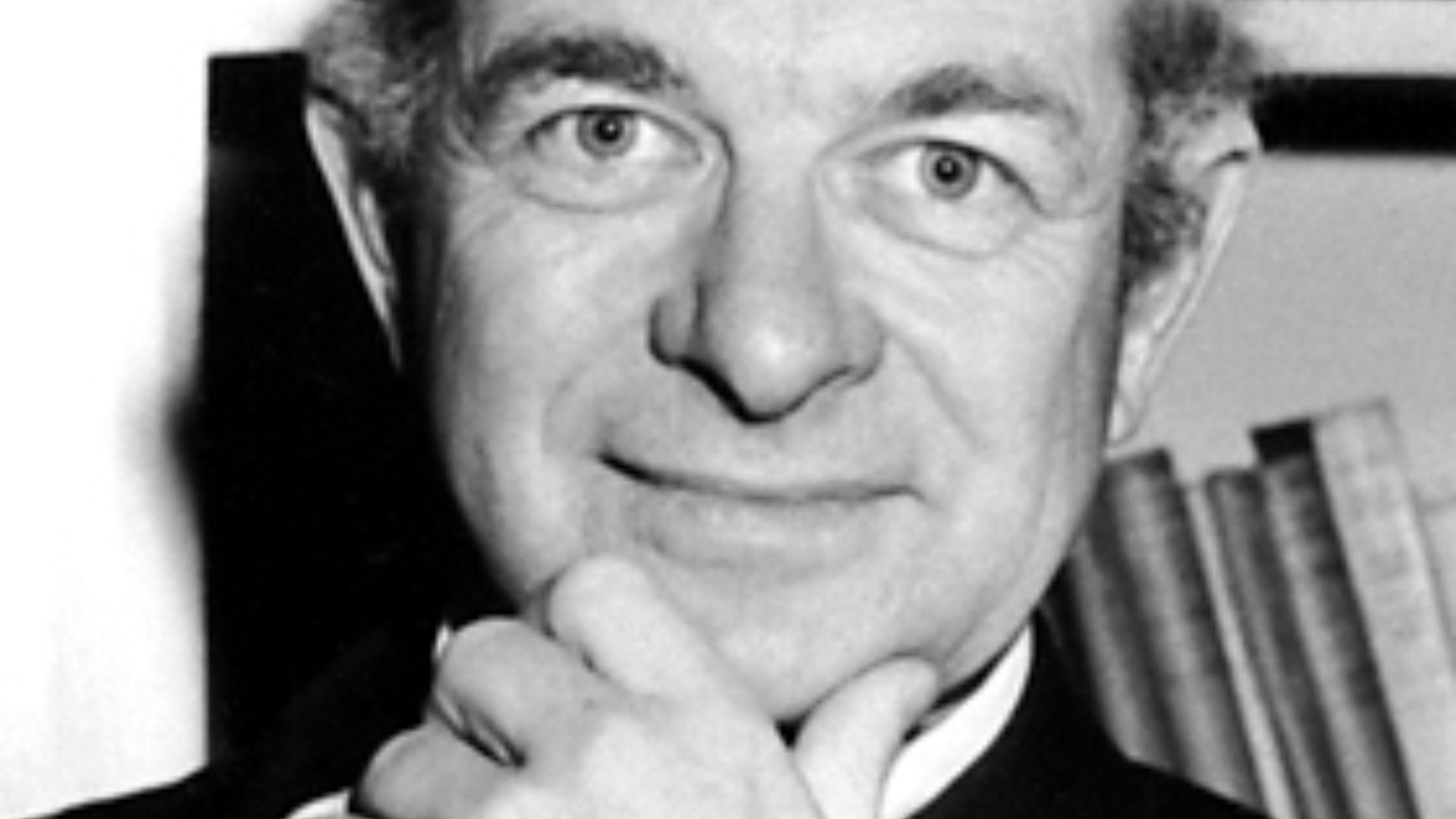
14. Linus Pauling
One of America’s few two-time Nobel Prize winners faced a ton of political heat for promoting nuclear disarmament. His advocacy for peace, not communism, landed him on the FBI’s list. History would later honor him as a visionary ahead of his time.
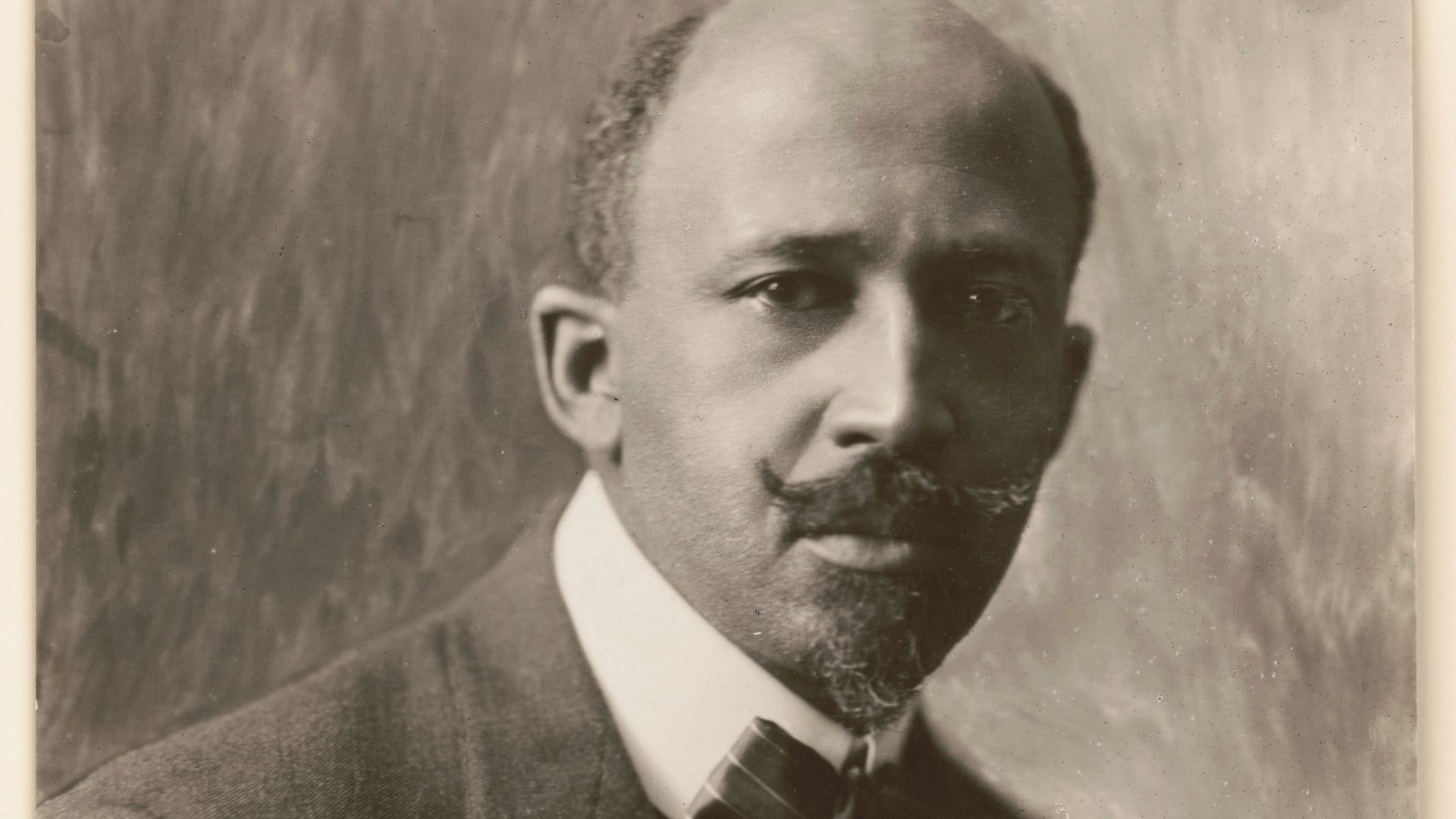
15. W.E.B. Du Bois
A scholar and civil rights pioneer, Du Bois was indicted in 1951 for failing to register as an “agent of a foreign power.” The charge was absurd and quickly dismissed, but the damage to his reputation lingered. Ironically, the government accused a man fighting for American equality of betraying America itself.
 Battey, C. M. (Cornelius Marion), 1873-1927, photographer on Wikimedia
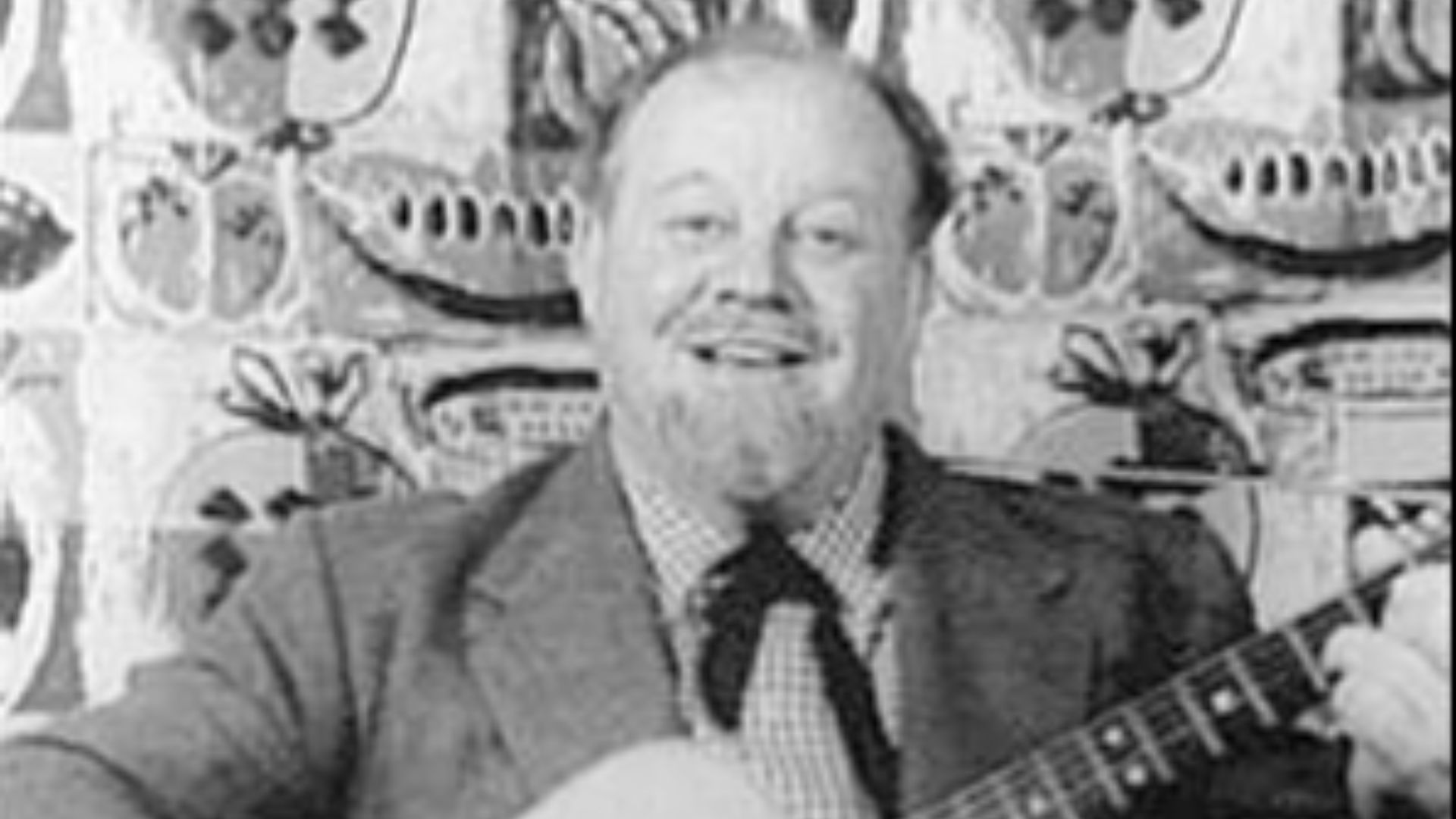
16. Burl Ives
Before he was known as the voice of “Rudolph the Red-Nosed Reindeer,” Burl Ives was caught in the cultural crossfire. He garnered suspicion because he sang with leftist folk groups in earlier years.
 The original uploader was Gamaliel at English Wikipedia. on Wikimedia
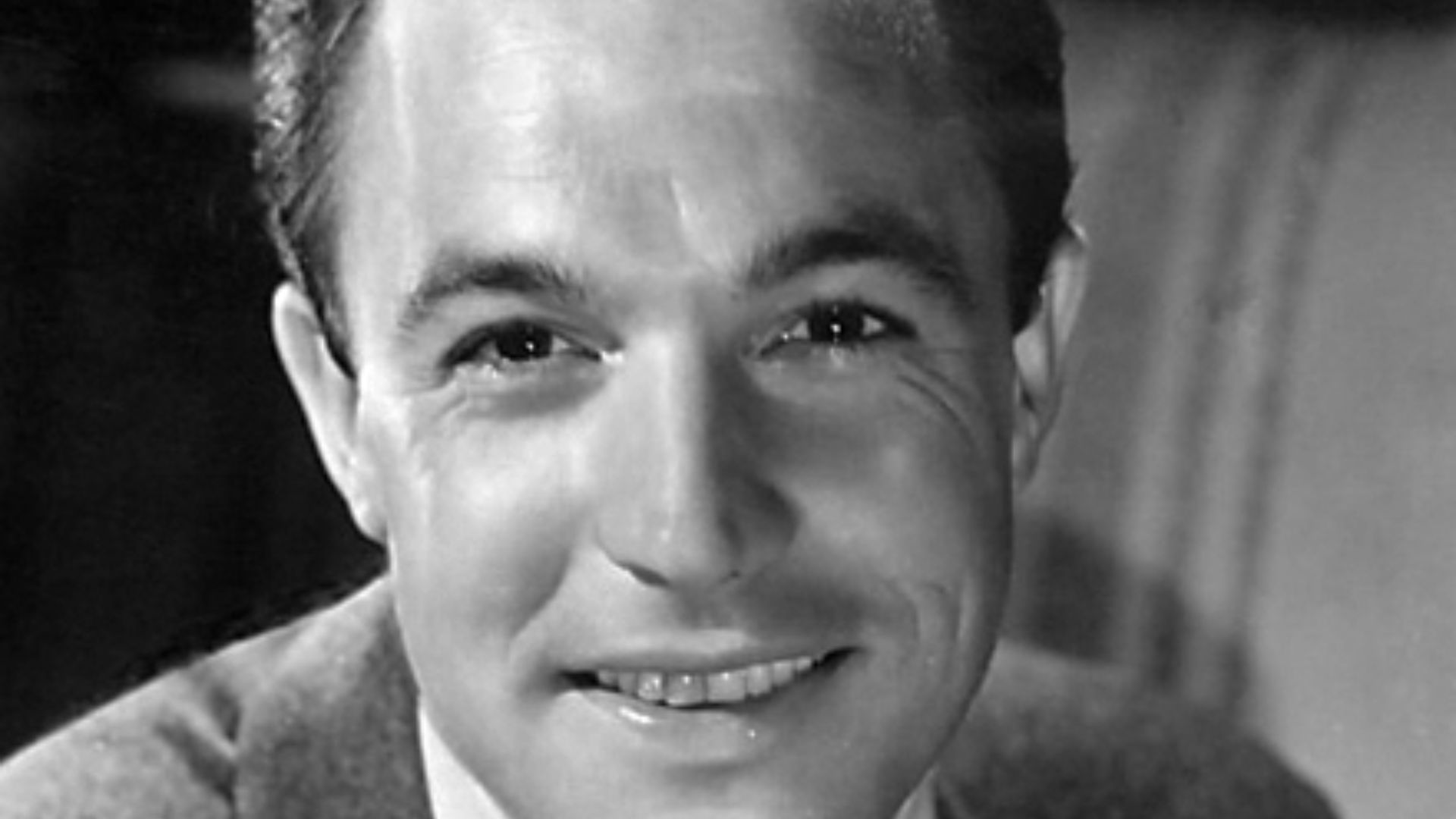
17. Gene Kelly
Beloved for his athletic grace in musicals, Kelly also had a strong social conscience. His political views were liberal but hardly radical. Still, guilt by association pulled him into investigations that could’ve derailed a less resilient performer.
 Metro-Goldwyn-Mayer on Wikimedia
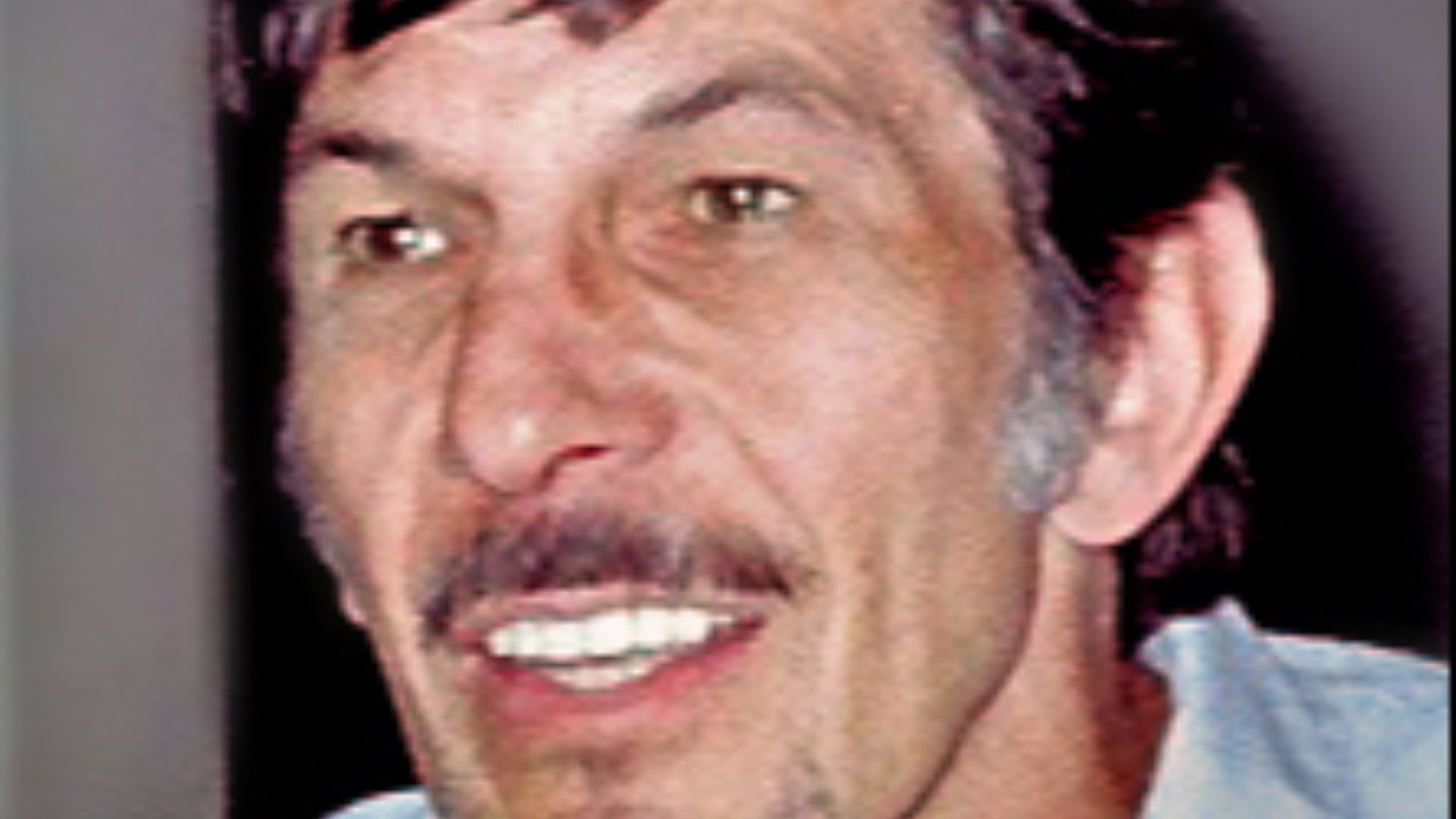
18. Leonard Nimoy
Before Star Trek made him a cultural legend, Nimoy’s acting and progressive views led to quiet questioning from authorities. Nothing came of it, but the fact that “Spock” was considered subversive sums up the absurdity of the era.
 Larry D. Moore derivative work: Bad Randolph (talk) on Wikimedia
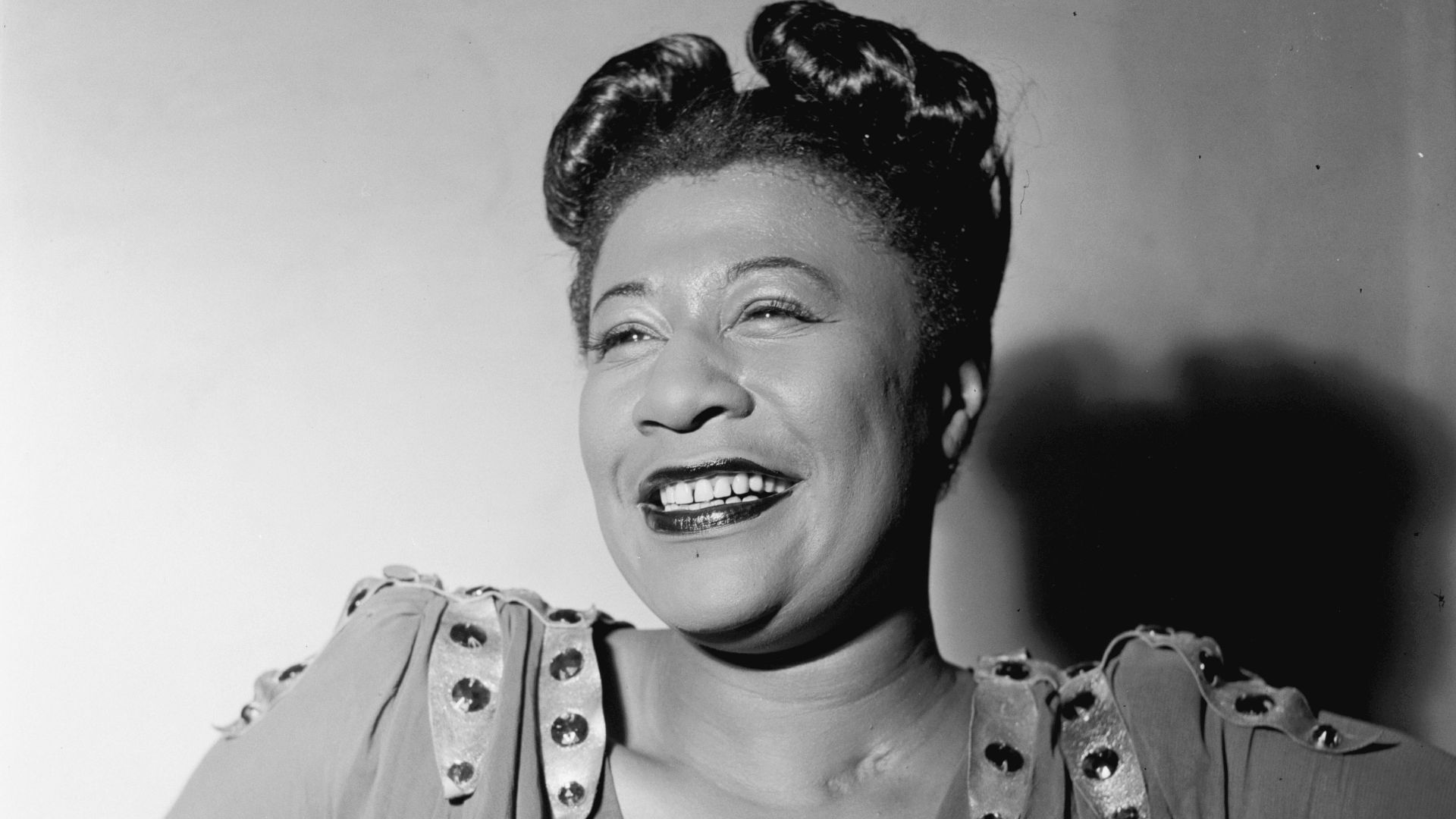
19. Ella Fitzgerald
The First Lady of Song faced FBI attention for performing at fundraisers that were deemed “too liberal.” Music was her passion, not Marxist theory, but that distinction often got lost during the Red Scare. It’s hard to imagine anyone seriously thinking swing music was a socialist threat.
 William P. Gottlieb on Wikimedia
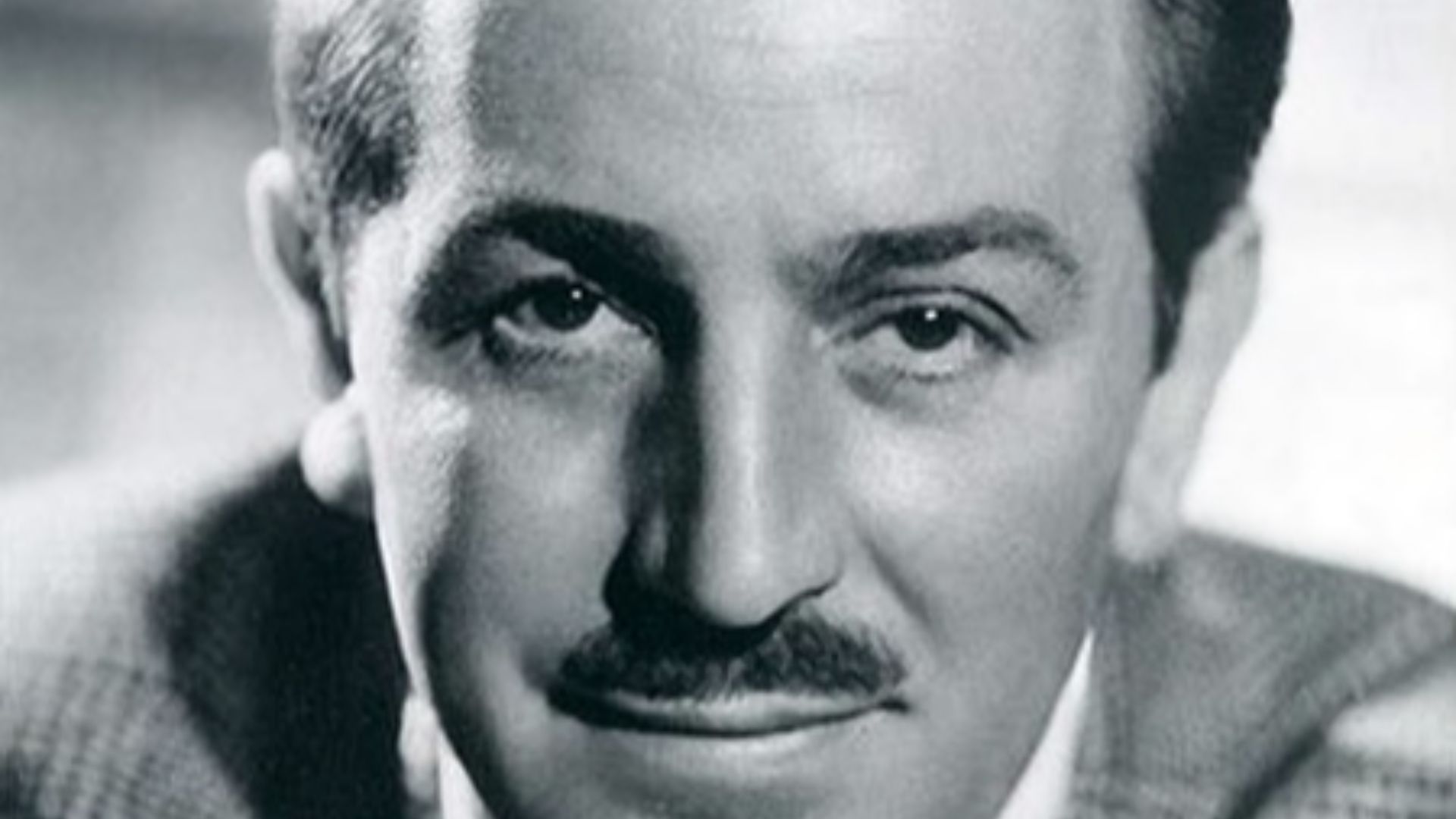
20. Walt Disney
Although Disney later testified before the House Un-American Activities Committee, he himself had once been accused of harboring communist sympathies within his own studio. Ironically, those accusations helped shape his lifelong obsession with patriotic imagery and clean-cut ideals.
KEEP ON READING