Understanding Australia’s Long and Complex Past
Australia’s history is far older and more layered than many people first realize. Long before modern cities, governments, or written records, the land was home to thriving cultures that developed deep knowledge of nature, storytelling, and survival. Over time, exploration, colonization, conflict, and cooperation shaped Australia into the nation you recognize today, and each period left lasting effects that are still felt. Here’s a closer look at 20 key facts that help explain how Australia’s past unfolded and why it continues to matter.

1. Aboriginal Peoples Were Australia’s First Inhabitants
Aboriginal and Torres Strait Islander peoples are the original inhabitants of Australia, living on the continent for at least 65,000 years. They formed hundreds of distinct groups, each with its own language, traditions, laws, and spiritual connections to specific regions. Before colonization, historians estimate that hundreds of thousands of Aboriginal peoples lived across the continent.
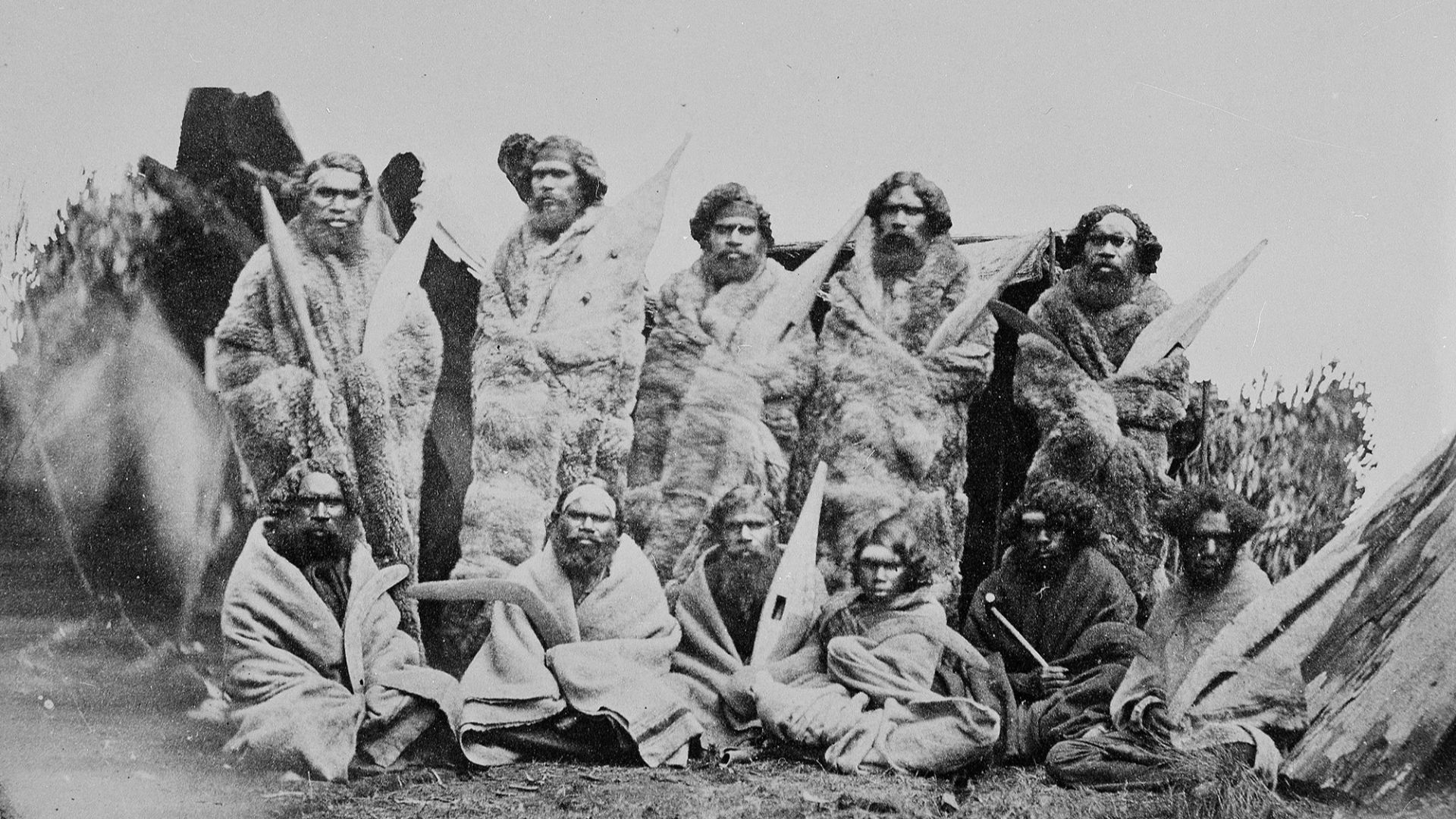 Antoine Julien Nicolas Fauchery (1823 – 1861) on Wikimedia
2. The Dreaming Shapes Aboriginal Beliefs
The Dreaming is a system of beliefs that explains how the land, animals, and people were created. These stories guide moral behavior, social rules, and relationships between people and nature. You can still see the importance of the Dreaming today in Aboriginal art, ceremonies, and storytelling practices that have survived for thousands of years.

3. Aboriginal Australians Managed the Land Carefully
Aboriginal peoples used controlled burning, known as fire-stick farming, to manage vegetation and reduce the risk of large wildfires. They relied on deep environmental knowledge, hunting practices, and seasonal movement to protect food sources. In some regions, they also developed early aquaculture systems and water management methods, all of which were sustainable and highly effective.

4. Trade Networks Existed Long Before Europeans
Aboriginal groups traded tools, food, and ceremonial items across vast distances. Archaeological evidence shows trade routes stretching across the continent, connecting inland and coastal communities. These networks even extended beyond Australia, with contact occurring between northern Aboriginal groups and Indonesian fishermen.
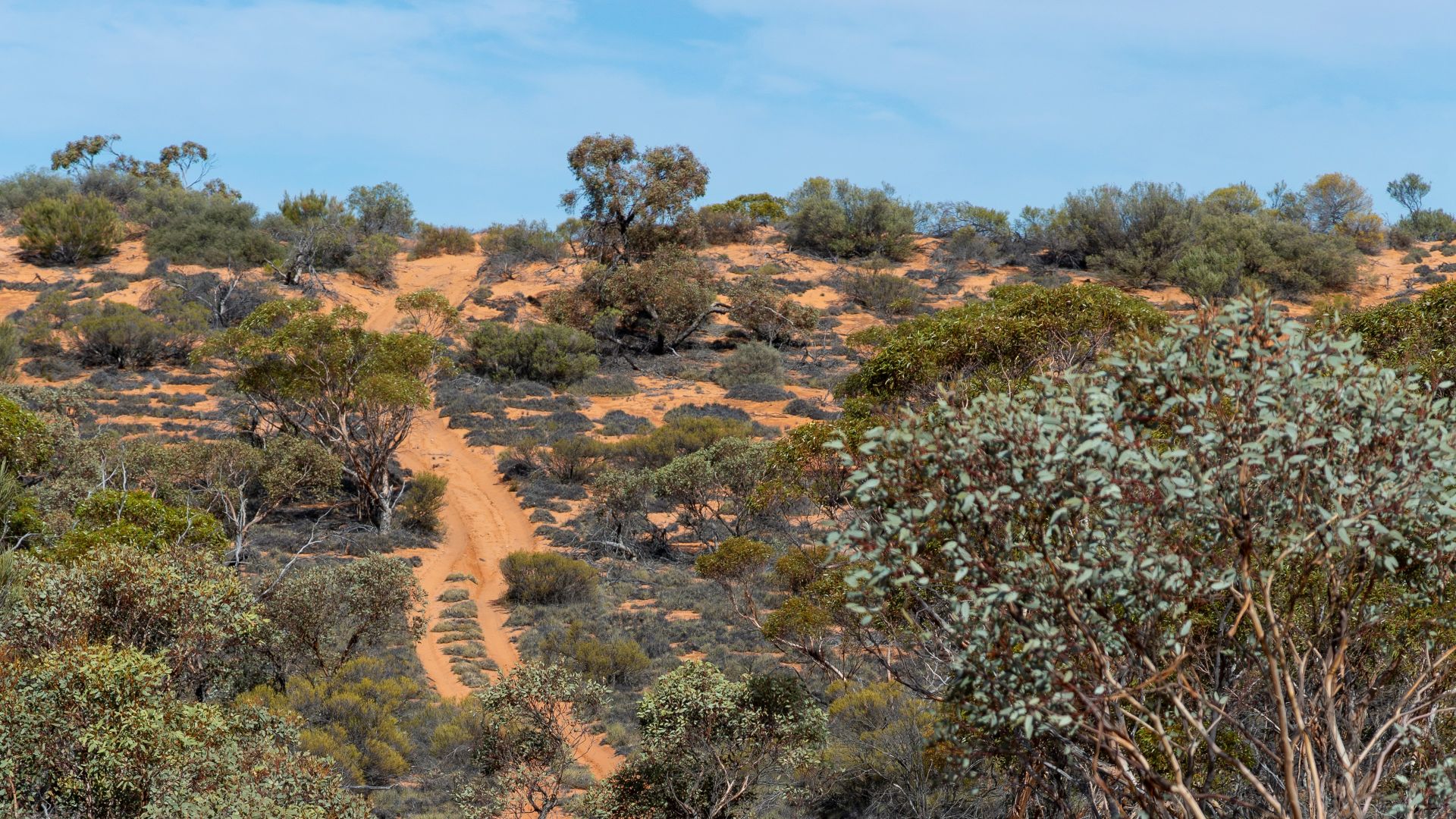
5. “New Holland”
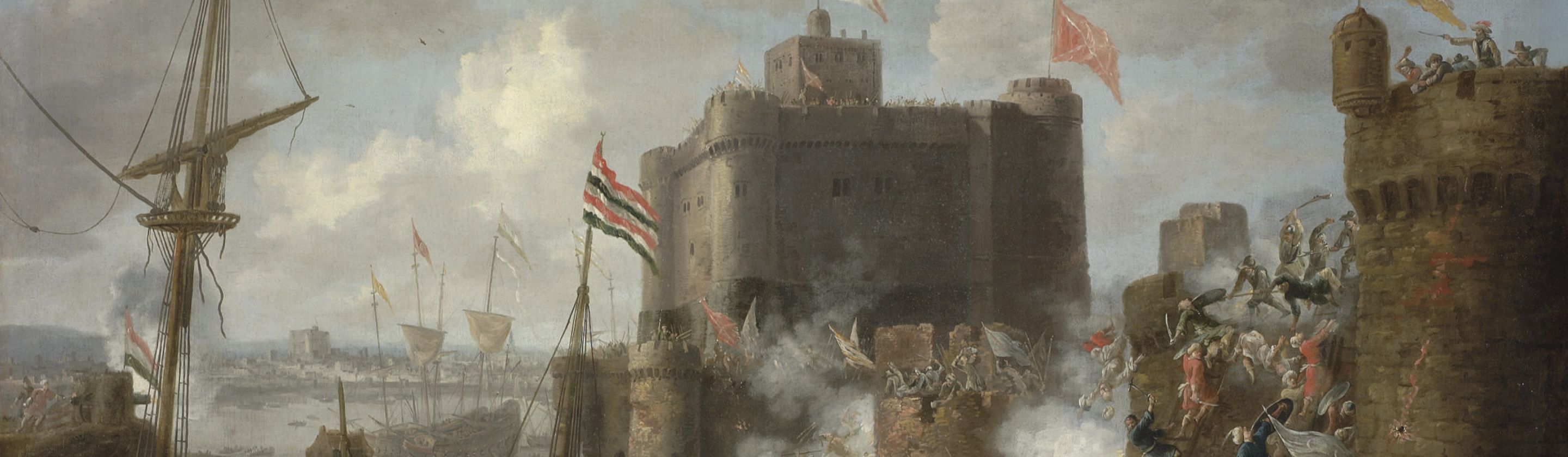
The earliest recorded European contact came from Dutch explorers in the early 1600s. They mapped parts of Australia’s northern and western coastlines but showed little interest in settlement. At the time, the Dutch referred to the land as New Holland, a name that appeared on European maps for many years.
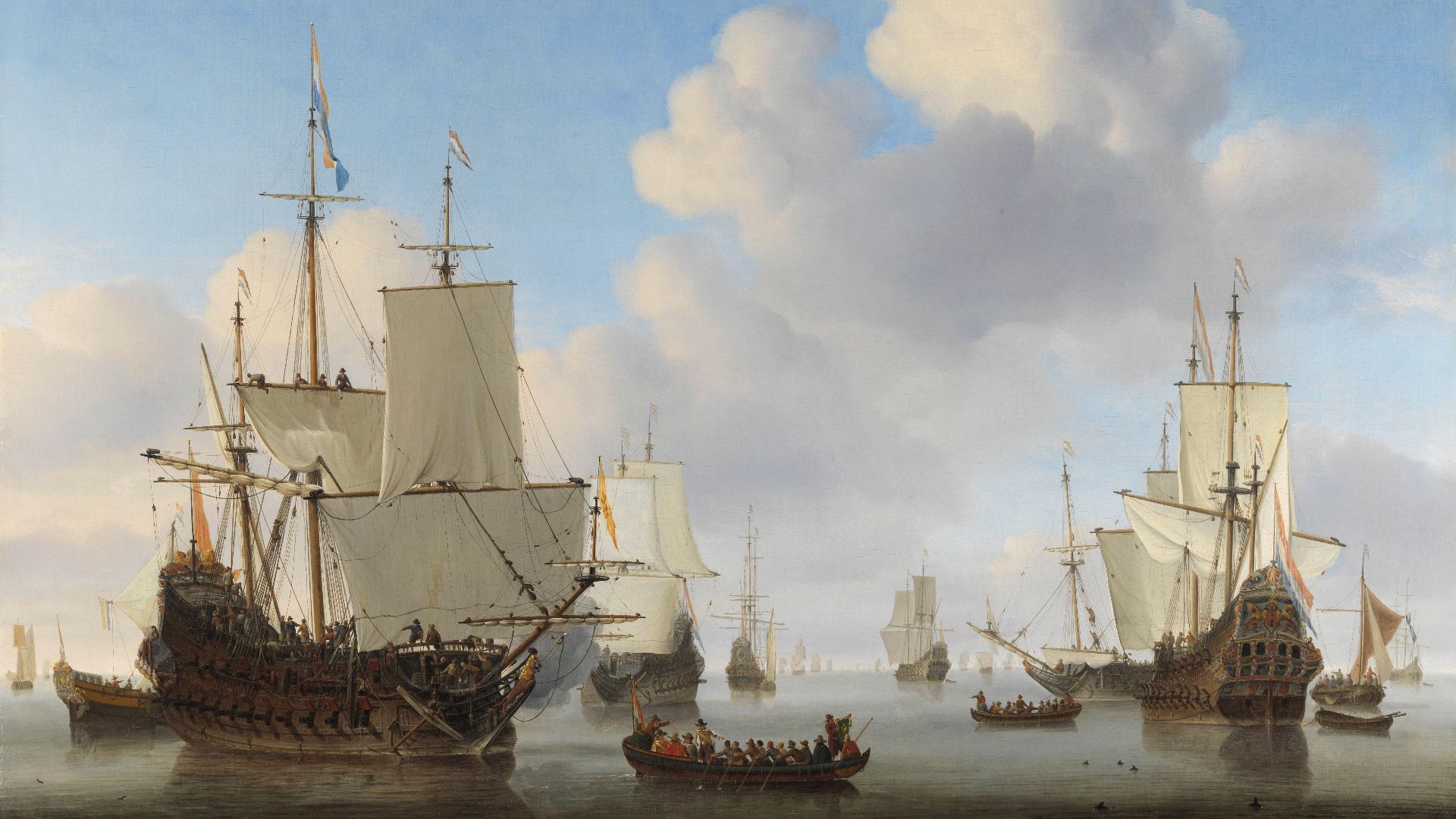 Willem van de Velde the Younger on Wikimedia
6. Captain James Cook Charted the East Coast
In 1770, British explorer Captain James Cook sailed along Australia’s eastern coastline aboard the Endeavour. He claimed the territory for Britain and named it New South Wales. This voyage played a major role in Britain’s decision to establish a permanent colony decades later.
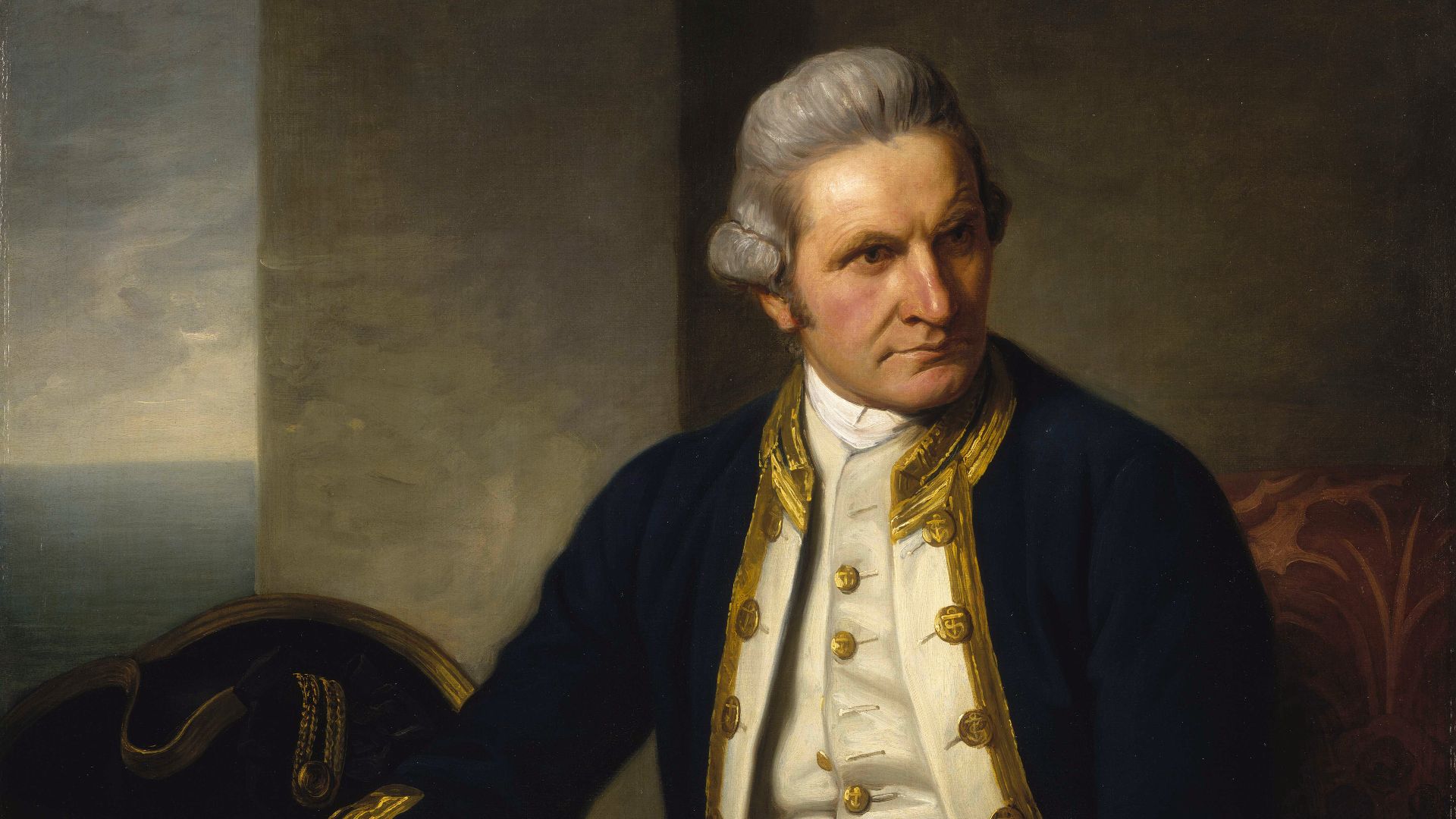 Nathaniel Dance-Holland on Wikimedia
7. Australia Began as a British Penal Colony
Britain founded its first Australian settlement in 1788 to relieve overcrowded prisons at home. Convicts, soldiers, and government officials arrived at Sydney Cove to form the colony. Conditions were harsh, with limited supplies, unfamiliar land, and strict rules shaping early life.
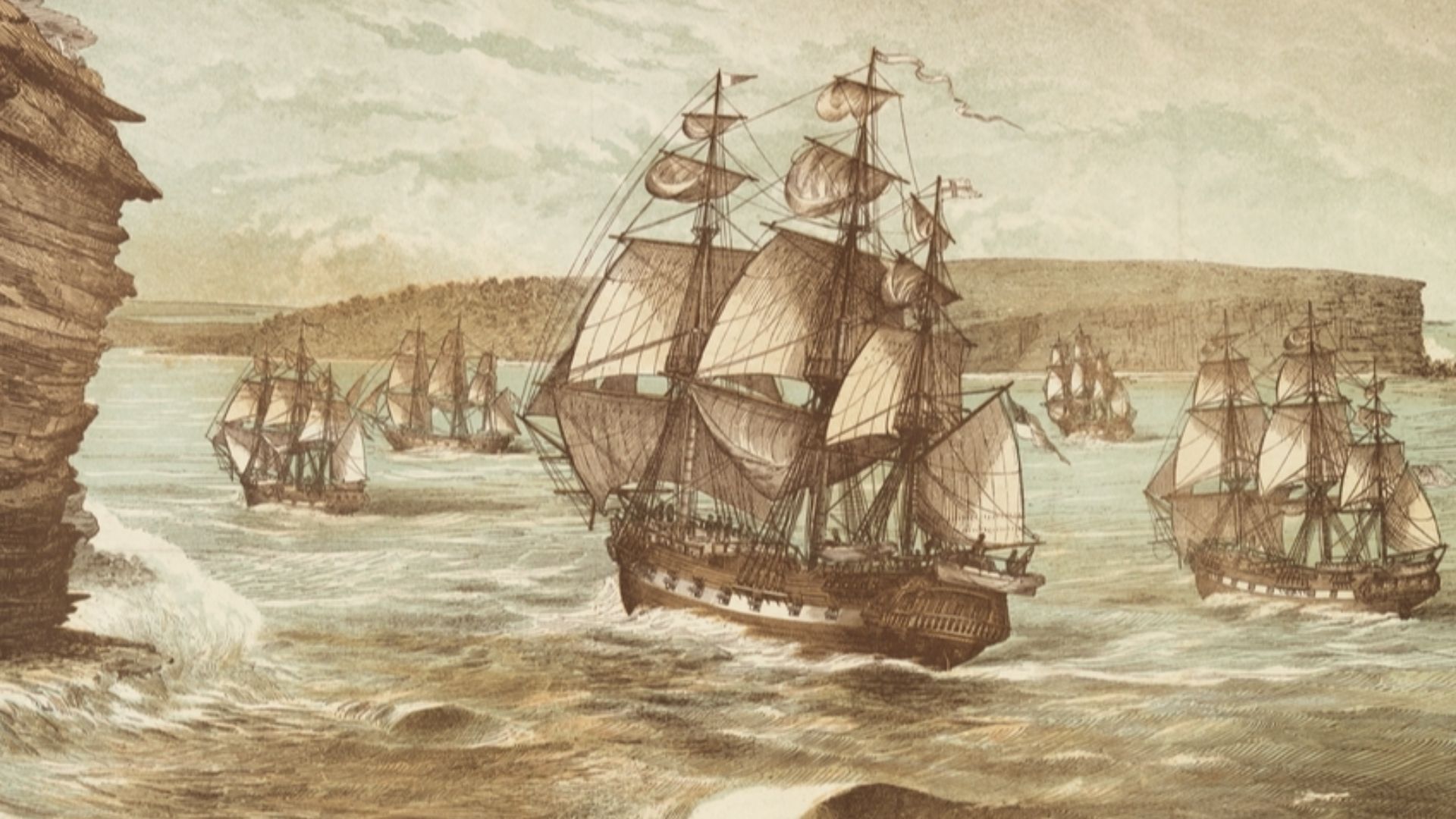
8. The First Fleet Endured a Long Journey
The First Fleet consisted of 11 ships that traveled more than 15,000 miles from Britain to Australia. The journey lasted over eight months and was dangerous due to storms, disease, and food shortages. Surprisingly, only 50 or so people passed during this tumultuous voyage.
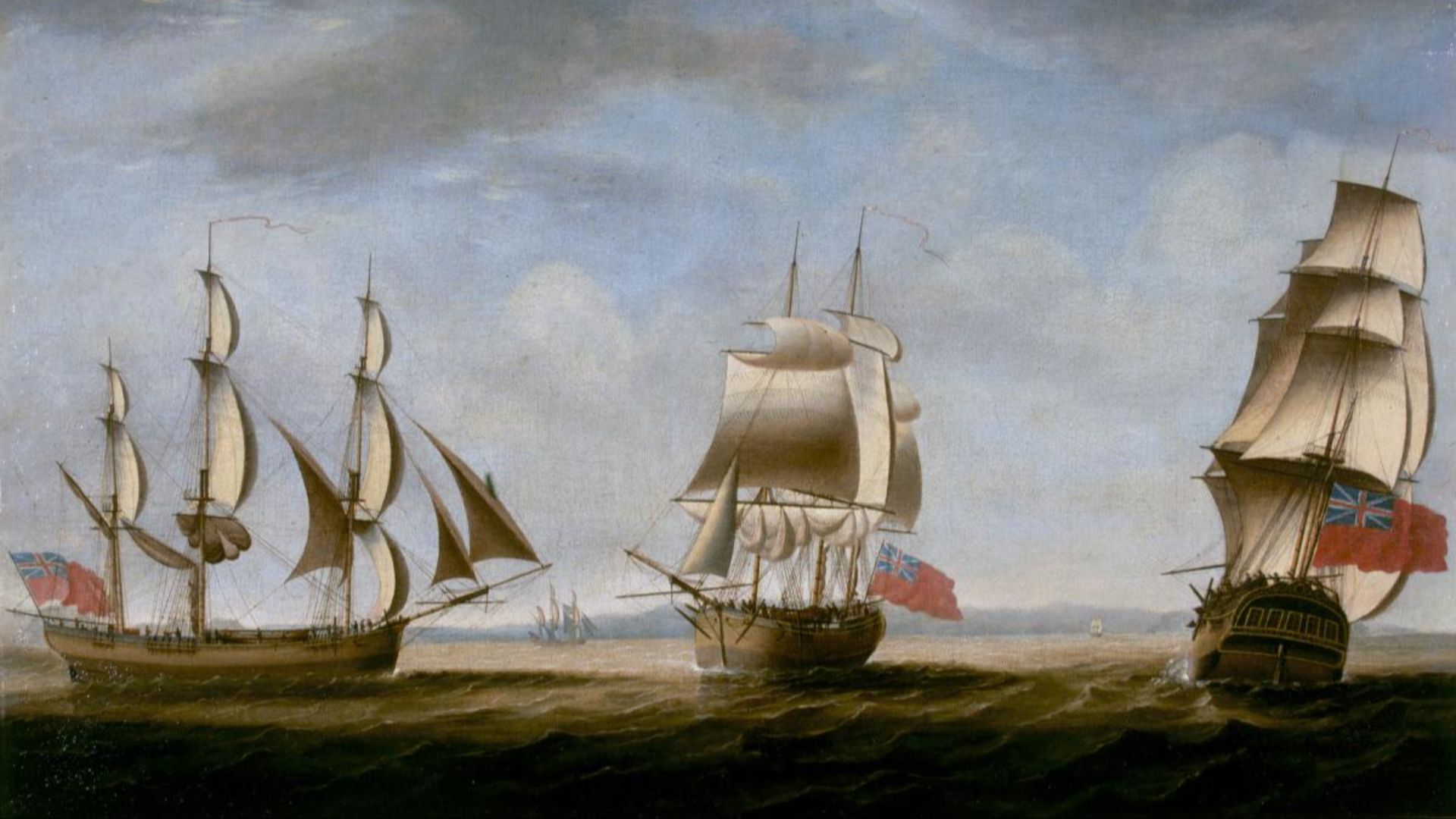 Artist Frances Holman (1729-1790) on Wikimedia
9. Convict Labor Built Early Settlements
Convicts provided most of the labor needed to build roads, farms, bridges, and public buildings. After serving their sentences, many were granted land or employment. Over time, former convicts became farmers, business owners, and respected members of colonial society.
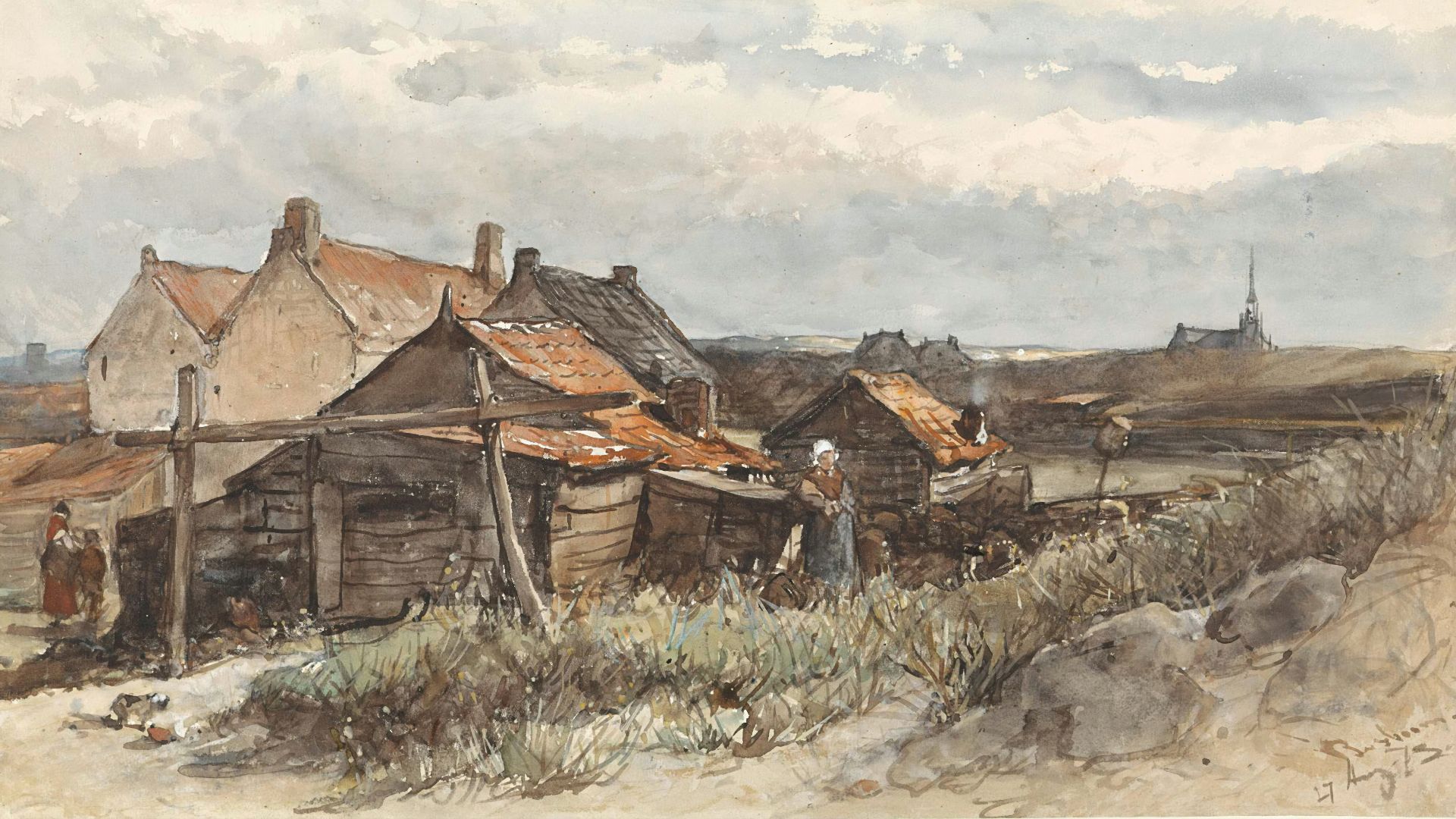
10. Displacement of Aboriginal Communities
Colonization led to widespread land loss, violence, and disease among Aboriginal peoples. Many communities were forced off their traditional lands or destroyed entirely. Today, Indigenous Australians own or manage only about 20 percent of the country’s land mass.
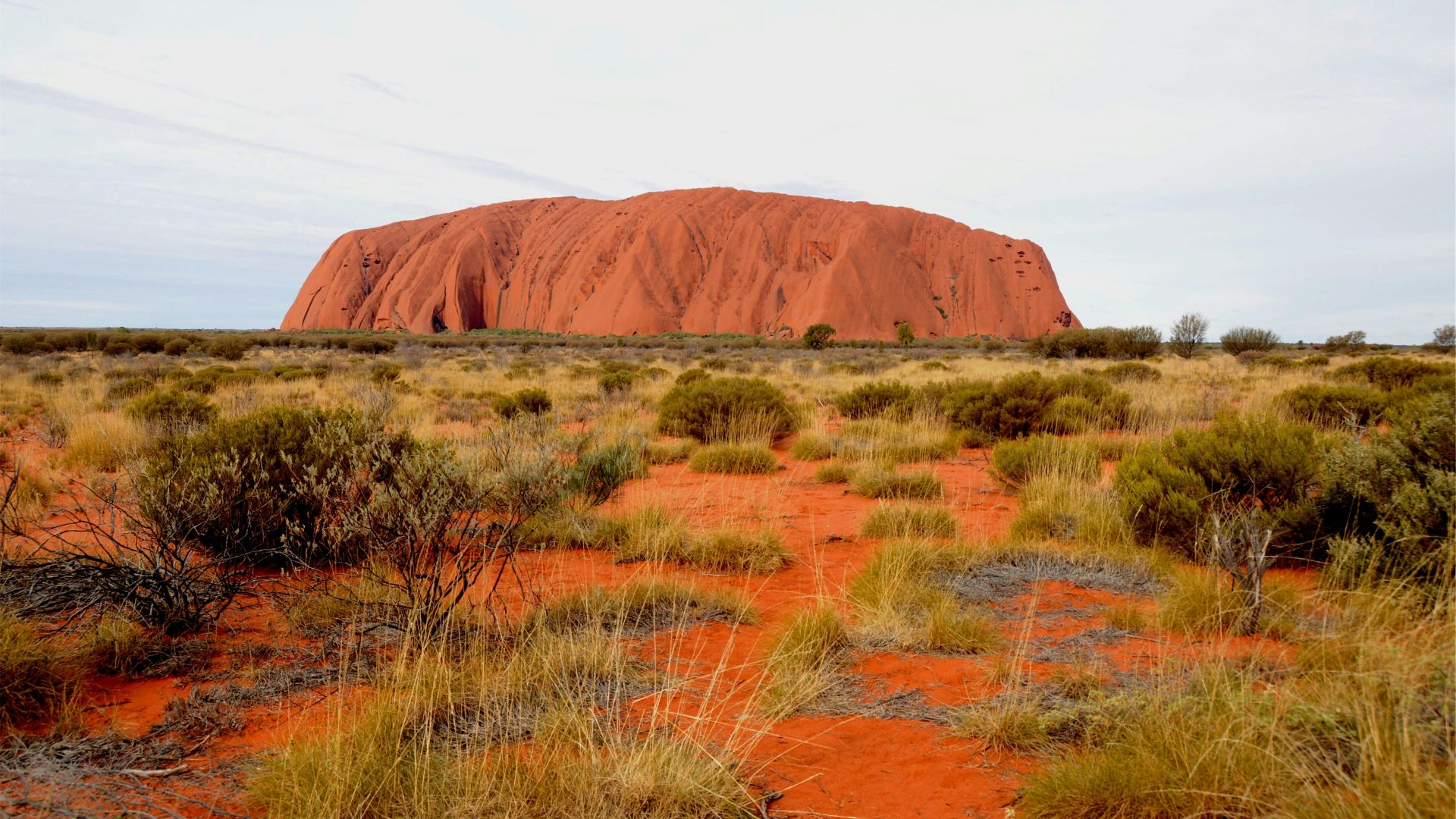
11. Wool Became a Major Industry
Sheep farming expanded rapidly during the 1800s after Spanish Merino sheep were introduced. Wool exports brought significant wealth to the colonies and shaped rural life. This success earned Australia the nickname “the Land of the Golden Fleece.”

12. Gold Discoveries Changed Society
Gold discoveries in New South Wales and Victoria during the 1850s transformed Australia almost overnight. Thousands of people arrived from Europe, China, and North America, hoping to strike it rich. Between 1851 and 1871, more than one million migrants entered the country, rapidly increasing the population.

13. The Gold Rush Increased Demands for Rights
Life on the goldfields was difficult, and miners often faced heavy taxes and unfair regulations. Protests and resistance against colonial authorities grew stronger over time. These struggles helped push Australia toward parliamentary democracy and greater legal protections for citizens.
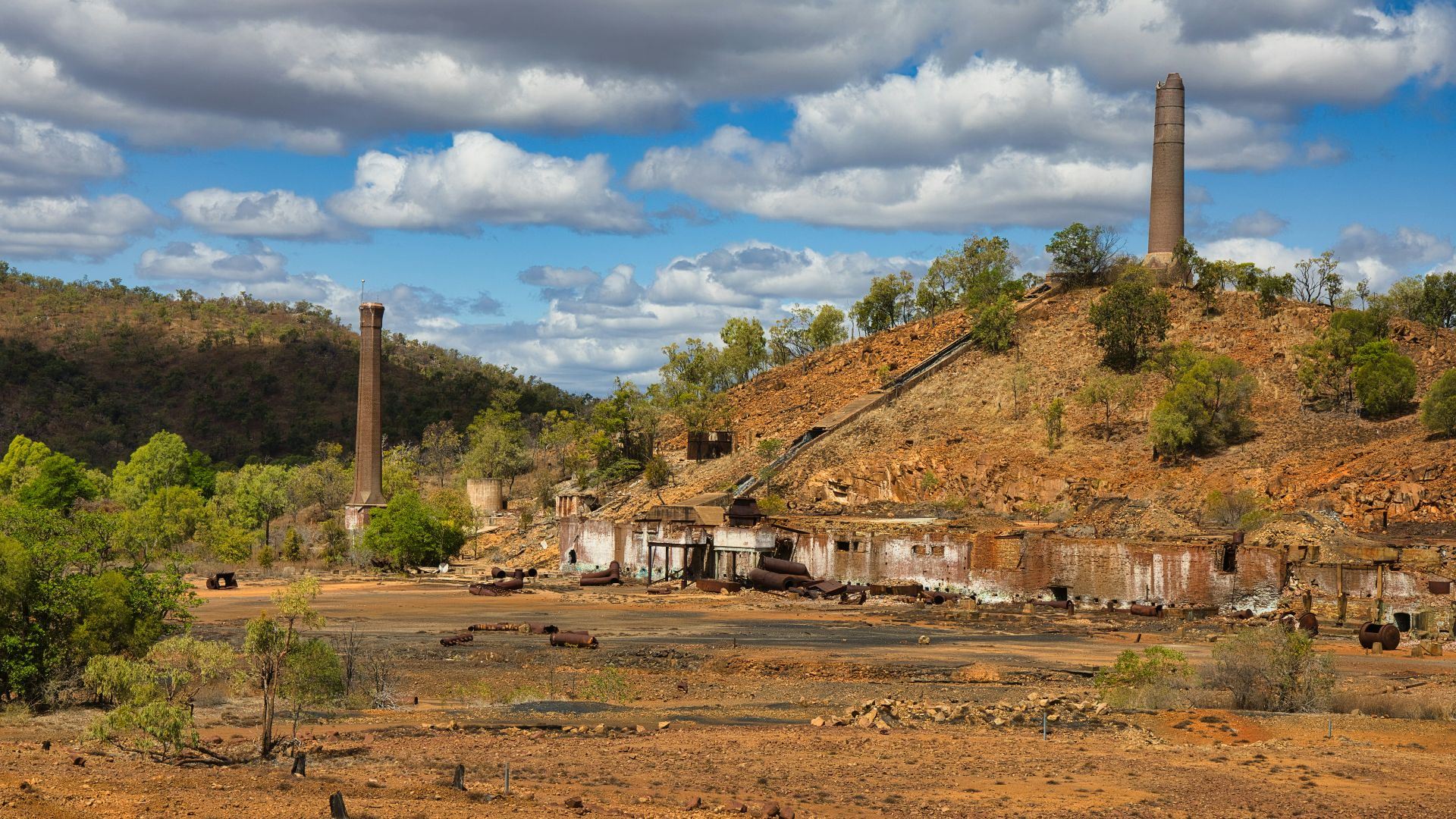
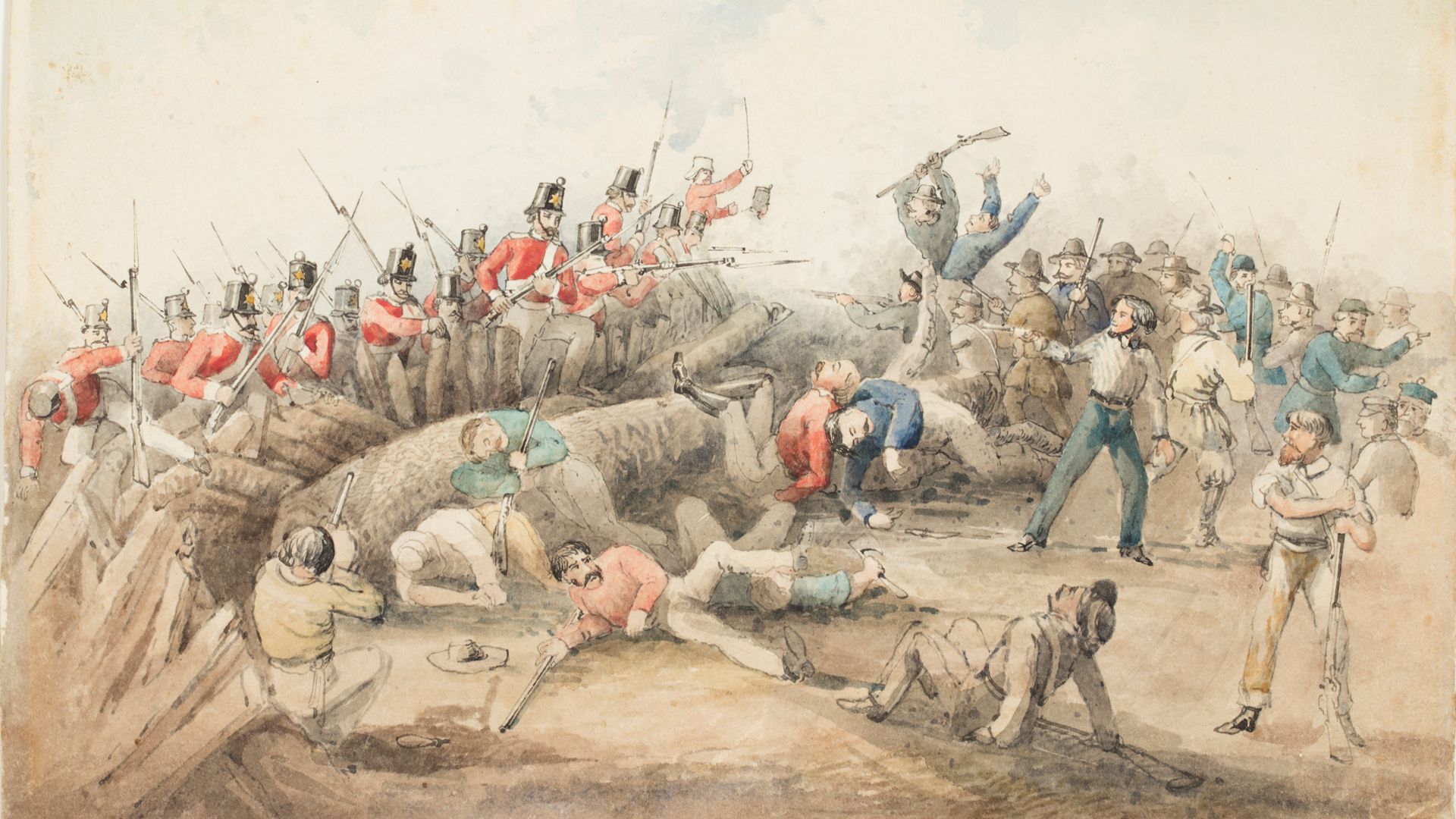
14. The Eureka Stockade Became a National Symbol
In 1854, miners in Victoria rebelled against colonial authorities at the Eureka Stockade. Although the uprising was quickly defeated, it led to reforms in voting rights and representation. Many Australians view the event as a turning point in the fight for democratic freedoms.
 John Black Henderson (1827-1918) on Wikimedia
15. Colonies Gained Self-Government
By the late 1800s, most Australian colonies controlled their own local governments. Britain still held constitutional power, but day-to-day decisions were made locally. Australia remains a constitutional monarchy today, similar to countries like Canada, Sweden, and Japan.

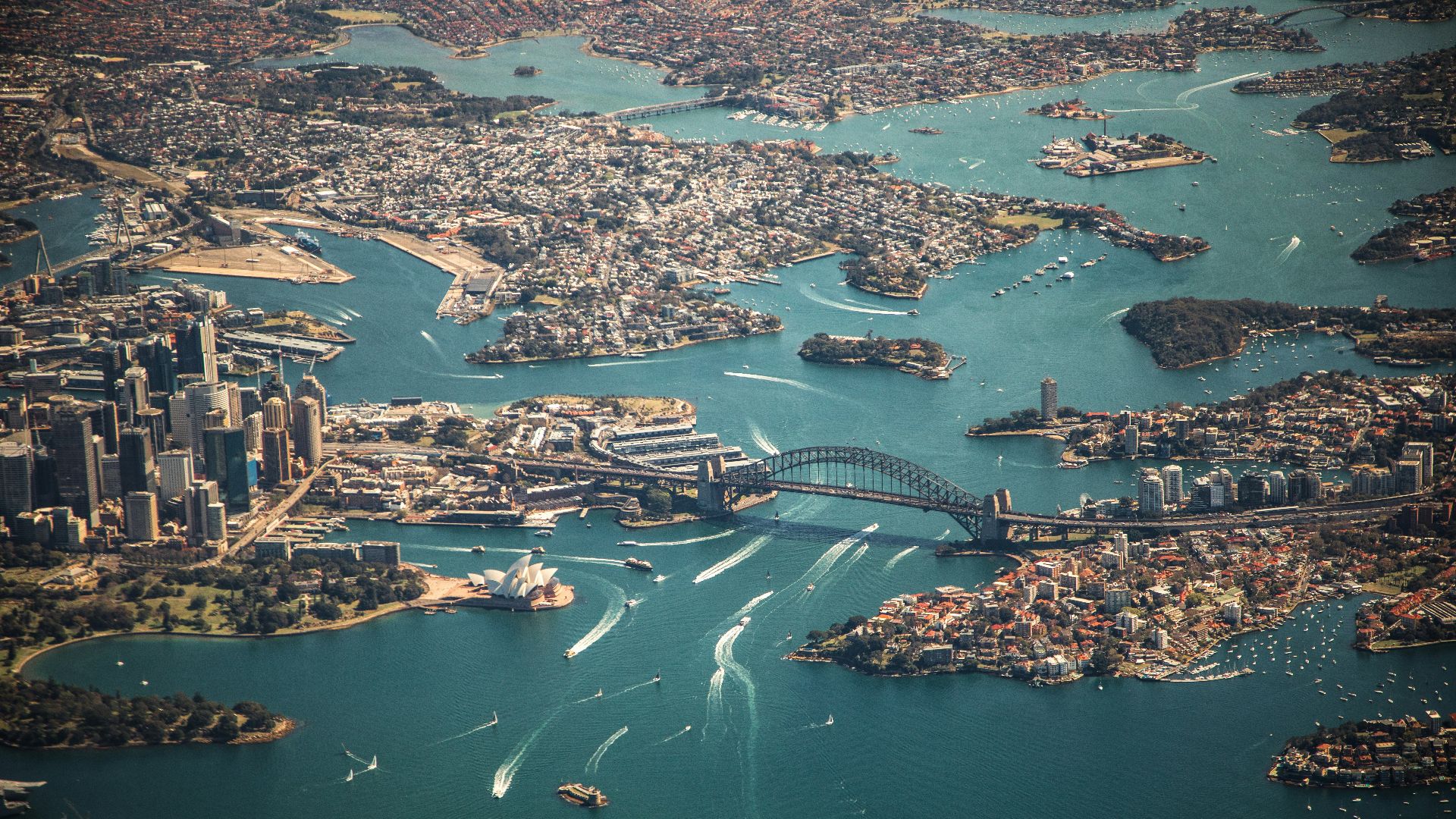
16. Federation United the Colonies
On January 1, 1901, six colonies joined together to form the Commonwealth of Australia. The Federation created a national government while allowing states to keep certain powers. This moment is often seen as the birth of modern Australia.
17. Australia’s Early Laws Excluded Indigenous Peoples
Early national laws did not recognize Aboriginal Australians as citizens. They were excluded from voting and many government decisions. This injustice remained until 1967, when a national referendum overwhelmingly supported changing the constitution.

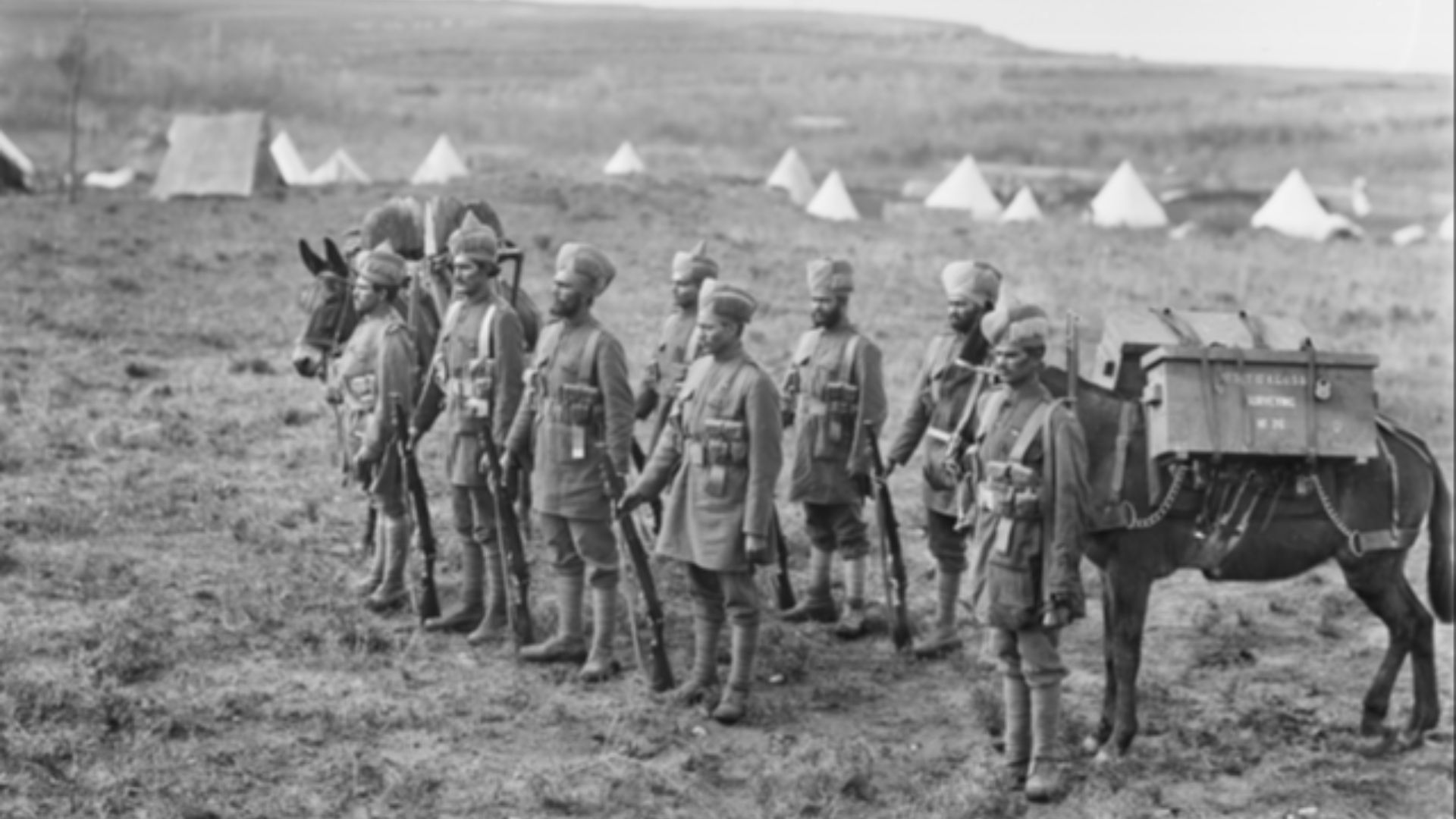
18. Australia Entered World War I
Australia joined World War I in 1914 as part of the British Empire. More than 60,000 Australians lost their lives during the conflict. Troops served in places such as Egypt, France, and Germany.
 Unknown authorUnknown author on Wikimedia
19. Gallipoli Shaped National Identity
Australian and New Zealand soldiers fought together at Gallipoli in 1915. Although the campaign failed, the courage and endurance shown became central to national identity. ANZAC Day is now observed each year to honor those who served.

20. Australia Became Fully Independent
Although Australia governed itself earlier, it gained full legal independence from Britain in 1986. This change ended the authority of British courts over Australian law. Today, Australia is a stable democratic nation with regular elections and a strong sense of national sovereignty.
KEEP ON READING