

Power, Pride, and Poor Decisions
History tends to remember rulers in one of two ways: the great and the infamous. For every visionary leader who brought prosperity and progress, there’s another whose reign left behind scandal, cruelty, or sheer chaos. Some meant well but made disastrous choices, while others reveled in excess or power. These twenty rulers show how easily a crown can lead to one's downfall.
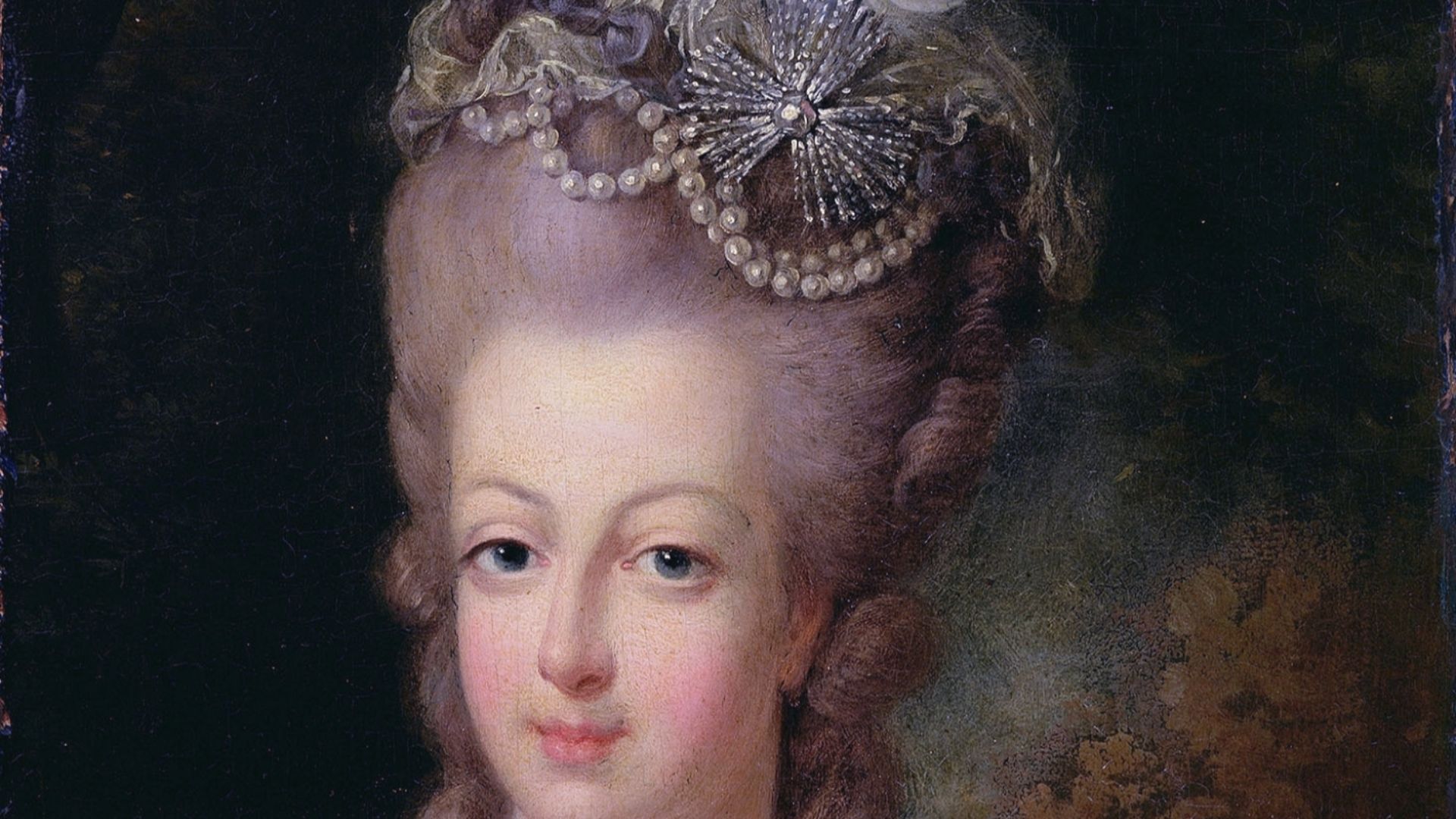 After Jean-Baptiste André Gautier-Dagoty on Wikimedia
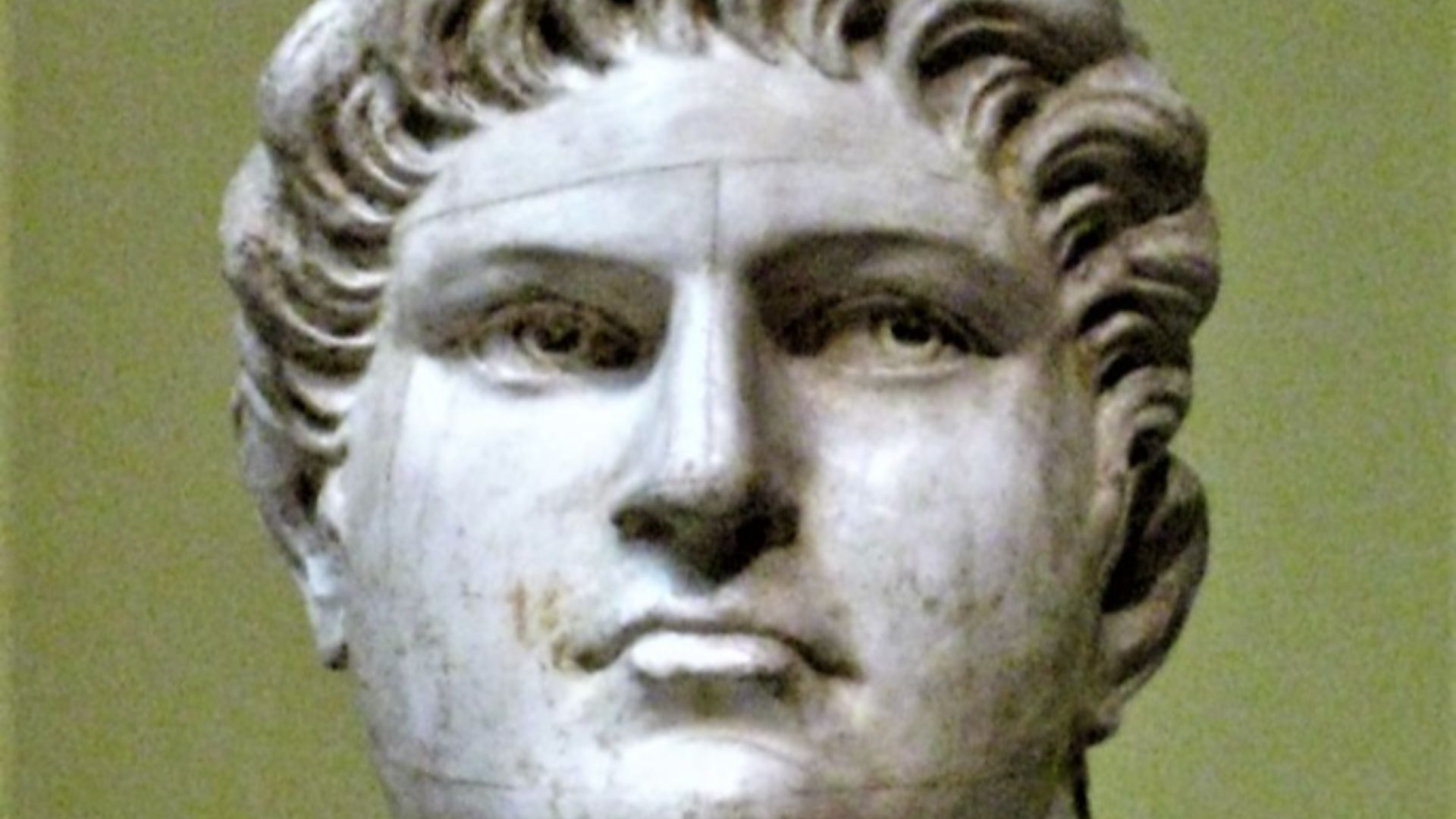
1. Nero – Roman Empire (54–68 CE)
Nero is remembered less for governing and more for theatrics and brutality. Ancient sources accuse him of extravagance, persecution of Christians, and possibly watching Rome burn while playing music. Whether or not all tales are true, his name remains shorthand for imperial excess.
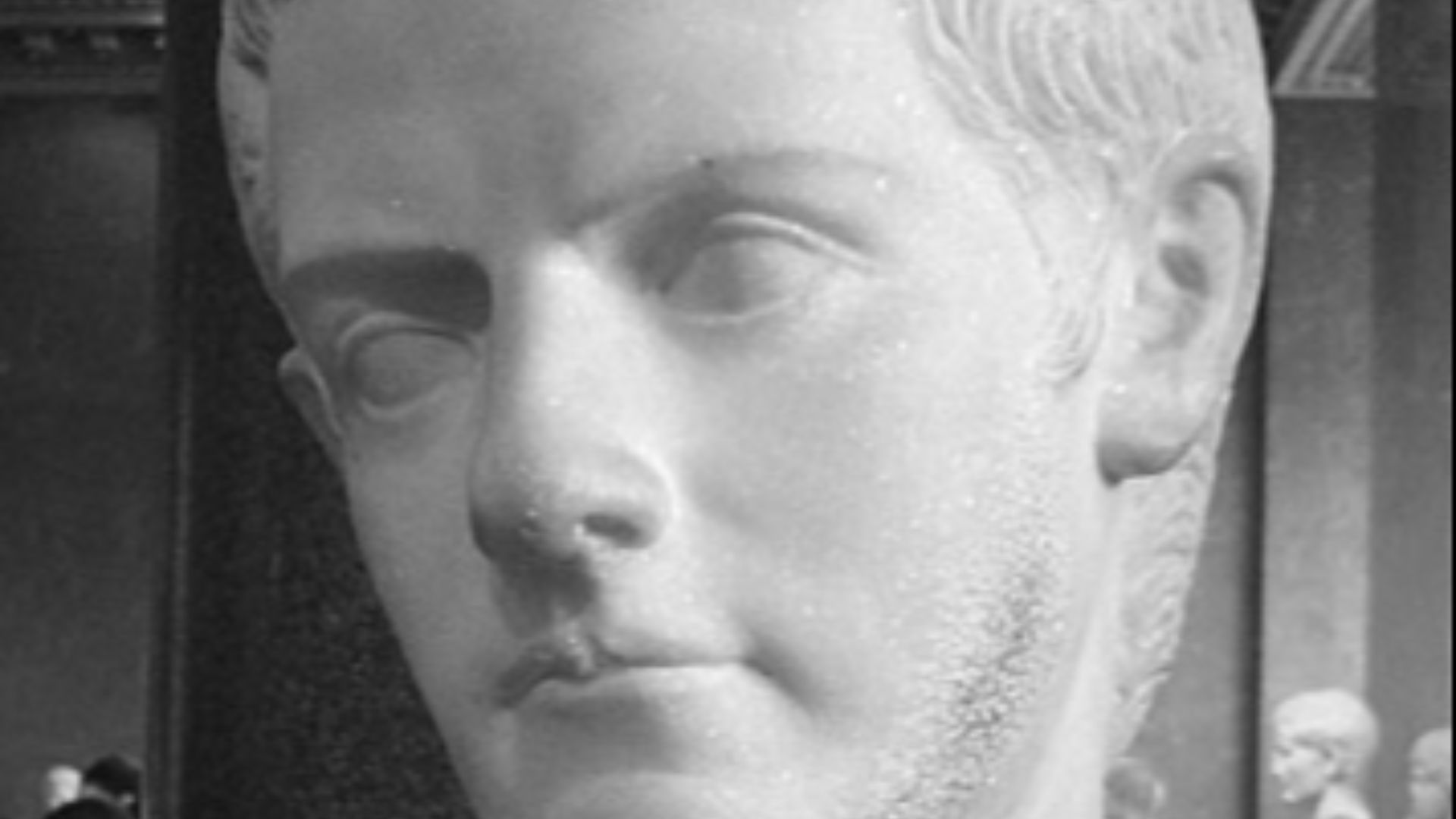
2. Caligula – Roman Empire (37–41 CE)
Very few emperors became legends because of their madness, like Caligula. His reign began with promise but spiraled into cruelty, bizarre whims, and rumored delusions of divinity. He was assassinated by his own guards after just four years—a sign that even Rome’s patience had limits.
 Unknown artistUnknown artist on Wikimedia
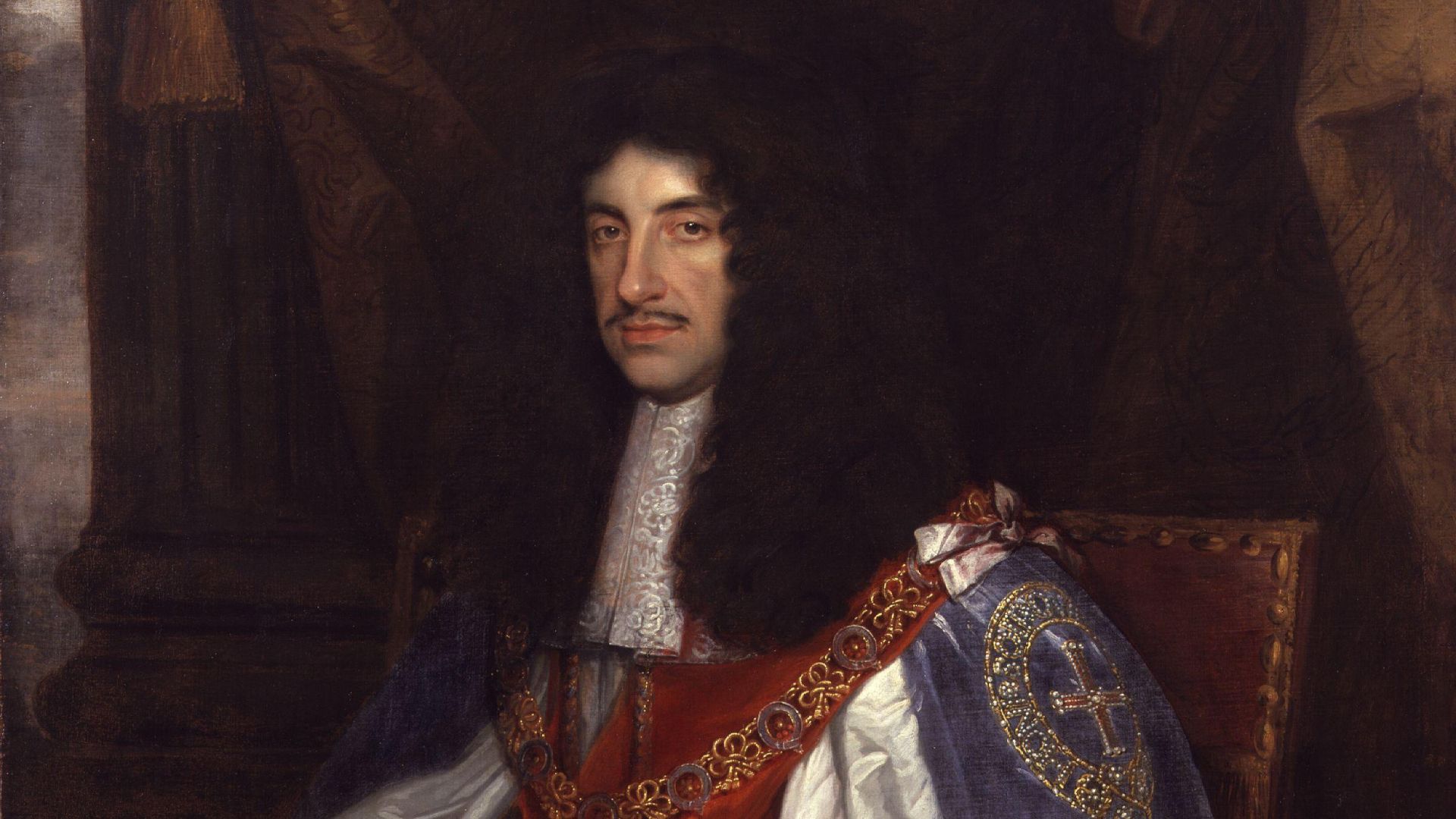
3. King John – England (1199–1216)
Known as the villain from Robin Hood, King John’s real-life reputation isn’t much better. He overtaxed his barons, lost territory in France, and quarreled with the Church. His failures forced him to sign the Magna Carta, limiting royal power for the first time.
 John Michael Wright on Wikimedia
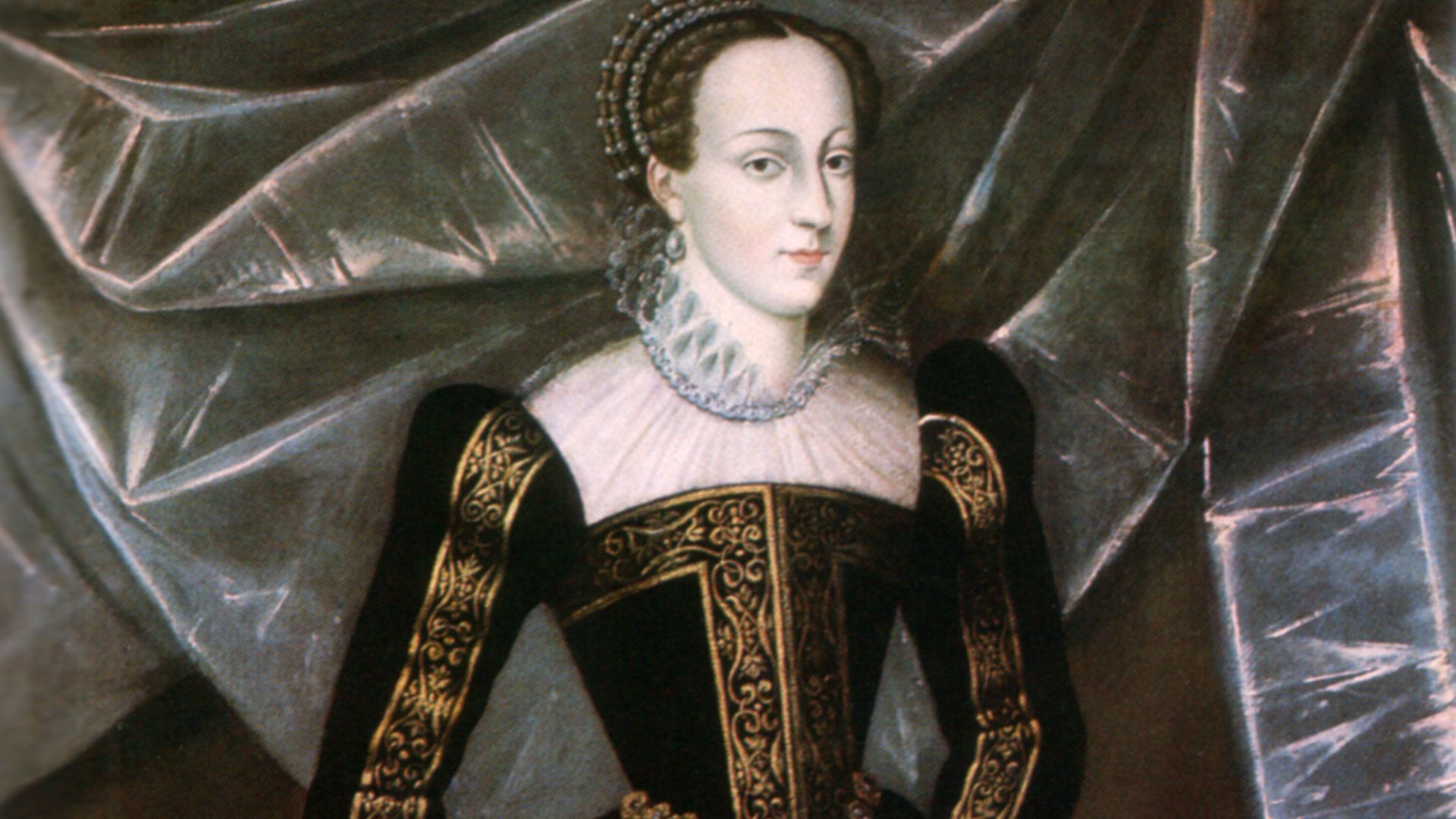
4. Queen Mary I – England (1553–1558)
Mary Tudor earned the nickname “Bloody Mary” for her persecution of Protestants. Determined to restore Catholicism, she ordered hundreds burned at the stake. Her short, turbulent reign left scars that lasted for generations.
 Unidentified painter on Wikimedia
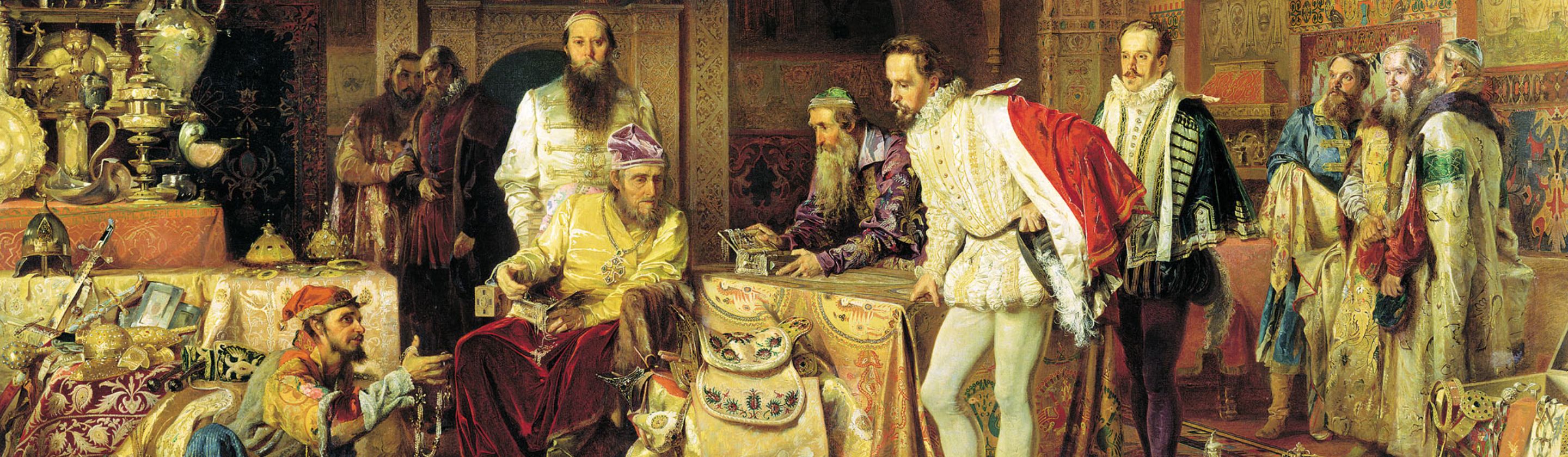
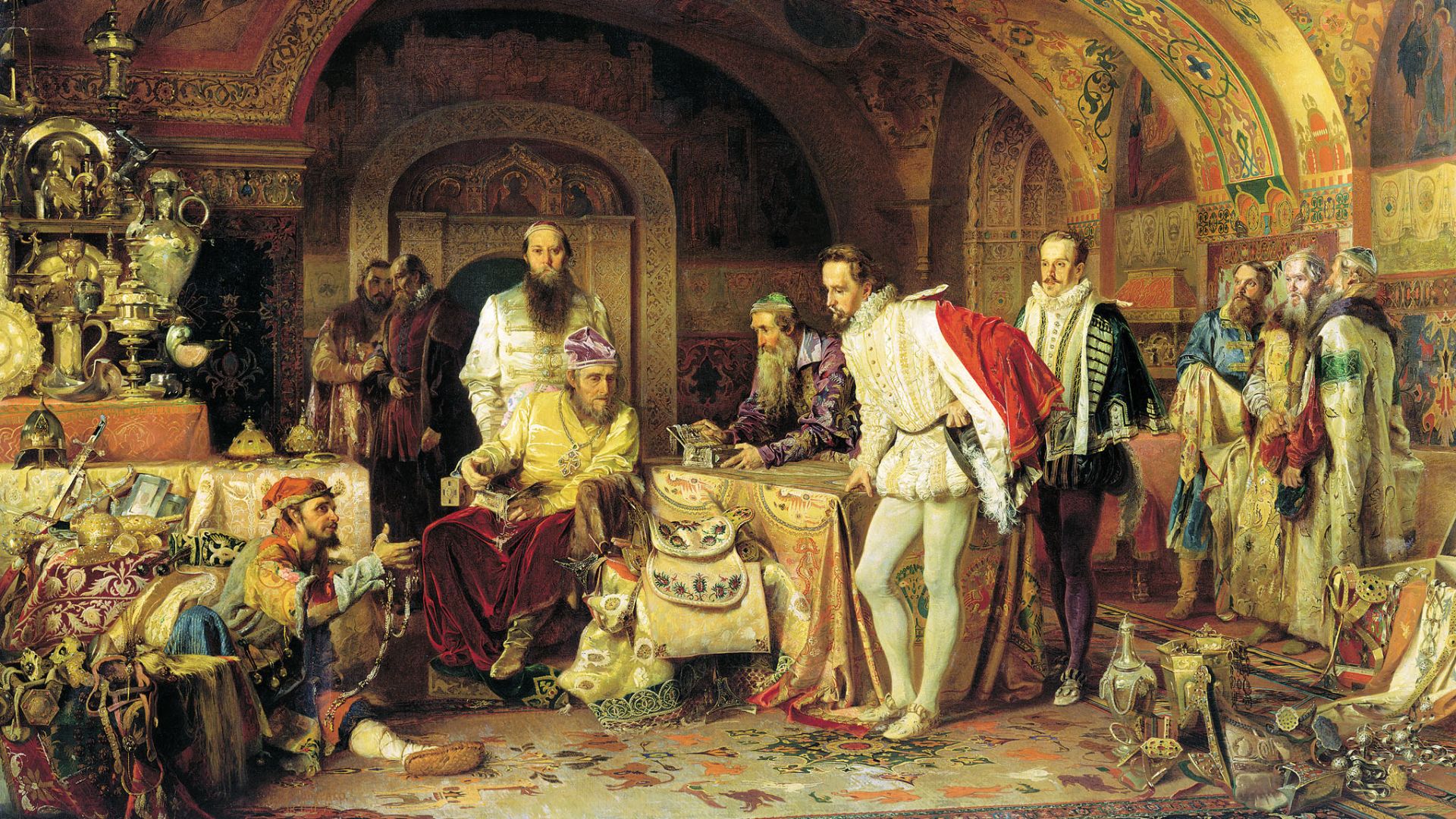
5. Ivan IV “The Terrible” – Russia (1547–1584)
Ivan IV started as a capable reformer but descended into paranoia and cruelty. He established the Oprichnina, a secret police force that terrorized his subjects. His violent rages culminated in the killing of his own son.
 Alexander Litovchenko on Wikimedia
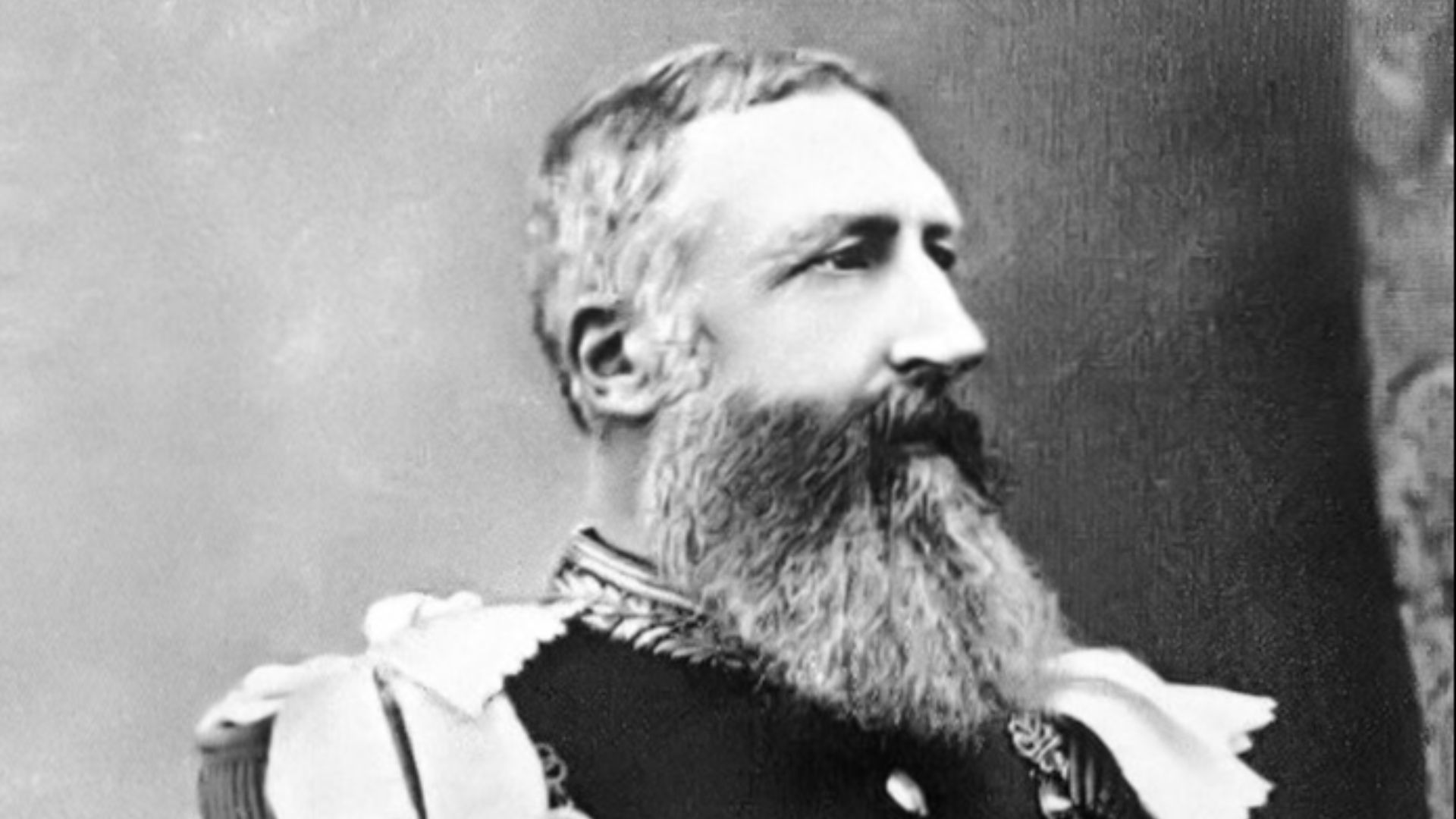
6. Leopold II – Belgium (1865–1909)
Leopold II turned the Congo Free State into his personal fiefdom, exploiting it for rubber and ivory. His regime’s brutality led to millions of deaths through forced labor and starvation. Though Belgium prospered, its colonial crimes stained its legacy.
 London Stereoscopic and Photographic Company on Wikimedia
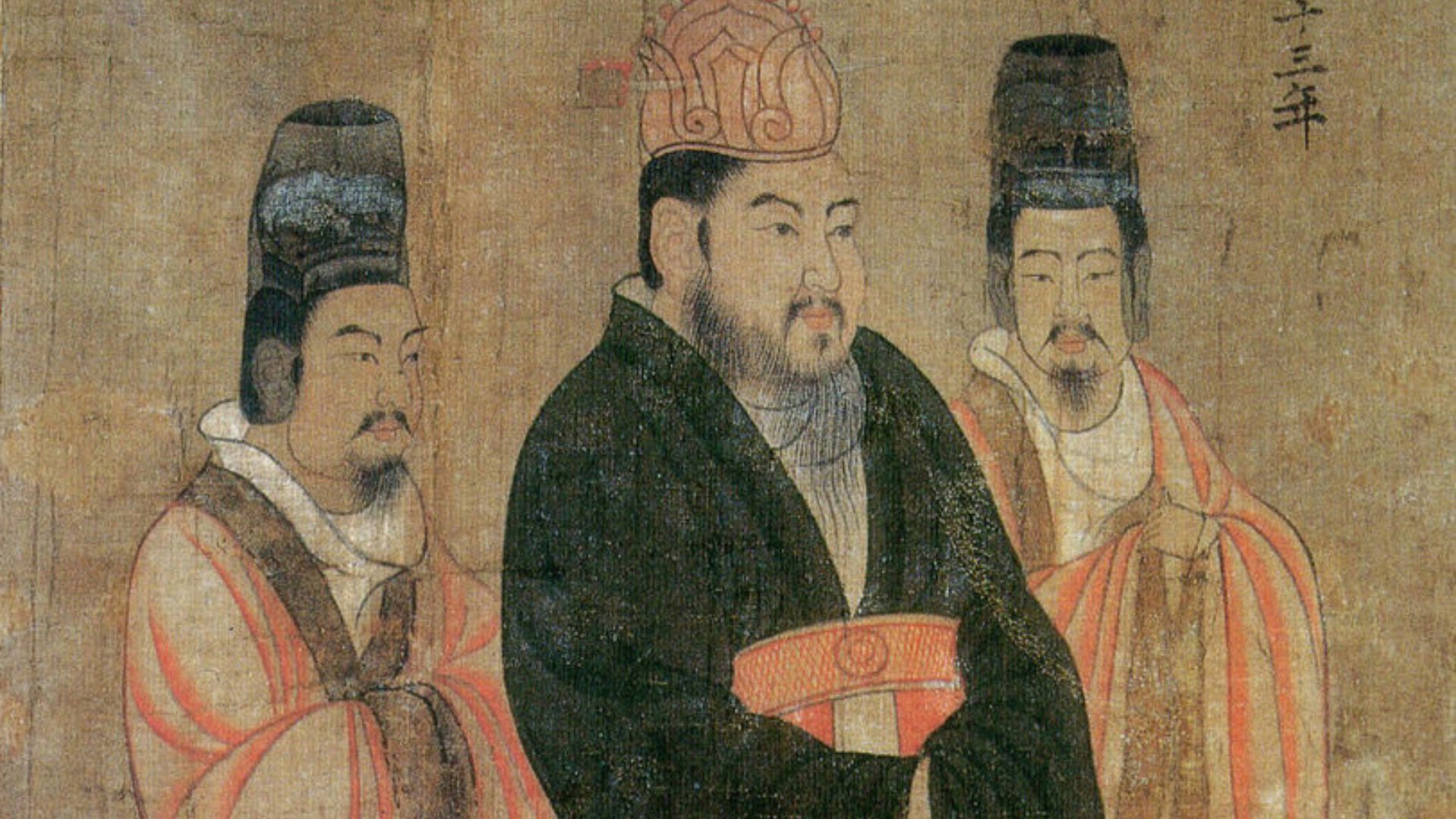
7. Emperor Yang of Sui – China (604–618)
This emperor's ambitious projects, like the Grand Canal, came at immense human cost. His heavy taxes and forced labor drained the empire’s strength. When rebellion spread, his own soldiers turned against him, ending the Sui dynasty.
8. Marie Antoinette – France (1774–1792)
Though not solely responsible for France’s woes, Marie Antoinette became the face of royal excess. Her lavish spending and detachment from common life fueled revolutionary anger. The famous “let them eat cake” line is likely apocryphal, but her downfall was very real.
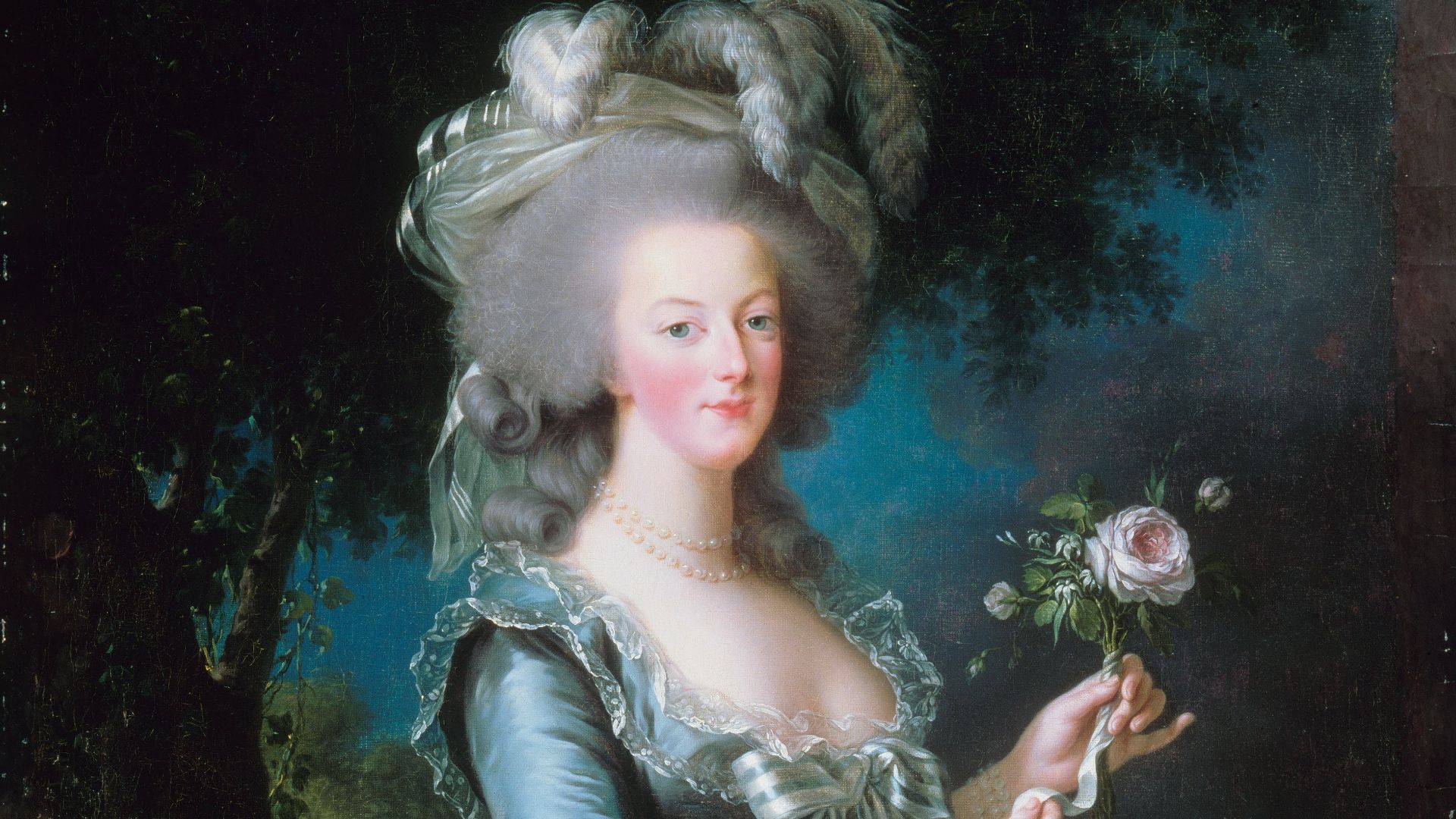 Élisabeth Louise Vigée Le Brun on Wikimedia
9. Tsar Nicholas II – Russia (1894–1917)
Nicholas II’s indecisiveness and detachment from his people doomed the Russian monarchy. His failure to manage war and reform led to revolution and his family’s tragic execution. History remembers him as a man out of his depth in a chaotic age.
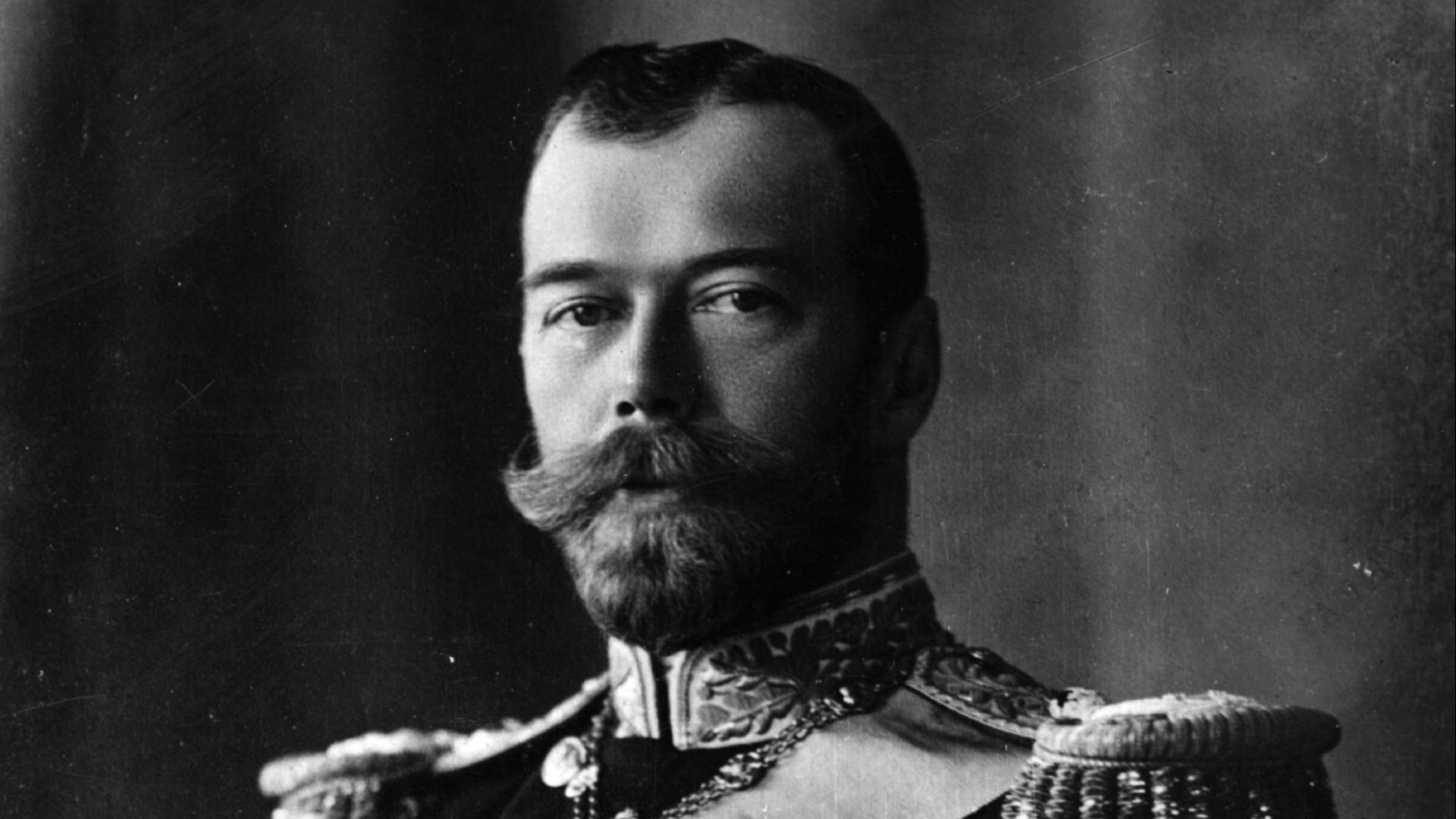 Boissonnas & Eggler on Wikimedia
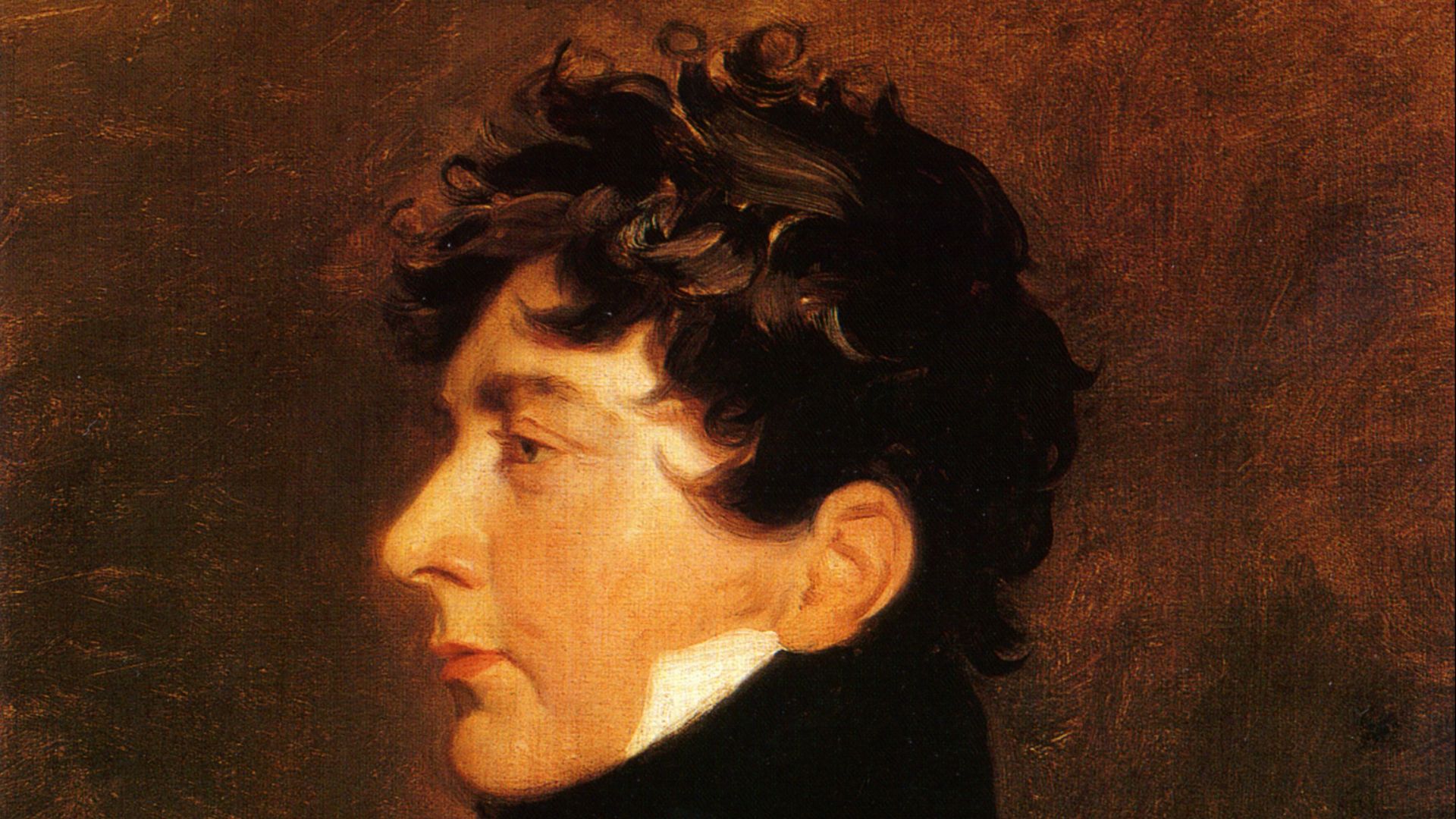
10. King George IV – United Kingdom (1820–1830)
George IV’s life was a parade of debt, indulgence, and scandal. He was known for lavish parties, strained family ties, and little interest in governance. Even his own subjects mocked him as vain and frivolous, leaving his reputation in tatters.
11. King Ludwig II – Bavaria (1864–1886)
Ludwig II adored art and fantasy more than politics. He spent enormous sums building fairy-tale castles like Neuschwanstein, draining Bavaria’s treasury. Though beloved today for his romantic vision, his contemporaries saw him as delusional and irresponsible.
 Ludwig_II_king_of_Bavaria.jpg: UnknownUnknown derivative work: Morn (talk) on Wikimedia
12. Charles VI “The Mad” – France (1380–1422)
Charles VI’s reign was marked by mental illness and chaos. He suffered psychotic breaks, once believing he was made of glass. His instability weakened France during the Hundred Years’ War, paving the way for English advances.
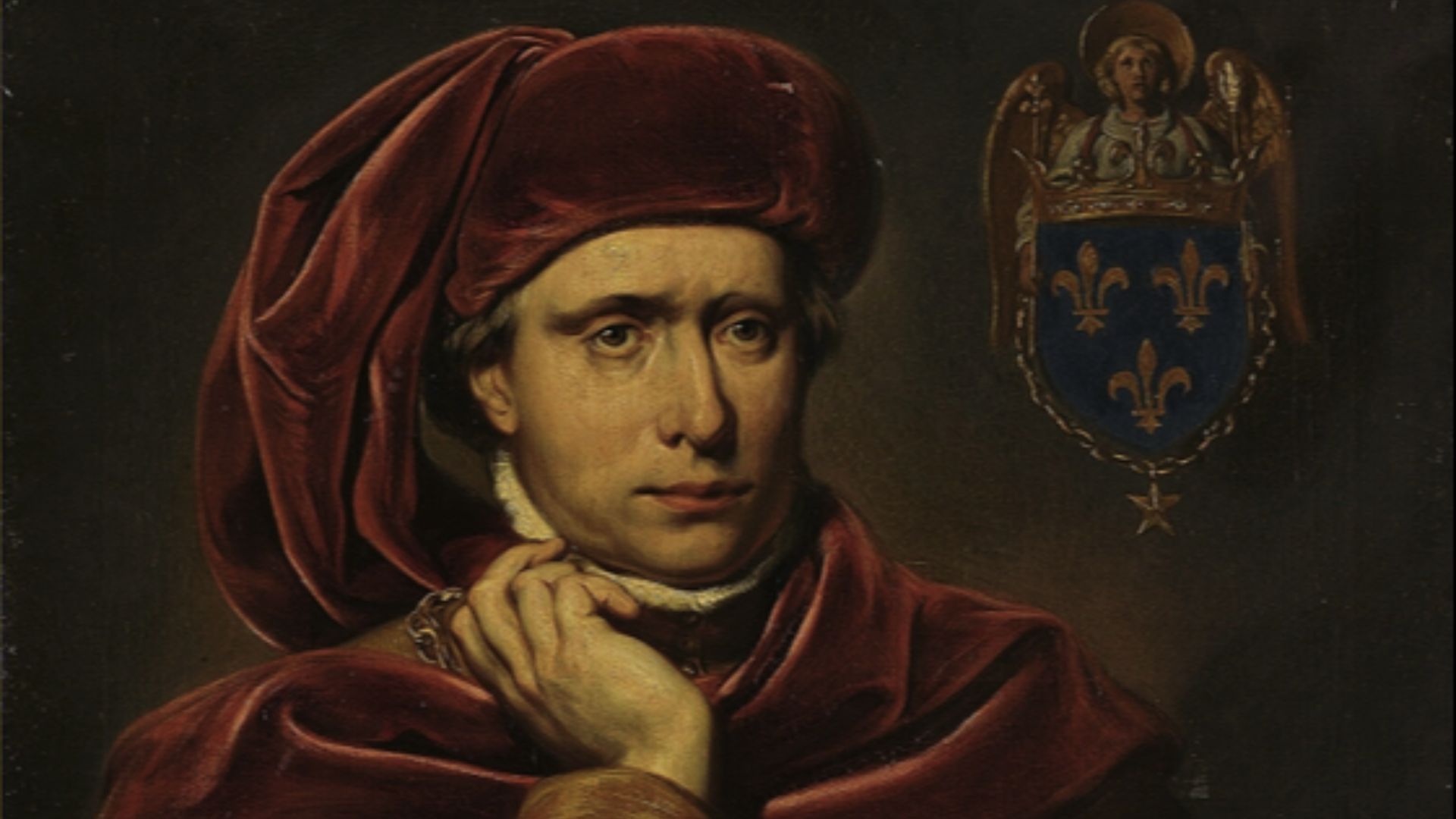 Gillot Saint-Evre on Wikimedia
13. Emperor Commodus – Roman Empire (177–192 CE)
Commodus preferred gladiatorial games to governing. He fancied himself a living Hercules and renamed Rome after himself. His erratic behavior and vanity led to his assassination by those closest to him.
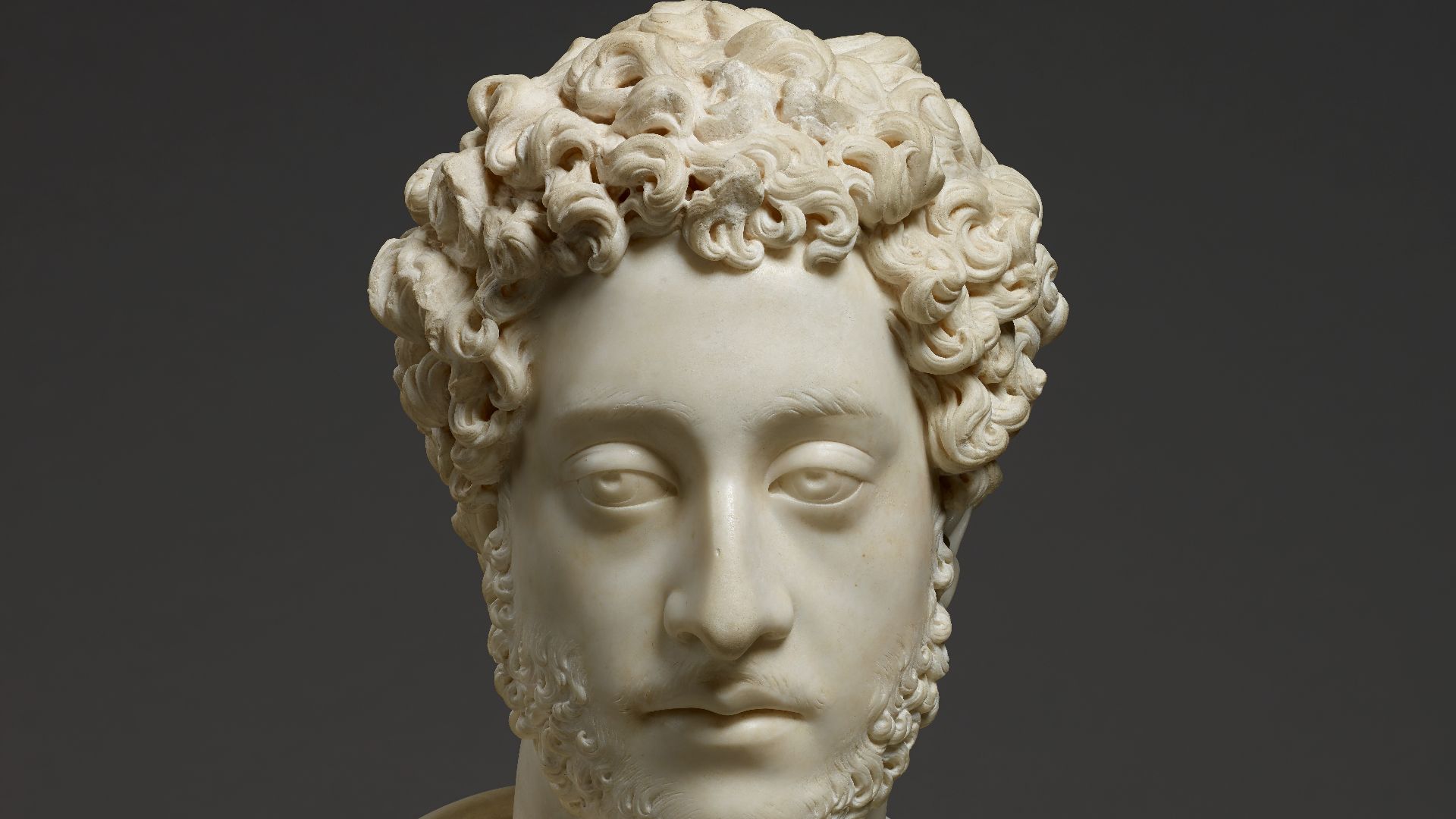 J. Paul Getty Museum on Wikimedia
14. King Henry VIII – England (1509–1547)
Henry VIII is infamous for his six marriages and his ruthless reshaping of English religion. His desire for a male heir drove him to break with Rome, execute opponents, and dissolve monasteries. Despite his achievements, his reign remains a study in obsession and power.
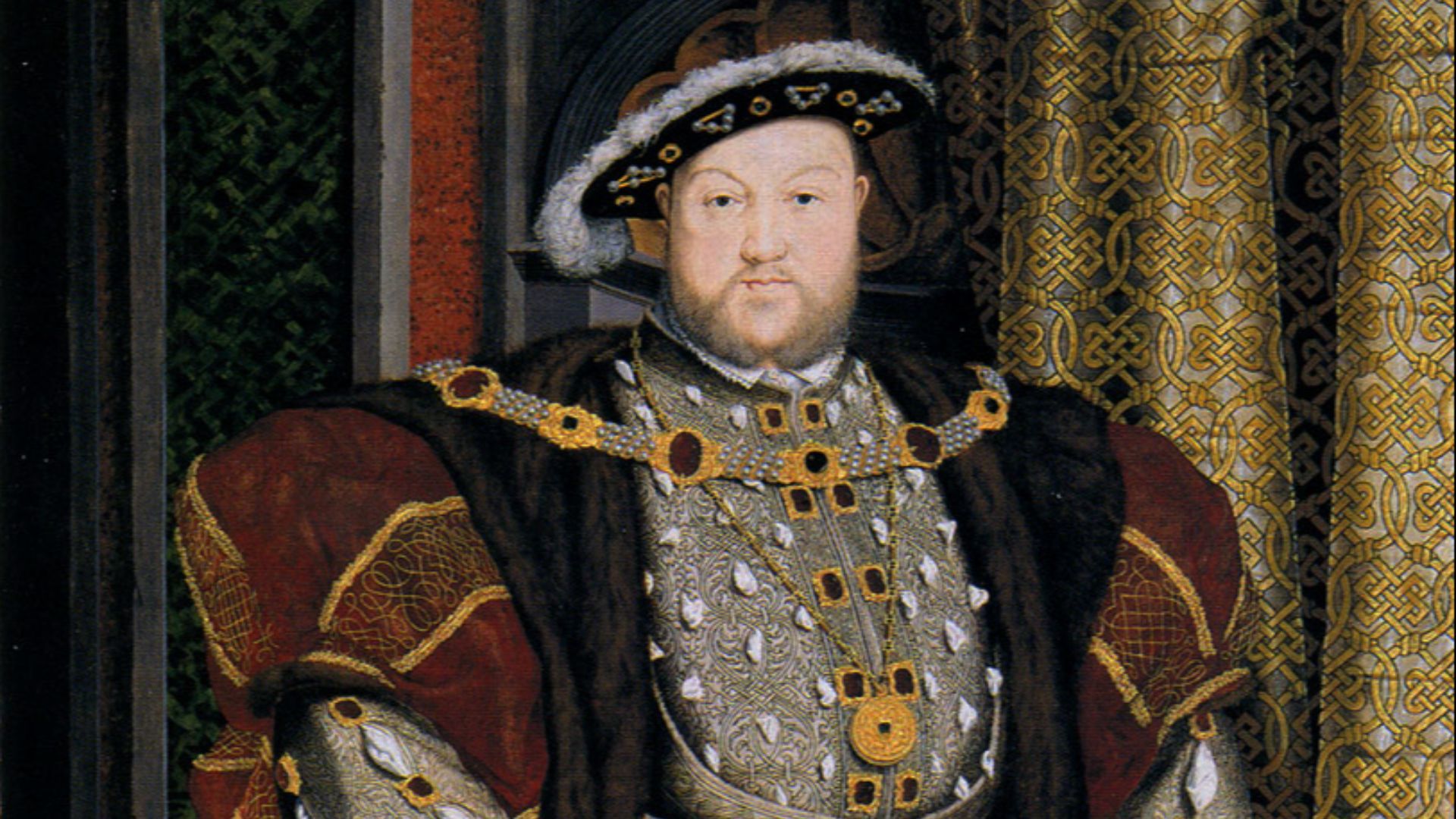 Unknown authorUnknown author on Wikimedia
15. Catherine de’ Medici – France (1547–1589)
Catherine wielded immense influence behind the throne but gained a dark reputation for manipulation. She’s often blamed—perhaps unfairly—for the St. Bartholomew’s Day Massacre that killed thousands of Protestants. Whether schemer or survivor, her name still evokes intrigue and bloodshed.
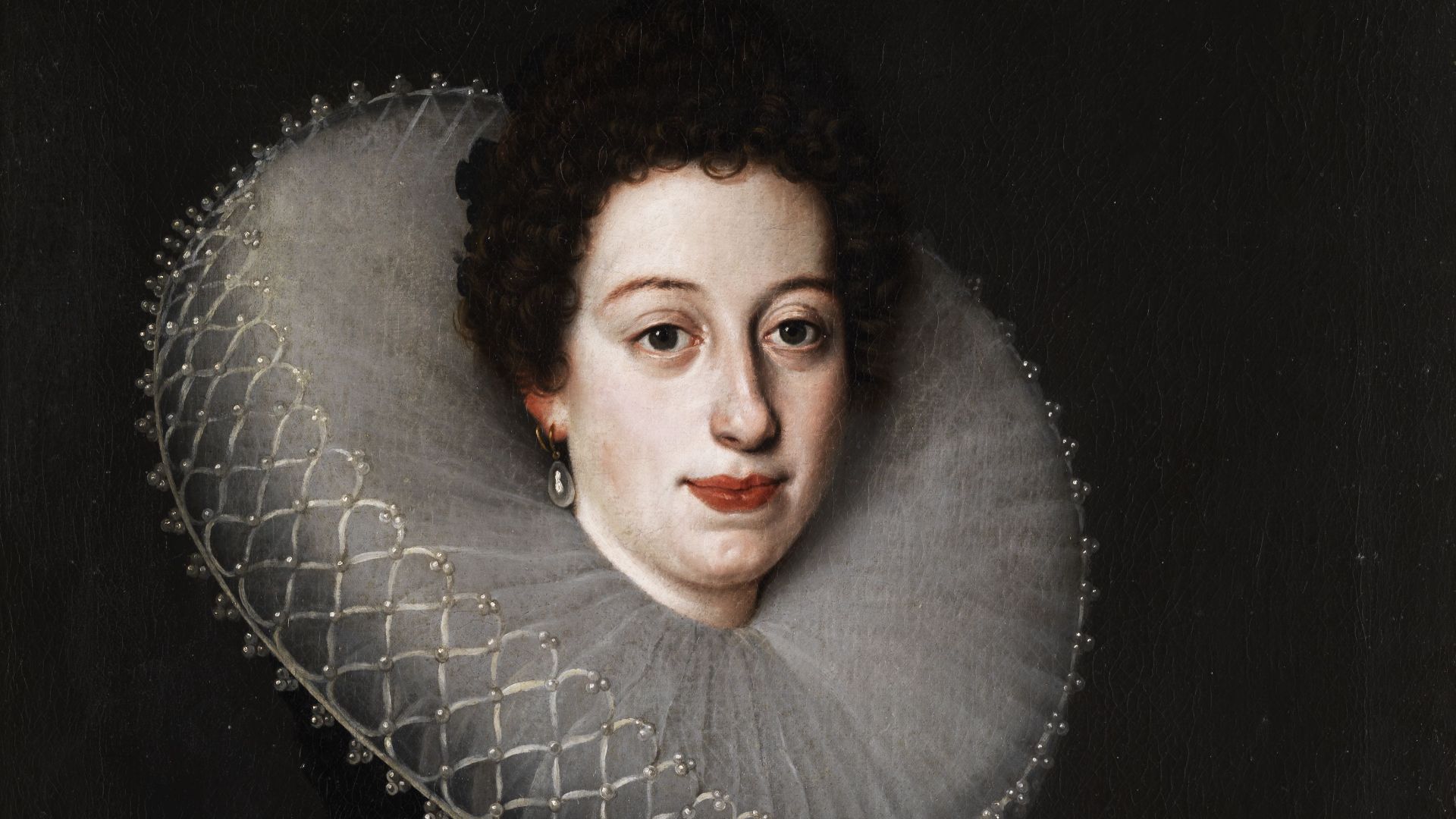 After Justus Sustermans on Wikimedia
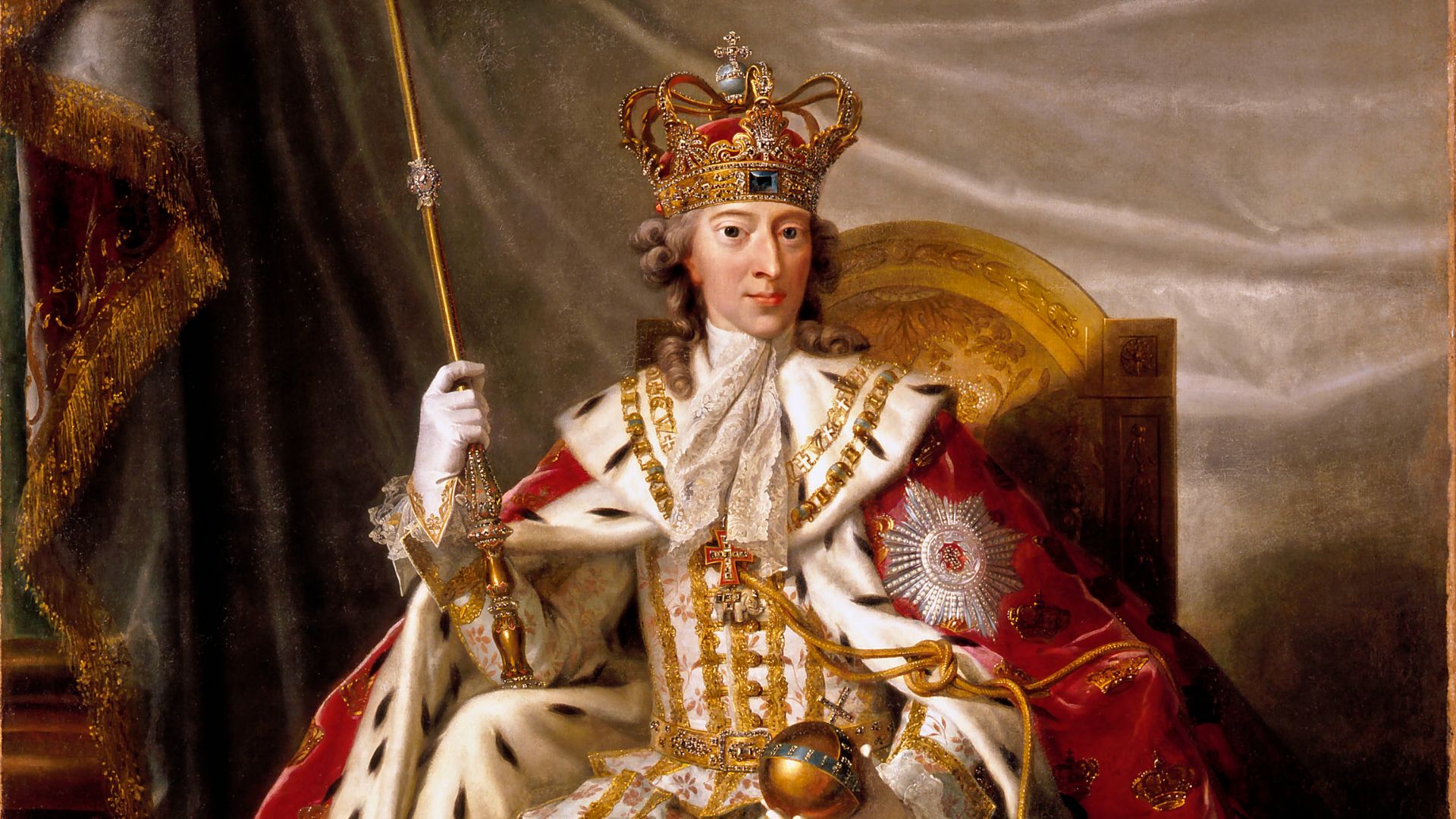
16. Christian VII – Denmark (1766–1808)
Christian VII’s erratic behavior and mental illness destabilized his court. Real power fell to his physician, Johann Struensee, whose reforms angered nobles. When Struensee was executed, Christian’s reign slid into dysfunction and scandal.
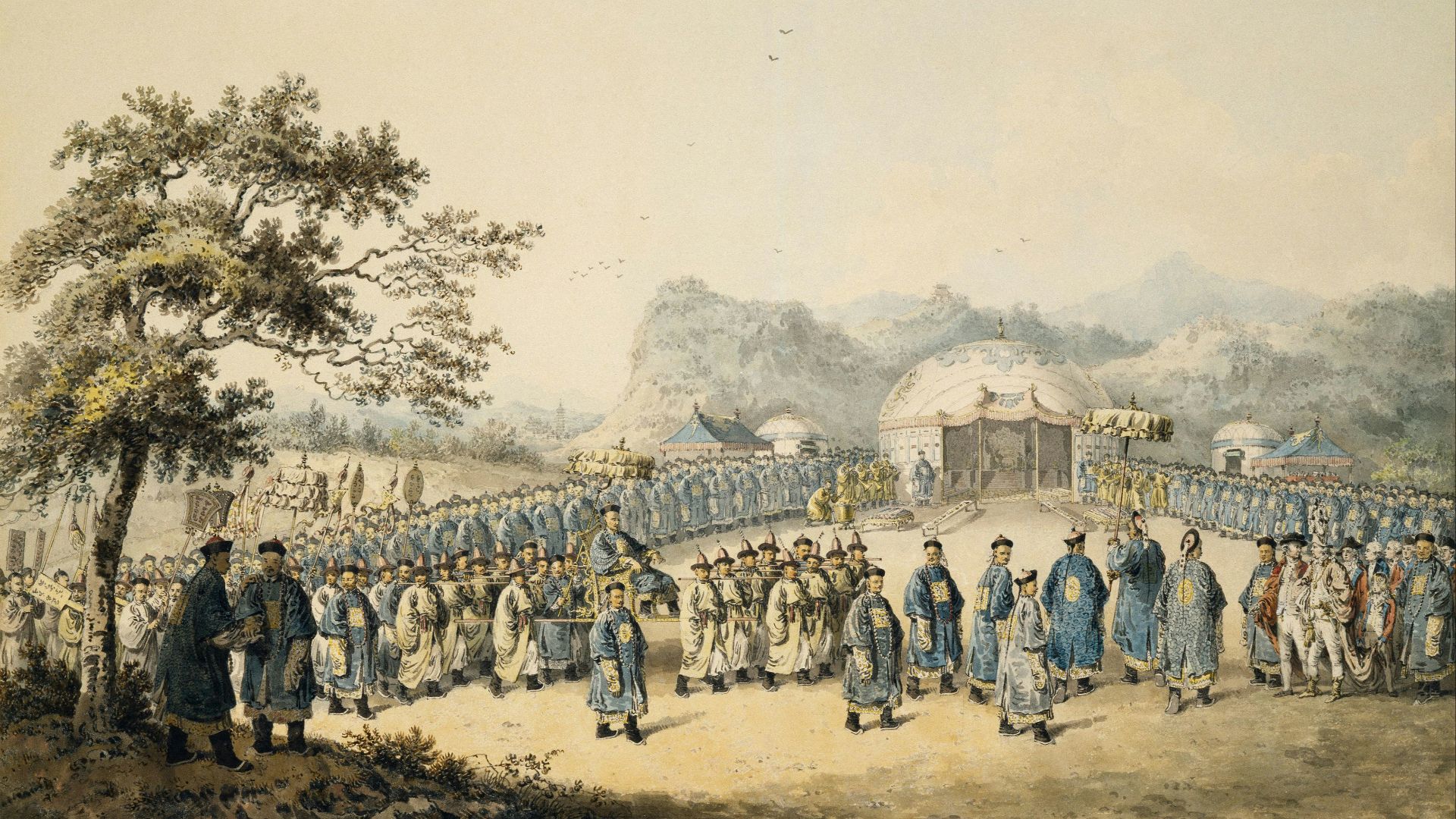
17. Emperor Qin Er Shi – China (210–207 BCE)
Successor to the great Qin Shi Huang, Qin Er Shi inherited an empire and promptly mismanaged it. Manipulated by corrupt advisors, he ignored public suffering and rebellions. His brief rule ended with the dynasty’s swift collapse.
 Birmingham Museums Trust on Unsplash
18. Emperor Justinian II – Byzantine Empire (685–695, 705–711)
Justinian II’s cruelty and ambition alienated his allies. After being overthrown and mutilated, he astonishingly reclaimed his throne—only to rule more brutally than before. His second downfall ended with his death and deepened the empire’s instability.
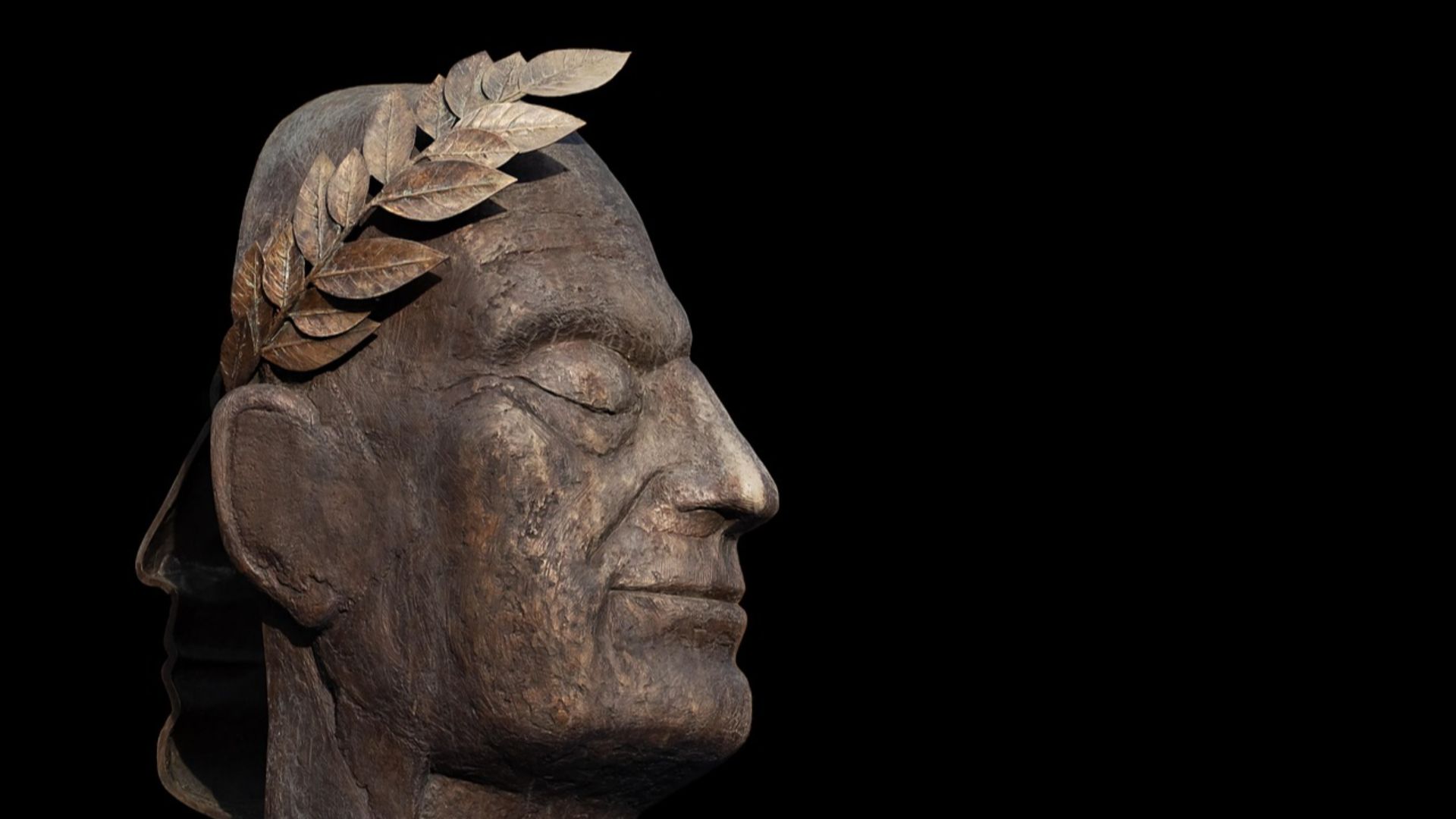
19. Queen Ranavalona I – Madagascar (1828–1861)
Ranavalona I fiercely defended Madagascar’s independence, but did so through isolation and brutality. She suppressed Christianity and executed perceived traitors in gruesome fashion. While she preserved sovereignty, her iron rule cost countless lives.
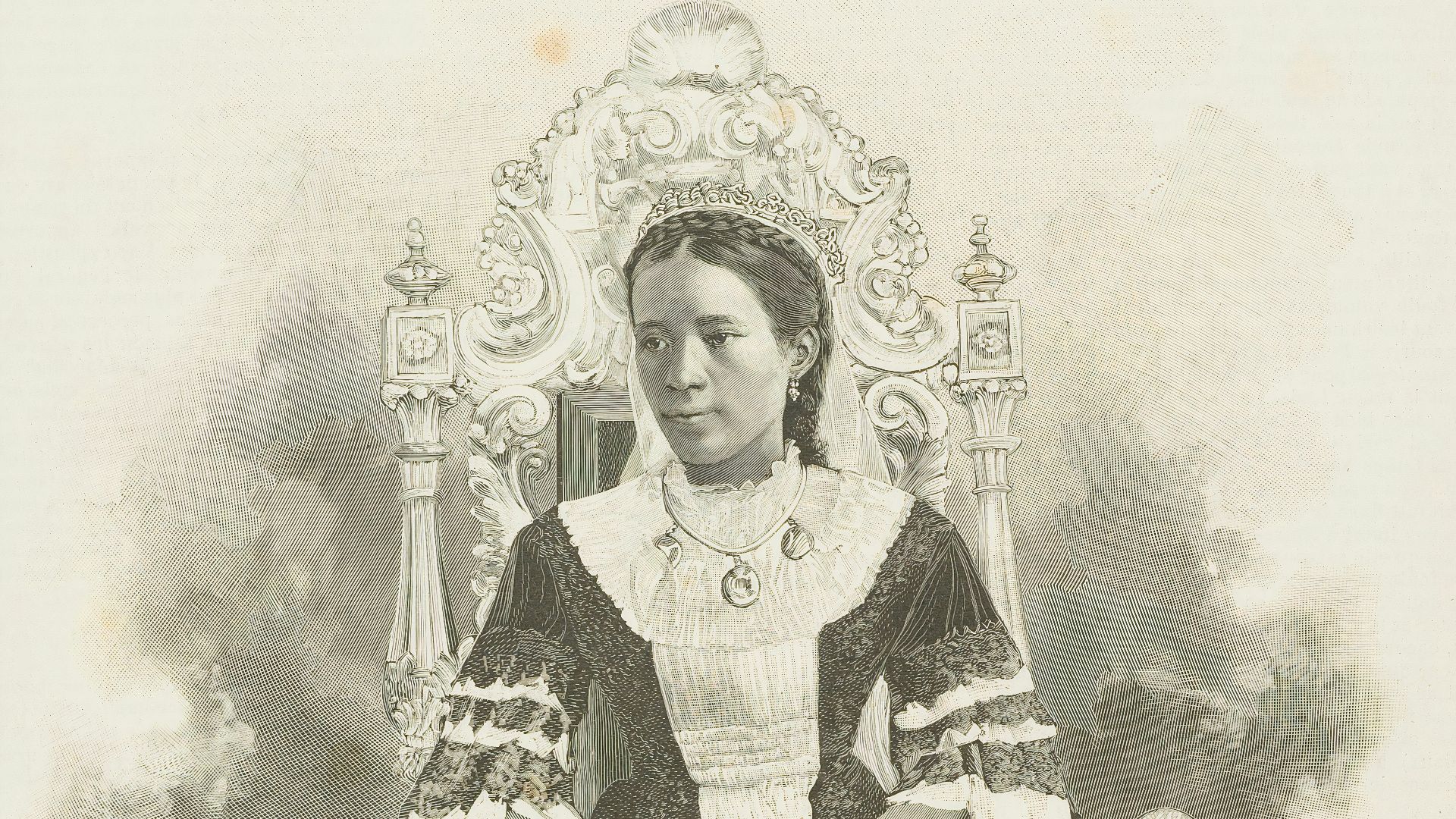
20. Emperor Elagabalus – Roman Empire (218–222 CE)
Elagabalus shocked Rome with scandalous behavior and religious eccentricity. He tried to replace traditional Roman gods with his own Syrian sun deity, alienating both the Senate and people. His excesses ended violently when the Praetorian Guard turned on him.
KEEP ON READING
The 20 Most Recognized Historical Figures Of All Time
The Biggest Names In History. Although the Earth has been…
By Cathy Liu Oct 4, 2024
10 of the Shortest Wars in History & 10 of…
Wars: Longest and Shortest. Throughout history, wars have varied dramatically…
By Emilie Richardson-Dupuis Oct 7, 2024
10 Fascinating Facts About Ancient Greece You Can Appreciate &…
Once Upon A Time Lived Some Ancient Weirdos.... Greece is…
By Megan Wickens Oct 7, 2024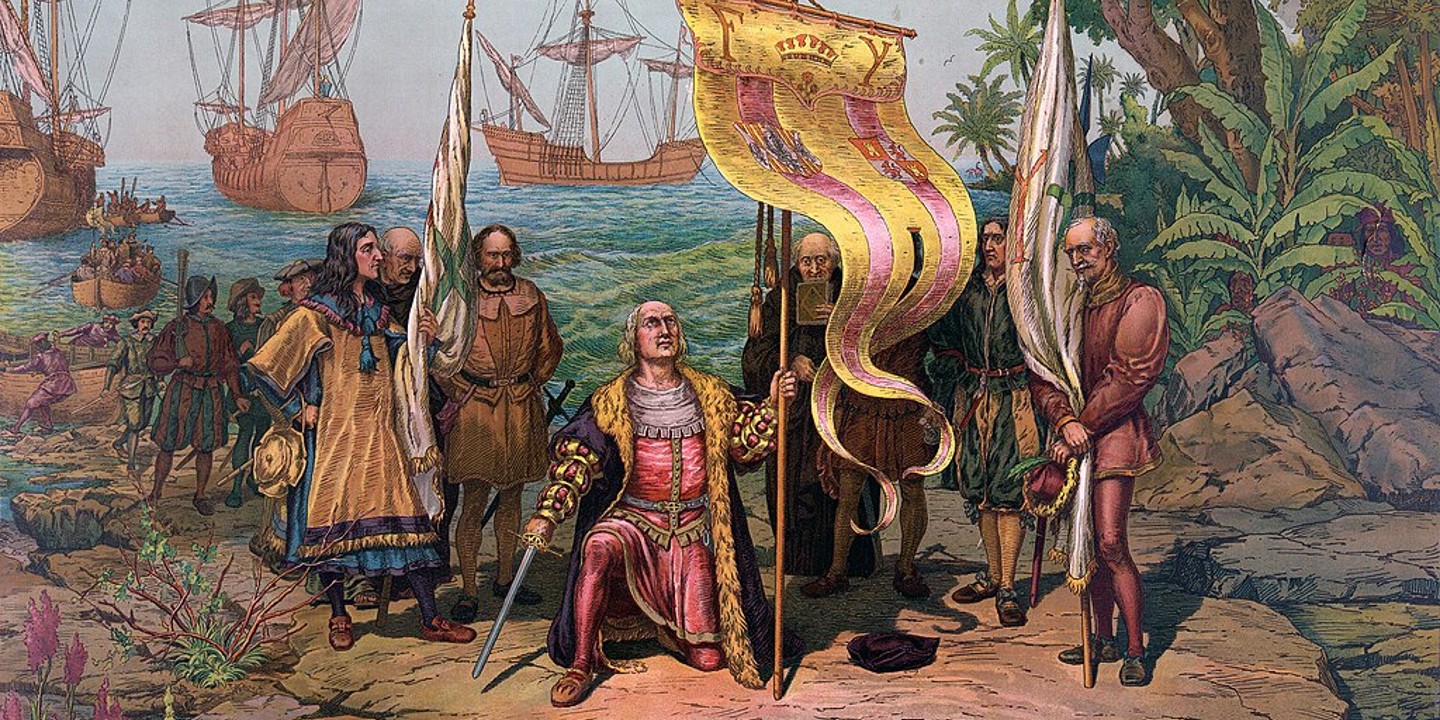
20 Lesser-Known Facts About Christopher Columbus You Don't Learn In…
In 1492, He Sailed The Ocean Blue. Christopher Columbus is…
By Emilie Richardson-Dupuis Oct 9, 2024
20 Historical Landmarks That Have The Craziest Conspiracy Theories
Unsolved Mysteries Of Ancient Places . When there's not enough evidence…
By Megan Wickens Oct 9, 2024
The 20 Craziest Inventions & Discoveries Made During Ancient Times
Crazy Ancient Inventions . While we're busy making big advancements in…
By Cathy Liu Oct 9, 2024