Lightyears Ahead
Space might still feel like an unknown void, but a lot of what you—and many astronauts and scientists—now understand about the universe traces back to a handful of daring missions. Some of them had crews that came back wholly triumphant, while others succeeded in unpredictable ways, oftentimes at an eerie cost. It’s hard not to feel a little awe whenever you think about what lies beyond our little blue home, and we're here to put some of the most famous discoveries into perspective. From Sputnik 1 to the James Webb Space Telescope, here are 20 important missions that changed how we understand the vastness of space.
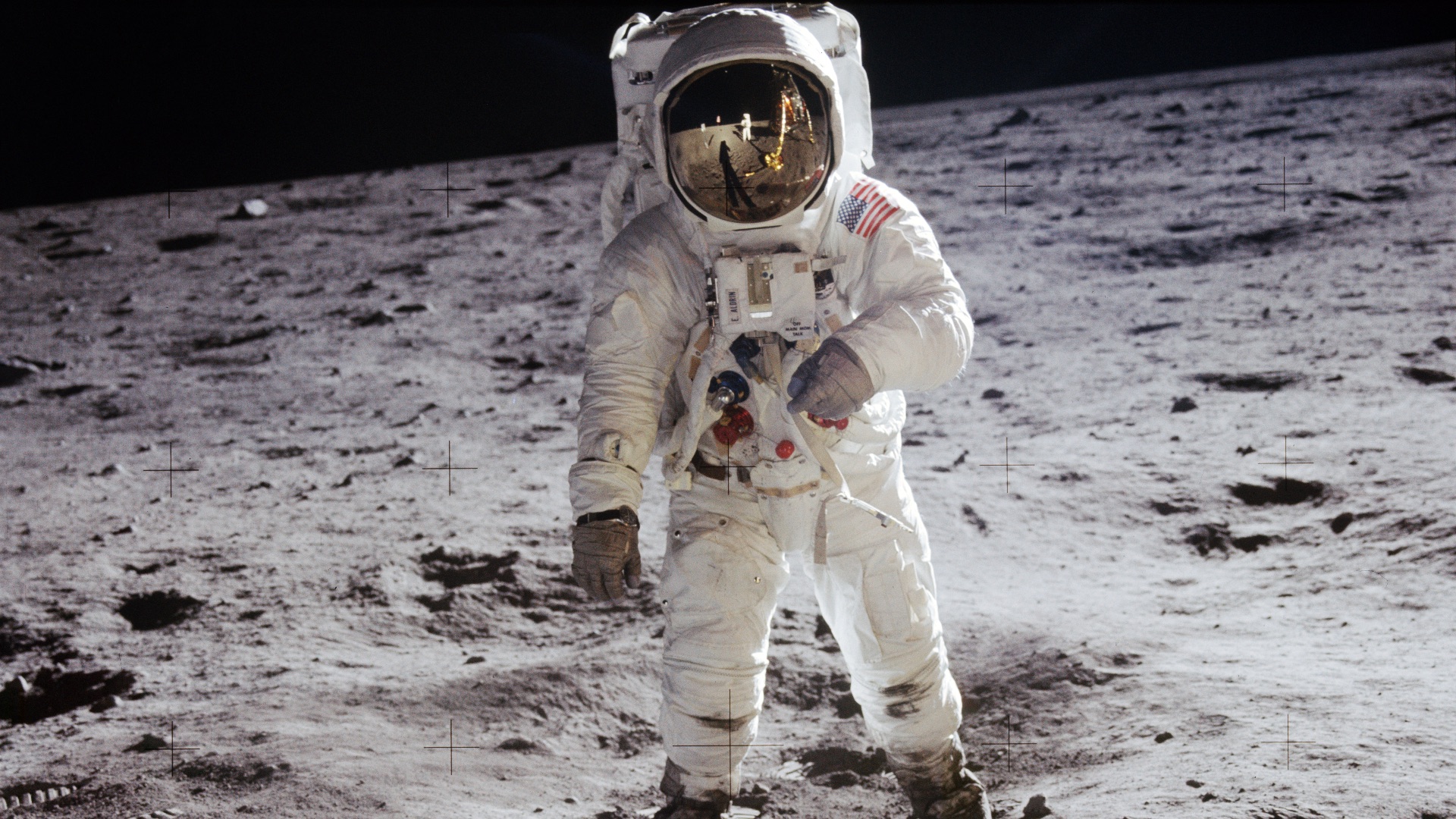 Neil A. Armstrong on Wikimedia
1. Sputnik 1 Starts the Space Age
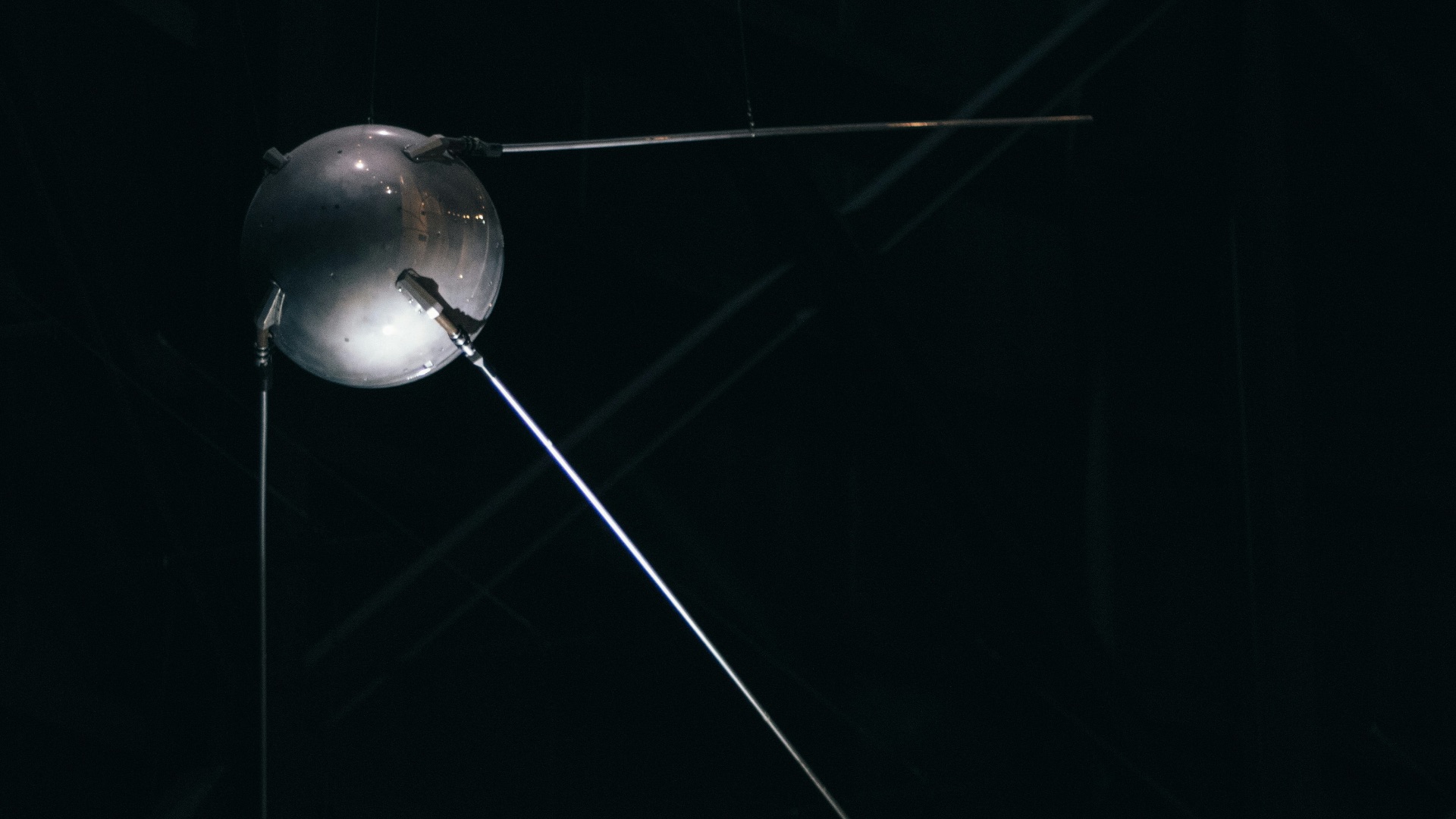
Sputnik 1 was the world's first artificial satellite. Launched by the Soviet Union in 1957, its steady beeps kicked off the Space Age and started a race that rewired politics, science, and even pop culture. If you’ve ever tracked a satellite pass on your phone, you’re following a trail that began with this little sphere.
2. Luna 3 Reveals the Moon’s Hidden Face
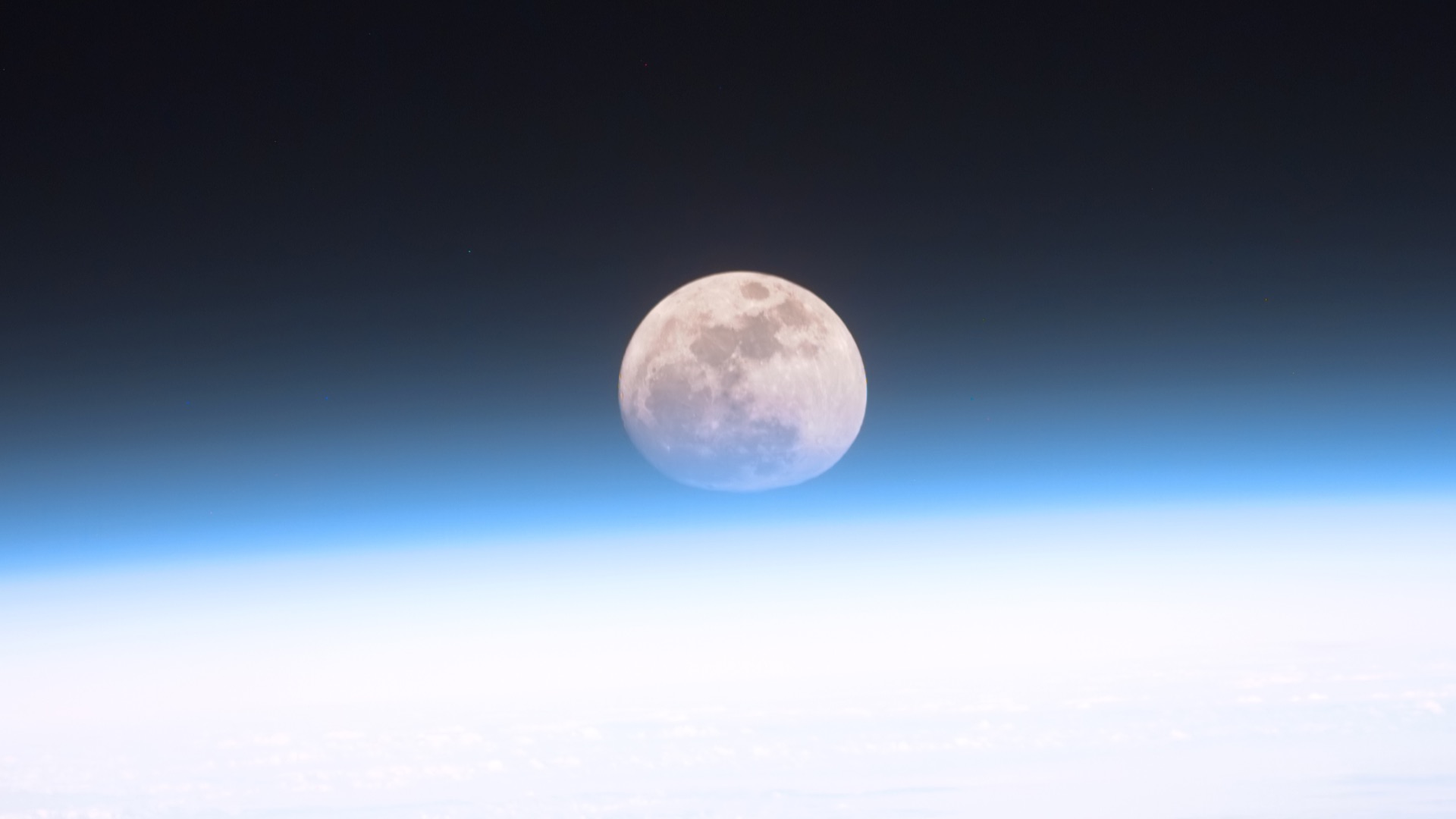
Luna 3 swung around the Moon in 1959 and snapped the first photos of the far side, which had, until then, been a cosmic mystery. The images were fuzzy by today’s standards, but they completely changed lunar maps and proved the Moon had a whole different face and topography.
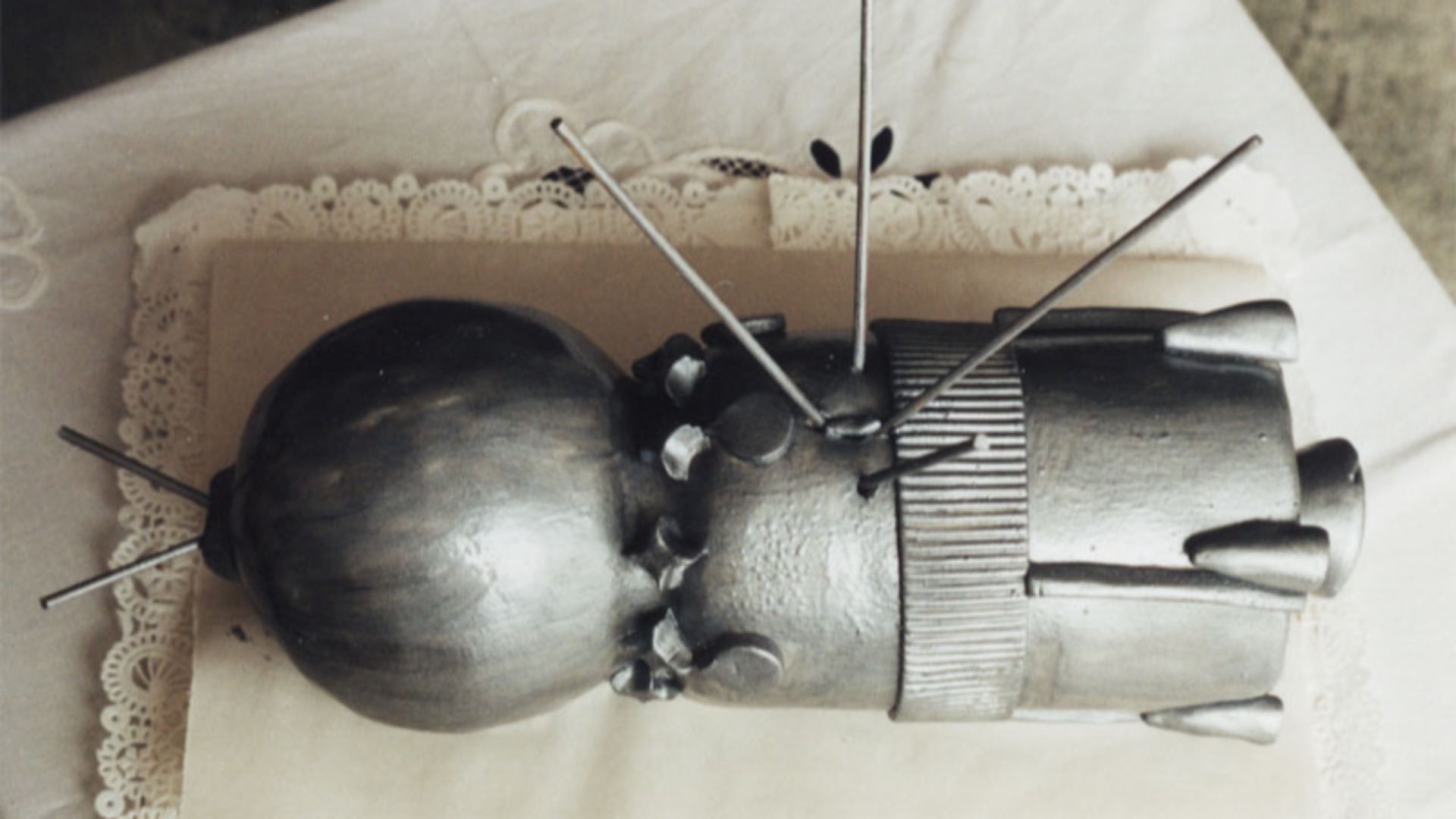
3. Vostok 1 Puts a Human in Space
With Yuri Gagarin aboard, the Soviet Union and Vostok 1 put the first human in orbit in 1961, an enormous feat at the time. His one-orbit flight was short, lasting only 108 minutes (1 hour 48 minutes), but it proved people could survive launch, weightlessness, and reentry without drastic consequences. From that day on, it was no longer “can we go,” but “how far can we go?”
4. Friendship 7 Makes Orbital Flight Feel Real
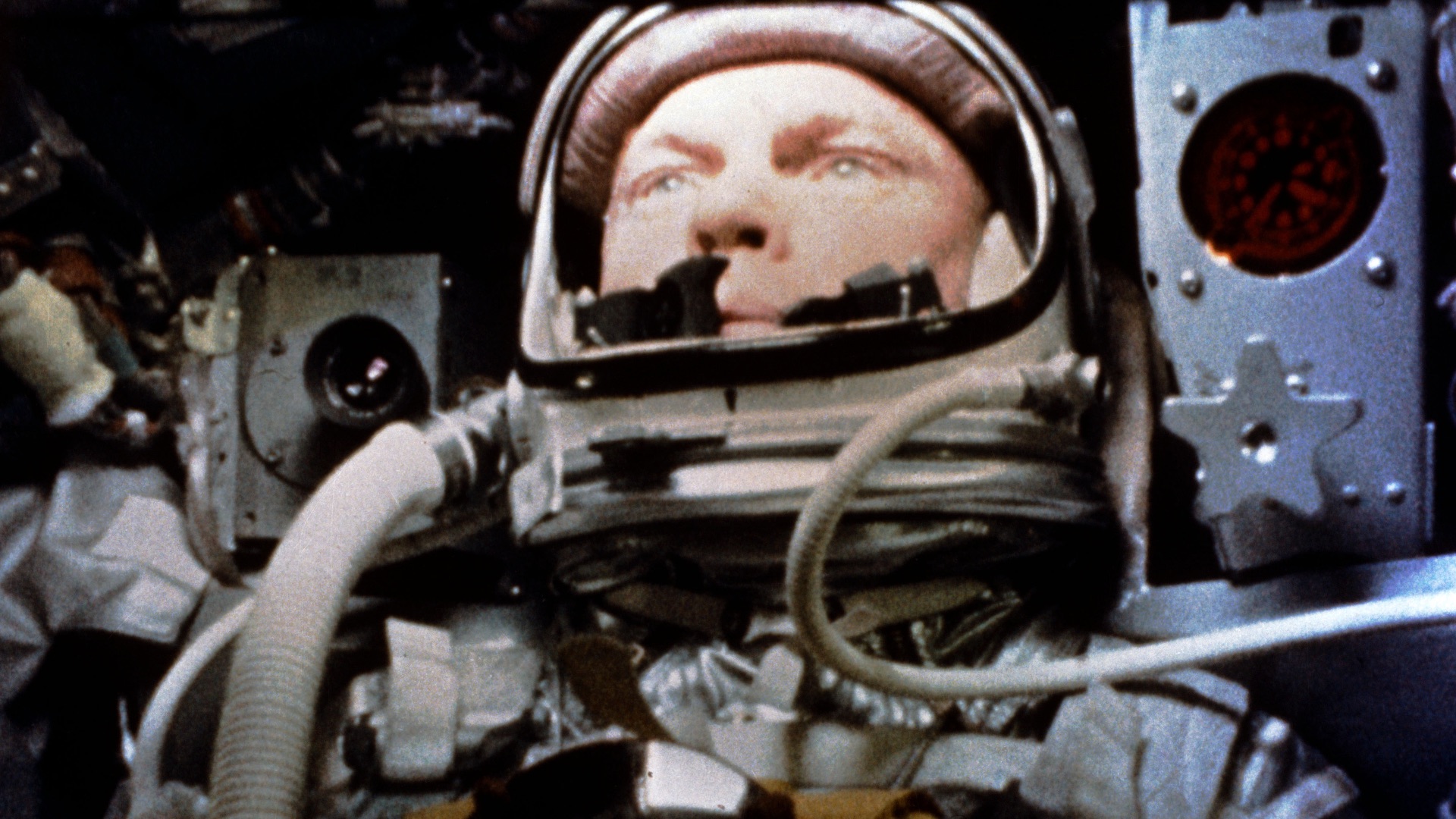
John Glenn’s Friendship 7 zipped around Earth three times in 1962, giving the United States its first orbital astronaut. The mission mixed automatic systems with hands-on flying, and it reminded everyone that space hardware loves to surprise you. It helped turn astronauts into active pilots and pushed mission planners toward longer, more ambitious flights.
5. Voskhod 2 Invents the Spacewalk
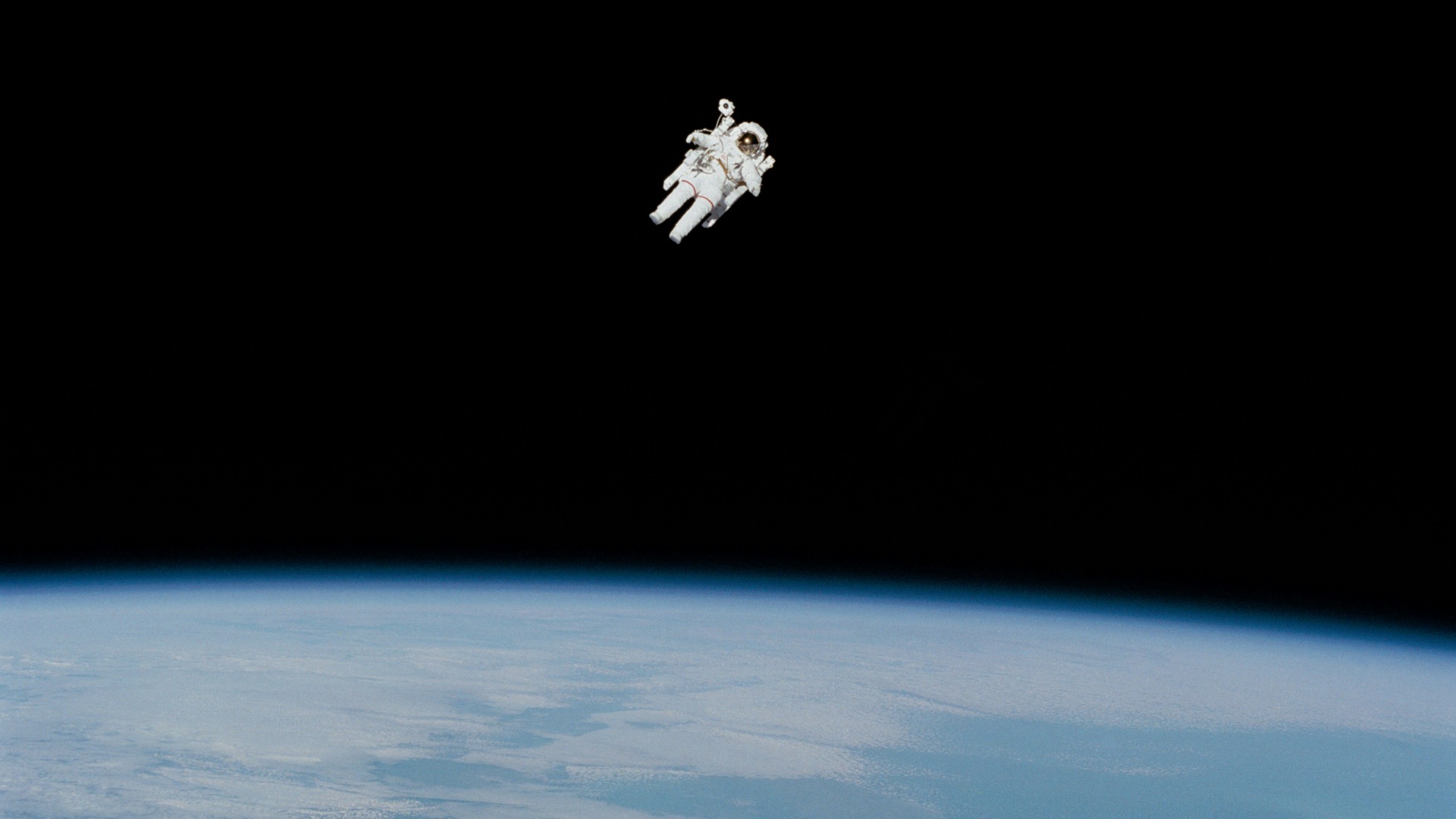
Voskhod 2 is where Alexei Leonov opened the hatch and took the first spacewalk, an experience he'd recalled feeling "like a seagull with its wings outstretched, soaring high above the Earth." As amazing as it was, his family was displeased; his suit ballooned in vacuum, making the return to the airlock a nightmareish wrestling match he thankfully won with quick thinking and a little luck. Spacewalks, however, later became the must-have skill.
6. Gemini 8 Proves Docking Is Tricky
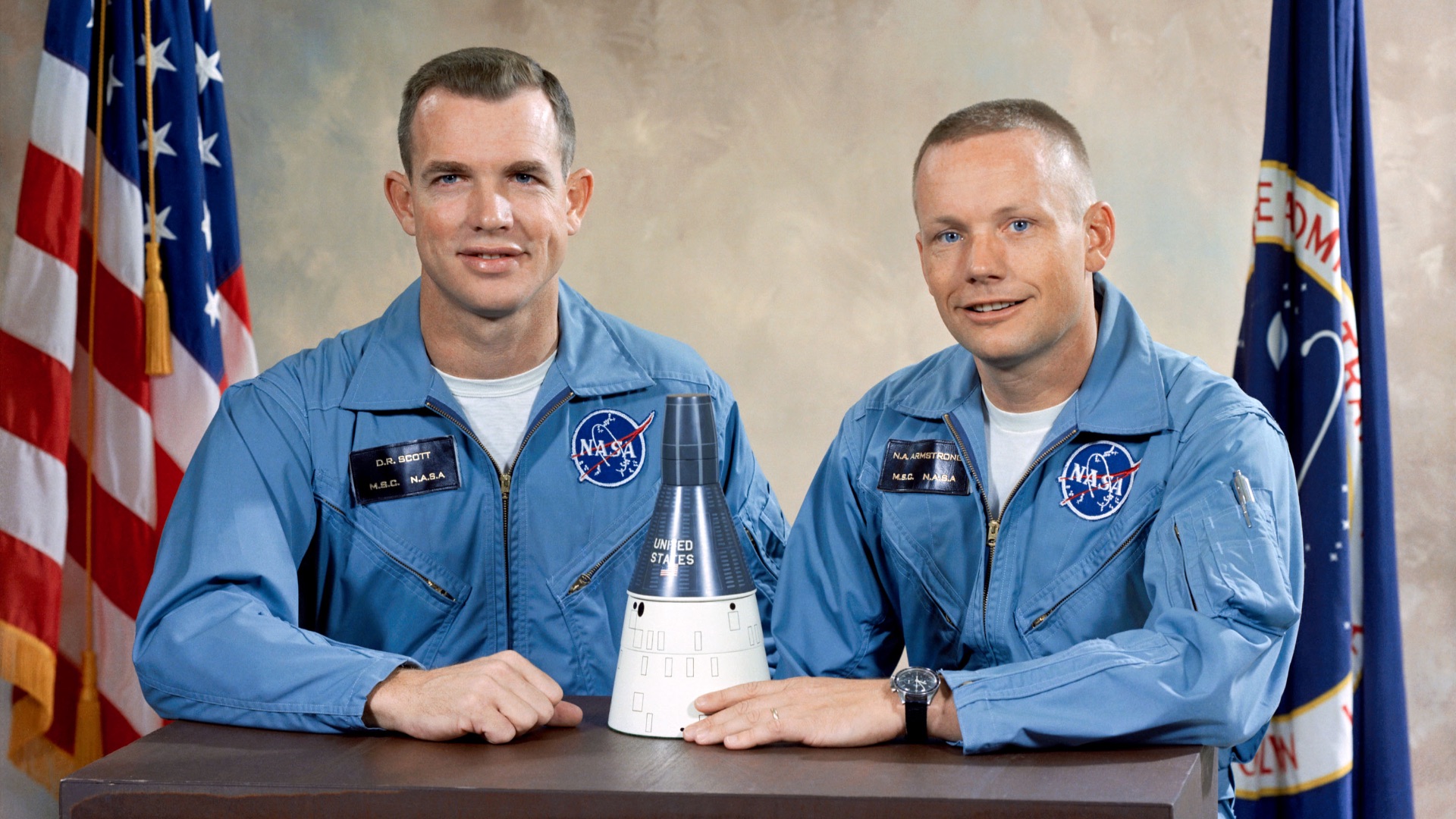
Gemini 8 pulled off the first docking in space, and was commanded by Neil Armstrong and David Scott. However, shortly after docking, both spacecraft spun out of control, and the crew had to shut the rotation down and end the mission early, or else they would've blacked out.
 NASA on The Commons on Wikimedia
7. Apollo 8 Takes Humans to Lunar Orbit
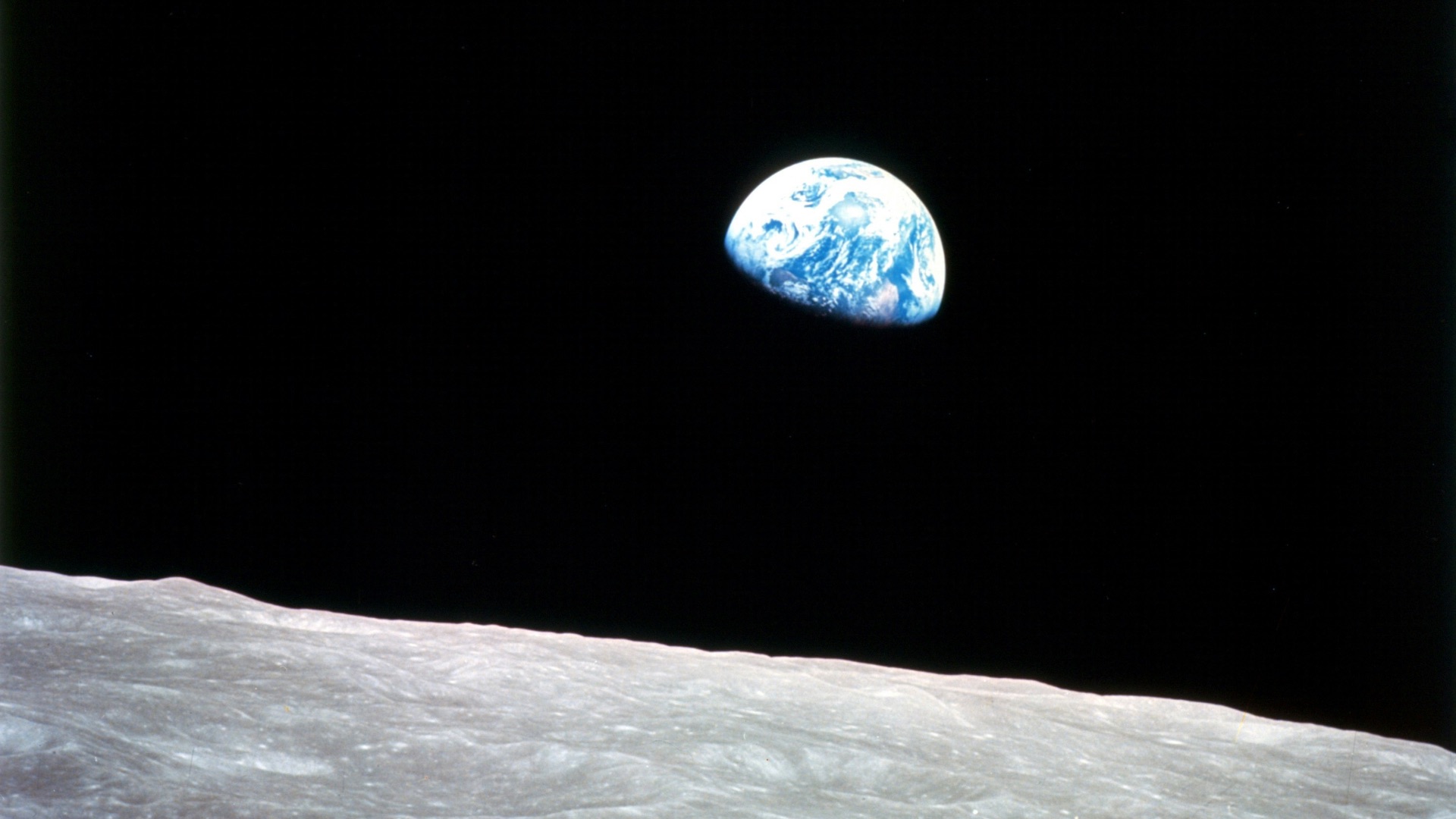
In December 1968, Apollo 8 carried humans to the Moon, looped around it ten times, before coming home to Earth. The crew didn't land on the Moon, but they were able to capture the iconic "Earthrise" photo that gave everyone a new perspective on our fragile blue home.
8. Apollo 11 Delivers the Moonwalk
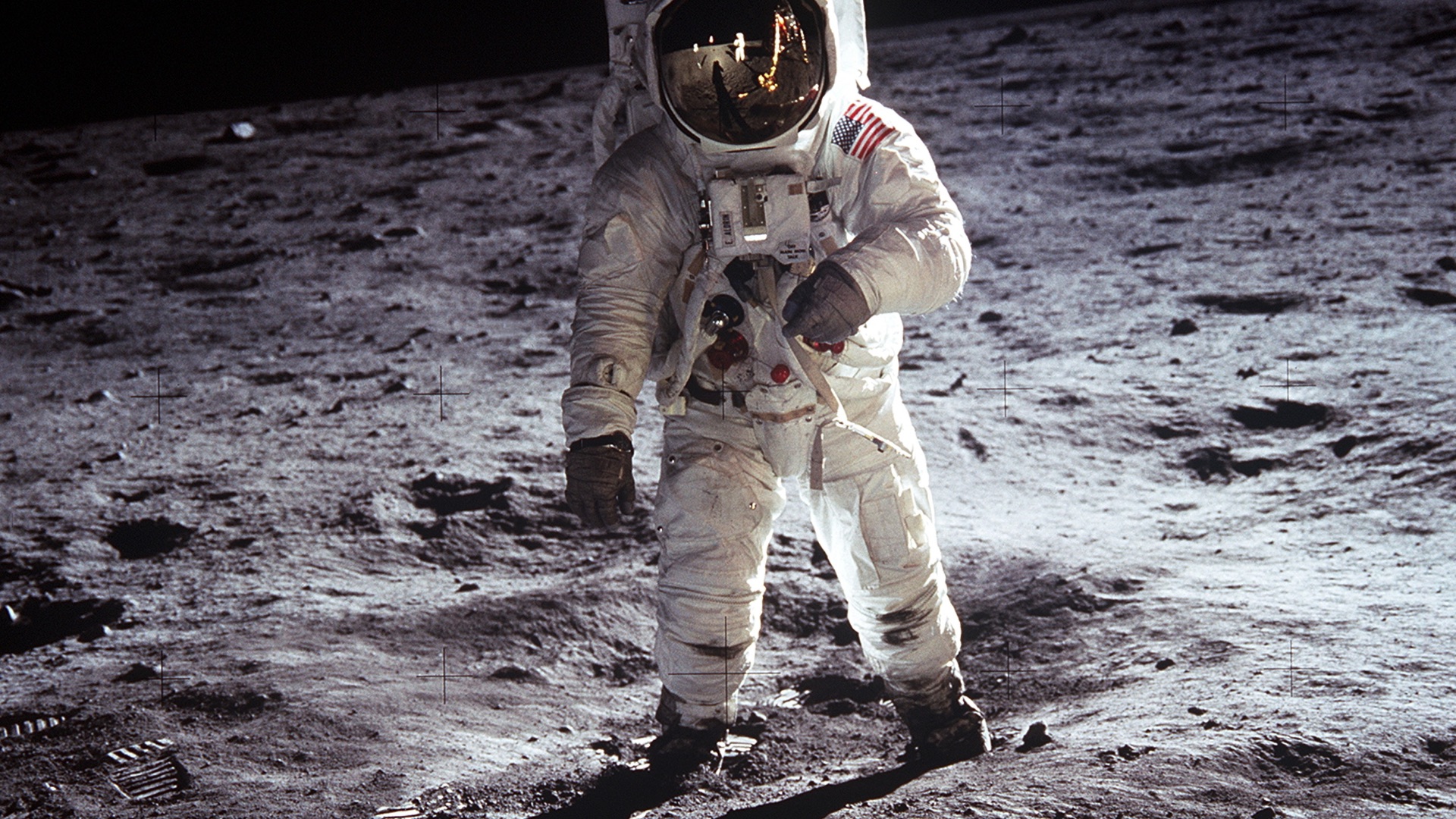
The big leap arrived with Apollo 11 in July 1969, when astronauts finally reached their goal of landing on the Moon and returning safely to Earth. This national goal was set by none other than then President John F. Kennedy, just eight years before the successful mission.
 Neil A. Armstrong on Wikimedia
9. Apollo 13: "Houston, We've Had a Problem"
Apollo 13 was supposed to be the third lunar landing attempt, but the crew ran into trouble when one of the oxygen tanks exploded, forcing them to abort their mission and return to Earth. If you're familiar with the quote, "Houston, we've had a problem," it's a famous line pulled from Apollo 13.
10. Salyut 1 Starts the Space Station Era
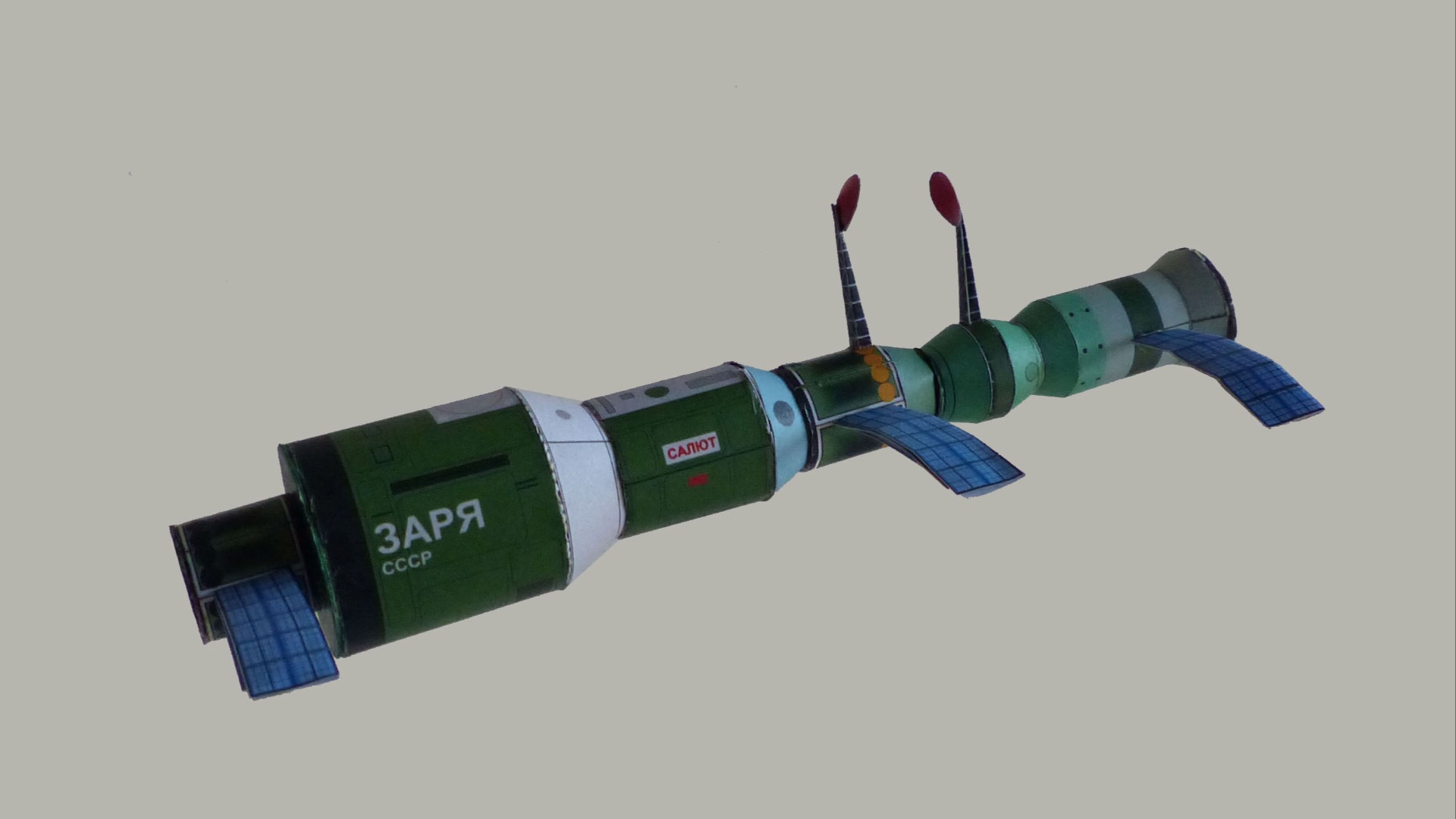
Salyut 1, launched by the Soviet Union in 1971, was the first space station and the first real attempt at living in orbit rather than merely visiting it. It forced engineers to think about long-term life support, daily routines, and what happens to humans without gravity.
11. Apollo-Soyuz Makes Cooperation Official
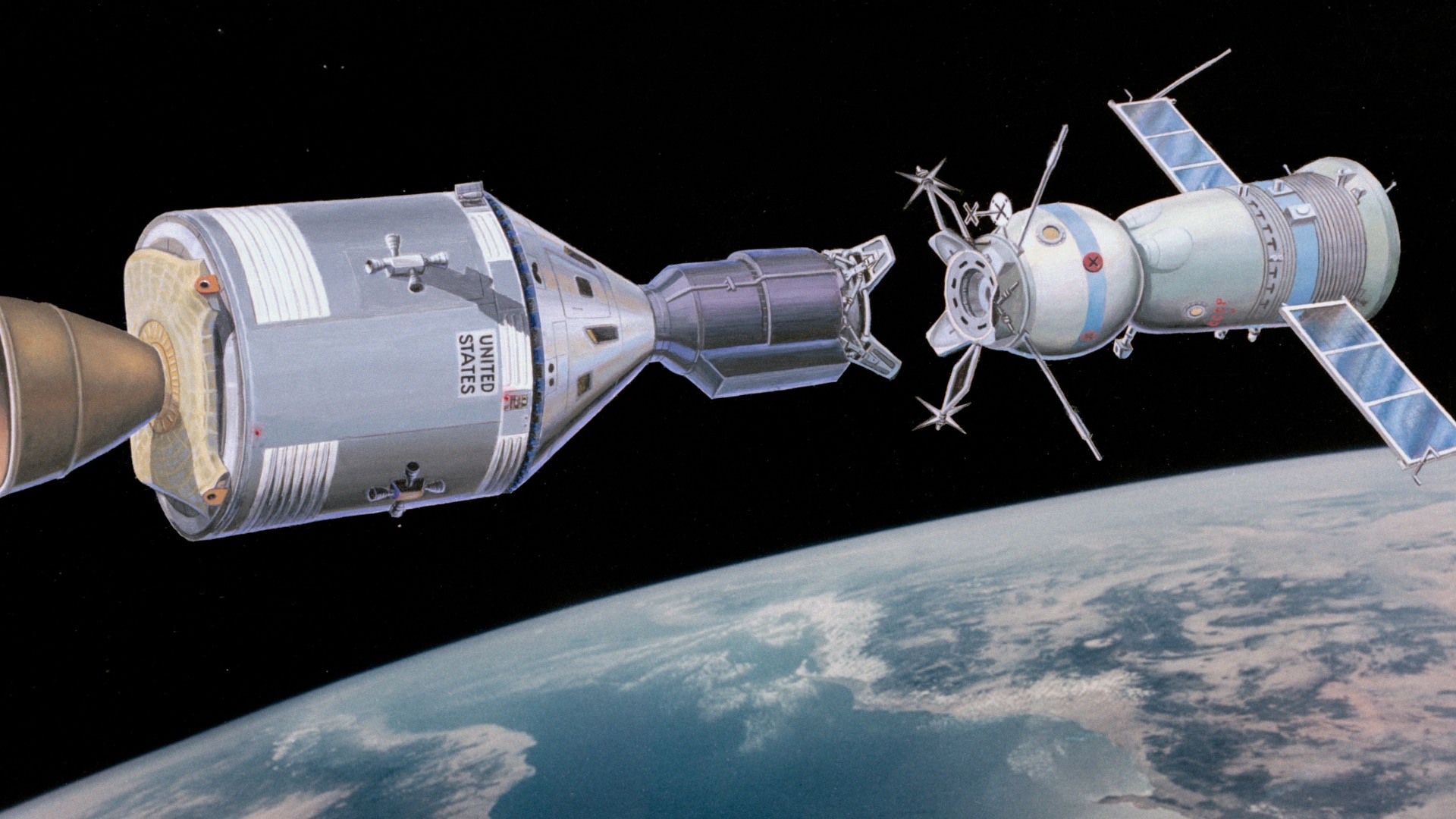
In 1975, Apollo-Soyuz docked an American spacecraft with a Soviet one. The mission showed how shared docking systems and compatible procedures can make collaboration possible, even when the two countries involved didn't agree on much else.
12. Viking 1 Brings Mars Down to Earth
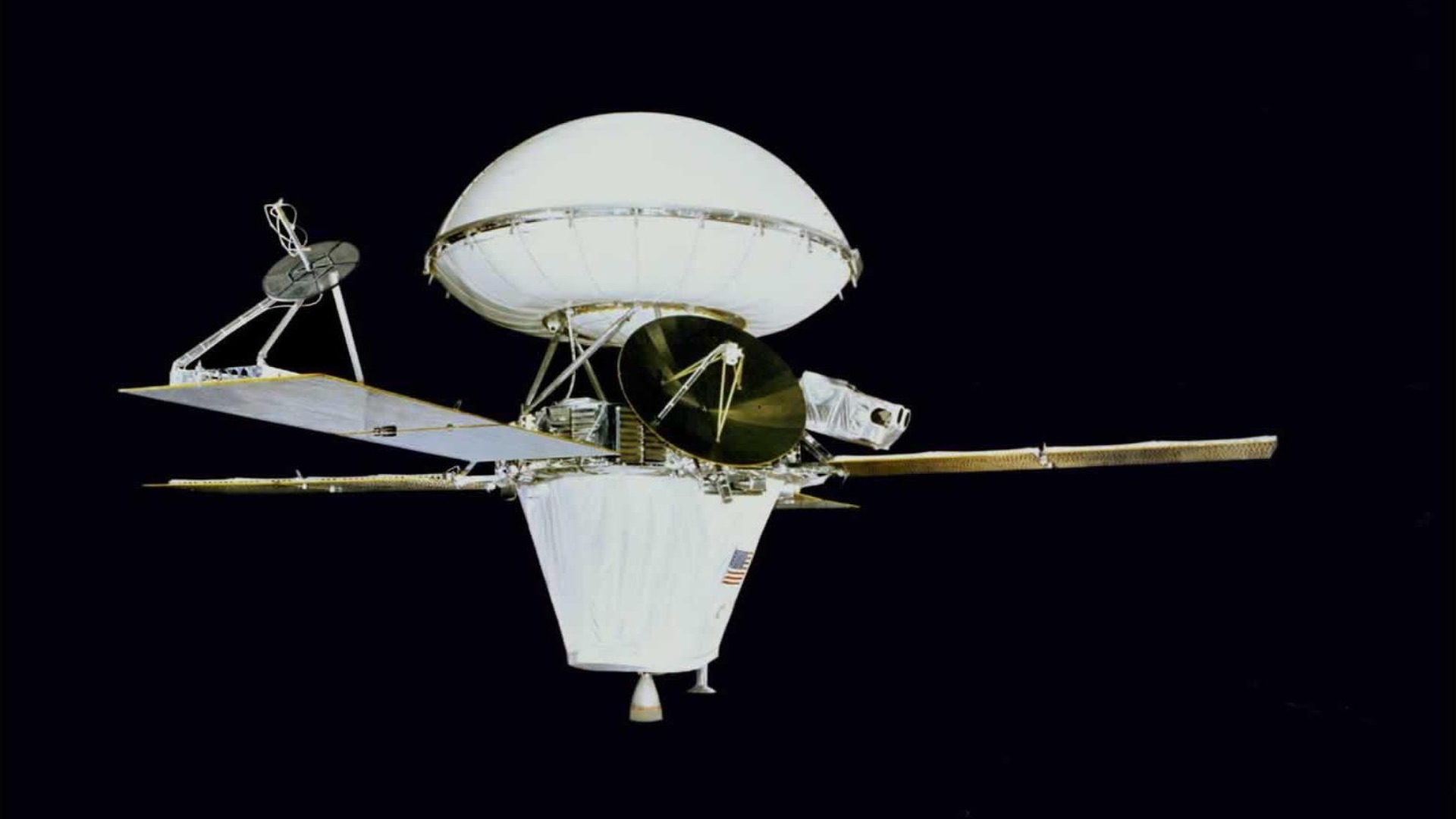
When Viking 1 landed on Mars in 1976, it delivered the first long-running surface science lab on another planet. Its life-detection experiments produced results that were intriguing and confusing, which is exactly how real science tends to behave. The flood of images also made Mars feel less like a red point in the sky and more like a world with weather and landscapes.
13. Voyager 1 and 2 Tour the Outer Planets
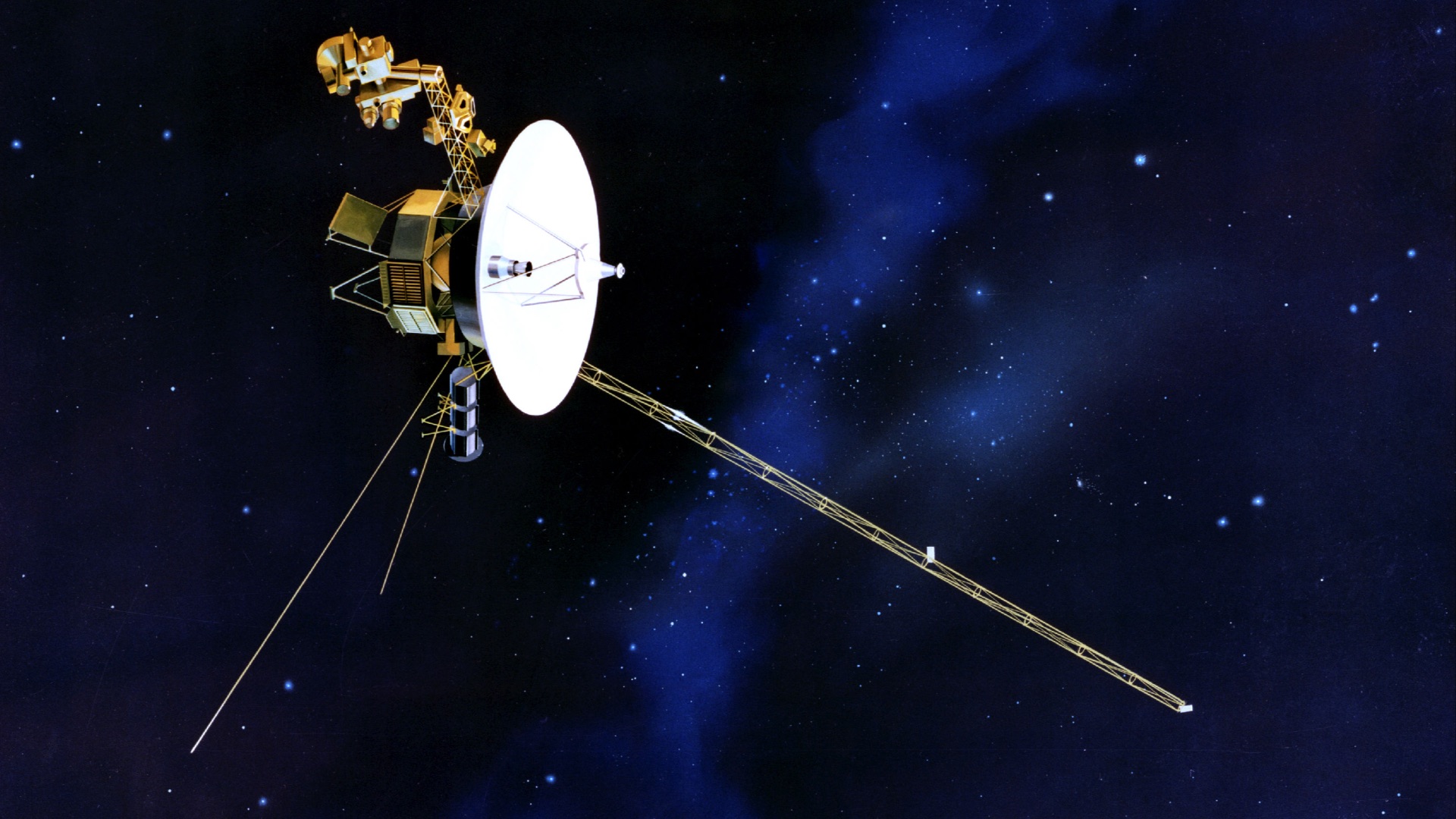
Two spacecraft named Voyager launched in 1977 to explore the outer solar system. They revealed volcanoes on Io (Jupiter's moon), strange rings, icy moons, and much more. Voyager 1 is now in interstellar space, and the fact that it’s still talking to us is the closest thing we have to sci-fi in real life.
14. STS-1 Proves the Space Shuttle Concept
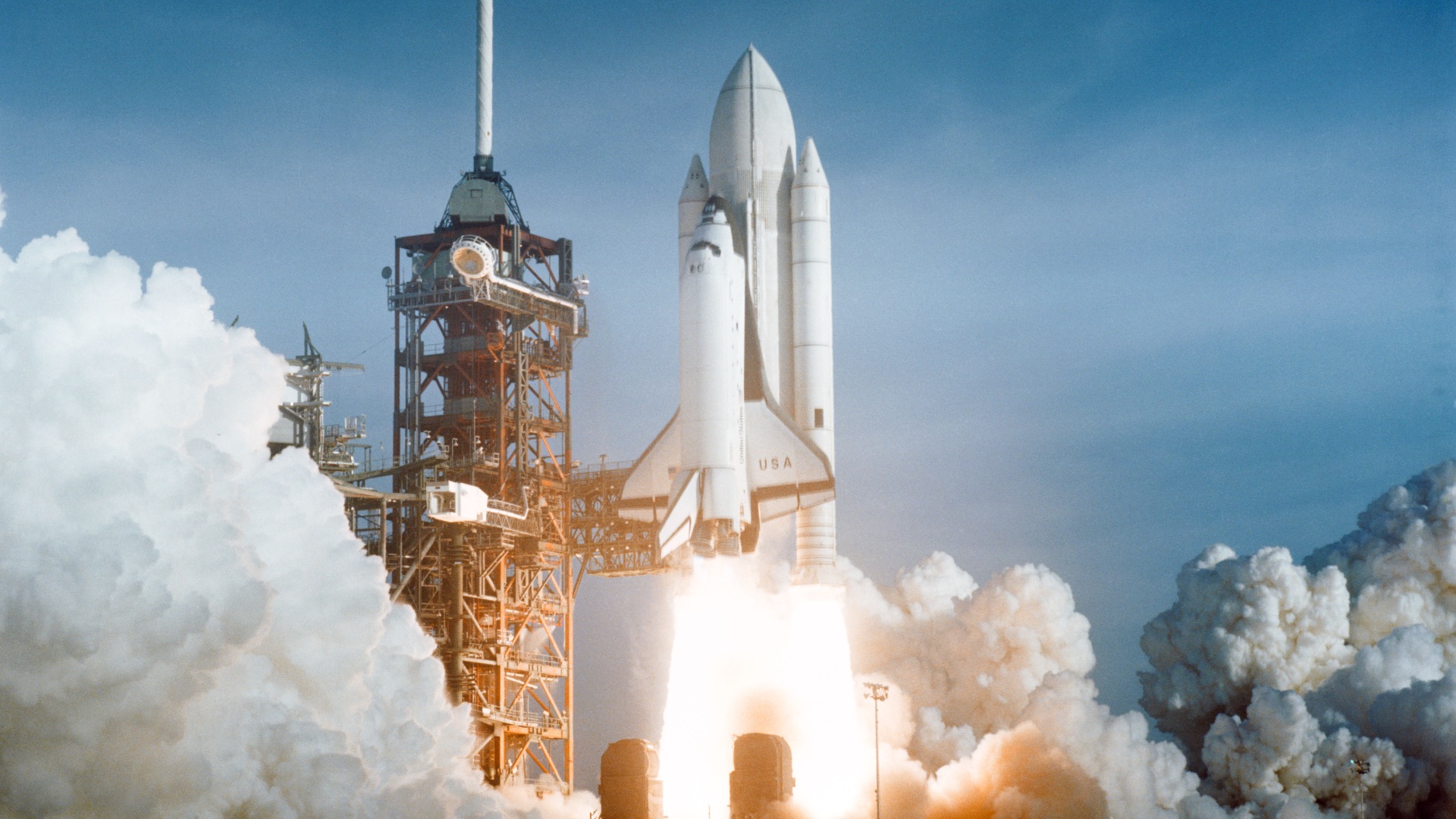
Back in 1981, STS-1 launched Columbia on the first Space Shuttle mission, proving you could bring a spacecraft back to land and fly again. The Shuttle era made big, hands-on tasks more routine, including satellite deployment, repairs, and spacewalking. Its legacy is complicated, but it undeniably shaped how humans and hardware learned to work together in orbit.
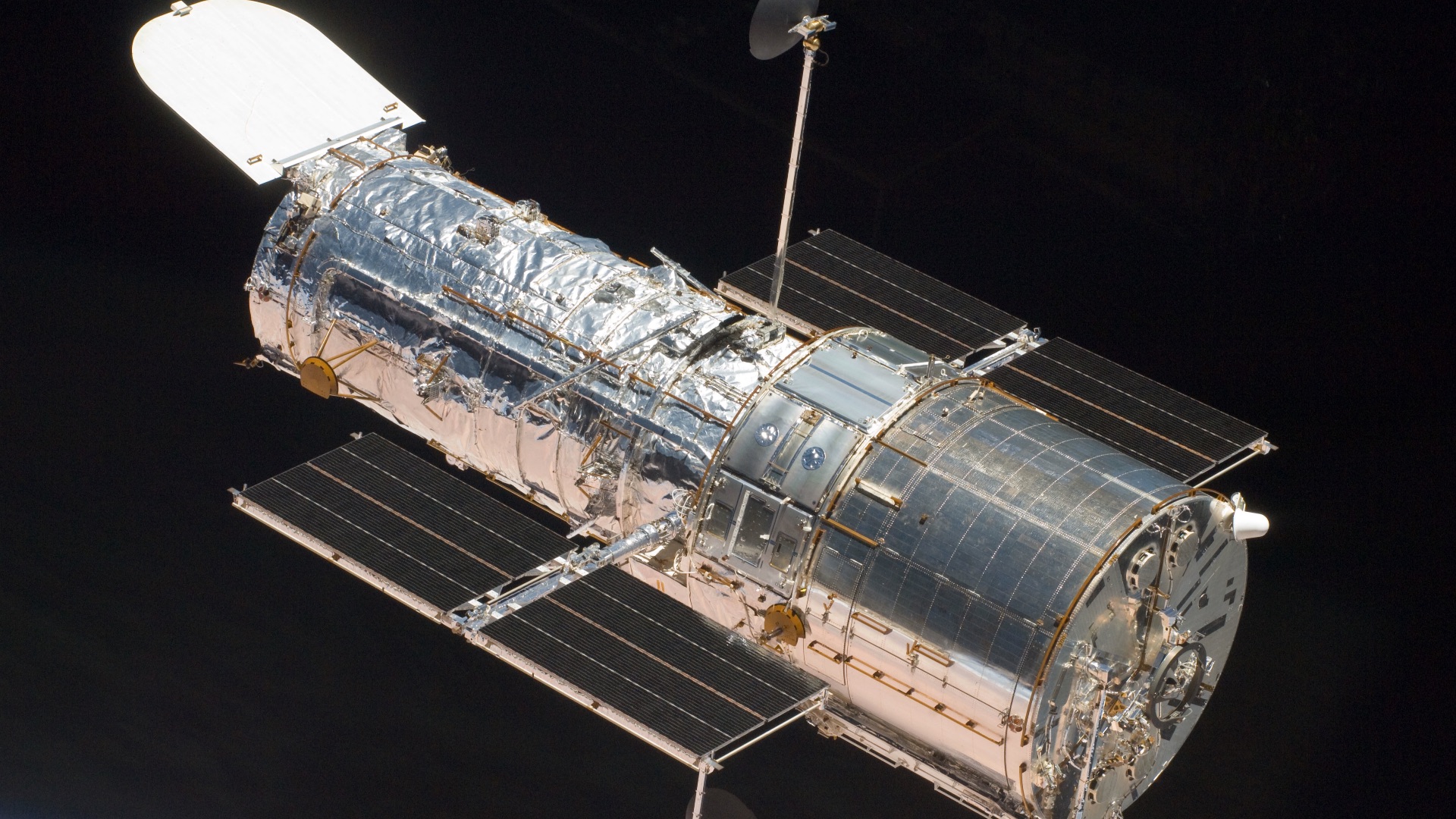
15. Hubble Opens a Crystal-Clear Window
Launched in 1990, the Hubble Space Telescope escaped the blur of Earth’s atmosphere and started seeing the universe in crisp detail. After a famous fix to correct its early mirror trouble, it delivered observations that sharpened estimates of the universe’s age and helped map how galaxies evolve. Hubble turned deep space into something you could actually picture, not just calculate.
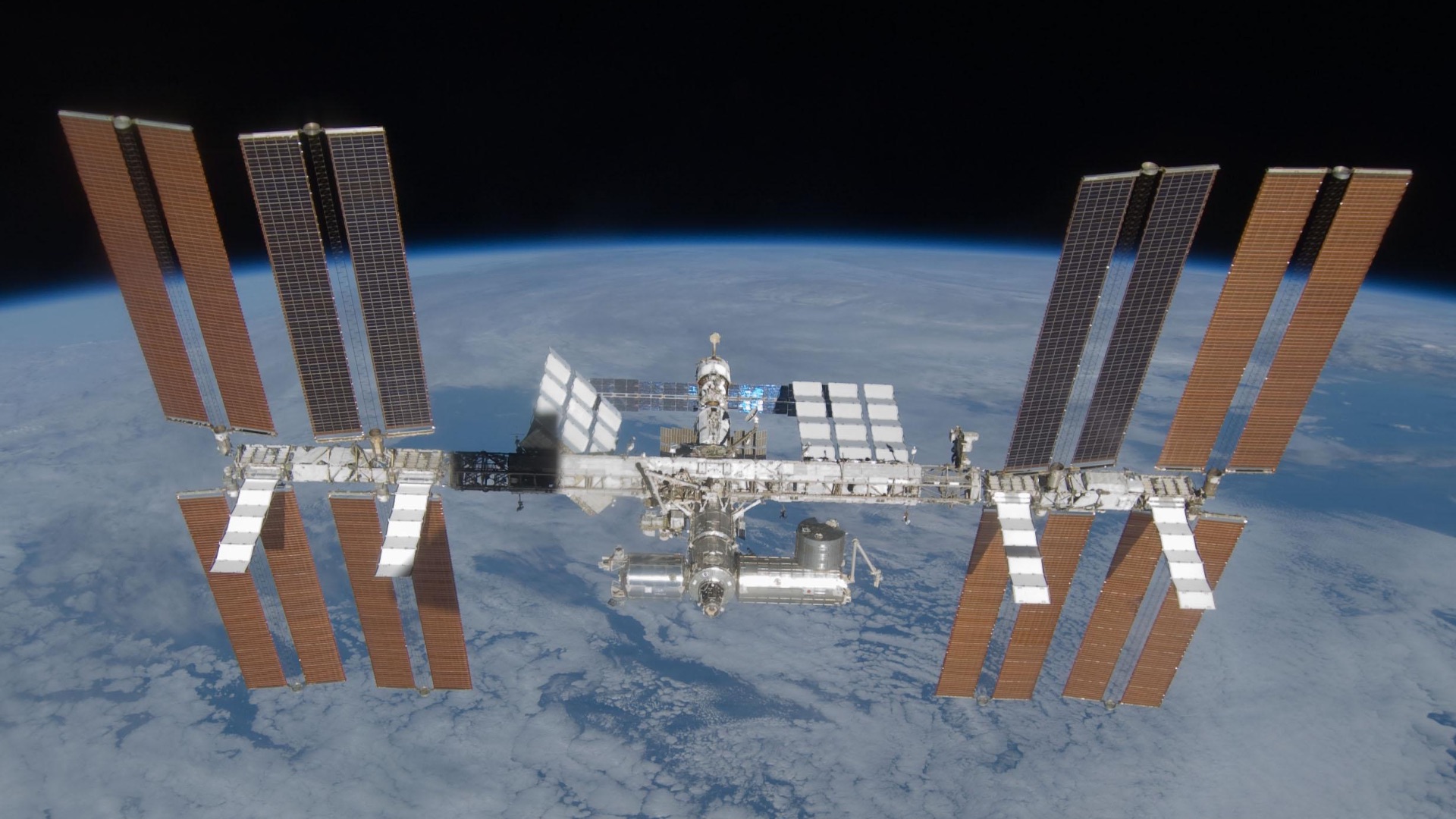
16. The International Space Station Becomes Home Base
Picture a floating laboratory stretching the size of a football field, and you’ve got the International Space Station. Since the first pieces went up in 1998 and continuous crews began living there in 2000, it’s taught us how bodies, materials, and machines behave during years of microgravity. It’s also where astronauts and engineers rehearse for tougher trips, because you don’t want to head for Mars without practicing for the long haul.
 National Aeronautics and Space Administration (Q23548) on Wikimedia
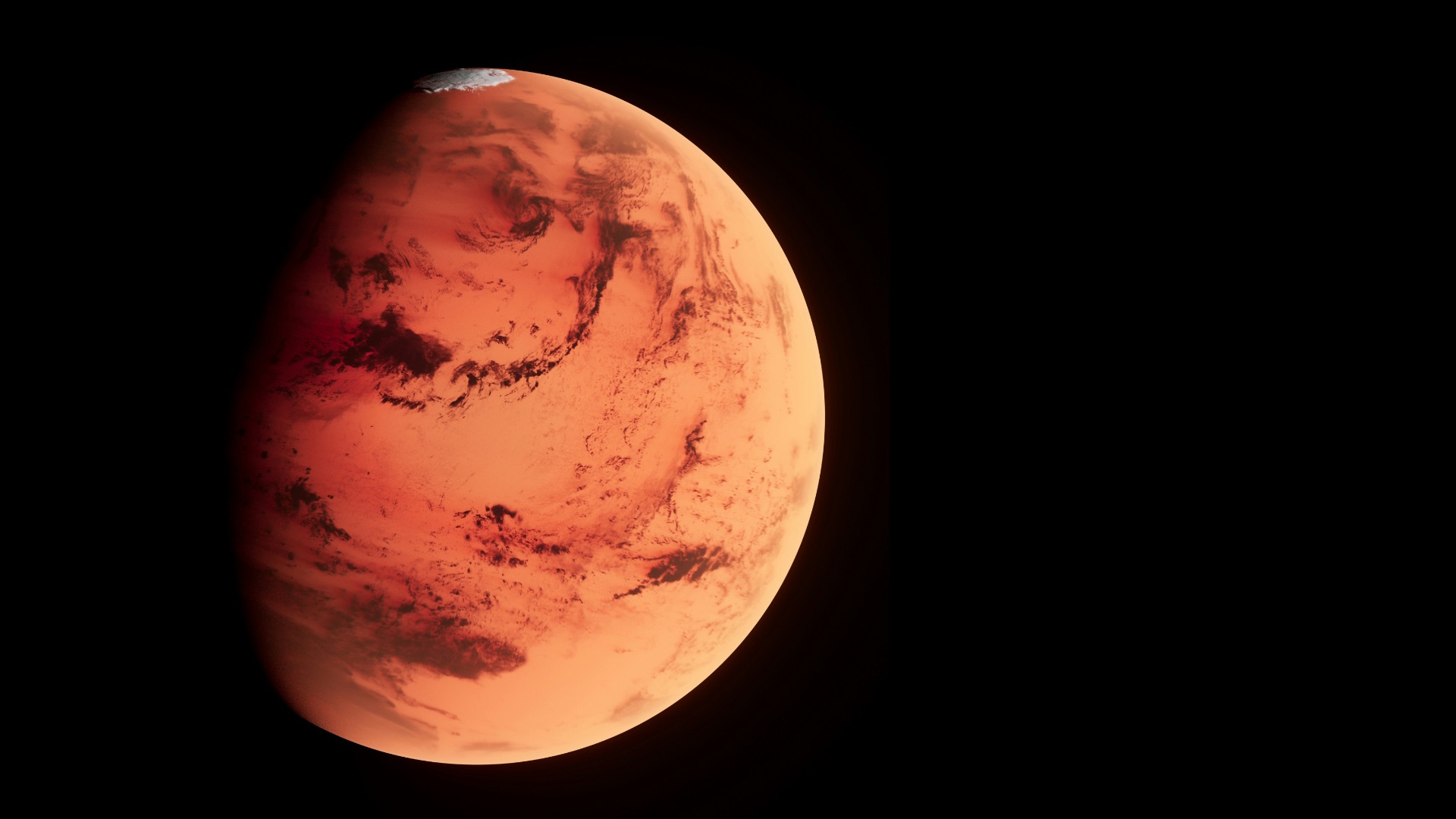
17. Spirit and Opportunity Map Out Mars
Nobody told Spirit and Opportunity, identical twin robots, that they were supposed to quit after 90 days, so they just kept roving across Mars for years. They found minerals that form in water, tracked changing weather, and helped us better understand life—and history—on Mars.
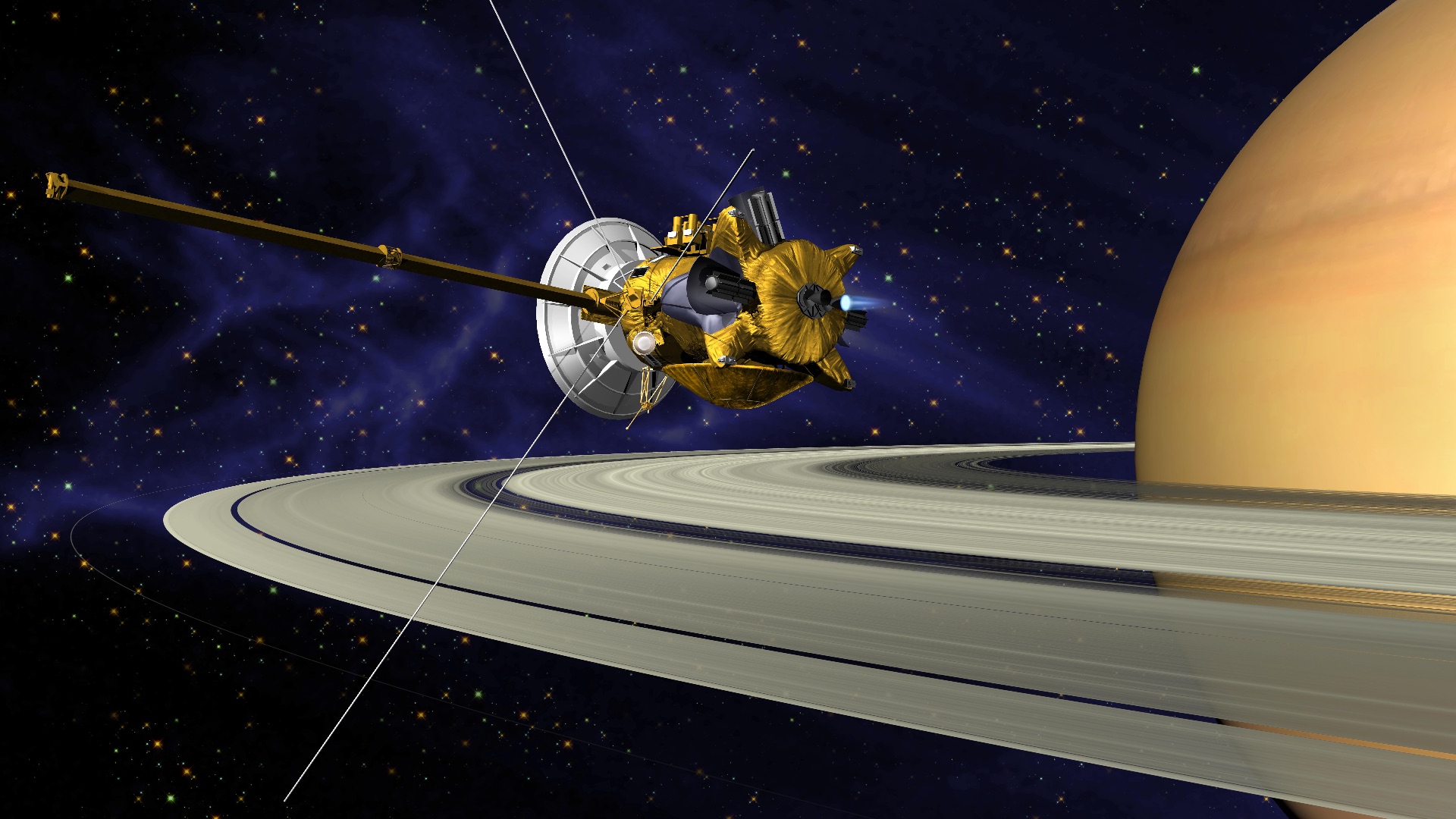
18. Cassini-Huygens Transform Saturn’s Neighborhood
Cassini-Huygens, more commonly known as Cassini, was a robotic spacecraft sent out by NASA to map out Saturn. The probe dropped through Titan’s haze and sent back data from a landscape with rivers and shorelines, as well as uncovered the material that made up the planet's iconic rings.
19. New Horizons Makes Pluto a Real World
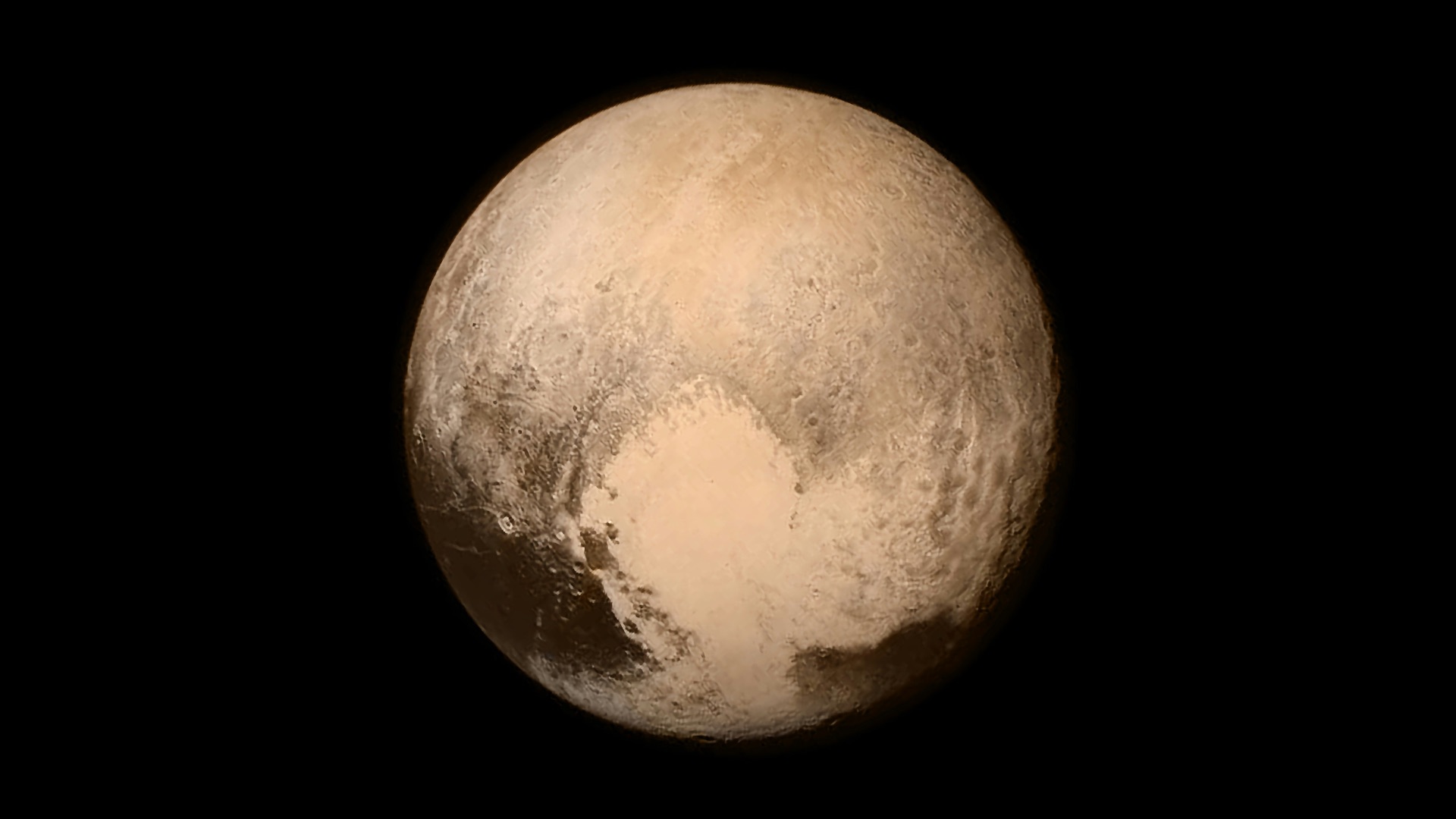
After a nine-year sprint, New Horizons blasted past Pluto in 2015 and replaced fuzzy estimates with real geography. It spotted icy mountains, nitrogen glaciers, and an atmosphere that changes, which makes Pluto feel alive in its own chilly way, even if it isn't technically classified as a planet.
20. James Webb Pushes the Universe Into Focus Again
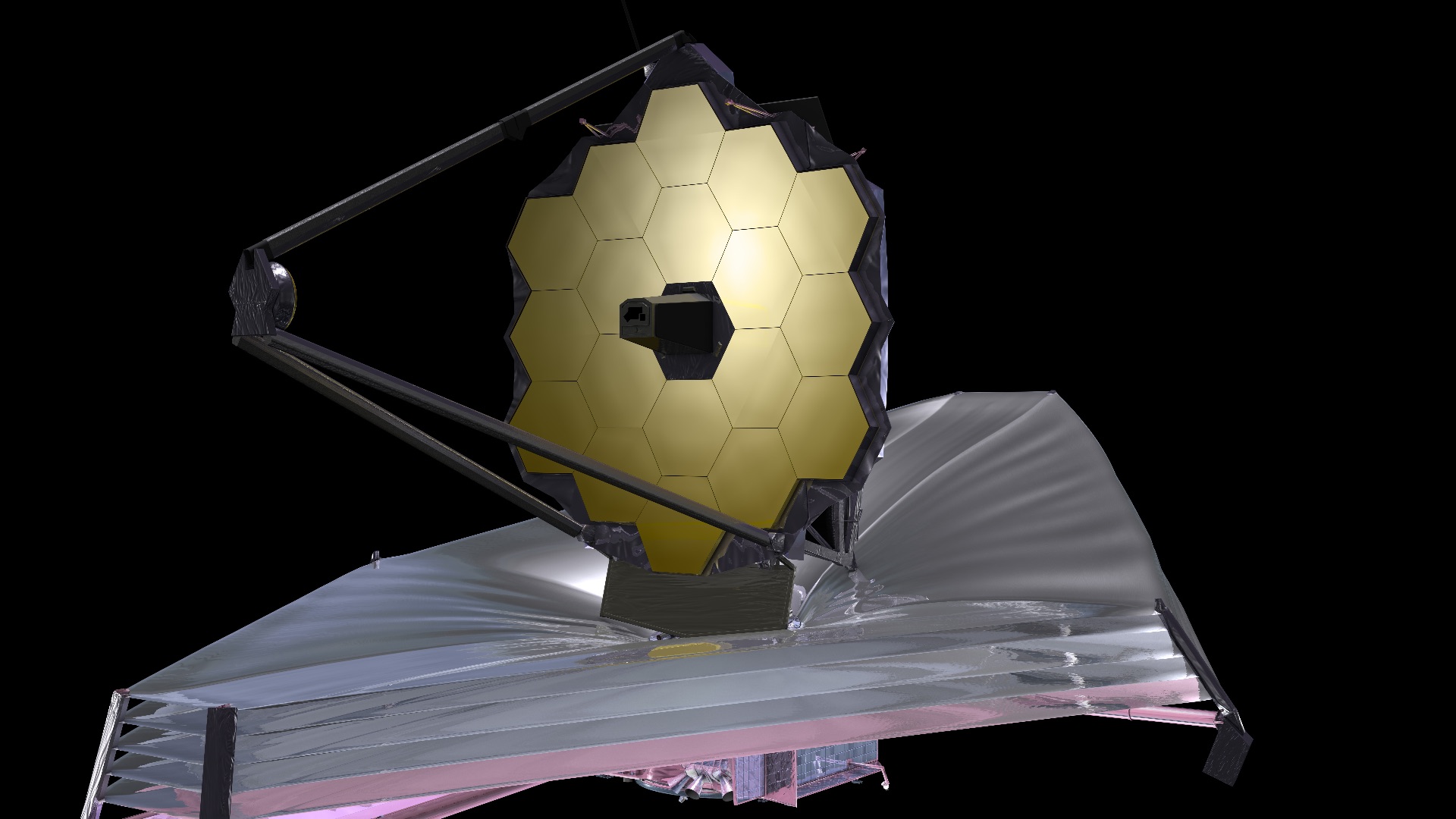
The James Webb Space Telescope sees the universe in infrared, letting it peer through cosmic dust and catch light that’s been traveling since the earliest epochs. Since launching on the Christmas of 2021, it’s delivered sharp looks at newborn stars, faraway galaxies, and even the chemical fingerprints of some exoplanet atmospheres.
KEEP ON READING