10 Of History’s Most Evil People & 10 Of Its Greatest Heroes
Power, Courage, And The Extremes Of Human Choice
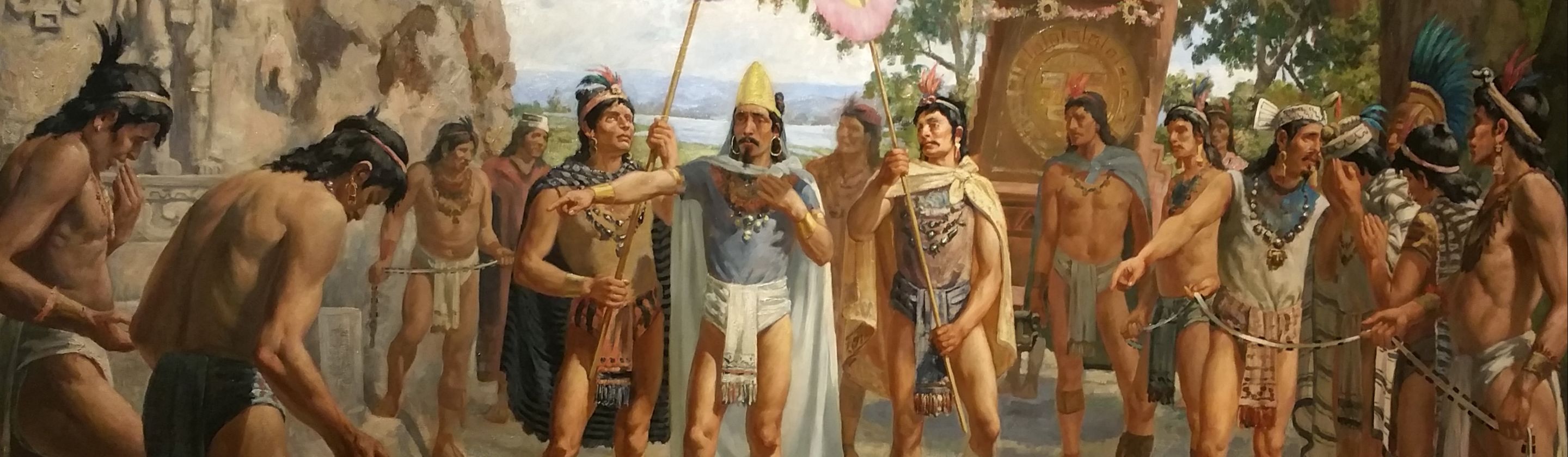
History tends to flatten people into names and dates, which makes moral clarity feel easier than it ever was in real time. The truth is that every era produces figures who shape events through fear, courage, ideology, or stubborn conviction, often while believing they are justified. Some leave trails of suffering so vast that their names become shorthand for cruelty itself. Others step forward under pressure, often at great personal cost, and expand what feels possible for the rest of us. Here are ten figures that represent some of the most destructive uses of power the world has recorded and ten that represent the very best of humanity.
 London Stereoscopic and Photographic Company on Wikimedia
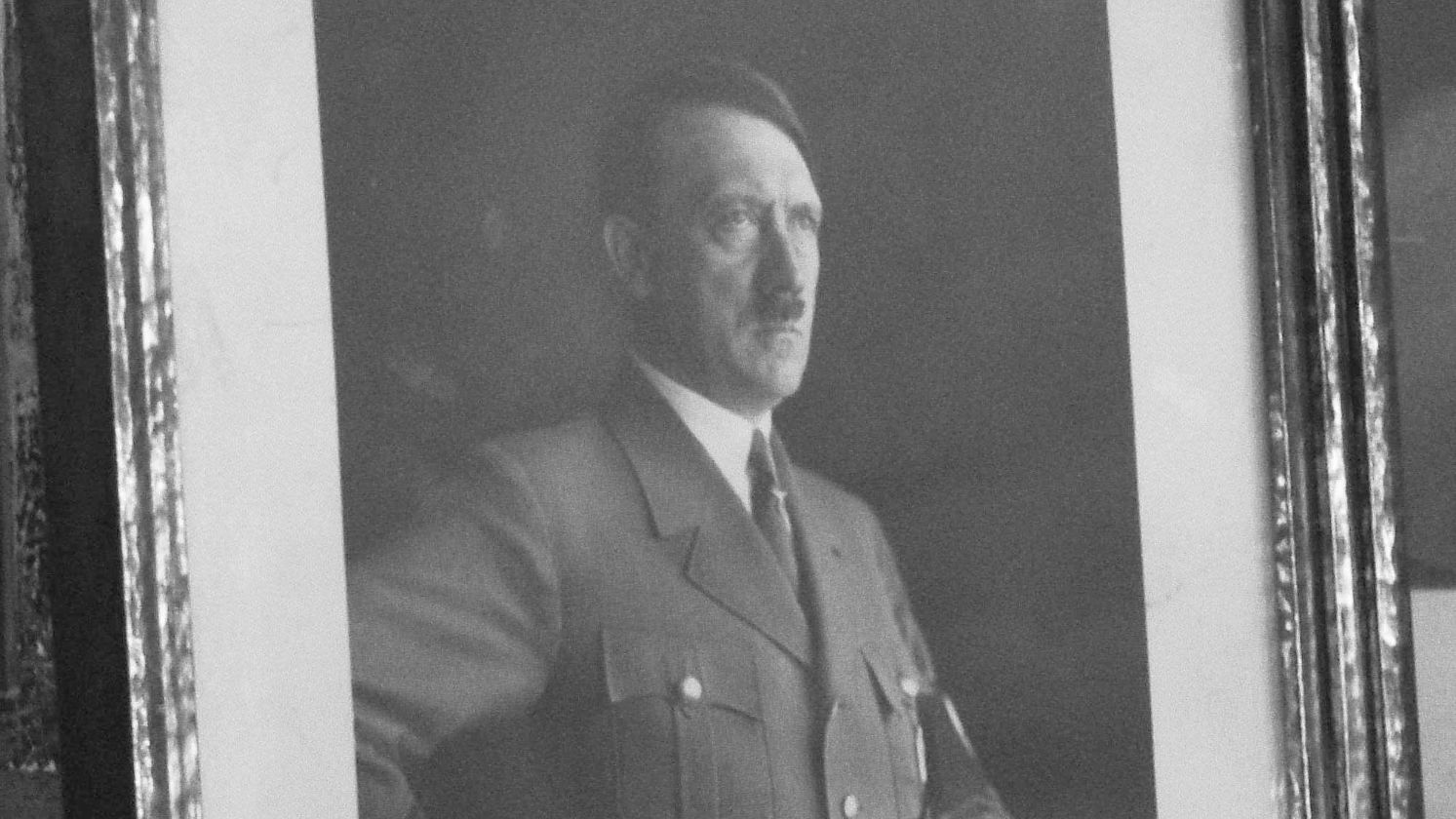
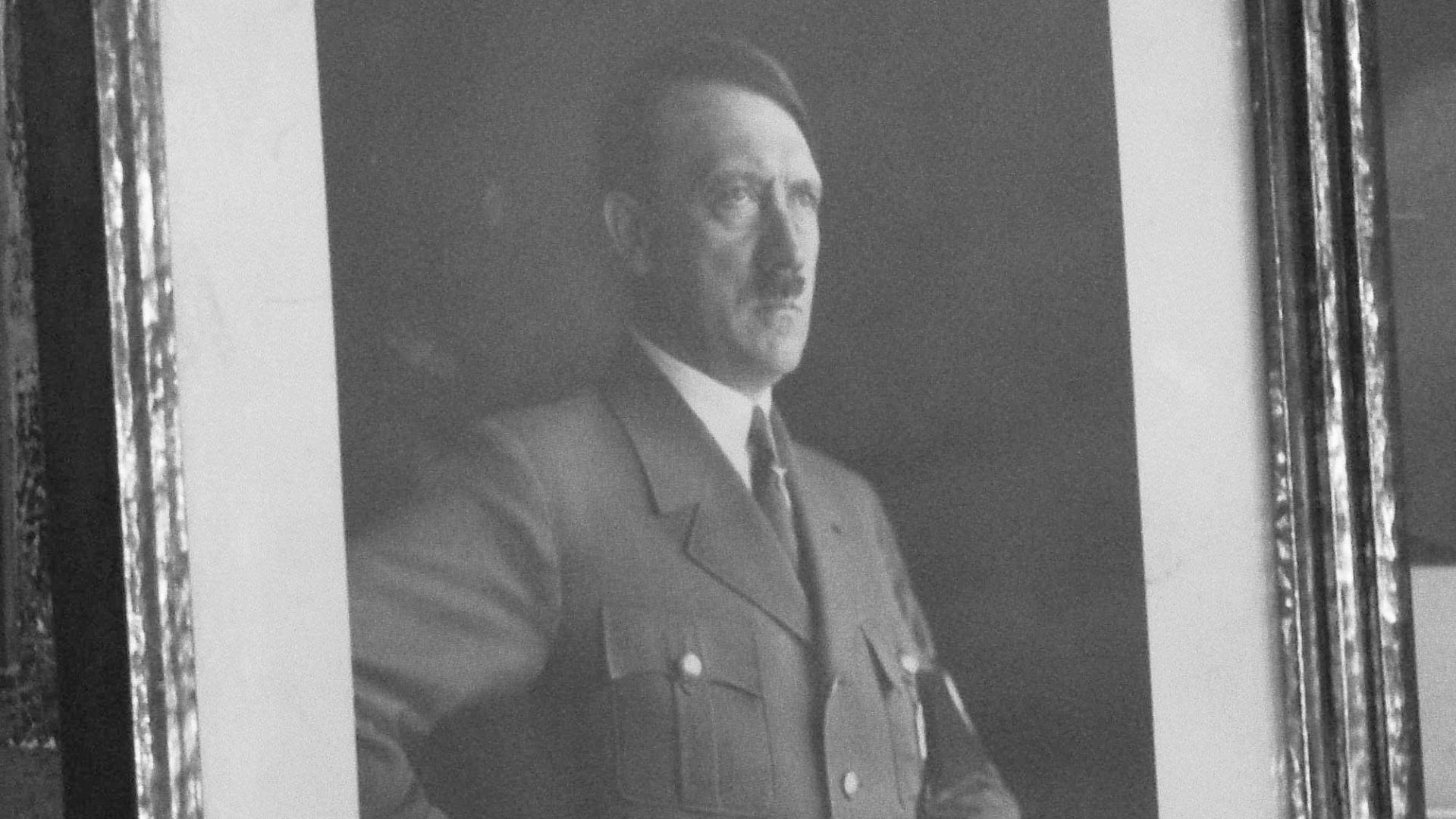
1. Adolf Hitler
As leader of Nazi Germany, Hitler engineered the Holocaust, which led to the systematic murder of six million Jews, alongside millions of other victims. His ideology combined racial pseudoscience, propaganda, and authoritarian control into a machinery of mass death. The scale and bureaucratic precision of his crimes remain uniquely horrifying.
 Truth Seeker (fawiki) on Wikimedia
2. Joseph Stalin
Stalin’s rule over the Soviet Union included forced collectivization, political purges, and labor camps that caused the deaths of millions. Historians continue to debate exact numbers, but archives opened after the Cold War confirmed widespread state terror. His legacy is defined by paranoia elevated to policy.
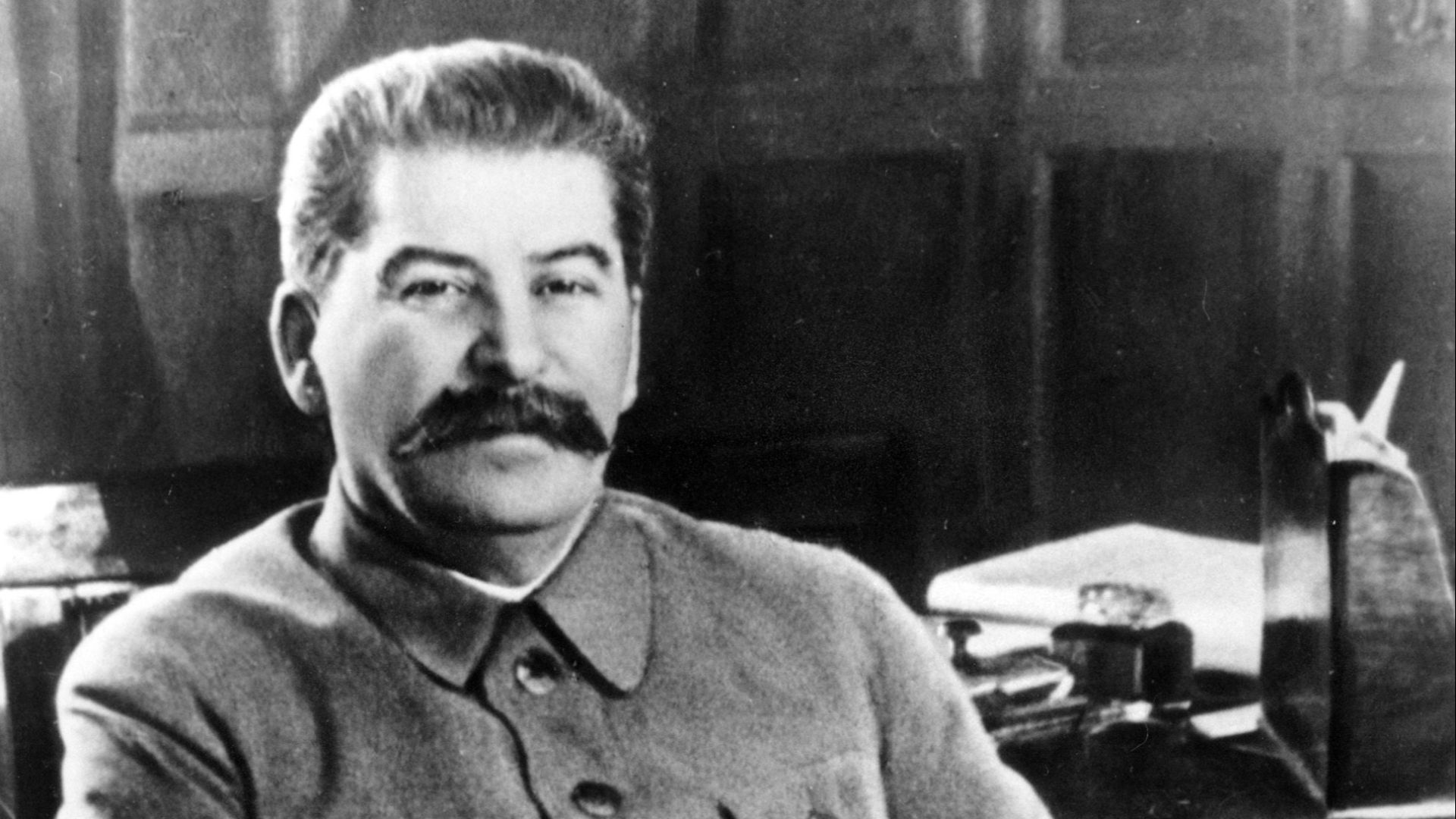 Unknown, presumably by a government employee as part of official duties on Wikimedia
3. Pol Pot
As leader of the Khmer Rouge, Pol Pot attempted to erase modern society in Cambodia during the late 1970s. Intellectuals, professionals, and even people who wore glasses were targeted as enemies of the state. Nearly a quarter of the country’s population died through execution, starvation, or forced labor.
 Unknown authorUnknown author on Wikimedia
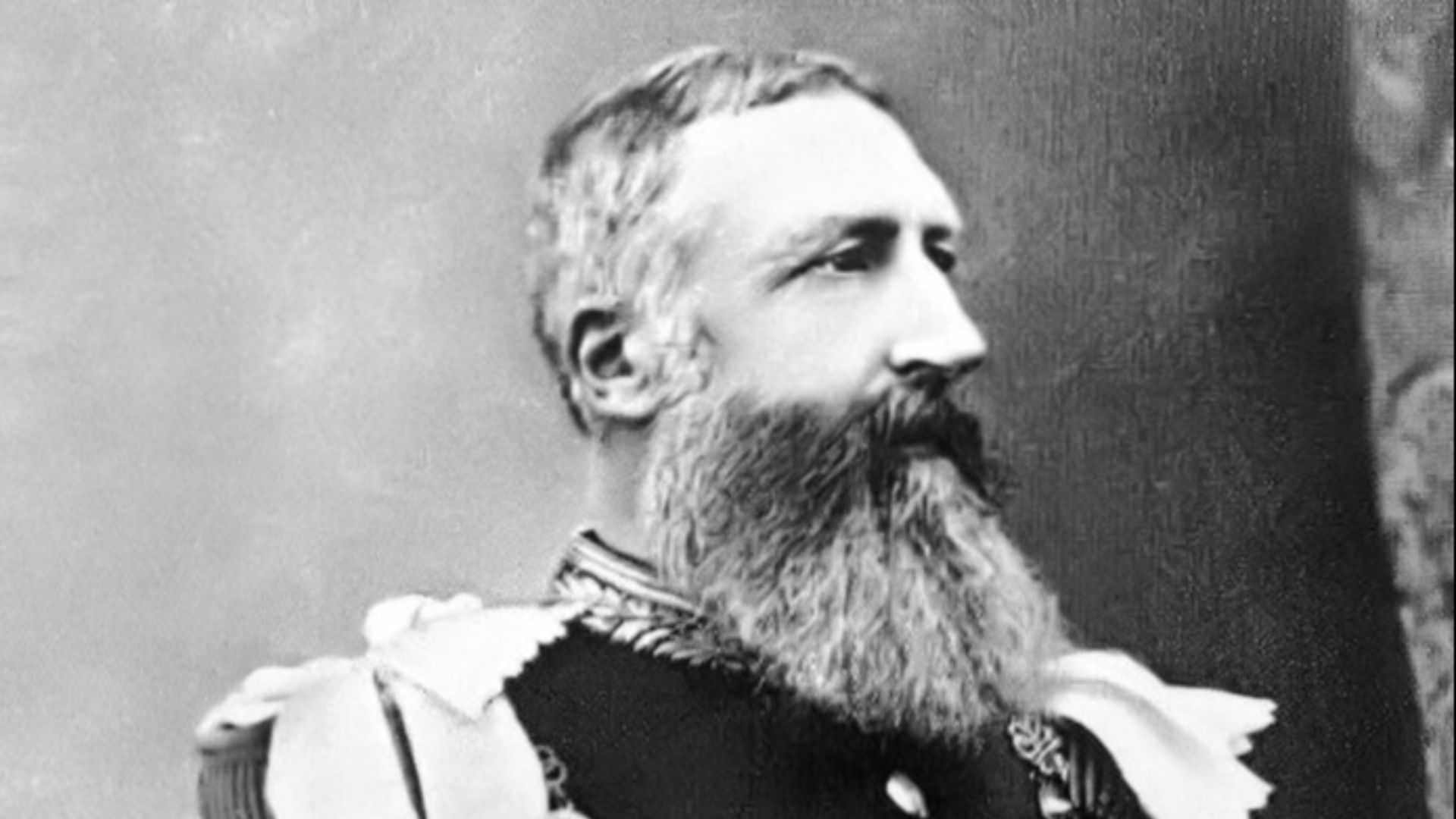
4. Leopold II of Belgium
Leopold II personally controlled the Congo Free State in the late nineteenth century, turning it into a brutal extraction colony. Forced labor, mutilation, and mass killings followed rubber quotas imposed by his regime. International outrage eventually forced reforms, but the damage was irreversible.
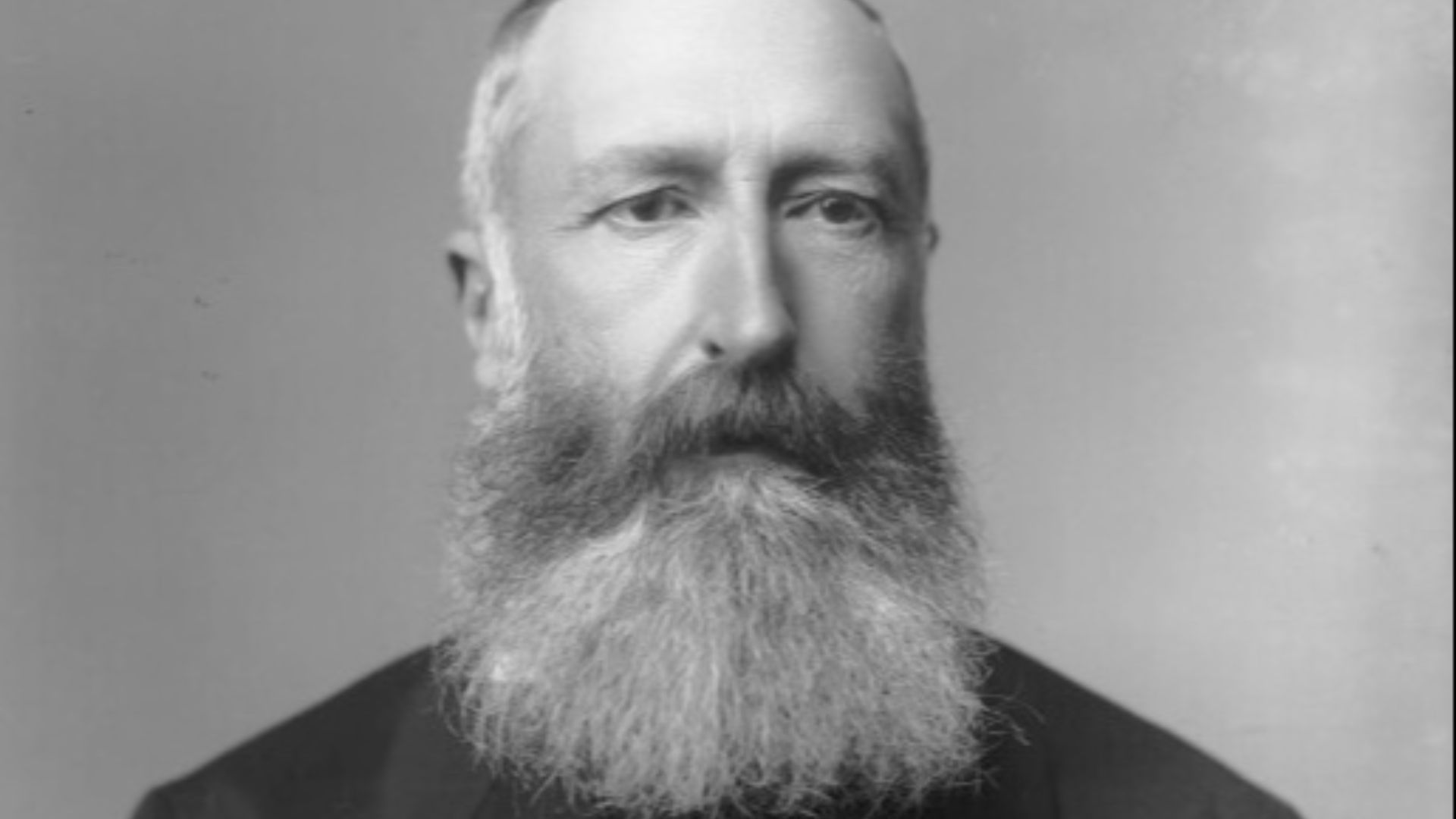 Alexander Bassano on Wikimedia
5. Mao Zedong
Mao’s campaigns, particularly the Great Leap Forward, led to widespread famine in China between 1958 and 1962. Tens of millions died as ideology overrode agricultural reality. His image remains complex within China, but the human cost is undeniable.
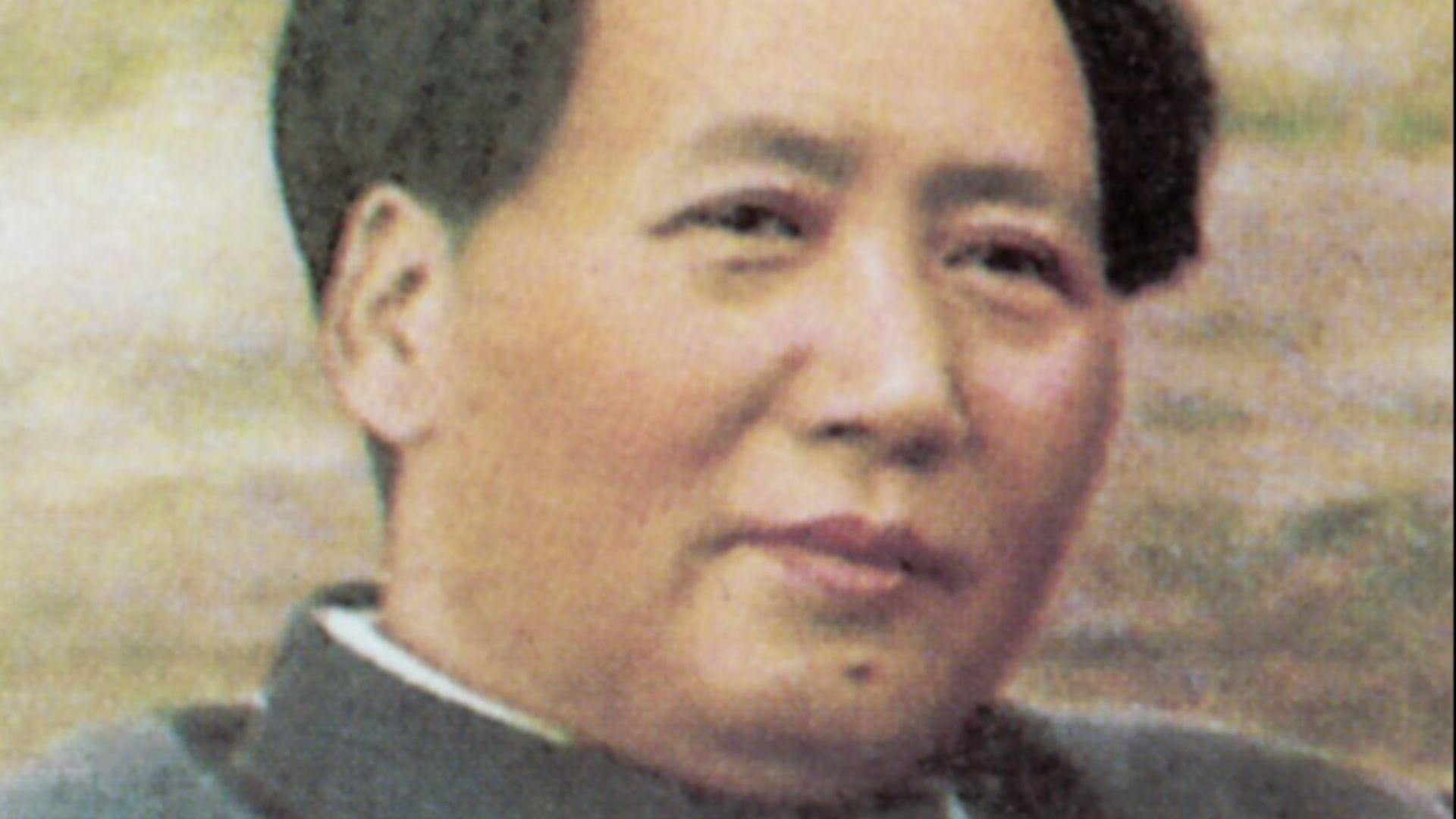 The People's Republic of China Printing Office on Wikimedia
6. Ivan the Terrible
Ivan IV centralized Russian power through terror in the sixteenth century. His secret police, the Oprichnina, carried out mass executions and confiscations. The nickname history remembers him by was earned through fear, not exaggeration.
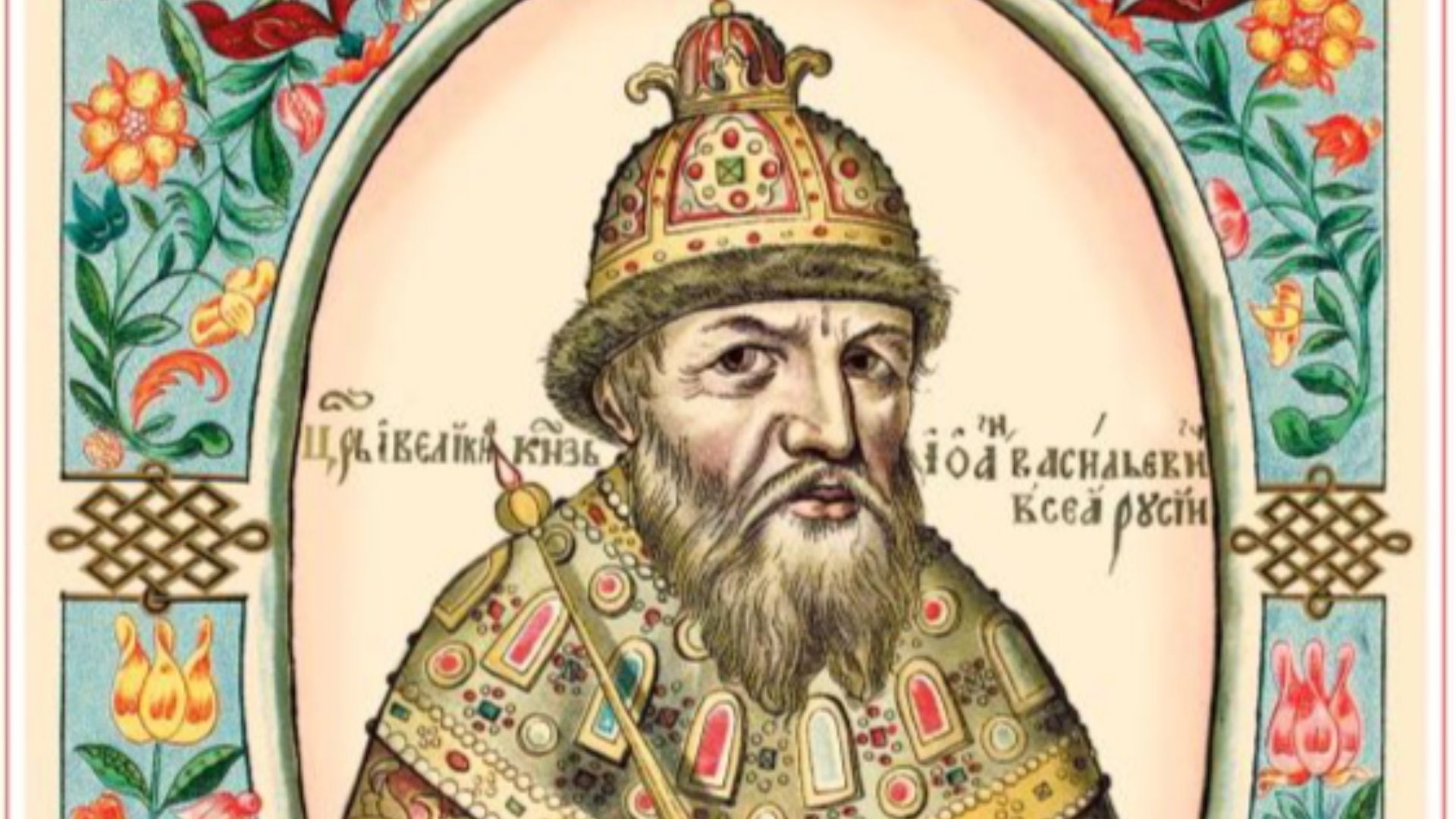 Unknown authorUnknown author on Wikimedia
7. Saddam Hussein
Saddam Hussein ruled Iraq through repression, torture, and ethnic violence. His use of chemical weapons against Kurdish civilians in Halabja in 1988 stands as one of the clearest examples of state-sponsored brutality. Power was maintained through fear and spectacle.
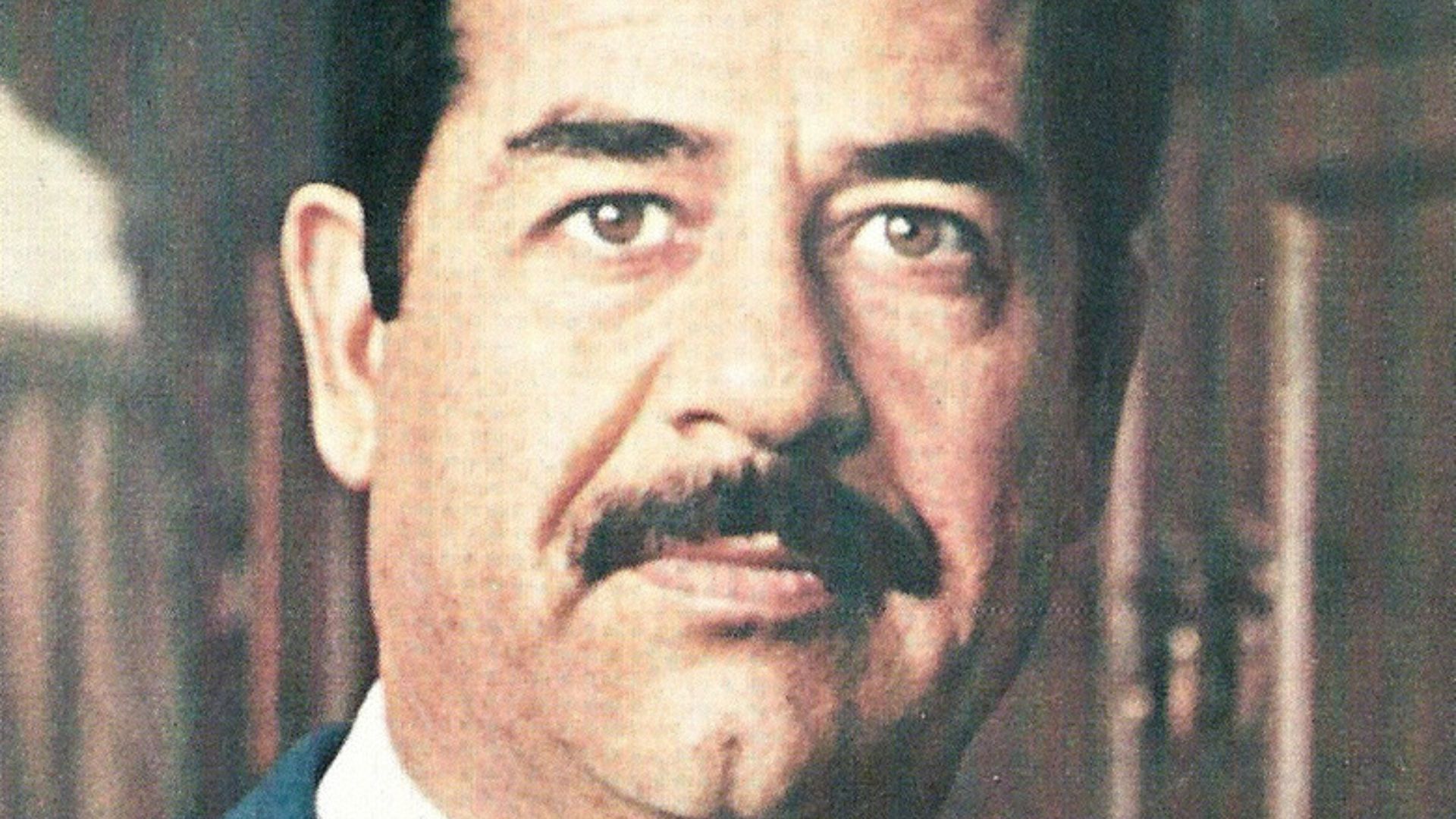 INA (Iraqi News Agency) on Wikimedia
8. Slobodan Milošević
Milošević fueled nationalist violence during the breakup of Yugoslavia in the 1990s. His leadership was linked to ethnic cleansing in Bosnia and Kosovo. He later became the first sitting head of state tried for war crimes by an international tribunal.
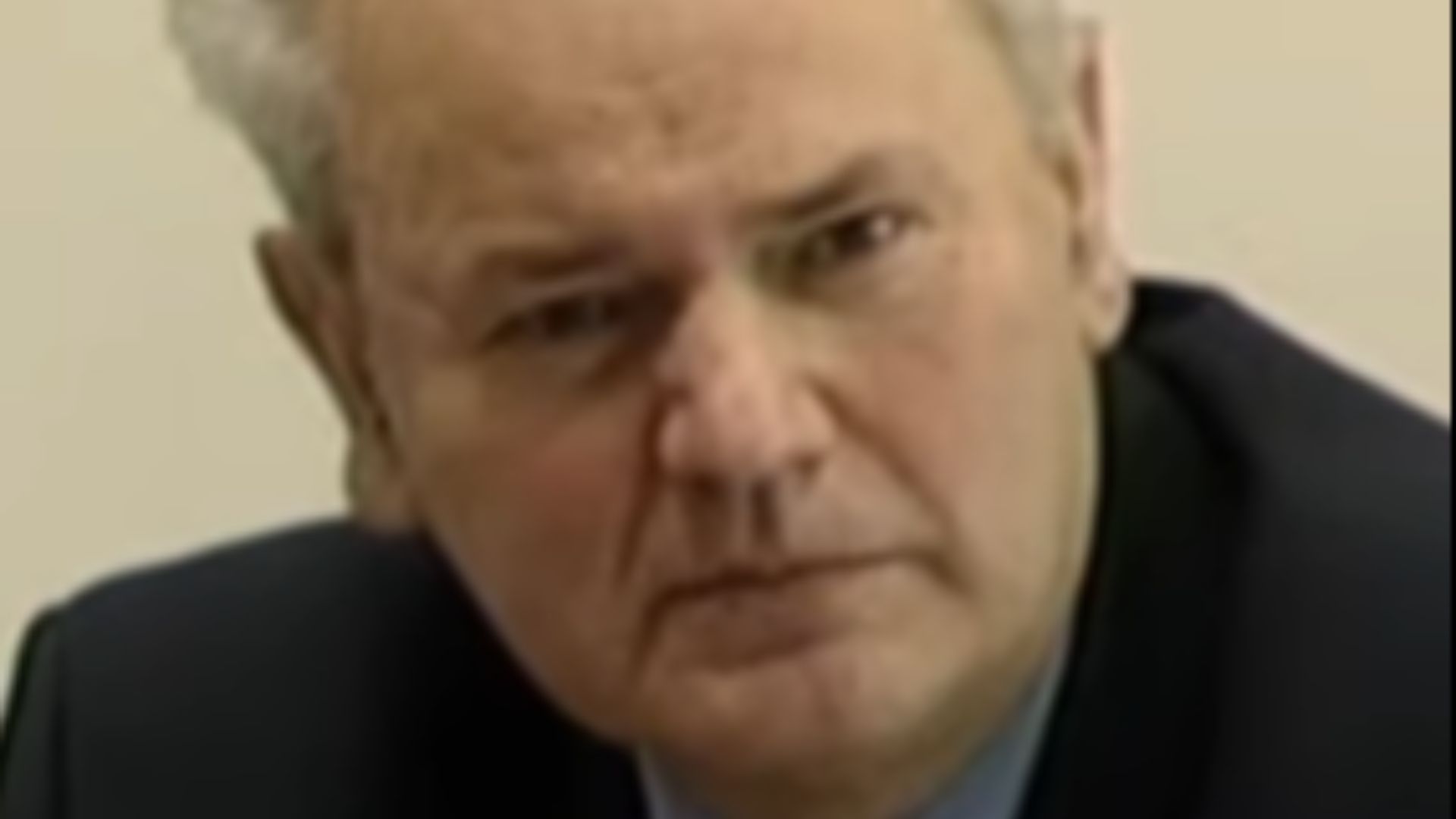 International Criminal Tribunal for the Former Yugoslavia on Wikimedia
9. Idi Amin
Idi Amin’s rule over Uganda in the 1970s was marked by paranoia, mass killings, and economic collapse. Estimates suggest hundreds of thousands died under his regime. His public persona masked a government built on terror.
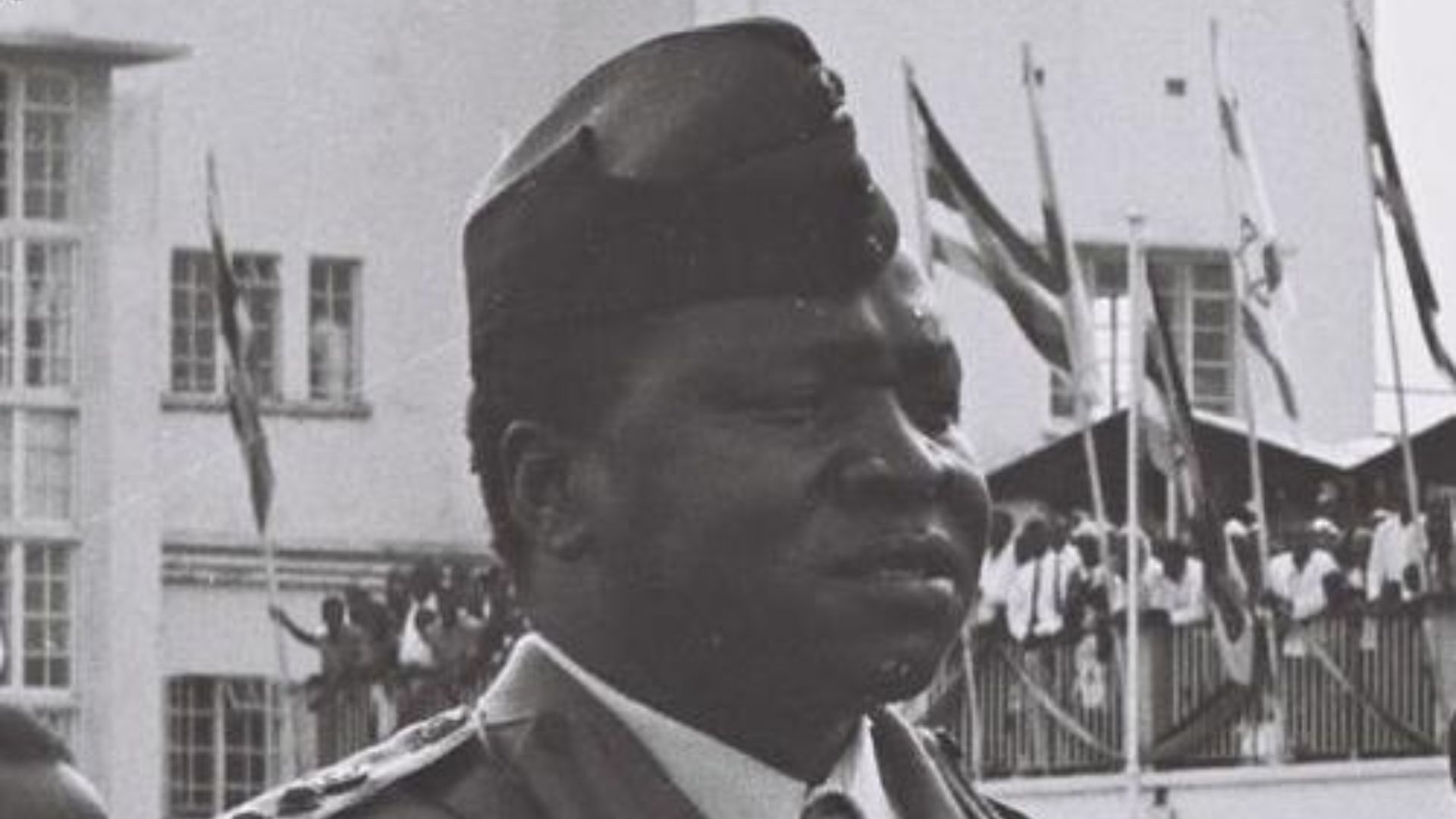
10. Genghis Khan
Genghis Khan created the largest contiguous empire in history through relentless conquest. Entire cities were destroyed as a strategy to instill fear and prevent resistance. While his legacy includes cultural exchange, the immediate human toll was staggering.
The next ten figures show how individuals, often without armies or crowns, can push history in a different direction.
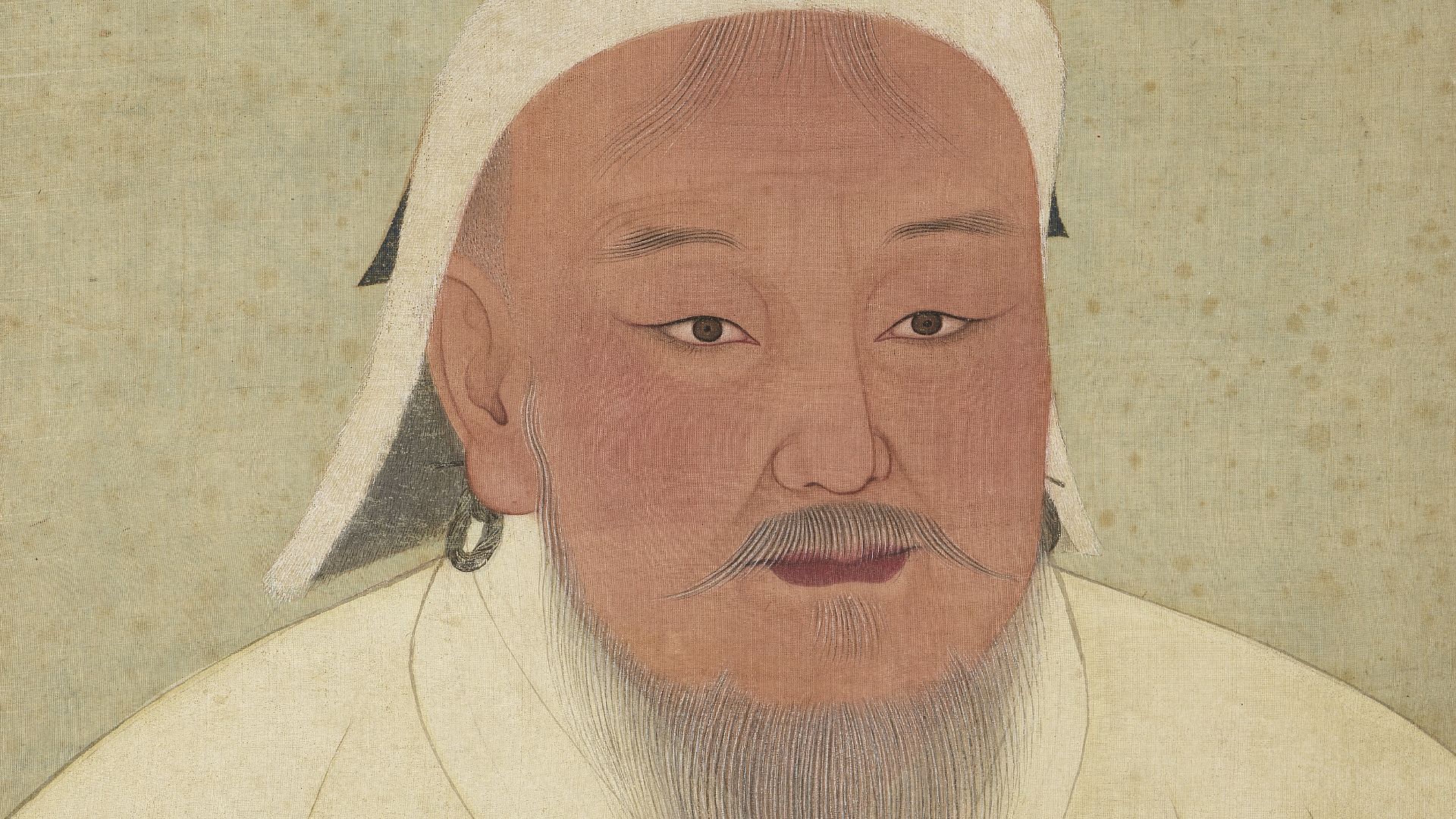 Unknown authorUnknown author on Wikimedia
1. Harriet Tubman
Harriet Tubman escaped slavery and then returned repeatedly to the South to guide others to freedom through the Underground Railroad. During the Civil War, she also served as a scout and spy for the Union Army. Her courage was practical, strategic, and relentless.
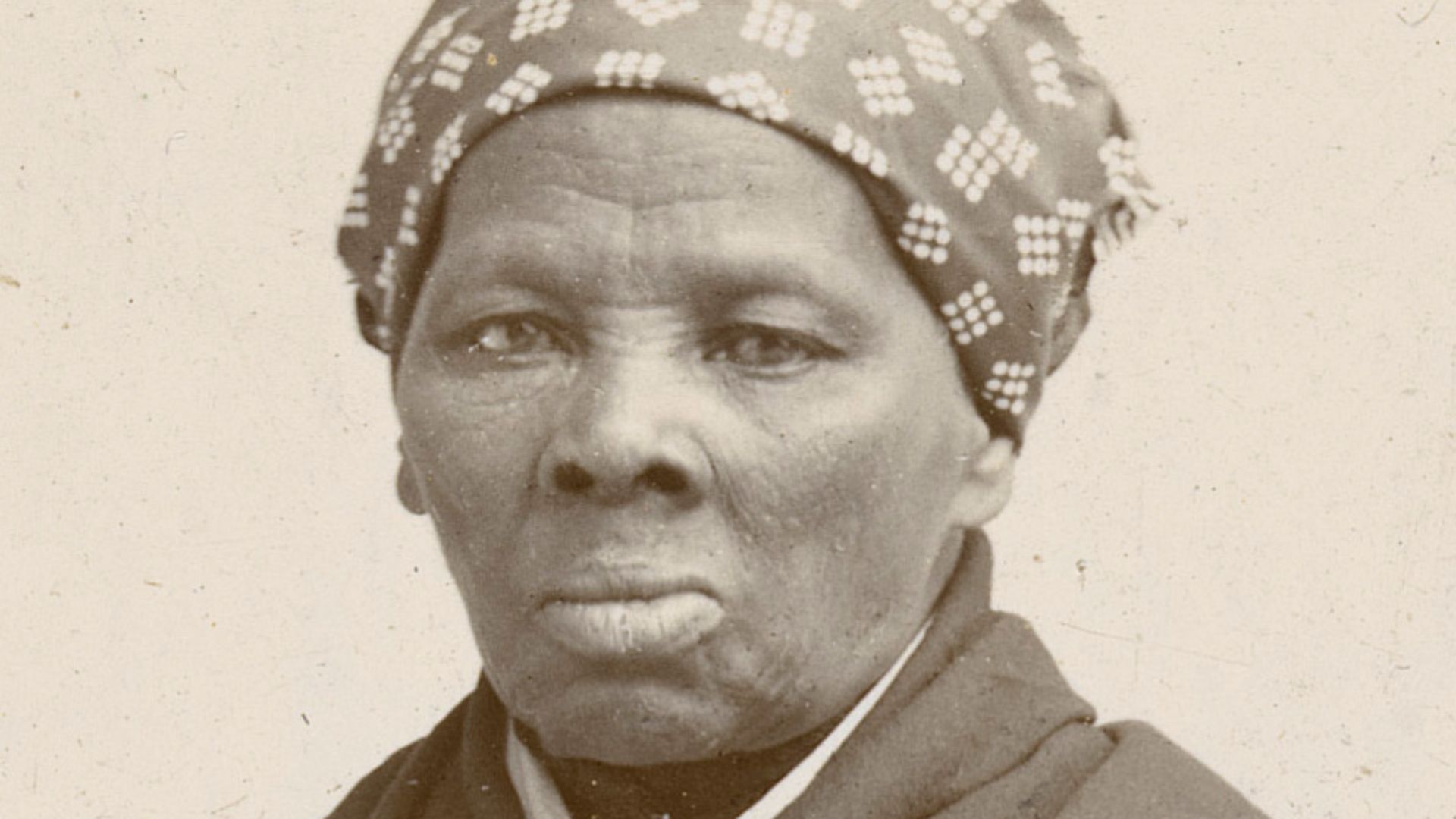 Horatio Seymour Squyer on Wikimedia
2. Nelson Mandela
Nelson Mandela spent twenty-seven years imprisoned for opposing apartheid in South Africa. After his release, he chose reconciliation over revenge, guiding the country through a fragile transition. His leadership redefined political restraint as a form of strength.
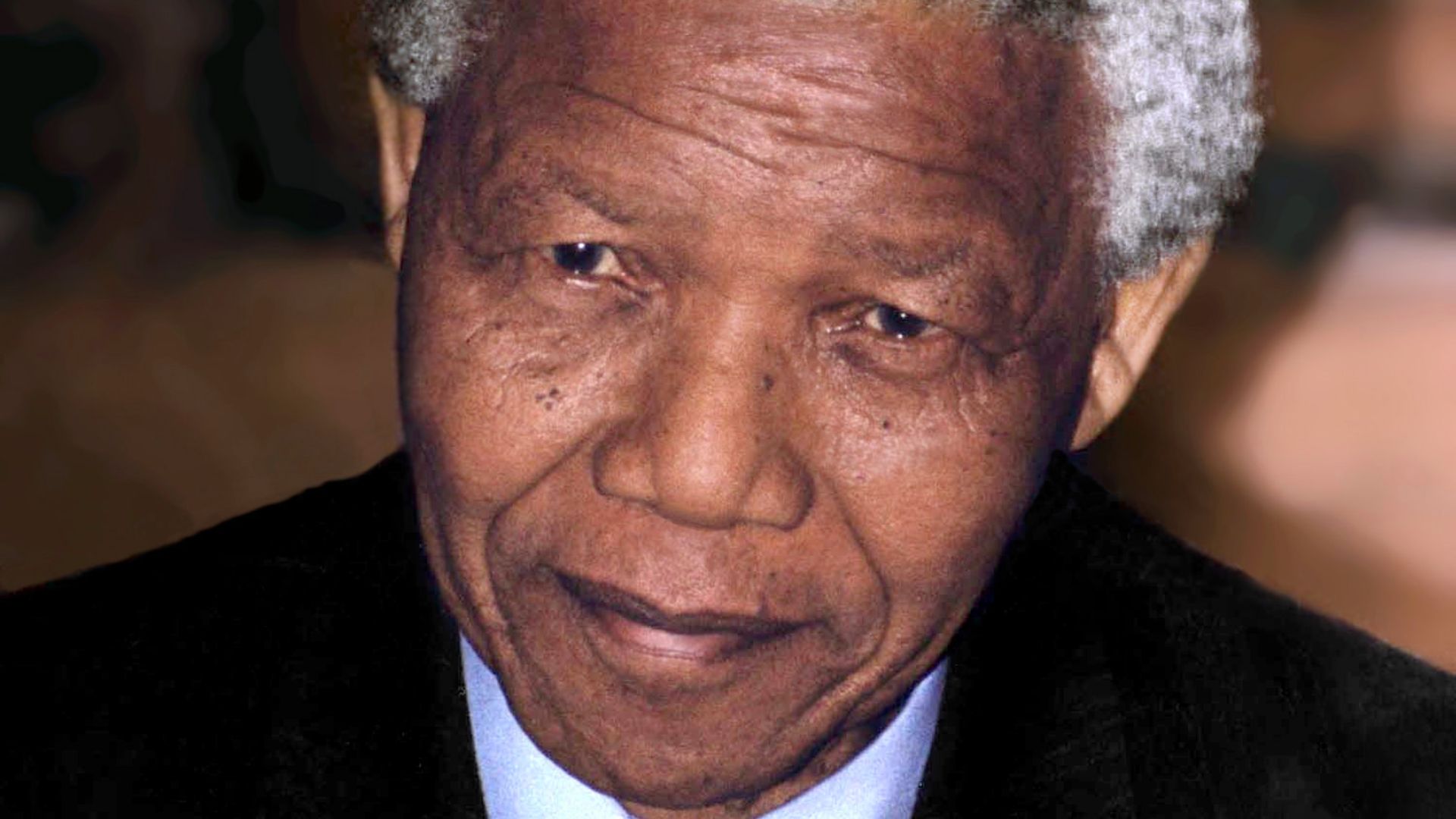 Kingkongphoto & www.celebrity-photos.com from Laurel on Wikimedia
3. Marie Curie
Marie Curie conducted groundbreaking research on radioactivity, becoming the first woman to win a Nobel Prize and the only person to win in two different sciences. During World War I, she developed mobile X-ray units that saved countless lives. Her work blended intellectual rigor with public service.
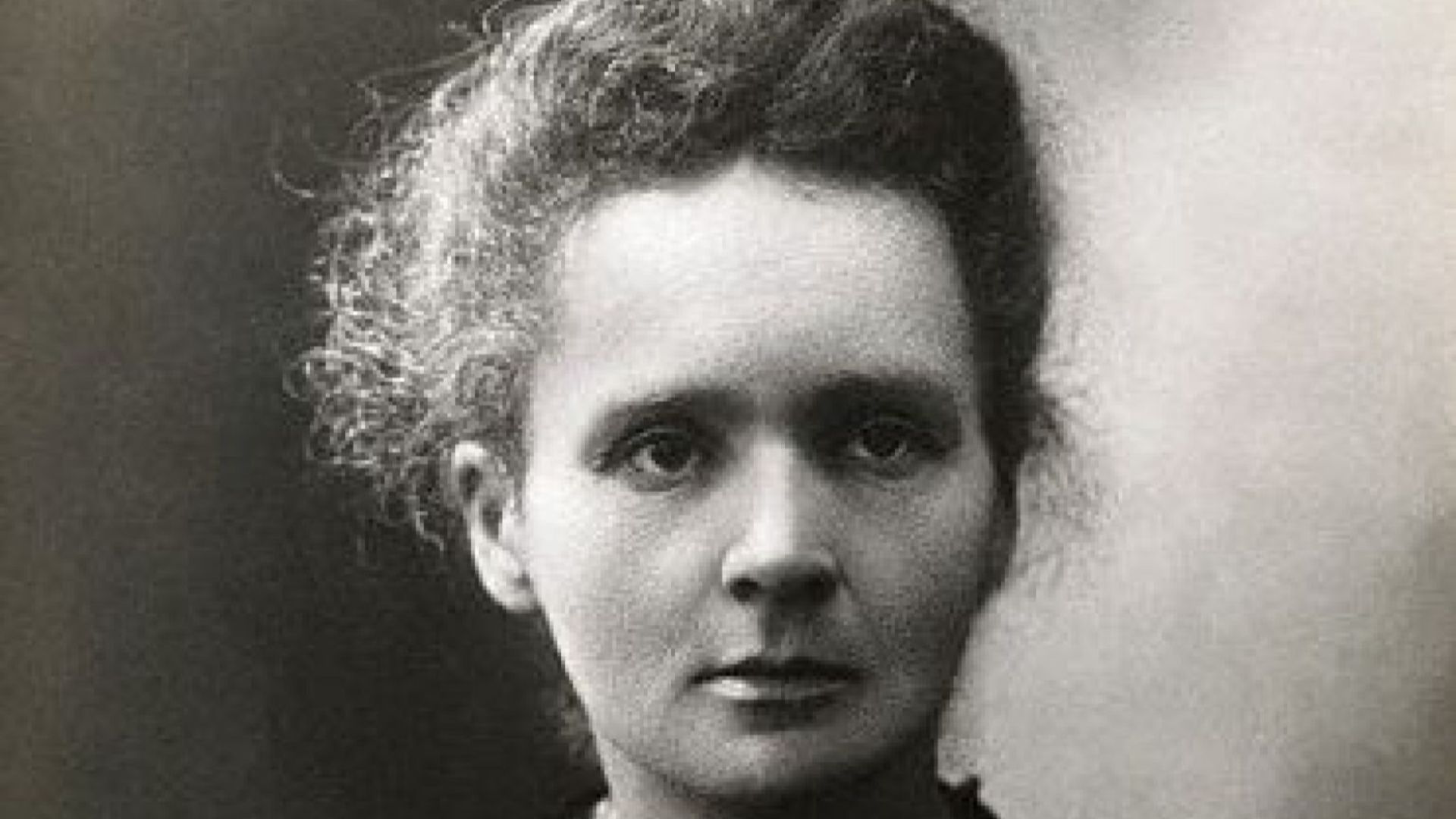 Unknown authorUnknown author on Wikimedia
4. Abraham Lincoln
Abraham Lincoln led the United States through its most devastating internal conflict. His commitment to preserving the Union and ending slavery reshaped the nation’s moral and legal foundation. The Gettysburg Address distilled those ideals into fewer than three hundred words.
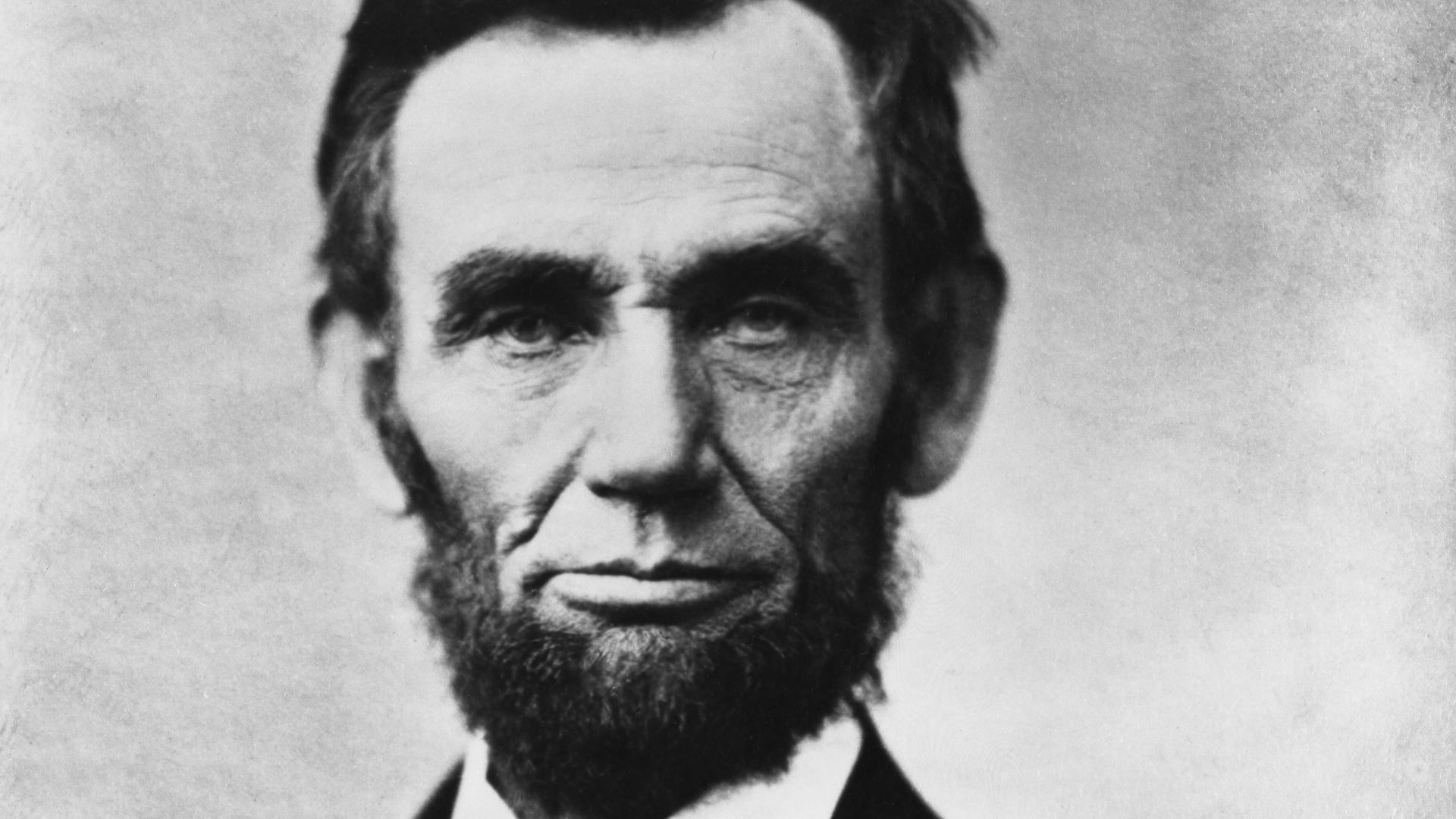 Alexander Gardner on Wikimedia
5. Mahatma Gandhi
Gandhi’s philosophy of nonviolent resistance helped dismantle British colonial rule in India. His methods influenced global civil rights movements throughout the twentieth century. Power, in his hands, came from discipline rather than force.
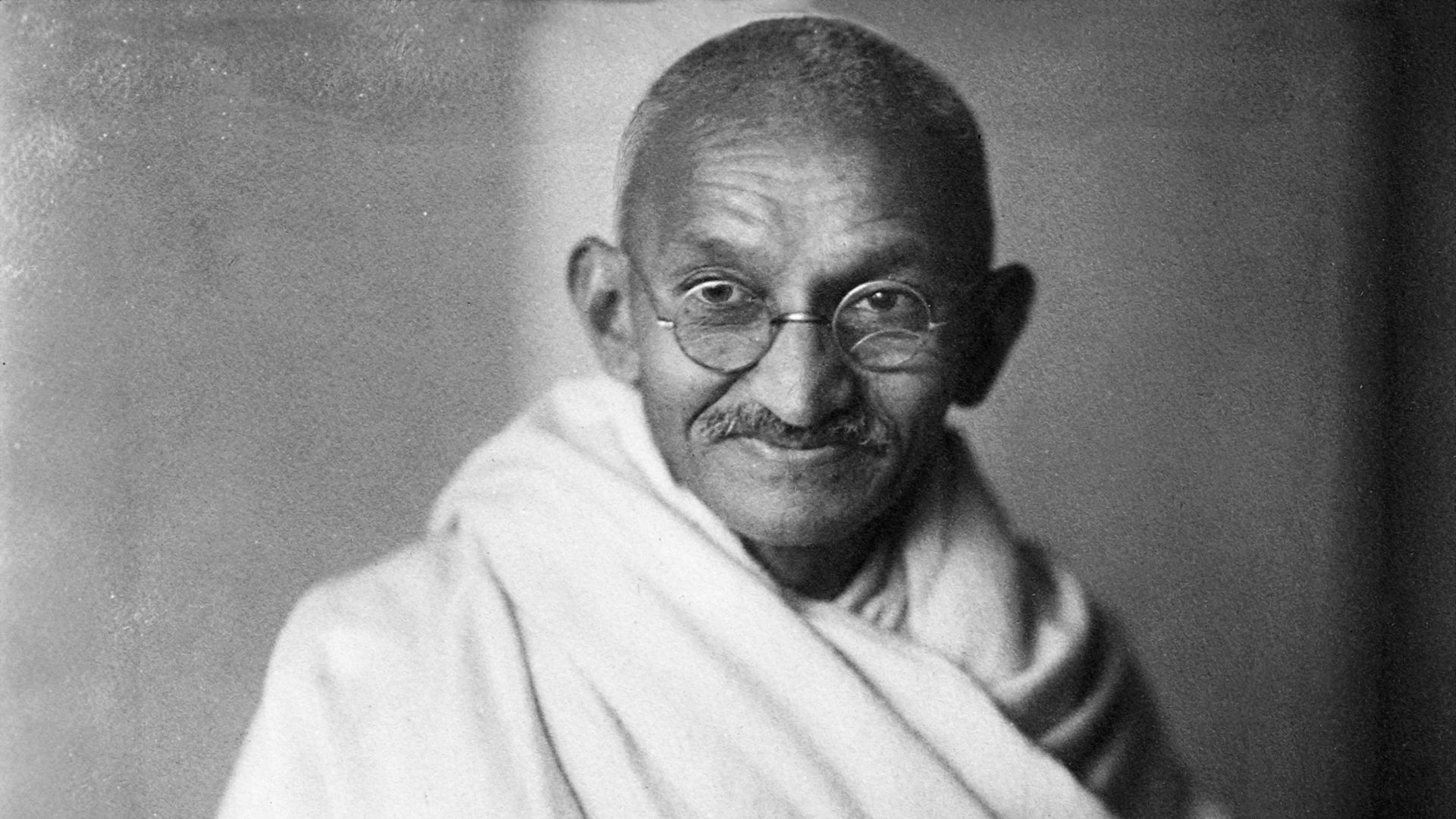
6. Eleanor Roosevelt
Eleanor Roosevelt redefined the role of First Lady by becoming a political force in her own right. She chaired the committee that drafted the Universal Declaration of Human Rights at the United Nations. Her advocacy expanded the idea of who gets a voice.
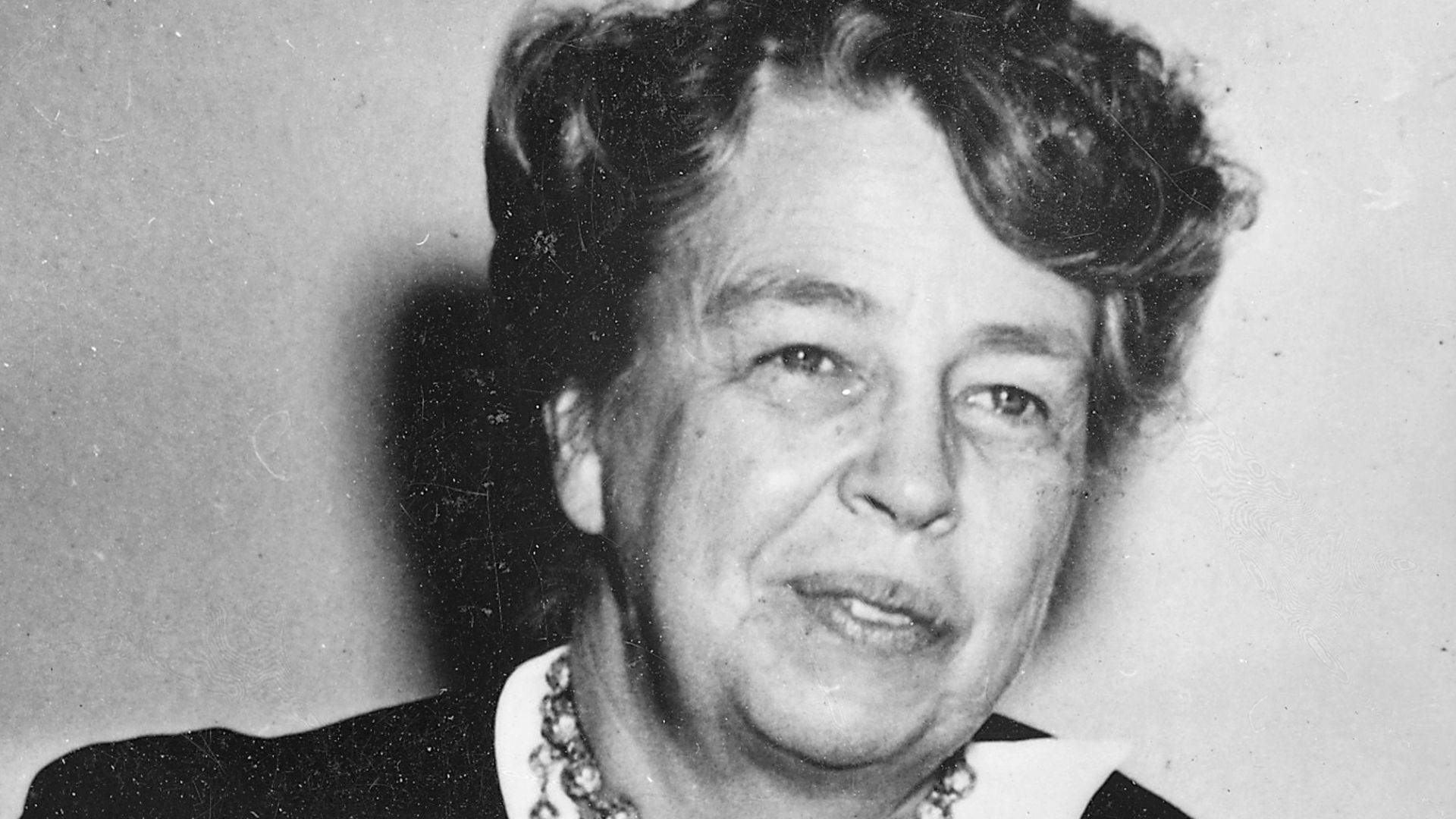 Unknown authorUnknown author or not provided on Wikimedia
7. Martin Luther King Jr.
Martin Luther King Jr. led the American civil rights movement through nonviolent protest and moral clarity. His speeches connected constitutional ideals to everyday dignity. The Civil Rights Act of 1964 and the Voting Rights Act of 1965 bear his influence.
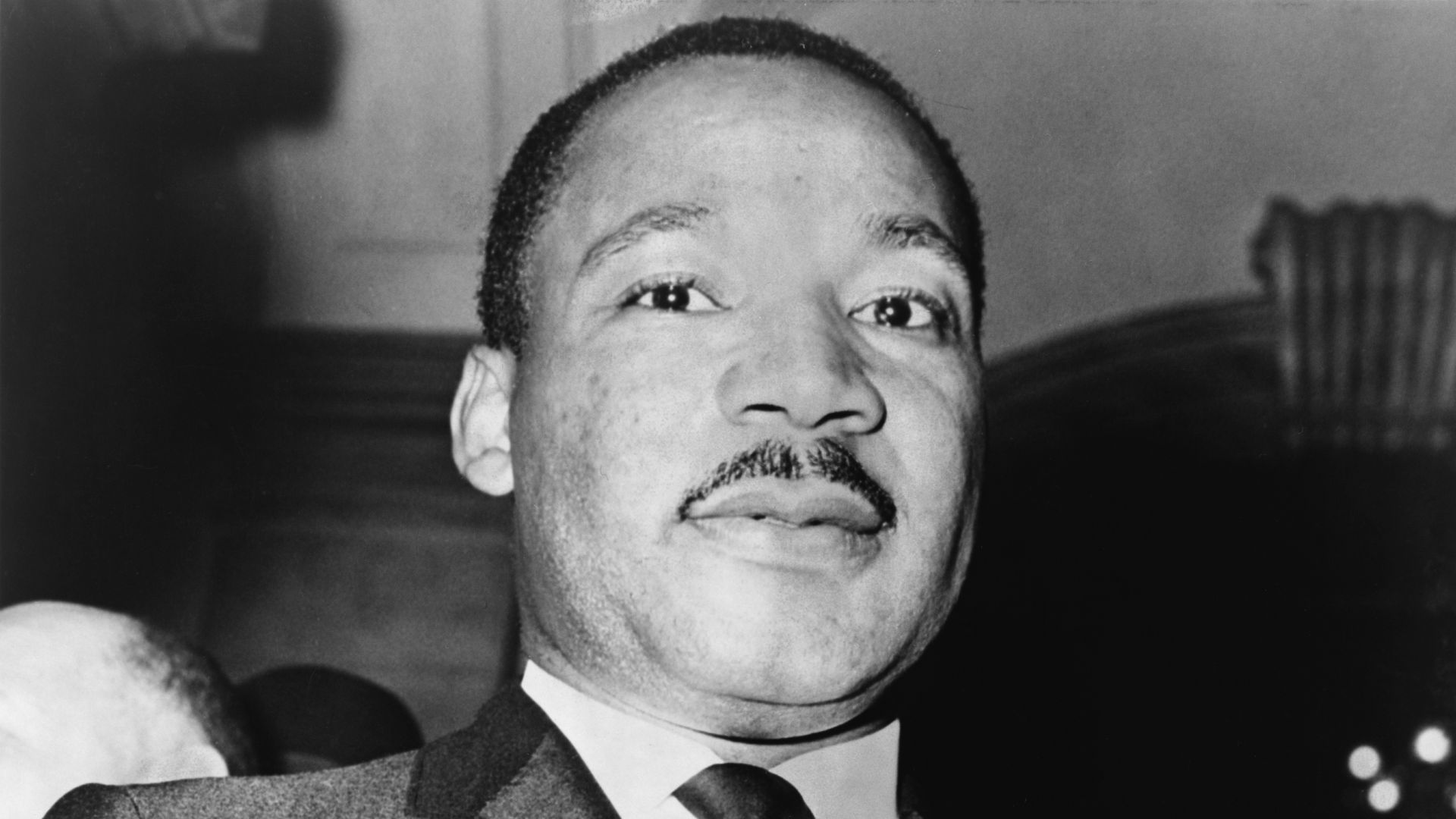 Phil Stanziola, NYWT&S staff photographer on Wikimedia
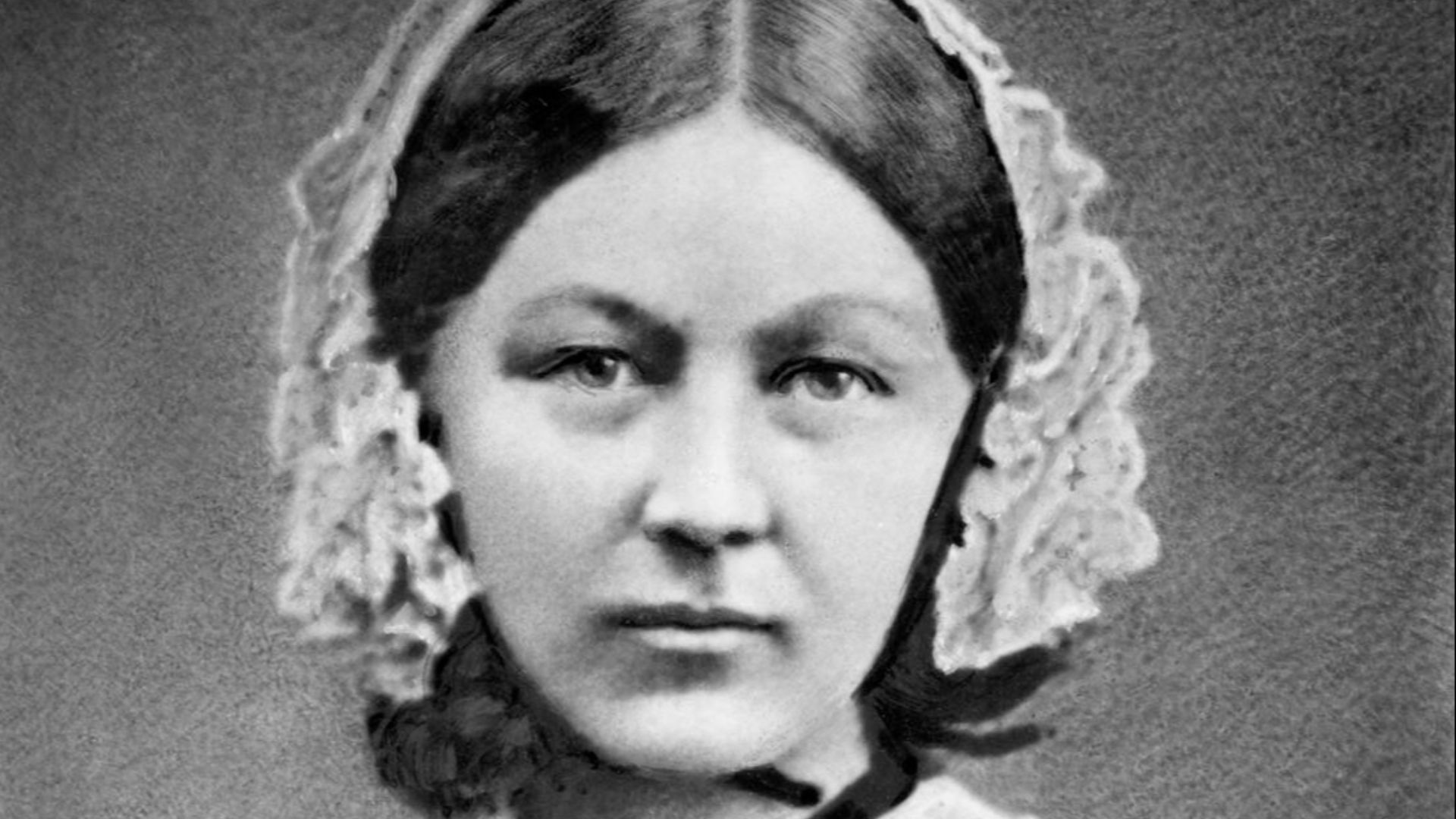
8. Florence Nightingale
Florence Nightingale transformed nursing during the Crimean War by applying sanitation and data analysis to patient care. Her work dramatically reduced death rates in military hospitals. Modern nursing owes its professional foundations to her reforms.
 Henry Hering (1814-1893) on Wikimedia
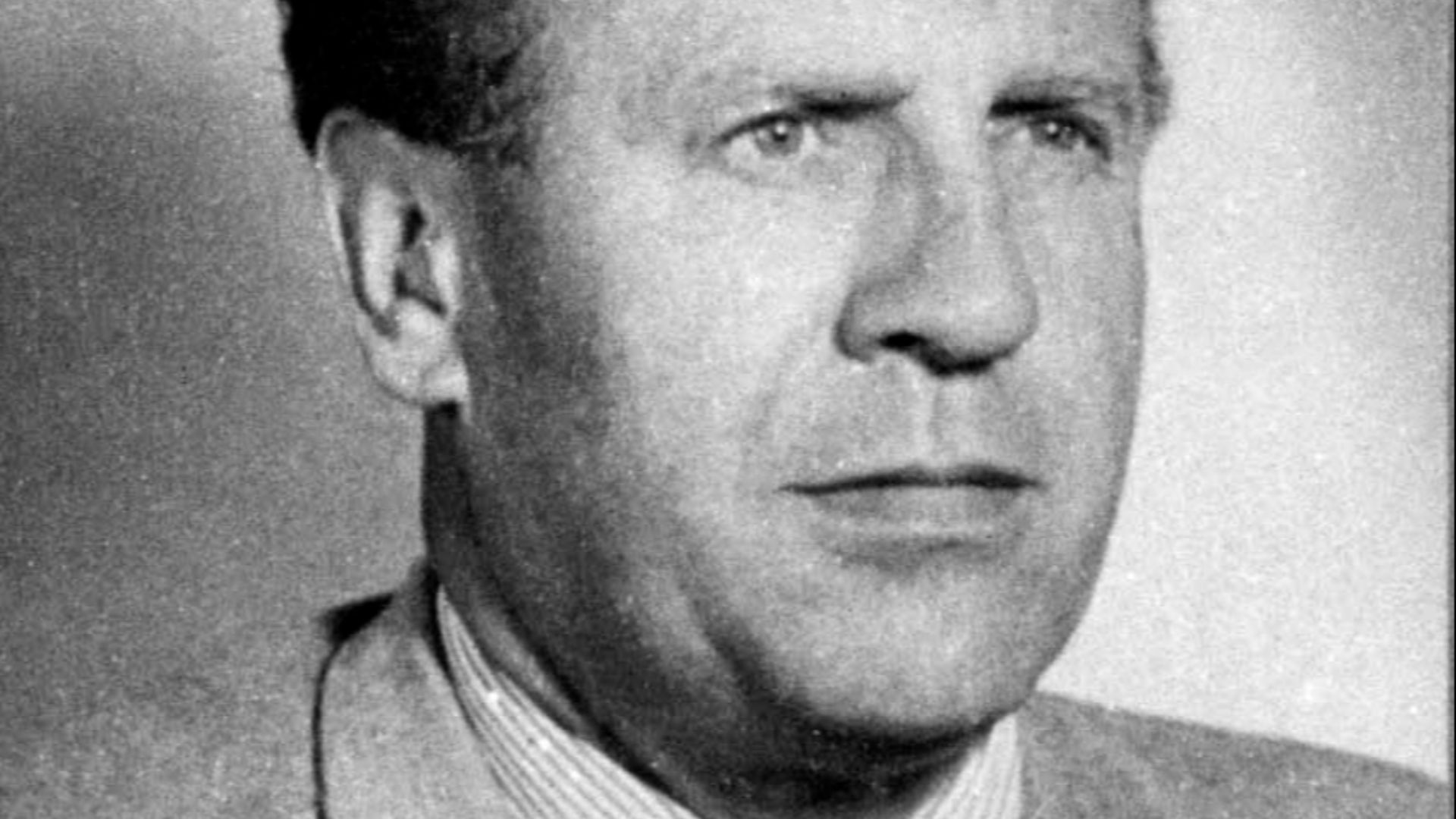
9. Oskar Schindler
Oskar Schindler used his position as a German industrialist to save over a thousand Jews during the Holocaust. He spent his fortune bribing officials and falsifying records. His actions showed how moral courage can exist inside corrupt systems.
 Unknown authorUnknown author on Wikimedia
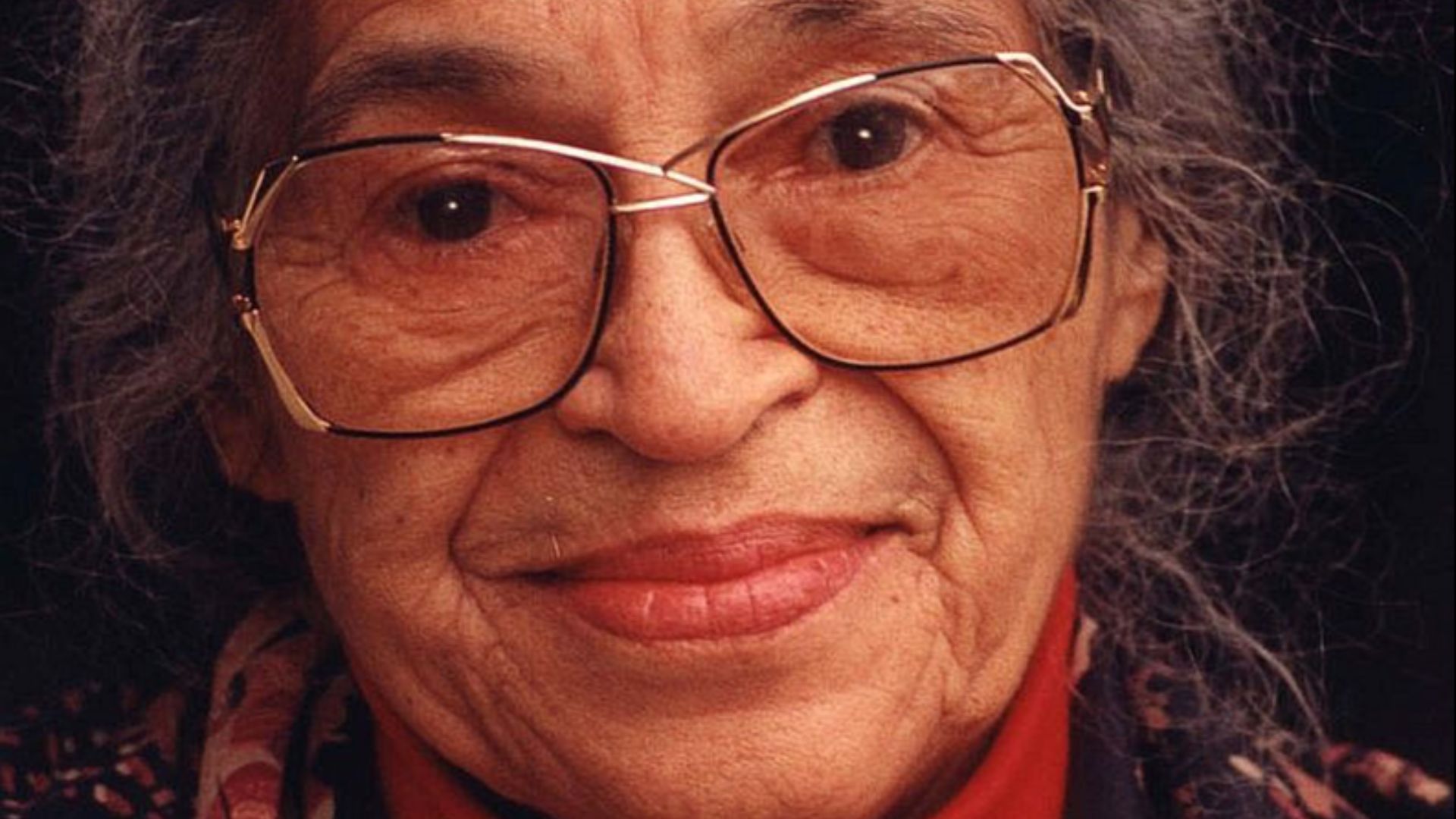
10. Rosa Parks
Rosa Parks refused to give up her seat on a Montgomery bus in 1955, sparking a citywide boycott. Her act was deliberate and strategic, not accidental. It became a catalyst for the modern civil rights movement.
 John Mathew Smith & www.celebrity-photos.com from Laurel Maryland, USA on Wikimedia
KEEP ON READING