

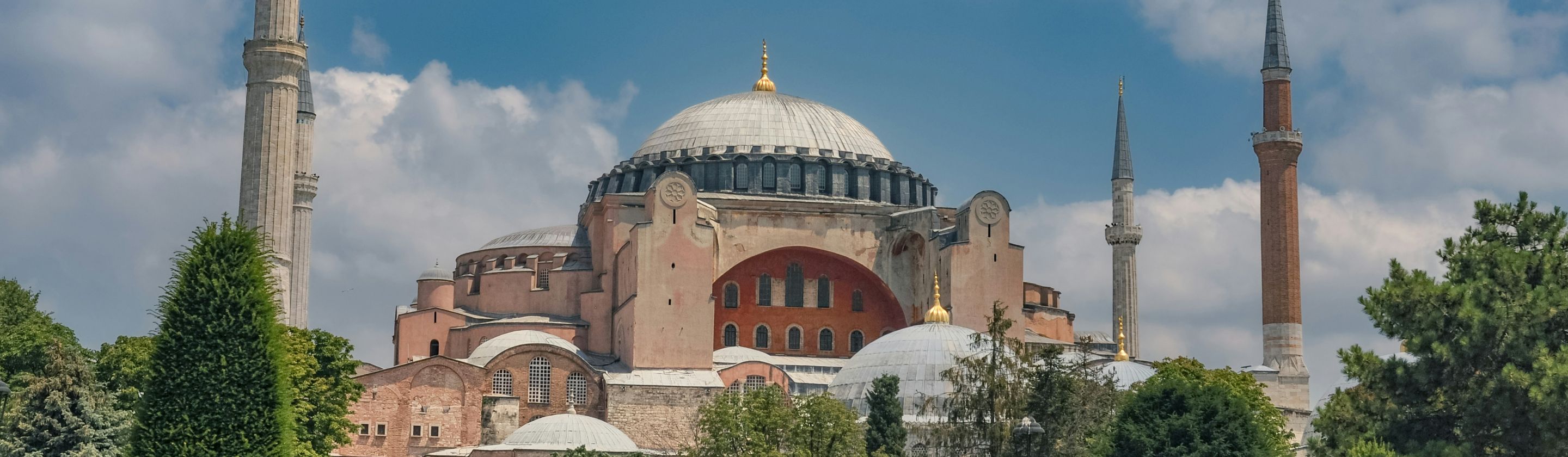
10 Empires That Fell Slowly & 10 That Collapsed Overnight
How Power Either Slips Away or Suddenly Shatters
History shows that empires don’t all meet their end the same way, even if the result looks similar in hindsight. Some lose strength so gradually that people living through it barely notice what’s happening, while others unravel so fast it feels almost unbelievable. Looking at both patterns side by side helps you understand how fragile even the most powerful systems really are.
1. The Roman Empire
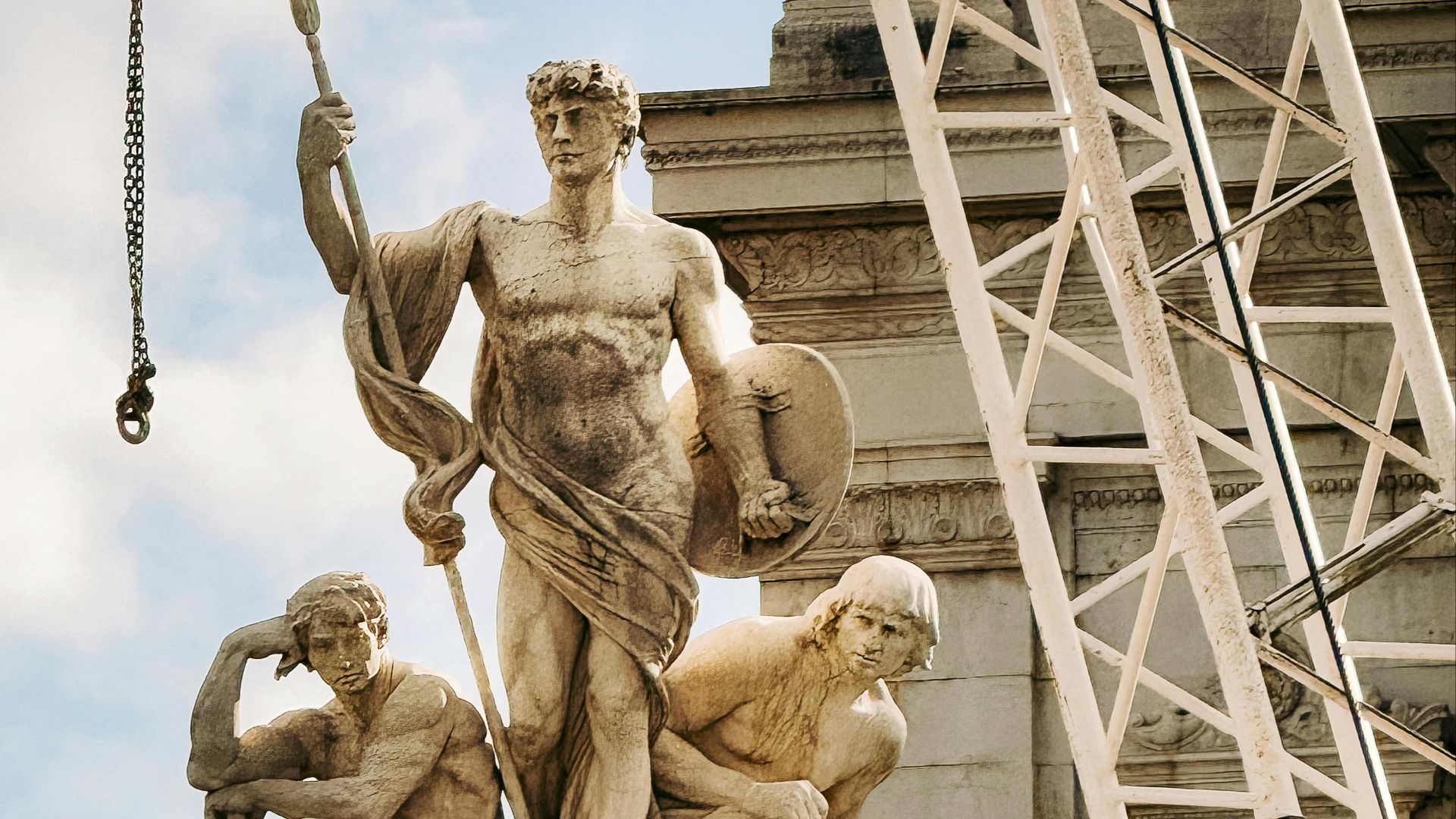
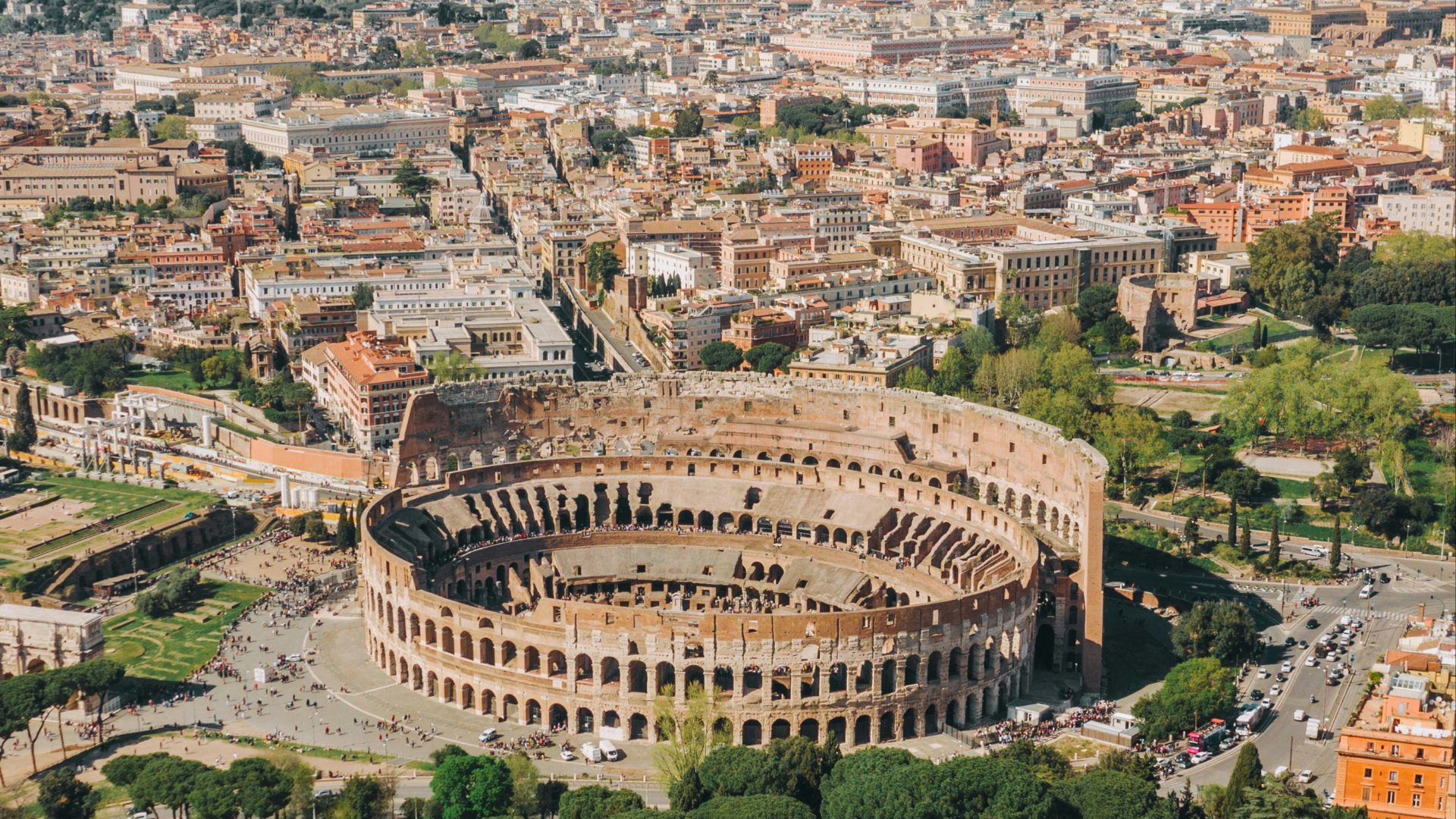
Ever heard the expression, "Rome didn't fall in a day"? Well, it's true. The Roman Empire weakened over centuries as political instability reminder economic strain, and relentless border pressures piled up. Leadership crises became frequent, and maintaining control over such vast territory grew increasingly difficult.
2. The Byzantine Empire
The Byzantine Empire survived long after Rome fell, but it steadily lost land and influence over hundreds of years. Constant warfare, internal power struggles, and economic decline slowly drained its strength. When Constantinople finally fell in 1453, the empire had already been shrinking for centuries.
3. The Ottoman Empire
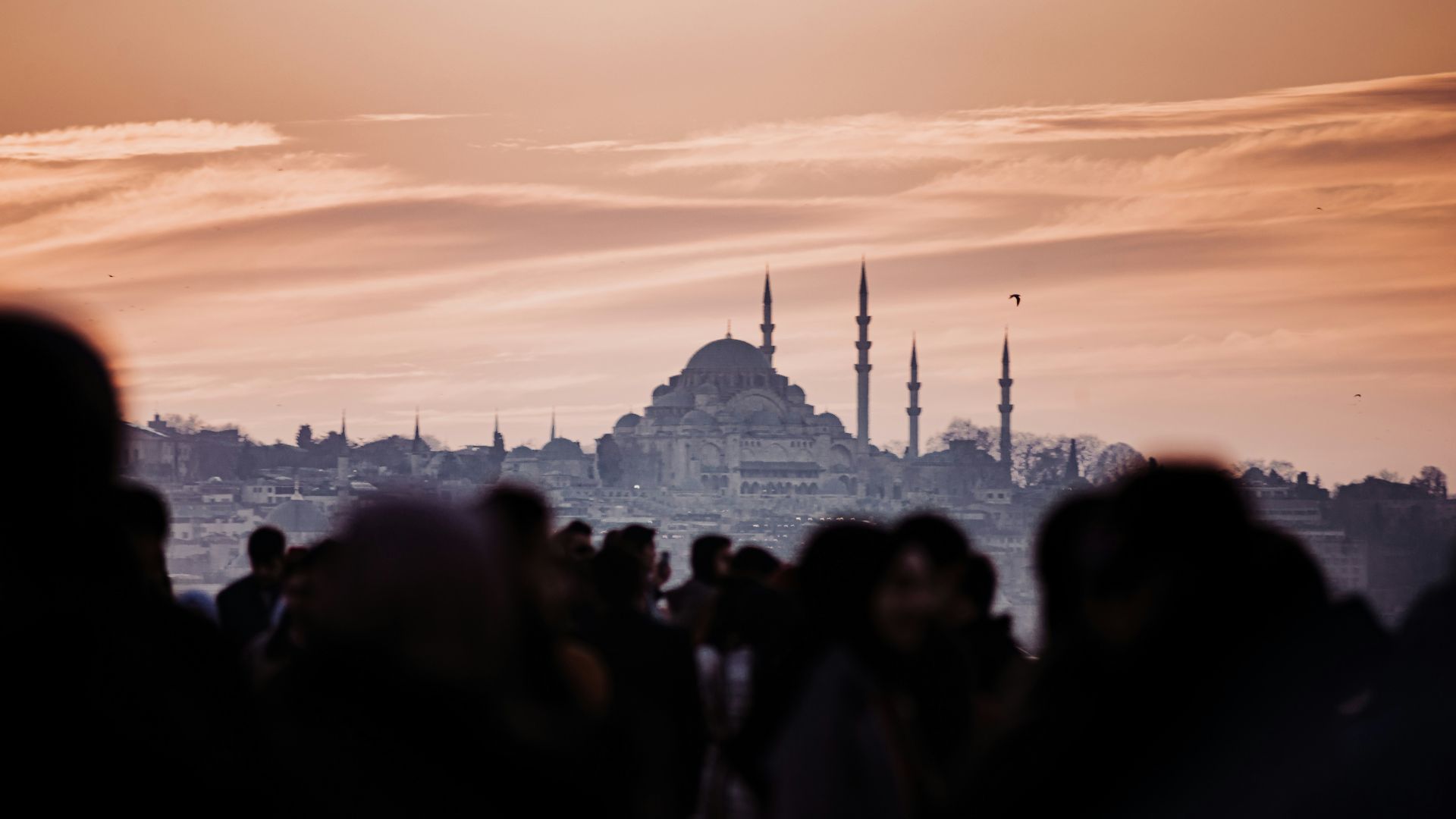
Once a dominant force across three continents, the Ottoman Empire gradually weakened due to administrative inefficiency and military setbacks. Reforms came too late to reverse long-term problems. Its final collapse after WWI felt more like the end of a long illness than a sudden shock.
4. The Mughal Empire
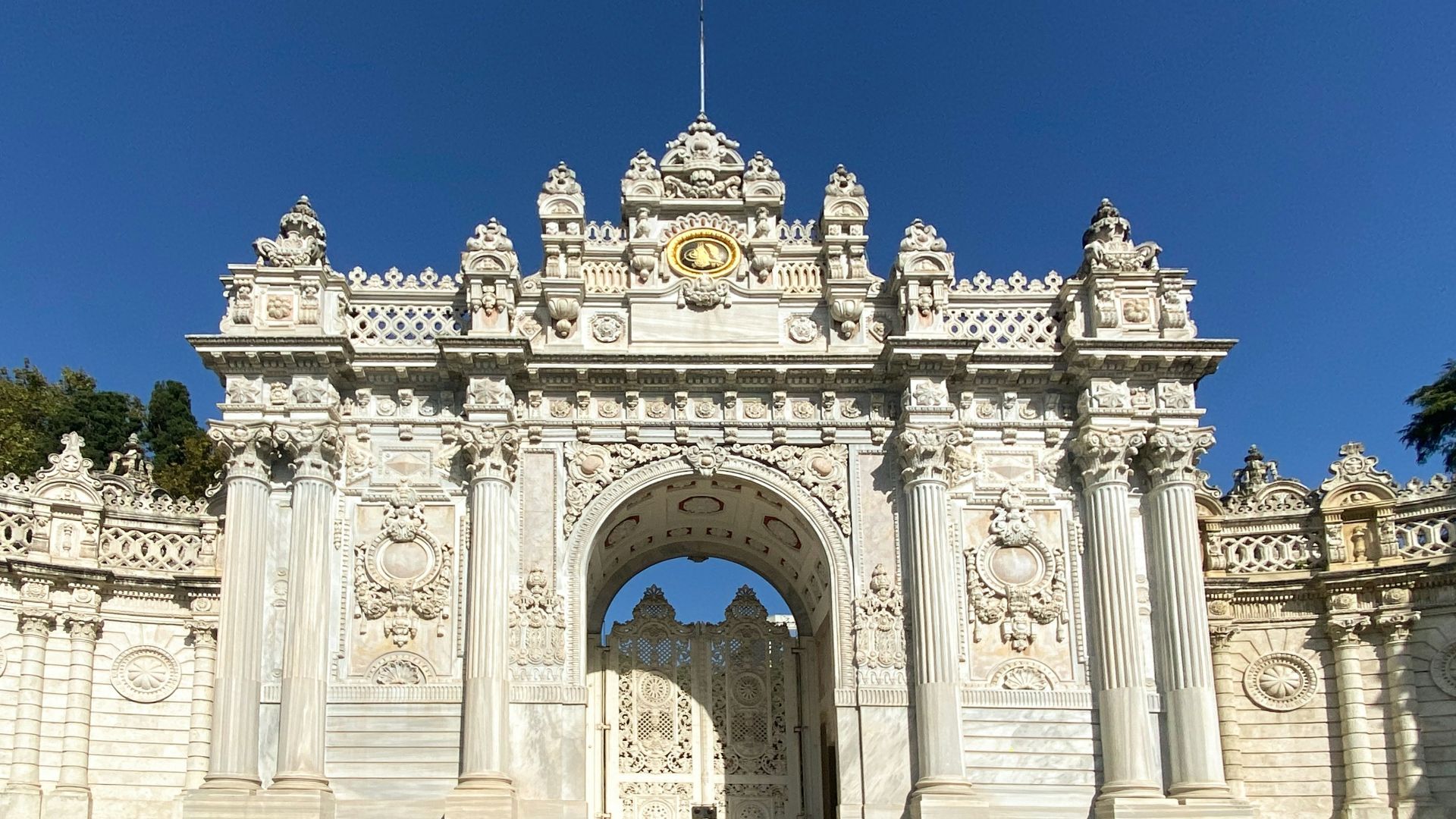
The Mughal Empire declined as strong leadership gave way to internal conflict and regional rebellion. Over time, the central authority weakened while local rulers gained power. European interference finished what internal decay had already started.
5. The Holy Roman Empire
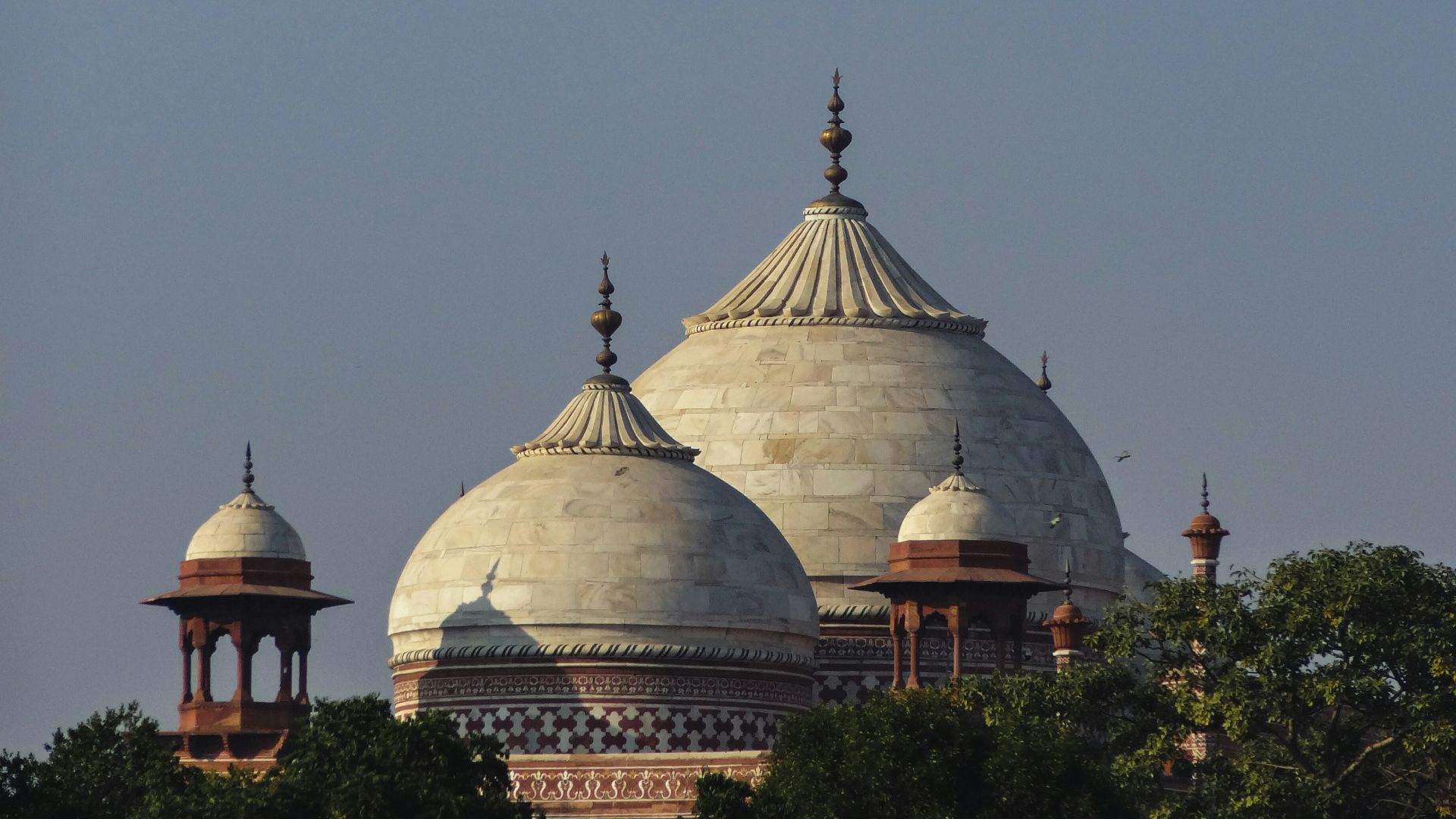
This empire faded so slowly that its end felt almost symbolic rather than dramatic. Power was fragmented among countless rulers, leaving the emperor with little real authority. When it dissolved in 1806, most of Europe had already moved on.
6. The Spanish Empire
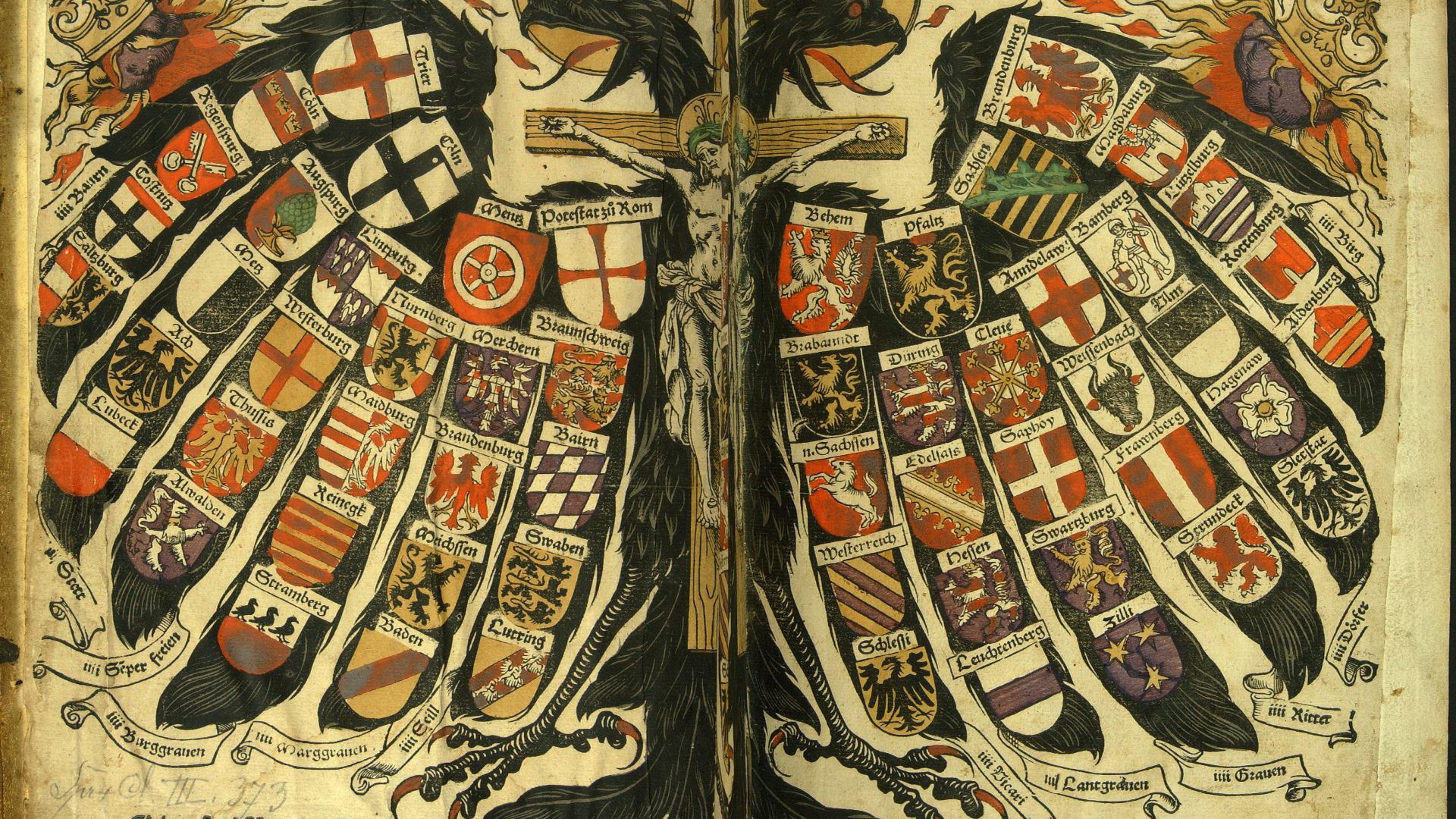
Spain’s empire stretched across the globe, but maintaining it became increasingly expensive and difficult. Wars, inflation, and mismanagement slowly eroded its power. Eventually, independence movements finished a decline that had lasted centuries.
7. The Qing Dynasty
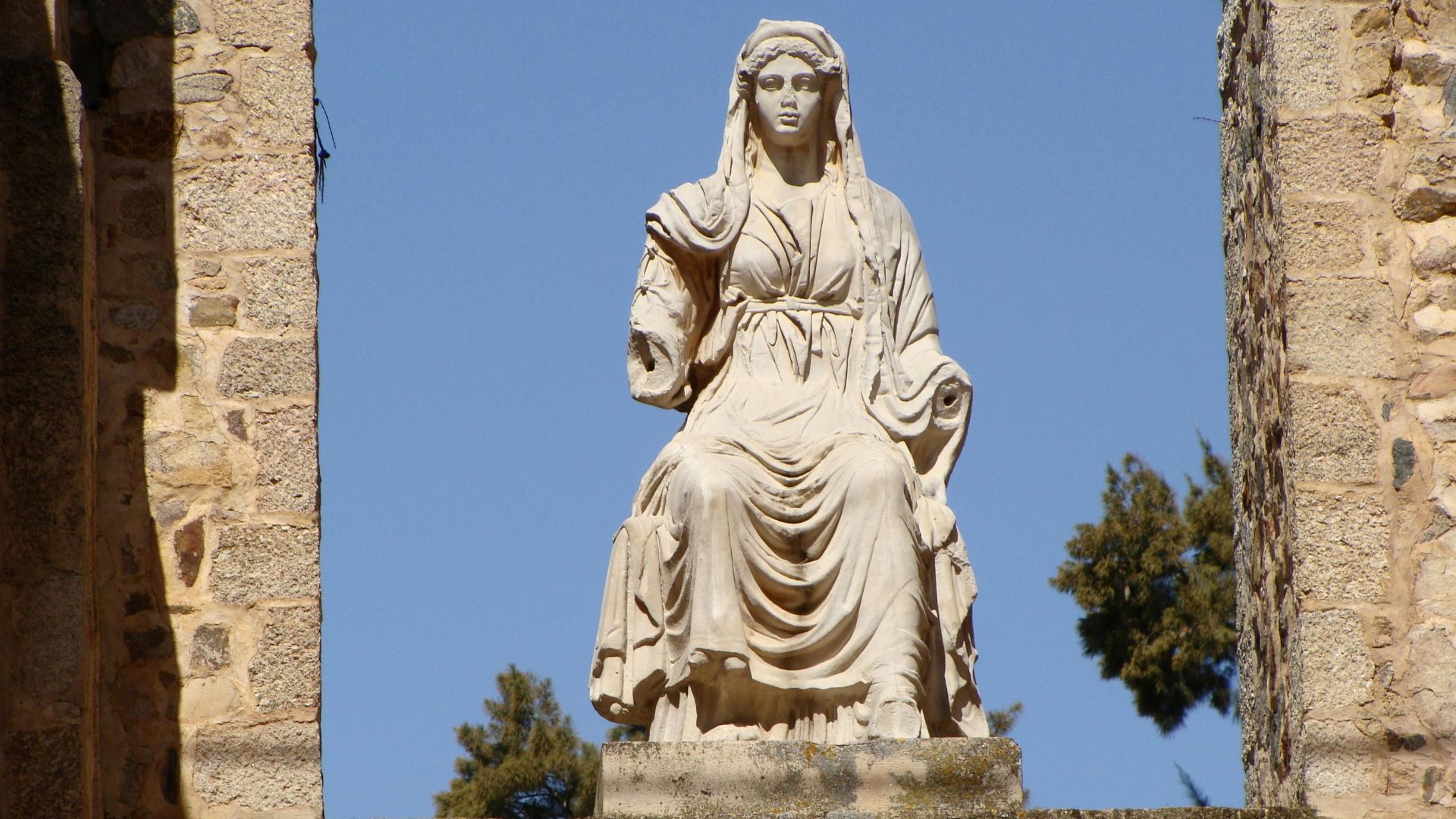
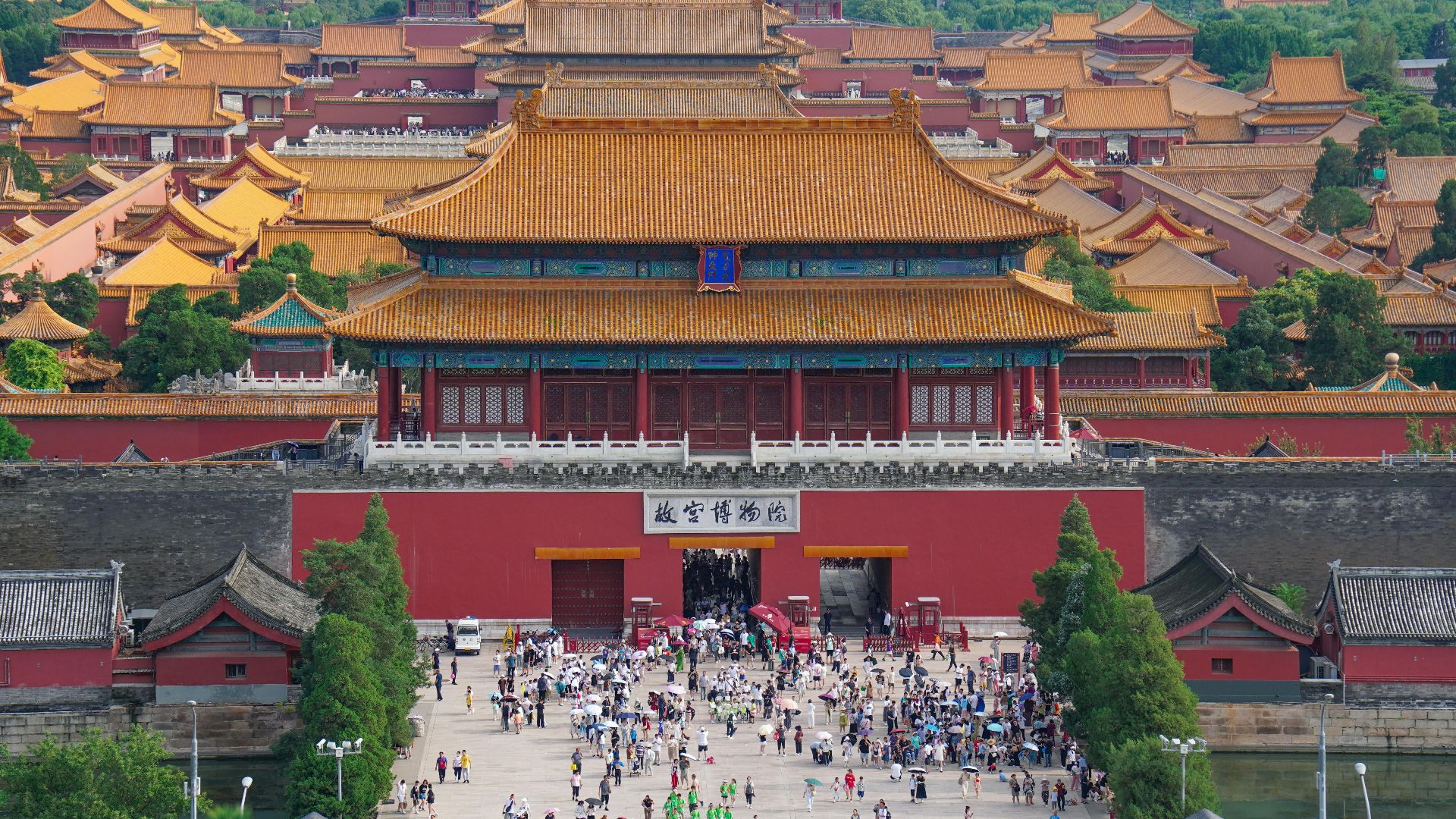
The Qing Dynasty struggled with internal rebellion and increasing foreign pressure throughout the 19th century. Attempts at reform failed to keep pace with global change. When it finally collapsed in 1912, it was deeply corrupted, but the straw that broke the camel's back was the 1911 Xinhai Revolution, a series of mass uprisings.
8. The Abbasid Caliphate
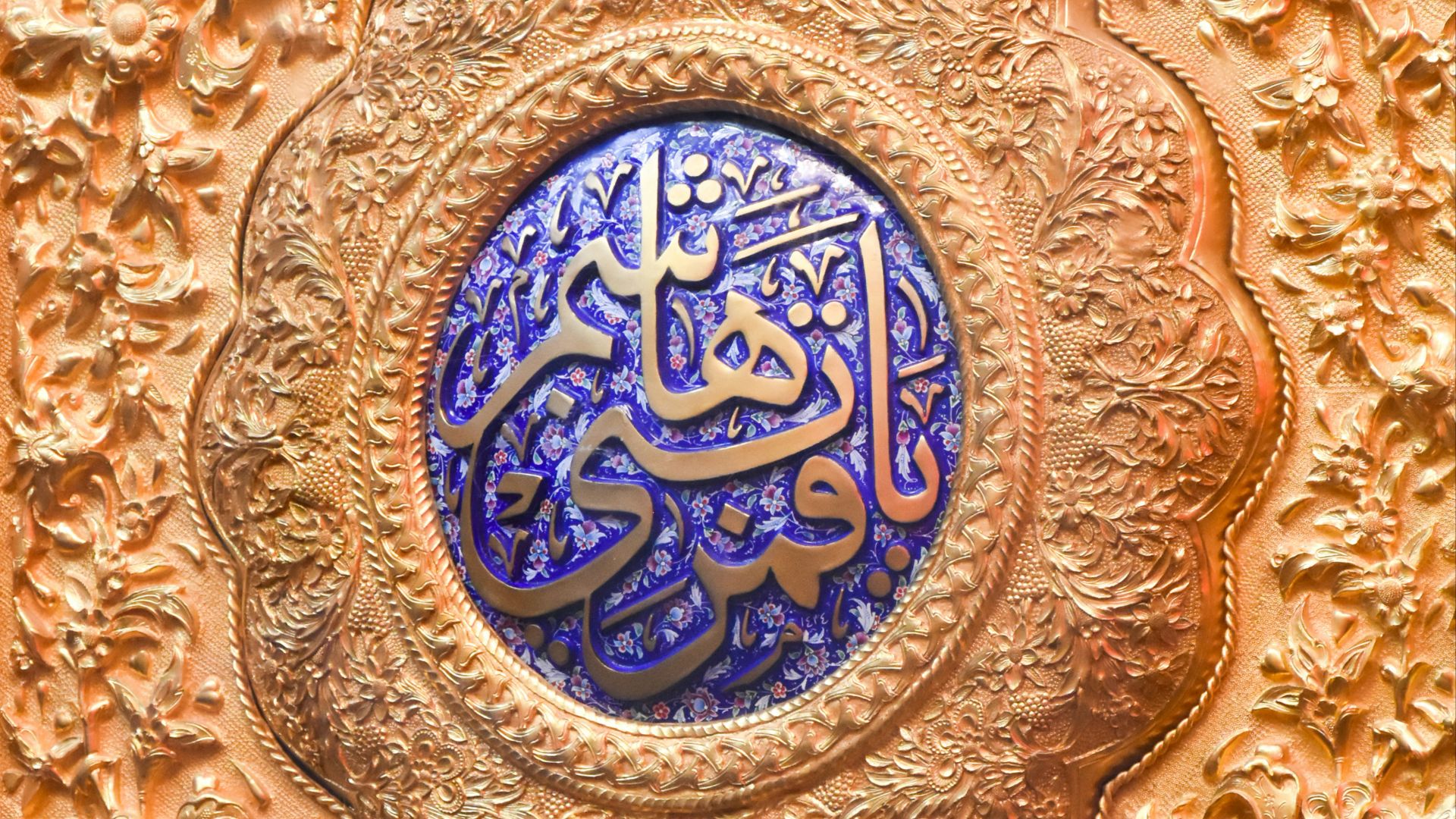
The Abbasid Caliphate lost real power long before it officially ended. Regional rulers gradually took control while the caliph became a symbolic figure. The final destruction simply confirmed a decline that had been ongoing for centuries.
9. The British Empire
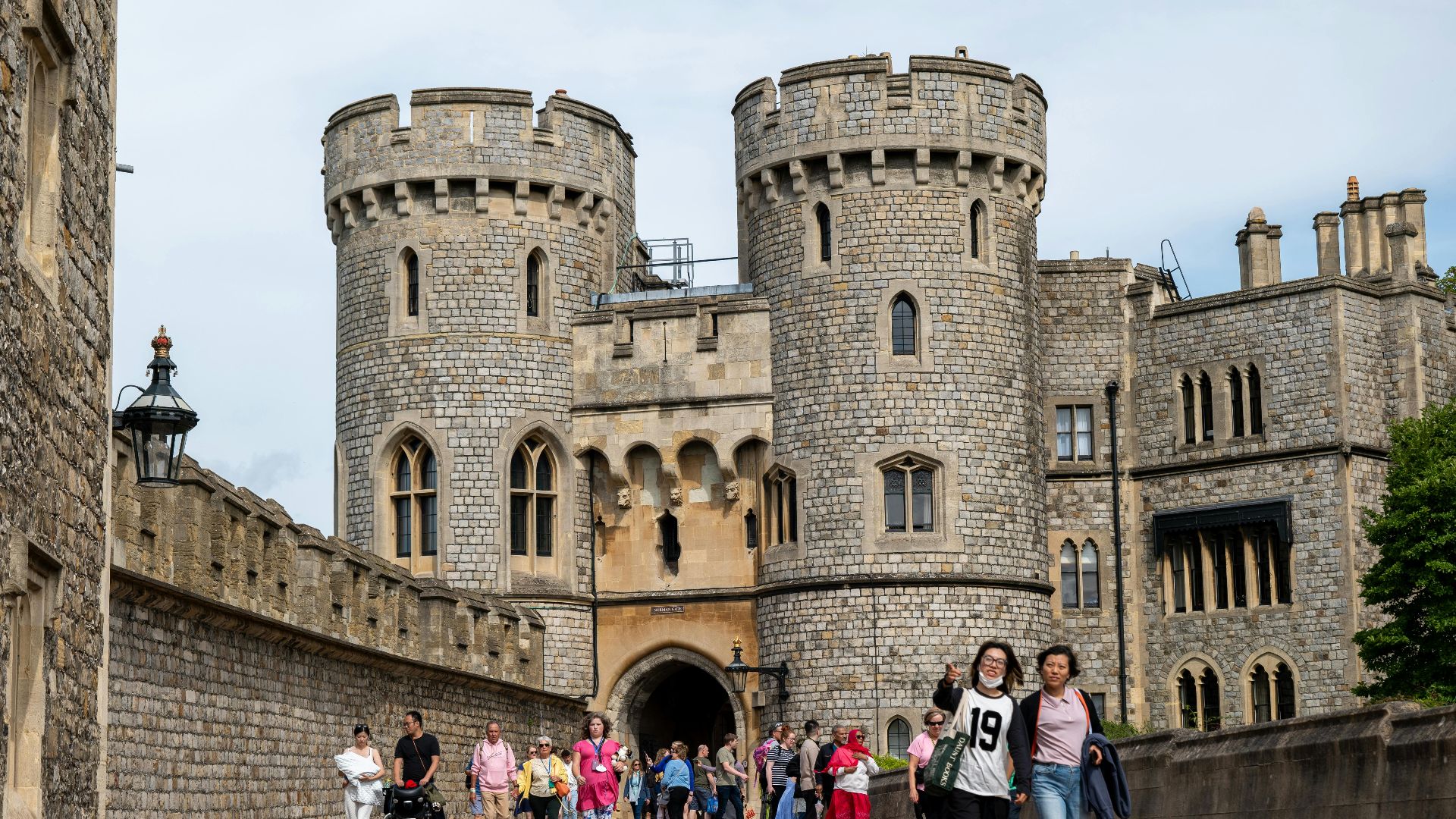
The British Empire reached its peak in the early 20th century but began unraveling after WWII. Economic strain and changing global attitudes toward colonialism reshaped its role. Decolonization unfolded gradually through negotiation and retreat rather than collapse.
10. The Austro-Hungarian Empire
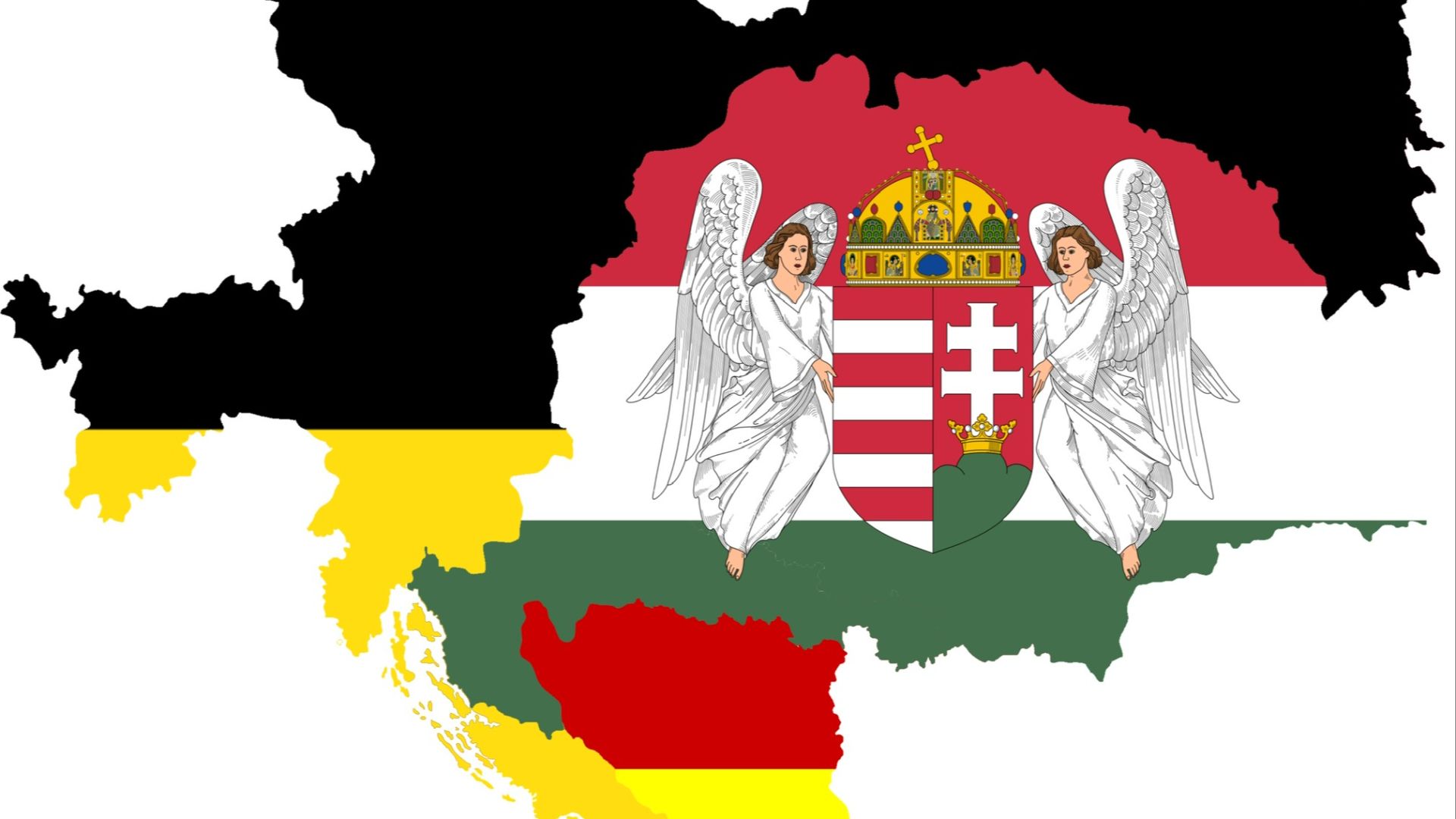
This empire struggled with ethnic divisions and political gridlock long before World War I. Attempts to unify diverse populations under one system repeatedly failed. Its collapse followed years of visible strain rather than a single defining moment.
Now that we've covered the once-powerful empires that endured a painstaking decline, let's talk about the empires that seemed to end all too suddenly.
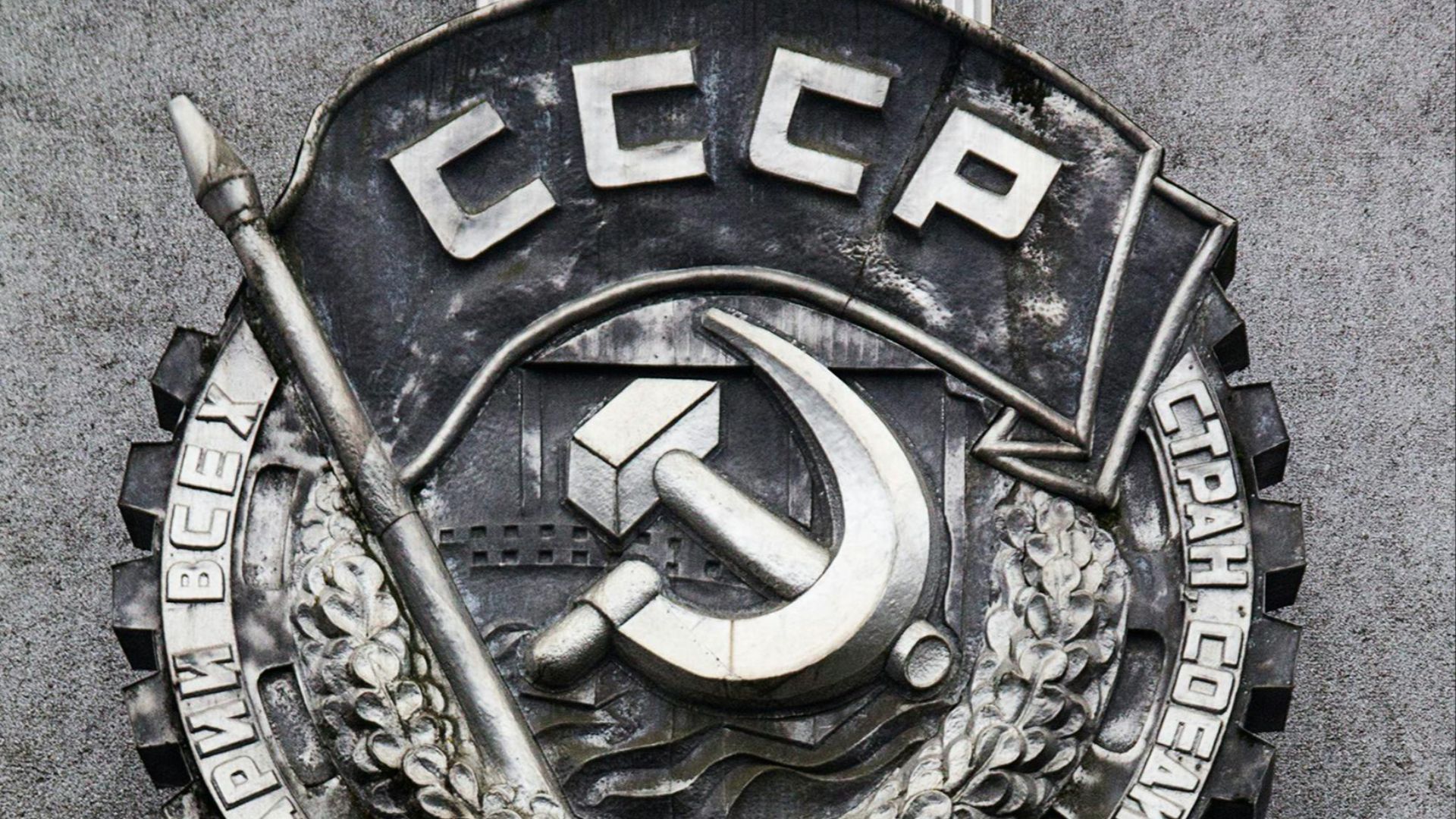
1. The Soviet Union
The Soviet Union appeared stable until it suddenly wasn’t. Political reforms exposed deep economic and social weaknesses almost all at once. Within a few short years, a global superpower ceased to exist, one of the most symbolic events of its decline being the fall of the Berlin Wall.
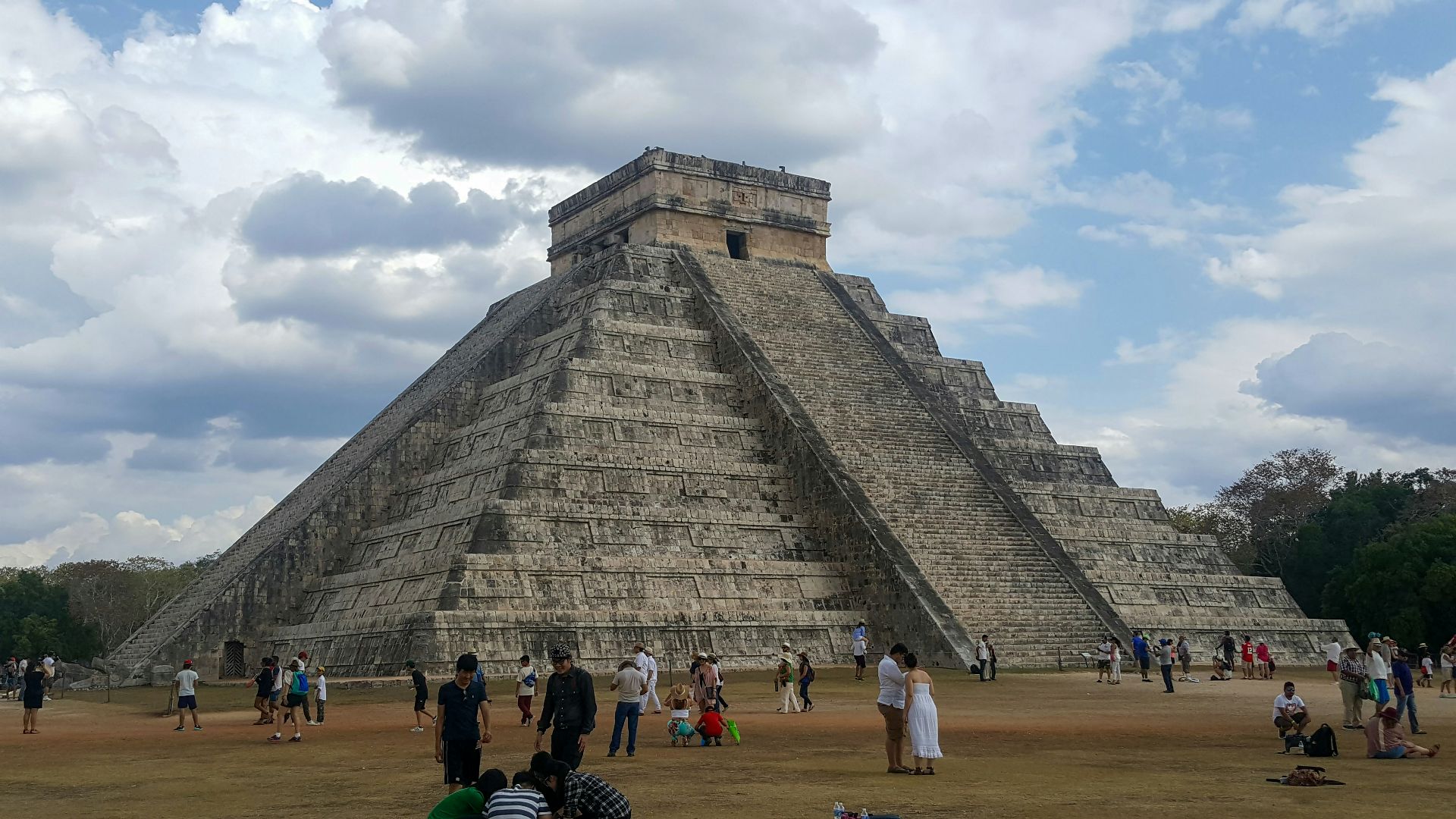
2. The Aztec Empire
The Aztec Empire collapsed rapidly after Spanish contact disrupted its political and military systems. Disease devastated the population while military defeat followed quickly. One of the most powerful civilizations in the Americas fell within just a few years.
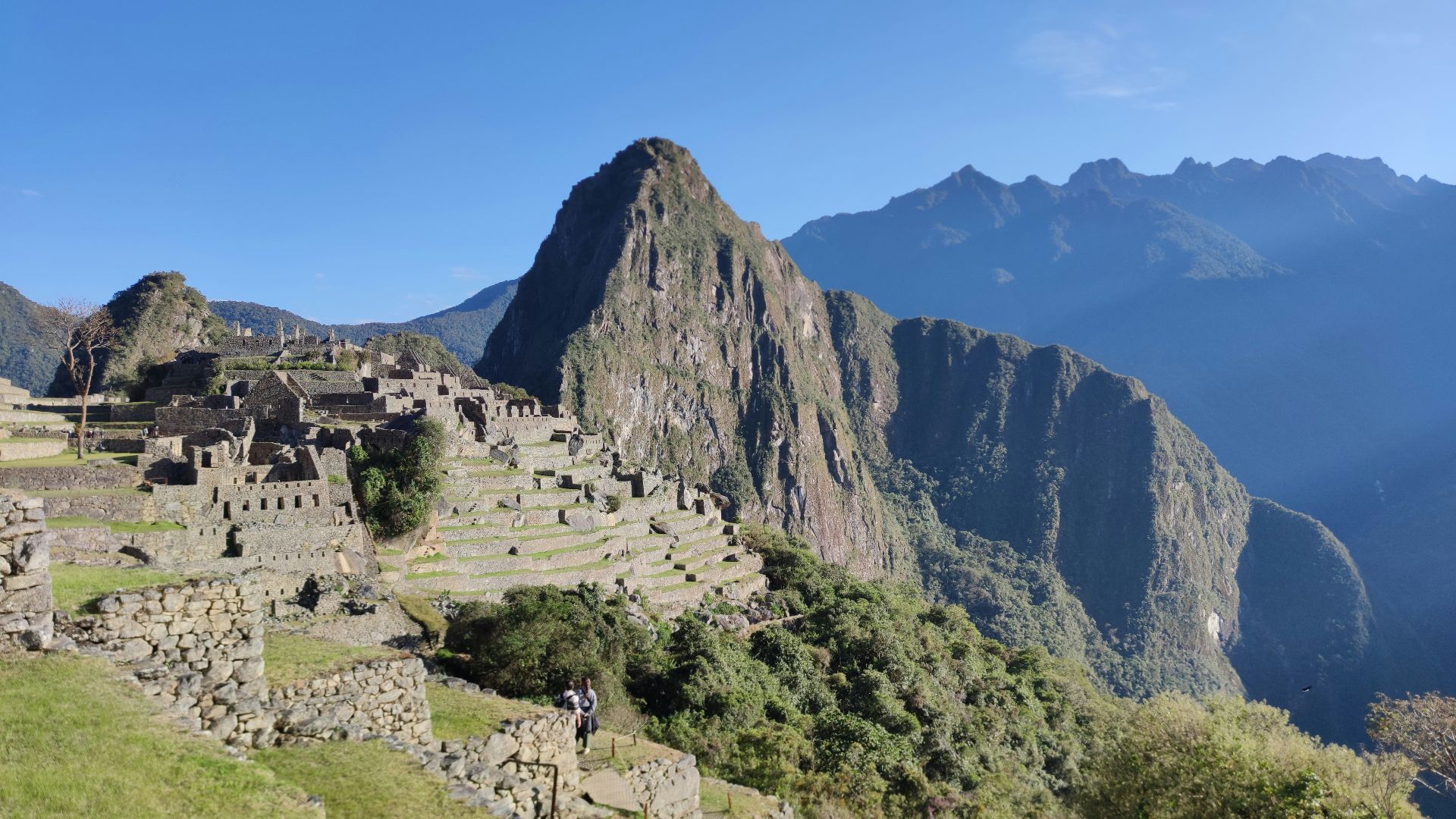
3. The Inca Empire
The Inca Empire was already weakened by civil war when Spanish forces arrived. That internal division made resistance nearly impossible. The empire fell with shocking speed once outside pressure was applied.
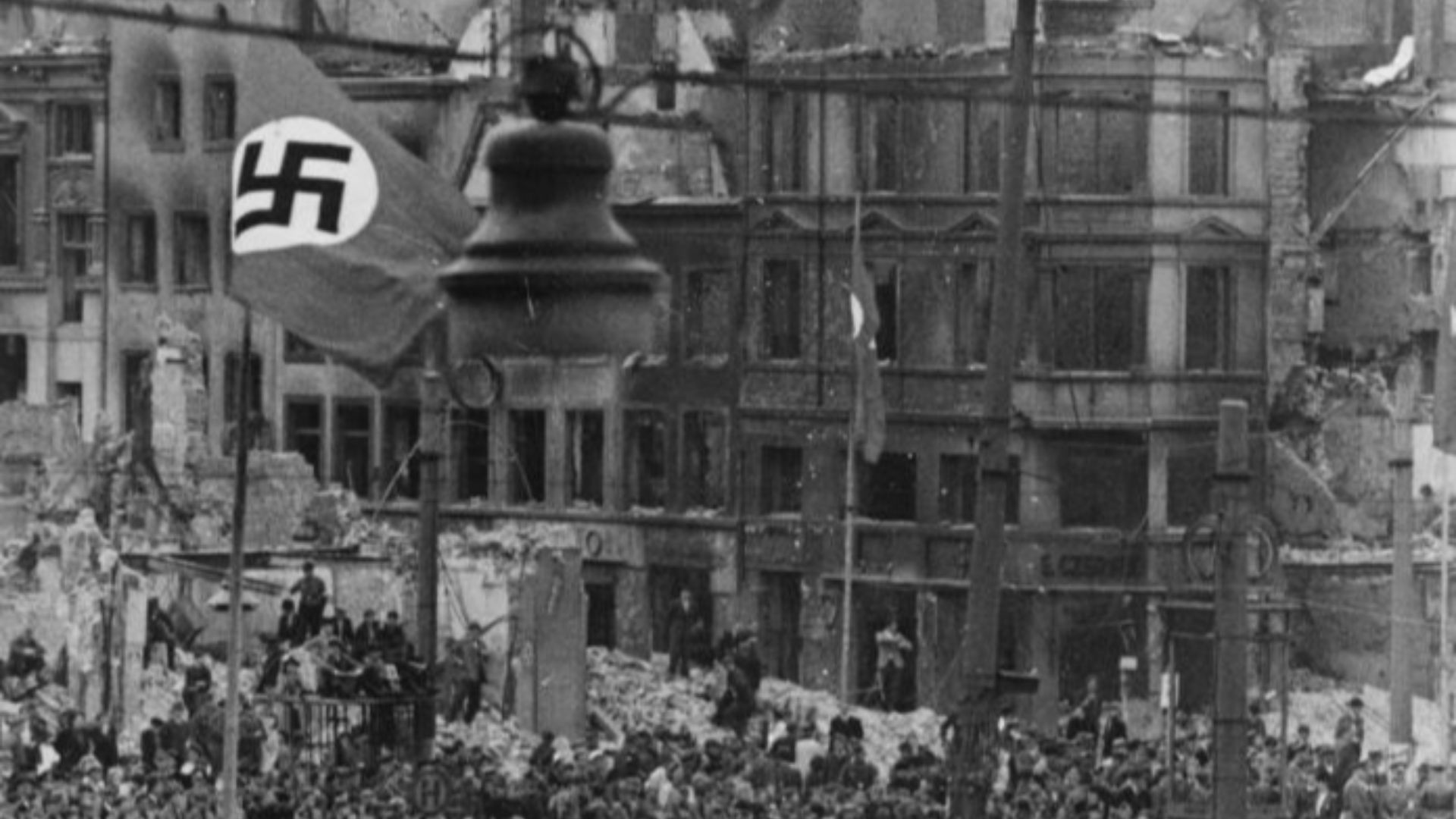
4. The Third Reich
Nazi Germany expanded aggressively and collapsed just as rapidly. Military defeat came from multiple directions at once, overwhelming its ability to respond. Within months, the regime completely disintegrated.
5. The Carthaginian Empire
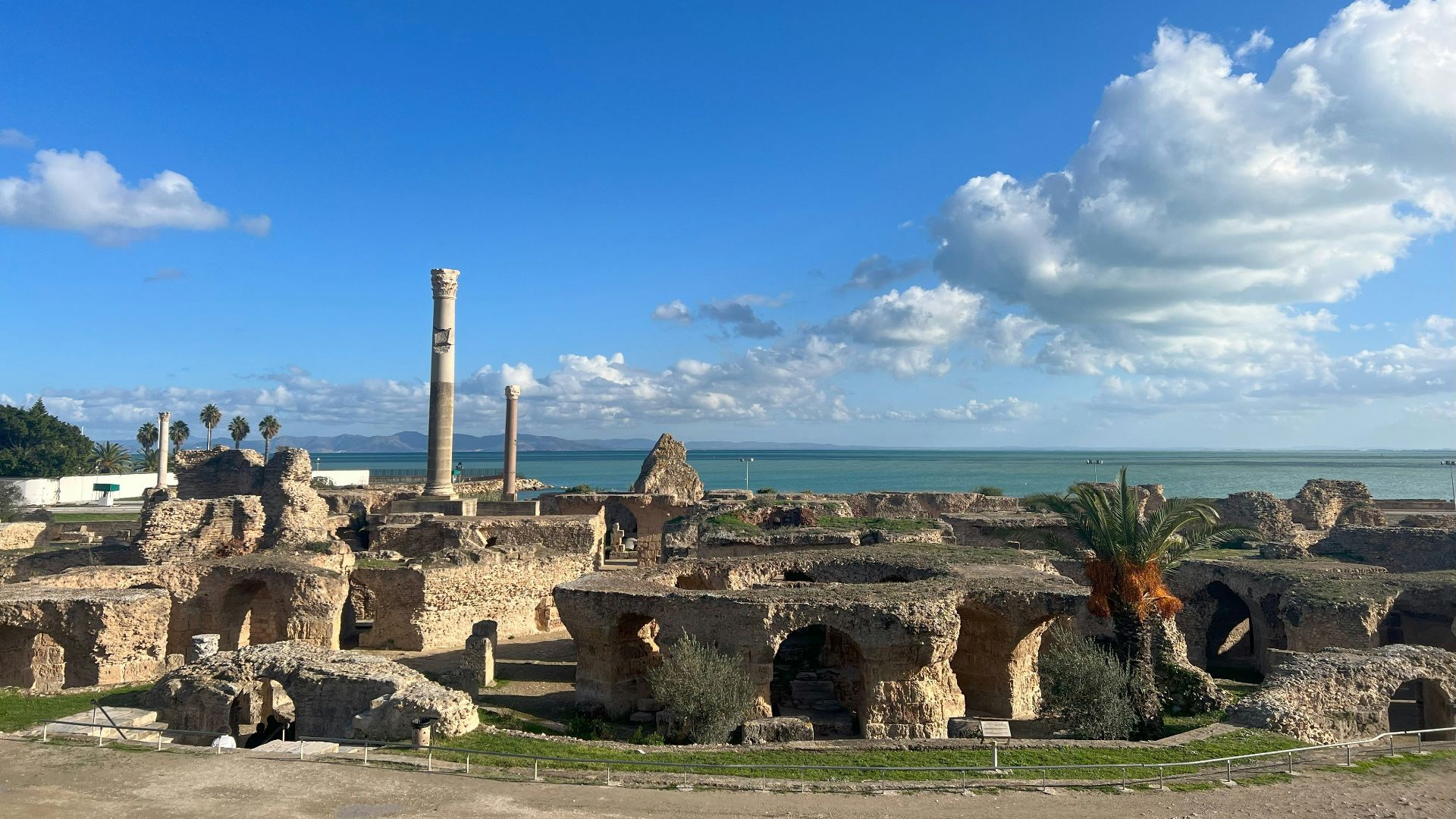
Carthage was a major Mediterranean power for centuries, but its fate changed rapidly during the Third Punic War. After a prolonged rivalry with Rome, the final conflict ended decisively when the city was captured and destroyed in 146 BCE. Once Rome acted, Carthage’s political and military power disappeared almost instantly.
6. The French Colonial Empire in Indochina
French control in Indochina unraveled rapidly after WWII. Independence movements gained momentum almost overnight. Years of authority vanished in a remarkably short period.
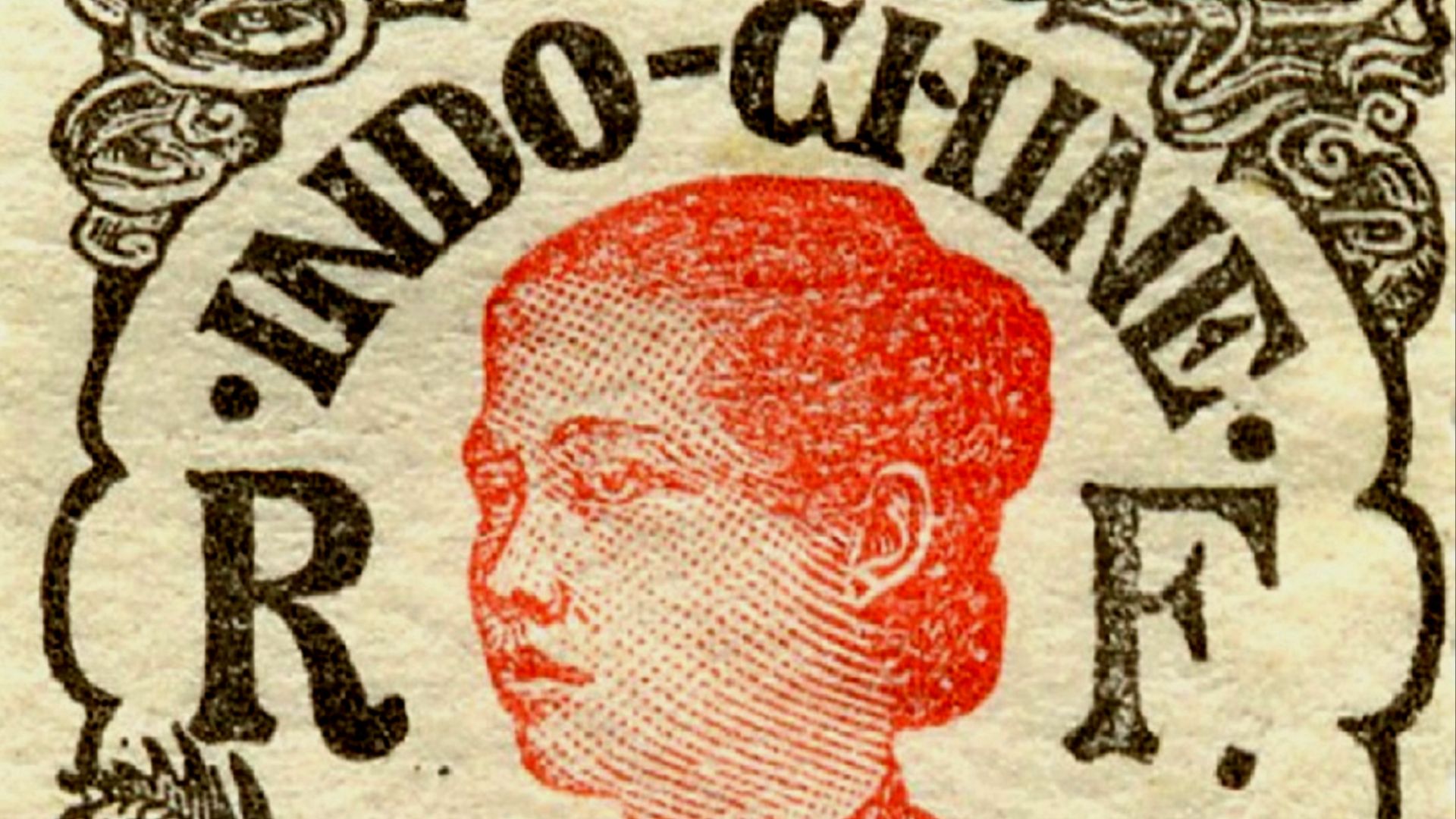 Midnight Believer on Wikimedia
7. The Mongol Yuan Dynasty
The Yuan Dynasty fell abruptly as internal unrest and rebellion spread quickly. Loss of legitimacy weakened its grip on power. The transition back to Chinese rule happened within decades.
8. The Songhai Empire
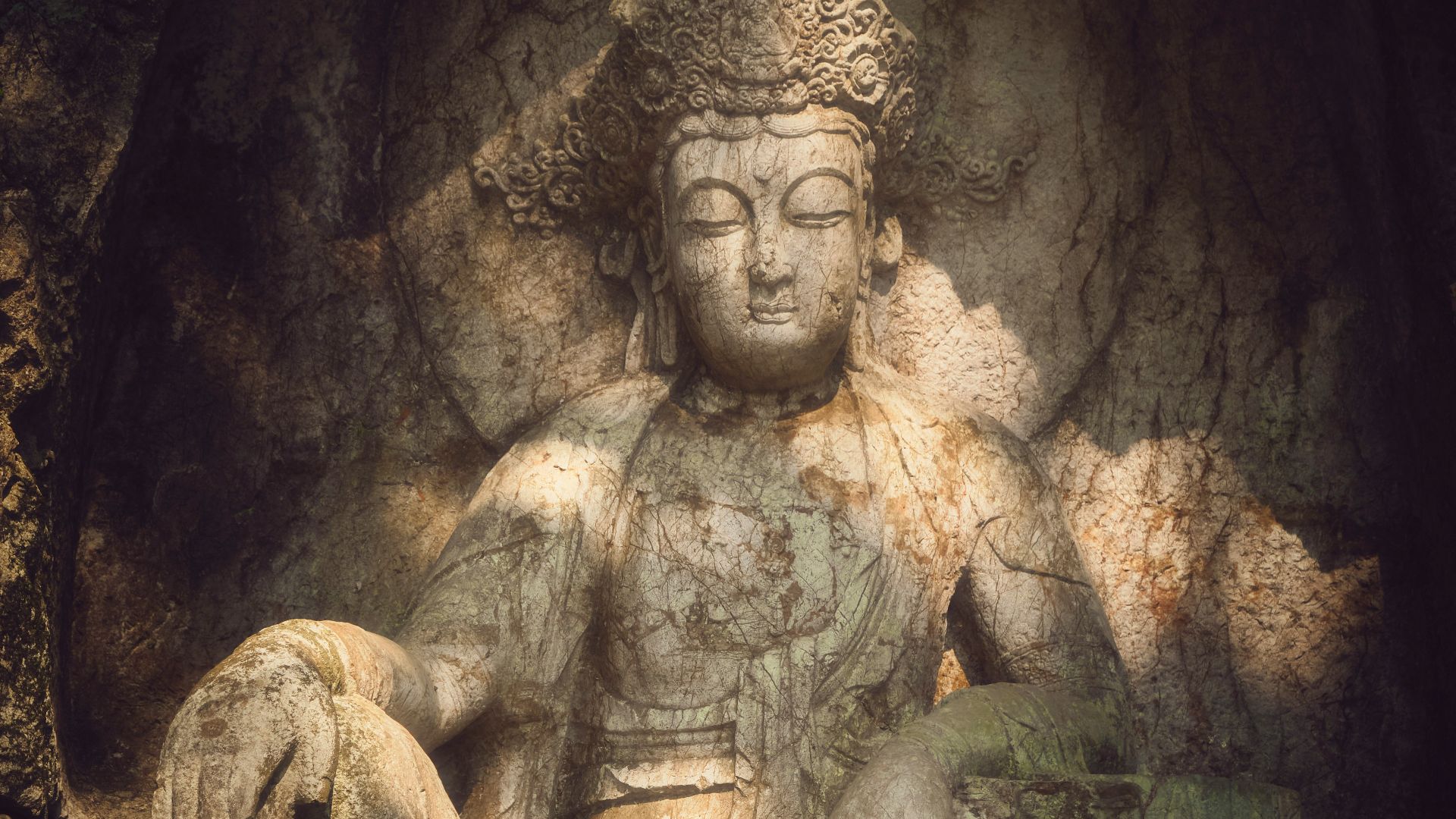
The Songhai Empire was strong, but it relied on traditional spears and bows, making it vulnerable to new military technology. A sudden invasion by the Moroccan army using firearms changed the balance instantly. A crushing defeat led to the fragmentation of the centralized Songhai state.
9. Yugoslavia
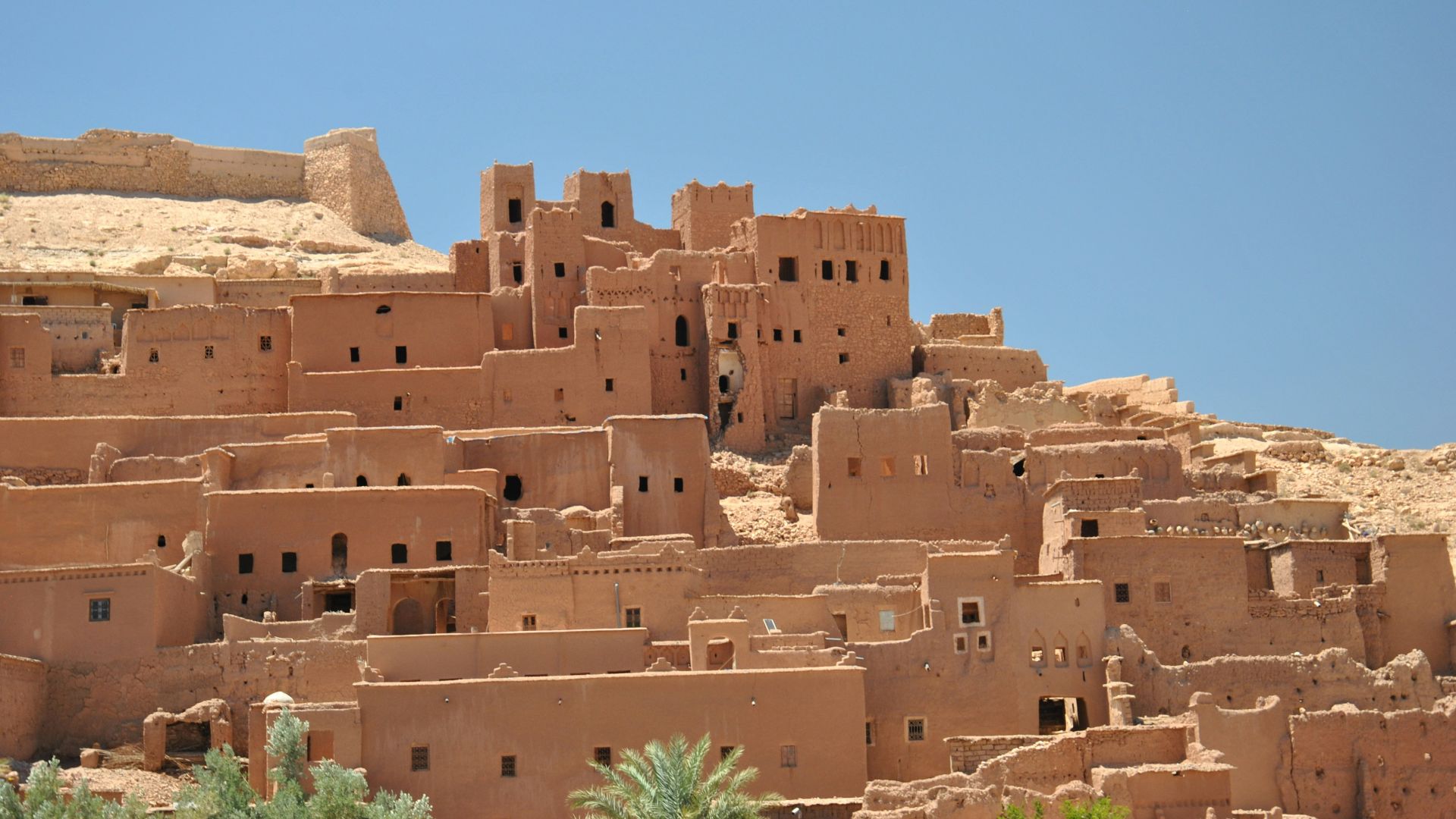
Yugoslavia fractured rapidly and violently from 1991 to 1992. Political tension turned into open conflict almost overnight. The state disappeared far faster than anyone could've anticipated, with Slovenia and Croatia declaring independence, and Bosnia diving into a brutal war.
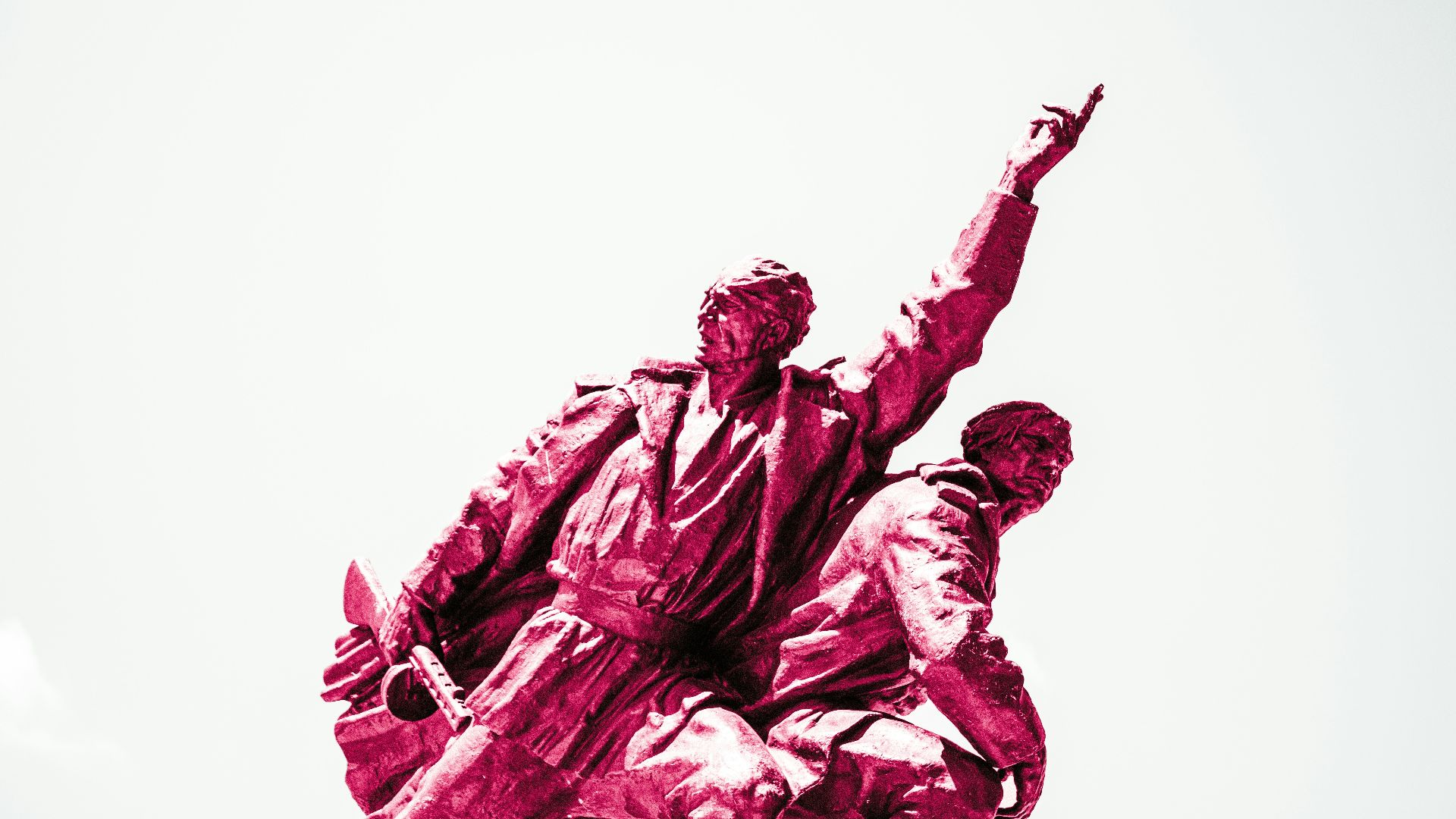
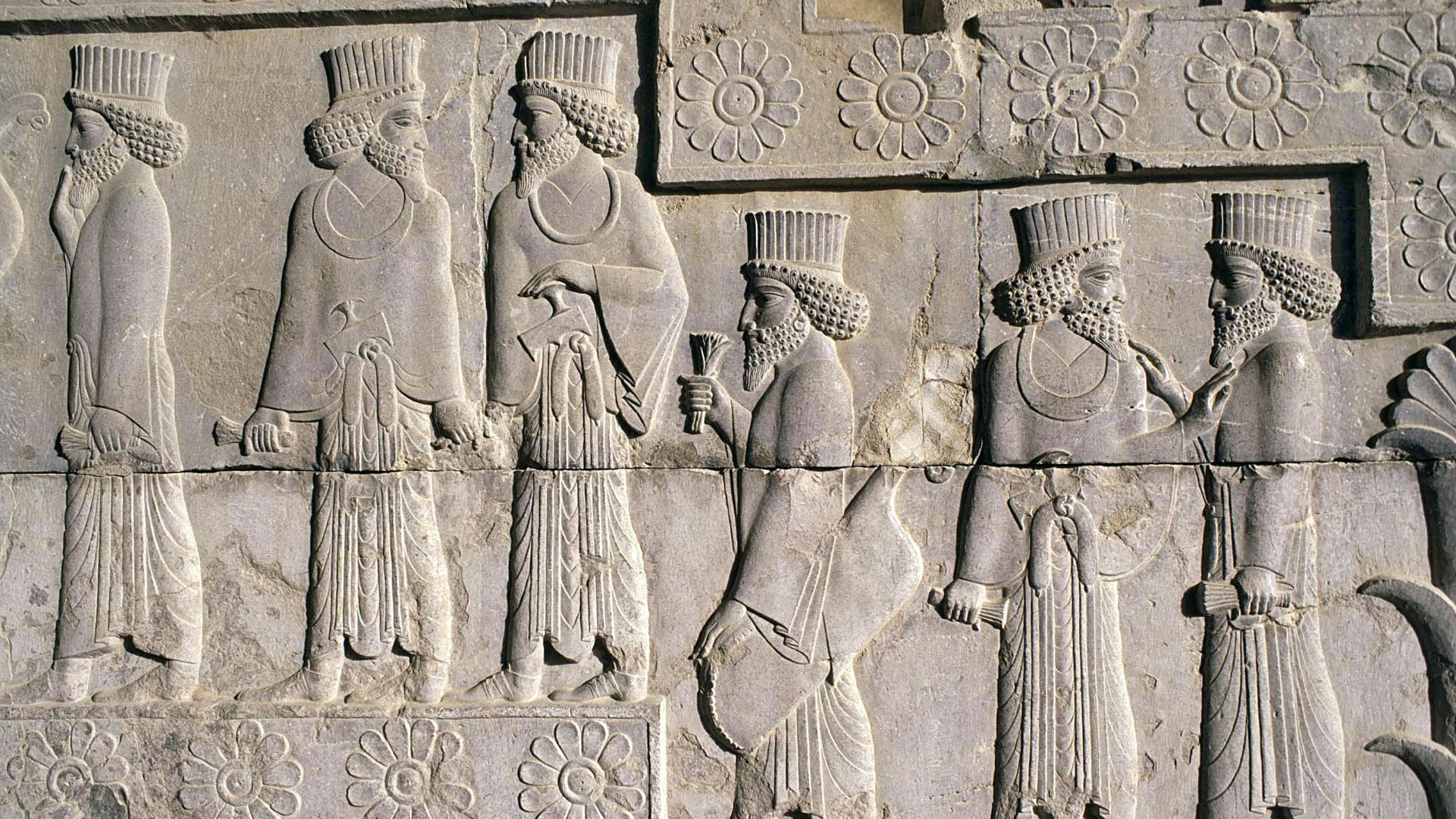
10. The Achaemenid Empire
The Achaemenid Empire controlled vast territory until Alexander the Great’s swift campaigns shattered it. All it took was a handful of decisive battles within a few years. Its collapse remains one of history’s most dramatic examples of sudden defeat.
KEEP ON READING

20 Greek Gods We Don't Often Talk About
Step Aside, Zeus. Greek mythology isn’t only about Zeus and…
By Elizabeth Graham Jan 16, 2026
10 Historic Courtship Practices That Should Be Brought Back &…
Old-School Dating Was a Mix of Charming & Unhinged. Historic…
By Emilie Richardson-Dupuis Jan 20, 2026
Pooches Of The Past: Extinct Dog Breeds
Unknown authorUnknown author on WikimediaDogs have been showing up in…
By Elizabeth Graham Jan 27, 2026
The 20 Craziest Silent Films Ever Made
When Silence Let the Madness Speak. Silent cinema didn’t just…
By Chase Wexler Jan 5, 2026
Legendary Tales: 20 Most Fascinating Mythical Creatures from Folklore
Mythological Beasts. Stories about mythical creatures endure for a simple…
By Christy Chan Jan 16, 2026
The three most expensive historical artifacts ever sold at auction
Attributed to Leonardo da Vinci on WikimediaAuctions are where history…
By Emilie Richardson-Dupuis Jan 9, 2026