10 Kings Who Were Kind To Their Wives & 10 Who Treated Them Like Dirt
Happy Wife, Happy Life
Being married to a king might sound glamorous, but for many royal wives, rank offered little protection from cruelty, humiliation, or neglect. The reality was, in a time when history was never particularly kind to women, you never knew how your husband would treat you—or mistreat you. Come with us as we explore which kings actually did well by their wives, and which ones might as well not have married at all.
 Attributed to Jean-Marc Nattier on Wikimedia
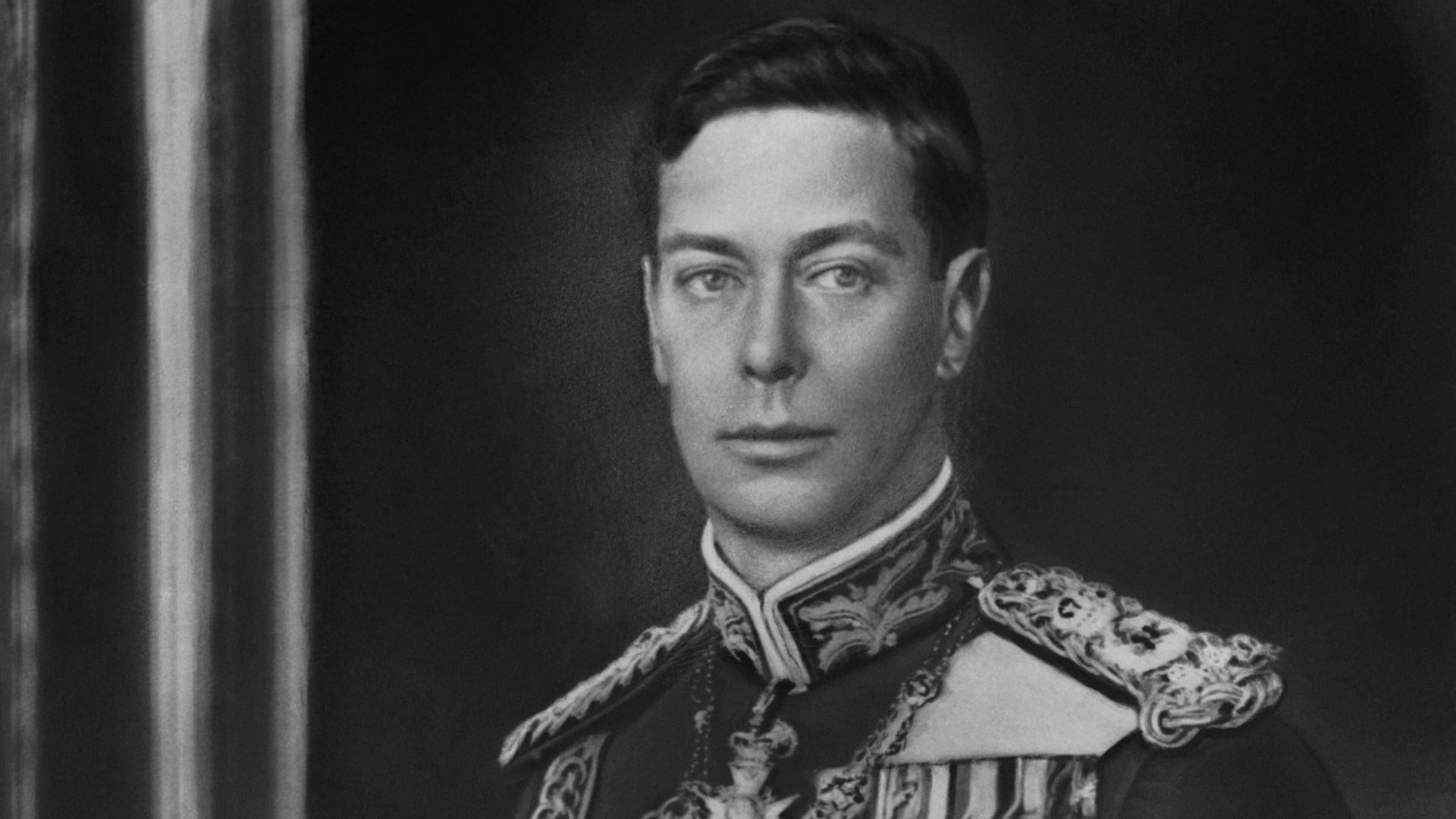
1. George VI
Before marrying Lady Elizabeth Bowes-Lyon in 1923, the future George VI proposed more than once. He had to—she was nervous to accept the demands of royal life. When she eventually did say yes, George relied heavily on her steady support while coping with his speech difficulties, becoming king unexpectedly in 1936, and leading Britain through World War II.
 Matson Photo Service on Wikimedia
2. John III Sobieski
Poland’s John III Sobieski married Marie Casimire d’Arquien, better known as Marysieńka, in 1665 after the death of her first husband. Even today, hundreds of their letters survive, including messages written during military campaigns in which Sobieski discussed family matters and his longing to return to her. They even used private nicknames and coded words for love.
 Marcello Bacciarelli on Wikimedia
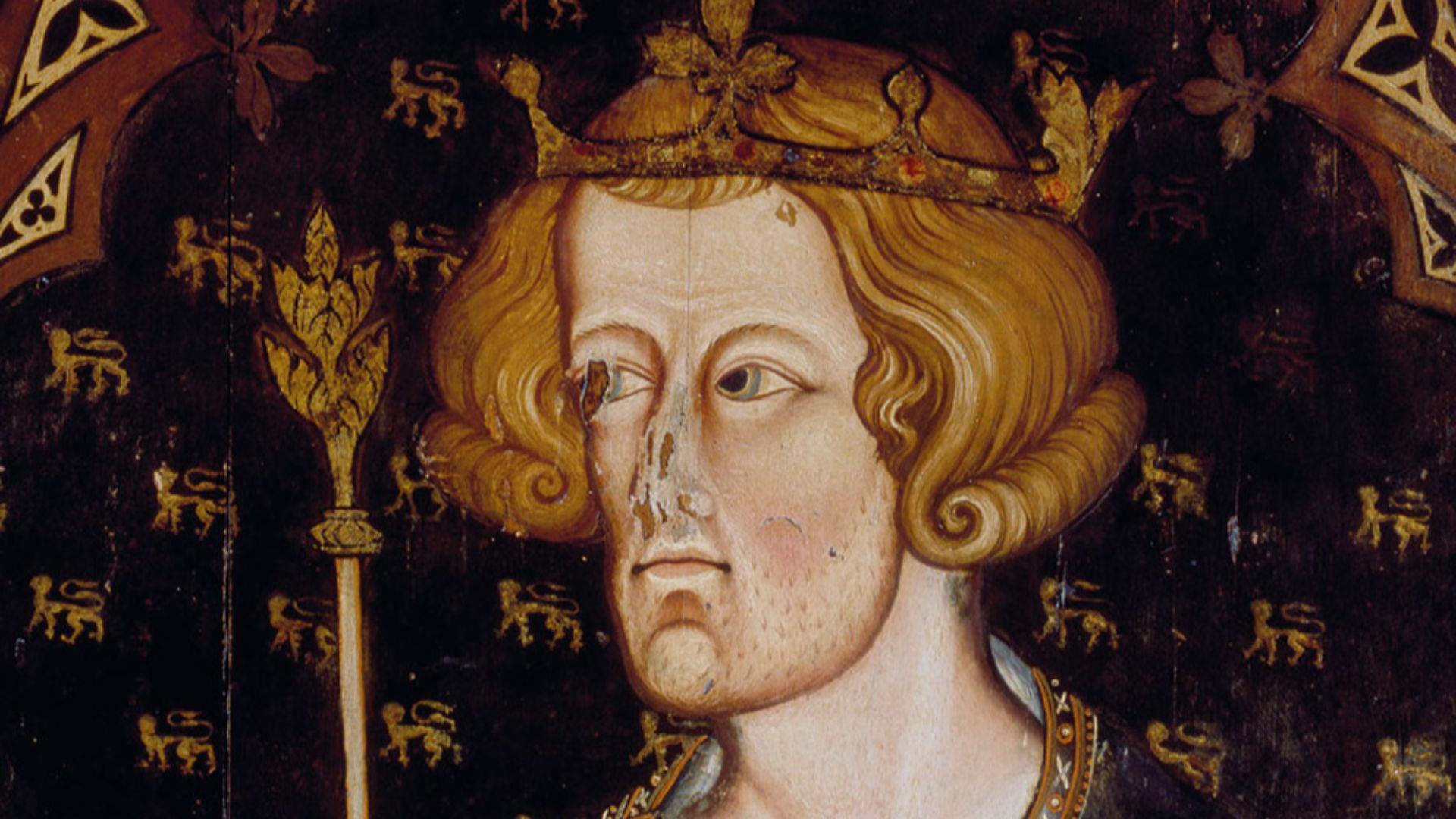
3. Edward I
Eleanor of Castile accompanied Edward I on a crusade before he got the crown, and even after he became king, she traveled with him for much of their marriage. Edward trusted her enough to let her conduct business, manage estates, and when she died in 1290, he commissioned 12 elaborate stone crosses to mark the spots where her funeral procession rested on its way to Westminster Abbey.
 Unknown authorUnknown author on Wikimedia
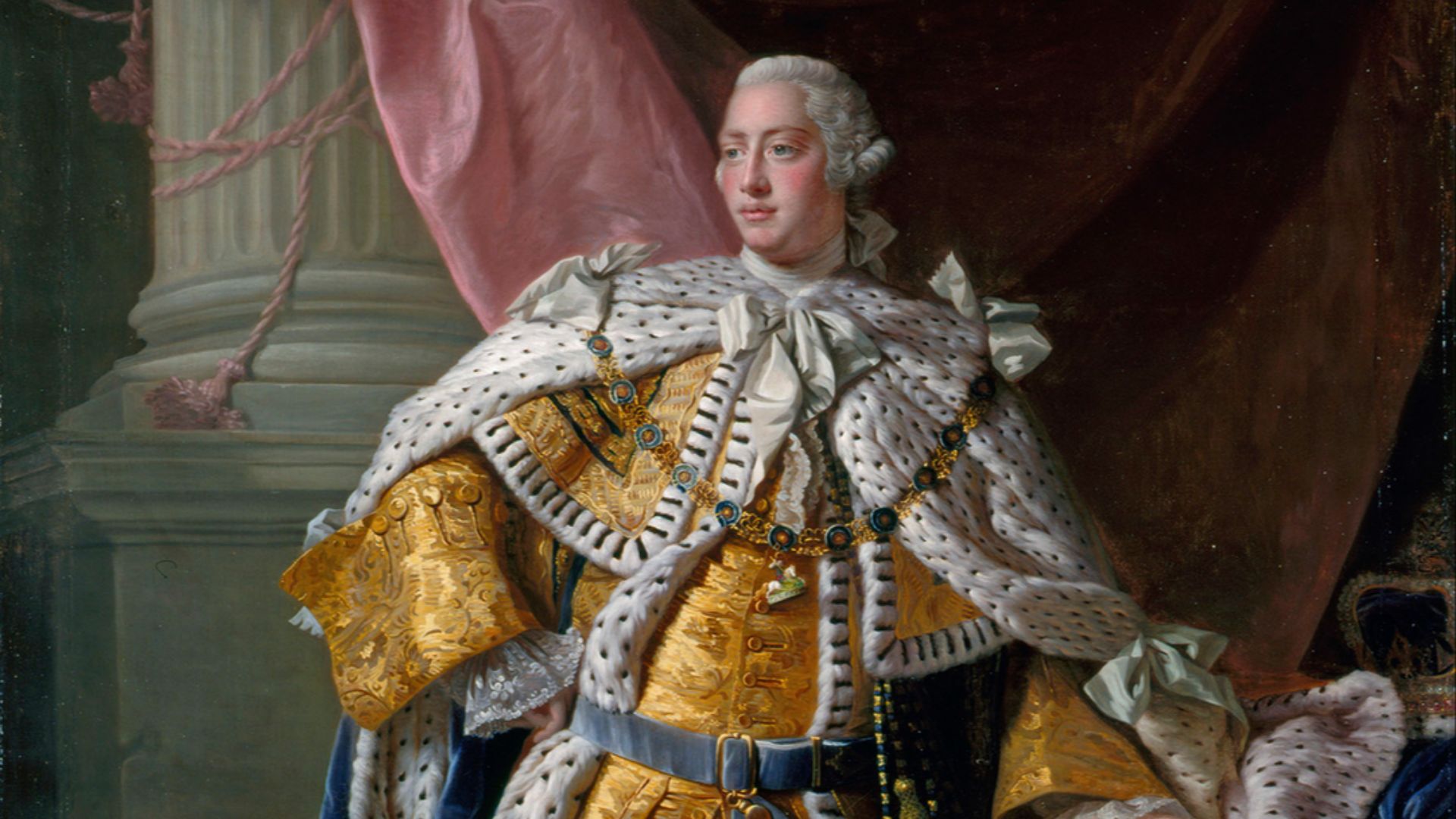
4. George III
George III married Charlotte of Mecklenburg-Strelitz in 1761, only hours after meeting her, but don’t assume that meant trouble. The couple raised 15 children and spent considerable time together, where they cultivated a quieter routine than earlier monarchs maintained. Surviving correspondence contains everyday warmth, including Charlotte updating her husband about the children.
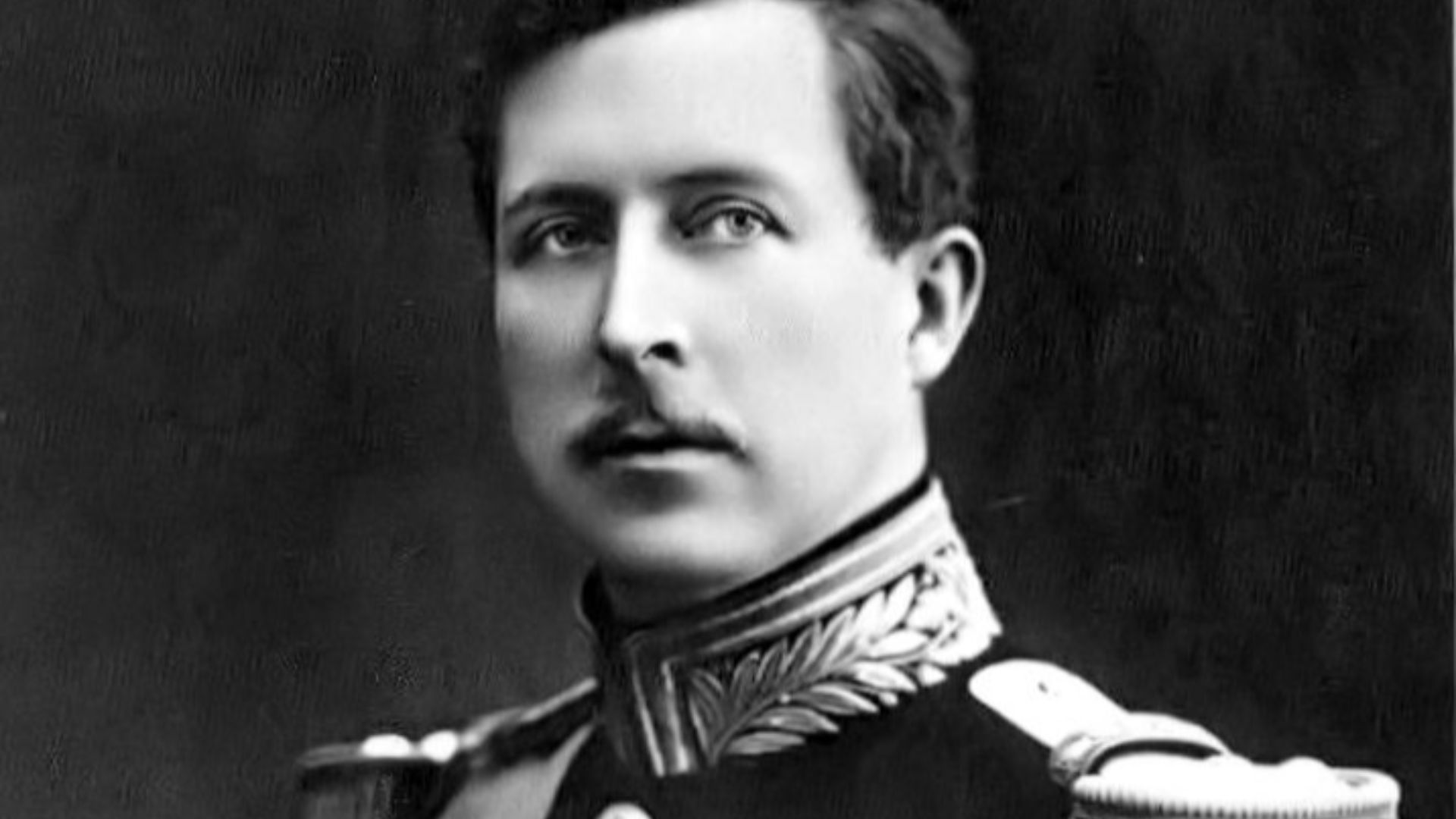
5. Albert I
Belgium’s Albert I married Elisabeth of Bavaria in Munich on October 2, 1900, after the pair had developed a genuine interest in one another. Their correspondence shows that they encouraged each other’s interests, responsibilities, and even shared enthusiasm for science, music, and the arts. During WWI, Albert also respected Elisabeth’s active role near the Belgian front, where she visited soldiers and supported medical care.
 Studio of Eugène Pirou on Wikimedia
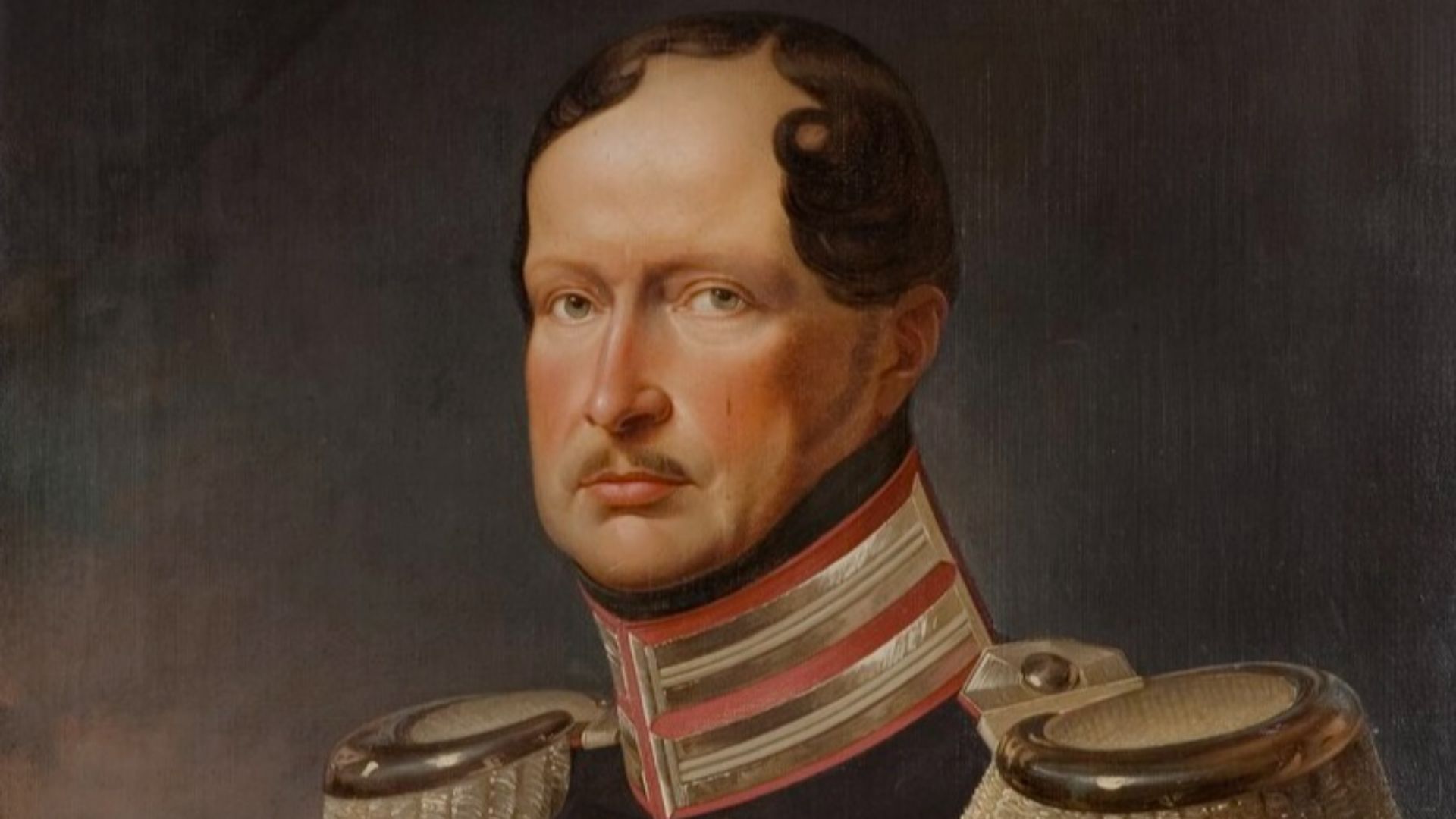
6. Frederick William III
After Frederick William III of Prussia married Louise of Mecklenburg-Strelitz in 1793, their relationship became pretty lovey-dovey. The king enjoyed spending time privately with Louise and their children, while she was permitted a degree of informality that royal life didn’t exactly encourage. After she died in 1810 at only 34, Frederick William didn’t remarry publicly.
 After Franz Krüger on Wikimedia
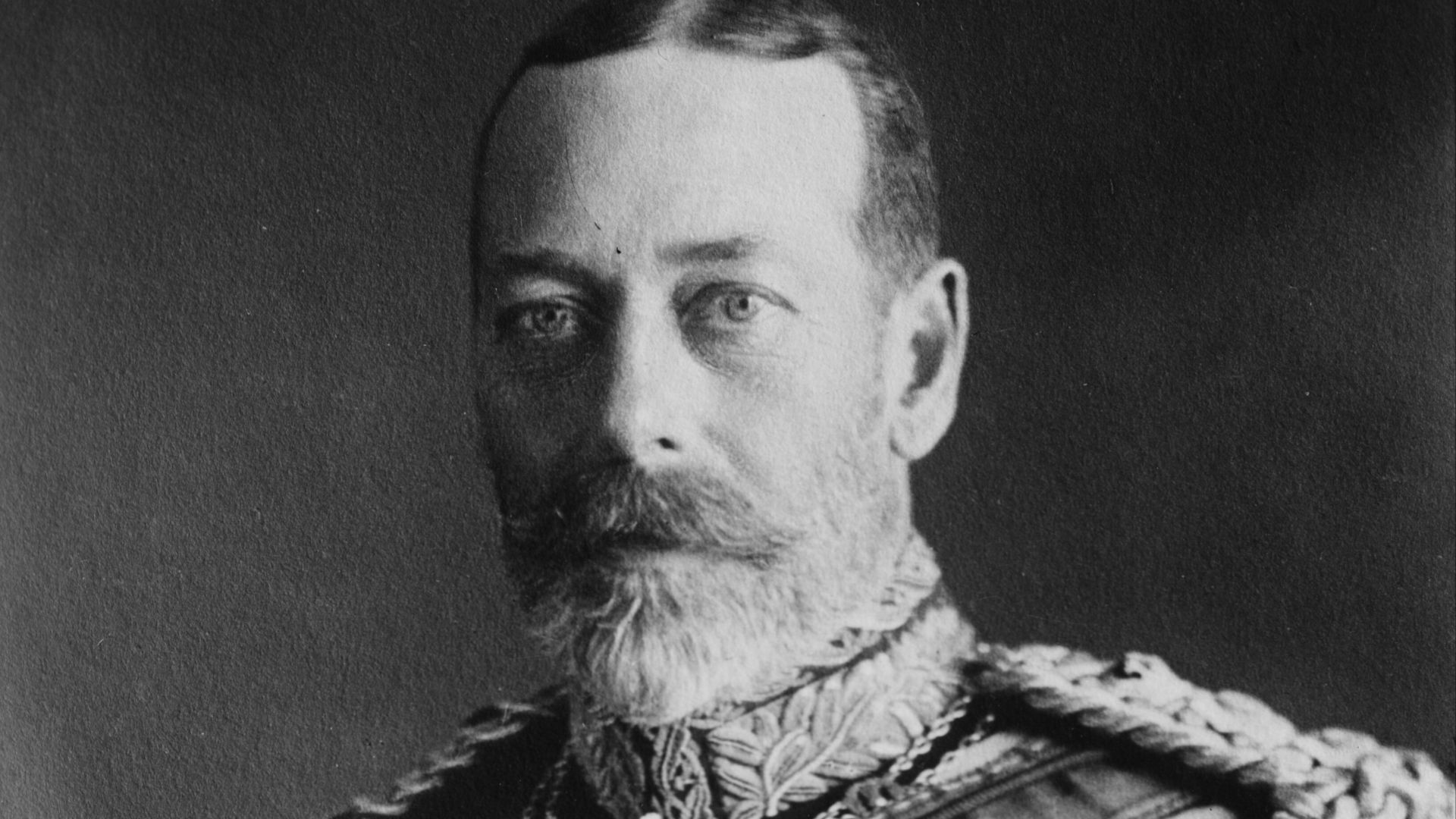
7. George V
George V married Princess Victoria Mary of Teck in 1893 after the death of his older brother, to whom she had originally been engaged. Sure, it definitely started under awkward circumstances, but it also blossomed into a long marriage in which George regularly consulted her. They stayed together for more than 40 years, and their legacy left behind a documented happy marriage that produced six children.
8. Louis XVI
Louis XVI and Marie Antoinette had a rough start after marrying in 1770, but the king didn’t just openly replace his wife with a bunch of mistresses. He gave Marie the freedom to maintain her own household, pursue theatrical performances, and even use the Petit Trianon as a private retreat. During the French Revolution, Louis also stayed with her and their kids as the monarchy crumbled.
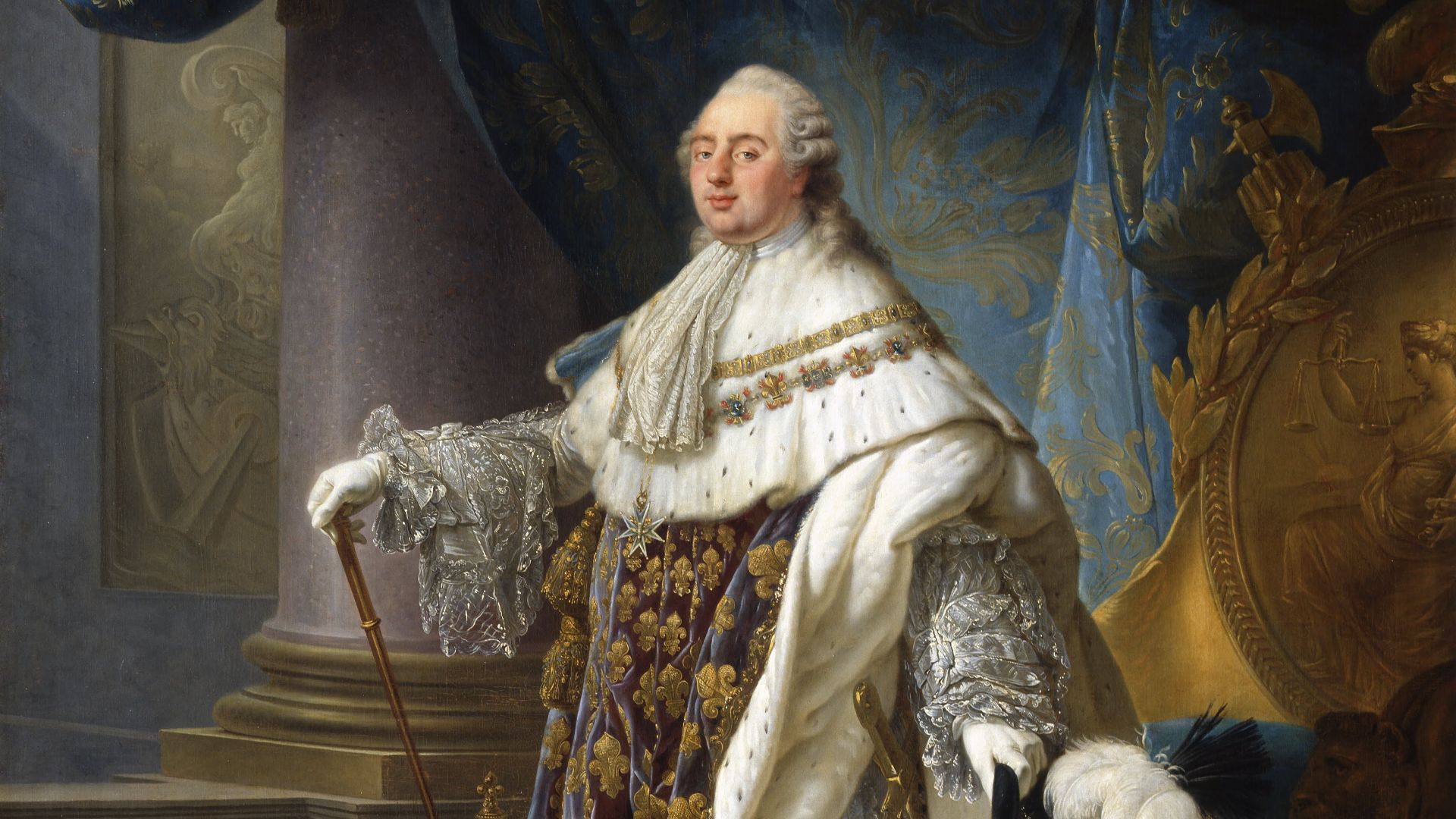 Antoine-François Callet on Wikimedia
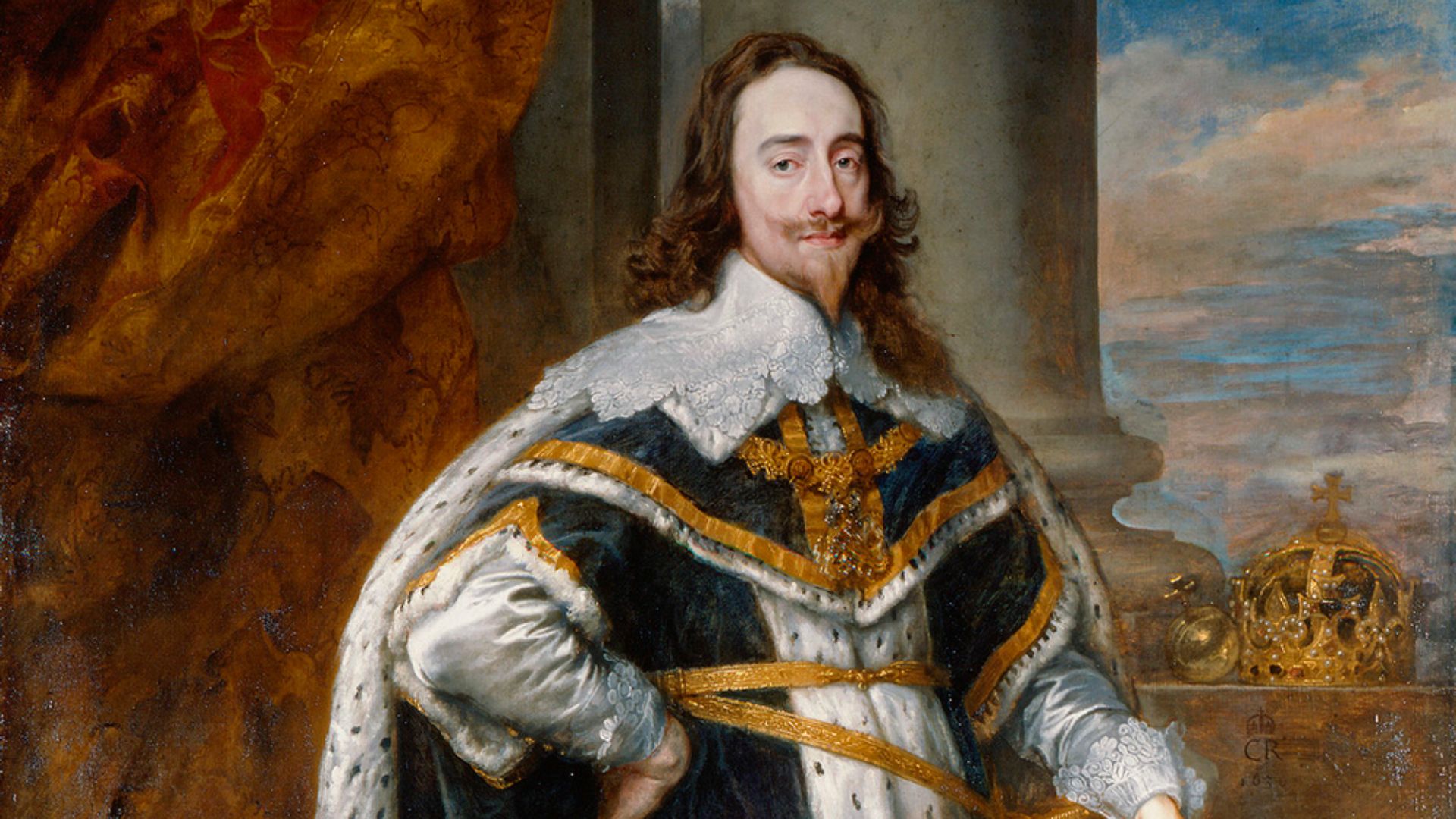
9. Charles I
Charles I’s 1625 marriage to the French Catholic princess Henrietta Maria started badly, which you think would be an open-and-shut case—but it wasn’t. Once their conflicts eased, Charles became openly affectionate, allowing Henrietta to maintain her Catholic faith and even supporting the construction of a chapel for her household. Their surviving letters also revealed a close marriage.
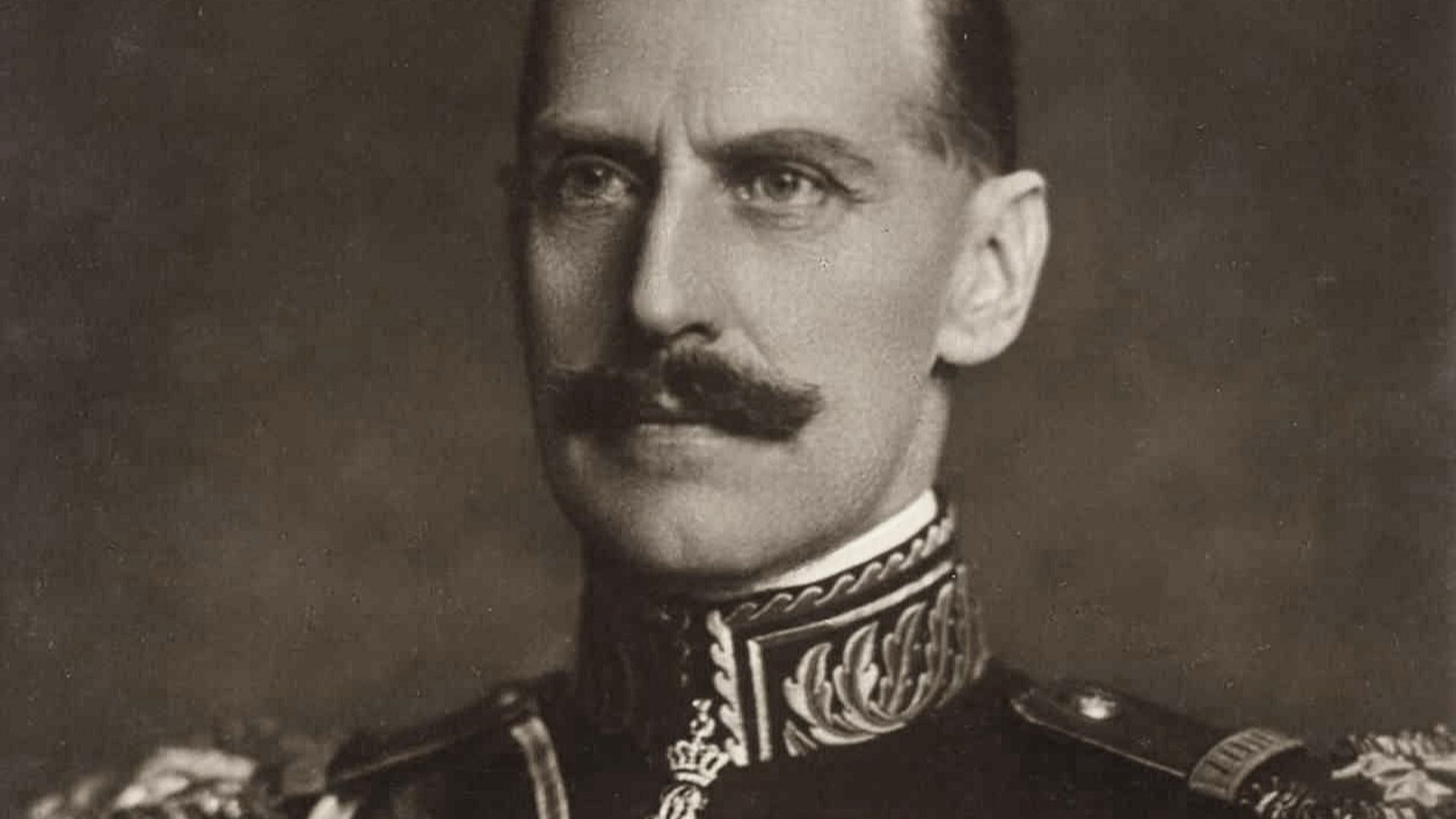
10. Haakon VII
Prince Carl of Denmark married Britain’s Princess Maud in 1896, nine years before accepting the Norwegian throne as Haakon VII. The thing is, Maud missed England and spent a lot of time visiting her relatives there—and Haakon didn’t stop her. After her unexpected death in London in 1938, the widowed king even kept her rooms at the royal estate largely undisturbed, and he never remarried.
Now that we’ve gone through some of the kinder kings, let’s dive into the rougher unions that didn’t exactly go well for any betrothed.
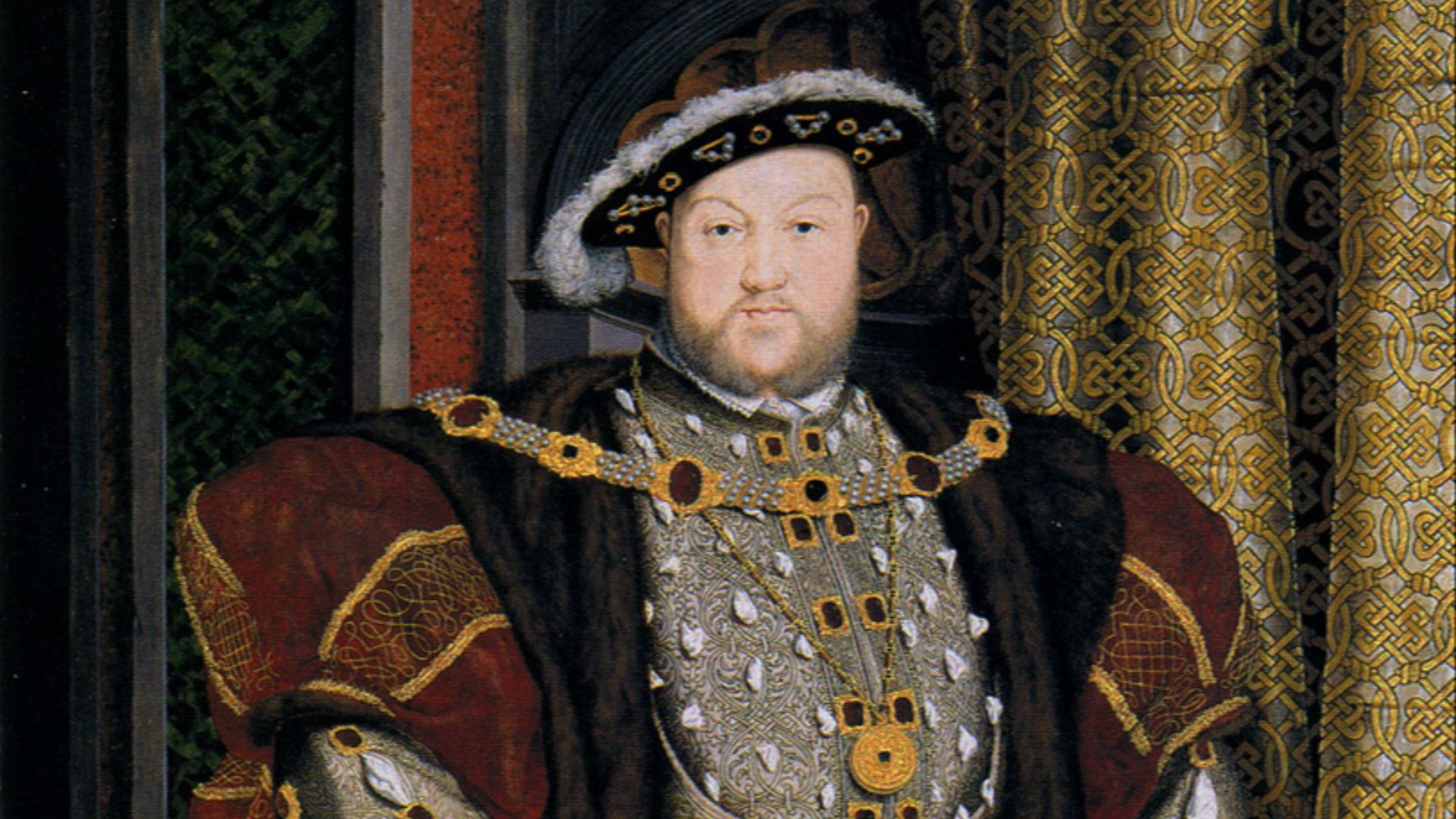
1. Henry VIII
After nearly 24 years of marriage, Henry VIII had his union with Catherine of Aragon declared invalid in 1533, all because she couldn’t produce a surviving son. He even went so far as to separate Catherine from their daughter Mary, remove her title as queen, and order people to address her as the Dowager Princess of Wales instead. Catherine refused to abide by the annulment and spent her last years isolated at Kimbolton Castle, where she died in January 1536.
 Unknown authorUnknown author on Wikimedia
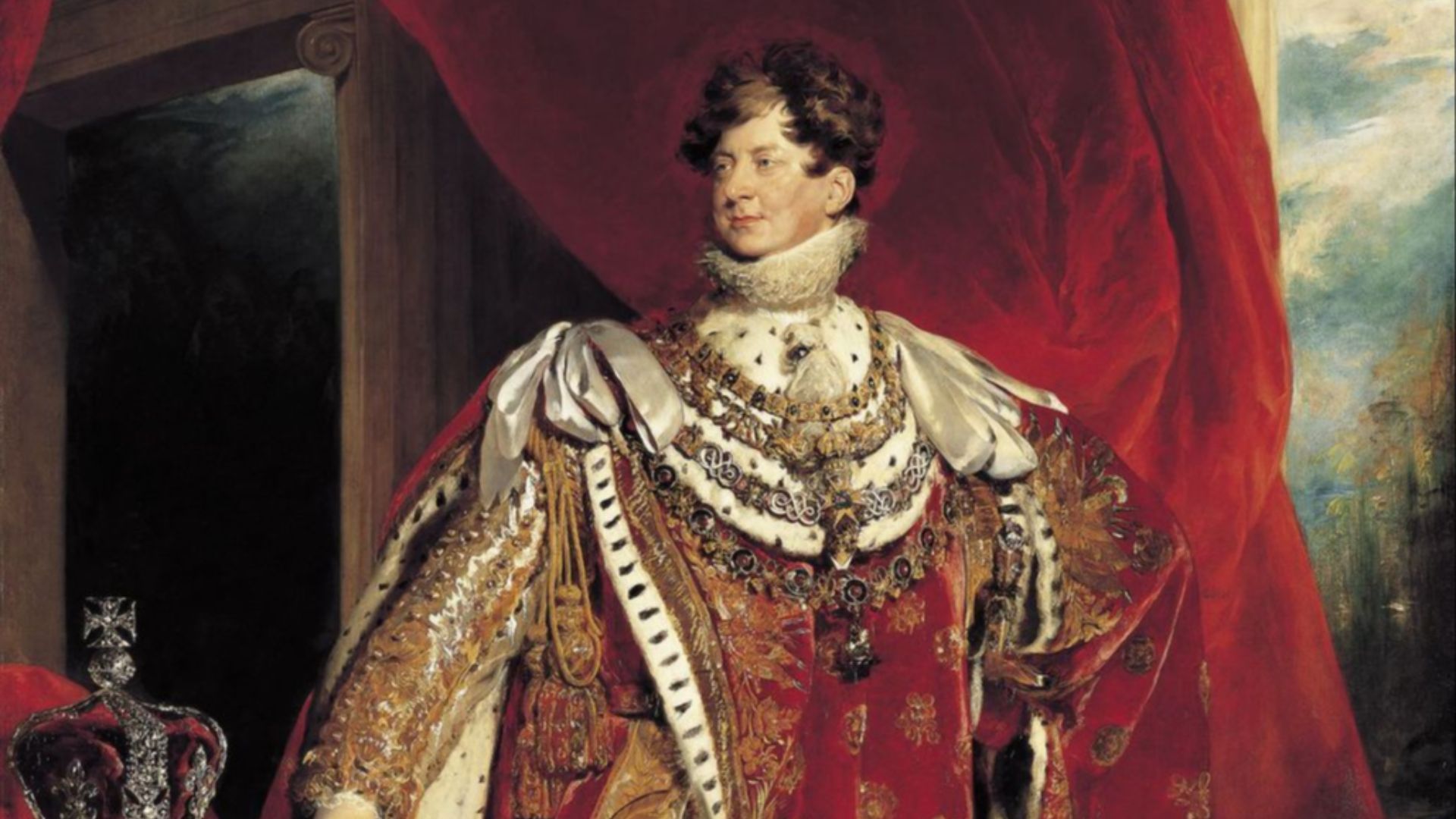
2. George IV
It wasn’t long before George IV and Caroline of Brunswick separated, happening after their only child was born in 1796. However, his hostility became even more public when he inherited the throne in 1820. Despite having his own affairs, George backed the Pains and Penalties Bill, which would’ve dissolved the marriage and stripped Caroline of her rights as queen by accusing her of adultery. Due to the public’s uproar, the effort failed, so George barred her from his 1821 coronation instead.
3. Philip II
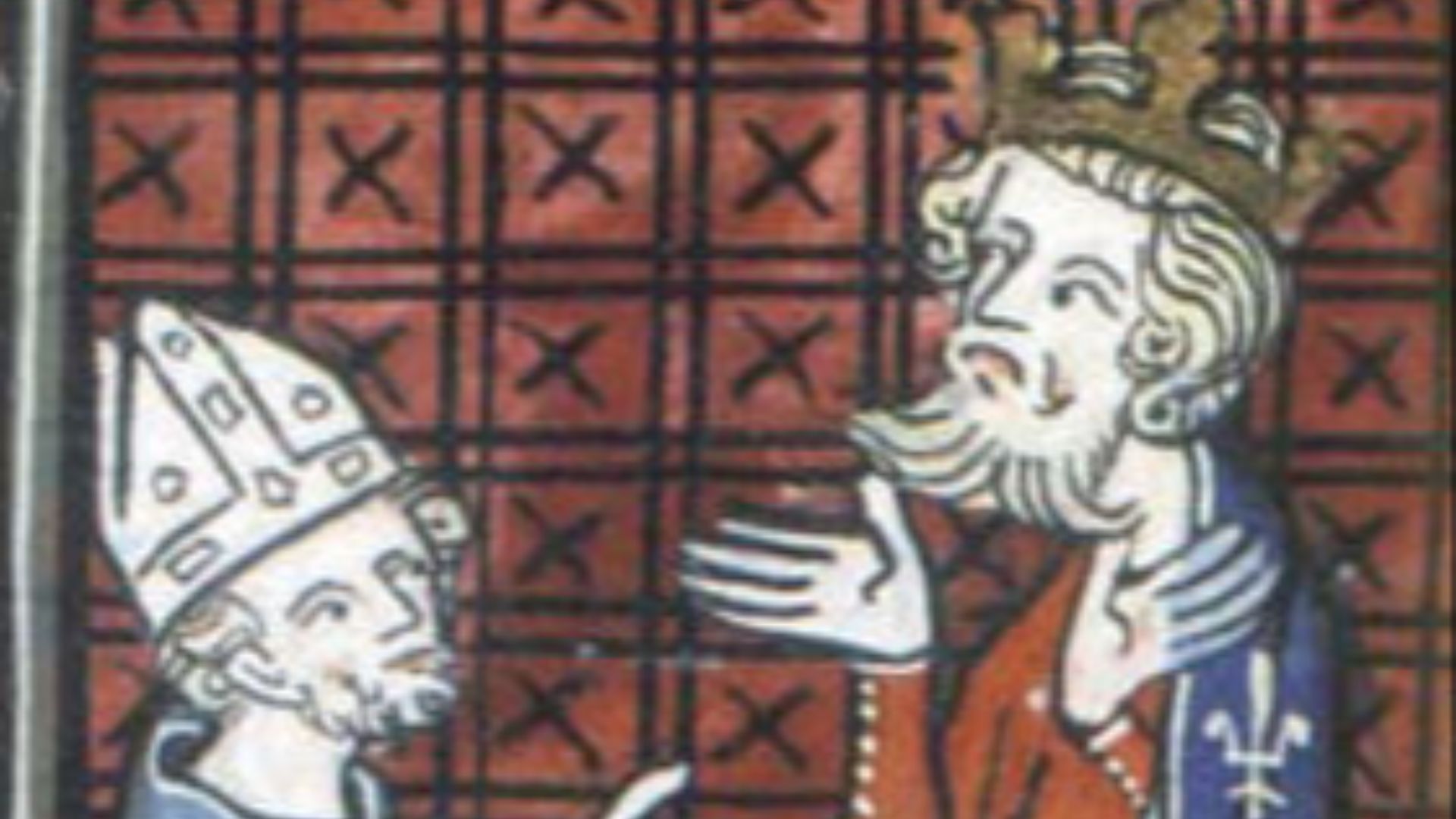
Philip II of France married Ingeborg of Denmark on August 14, 1193, then sought to end the marriage almost immediately after the wedding night. When Ingeborg stood her ground, Philip presented a manufactured genealogy to support an annulment, remarried despite papal objections, and confined poor Ingeborg in convents and castles. She underwent roughly 20 years of imprisonment before Philip finally restored her publicly as queen in 1213.
4. George I
Long before becoming Britain’s George I, George of Hanover married his cousin Sophia Dorothea of Celle in 1682. He also openly maintained a relationship with his mistress, Melusine von der Schulenburg. Despite his own infidelity, things got hairy after Sophia Dorothea’s suspected affair with Count Philip Christoph von Königsmarck; George divorced her and confined her at Ahlden House. She couldn’t speak with her children, couldn’t remarry, and remained imprisoned until her death in 1726, more than 30 years later.
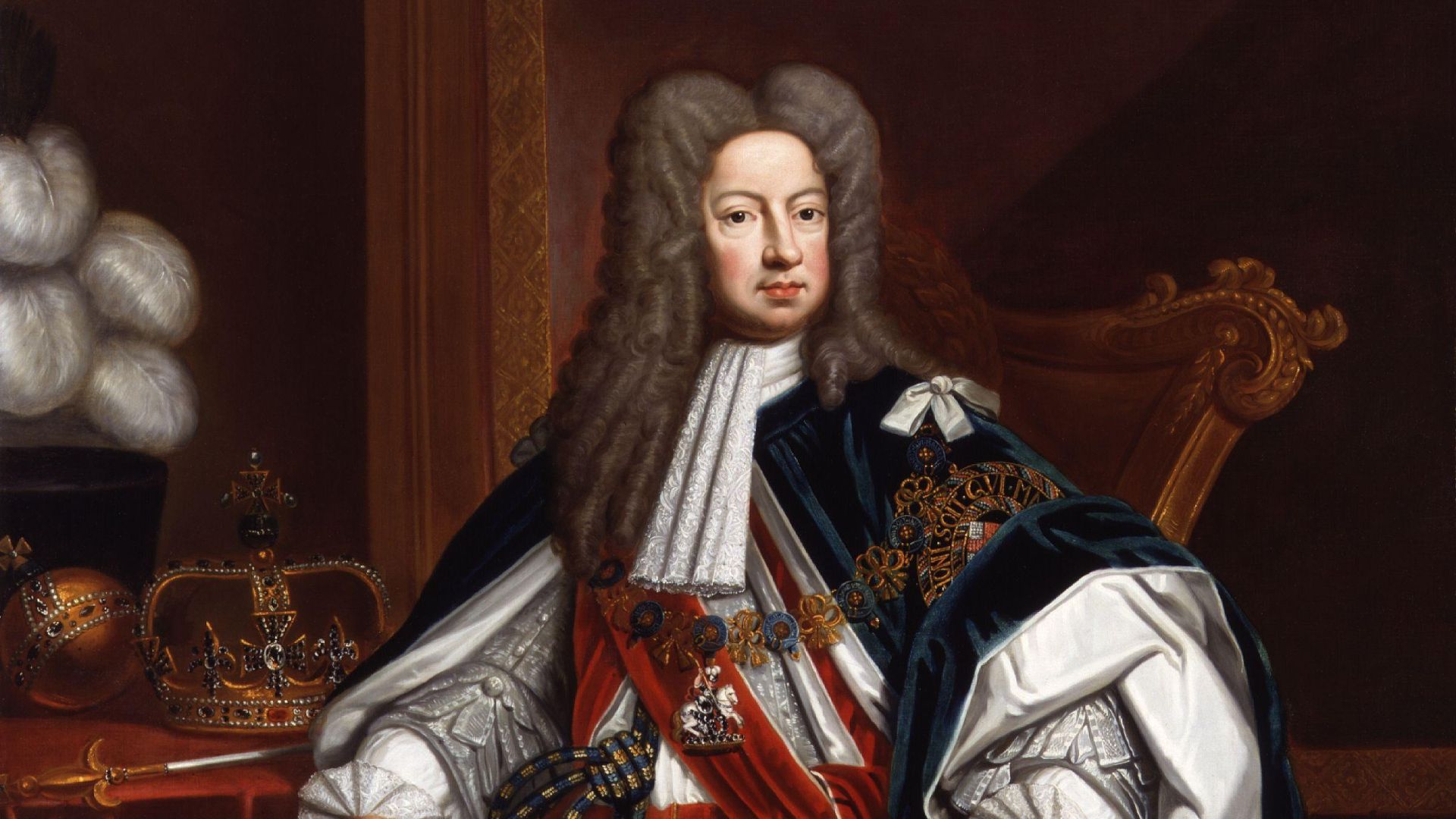 Workshop of Godfrey Kneller on Wikimedia
5. Louis XII
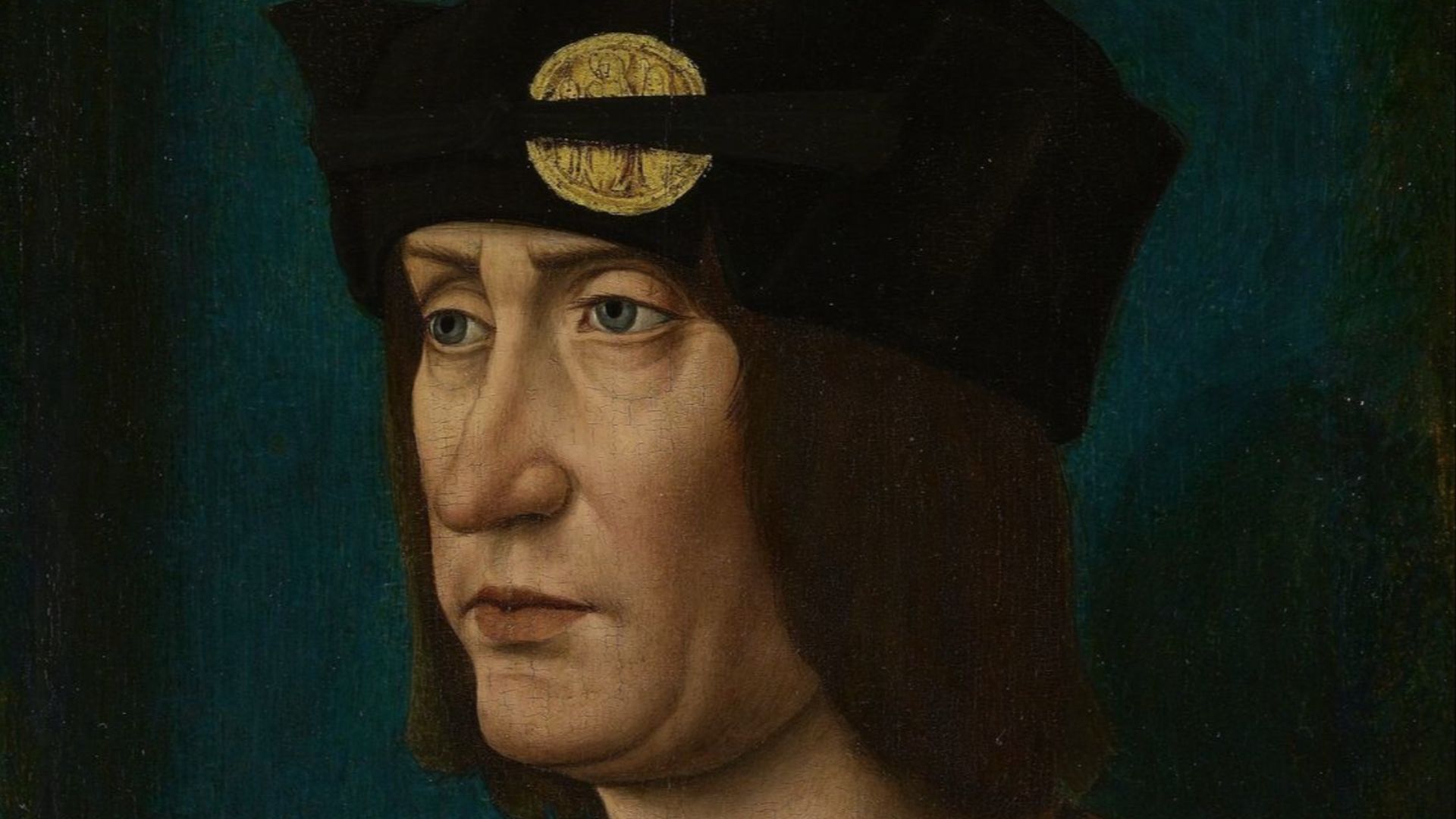
Once Louis XII became king in 1498, he needed to marry Anne of Brittany to preserve France’s control over her duchy. That meant discarding Joan of France, so he pursued an annulment by claiming their marriage had never been consummated. The marriage was dissolved in December 1498, leaving Joan to withdraw to Bourges and establish a religious order while Louis ran off with Anne.
 Workshop of Jean Perréal on Wikimedia
6. Henry II
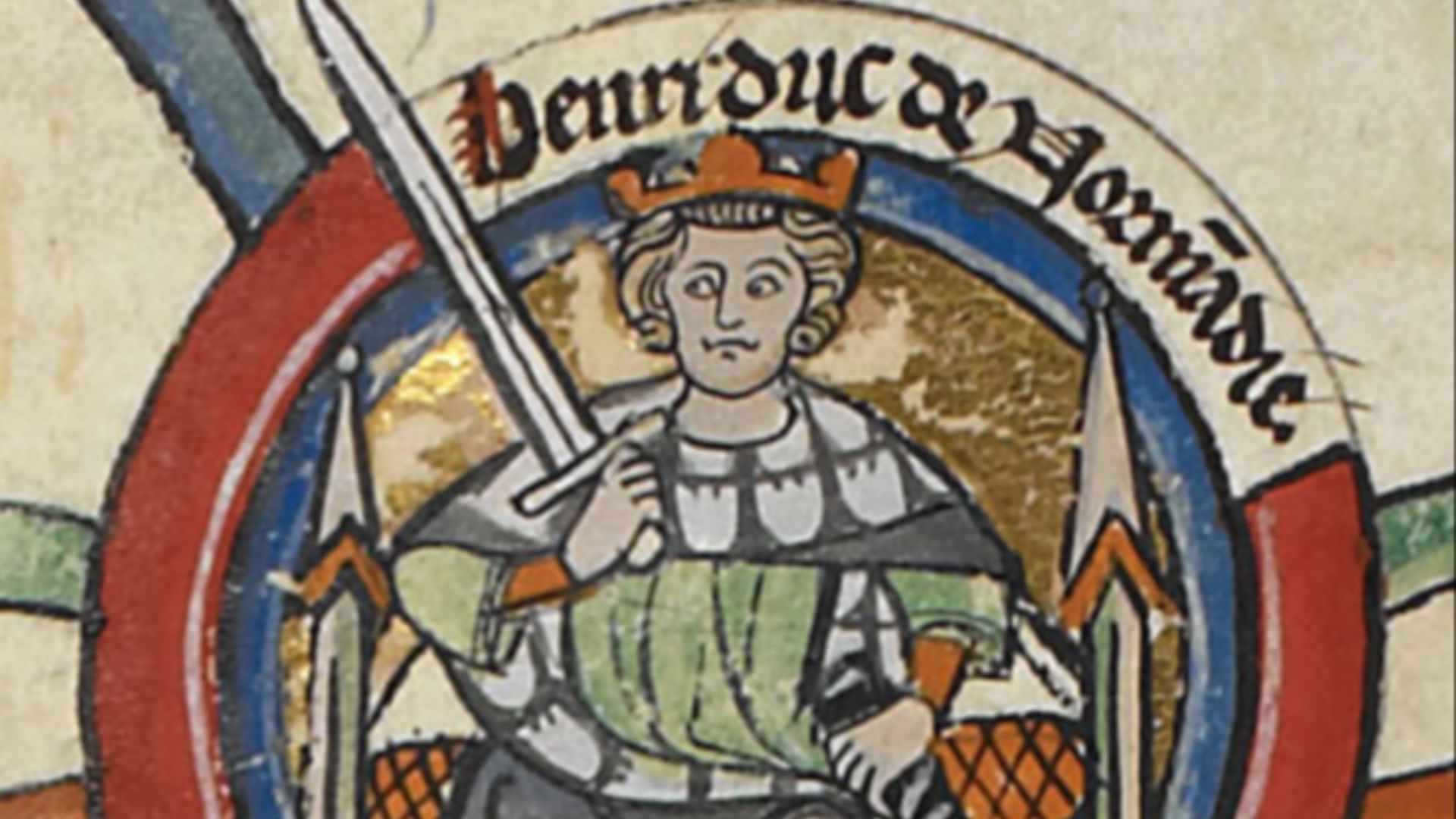
Eleanor of Aquitaine was one of medieval Europe’s wealthiest rulers in her own right, but that hardly mattered with Henry II on the scene. He repeatedly cheated on her and eventually placed her under guard. Following her support for their sons’ unsuccessful rebellion in 1173, he then had Eleanor transported between castles and royal residences under restricted conditions. She was confined for most of the next 16 years and only regained her freedom after Henry finally died in 1189.
7. Edward II
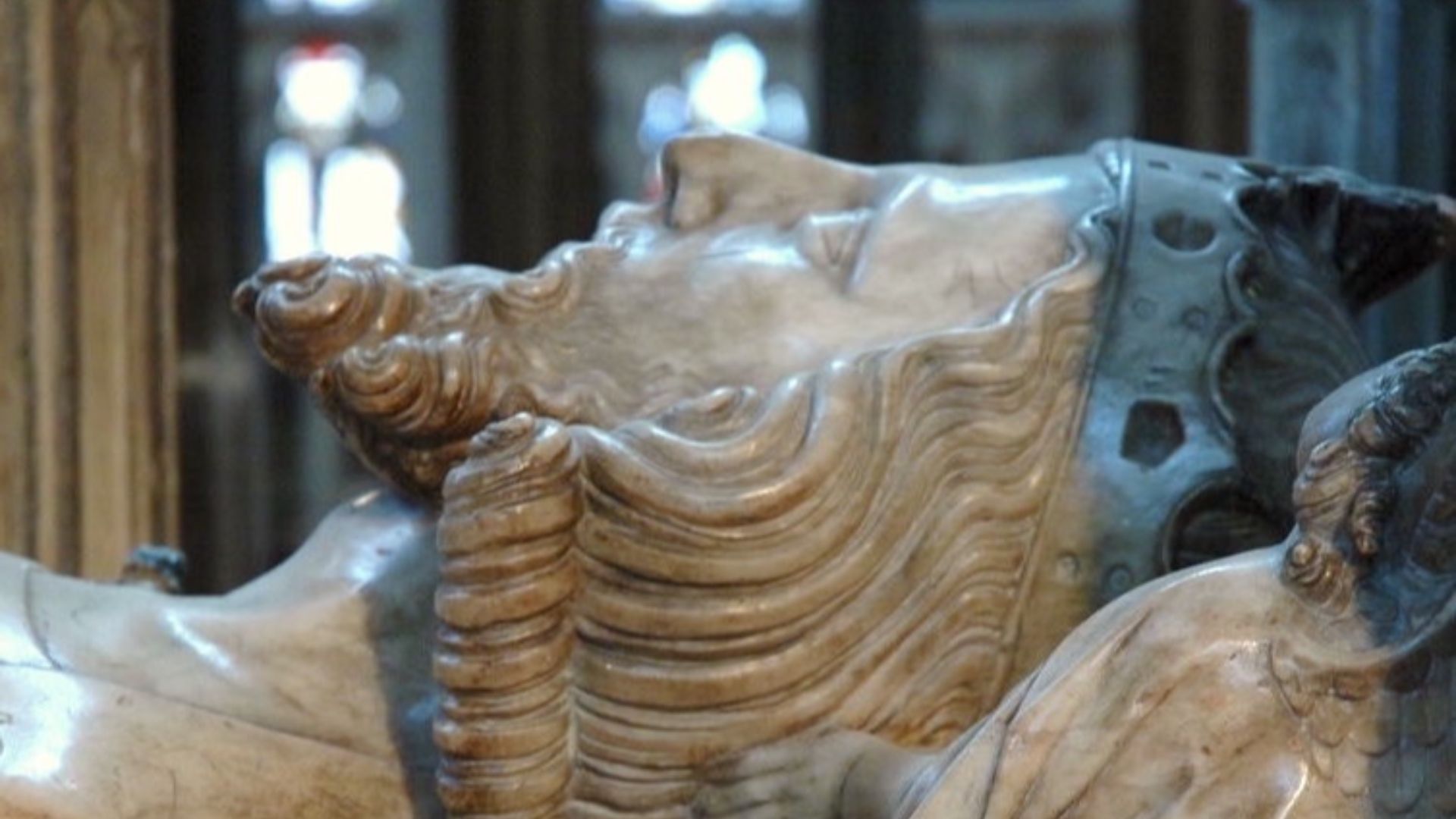
Edward II’s dependence on Hugh Despenser the Younger eventually pushed his wife, Isabella of France, almost entirely out of government. In 1324, Edward and the Despensers took control over Isabella’s lands and her household, imprisoning her servants, and pulling her children from her care. She didn’t go down easy, though—she teamed up with Roger Mortimer and returned with an invading force that destroyed Edward’s government in 1326.
 Philip Halling https://www.geograph.org.uk/profile/1837 on Wikimedia
8. Louis XIV
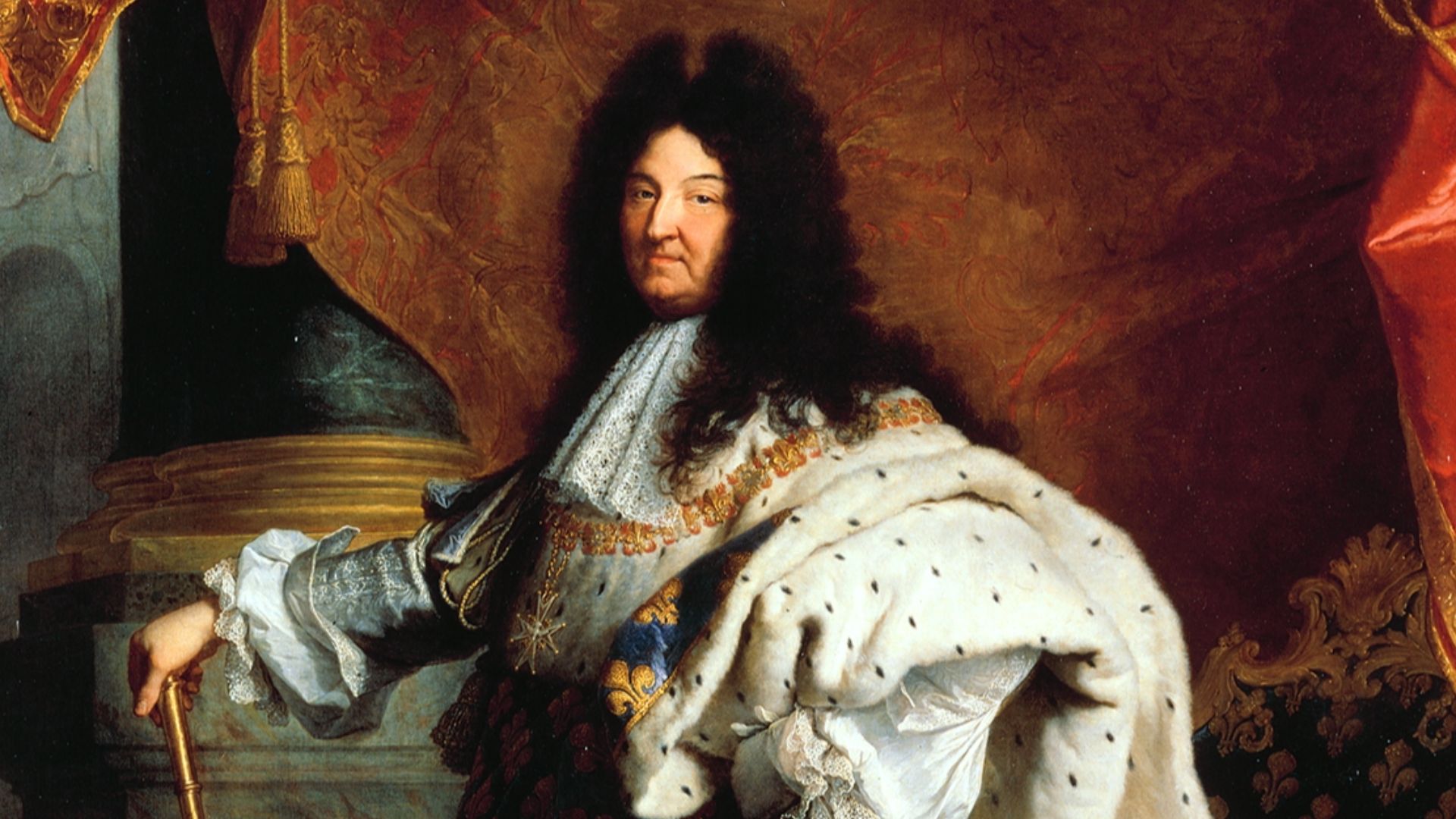
Maria Theresa of Spain married Louis XIV in 1660, but marriage didn’t mean much to him, as the king spent much of their marriage pursuing women from within the royal household. He then forced Maria Theresa to accept Louise de La Vallière and Madame de Montespan as ladies-in-waiting, traveling publicly with all three of them. He also legitimized several children born to his lovers, which was a big deal back then, and gave his new families a visible place at court.
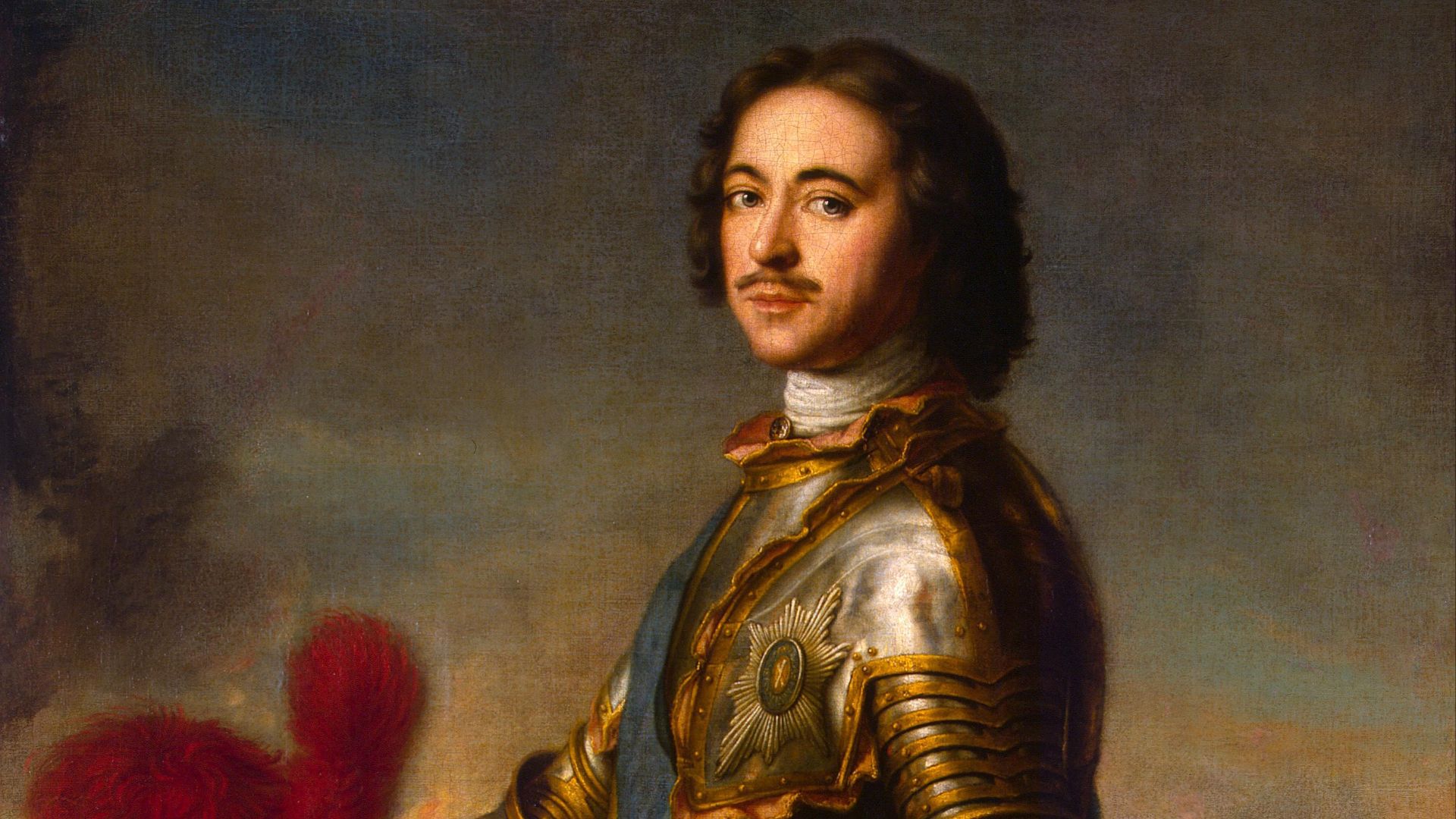
9. Peter the Great
Despite his name, his wife didn’t think he was so great. Peter married Eudoxia Lopukhina in 1689, but he soon soured on her conservative family and began a relationship with Anna Mons. After returning from his travels in 1698, he ended the marriage and compelled Eudoxia to enter a convent, even though she hadn’t voluntarily chosen a religious life. It was only a few years later that authorities interrogated her during the investigation of their son Alexei, while Peter ordered the execution of people in her circle.
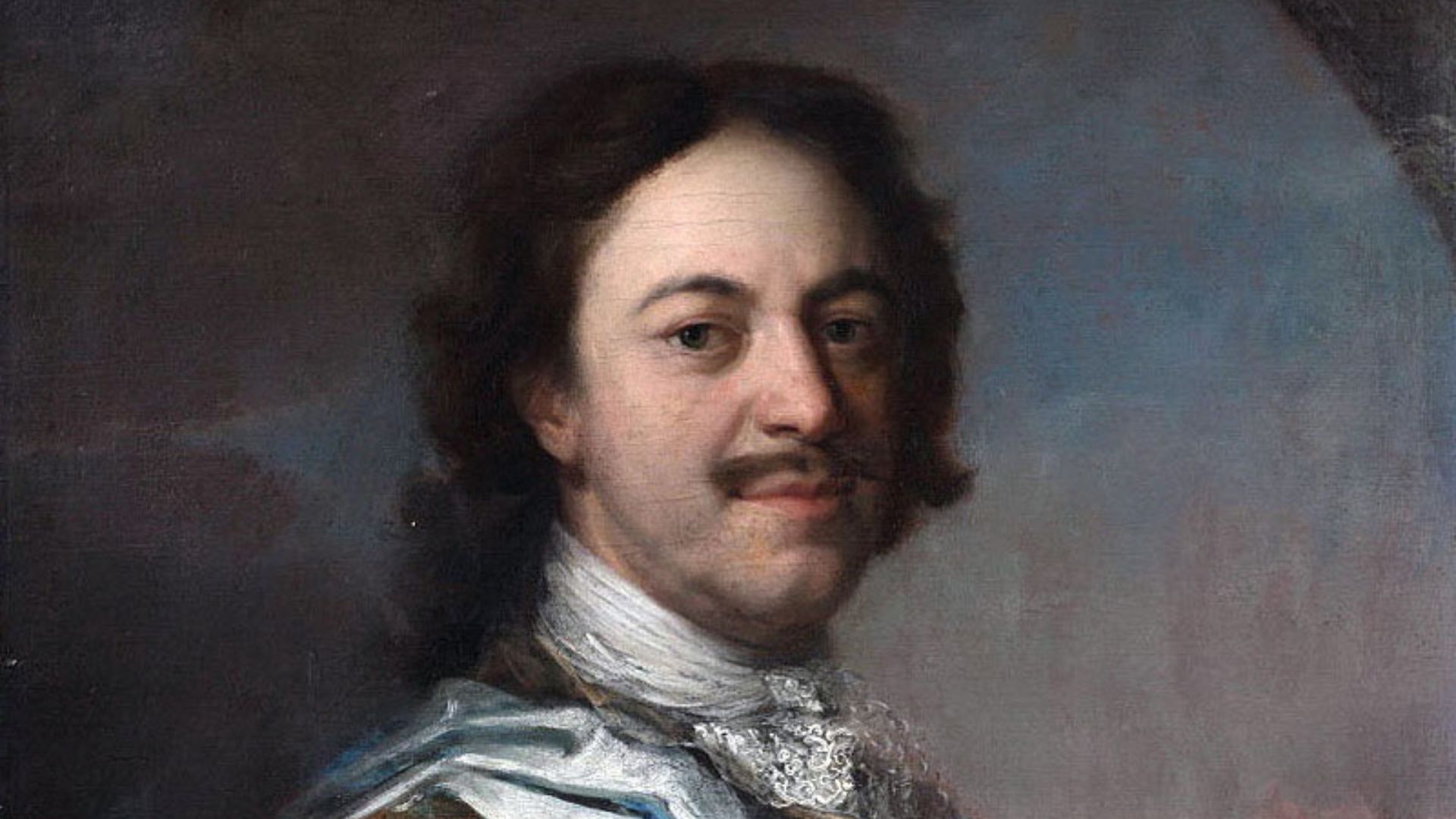 Карел де Моор (Moor, Carel de (1656-1738)) on Wikimedia
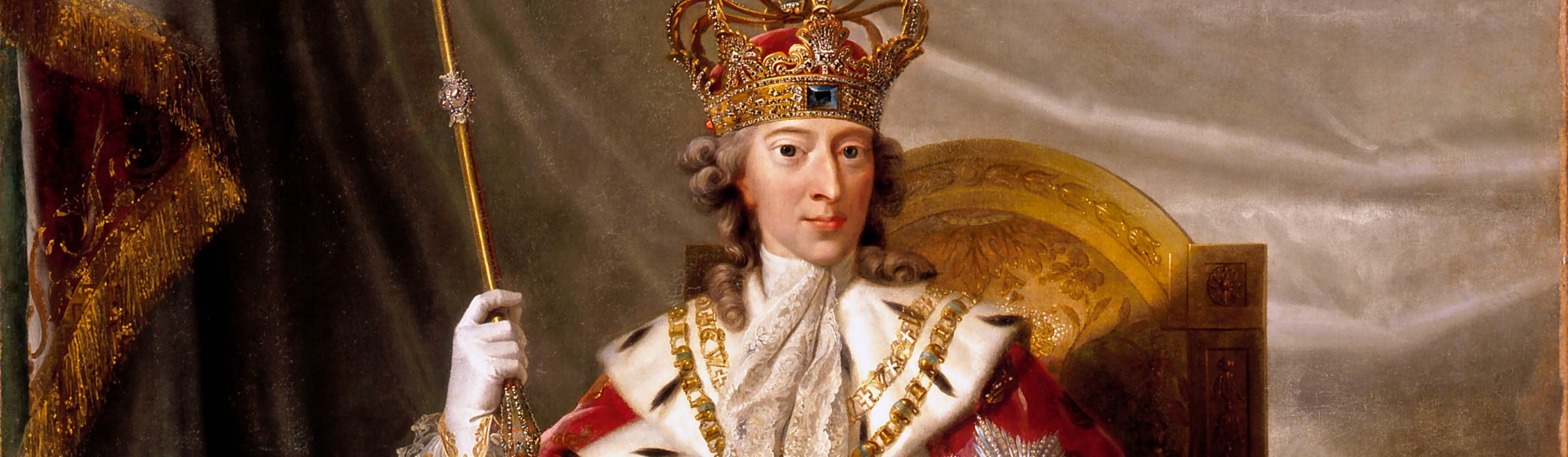
10. Christian VII
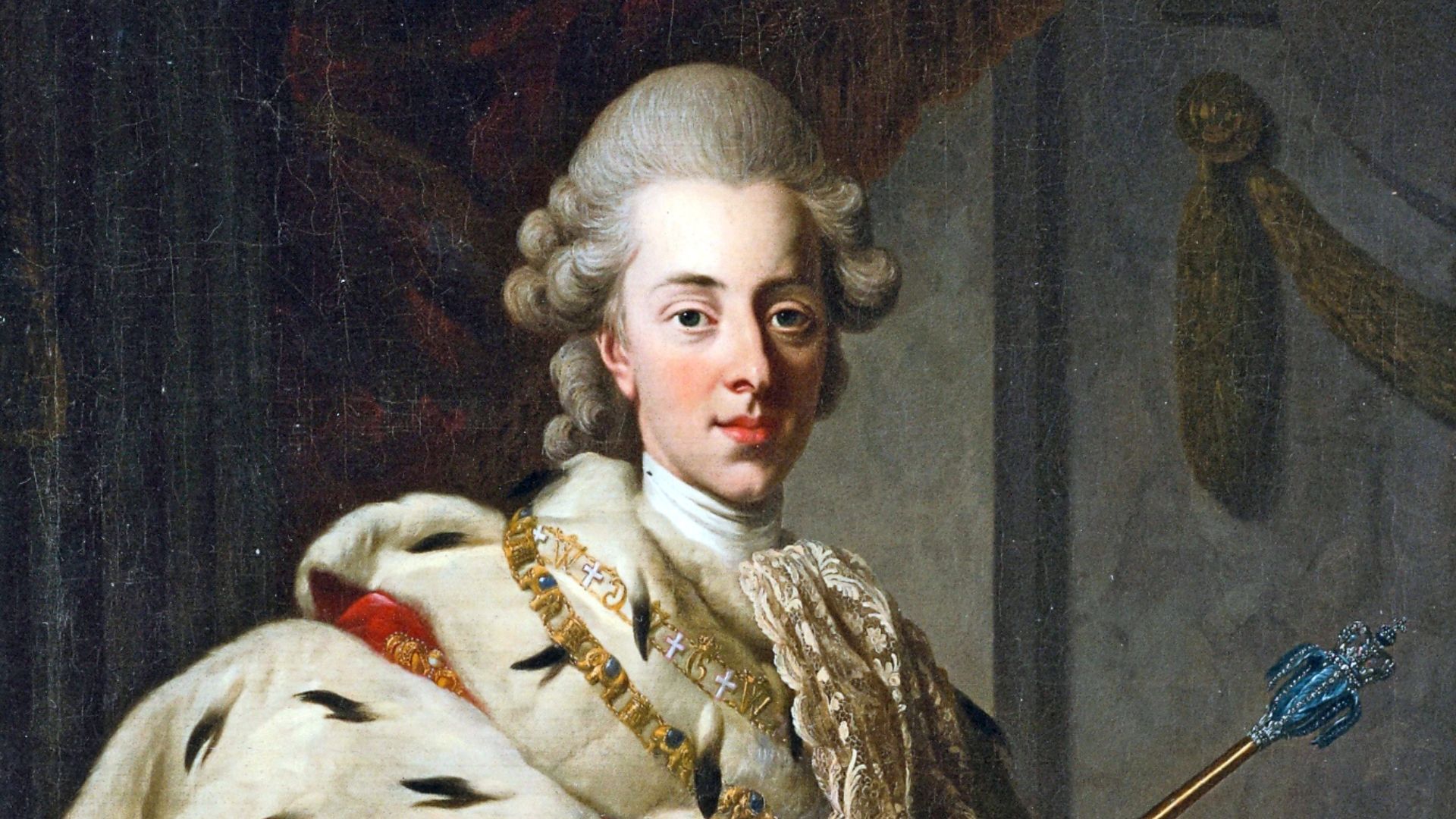
Caroline Matilda of Great Britain was only 15 when she arrived in Denmark in 1766 to marry the 17-year-old Christian VII, whose serious mental illness hadn’t exactly been disclosed to her family. Christian showed little interest in his wife, pursued other women, and sometimes needed his former tutor to compose affectionate letters in his name so the marriage might produce an heir. After Caroline Matilda’s affair came to light, Christian signed the divorce and allowed her children to be taken away, sending her into exile. She died at 23.
KEEP ON READING