Sailing the Mediterranean as an ancient trader meant working within one of the busiest commercial networks of the ancient world. Ships carried grain, wine, olive oil, pottery, metals, timber, textiles, preserved foods, and luxury goods between ports in southern Europe, North Africa, and western Asia.
The Mediterranean may look relatively contained on a map, yet ancient travel across it was never simple. Traders had no engines, electronic navigation, weather forecasts, or instant communication with the ports ahead of them. They depended on seasonal winds, recognizable landmarks, experienced sailors, and information collected from people who had recently traveled the same routes. Even a familiar journey could become dangerous when poor visibility, damaged equipment, or an unexpected change in the weather disrupted the original plan.
Preparing The Ship And Cargo
Before leaving port, a merchant had to decide which goods were likely to sell and where demand would be strongest. Wine, olive oil, and fish sauce were commonly transported in ceramic amphorae, while grain, textiles, timber, metal, and pottery required different methods of storage.
Loading the vessel required more care than simply using every available section of the hold. Heavy cargo had to be distributed evenly so the ship remained stable, while fragile containers needed protection from movement and impact. Amphorae could be packed closely together and supported with materials that helped prevent them from shifting in rough water.
Merchant ships were generally broader and slower than warships because they were designed to carry cargo rather than move quickly in battle. Most relied mainly on sails, although smaller vessels could use oars when maneuvering near shore or entering a crowded harbor.
Daily Life Was Uncomfortable And Demanding
Life at sea offered little privacy or protection from the elements. Many merchant vessels lacked proper cabins for ordinary sailors and passengers, so people slept on deck, beneath temporary coverings, or wherever they could find room among the equipment and cargo. Days could be extremely hot, while nights brought wind, damp air, and cooler temperatures. Constant exposure to sea spray and the movement of the vessel made even a routine crossing physically tiring.
Food aboard had to survive without refrigeration and remain edible during uncertain travel times. Bread, dried legumes, preserved fish, olives, onions, cheese, fruit, and watered wine could provide basic nourishment without requiring an elaborate kitchen. Fresh water was especially important because storage containers occupied valuable space, and supplies could become contaminated. If poor winds or damaged sails extended the journey, the crew might be forced to reduce portions until land was reached.
Sailors worked throughout the voyage rather than simply waiting for the wind to carry them forward. They adjusted the sails, checked ropes, watched the sky, removed water from the hull, and made sure the cargo hadn’t shifted. Navigation depended on coastlines, islands, the sun, stars, currents, and knowledge passed between experienced mariners.
Ports Could Bring Profit Or New Problems
 Unknown authorUnknown author on Wikimedia
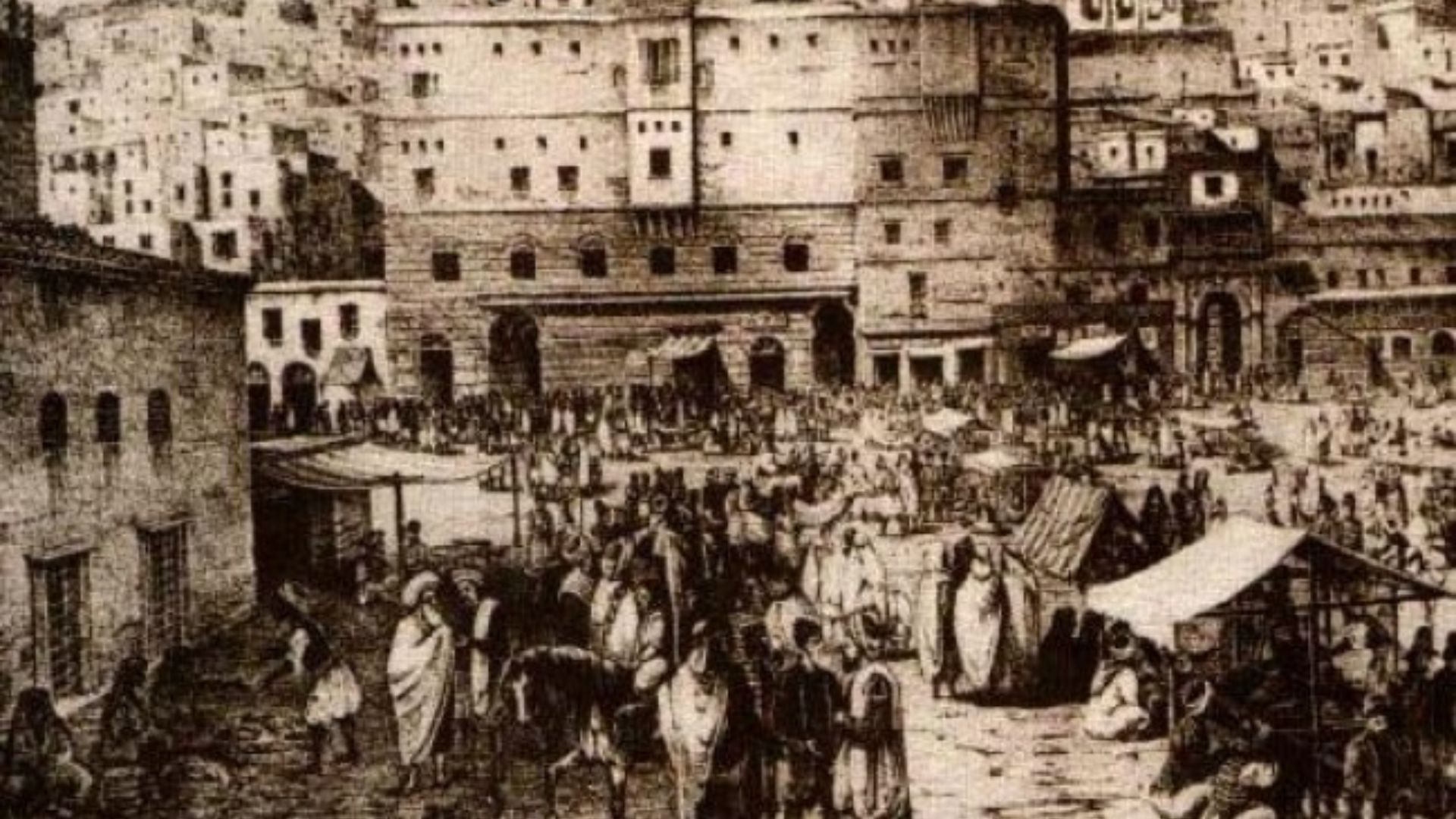
Reaching a harbor safely didn’t mean the difficult part of the voyage was finished. Traders could face customs officials, harbor fees, taxes, inspections, local measurements, and unfamiliar currencies before they were allowed to sell their goods. A merchant who lacked knowledge of local rules could lose time or pay more than necessary. Translators, brokers, and trusted business contacts were therefore valuable because they helped outsiders navigate the market and communicate with buyers.
Ports also functioned as information centers where merchants learned what was happening beyond the city in front of them. Sailors and traders exchanged reports about grain shortages, political unrest, military activity, storms, piracy, and changing prices in other regions. Reliable information could determine whether a merchant sold immediately, waited for demand to rise, or carried the cargo to another destination. A useful warning about dangerous waters or an oversupplied market could be worth as much as a successful sale.
Long-term relationships often mattered more than a single profitable transaction. Family networks, shared religious communities, commercial partnerships, and personal recommendations could provide lodging, storage, credit, introductions, and access to dependable buyers. Many voyages involved several ports, with merchants selling part of one cargo and using the proceeds to purchase new goods for the next market. Every additional stop created another opportunity for profit, but it also increased the chances of delay, theft, damaged merchandise, dishonest dealings, or a sudden change in political conditions.
Sailing the ancient Mediterranean as a trader required endurance, preparation, and a willingness to accept uncertainty. Merchants lived in cramped conditions, depended on unpredictable winds, and negotiated with people whose laws, languages, and business customs might be unfamiliar. Those who succeeded helped move essential supplies and valuable products across enormous distances while also carrying news, techniques, beliefs, and cultural influences between communities. The Mediterranean trade network was impressive, but it was sustained by people who regularly risked their money, health, and lives each time they left the safety of port.
KEEP ON READING