When Reputation Replaced Definition
Names often begin with straightforward meanings drawn from occupations, personal qualities, family connections, or ancient languages. Over time, however, famous rulers, villains, legends, and cultural stereotypes can overpower those origins, leaving certain names associated with ideas they never originally expressed. Here are 20 names history gave the wrong meaning to.
1. Caesar Didn’t Originally Mean Emperor
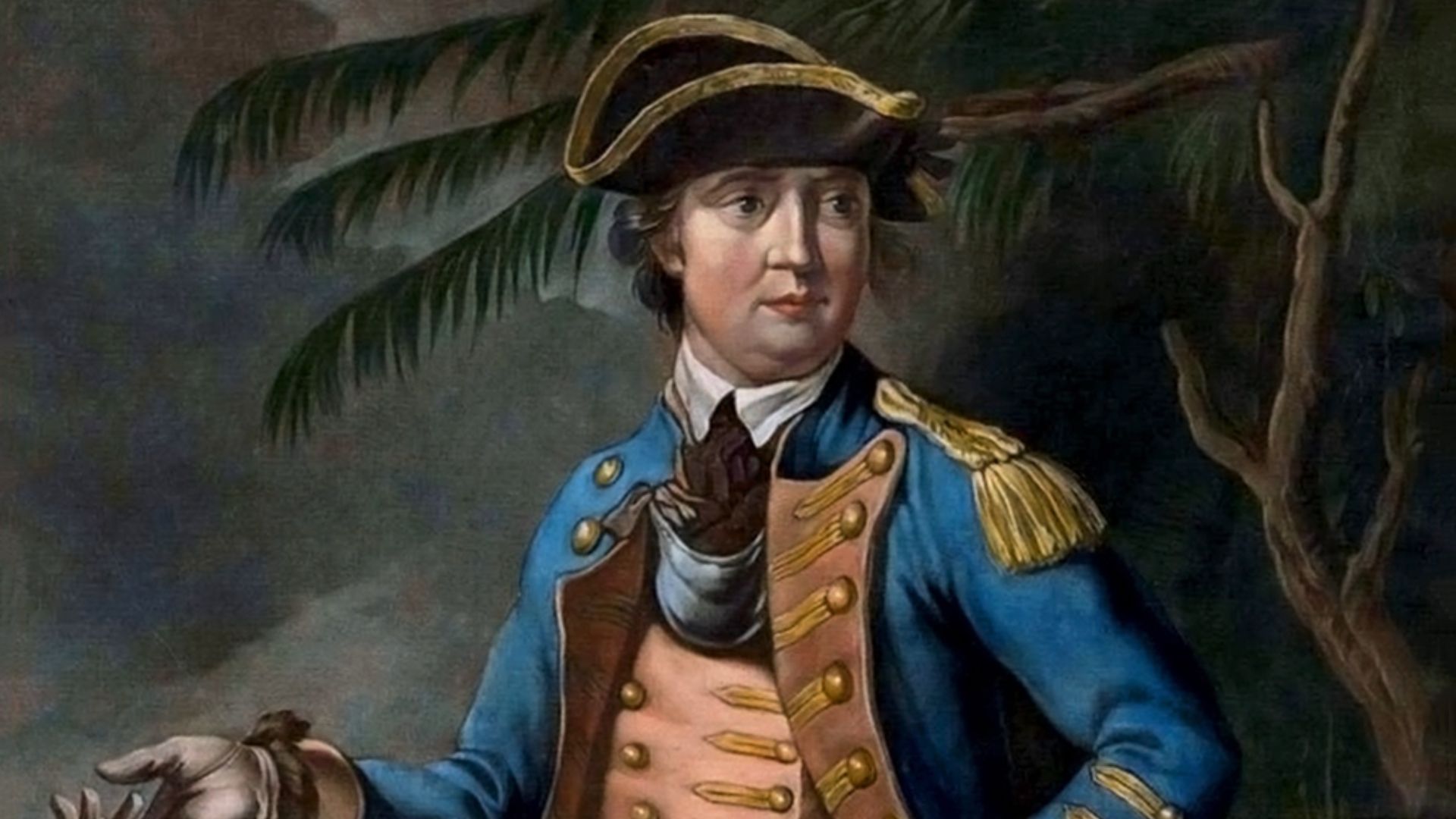
Caesar became a title for Roman emperors because Julius Caesar’s adopted heir and later rulers continued using his family name. Its original meaning remains uncertain, although one traditional explanation connects it with the Latin word for thick or abundant hair.
2. Cleopatra Wasn’t Named For Beauty
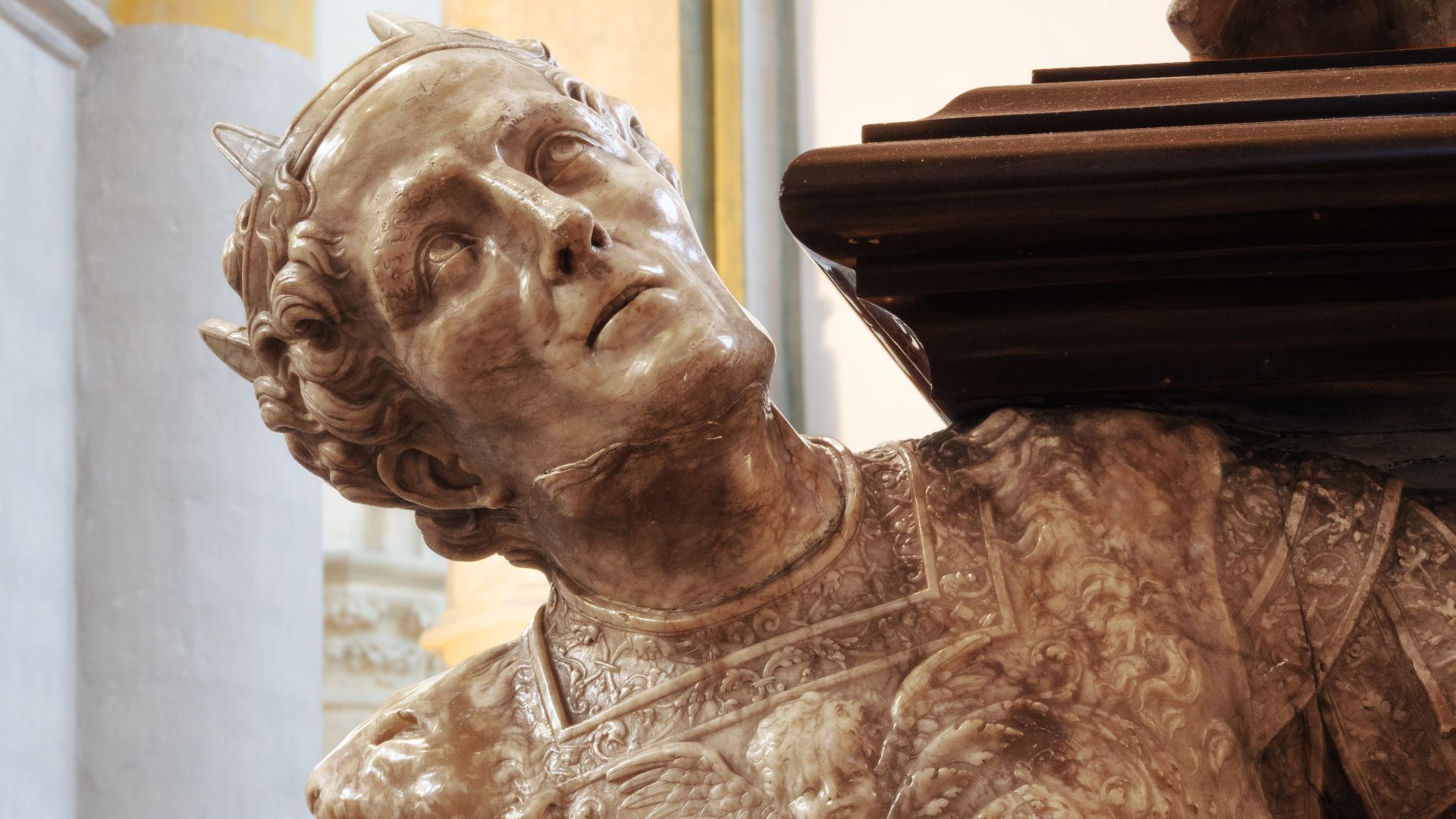
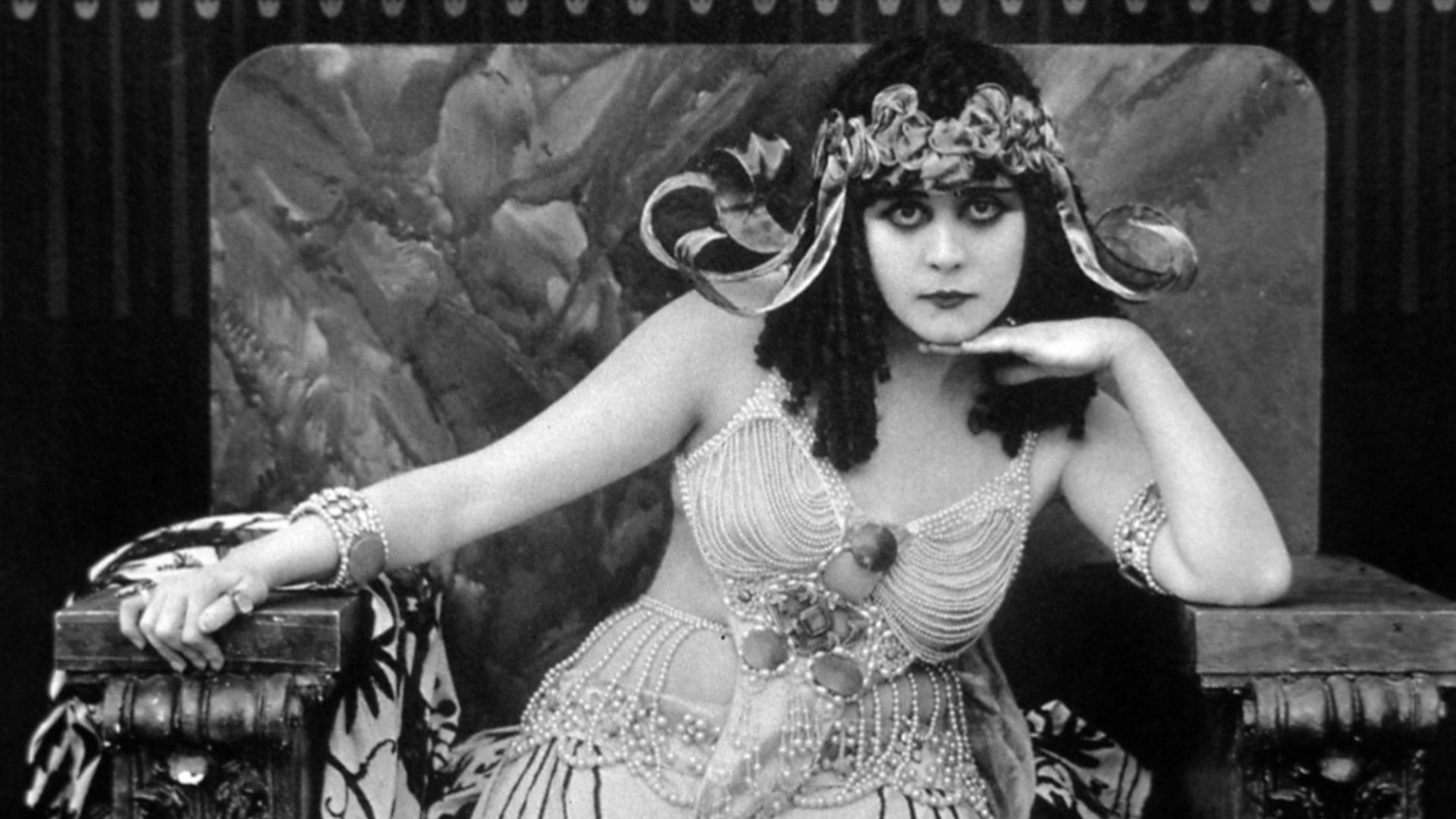
Modern culture often treats Cleopatra as a name representing beauty, seduction, and romantic danger. The Greek name actually means “glory of the father,” reflecting family honor rather than physical attractiveness.
 Fox Film Corporation on Wikimedia
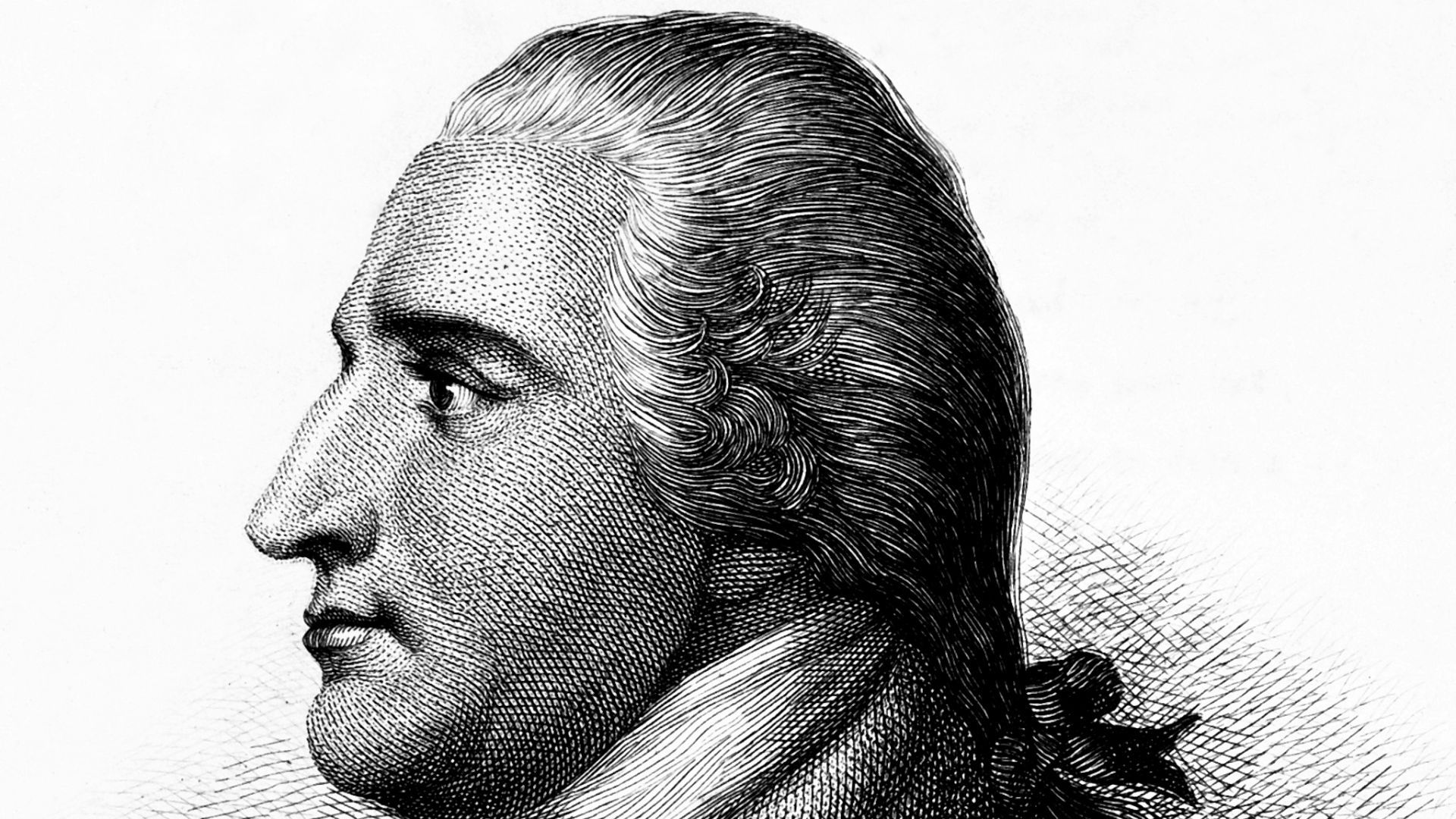
3. Benedict Didn’t Mean Traitor
Benedict Arnold’s betrayal during the American Revolution made his first name and full name shorthand for treachery in the United States. Benedict actually comes from Latin and means “blessed” or “well spoken of.”
 Henry Bryan Hall / After John Trumbull on Wikimedia
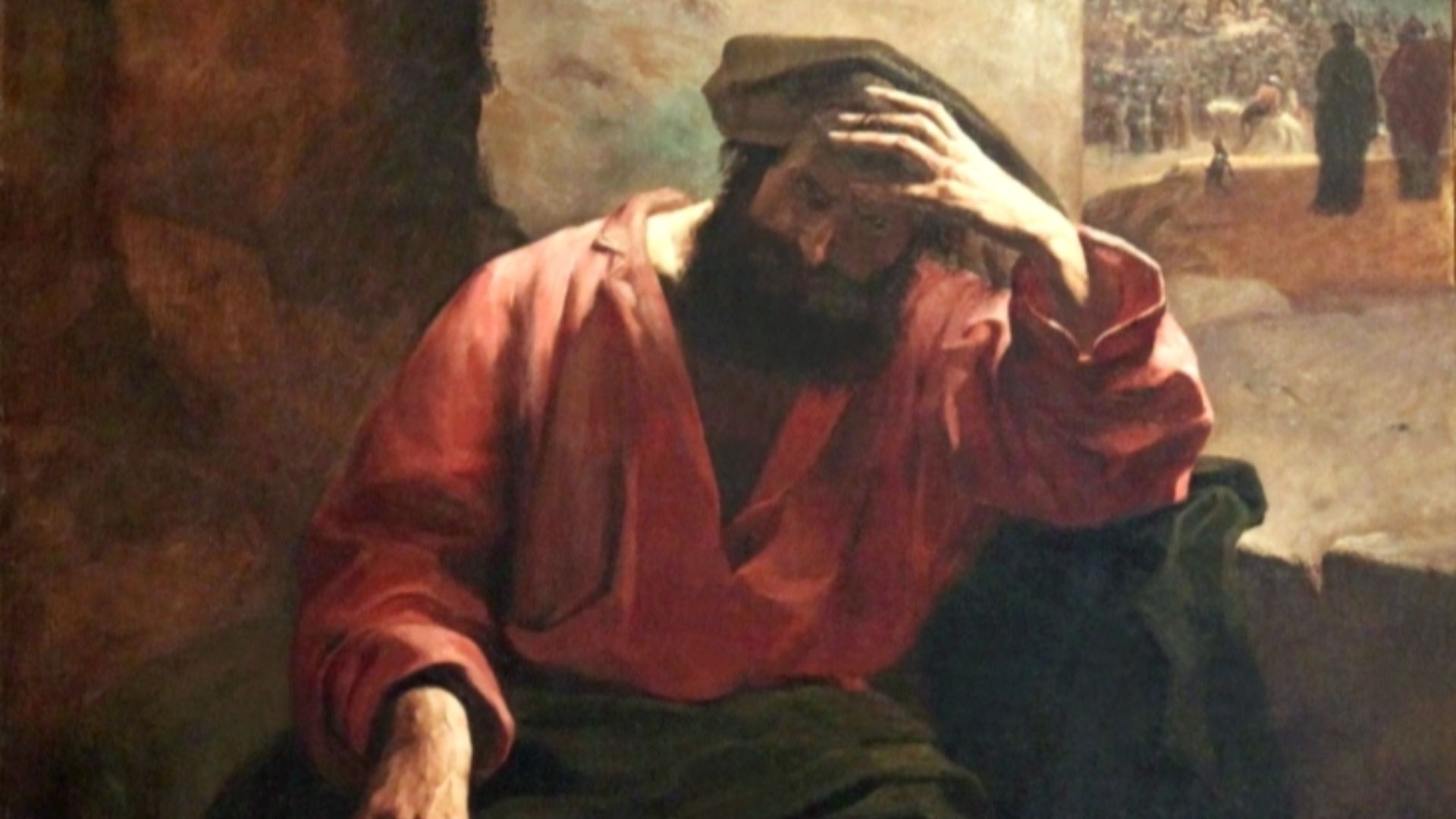
4. Judas Originally Had A Positive Meaning
Because Judas Iscariot betrayed Jesus in the New Testament, his name became closely connected with betrayal across much of the Christian world. Judas is a Greek form of Judah, a Hebrew name commonly interpreted as “praised.”
 José Ferraz de Almeida Júnior on Wikimedia
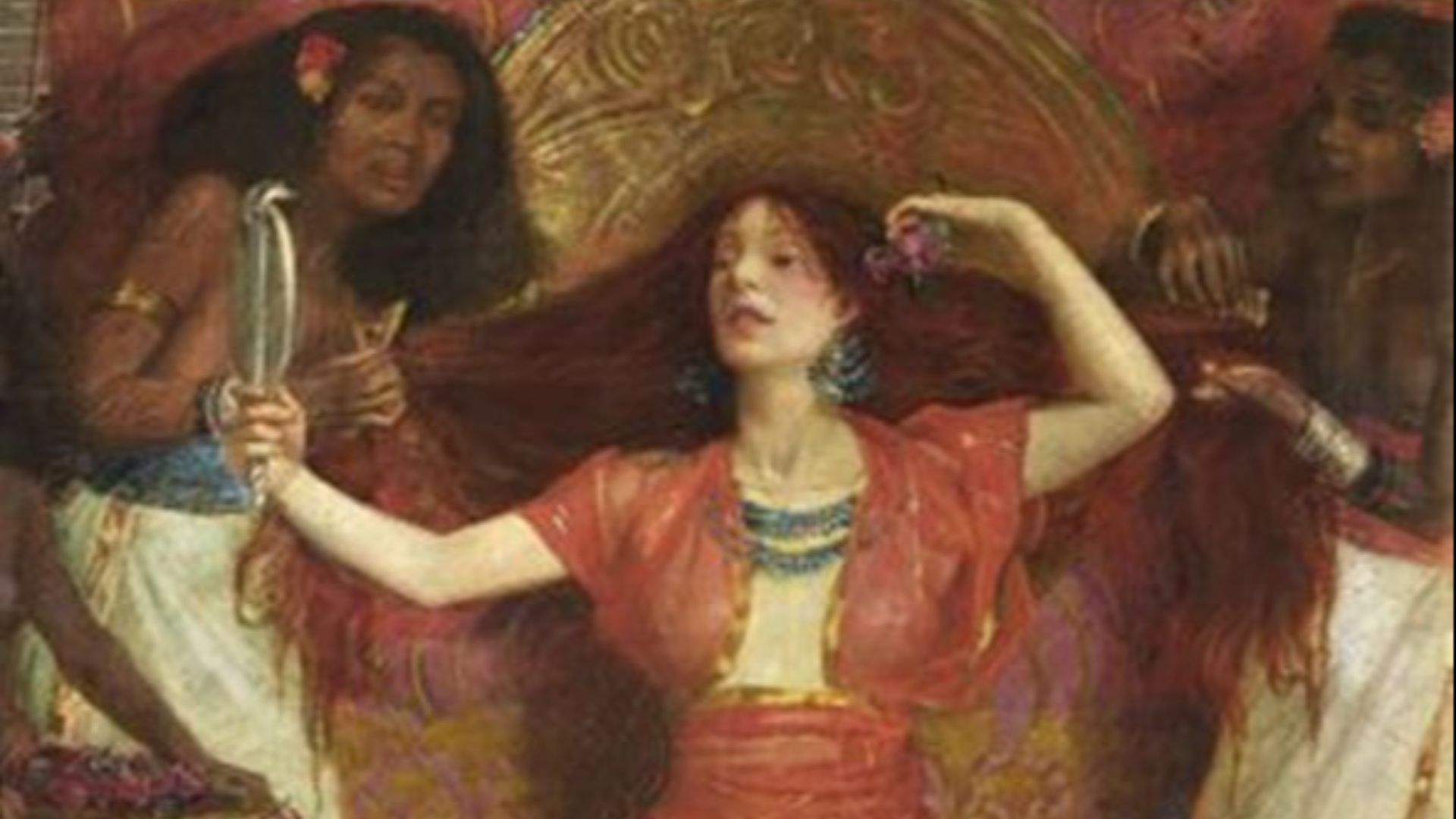
5. Jezebel Wasn’t A Word For An Immoral Woman
Jezebel is now frequently used as an insult for a woman considered manipulative, shameless, or sexually improper. The biblical queen’s name probably had a religious meaning connected with the Phoenician god Baal, although its exact interpretation remains debated. Later storytelling expanded her reputation far beyond what the name itself ever meant.
 John Byam Liston Shaw on Wikimedia
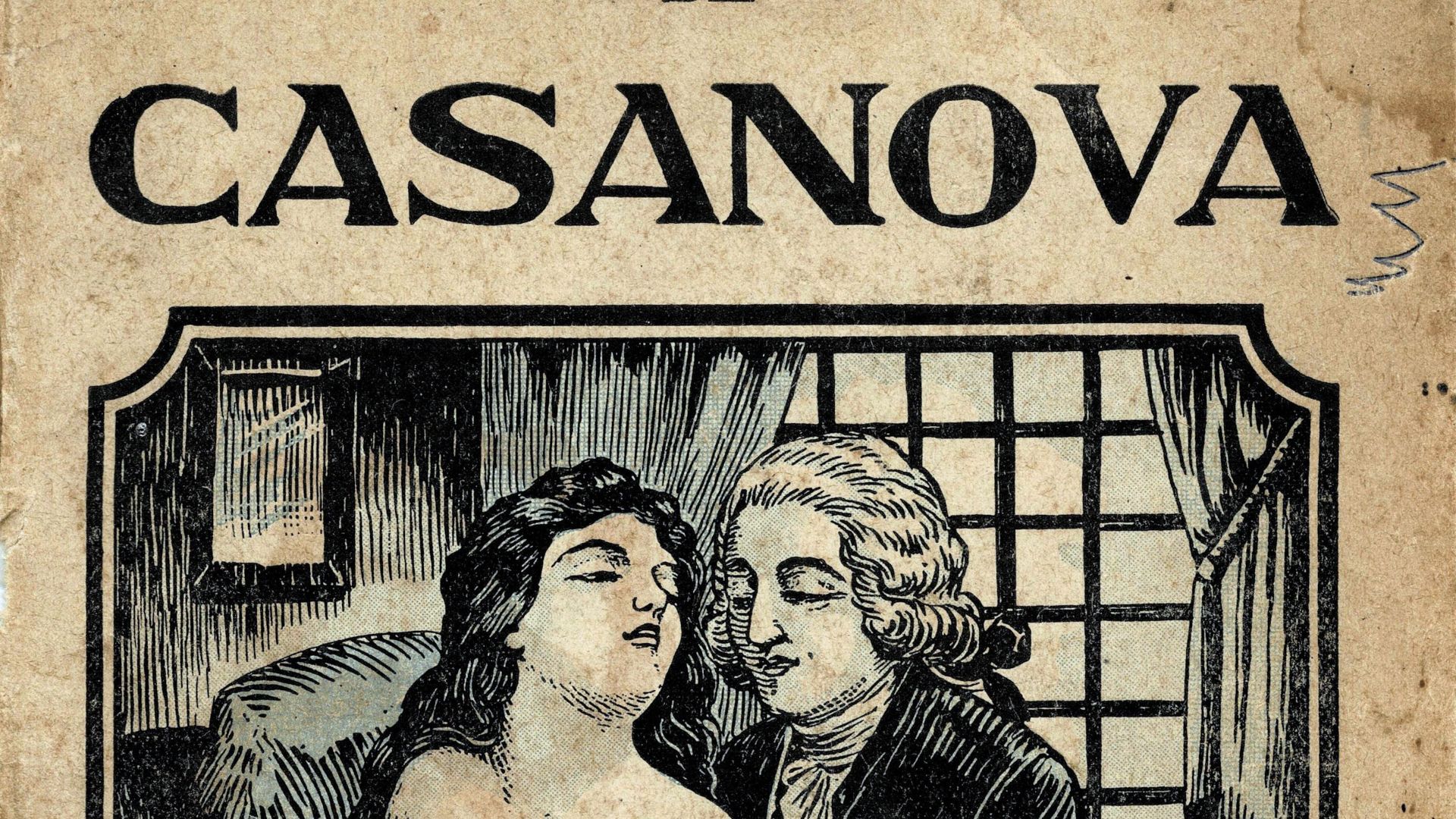
6. Casanova Didn’t Mean Womanizer
Giacomo Casanova’s memoirs and romantic adventures made his surname an everyday label for a charming man with numerous lovers. Casanova is an Italian surname that essentially means “new house,” with no original connection to romance. His personal reputation became so famous that it completely replaced the name’s ordinary geographic meaning.
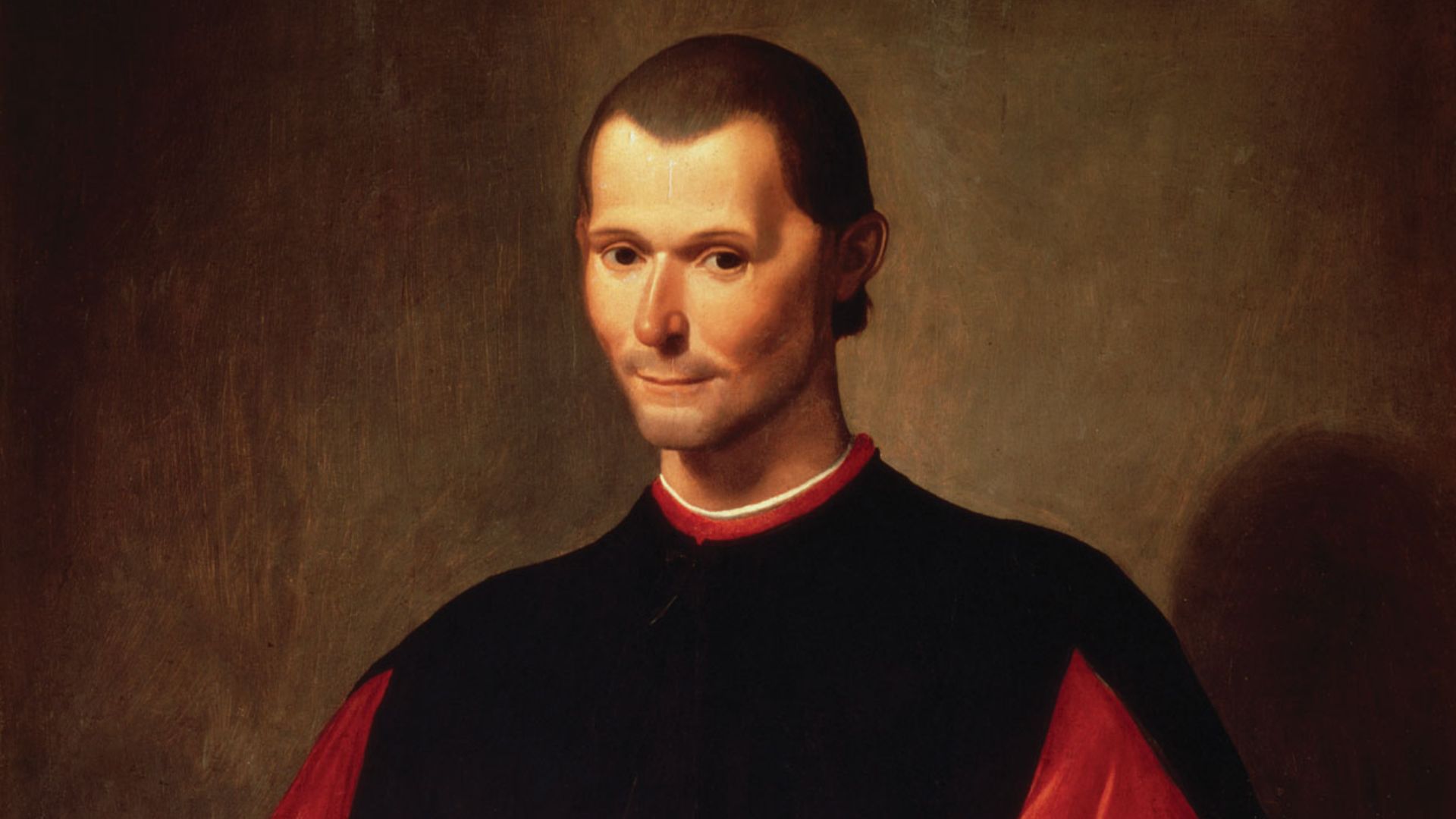
7. Machiavelli Didn’t Name A Personality Type
Niccolò Machiavelli’s political writings caused his surname to become associated with manipulation, calculation, and ruthless ambition. His work was more complicated than the adjective “Machiavellian” suggests, and scholars continue debating whether some passages were descriptive, satirical, or advisory.
8. Quisling Was Once Just A Family Name
Vidkun Quisling collaborated with Nazi Germany during its occupation of Norway, and his surname quickly became a word for a traitor who assists an enemy. Before that association, Quisling was simply a Norwegian family name without a general moral meaning.
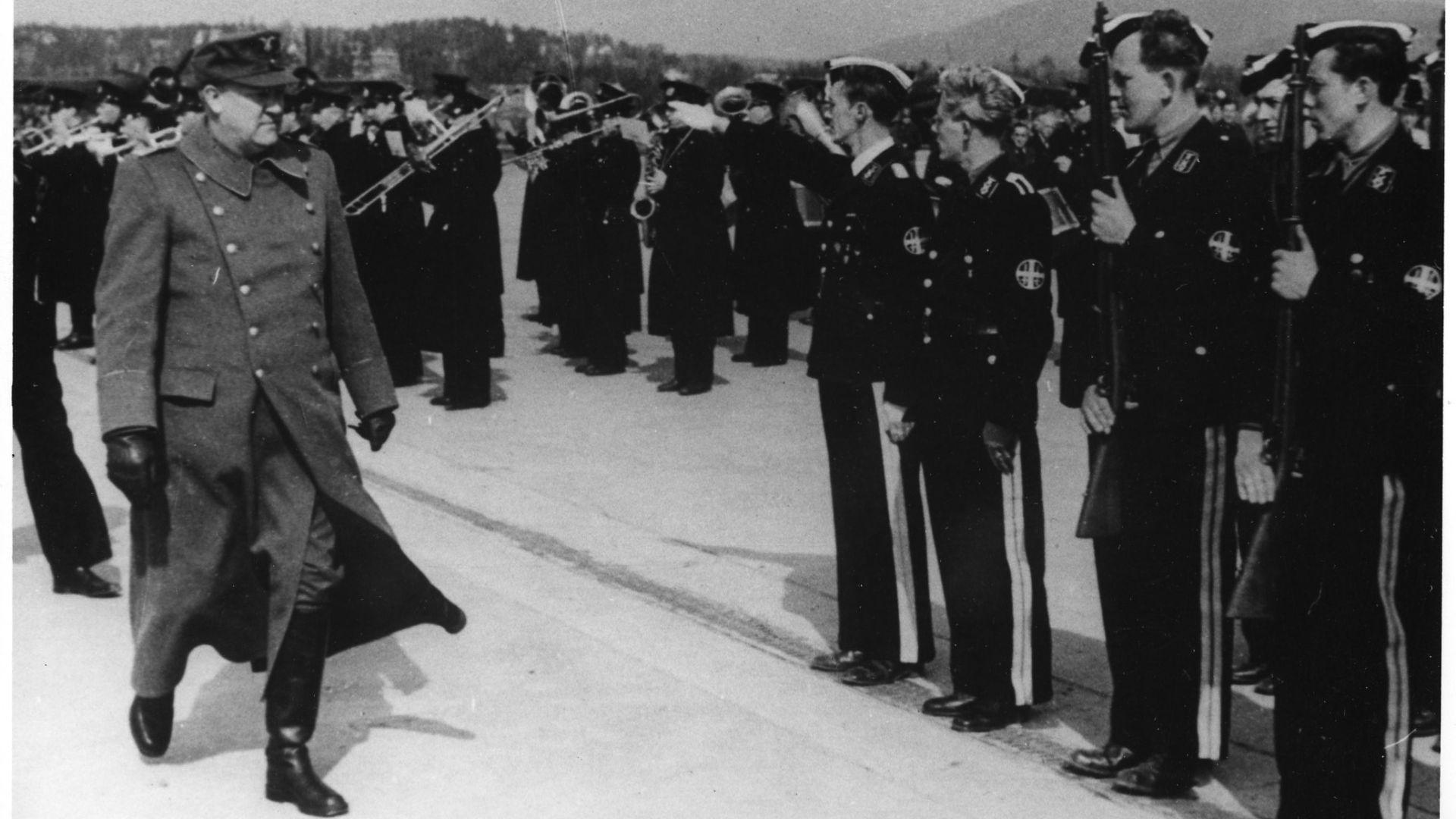 Riksarkivet (National Archives of Norway) from Oslo, Norway on Wikimedia
9. Guy Didn’t Always Mean Any Man
Guy began as a personal name with Germanic origins, but the meaning of the English word changed after the Gunpowder Plot of 1605. Effigies of Guy Fawkes were called “guys,” and the term eventually described oddly dressed people before becoming a casual word for a man.

10. Attila Wasn’t Named For Destruction
Attila the Hun became famous in European history as a terrifying invader, giving his name strong associations with violence and ruin. One widely accepted explanation interprets Attila as meaning “little father,” probably using a Gothic diminutive ending. That surprisingly affectionate possibility contrasts sharply with the fear attached to his military reputation.

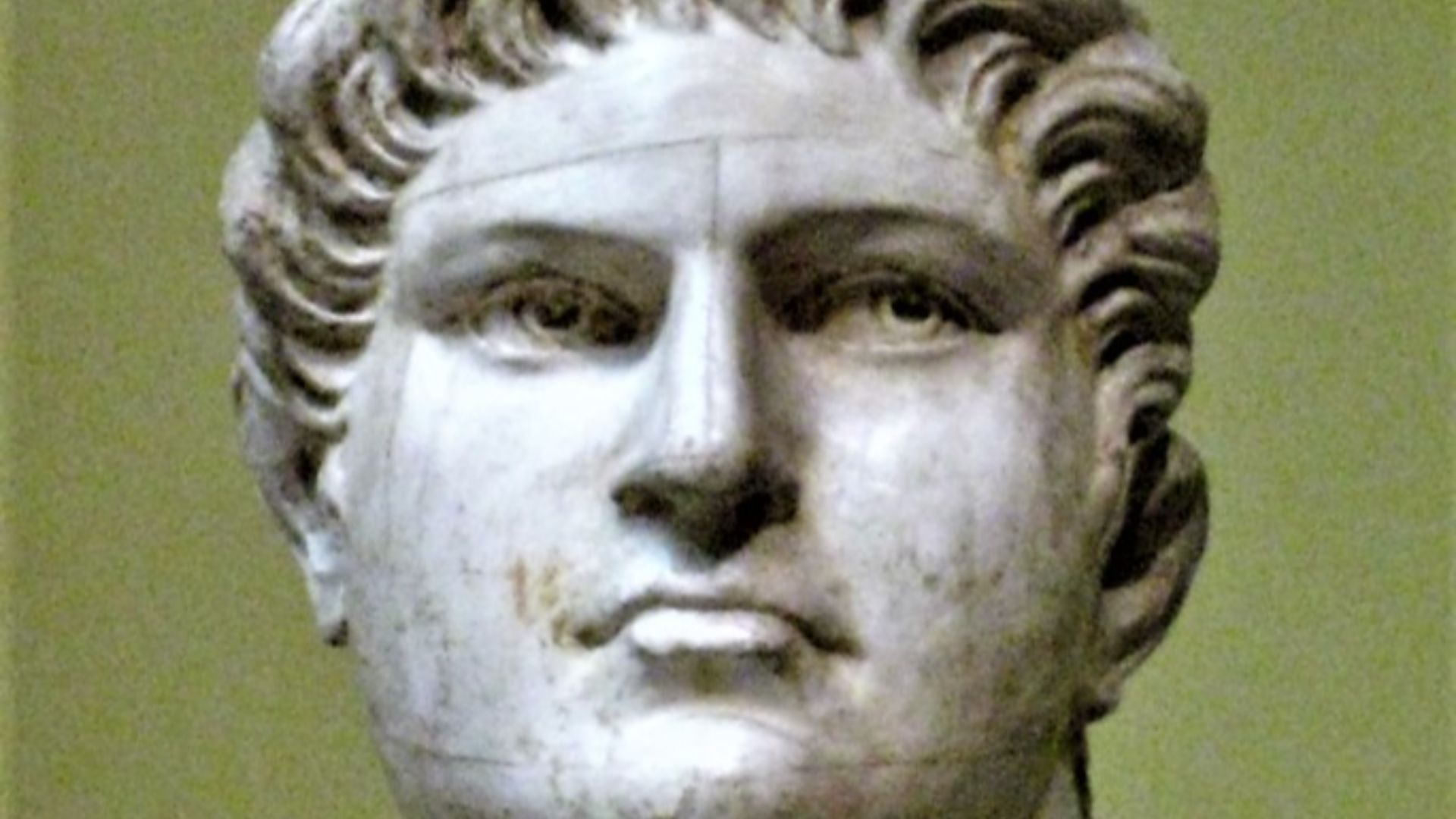
11. Nero Didn’t Mean Cruel Ruler
Nero’s reign became associated with persecution, extravagance, political killings, and the great fire of Rome, although some familiar stories about him were written by hostile ancient sources. His name likely came from a Sabine word meaning “strong” or “vigorous.”
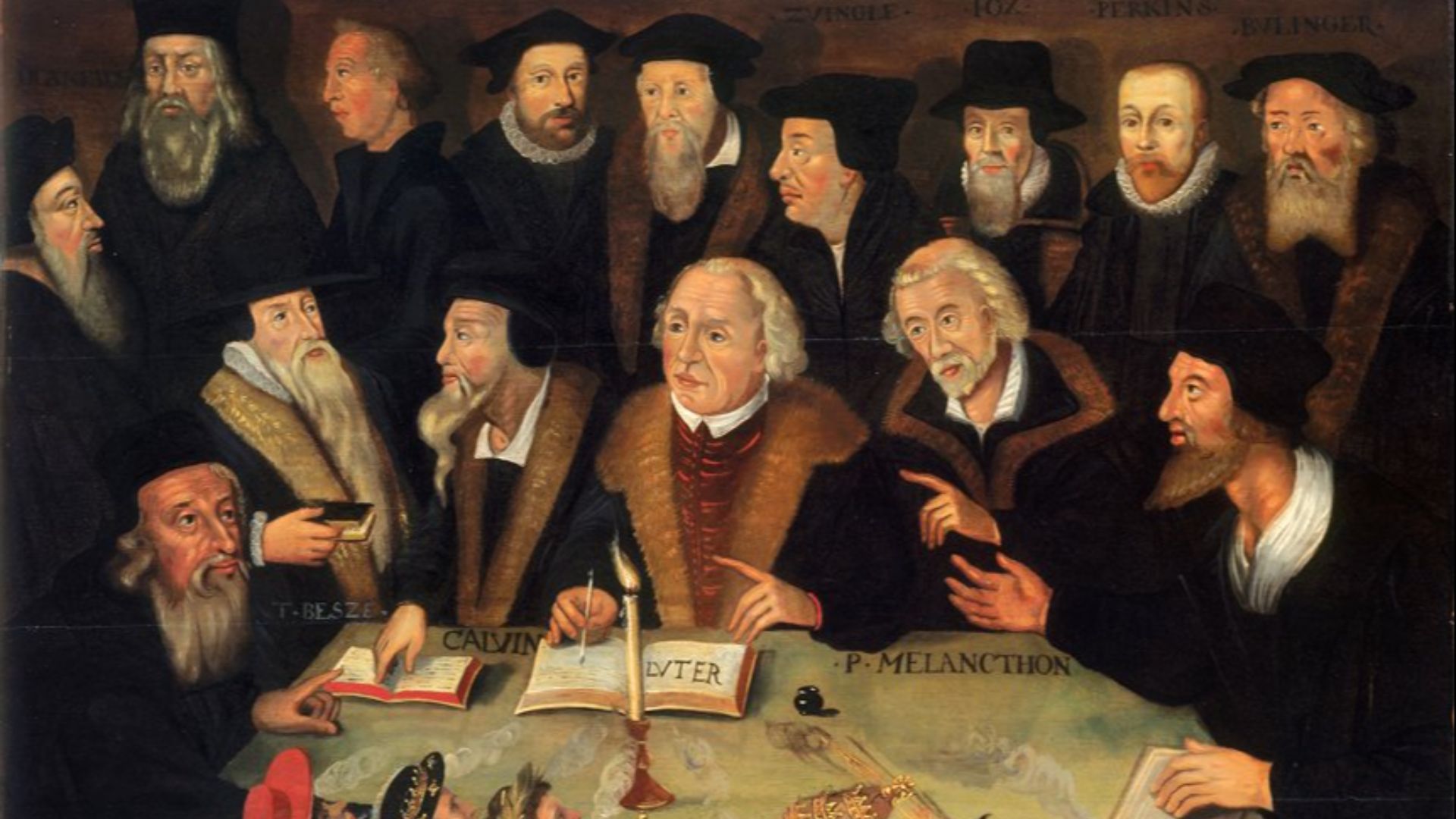
12. Calvin Wasn’t Intended To Mean Serious
Calvin often sounds formal and scholarly because of the religious reformer John Calvin and the intellectual figures who later carried the name. It comes from the Latin surname Calvinus, derived from a word meaning “bald.” Cultural associations made the name seem disciplined and dignified, while its literal background was much more physical and ordinary.
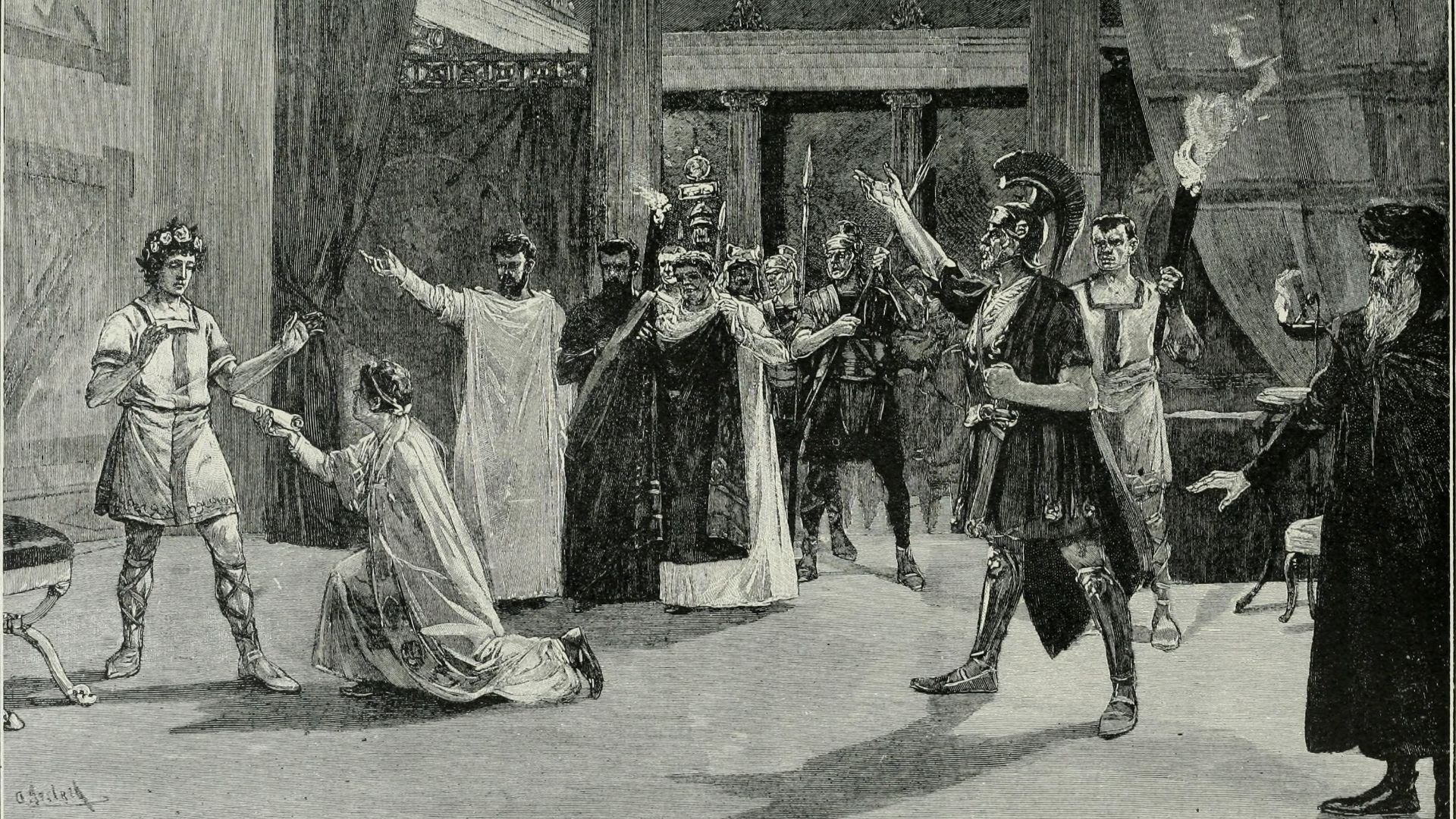
13. Barbara Didn’t Originally Mean Barbaric
The similarity between Barbara and “barbaric” can make the name sound connected with cruelty or uncivilized behavior. Both trace back to a Greek word for someone foreign, particularly a person whose language sounded unfamiliar to Greek speakers. Barbara originally identified foreignness, while the harsher modern meaning of “barbaric” developed gradually.
 Internet Archive Book Images on Wikimedia
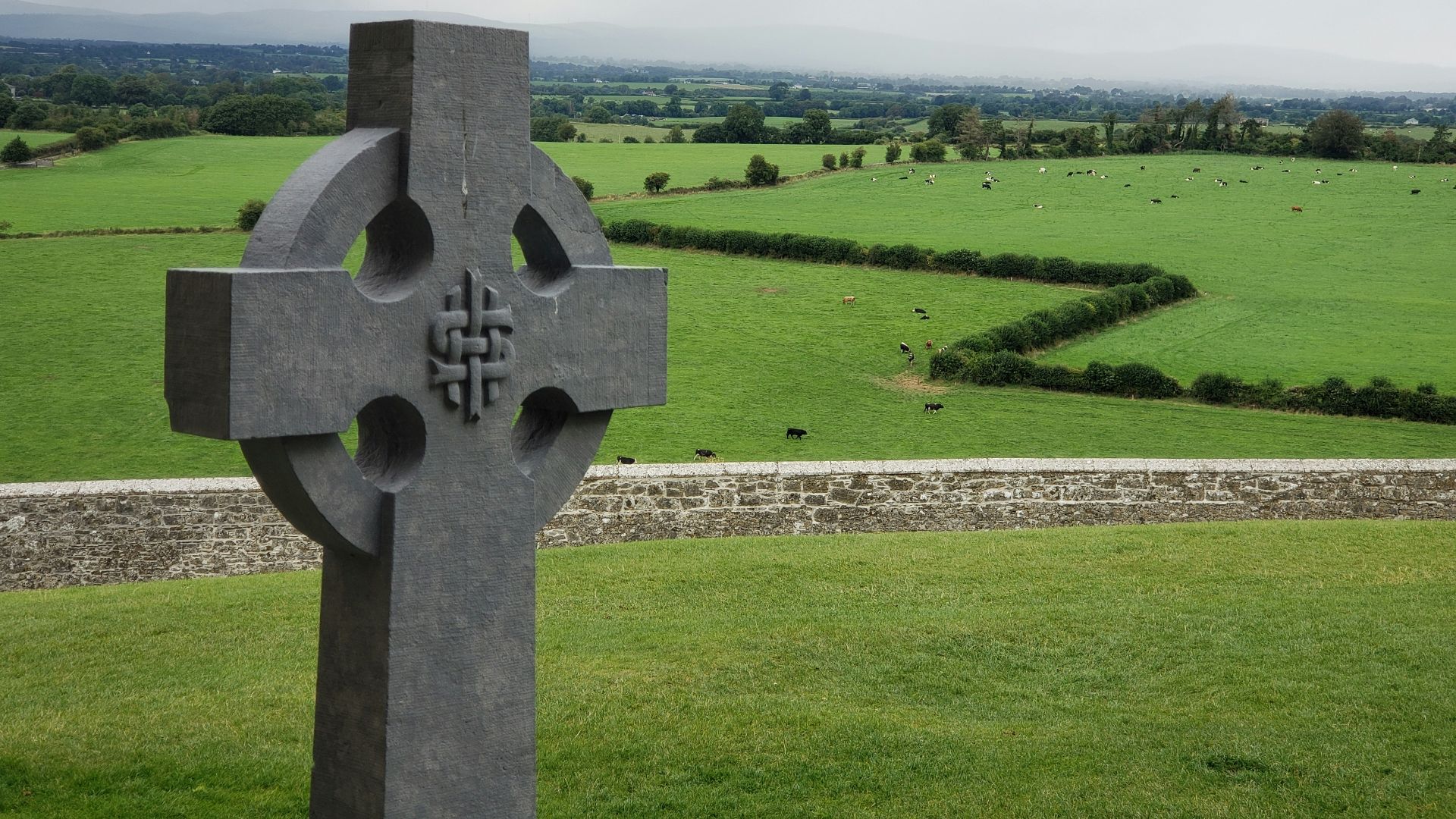
14. Cameron Wasn’t Created As A Modern Unisex Name
Cameron now feels like a polished contemporary first name used for boys and girls. It began as a Scottish surname traditionally interpreted from Gaelic elements meaning “crooked nose.” Its fashionable modern image hides an old descriptive nickname that probably referred to the appearance of an early bearer.
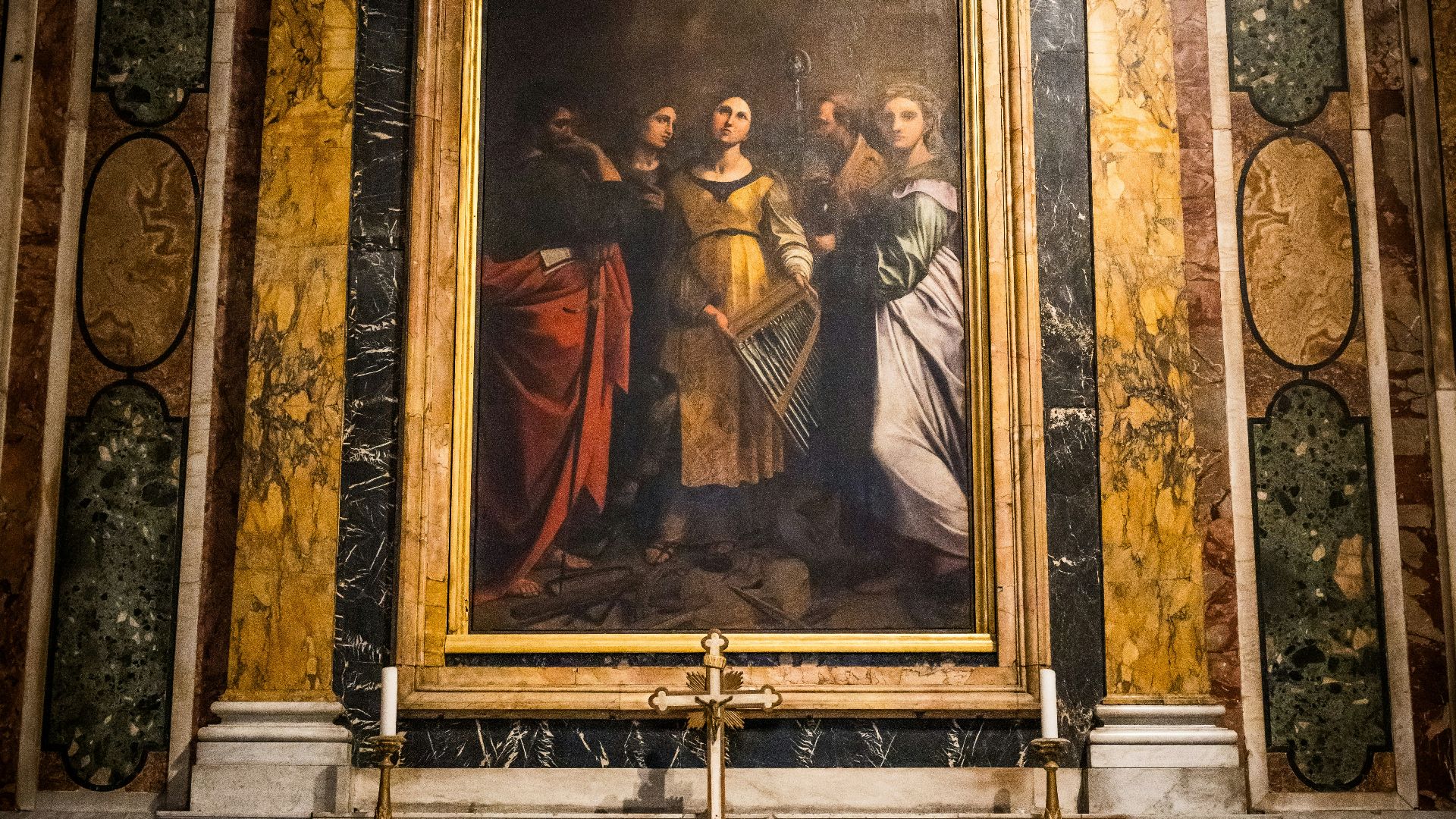
15. Cecilia Didn’t Originally Mean Musical
Saint Cecilia’s later status as the patron saint of music gave her name graceful musical associations. Cecilia comes from the Roman family name Caecilius, which was traditionally connected with the Latin word for “blind.” Art, religious devotion, and musical organizations eventually gave the name a meaning very different from its linguistic ancestry.
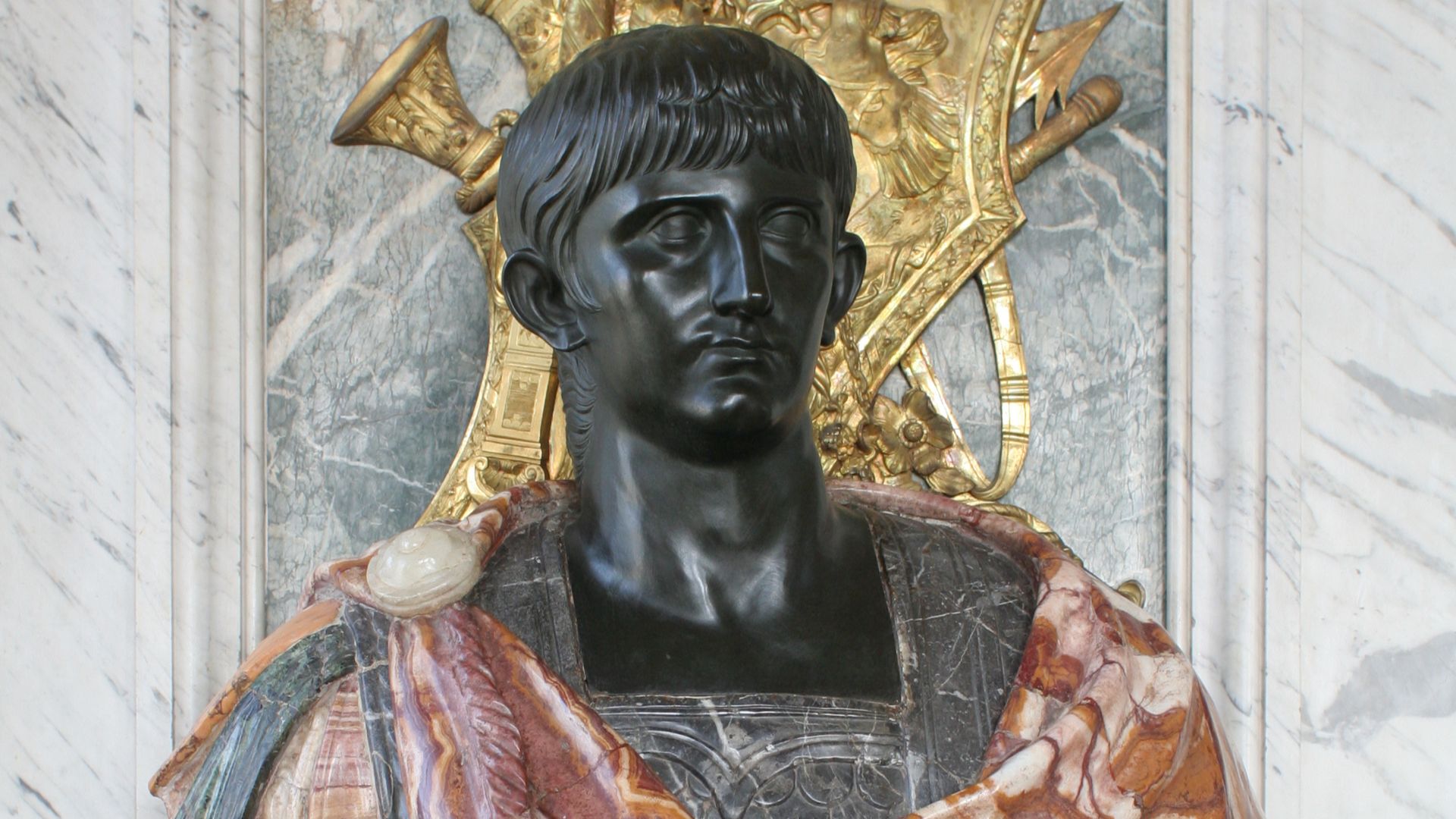
16. Claudia Wasn’t Named For Elegance
Claudia often carries an elegant, classical image because she belonged to women from an important ancient Roman family. The family name Claudius has traditionally been connected with a Latin word meaning “lame” or “limping”.
17. Stephen Didn’t Simply Mean King
Because Stephen resembles names associated with rulers and saints, it’s sometimes loosely interpreted as meaning “king.” It comes from the Greek word stephanos, referring to a crown, wreath, or garland awarded as an honor. The name is connected more directly with victory and recognition than with inheriting a royal throne.

18. George Wasn’t Originally A Royal Name
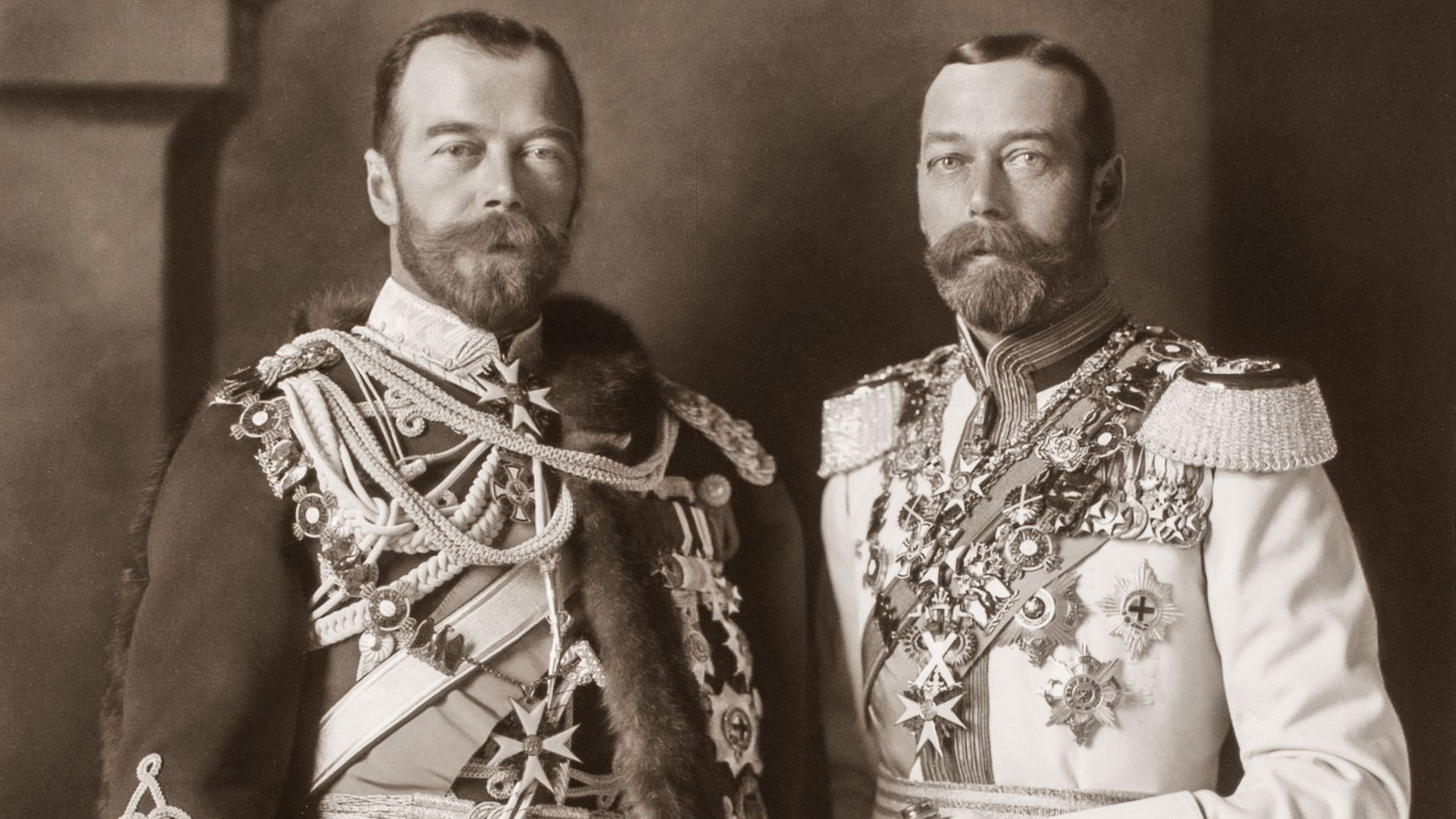
Numerous kings named George made the name sound naturally aristocratic, especially in Britain and other European monarchies. Its Greek roots are far more practical, combining words associated with earth and work to mean “farmer” or “worker of the land.”
19. Philip Wasn’t Designed To Sound Regal
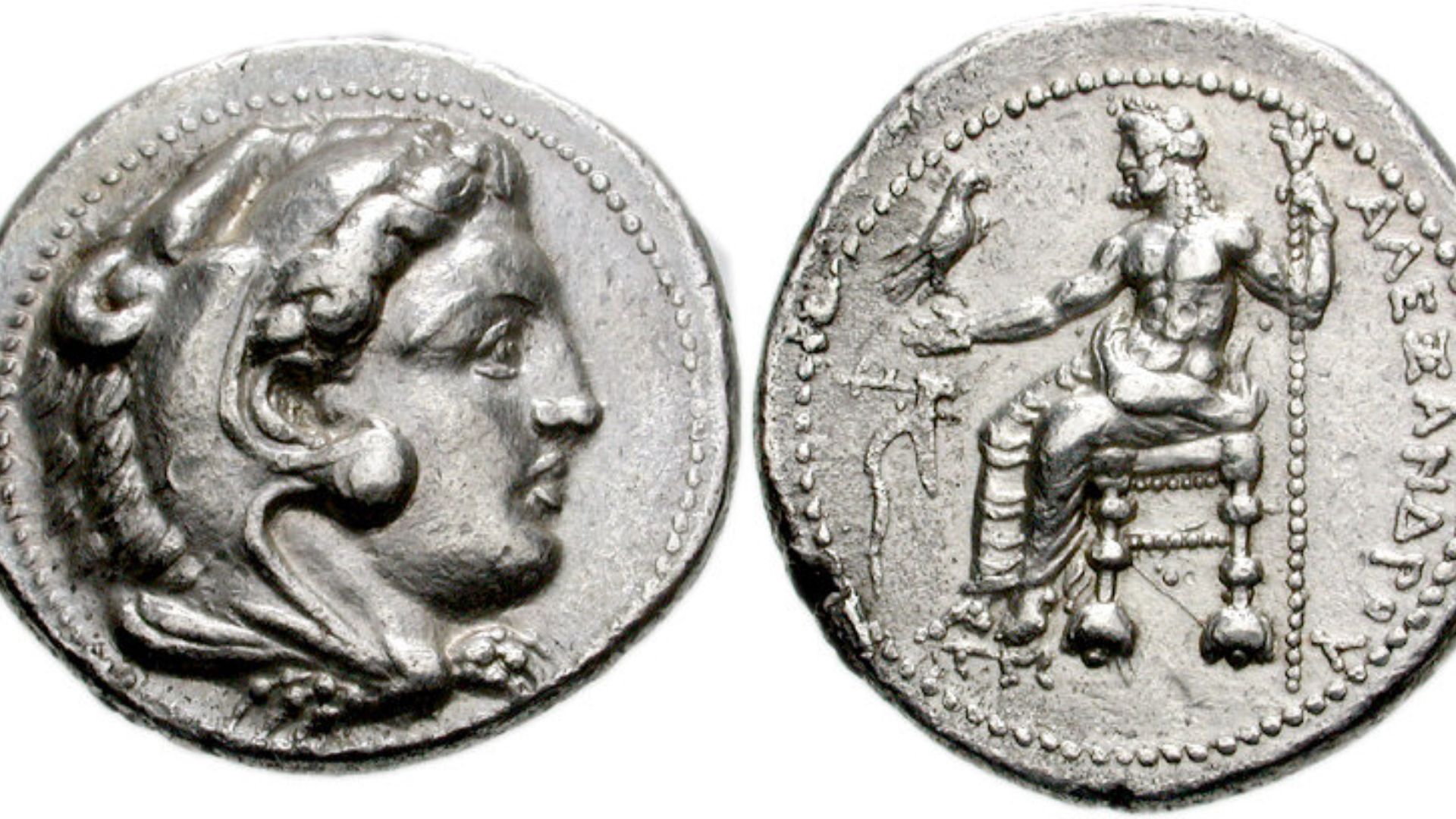
Kings of Macedon, France, Spain, and other countries helped make Philip seem like a distinctly royal name. In Greek, Philippos means “lover of horses,” reflecting the importance and expense of horse ownership in the ancient world.
20. Mary Didn’t Always Mean Pure
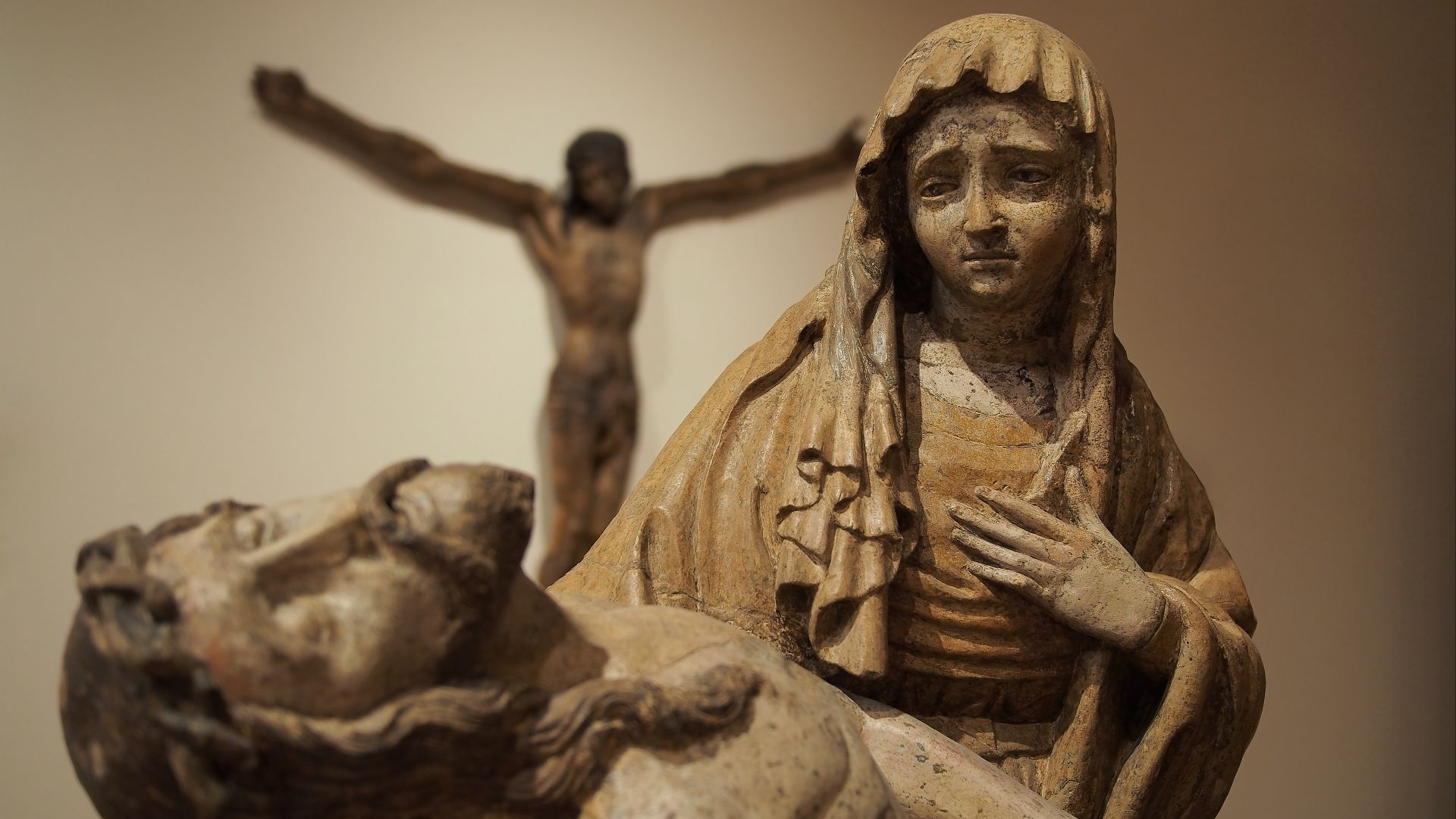
Mary is often associated with purity because of the Virgin Mary’s importance in Christianity. The name comes through Greek and Latin from the Hebrew Miriam, but its earliest meaning remains uncertain, with suggestions including “beloved,” “rebellious,” and “bitter.”
KEEP ON READING