Strange Cures From Late-Medieval Medical Books
Fourteenth-century medicine can sound very strange to us now, yet the people who wrote these recipes were trying to help sick and injured patients with the knowledge they had. They believed pain, poison, fertility, sleep, and illness were tied to forces inside and around the body, so their treatments used herbs, food, animals, prayer, and hands-on surgery. The recipes were copied into late-medieval medical books as useful advice, though they don’t tell us how often anyone tried them. Here are 20 treatments that show just how far healers were willing to go when someone needed help.
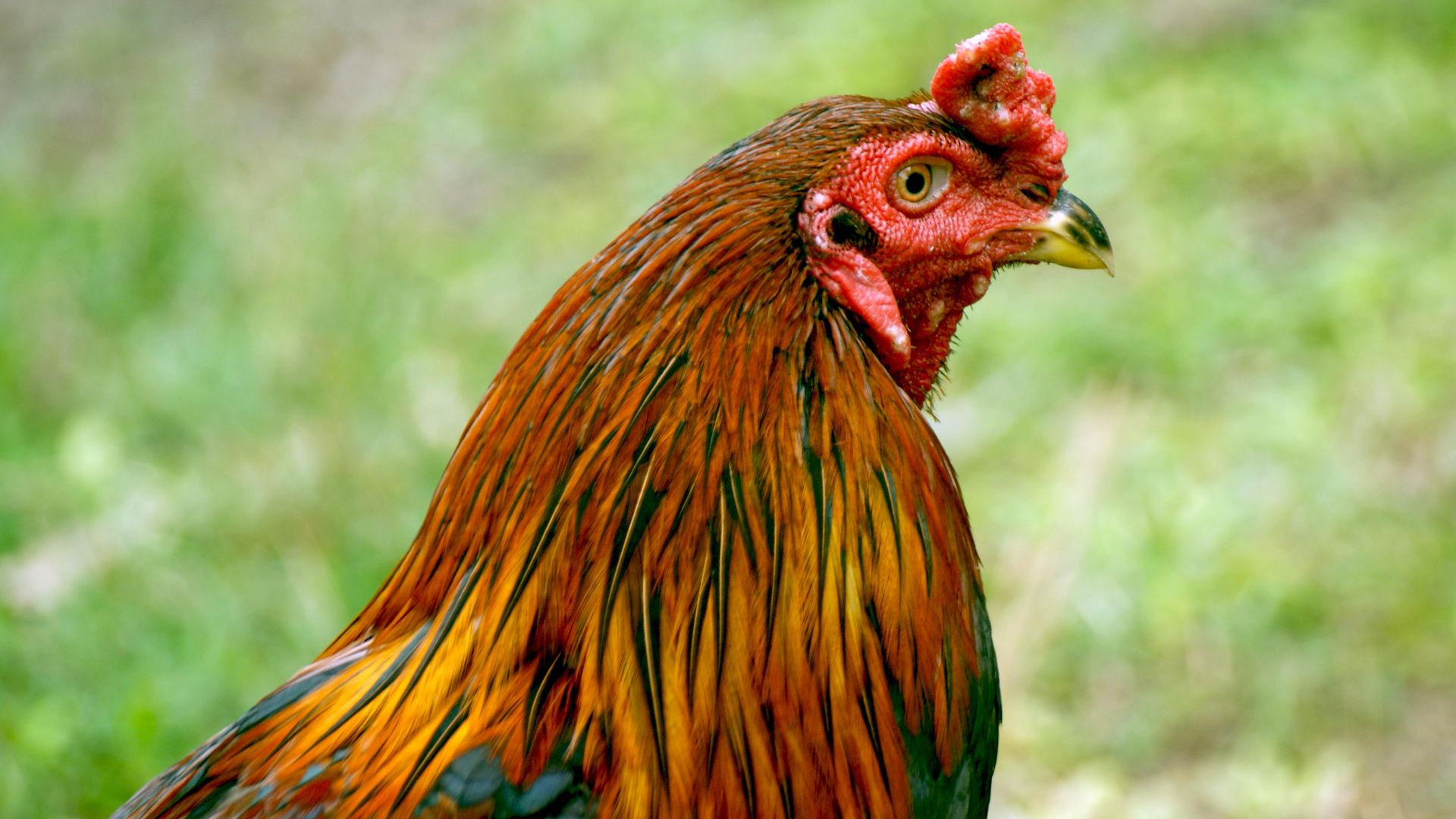
1. Live Cockerels for Snakebites
This snakebite cure didn’t involve a potion or a bandage. A live cockerel was pressed against a man’s bite, while a live hen was used for a woman. One version said to leave the bird there until it died, supposedly taking the poison away with it.

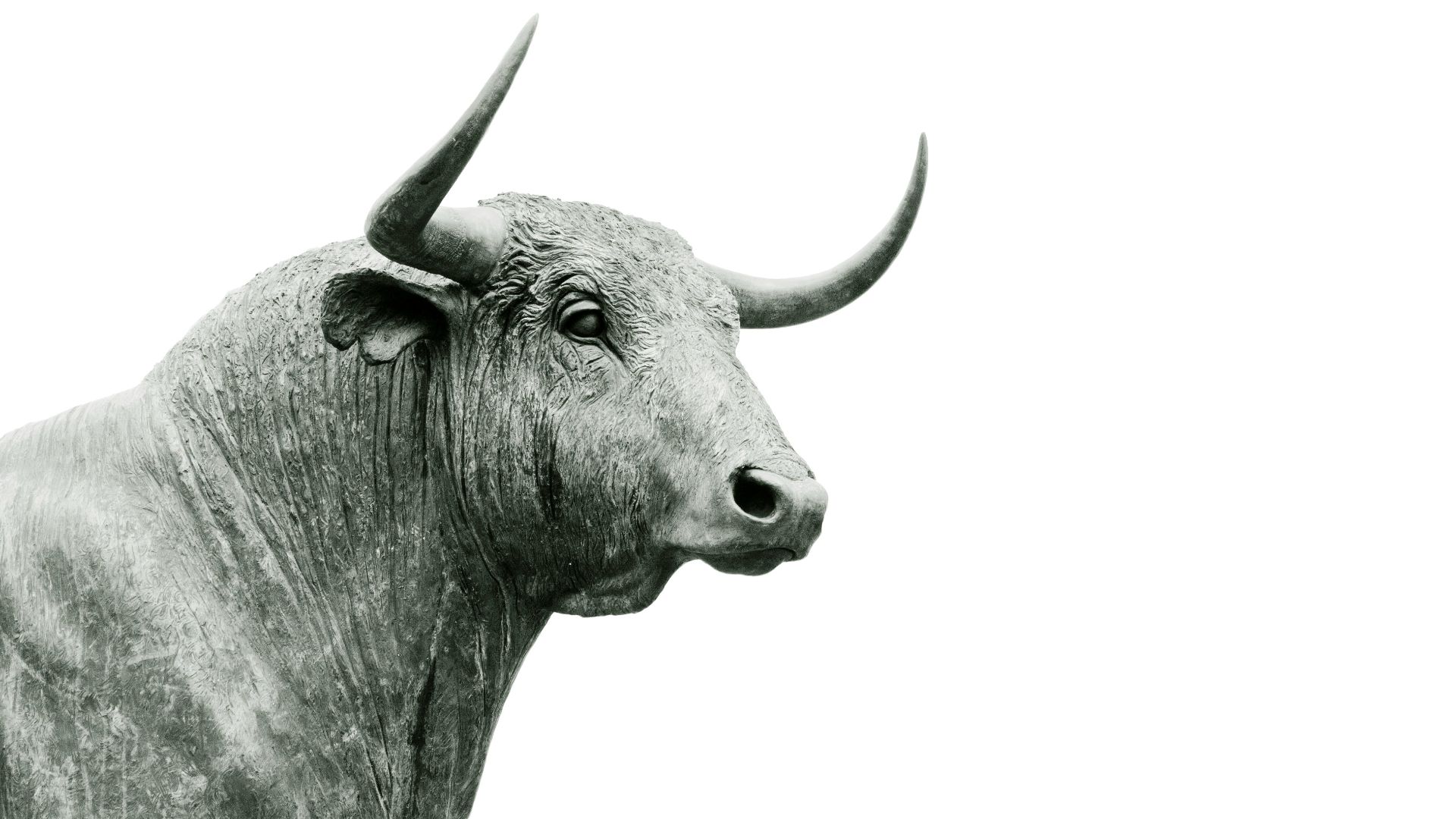
2. Warm Bull Dung for Ape Bites
For ape bites, healers were told to put warm bull dung directly on the wound and trust that it would help. The instructions don’t explain why, but we can only imagine how unsuccessful this was.
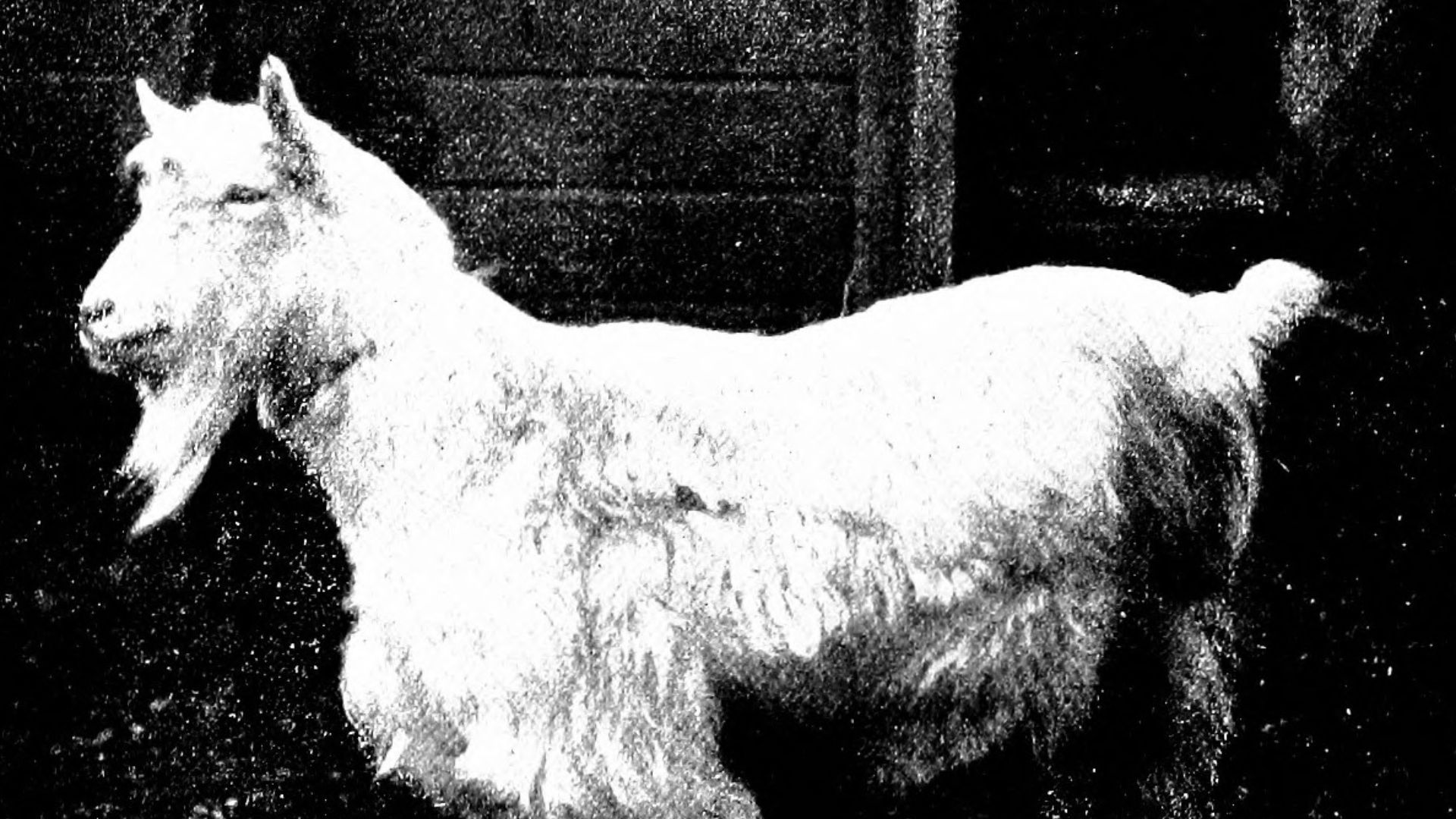
3. Goat-Dung Plasters for Tumors
Goat dung showed up in treatments for cancerous tumors. One recipe mixed it with egg white, while another combined it with barley flour and red wine before boiling it into a thick paste. The plaster was meant for a growth that couldn’t be removed.

4. Fox Marrow for Ringworm
Ringworm was treated with ivy sap, fox marrow, and white resin. The mixture was used on the skin, so patients didn’t have to drink it. Animal products were common in medieval remedies, especially when healers believed they could help the body fight a problem.

5. Wine and Urine for Worms
Worms could bring out some unpleasant advice. One treatment told the patient to drink wine mixed with urine while fasting. Other recipes used bark and bitter plants, which sounds preferable to the first option.

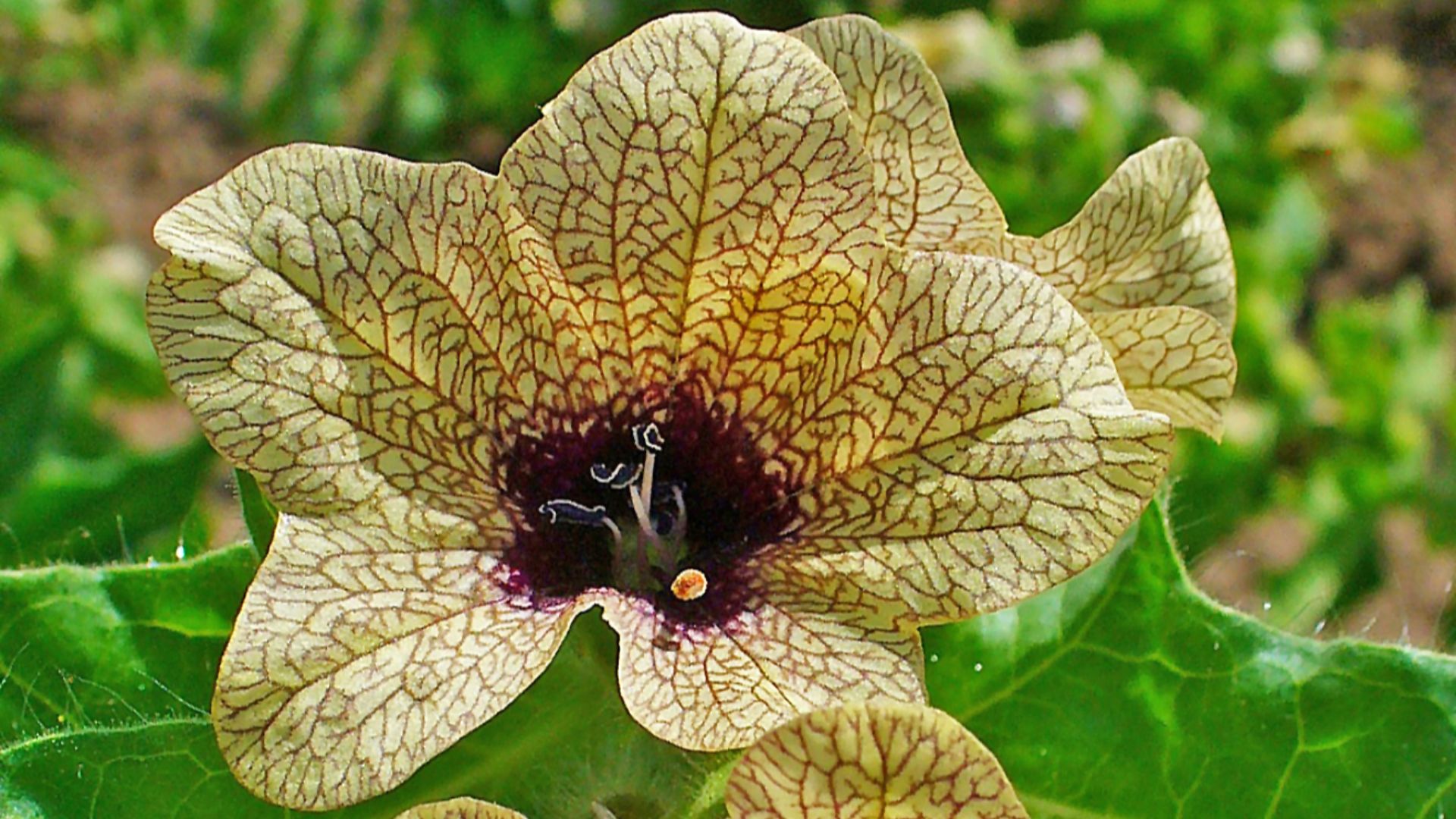
6. A Henbane Candle for Tooth Worms
People sometimes blamed toothaches on tiny worms living inside bad or rotten teeth. A candle made with sheep tallow and henbane seeds was burned near the mouth over cold water. The heat was supposed to send the worms down into the bowl.
7. Ram Urine and Eel Bile for Deafness
A hearing problem could lead to a treatment made from ram urine, eel bile, and ash-tree juice. The mixture was pressed into the ear and beneath the teeth, and cautery was used near the ear and jaw. It certainly wasn’t a gentle approach, even by the standards of the time.

8. Crushed Flies for Spider Bites
Spider bites weren’t always considered dangerous. A recipe said they were poisonous only during a certain part of the year, and crushed flies were put on the bite when poison was suspected. The flies were meant to pull the harm out of the wound.

9. Poppy Seeds Boiled in Wine for Insomnia
For sleeplessness, a patient was told to boil poppy seeds in wine and drink the mixture. The recipe promised sleep, though it didn’t explain how much to drink or how strong it should be.

10. The Seven Sleepers on a Knife Hilt
Another sleep cure didn’t use food or drink at all. A healer was supposed to write the names of the Seven Sleepers, children from a Christian and Islamic legend, on a knife hilt, then place it under the patient’s head without the patient knowing. It was a private ritual meant to bring rest.

11. Goat-Horn Smoke and Dog Bile for Falling Sickness
For an illness called falling sickness, a healer burned goat horn and let the smoke move around the patient’s head. Dog bile was then put into the person’s mouth before they got up. The recipe claimed the illness wouldn’t come back after that.
 Ricardo Gomez Angel on Unsplash
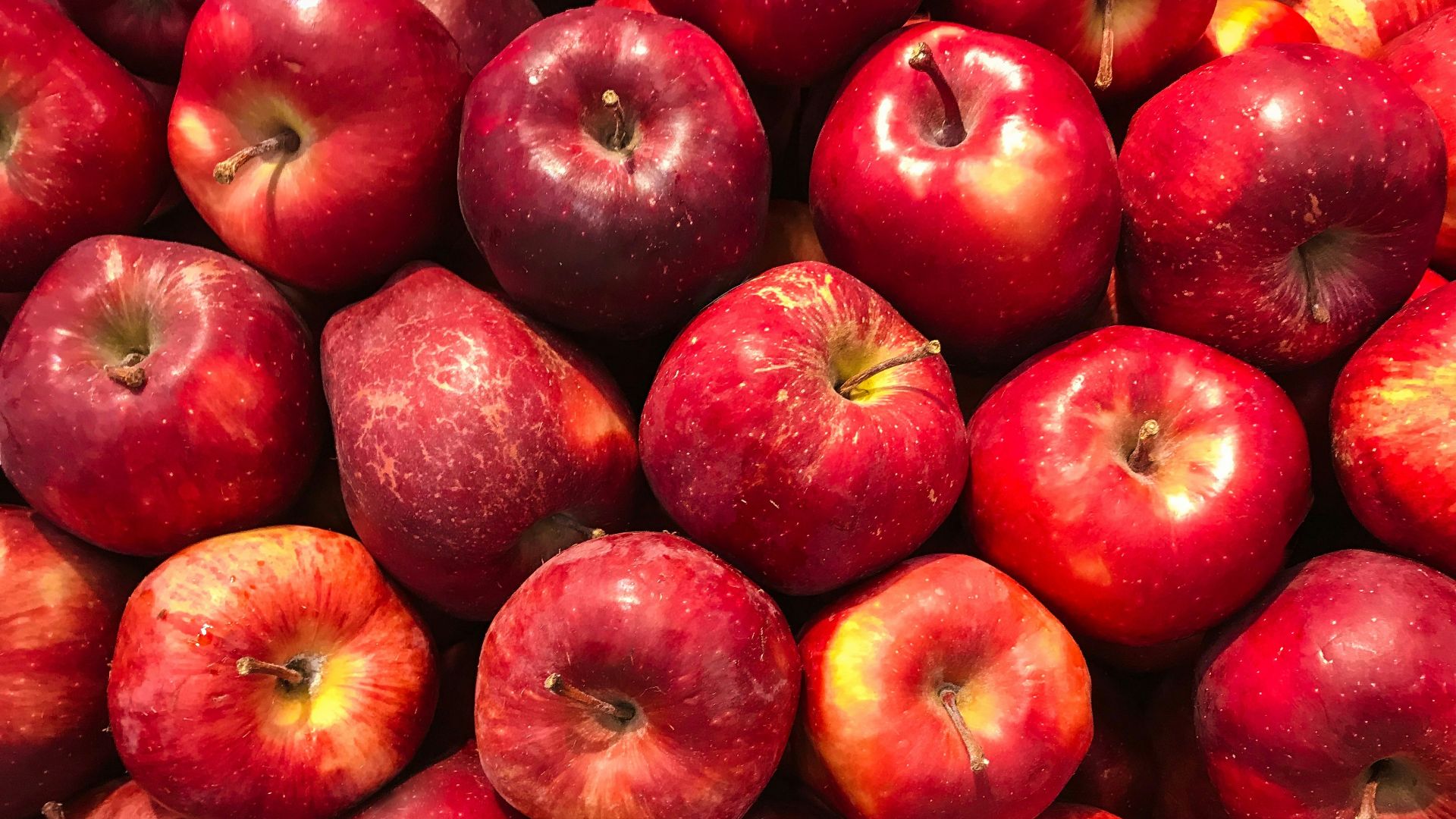
12. Apple Charms for Tertian Fever
A recurring illness called tertian fever was treated with three apples over three days. Different sacred words were written into each apple, and the patient was expected to recover on the third day. Faith was part of medical care in many of these old recipes.
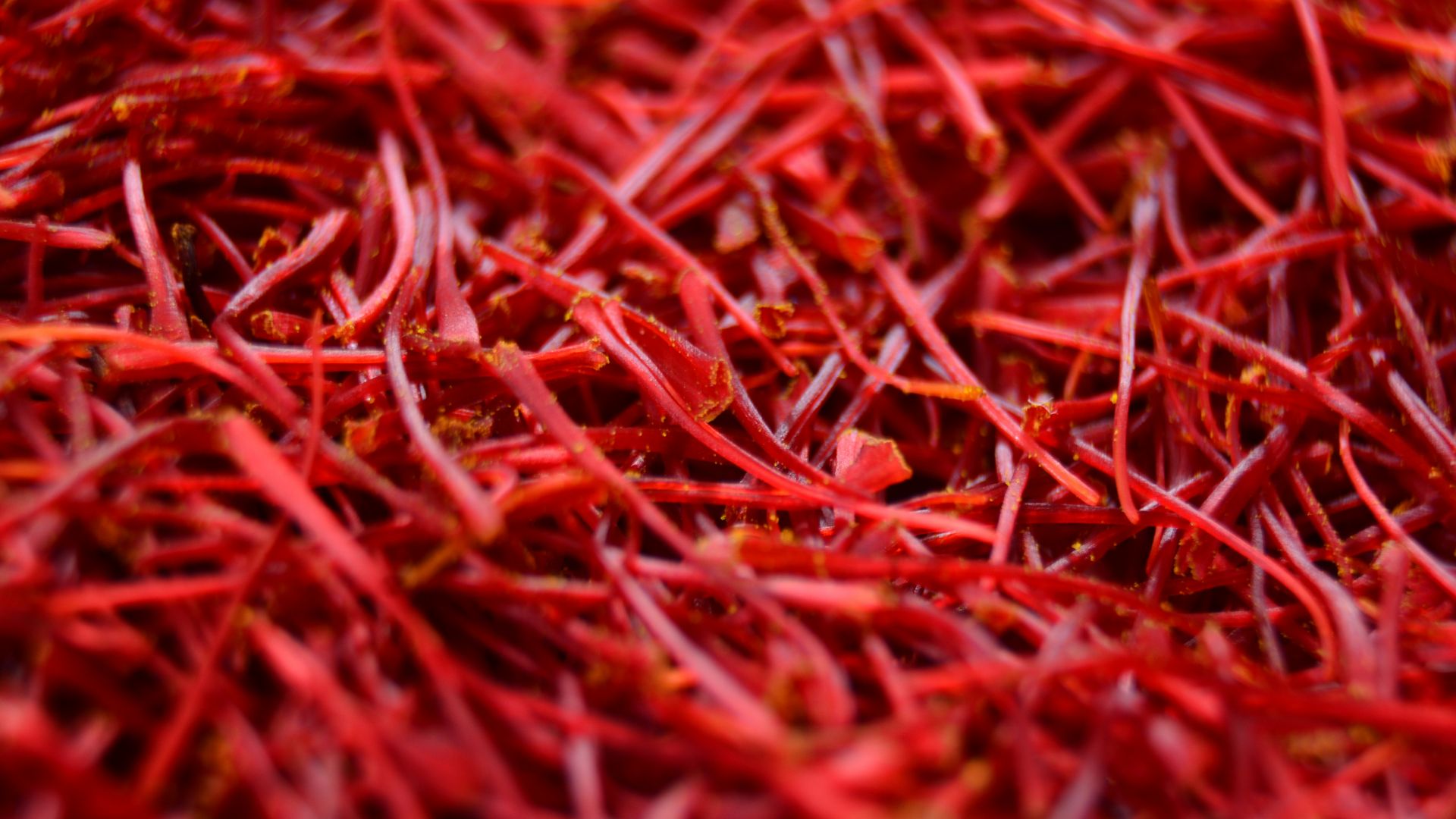
13. Saffron for Lasting Happiness
Saffron was recommended for people who wanted to stay cheerful all the time. The advice came with a warning that too much saffron could cause death from excessive happiness. That’s one of the stranger promises in the collection, and it’s hard to forget.
14. Hare Chest Fur for Uterine Prolapse
A prolapsed uterus, described as a womb escaping or going out, was treated with wheat flour, nine egg yolks, honey, and fur from a hare’s chest. The mixture was baked under ashes, and the patient was also advised to drink a cow’s first milk after calving. It was a long, detailed treatment for a very serious condition.
 Vincent van Zalinge on Unsplash
15. Leather and Goat’s Milk for a Child’s Head Bones
One remedy told healers to boil leather in goat’s milk until it melted, then give the liquid to a child. Betony was also listed as a treatment meant to raise the child’s head bones. The entry doesn’t explain how anyone was supposed to make that drink appealing.
 Internet Archive Book Images on Wikimedia
16. Dandelion Water for an Older Person’s Head Bone
Dandelion mixed with cold water was prescribed to raise an older person’s head bone. The recipe doesn’t say what condition it was treating, so the exact reason is unclear. It does show how much trust people placed in common plants.

17. Cauterizing the Face for Eye Pain
Sharp eye pain could be treated with cauterization around the face. One method used burns near the eyebrow hollow, cheek, and temple, while another burned the back of the neck for red, watery eyes. Healers believed problems in the eyes could be treated through other parts of the head. Surprisingly, they weren’t far off; it was more the method that was incorrect.
18. Chicken Fat and Strawberry Juice for Cataracts
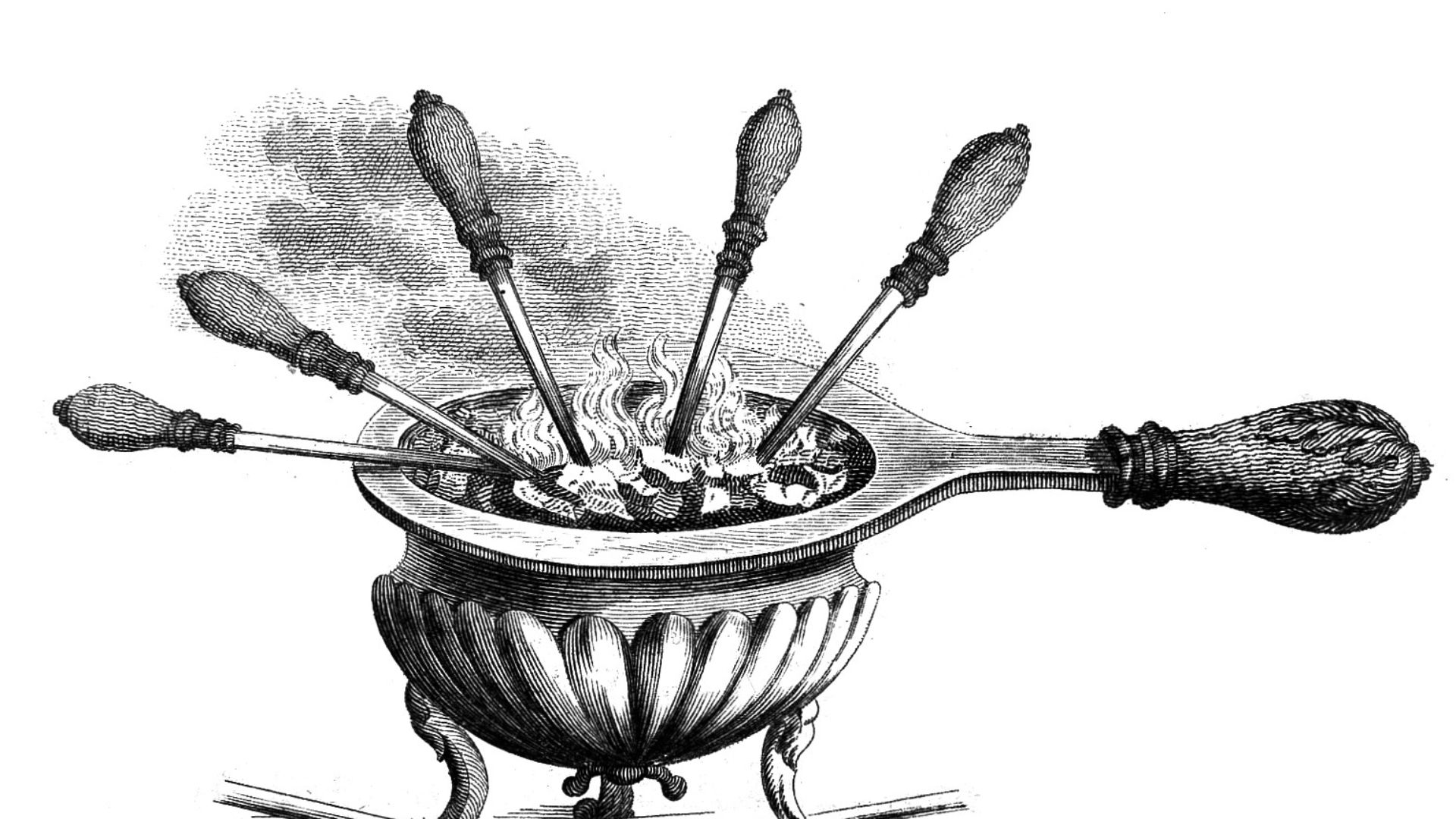
A dry cataract was treated with chicken fat, May butter, and strawberry juice. The mixture was kept in a horn and rubbed onto the eyes and eyelids before sleep. It sounds easier to handle than cautery, though the hoped-for result was still a full cure.

19. Mushroom Butter for Scabies
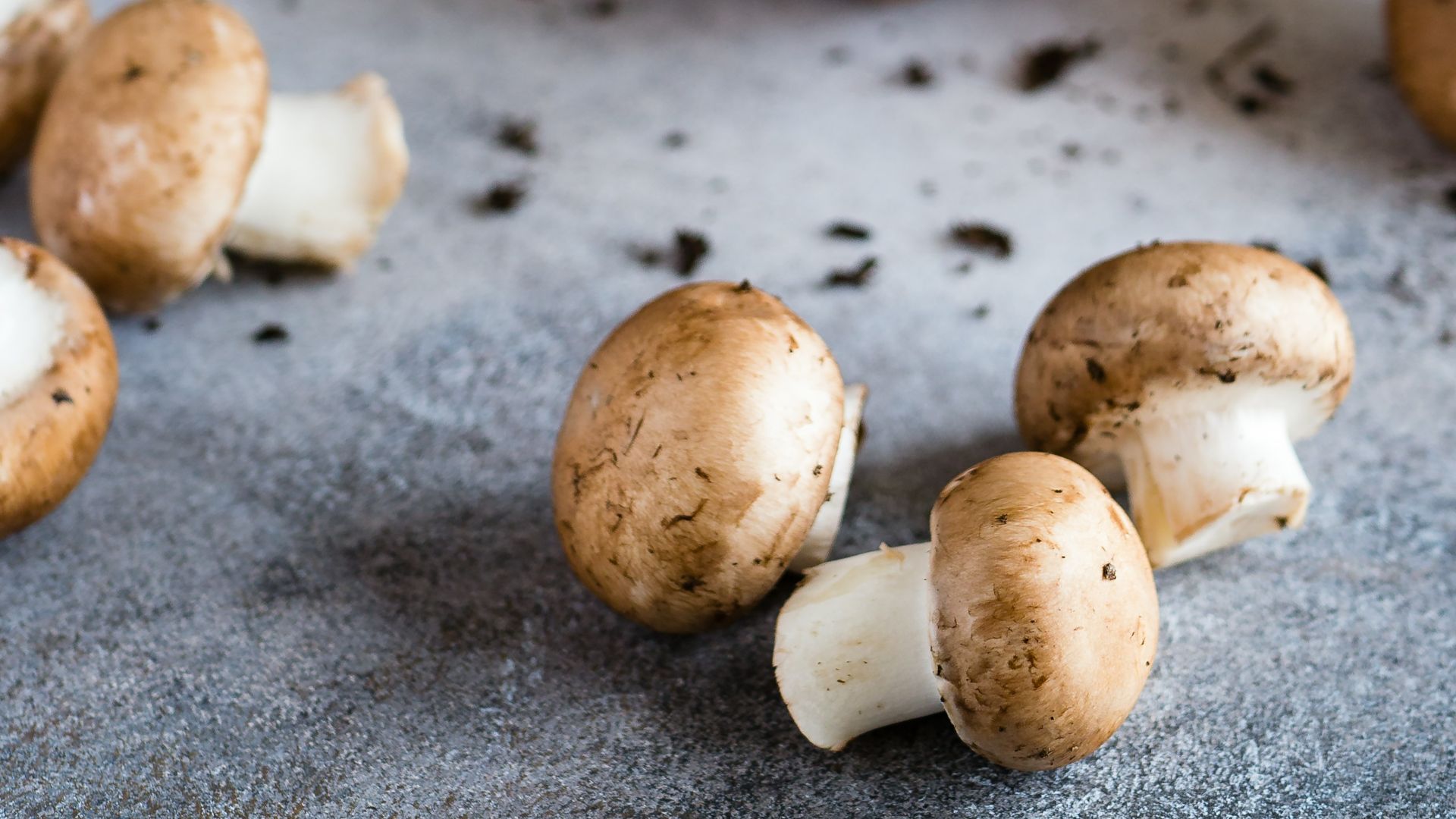
Scabies, called the scab, was treated with mushrooms and butter. The ingredients were pounded together, boiled, strained through cloth, and applied to the skin. It’s one of the few remedies on this list that starts with things you might find in an ordinary kitchen.
 Christine Siracusa on Unsplash
20. Bladder-Stone Surgery With a Stick, Baths, and Fasting
Bladder-stone surgery was the harshest treatment in the collection. The patient was tied into position around a stick, raised at the hips, cut from the left side of their genitalia, placed in water baths, and left without food or drink while the wound was examined. It was a severe answer to a condition that could cause intense pain.
KEEP ON READING