Romance With Rules
Courtship during the 1800s varied enormously by country, culture, class, and community, but regardless of what your life looked like, wooing someone was rarely casual. A hopeful man might have to master an elaborate social code or create a gift far outside a bouquet. Some customs were charming, others were invasive, and several make modern dating seem remarkably straightforward—and we’re here to break down the craziest hoops just about every man had to jump through.
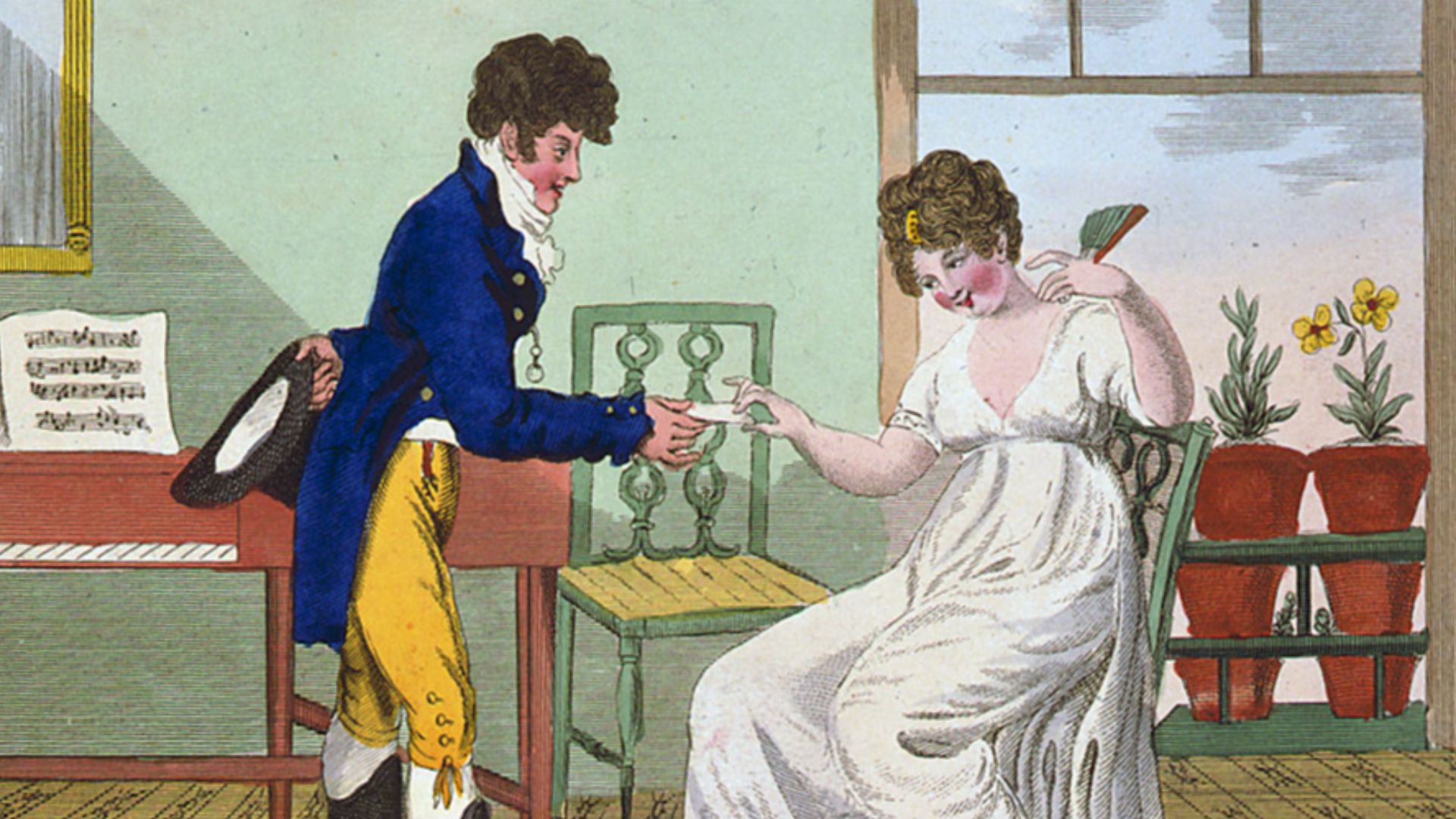 unknown 1805 author/engraver; published by Laurie & Whittle on Wikimedia
1. Writing Her Father Beforehand
Not even a respectable mid-century American suitor could visit a woman at home. If he wanted access, he was expected to write her father and describe his family, position, and financial prospects. The Art of Good Behavior, published in 1845, even provided nervous would-be suitors with a model request.
2. A Special Courting Couch
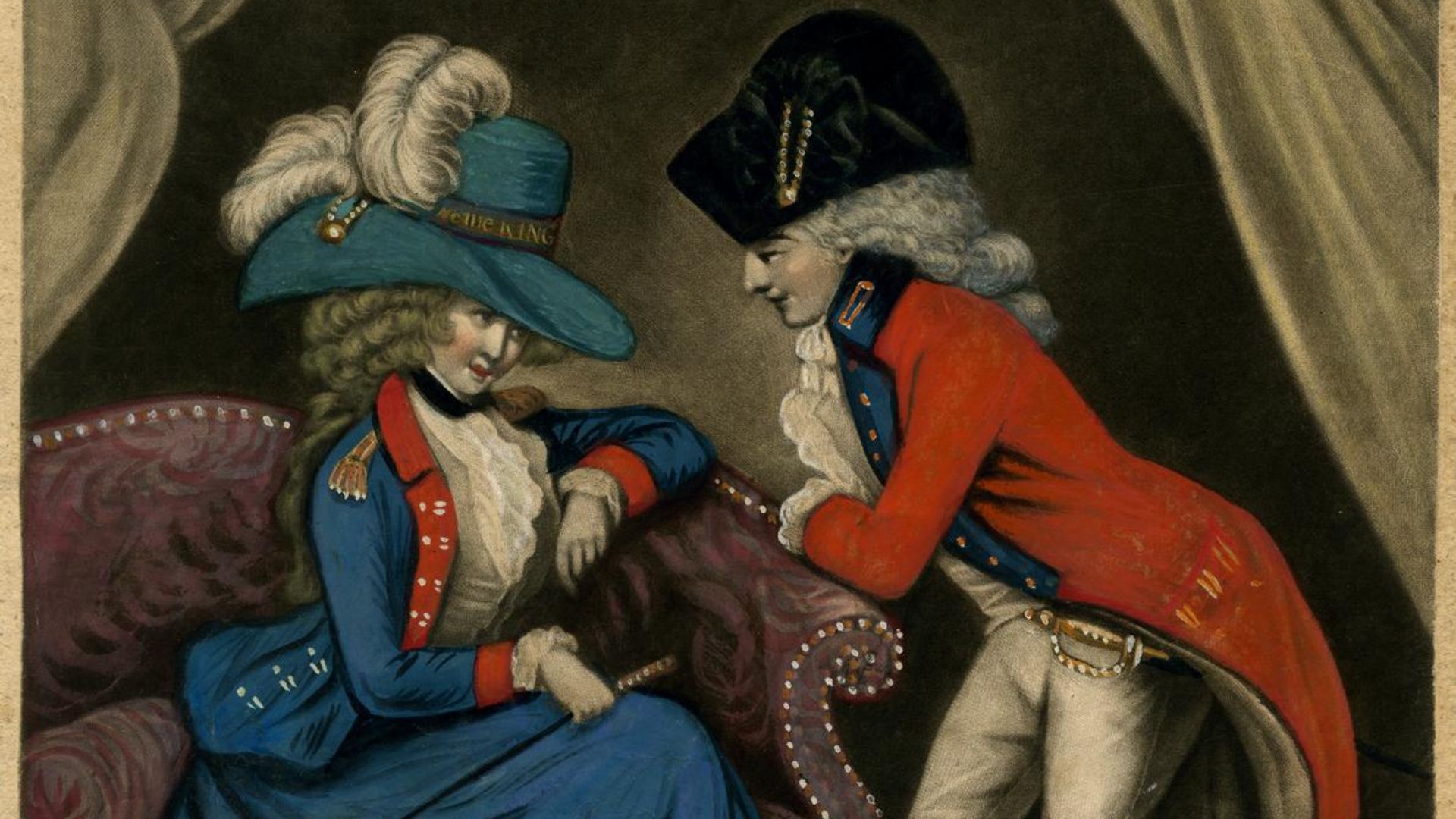
And here we thought 21st-century first dates were awkward. Once admitted to the parlor, a man might sit with his intended on a tête-à-tête, a two-seat couch with the chairs facing in opposite directions. They were made popular in mid-19th-century America; their joined sides allowed two people to speak discreetly without sitting in a conventional embrace.
3. Sharing a Bed With a Wooden Board
What was known as bundling survived into the 1800s, allowing courting couples to share a bed while staying completely dressed. A wooden bundling board (or layers of special clothing) was intended to keep the pair separated throughout the night, and to make it even worse, this whole ritual usually took place in the woman’s family home with her parents’ permission.

4. Reserving Her Time on a Dance Card
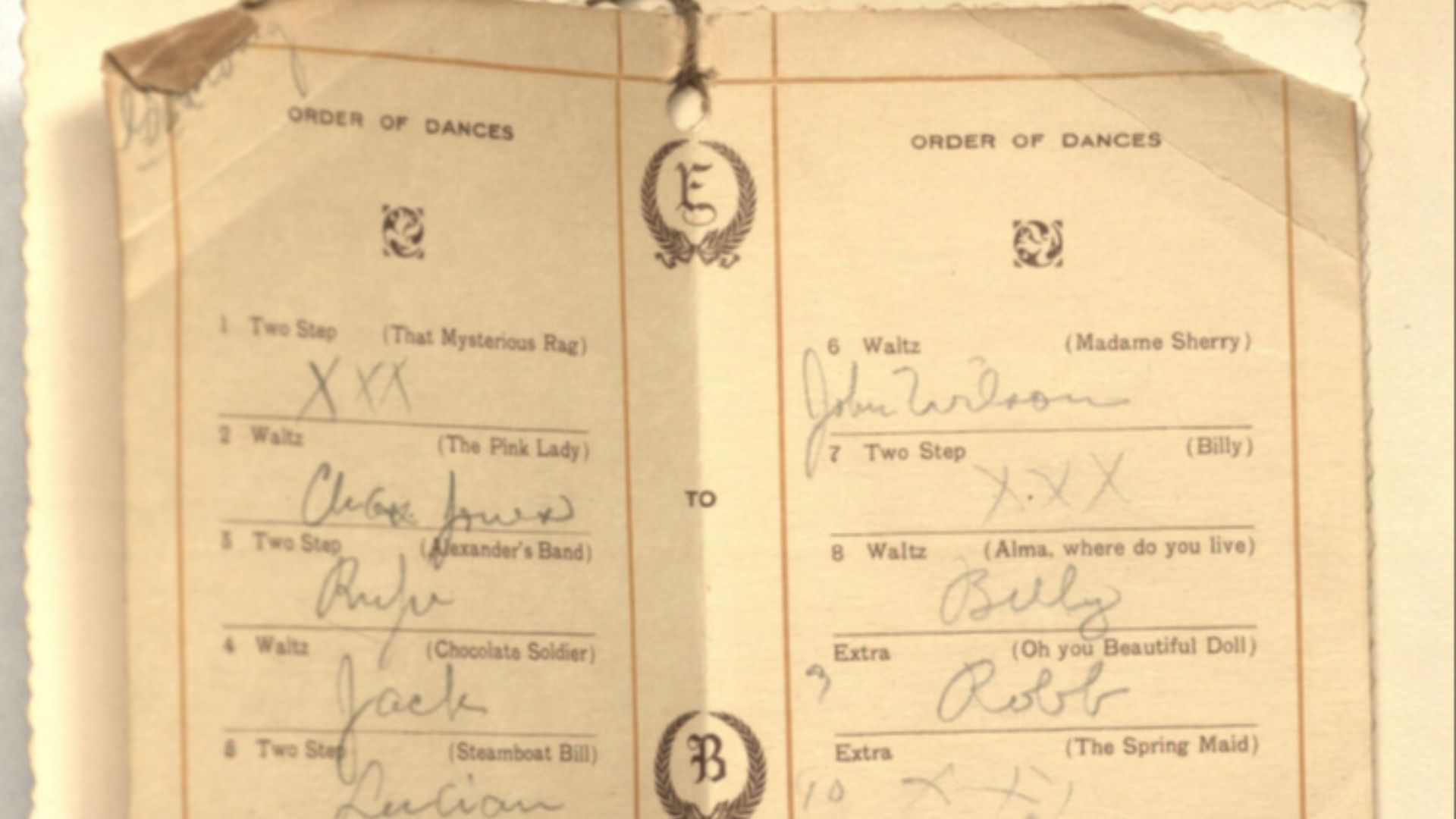
At formal balls, gentlemen couldn’t just saunter up to any woman in a nice gown. No, no, he requested a particular dance and had his name entered beside it in the woman’s dance card, a small booklet that listed the evening’s dances and sometimes even came with pencils attached. If every space was already claimed, he was out of luck.
5. Secretly Slipping Her a Flirtation Card
Dance cards were hardly the only stationery involved either. Late-19th-century American men sometimes bypassed formal introductions by slipping women printed flirtation cards. One authentic documented version actually asked, “May I C U Home?” while another offered the sender’s services as her protection.
6. Advertising in the Newspaper
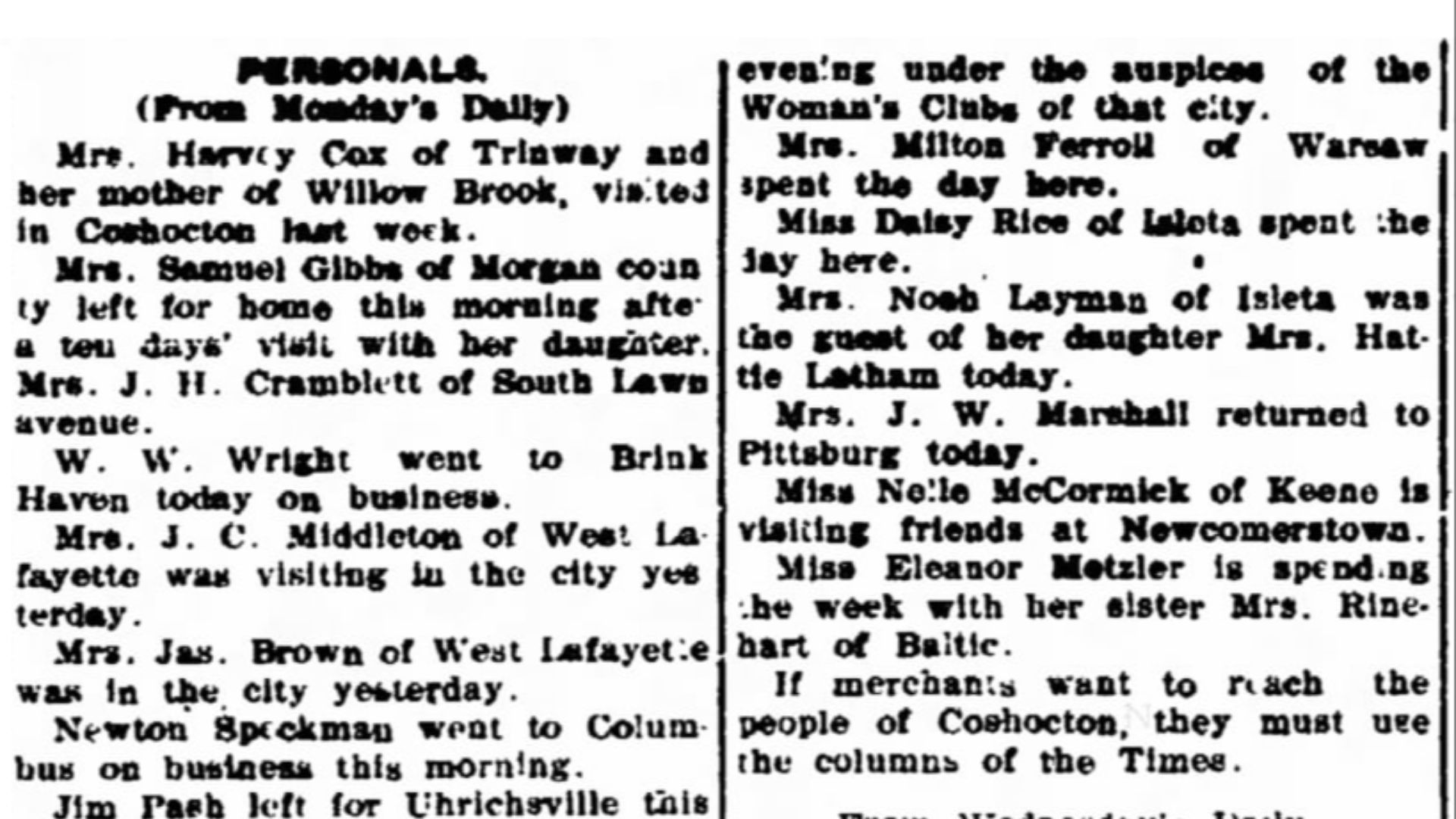
It’s hardly the norm anymore, but men who lacked promising connections would stick ads in newspapers or specialized matchmaking publications. Surviving examples include a 49-year-old bachelor seeking a petite older maid or widow and a 35-year-old German man hoping to meet a working woman. Some papers devoted an entire front page to people openly looking for love.
 Unknown authorUnknown author on Wikimedia
7. Proposing to a Woman He Had Never Met
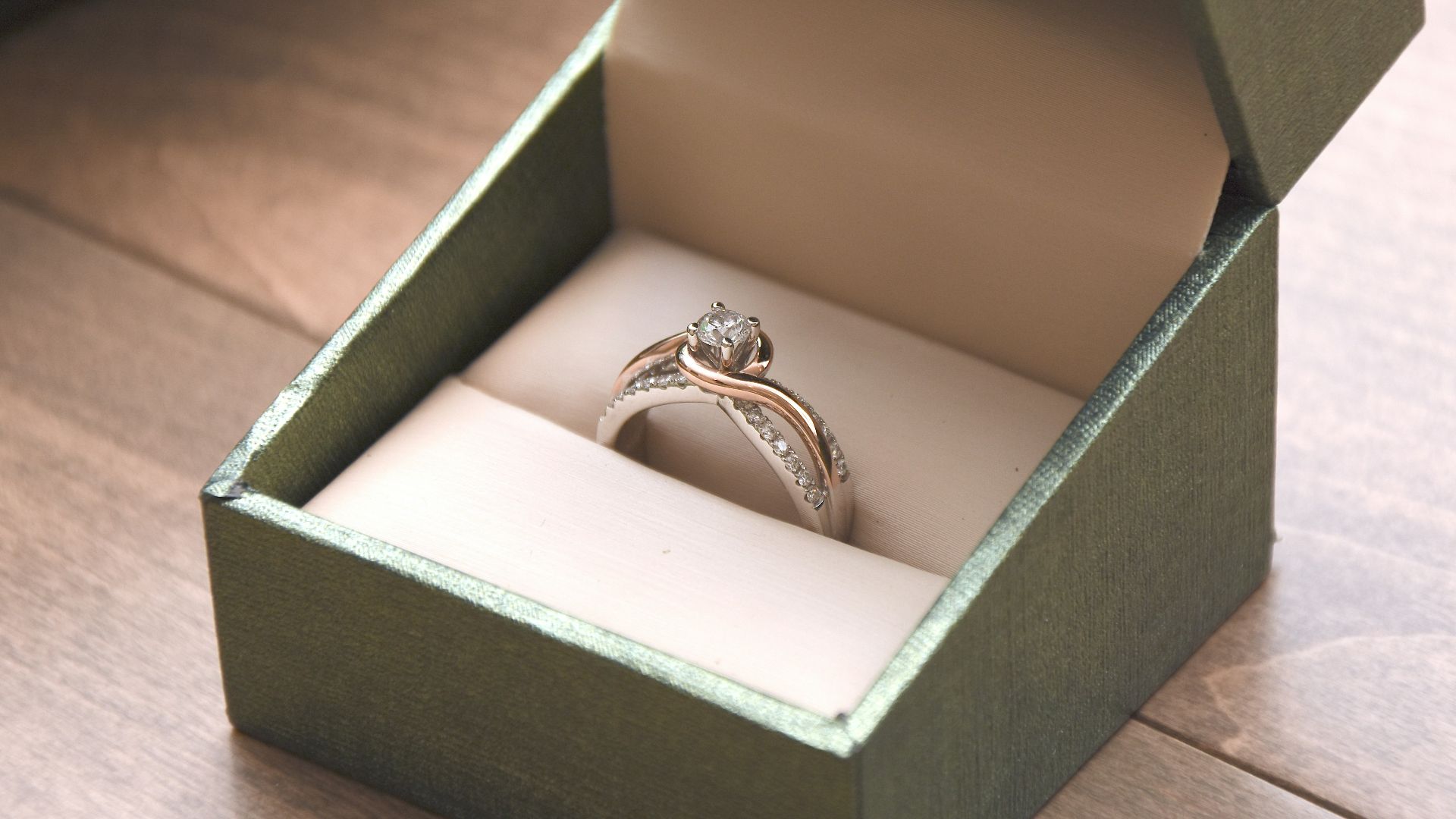
As you can imagine, correspondence courtships allowed strangers to get engaged after exchanging letters for only a few months—often even less time. Some messages offered little more than a physical description so the pair could spot each other at the train station. Once his proposal was accepted, he commonly sent money to cover his future bride’s journey to meet him.
8. Copying Lines From a Manual
Guys back then didn’t have the internet, but he wasn’t without options. A man struggling to express himself could consult one of the numerous 19th-century manuals filled with sample love letters and proposals. Etiquette guides also recommended expensive paper that was gold-edged or perfumed, and even the envelope required attention—polished suitors were expected to close it with a decorative wafer or sealing wax. (Obviously!)
 Lucas T Photography on Unsplash
9. Giving Presents That Quickly Perished
Before an actual formal proposal, an unmarried woman wasn’t really expected to accept a high-falutin’ gift from a man. After all, that could create an obligation, which is exactly why an 1847 advice book identified flowers, fruit, and candy as acceptable.
10. Building a Message With Flowers
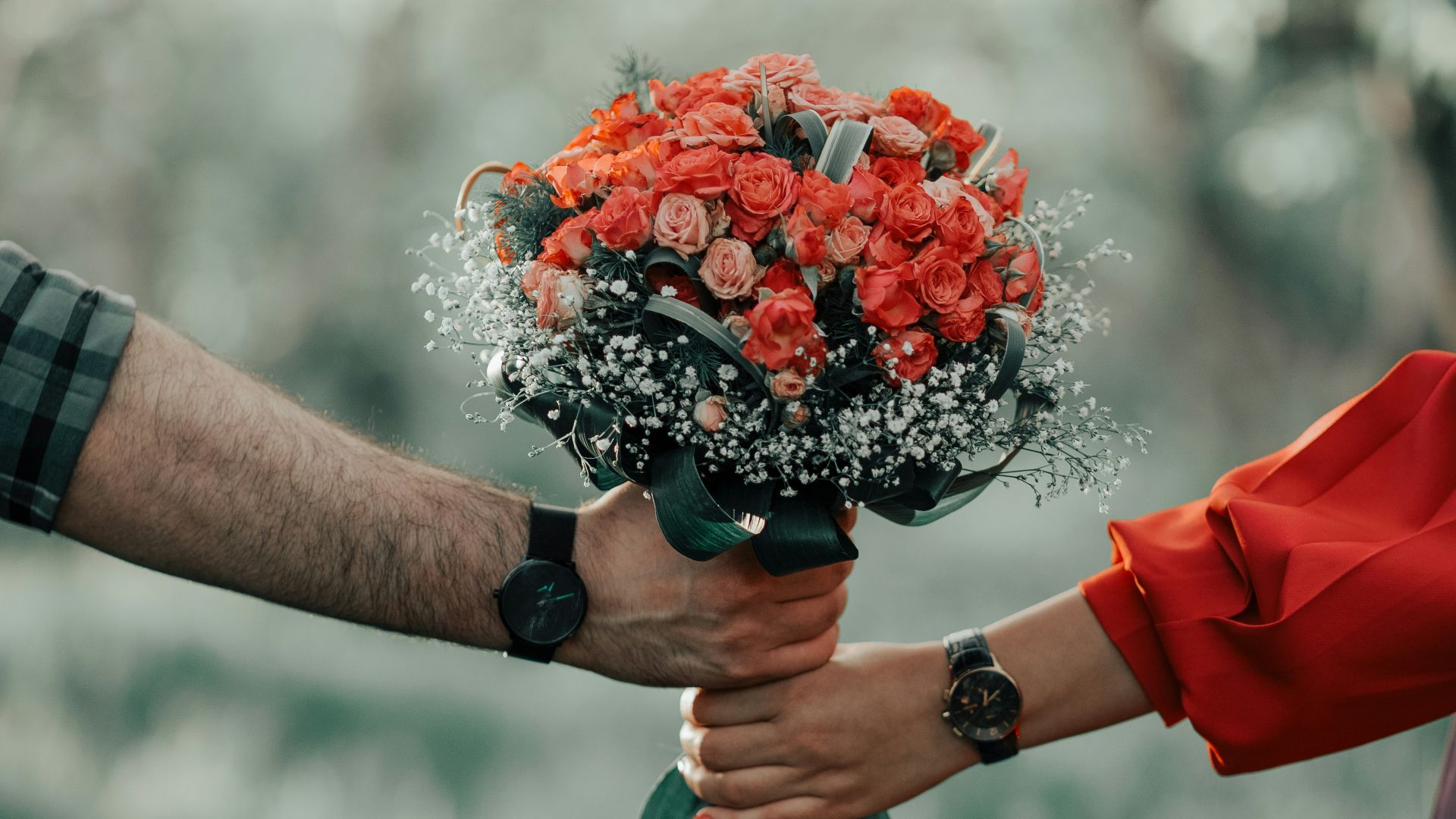
Victorian gentlemen consulted floral dictionaries before selecting which ones they’d stick in a courtship bouquet. Here’s how it broke down: roses conveyed love, ivy represented friendship, and one traditional Valentine arrangement combined roses, forget-me-nots, damp moss, and a fern signifying sincerity.

11. A Puzzle Purse
Hey, men were plenty artistic back in the day, too. If you had a creative side, those suitors could turn one sheet of paper into a “puzzle purse” covered with verses, hearts, and painted decorations. The recipient unfolded its squares in sequence to uncover the complete romantic message, along with trinkets like a lock of hair.
12. Hiding Valentines Under a Paper Cobweb
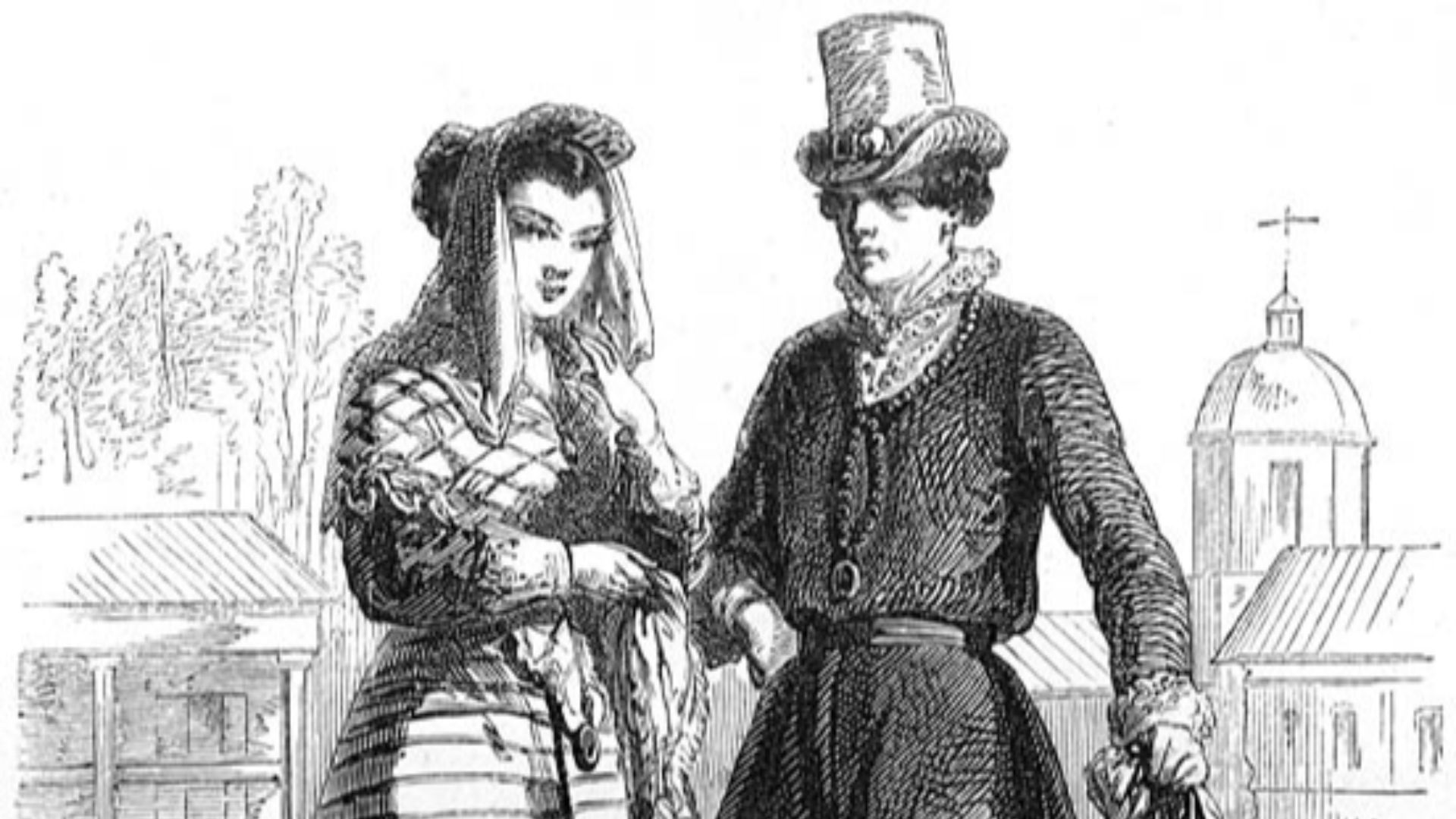
If ordinary folded paper seemed lame, a man could also send a mechanical valentine known as a cobweb, beehive, flower cage, or birdcage. Basically, pulling a thread lifted a delicately cut layer of tissue and revealed the picture or message underneath.
13. Giving Her a Portrait of His Eye
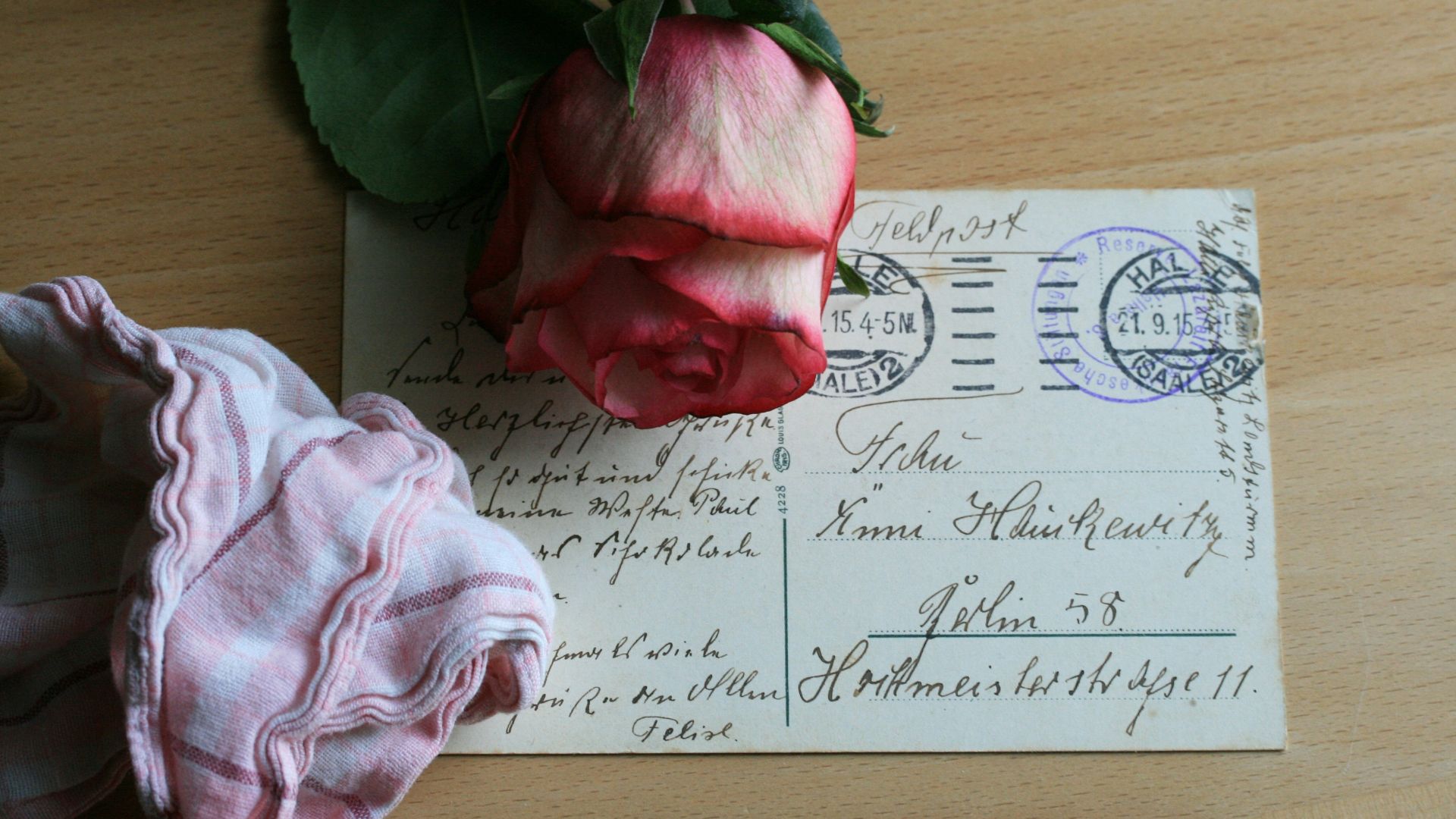
Alright, we know it sounds a little unorthodox, but not during the early 1800s. Some admirers commissioned tiny paintings showing only one of their eyes. They were known as “lover’s eyes” and were mounted inside rings, pendants, or brooches, allowing the wearer to keep the giver’s identity private.
14. Turning Human Hair Into Jewelry
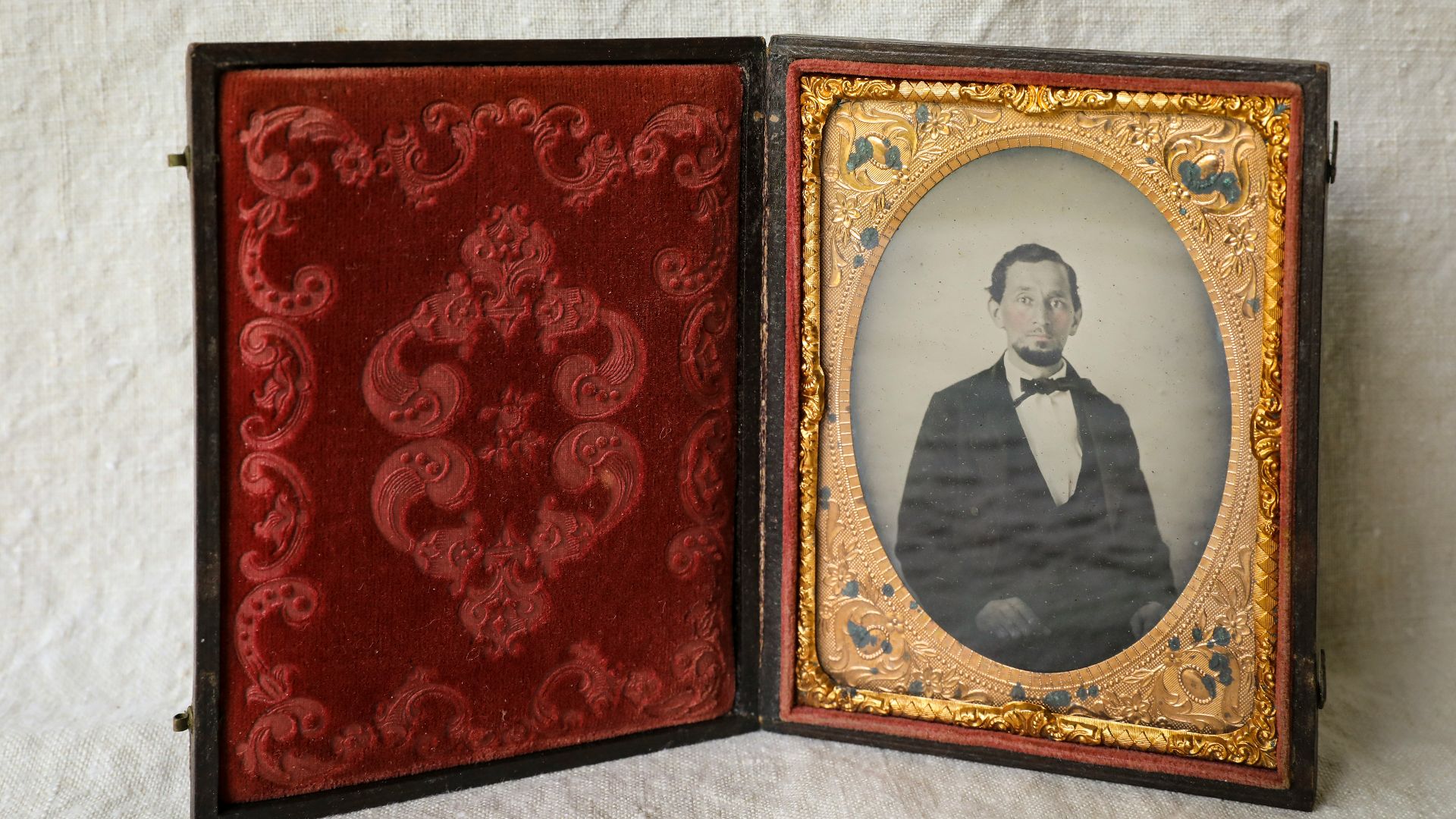
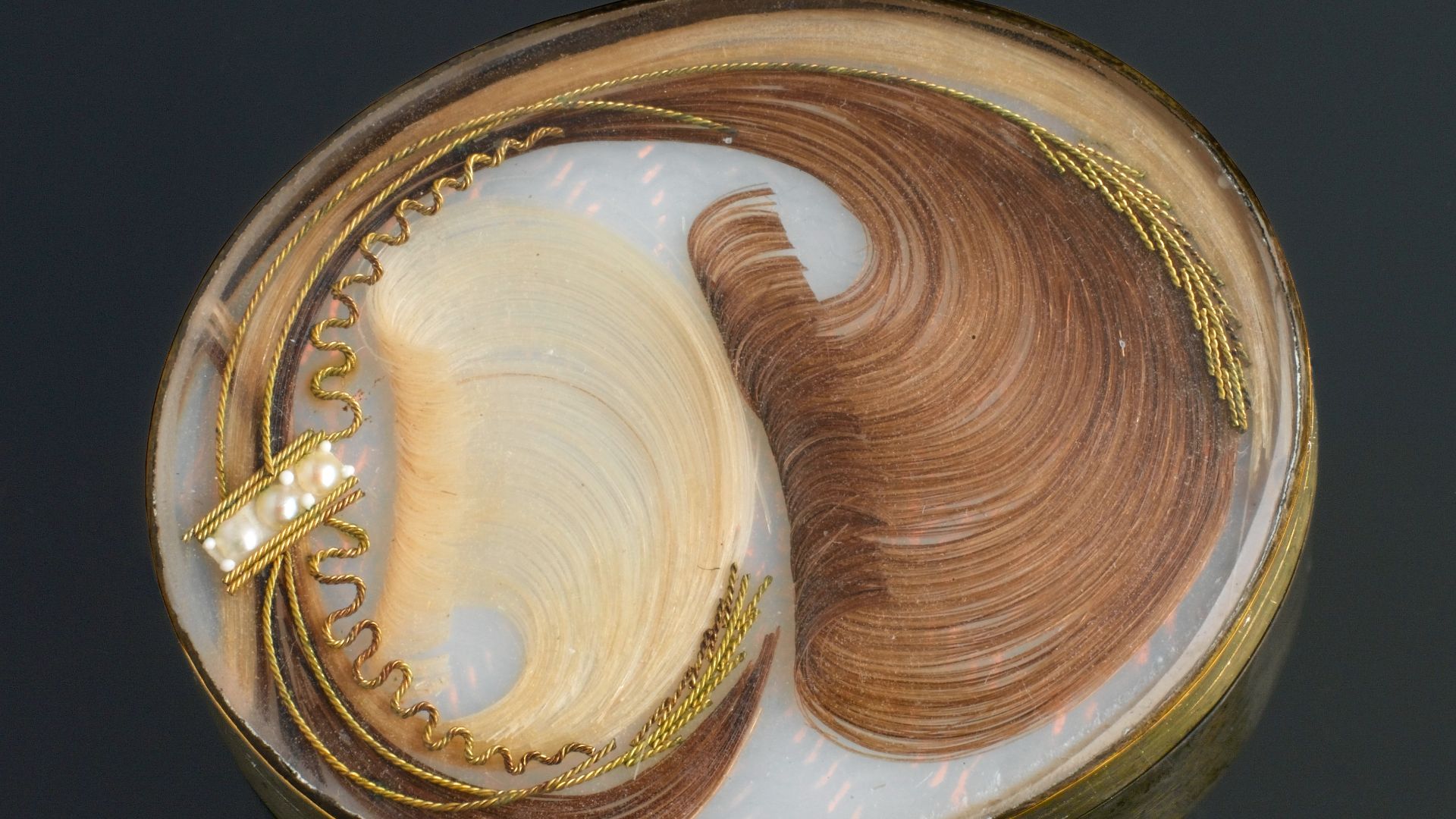
We don’t know what the fascination was with Victorian lovers exchanging hair, but some went far beyond placing a few strands inside a locket. From the 1850s through the 1880s, jewelers braided human hair into necklaces, bracelets, chains, brooches, and ornaments.
15. Grinding Down a Coin For Her
If you were a more sentimental man, you could always take a real coin, remove part of its official design, and have the surface engraved with initials, dates, pictures, or a little message. They were widely known as love tokens, and they reached popularity in Britain and the United States during the late 19th century.

16. Spelling a Message With Gemstones
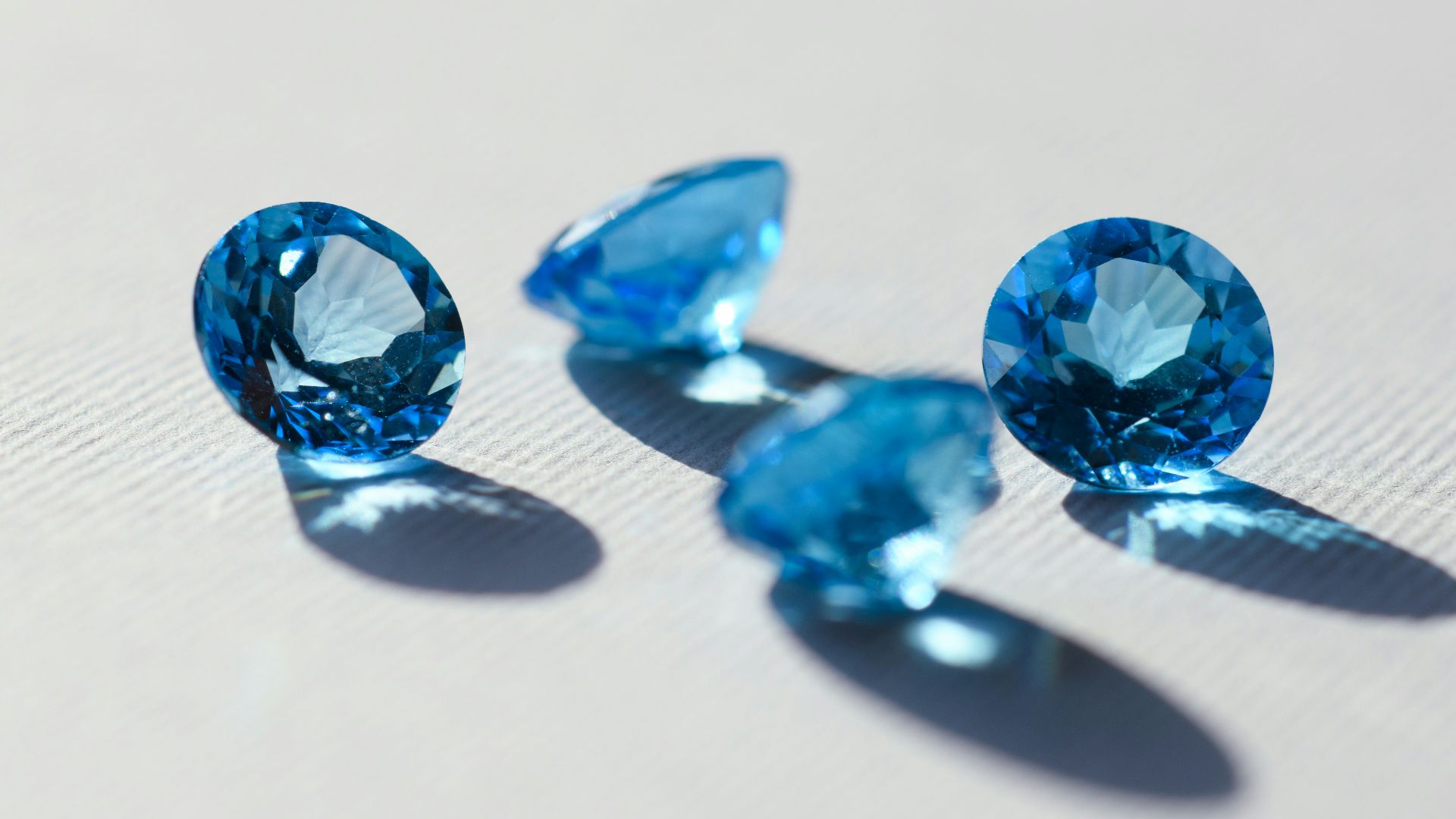
Some suitors delivered hidden messages through acrostic jewelry, which used the first letters of gemstone names to form a word. A “REGARD” ring, for example, contained a ruby, emerald, garnet, amethyst, another ruby, and a diamond—arranged in that order.
17. Carving an Enormous Wooden Spoon
In Wales, men traditionally demonstrated both affection and practical skill by carving intricate lovespoons from single pieces of wood. These gifts could contain anything from hearts and chains to swiveling circles and caged balls. Some had multiple bowls or the woman’s initials.

18. Playing a Flute Decorated With Elk
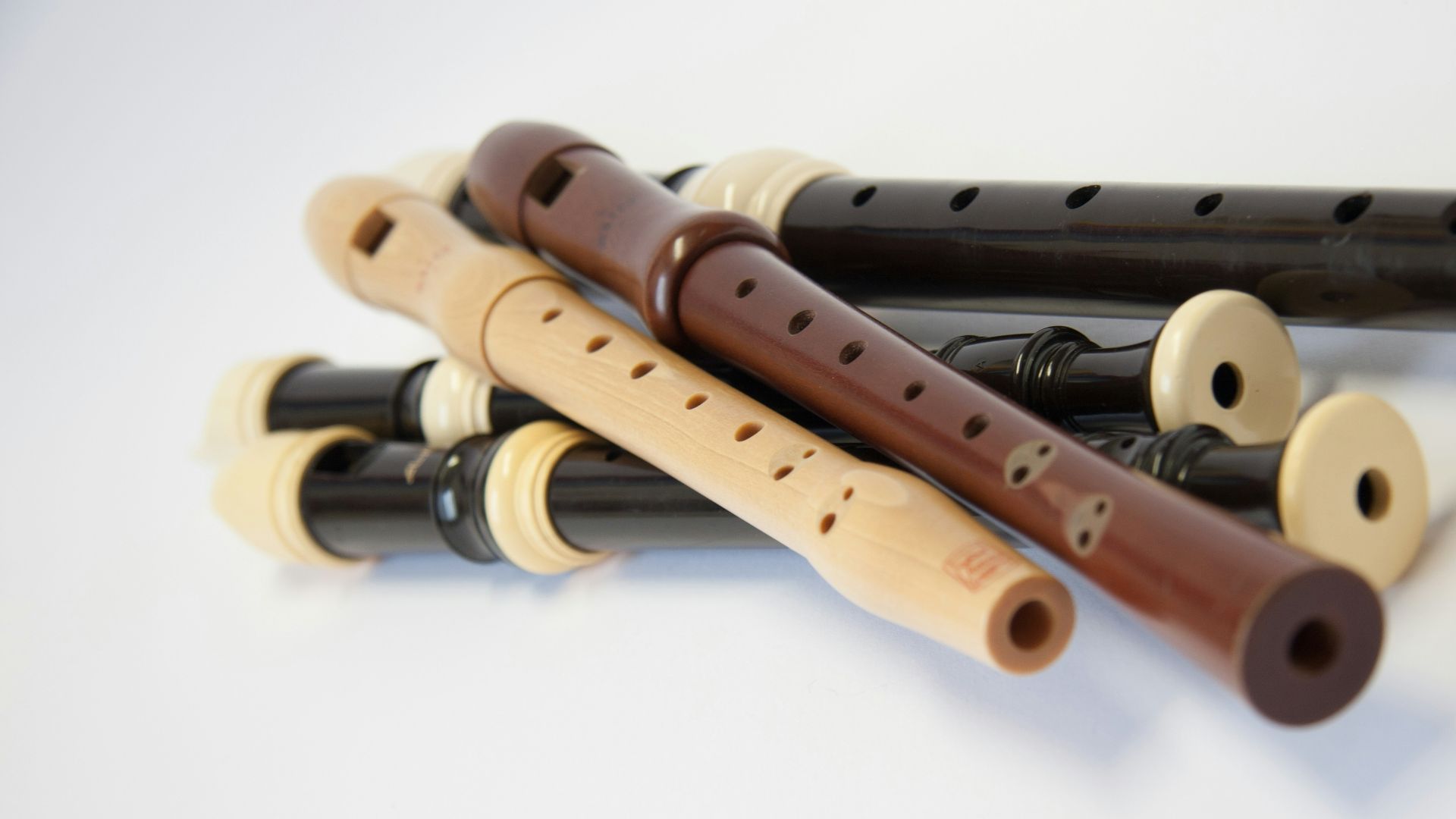
Among the Lakota in the late 19th century, young men played a little something called a courting flute to attract women. Suitors imitated the call of a bull elk, and sometimes went so far as to decorate their instruments with elk images. Men could also carry elk-horn charms to strengthen the effort.
19. Waiting With a Blanket
Records show that a courting custom was practiced in several Plains cultures whereby an interested young man waited along a path the woman regularly traveled. It sounds creepy, but she could signal mutual interest by looking at him or stopping to speak. He then placed his blanket around them both, while an uninterested woman was free to continue walking.
 Anna Mysłowska-Kiczek on Unsplash
20. Taking Her Out on a “Courting Bicycle”
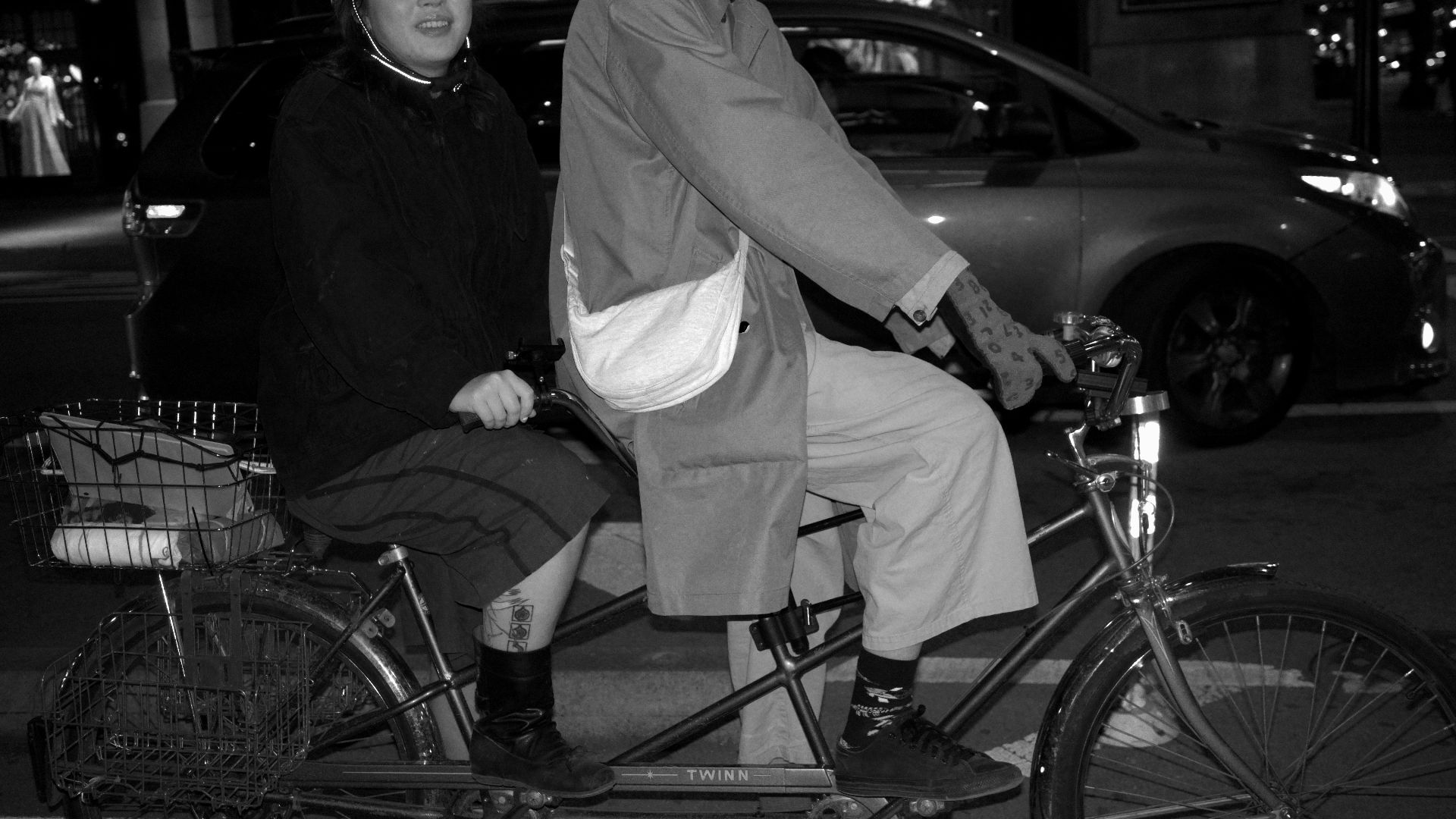
By the 1890s, the tandem bicycle had become so useful to couples that it earned the nickname “courting bicycle.” A duo could travel together, placing them in unusually close company while requiring both riders to coordinate their movements. Talk about a scandal!
KEEP ON READING