Old Advice Books Put Wives in Charge of Home Life
Old advice books had a very clear idea of what married women should do all day. They didn’t just talk about cooking or keeping the house clean. They gave wives responsibility for the budget, children, guests, sick relatives, and even the mood inside the home. Many of these books were written for English and American middle-class families, and some assumed there were servants in the house, so the advice didn’t reflect the lives of every woman’s life. Still, the same rules kept coming up, and these 20 points show what writers of the time believed made someone “a good wife.”

1. Know How To Run The Home
These books put the wife at the center of daily home life. She was expected to know what needed doing, keep everyone on a routine, and deal with problems before they got worse. Running a home wasn’t treated as a small job or something to do when there was time.
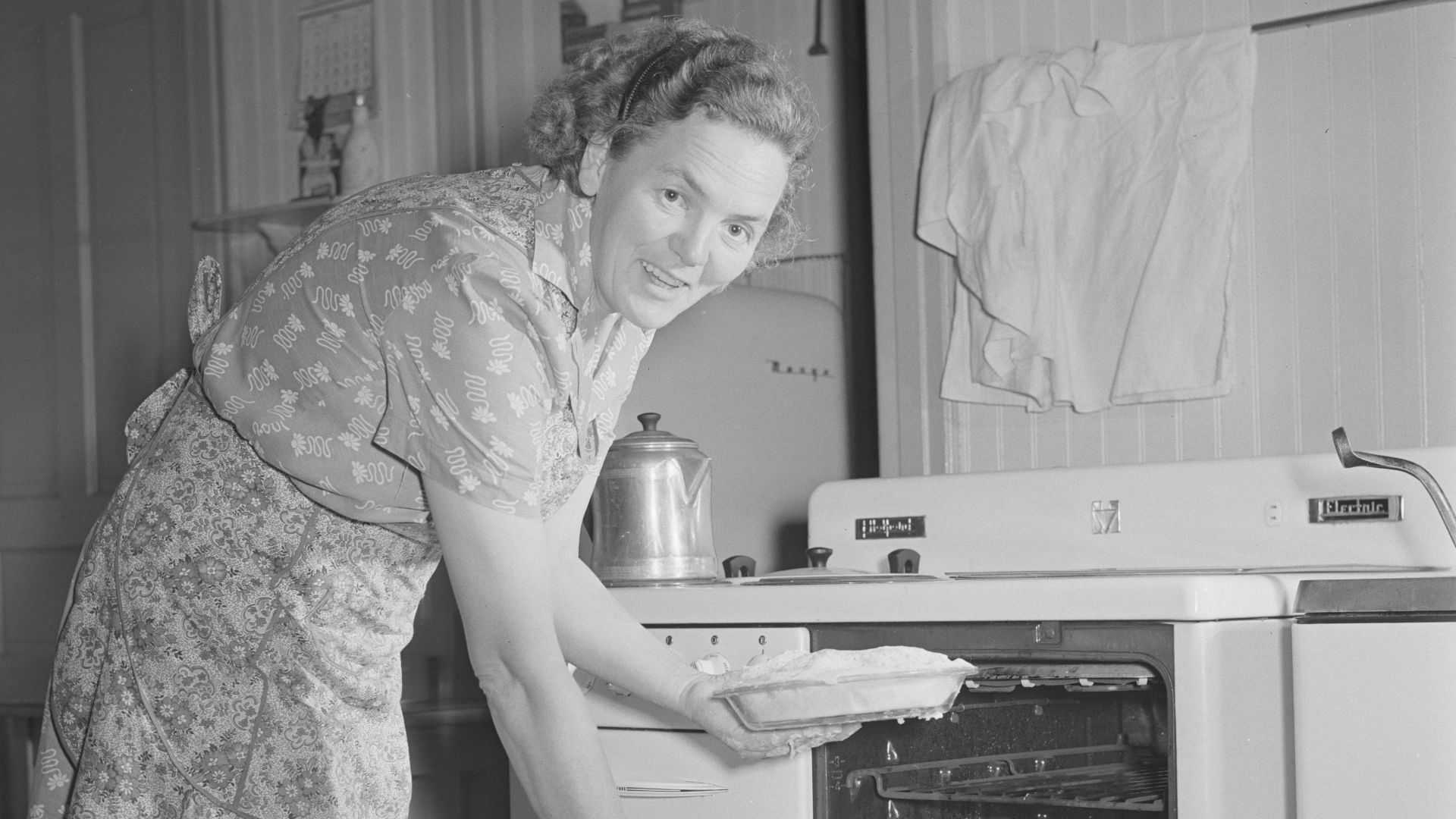 Library of Congress on Unsplash
2. Get Up Early
An early start was seen as one of the clearest signs of a well-run home. A late morning could throw off meals, children, and housework, while getting up early was supposed to keep the day moving on time. Punctuality mattered, too, because the wife was expected to keep the whole household organized.

3. Watch The Family Budget
Money was a big part of the job. A good wife was supposed to understand what the family could afford, avoid spending just to impress people, and keep purchases within the household budget. Some writers also said husbands should keep their wives informed about finances, since she couldn’t manage expenses without knowing what was really going on.

4. Buy Food Carefully
Shopping for food wasn’t meant to be a quick errand. A wife was expected to know how to spot good-quality items, find sellers she could trust, and avoid deals that looked cheap but turned out to be a waste of money. The pantry was meant to show that she knew how to make sensible choices.
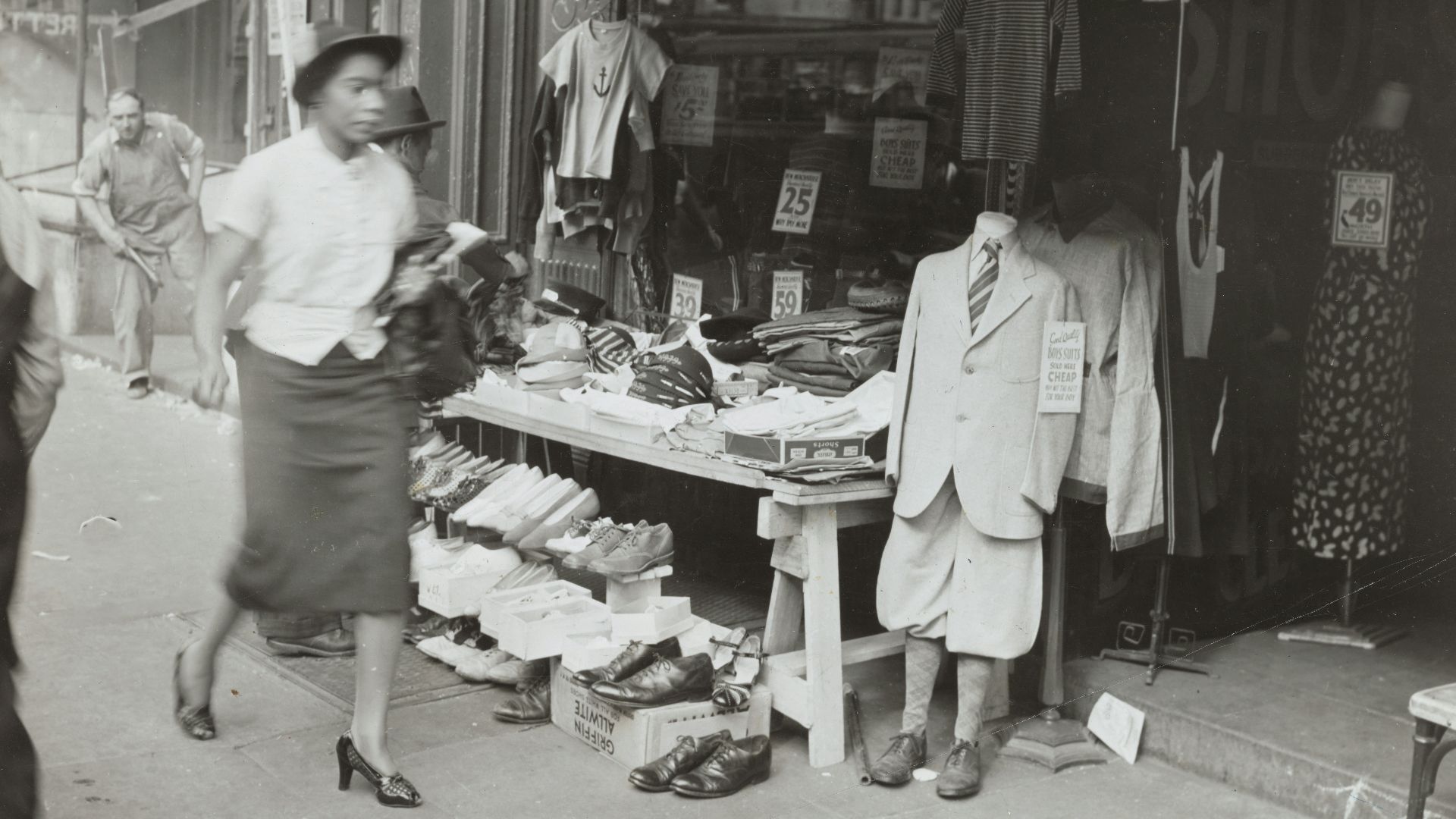 The New York Public Library on Unsplash
5. Don’t Waste What You Have
The ideal wife was expected to make the most of the food, clothing, and supplies already in the house. Leftover meat could become soup, worn clothes could be mended, and seasonal foods could be saved for later. Nothing was supposed to be tossed aside if it could still be useful.
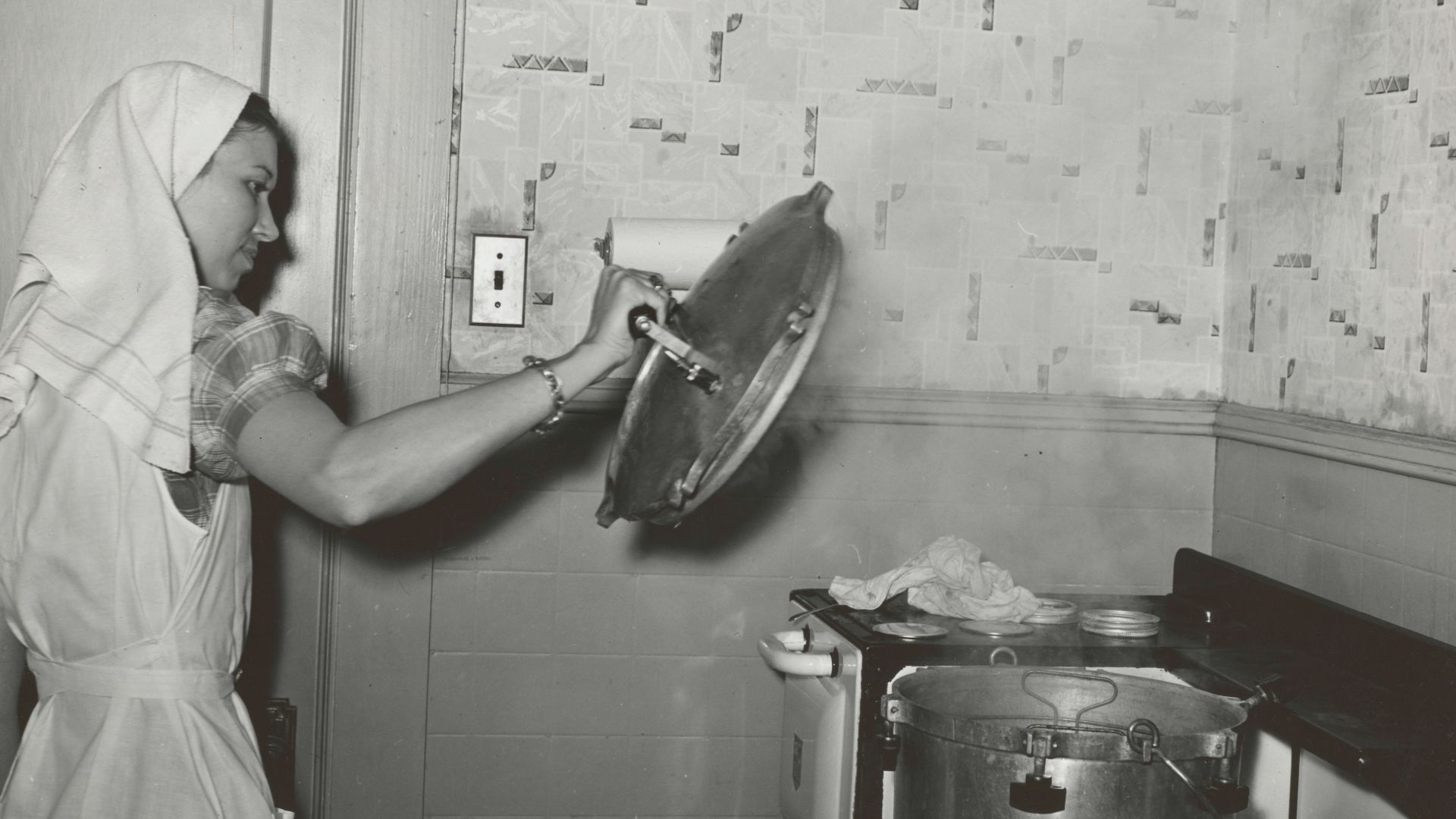 The New York Public Library on Unsplash
6. Make Good Meals
Cooking carried a lot of pressure. Meals were supposed to be filling, served on time, and suited to the family’s income, while poorly cooked food was blamed for making home less pleasant. A wife was expected to keep the kitchen running smoothly, even when there were plenty of other jobs waiting for her.

7. Keep The House Clean And Fresh
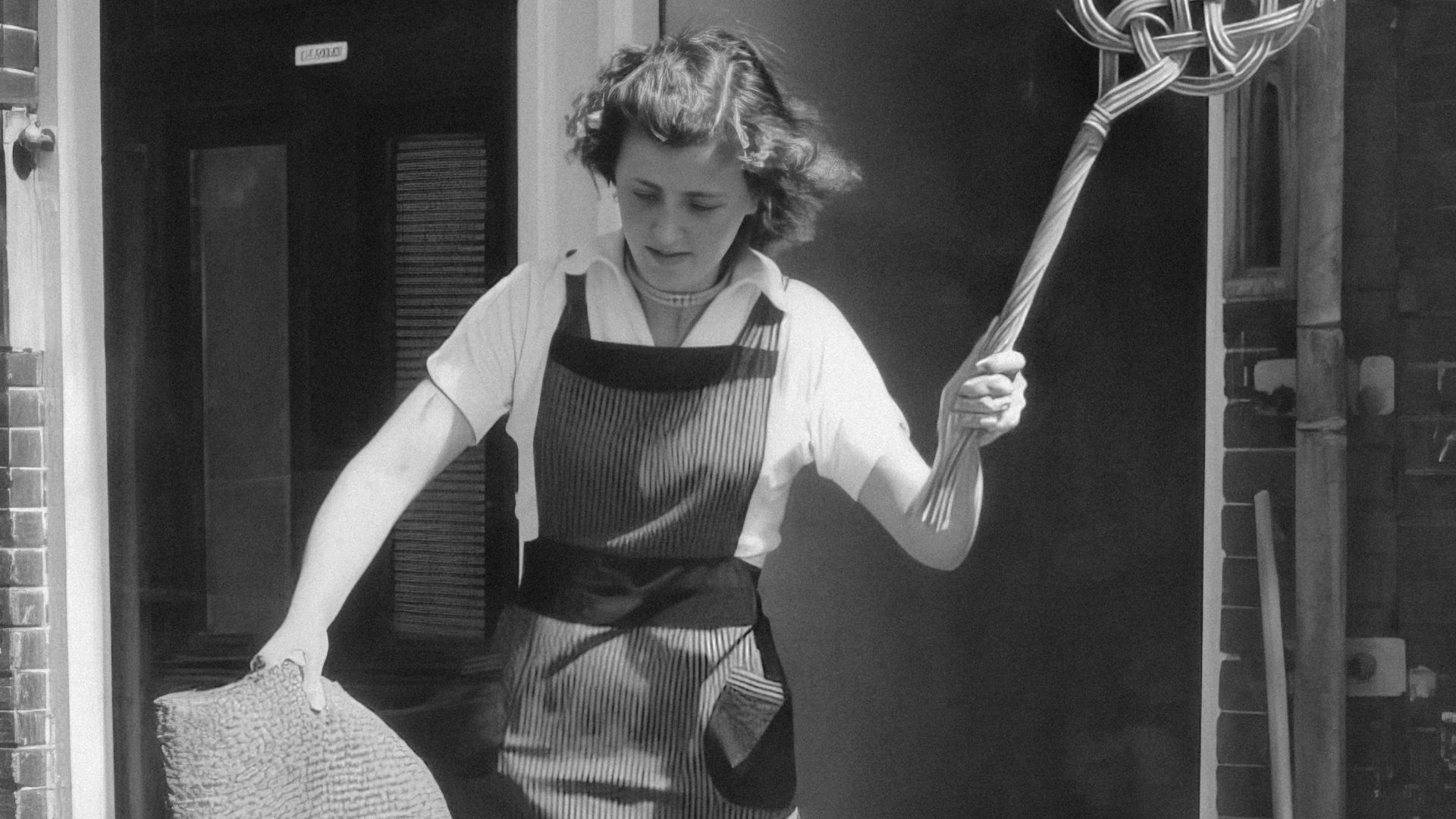
Clean rooms, fresh air, safe fires, and tidy kitchens were all part of a wife’s work. These books connected a clean home with comfort and good health. Housework was treated as something that affected the whole family.
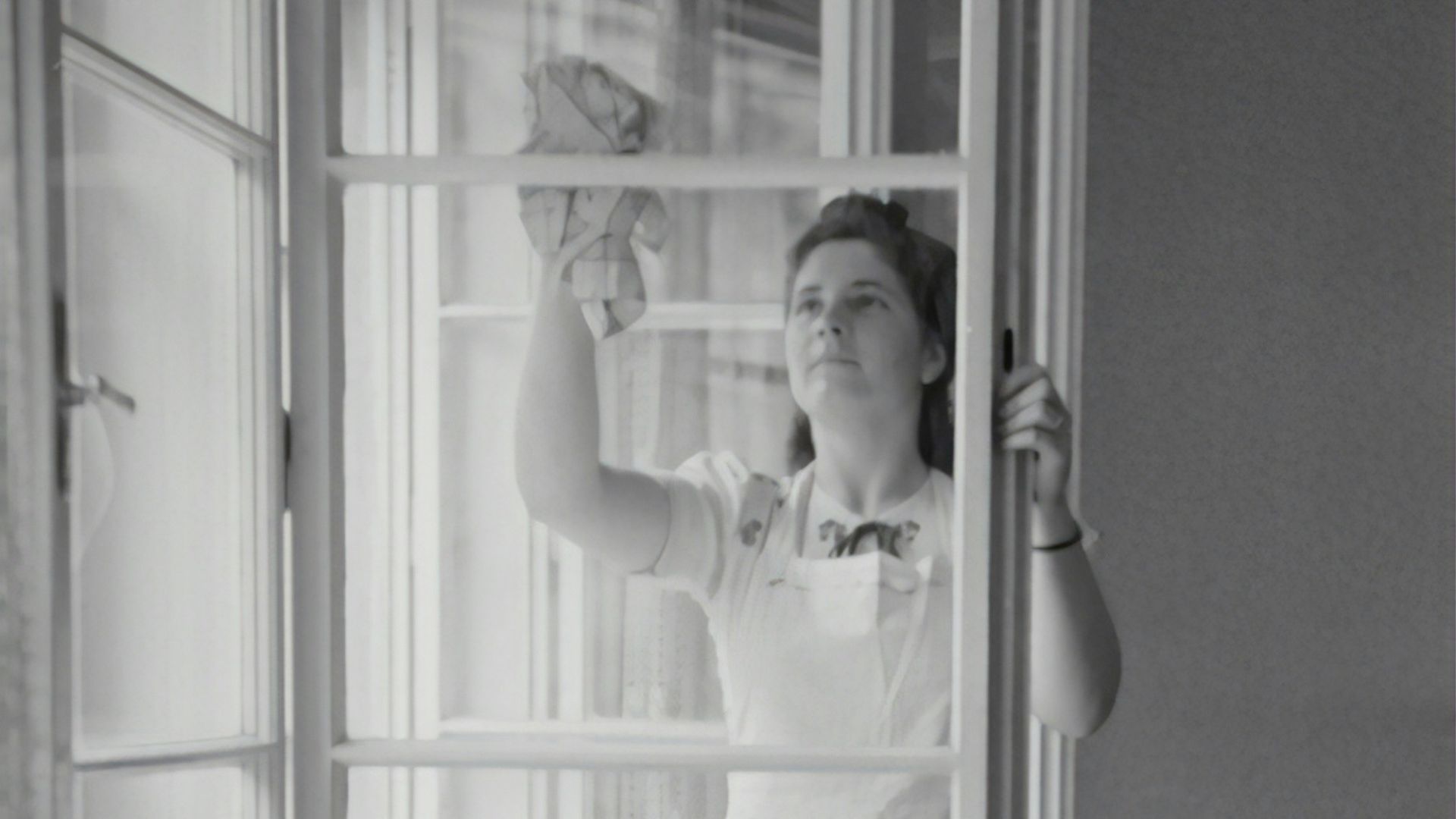 Austrian National Library on Unsplash
8. Stay On Top Of Clothes And Linen
Laundry and clothing always needed attention. A wife was expected to wash, mend, store, and prepare seasonal clothes before a cold day or a torn sleeve caused trouble. It was work that people often noticed only when it hadn’t been done.
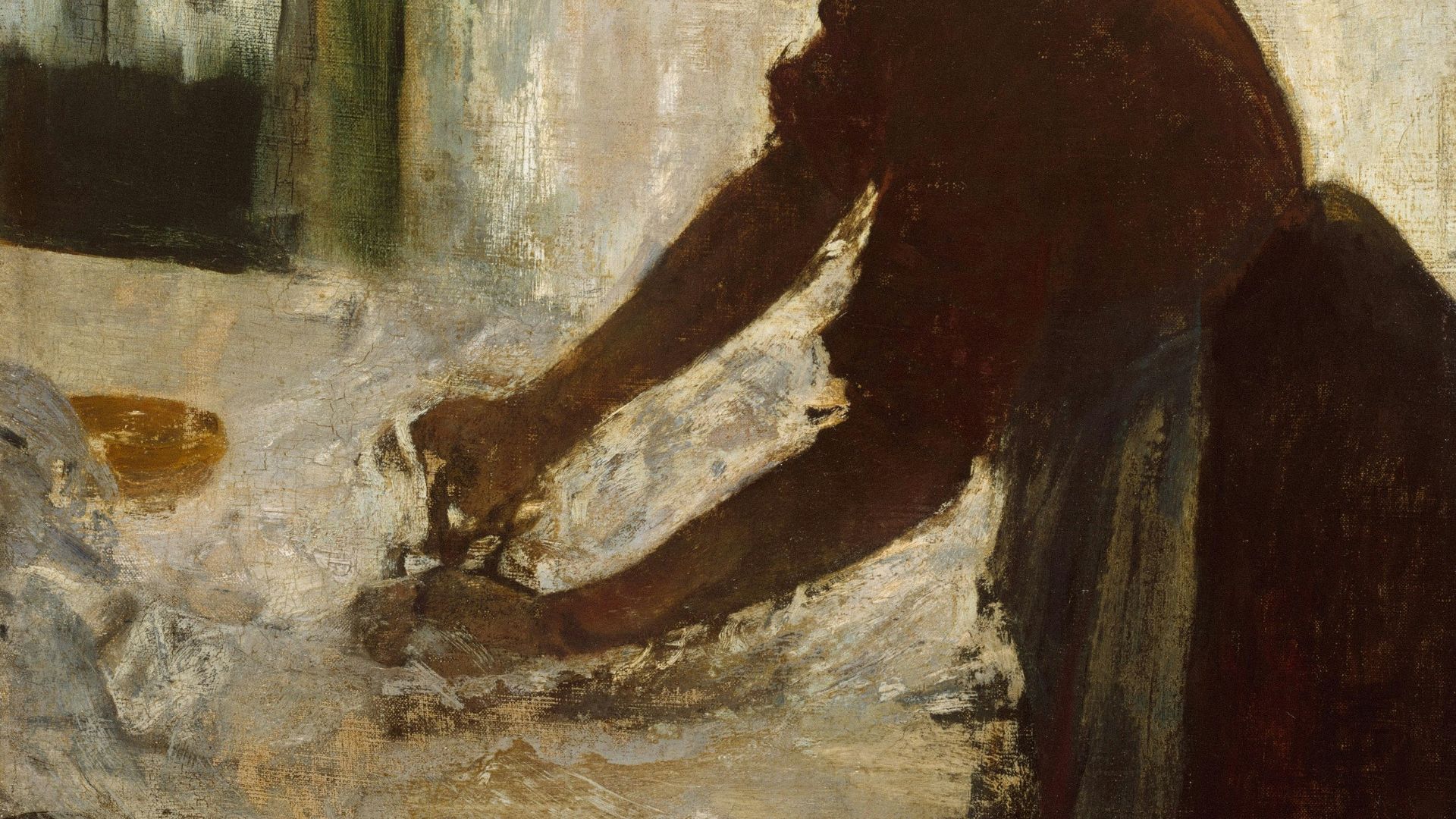 The Metropolitan Museum of Art on Unsplash
9. Manage Servants, If The Family Had Them
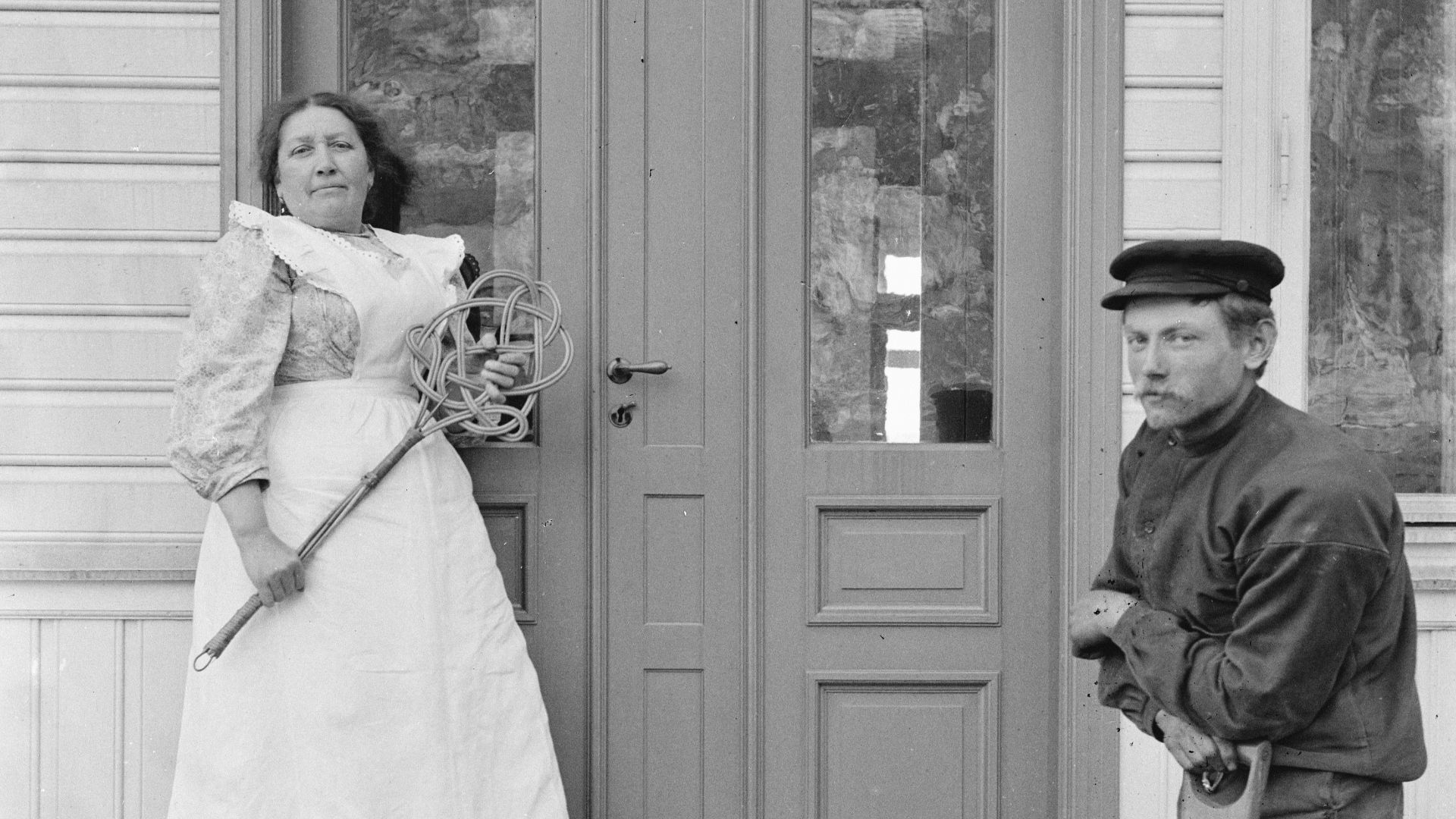
Some advice books assumed the household had servants, and the wife was expected to supervise them. She was supposed to assign jobs, check their work, manage accounts, and give fair references when they left. Those expectations also show how much class shaped the image of the “ideal” home.
 Fylkesarkivet i Vestland on Unsplash
10. Keep A Close Eye On The Children
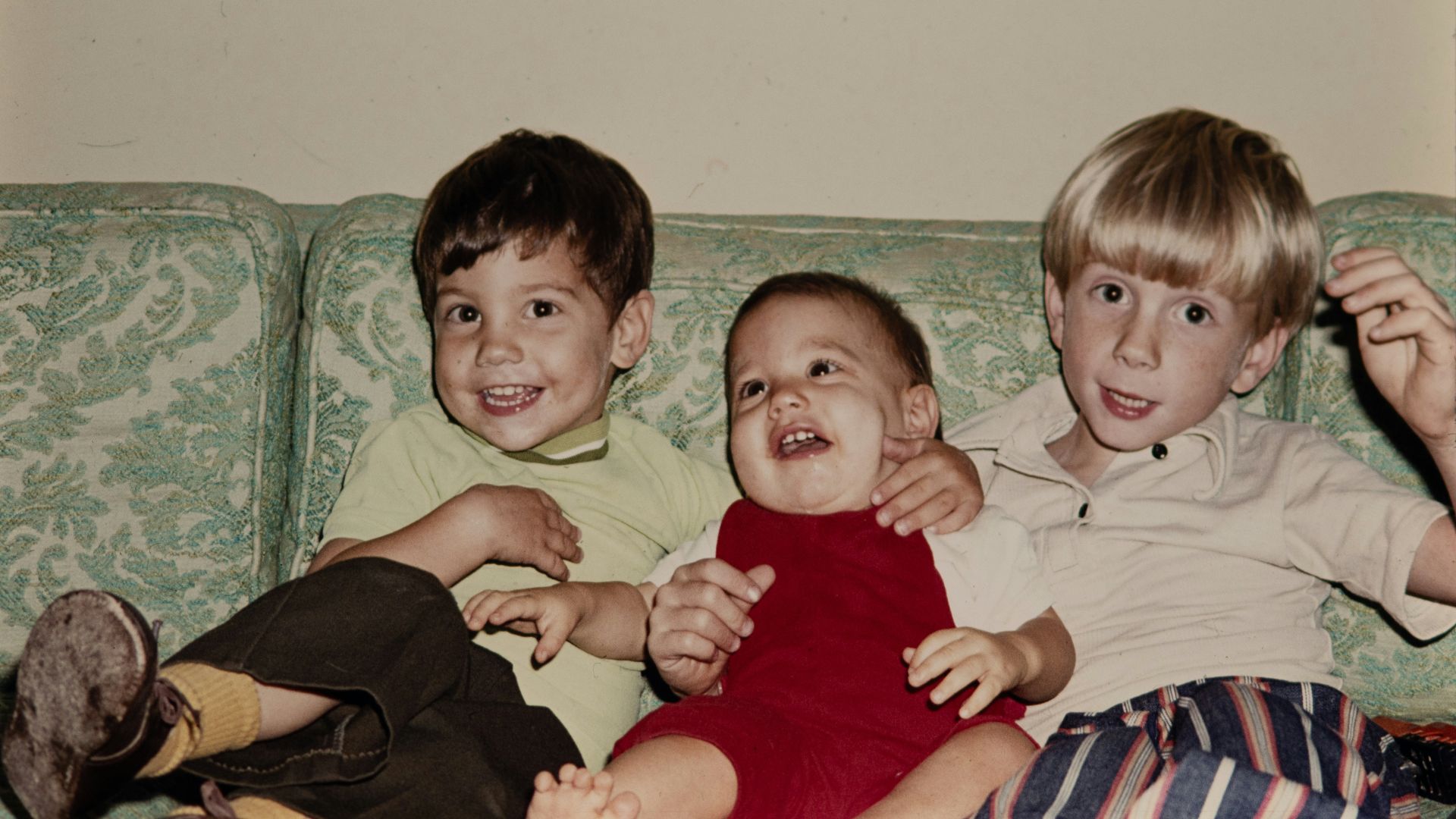
Child care was treated as part of being a good wife. Mothers were expected to watch over children’s habits, manners, health, and early education instead of leaving those jobs entirely to paid caregivers. A child’s behavior was often seen as proof of whether the mother was doing her job well.
11. Care For Sick Family Members
When someone got sick, the wife was expected to step in and help. She was supposed to keep the sickroom clean, prepare suitable food, offer comfort, and follow the medical advice available at the time. The role often made her the main nurse in the family, whether she felt ready for it or not.

12. Make Home Feel Pleasant
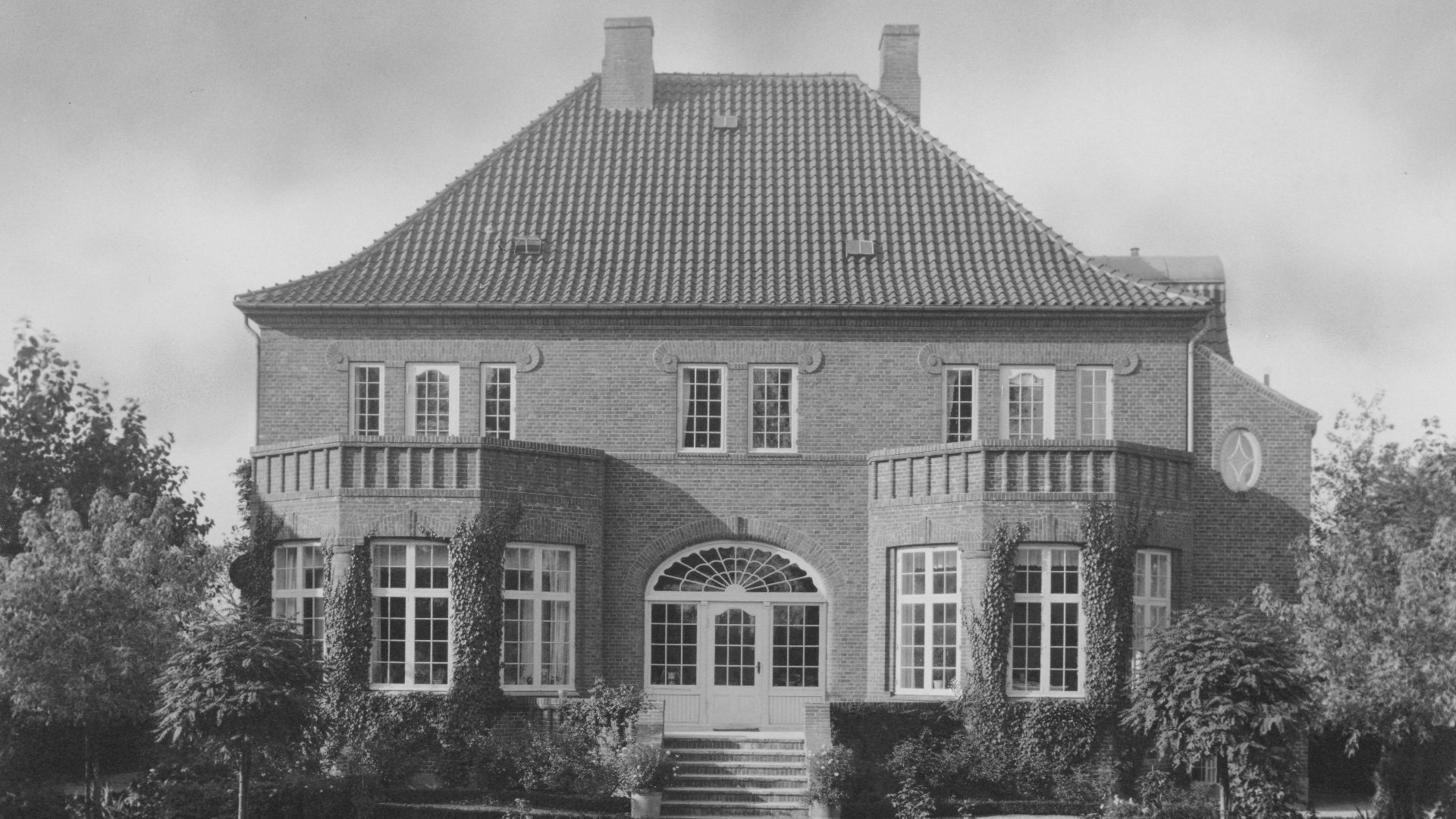
A home wasn’t supposed to be only a place to sleep. Wives were encouraged to make it comfortable enough that husbands and children would want to spend time there, with good meals, friendly conversation, and pleasant surroundings. Keeping the home inviting was treated as part of her responsibility.
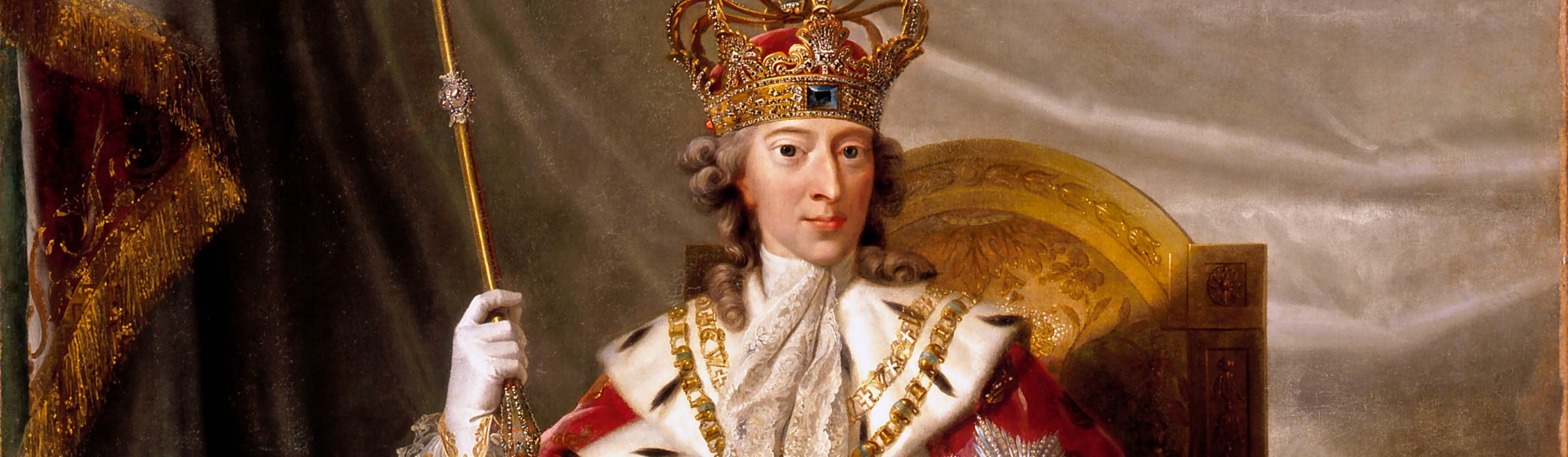
 The Royal Danish Library on Unsplash
13. Stay Calm When Things Go Wrong
A wife was expected to speak gently and handle small problems without letting them take over the whole day. The books made her responsible for keeping the peace, even when other people in the house were being difficult.
14. Keep Complaints About Your Husband Private
Several guides told wives not to share their husbands’ faults with friends or neighbors. Silence was presented as loyalty and good judgment. Of course, that advice has a serious downside, as it also prevents many women from speaking about the abuse they suffered.
15. Accept Your Husband’s Authority
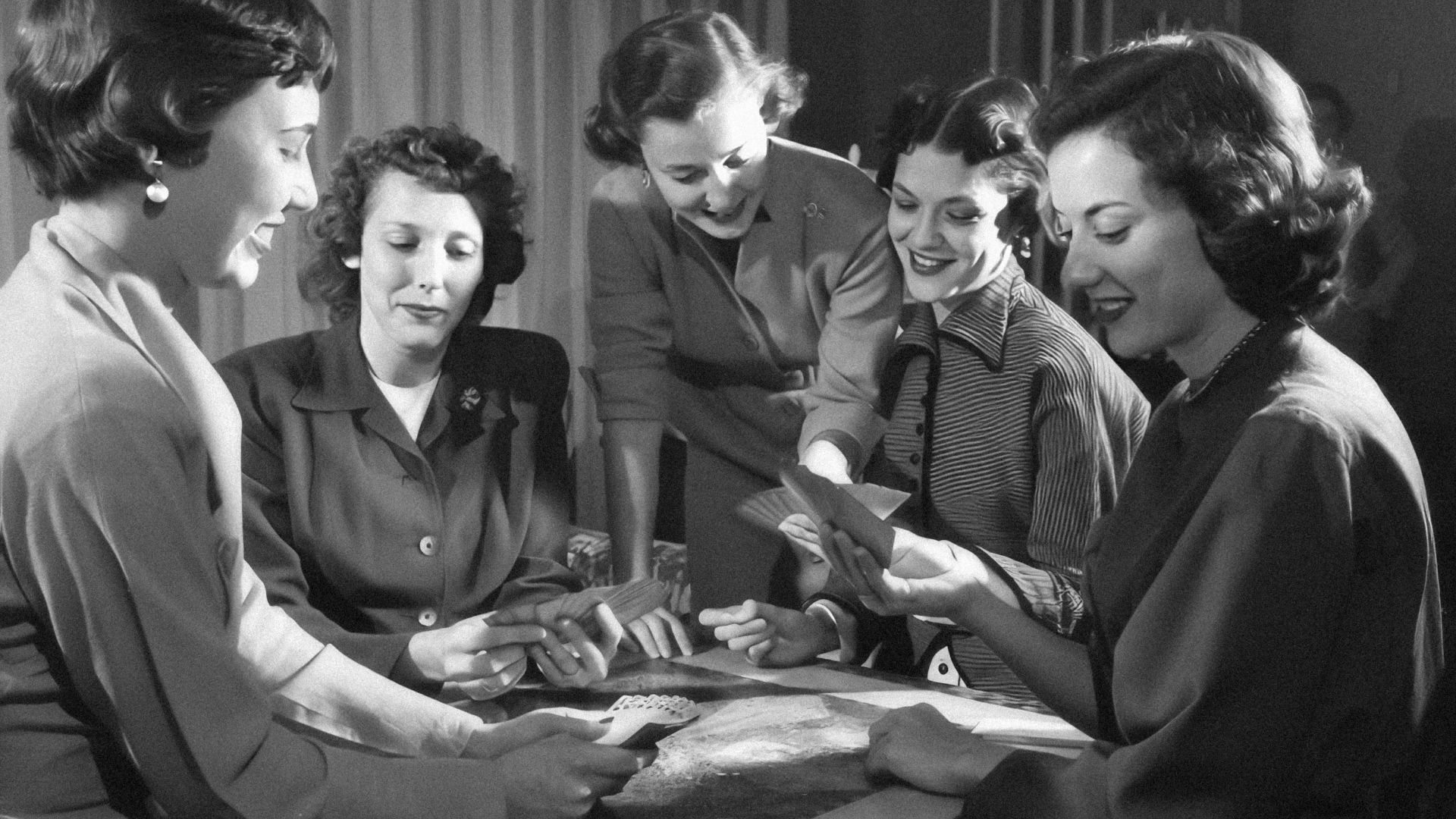
Some writers were very direct about this rule. They said a wife should submit to her husband and make more compromises than he did. Marriage was presented as unequal, with the husband in charge and the wife expected to support him.
16. Be Happy With What The Family Could Afford
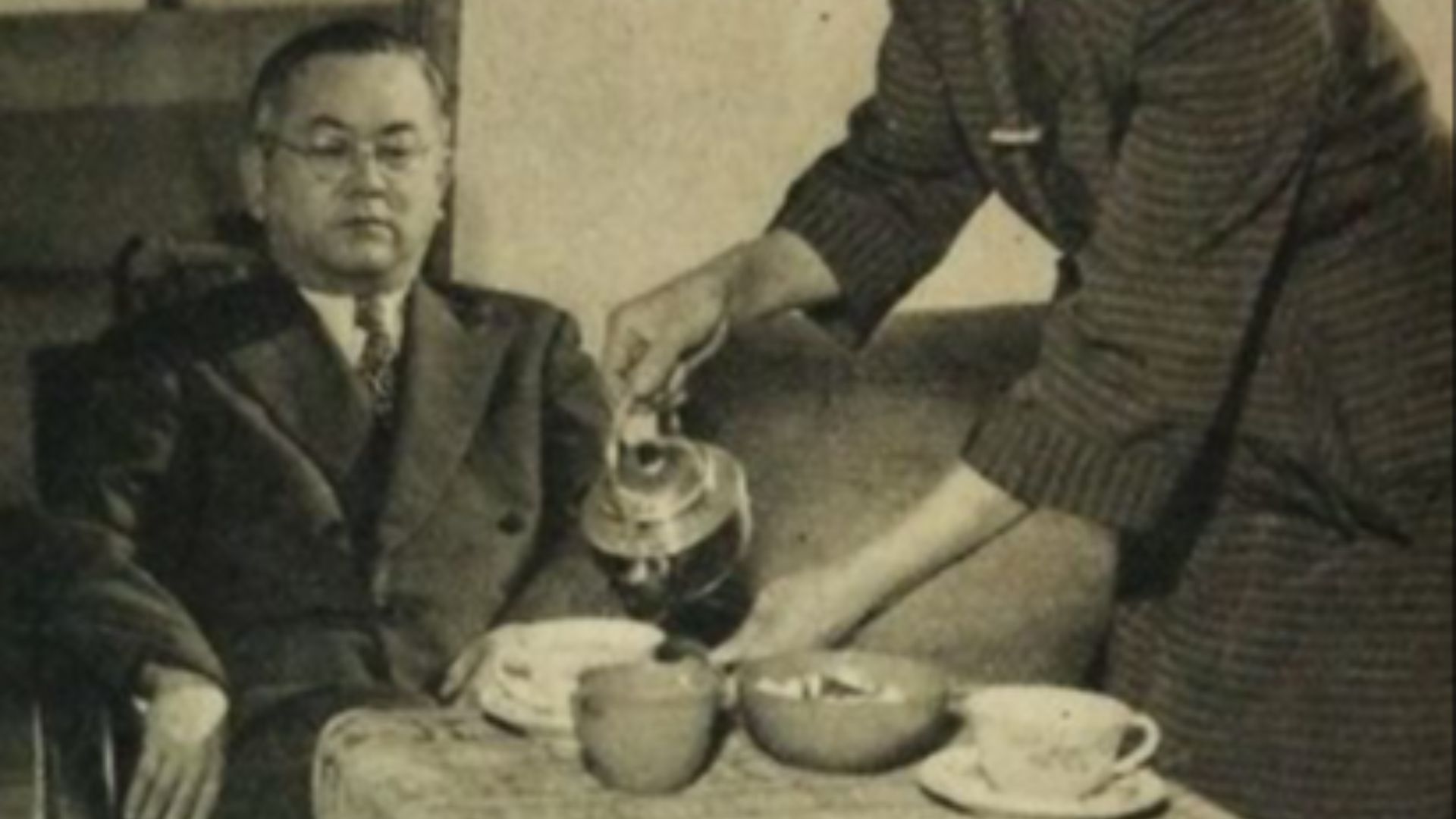
Contentment was treated as an important trait. Wives were encouraged to avoid expensive habits, social climbing, and spending money just to look well-off in front of other people. The goal was to keep the home respectable without trying to live beyond the family’s means.
17. Dress Neatly, Not Flashily
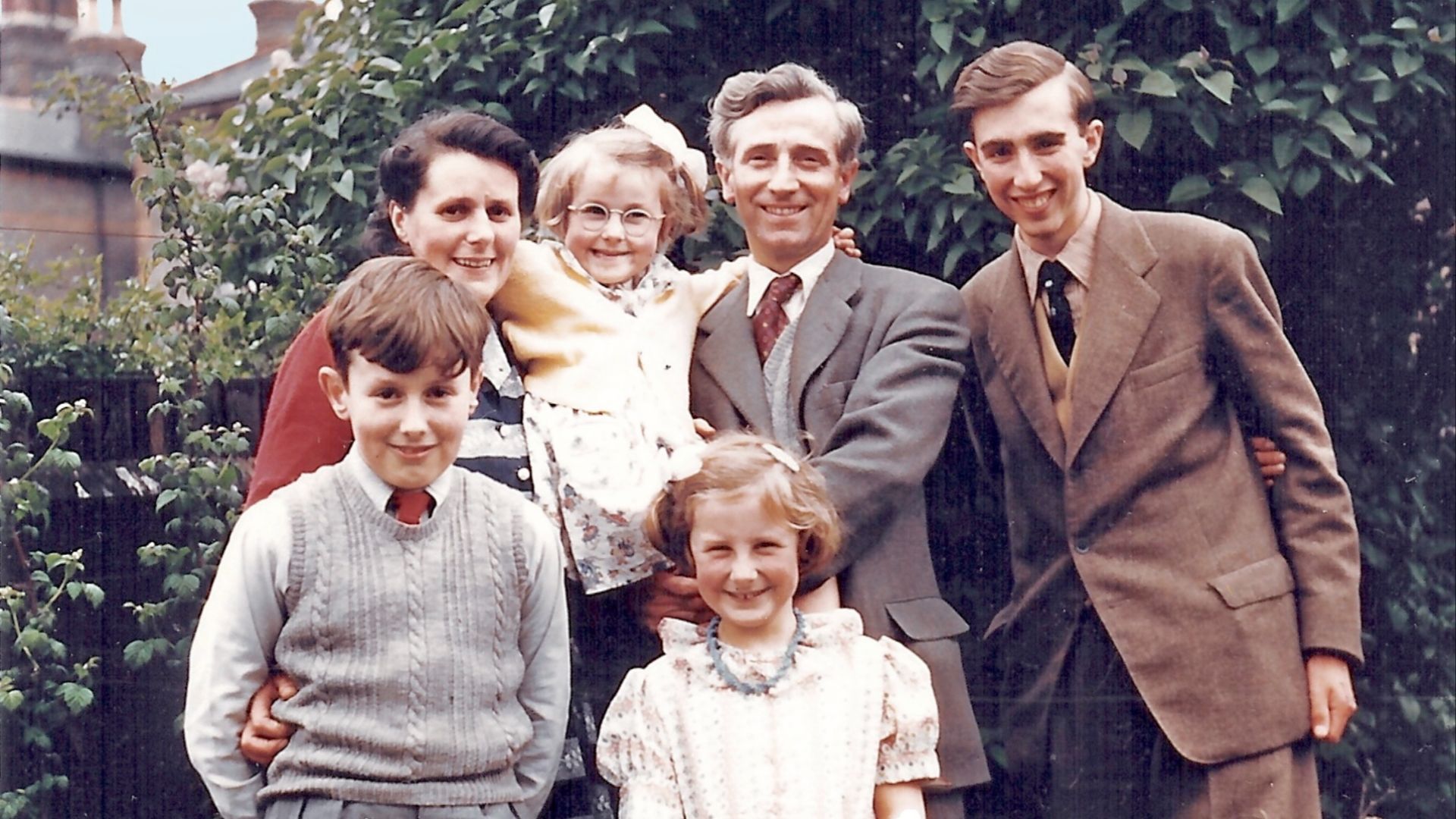
A wife’s appearance mattered, although she wasn’t supposed to look overly showy. The preferred style was clean, simple, and suited to the time of day and the work she had to do. Her clothes were seen as another reflection of how well she managed the home.

18. Be A Good Hostess
Hosting guests came with a whole other slew of rules. A wife was expected to invite people who would get along, be ready when they arrived, and make everyone feel comfortable. The evening wasn’t supposed to feel stiff or poorly planned.

19. Make Time For Faith And Helping Others
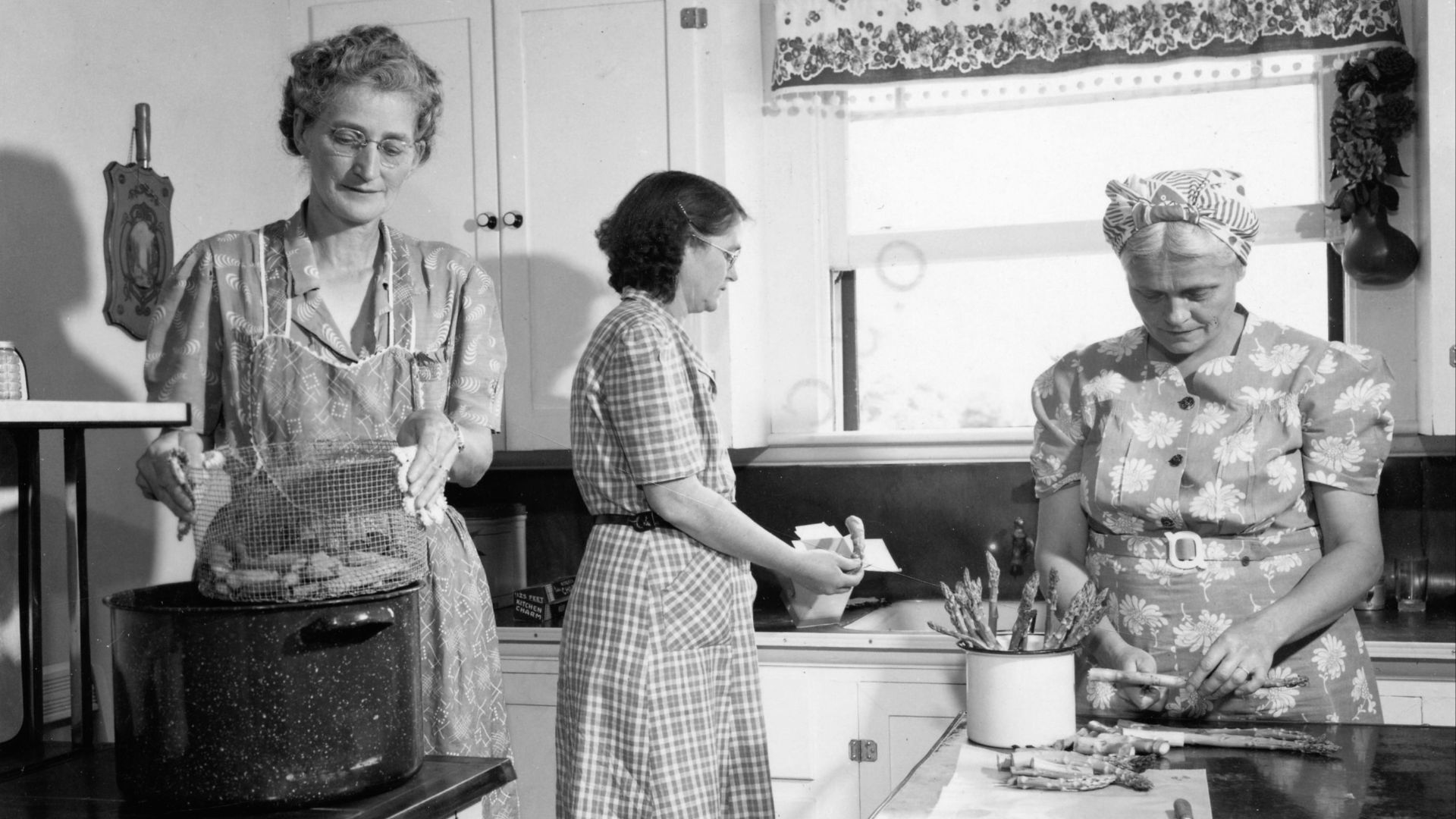
Many of these books tied household work to faith and charity. Wives were encouraged to give what they could, visit people in need, and make room for those duties alongside meals, mending, and child care. Even helping others was treated as part of running a respectable home.
 The Oregon State University Collections and Archives on Unsplash
20. Keep Learning When The Work Was Done
These books didn’t say a wife had to spend every spare minute doing chores. Reading, music, gardening, art, and social time were encouraged after household duties had been handled. The ideal wife was expected to have good judgment and curiosity, along with a clean kitchen and a full laundry basket.

KEEP ON READING