

 TravelingOtter on WikimediaHave you ever thought a place could be completely explored and understood, only to have a secret pop up out of nowhere? That's exactly what happened on Easter Island in 2023, where a previously unknown moai statue was revealed in a spot no one expected. The find has reignited debates about the island's history and left archaeologists scrambling to reassess long-held theories about the Rapa Nui people.
If you're curious about ancient mysteries and how history keeps surprising us, read on—this discovery adds intriguing insights to what you thought you knew about the island's legendary statues.
A Statue Hidden Beneath A Lakebed
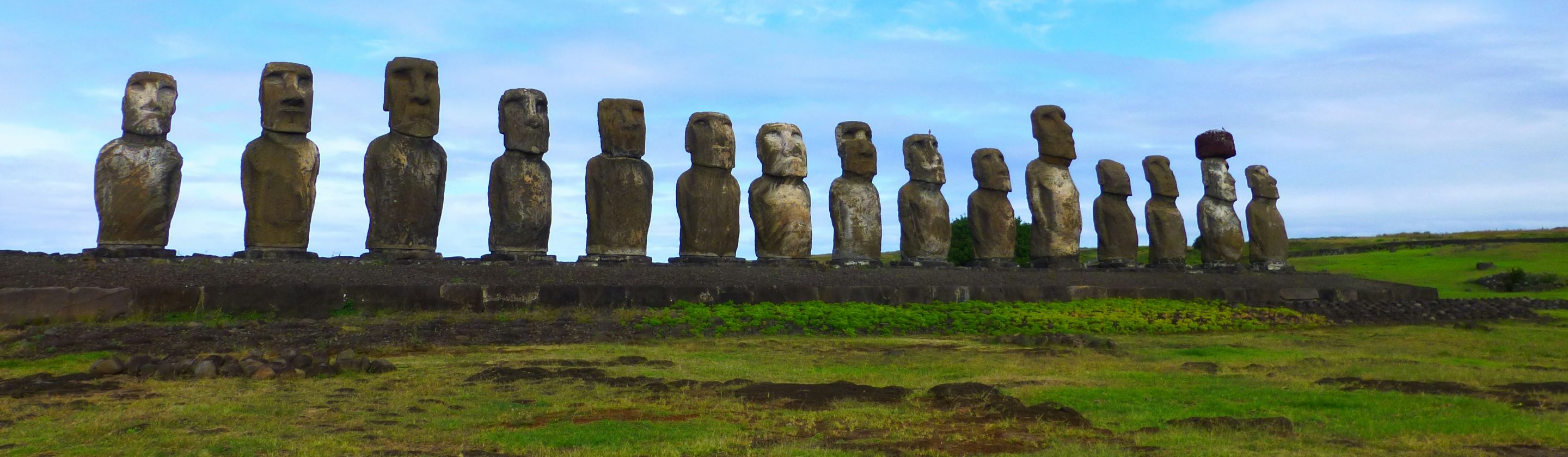
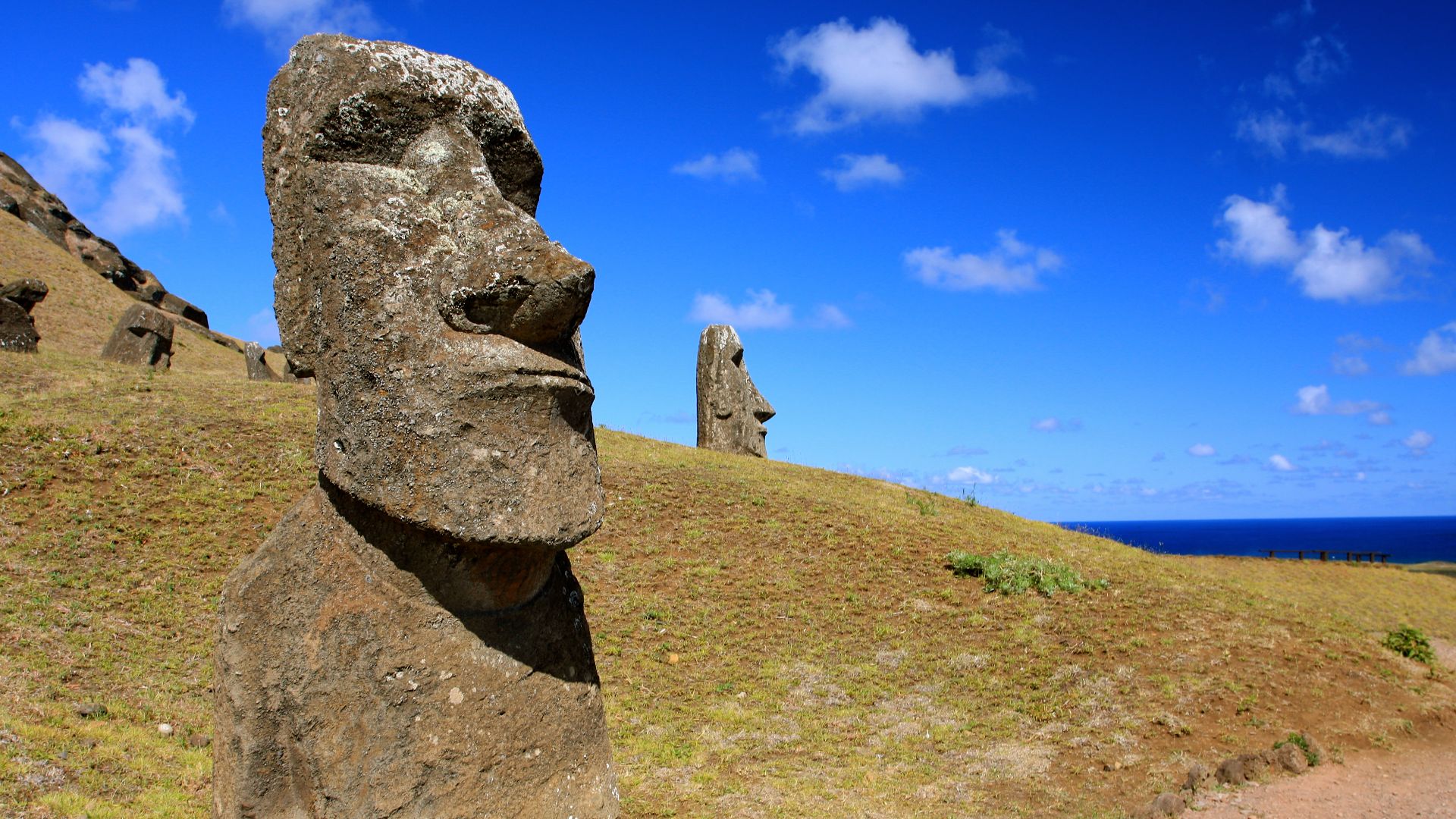
Easter Island is known for its monolithic statues, called “moai,” carved by the Rapa Nui people between 500 and 800 years ago. Until now, researchers believed they had found and cataloged nearly every moai scattered across the island. But this statue was hiding in plain sight, buried in a dried-up lakebed that hadn’t been explored closely before.
The lake, part of the volcanic crater Rano Raraku, once a freshwater source, has slowly dried due to recent prolonged droughts, likely linked to climate change. When the water receded, a smaller-than-average moai, about 5.25 feet tall, was discovered lying on its side among the sediments.
What This Means For Easter Island’s History
The discovery is exciting for several reasons. It suggests that the known moai count, over 1,000, could grow if explorers scan the lakebed and other hidden areas. Archaeologists plan to use ground-penetrating radar and similar tools to hunt for more statues hidden under the earth, as tall reeds and sediment may have concealed others for centuries.
Besides expanding the inventory of moai, this statue challenges existing ideas about where and why the statues were placed. Normally, moai were erected on land, facing inward toward ancestral villages. A moai positioned in a lakebed may hint at different cultural or spiritual practices yet to be fully understood.
It also raises new questions about how the Rapa Nui people managed to move and position such massive figures across varying terrain. The lakebed’s environment could help preserve organic materials, offering clues about tools, rituals, or even daily life surrounding the construction of the statues.
Why This Discovery Matters
 Mike W. from Vancouver, Canada on Wikimedia
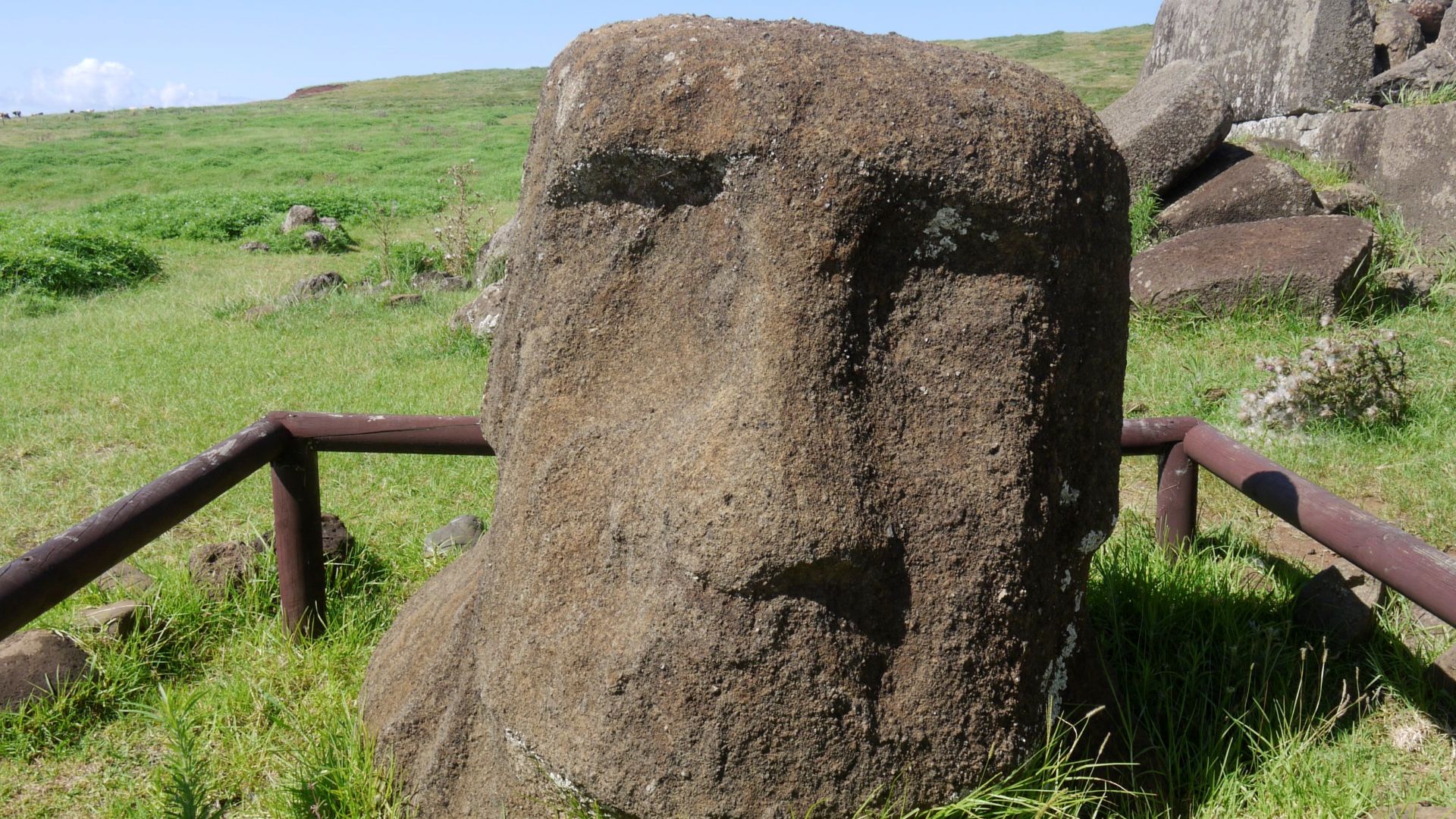
This moai isn’t just another statue; it enriches our understanding of the Rapa Nui culture’s ingenuity and belief systems. Experts note that the statue’s carved eye sockets indicate it was likely completed and displayed, rather than in transit. Plus, its flat base suggests it may have been “walked” into place according to confirmed methods about how the islanders moved massive stone figures, by rocking them from side to side with ropes, like a slow, careful dance.
More broadly, the find shows that no matter how well-studied a site is, nature and history together keep secrets that can emerge unexpectedly. Easter Island remains one of the world’s most fascinating archaeological wonders, continually inviting new exploration and fresh insights.
KEEP ON READING

The 10 Youngest Monarchs In History & The 10 Oldest
Age Is Just A Number. Imagine being crowned king or…
By Chase Wexler Mar 11, 2025
You Think You Have Problems? These Royal Families Were Cursed
Boasson and Eggler St. Petersburg Nevsky 24. on WikimediaHeavy is…
By Ashley Bast Dec 5, 2025
You Can Thank This Greek-Canadian For Creating Pineapple On Pizza…
Love it or hate it, pineapple on pizza sparks debate…
By David Davidovic Dec 1, 2025
Yes, Female Gladiators Existed, And Here's Everything You Need To…
History of Women in Combat. Most people picture gladiators as…
By David Davidovic Jan 17, 2026
Yes, Australians Once Lost A Battle Against Flightless Birds
David Clode on UnsplashIn 1932, the Australian military went to…
By David Davidovic Nov 24, 2025
The Y2K Bug: Why Did Everyone Think Year 2000 Was…
Alan W on UnsplashOn December 31, 1999, people all over…
By Christy Chan Dec 22, 2025