

Marriage Took More Than a Name
For much of history, marriage wasn’t just a union bound in love; it was a legal system that decided who owned property, who controlled children, who could work, and who had the right to leave. Women often entered marriage under rules written by men and defended as tradition, even when those rules stunted just about everything women could actually do once the contract was signed. Come with us as we explore 20 marriage laws that show how deeply the law could reach into women’s lives, and how much damage it caused.
 Samuel Stillman Osgood on Wikimedia
1. Coverture Made Married Women Legally Disappear
Under English common law, coverture treated a married woman’s legal identity as “covered” by her husband’s. William Blackstone explained the idea in the 18th century by saying husband and wife were one person in law, but in practice, that person was the husband. If that sounds bad, it was even worse in real life: a wife often couldn’t sign contracts, sue in her own name, or own personal property on her own.

2. Husbands Could Take Their Wives’ Property
Speaking of property, before married women’s property reforms, a woman’s money and goods could technically pass under her husband’s control when she married. It was so bad that in England, the Married Women’s Property Acts of 1870 and 1882 came into effect because wages and personal property had so often been absorbed into the husband’s estate.

3. Wives’ Wages Belonged to Their Husbands
Make no mistake—coverture didn’t just affect wealthy women with nest egg inheritances; it also reached women who worked for a living. In many common-law systems, a married woman’s earnings were treated as part of her husband’s control.

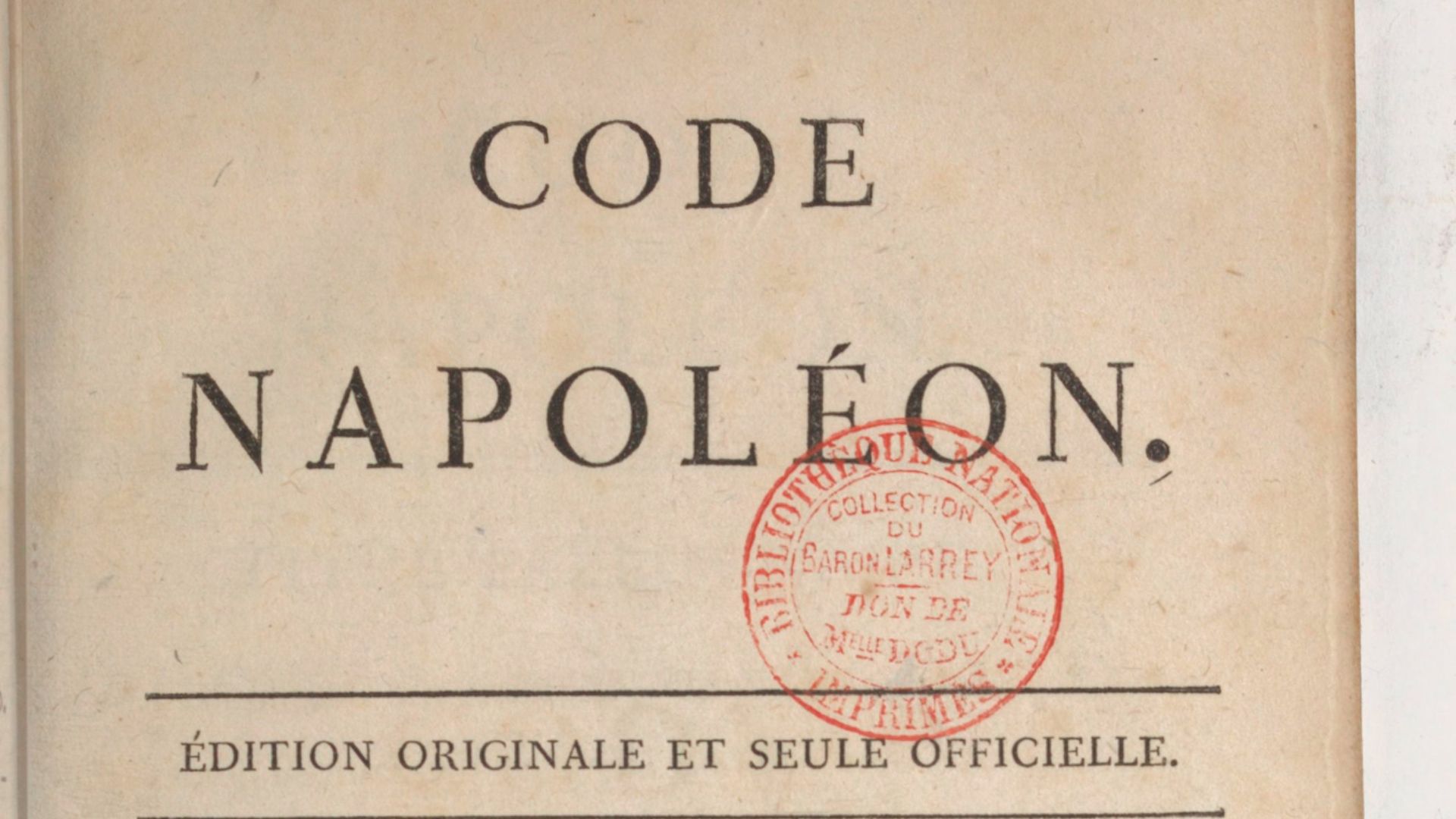
4. The Napoleonic Code Demanded Obedience
The French Civil Code of 1804, otherwise known as the Napoleonic Code, formally placed married women under the authority of their husbands. That affected everything in her life, requiring her to obey, live with him, and follow him wherever he chose to live.
 Unknown authorUnknown author on Wikimedia
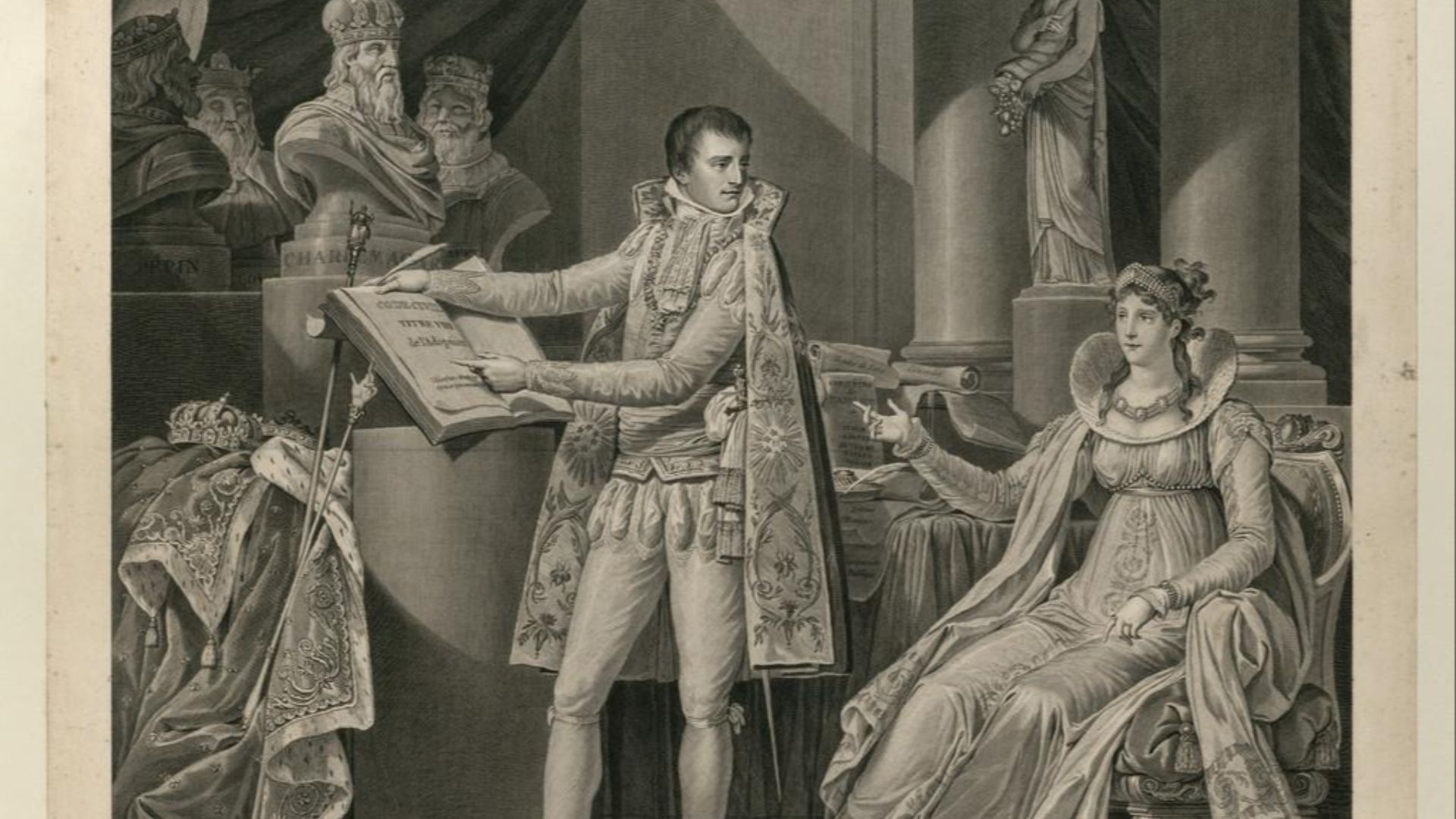
5. French Wives Needed Permission to Act in Law
The Napoleonic Code also limited a married woman’s ability to buy, sell, or give away property without her husband’s express permission. Even a wife who was separated in property or working as a public trader faced legal limits that a husband never had to worry about.
 François-Anne David on Wikimedia
6. Roman Manus Marriage Put Wives Under Male Power
In ancient Rome, a wife in a cum manu marriage was subject to the legal authority of her husband—or even his father. Her property could merge into the husband’s household, and she was treated as part of his family rather than her birth family. Roman law later allowed other forms of marriage that left women more independent, but that wasn’t always the case.
 Giovanni Paolo Panini on Wikimedia
7. Roman Fathers and Husbands Controlled Family Lines
Even when Roman women avoided manus marriage, that doesn’t mean they could necessarily escape from family power. Children legally belonged to the father’s family line, and a woman’s role in producing heirs didn’t give her equal authority over them. The law valued her reproductive place, which means daughters were often sent off wherever it made the most sense for the men in their lives.

8. Chinese “Seven Outs” Let Husbands Repudiate Wives
In imperial Chinese tradition, the “seven outs” gave husbands recognized grounds for divorcing wives, and for some pretty wacky things. Men could leave on account of disobedience to parents-in-law, jealousy, and the simple failure to bear a son. These rules worked alongside ideals such as the “three obediences,” which told a woman to obey her father before marriage, her husband after marriage, and her son in widowhood.

9. Widowhood in China Could Still Mean Obedience
To make matters worse, the “three obediences” didn’t free a woman when her husband passed away. Instead, a widow was then expected to obey her son, which kept male authority intact. That rule also made widowhood less a return to independence and more a transfer into another form of control.
 Katsiaryna Endruszkiewicz on Unsplash
10. Hindu Widows Were Long Barred From Remarrying
Before the Hindu Widows’ Remarriage Act of 1856, many widows in British-ruled India were unable to enter a valid second marriage. The law itself recognized that widows had been considered incapable of contracting another valid marriage, and they weren’t the only ones who suffered. Children from such unions could also be treated as illegitimate.
 Grandson of this lady on Wikimedia
11. Widow Remarriage Reform Carried a Cost
Now, while the 1856 Hindu Widows’ Remarriage Act legalized widow remarriage, it didn’t make widowhood equal. If a woman remarried, she could still lose certain rights connected to her deceased husband’s estate, which meant remarriage could come at a hefty price.

12. English Divorce Law Favored Husbands
Even when other laws finally came into play, like the Matrimonial Causes Act of 1857, not everything was made equally. Yes, it made civil divorce more accessible in England, but a husband could still divorce his wife for adultery alone, while a wife had to prove adultery plus another serious offense, such as cruelty, desertion, and bigamy.

13. Full Divorce Once Required an Act of Parliament
Before the 1857 reform, a full divorce in England that allowed remarriage still required a private Act of Parliament. That process wasn’t as simple as it sounds; it was expensive, public, and mostly available to wealthy men, leaving many women trapped in marriages that had collapsed.

14. The Marital Assault Exemption
For centuries, English common law was shaped by the idea that a husband couldn’t actually be guilty of assaulting his lawful wife. Why? Because according to these laws, marriage implied permanent consent. England didn’t even finally reject the exemption until the 1991 case R v. R.

15. “Moderate Correction” Excused Domestic Violence
Older English law allowed a husband to do plenty of other heinous things, too, like give his wife “moderate correction.” The idea was that because a husband was legally responsible for his wife’s behavior, he was allowed to “restrain” her through domestic chastisement, similar to how he’d discipline children.

16. Fathers Had the Stronger Claim to Children
You’ve likely heard that women get the children in today’s courts, but that wasn’t always the case. Under older English custody rules, fathers generally held the dominant legal right to children after separation. The tides turned during Caroline Norton’s struggle in the 1830s, helping push Parliament toward the Custody of Infants Act of 1839.
 John Cochran / George Hayter on Wikimedia
17. Women Could Lose Citizenship by Marrying Foreign Men
In the United States, the Expatriation Act of 1907 caused American women to lose U.S. citizenship if they married noncitizen men. The Cable Act of 1922 partially reversed that policy, but those who had already lost citizenship still faced a complicated journey back. Some had to go through repatriation, and plenty of others were confused about whether they had lost citizenship or needed to apply on their own.

18. Louisiana’s “Head and Master” Law
Louisiana’s “Head and Master” rule gave husbands unilateral control over community property, and they didn’t have to inform their wives of any decisions. Joan Feenstra exposed the harm when her husband mortgaged their jointly owned home without her knowledge, and the creditor later tried to foreclose. In 1981, the U.S. Supreme Court struck the rule down, ruling that a marriage law built on male authority violated equal protection.

19. Marriage Bars Pushed Women Out of Work
Believe it or not, marriage bars were employment rules that refused to hire married women. They also forced single women to resign when they married. They appeared just about everywhere, too, like in teaching, clerical work, civil service jobs, and major employers. It didn’t even matter where you lived; the United States, Britain, Ireland, and Australia all enforced these roadblocks.
 Community Archives of Belleville and Hastings County on Unsplash
20. Married Women Could Be Barred From Serving on Juries
For much of American history, women were also excluded from juries; marriage reinforced the idea that a wife belonged in the home above all else. In Florida, for example, women weren’t even automatically placed on jury lists until the U.S. Supreme Court struck down the state’s male-preference jury system in Taylor v. Louisiana in 1975.

KEEP ON READING

20 Marriage Laws From History That Ruined Women’s Lives
Marriage Took More Than a Name. For much of history,…
By Annie Byrd Jun 22, 2026
20 Most Mysterious People In History
History is filled with famous leaders, inventors, artists, and explorers,…
By Noone Jun 22, 2026
20 Political Marriages That Changed The Map
When Wedding Bells Redrew Borders. Throughout history, marriages between powerful…
By Rob Shapiro Jun 22, 2026
20 Royals Who Turned Family Drama Into National Crises
Bloodlines Gone Public. Royal families are supposed to make private…
By Cameron Dick Jun 22, 2026
20 Most Notorious Criminals in History
A Closer Look at Infamy. History is fraught with horrible…
By Christy Chan Jun 19, 2026
20 Women In History Punished for Loving the Wrong Person
When Love Became a Public Offense. History has never been…
By Annie Byrd Jun 19, 2026