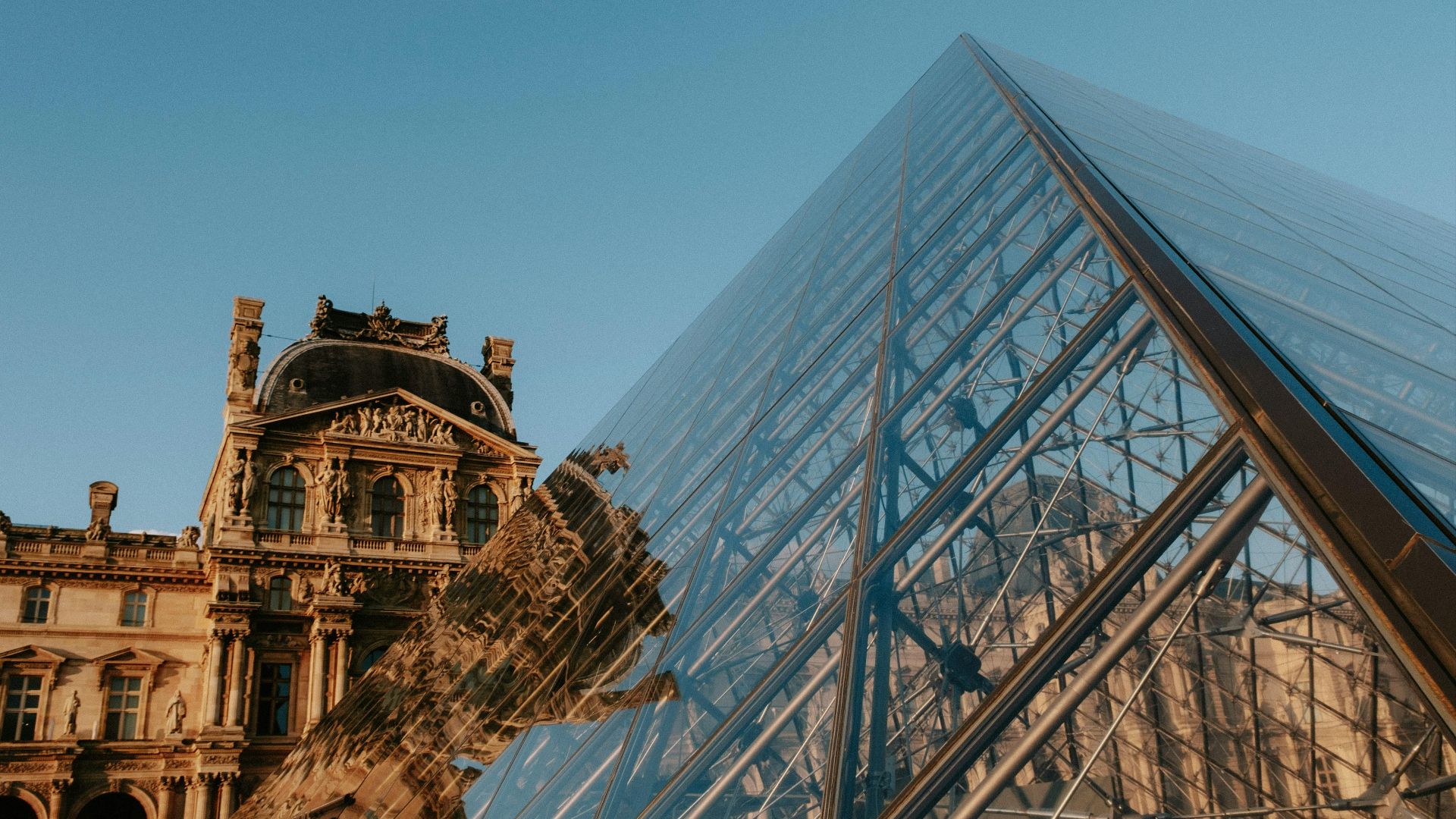
The Louvre is often described as overwhelming: too big, too famous, too serious. But what most visitors don’t realize is that behind the iconic pyramid and packed galleries lies a museum filled with strange accidents, hidden spaces, and deeply human quirks. The Louvre is a home for masterpieces but even more, it’s a place where art has been stolen, altered, repurposed, and occasionally misunderstood for centuries.
Famous for the Wrong Reason and Art in Hiding
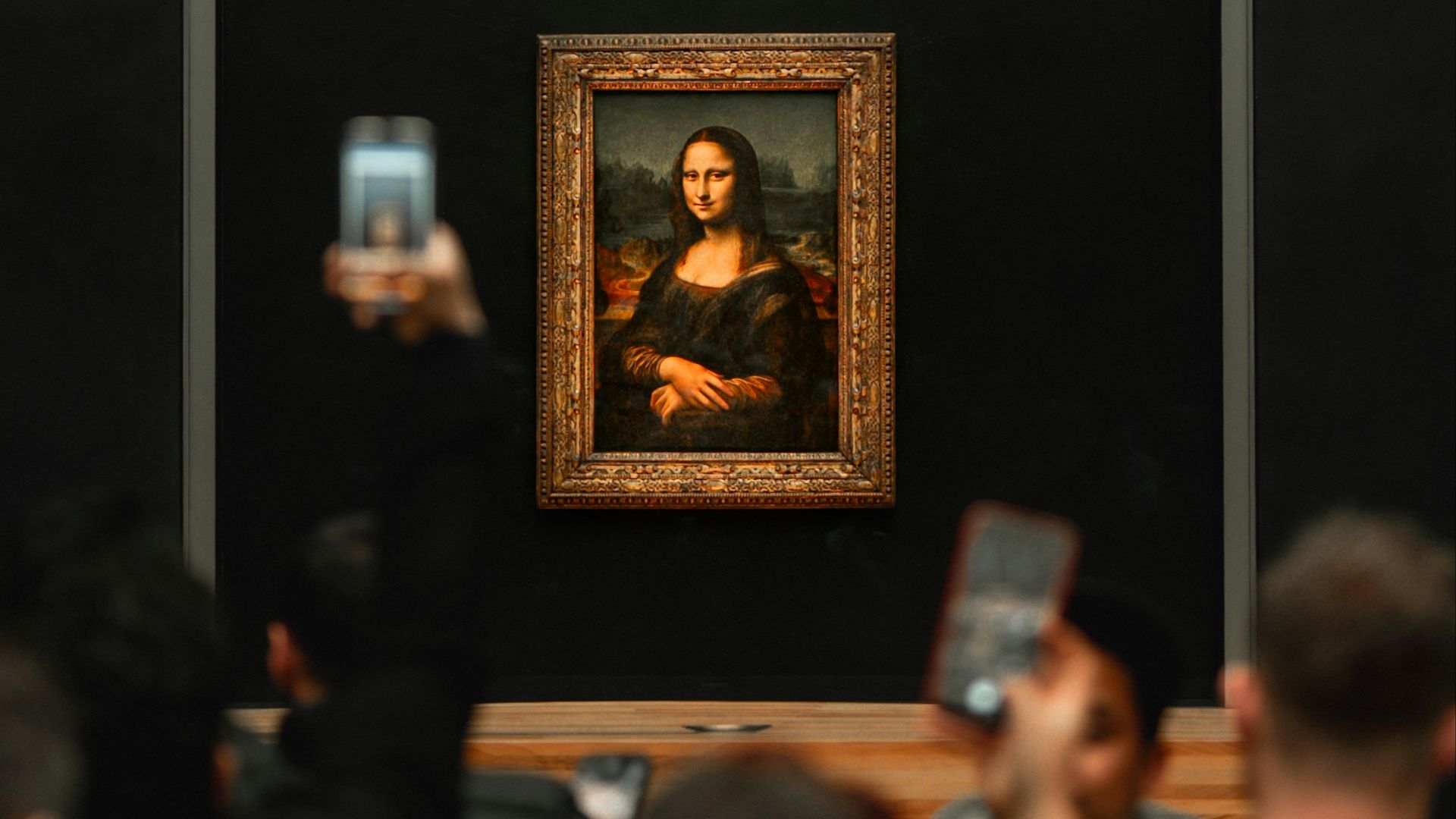
The Mona Lisa wasn’t always the Louvre’s star attraction. For hundreds of years, Leonardo da Vinci’s portrait was simply one painting among many. Her global fame exploded in 1911, when a former Louvre employee stole her and hid her in his apartment for two years. During her absence, crowds reportedly came just to stare at the empty space where she once hung. Ironically, it was crime, not artistry alone, that turned her into the most recognizable face in art history. Today’s chaos around the painting is less about the smile itself and more about the story we’ve built around it.
Another little-known fact about the Louvre is that many of its artworks have spent significant time in hiding. During World War II, as Nazi forces advanced toward Paris, museum staff quietly evacuated thousands of masterpieces, including the Mona Lisa, Venus de Milo, and Winged Victory of Samothrace. Paintings were packed into unmarked crates, labeled with code names, and transported to remote châteaux across France. For years, curators tracked the movement of art like a secret operation, updating maps and lists by hand. The Louvre stood largely empty during the war, its galleries echoing with absence rather than crowds. This was an extraordinary reminder that art history isn’t just about creation and display, but also about protection, risk, and survival.
The Louvre Was Almost Destroyed
Long before it became a museum, the Louvre was a medieval stronghold built to defend Paris. This isn’t just historical trivia. You can still walk through the original fortress walls deep beneath the museum. Thick stone foundations, arrow slits, and remnants of defensive towers remain intact, creating the surreal experience of standing in a former military structure directly below Renaissance paintings.
Even more surprising? The Louvre has nearly been destroyed multiple times. Fires, revolutions, and urban redesign plans threatened its existence. During the French Revolution, the palace was stripped of royal symbols, repurposed, and narrowly escaped demolition. What we see today is not a preserved vision, but a survivor. The site has been reshaped repeatedly by political upheaval and shifting ideas of who art should belong to.
The Art You See Isn’t Always What the Artist Intended
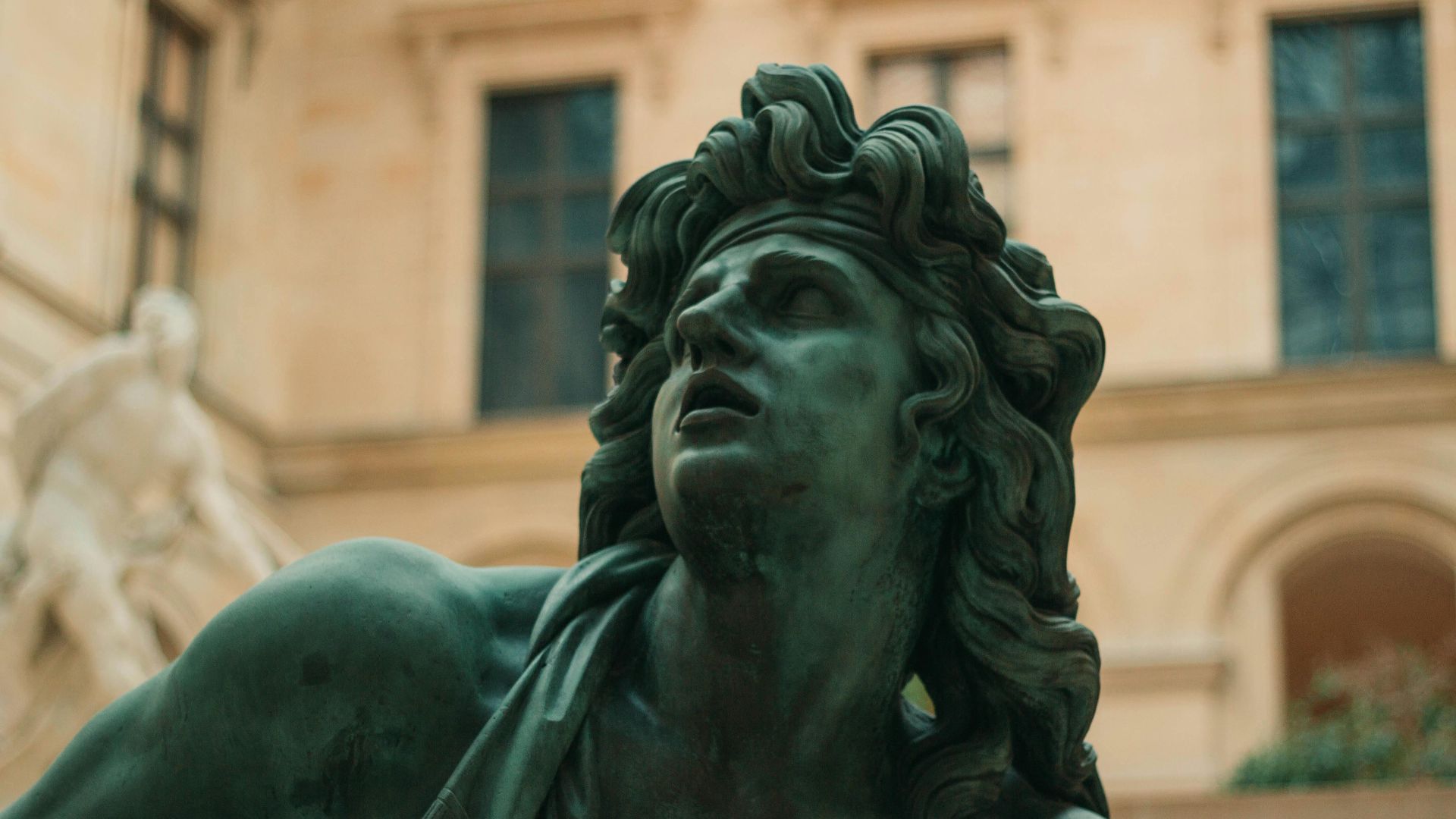
Many Louvre masterpieces look nothing like they did when first created. Ancient sculptures were once brightly painted in reds, blues, and golds—colors that modern viewers rarely imagine. Over centuries, pigments faded or were deliberately removed, leading to the myth that classical art was meant to be stark and white.
Paintings, too, have been altered by time and taste. Some works were trimmed to fit new frames, retouched to match changing ideals of beauty, or darkened by aging varnish. Others were never meant to be displayed publicly at all. They were private devotional objects, palace decorations, or architectural elements, now removed from their original context and given entirely new meaning inside museum walls.
The Louvre feels monumental because it is. But its most fascinating stories live in the cracks. Between thefts, forgotten colors, hidden fortresses, and near destruction, the museum reveals something refreshing: art history isn’t frozen in time. It can be messy and dramatic.
KEEP ON READING