
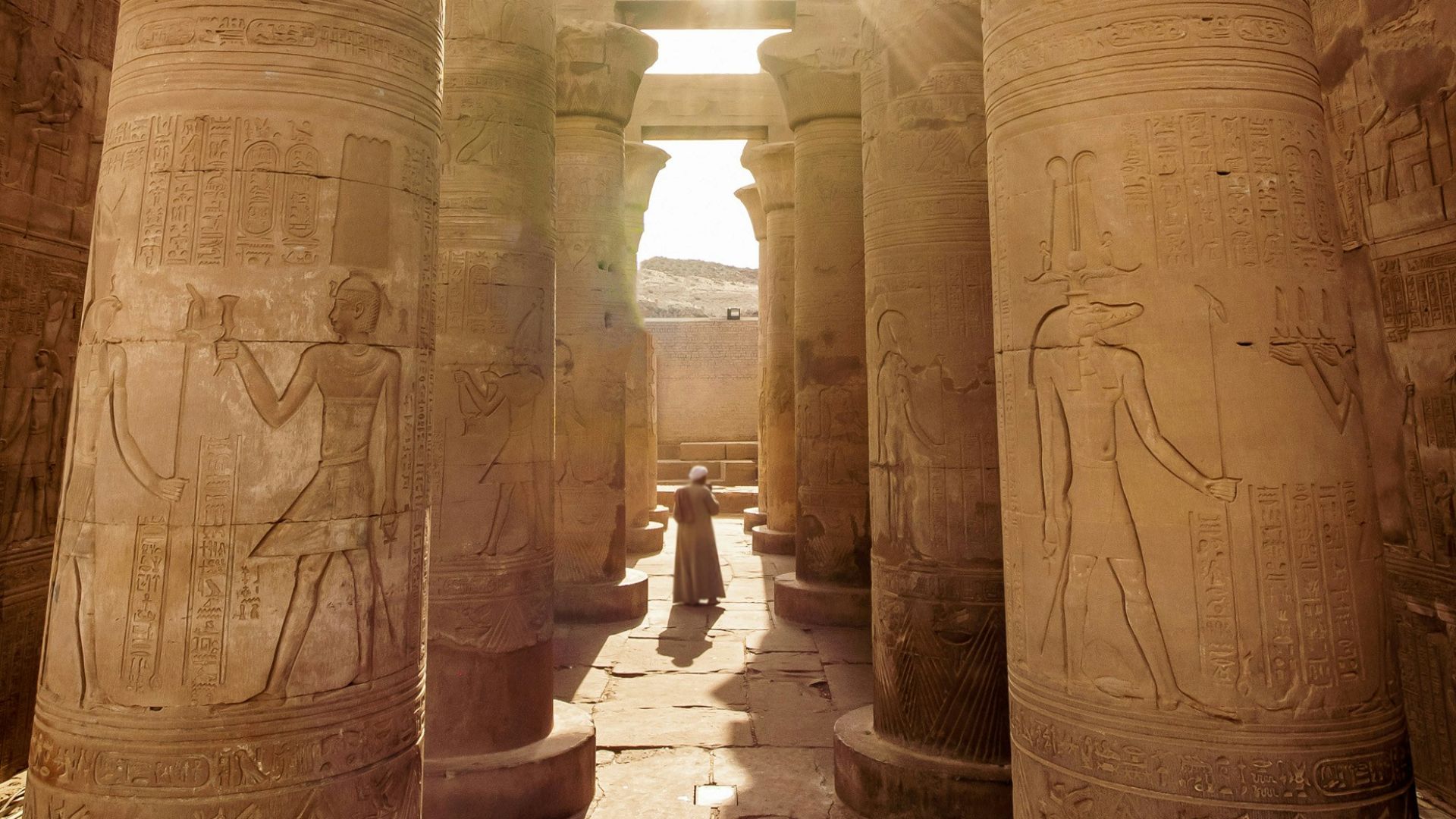
Ancient Egypt is famous for its pyramids, pharaohs, and impressive temples, but its people also developed practical tools and techniques that influenced everyday life. Thousands of years before smartphones, electric lights, and modern factories, Egyptians were finding ways to record information, measure time, improve personal hygiene, and manage the challenges of living along the Nile River. Some of their creations have direct modern counterparts, while others helped establish ideas that later civilizations adapted and improved.
No, they didn't come up with everything. Many items were discovered throughout time and in other areas as well. They did make significant discoveries in the worlds of writing, hygiene, math, and building techniques. Some may be surprised when learning that what we have today is related to the Egyptians.
One of ancient Egypt's most influential inventions was papyrus, a writing material made from the pith of the papyrus plant, which grew in the wetlands along the Nile. Craftspeople cut the pith into strips, arranged them in overlapping layers, and pressed them together to create sheets that could be written on and rolled into scrolls. Papyrus was lighter and easier to transport than stone tablets, making it useful for letters, records, religious texts, and literature. Modern paper is manufactured differently and originated in China, but papyrus helped establish the importance of portable writing materials.
Scribes would write with ink on different surfaces, such as papyrus. They also used it on potsherds. Black ink was typically carbon-based. They would take soot and mix it with water and something to help it bind to the surface they were writing on. Red ink was usually made from some sort of iron-based pigment. Whether it was red or black ink, the different colors allowed scribes to create titles for their work. Ink has come a long way since then, and today we use different substances to produce it, but the idea is still to produce some type of information.
Pens are something we've come a long way from. Egyptians used some type of rush to write with ink. There may have been a different type of rush they used throughout Egyptian history. People use pens today, just like Egyptians did back in their time.
Personal Care and Everyday Comfort
Ancient Egyptians cared about dental hygiene, although their methods differed considerably from ours. Surviving medical texts and historical evidence describe tooth powders and mixtures made from ingredients such as minerals and other substances, while people also used chewing sticks or other tools to clean their teeth. These preparations weren't equivalent to modern toothpaste, which benefits from centuries of scientific development and carefully tested ingredients. Nevertheless, they show that people were thinking about oral cleanliness long before the invention of the plastic toothbrush and the mint-flavored toothpaste tube.
Egyptians used a lot of cosmetics. Many forms of cosmetics were used by both males and females. Kohl was one type they would wear around their eyes. There are some time periods when eye paint was worn in a greenish color. All of these can be related to how Egyptians viewed themselves, what they were able to afford, and even their religious beliefs. Cosmetics back then were different and may have been harmful if you wore them daily. We use a lot of products around our eyes that resemble the ones Egyptians wore.
Hair care also mattered in ancient Egypt, where people used combs, oils, and other grooming products. Wigs were especially significant in certain social settings, offering a way to manage appearance and display status, while shaved or closely cropped hair could help people deal with the climate and hygiene concerns. Modern wigs, hair oils, and styling products have different materials and purposes, yet they address some familiar desires: controlling how your hair looks, protecting it, and presenting yourself in a particular way. Ancient Egyptian grooming practices remind us that personal style has been important for a very long time.
Measuring, Building, and Managing Daily Life
The ancient Egyptians developed a civil calendar consisting of twelve months of thirty days, followed by five additional days, for a total of 365 days. This calendar helped organize administration, religious festivals, and agricultural activities tied to the Nile's seasonal cycle. It wasn't identical to the modern Gregorian calendar, which includes leap years to keep the calendar aligned with the solar year. Even so, the Egyptian calendar was an important example of how a 365-day system could structure a society's sense of time.
The Egyptians were able to use mathematical equations to better calculate space and distance for various aspects of life. They would calculate the quantities of products needed and how different shapes worked with the numbers they were given. Although their methods of using these numbers weren't exactly like the ones we use today, we can assume that they didn't discover everything we know about math today. They used numbers to help build great structures and complete other day-to-day tasks.
Agriculture depended on moving water from the Nile and its channels to fields, and Egyptians used tools to help with irrigation. One notable device was the shaduf, a counterweighted lifting mechanism with a long pole and a bucket that could raise water from a river or canal. The shaduf's precise origins are debated, and similar devices appeared in several regions, so it shouldn't be presented as an invention uniquely proven to belong to Egypt. Its underlying principle, however, remains useful: a simple lever can make lifting a heavy load easier.
Ancient Egypt's legacy isn't limited to monuments that have survived for thousands of years. Its writing materials, ink, grooming traditions, calendar systems, mathematical practices, and water-management techniques show how people developed solutions to ordinary problems long before modern technology existed. We shouldn't confuse historical influence with the direct invention of every modern equivalent, but these connections make the past feel surprisingly close. The next time you pick up a pen, check the calendar, or get ready for the day, remember that people thousands of years ago were working on some of the same basic challenges.
KEEP ON READING