Trade has been a fundamental part of human civilization for thousands of years, and markets played a central role in making that trade possible. Long before modern stores, shopping centers, and online commerce existed, people gathered in marketplaces to exchange goods, services, information, and ideas. These commercial centers helped connect farmers, artisans, merchants, and consumers within growing societies.
Although markets varied greatly from one civilization to another, they served similar economic purposes across the ancient world. From the agoras of ancient Greece to the bustling bazaars of Persia and the marketplaces of Rome, these spaces allowed goods to move efficiently through local and regional economies. Their influence extended beyond commerce, helping shape urban development, political life, and cultural exchange.
Markets Connected Producers And Consumers
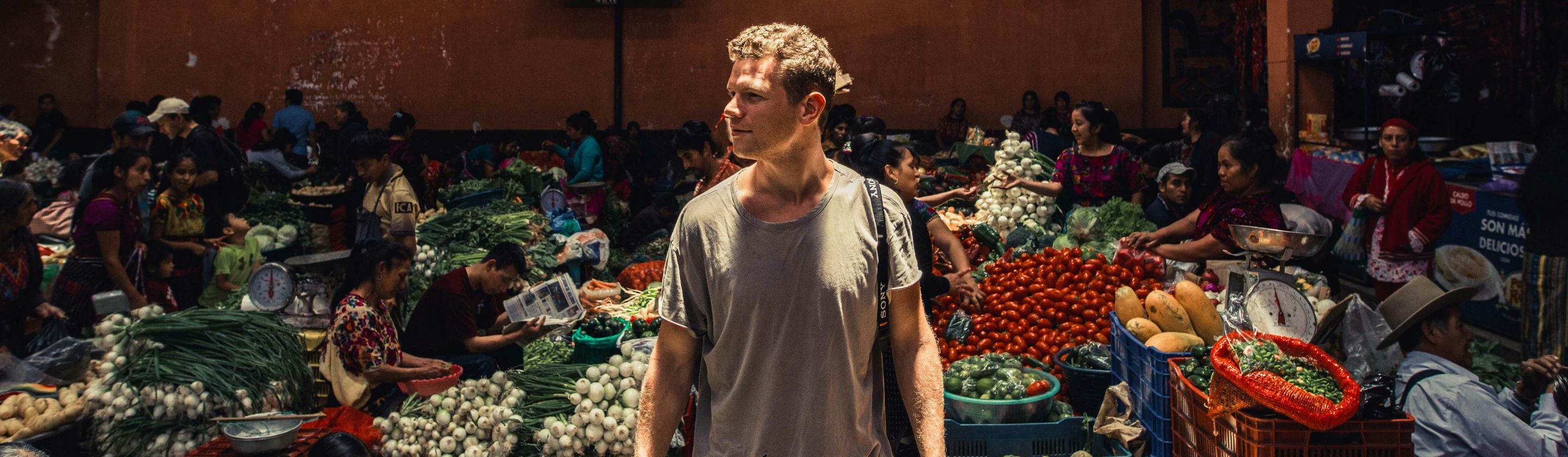
One of the most important functions of ancient markets was bringing together people who produced goods and those who needed them. Farmers could sell grain, vegetables, fruit, livestock, and other agricultural products directly to urban populations. At the same time, artisans offered pottery, textiles, metalwork, tools, and other manufactured items. This exchange helped ensure that communities had access to a wider variety of goods than they could produce themselves.
As cities grew larger, specialized occupations became more common. Not everyone farmed, which increased dependence on trade networks and local marketplaces. Markets allowed craftsmen and merchants to earn a living by focusing on particular skills while relying on others for food and daily necessities. This specialization contributed to greater economic efficiency and productivity.
Many ancient governments recognized the importance of organized commerce and often regulated market activity. Officials might establish market days, collect taxes, standardize weights and measures, or oversee commercial disputes. These regulations helped promote trust between buyers and sellers while encouraging economic stability. Reliable marketplaces were often viewed as signs of a prosperous and well-managed society.
Bazaars Supported Regional And Long-Distance Trade
While local markets served nearby communities, larger bazaars often became important centers of regional and international commerce. Merchants traveling along trade routes brought goods from distant lands, introducing products that were unavailable locally. Items such as spices, silk, precious stones, incense, and fine textiles could pass through multiple markets before reaching consumers. These exchanges connected economies across vast geographic areas.
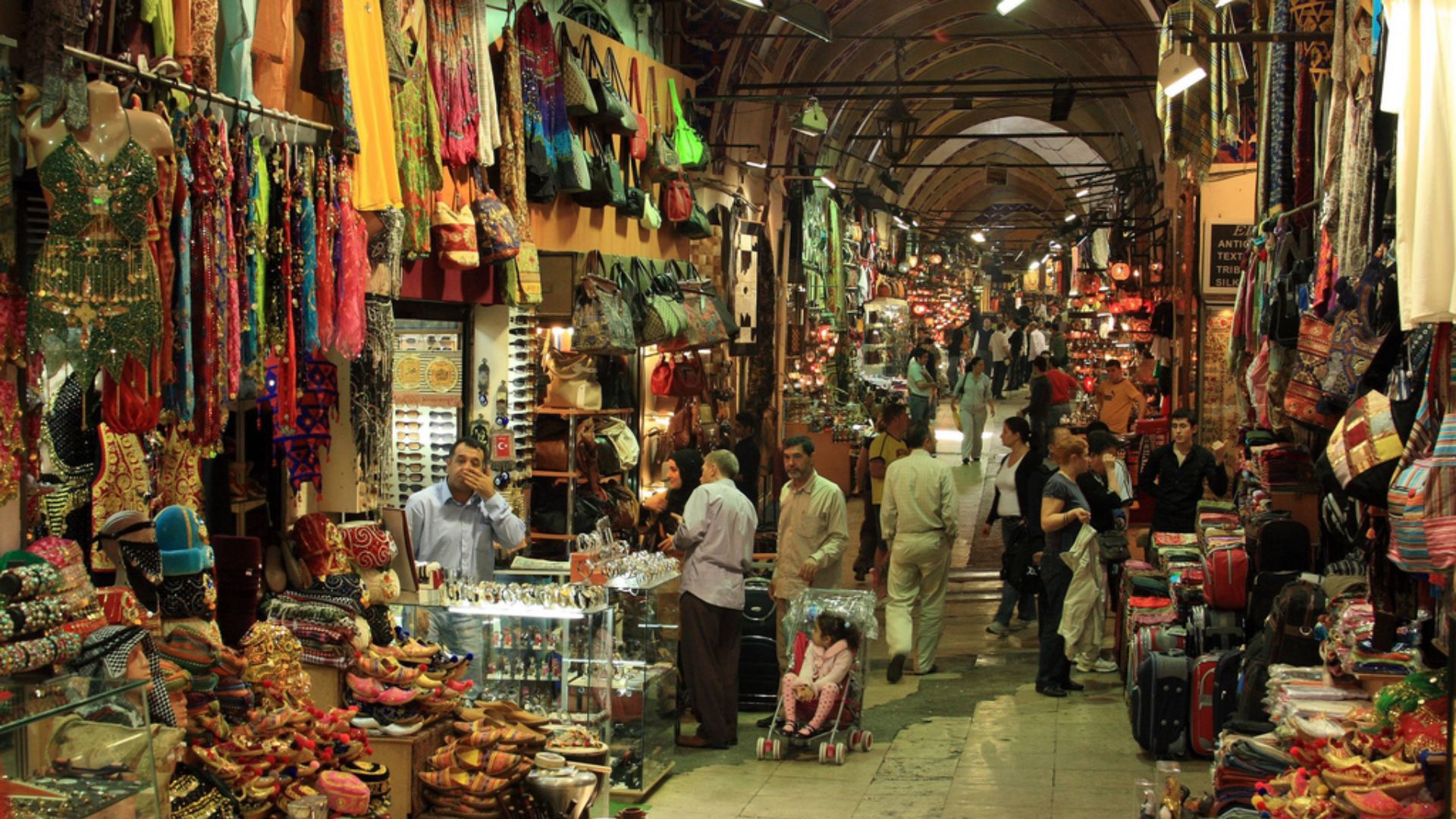
The Persian Empire became particularly well known for its commercial networks and market culture. Bazaars developed as major trading hubs where merchants could buy, sell, and negotiate goods from different regions. Similar commercial centers appeared throughout the ancient Near East, benefiting from trade routes that linked Asia, Africa, and Europe. Their success reflected the growing importance of long-distance commerce in ancient economies.
Markets also facilitated the circulation of currency in societies that used coinage. While barter continued to exist in many regions, coins became increasingly important in places such as Greece and Rome. Standardized currency simplified transactions and made trade more efficient across larger areas. The growth of marketplaces and the spread of coinage often reinforced one another over time.
Markets Influenced Society Beyond Economics
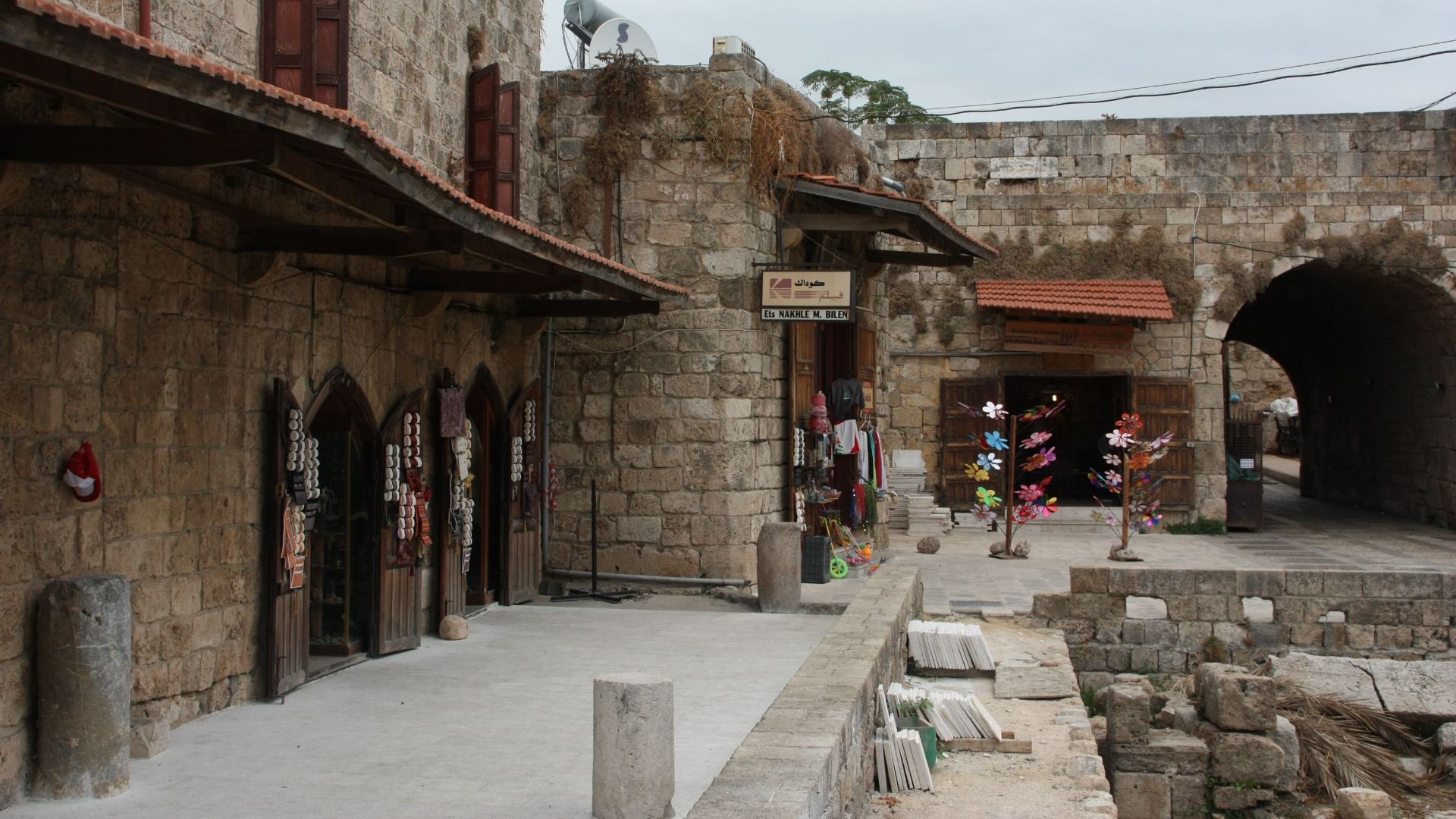
Ancient marketplaces were more than locations for buying and selling goods. They frequently served as gathering places where people exchanged news, discussed politics, and shared information about events occurring both locally and abroad. In many cities, the market was one of the busiest public spaces and played a significant role in daily life. Its social importance often rivaled its economic function.
The agora in ancient Greek city-states provides a notable example of this broader role. In addition to commercial activity, agoras served as centers of civic life where citizens gathered for discussions and public affairs. Likewise, Roman forums combined commercial, political, legal, and social functions within a single public space. These locations helped strengthen community connections while supporting economic activity.
Markets also contributed to cultural exchange by bringing together people from different backgrounds. Traders carried not only goods but also languages, religious ideas, technologies, artistic influences, and customs. As a result, marketplaces became important points of contact between cultures that might otherwise have remained isolated. Their influence helped shape the development of many ancient civilizations.
The role of markets and bazaars in ancient economies extended far beyond simple trade. They connected producers and consumers, supported regional and international commerce, and created spaces where social and cultural interactions flourished. By facilitating the movement of goods, money, and ideas, these commercial centers became essential components of economic life throughout the ancient world. Their influence can still be seen today in the marketplaces, shopping districts, and trading networks that continue to connect communities across the globe.
KEEP ON READING