

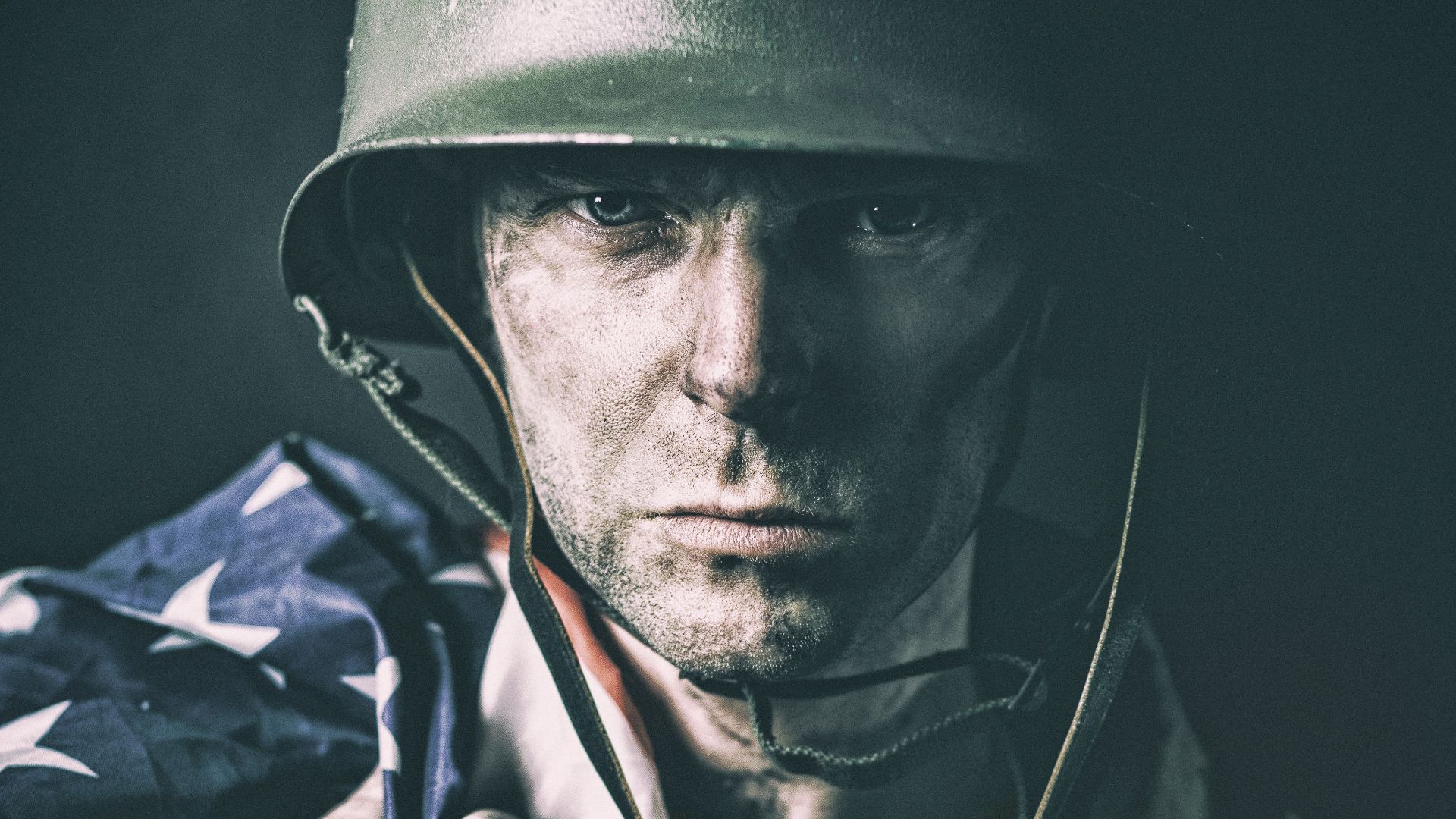
The year is 1917, and the United States has spent nearly three years watching Europe tear itself apart. Woodrow Wilson won reelection just months earlier on the campaign promise that he kept America out of the war. The public largely agreed with him. Crossing the Atlantic to die in someone else's trenches held little appeal, and the German-American and Irish-American communities, neither of them fond of Britain, made their feelings loudly known. Neutrality was not just policy; it was deeply popular.
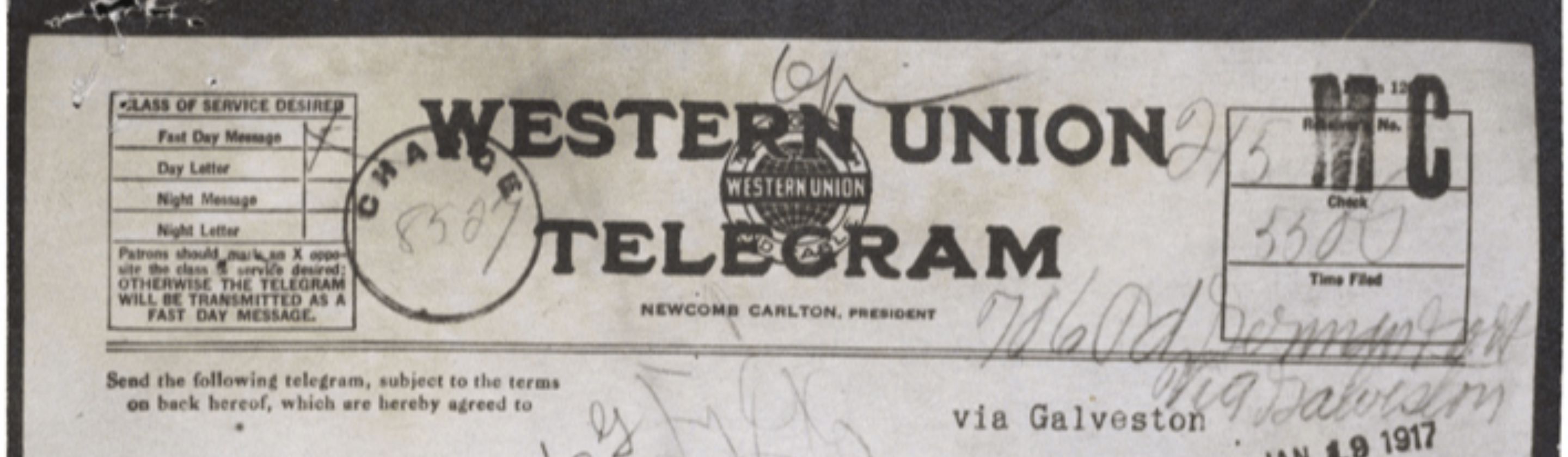
Then, on January 17, 1917, British naval intelligence handed American ambassador Walter Page a decoded message that changed everything. Sent by German Foreign Secretary Arthur Zimmermann to the German ambassador in Mexico, the note proposed a wartime alliance between Germany and Mexico. In exchange for joining the war against the United States, Mexico would receive help recovering Texas, New Mexico, and Arizona. When Wilson released the telegram to the press on March 1, the country's appetite for neutrality evaporated almost overnight.
The Telegram That Almost Wasn't
The Zimmermann Telegram only reached American hands because of an extraordinary intelligence operation the British had been running since the start of the war. In early August 1914, the British cable ship CS Alert severed Germany’s transatlantic telegraph cables in the North Sea, forcing all German diplomatic communication to route through lines that Britain either controlled or could monitor. Room 40, the Royal Navy's codebreaking unit housed in the Admiralty building in London, had been quietly intercepting and decrypting German messages for years by the time Zimmermann's note passed through their hands.
The British had a problem, though. Handing the telegram directly to Washington risked exposing how thoroughly they had compromised German communications. So they obtained a copy of the message as it had been relayed through the Mexican telegraph office, allowing them to claim the intercept came from there rather than from their own surveillance operation. It was a calculated deception inside a larger wartime revelation, and it worked. The Americans accepted the telegram's authenticity without blowing the cover story open.
Zimmermann then made the British task considerably easier. When American newspapers began questioning whether the telegram was a fabrication, the German Foreign Secretary confirmed it at a press conference on March 3, 1917. He reasoned that Mexico and Japan would eventually admit the truth anyway. Historians still puzzle over this decision. It handed Wilson the political cover he needed to move toward war, and it confirmed the telegram's authenticity for any remaining skeptics in one careless press appearance.
Why It Landed So Hard
American outrage was not just about the content of the proposal but about its timing and its audacity. Germany had already resumed unrestricted submarine warfare on February 1, 1917, a decision that killed American citizens aboard civilian and merchant vessels. The Lusitania had gone down in 1915 with 1,198 people aboard, including 128 Americans, and Germany had temporarily walked back its submarine policy after that disaster. Resuming it in 1917 signaled that Berlin had calculated American entry into the war as an acceptable risk.
The Zimmermann Telegram confirmed what many Americans had started to suspect: Germany was no longer treating the United States as a neutral power to be courted but as a future enemy to be managed. Proposing that Mexico attack America's southern border while German submarines sank American ships in the Atlantic framed Germany's ambitions in terms that required no geopolitical expertise to understand. The American Southwest was not an abstraction. Texas and New Mexico were not hypothetical stakes. The telegram translated a distant European conflict into a direct territorial threat.
Wilson asked Congress for a declaration of war on April 2, 1917, citing both the submarine campaign and the Zimmermann Telegram as justifications. The Senate voted 82 to 6 in favor on April 4, and the House followed on April 6 with a vote of 373 to 50. Three months earlier, neither chamber would have come close to those numbers. The telegram did not single-handedly cause the war declaration, but it completed a political transformation that submarine warfare alone had failed to accomplish.
What One Piece of Paper Can Do
The Zimmermann Telegram sits at an interesting intersection of espionage, diplomacy, and public opinion that rarely gets the attention it deserves. Most accounts of World War I focus on the trenches, the generals, and the sheer industrial scale of the carnage. The telegram is a reminder that a few hundred words of diplomatic cable traffic, decoded in a London office and handed across the right desk at the right moment, can redirect the course of a war just as decisively as any battle.
What makes the story stick, more than a century later, is how contingent it all feels. If German cables had not been cut in 1914, if Room 40 had not broken the right codes, if Zimmermann had stayed quiet when reporters came calling, the telegram might never have surfaced at all. The United States might have stayed out of the war entirely, or entered it far later under entirely different circumstances. History pivoted on a message that, by any rights, should never have been read.
KEEP ON READING
From Heroes To Zeroes 20 Historical Figures Whose Heroism Was…
History is full of legends, but not every hero lived…
By Noone Feb 25, 2026
The Clueless Crush: How I Accidentally Invited a Hacker Into…
Fluorescent Lights and First Impressions. My name is Tessa, I'm…
By Ali Hassan Nov 4, 2025
This Infamous Ancient Greek Burned Down An Ancient Wonder Just…
History remembers kings and conquerors, but sometimes, it also remembers…
By David Davidovic Nov 12, 2025
Einstein's Violin Just Sold At An Auction—And It Earned More…
A Visionary's Violin. Wanda von Debschitz-Kunowski on WikimediaWhen you hear…
By Ashley Bast Nov 3, 2025
The Mysterious "Sea People" Who Collapsed Civilization
3,200 years ago, Bronze Age civilization in the Mediterranean suddenly…
By Robbie Woods Mar 18, 2025
The 20 Smartest Women in History
Intelligence Has Always Had More Than One Form. Calling anyone…
By Emilie Richardson-Dupuis Jun 16, 2026