


The Sacred Clues Across History
Animal symbolism is a detail that can significantly alter the interpretation of a painting. A dog at someone’s feet, a lamb beside a saint, or a small bird in a child’s hand may initially appear as mere background decoration. However, painters often used animals to convey deeper meanings. These creatures could symbolize faith, loyalty, temptation, death, wisdom, power, or particular religious figures. The meanings of these animals also varied across periods, cultures, and narratives so that the same animal might convey different messages in different contexts. These 20 facts illustrate how animals enabled artists to infuse their paintings with profound significance without overtly stating it.
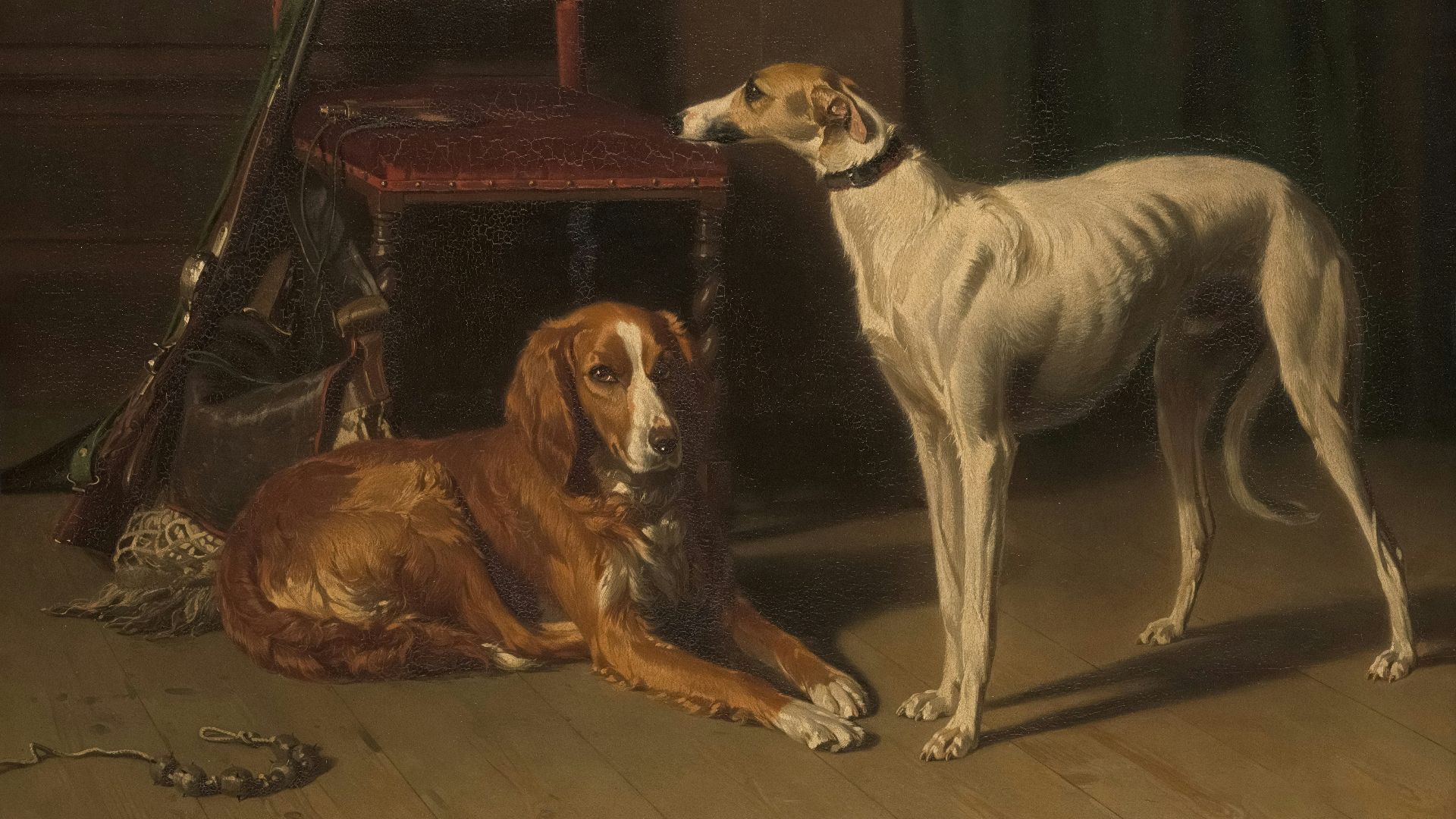
1. Animals As A Whole
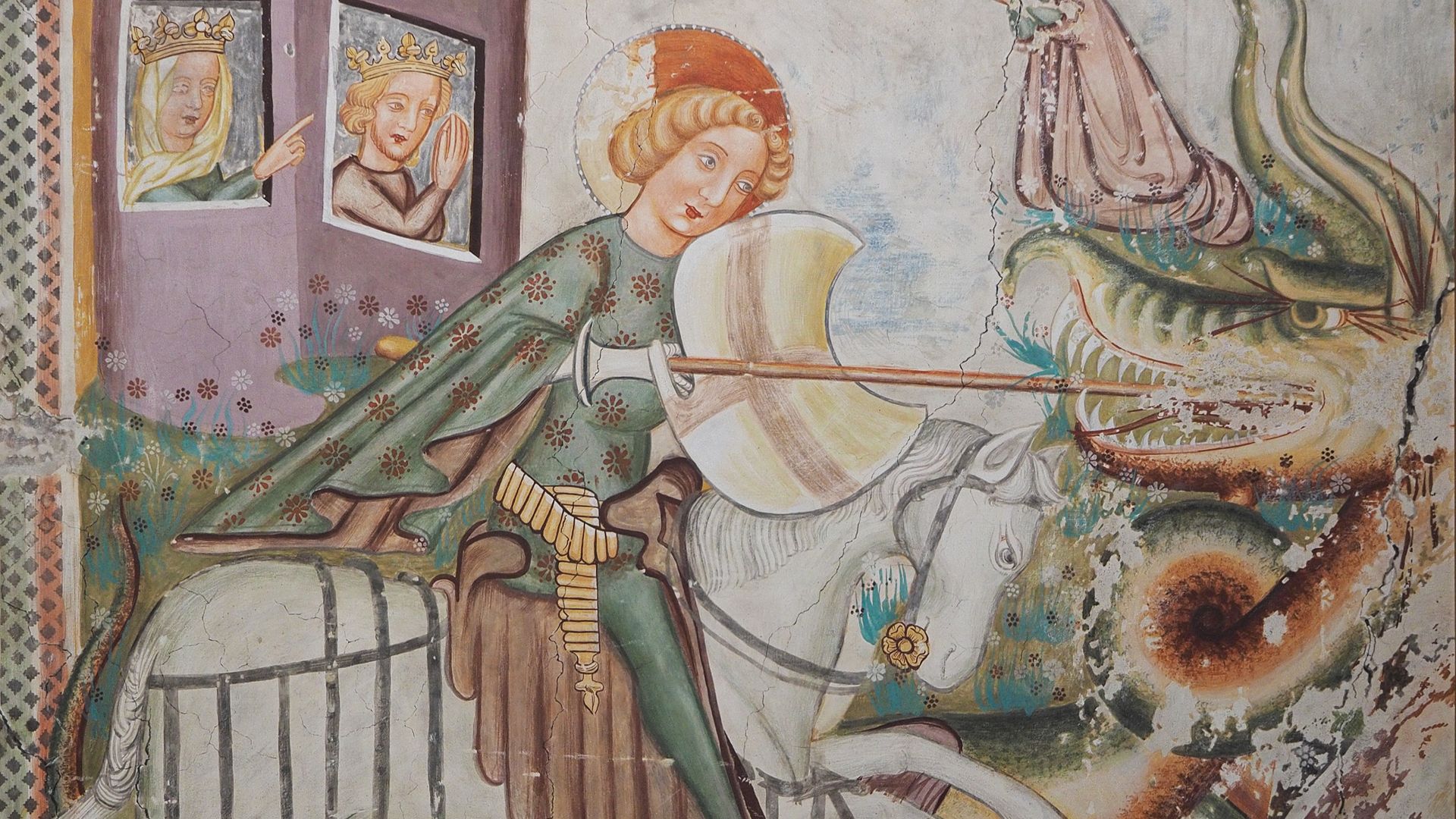
In Christian painting, animals often helped viewers quickly identify holy figures. A dragon symbolizes Saint George, a lamb represents Saint John the Baptist, and a lion is associated with Saint Jerome, especially within crowded religious scenes.
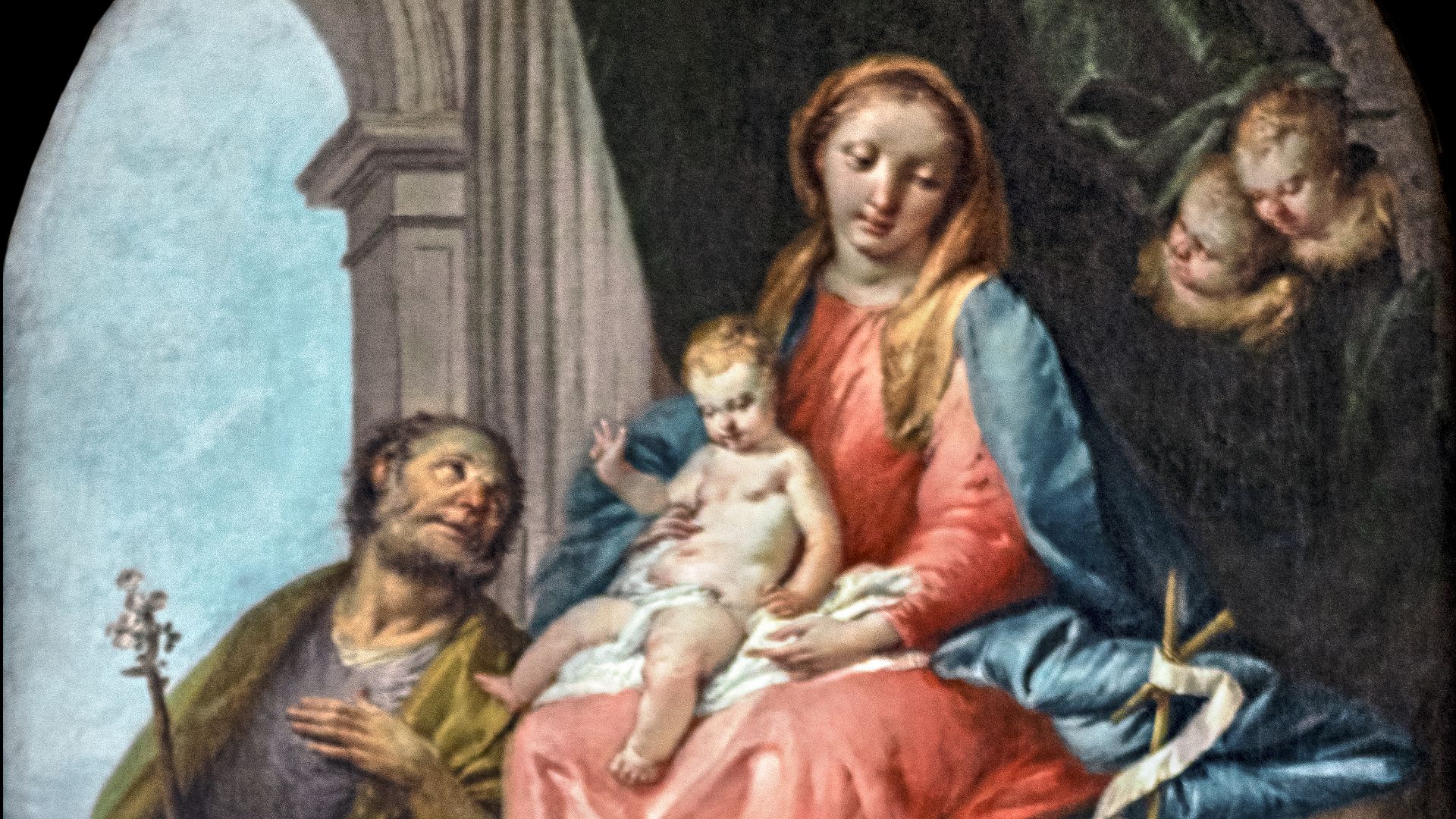
2. Dogs
Dogs are one of the easiest animal symbols for historical viewers to understand. In European painting, they often represent loyalty, protection, faithfulness, or companionship, especially when depicted near a sitter in a portrait.
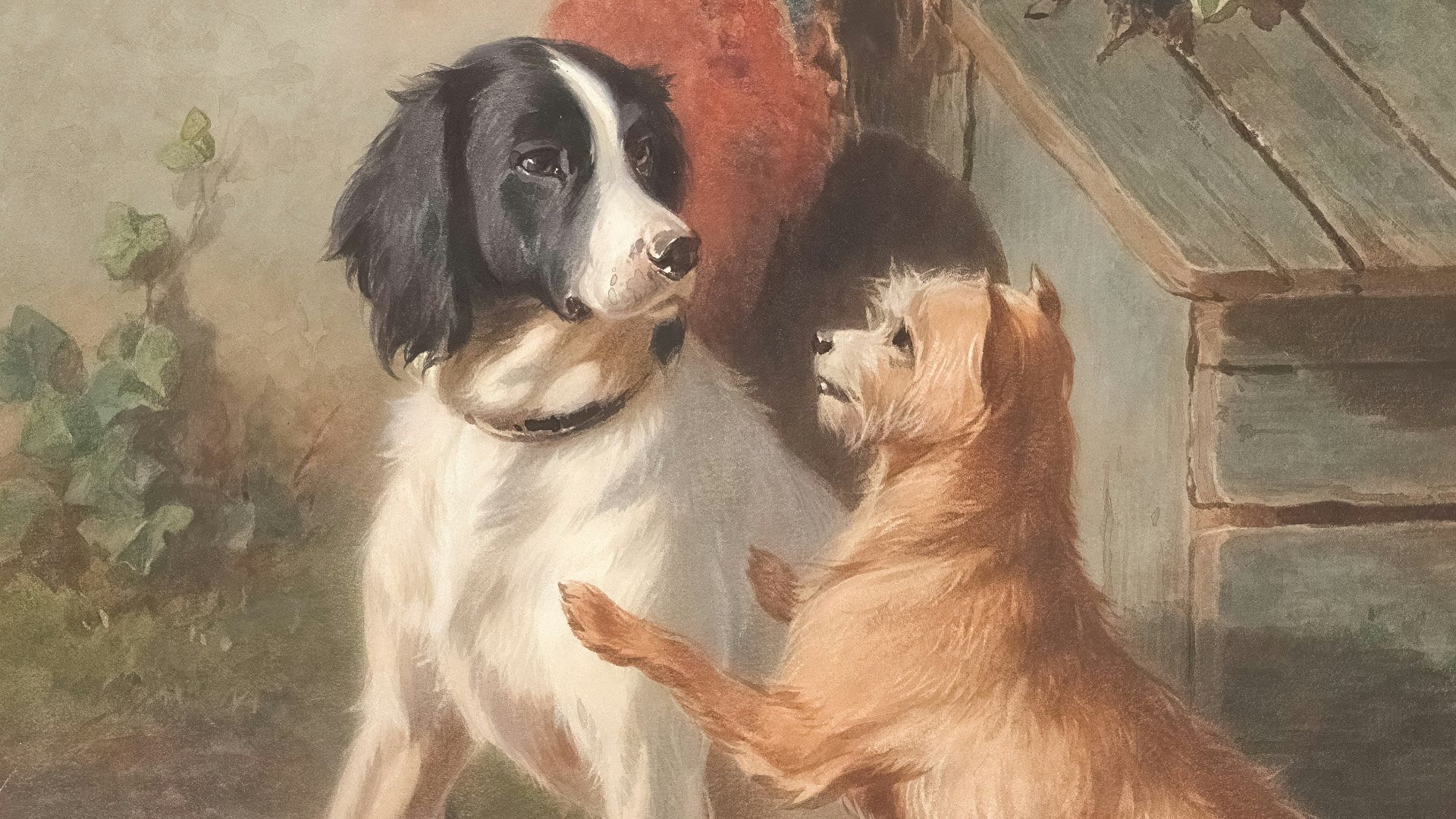
3. Lambs
The lamb has become one of the most significant animal symbols in Christian art. Associated with Christ as the “Lamb of God,” it often represents innocence, sacrifice, and redemption in devotional paintings and images of Saint John the Baptist.
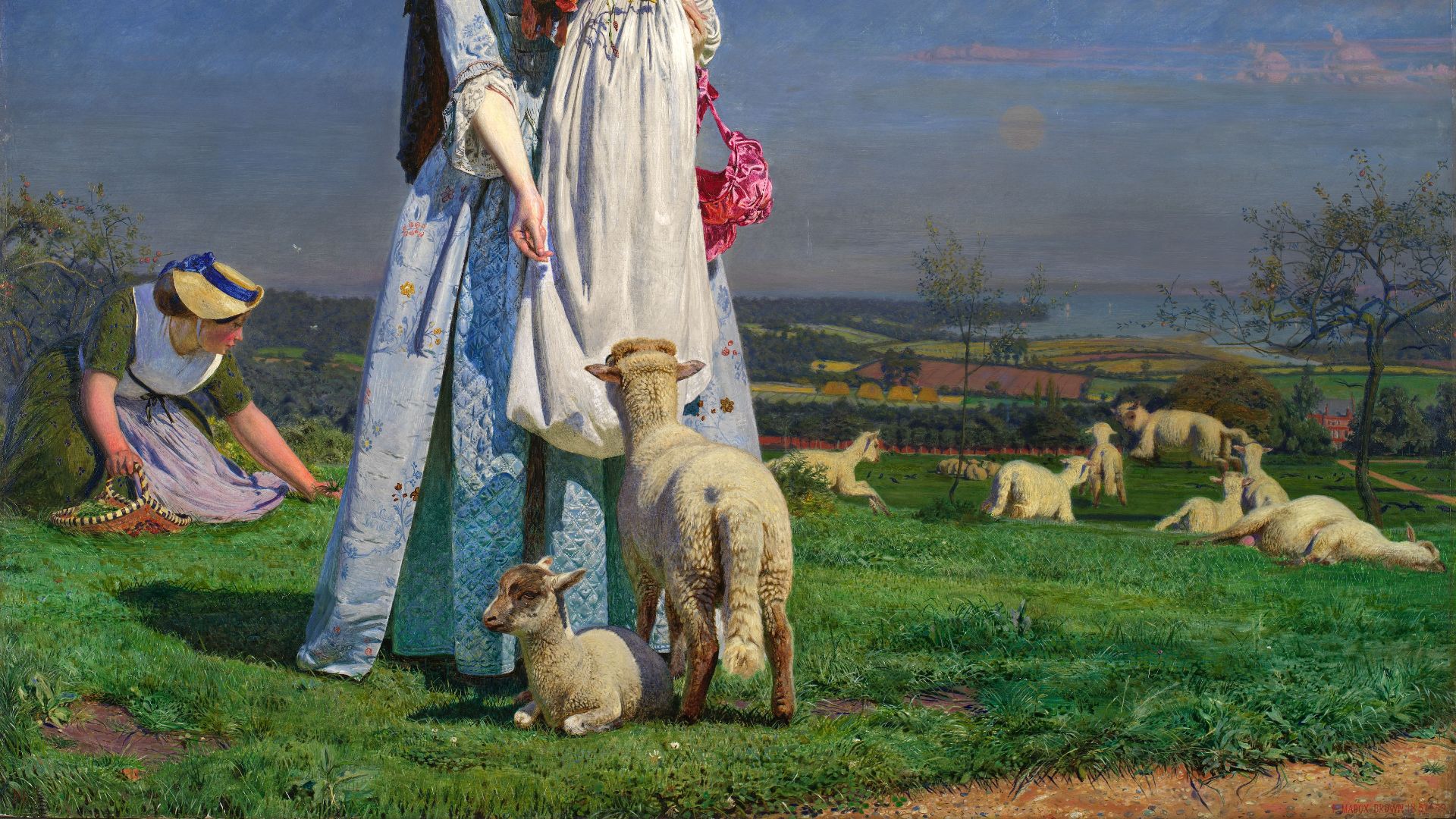
4. Doves
A white dove in an Annunciation scene often symbolizes the Holy Spirit, particularly when depicted descending toward Mary on a stream of light during the moment of the Incarnation.
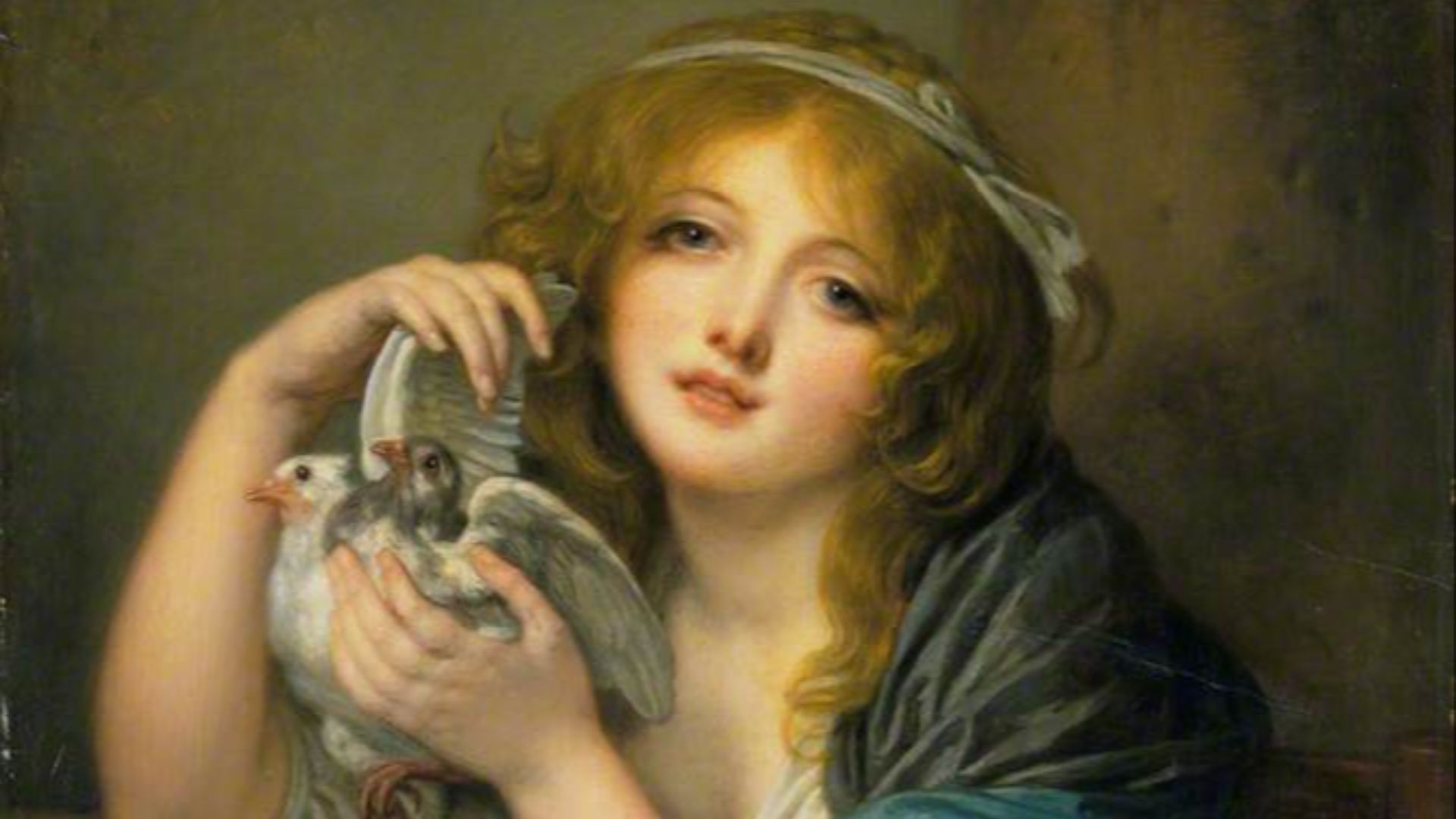 Jean-Baptiste Greuze on Wikimedia
5. Goldfinches
In many religious paintings, a goldfinch held by the Christ Child may appear as a charming detail, resembling a small pet. However, the bird also serves as a symbol, pointing to Christ’s Passion. Its red markings are associated with blood, suffering, and the crucifixion.
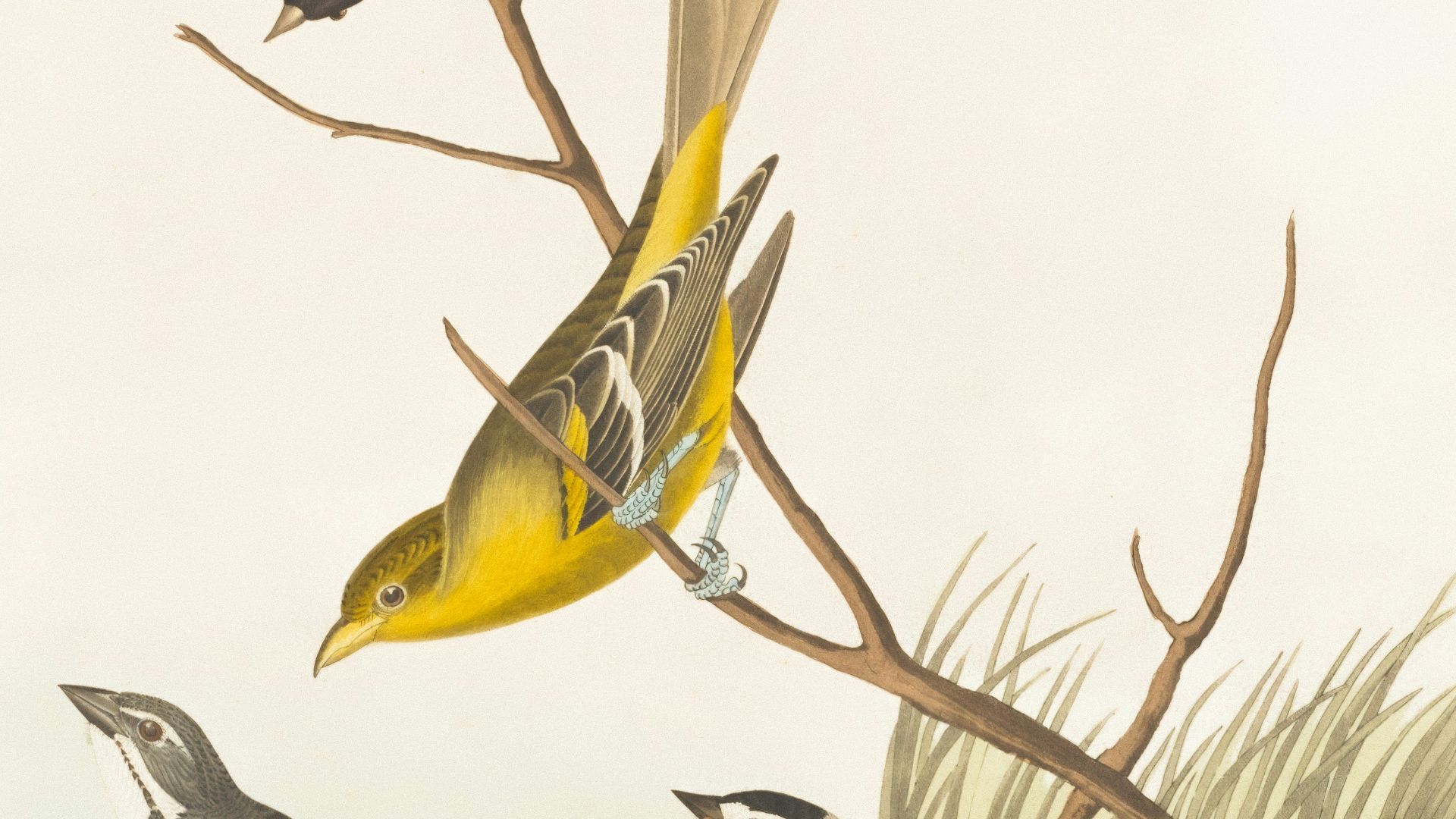 National Gallery of Art on Unsplash
6. Fish
In early Christian imagery and later religious paintings, fish held symbolic significance. They could symbolize Christ, appear in Last Supper scenes alongside bread and wine, or help identify saints associated with fishing, such as Saint Andrew.
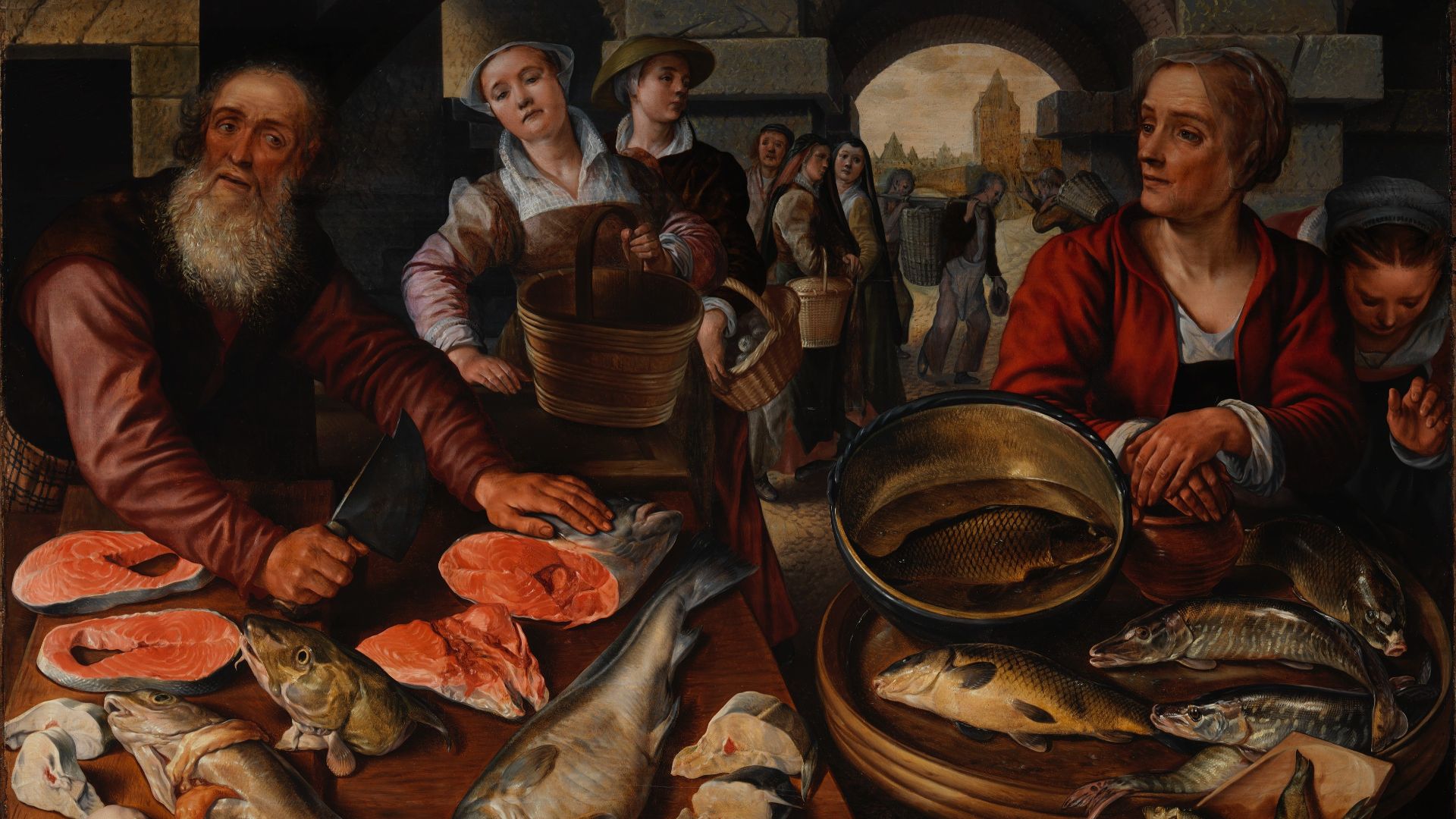 Joachim Beuckelaer on Wikimedia
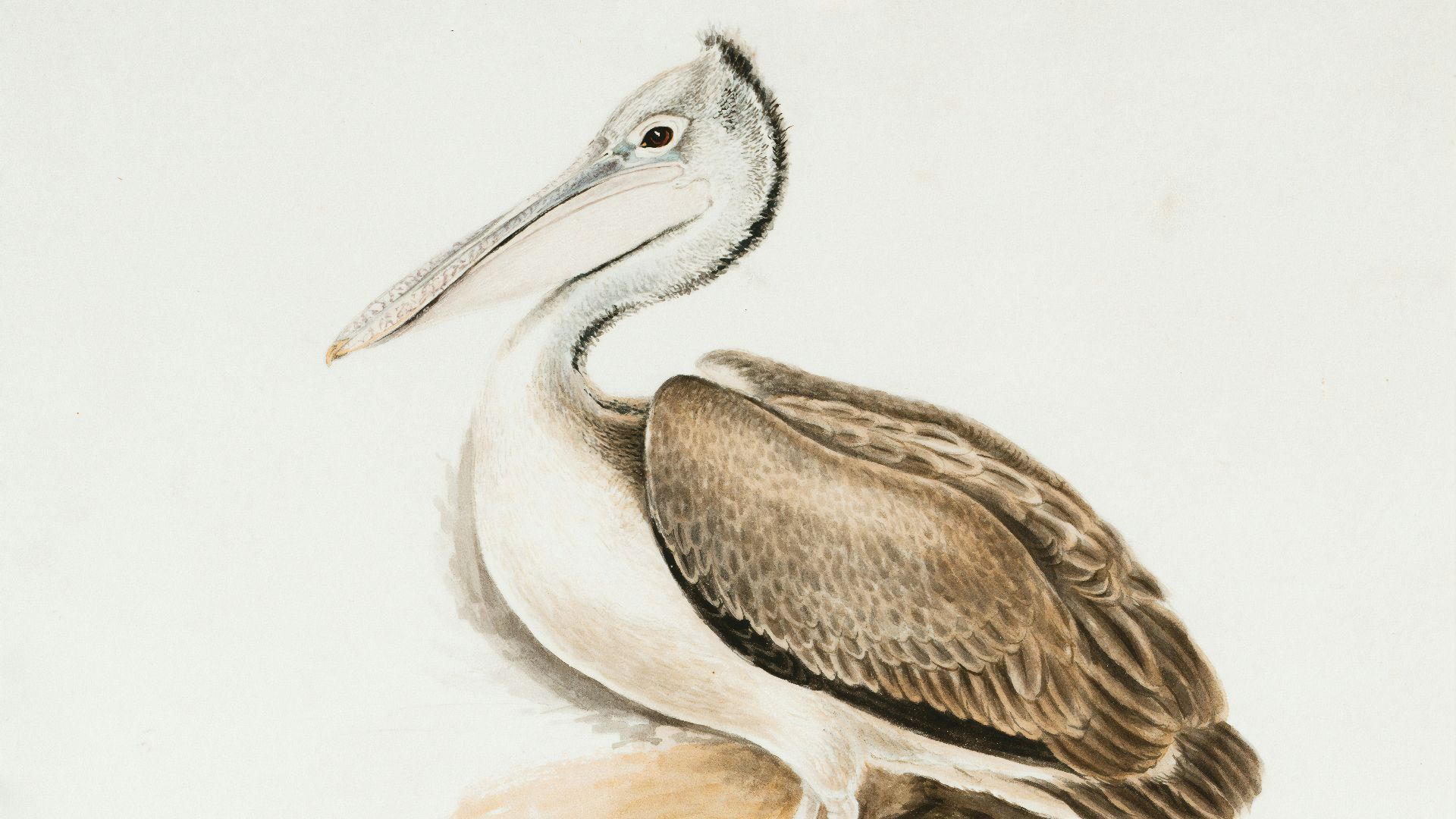
7. Pelicans
The pelican became a significant Christian symbol due to an ancient belief that it fed its young with blood from its own breast. This imagery linked the pelican to Christ’s sacrifice, the Eucharist, charity, and selfless love.
8. Phoenixes
The phoenix is a legendary bird that is reborn from its own ashes, symbolizing renewal. In Christian and allegorical art, it represents themes of resurrection, hope, and the belief that death is not the end.
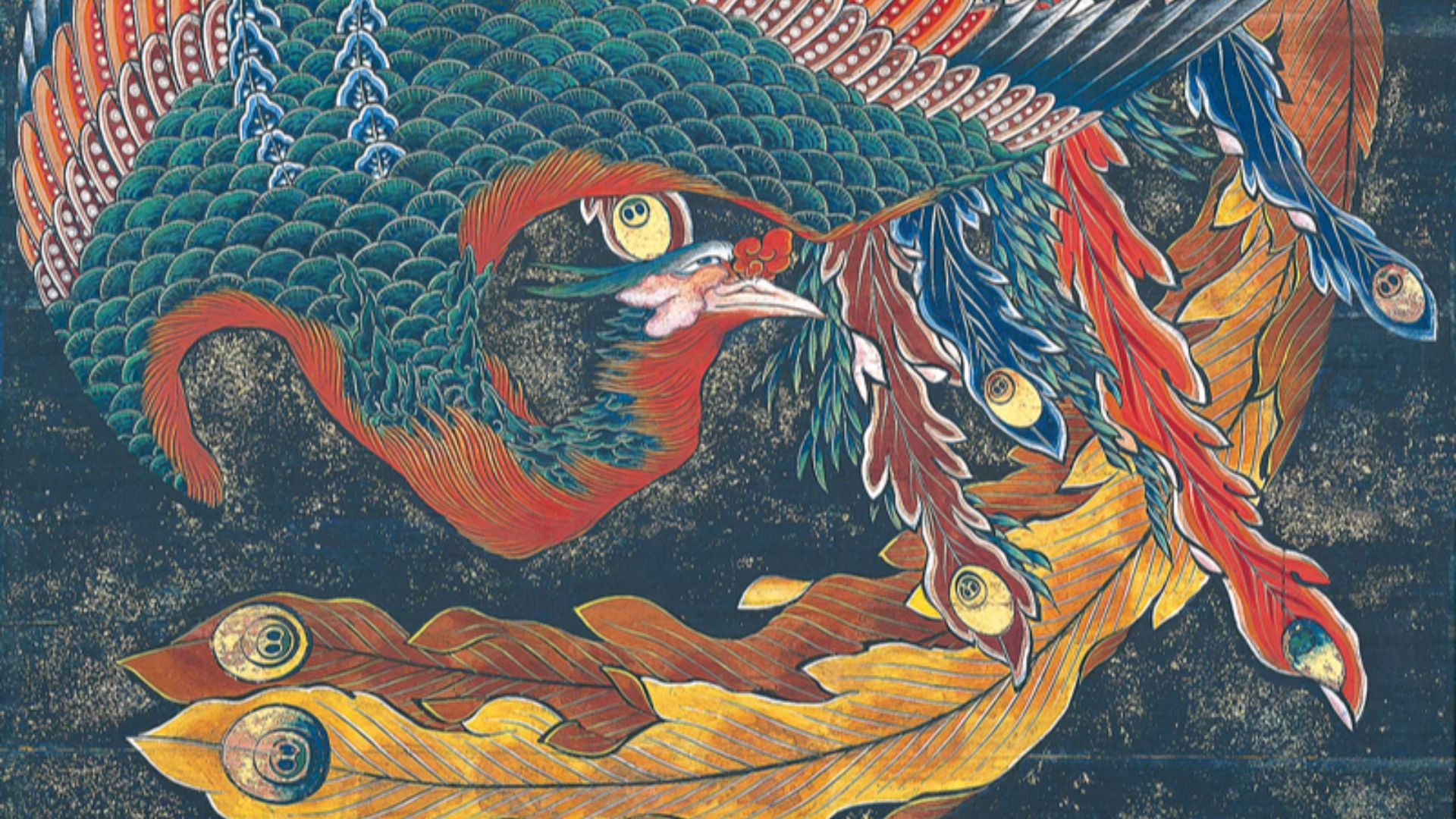 Katsushika Hokusai on Wikimedia
9. Peacocks
Peacocks added color, detail, and visual richness to paintings, but their significance went beyond mere aesthetics. In Christian symbolism, the peacock represents immortality. In other cultural contexts, it is associated with wealth, worldly power, wisdom, and protection.
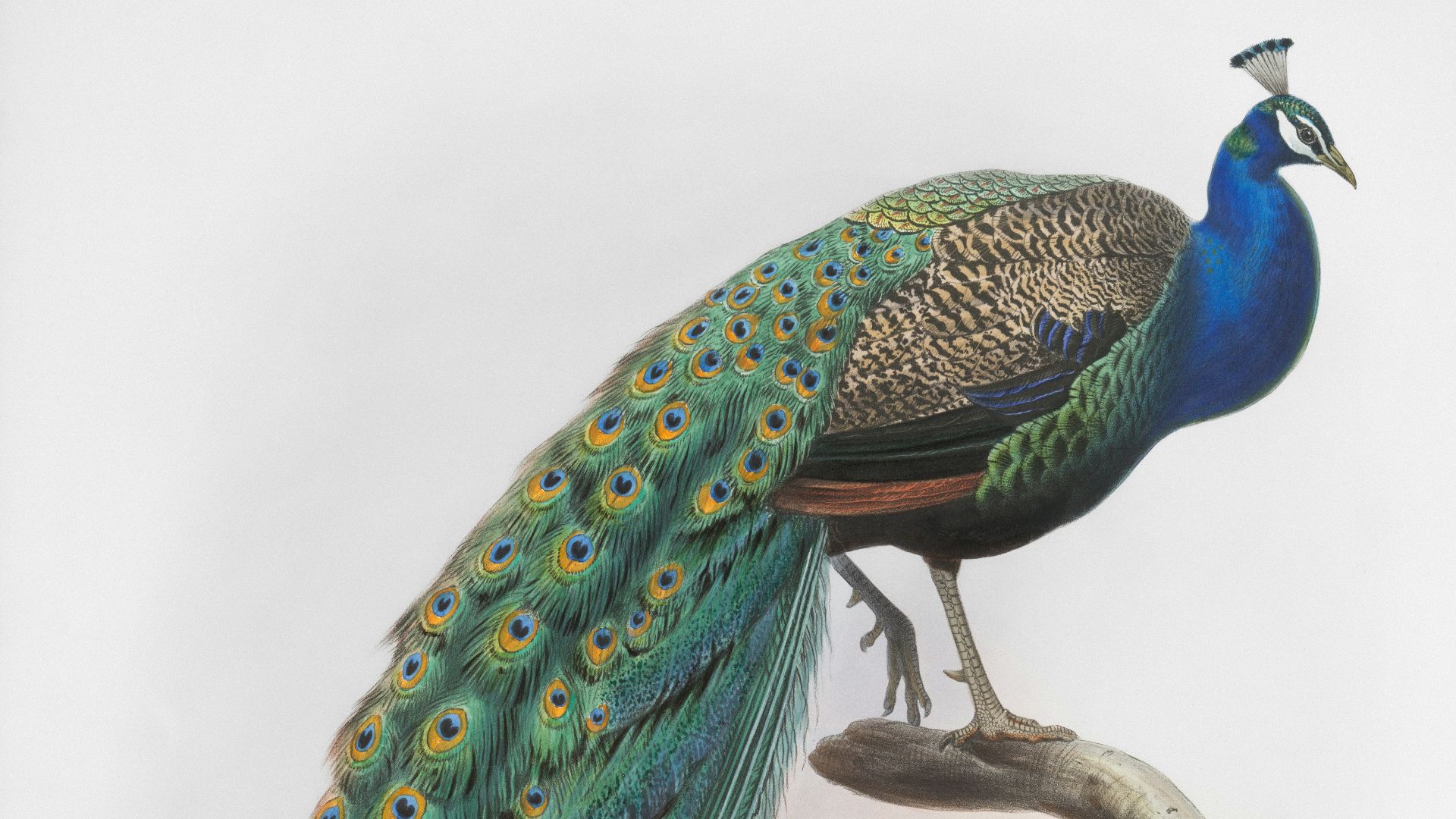 The New York Public Library on Unsplash
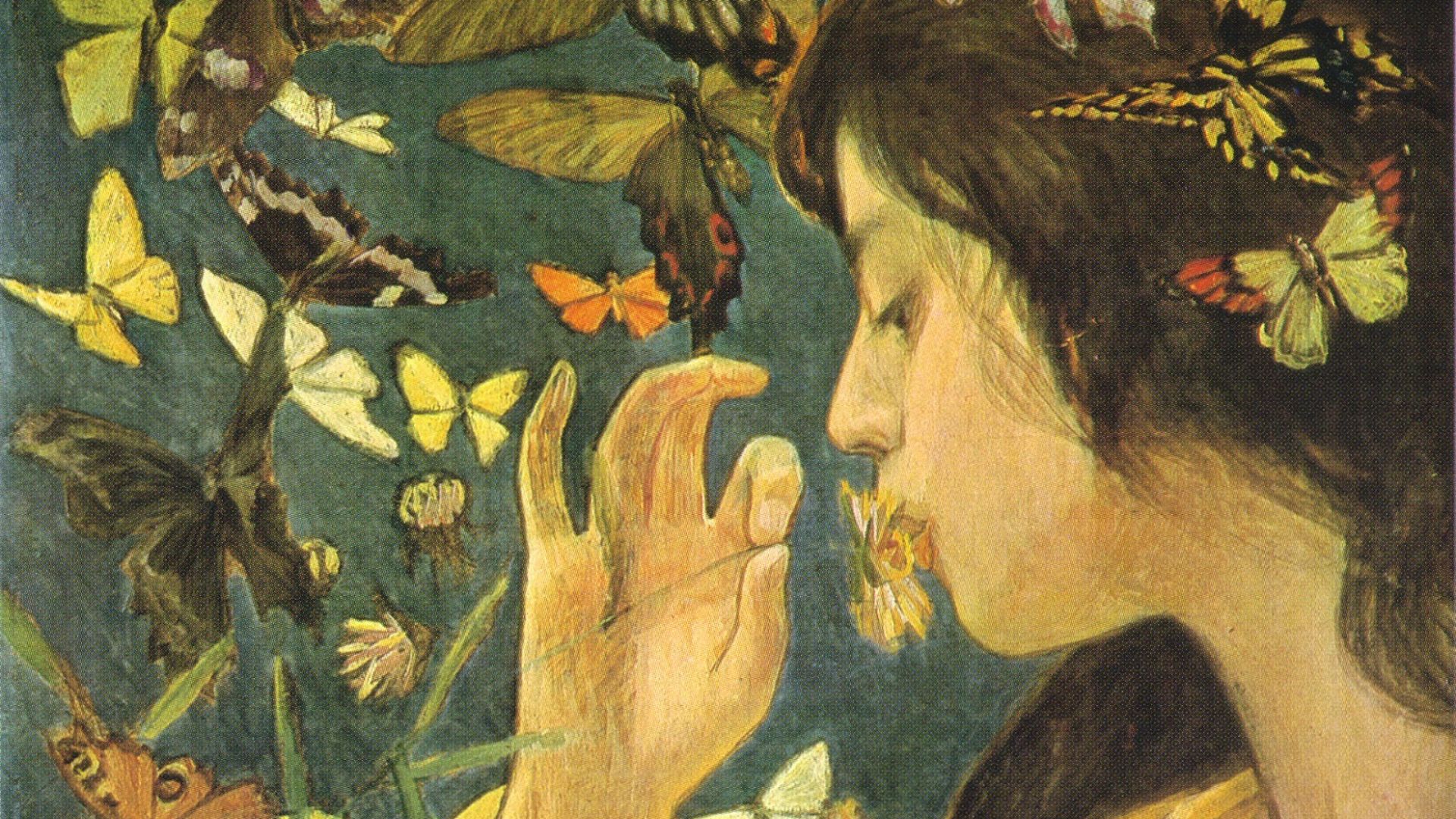
10. Butterflies
In flower paintings and still lifes, butterflies often hold spiritual significance. Their transformation from caterpillar to winged creature makes them a fitting symbol of the soul, resurrection, and the promise of life after death.
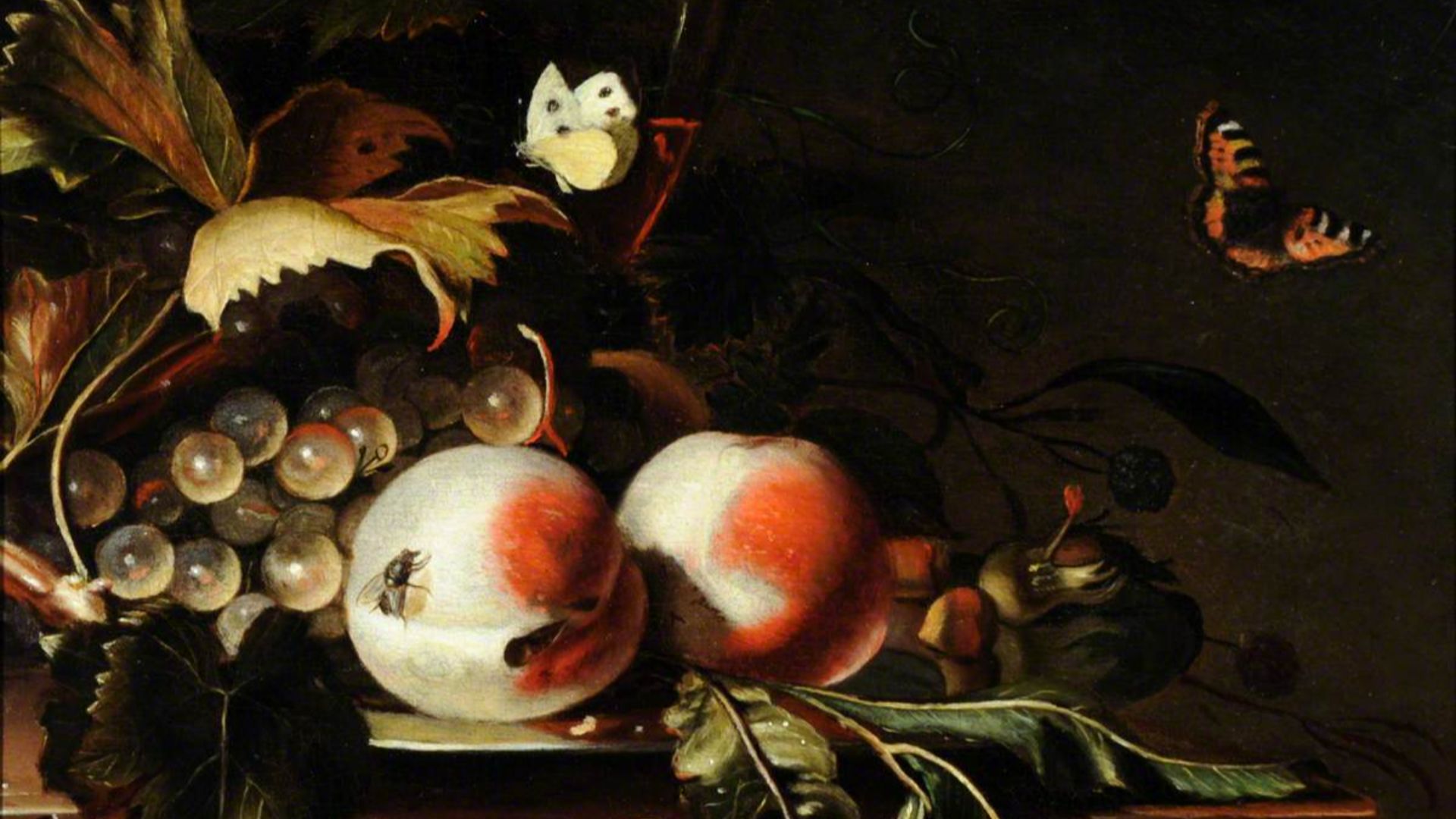
11. Flies
A fly in a painting was often used for a very specific reason. In still lifes, flies often symbolize rot, death, and the transient nature of earthly pleasures, even when depicted with incredible precision.
12. Ants
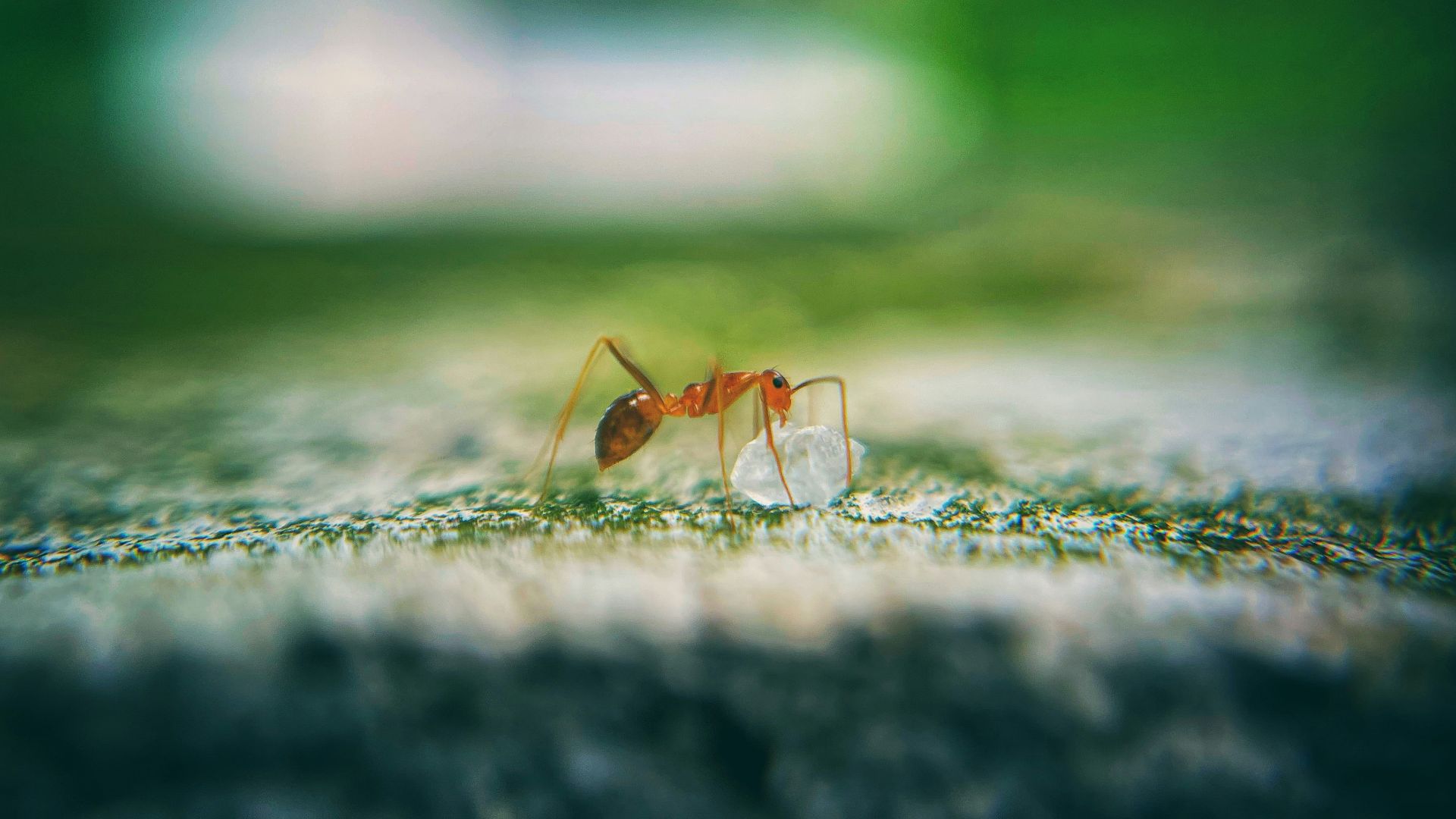
Although ants are small, they can convey meaning in art. Their industrious and organized behavior symbolizes diligence, hard work, and collective effort, even when they occupy a small part of a larger scene.
13. Lions
The winged lion is a highly recognizable symbol in Christian art, representing Saint Mark the Evangelist, and in Venetian imagery, it embodies religious identity, protection, authority, and public pride. In contrast, a lion depicted alongside Saint Jerome tells a different story: it refers to the legend that Jerome removed a thorn from the lion’s paw while living as a hermit, thereby making the once-fierce creature his grateful companion. Together, these representations highlight the lion’s significance in Christian tradition, encompassing both reverence and the bond between man and animal.
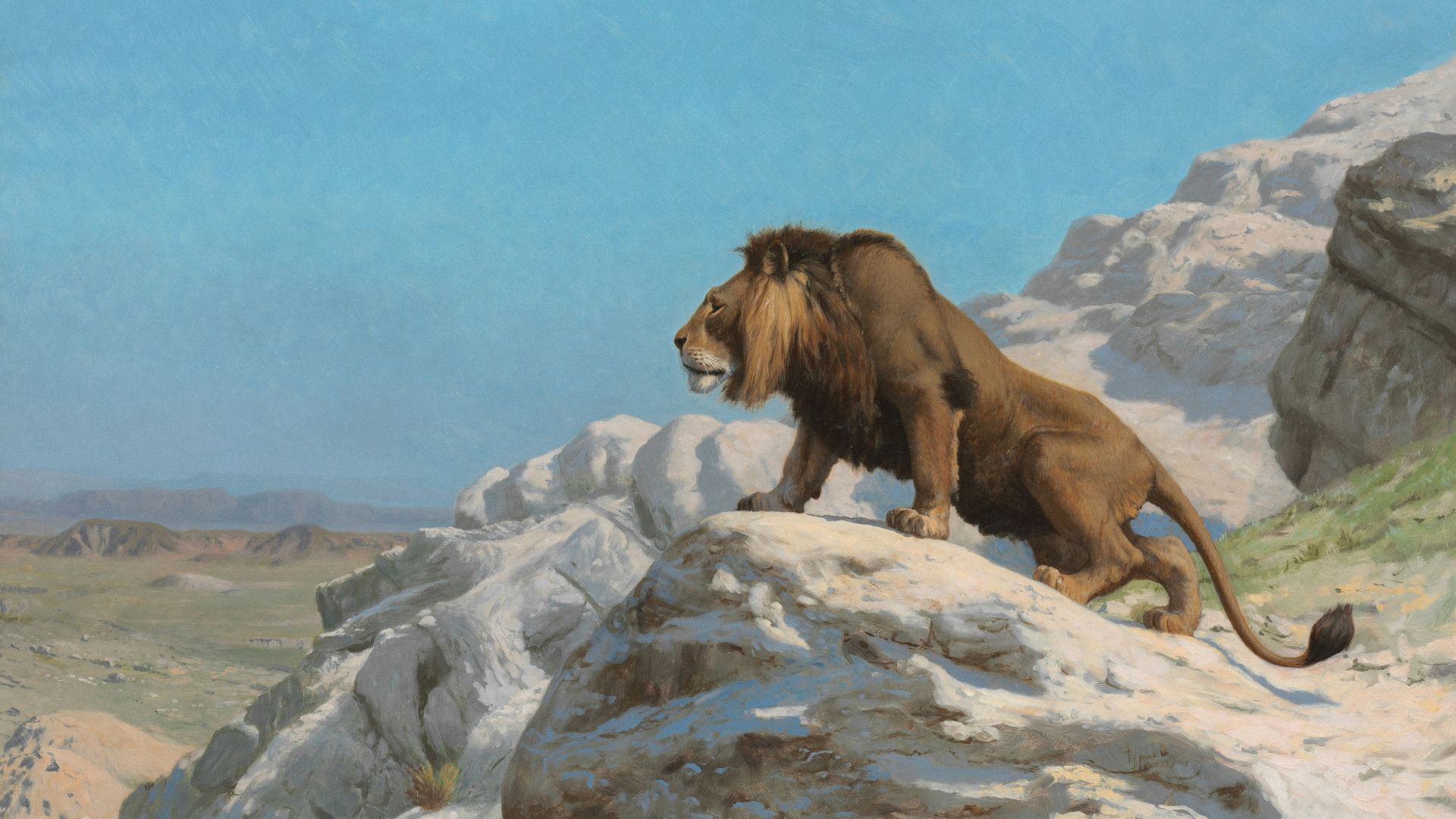 The Cleveland Museum of Art on Unsplash
14. Ermines
Ermines have often symbolized purity, status, and moral restraint in European paintings. Their white winter fur naturally conveys cleanliness and virtue, while their rarity lends an elegant, aristocratic presence to portraits. In some artworks, the presence of an ermine subtly flatters the sitter, suggesting refinement without explicitly stating it.
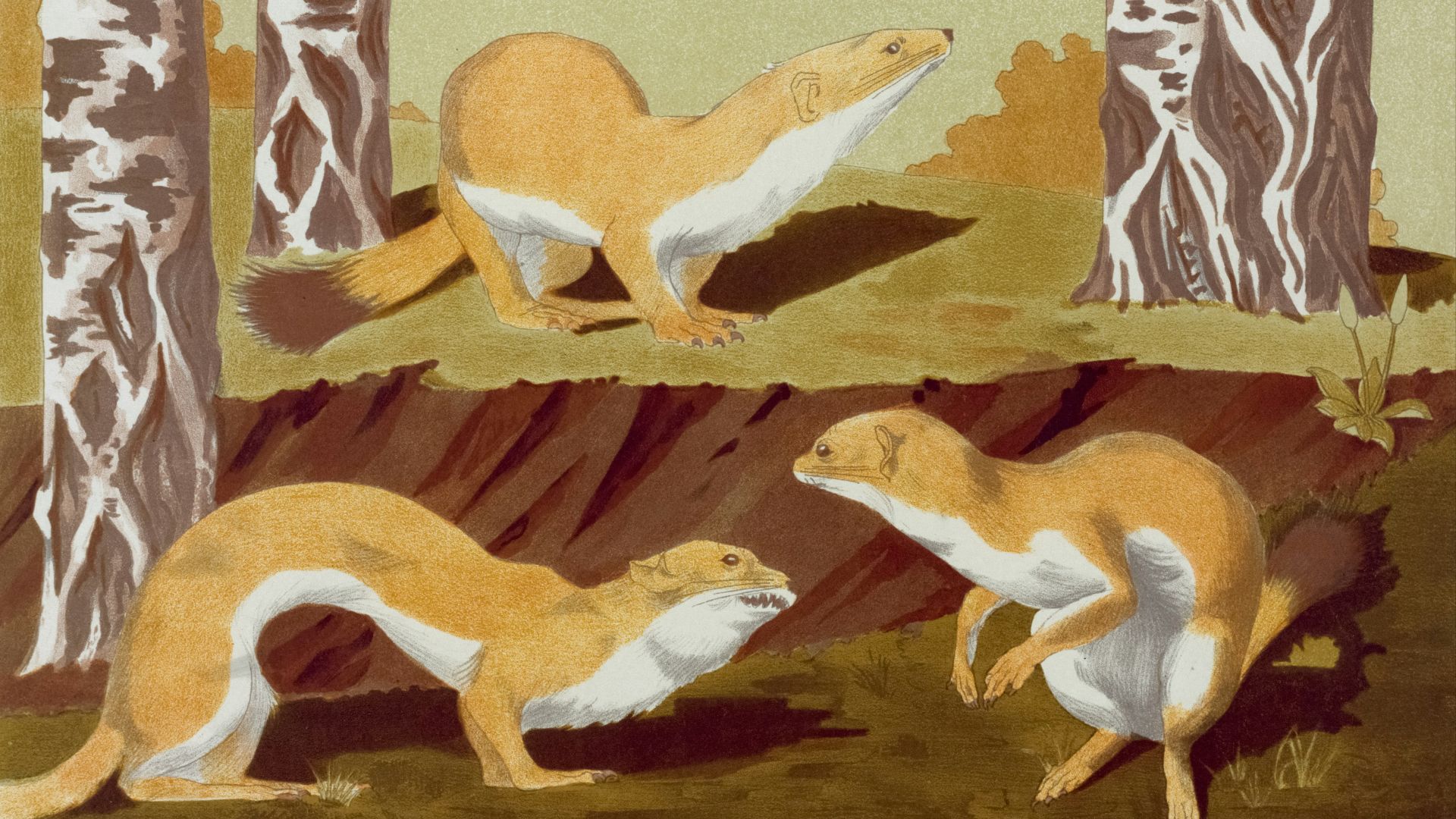 The New York Public Library on Unsplash
15. Owls
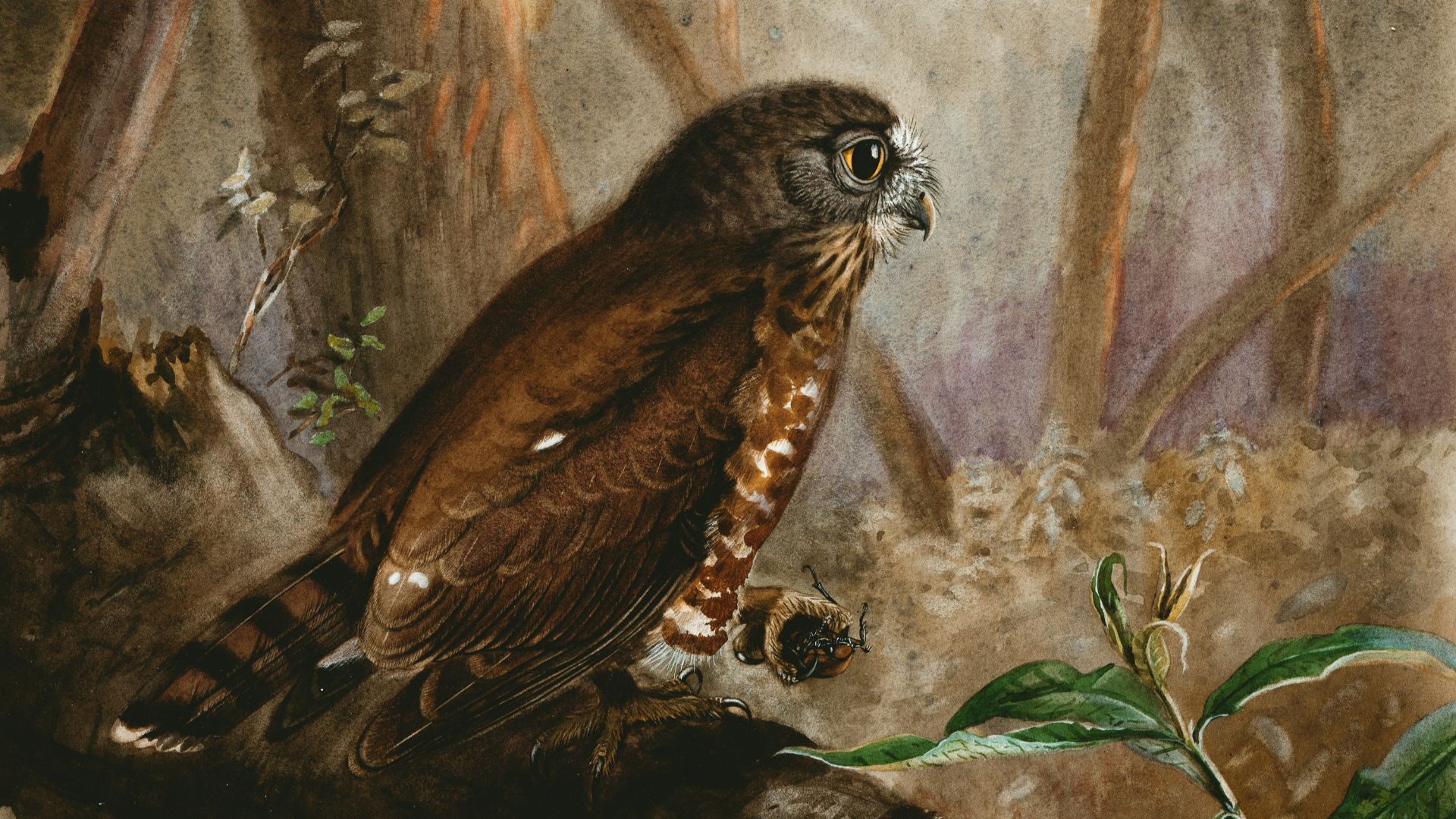
Owls are often associated with wisdom due to their connection to the classical goddess linked to learning and knowledge. In other artworks, however, owls can represent concepts such as night, sleep, wilderness, or even something more unsettling. This means that their meaning varies greatly depending on the context.
16. Cats
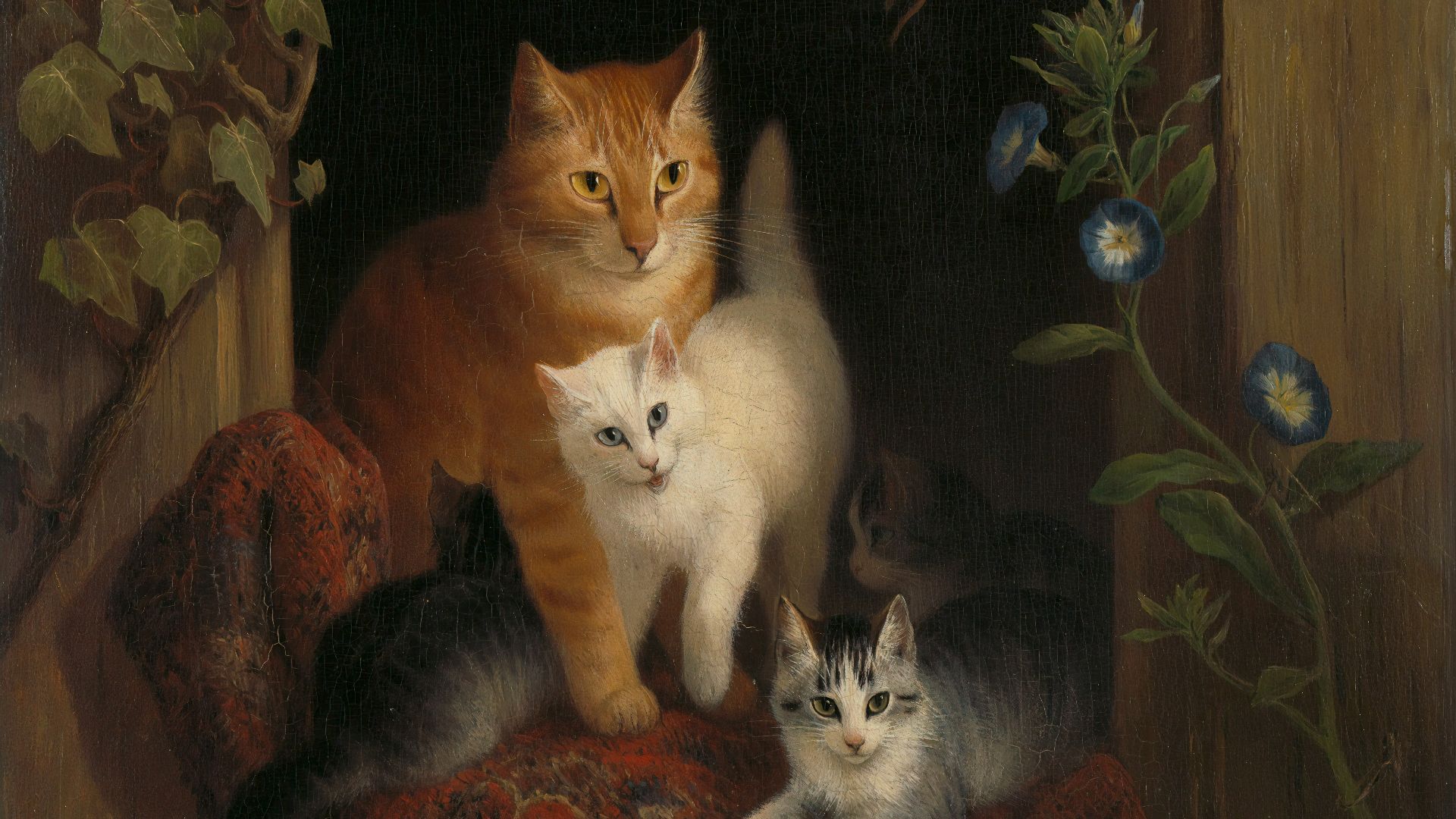
Cats didn’t always occupy the cozy lap-pet role they hold today. In European painting before the 18th century, they were often depicted more as useful domestic animals than as pampered companions. Additionally, black cats were frequently associated with witchcraft and suspicion.
17. Snakes
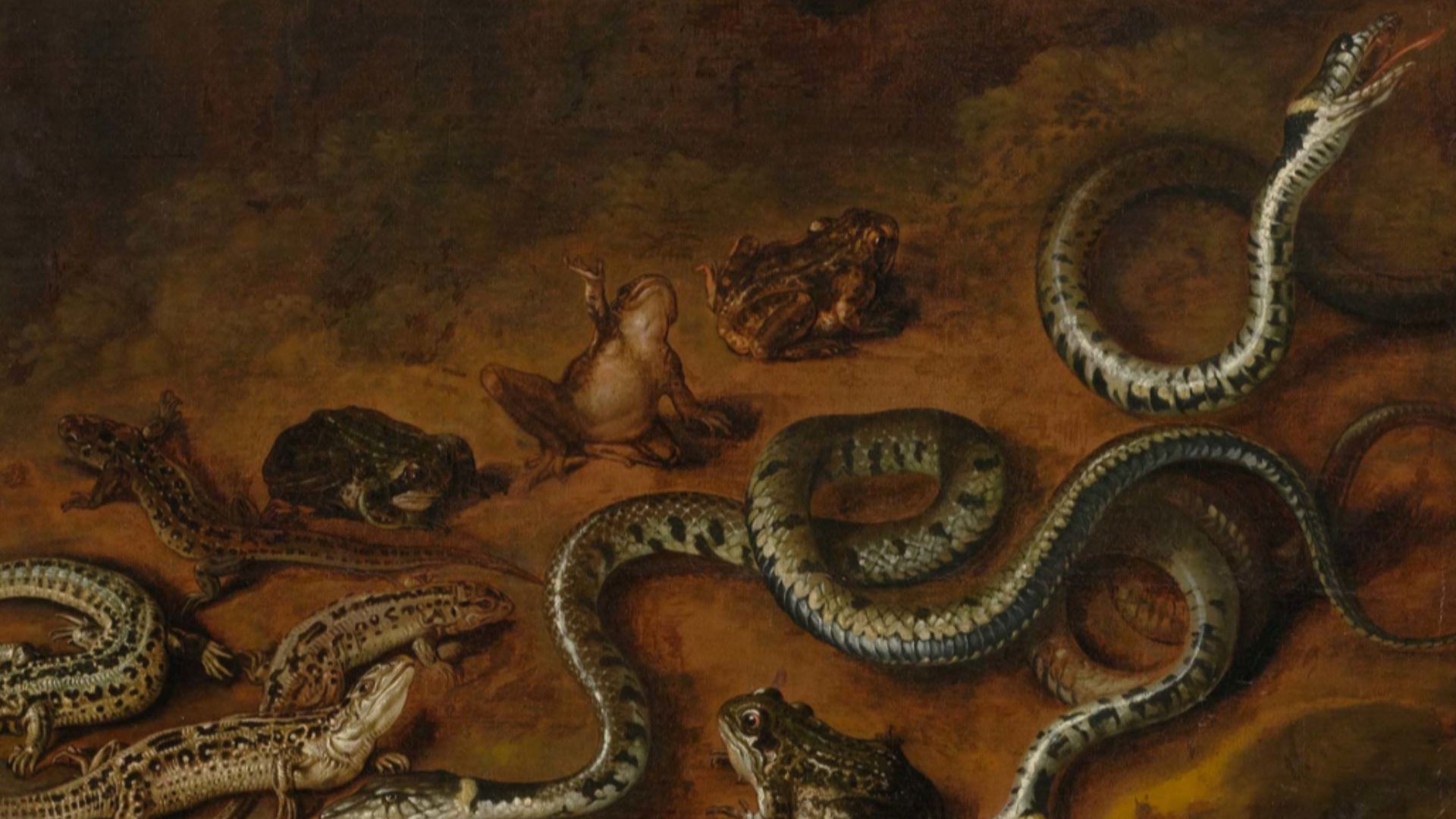
Snakes often symbolize temptation and evil, especially in paintings of Adam and Eve. However, the same creature can also represent wisdom in allegorical contexts, so its meaning depends on the narrative, the nearby figures, and the surrounding symbols.
18. Dragons
In Christian painting, dragons typically represented more than just fantasy. They often symbolized danger, sin, evil, or chaos, especially when depicted as defeated by figures such as Saint George or Saint Michael.
19. Unicorns
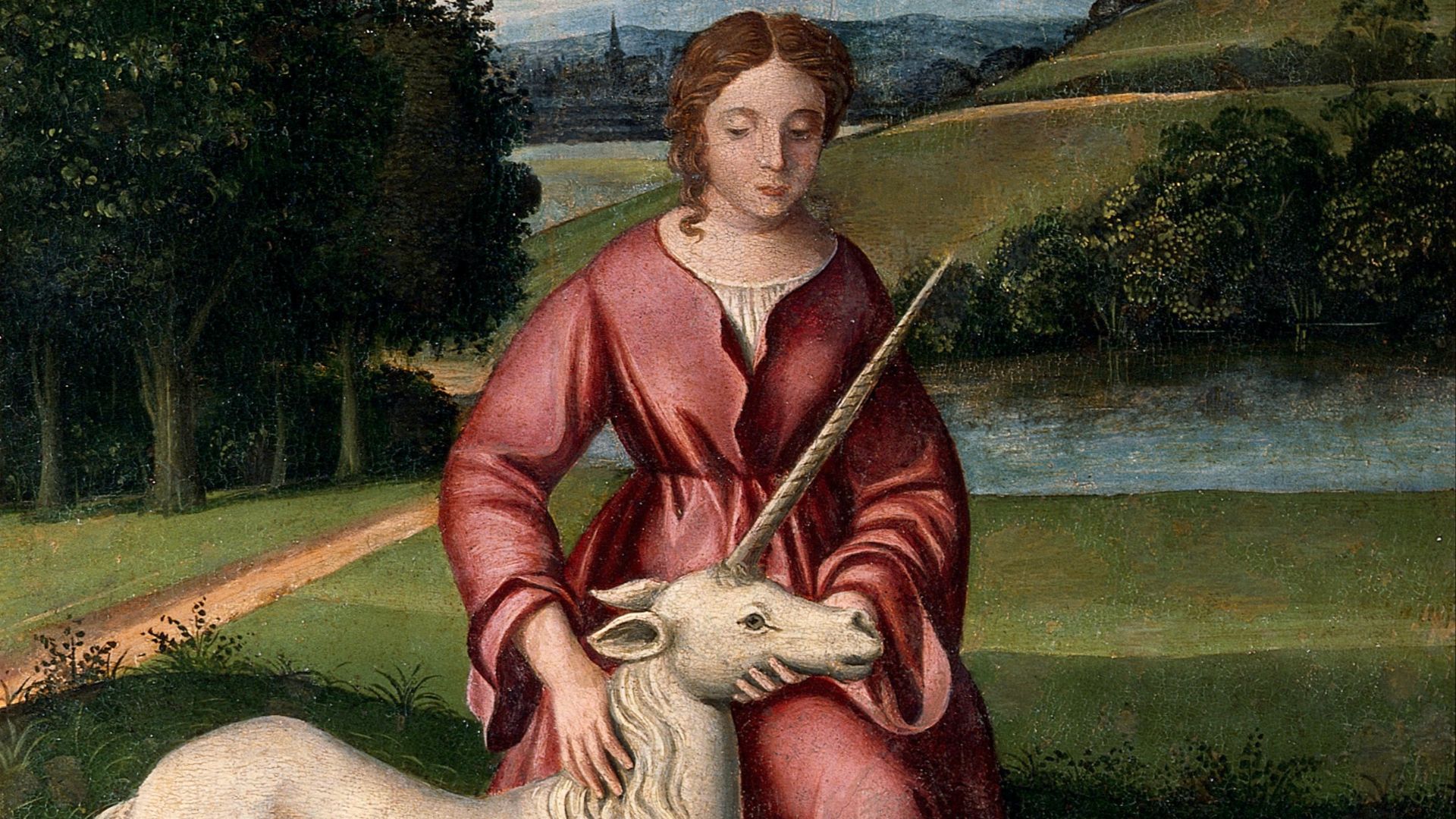
The unicorn may seem whimsical today, but in medieval and Renaissance times, its symbolism was taken seriously. Legend stated that only a maiden could tame this elusive creature, linking the unicorn with themes of chastity, innocence, and purity. Often depicted alongside virgin maidens, it represented ideals of virtue and moral aspiration. Additionally, the unicorn was associated with Christ, symbolizing divine truth and grace. This majestic creature reminded people of the values of honor and integrity as they pursued higher spiritual ideals.
20. Stags
A stag in a religious hunting scene can serve as a turning point in the story. In legends related to Saint Hubert and Saint Eustace, the sight of a stag with a crucifix nestled between its antlers signifies the moment when a typical hunt transforms into a spiritual revelation.
KEEP ON READING
The 20 Most Recognized Historical Figures Of All Time
The Biggest Names In History. Although the Earth has been…
By Cathy Liu Oct 4, 2024
10 of the Shortest Wars in History & 10 of…
Wars: Longest and Shortest. Throughout history, wars have varied dramatically…
By Emilie Richardson-Dupuis Oct 7, 2024
10 Fascinating Facts About Ancient Greece You Can Appreciate &…
Once Upon A Time Lived Some Ancient Weirdos.... Greece is…
By Megan Wickens Oct 7, 2024
20 Lesser-Known Facts About Christopher Columbus You Don't Learn In…
In 1492, He Sailed The Ocean Blue. Christopher Columbus is…
By Emilie Richardson-Dupuis Oct 9, 2024
20 Historical Landmarks That Have The Craziest Conspiracy Theories
Unsolved Mysteries Of Ancient Places . When there's not enough evidence…
By Megan Wickens Oct 9, 2024
The 20 Craziest Inventions & Discoveries Made During Ancient Times
Crazy Ancient Inventions . While we're busy making big advancements in…
By Cathy Liu Oct 9, 2024