

10 Reasons The Mona Lisa Is Overrated & 10 Reasons It's Still a Masterpiece
10 Reasons The Mona Lisa Is Overrated & 10 Reasons It's Still a Masterpiece
The Most Famous Painting in the World Deserves a Second Look
Every year, millions of people shuffle through the Louvre, crane their necks past a wall of phones, and finally lay eyes on a painting roughly the size of a bathroom mirror. Some look confused. Some look underwhelmed. The Mona Lisa has been the center of art history's longest argument: is it actually great, or have we just been told it is for so long that we stopped questioning it? Here's 10 reasons it's more hype than substance, and 10 reasons it earned that frame.
1. It's Tiny
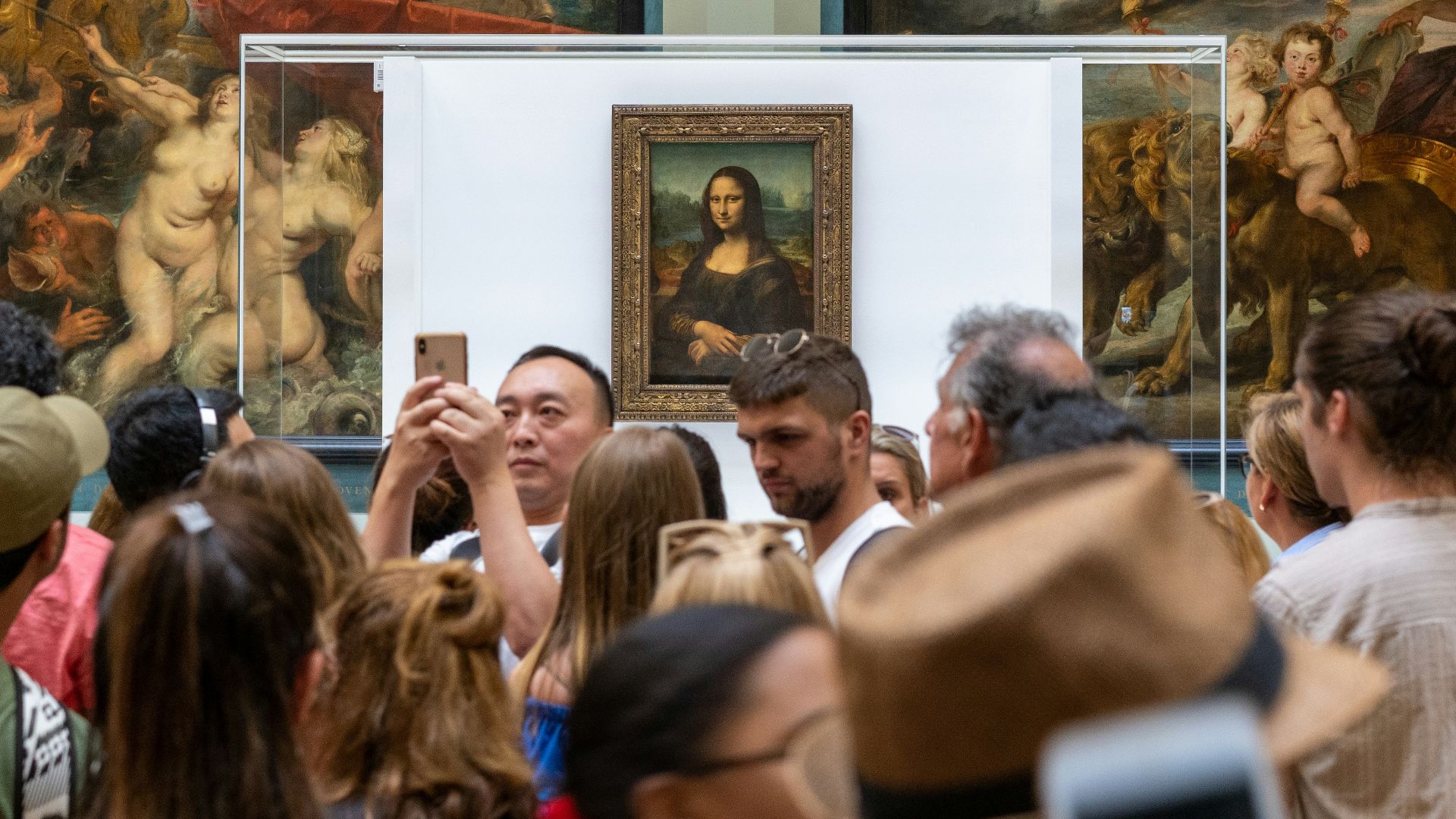
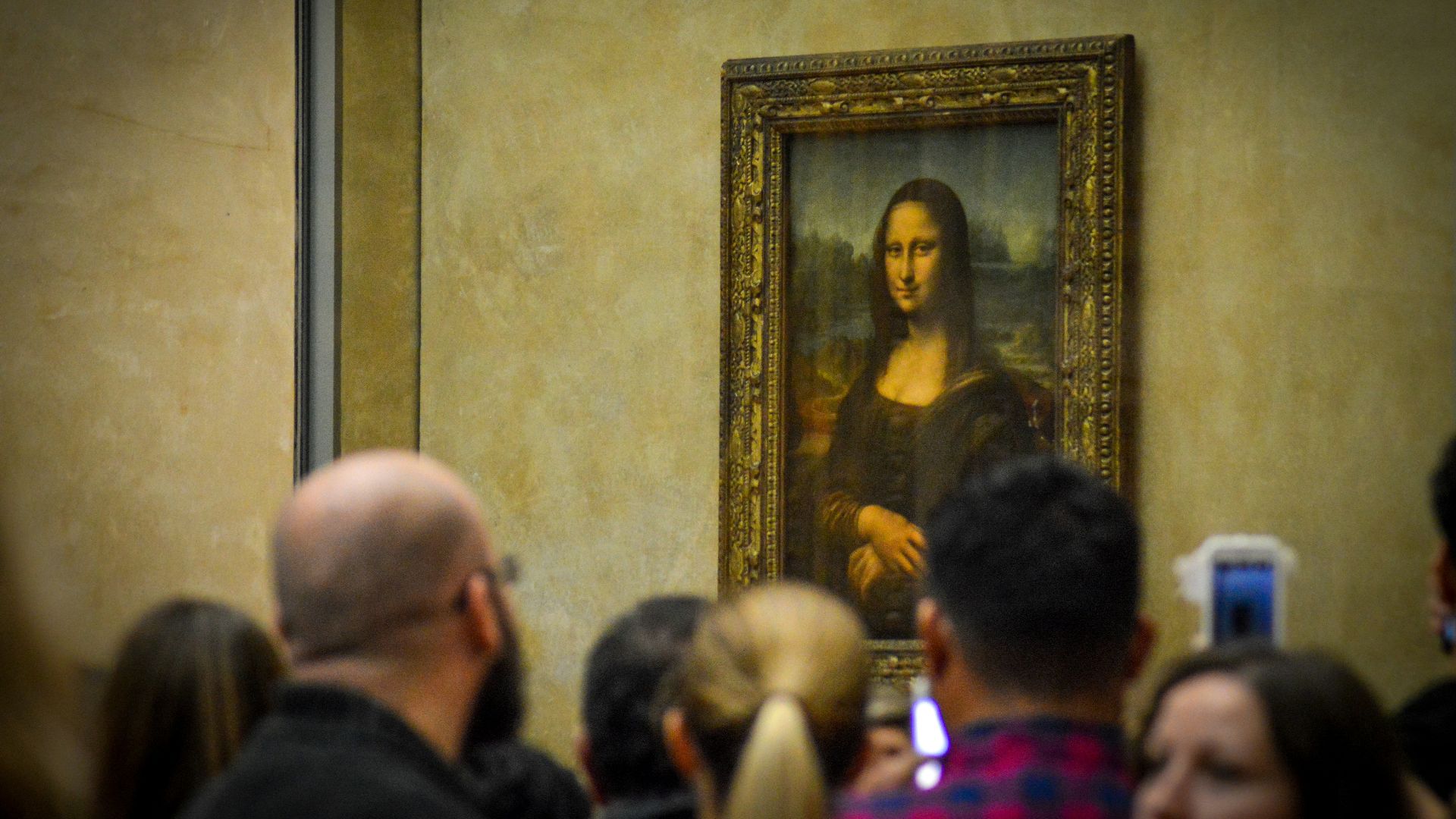
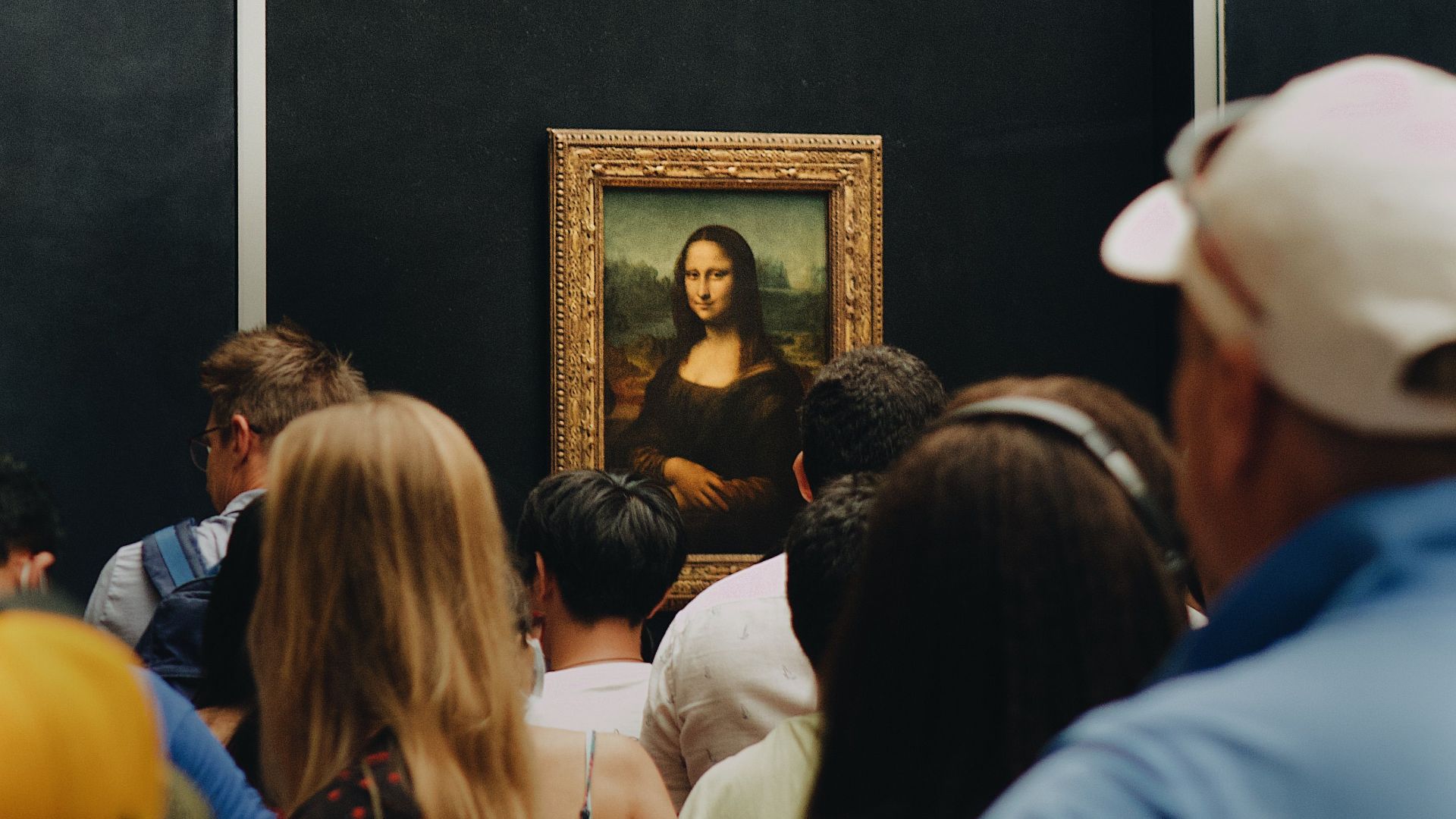
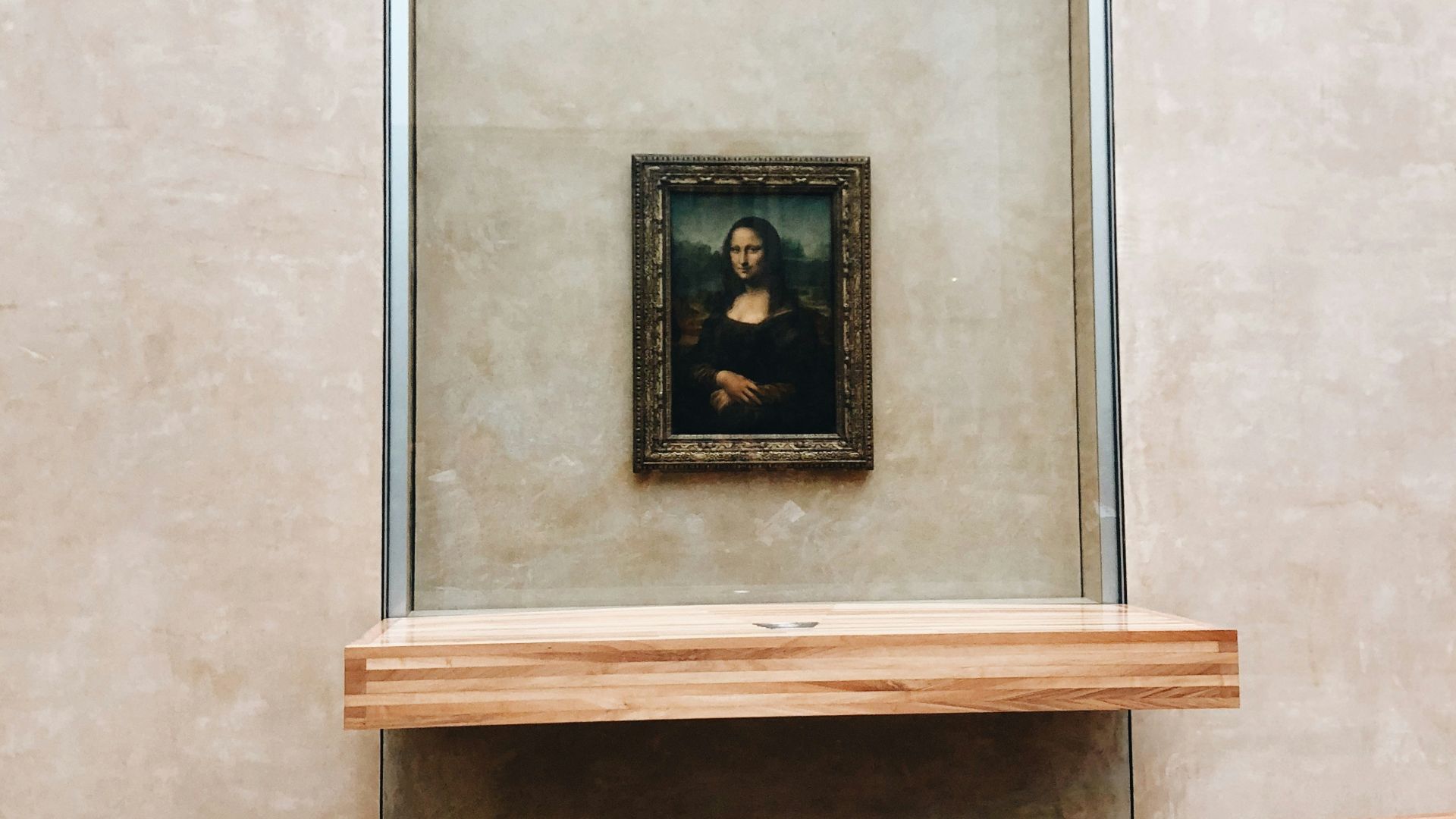
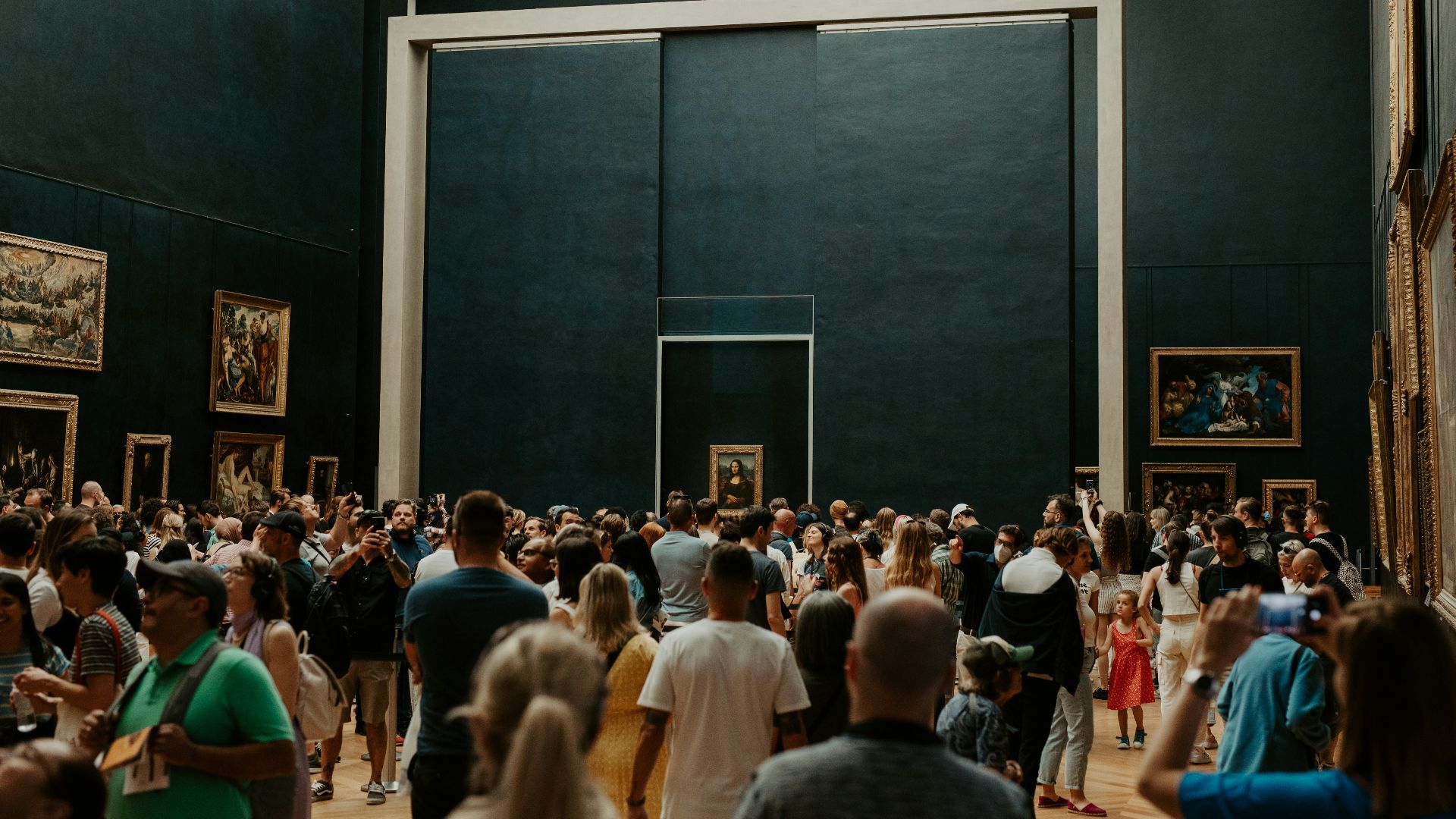
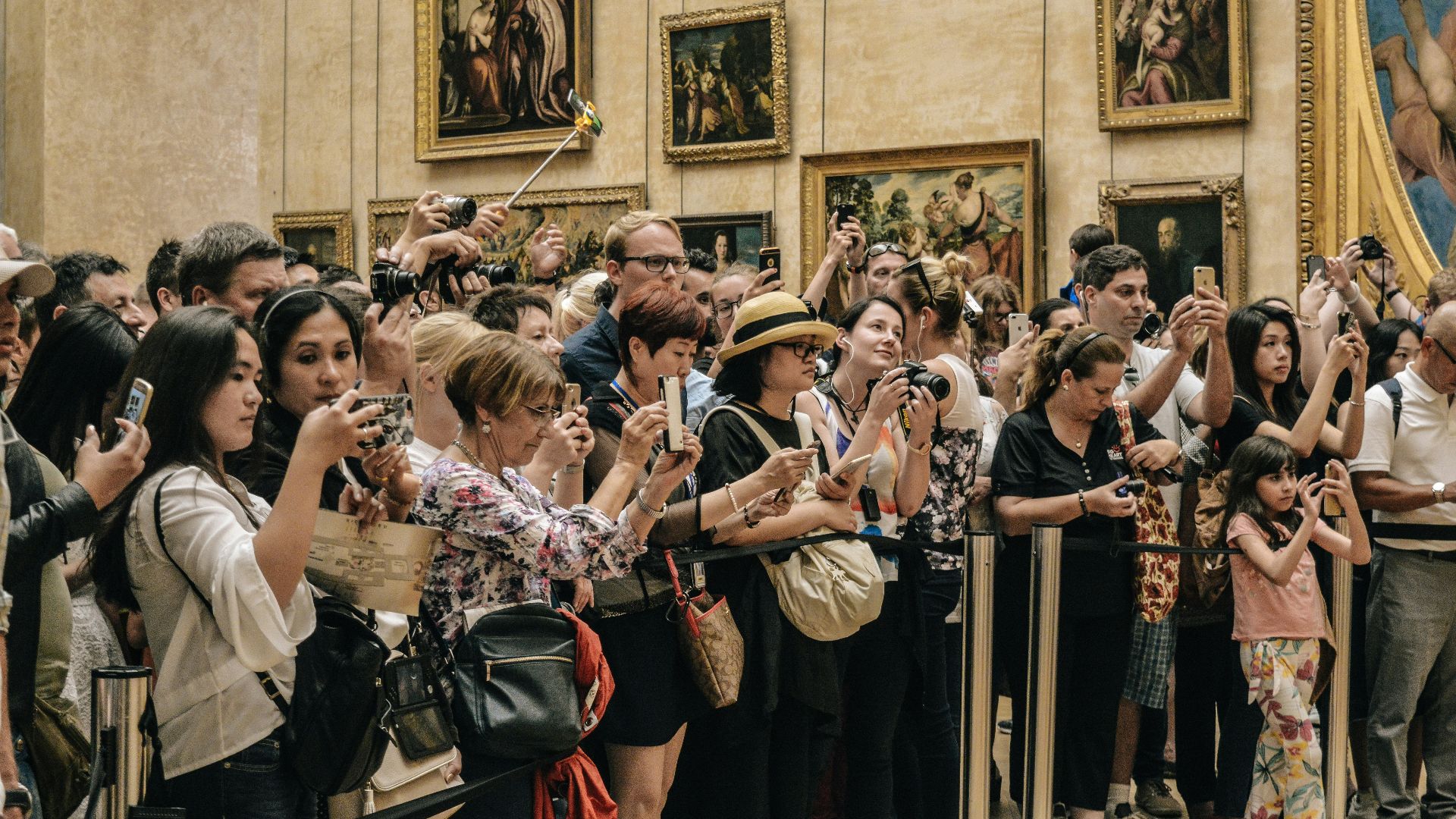
Nobody warns you. You walk into the Salle des États expecting something imposing and find a painting that measures roughly 30 by 21 inches, smaller than most posters you'd find in a college dorm. For a huge portion of visitors, the experience is inseparable from disappointment.
 WorldTraveller101 on Wikimedia
2. The Crowds Make It Impossible to Actually See
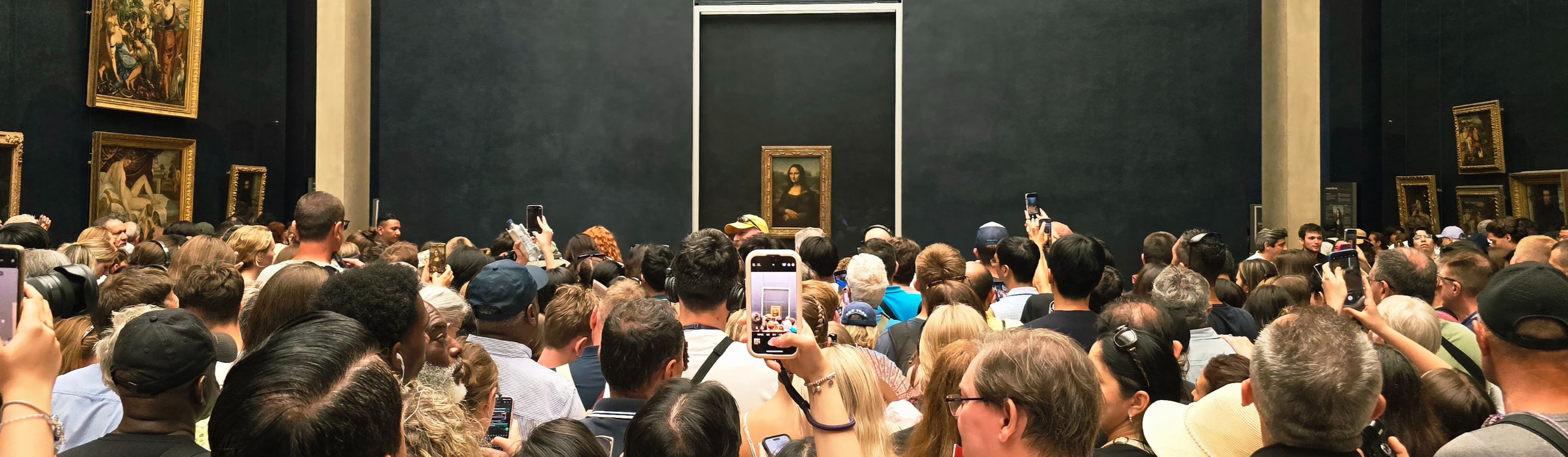
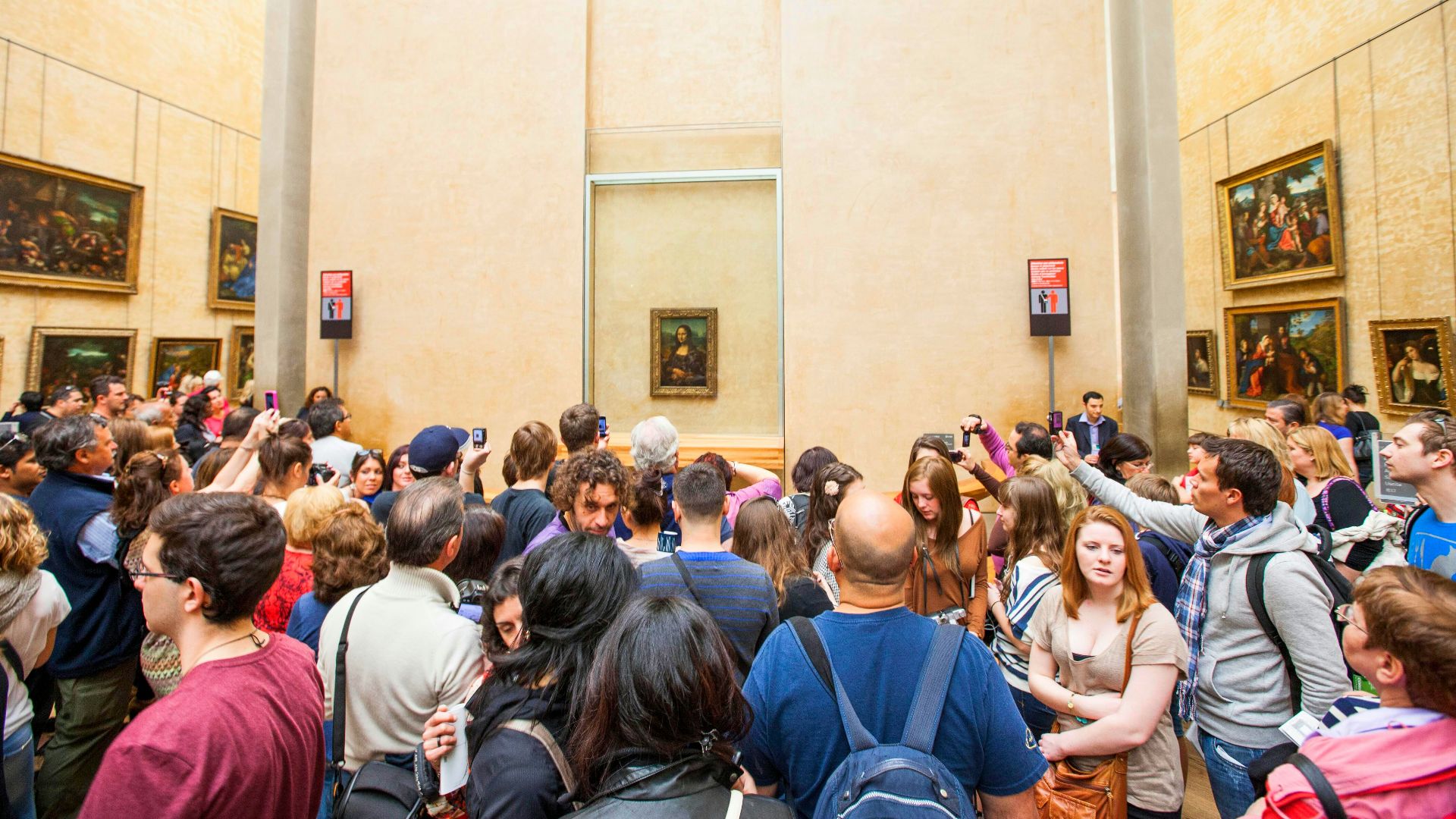
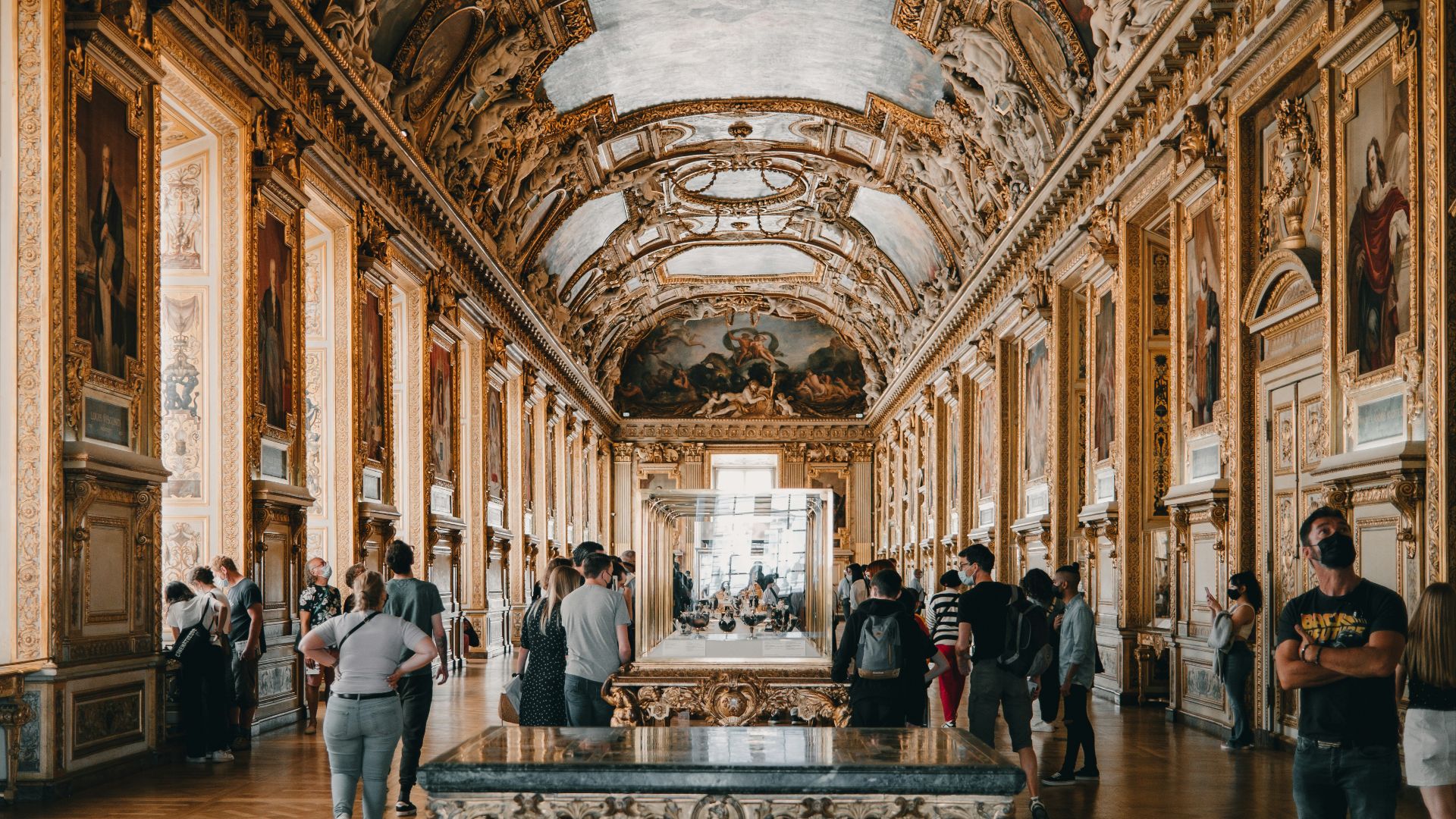
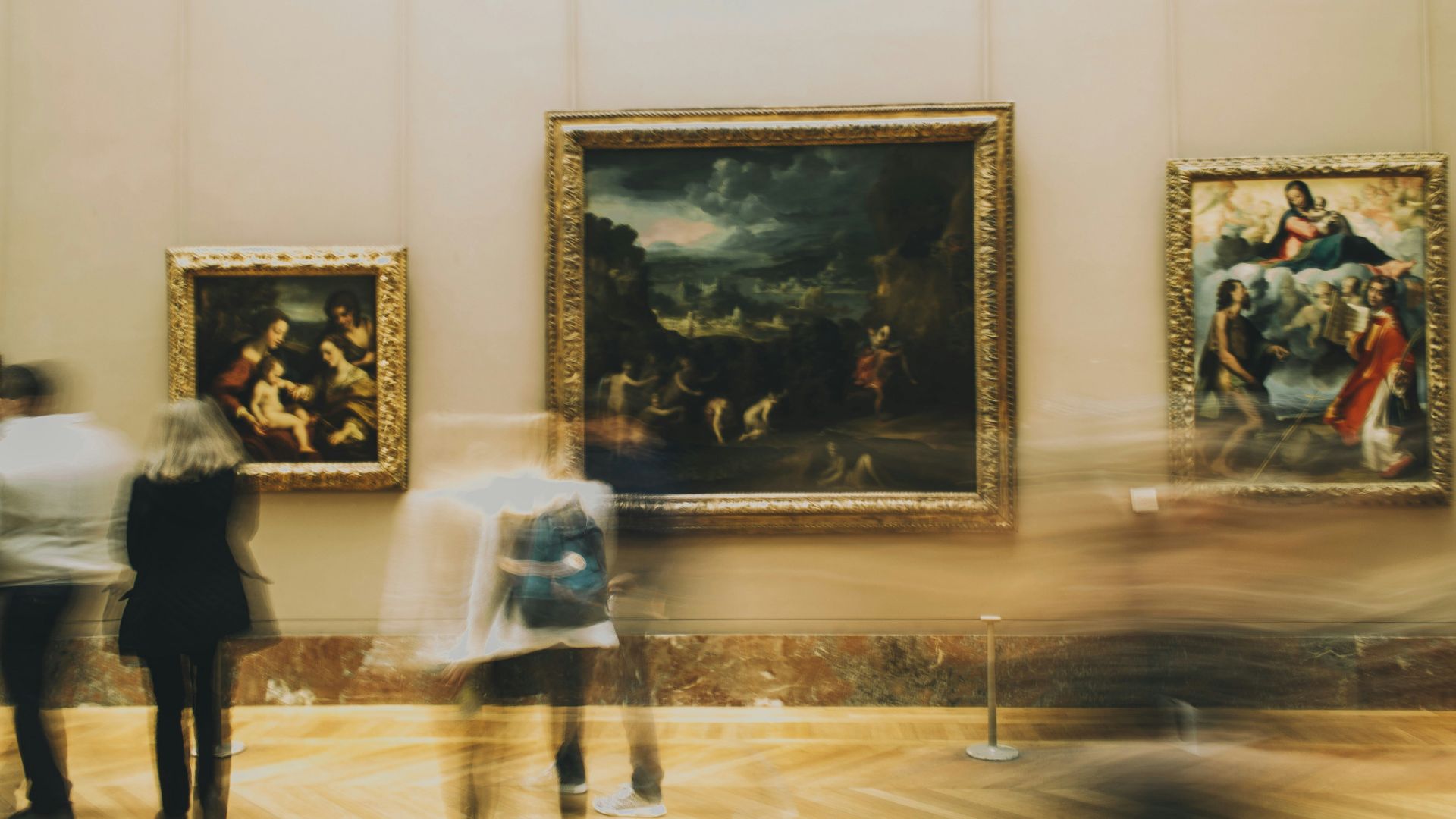
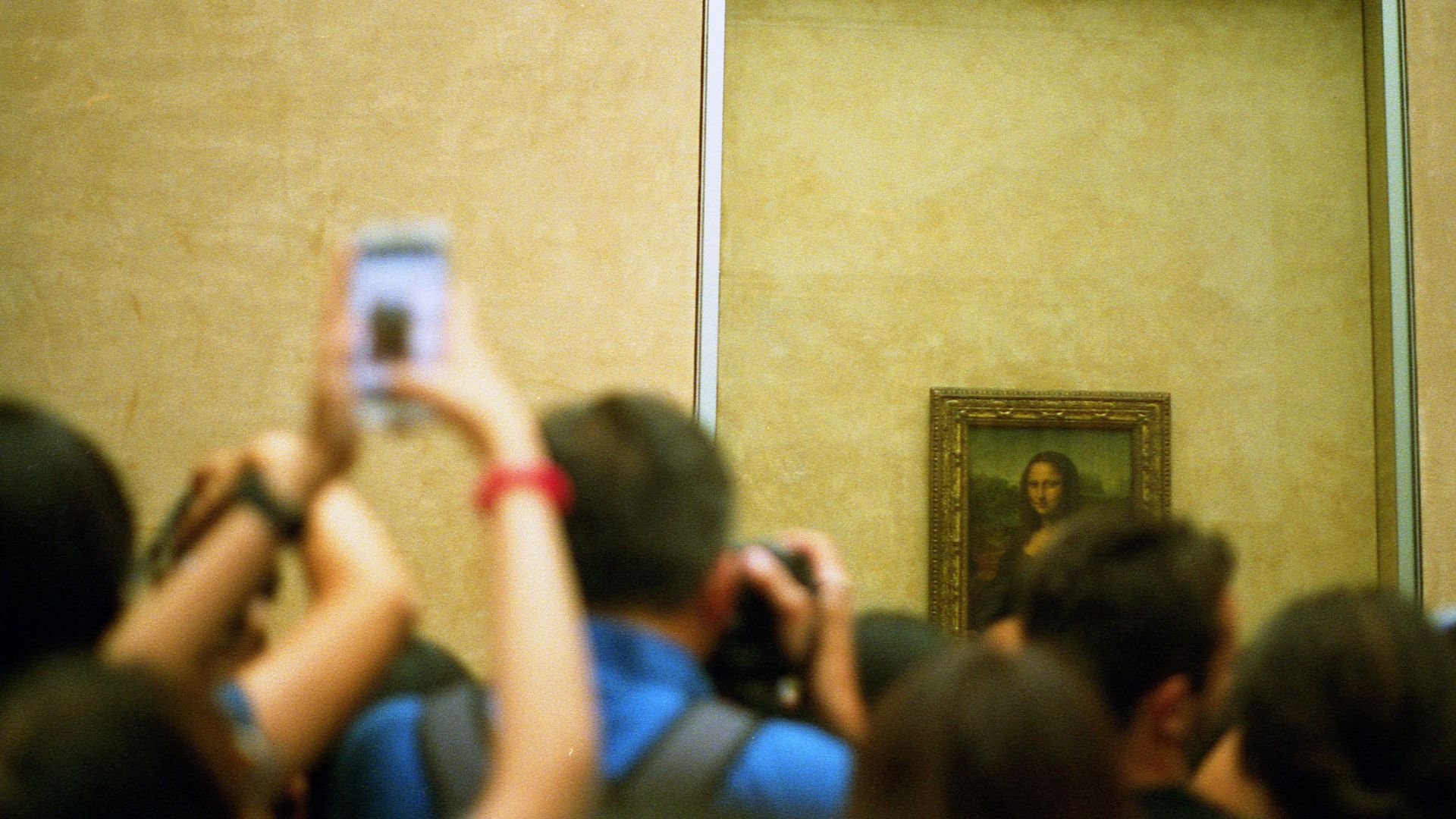
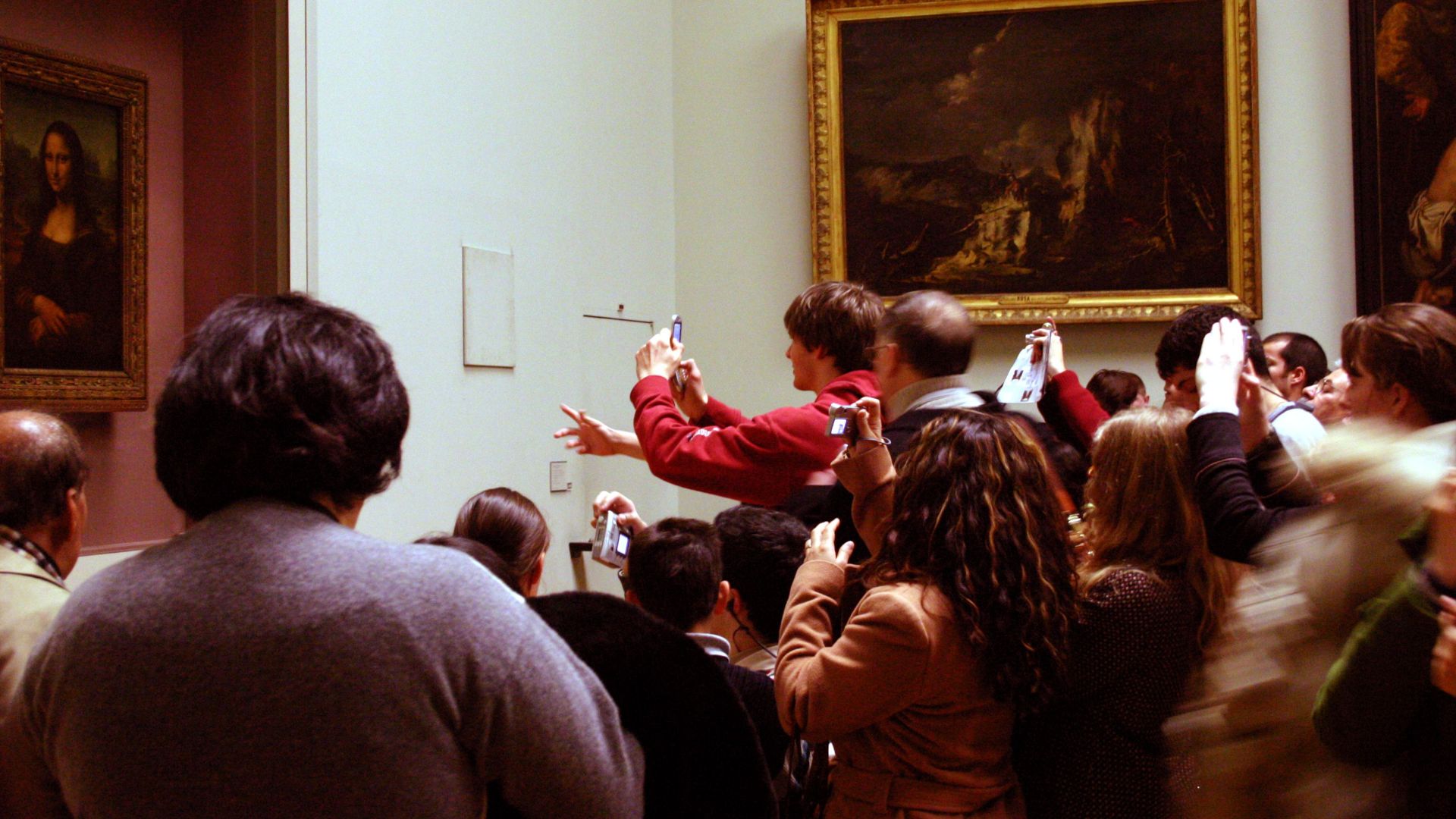
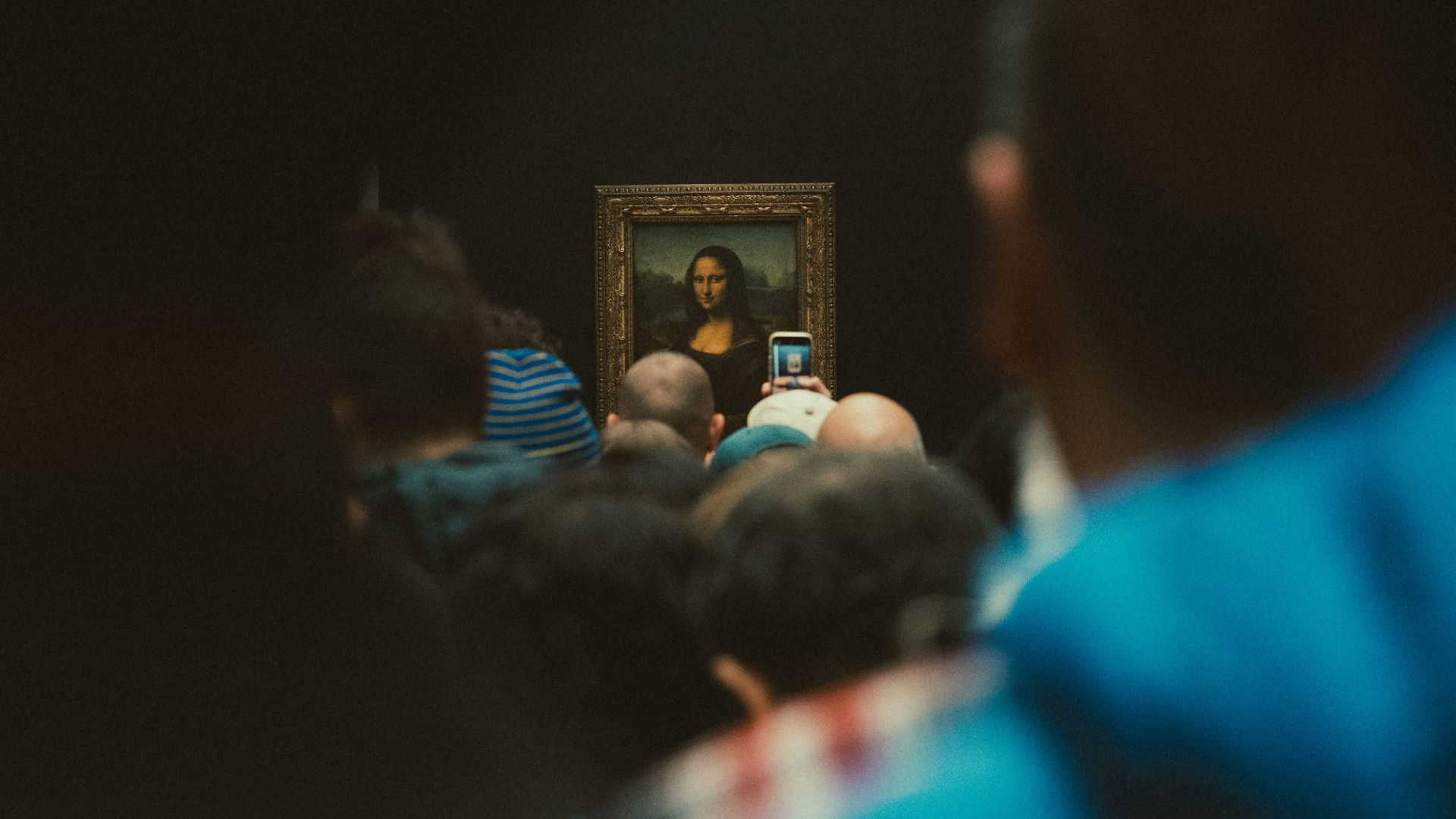
The Mona Lisa sits behind bulletproof glass, across a roped-off barrier, in a room so packed that getting within fifteen feet requires real patience. Whatever intimacy Leonardo intended is completely gone. You're not having a moment with a painting. You're watching other people photograph one.
3. The Louvre Is Full of Better Paintings Nobody Queues For
Veronese's Wedding at Cana hangs directly across from the Mona Lisa and covers an entire wall. Most visitors give it four seconds before turning back around. The Louvre is full of masterworks that go largely ignored because everyone has one destination.
4. Its Fame Is Partly an Accident of Crime
The painting was stolen in 1911 by a Louvre employee who hid in a closet overnight and walked out with it under his coat. The theft made international headlines for two years. Before that, the Mona Lisa was well-regarded but not the singular icon it became. A robbery did more for its reputation than five centuries of art criticism.
5. The Mystery Has Curdled Into a Cliché
The intrigue about who she is and why she's smiling has been the hook for so long that it now feels like a marketing angle rather than a genuine artistic quality. Every perfume ad, every parody has hollowed out the enigma until what's left feels less like mystery and more like branding.
6. Reproductions Have Flattened It Into a Logo
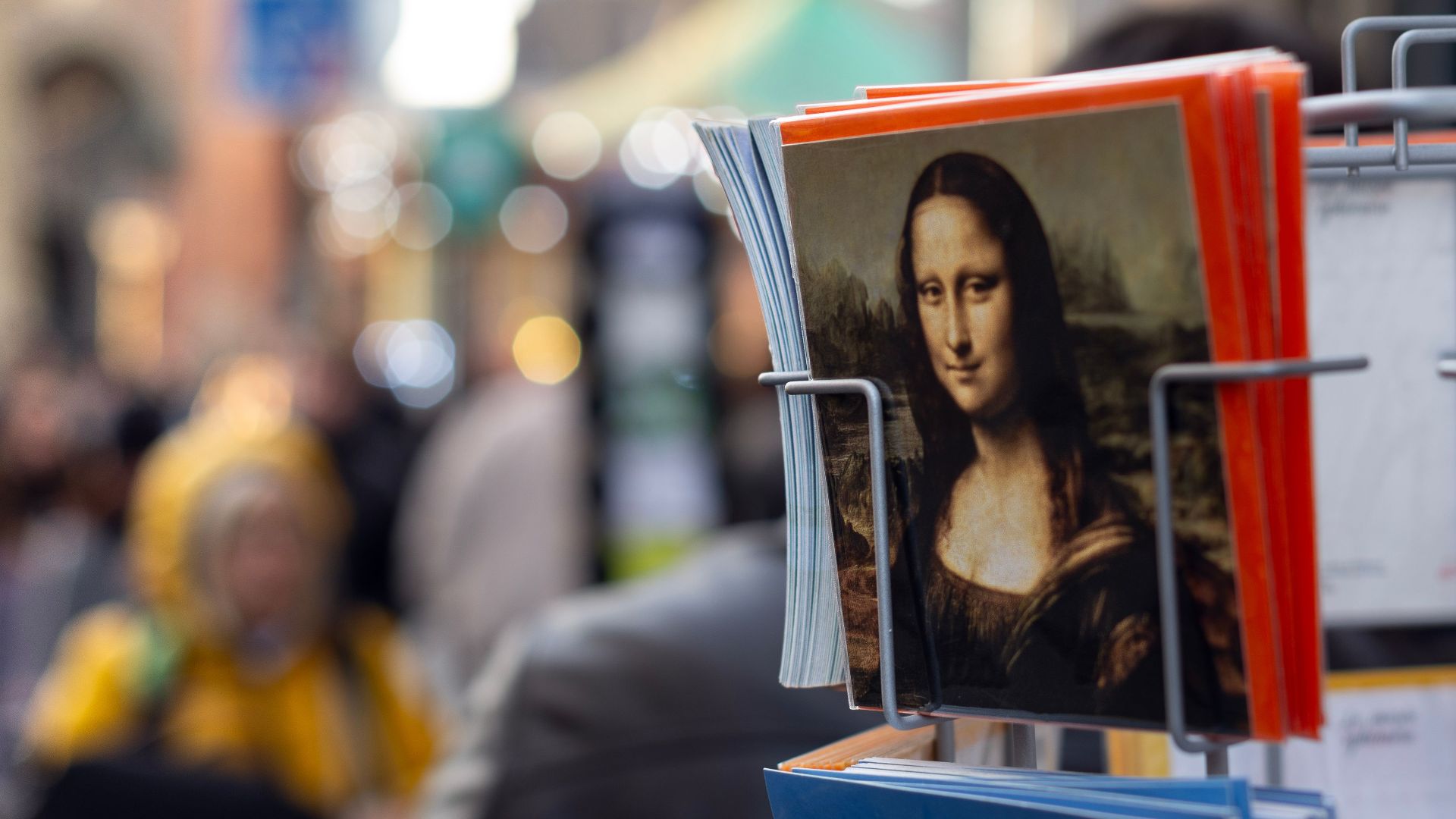
You've seen the Mona Lisa on mugs, on socks, on the cover of a thousand textbooks. By the time most people encounter the actual painting, they've seen it hundreds of times in degraded or ironic form. That saturation doesn't just dull the impact. It turns a singular object into visual wallpaper.
7. The Landscape Gets Almost No Attention
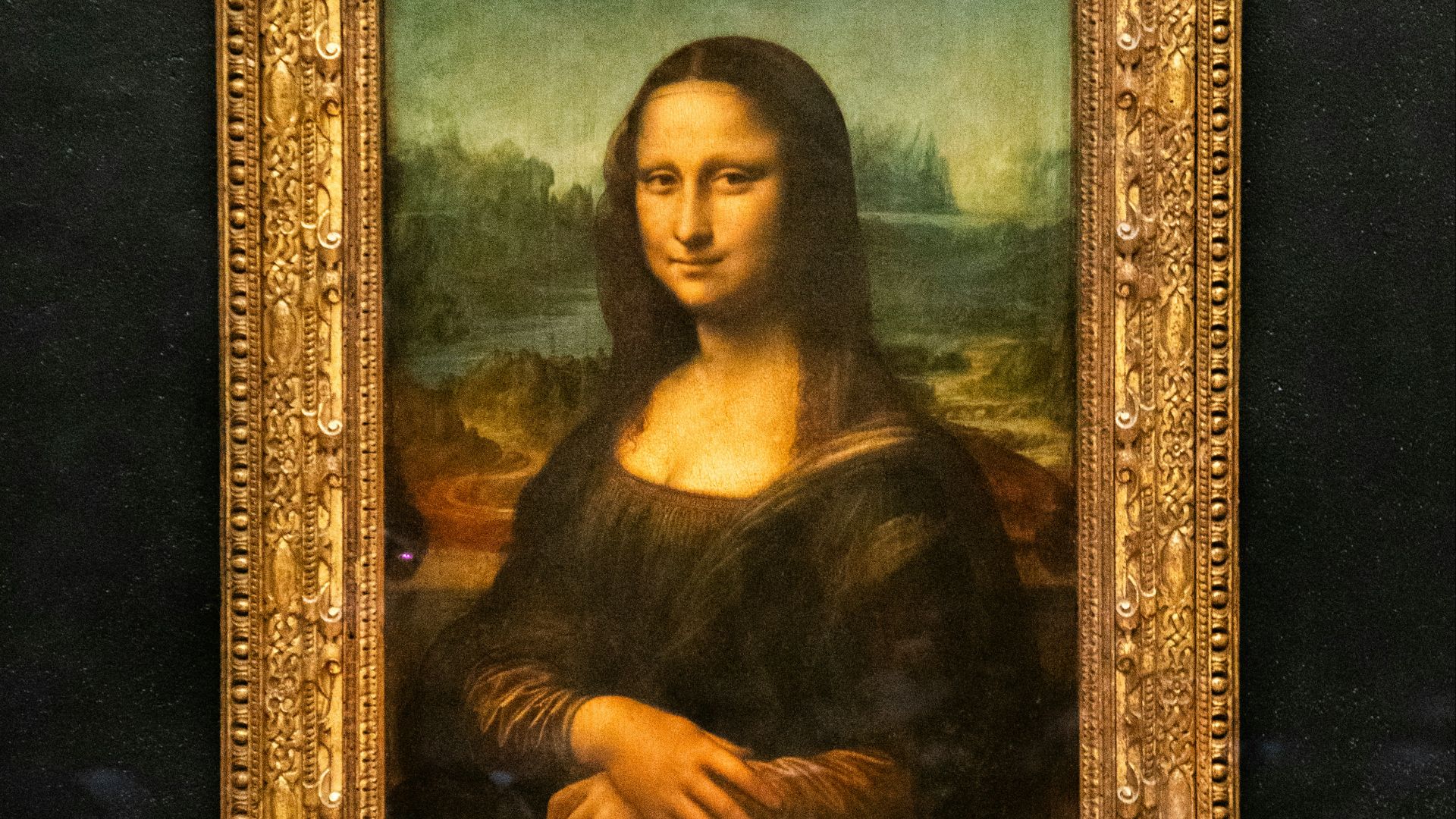
Behind the figure is one of the most unusual backgrounds in Renaissance painting, with a winding path and an atmosphere that dissolves into blue. It's genuinely strange. But because everyone is focused on her face, the landscape is almost never part of the conversation.
8. Its Technical Innovations Are Hard to See
Much of what makes the Mona Lisa remarkable, the sfumato, the layering of near-invisible glazes, is subtle even under ideal conditions. Behind glass, across a room, in a crowd, it's essentially invisible. You can read about it, but you can't really experience it.
 Richard Multimedia on Unsplash
9. It Has Become More Symbol Than Painting
Ask most people what the Mona Lisa means to them and they'll say something about art, or mystery, or Leonardo. Very few will describe what they actually see. It functions more as a cultural symbol now than as an object you can have a real visual experience with.
10. The Smile Has Been Over-Explained Into Meaninglessness
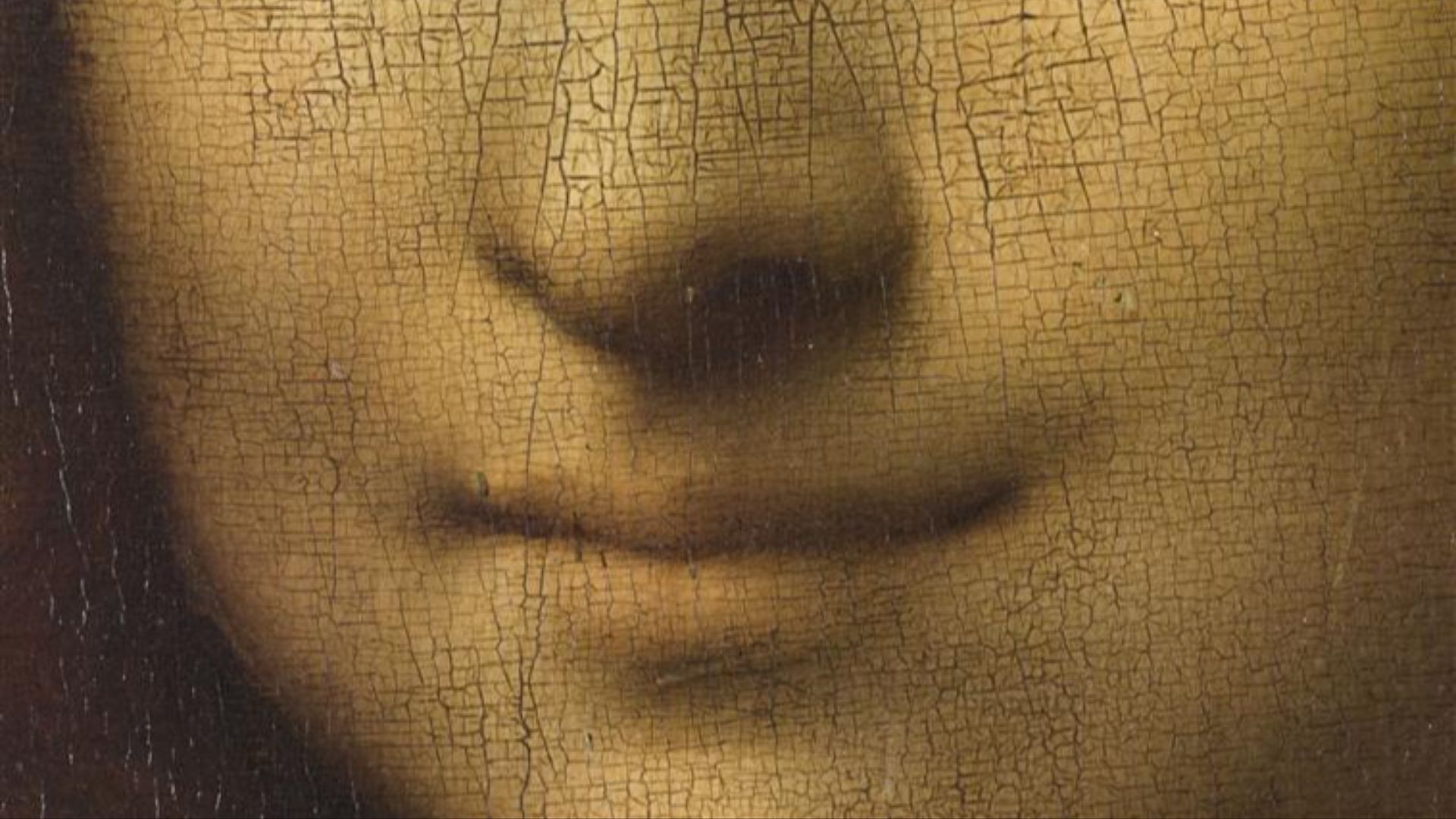
Neuroscientists have studied it. Psychologists have theorized about it. Historians have debated whether she's happy, sad, or indifferent. At a certain point, the accumulated weight of interpretation crowds out the thing itself. The smile is now a concept more than a visual experience, and concepts are a lot less interesting to stand in front of.
Here's 10 reasons it has earned every bit of that attention.
 Leonardo da Vinci on Wikimedia
1. The Sfumato Technique Was Genuinely Revolutionary
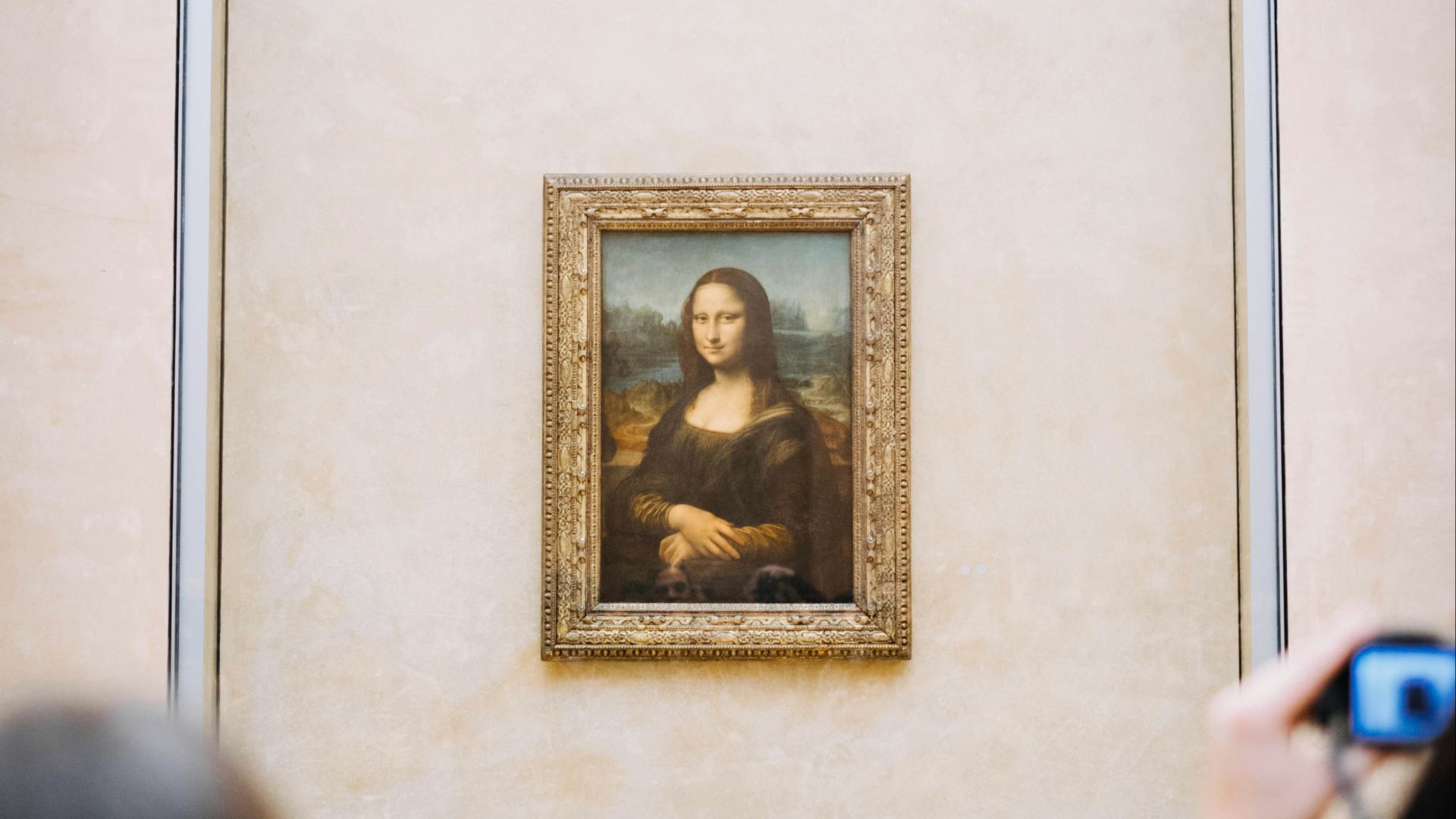
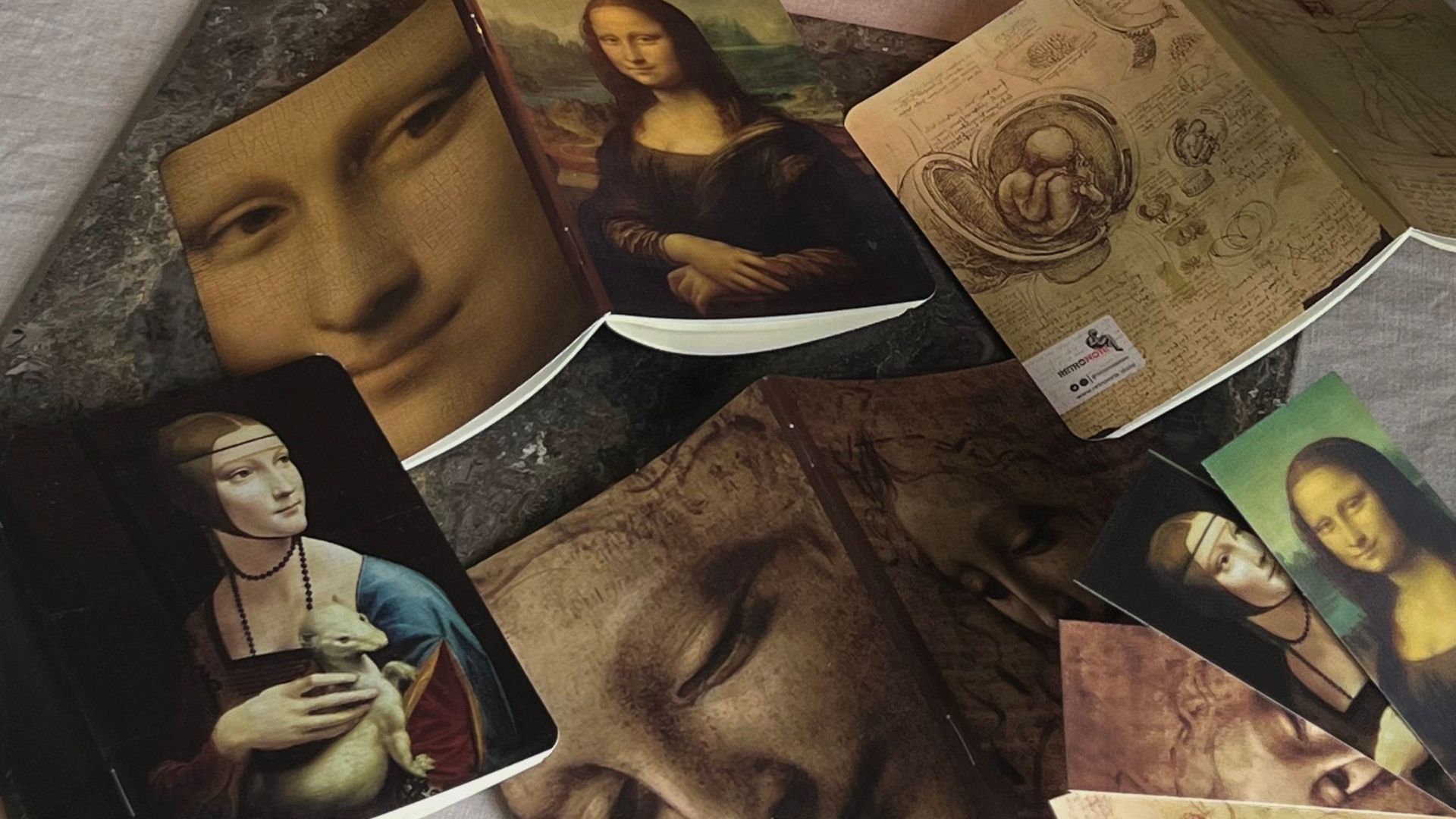
Leonardo developed a method of blending tones so gradually that there are no visible brushstrokes or hard edges anywhere on the figure. He applied dozens of translucent glazes, some just a few micrometers thick, over years. No one had done anything like it at that scale or with that control. The technique alone makes it a landmark in the history of painting.
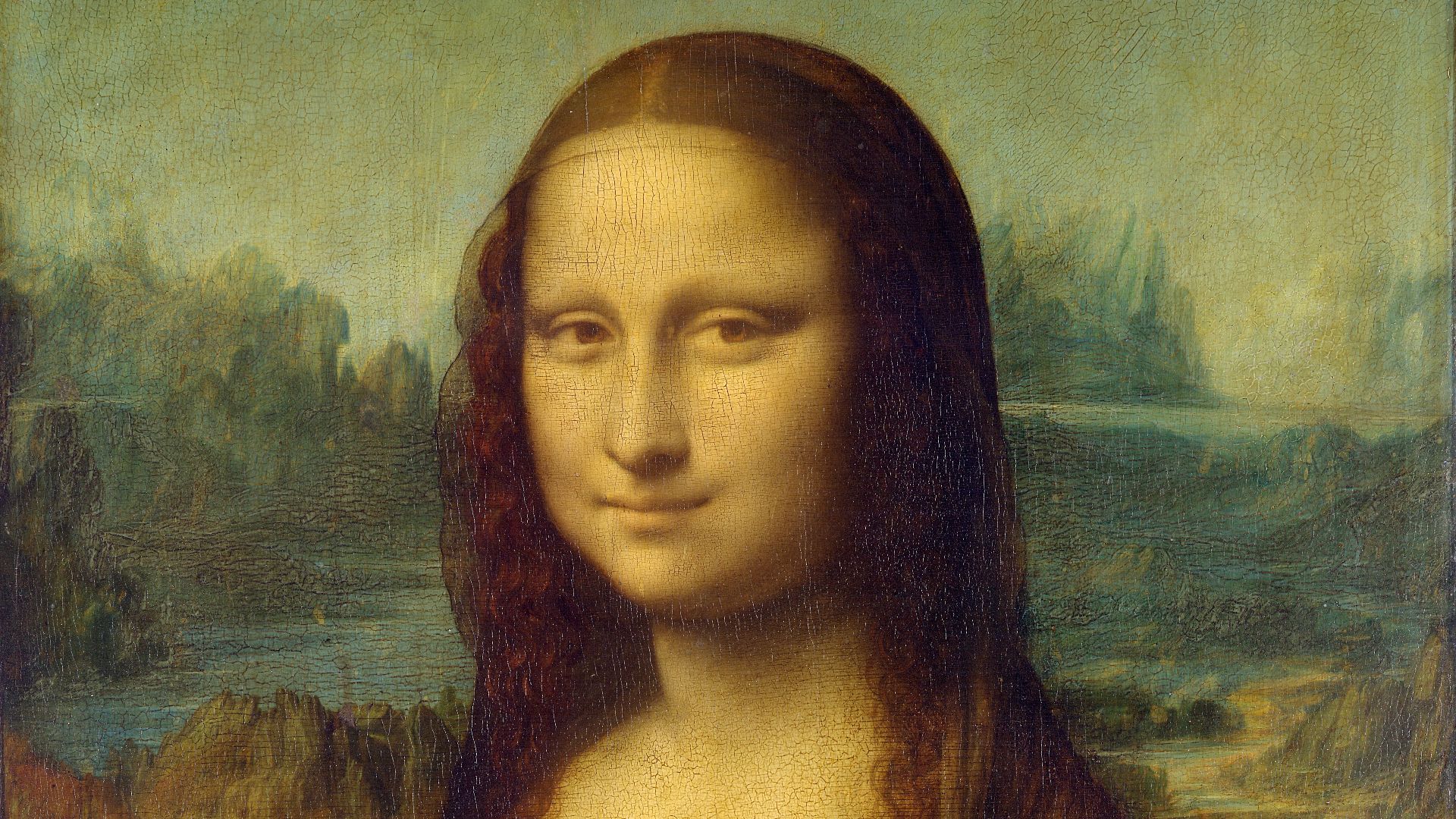 Leonardo da Vinci on Wikimedia
2. The Atmospheric Perspective Is Extraordinary
That hazy landscape behind her was one of the most sophisticated uses of aerial perspective in painting at the time. Leonardo understood that distant objects appear bluer and less distinct because of the atmosphere between viewer and subject, and he painted it with scientific precision. It gives the image a sense of depth and air that feels almost modern.
3. The Pose Changed Portraiture Forever
Before the Mona Lisa, portrait subjects were typically shown in profile or flat frontal position. Leonardo turned her three-quarters toward the viewer and created the impression of a figure who might actually move. That decision influenced nearly every formal portrait painted in the following two centuries.
4. It Survived an Extraordinary Amount
The painting is over five hundred years old and has survived theft, two world wars, a thrown rock, and an acid attack. The layers of history embedded in the object give it a weight that reproductions simply can't carry.
5. The Psychological Presence Is Real
Whatever you think of the hype, there is something genuinely unusual about the way the figure engages the viewer. The gaze follows you around the room. The expression shifts depending on where you focus. These aren't myths. Giorgio Vasari described them in the sixteenth century, long before the painting was famous in any modern sense.
6. Leonardo May Never Have Considered It Finished
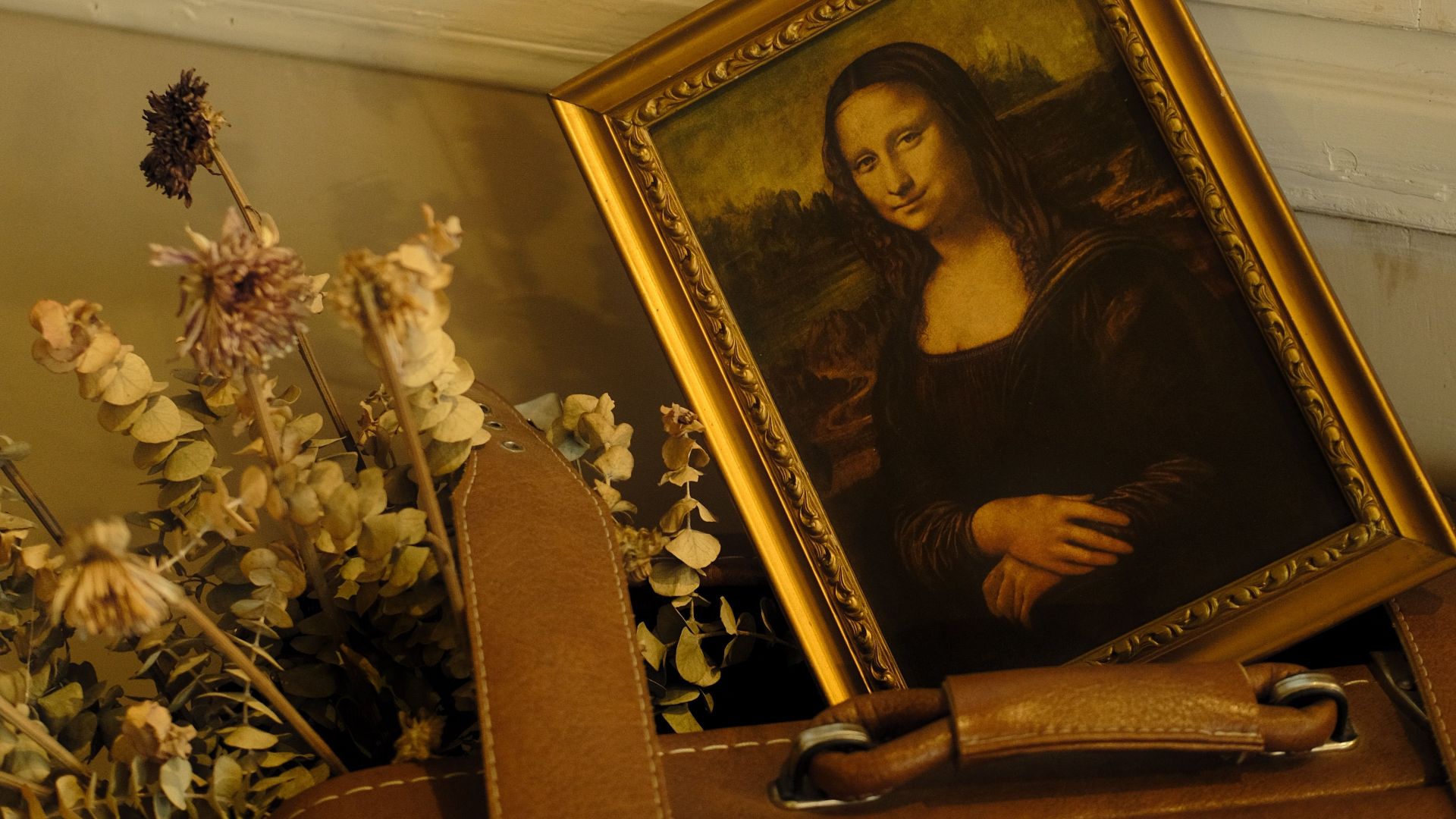
He reportedly carried the painting with him for the rest of his life. He kept working on it and refused to deliver it to the client who commissioned it. For Leonardo, it seems to have been less a commission than an ongoing investigation into what paint could do.
7. The Hands Are Among the Most Carefully Observed in Any Portrait
The face gets all the attention, but the hands are equally extraordinary. Painted with an anatomical understanding that came from Leonardo's years of dissection, they have a weight and warmth that makes them look genuinely alive. The resting position is relaxed and natural in a way that was rare in formal portraiture of the era.
8. It Holds Up to Extremely Close Study
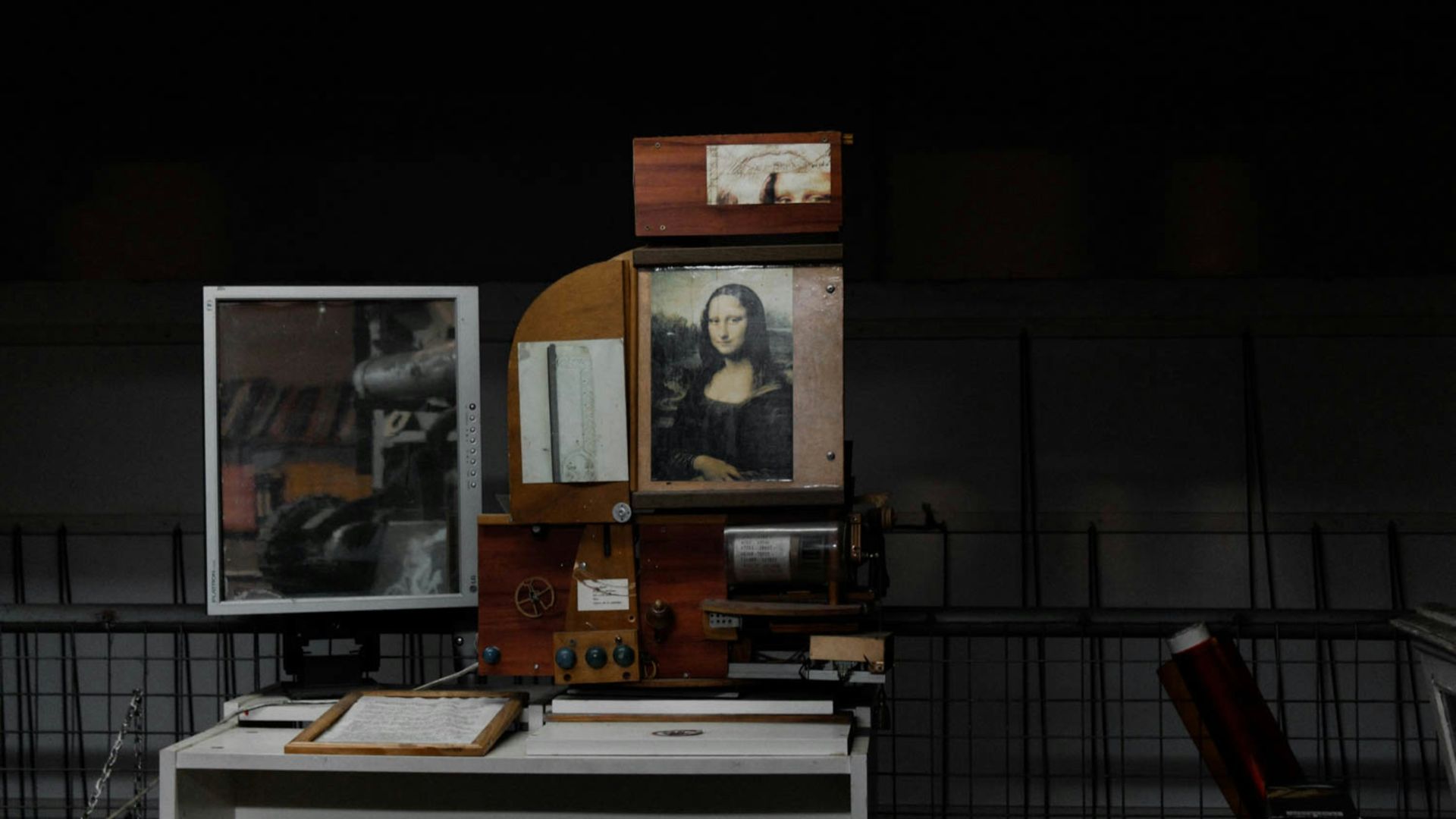
The more you know about Renaissance painting, the more interesting the Mona Lisa gets. Art historians still argue about the identity of the sitter, the glazes, whether there's an earlier version underneath. It doesn't exhaust its meaning quickly, and that durability is not common.
9. The Light Source Is Deliberately Ambiguous
The light doesn't come from a single consistent direction. Leonardo manipulated it to make the figure more sculpturally present. You don't notice this consciously, but it's part of why she reads as a real person rather than a flat image. The choice is invisible, which is exactly the point.
10. It Changed What Painting Could Be About
Before Leonardo, portraits were largely documentary: here is this person, here is their status. The Mona Lisa suggested that a portrait could be about interiority, about the experience of looking at another person and not fully knowing them. That idea spread through Western art and never really stopped.
KEEP ON READING

The Origins Of 3 Common Sayings You Still Use Today
Etienne Boulanger on UnsplashMany of the phrases you use every…
By Rob Shapiro Apr 28, 2026
Was Caligula The Most Ruthless Roman Emperor?
Artur Matosyan on UnsplashRoman Emperor Caligula is one of ancient…
By Rob Shapiro Dec 18, 2025
1 Weird Fact About Every President
Washington, Lincoln, FDR. Most people know something about the lives…
By Robbie Woods Dec 3, 2024
10 Accidental Discoveries That Changed Maps & 10 That Changed…
Mistakes That Mattered. A lot of major discoveries did not…
By Cameron Dick Apr 15, 2026
10 Actors Who Perfectly Played a Historical Figure & 10…
Which Performance is Your Favorite?. Playing the role of a…
By Rob Shapiro Sep 15, 2025
10 Actors Who Perfectly Played a Historical Figure & 10…
Portraying a real person from history is one of the…
By Noone Dec 17, 2025