

When ordinary people changed history
History often focuses on kings, queens, and powerful rulers, but ordinary people have shaped events just as dramatically. Throughout the centuries, peasants, merchants, craftsmen, soldiers, and townspeople sometimes pushed back against royal authority and achieved victories that rulers couldn't ignore. These 20 moments didn't always create perfect societies, yet they proved that even the most powerful monarchs could be challenged when enough common people stood together.
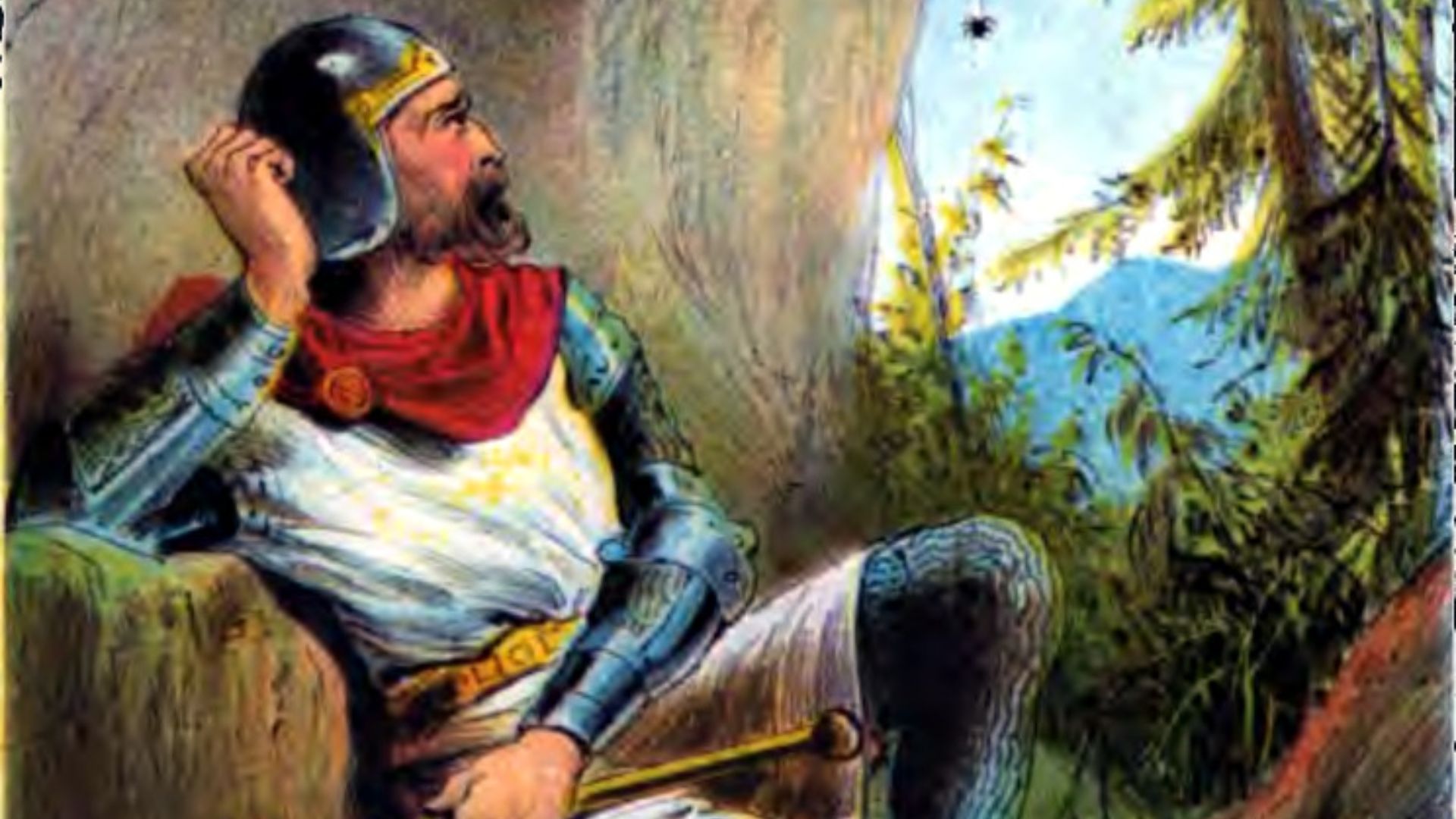 Artist not credited. on Wikimedia
1. The English barons and townspeople forced King John to accept the Magna Carta
Although Magna Carta is often associated with nobles, it was supported by broader groups within English society, including merchants and townspeople frustrated with King John's policies. In 1215, pressure from his opponents forced the king to seal the document at Runnymede.
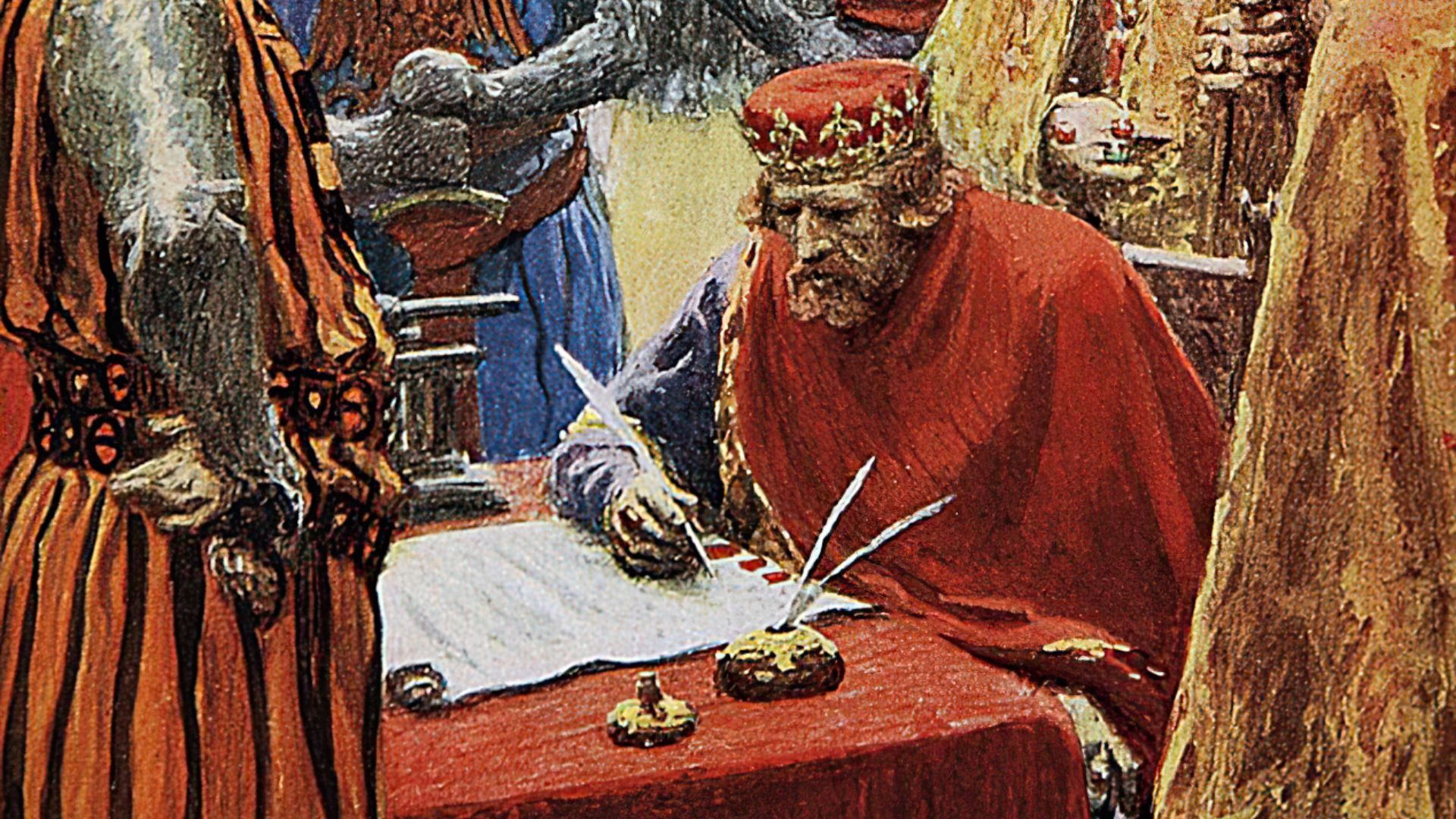 Arthur C. Michael (d. 1945) on Wikimedia
2. Swiss villagers defeated the Habsburg rulers
In the late thirteenth and early fourteenth centuries, rural communities in the Swiss Alps resisted attempts by the Habsburg dynasty to tighten control over them. Their forces won several notable victories, including the Battle of Morgarten in 1315. These successes helped lay the foundations for Swiss independence.
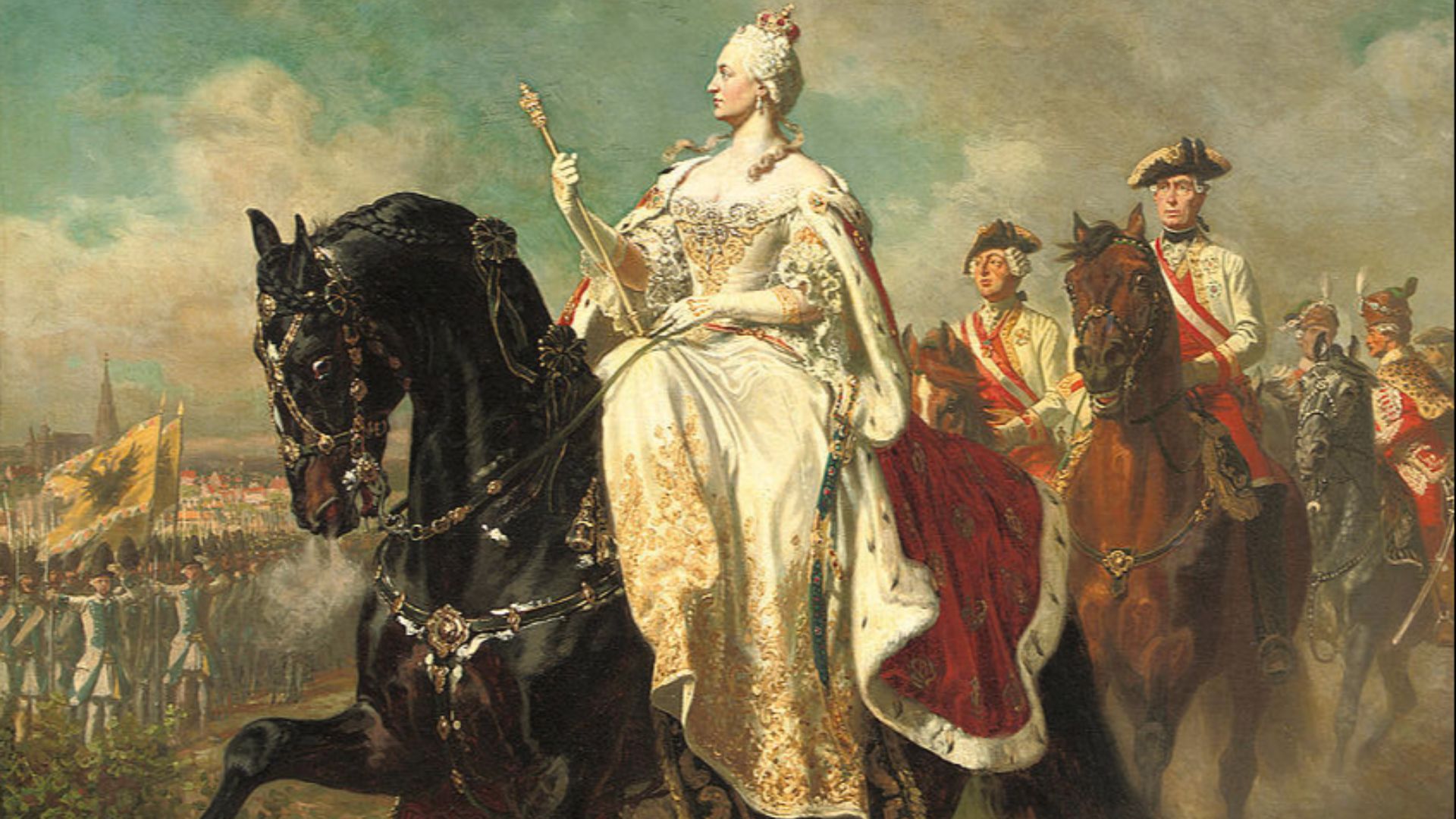 Wilhelm Camphausen on Wikimedia
3. Flemish townspeople triumphed at the Battle of the Golden Spurs
In 1302, French knights expected an easy victory against rebels from the towns of Flanders. Instead, infantry made up largely of craftsmen and militia members defeated the French army near Kortrijk. The victory shocked Europe because heavily armored nobles had been beaten by common citizens on foot.
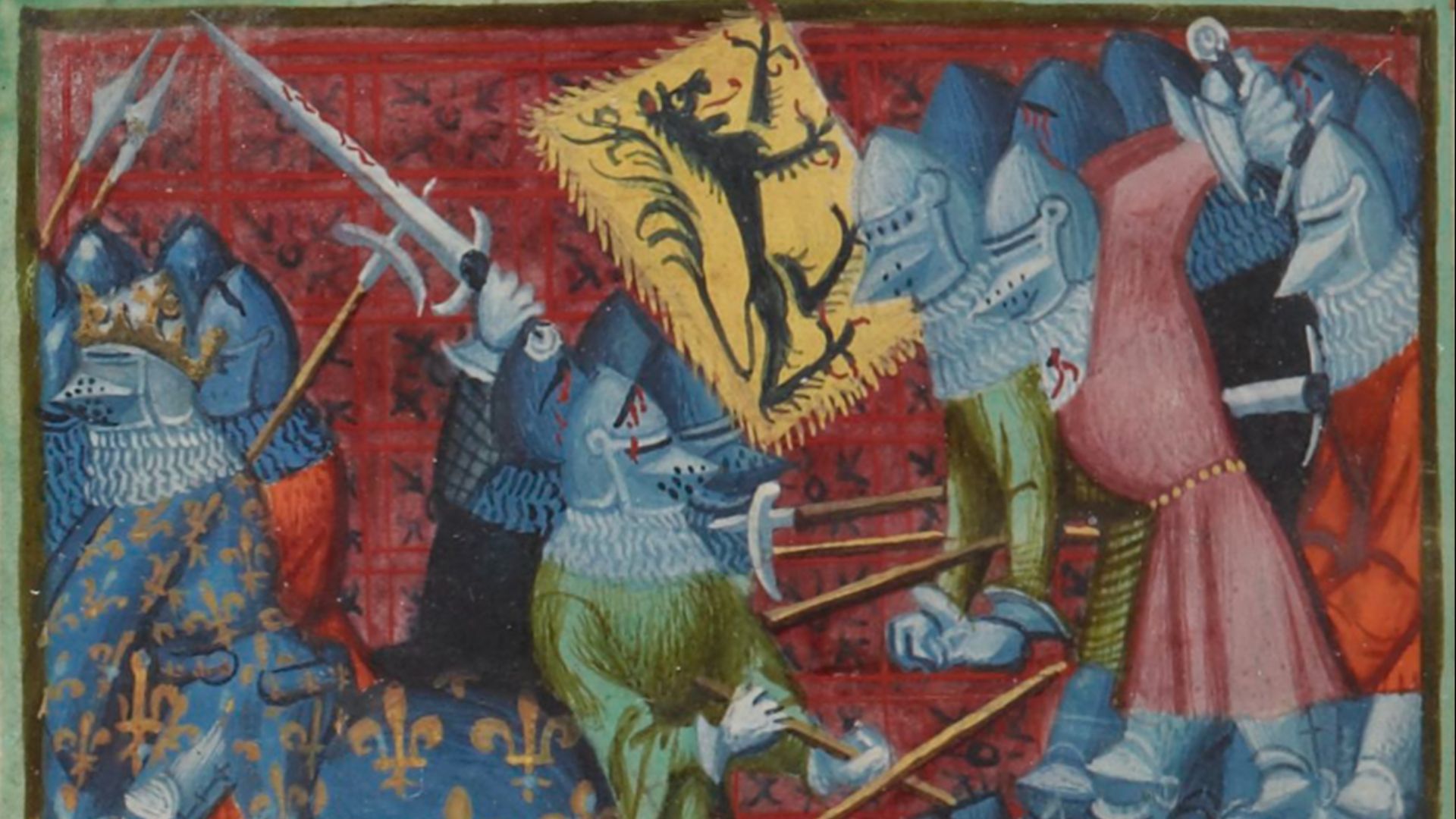 AnonymousUnknown author on Wikimedia
4. The peasants of Dithmarschen stopped a royal invasion
The farmers of Dithmarschen, in present-day Germany, enjoyed a remarkable degree of self-rule. In 1500, they faced an invasion led by King John of Denmark and his allies. Despite being heavily outnumbered, the peasants used local knowledge and tactics to win a decisive victory.
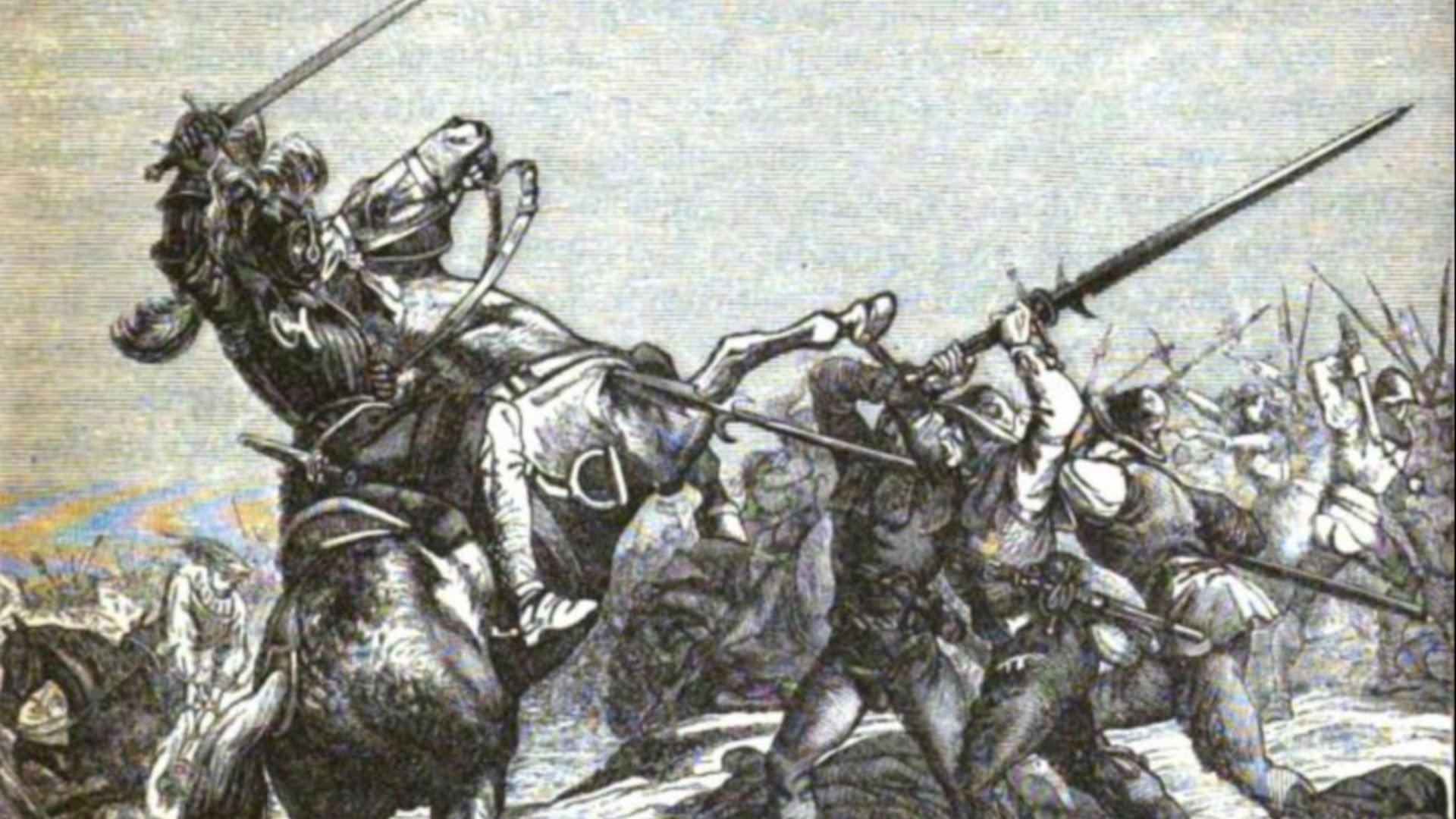 Creator:Louis Friedrich Sachse on Wikimedia
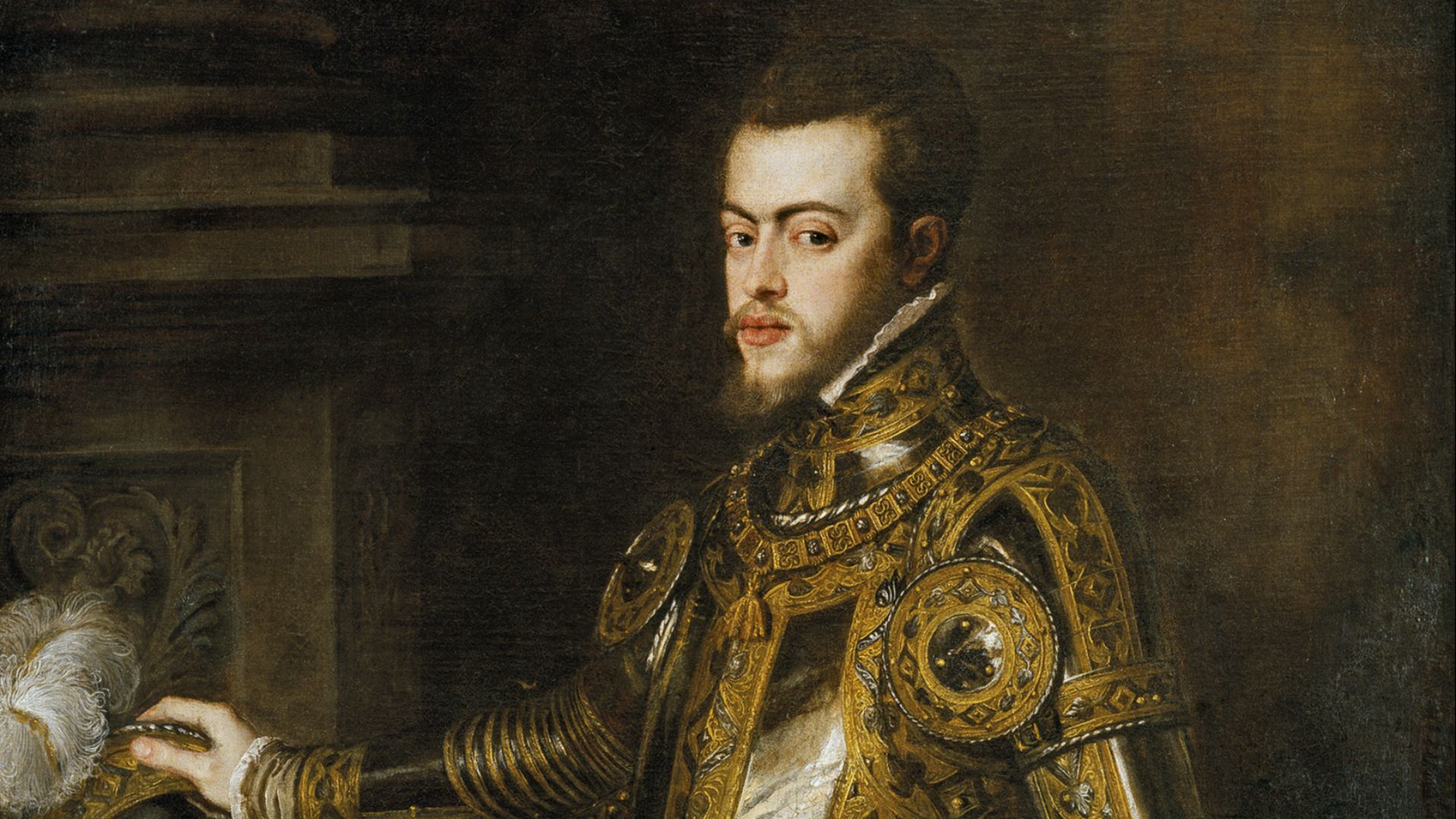
5. Dutch citizens rejected Philip II's authority
During the sixteenth century, many residents of the Low Countries resisted the rule of King Philip II of Spain. Merchants, artisans, and local militias played major roles in the Dutch Revolt. Their long struggle eventually resulted in an independent Dutch Republic.
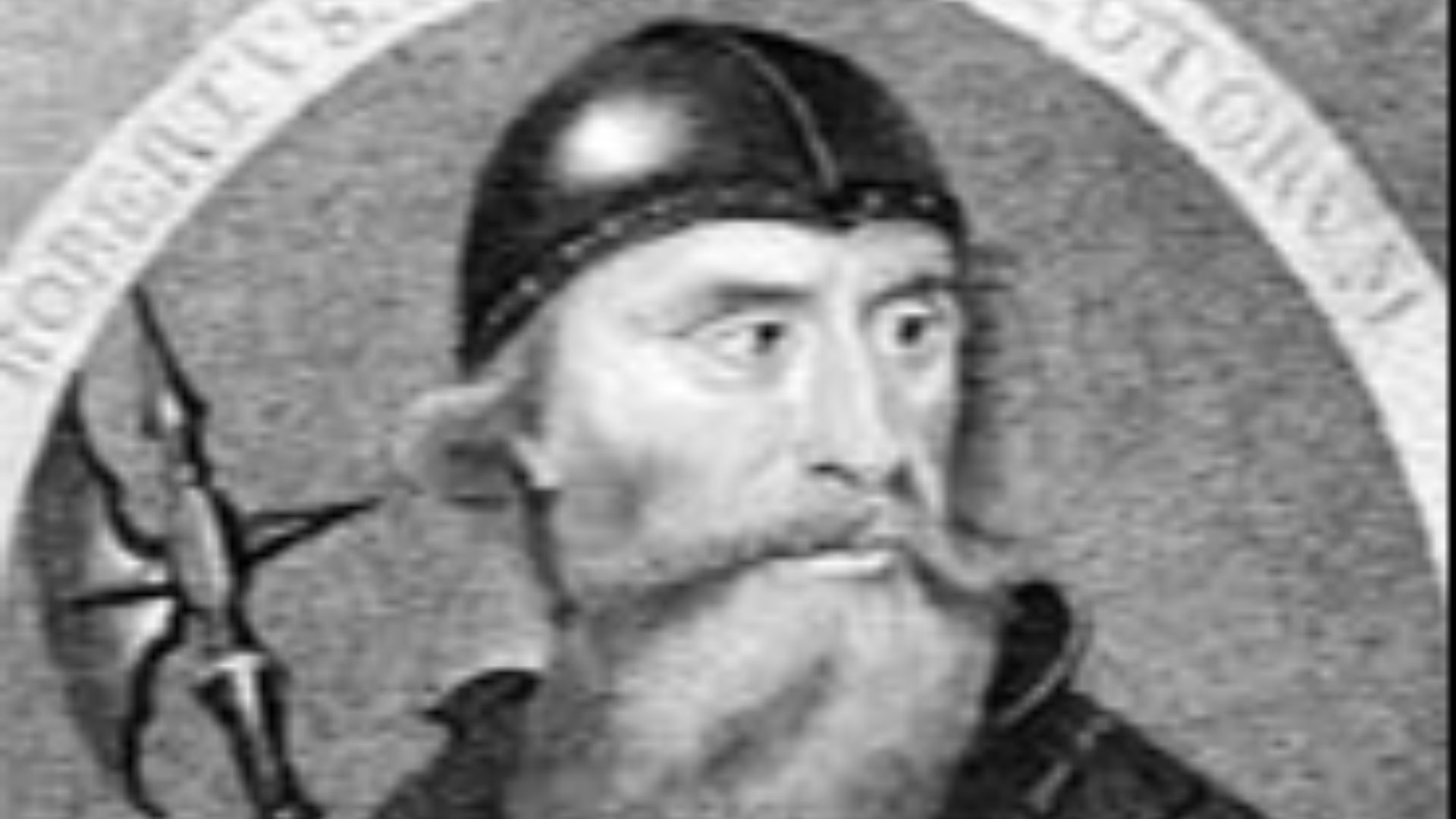
6. Scottish common soldiers helped secure Robert the Bruce's kingdom
At the Battle of Bannockburn in 1314, much of the Scottish army consisted of ordinary infantrymen. Facing a larger English force led by King Edward II, they held their ground and achieved a major victory. The outcome strengthened Scotland's independence for generations.
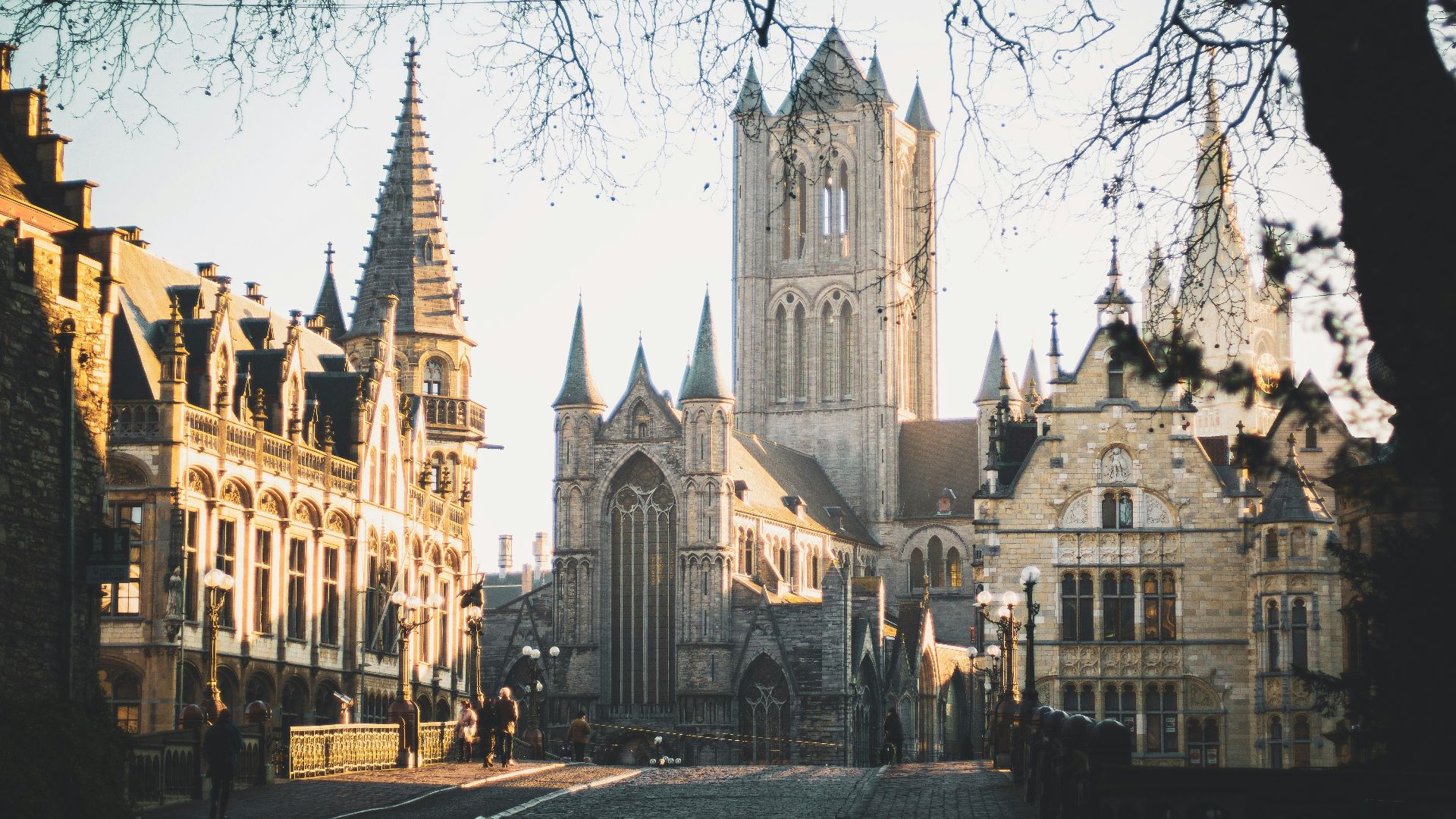
7. The citizens of Ghent repeatedly challenged their rulers
The wealthy city of Ghent frequently resisted attempts by monarchs to limit its privileges. During the fourteenth and fifteenth centuries, local guild members and merchants organized revolts against their rulers. While not every uprising succeeded, several forced significant concessions from kings and dukes.
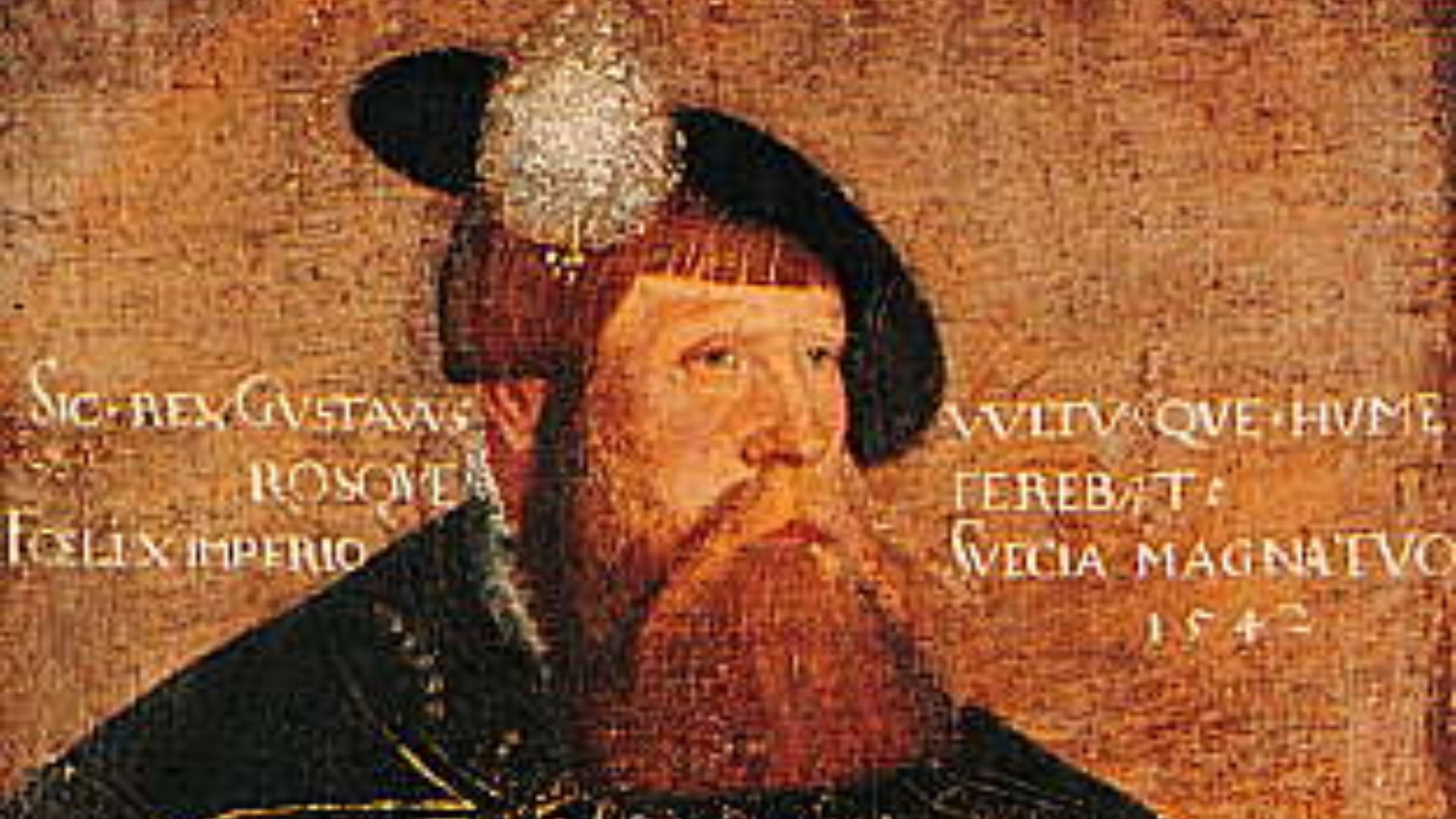
8. Swedish miners and farmers backed Gustav Vasa
In the early sixteenth century, many ordinary Swedes grew frustrated with Danish rule under King Christian II. Farmers and miners joined Gustav Vasa's rebellion, providing manpower and support. Their success helped create an independent Swedish kingdom in 1523.
9. Portuguese townspeople supported the Restoration War
When Portugal sought independence from Spanish rule in 1640, support came from far more than just nobles. Merchants, soldiers, and urban residents contributed to the effort. The conflict ended with Portugal successfully restoring its own monarchy and independence.
 Thure de Thulstrup / Adam Cuerden on Wikimedia
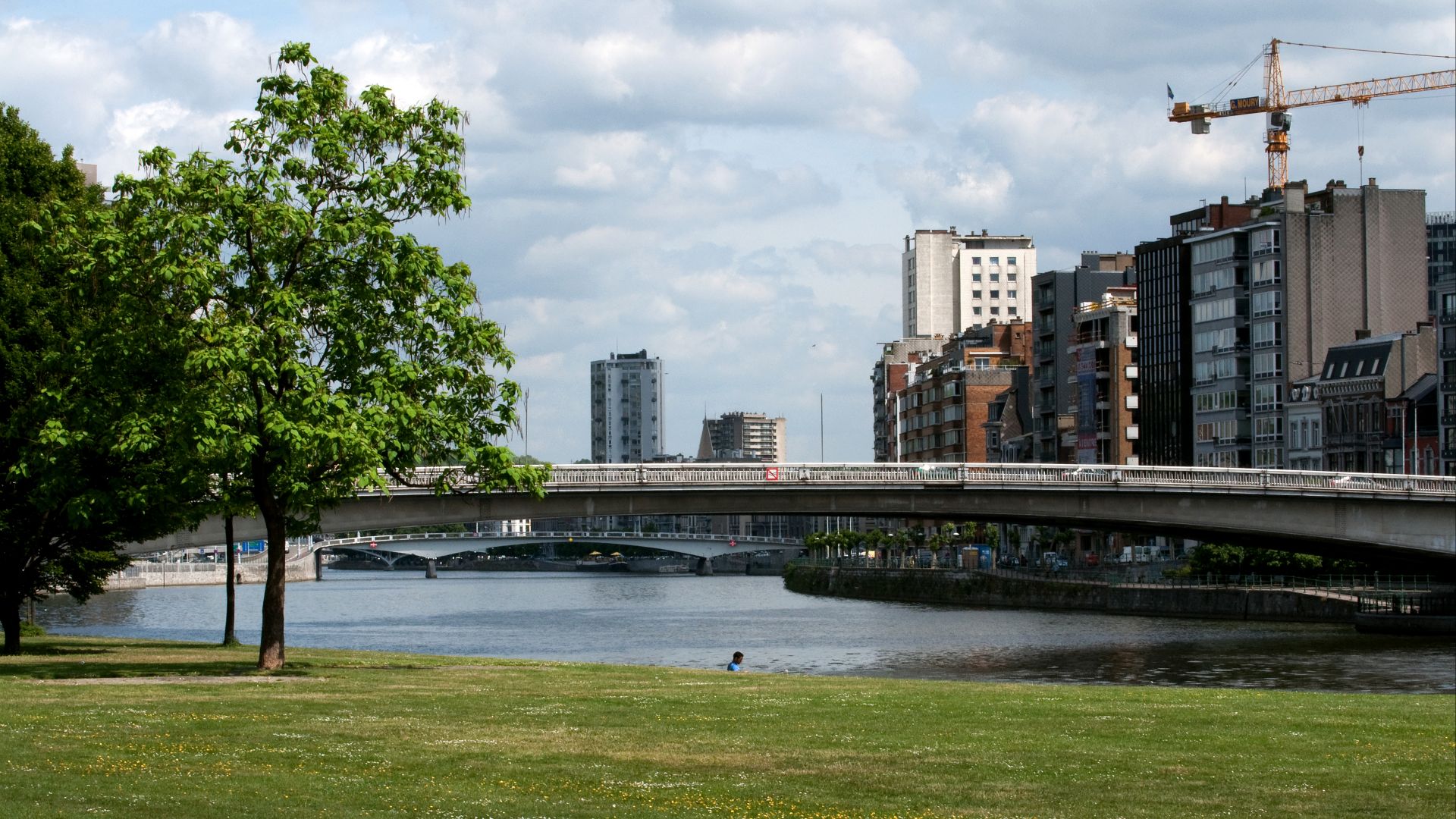
10. The people of Liège resisted princely authority
The citizens of Liège often fought to preserve local rights against rulers who attempted to centralize power. Craftsmen and merchants played leading roles in several uprisings. Although victories were sometimes temporary, commoners repeatedly forced rulers to negotiate.
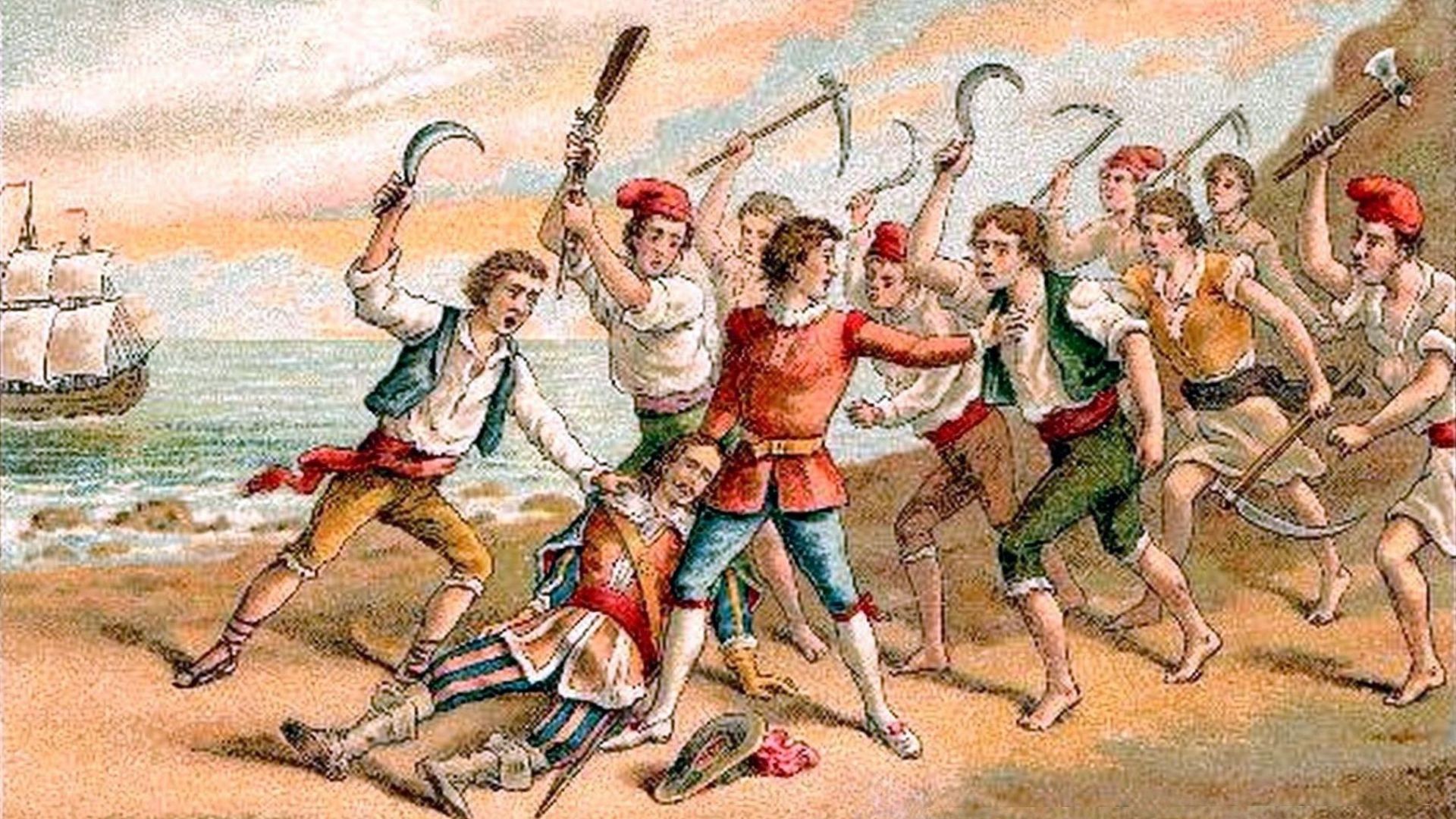
11. The Catalan Reapers' Revolt challenged royal control
In 1640, tensions between local residents and the Spanish monarchy erupted into rebellion in Catalonia. Farmers, laborers, and townspeople participated in the uprising. The revolt weakened royal authority in the region and forced significant political adjustments.
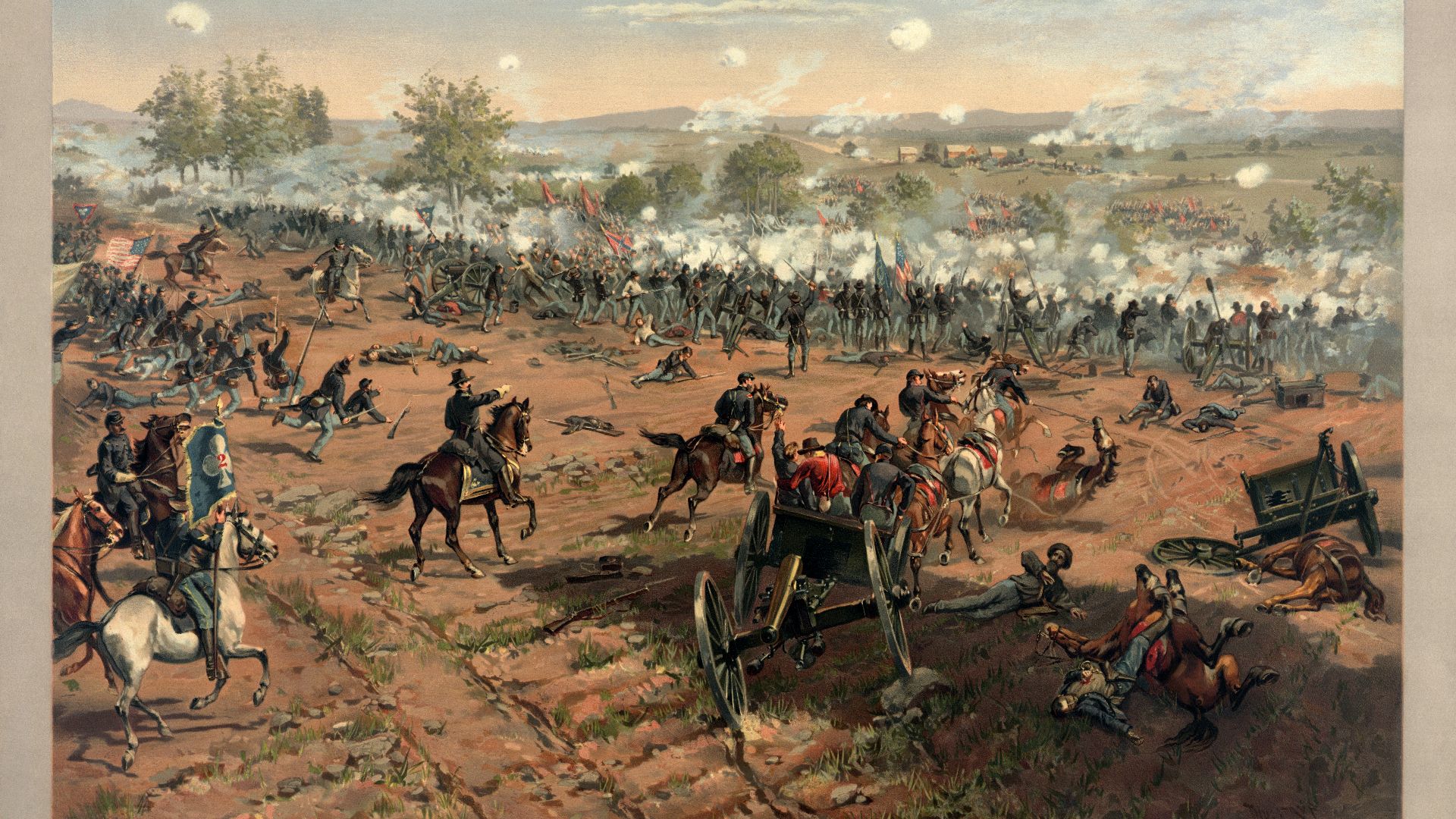
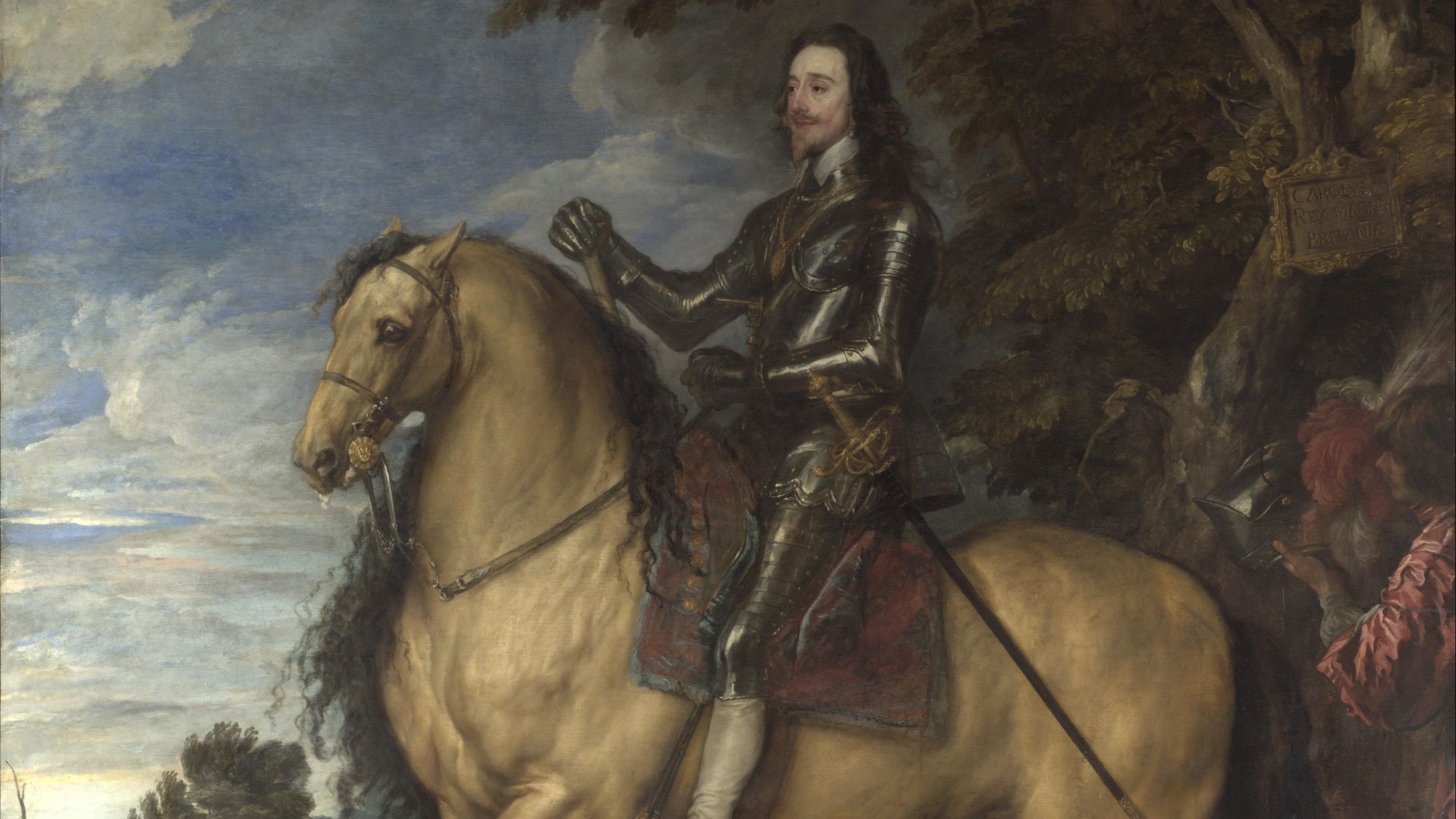
12. English Parliament's supporters defeated Charles I
Many of the soldiers who fought for Parliament during the English Civil War came from ordinary backgrounds. Their victory over King Charles I fundamentally changed English politics. The king was ultimately tried and executed, an extraordinary outcome for the period.
13. Moscow's citizens drove out foreign occupiers
During Russia's Time of Troubles, ordinary citizens joined volunteer forces to resist foreign intervention. In 1612, these militias helped expel occupying troops from Moscow. Their success paved the way for the establishment of the Romanov dynasty.
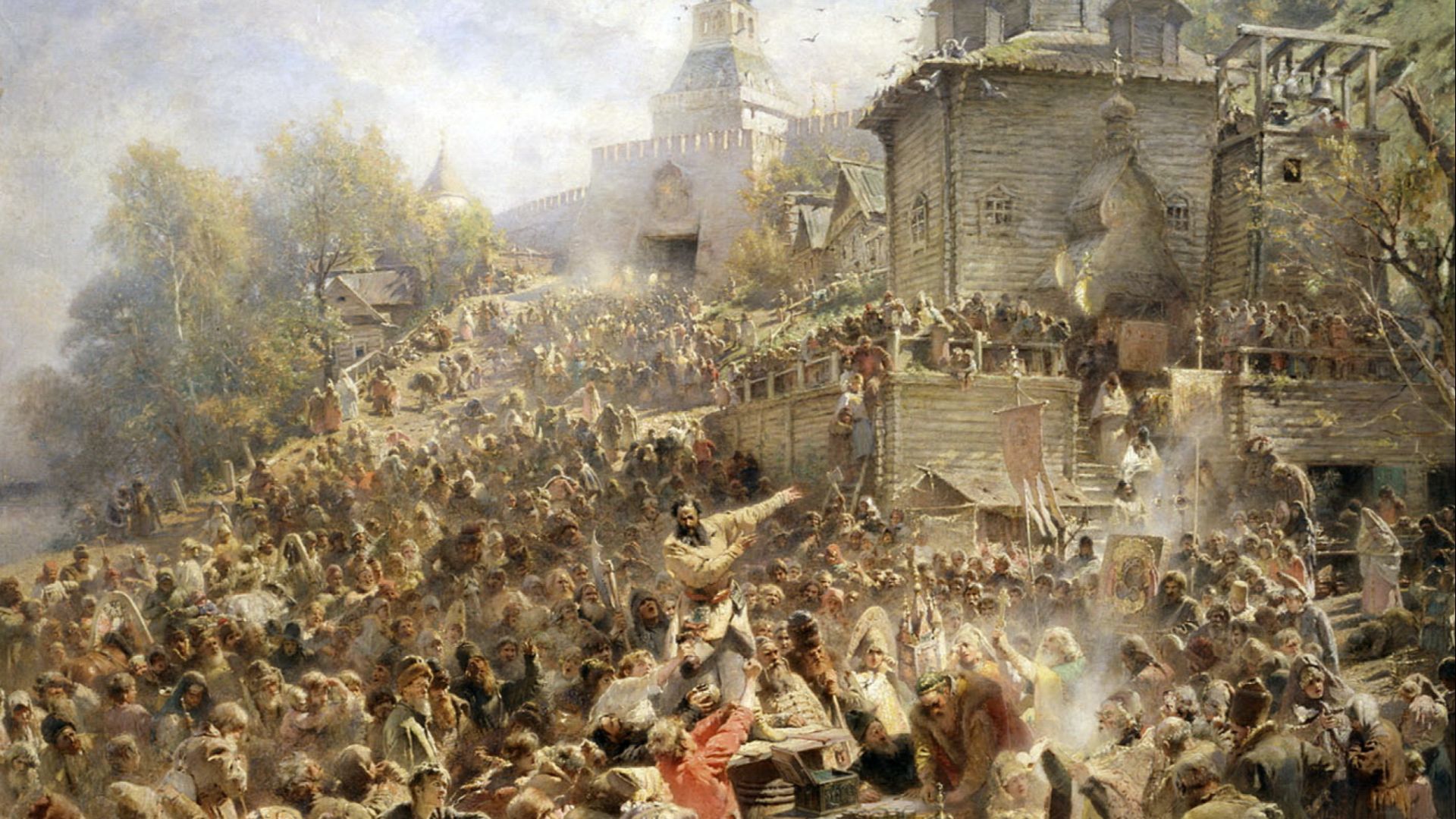 Konstantin Makovsky on Wikimedia
14. The Neapolitan revolt forced royal attention
In 1647, a tax dispute sparked a popular uprising in Naples led by Tommaso Aniello, known as Masaniello. Fishermen, laborers, and artisans joined the movement against Spanish authorities. Although the rebellion was short-lived, it compelled rulers to address widespread grievances.
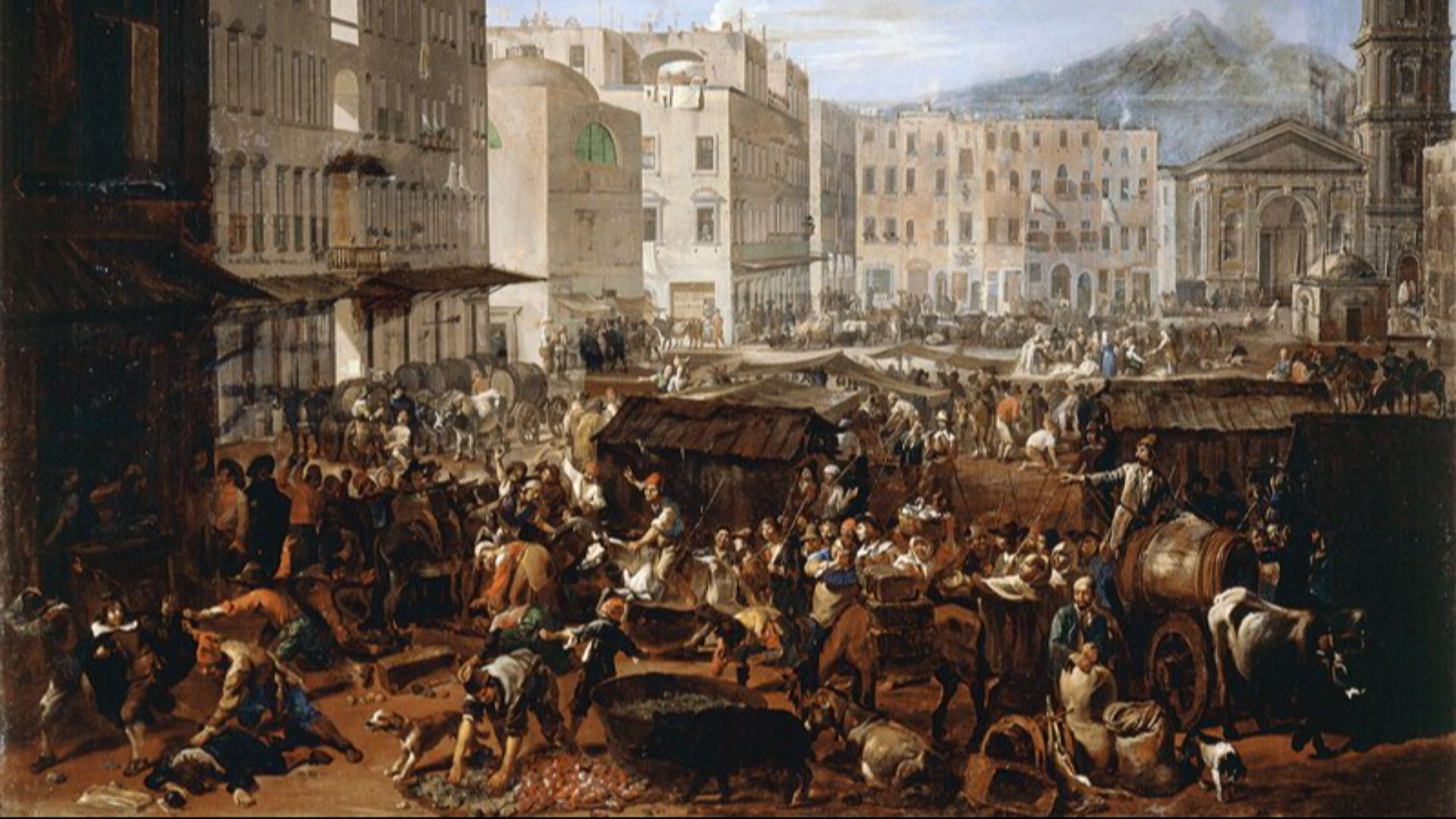 Unknown authorUnknown author on Wikimedia
15. The Frisians defended their freedoms against counts and kings
For centuries, many Frisian communities maintained unusual levels of self-government. Local farmers organized militias to defend their autonomy from neighboring rulers. Their resistance helped preserve regional freedoms longer than many outsiders expected.
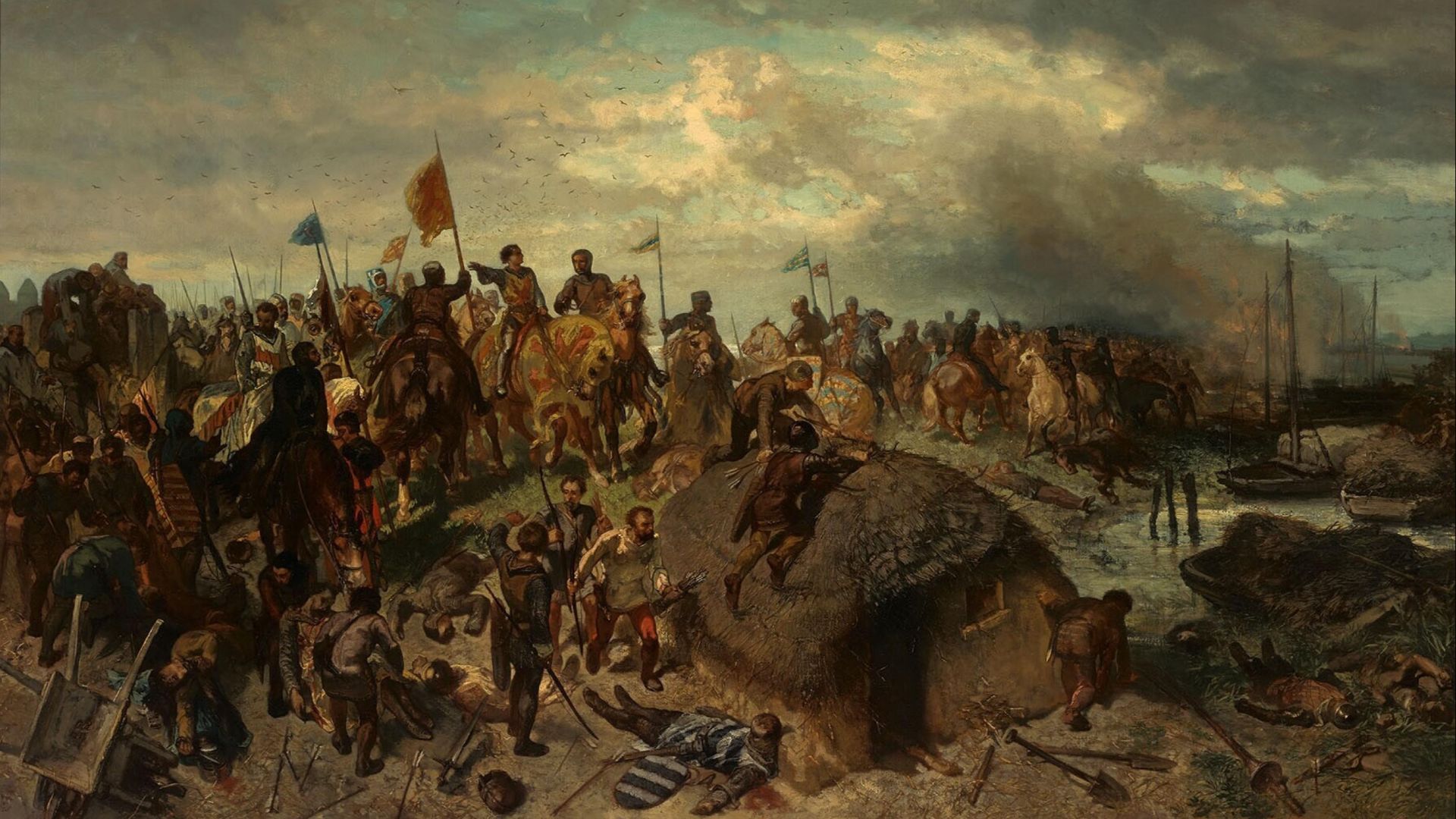 Charles Rochussen on Wikimedia
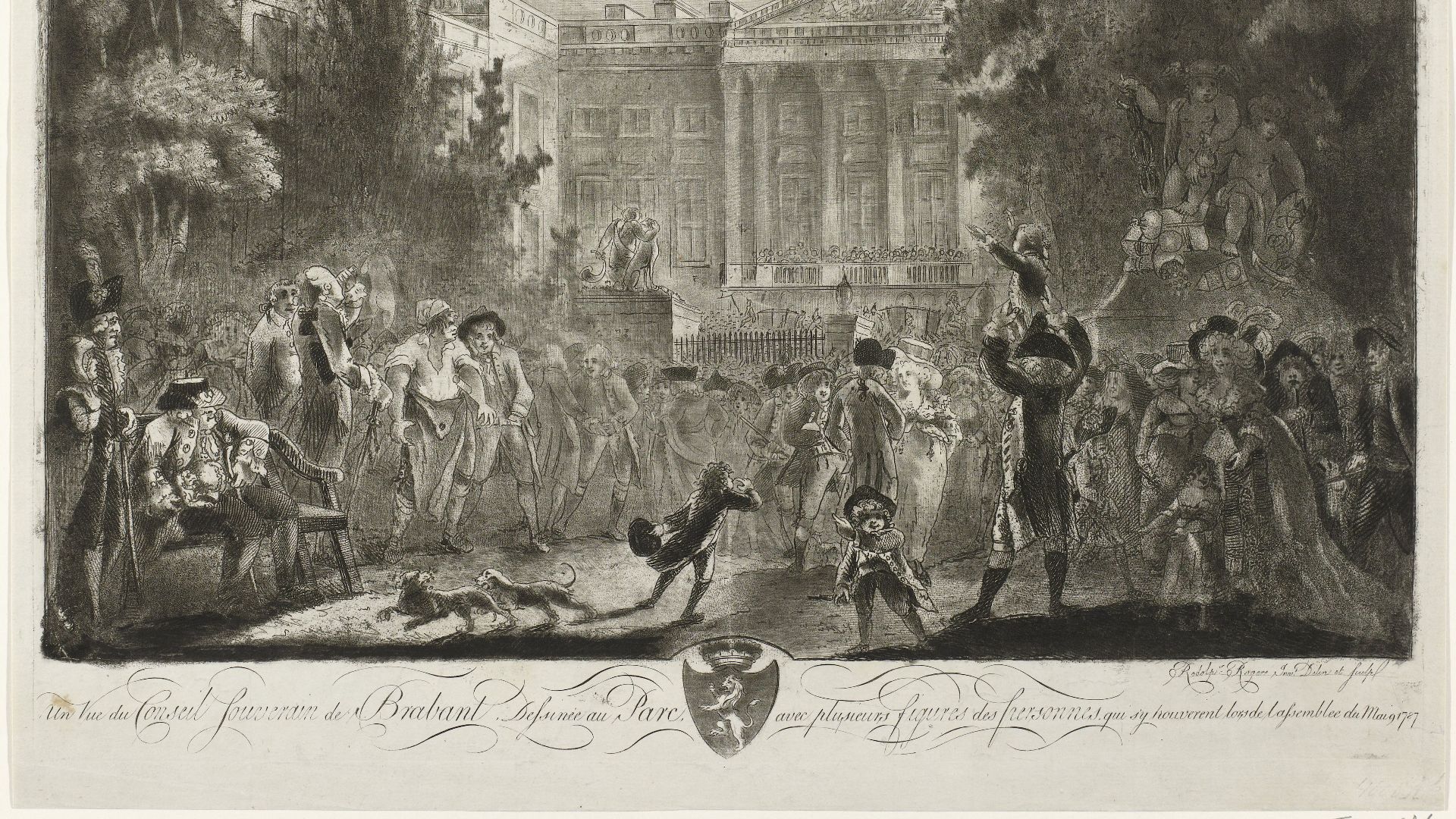
16. The Brabant Revolution weakened imperial authority
In 1789, residents of the Austrian Netherlands rebelled against reforms imposed by Emperor Joseph II. Merchants, professionals, and local citizens supported the movement.
17. The citizens of Paris helped end absolute monarchy
French kings had long exercised extensive authority, but growing dissatisfaction eventually boiled over in 1789. Ordinary Parisians played a central role in events such as the storming of the Bastille.
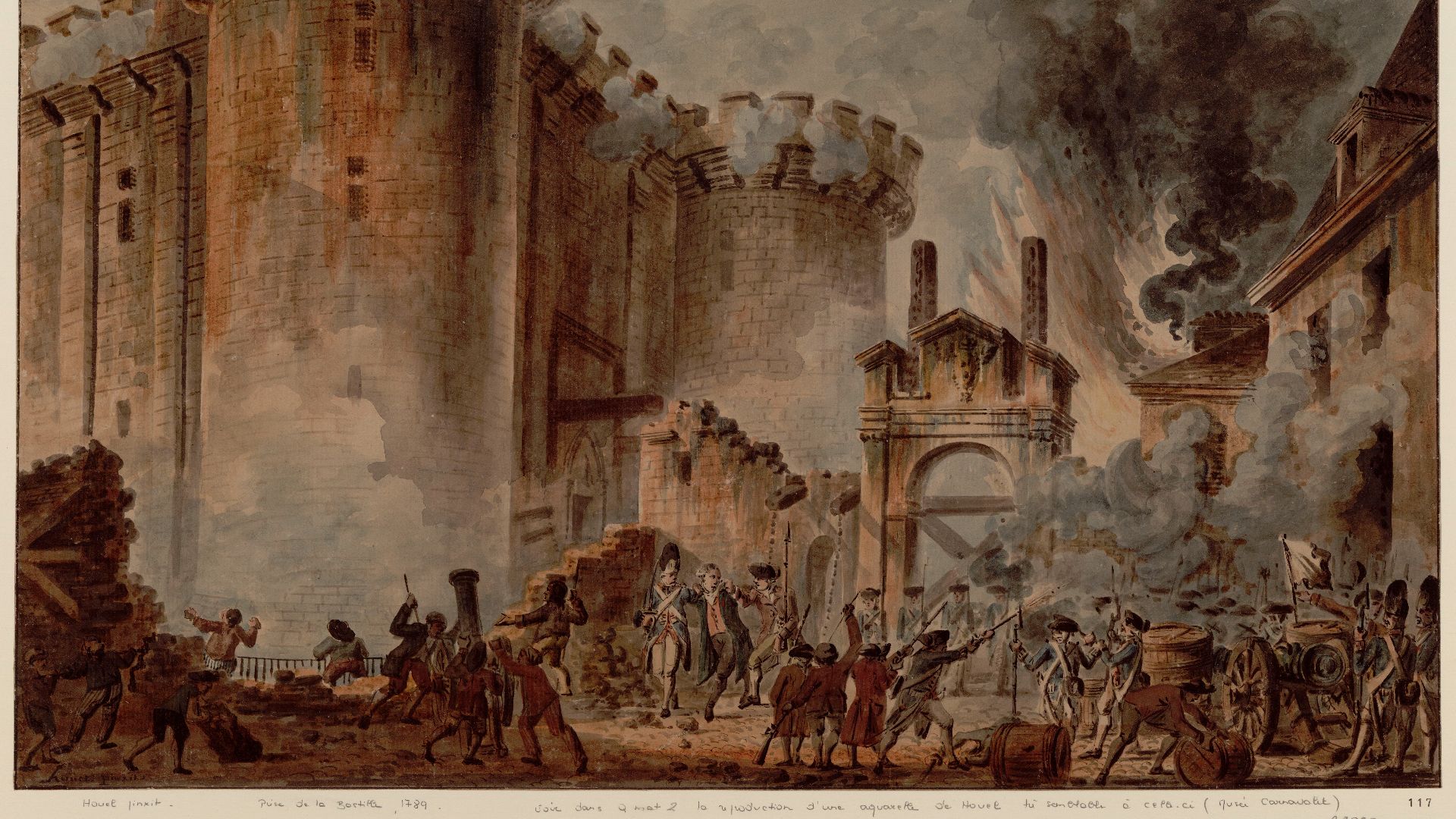 Jean-Pierre Houël on Wikimedia
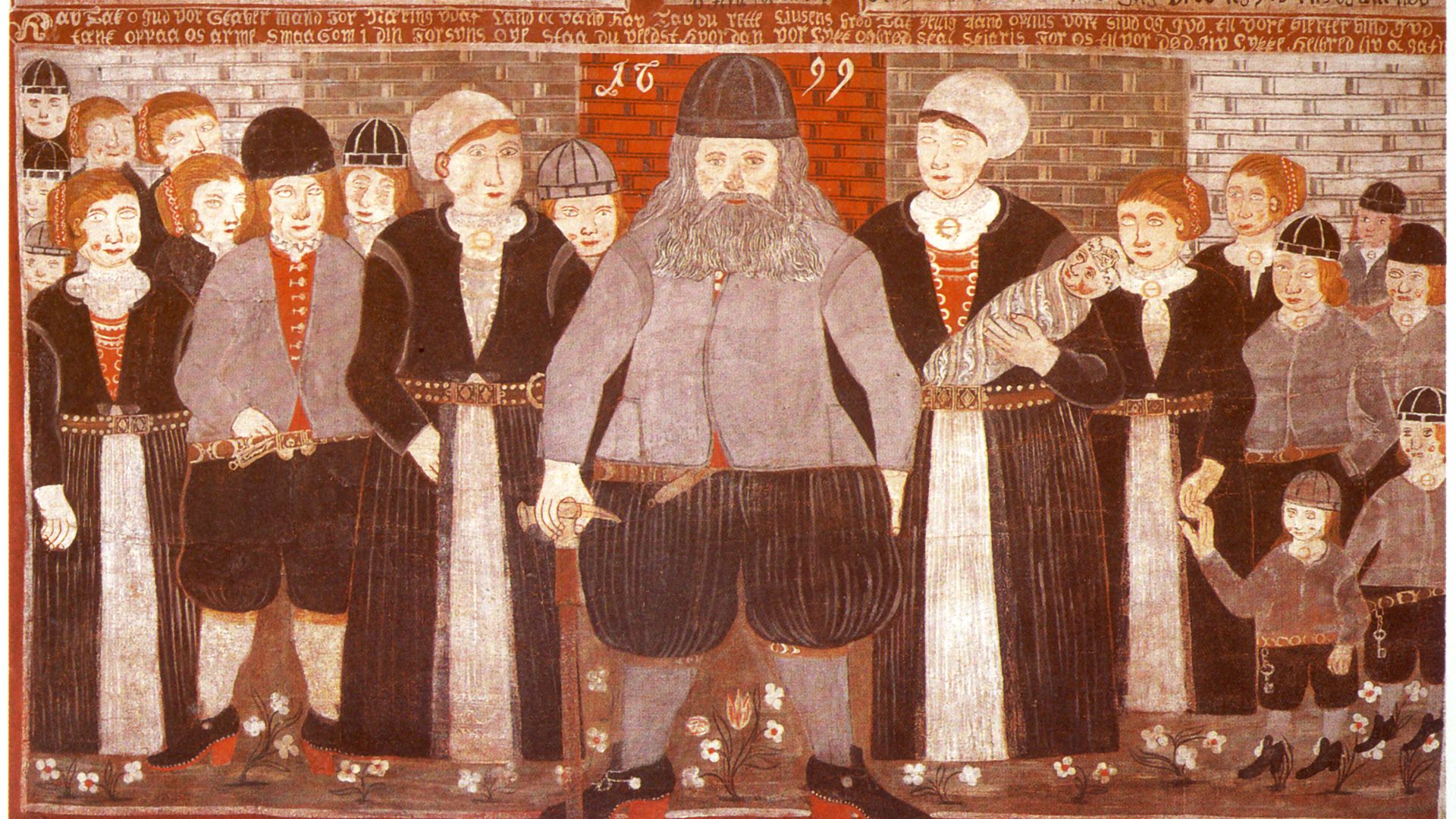
18. Norwegian farmers influenced royal decisions
Unlike many parts of Europe, Norway maintained a substantial class of free farmers. These landowners participated in local governance and often resisted policies they considered harmful.
19. The people of Iceland preserved their local institutions
Although Iceland came under Norwegian and later Danish rule, local assemblies remained important for centuries. Ordinary landowners participated in these governing bodies and defended their traditions.
 Nicolas J Leclercq on Unsplash
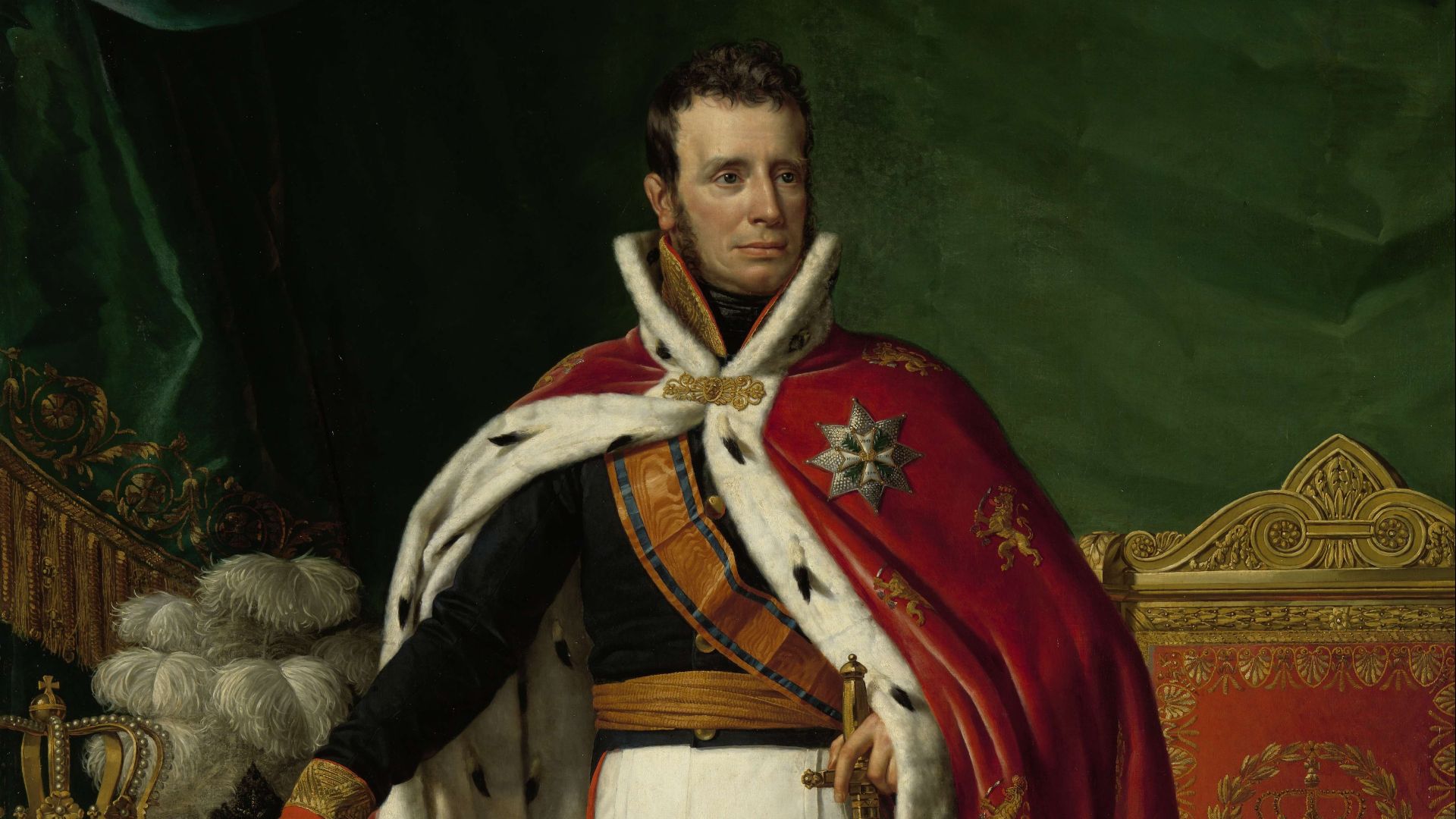
20. Belgian citizens won independence from King William I
In 1830, residents of the southern provinces of the United Kingdom of the Netherlands launched a revolution against King William I. The movement drew support from workers, merchants, and members of the middle class.
KEEP ON READING
The story of Ching Shih, the Woman Who Became the…
Unknown author on WikimediaFew figures in history are as feared…
By Emilie Richardson-Dupuis Dec 29, 2025
Einstein's Violin Just Sold At An Auction—And It Earned More…
A Visionary's Violin. Wanda von Debschitz-Kunowski on WikimediaWhen you hear…
By Ashley Bast Nov 3, 2025
This Infamous Ancient Greek Burned Down An Ancient Wonder Just…
History remembers kings and conquerors, but sometimes, it also remembers…
By David Davidovic Nov 12, 2025
The Mysterious "Sea People" Who Collapsed Civilization
3,200 years ago, Bronze Age civilization in the Mediterranean suddenly…
By Robbie Woods Mar 18, 2025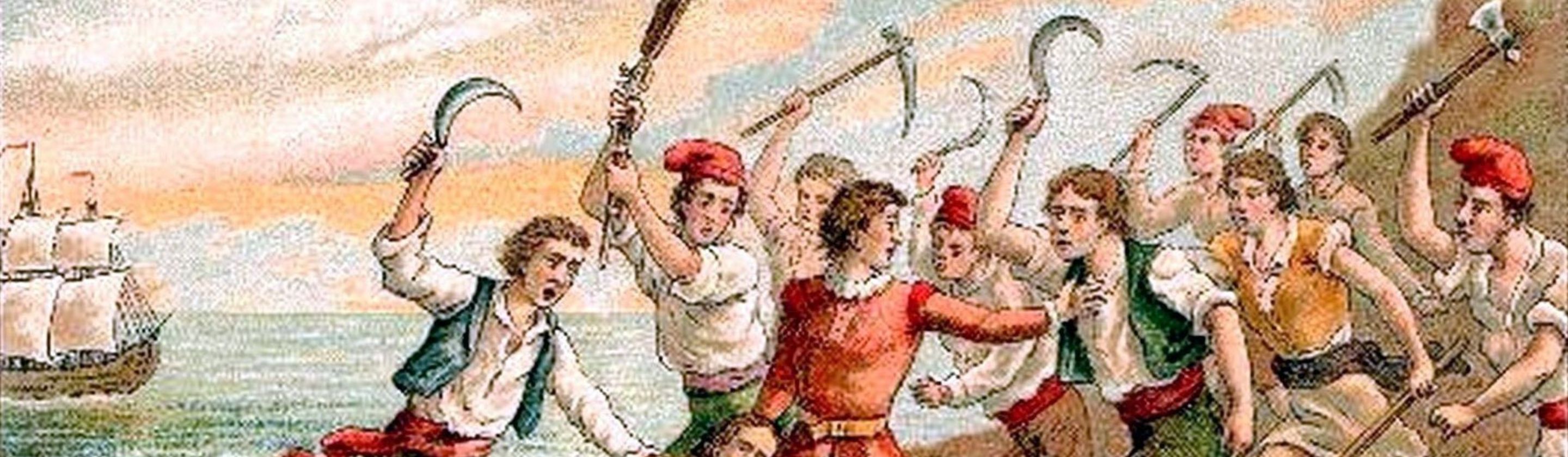
20 Times Commoners Defied Kings — And Won
When ordinary people changed history. History often focuses on kings,…
By Rob Shapiro Jun 18, 2026
20 Soldiers Who Defied Expectations
Changing the Rules of the Battlefield. You’ve probably heard plenty…
By Annie Byrd Feb 10, 2026