
10 Historical Death Rituals That Honored the Dead & 10 Meant to Stop Them Coming Back
10 Historical Death Rituals That Honored the Dead & 10 Meant to Stop Them Coming Back
Grave Goods on One Side, Sickles on the Other
Funeral customs help the living deal with grief, but some also reflect a fear of what the dead might do next. Most ancient burial practices show care for the deceased, with offerings left in graves and considerable effort put into preparing the body. Others are harder to explain as acts of respect. Archaeologists have found bodies weighed down with stones or pinned in place, suggesting that some communities worried the dead might return. Here are 10 rituals meant to honor the dead and 10 meant to keep them in the ground.
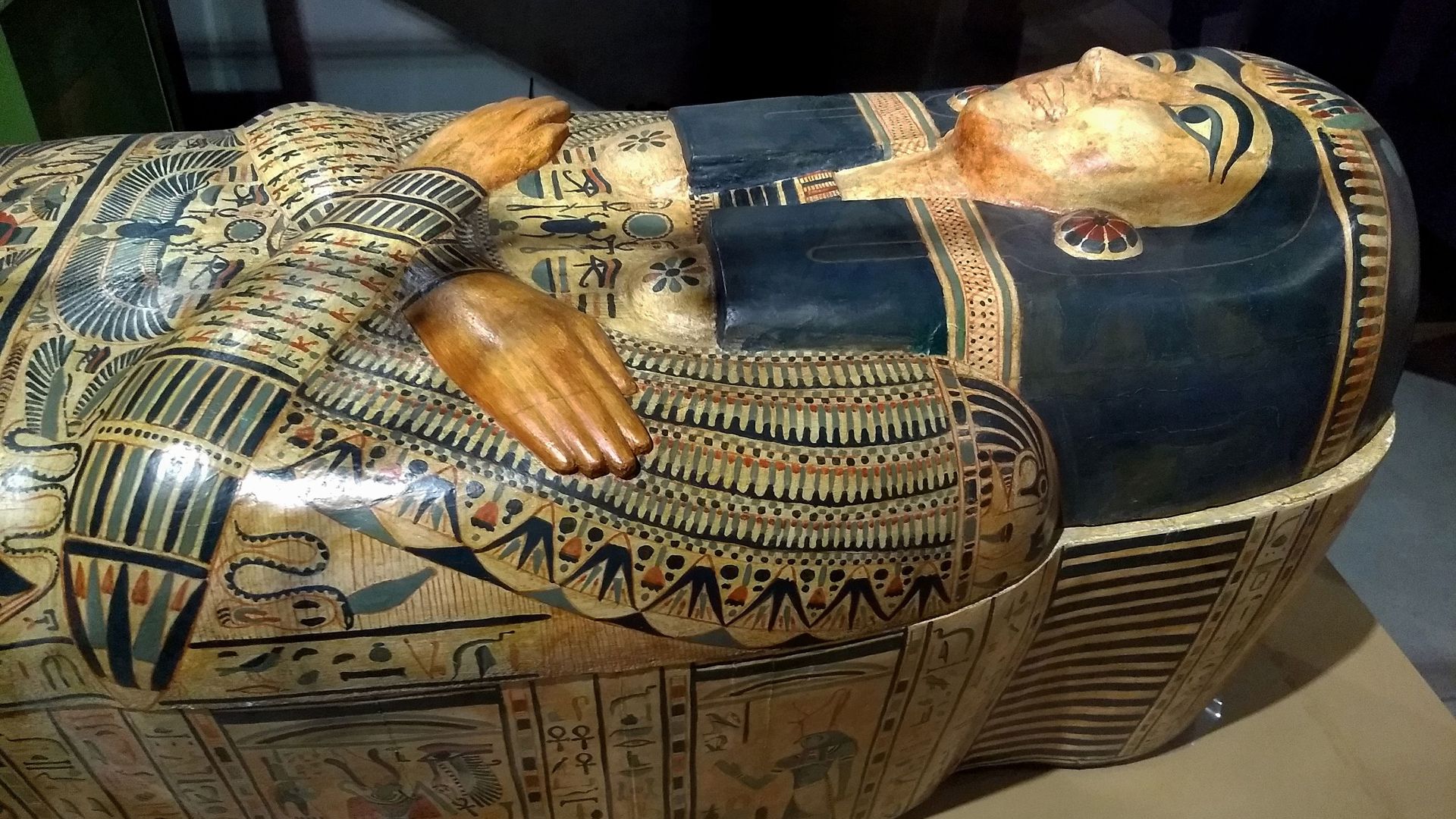
1. Egyptian Mummification
Egyptian embalmers worked toward a body intact enough for its owner to use again. The organs came out first and natron dried the tissue over about forty days, with wrapping and ritual bringing the whole process to roughly seventy days from death to burial.
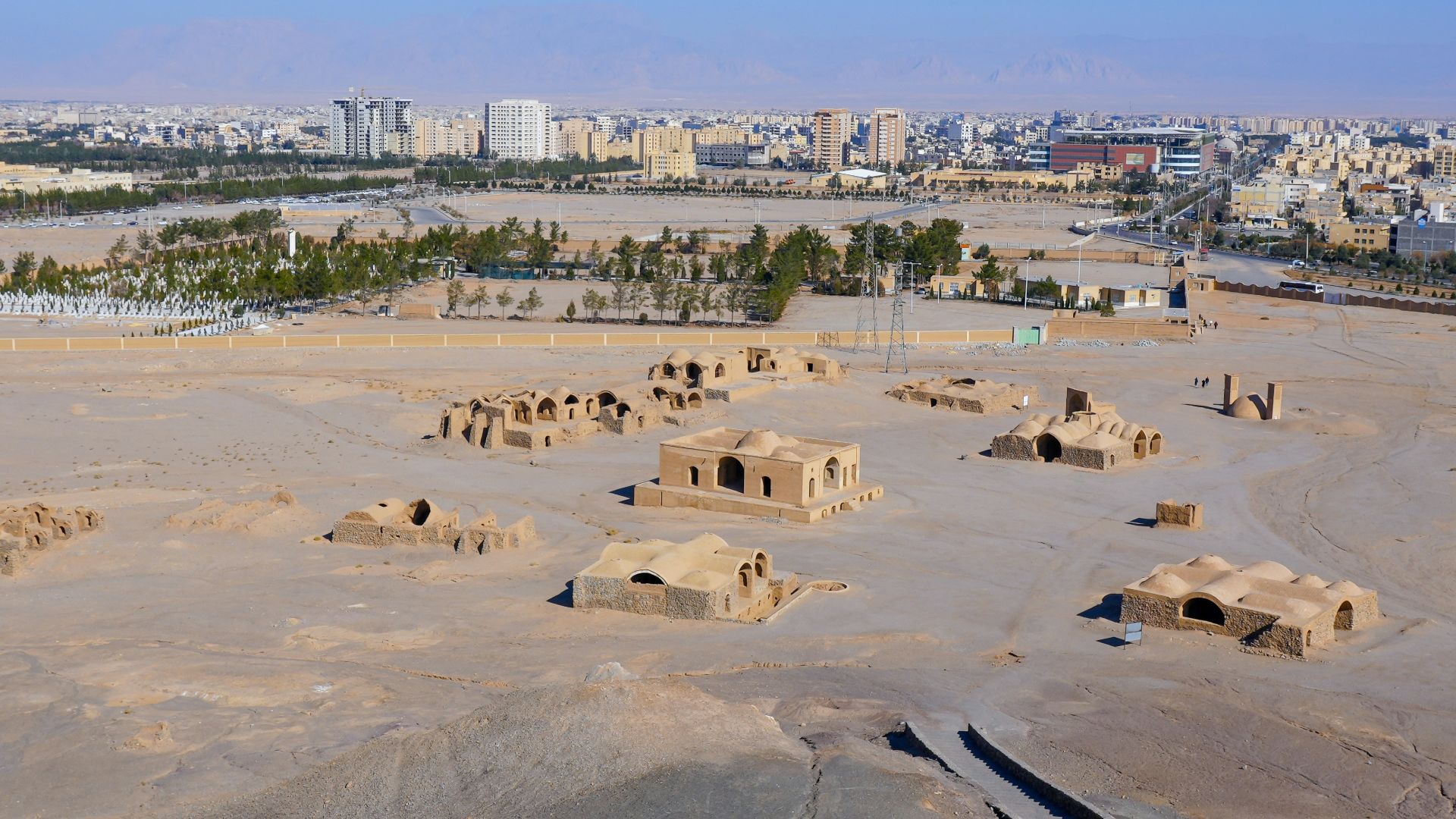
2. Zoroastrian Towers of Silence
Zoroastrian law treats a corpse as pollution that must not touch earth or fire, so the dead were laid on open stone towers for vultures to strip. The bones bleached in the sun and were then dropped into a central pit. Parsi communities in Mumbai still maintain the towers, though the collapse of India's vulture population has made the process far slower.
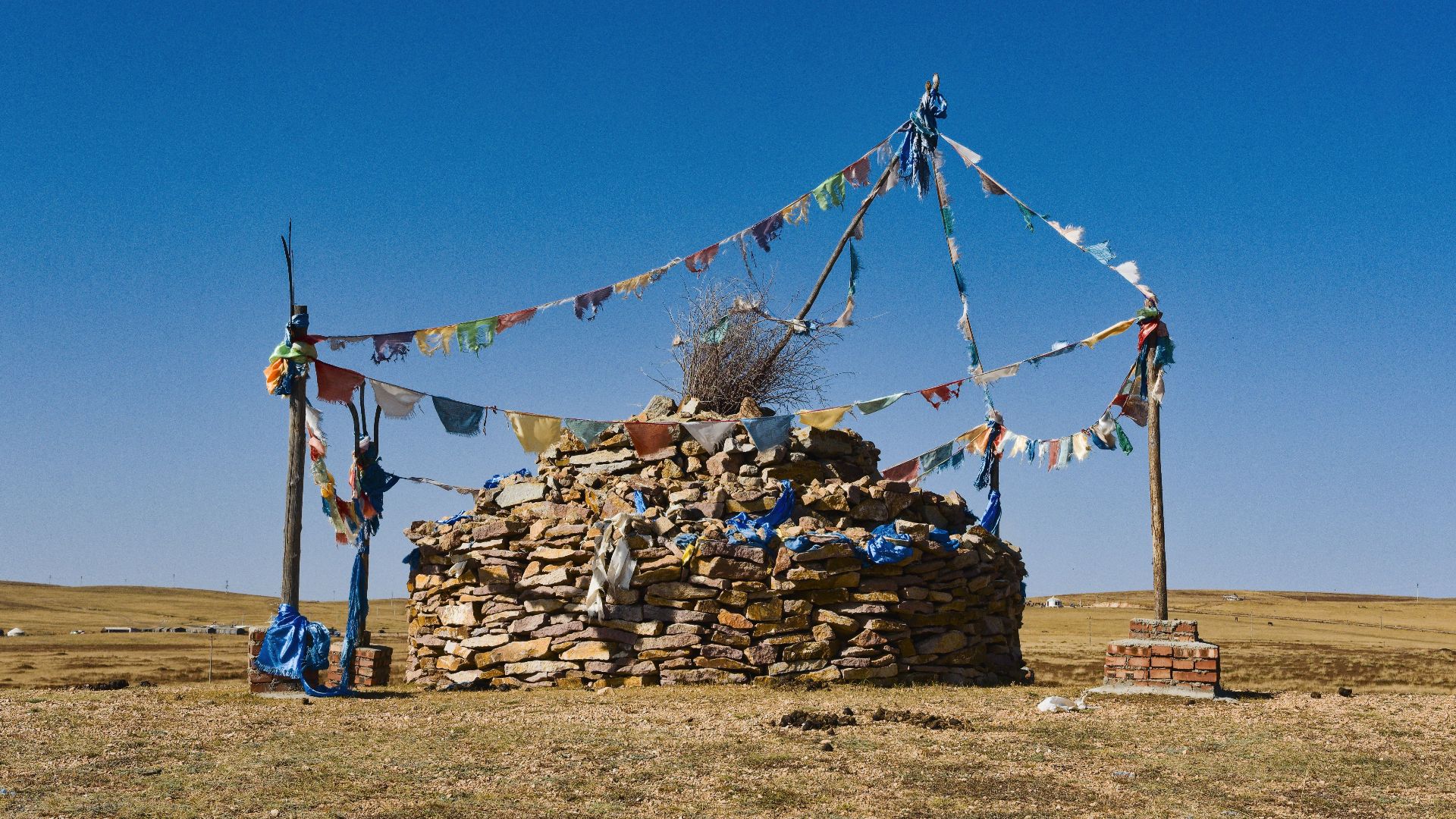
3. Tibetan Sky Burial
Sky burial hands the body to vultures on a hillside, and the practice rests on the idea that a corpse is an empty vessel. Specialists break the bones and mix them with barley flour so nothing is left behind. Thin soil and almost no firewood made burial and cremation impractical across much of the plateau.
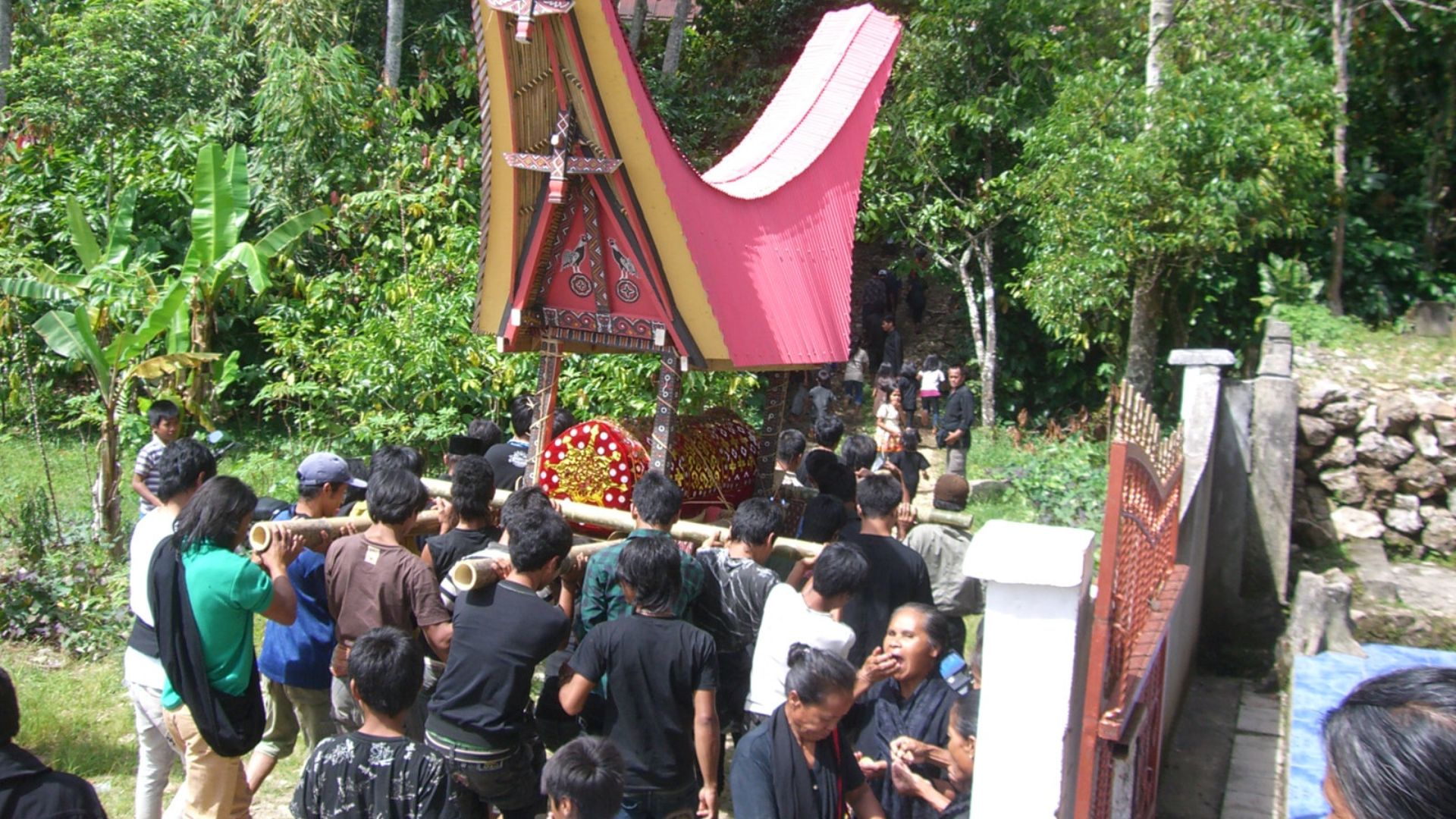
4. Toraja Funerals in Sulawesi
Toraja families in Indonesia keep a dead relative at home while they save for the funeral, sometimes for years. The person is spoken of as sick rather than dead, and food still comes to the room. Years later the ma'nene' ceremony brings the body out to be cleaned and re-dressed.
5. Viking Ship Burial
The Oseberg ship burial in Norway put two women inside a vessel loaded with a wagon, textiles, and more than a dozen horses. Burying a working ship meant taking real wealth out of circulation, and grave goods on that scale suggest the dead were expected to need equipment wherever they were going.
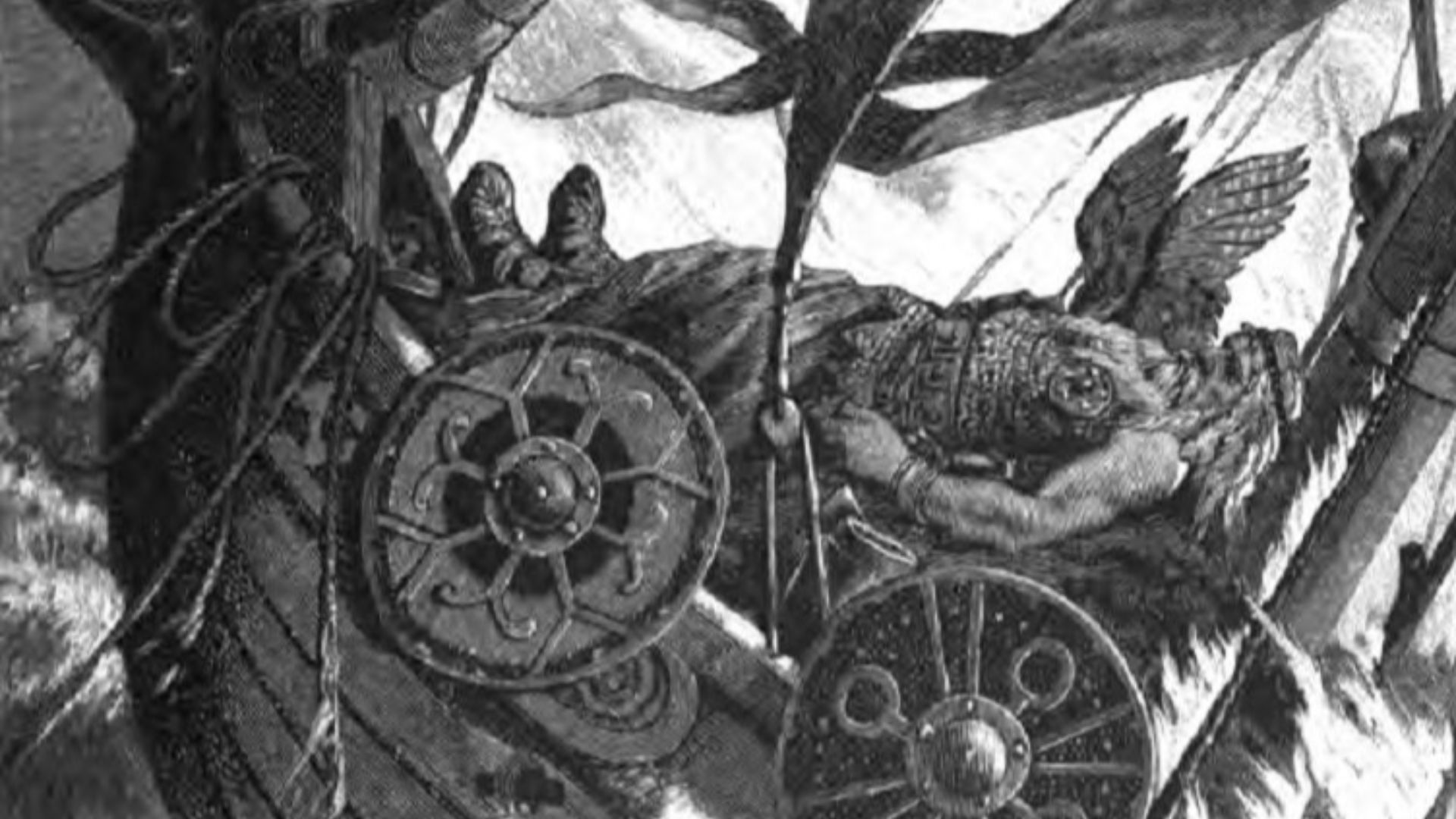 Johann Gehrts (1855-1921) on Wikimedia
6. Famadihana in Madagascar
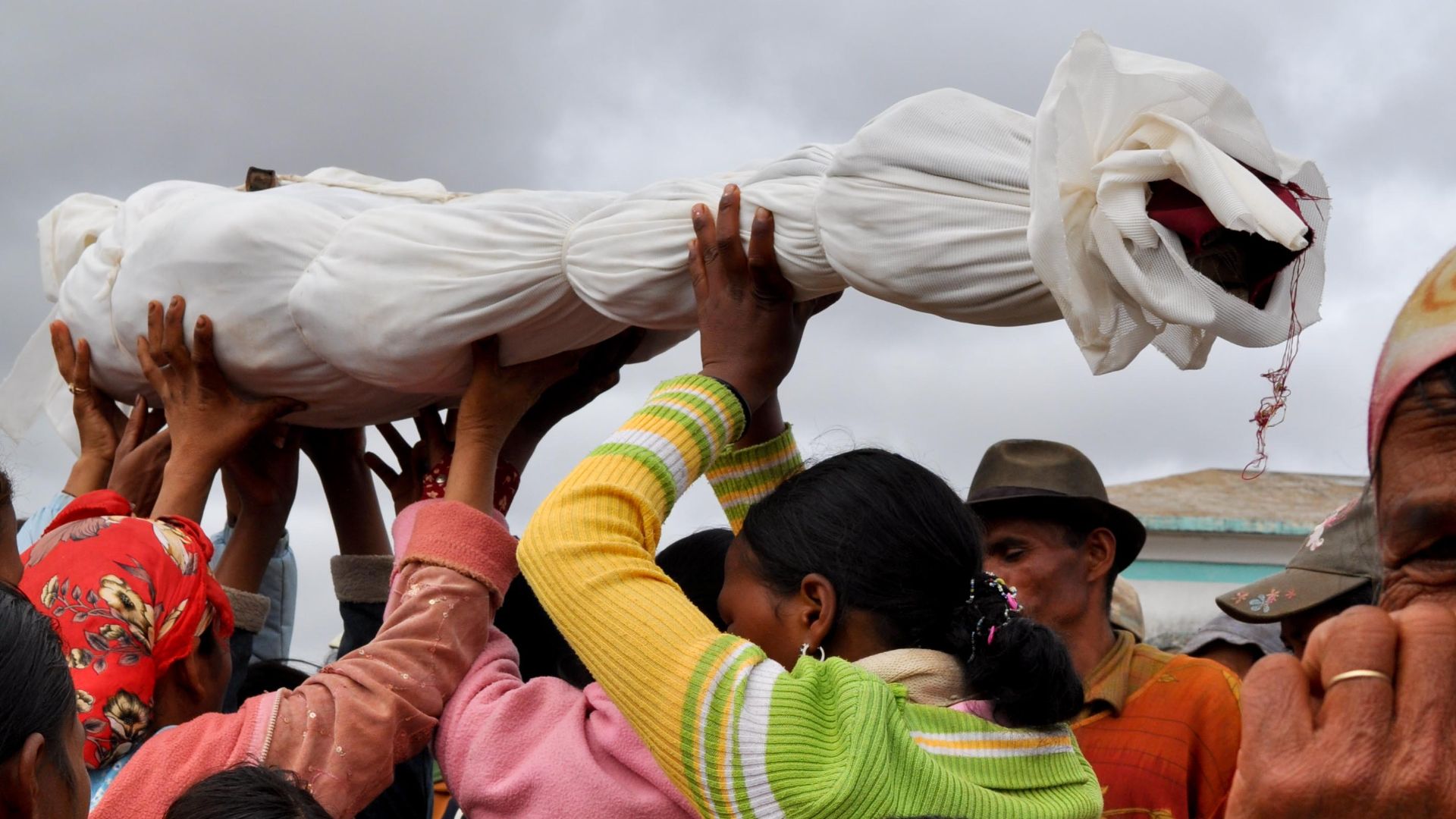
Famadihana brings ancestors out of the family tomb every few years to be rewrapped in fresh silk shrouds. Relatives carry the bundles around the tomb and dance with them before putting them back. Families who can't afford new silk sometimes postpone the whole ceremony for a year or more rather than reuse old cloth.
 Saveoursmile (Hery Zo Rakotondramanana) on Wikimedia
7. Roman Parentalia
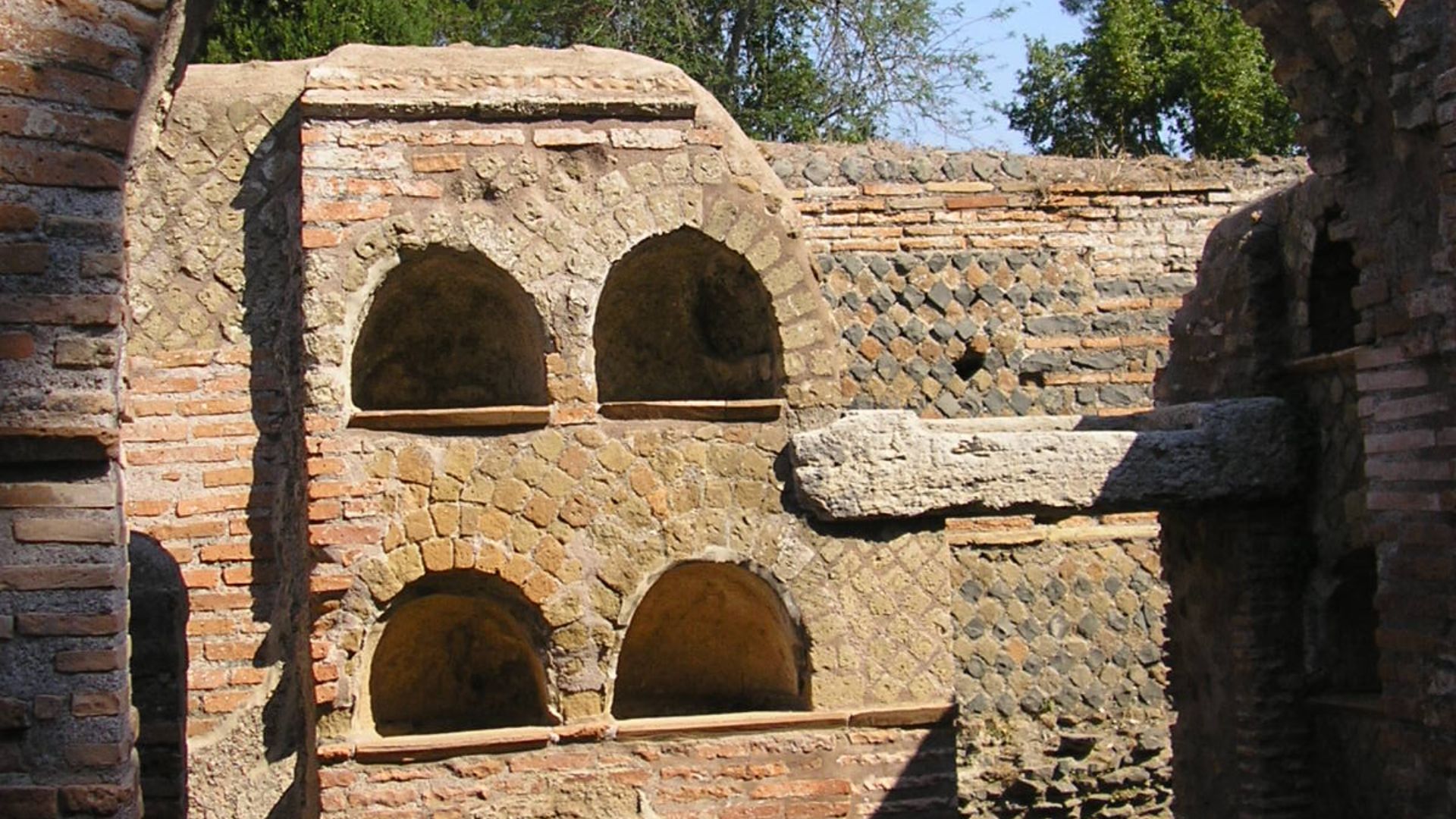
Romans set aside nine days each February to visit family tombs with food and wine. The festival closed with the Feralia, and households held a graveside meal called the silicernium at the burial itself. Neglecting the dead was thought to leave them hungry and inclined to make trouble.
8. Qingming Tomb Sweeping
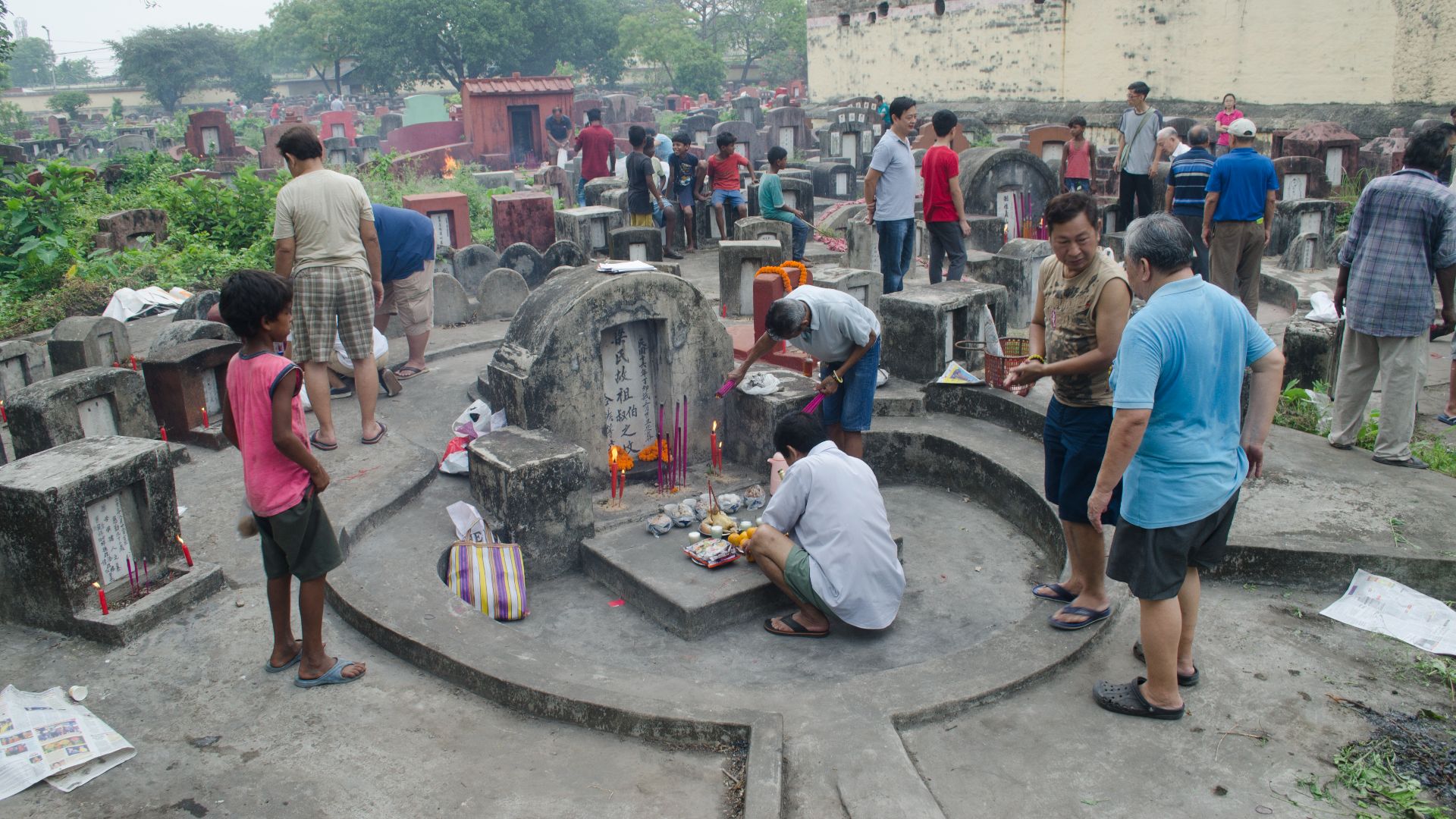
Chinese families clean ancestral graves at Qingming in early April and leave food and paper money. The money gets burned so it transfers to the dead, and current versions run to paper cars and paper phones. The logic runs on obligation, since an ancestor left unsupported reflects badly on the living.
 Rangan Datta Wiki on Wikimedia
9. Victorian Mourning Jewelry
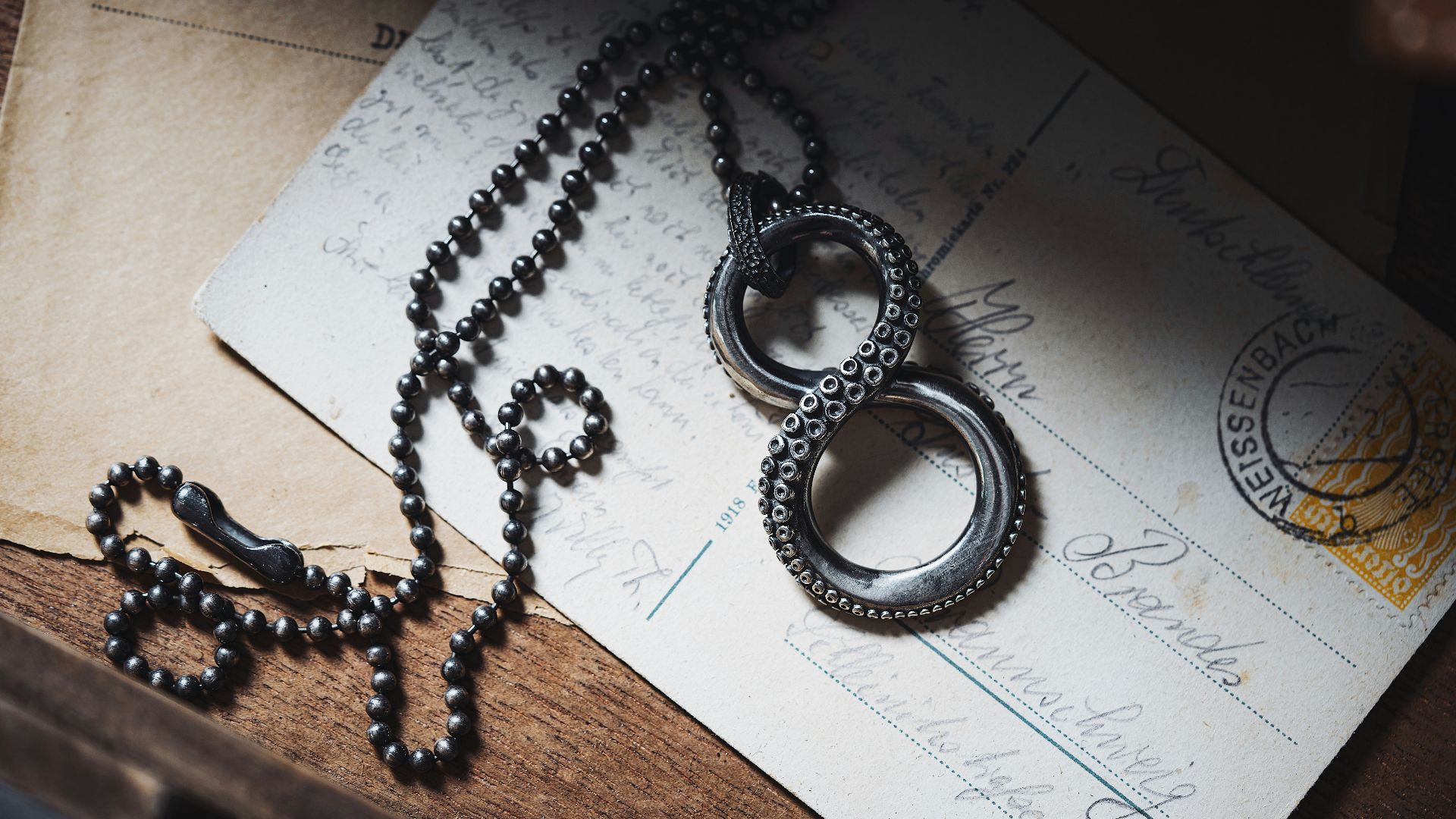
Victorian mourners wore brooches and rings woven from the dead person's hair. Dress codes were specific, and a widow was expected to stay in full black for about two years before easing into gray or lavender. Keeping a physical piece of someone worked as a portrait for families who couldn't afford a photograph.
10. Charon's Obol
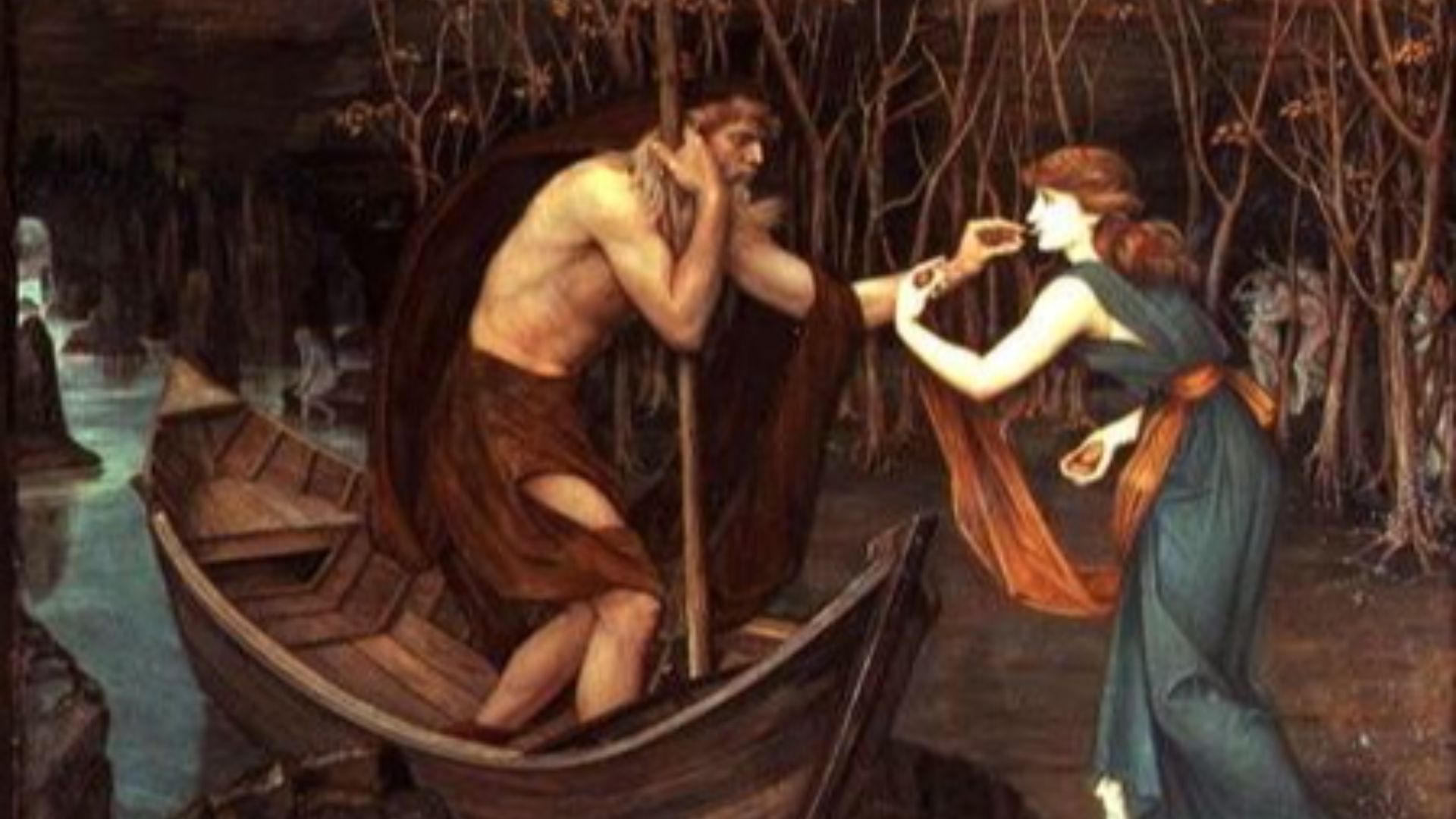
Greek and Roman burials often included a small coin placed in the mouth or the hand. The payment was for Charon, the ferryman who carried souls across the Styx. Archaeologists find these coins all over the Mediterranean, and the unpaid dead were said to wander the near bank.
Now, here are 10 that are meant to stop them from coming back.
 John Roddam Spencer Stanhope on Wikimedia
1. A Brick Forced Into the Mouth
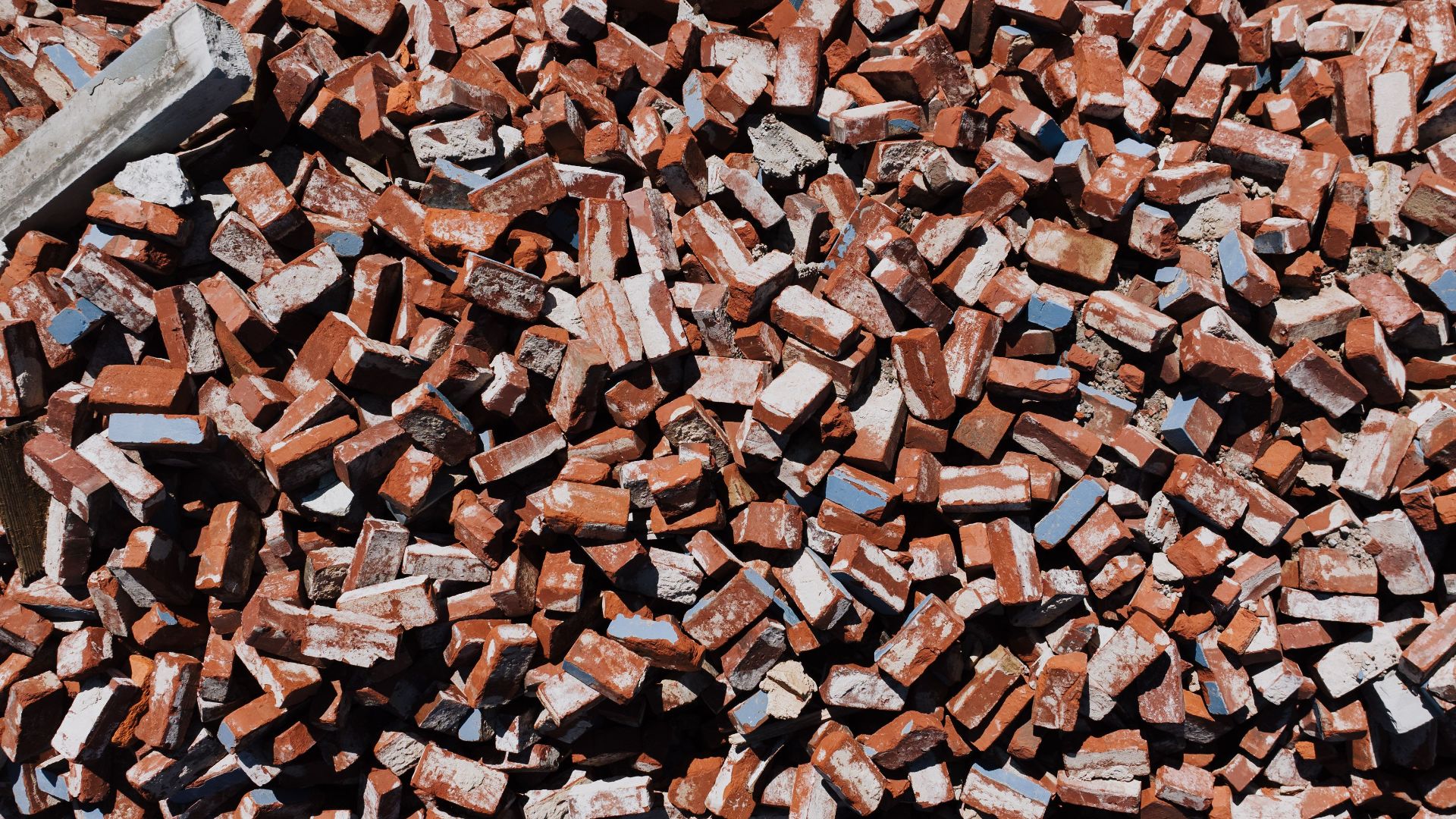
A sixteenth-century grave on a Venetian plague island contained a woman with a brick wedged between her jaws. When plague graves were reopened, bloated bodies and shrouds damaged around the mouth could make it look as though the dead had been chewing their way out. Some people believed these corpses fed on the living and spread disease.
2. An Iron Sickle Across the Throat
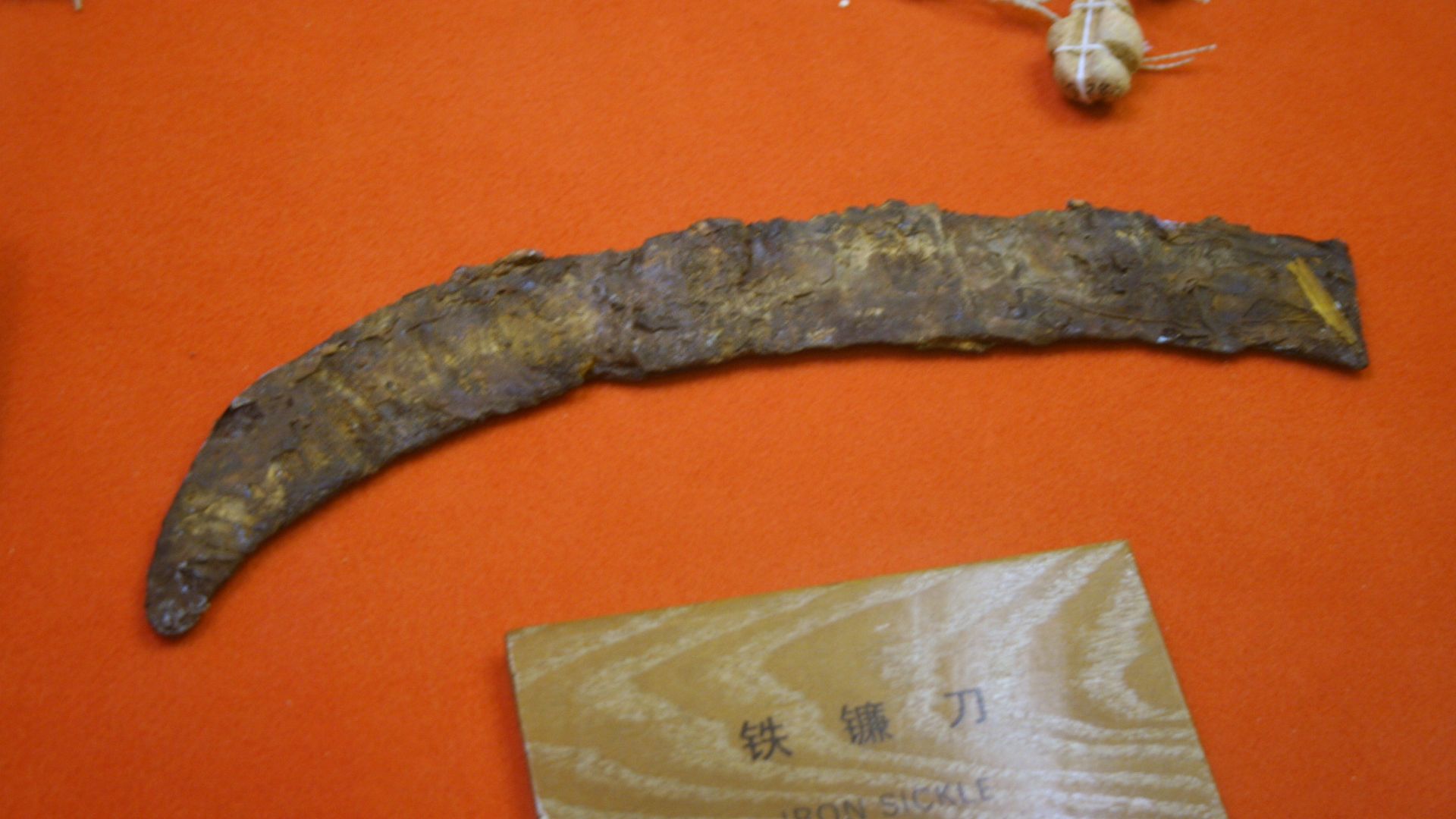
Graves at Drawsko in Poland, dating to the seventeenth and eighteenth centuries, have sickles laid across the throat or the hips. Anyone sitting up would cut into the blade, and iron had its own protective reputation besides.
 Gary Todd from Xinzheng, China on Wikimedia
3. Decapitation With the Head Moved
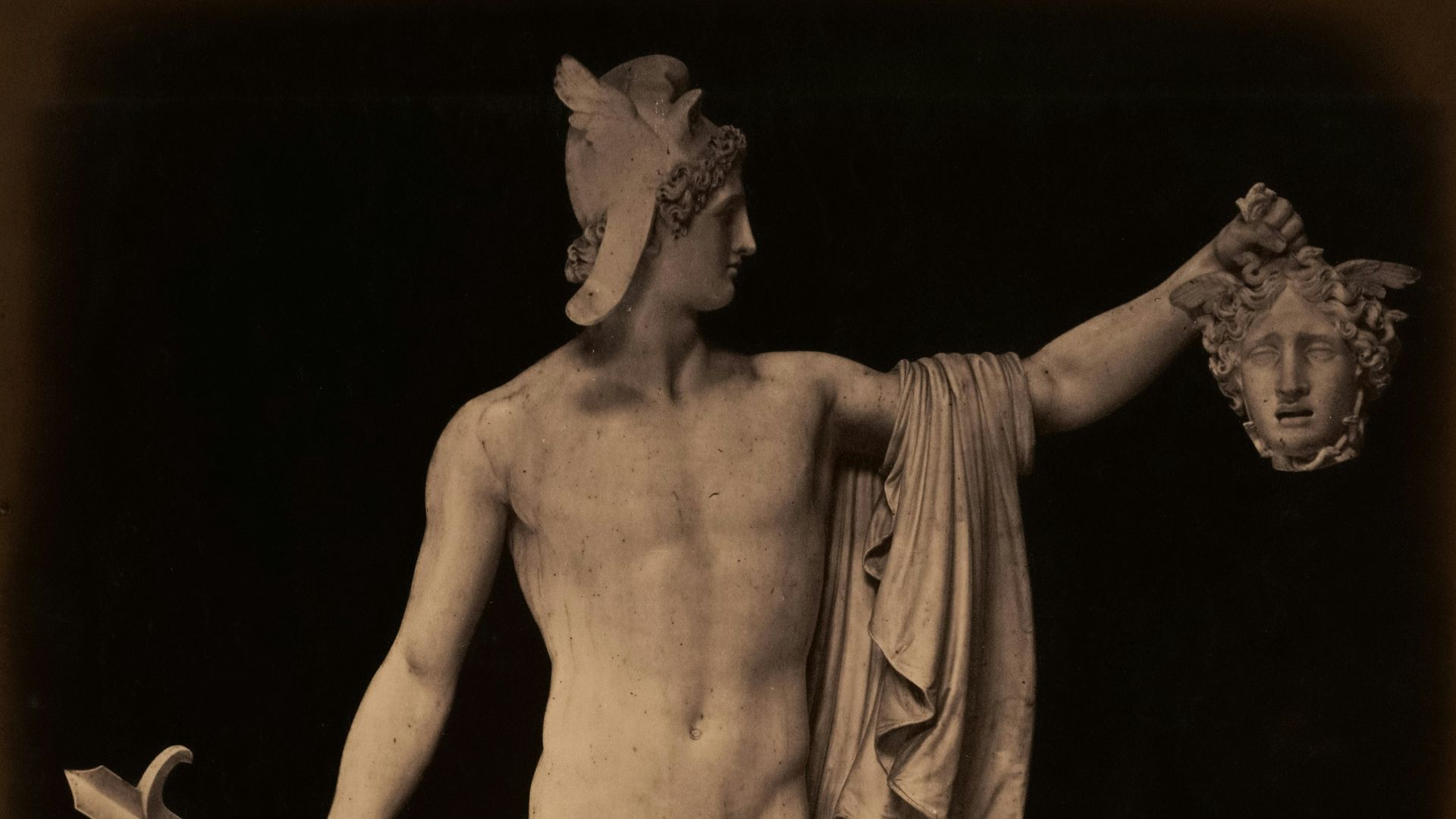
Medieval and Anglo-Saxon deviant burials sometimes have the skull set between the legs or down by the feet. Separating head from body was thought to break whatever could animate it. The arrangement turns up often enough across northern Europe to look like a known remedy rather than an accident.
 Boston Public Library on Unsplash
4. An Iron Rod Through the Chest
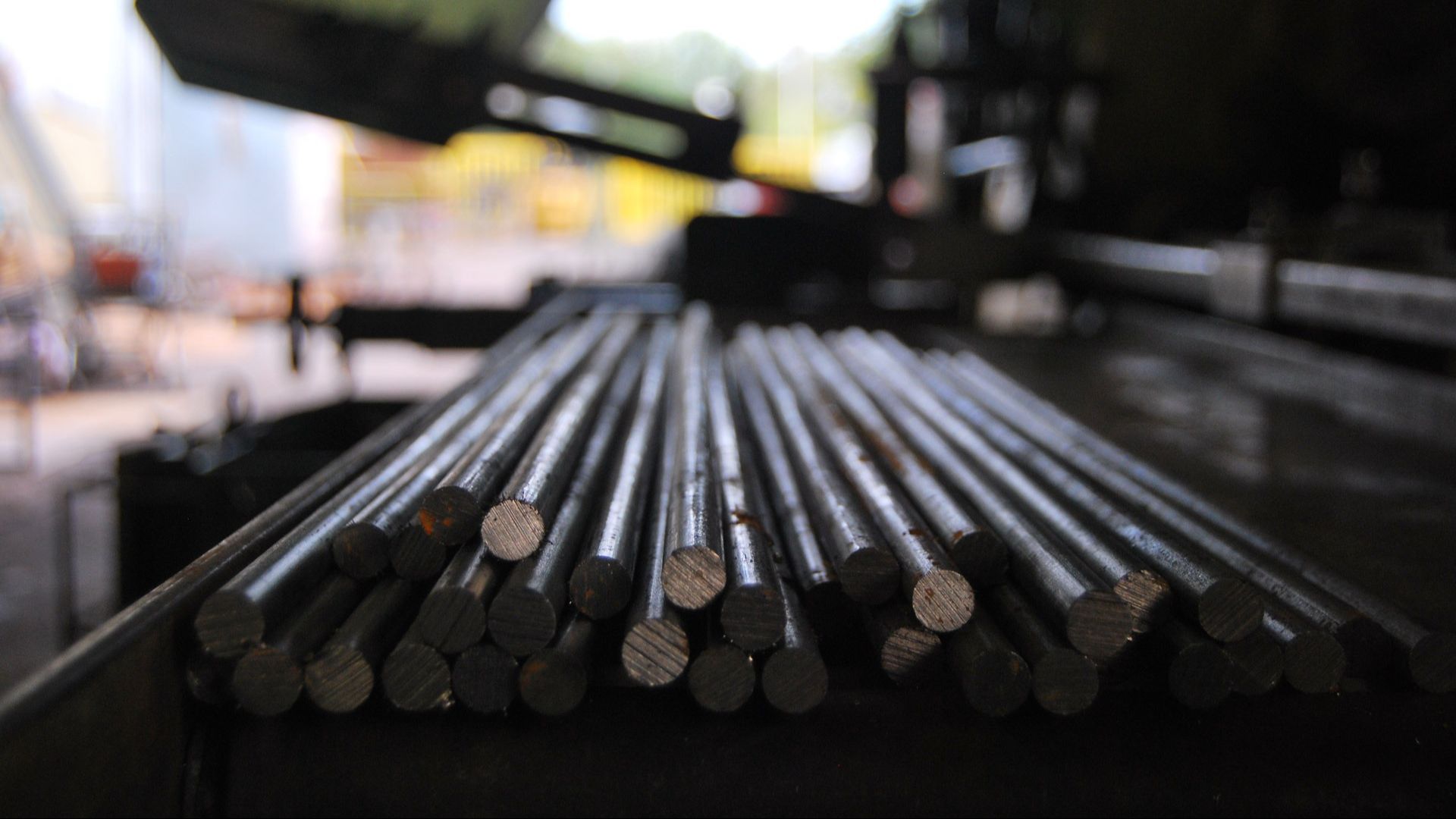
A grave in Sozopol on the Bulgarian coast held a man pinned to the ground with an iron rod driven through his chest. The practice ran through the Balkans into the nineteenth century, usually reserved for people the community already distrusted. Local accounts tend to name the targets as thieves or outsiders.
5. Burning the Heart
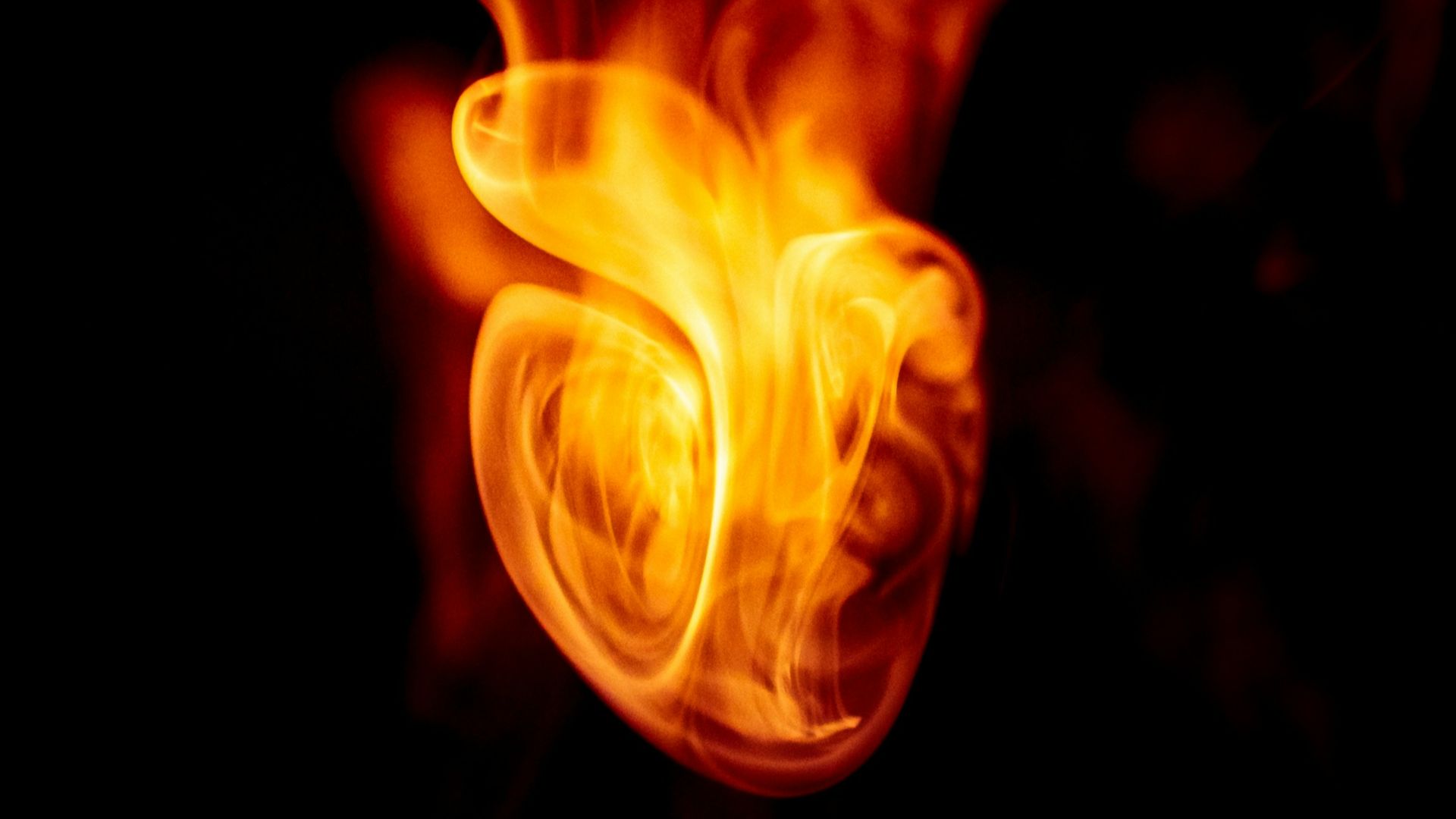
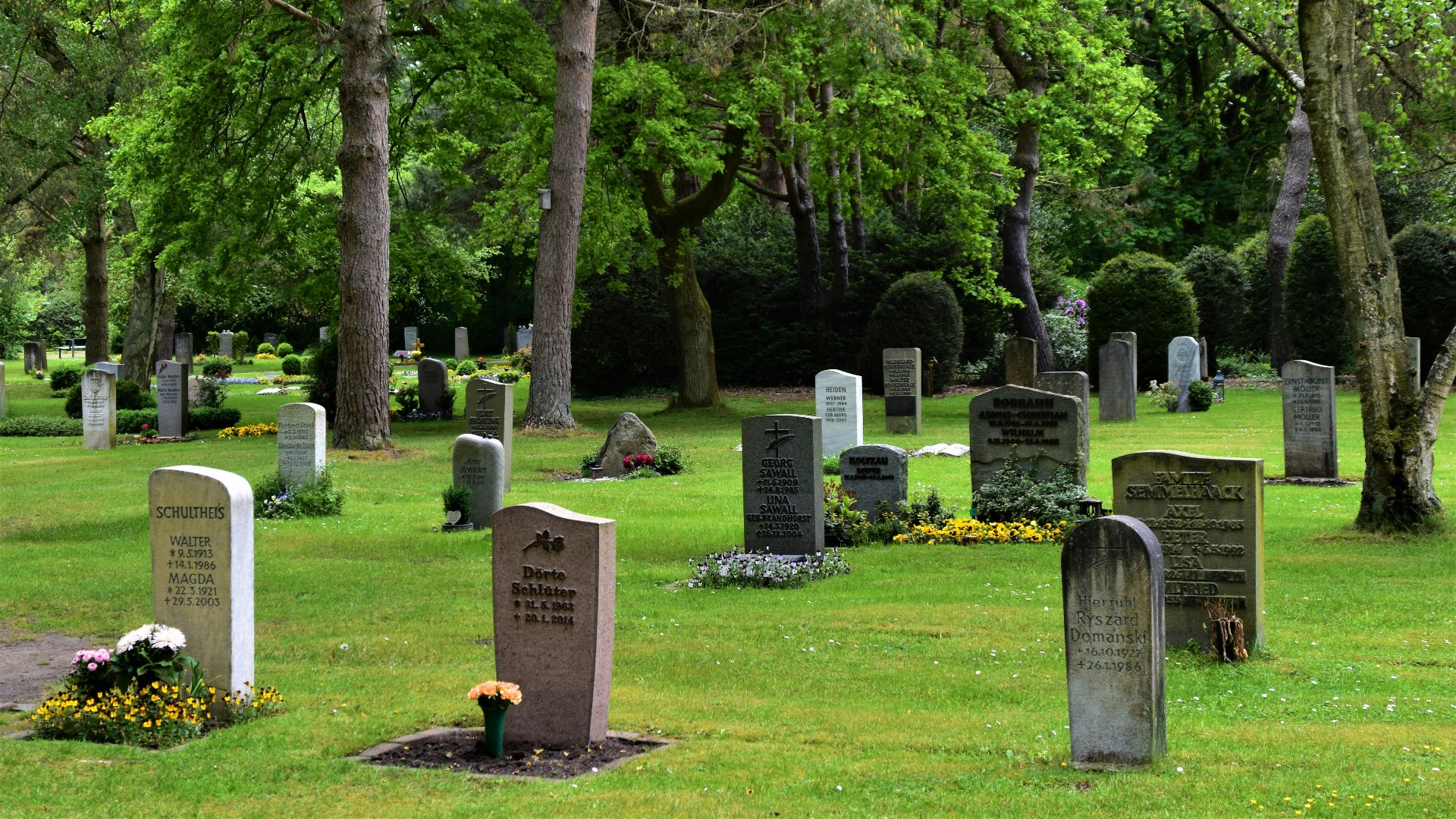
New England had a vampire panic through the eighteenth and nineteenth centuries, driven by tuberculosis moving through families one member at a time. The Brown family in Exeter, Rhode Island exhumed a daughter named Mercy in 1892 and burned her heart after finding liquid blood in it. Her brother drank the ashes in water and died anyway.
6. Face-Down Burial
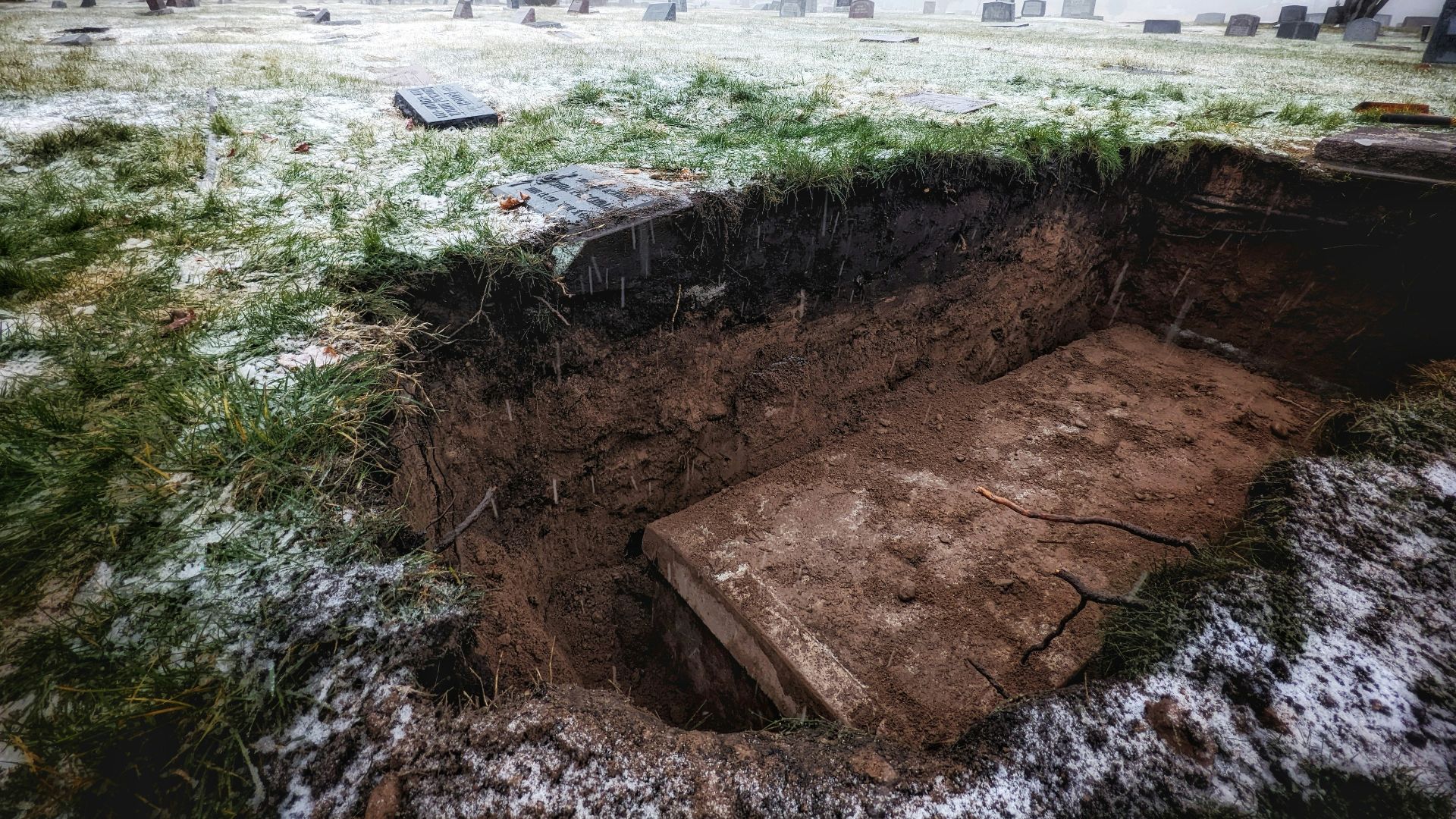
Some medieval Europeans were buried face down rather than on their backs. The position sometimes marked disgrace or punishment, particularly for people excluded from the community. In other cases, it may have been intended to stop the dead from returning. The belief was that a corpse trying to claw its way out would dig deeper into the earth instead.
7. Burial at a Crossroads
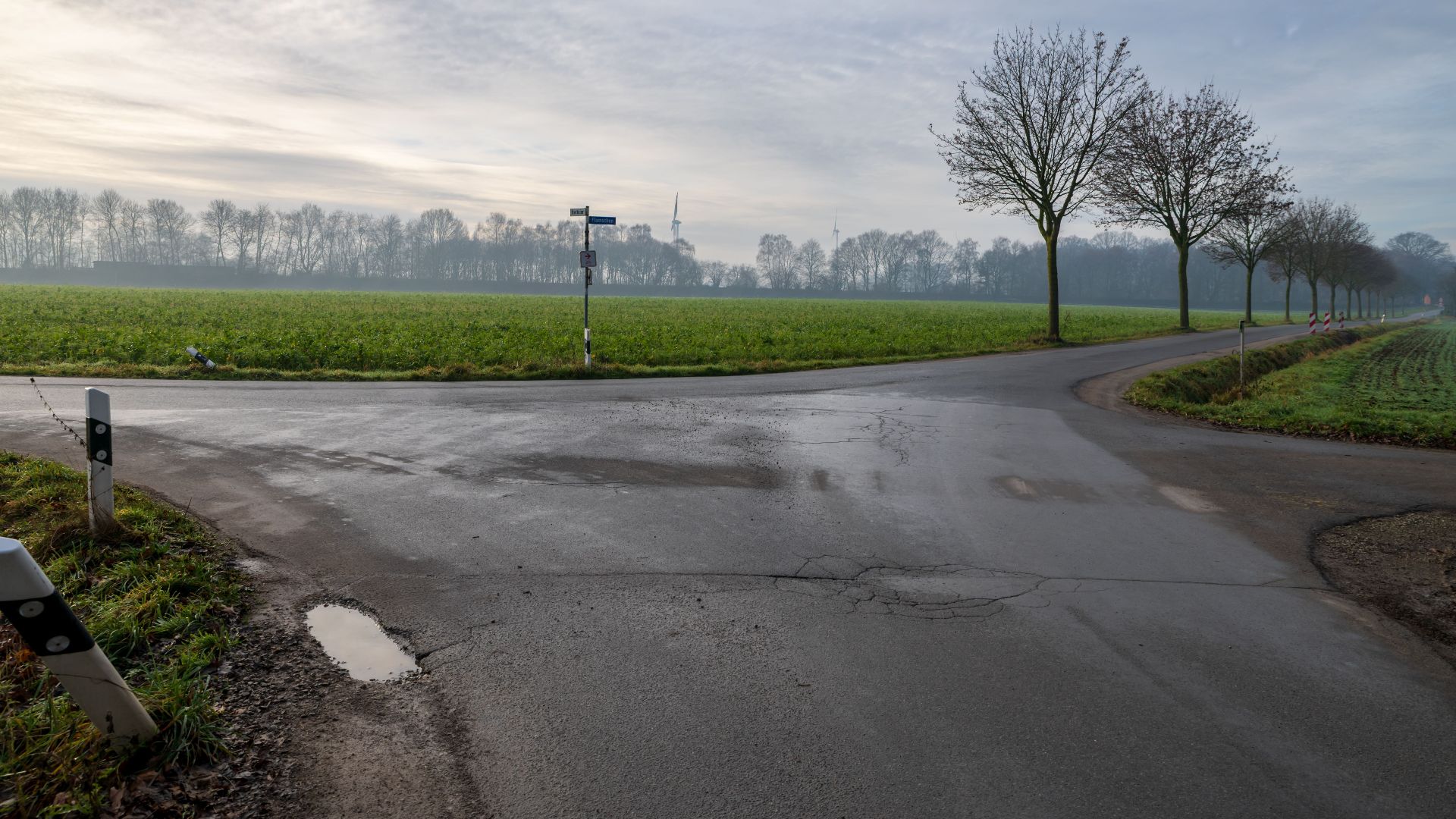
English law sent suicides and some criminals to crossroads burial, often with a stake driven through the body. Traffic over the grave and the meeting of several roads were both supposed to confuse the dead about the way home, and Parliament didn't end the practice until 1823.
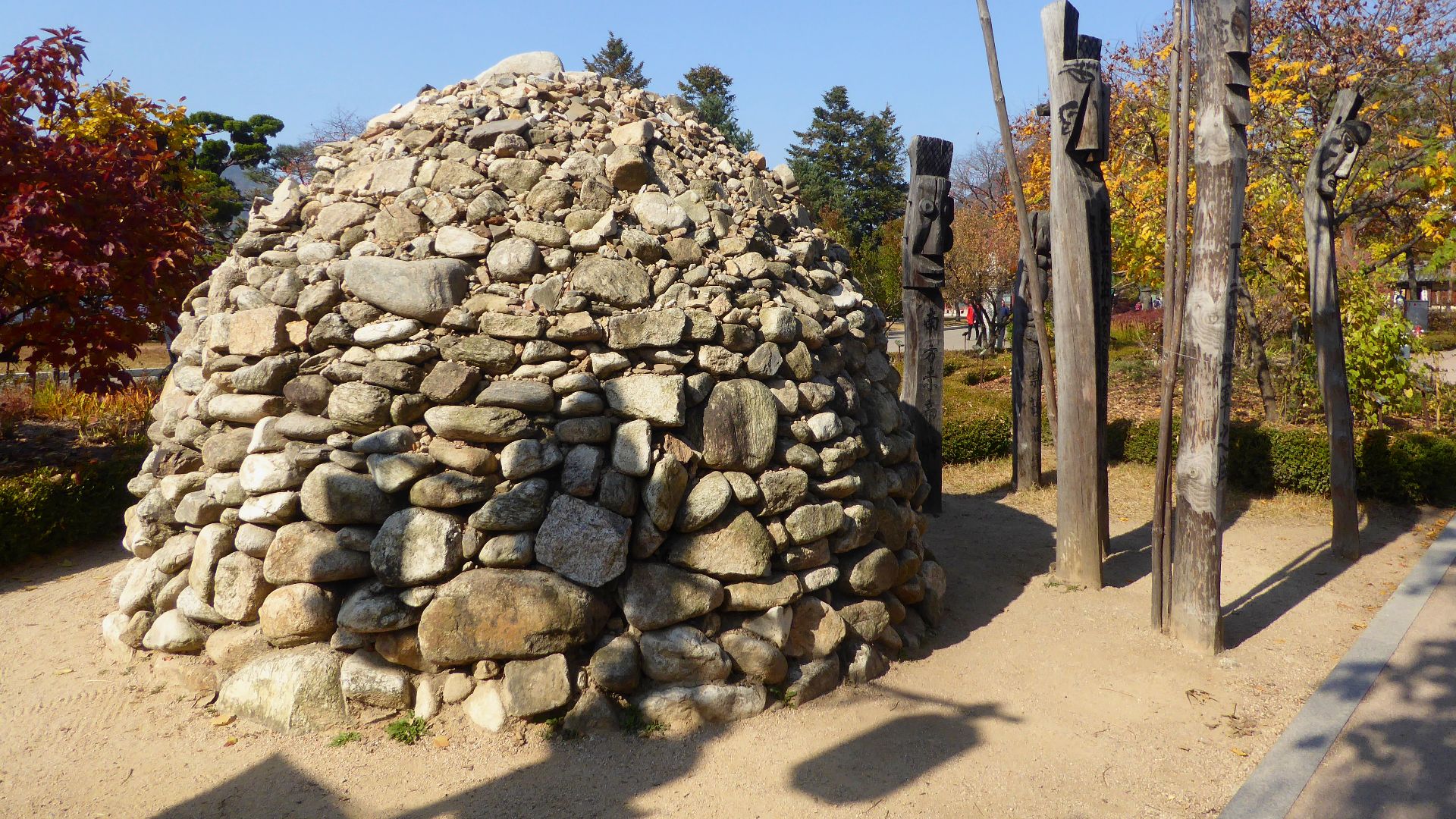
8. Stones Piled on the Grave
Icelandic sagas describe the draugr, a dead body that walks and does damage rather than a ghost. Burials under heavy cairns appear across the North Atlantic, and the weight was part of the point. The sagas themselves prescribe decapitation and burning for the cases where a cairn fails to hold.
 commons.wikimedia.org on Google
9. Exhumation and Burning
Greek villages dealing with a suspected vrykolakas would open the grave. A body that hadn't decayed on schedule counted as proof, and burning the remains was the standard remedy. Villagers often did the burning on an island, since the dead were thought unable to cross water.
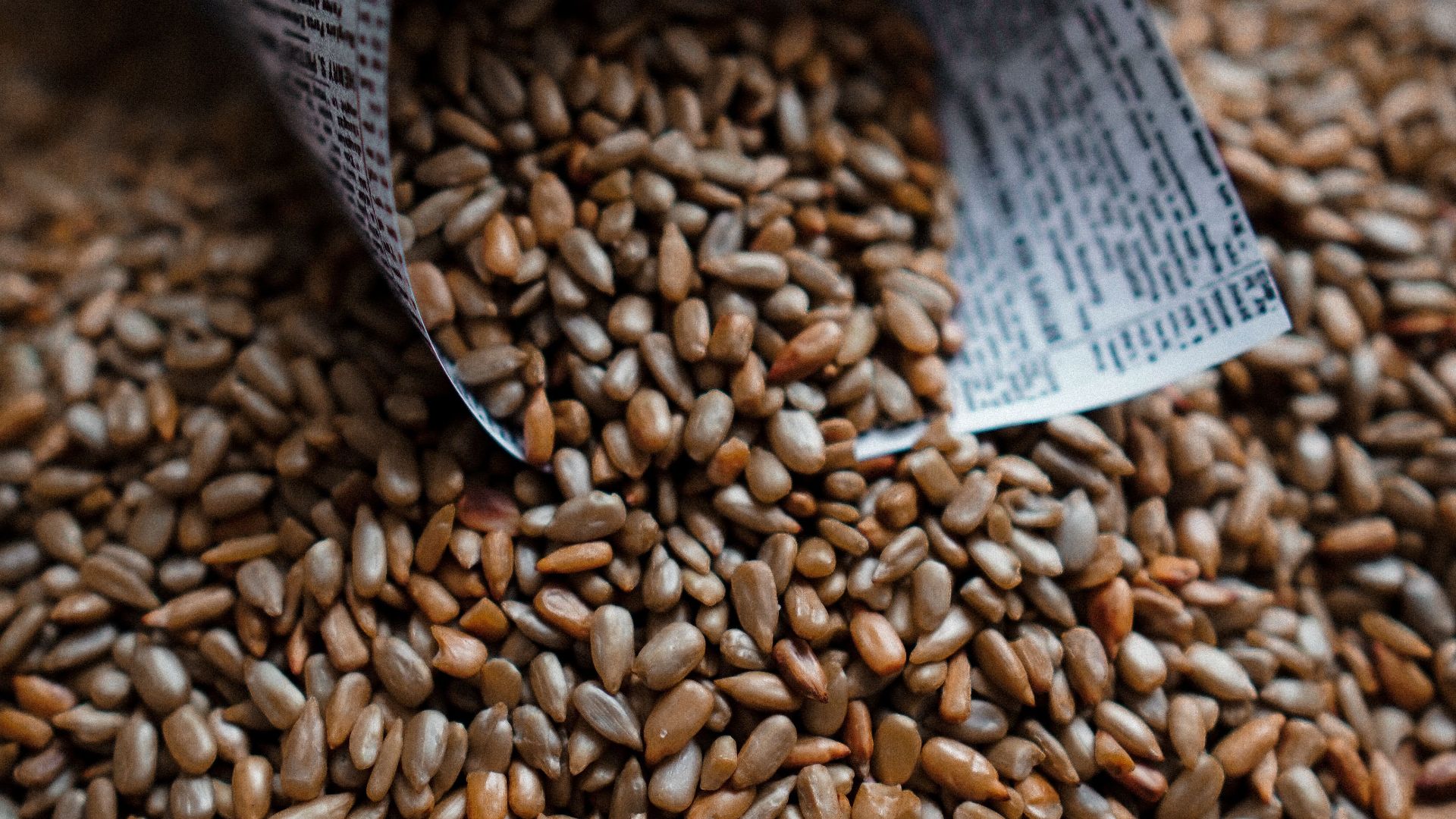
10. Seeds Scattered in the Coffin
Eastern European burials sometimes included millet or poppy seeds spread over the body. A revenant was believed to be compulsive about counting, so the seeds would occupy it until sunrise. Knotted nets and tangled fishing line served the same purpose in some regions.
KEEP ON READING