

History Leaves Behind Fortresses and Flooded Worlds
Some historical sites survived because they were built with extraordinary skill, careful planning, and materials designed to endure centuries of conflict and weather. Others disappeared beneath rising waters, earthquakes, volcanic eruptions, or shifting coastlines, leaving behind stories that still fascinate historians and archaeologists today. Castles continue standing as reminders of military strategy and political power, while submerged cities reveal how fragile even major settlements can become over time. Here are 10 castles built to last and 10 cities lost beneath the sea.
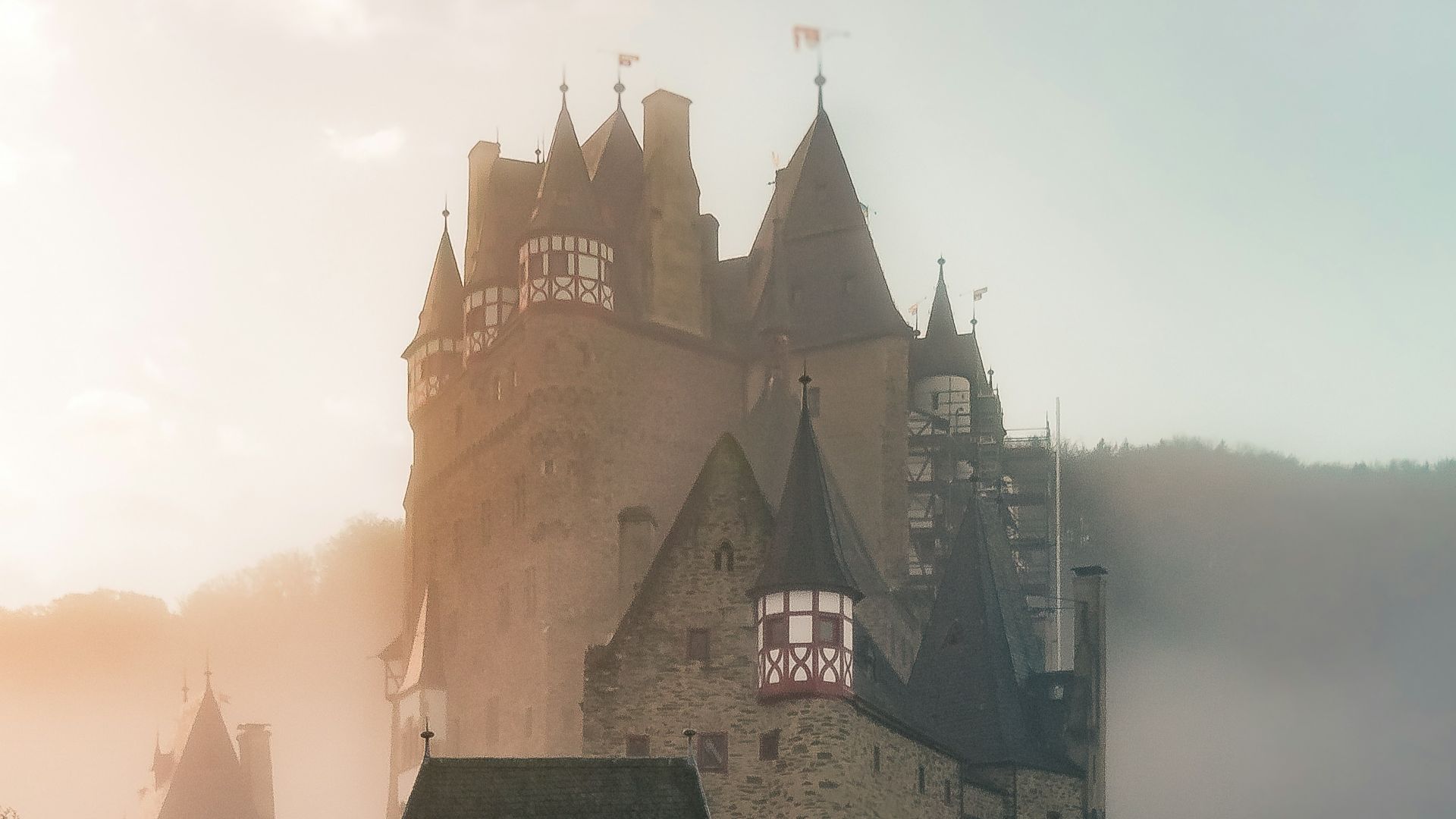
1. Krak des Chevaliers, Syria
Krak des Chevaliers is widely considered one of the best-preserved medieval castles in the world. Built primarily by the Knights Hospitaller during the 12th and 13th centuries, the fortress was designed with massive stone walls, layered defenses, and advanced military engineering for its time.
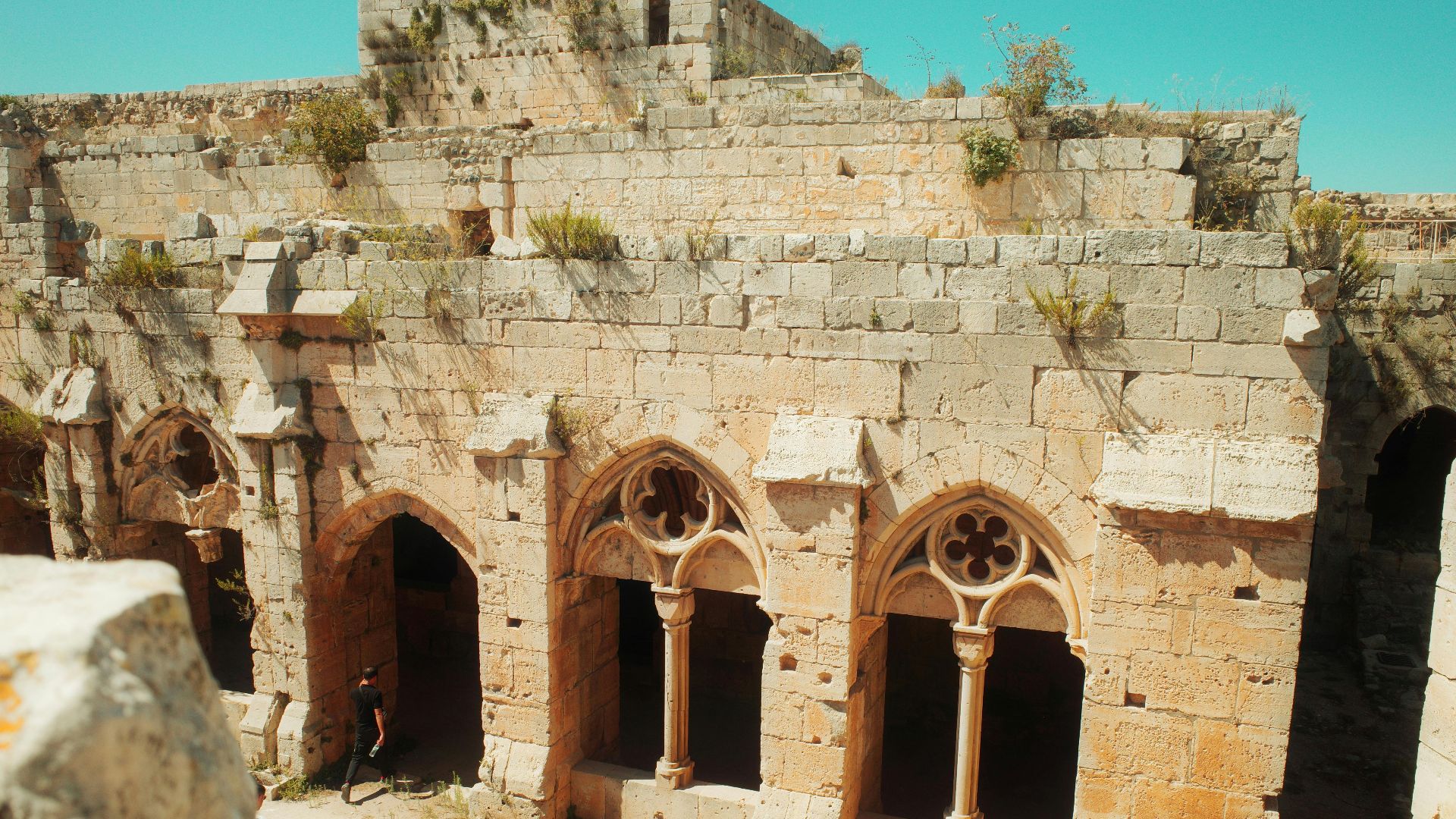
2. Edinburgh Castle, Scotland
Perched on volcanic rock above Scotland’s capital, Edinburgh Castle has remained a defensive stronghold for over 900 years. The site’s natural elevation made attacks difficult long before modern fortifications were added.
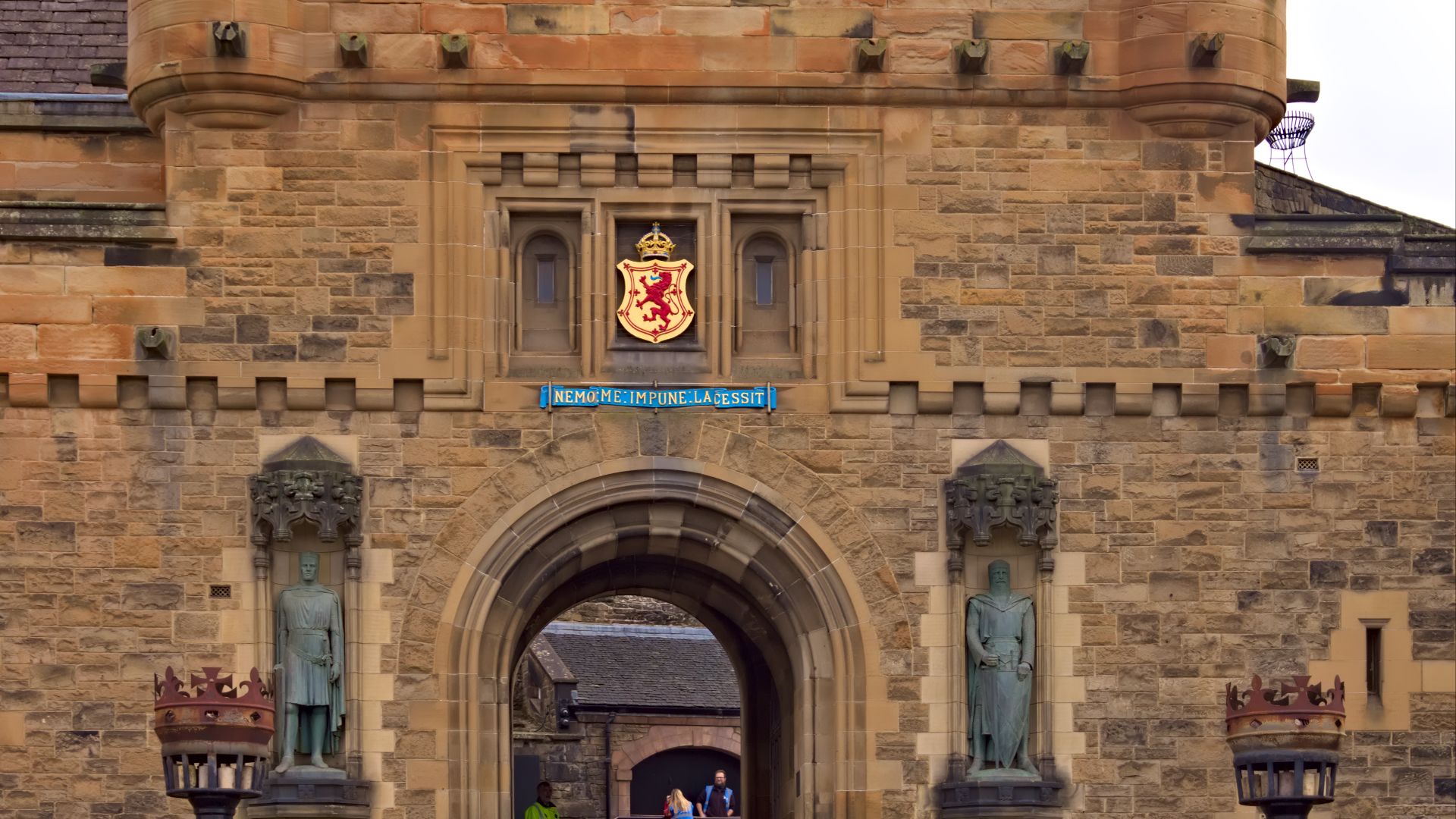
3. Himeji Castle, Japan
Himeji Castle is one of Japan’s finest surviving feudal castles and dates largely to the early 1600s. Unlike many Japanese castles destroyed by war, earthquakes, or fire, Himeji survived World War II bombings and natural disasters with surprisingly little damage.
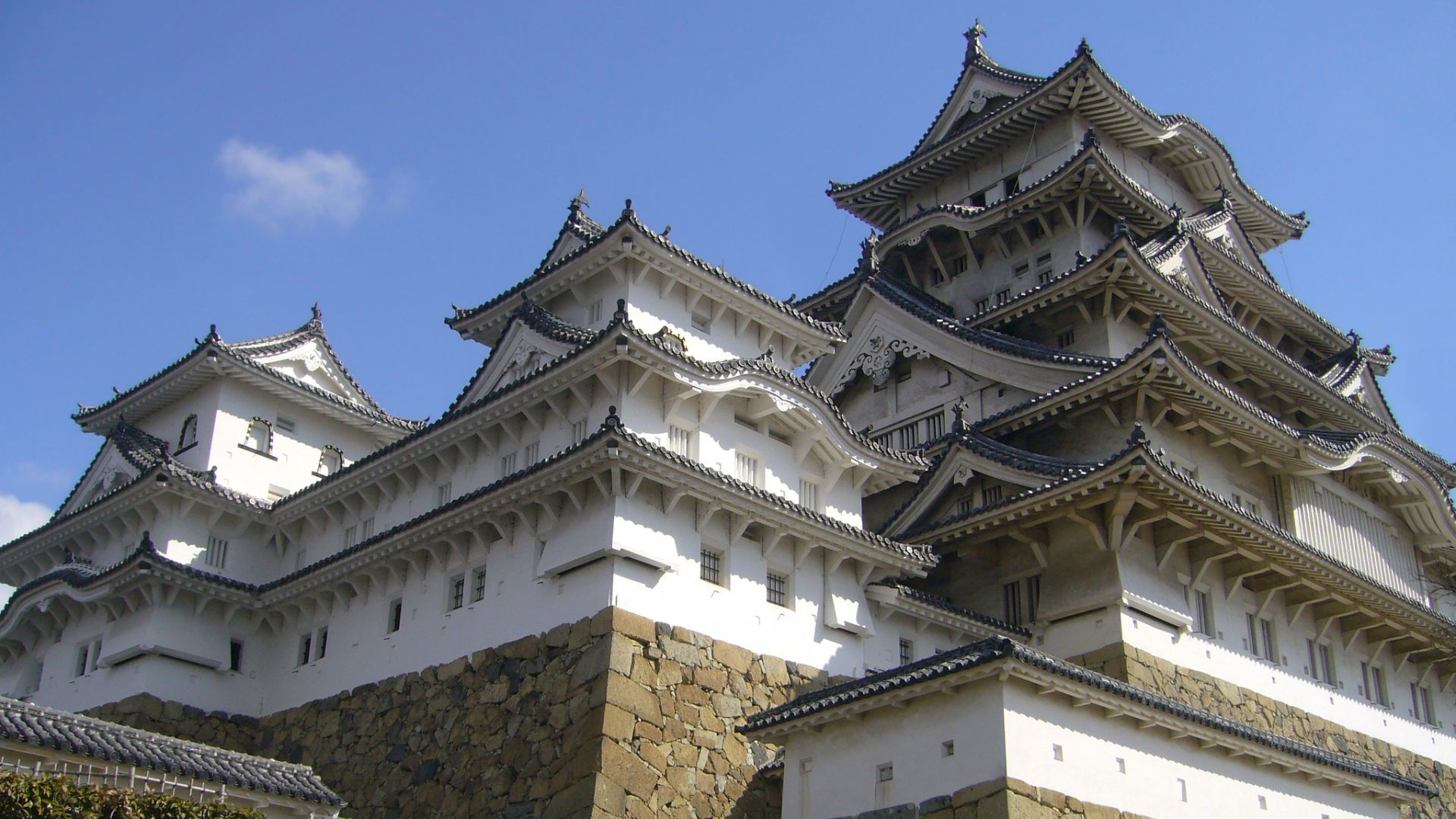
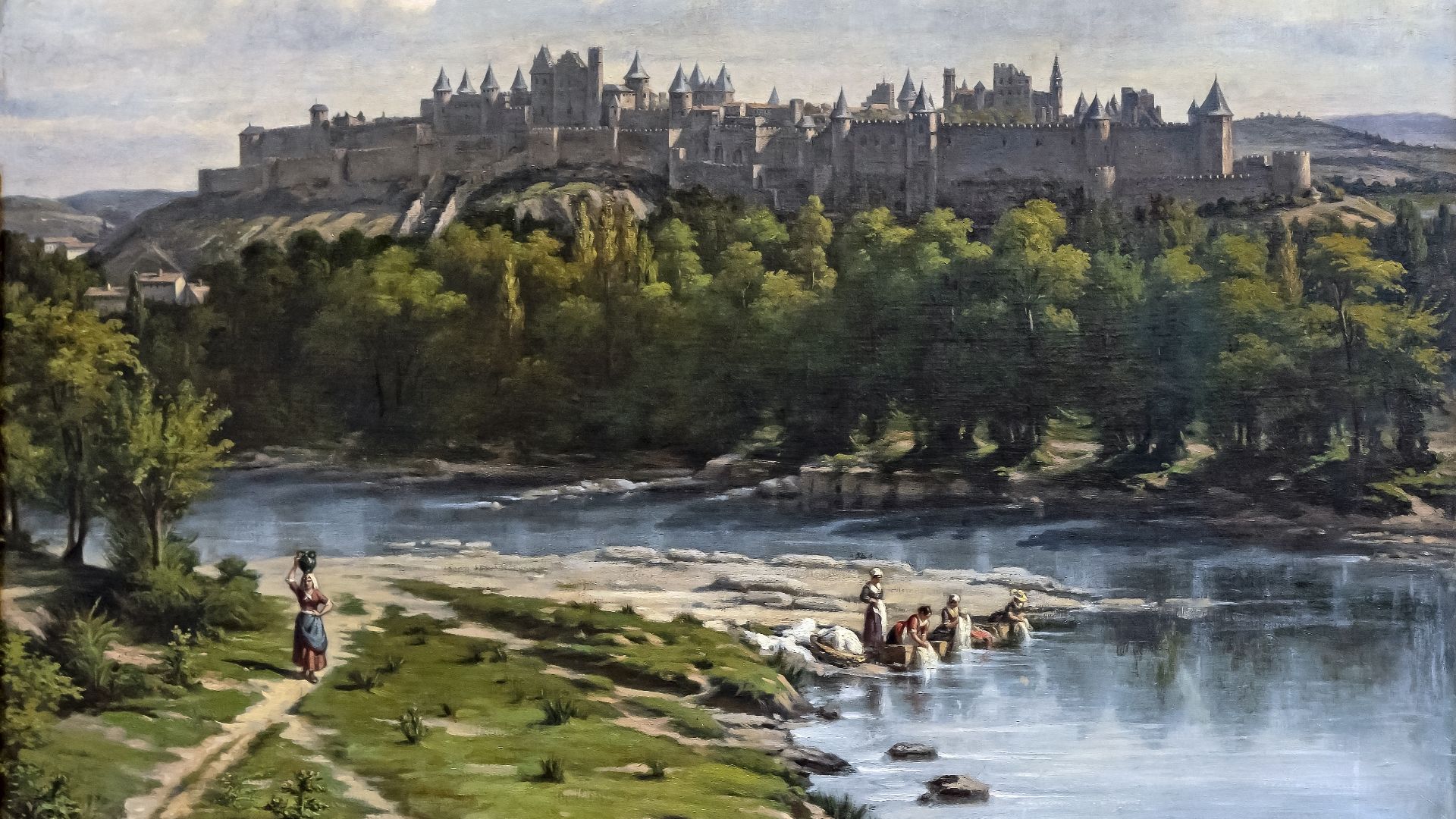
4. Carcassonne, France
The fortified city of Carcassonne contains one of Europe’s most impressive medieval castle systems. Its double defensive walls and dozens of watchtowers helped protect the settlement during periods of regional conflict in southern France. Although portions were restored during the 19th century, much of the fortress still reflects genuine medieval military architecture.
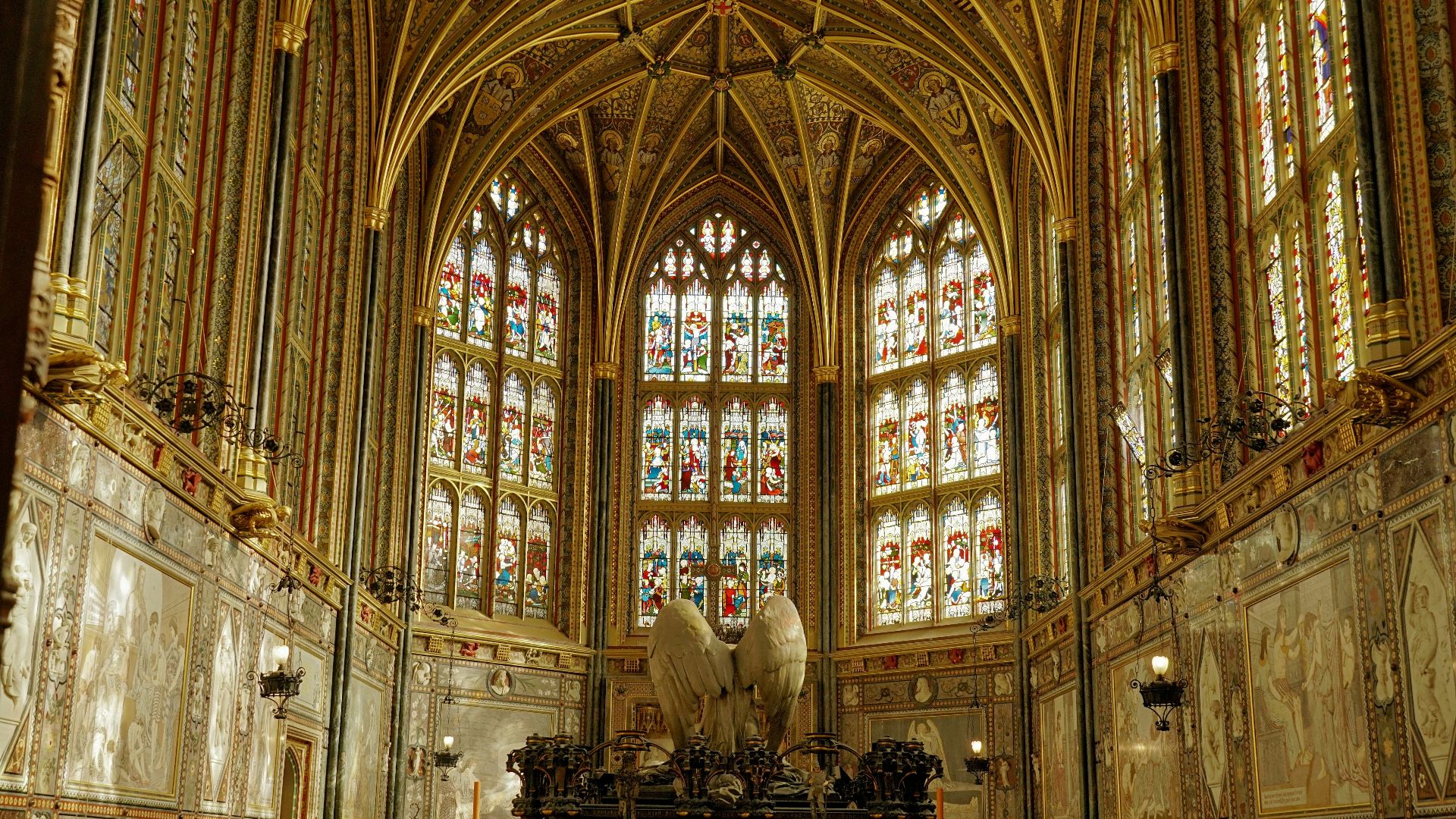
5. Windsor Castle, England
Windsor Castle has served continuously as a royal residence since the reign of William the Conqueror in the 11th century. Over centuries, monarchs strengthened and expanded the fortress while maintaining its defensive structure.
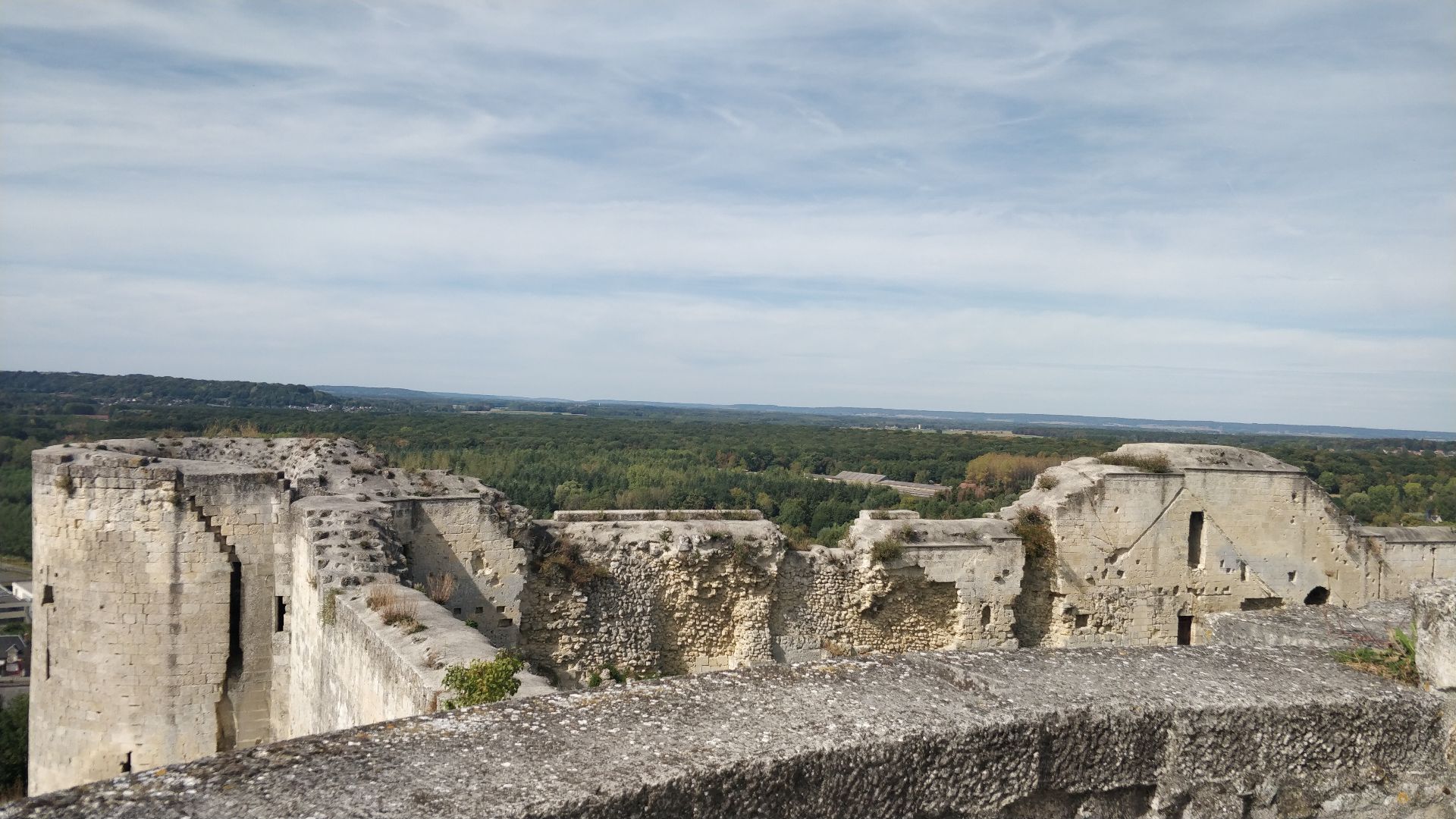
6. Château de Coucy, France
Although partially destroyed during World War I, Château de Coucy was once among the largest and strongest castles in medieval Europe. Built in the 13th century, it featured enormous defensive towers and walls designed to project military power.
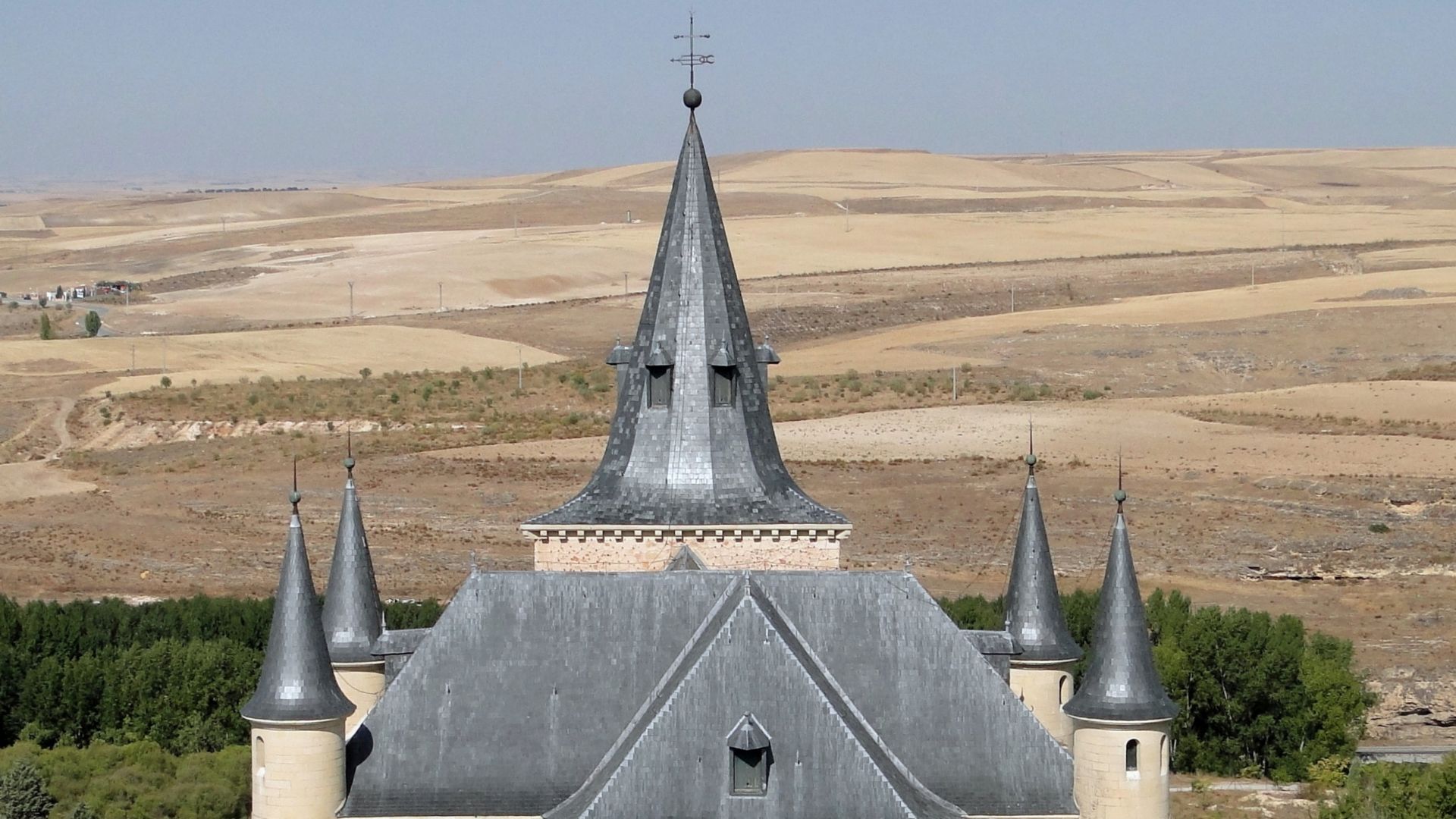
7. Alcázar of Segovia, Spain
The Alcázar of Segovia stands on a rocky hill between two rivers, creating a naturally defensive position. Originally developed as a fortress during the Middle Ages, it later served as a royal palace and military academy.
8. Bodiam Castle, England
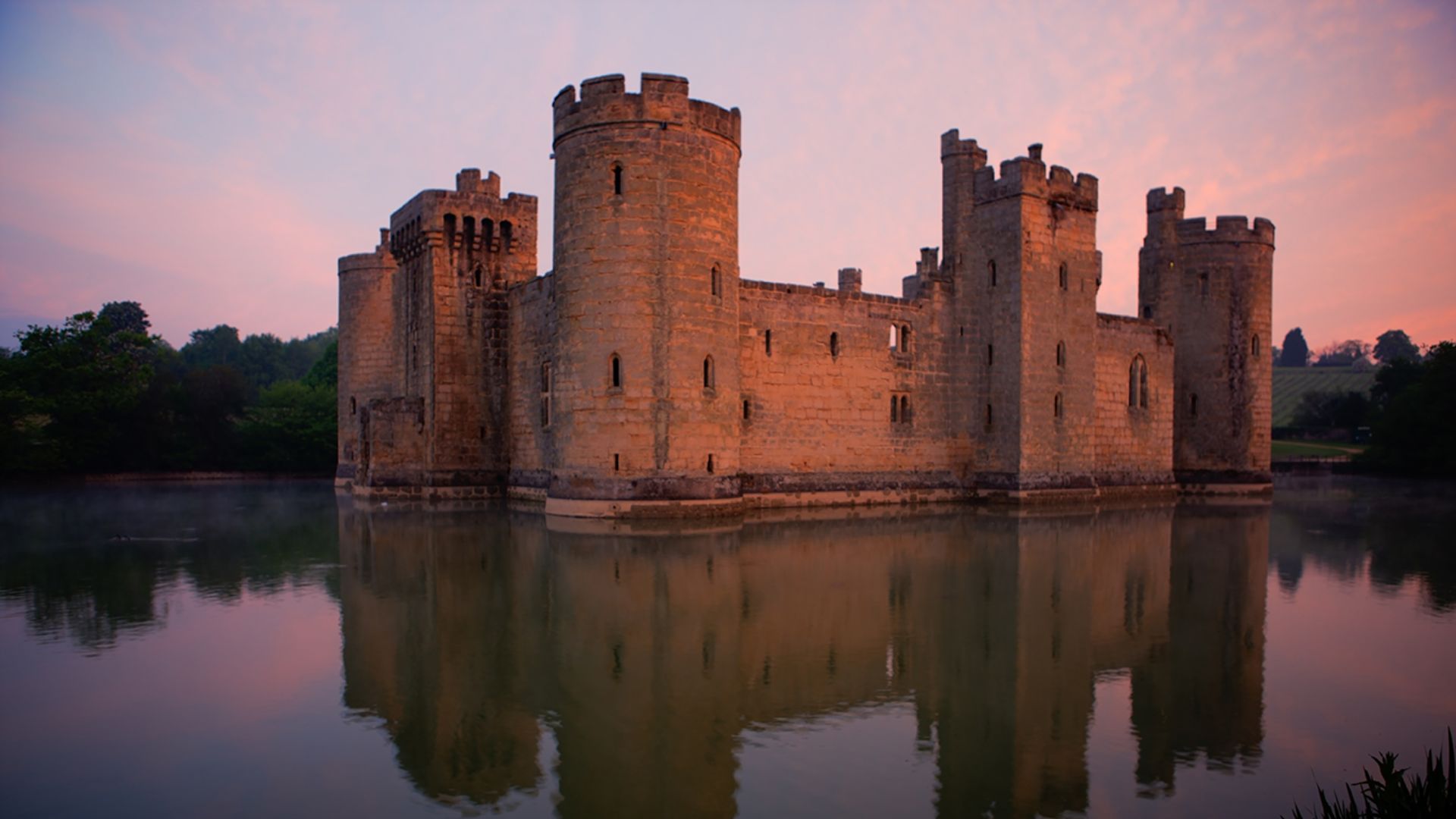
Built during the 14th century, Bodiam Castle is famous for its broad moat and symmetrical defensive layout. Although it was designed for protection during the Hundred Years’ War period, it also reflected growing interest in comfort and appearance among English nobility.
9. Český Krumlov Castle, Czech Republic
Český Krumlov Castle developed gradually from the 13th century onward and became one of Central Europe’s largest castle complexes. Its elevated position above the Vltava River provided natural defensive advantages while supporting long-term political control of the region.
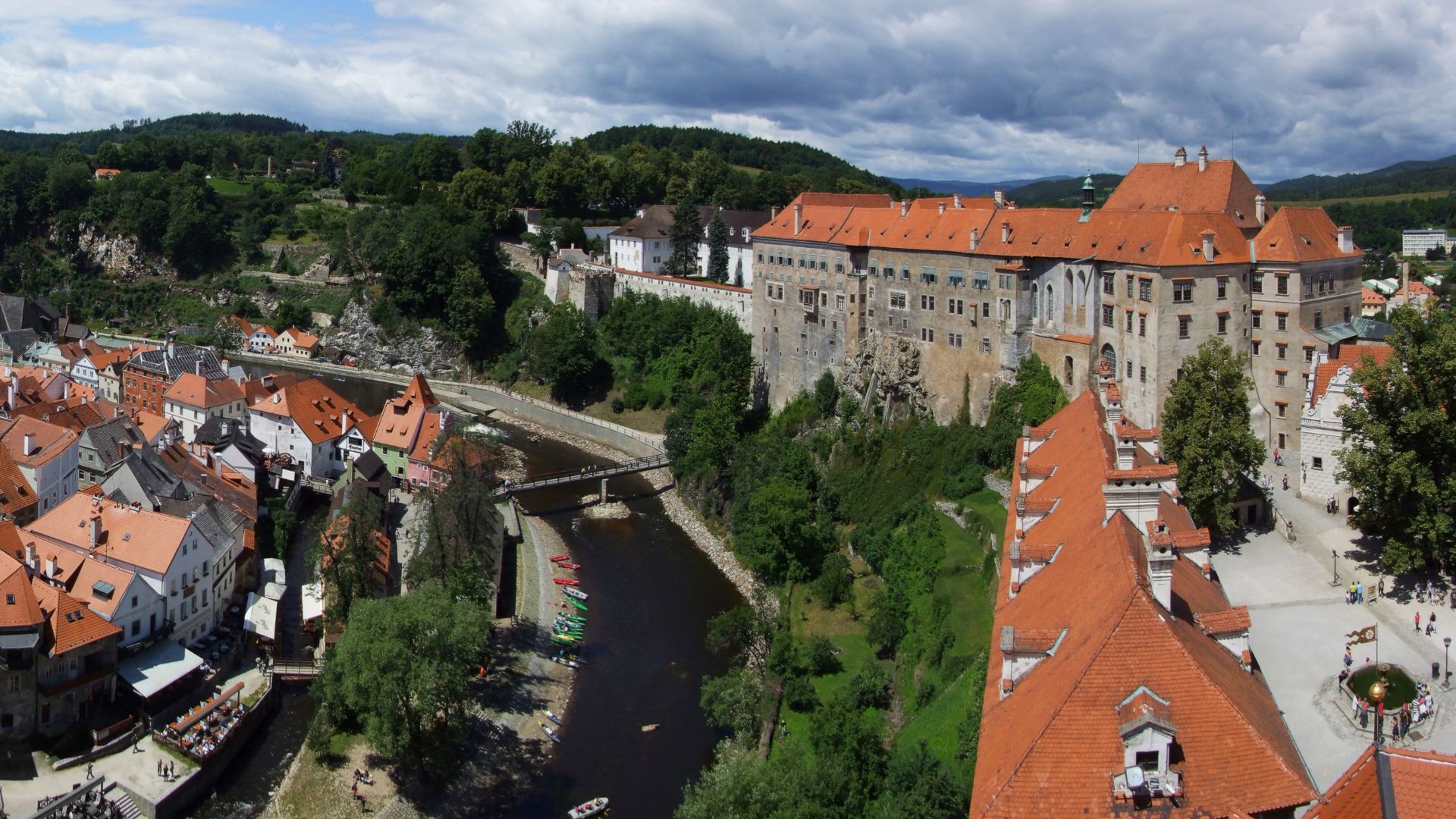 Pudelek (Marcin Szala) on Wikimedia
10. Mehrangarh Fort, India
Mehrangarh Fort towers above the city of Jodhpur and remains one of India’s most formidable historic fortresses. Construction began in the 15th century under Rao Jodha, and the thick stone walls were specifically designed to withstand attacks and artillery fire.

1. Heracleion, Egypt
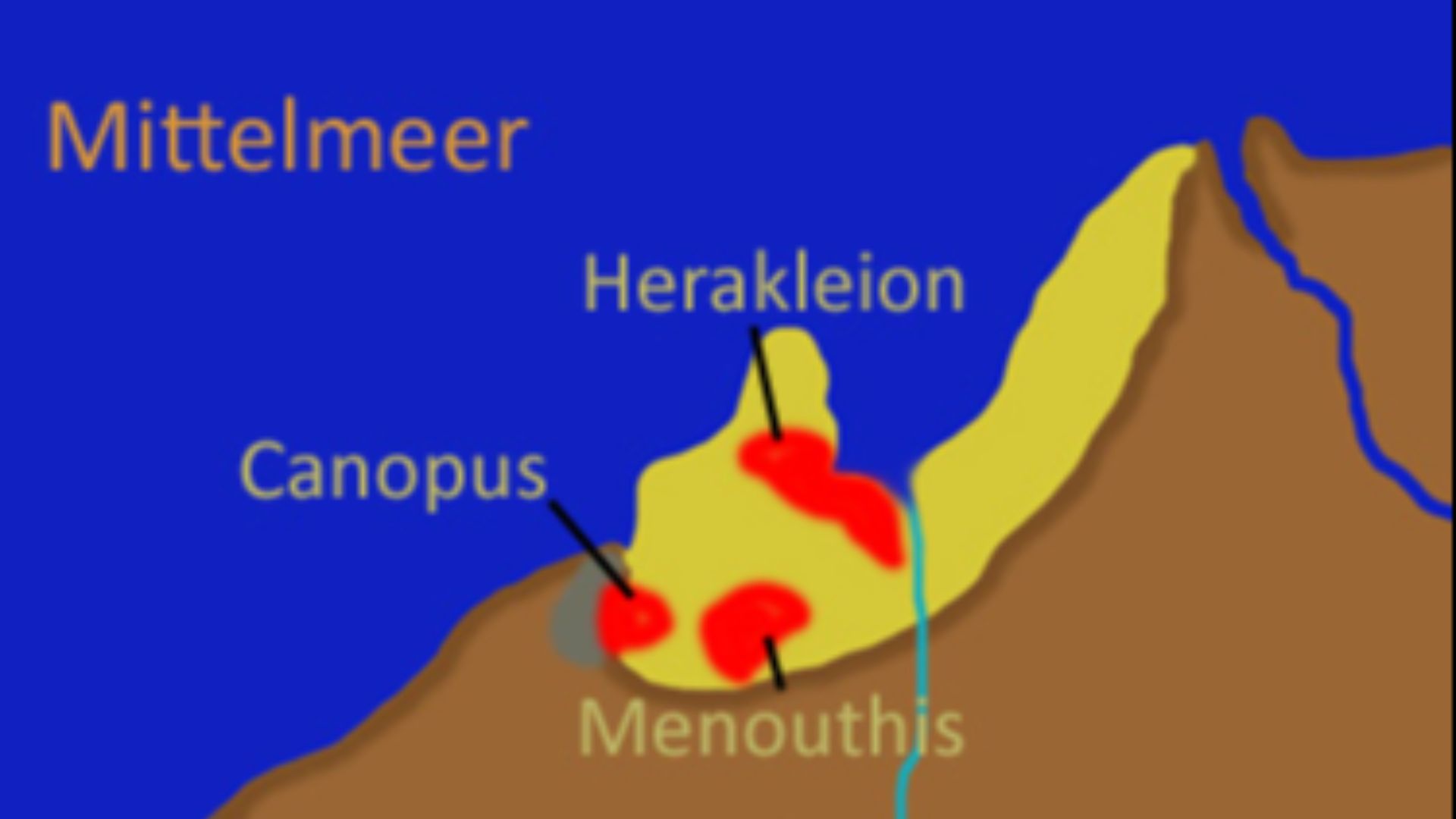
Heracleion was once a major Egyptian port city near the Nile Delta before sinking beneath the Mediterranean Sea over 1,000 years ago. Archaeologists believe earthquakes and unstable soil caused parts of the city to collapse into the water gradually.
2. Pavlopetri, Greece
Pavlopetri is considered one of the oldest known submerged cities in the world, dating back roughly 5,000 years. Located off the coast of southern Greece, the settlement contains streets, buildings, and tombs preserved underwater. Rising sea levels and tectonic activity likely contributed to the city’s eventual submersion.
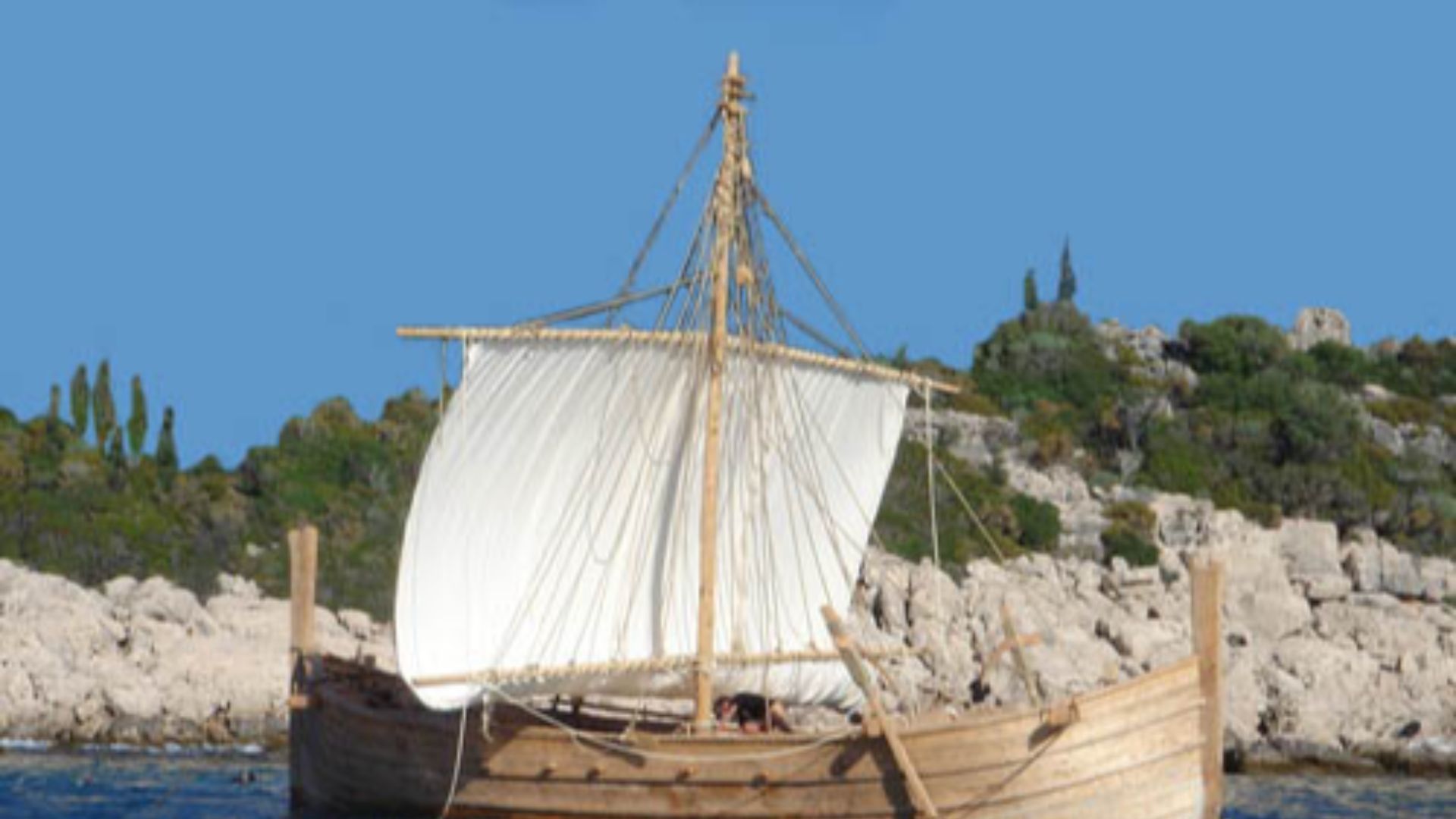 Spiridon Ion Cepleanu on Wikimedia
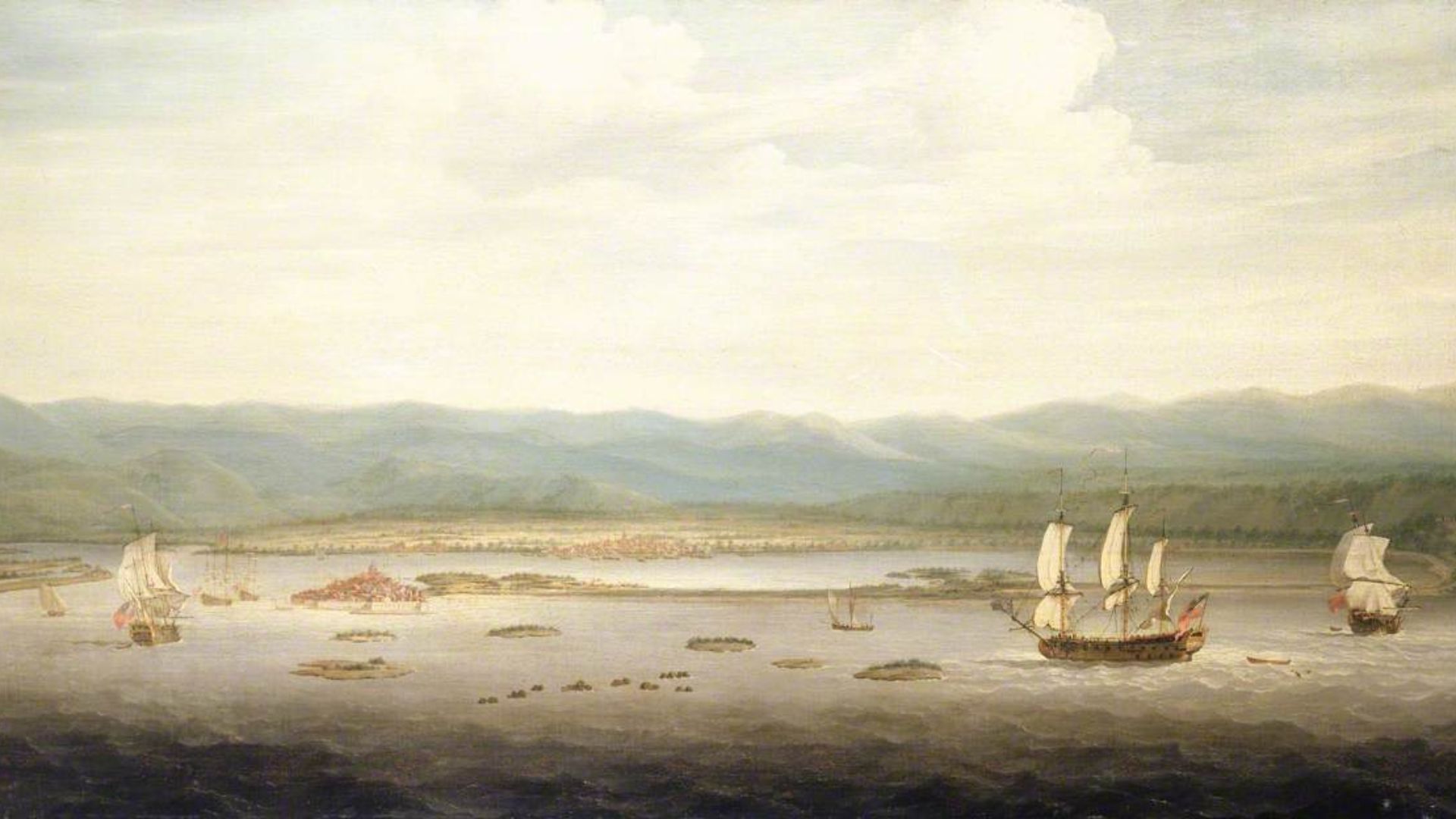
3. Port Royal, Jamaica
Port Royal was one of the Caribbean’s busiest trading ports during the 17th century and became notorious for piracy and privateering. In 1692, a devastating earthquake caused much of the city to sink into the harbor within minutes due to soil liquefaction.
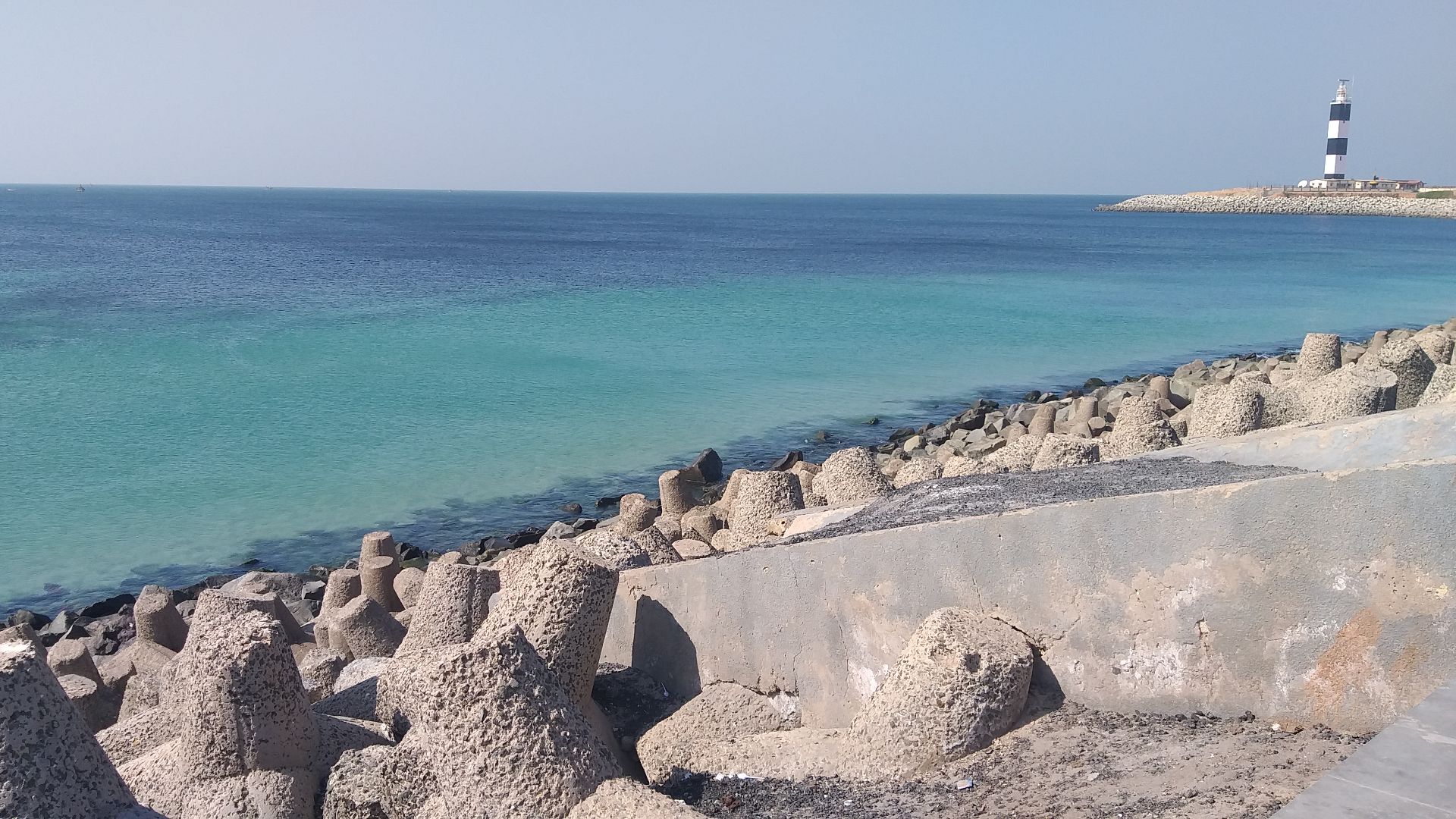
4. Dwarka, India
The ancient city associated with Dwarka in Indian tradition has long attracted archaeological interest along India’s western coast. Underwater discoveries near modern Dwarka revealed stone structures and artifacts suggesting ancient settlement activity in the region.
5. Thonis-Heracleion, Egypt
Often referred to alongside Heracleion because of overlapping Greek and Egyptian names, Thonis-Heracleion served as a major gateway into Egypt before Alexandria rose to prominence. The city disappeared beneath the Mediterranean after centuries of earthquakes and ground instability.
 No machine-readable author provided. World Imaging assumed (based on copyright claims). on Wikimedia
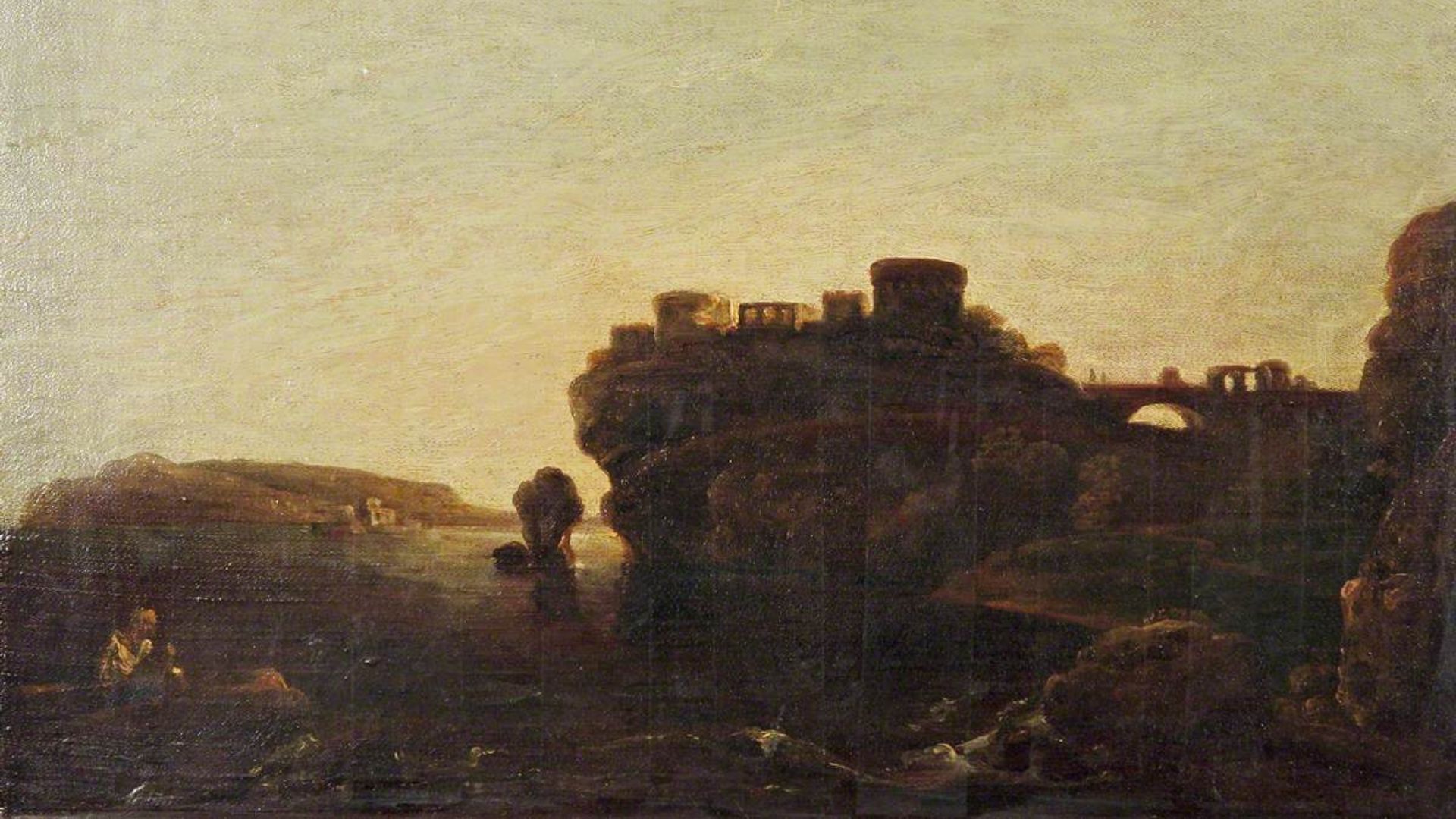
6. Baiae, Italy
Baiae was a luxurious Roman resort town near Naples that attracted wealthy elites and emperors. Volcanic activity in the region gradually caused portions of the coastline to sink beneath the sea over centuries.
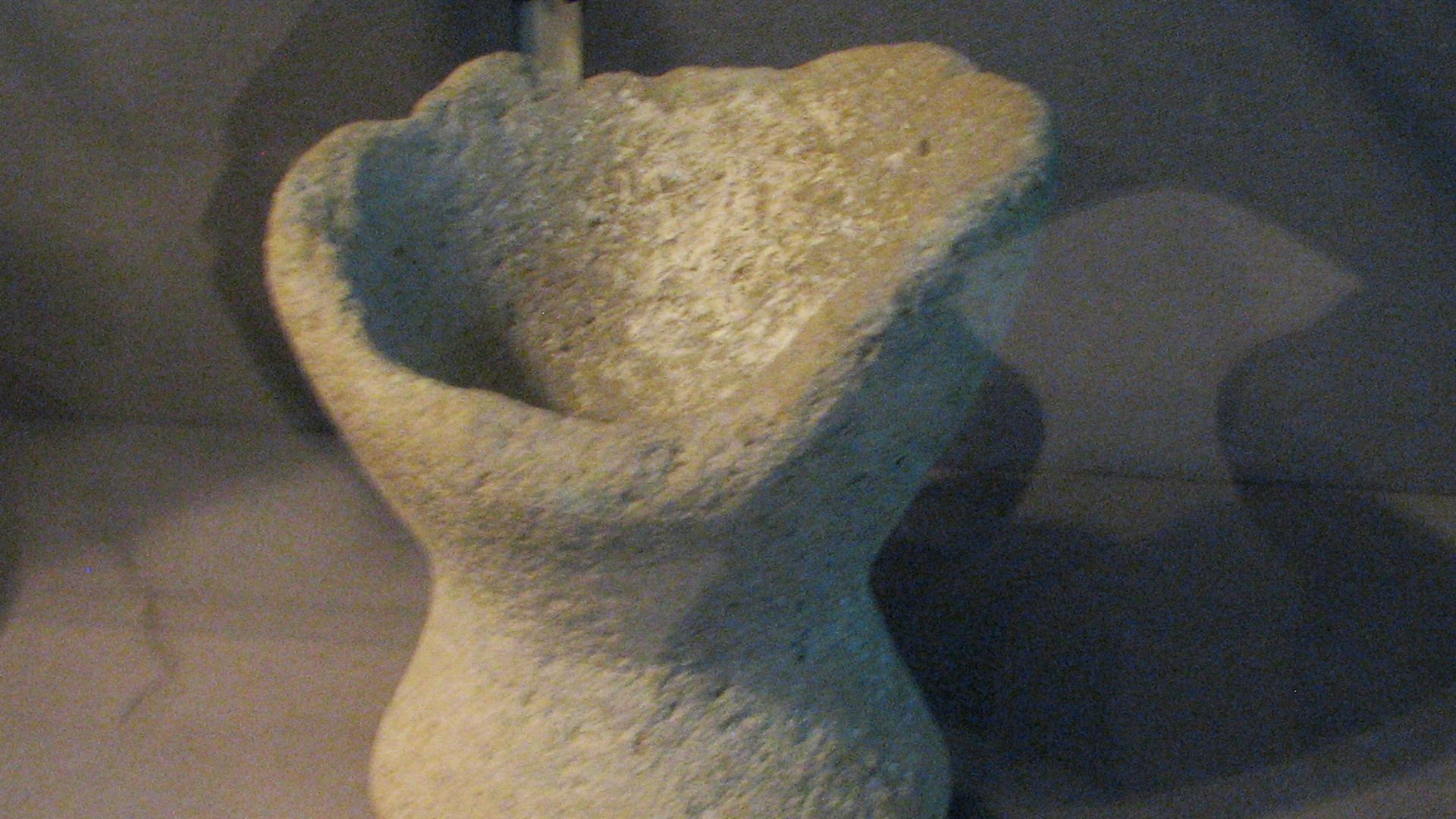
7. Atlit-Yam, Israel
Atlit-Yam was a prehistoric settlement located off the coast of modern Israel and dates back around 9,000 years. Archaeologists discovered homes, wells, and burial sites preserved underwater near the Mediterranean shoreline. Rising sea levels after the last Ice Age likely forced the community to abandon the settlement.
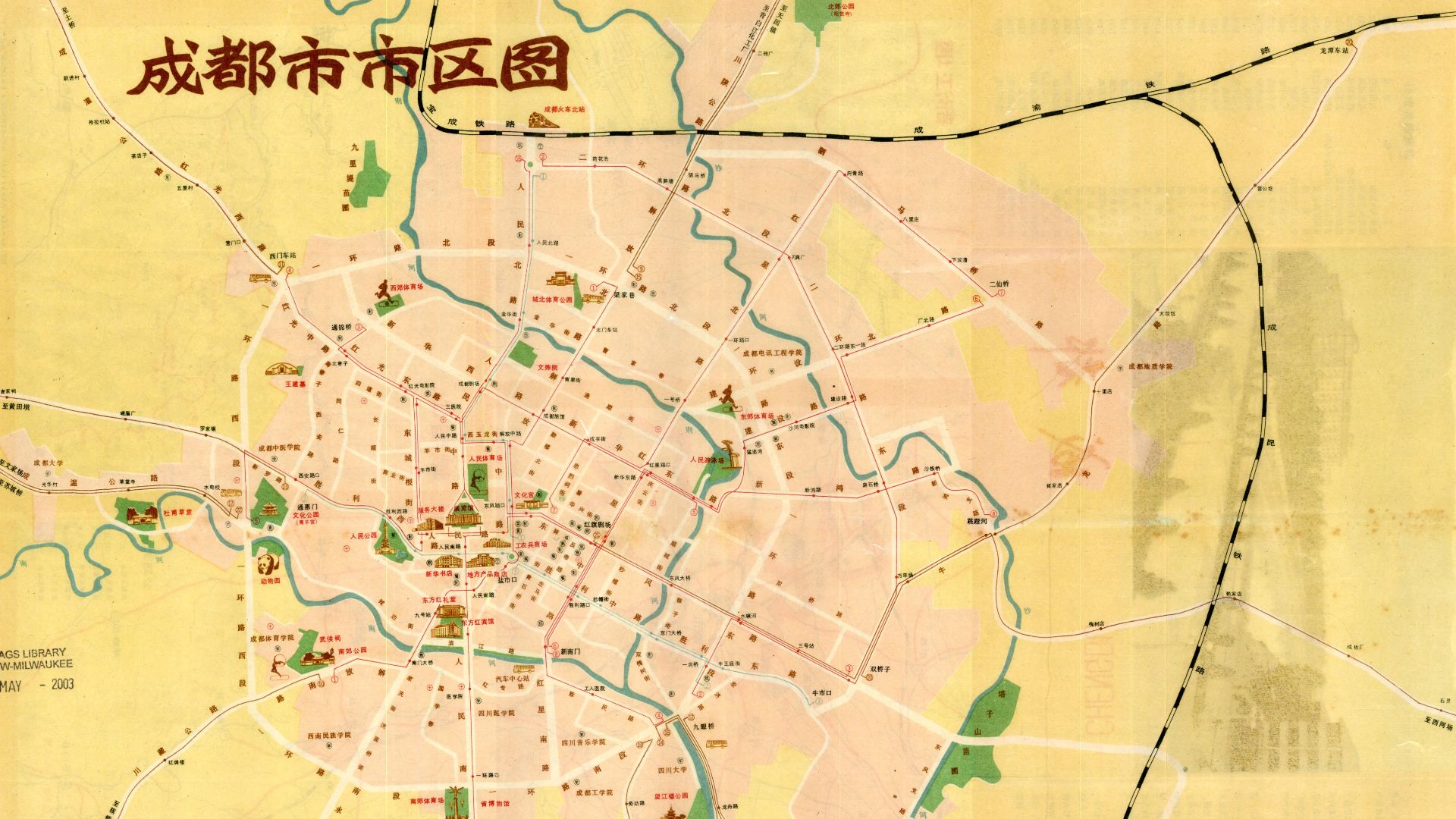
8. Shi Cheng, China
Known as the “Lion City,” Shi Cheng was intentionally flooded in 1959 during the construction of a hydroelectric dam in Zhejiang Province. The city originally dated back to the Eastern Han Dynasty and contained elaborate stone architecture and historical carvings.
 Dr. Robert W. McColl Collection on Wikimedia
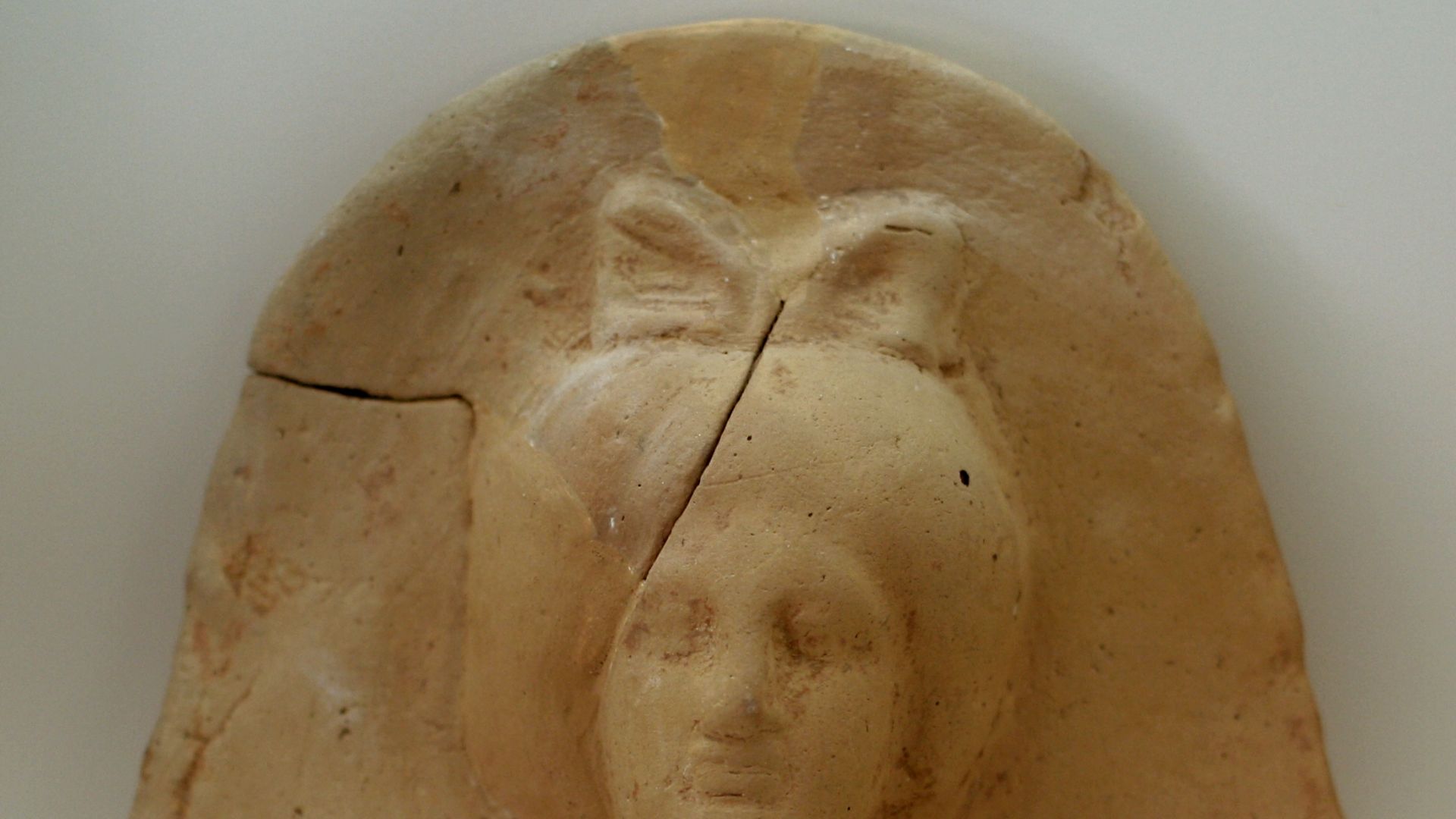
9. Olous, Greece
Olous was an ancient Greek city on the island of Crete that partially submerged over time because of earthquakes and shifting sea levels. Historical records suggest it once functioned as an active maritime center with political influence in the region.
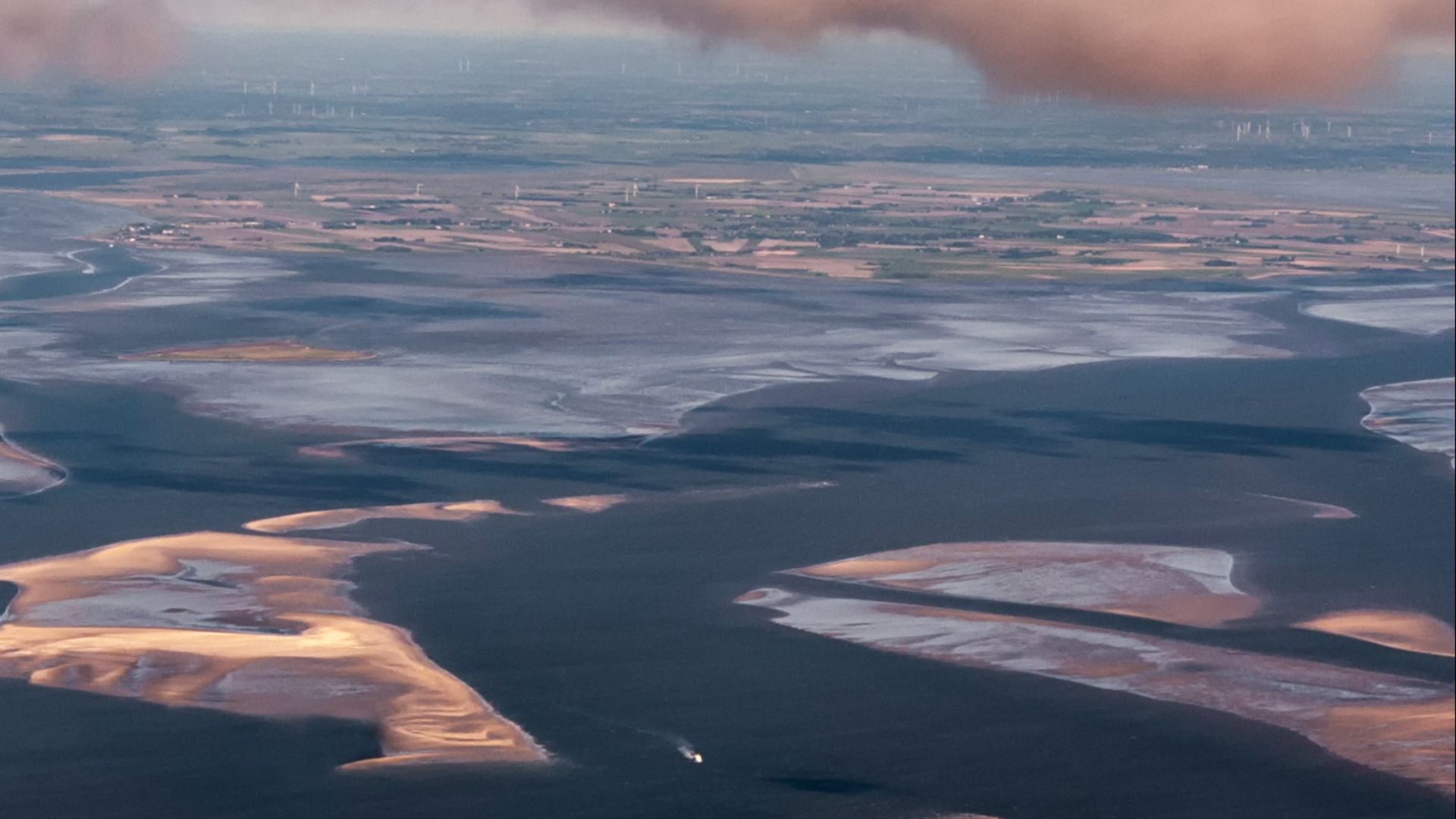
10. Rungholt, Germany
Rungholt was a medieval settlement along the North Sea coast that disappeared during a massive storm surge in 1362. Historical accounts describe the disaster as catastrophic, with flooding destroying homes, farmland, and churches across the region.
KEEP ON READING
20 Historical “Coincidences” Too Strange to Ignore
History Sometimes Produces Unbelievable Connections. History is full of events…
By Rob Shapiro May 27, 2026
20 Historical Figures Who Mysteriously Disappeared
History Doesn’t Always Have a Final Page. Some figures lose…
By Annie Byrd May 27, 2026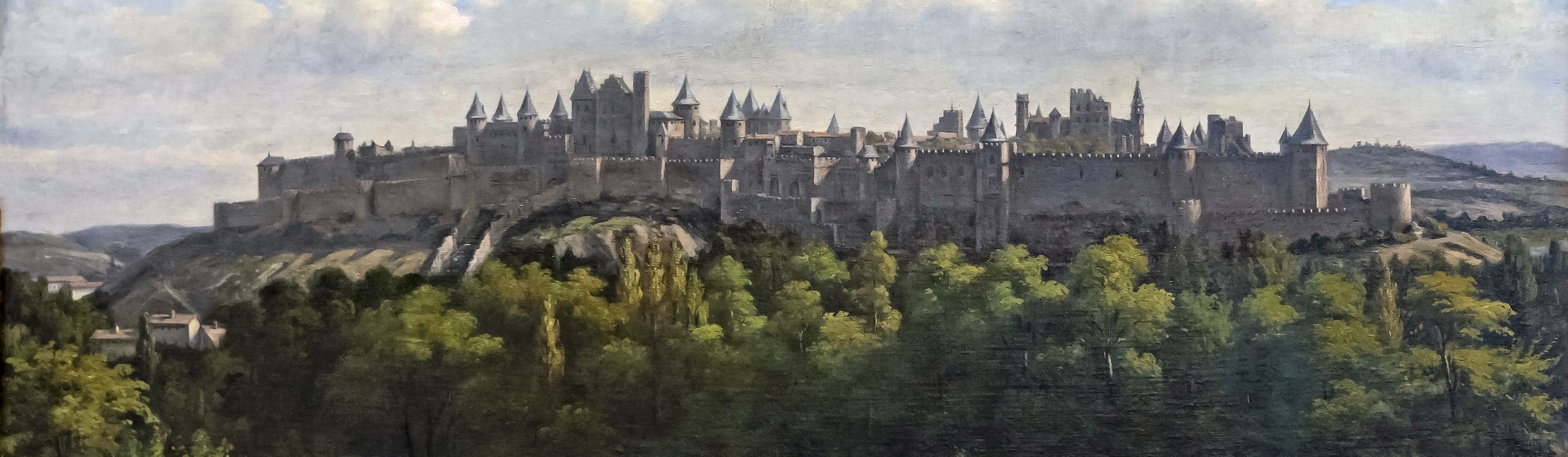
10 Castles Built to Last & 10 Cities Lost Beneath…
History Leaves Behind Fortresses and Flooded Worlds. Some historical sites…
By Rob Shapiro May 27, 2026
Why Victorian England Desperately Needed "Safety Coffins"
Kheel Center on WikimediaImagine waking up in pitch-black darkness, surrounded…
By Sara Springsteen May 26, 2026
Why Ancient Egyptians Were Obsessed With Cats
Larazoni on WikimediaAncient Egypt had plenty of impressive things going…
By Emilie Richardson-Dupuis May 26, 2026
How Forgotten Local Disasters Changed National History
Henry Albert Ericson on WikimediaSome disasters become national shorthand. Some…
By Elizabeth Graham May 26, 2026