

The Voicemail
I almost didn't listen to it. The number wasn't in my contacts, the area code wasn't local, and the voicemail notification sat on my screen for a good twenty minutes while I finished making dinner. When I finally hit play, I expected a robocall — some automated voice telling me my car warranty was about to expire. Instead, I heard a real woman. Calm. Unhurried. Her voice had a steadiness to it that I couldn't quite account for. She said my name once, said she was sorry to reach out this way, and then told me I deserved to know what had been happening. That was the phrase she used — what had been happening — like it was an ongoing thing, something with weight and history behind it. She mentioned she'd left the same message for Emma. She didn't explain who she was or what she was referring to. She just said she hoped I'd call her back, and then she was gone. I played it again. Then a third time. I stood in my kitchen with the phone pressed against my ear, trying to place her voice, and I couldn't. I didn't recognize her at all. My first instinct was that it was some kind of scam — a sophisticated one, but a scam. I almost talked myself into deleting it. But something about the way she spoke stopped me. There was no urgency in her voice, no desperation. Just a quiet, settled certainty that sat in the room long after the recording ended.
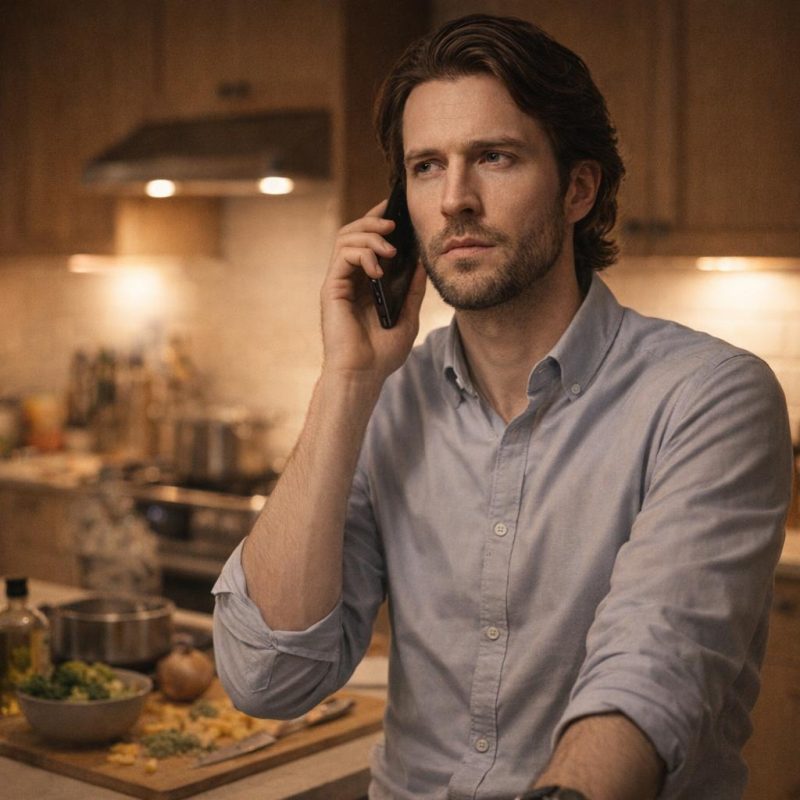 Image by RM AI
Emma's Silence
I called Emma before I did anything else. She picked up on the second ring, and I could hear the TV in the background, the ordinary sound of a Tuesday evening. I told her I'd gotten a strange voicemail from a number I didn't recognize — a woman, calm voice, said she'd left the same message for both of us. The TV kept going for a second. Then it went quiet. Not muted. Just — Emma went quiet. I said her name. Nothing. I asked if she was still there and she said yes, but the word came out thin, like she'd had to push it through something. I described the voicemail again, the part about deserving to know what had been happening, and I heard her exhale slowly on the other end. I asked if she knew what this was about, if maybe it was some kind of scam targeting both of us. She didn't answer that. I asked again. The silence stretched long enough that I pulled the phone away from my ear to check the call was still connected. When she finally spoke, her voice was shaking. Not a little. Genuinely shaking, the way it does when she's trying hard not to cry. I asked her what was wrong. She said, quietly, that she knew who the caller was.
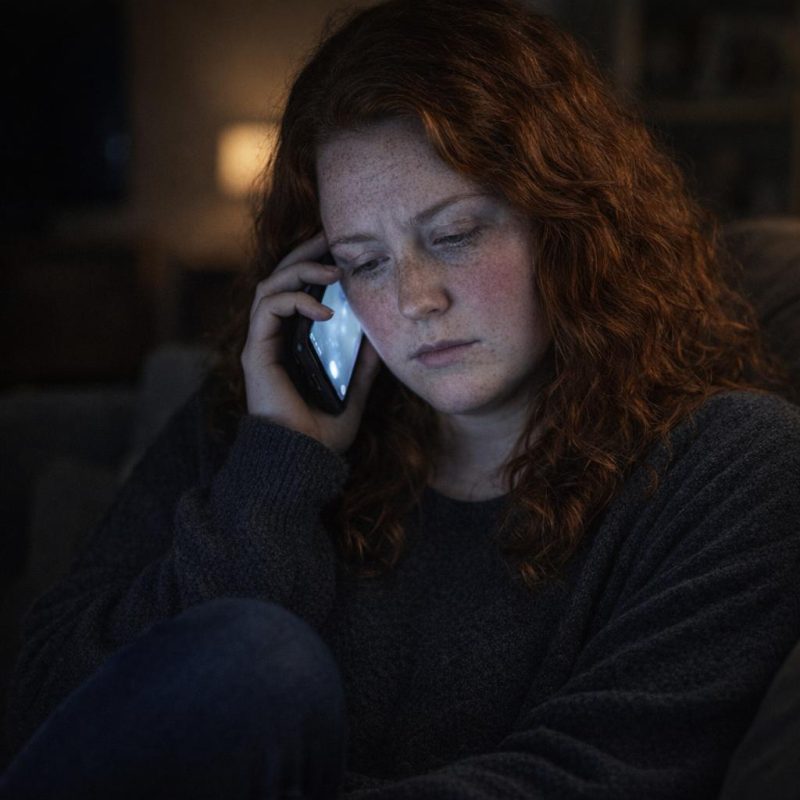 Image by RM AI
The Drive Over
I asked her to tell me right then, over the phone. She said no. Not in a dismissive way — more like the word came out before she'd even finished deciding, like the answer was already waiting. She said she was getting in her car and coming over. I told her she didn't have to do that, that she could just tell me, that it was probably nothing. She said she'd be there in twenty minutes and hung up. I stood in my kitchen holding the phone and trying to figure out what I'd just walked into. I cleaned up the dinner dishes. I checked my phone twice. I played the voicemail one more time, listening for something I might have missed — a name, a background sound, anything. The woman's voice was just as calm as it had been the first three times. I still couldn't place her. By the time headlights swept across the front window, I'd convinced myself Emma was overreacting, that there was a reasonable explanation and we'd both feel a little embarrassed about the drama of it all. Then the front door opened. Emma stepped inside, and I saw her face. Whatever I'd been telling myself in the last twenty minutes dissolved on the spot. She looked like someone who had been dreading this moment for a long time and had finally run out of road.
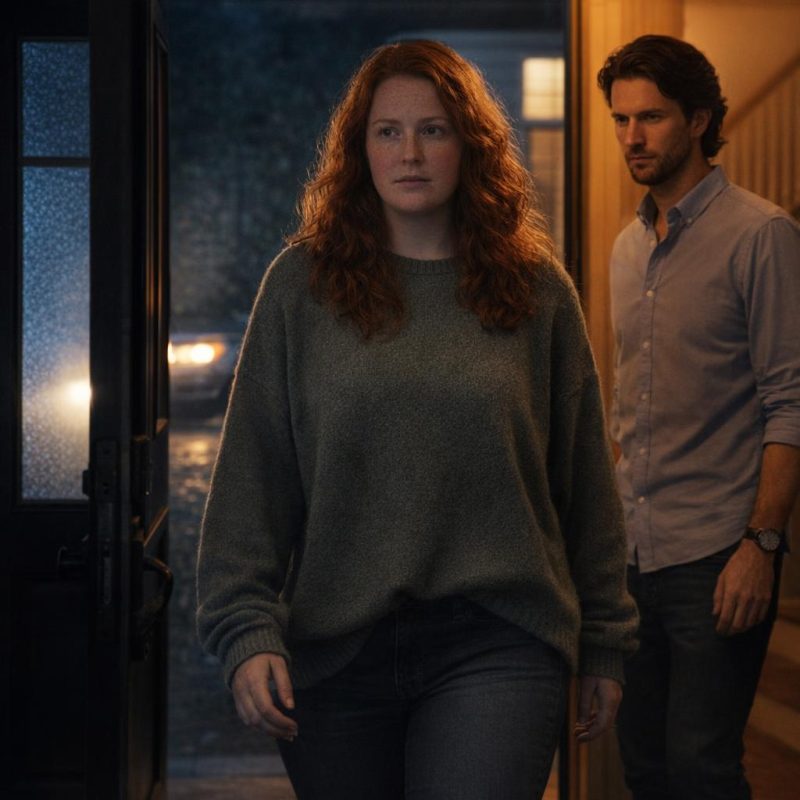 Image by RM AI
Again
I didn't say anything right away. I just handed her a glass of water and sat down across from her at the kitchen table. She wrapped both hands around the glass and stared at it. I pulled up the voicemail on my phone and set it between us. She nodded once, and I hit play. She listened without moving. The woman's voice filled the kitchen — calm, measured, that same unhurried confidence — and Emma sat completely still through all of it. When it ended, she set the glass down carefully, like she was buying herself a few extra seconds. Then she said she'd hoped she would never hear from that woman again. I caught the word immediately. I asked her what she meant by again. She looked up at me, and I could see her working through something, deciding how much to say and in what order. She told me the same woman had contacted her three years ago. I sat back in my chair. Three years. Emma had known about this woman for three years and had never said a single word to me about it. I asked her why. She didn't answer right away. She just looked at the phone on the table between us, the voicemail still sitting there, and said the word again so quietly I almost missed it — again — like it explained everything and nothing at the same time.
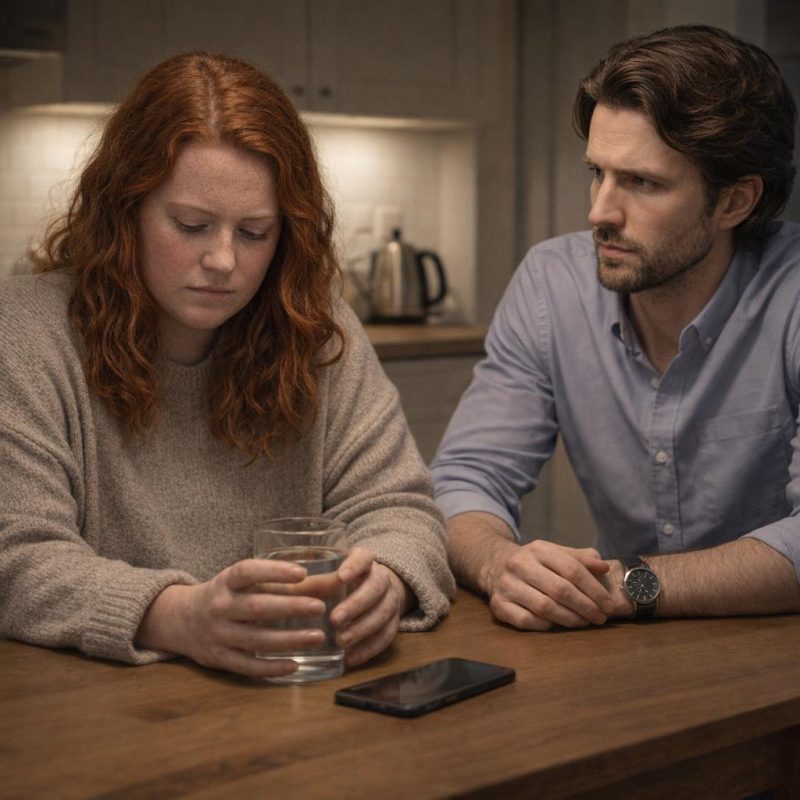 Image by RM AI
Three Years Ago
Emma said it started with an email. Three years ago, out of nowhere, a message from an address she didn't recognize — a woman saying she had information about our father, that Emma deserved to know the truth about him. Emma's first reaction was exactly what mine had been: she thought it was a scam. Some kind of targeted phishing attempt, maybe someone who'd scraped her contact details online. But then the woman called. And the call was specific enough, personal enough, that Emma couldn't quite dismiss it as random. The woman said she had information our father had been keeping from the family. She said she'd been trying to decide for years whether to come forward, and she'd finally made up her mind. Emma told me she'd listened for a few minutes and then decided the woman sounded unhinged. She said the claims felt too dramatic, too vague, like someone who'd built a grievance into something bigger than it was. So she blocked the number, deleted the emails, and never mentioned it to anyone — not to me, not to our parents. I asked her why she hadn't told me. She said she hadn't wanted to put something like that in my head if it turned out to be nothing. I understood the logic, but I couldn't quite let it go. I asked her what exactly the woman had claimed to have on our father.
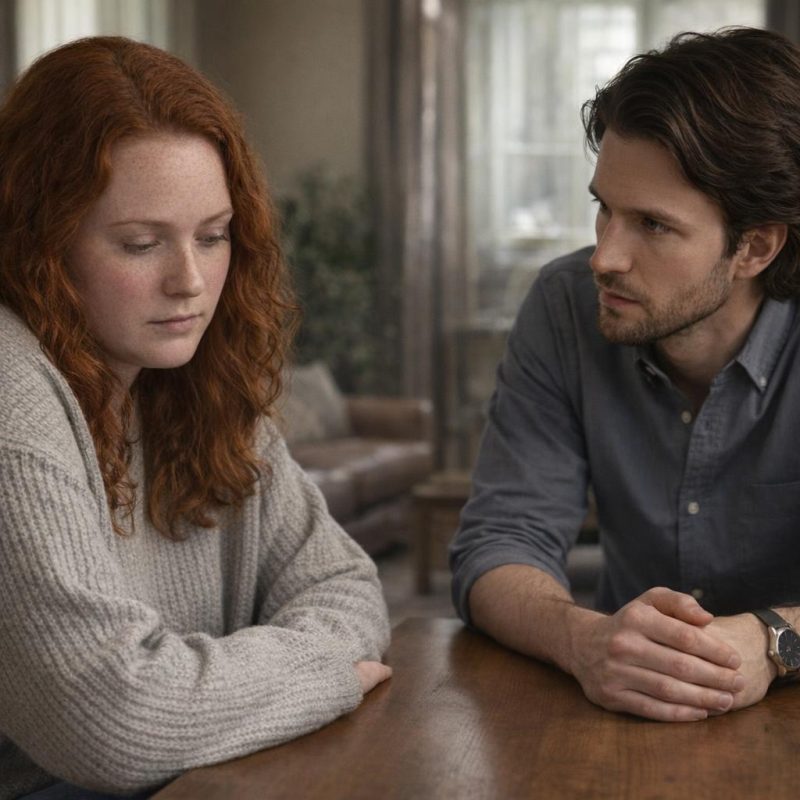 Image by RM AI
The Condition
Emma said the woman had been vague about the specifics three years ago — evasive, Emma thought, like she was holding something back until she knew whether Emma would engage. What the woman had been clear about was the condition. She'd told Emma that she wasn't going to contact anyone else in the family unless she had proof. Not suspicions, not memories — actual proof. She said she wasn't ready yet, but when she was, she would reach out again. Emma had taken that as a reason to stop worrying. If the woman never found anything solid, she'd never call back. Emma had spent three years counting on that. I watched her face as she said it, and I could see the moment the full weight of it landed on her again — the same weight she must have felt the second I described the voicemail on the phone. Because the logic ran in only one direction now. The woman had called me. She'd left a voicemail. She'd said I deserved to know what had been happening. Emma's hands were trembling slightly around the water glass. She looked at me and said, in a voice barely above a whisper, that she'd really believed the woman would never find anything. The color had gone out of her face entirely. The voicemail on my phone meant the woman believed she had what she'd been looking for.
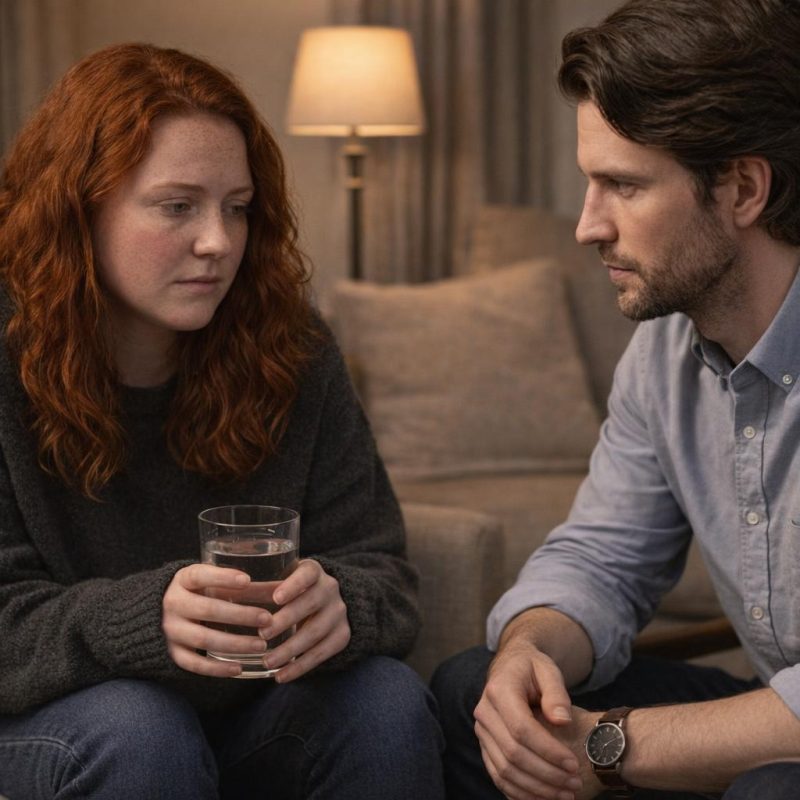 Image by RM AI
The Decision
Emma said we should leave it alone. She said it quietly, but she meant it — I could hear that much. She said we didn't know who this woman was, didn't know what she wanted, and that calling her back would only pull us further into something we couldn't undo. I told her I understood that. I also told her I couldn't sit on a voicemail that said I deserved to know the truth about my own family and just pretend it hadn't arrived. Emma said that was exactly what she'd done three years ago and it had worked out fine. I pointed out that it clearly hadn't, because the woman had called again. Emma went quiet. I told her I wasn't trying to blow anything up — I just needed to know what we were dealing with before I could decide anything else. She asked what I thought calling back would accomplish. I said I didn't know, but that not knowing felt worse. She looked at the phone on the table for a long moment, then looked at me, and finally gave a small, reluctant nod. I picked up my phone. My thumb hovered over the screen for a second. Emma sat across from me, arms folded tight, watching. I found the number in my recent calls and pressed dial.
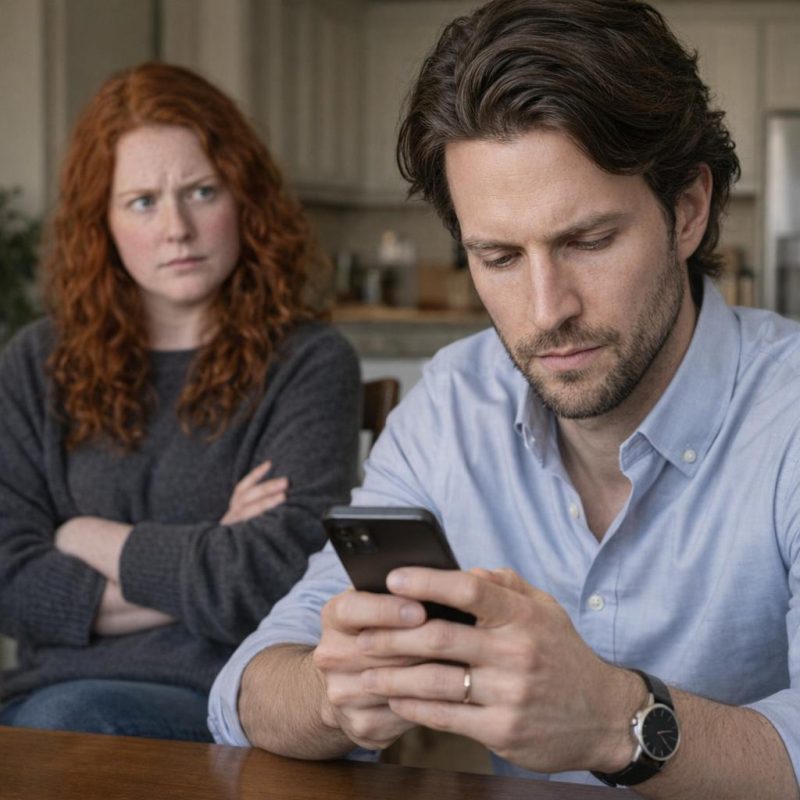 Image by RM AI
Lydia Hartford
It rang once. Just once. Then she picked up. I had the phone on speaker so Emma could hear, and the sound of the line connecting made Emma go very still across the table. The woman's voice came through clear and even — no background noise, no hesitation, like she'd been sitting somewhere quiet. She said hello, and then she said my name, and then she said her name. Lydia Hartford. She said it the way you say a name you've been carrying for a while, not rushed, not nervous. She said she was glad I'd called back, that she'd hoped I would. Her tone was the same as the voicemail — measured, unhurried, completely composed. I glanced at Emma. Emma's jaw was tight, her eyes fixed on the phone between us. I didn't know what I'd expected — anger, maybe, or the slightly unhinged energy Emma had described from three years ago. But there was none of that. Her voice came through pulled tight and flat — no waver, no give, no crack. She said, almost gently, that she had been waiting a long time for this call.
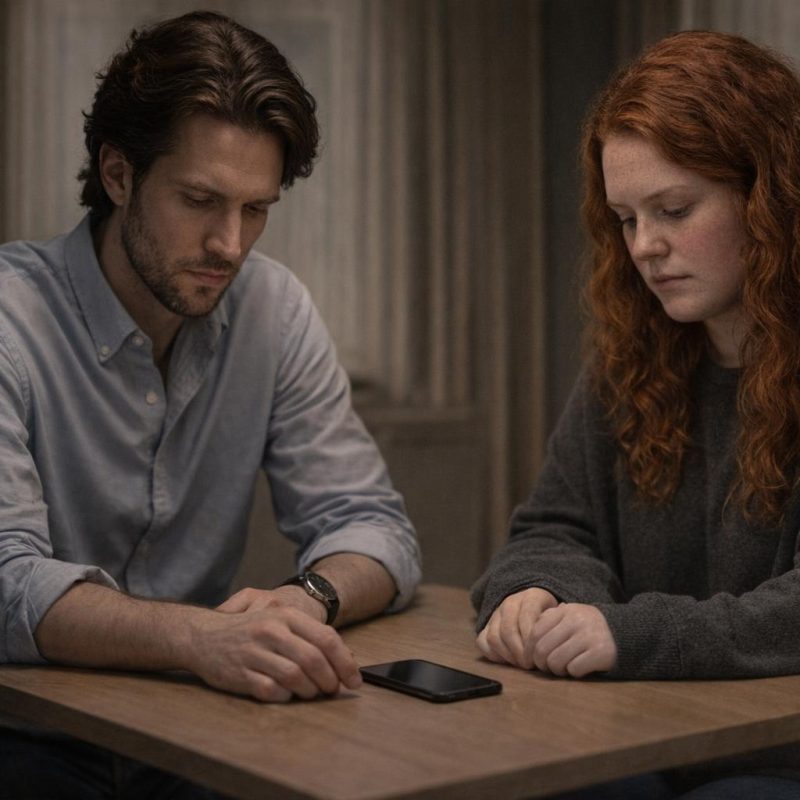 Image by RM AI
The Missing Years
She didn't ease into it. She just asked, straight out, whether I had ever wondered why our father never talked about the five years before he met our mother. I didn't answer right away. I looked at Emma across the table, and Emma looked back at me, and something passed between us that I couldn't quite name. Because the honest answer was yes — I had wondered, at some point, in the vague way you wonder about things that don't seem urgent. But I'd never sat down and really pulled at that thread. Lydia waited. She didn't fill the silence, didn't prompt me. I told her I wasn't sure what she meant. She said it simply: five years, roughly, between when David left his hometown and when he showed up in the city where he eventually met Patricia. Five years with almost no stories attached to them. I said something like, people don't always talk about every chapter of their lives. She said, quietly, that most people don't — but most people don't go out of their way to make sure those years leave no trace either. Emma's hand moved to the edge of the table. I sat there with the question turning over in my mind, not quite settling anywhere.
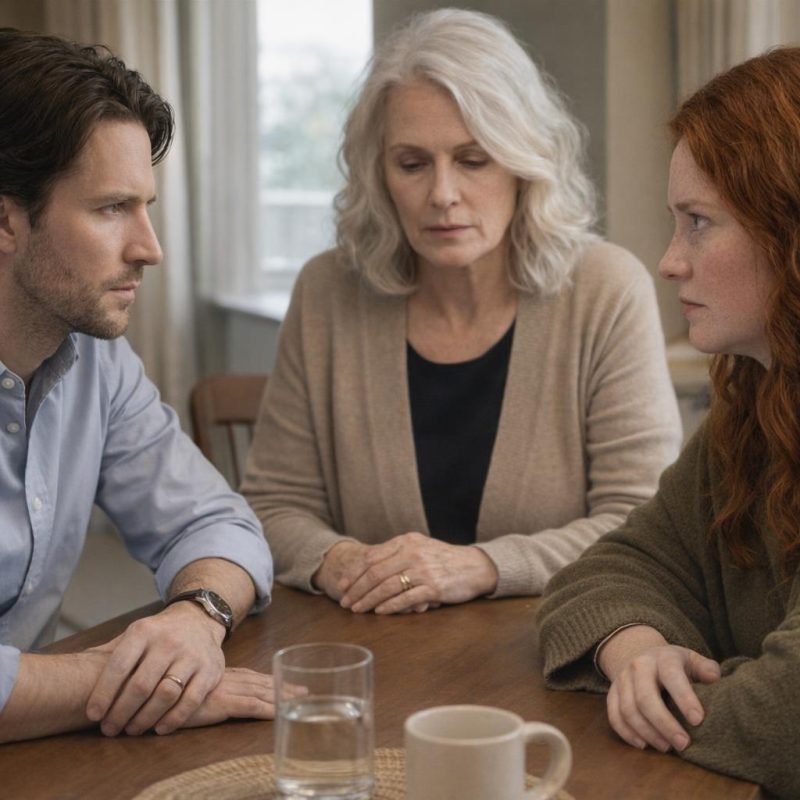 Image by RM AI
The Gap
I started talking before I'd fully thought it through. I told Lydia about the photo albums — how our whole house growing up was full of pictures, birthdays and holidays and camping trips going back decades, but there was this stretch, maybe five or six years before my parents met, where the albums just went quiet. No photos of Dad in his twenties. No friends from that time. No stories about apartments he'd lived in or jobs he'd worked or places he'd traveled. Emma was nodding slowly across the table, like she was pulling the same thread from her own memory. I remembered asking Dad about it once, maybe when I was in high school. He'd shrugged and said nothing interesting happened. That was it. Nothing interesting happened. I'd accepted it at the time because there was no reason not to. He said it the way you say something boring and true, and I moved on. But sitting there on the phone with Lydia, saying it out loud for the first time, I heard how strange it actually was. A man in his twenties, healthy and working and living somewhere — and nothing interesting happened. Not one story worth keeping. I'd carried that answer for twenty years without ever really looking at it.
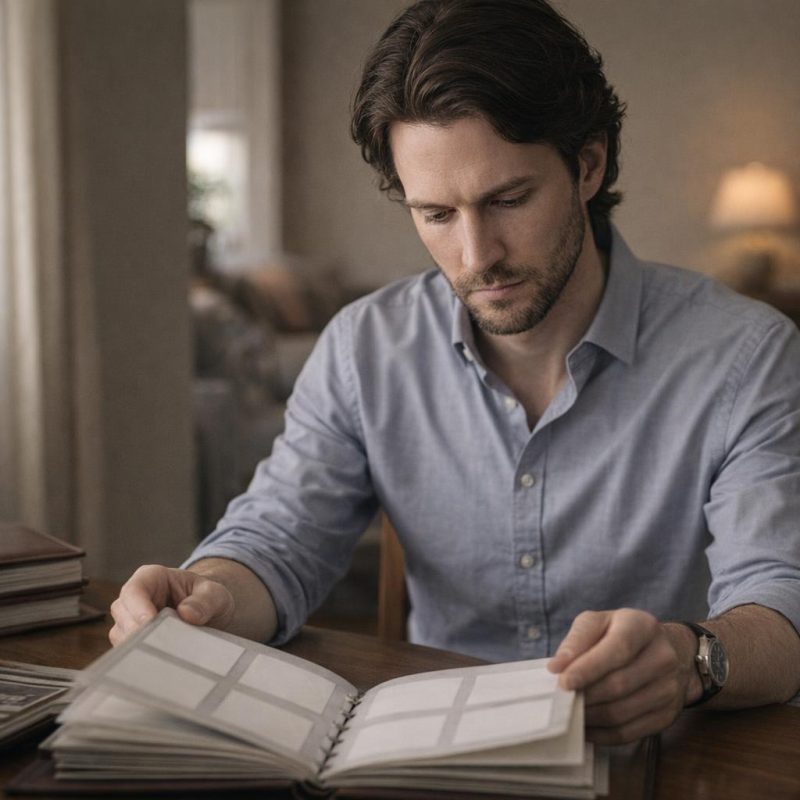 Image by RM AI
Names and Places
Then Lydia started talking, and I stopped interrupting. She named a city — a specific mid-sized city about four hours from where my parents eventually settled — and said that's where David had lived for two of those years. She named the street. She named the apartment complex. She said he'd worked at a logistics company downtown, gave the name of the company, said he'd been in their freight coordination department. She mentioned a bar where he used to go on Friday nights, named the neighborhood, named the owner. She described a friend of his, gave a first name, said what the man did for work. The details kept coming, one after another, each one specific and grounded and attached to a real place and time. I wasn't writing fast enough. Emma had grabbed a notepad from the kitchen counter and was scribbling as Lydia spoke, her face tight with concentration. At some point Emma looked up at me and I could see it in her expression — the same thing I was feeling. These weren't the kinds of details you assembled from a distance. A city was one thing. A street name, a company, a bar, a coworker's first name — that was something else. I couldn't find a foothold to dismiss any of it.
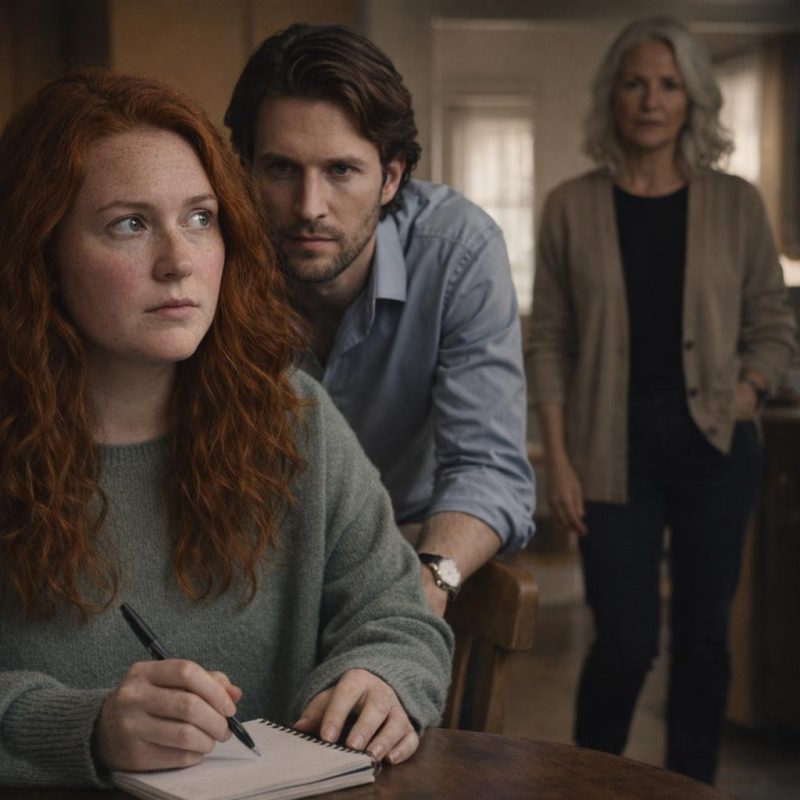 Image by RM AI
The Offer
There was a pause, and then Lydia said she had documentation. She said it matter-of-factly, like she'd been waiting for the right moment to mention it. Legal records, she said. Some newspaper clippings. Photographs. She said she could send everything to me directly if I wanted to see it for myself. I looked at Emma. Emma shook her head — not a hard no, more like a slow, reluctant warning. I understood the hesitation. Taking documents from a stranger who'd left a voicemail on my phone felt like a line, and once I crossed it, I wasn't sure I could uncross it. But I also couldn't sit there and say no. Not after everything she'd just described. Not with Emma's notepad full of names and addresses I'd never heard before. I told Lydia I'd take a look. She asked for my email address. I gave it to her. She read it back to me to confirm, and I said yes, that's right. She said she'd send everything within the hour. Her voice stayed even the whole time — no urgency, no pressure, just that same flat calm she'd had since the moment she picked up. She said goodbye, and the line went quiet. Within the hour, everything she'd promised would be sitting in my inbox.
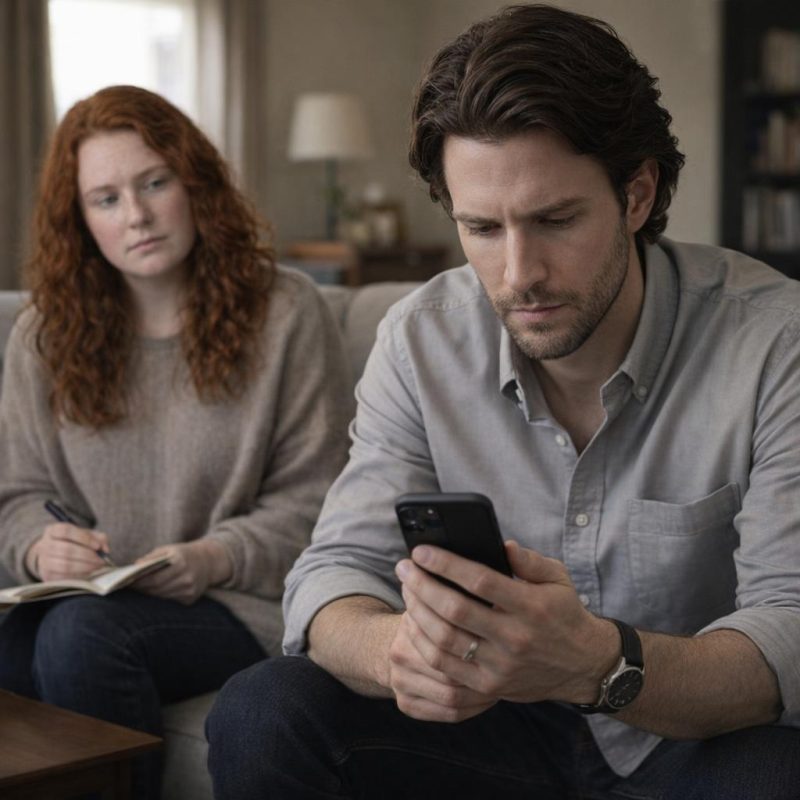 Image by RM AI
The Envelope
The email came through forty minutes later. One message, no subject line, six attachments. Emma pulled her chair around to my side of the table and we opened them together on my laptop. The first two were legal records — documents with David's full name printed clearly across the top, addresses I didn't recognize, dates that fell squarely inside the gap years. The third was a newspaper clipping, scanned and slightly crooked, from a local paper in the city Lydia had named. David's name wasn't in the article itself, but the event described matched something she'd mentioned on the phone, and the date lined up. The fourth attachment was another record, this one with a company name I recognized from Emma's notepad. Emma pointed at it without saying anything. The fifth was a second clipping, shorter, more of a community notice. The sixth was a photograph, and we both stopped. We went back through everything twice, slowly, checking the addresses against what Emma had written down. Most of them matched. Not all — there were a couple of details I couldn't verify one way or the other — but enough matched that I couldn't write it off as coincidence. Emma closed the laptop partway and leaned back in her chair. The pile of open tabs and scribbled notes sat between us on the table, not going anywhere.
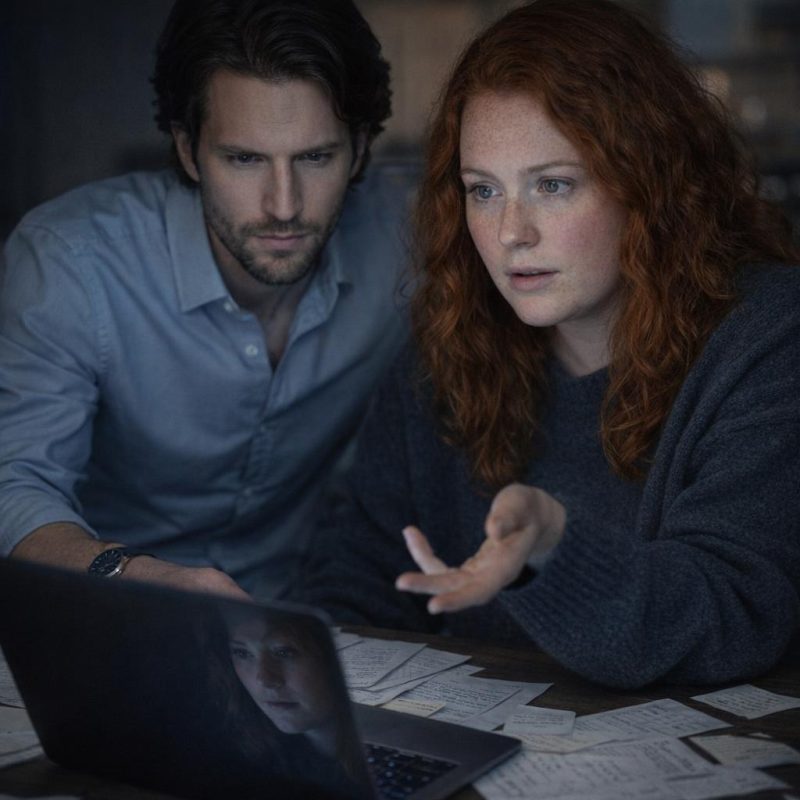 Image by RM AI
The Photograph
We went back to the photograph. It was the one attachment we hadn't really looked at yet — we'd stopped on it briefly and then kept moving through the documents, but now we pulled it up again and actually looked. It was an old photo, the kind with slightly washed-out color that puts it somewhere in the eighties. Two people standing close together outside what looked like a restaurant or a bar, a neon sign partially visible in the background. The man on the left was younger than I'd ever seen him, but it was unmistakably our father. Same jaw, same posture, same way of holding himself like he was bracing for something. He was smiling — genuinely, not the posed smile from family photos. The woman beside him was young, dark-haired, her shoulder pressed against his. Emma leaned in closer to the screen. I asked if she recognized her. Emma said no. I didn't either. She wasn't anyone from our parents' wedding photos, wasn't anyone I'd seen in albums or at family gatherings or in any story I could place. But the way the two of them were standing, the way they were turned slightly toward each other — it wasn't the posture of strangers, or even of casual friends. I sat with that for a long moment, the image still open on the screen.
 Image by RM AI
The Inscription
Emma said we should check if there was anything on the back. It was a digital scan, so I zoomed in on the edges, looking for any indication the original had writing on it. There was a faint line of text visible along the bottom of the scan — whoever had digitized it had captured both sides in the same image, the back folded into the frame. I zoomed in further. The handwriting was small and slightly slanted, the kind of careful cursive that takes its time. There was a date at the top — a month and year that put it right in the middle of the gap years, exactly where Lydia had said. Below the date, a short line. I couldn't make out every word at first, but I could read enough to understand it was personal — the kind of thing you write on the back of a photo you're giving to someone you want to remember you. Emma was leaning so close her shoulder was against mine. I told her to hold on and zoomed in one more time, adjusting the contrast until the last line came clear. The signature at the bottom read Lydia Hartford — the same name as the woman on the phone, the woman whose voice I'd been listening to all evening. The woman in the photograph was her.
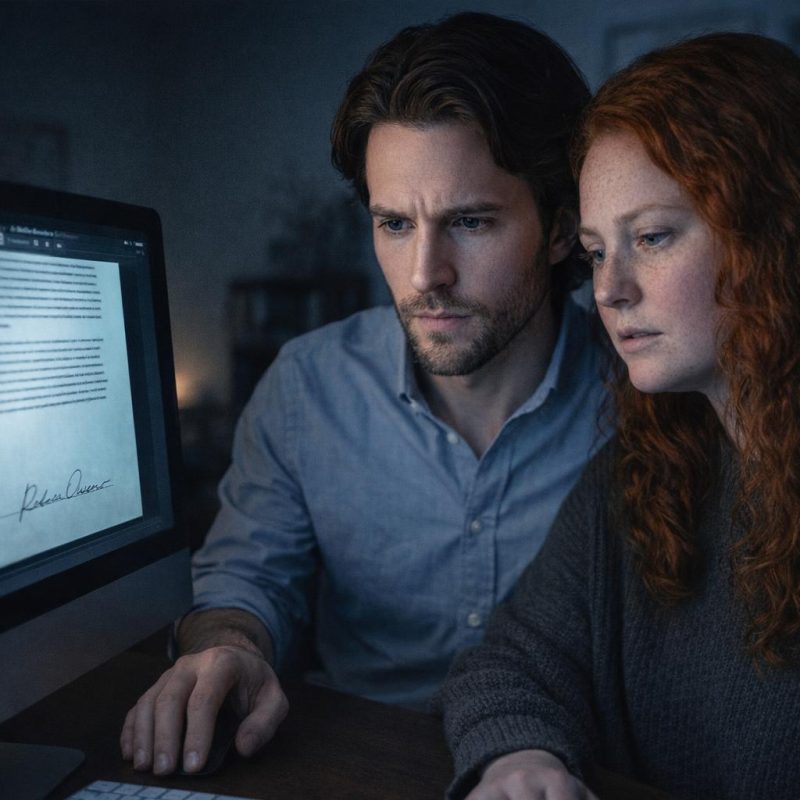 Image by RM AI
Comparing Memories
We didn't sleep much. By the time we closed the laptop it was past midnight, and neither of us was ready to stop talking. We started going back through what we actually remembered — not what we'd been told, but what we'd personally heard Dad say over the years about his life before our mother. Emma remembered a story about a road trip he'd supposedly taken alone the summer after college. I remembered him mentioning it too, but in my version he'd said it was with a friend from work. We sat with that for a minute. Then Emma brought up the timeline around when our parents first met. Dad had always said he moved to the city for a job opportunity, that he'd only been there a few months before he met Mom at a mutual friend's dinner party. But I remembered a different version — one where he'd said he'd been in the city almost a year before they met, that he'd almost left before things turned around. Two different timelines, both from him, both told like they were the obvious truth. Emma pulled up the legal record we'd found in Lydia's documents. The address on it showed David living in a different city entirely during the month he'd always said he arrived in the one where he met our mother.
 Image by RM AI
The Business Trips
We moved from the address discrepancy to the business trips almost without deciding to. It felt like the next logical thread to pull. Emma grabbed a notepad and we started listing every trip we could remember Dad taking — the ones he'd mentioned at dinner, the ones that had meant a cancelled weekend plan, the ones Mom had referenced in passing over the years. We had maybe a dozen solid memories between us. Then we started trying to match them to his employment history, which we were piecing together from old tax documents Emma had photographed during a visit home two years ago. Most of the trips lined up, more or less. A conference in Atlanta that matched a company he'd worked for in his mid-forties. A client visit to Denver that fit the timeline of a consulting role he'd held. But there were gaps. Three trips in particular that fell in a stretch where, as far as we could tell, he hadn't been employed anywhere full-time. We went back and forth on whether we were misremembering. Maybe he'd been freelancing. Maybe we'd gotten the years wrong. But then Emma found one — a trip to a city neither of us had ever heard him mention in any professional context, dated to a period when he'd told us he was between jobs and barely leaving the house.
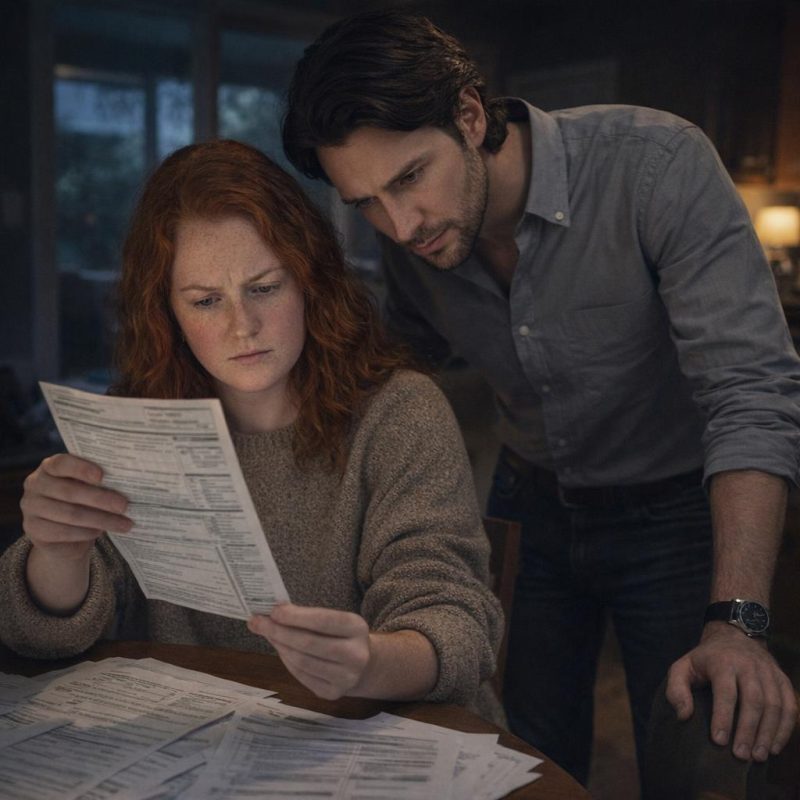 Image by RM AI
Shifting Stories
We sat with that trip for a while, and then something else started surfacing — something I'd been half-aware of for years without ever naming it. The stories Dad told about his past weren't consistent. Not in a dramatic way. Not in a way that had ever set off alarms. But the details shifted. I remembered a version of the road trip story from when I was maybe twelve where he'd described driving alone through the Southwest, stopping at roadside diners, not talking to anyone for days. Then there was a version from my mid-twenties where the same trip had a companion — someone from a job he'd had, unnamed, just 'a friend.' Emma said she'd noticed the same thing. She'd heard the story about how he got his first real job told at least three different ways over the years — different cities, different circumstances, once with a mentor figure who never appeared in any other version. Some stories had simply stopped being told at some point. The road trip one had disappeared entirely after a certain year. Others had grown new details that felt grafted on, like someone had gone back and added context that hadn't been there before. We weren't sure what to make of it. People misremember. Stories drift. But sitting there at one in the morning with the laptop open and the notepad full of dates that didn't line up, the pattern felt harder to dismiss than it ever had before.
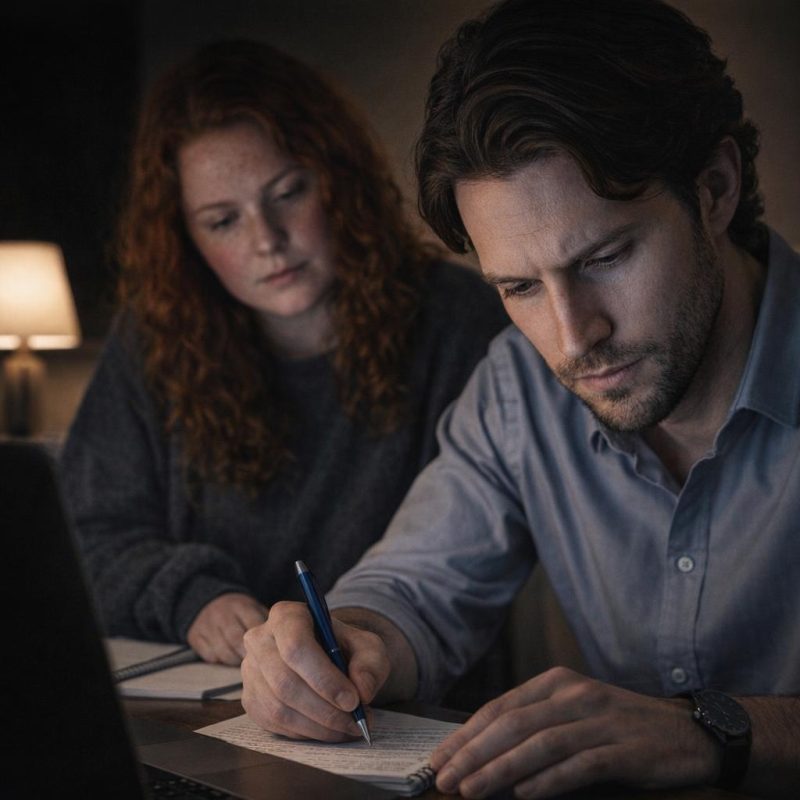 Image by RM AI
The Weight of Silence
By two in the morning we'd spread everything across the kitchen table — the notepad, the photographed documents, the printouts from Lydia's legal records, the timeline we'd been building. Emma sat back and looked at all of it for a long moment without saying anything. I knew what she was thinking because I was thinking it too. We'd been circling the same question for hours and we kept landing in the same place. We couldn't keep doing this alone. The evidence we had was circumstantial. Dates that didn't match. Stories that had shifted. A name that appeared in documents connected to our father's past. None of it told us what had actually happened, and we weren't going to figure that out by staring at a laptop screen at two in the morning. Emma said it first — that we needed to talk to Mom. Not Dad. Not yet. She said it quietly, like she'd been working up to it. I agreed without hesitating, which surprised me a little. I'd been dreading it since the moment Lydia's voicemail arrived, the idea of sitting across from our mother and asking her what she knew. But dread and necessity aren't the same thing, and somewhere in the last few hours the necessity had caught up. We didn't set a date that night. We just agreed it had to happen, and that agreement settled over the room like something we couldn't take back.
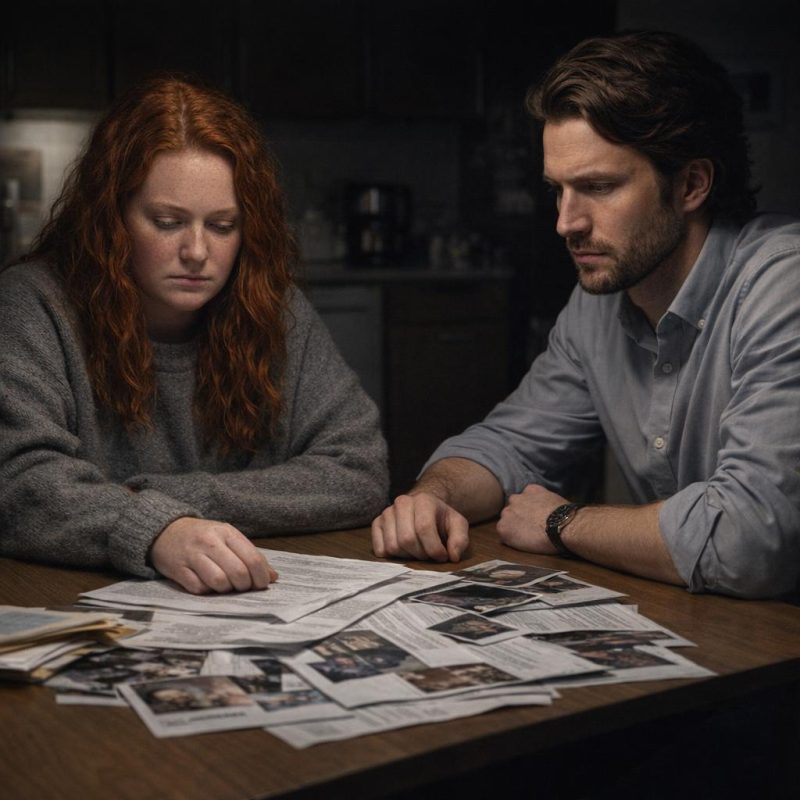 Image by RM AI
The Confrontation
We called Mom two days later and asked if we could come by. We kept it vague — said we wanted to talk, that it wasn't an emergency, that we just needed some time with her. She said of course, the way she always did, and when we arrived she had coffee ready and the kitchen smelled like the candle she kept on the counter near the window. We sat down and I let Emma lead, because it had been her idea and because I wasn't sure I could keep my voice steady. Emma started gently, said we'd come across something that had raised some questions, that we weren't trying to cause trouble, we just needed to understand. Then she said the name. Lydia Hartford. I was watching Mom's face when she said it. I'd been bracing for confusion, maybe defensiveness, maybe the careful blankness she sometimes used when she didn't want to give anything away. What I saw instead stopped me cold. There was no confusion. No surprise. Her face didn't shift into the expression of someone hearing an unfamiliar name. It just — settled. Like something heavy had been set down. She reached for her coffee cup with both hands and didn't say anything for a moment, and then she said, very quietly, that she'd known that name for decades.
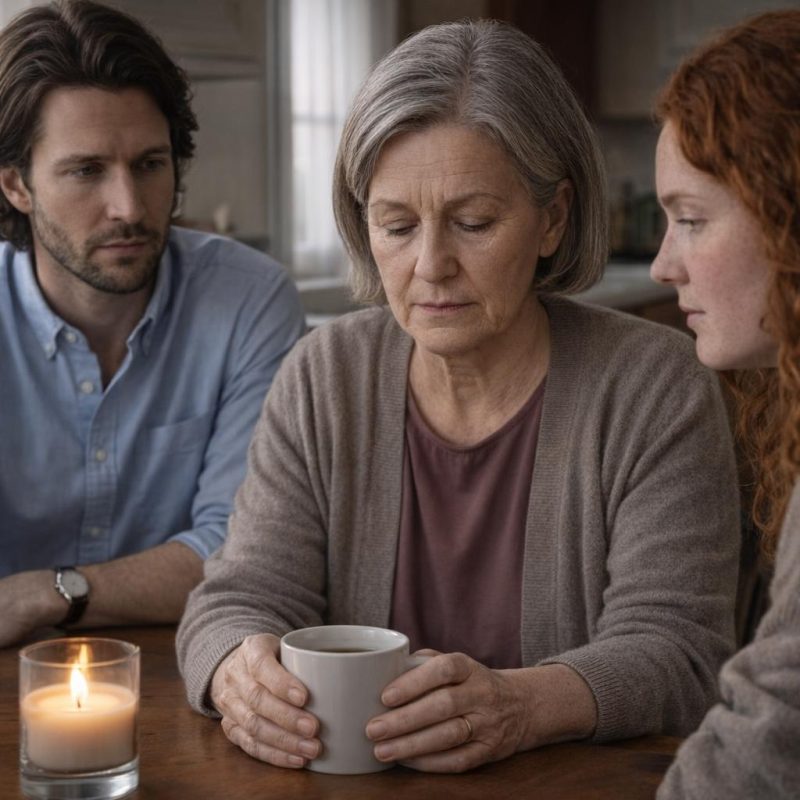 Image by RM AI
Not Shocked
She didn't say it like a confession. She said it like someone who had been waiting a long time to stop carrying something alone. Emma and I didn't speak. I don't think either of us could. Mom set her coffee cup down carefully, both hands still wrapped around it, and she looked at the table rather than at us. She didn't look frightened. She didn't look caught. She looked tired in a way that went deeper than a bad night's sleep — the kind of tired that comes from years of holding something in place. I'd seen her look worn down before, the way anyone does after a long stretch of difficulty, but this was different. This was the face of someone who had been managing something for a very long time and had just, in the space of two words, stopped. Emma asked how long she'd known. Mom didn't answer right away. She just sat there with her hands around the cup, and the silence stretched out, and it was its own kind of answer. I looked at her posture — the slight curve of her shoulders, the way she seemed to be bracing against something invisible — and understood that whatever she was about to tell us, she had been living alongside it for longer than I had been alive.
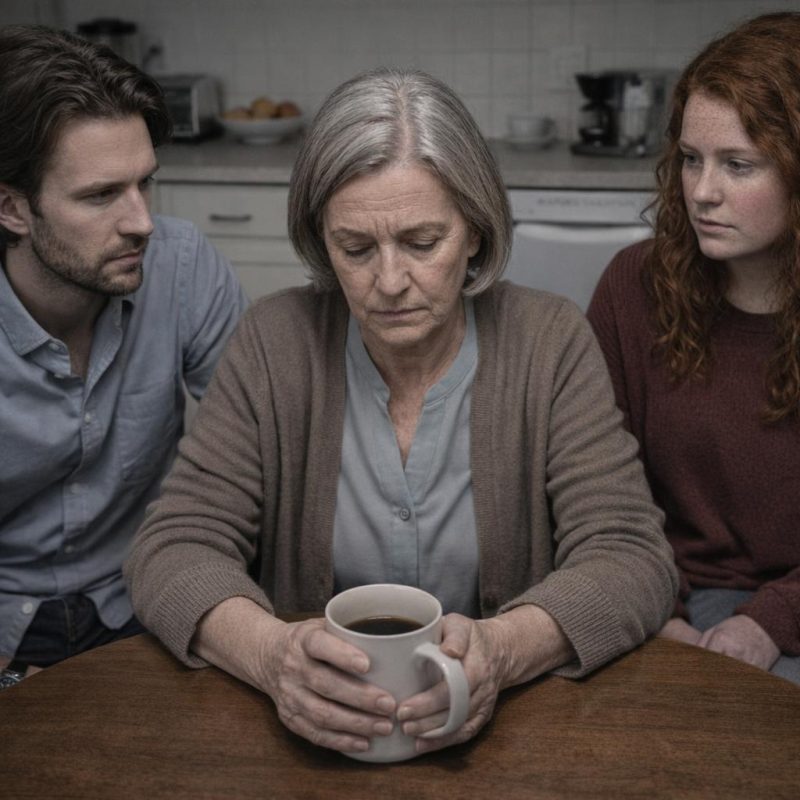 Image by RM AI
The Name She Knew
She finally looked up. Her voice was quiet and careful, like she was choosing each word before she let it out. She said she'd known the name for thirty years. More than thirty years. Since before Emma was born, since before I was born. Emma made a small sound beside me — not quite a word, just an exhale. I stayed still. Mom said she hadn't known this moment was coming, not exactly, but she'd known something like it would come eventually. She said she'd told herself for years that it wouldn't, that the past had a way of staying buried if you didn't disturb it. Then she stopped and looked at her hands. Emma asked the question I was still forming — how she could have known the name that long, what the connection was. Mom was quiet for another moment. Then she said it wasn't just the name she'd known. She said she had known Lydia before she ever met our father.
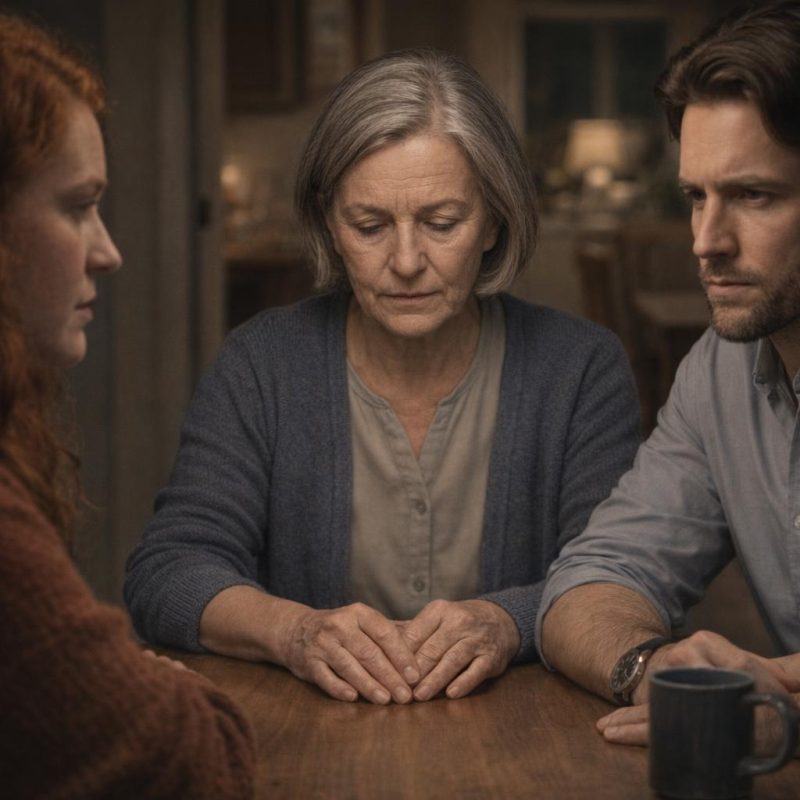 Image by RM AI
Best Friends
The room went very still. Emma said 'what' in a voice barely above a whisper, and I don't think she was really asking — I think she just needed to say something to confirm she'd heard it right. Mom nodded slowly. She said Lydia hadn't been a stranger, hadn't been someone on the periphery. She said Lydia had been one of her closest friends. One of her best friends, she said, correcting herself, like the first version hadn't been strong enough. She said they'd been close for years before any of this — before David, before the city, before everything that came after. Her eyes had gone somewhere else while she talked, somewhere behind us or behind the years, and there was a pain in them that looked old and settled, not fresh. Emma asked what had happened between them. Mom's jaw tightened slightly. She said the story involved our father. She didn't say more than that. She just let it sit there, and the three of us sat with it, and the kitchen that had always felt like the most ordinary room in the world held something I didn't have words for yet.
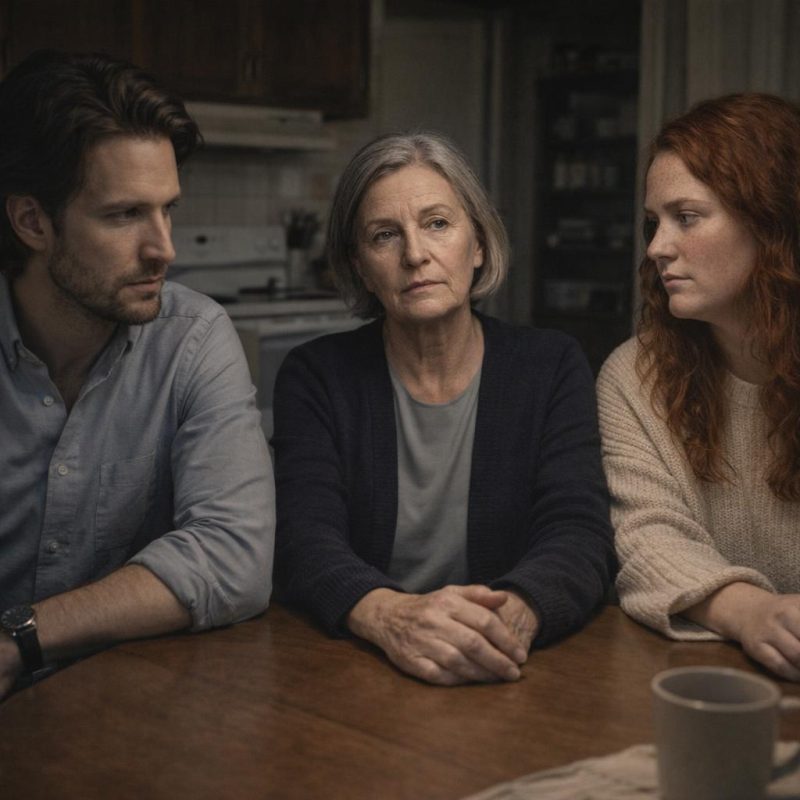 Image by RM AI
Recalibrating
I kept trying to reorganize what I thought I knew and kept coming up short. Lydia Hartford had not been a stranger reaching out of nowhere. She hadn't been someone with a grudge against our father who'd tracked down his children to cause damage. She had been our mother's closest friend. She had been inside this family's history long before our father was. Every assumption I'd built around the voicemail — the way I'd been picturing Lydia, the way I'd been framing her as an outsider pressing in — had been wrong. Emma asked Mom how close they'd really been, and Mom said very close, said it simply, without elaboration, like the words were enough on their own. I thought about the voicemail again. The careful, measured voice. The way it hadn't sounded like someone unhinged or vindictive. I'd noticed that from the beginning and hadn't known what to do with it. Now it sat differently. Emma looked pale across the table. I asked Mom what had changed between them, what had ended it. Mom looked at her hands again, and the question hung in the air between us, and the room felt smaller than it had when we'd walked in.
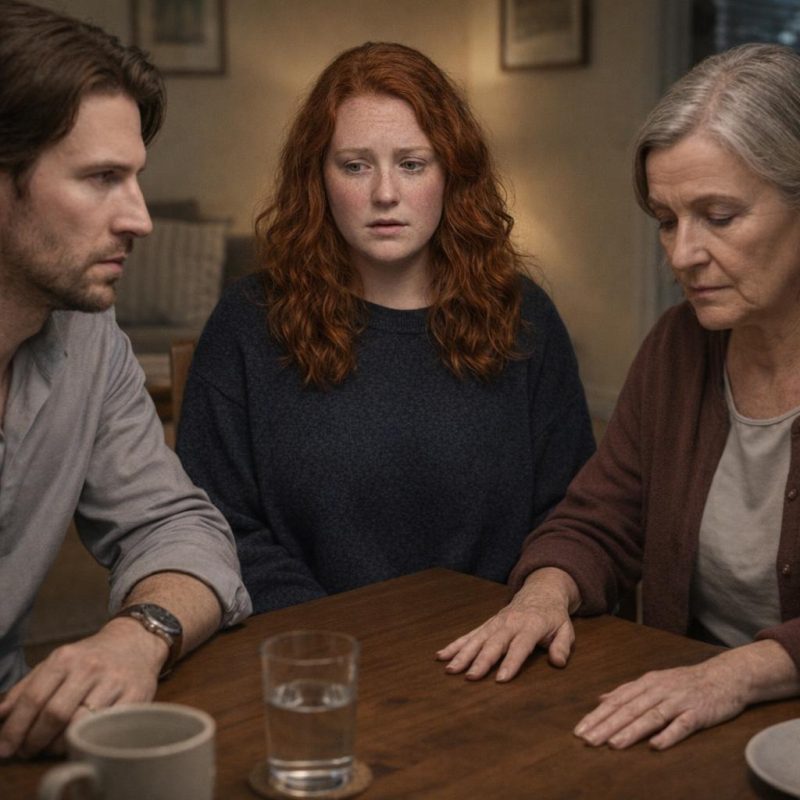 Image by RM AI
The Group
Mom took a breath and set her hands flat on the table, like she was steadying herself. She said it started with a group — a close circle of friends they'd all been part of in their late twenties. She named a few people I didn't recognize, said it was the kind of group where everyone knew everyone, where you spent weekends together and showed up for each other's birthdays and thought it would last forever. Emma asked how long they'd all been close, and Mom said several years, said it like the number itself carried weight. I asked who was in the group, and she listed a few names before she said Lydia's. Said it matter-of-factly, like it was just part of the inventory. Then she paused. Emma asked what had happened to the group, why it had fallen apart, and Mom's expression shifted in a way I hadn't seen before — not quite grief, not quite guilt, something that lived between the two. I waited. She said the group had changed when things between certain people got complicated. I asked what she meant by complicated. She looked at me carefully, choosing her words. Then she said it: David and Lydia had known each other through her — she was the one who had introduced them.
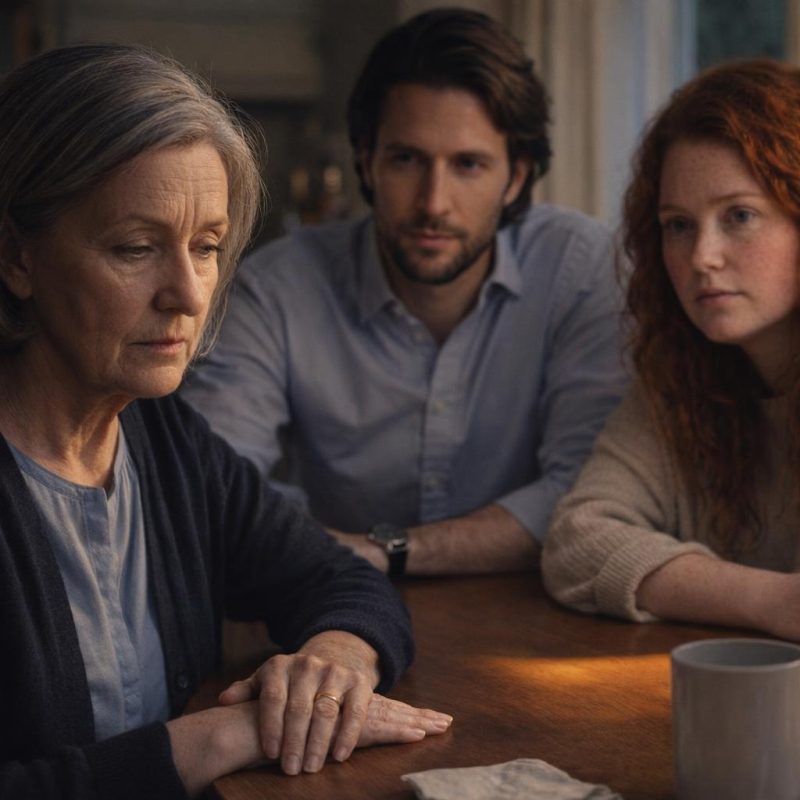 Image by RM AI
Before
The room went quiet in a way that felt different from the silences before it. Emma said, introduced them how, and Mom said it plainly — that David and Lydia had been together. That they'd been in a relationship before Mom and Dad ever got together. I heard the words and felt something shift in my chest, not quite pain, more like the floor dropping an inch. Emma's face went pale across the table. I thought about the photograph immediately — the one I'd found early on, the two of them standing close, his hand at her back, both of them looking at the camera with an ease that had bothered me without my being able to say why. I'd told myself it was nothing. I'd told myself I was reading into it. Emma asked how serious it had been, and Mom said very serious, said it quietly, like she was measuring how much weight the words could hold. I asked what had happened between them, what had ended it, and Mom opened her mouth and then closed it again. She looked at the table. The photograph had been sitting in the back of my mind since the beginning, and now every detail of it — the closeness, the comfort, the way they'd stood together — made a different kind of sense.
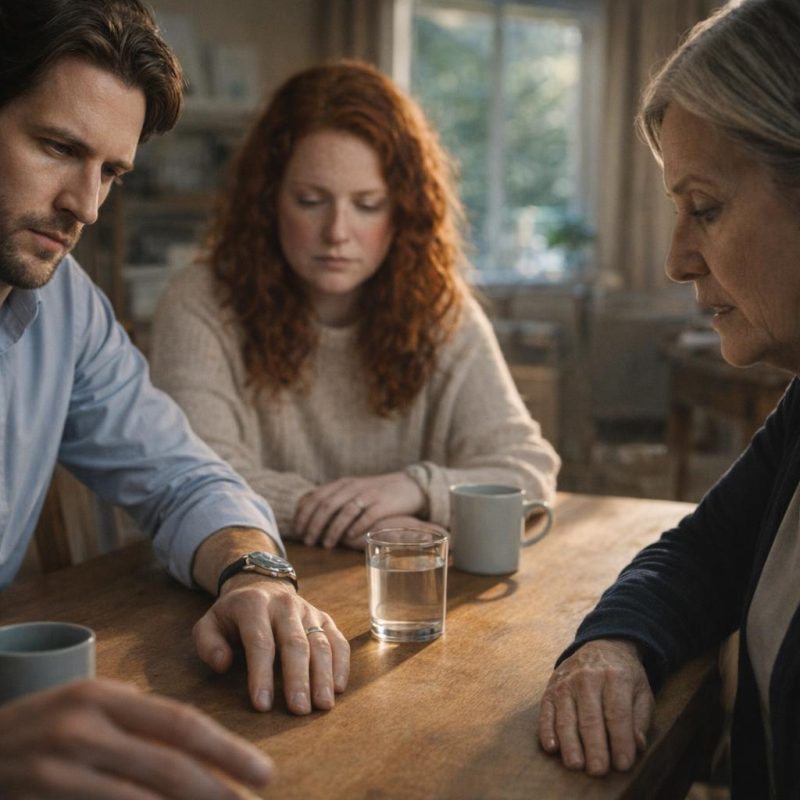 Image by RM AI
Planned Futures
Emma asked again, softer this time, what had ended it. Mom shifted in her chair and looked toward the window for a moment before she answered. She said it hadn't ended quickly. She said they'd been together for a few years, that it had been serious in the way things are serious when you're young and you believe in them completely. I asked how serious, and she paused, and I could see her deciding something. She said they had talked about getting married. Emma made a small sound beside me, not quite a word. I sat with that for a second — my father, a future with someone else, a whole life that had almost gone a completely different direction. Mom's hands were still flat on the table but her jaw had tightened. She looked uncomfortable in a way she hadn't let herself look before, like saying it out loud had made it more real than she'd wanted it to be. I asked what had happened to change all of that, what had fractured something that serious, and Emma leaned forward too, both of us waiting. Mom said something happened that changed everything, said it carefully, like she was picking her way across uneven ground. I pressed her — what kind of something — and she looked at me and then at Emma, and I could see her working out how much to say.
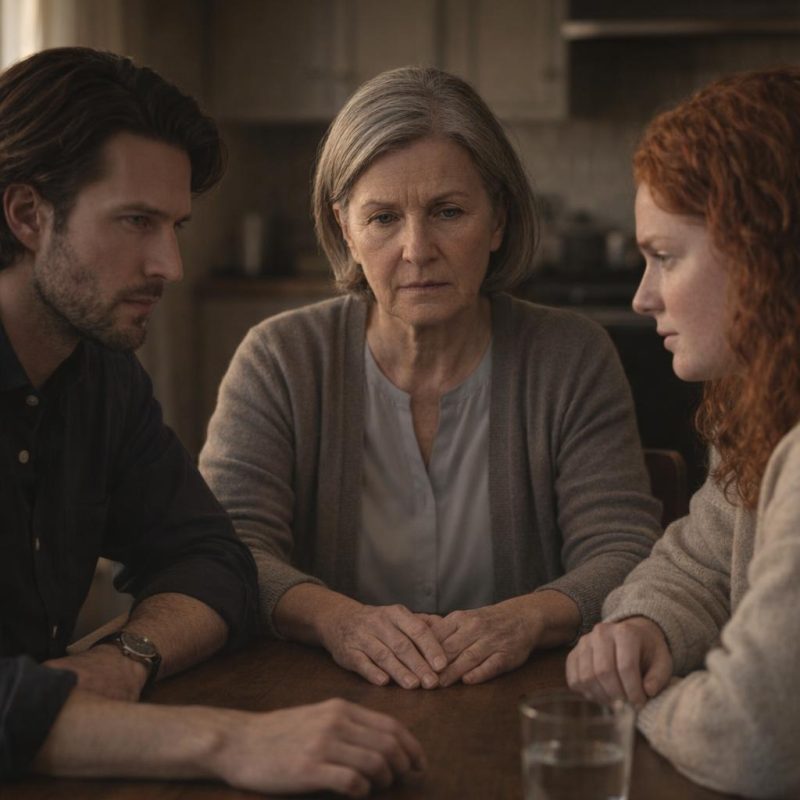 Image by RM AI
The Incident
She started to explain. She said there had been an incident — she used that word, incident, like it was the safest container she could find for whatever it actually was. She said it had divided the group, that things had broken apart quickly after it happened, that some friendships hadn't survived it. Emma asked what the incident was, and Mom started to answer and then stopped herself mid-sentence. She said it wasn't only her story to tell. I told her we needed to understand what had happened, that we weren't asking out of curiosity, that a woman had left a voicemail on my phone and we were sitting here trying to figure out why. Mom nodded like she understood that, like she wasn't dismissing it. But she said some of the people involved had a right to their privacy, that she couldn't speak for them. Emma asked who else was involved, and Mom said she couldn't say, not yet, maybe not ever. I told her that felt like protecting people who hadn't protected us. She looked at me when I said that, and something moved across her face — not defensiveness, more like recognition, like I'd named something she'd been carrying for a long time. She didn't argue. She just sat there, and the weight of everything she wasn't saying filled the space between us.
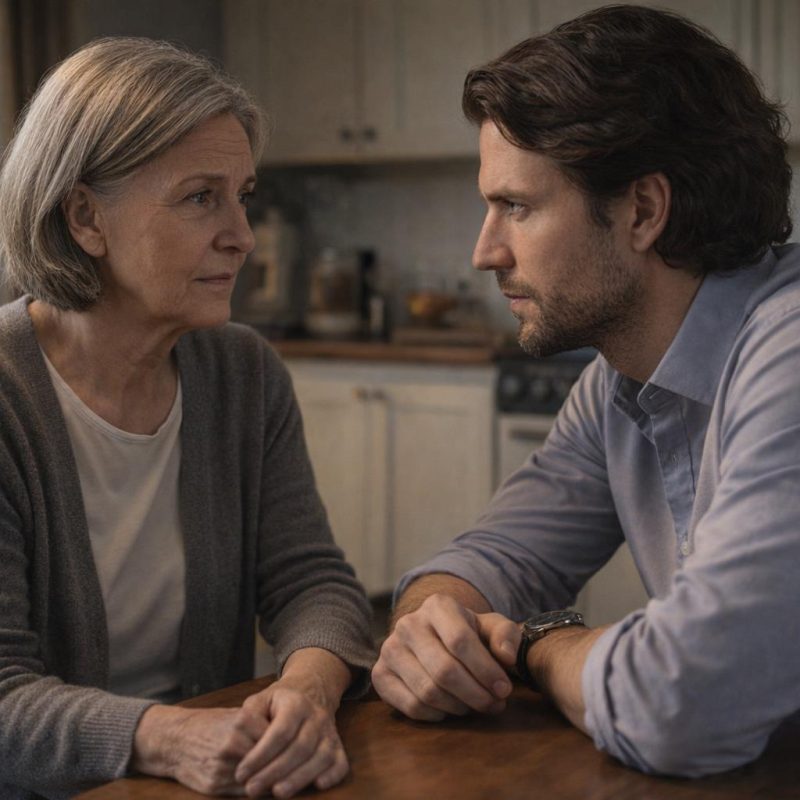 Image by RM AI
What She Carried
After a while Emma asked her quietly — was it hard, carrying all of this for so long? Mom didn't answer right away. She looked at her hands and then she said yes, in a way that made the word sound like it had been waiting a long time to come out. She said she'd spent thirty years knowing things she couldn't talk about, building a life on top of a history that never fully went away. She said there were moments — anniversaries, holidays, ordinary Tuesday evenings — when something would surface and she'd have to push it back down and keep going. I watched her as she talked and I saw it clearly for the first time, the exhaustion she'd been carrying that I'd always read as something else, as age or worry or just the particular weight of being a parent. Emma asked if she'd ever wanted to tell us, and Mom said she'd hoped we'd never need to know. Said it without self-pity, just as a fact, the way you state something you've made peace with even if the peace cost you something. I didn't say anything. I just looked at her — at the lines around her eyes, at the careful way she held herself, at the tiredness that had settled into her like sediment over decades — and I understood, for the first time, what silence had actually taken from her.
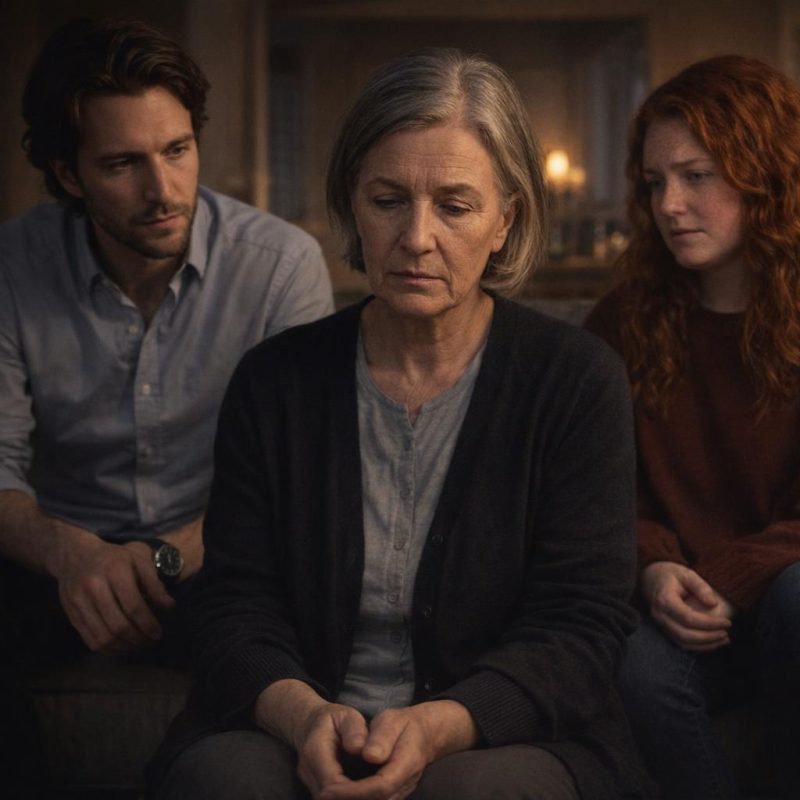 Image by RM AI
The Next Step
We sat there for another few minutes without anyone saying much. Then I told Mom we needed to talk to Dad. I said it as gently as I could, but I said it clearly. Emma nodded beside me without hesitating. Mom looked at us both and didn't try to talk us out of it. She didn't flinch, didn't reach for a reason to delay it. She just nodded slowly, like she'd known this was coming from the moment we'd walked through the door. I asked if she'd be there when we did it, if she wanted to be in the room, and she said no — she said this was between us and our father, that it wasn't her conversation to manage. Emma asked when we should do it, and I said as soon as possible, that waiting wasn't going to make it easier or cleaner or any less necessary. Emma agreed. Mom looked at the table and then back at us, and there was something in her face that I couldn't quite read — not relief exactly, but something adjacent to it, like a door she'd been holding shut for a long time had finally been taken out of her hands. I felt the weight of what we were about to do settle over me. There was no version of this that was going to be easy. I told Emma we'd go see Dad the next day, and she said yes, and that was that.
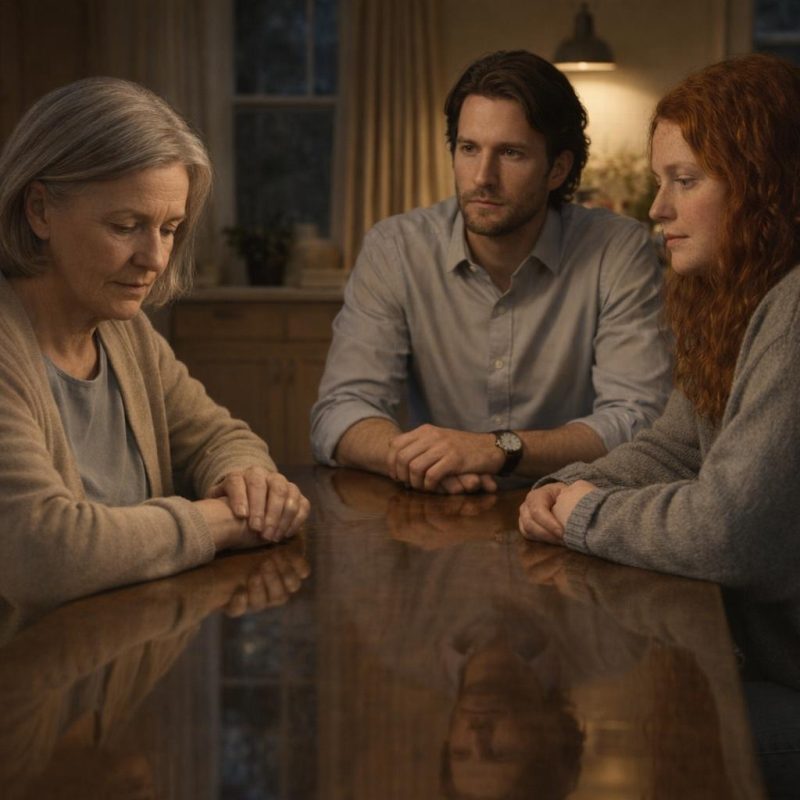 Image by RM AI
The Confrontation Begins
We drove to Dad's together the next morning. Emma was quiet in the passenger seat and I didn't push for conversation. When we got there he was in the kitchen, and he looked surprised to see us both, the kind of surprise that tips quickly into wariness. We sat down at the table and I didn't ease into it. I said we needed to talk to him about something important, and then I said her name — Lydia Hartford. I watched his face when I said it. Something moved through his expression, fast, like a shadow crossing a wall, and then it was gone and his face was still. Emma set the photograph on the table between us — the one of him and Lydia, the two of them close, his hand at her back. He looked down at it. He didn't pick it up. He didn't say anything. I asked him if he knew who Lydia was, and he kept his eyes on the photograph for a long moment, and the kitchen was completely silent except for the hum of the refrigerator and the sound of someone's car passing outside. Emma and I waited. He still didn't speak. The silence after I'd said her name sat in the room like something with weight, and none of us moved to break it.
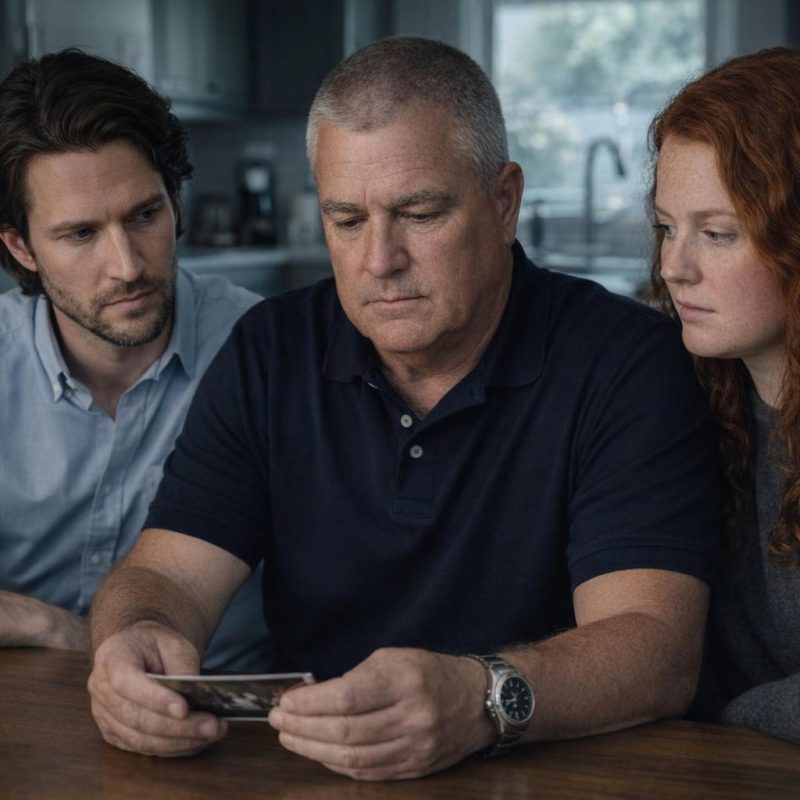 Image by RM AI
Complete Denial
Then he looked up. He said he didn't know what we were talking about. He said it evenly, without rushing it, and I felt something tighten in my chest. I pointed to the photograph and asked him to look at it again. He glanced down at it and said there must be some mistake, that he didn't know where we'd gotten it or what we thought it showed. Emma's jaw went tight. She said, Dad, stop. He said he wasn't doing anything, that he was telling us the truth, that the name didn't mean anything to him. I turned the photograph over and pointed to the handwriting on the back — the names, the date, the careful script that had been sitting there since the beginning. He looked at it. He said he didn't recognize the handwriting. Emma made a sound that wasn't quite a laugh, something harder than that, and she said he was lying, said it directly, without softening it. He didn't raise his voice. He didn't get angry. He looked at us both and said he didn't know anyone named Lydia Hartford.
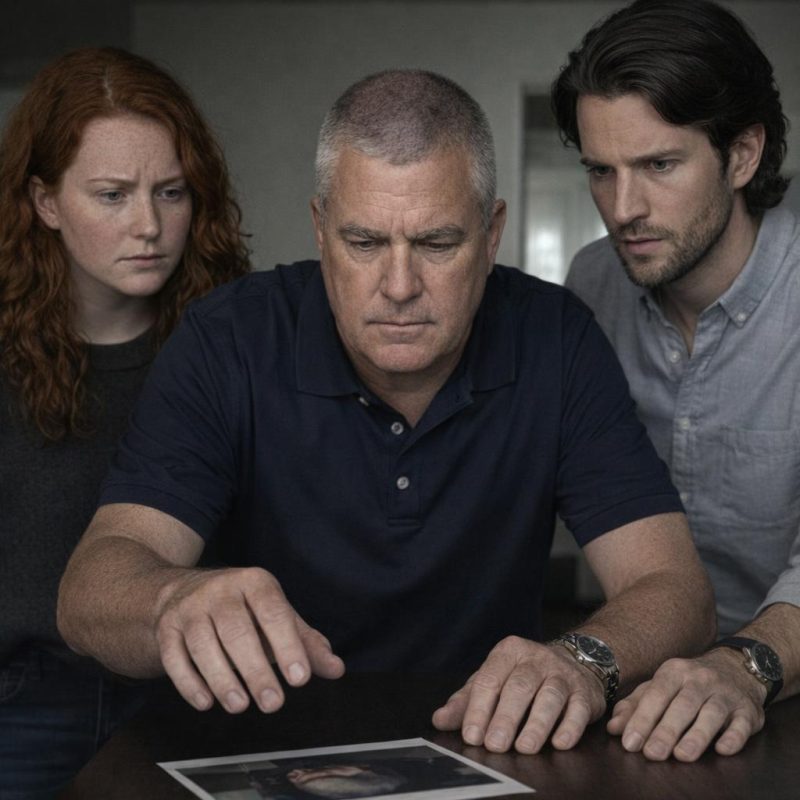 Image by RM AI
The Photograph Speaks
I held the photograph up again and asked him to look at it — really look at it this time. Not a glance. Not a dismissal. I set it flat on the table in front of him and kept my hand on the edge so he couldn't push it away. He looked down at it. His eyes moved across the image slowly, and something shifted in his face — not a confession, not even close, but something. Emma leaned in and pointed to the handwriting on the back, the names written in that careful, deliberate script. She said, that's your handwriting, Dad. He didn't answer right away. I asked him again, quietly, if he knew the woman in the photograph. He said the name again — Lydia — and this time it came out differently. Slower. Like it cost him something to say it. He didn't say yes. He didn't say no. He just sat there with the photograph in front of him, and the silence stretched out in a way that his earlier denials hadn't. I watched his jaw tighten and then release. The certainty he'd walked in with had gone somewhere, and what was left in its place was something quieter and harder to look at.
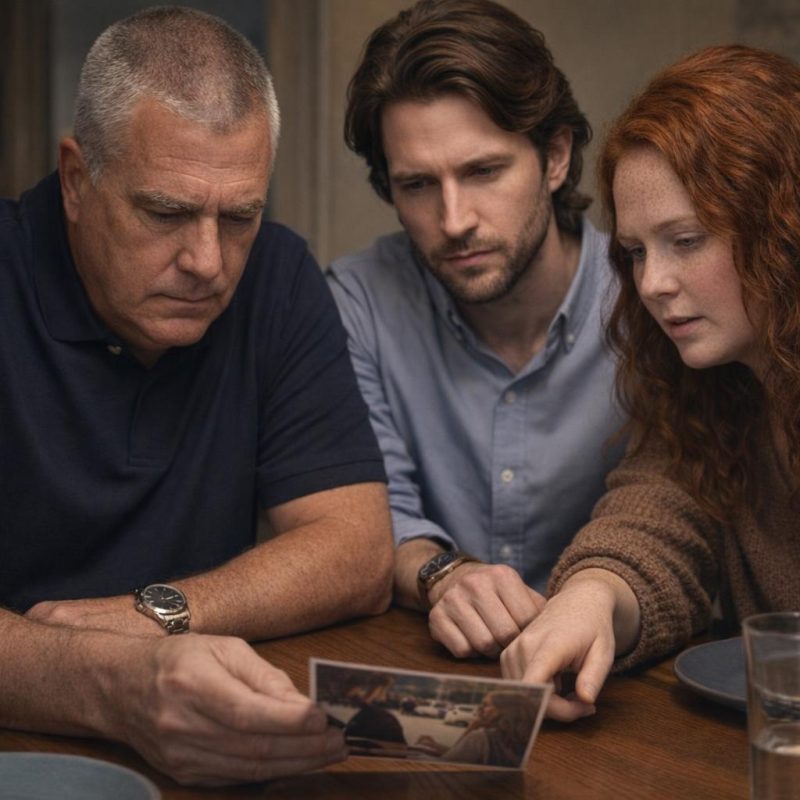 Image by RM AI
Partial Admission
He said it slowly, like he was testing the words before he committed to them. He said he had known someone named Lydia, yes, a long time ago. He said it like he was describing a coworker from a job he barely remembered — someone peripheral, someone who hadn't mattered much. Emma asked him immediately why he'd just told us he didn't know anyone by that name. He said he'd been confused, that the photograph had thrown him off. I didn't push back on that yet. I asked him how well he'd known her. He said they were acquaintances, that they'd moved in the same circle for a while. Emma made a sound under her breath. I asked what circle, what timeframe, what that actually meant. He said it was a long time ago and that it wasn't important, that people drift in and out of your life and you don't always keep track. The word acquaintances sat in the room between us like something he'd placed there carefully. I could hear what he wasn't saying underneath it — the careful distance he was trying to put between himself and whatever that photograph actually represented. The minimization in his voice was so practiced it almost sounded like the truth.
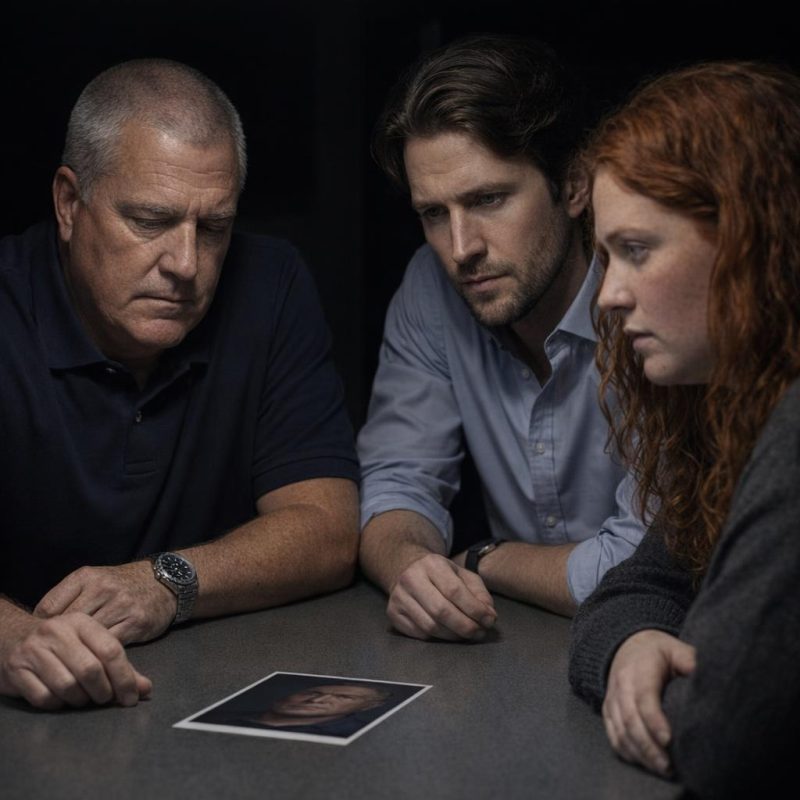 Image by RM AI
The Relationship Revealed
Emma looked at him for a long moment and then said it plainly. She told him we'd already spoken to Patricia. His face changed. It wasn't dramatic — he didn't flinch or go pale — but something behind his eyes recalibrated, like he'd just been handed a problem he hadn't prepared for. Emma said we knew it wasn't acquaintances. She said we knew there was more to it than that. He looked at me, then back at her, and I could see him working through whatever calculation he was running. Then he sat down. Not slowly, not gracefully — he just sat, like the weight of the room had finally caught up with him. He was quiet for a moment. Then he said yes. He said he and Lydia had been together. I asked how serious it was. He looked at the table and said it was serious.
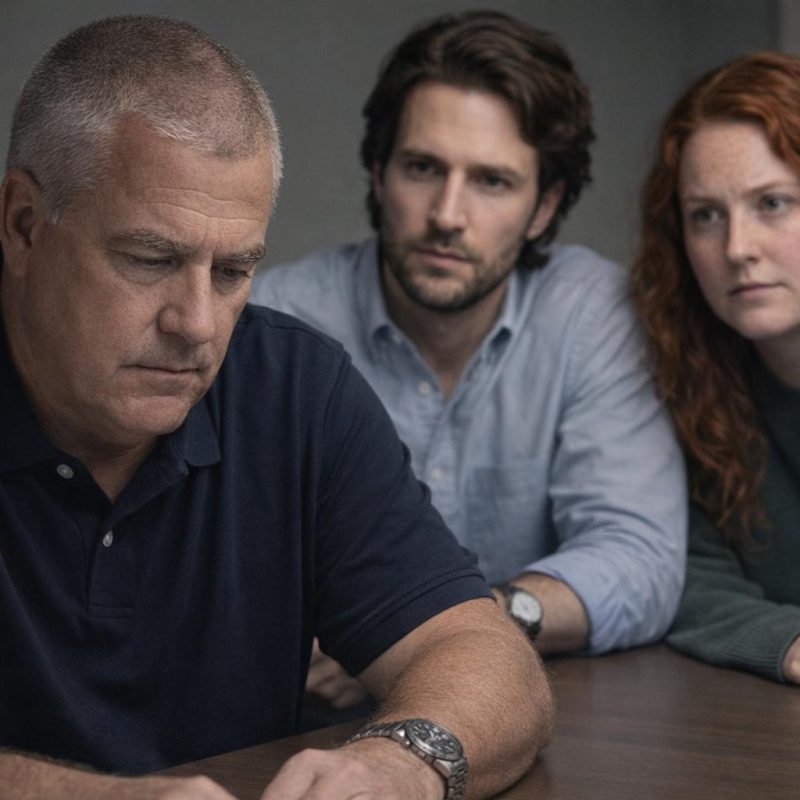 Image by RM AI
Plans for the Future
I asked him what serious meant. He said they'd been together for a few years. Emma asked how it had ended, and he didn't answer that right away, so I asked a different question — I asked where he'd thought it was going. He rubbed the back of his neck and looked at the wall for a moment. He said they had talked about the future. I asked him to be more specific. He said they had talked about getting married. The room went quiet. Emma sat back in her chair. I looked at my father — this man I had known my entire life, who had stood at the front of a church and married my mother, who had built a whole life that I thought I understood — and I tried to fit this new piece into the shape of everything I already knew. I asked what had happened to end it. His expression closed off in a way I hadn't seen before, something careful and deliberate settling over his face. He said it was complicated.
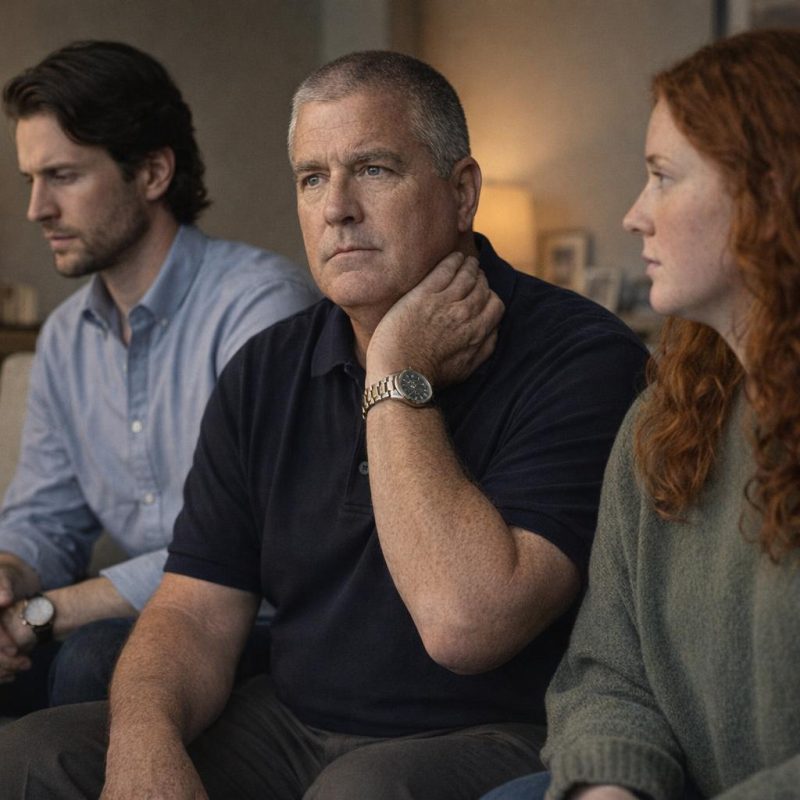 Image by RM AI
The Fracture
I told him complicated wasn't good enough. I said we'd come too far in this conversation to stop at complicated. Emma nodded beside me and said we deserved to know the full story, not just the parts he was comfortable telling. He looked at us both and I could see it — the exhaustion of holding something for a very long time. He said something had happened. He said it wasn't just between him and Lydia, that it had involved other people, that the whole group of friends they'd been part of had been affected by it. Emma asked what kind of incident. He said it was hard to explain out of context, that there were things that had happened that changed the way everyone saw each other. I said, Dad, just tell us. He pressed his hands flat on the table and said he would try, that we deserved that much. Then he looked up and said there was a night — one specific night — that changed everything.
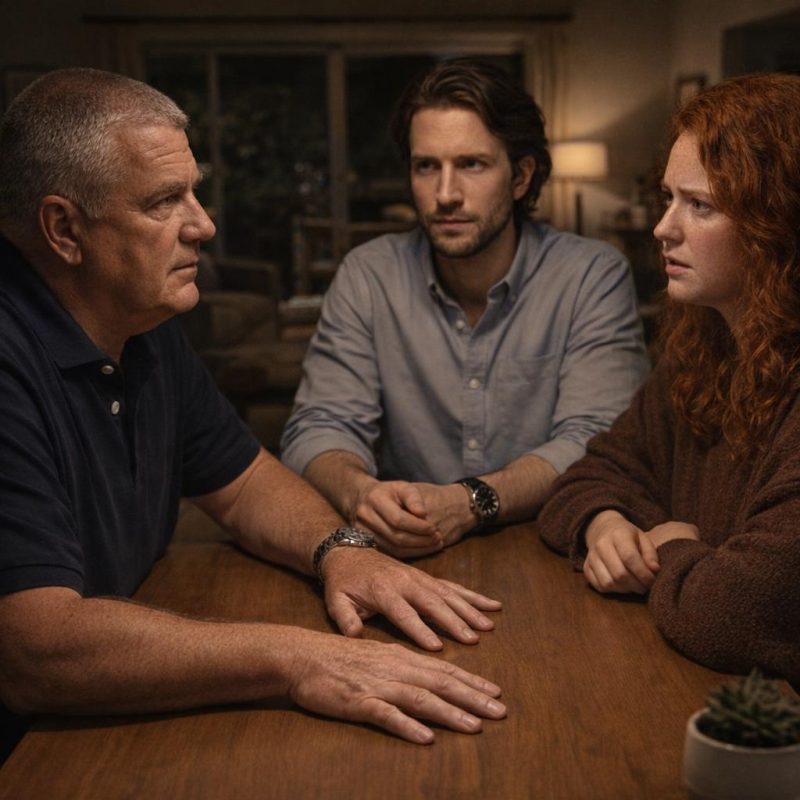 Image by RM AI
The Choice of Silence
He didn't describe the night. Not yet. Instead he told us what came after it — the decision that everyone involved had made together, or close enough to together that it had held for decades. He said they had all agreed to let it go. To not talk about it, not to each other, not to anyone outside the group. Emma asked why silence had been necessary, what could have been so bad that no one could speak about it. He said people could have been hurt. He said reputations, relationships, things that mattered to people — all of it could have unraveled if the truth had come out at the wrong time. I said the silence had hurt people too. He looked at me and said he knew that. He said he'd known it for a long time. He said the years went by and it became harder to find a way back to it, that the longer it stayed buried the more impossible it felt to dig it up. Emma didn't say anything. I didn't either. The weight of thirty-plus years of chosen quiet settled over the room like something physical, and none of us moved to lift it.
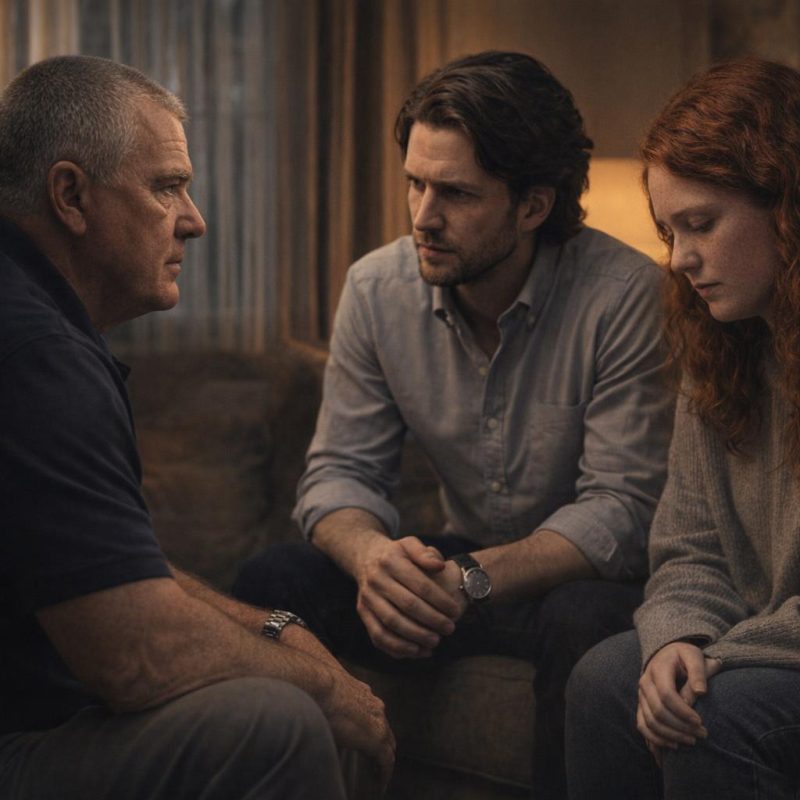 Image by RM AI
Buried Secrets
After a while I started going back through everything he'd told us, trying to lay it out in order. He'd admitted the relationship. He'd admitted it was serious, that they'd talked about marriage. He'd said something had happened, that it had fractured the group, that everyone had agreed to stay quiet. But the actual incident — the thing at the center of all of it — he still hadn't named. Emma pointed that out. She said we knew the shape of the story but not what was inside it. He said some of the details weren't his to share, that other people's lives were wrapped up in what had happened. I asked him whose story it was, then, if not his. He said it was Lydia's too. He said what happened had affected her in ways that were hers to explain or not explain, and that he didn't feel right speaking for her. I sat with that for a moment. The gaps in what he'd told us weren't random — they had edges, like something had been carefully removed and the space left behind still held its shape.
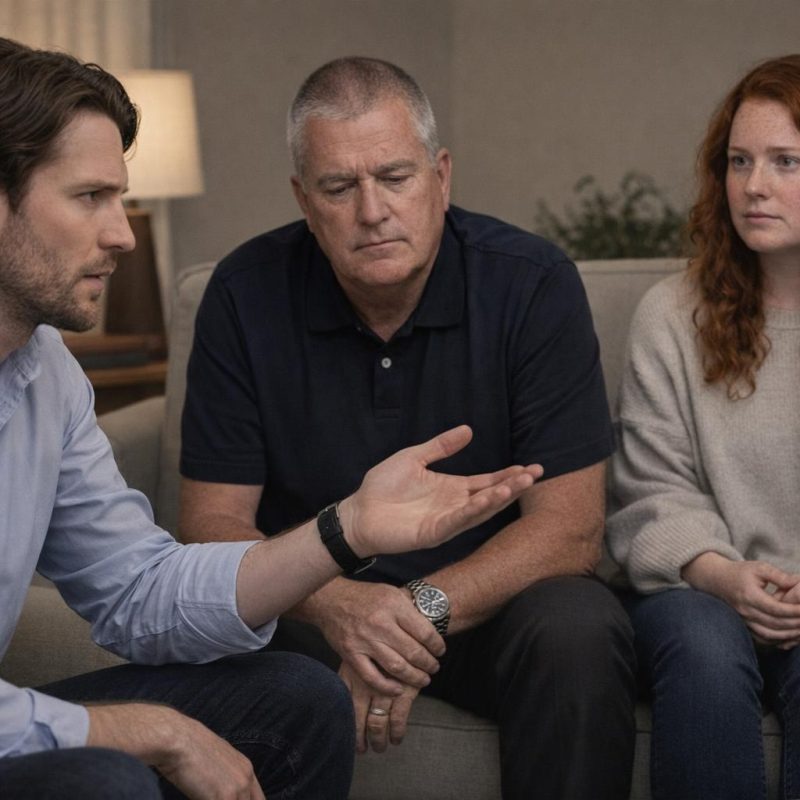 Image by RM AI
The Call Back
Emma and I sat in the kitchen after David had gone to the other room. She asked me what I was thinking. I said I was thinking we'd gotten half a story and that the other half was sitting with someone who had already tried to reach us. She looked at me and said she knew what I was about to say. I told her I needed to call Lydia back — not to follow up, not to be polite about it, but to ask her directly why she had reached out after all this time, what she needed us to know, and why now. Emma said she thought that was right. She said we'd heard David's version of the edges and we needed to hear what was at the center. I found the number in my phone, the one from the voicemail that had started all of this. Emma pulled her chair closer and sat beside me. I pressed call.
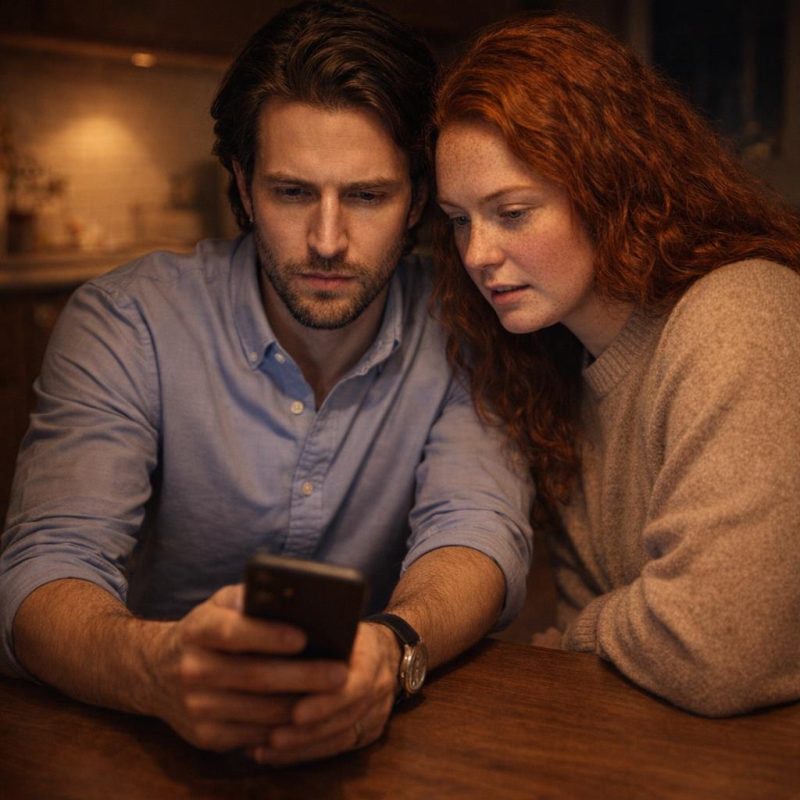 Image by RM AI
Arranging the Conversation
She picked up on the second ring. I hadn't expected that — I'd half-prepared myself for voicemail, for another message left in the dark. But she answered, and her voice was calm, like she'd been waiting. I told her I needed to talk. Not a follow-up, not pleasantries — I needed to understand what was actually happening and why she had reached out after all this time. There was a pause, short but present, and then she said she thought that was fair. She said she was willing to talk. Emma was sitting right beside me, close enough that I could feel her lean in when Lydia spoke. I put the phone on speaker and set it on the table between us. Lydia said she could talk now if we were ready. I looked at Emma. She gave me a small nod. I told Lydia we were ready. And then I sat there with the question I'd been carrying since the voicemail first arrived — the one that sat underneath everything else, the one I hadn't been able to put down — and I felt the full weight of it settle over the room before I'd even said a word.
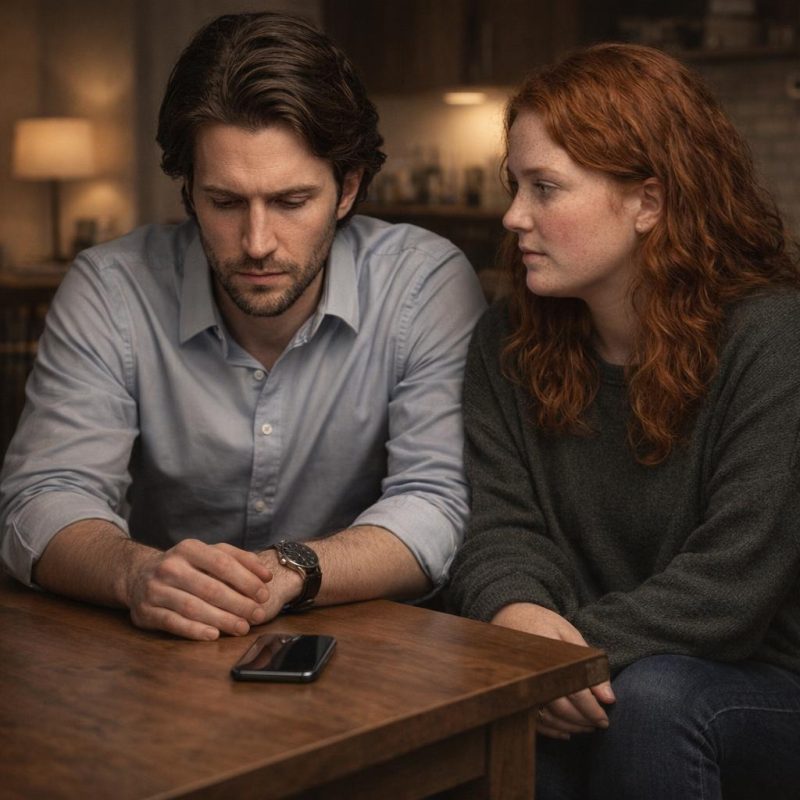 Image by RM AI
Why Now
I asked her directly. I said I needed to know why now — why after all these years of silence she had picked up the phone and left that message. Lydia was quiet for a moment, and then she said she felt it was time for the truth to come out. I asked what that meant. She said secrets have a way of surfacing eventually, that she'd carried this one long enough and she didn't want to carry it anymore. It sounded reasonable. It sounded almost too convenient. Emma shifted beside me and asked if something specific had happened — if there was a reason this was coming out now rather than five years ago or ten. Lydia said circumstances had changed in her life. She said she'd done a lot of thinking. I asked what kind of thinking. She said the kind that comes when you get older and start asking yourself what you're still holding onto and why. It wasn't a lie, exactly. But it didn't feel like the whole truth either. There was something underneath it she wasn't saying, something she was moving around rather than through, and I couldn't shake the feeling that the real answer was still somewhere just out of reach.
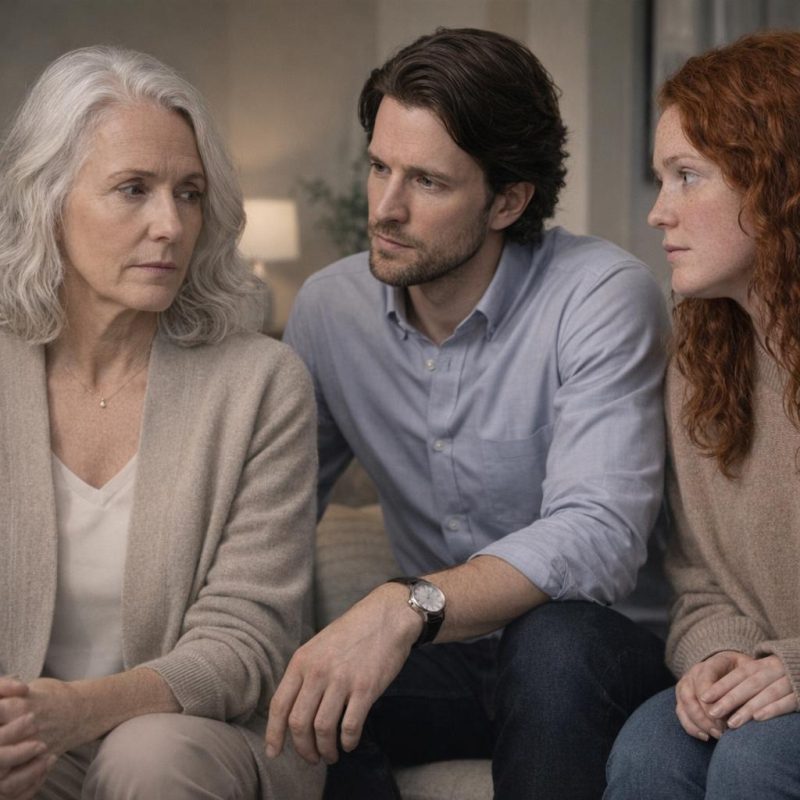 Image by RM AI
The Trigger
I told her I needed more than that. I said I appreciated that she was talking to us, but that 'circumstances changed' wasn't enough — I needed to know what specifically had shifted, what had made this the moment. Emma was watching the phone like it might say something on its own. Lydia took a breath and said that she'd had some conversations that made her reconsider her silence. I asked what conversations. She said she'd talked to some people and it had clarified things for her. Emma asked who she'd talked to. Lydia paused. She said it wasn't just one conversation, that it had been a process. I asked her to walk us through the process. She said she hadn't started by reaching out to us. I felt something shift in my chest — not understanding yet, just a change in the air, the way a room feels different before you've identified what moved. Emma's hand found the edge of the table. I asked Lydia what she meant by that. She said she hadn't started with Jordan and Emma.
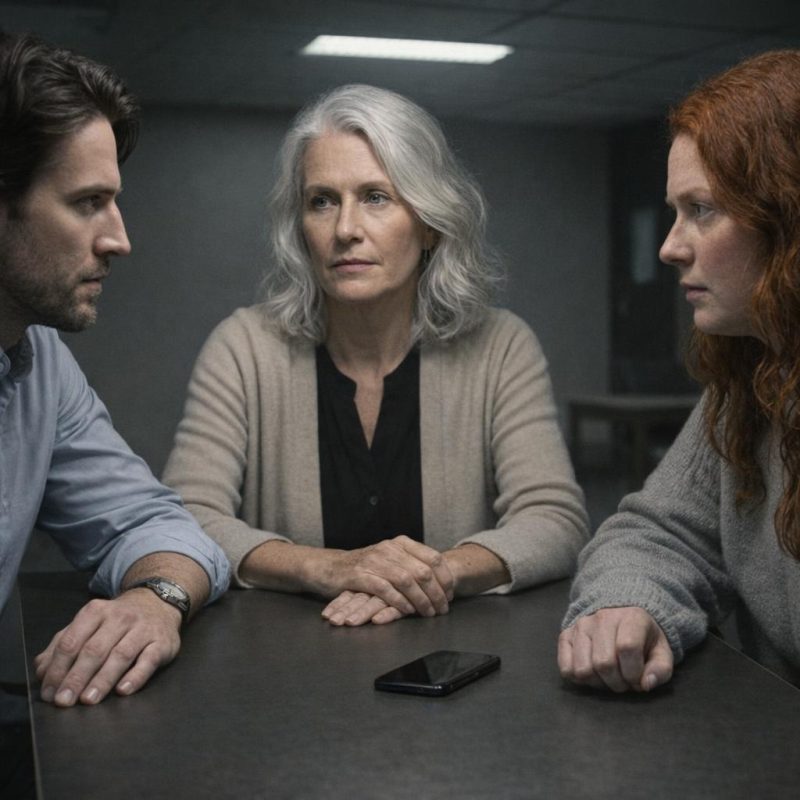 Image by RM AI
The Order
I asked her who she had started with. The question came out steadier than I felt. Emma had gone very still beside me, her eyes fixed on the phone. Lydia didn't answer right away. The silence stretched out — not long, maybe four or five seconds, but the kind of silence that has weight to it, the kind where you can feel the other person deciding something. I asked again. I said I needed to know who she had contacted before us. Lydia said she had needed to start with someone who already knew the whole story, someone who had been there. I asked her what she meant by that. She said there was a specific order that made sense to her, that she had thought about it carefully. Emma looked at me and I could see something in her face I didn't have a name for yet. I told Lydia to just say it — just tell us who she had gone to first. Another pause. Then Lydia said the name.
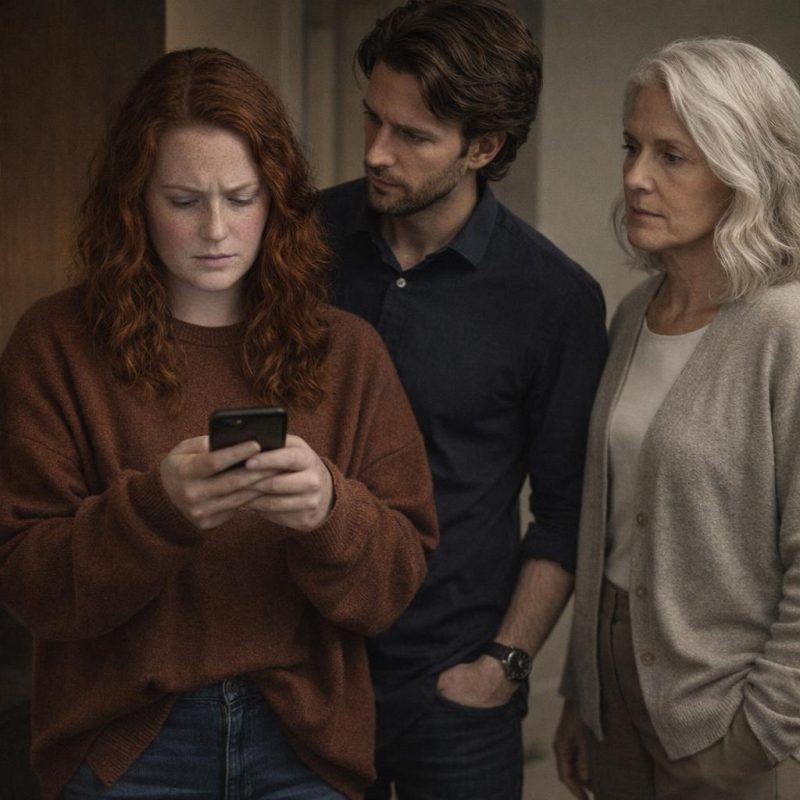 Image by RM AI
Months Earlier
She said Patricia. My mother. Lydia said she had reached out to my mother months ago — not weeks, months — and that they had spoken more than once. She said she had shared things with her, documents, details, the parts of the story my mother had never been told directly but had always suspected. Emma made a sound beside me, something small and involuntary, and I watched the color leave her face. I asked Lydia how many times they had spoken. She said several. She said my mother had needed time to process what she was hearing, and Lydia had given her that time before moving forward. I asked what moving forward meant. Lydia said it meant continuing through the family, that she had a sense of who needed to hear what and in what order. Emma pressed her hand flat against the table. I asked Lydia when exactly she had first contacted my mother. Lydia gave me a month. It was months before the voicemail. Months before any of this had started for us. My mother had known for months.
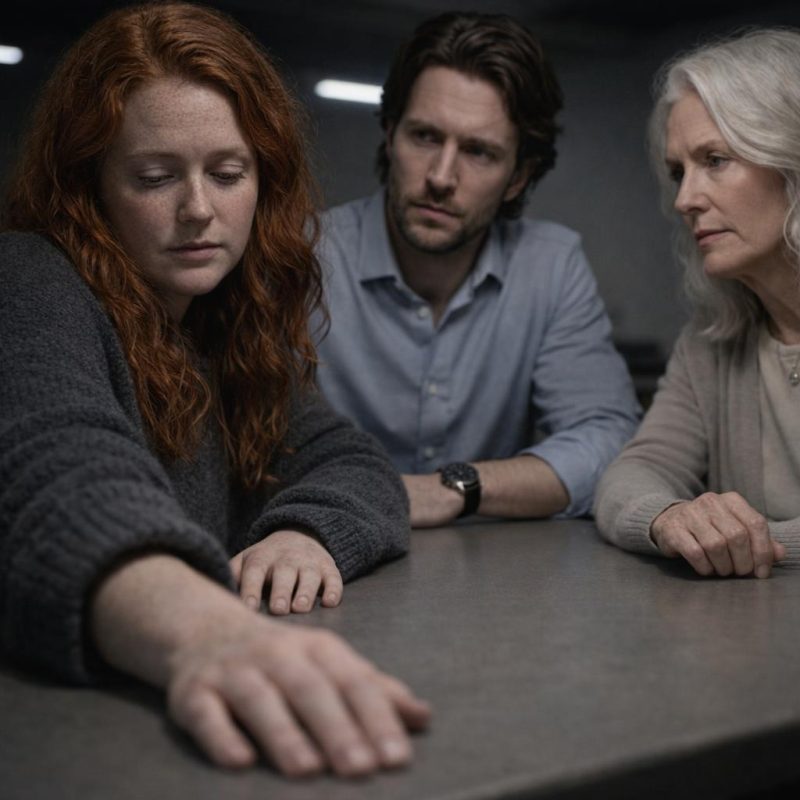 Image by RM AI
The Pattern
I asked Lydia if she had planned the sequence from the beginning — if she had always known she would go to my mother first, then Emma, then me. She said yes. She said she had thought about the order for a long time before she made the first call. She said each person needed to be approached separately, that bringing everyone in at once would have collapsed the whole thing. I sat with that for a moment. Then I turned to Emma and asked her when she had figured it out. Emma looked at me and said she suspected it when she got the second call — when Lydia reached out to her directly, not just through me. She said something about the timing felt off, like she was being worked toward rather than stumbled upon. I asked why she hadn't told me. Emma said she hoped she was wrong. She said she didn't want to say it out loud because saying it out loud would make it real. I started to respond, and then Emma said she had recognized what Lydia was doing the moment she heard that voicemail on my phone.
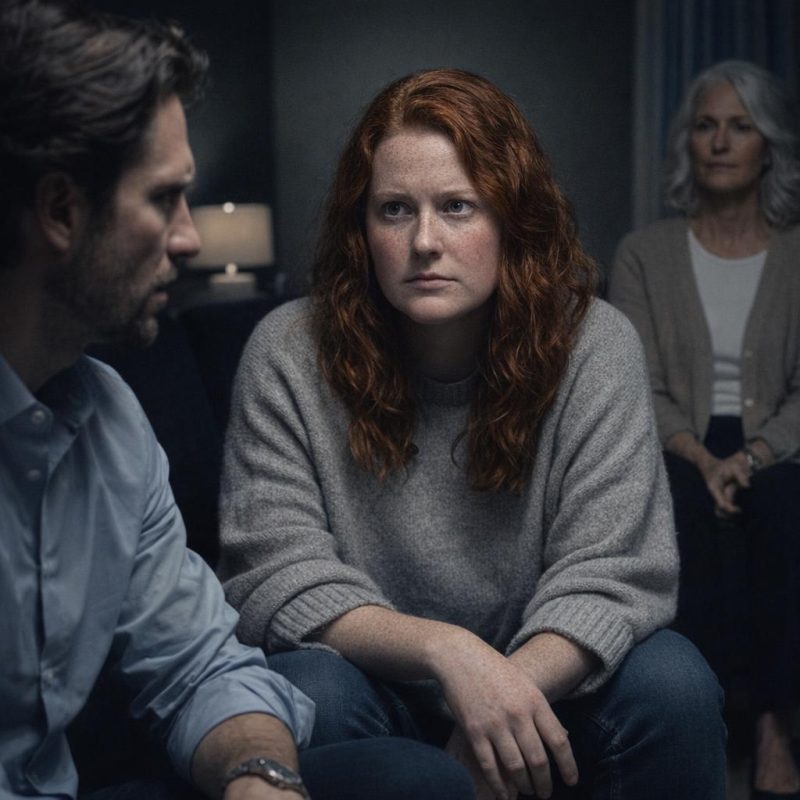 Image by RM AI
Recognition
Emma said when she heard Lydia's voice coming out of my phone — that same voice from three years earlier, the one she had blocked and tried to forget — she knew it wasn't a coincidence. She said the first time Lydia had contacted her, it had felt like a warning shot, something isolated and strange. But hearing it again, on my phone, meant Lydia had moved on to the next person. It meant there was a sequence. Emma said she stood there in my kitchen listening to that voicemail and understood that whatever Lydia had set in motion, it had already been running for a long time before it reached us. I asked her why she hadn't just told me that. Emma said she was scared. She said she didn't know how to explain it without sounding like she was catastrophizing, and part of her had wanted to believe she was wrong. She said she kept hoping the whole thing would stop on its own. I thought about all the times I had watched her face go tight and distant during those early conversations, all the fear I had read as uncertainty. She hadn't been uncertain at all. She had been carrying the weight of what she already knew, and she had been carrying it alone.
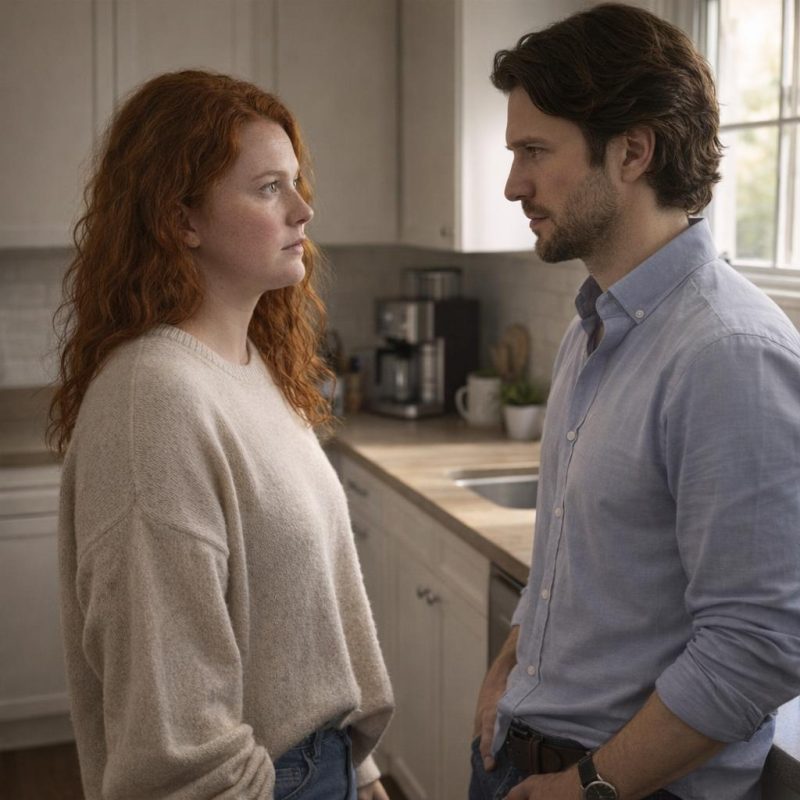 Image by RM AI
Behind the Scenes
I thought about my mother's face the first time I had brought Lydia's name up — that exhausted, careful look, the way she had chosen every word like she was navigating around something. I had read it as shock. It wasn't shock. She had already been through this. She had already sat with Lydia's voice, already heard whatever Lydia had told her, already had weeks or months to decide what she was going to say when her children came asking. Emma said our parents had been having conversations we knew nothing about — that the silences between them, the closed doors, the way David had seemed to be bracing for something, none of it had been spontaneous. I thought about my father's shifting answers, the way he had seemed to be responding to something rather than simply remembering. Emma said she thought they had been trying to get ahead of it, to decide together what to say before we arrived at their door. Every conversation I had believed was a discovery had been a response. Every moment I had thought I was uncovering something, someone else had already been there before me, and the ground I thought I was breaking had already been turned.
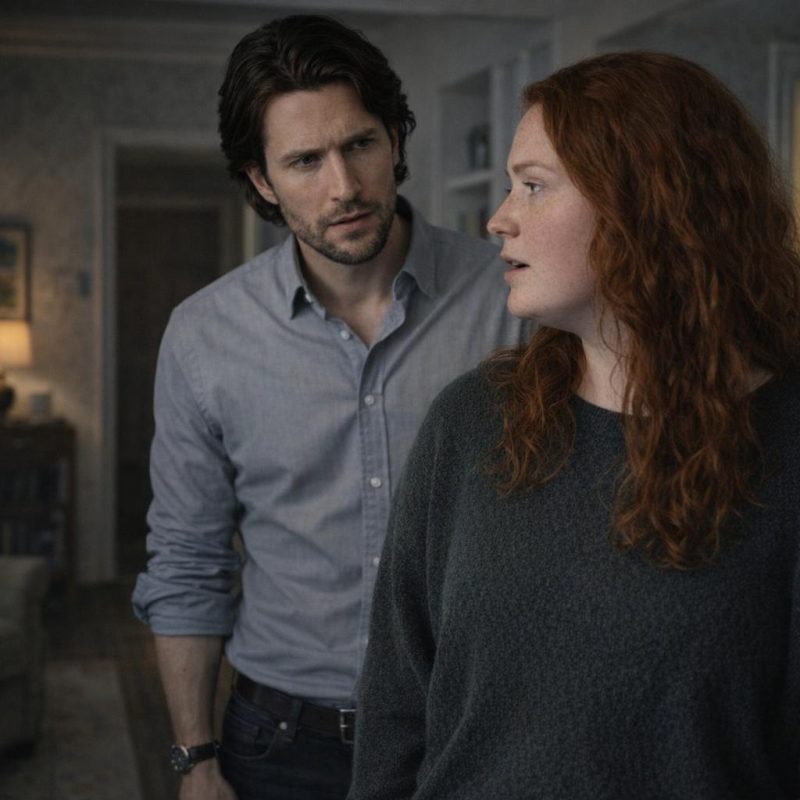 Image by RM AI
The Timeline
I didn't wait. The moment I set my phone down after thinking through everything Emma had told me, I picked it back up and called my mother. She answered on the second ring, which told me she had been expecting it. I didn't bother with small talk. I asked her directly — when had Lydia first contacted her, and what had they talked about? There was a pause on the line, the kind that isn't confusion but preparation. I could hear her breathing. I told her I wasn't calling to fight, I was calling because I needed the actual timeline, not the version she and my father had decided to give us. She said my name once, quietly, like she was steadying herself. I told her I already knew they had been talking before any of this reached me and Emma, and that I just needed her to confirm it. Another pause. Then she said it — Lydia had first called her in February.
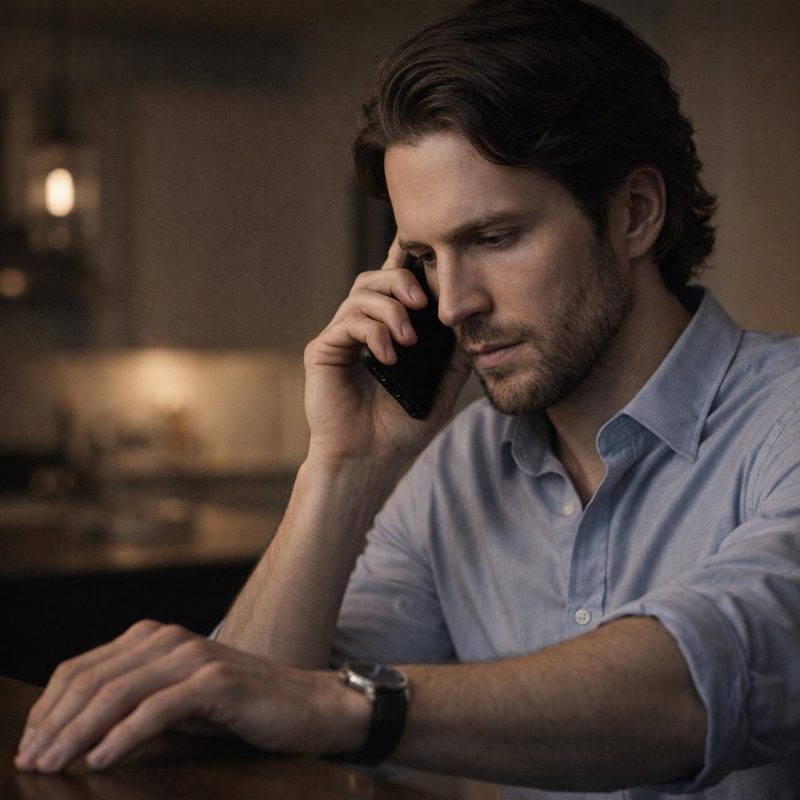 Image by RM AI
Secret Conversations
February. That was months before the voicemail reached me. I asked her to walk me through it, all of it, and she did — slowly, like someone recounting something they had rehearsed but still found painful to say out loud. Lydia had called her first, she said, not to accuse but to ask if my mother already knew. When my mother said she didn't, Lydia had gone quiet for a moment and then said she would send her something. The email arrived two days later. My mother described opening it at the kitchen table, alone, while my father was at work. There were documents — the same legal records I had eventually seen. There were photographs. There were phone records she said she had spent days trying to make sense of. She had called Lydia back twice after that, asking questions, pushing on details, trying to find the place where the story fell apart. It never did. She told me she had tried to verify things on her own, quietly, without telling anyone. And then she said the thing that landed hardest — she had seen all of it months before I had, and she had sat with it alone.
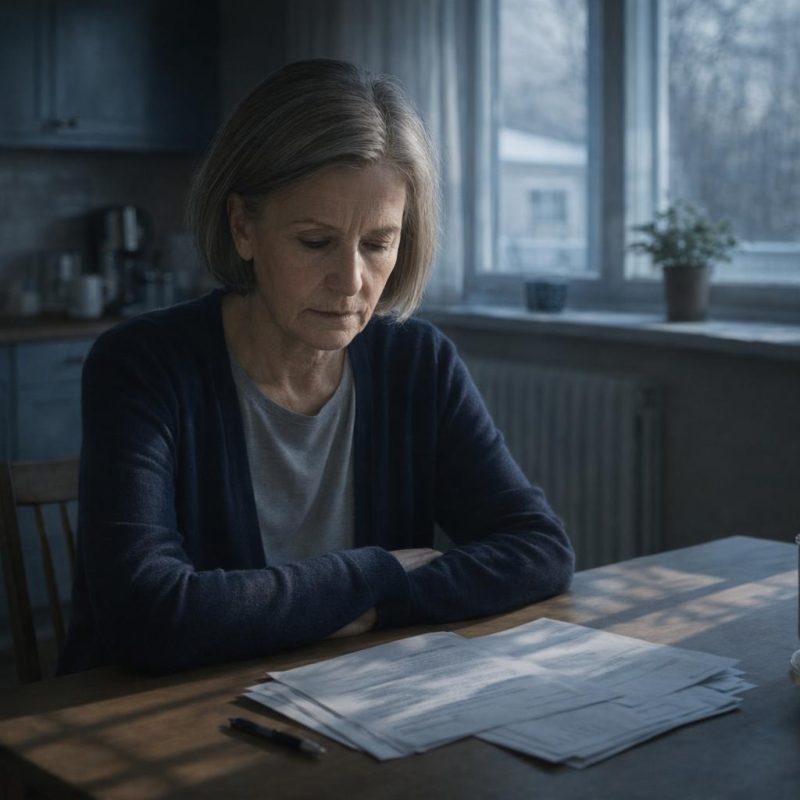 Image by RM AI
The Photographs She Saw
I asked her about the photograph specifically — the one of my father and Lydia, the one with the inscription on the back. She went quiet in a way that told me she knew exactly which one I meant. She said she had opened the email attachment and there it was, the two of them young and close, the kind of closeness that doesn't need explaining. She said she had recognized Lydia immediately, even after all those years. She read the inscription on the back — she didn't repeat it to me, but her voice dropped when she mentioned it, and I didn't push. She said she had sat at that kitchen table for a long time after, not doing anything, just sitting. She hadn't called anyone. She hadn't told my father right away. She had just stayed there with it, trying to figure out what it meant for everything she thought she knew. I thought about her alone in that kitchen, holding something that had the weight of thirty years in it, and I didn't have words for what that cost her. The silence she had carried since February settled over the phone line between us like something neither of us knew how to lift.
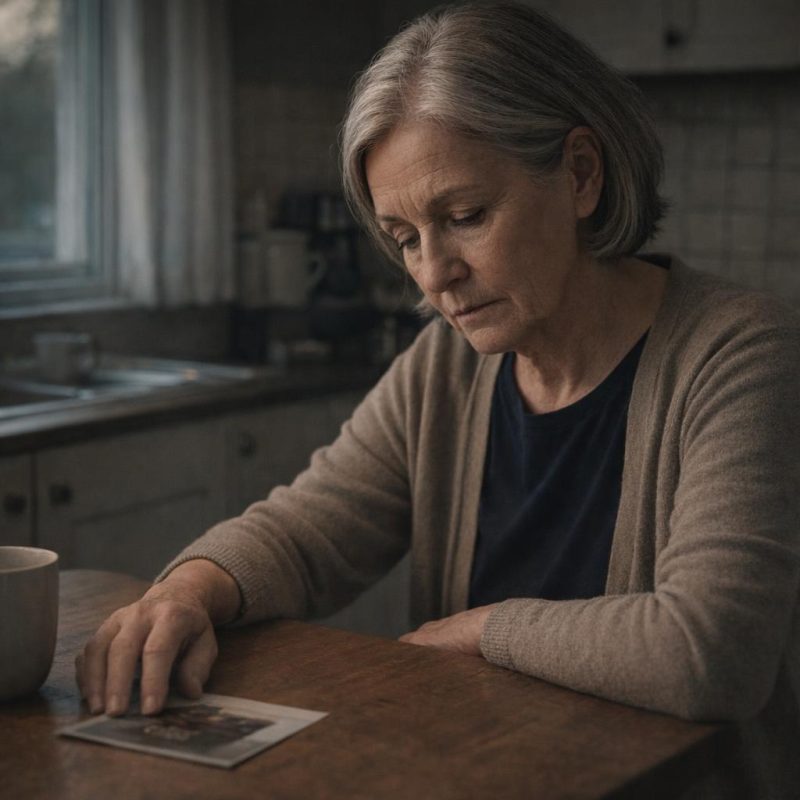 Image by RM AI
Private Discussions
I asked her when she had told my father. She said within the week — she couldn't hold it alone any longer. She described sitting across from him at the dinner table one evening after Emma and I were long out of the house, sliding her phone across to him with Lydia's email open on the screen. She said he had read it without speaking. She said they had talked for hours that night, and then again the next night, and the night after that. My father had wanted to ignore it, she said — to not respond, to not engage, to hope that Lydia would eventually stop. My mother had disagreed. She had felt the truth coming regardless of what they did, and she had wanted them to be ready. They had argued about whether to call me and Emma, whether to sit us down and explain before it reached us on its own. They had gone back and forth for weeks. In the end they had decided to wait, to see what Lydia did next, to hope the whole thing would somehow dissolve before it became something their children had to carry. I sat with that — the two of them at that table, night after night, deciding in private what the rest of us were allowed to know.
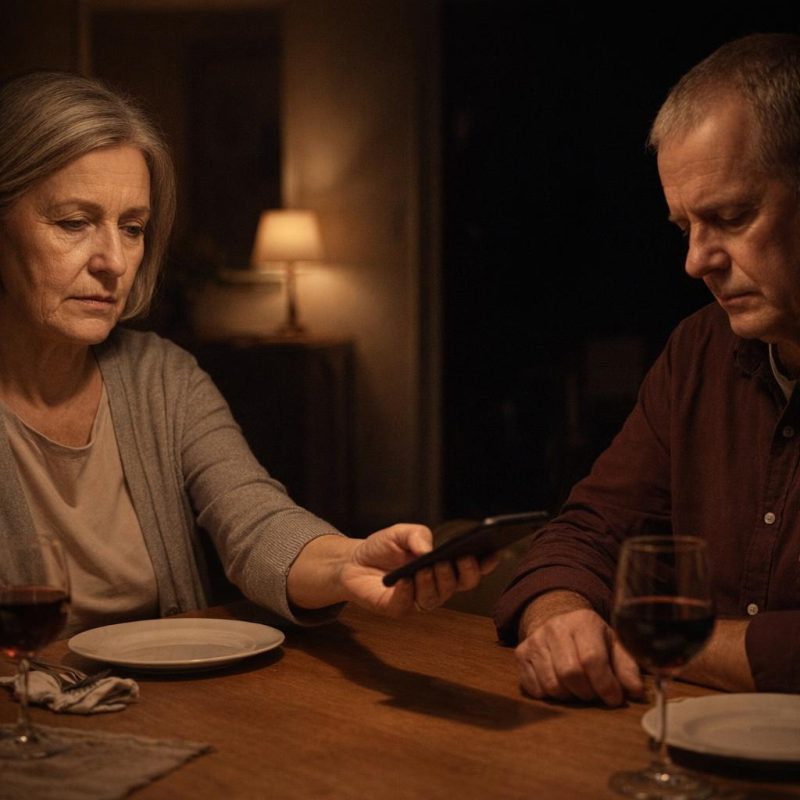 Image by RM AI
Mutual Knowledge
I asked her one more time, directly, to make sure I had it right. Had my father known about Lydia's February contact from the beginning — not just in general, but specifically, the email, the documents, the photograph? She said yes. She had told him everything within days of receiving it. I thought about every conversation I had pushed my father through, every moment he had looked at me with that careful, measured expression and said he didn't know what Lydia had told me, or that he hadn't expected any of this. He had known. He had known before I ever called him, before I ever drove to their house, before any of it. Every denial had been built on a foundation he had already seen. My mother said he was trying to protect us, that fear had driven both of them, that they had genuinely believed silence was the kindest option. I didn't argue with her. I believed she believed that. But I kept coming back to the same thing — my father had sat across from me and looked me in the eye, and he had known the whole time. The weight of that didn't lift when I understood the reason for it.
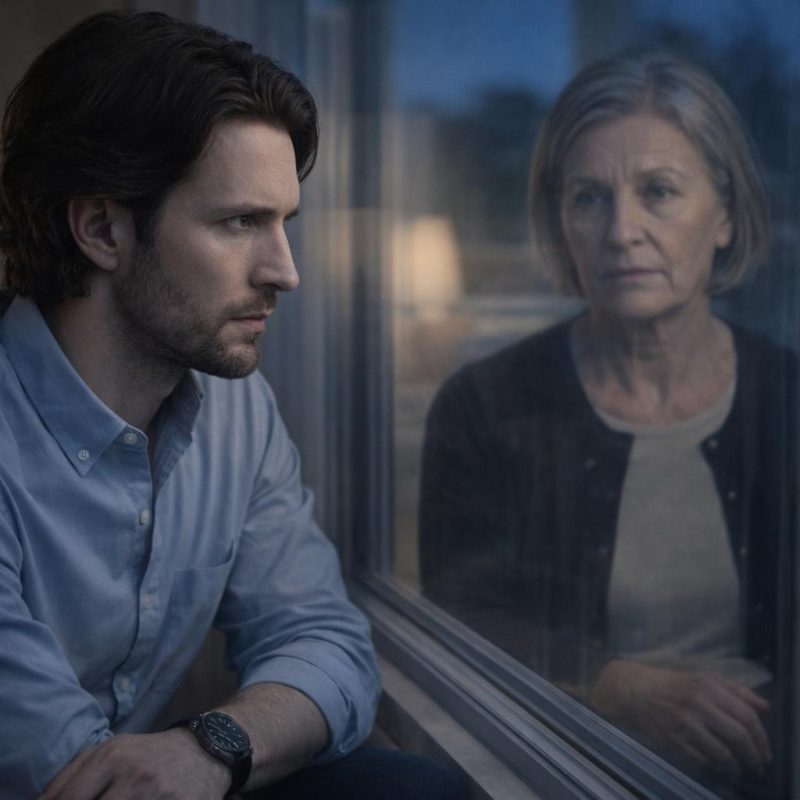 Image by RM AI
The Front
I hung up with my mother and called my father before I had time to talk myself out of it. He answered on the first ring. I didn't ease into it. I told him I had just spoken to my mother and that I knew he had been aware of Lydia's contact since February — the email, the documents, the photograph, all of it. He didn't deny it. There was a long silence, and then he said yes, your mother told me. I asked him how he had sat across from me during our conversations and said what he said, knowing what he knew. He started to explain — that he had been trying to protect me and Emma, that he hadn't wanted us to carry something he thought might still go away, that he had believed silence was a form of care. I told him it hadn't felt like care. It had felt like being managed. His voice shifted when I said that, something tightening in it. He said he understood why I felt that way. I told him I needed him to say it plainly, not as an explanation but as a fact. And he said it — he had known about your mother's contact with Lydia from the day she told him.
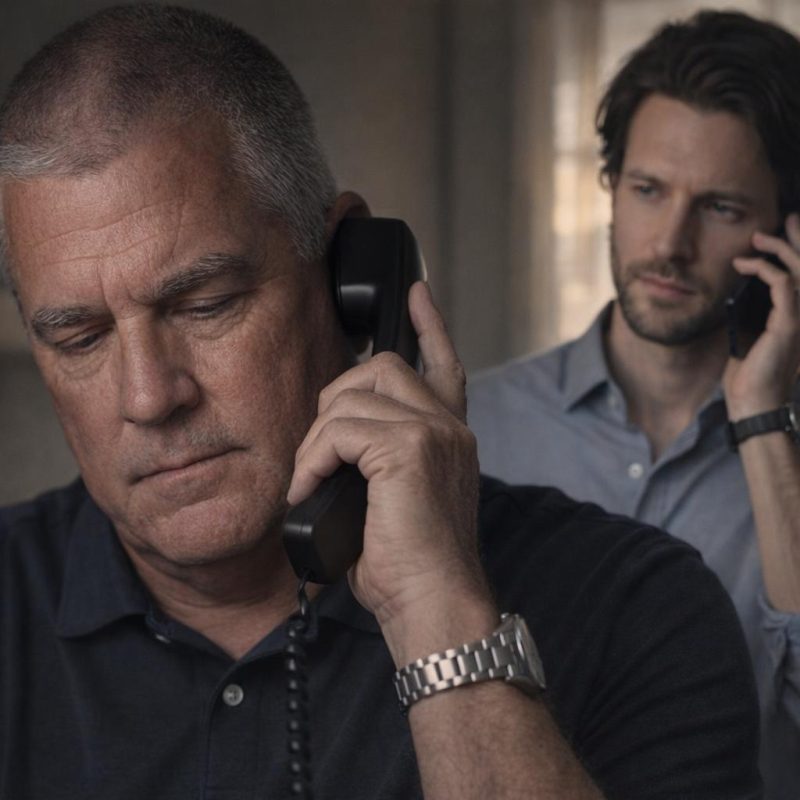 Image by RM AI
The Reason for Silence
He kept talking after that, and I let him. He said they had told themselves they were protecting us, but he admitted, slowly, that fear had been the bigger part of it. Fear that if it came out, everything would fracture — me, Emma, the version of the family we had all lived inside for thirty years. He said they had thought if Lydia didn't get a response, she might stop. That if they stayed quiet long enough, the whole thing would exhaust itself. I told him that wasn't protection, that was a gamble they made with our lives without asking us. He said he knew that now. He said he was sorry, and it sounded like he meant it, but sorry didn't reach the part of me that was still sitting with the months of misdirection. I asked him what they had actually been afraid of — not the abstract version, but the real one. He went quiet for a moment. Then he said they were afraid that if we knew the full truth about what had happened thirty years ago, we would understand why Lydia had never stopped being angry — and that we might think she had a point.
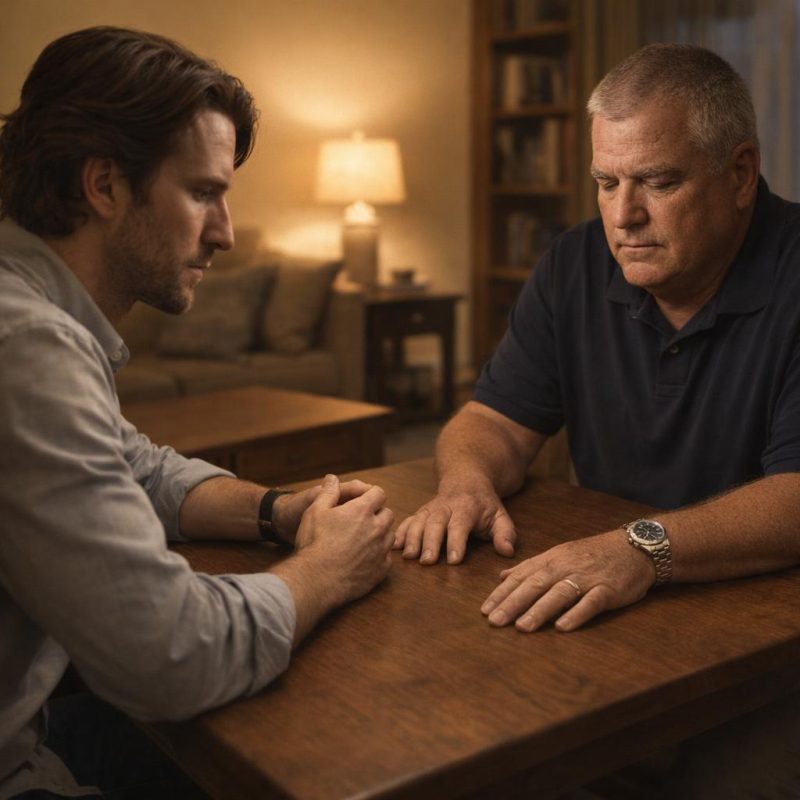 Image by RM AI
The Full Story
That answer stopped me cold. I told him I needed to hear it — the full story, not the pieces, not the version shaped around what he thought I could handle. He asked if Emma was available. I texted her while he was still on the line, and within ten minutes we were all on a call together, my mother's voice joining from another phone in the house. My father took a breath and started from the beginning. He and Lydia had been serious, he said — more serious than he had ever let on to us. They had talked about a future together. Then he had met my mother, and my mother had been Lydia's closest friend. He said the three of them had been inseparable for almost two years before anything shifted. When it did shift, it happened fast, and it wasn't clean. Patricia had known how Lydia felt. David had known too. They had made their choice anyway, and when Lydia found out, it hadn't come gently — she had found out the way people find out when the people closest to them have been keeping something. The group of friends had split down the middle. Everyone had chosen a side. And then, my father said, his voice dropping to something I had never heard from him before — there was one night, one specific night, that made it impossible for Lydia to ever let it go.
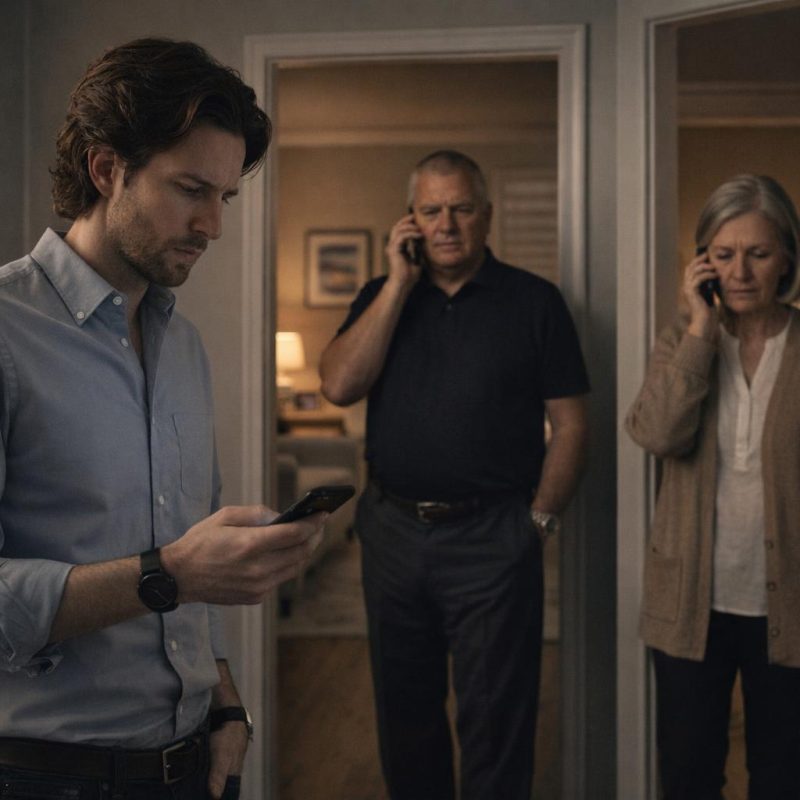 Image by RM AI
All Sides
I called Lydia that same evening. Emma was on the line with me — she had asked to be, and I hadn't said no. Lydia picked up on the second ring, like she had been waiting. I told her I'd heard my father's account, and I asked if she would give me hers. There was a pause, and then she started talking. She said the night everything broke open, she had gone to my father's apartment expecting a conversation they had already agreed to have — about their future, about what came next. Instead, she found my mother there. Not as a visitor. She said she understood in that moment that the conversation she had been expecting had already been decided without her. She didn't raise her voice when she told me this. She said she had spent years being angry, then years being quiet, and eventually she had just needed someone in that family to hear what that night had cost her. I asked why she had approached each of us separately rather than all at once. She said some truths need to land in their own space. Emma didn't speak for a long time after that. Neither did I. What I kept coming back to was this: my father had loved two people at once, my mother had made a choice that hurt someone she cared about, and Lydia had carried the weight of both of those facts for thirty years. None of them had been entirely right, and none of them had been entirely wrong.
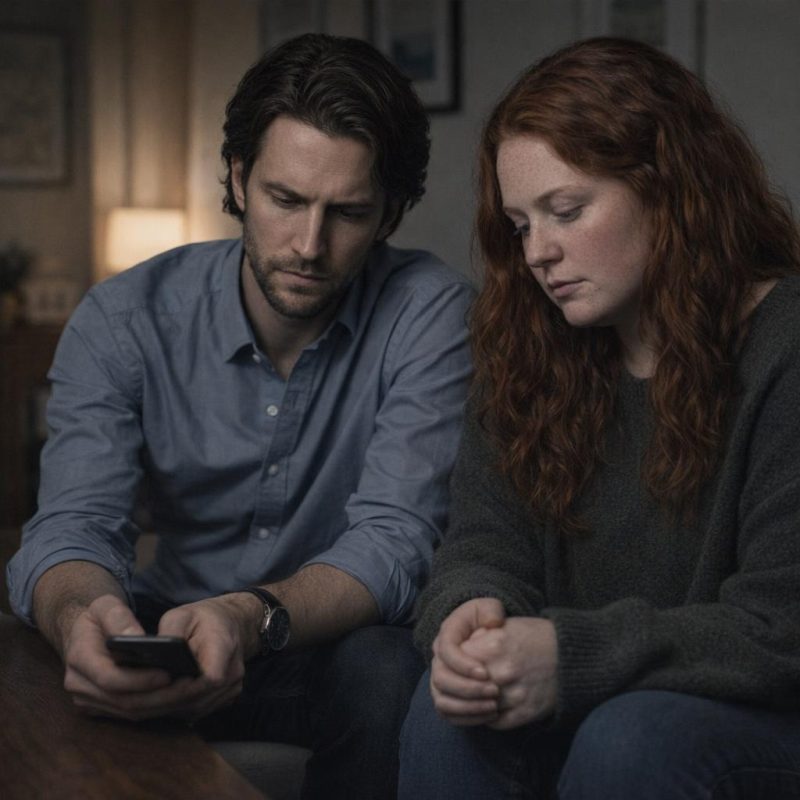 Image by RM AI
Processing
Emma came over two days later. We sat at my kitchen table with coffee going cold between us and didn't say much for the first few minutes. She was the one who finally asked how I felt about our parents now. I told her I understood more than I had a week ago, and that understanding it didn't make it easier. I said I felt betrayed — not because they had made the choices they made when they were young, but because they had decided, for thirty years, that we didn't need to know any of it. Emma nodded slowly. She said she kept thinking about all the times our mother had seemed tense around certain topics, all the moments that had never quite added up, and how she had always assumed it was just her imagination. I told her it wasn't just her imagination. We talked about whether we could forgive them. Emma said she thought she could, eventually, but that it was going to take time and she wasn't going to pretend otherwise. I said I agreed. I said I didn't think anything between us and our parents would go back to exactly what it had been, and she said she knew that too. After a while we stopped talking and just sat there, the afternoon light shifting across the table, the coffee long past drinking.
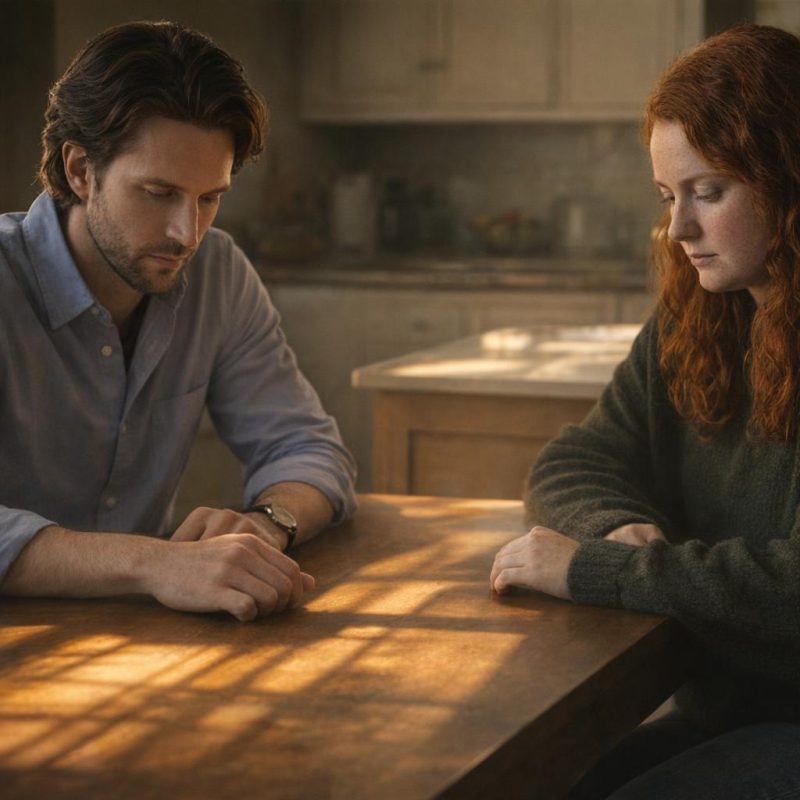 Image by RM AI
New Reality
I spent the next few days alone with it. I kept pulling up old memories — holidays, Sunday dinners, the particular way my father used to stand at the head of the table like everything was exactly as it should be. I had grown up believing our family was steady in a way other families weren't. Not perfect, but grounded. Honest. I understood now that the steadiness had been real, but it had been built on top of something that was never spoken about, and the silence had been load-bearing in ways I hadn't seen. My parents had been trying to protect something — their marriage, their version of the past, maybe us. I didn't think they were wrong to want that. I also didn't think they had been entirely right to keep it. The truth was somewhere in the middle, the way most truths are when you get close enough to them. I thought about Lydia too — the life she had built after that night, the years she had spent carrying something that the other people involved had simply moved on from. I wasn't going to see my parents the same way again. I had accepted that. What I hadn't expected was how much room that acceptance left — not emptiness exactly, but space where a simpler story used to be.
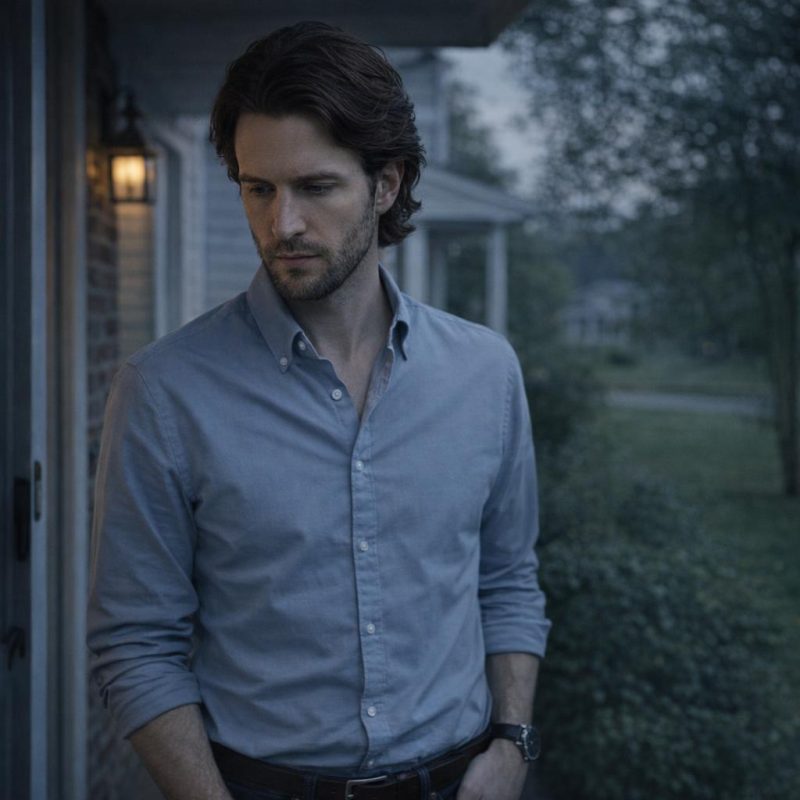 Image by RM AI
Moving Forward
I called my parents and asked them to come over. Emma was already there when they arrived, sitting on the couch with her hands wrapped around a mug. My mother came in first, and I could see from the way she moved that she had been bracing for this. My father sat down across from me and didn't look away. I told them we weren't there to relitigate everything — we had heard it, we understood it, and we were trying to figure out what came next. My mother said she was sorry. Not a qualified sorry, not a sorry-but — just that she was sorry for the silence, for the years of it, for what it had cost all of us to find out the way we did. My father said he had told himself for a long time that keeping it buried was the same as protecting us, and that he could see now it wasn't. Emma said trust was going to take time to rebuild and she needed them to understand that. They both said they did. I told them I wasn't walking away. I said I wanted us to try — not to go back to what we were, because that wasn't possible, but to build something that could hold the truth in it. My father looked at my mother, and then he looked at me, and he said he thought we could do that.
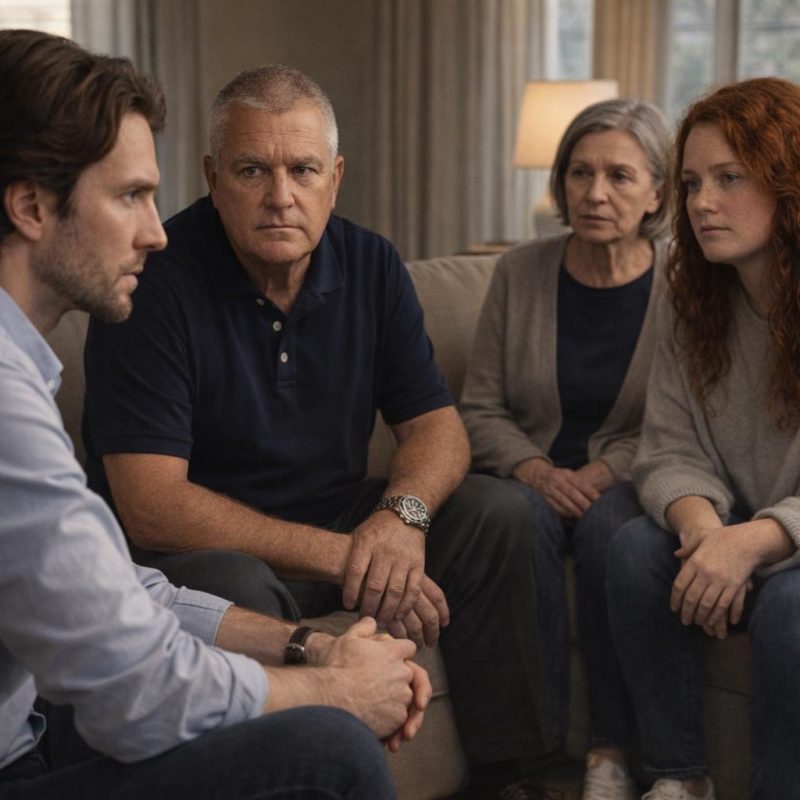 Image by RM AI
KEEP ON READING
The story of Ching Shih, the Woman Who Became the…
Unknown author on WikimediaFew figures in history are as feared…
By Emilie Richardson-Dupuis Dec 29, 2025
Einstein's Violin Just Sold At An Auction—And It Earned More…
A Visionary's Violin. Wanda von Debschitz-Kunowski on WikimediaWhen you hear…
By Ashley Bast Nov 3, 2025
This Infamous Ancient Greek Burned Down An Ancient Wonder Just…
History remembers kings and conquerors, but sometimes, it also remembers…
By David Davidovic Nov 12, 2025
The Mysterious "Sea People" Who Collapsed Civilization
3,200 years ago, Bronze Age civilization in the Mediterranean suddenly…
By Robbie Woods Mar 18, 2025
20 Greatest Ancient Athletes In History
Ancient Olympics. Long before modern stadiums and multimillion-dollar endorsements, athletes…
By Sara Springsteen May 1, 2026
20 Soldiers Who Defied Expectations
Changing the Rules of the Battlefield. You’ve probably heard plenty…
By Annie Byrd Feb 10, 2026